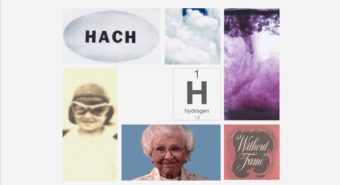
March 8th is International Women’s day, this documentary profiling eight remarkable women who have made important contributions to the field of chemistry is a great show to commemorate the day.
The Women in Chemistry project set out to present a group of eminent women chemists in all their dimensions principally to inspire young women to consider careers in the chemical and molecular sciences.
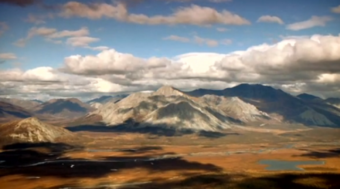
“America’s Wildest Refuge” is an ecological and historical portrait of the Arctic Refuge commonly referred to as ANWR. This film shows that this fragile landscape is so much more than an acronym. Meet early conservationists who helped establish the refuge, the Alaska Natives who rely upon it for their subsistence way of life, and those who look to it for economic sustenance.
Near the top of the world, scientists are using new strategies to understand the earth’s changing environment. Evidence that global climate change is heating up the Arctic has researchers working to unravel the complex interrelationships between the water, soil, plants, animals and atmosphere- and in turn, how they will affect the lives of northern people.
First ever Sitka WhaleFest FilmFest at Centennial Hall.
For the past few weeks, as part of the Scientists in Schools program, kids in Sitka have been conducting all sorts of science experiments with the scientists who will be presenting at Whalefest.
Remember that moment when you were first hooked on science? For me it was because of something very much like the kids in the schools of Sitka have been experiencing for the past few weeks. I was in 5th grade when my teacher, Mrs. Hughes, brought in cow’s eyeballs, brains and lungs for the class to dissect. I remember it was messy, kind of gross and well, just really cool.
Whalefest is a wonderfully multi-disciplinary showing of all things whales. In addition to the science symposiums, there is music, art, food, drink, a fun run/walk, and new this year — a film festival.
Ellen Chenoweth, the curator of the first WhaleFest FilmFest, relayed what each filmmaker said hooked them on science as she introduced each film. The films were between 2 and 8 minutes long and topics ranged from research on salmon, steelheads, and giant pacific octopus to whale entanglement avoidance and necropsies.
Below is a compilation of some of the shorts shown at the Film Festival. Use your mouse to navigate around, click on the video pieces and zoom in and out on the different sections below.
When asked about how she came to the idea of making a film festival part of WhaleFest this year, Chenoweth had this to say.
When you go to a scientific talk everybody loves to see videos, everybody loves to hear clips of sounds of animals and things like that, so it’s definitely becoming more common and more appreciated in presentations ‘cause scientists are people too and we enjoy being entertained and seeing things visually and hearing them as well as looking at graphs and being told what happened.
And was it a tough sell to get it into the WhaleFest or how did that go?
No, it was an easy sell, it was almost too easy, I said hey I have this idea and then Lisa said yes, and Maddison said yes, Jan said yes and then I had to actually make it happen.
About 150 people showed up for the festival and It was a great showing of scientific research happening around the state. There’s sure to be a lot more good science, art and entertainment this coming weekend. I’ll be tweeting some of the action with the hash tag #sitkawhalefest2013 so you can follow along.
Close
Update notification options
Subscribe to notifications
Subscribe
Get notifications about news related to the topics you care about. You can unsubscribe anytime.