Public Safety
In 2013, Juneau police seized nearly $2 million in illegal drugs and drug money. What can the Assembly do to curb drug use in Juneau?
The Assembly’s responsibility it to fund a police force that enforces the law and also to help fund and get block grants for services for people who are trying to not do those things anymore. We work with the community development block grants. There’s an advisory committee that helps give out funding for services for people who need the services to try to stop doing those activities. Those are the things that the Assembly has control over. Community policing. I love the idea of the Coffee with a Cop, having people come and meet police officers and work together on those challenges that the city faces. I think in general, we have such a great community and so many people volunteering their time to serve this community on boards, on committees, on teaching people violin, on volunteering at Little League. There are so many people volunteering their time. I think we have a great community and working together we can meet those challenges.
Juneau Police Chief Bryce Johnson was quoted in the Aug. 8, 2014, Juneau Empire regarding this specific matter, or these matters in general. And the Empire reported that the police chief noted that there is an interesting disconnect between the Juneau residents and what they perceive to be the town’s biggest issues compared to what the police perceive to be the issues. And it’s important that we listen carefully to what the professionals in the industry have to say about these matters, and that we move forward accordingly and making sure that our community understands what our real issues are, because it sounds like there’s a bit of disconnect right now.
I think that we really need to make sure that we form strong partnerships with the professional associations and organizations in this community that address those specific issues and that we work with them. They’re the professionals and it’s important that we listen to what they’re saying and that we follow their lead.
If I knew the answer to that, then there’d be all kinds of communities looking for my help. Certainly, having successful families can bring about some reduction in the potential for children to move towards drugs. Although, there’s plenty of adults that are drug users.
If we can increase the possibility that a person can have a job and have a good place to live, that you reduce the stresses and the social problems that, I think, precede drug use. That’s something that I’ve learned working all these years working with Catholic Community Services. Certainly, the non-profits and the service providers in this town are expert in helping with these kinds of problems. As a person who’s always worked in the private sector, I’ve also seen being on the (CCS) Board that a number of these problems that could be mitigated if there were just be good jobs for people to have and good places for them to live. That’s one of the things that I think as a community we want to focus on. If we could foster growth in the community, some of those problems could be solved. At the end of the day, you’re always going to have problems. There’s always going to be need. Something like Housing First and other initiatives – both in the non-profit area and in the quasi-public-private sectors – are going to be necessary to help us come to grips with that. It’s not just a law enforcement problem.
I think JPD does a really strong job of investigating and trying to break apart rings of drug dealers and the drug importation into our community and it’s very important that the Assembly continue to support the police department in that mission. And we’ve done that and I think we’ll continue to do that.
The problems of addiction are really the demand side of supply and demand. I think JPD works very hard, and pretty effectively, on the supply side. The demand side is tough. I think the things we do as a community to strengthen our youth and our opportunities for youth, to address addiction and the problems it causes all work at the edges, because addiction really is a chronic and a worldwide illness.
So we need to continue our support for JAMHI (Juneau Alliance for Mental Health Inc.), because a lot of folks start into the addiction problem as they’re trying to self-medicate their mental health problems. We need to continue our support for other nonprofits that strengthen connections between people in our community. And ultimately we need to make sure that we have opportunities for people, so that people don’t get into the cycle of hopelessness and helplessness, and so that people who do make these terrible mistakes have opportunities as they try and climb out of the pit that addiction can be.
This has to start with prevention and education. The only way to curb the effects of drug use in our community is to stop kids from starting. The younger a person starts using drugs, the more likely they are to develop severe problems later in life. I do believe that we need a treatment center available locally. Families in Southeast Alaska are most of the time having to send their loved ones out of state for treatment. Once we can identify our partners in addressing this, I believe that having a treatment facility available locally is going to be the key to helping people currently affected by these problems. But once again, I cannot stress enough that it’s important to begin education early and often with our young people.
I think drug use is definitely a problem in Juneau and I think they’re doing a lot to stem the tide, both with working with the federal authorities to track the drugs as it comes into town. Other than that I think the only thing we can do is encourage the police to work further. I think it’s a hard problem to solve because it’s somewhat easy to hide, but I think continued enforcement, especially on the harder, more prevalent drugs like methamphetamines, need to really be looked at prioritized.
I think that people that use drugs are going to do what they can to get them. They’re going to know people that can get what they need. So, the only way to really combat that would be to first stop everything from getting into the city to the best of our ability. But then, also, having enough programs and places for people to go for help, that’s important. The main thing is stopping the access to the drugs, and then assisting people in recovering from the use.
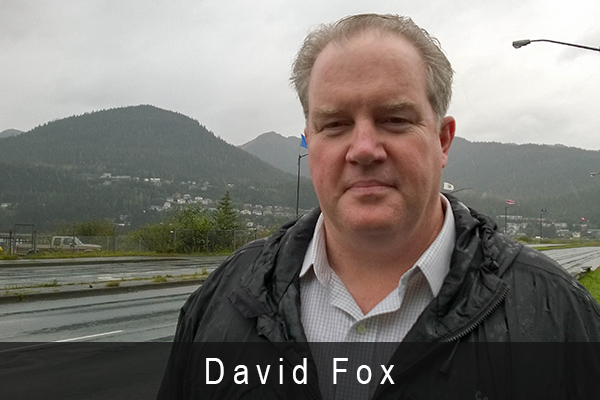
Vigorous enforcement of first time offenders is certainly one way to go. Treatment, treatment centers, treatment programs, any of those things should be consistently funded, should be helped out.
I think, it’s a — getting back to — and I keep doing this … things are multifaceted approach to me. … That’s kind of a thing, between the treatment, and the law enforcement, and especially treatment for folks who want to do it. I’ve had members of my own family have problems, distant family have problems, and I can understand the need for them, you know, seeking treatment and wanting help for those types of problems. I think it’s a full 360 type enforcement Those programs are often very successful, and I think that’s a great thing. And that conversely lessens the law enforcement end of things much as anything else.
View the other Juneau topics