
In this session, “Where is Europe’s Power? Transnational Standards and Diplomatic Expertise in Brussels”, we hear from University of British Columbia’s Dr. Merje Kuus. How do European diplomats know what they know and how have they come to know what they know? By considering the social lives of diplomatic expertise, a ‘peopled’ and ‘experience-near’ account…
International Politics
What Happened to Cooperative Security? The Rise and Fall of the Post-Cold War Security Regime
In this session, “What Happened to Cooperative Security? The Rise and Fall of the Post-Cold War Security Regime”, we hear from Johns Hopkins University’s Dr. Terrence Hopmann. With the end of the Cold War, hope dawned that a new era of cooperative security might arise in the trans-Atlantic region, replacing the competitive alliances of the…
Europe, Russia, and the Transatlantic Divide: Security Relations in Turbulent Times
In this session, “Europe, Russia, and the Transatlantic Divide: Security Relations in Turbulent Times”, we hear from Northeastern University’s Dr. Mai’a Cross. The European Union has recently made many advancements in consolidating its common approach to foreign policy and security, from the 2016 Global Strategy to the launch of a European defense union. After many…
Making America Normal Again--With a Little Help from Europe
In this session, “Making America Normal Again--With a Little Help from Europe.”, we hear from Willamette University’s Professor James Nafziger. How can the U.S., working with our European allies, get back on track to ensure fulfillment of our international obligations and, perhaps more importantly, to restart suspended initiatives and consider new ones to improve international…
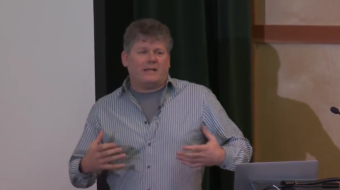
US-German Relationships: Why They’re Grim and How We Can Make Them Worse.
In this session, “US-German Relationships: Why They’re Grim and How We Can Make Them Worse.”, we hear from Brigham Young University’s Dr. Wade Jacoby. One year on, how can we understand the Trump Administration and Transatlantic Relations? Spoiler alert: they’re not great, but they do have the potential to get much worse. This talk covers…
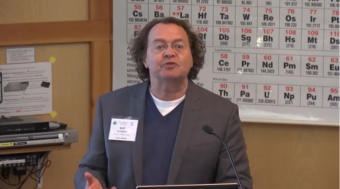
Changes in the World Order: From ‘Embedded Liberalism’ to ‘Hyper Globalization’ to ‘Economic Nationalism
In this session, “Changes in the World Order: From ‘Embedded Liberalism’ to ‘Hyper Globalization’ to ‘Economic Nationalism’”, we hear from University of British Columbia’s Dr. Kurt Huebner. After WWII, we saw the establishment of an international order under the hegemony of the US. This order started to collapse during the 1970s and was followed by…