
Roland Bunch has worked as a consultant in agricultural development for over 40 NGOs and governments in 50 nations, including Cornell University, the Ford Foundation, several of the Oxfams, Save the Children, CARE, and the governments of Guatemala, Honduras, Swaziland, Laos and Vietnam. In 1982, he authored the second of his four books, Two Ears…
International Politics
Finding a Future in the Middle East
When the Middle East is in the news, it can be hard to understand the context. Paul Barker traces the history of Iran and their relations with the United States with remarkable clarity and optimism. Paul Barker was most recently Country Director for Save the Children International in Afghanistan. He will share insights about opportunities…
Cyberwar and Warfare
What is cyberwar? Why doesn’t mutually assured destruction work with cyber threats? And why did all the computers in an underground nuclear facility start playing rock music at 3:00 in the morning? A fascinating exploration of how cyber attacks happen and how it affects governments and private enterprise. Lawrence Husick is Co-Chairman of the Foreign…
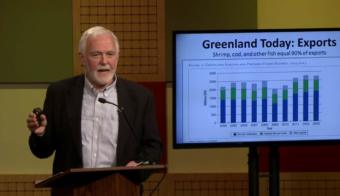
Greenland and the Changing Arctic: Climate, Culture and Self-Determination
The Juneau World Affairs Council presents “Greenland and the Changing Arctic: Climate, Culture and Self-Determination” with Richard Caulfield. Caulfield is an author and the provost of the University of Alaska Southeast. His doctoral dissertation focused on aboriginal subsistence whaling in Greenland and cultural dynamics of natural resource use in the Arctic. This presentation was recorded…
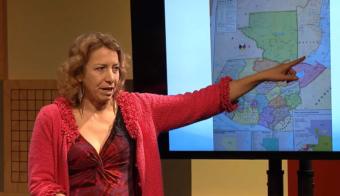
Revisiting Human Rights in Guatemala in the Aftermath of the Civil War
Maria Offer presents “Revisiting Human Rights in Guatemala in the aftermath of the civil war.” Offer is a reading and curriculum specialist and education consultant who does volunteer literacy work with Indigenous communities in Mexico, Guatemala, and Peru (as well as developing culturally responsive programs for Alaskan Native students). She did volunteer work in Guatemala…
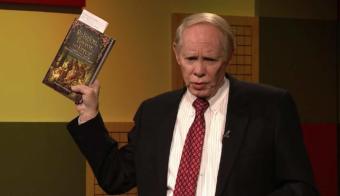
Faith-based Diplomacy: Bridging the Religious Divide
The Juneau World Affairs Council presents “Faith-based Diplomacy: Bridging the Religious Divide” with Douglas Johnston. Johnston is president and founder of the International Center for Religion and Diplomacy. The nongovernmental organization’s mission is to prevent and resolve identity-based conflicts that exceed the reach of traditional diplomacy by incorporating religion as part of the solution. Recorded…