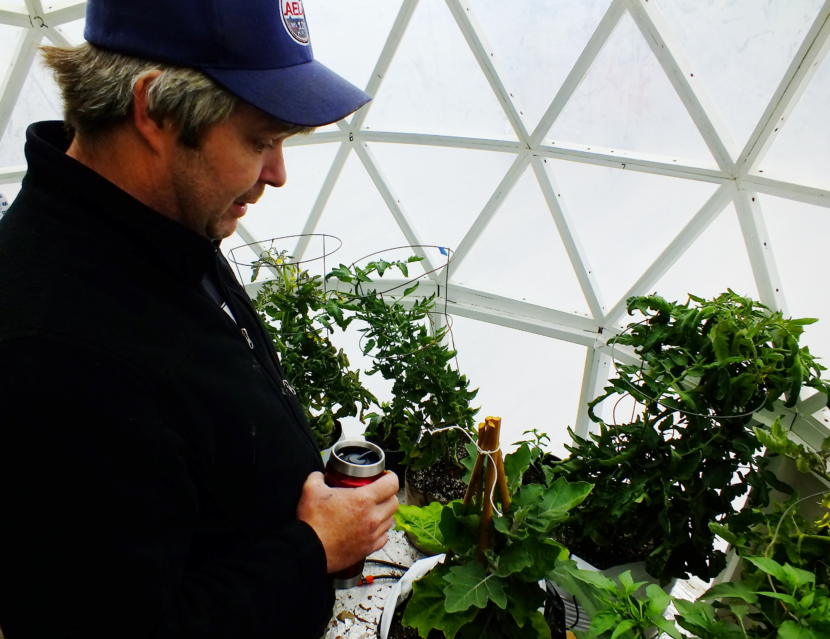
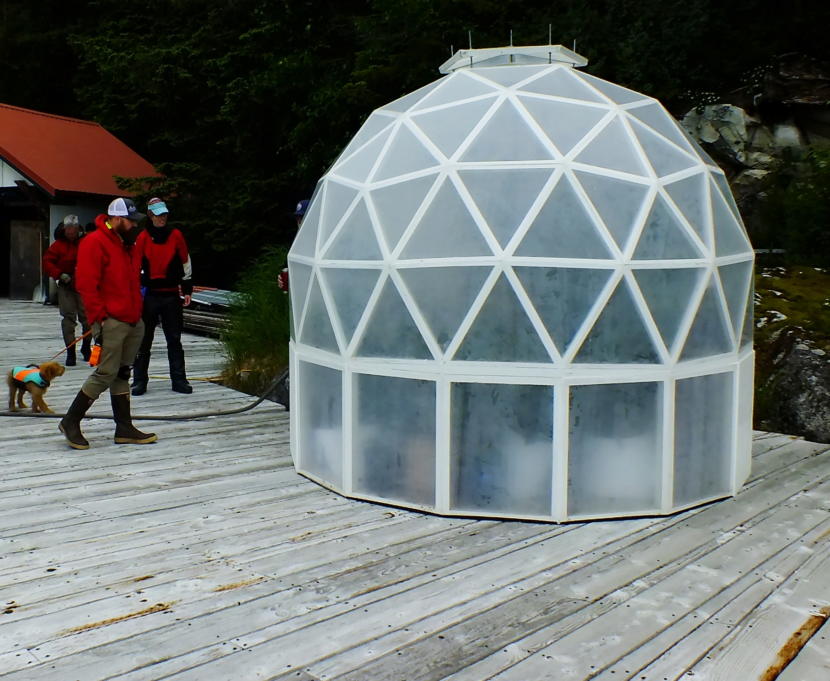
For those gardeners with greenhouses, don’t forget to open the vents and windows to create some air flow inside. Otherwise, gardeners may be disappointed to find their vegetables and plants turned to mush and covered with a grayish mold.
“That’s with our cooling temperatures, nighttime temperatures and higher humidity,” said Master Gardener Ed Buyarski. “That’s what happens. It’s perfect mold-growing conditions.”
Buyarski encourages using heavy oscillating fans inside the greenhouse to keep the air moving and prevent mold spores from settling on your plants.
He also advises removing the offending leaves and parts of the plant immediately if they become infested with mold.
Tomato plants may still be flowering, but Buyarski recommends thinning plants, trimming plant tops, and removing any of those new flowers. It’s way too late anyway for those new flowers to develop into ripe tomato fruit this season.
“So, if we can trim those tops, then that forces the plant to put his energy ripening the tomatoes it’s already set,” Buyarski said. “We can also help stress them to do that by slowing our watering.”
Also, don’t forget to harvest other vegetables, like cucumbers, that have already stopped producing.
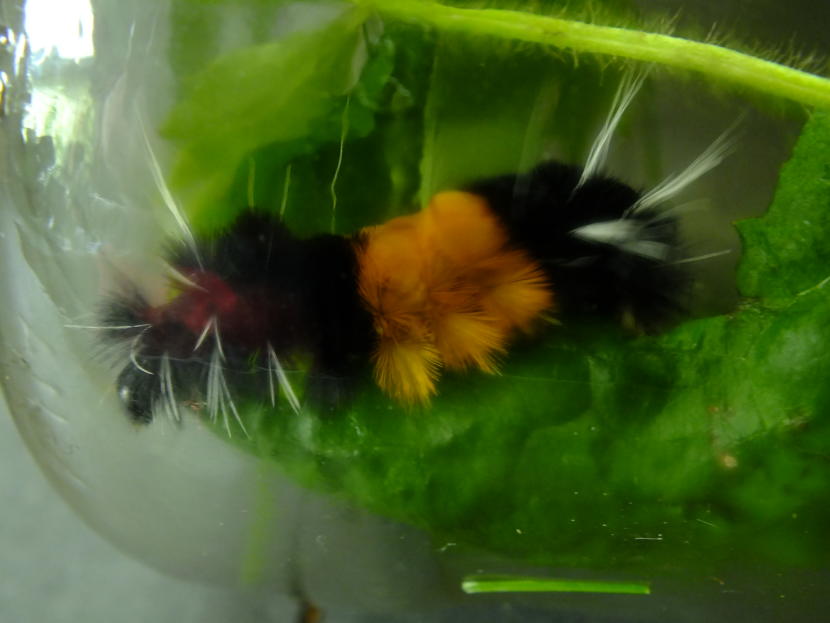
Buyarski said he’s still getting comments about removing woolly bear caterpillars before they attack kiwi plants, berry bushes and apples trees. He got some feedback at the recent Juneau Food Festival from someone who wasn’t happy about his suggestion of squishing and squashing the fuzzy, black-and-orange caterpillars into oblivion.
“I’m growing stuff for me, for my friends and for other people, and trying to teach people to do that ,” Buyarski said. “Grow food for us. I’m selective about who I’m sharing with, let’s say.”
Buyarski also reports that a neighbor recently developed a severe allergic reaction after getting a woolly bear caterpillar and its irritating long, white hairs down his shirt. His skin was already blistering by the time his neighbor’s wife got his shirt off.
“She ended up giving him a couple of Benadryl and using some alcohol to wipe down, to clean off the skin,” Buyarski said. “And it took some hours for the swelling and reaction to go away.”
Buyarski also said that an emergency room provider suggested applying an oatmeal paste or a paste of water and baking soda on the blisters to help soothe the skin.
Do you have a garden question for Ed? Fill out the form below, and he’ll answer your question in an upcoming segment.
Listen to past episodes and subscribe to the podcast on the “Gardentalk” page, so you’ll never have to worry about missing Thursday’s live radio broadcasts.