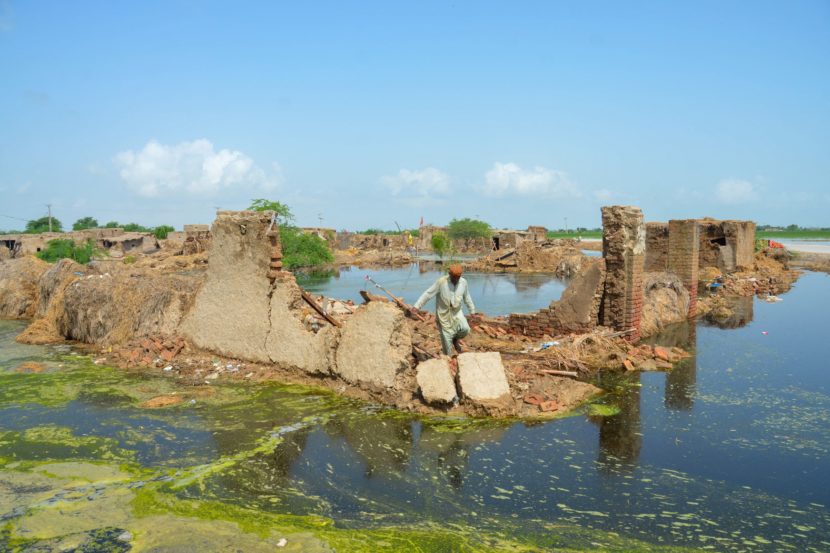
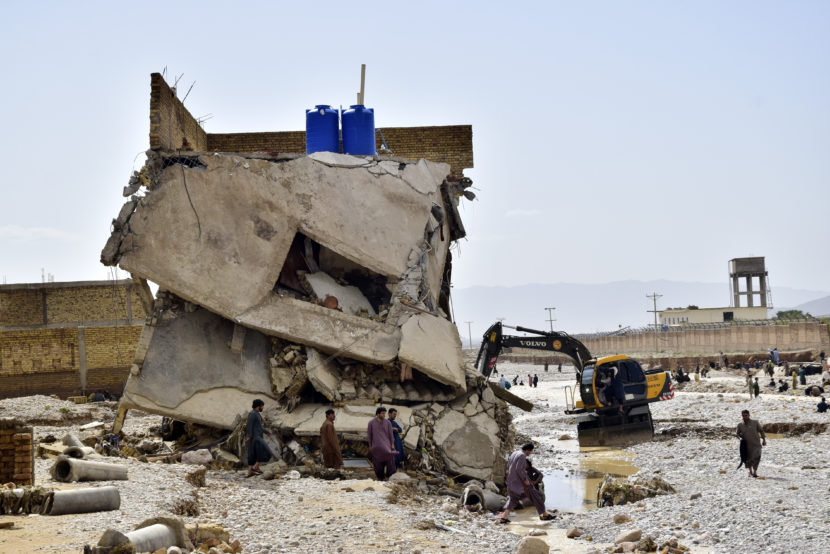
A man walks over his collapsed mud house after heavy monsoon rains in Jaffarabad district, Balochistan province, on Aug. 28. (Photo by Fida Hussain/AFP via Getty Images)
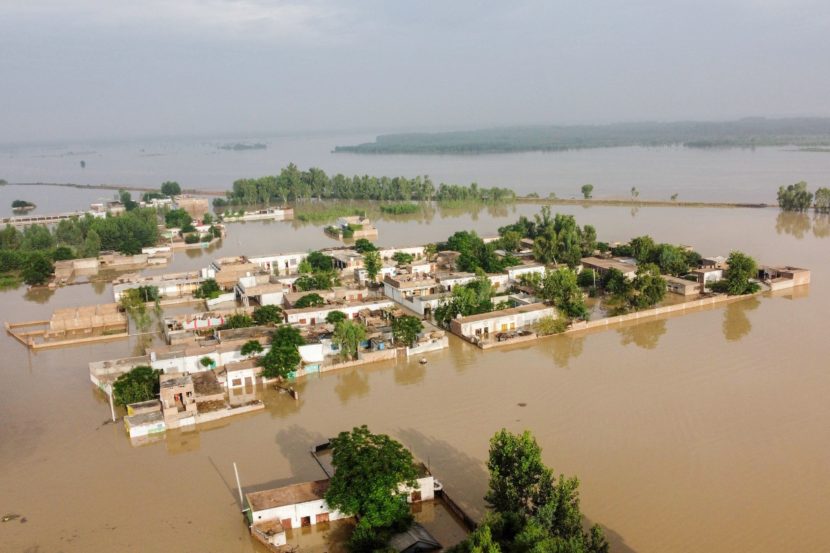
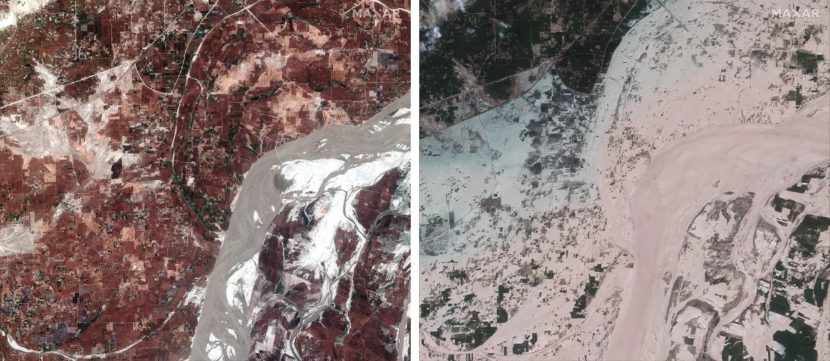
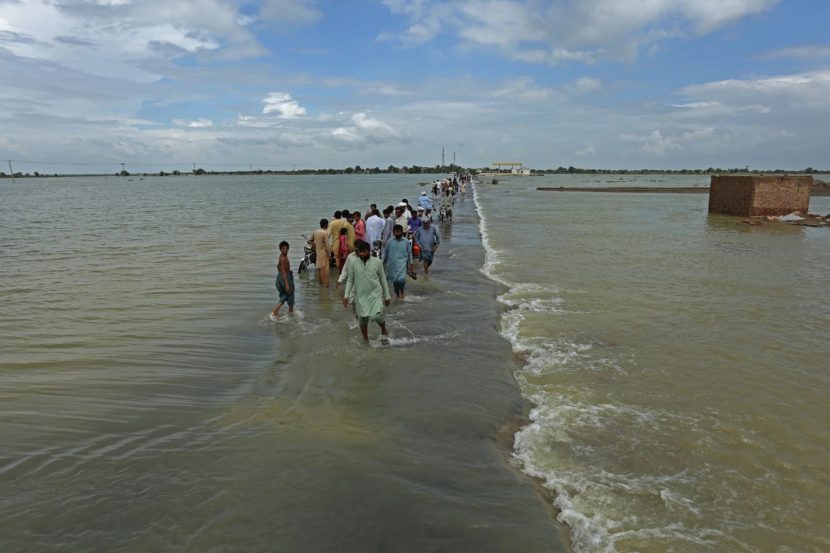
One-third of Pakistan is inundated, as floods sweep through the country this summer. The catastrophic floods, resulting from monsoon rains that began in June, are unprecedented in scale and scope. So far, they have affected some 33 million people — about 14% of Pakistan’s population — causing death, damage, displacement and loss whose effects will be felt for months and years to come.
More than 1,000 people have been killed. Agriculture, a mainstay of Pakistan’s economy, has been overwhelmed as fields drown. Nearly half the cotton crop has been lost in southern Sindh province.
Pakistan’s Federal Minister for Climate Change Sherry Rehman has called the flooding a “crisis of unimaginable proportions.” Of Sindh — which is still bracing for more floods as rivers to the north swell and burst their banks — she tweeted: “The crops are gone, lives ruined, livelihoods wiped out, roads swept away, houses destroyed or barely standing … Where to pump/drain the water? There’s water everywhere.”
Khairpur by boat. Most of Sindh is under water.The crops are gone,lives ruined, livelihoods wiped out, roads swept away, houses destroyed or barely standing. The Navy is also deployed in inland Sindh and Balochistan.Where to pump/drain the water? There’s water everywhere. ?? pic.twitter.com/CuaIaP6hNH
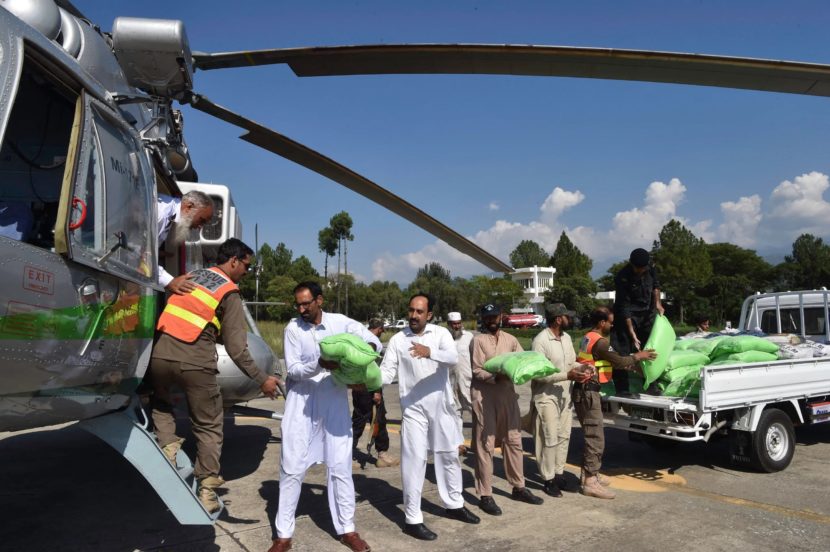
Pakistani authorities estimate rebuilding will cost upward of $10 billion, and are pleading for help. The U.S. announced Tuesday that it’s providing $30 million for shelter, food and sanitation. China, Turkey, the European Union and the United Arab Emirates also are sending aid.
The United Nations has launched a joint appeal with Pakistan’s government for $160 million. “The Pakistani people are facing a monsoon on steroids — the relentless impact of epochal levels of rain and flooding,” said U.N. Secretary-General António Guterres, who will visit the country on Friday. He referred to the flooding as a “climate catastrophe.”
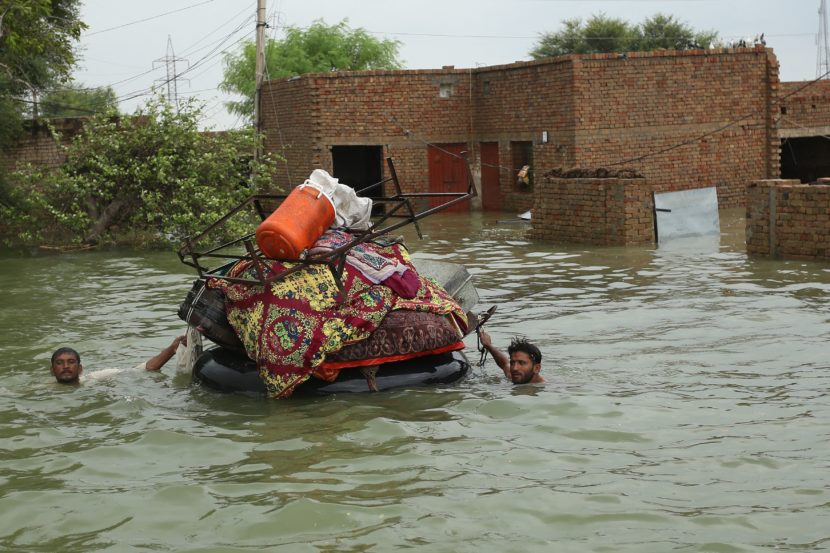
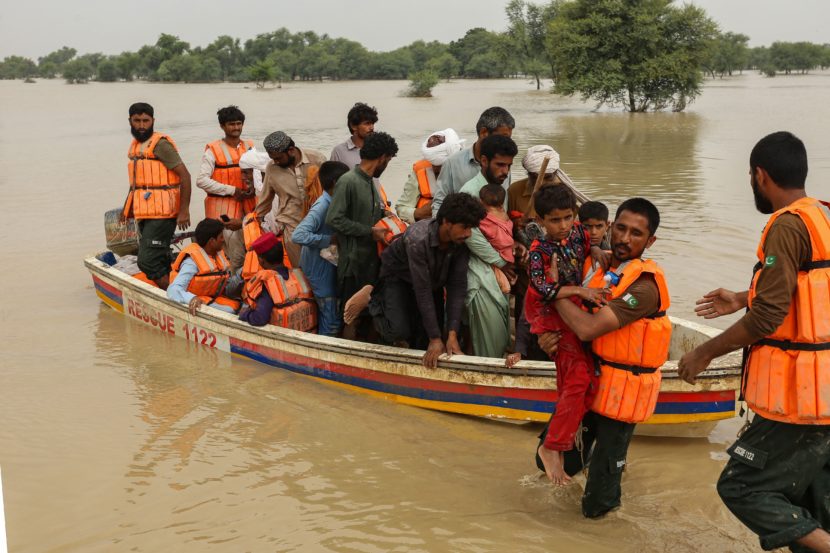
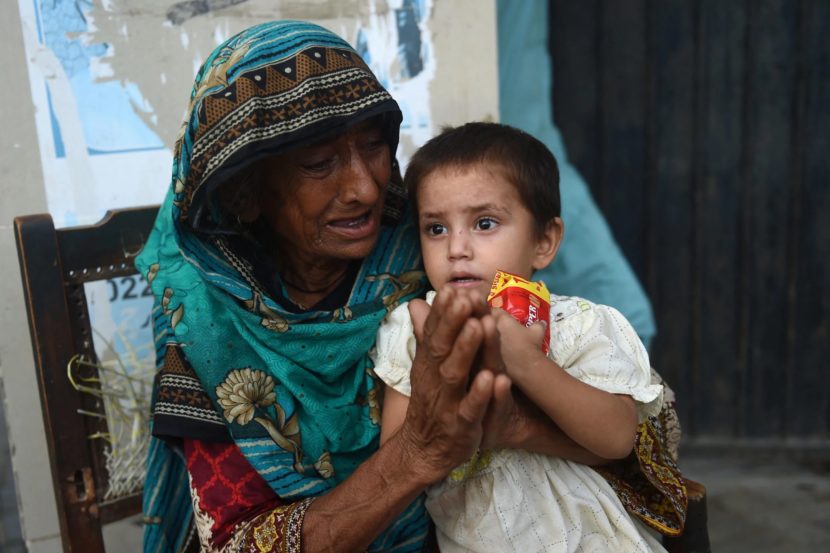
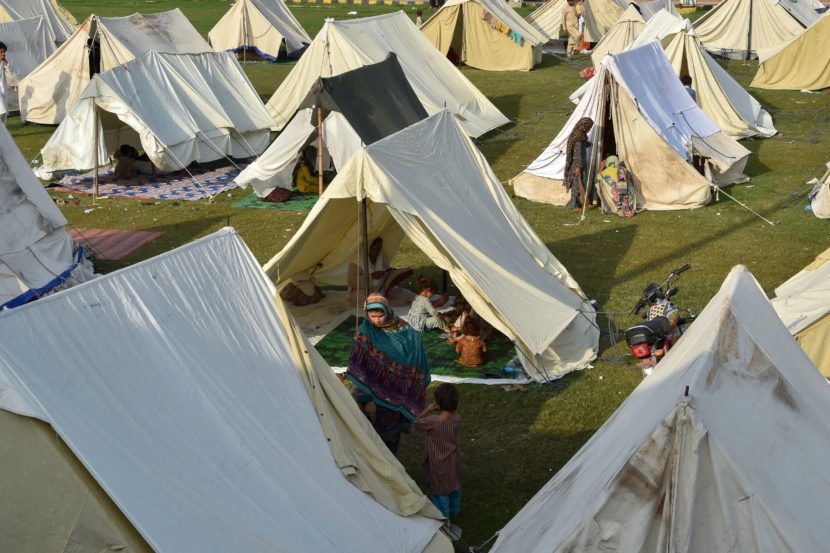
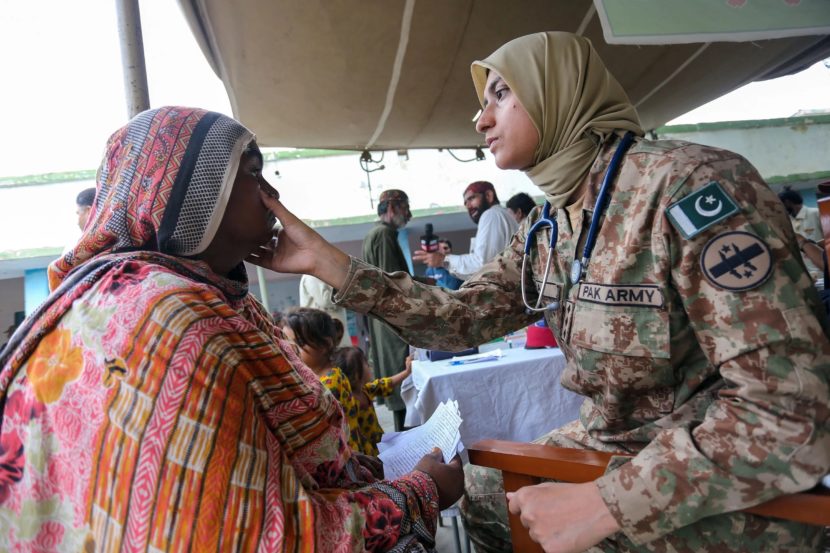
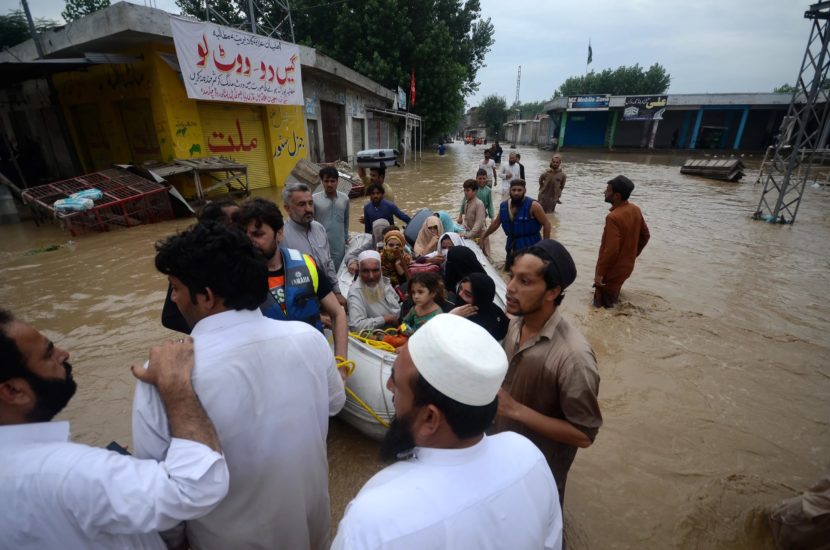
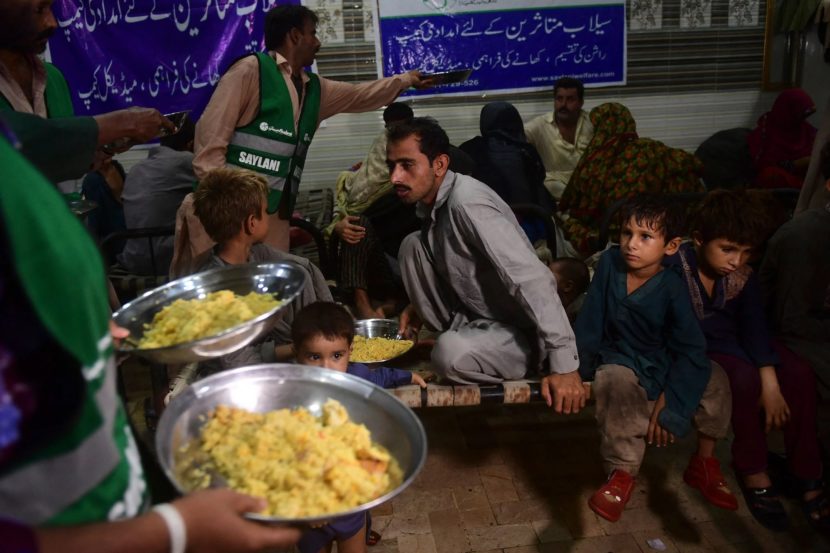
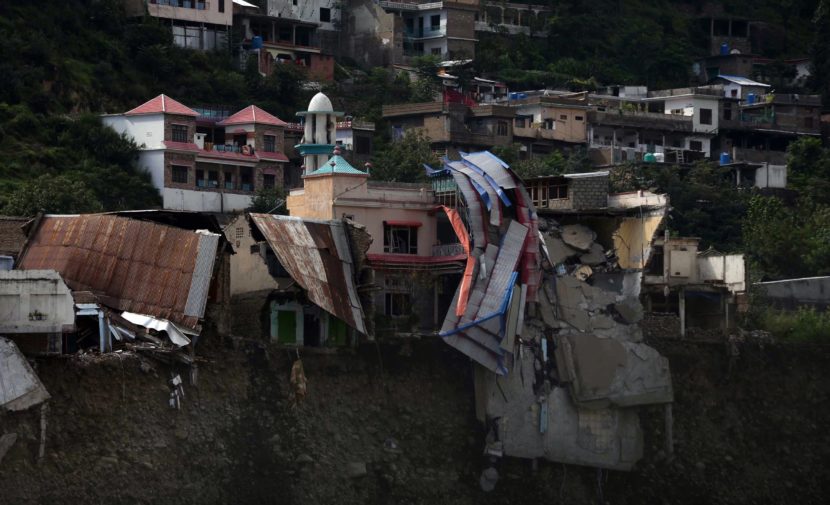
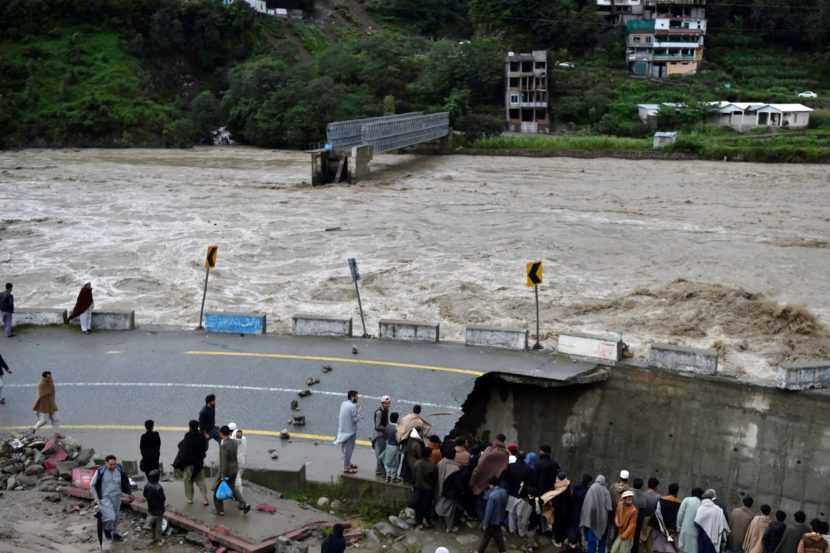
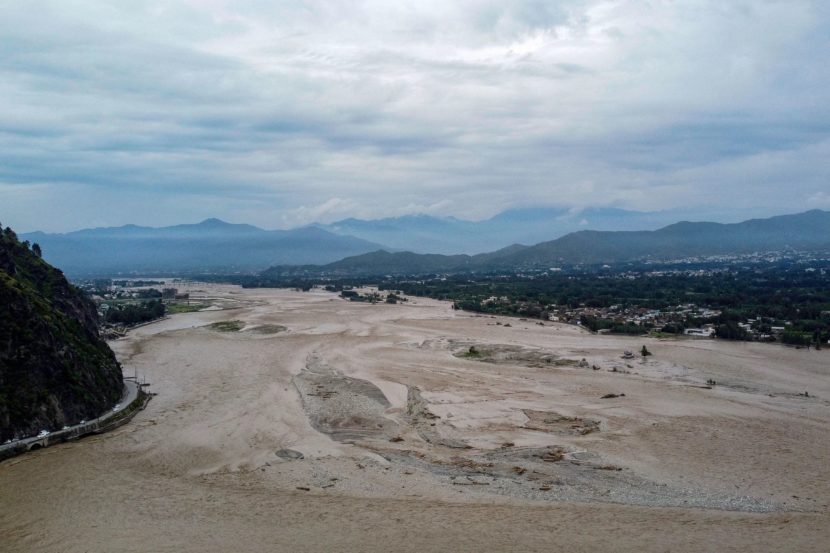
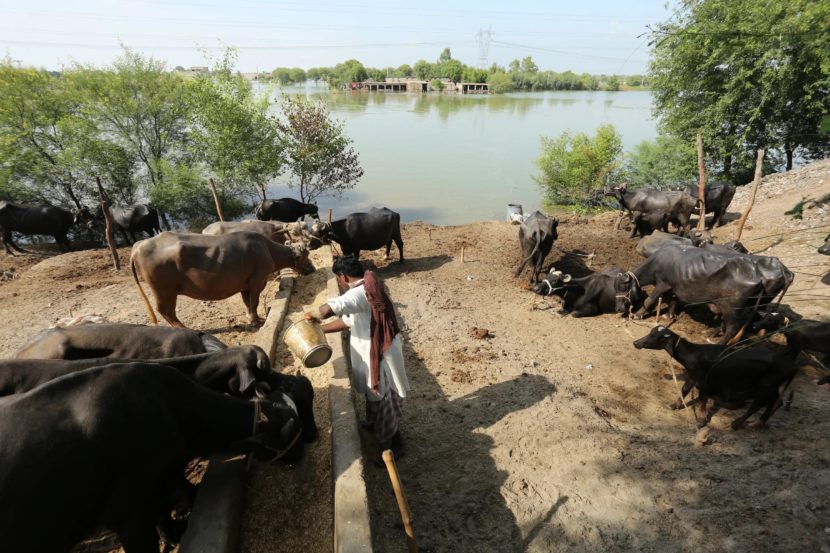
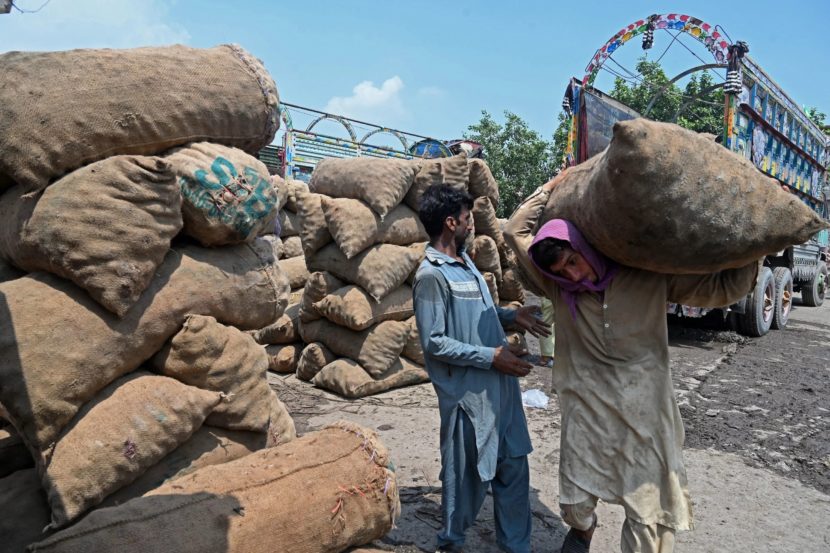
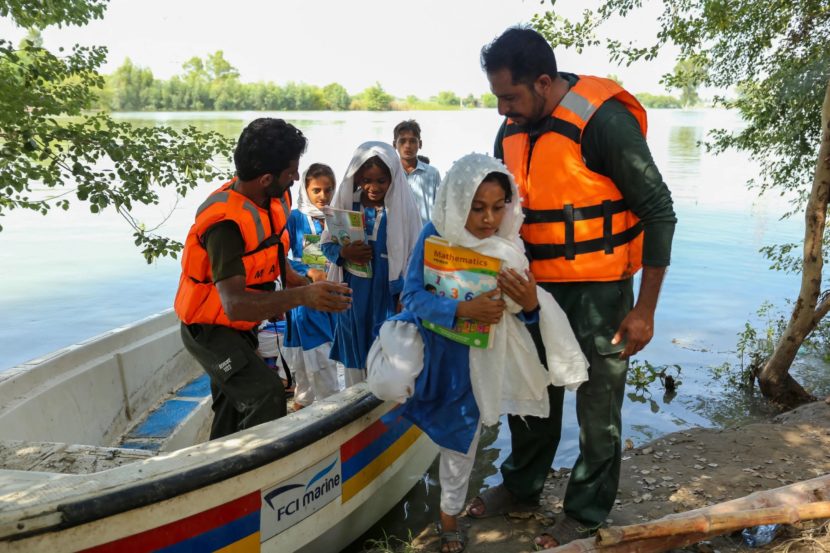
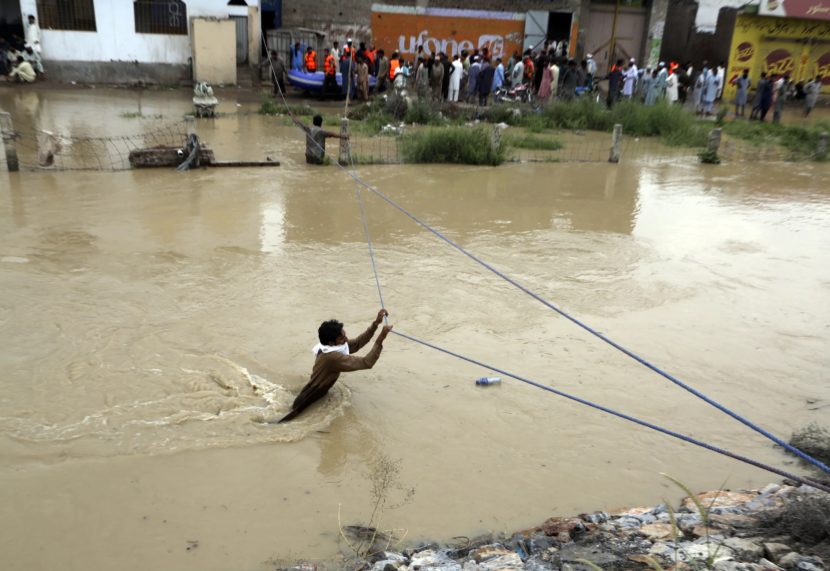
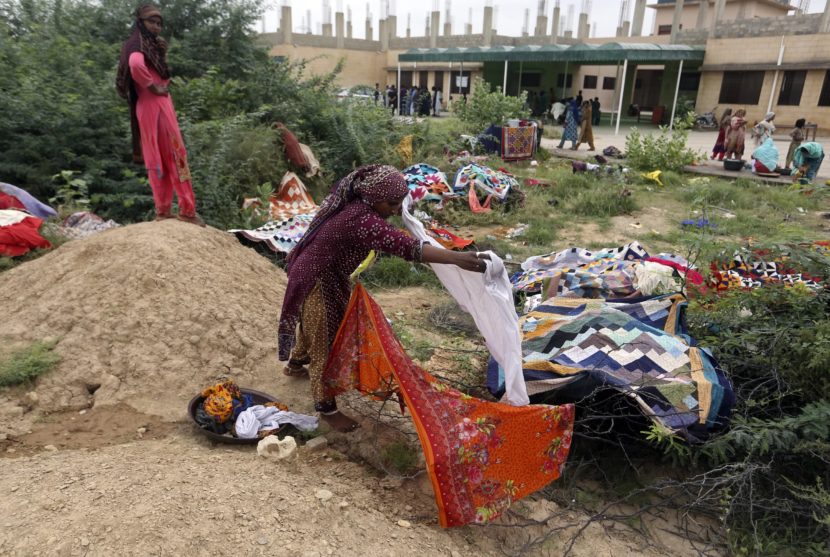
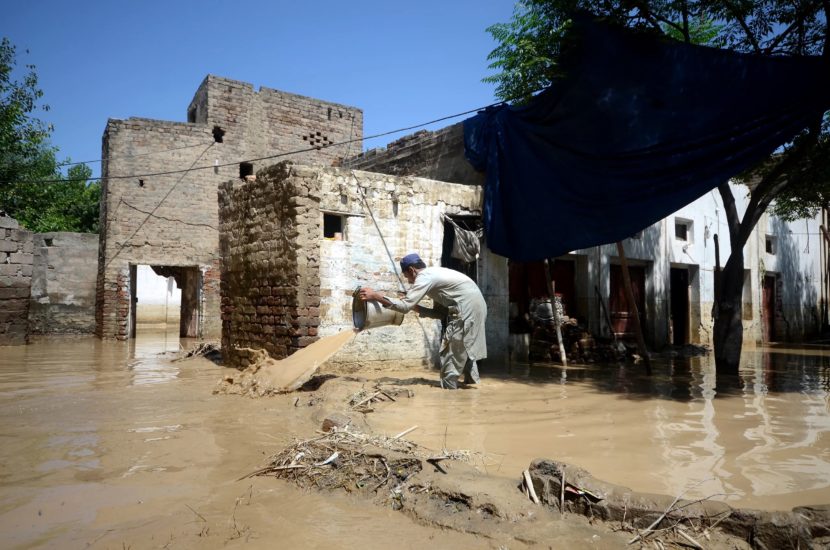
Here are images showing some of the extent of destruction and emergency response efforts.
Alaska’s Department of Education and Early Development is working with tribes to kick start a compacting program and give tribes sovereignty over education.
The 14th Amendment of the U.S. Constitution grants full citizenship to all persons "born or naturalized in the United States, and subject to the jurisdiction thereof."
Guidelines for when women should start getting mammograms have been changing. A new study makes the case for explaining to women the risks and benefits of screening for breast cancer.
Close
Update notification options
Subscribe to notifications
Subscribe
Get notifications about news related to the topics you care about. You can unsubscribe anytime.

9(MDEwMjQ0ODM1MDEzNDk4MTEzNjU3NTRhYg004))