Community

Would a law targeting pit bulls have stopped Juneau’s recent dog attacks?

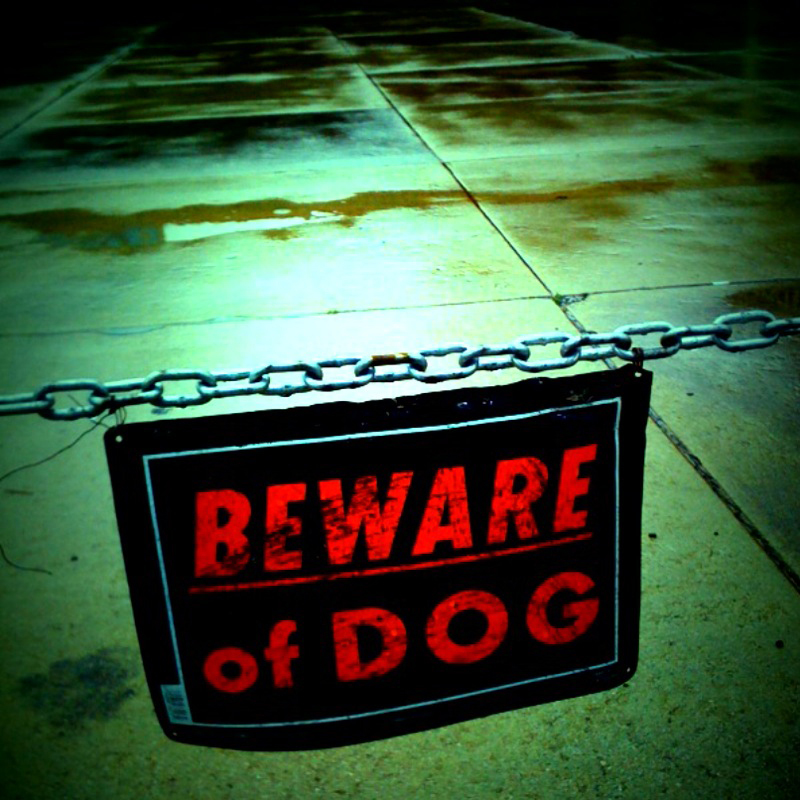
Beware of dog sign. Photo by unsure shot/Flickr Creative Commons.

Juneau Animal Control only labels dogs as “dangerous” or “potentially dangerous” as a last resort. Two recent attacks have put the agency in the spotlight.

On Monday, an Animal Control official urged the Juneau Assembly not to adopt breed specific legislation in response to the attacks. An animal behavior expert says that’s the right idea.

Dr. Christopher Pachel, a board certified veterinary behaviorist, who practices at the Animal Behavior Clinic in Portland, Oregon, says banning or restricting the ownership of certain dog breeds does little to prevent attacks or increase public safety.

“Enforcement becomes an issue. So unless you’ve got a plan in place to be able to actually enforce breed specific legislation, the idea that it’s going to magically have an effect on safety is sort of misguided,” Pachel says. “The other piece of it is, any breed of dog is capable and potentially would engage in those behaviors that led to those incidents.”

Pachel hasn’t treated any of the dogs involved in two recent attacks in Juneau. But he sees animals in his practice all the time that display aggressive tendencies.

He says breed can be a factor in dog aggression, but it’s not the only factor.

“That would be almost like saying every Border Collie is an amazing herder, or that every Labrador is an amazing hunter,” he says. “That’s just not true. There’s going to be a tremendous variation within that breed profile as to how likely that particular animal is to engage in certain behaviors.”

Pachel says it’s important for dog owners to know their pet and what might trigger them to behave a certain way. That too can vary from dog to dog. He says some are fear biters, others are territorial. Still others might have another trigger.

He recommends positive reinforcement, like treats, to encourage good behavior.

“So the dog is motivated to think or respond in a particular way, because of the fact that that’s the emotion or the behavior that’s reinforced,” Pachel says.

He says the problem with using punishment or negative reinforcement is that it needs to be done consistently, with perfect timing and intensity every time the dog displays bad behavior.

“If those rules are not implemented correctly, we actually increase fear and anxiety,” he says “because something unpleasant is happening, but in an unpredictable or inconsistent manner.”

Juneau Animal Control Director Matt Musslewhite on Monday recommended the city assembly not to pass any laws targeting specific dog breeds. While pit bulls and pit mixes were responsible for two recent attacks, Musselwhite said the breed doesn’t even rank in the top three for dog bites reported in the Capital City.

He said there are currently 14 dogs deemed “dangerous” or “potentially dangerous” in Juneau, and he listed some of the requirements those dogs’ owners must meet to protect public safety.

“One-hundred thousand dollars in liability insurance to be carried by the owner, signs posted to indicate that a dangerous animal lives on the premises, the animal must wear a special dangerous dog collar and tags, and when outside the residence the animal must be muzzled and controlled by a leash no longer than four feet,” he said.

Musslewhite said Animal Control would like to update Juneau’s current laws to improve reporting requirements for dog bites and rabies vaccinations.

If there are any new laws, Pachel suggests focusing on things humans can manage or control.

“Leash laws, or what does containment look like, or are there restrictions on the number of hours that a dog might be left outside unattended… Things of that nature,” Pachel said.

According to Musslewhite, Animal Control tries to work with dog owners to address any behavior problems before labeling a dog as “dangerous” or “potentially dangerous.” Juneau Animal Control is part of the nonprofit Gastineau Humane Society, which has a contract with the city to provide the service.

Related stories:
Animal control advises against dog breed discrimination
Two people cited for recent dog attacks
Dog attack victim, hero recount their ordeal
Animal Control investigating two dog attacks in Juneau
Assembly committee to hear update on Housing First project for Juneau

Juneau Project Homeless Connect 2012. Photo by Casey Kelly/KTOO.

The number of homeless people in Juneau is estimated at more than 550.  A  group organized to address some of the problems of homelessness will update the Assembly Monday evening on its progress.

Human Resources Committee chair Jesse Kiehl says the issues should stay on the Assembly’s radar, because the city spends a lot of public money addressing the needs of the homeless inebriate in the least efficient way.  A Housing First project may be an answer.

“Police departments and emergency rooms aren’t designed to address those problems.  So a project like this, if we could get it rolling,   would actually do something toward fixing some of the problems of some of the folks who have real chronic long-term public inebriation problems and homelessness.”

Housing First projects have been started across the U.S.  Kiehl says is many cases just meeting a person’s basic needs helps them transition into becoming more functioning members of a community.

“The basic theory of a Housing First project is that it really addresses a roof over your head first and foremost. So the folks who are brought into a Housing First project generally are folks with chronic alcoholism or drug abuse problems, who have been homeless for a long time,” Kiehl says. “The big difference with the Housing First project is it doesn’t require sobriety to live there.”

Similar housing is available in Anchorage and Fairbanks, where homelessness and public inebriation are also a major issue.

The CBJ Assembly Human Resources Committee meets at 6 p.m. Monday in Assembly chambers at city hall.

Juneau avalanche danger is “high”

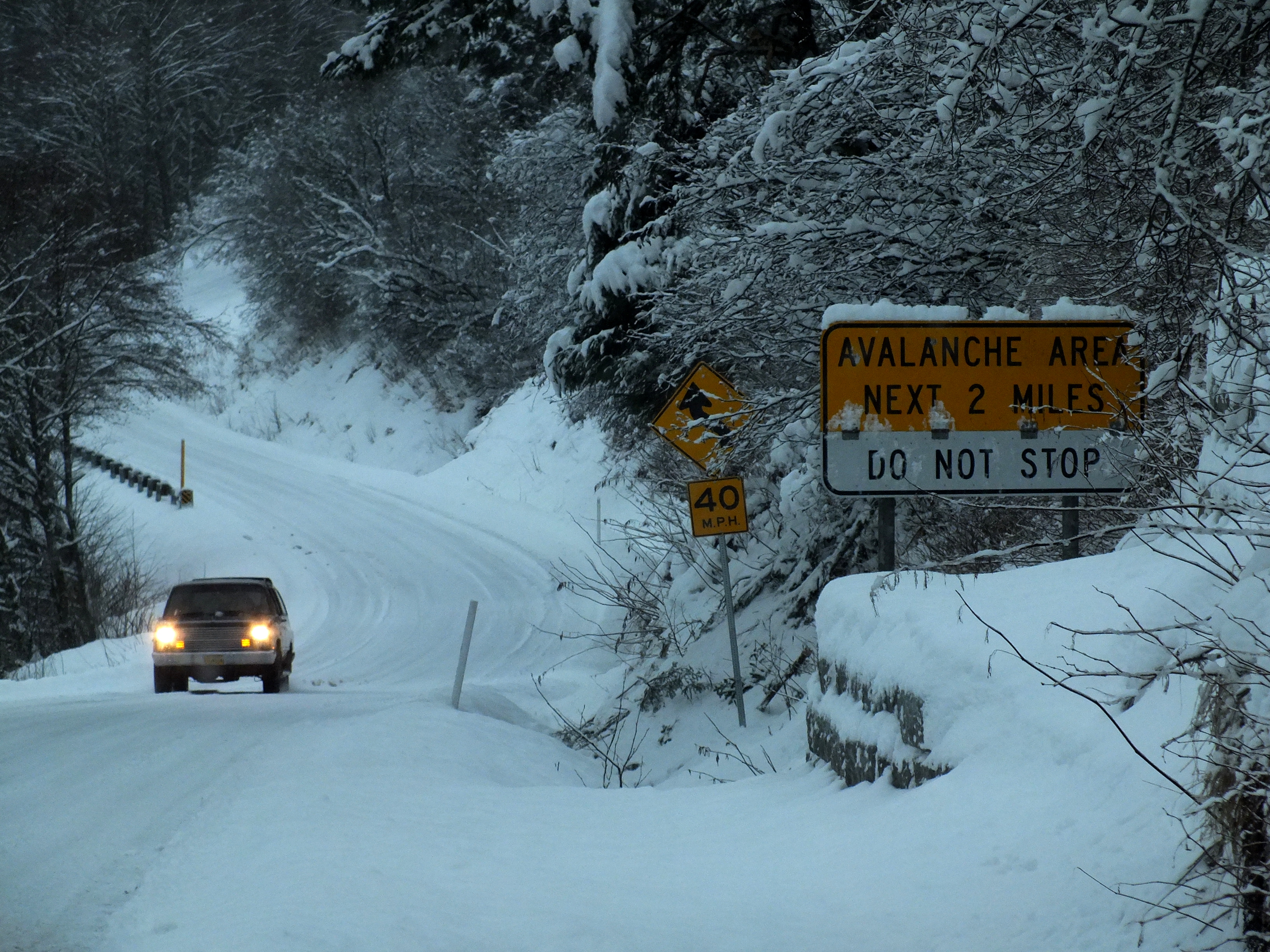
Thane Road avalanche sign
Thane Road avalanche sign on Dec. 13, 2013. Photo by Matt Miller/KTOO News

Avalanche danger in Juneau is high right now.

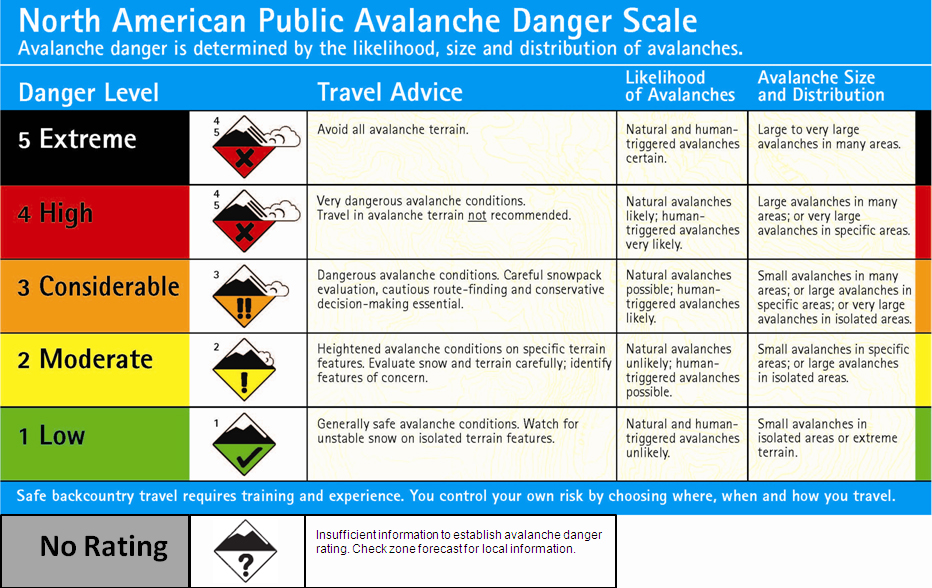
According to the City and Borough of Juneau urban avalanche advisory, the danger is a four on a scale of 1-5.

Tom Mattice is the city’s avalanche forecaster. He was up at Eaglecrest Ski Area Friday morning, testing snow pack conditions.

“Right now we’re going through an avalanche cycle. Avalanches are occurring,” Mattice said. “There’s widespread natural avalanches, and also human triggered avalanches are possible. So people walking up into avalanche zones or heading out into the mountains, it’s easy to trigger avalanches right now.”

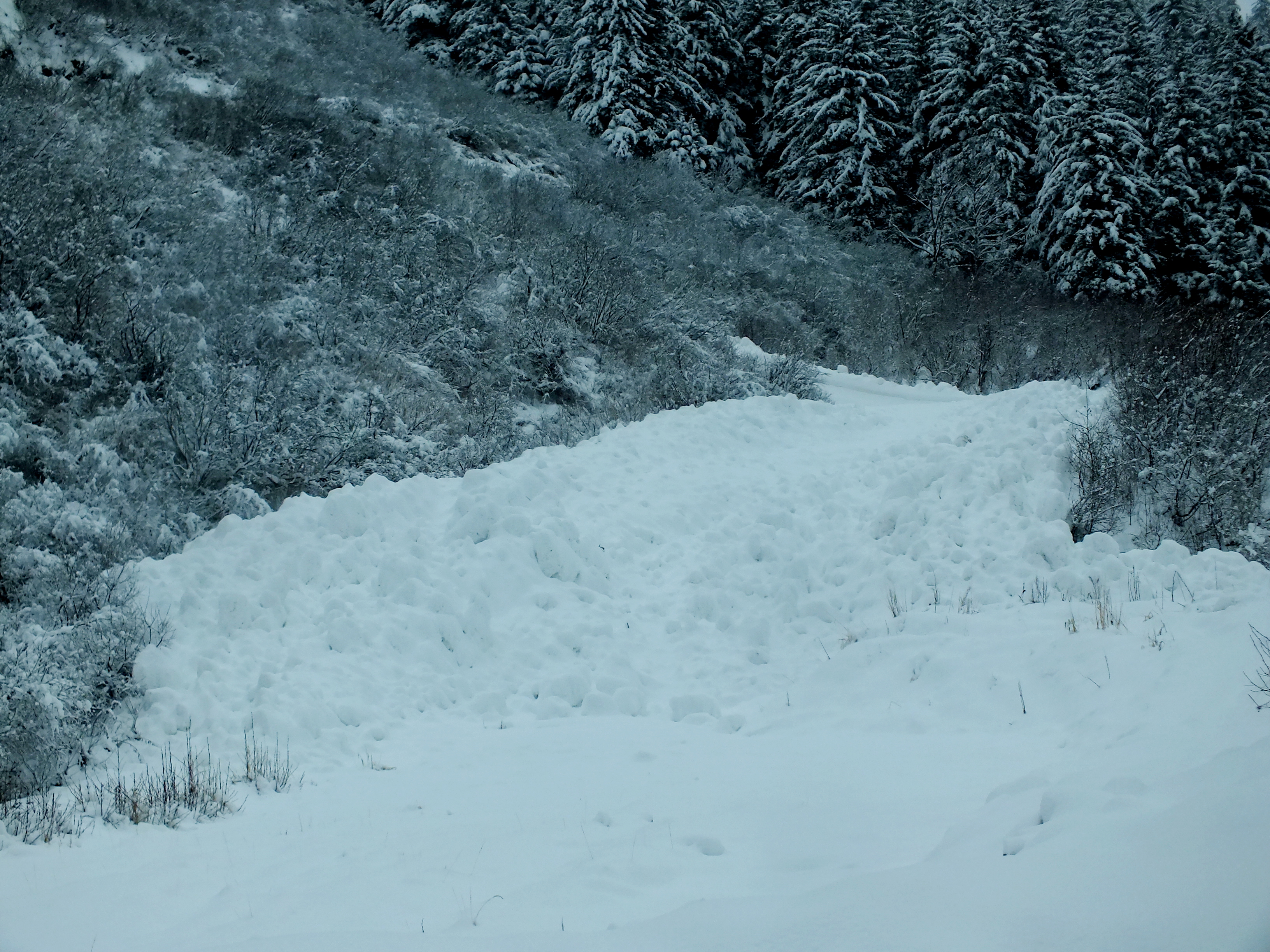
Snowslide Creek
Snowslide Creek off Thane Road on Dec. 13, 2013. Photo by Matt Miller/KTOO News

Mattice says slides have been reported along Thane Road and in some of the known avalanche chutes in town. That includes Chop Gully, which slides down onto the Flume Trail. Avalanche paths above the Behrends Avenue and White subdivisions near Juneau Douglas High School are also likely to see slides, he said.

Mattice says he’s not overly concerned about the size of potential avalanches, because right now at least there’s not a lot of snow. He puts the size danger at a three out of five.

“I assume that we’re going to see widespread activity, but I assume they will be moderate in size,” he said. “So I don’t think the urban environment has to worry too much. But that doesn’t mean we shouldn’t pay attention to it.”

Mattice says if you’re heading outdoors this weekend, you better know whether you’re in avalanche country.

“If you’re never in an avalanche zone, you don’t have a problem,” he said. “But I would not want to be at the bottom of some of the bigger avalanche paths in the community this weekend.”

The National Weather Service is forecasting rain and snow this weekend and into early next week. Temperatures should increase Saturday and Sunday before cooling off on Monday.

In other weather related news, Friday was the third straight day Alaska Electric Light and Power crews responded to numerous outages caused by the heavy, wet snow. Most of the outages occurred in the Mendenhall Valley and the north end of the road system. Most were caused by trees and branches falling into power lines.

Alaska Airlines experienced delays with some flights getting into Juneau.

Juneau police report a handful of car accidents, none of them major.

This story has been updated with quotes from Tom Mattice, a new weather forecast, and photos.

Avalanche danger scale
Chart courtesy American Avalanche Association.

5 things to know about the new Southeast Radiation Oncology Center

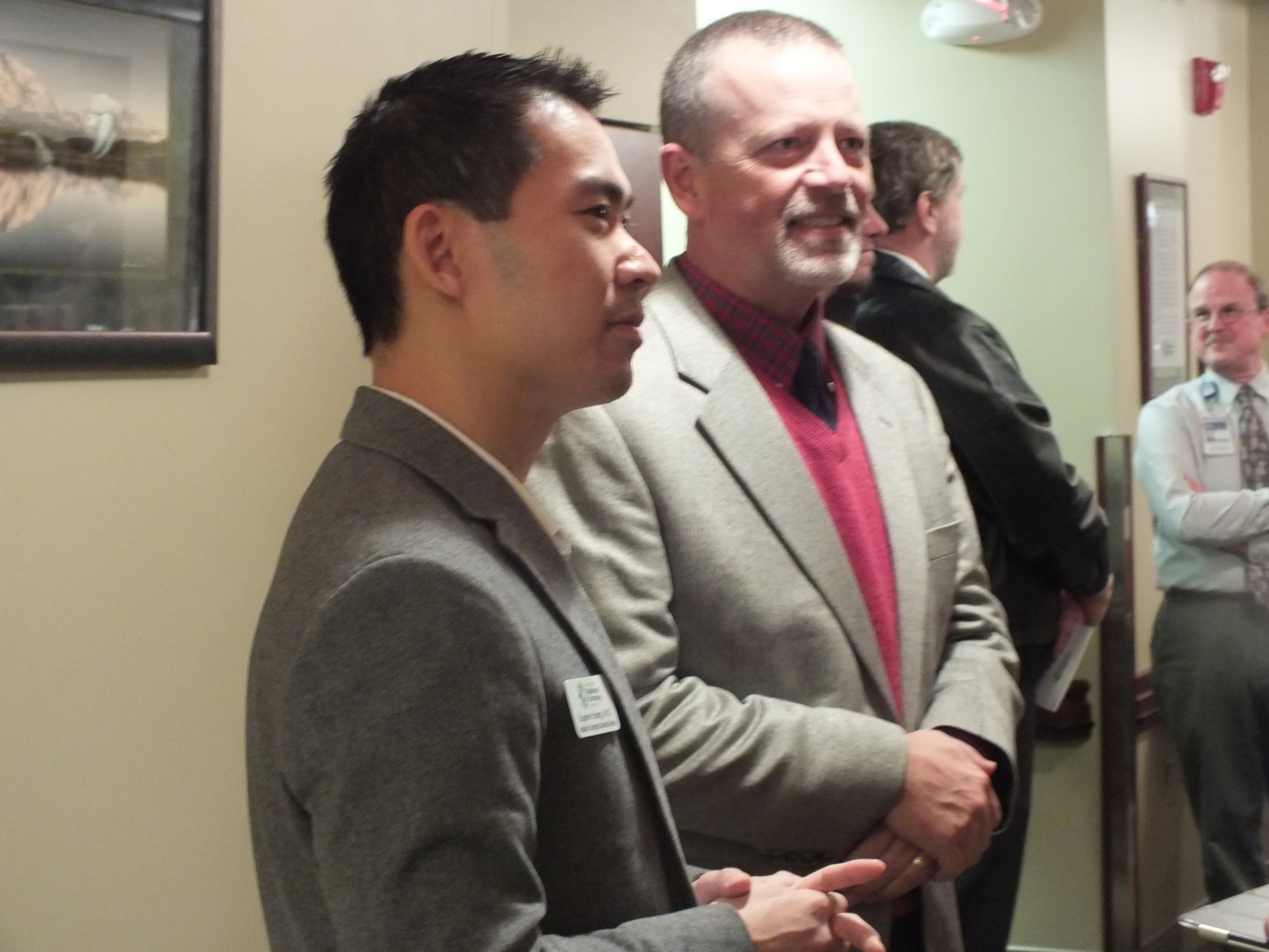
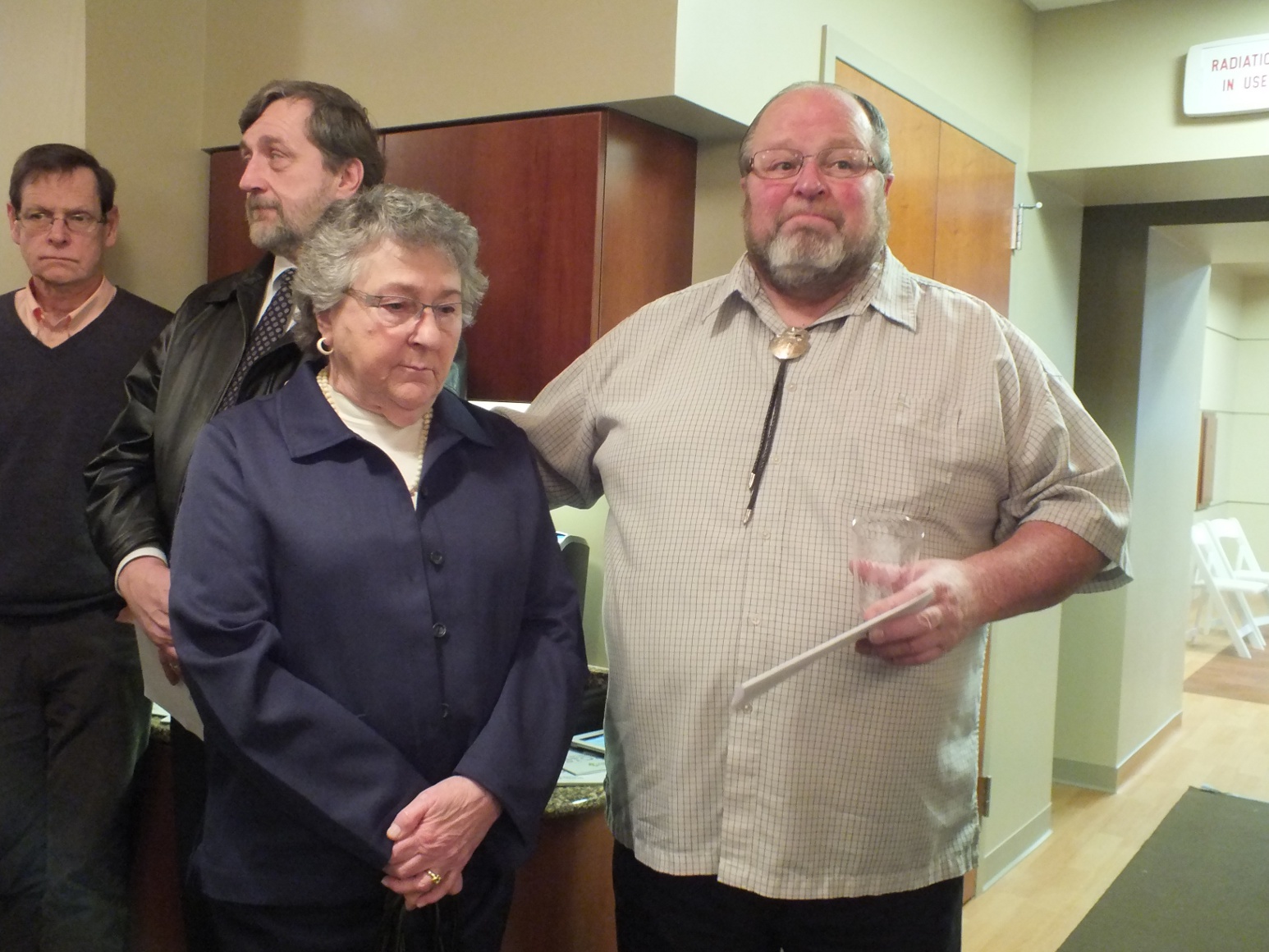
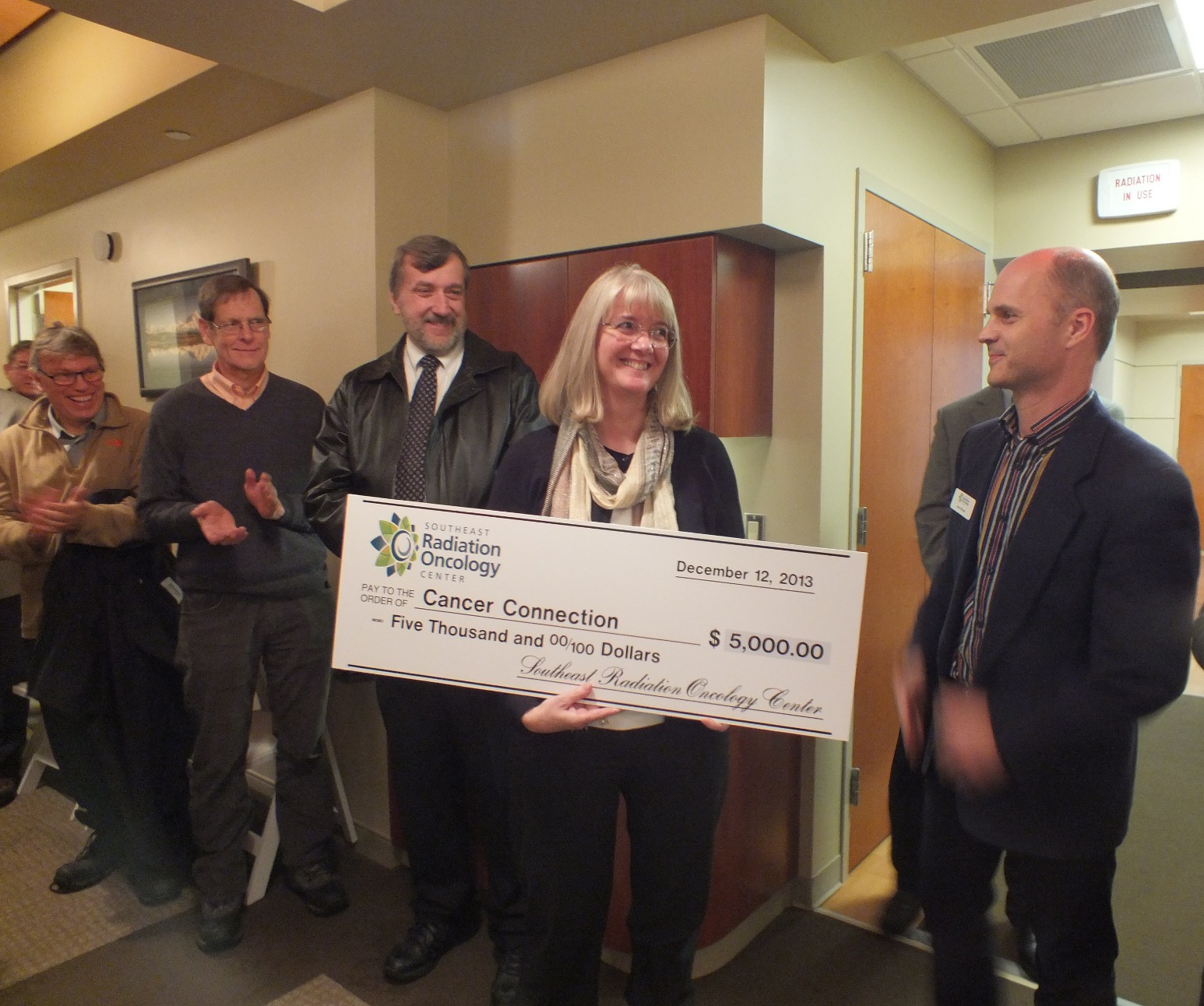
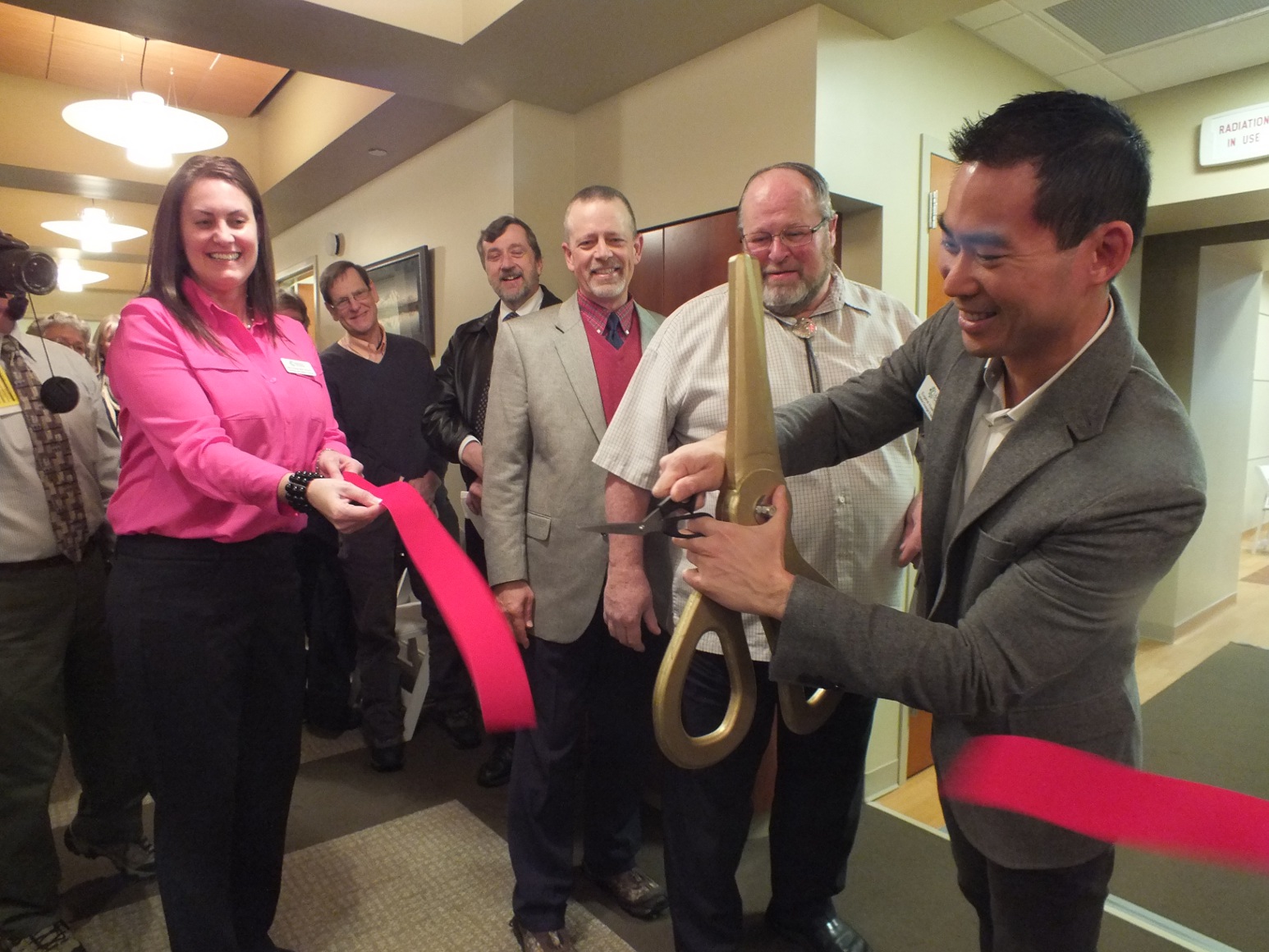
The new Southeast Radiation Oncology Center in Juneau celebrated its grand opening on Thursday.

The clinic near Bartlett Regional Hospital will treat cancer patients from Juneau and Southeast Alaska, who previously had to travel to Anchorage, Seattle or another large city to get radiation treatment.

Here are five things you should know about treating cancer with radiation and the new clinic:

1. What is radiation therapy?

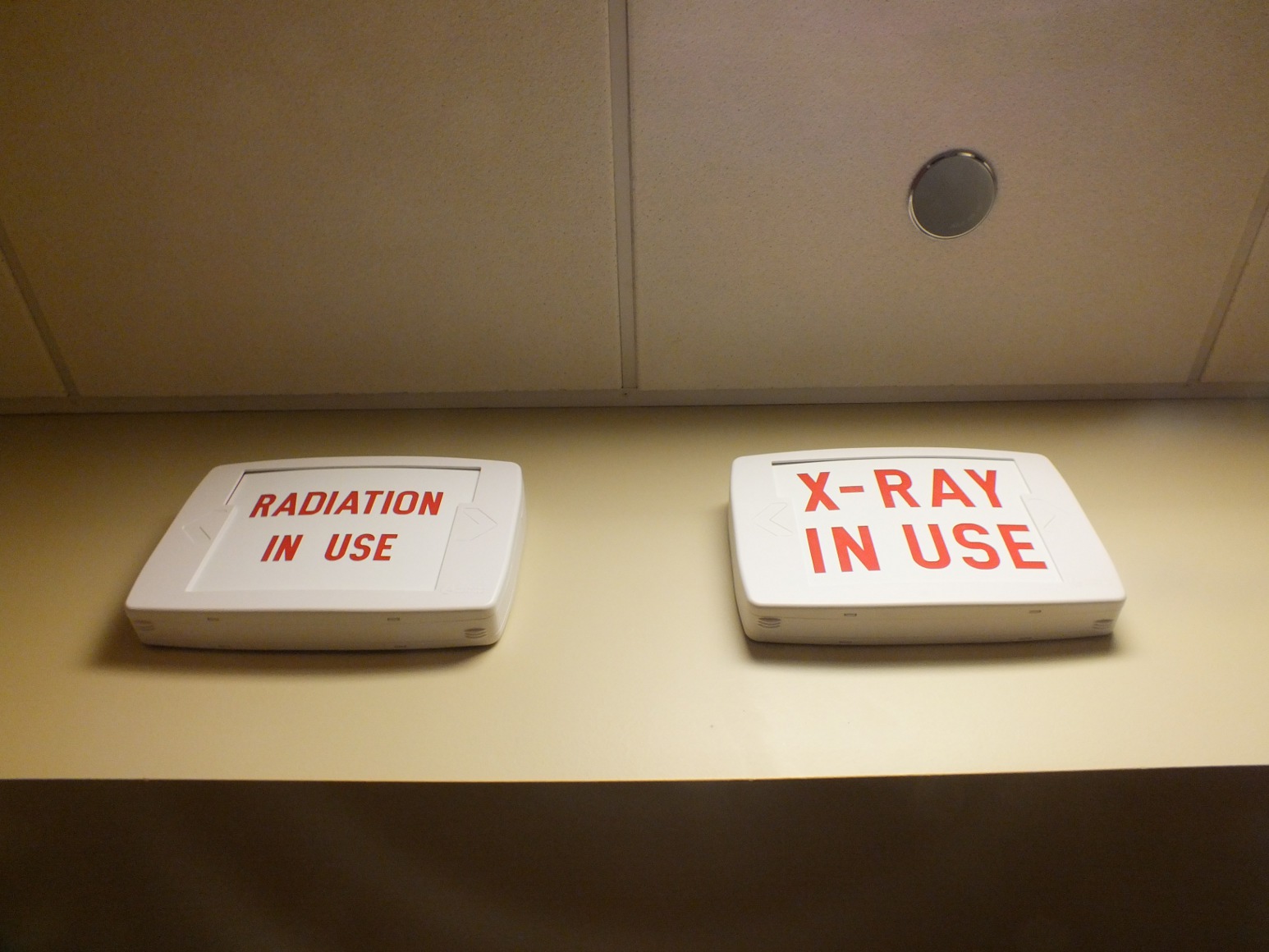
Radiation therapy uses high-energy radiation from X-rays, gamma rays, or protons to shrink tumors and kill cancer cells. According to the National Cancer Institute, about half of all cancer patients receive some type of radiation therapy treatment. It can be the only form of treatment or used with other treatments like chemotherapy and surgery.

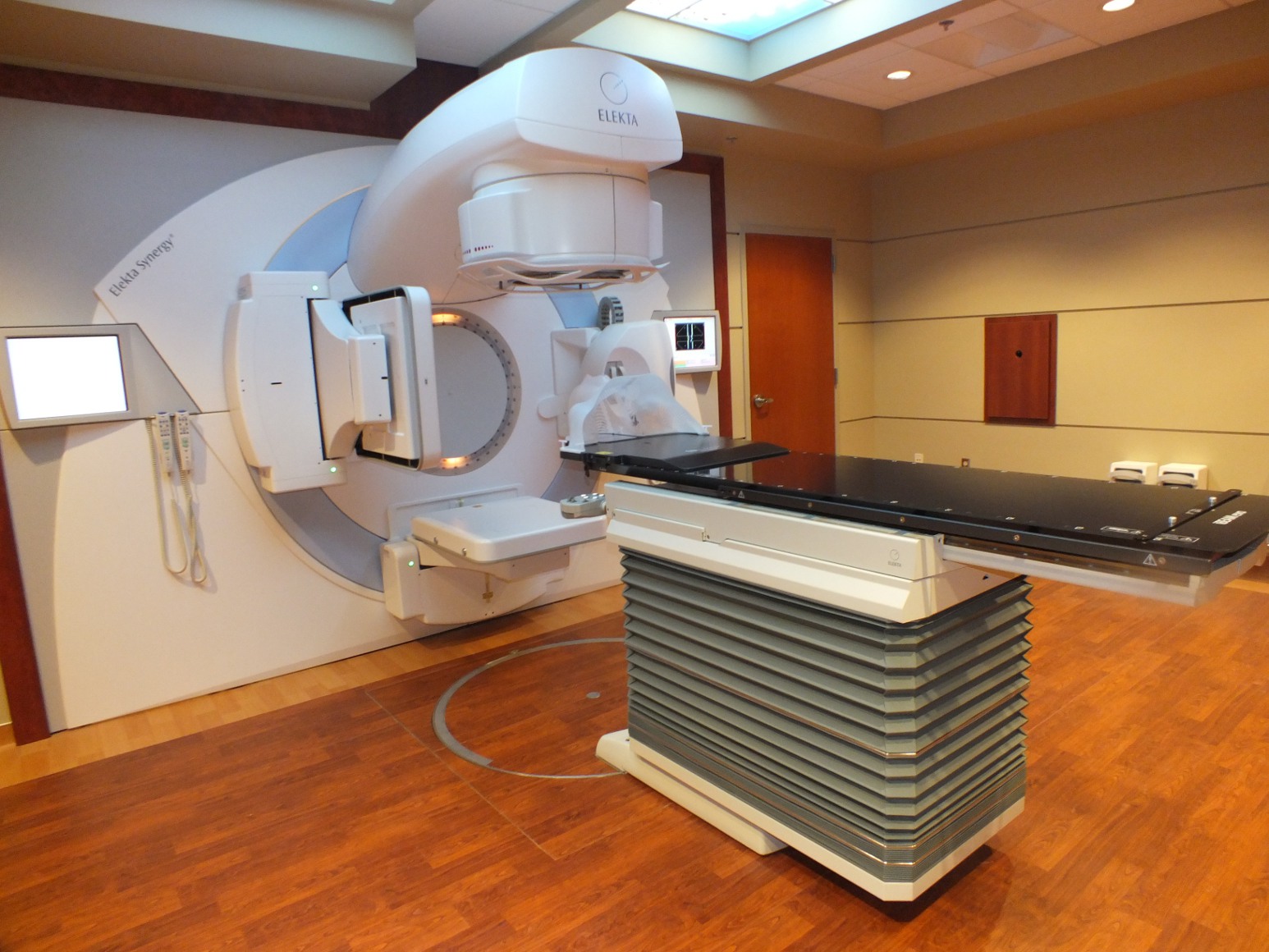
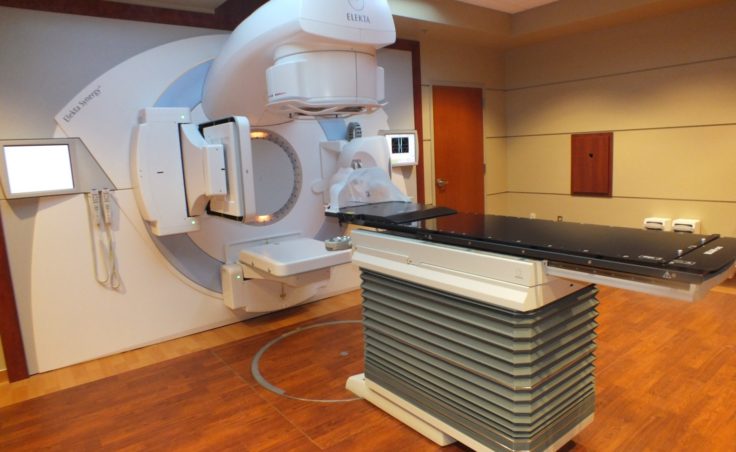
Dr. Eugene Huang is medical director of the Southeast Radiation Oncology Center. The clinic uses a machine called a linear accelerator to deliver radiation.

“Basically all the patient has to do is just lie down, and try to hold still, and try to relax – just like getting an X-ray or a CT scan,” Huang says. “And it’s typically delivered in several different beam angles that are custom designed for every single patient in order to maximize our targeting of the tumor and to avoid any excess radiation to the other normal tissue structures.”

2. How does it work?

Tumor cells grow uncontrollably. Radiation kills them by damaging their DNA.

“The cell undergoes what we call a mitotic cell death, which means as it’s trying to divide, go through mitosis, it will figure out that it cannot, because the DNA is damaged and then it will die,” Huang says.

3. Is it safe?

Radiation also kills normal tissue cells. Huang says the team at Southeast Radiation Oncology Center will use the latest software and medical imaging equipment to deliver it as precisely as possible for each patient.

“We know from basically many, many decades of doing radiation and many different ways of delivering radiation that your normal tissues can tolerate a certain amount of radiation, whereas tumor cells are much more sensitive,” he says. “So if you deliver the right amount, you can deliver just enough radiation to kill the tumor cell, but hopefully spare the normal tissue.”

4. Who performs the treatments?

The staff at the center includes Dr. Huang, a radiation oncologist who practiced at the Cleveland Clinic before moving to Juneau. He will work with a medical physicist and dosimetrist to come up with the right dose and treatment plan for each patient. The treatment itself usually lasts about an hour.

“And different patients will have a different amount of treatment,” says Huang. “Sometimes it’s as short as a week or two. Often it’s as long as 8 to 9 weeks. It depends on what kind of cancer, what stage, and a lot of other factors.”

5. Who owns the clinic?

Southeast Radiation Oncology Center is a partnership between two companies: Anchorage Associates of Radiation Medicine and RBS Evolution. Huang says the companies are owned by practicing radiation oncologists.

Related Stories:
Filling the hole in Juneau’s cancer treatment options

Heritage Coffee brews up a new location inside Foodland IGA

Heritage Coffee construction at Foodland IGA
Construction is underway on a new Heritage Coffee location inside the Foodland IGA grocery store. Photo by Casey Kelly/KTOO.

Work began this week on a new Heritage Coffee café inside the Foodland IGA store in downtown Juneau.

The café will be located in roughly the same area as the espresso stand, which had been operated by Foodland. Heritage will have its own entrance and seating area. Grady Saunders owns the coffee roasting company, which already has seven locations in Juneau.

“It’ll be a little bit different shape than the way the coffee stand was before,” Saunders said. “There will be more room. There will be an interior door, 10 or 12 feet wide, that’ll open into the grocery store, along with some windows that look into the grocery store, as well as an exterior entrance separate from the grocery store entrance, and windows that look out into the parking lot as well.”

Foodland was serving Heritage coffee at its espresso stand. But Saunders says they’ll have more products available once the new shop opens.

“We’ll have great baked products, some from the grocery store and some of our own, as well as all of our great coffees,” Saunders said. “We’ll have, like in our downtown café and at 2nd Street, we’ll have some of the coffees that we don’t sell in the grocery store, some of the unique coffees all the time.”

Tyler Myers is President and CEO of the Myers Group, which owns Foodland IGA. He approached Heritage about taking over the coffee shop.

“I think that it makes a lot of sense to have a space where customers can come in and sit and have more of a café sort of an experience,” he said.

Myers, who lives and works in Washington state, says he’s excited about leasing space to local businesses like Heritage. True North Federal Credit Union recently opened a branch inside Foodland as well.

“It’s not uncommon for banks – in this case a credit union – to be inside of a grocery store. So we saw that as a good fit,” Myers said. “Then the folks that come in and get coffee through Heritage, they’ll be able to sit inside their space or out in the atrium space that we’re going to have.”

Myers says the atrium space is due to be remodeled at some point. After moving into the Foodland Shopping Center in September 2012, he announced big plans for remodeling the entire store. He says it’s taken longer than expected, but more improvements are coming.

“It’s just a matter of putting the pieces together,” he said. “And unfortunately that’s what’s been taking much longer than I had hoped.”

Myers continues to be interested in attracting a pharmacy to the store.

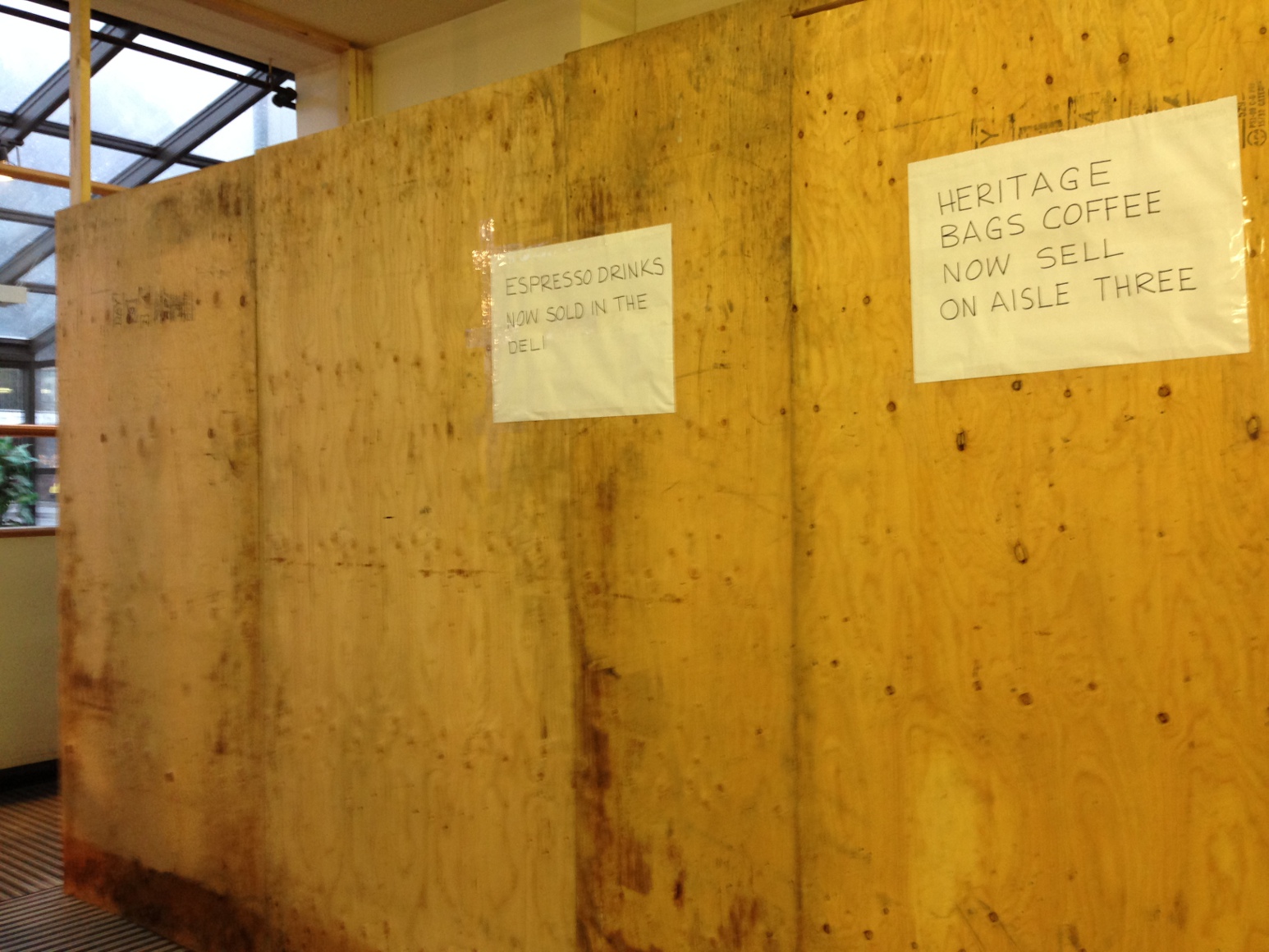
Construction on the new Heritage café is expected to last through January. Foodland customers can continue getting their coffee fix at the deli during the remodel.

What would you do with 9 tons of salmon you can’t sell?

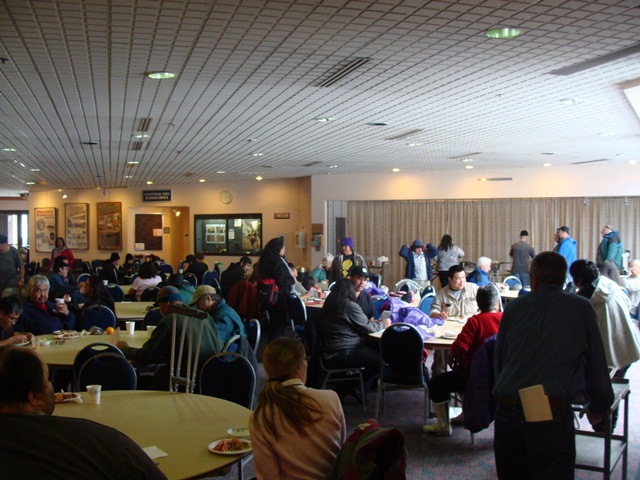
Juneau’s soup kitchen and shelter Glory Hole received the generous salmon donation from SeaShare, a non-profit based in Seattle. (Photo by Lisa Phu/KTOO)

Juneau’s soup kitchen and shelter recently received a donation of salmon with an estimated retail value of more than $100,000.

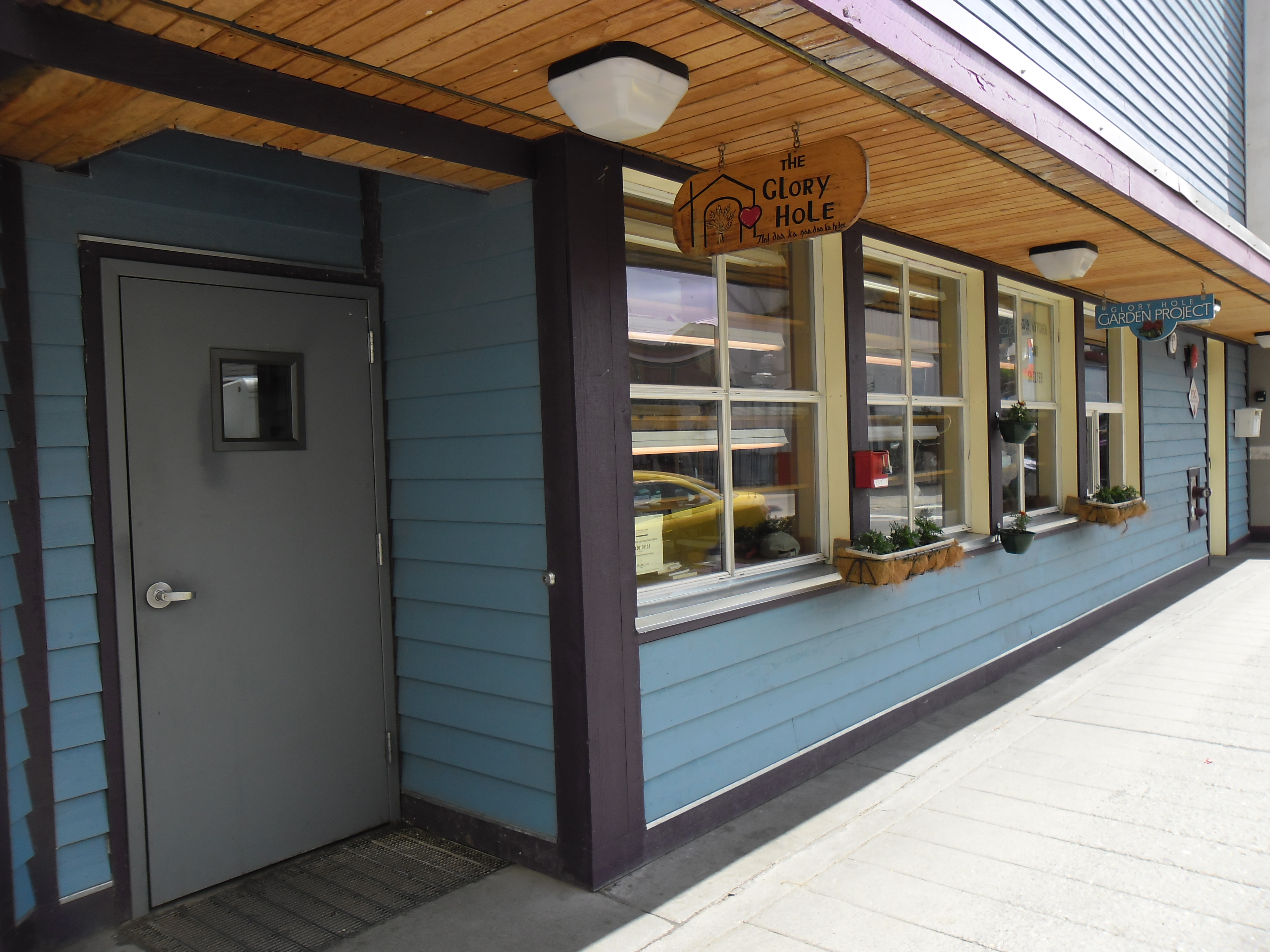
Nine tons of individually wrapped frozen salmon steaks sit in a container at Juneau’s Alaska Marine Lines. The fish has been donated to The Glory Hole, Juneau’s soup kitchen and shelter.

The donation was made by SeaShare, a non-profit based in Seattle that works with the seafood industry to help get food to people who are served by food banks and soup kitchens.

“Our role is we try to make it easier for fishermen and processers to donate and we’re able to bring in other companies who can help with freight or packaging or storage so the donating entity doesn’t have to bear the whole brunt of bringing them up there,” says SeaShare executive director Jim Harmon.

The salmon donated to Glory Hole is chum bycatch from the pollock trawl fishery in the Bering Sea.

“Fishermen have the opportunity to retain those fish and bring them into shore and donate them to SeaShare. We’re the only agency authorized to receive prohibited species catch. If they don’t retain them for us, they have to throw them overboard so there’s no economic incentive to them for retaining high value salmon while they’re fishing for pollock,” Harmon explains.

SeaShare will donate about 1.5 million pounds of fish this year – ten percent of that comes from the bycatch program; the rest is from seafood companies.

Harmon says the goal is to utilize fish that would otherwise be thrown overboard. SeaShare works with more than 120 boats, which Harmon says accounts for every boat in the Bering Sea pollock fishery and more than half in the Gulf of Alaska fishery.

“We make it clear that nobody is asking for bycatch, the people who work with us are some of the best fishermen who work the hardest to avoid it but when they do catch it, they want to see something good done with it,” says Harmon. “They want to utilize everything that’s in the net, so they donate it to us.”

SeaShare has also donated fish to Anchorage, Kodiak, Fairbanks, Kotzebue, Galena, Dutch Harbor, and St. Paul.

In February Juneau’s Glory Hole received 8,000 pounds of sockeye fillets shared among a few other organizations. Executive director Mariya Lovischuk says she was initially overwhelmed with the current donation of 18,000 pounds, “but then I figured that definitely if I called around our partner agencies we would be able to utilize the fish for sure, and I was right, so now all the fish is going to the right places.”

The fish is being divided based on need and freezer space. Glory Hole clients will help distribute the salmon to more than ten other organizations, including Southeast Alaska Food Bank. Manager Darren Adams says the food bank will get 5,000 pounds.

“That’s a very generous donation,” he says. “We can always use an influx of protein. We tend to get a lot of empty calories but it’s always nice to get stuff like salmon and other meats that allow us to offer something healthy to our clients.”

Adams says the food bank will distribute the fish to several organizations in Juneau as well as to individuals and families that pick up food on Saturdays. Last Saturday, that was 60 people but Adams says the number changes week to week.

According to Lovischuk, Glory Hole will keep 3,000 pounds of salmon. She says that’ll help feed the 60 to 100 people that go there for lunch every day. “I think it’ll probably be enough protein for us to do our lunch program for two months.”

Lovischuk says Glory Hole is almost finished with the coho salmon donated in September by Juneau hatchery Douglas Island Pink and Chum, so the SeaShare donation is coming at just the right time.


Site notifications
Update notification options
Subscribe to notifications