Gardentalk

Gardentalk – How to plant and hill potatoes this season

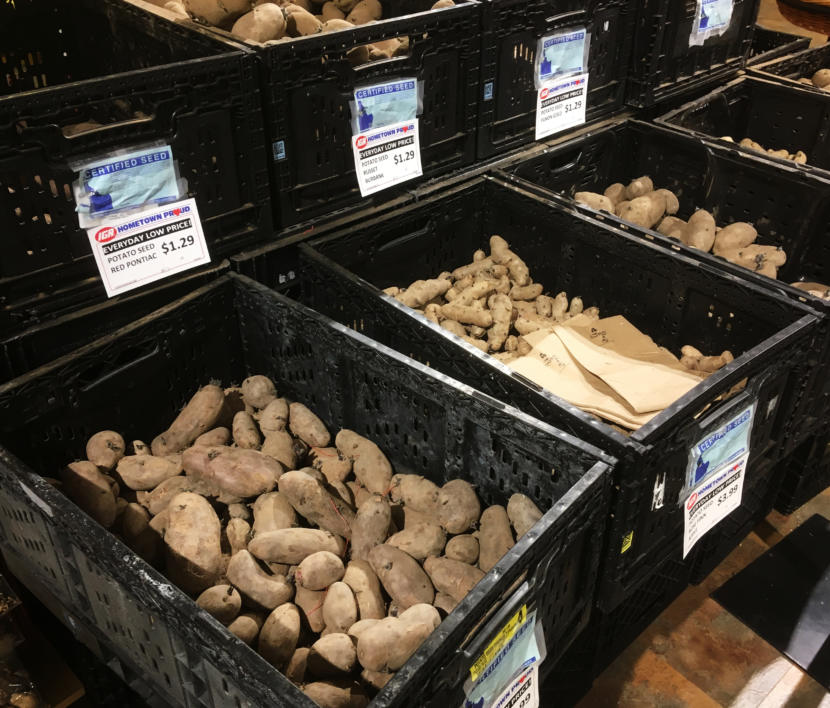
Certified seed potatoes on sale at a Juneau grocery store in April 2019.
Certified seed potatoes on sale at a Juneau grocery store in April 2019. (Photo by Matt Miller/KTOO)

In what is now Peru, the Inca people discovered how to domesticate a local root vegetable as early as 10,000 years ago. During what was called The Columbian Exchange, the potato eventually made its way to Europe, transported there by colonizers returning home.

The potato became a relatively easy-to-grow food staple ending the routine famines of the Middle Ages and prompting the rise of European empires. The potato’s increasing popularity was later traced to touching off the modern agriculture and pesticide industries.

In the very first edition of Gardentalk for the 2021 season, Master Gardener Ed Buyarski explains that gardeners should only buy Alaska-certified seed potatoes, which already have been inspected for potential disease and pests before they are sold by retailers.

Buyarski said potatoes sold in grocery stores for eating are not inspected for such diseases because they don’t normally affect appearance or taste. But they can affect long-term growth.

“The issue there is contaminating your soil with diseases that might come in,” Buyarski said.

But if you have a cooking potato that has been sprouting because it was forgotten and left in the pantry, Buyarski said you might be able to avoid any contamination by snapping off and planting just the sprout.

You can grow potatoes in large containers or grow bags with good drainage. Start by putting in a few inches of soil and then some fertilizer. The potato seed pieces should be cut up so they have at least one or two eyes for each piece. Plant the seed piece and then just barely cover with soil. Cover the planting container with clear plastic to warm up the soil.

For in-ground garden boxes or plots with good drainage, Buyarski recommends digging a trench about 6-8 inches deep, sprinkle in some fertilizer, and then plant the seeds about a foot apart. Barely cover the seeds with soil and then cover with clear plastic.

As the potato seedling grows every 2-3 inches, gently hill it or add more soil around it so that the seedling is just barely covered.

“I’ll usually try to leave just the little green tips showing,” Buyarski said. “But they just want to keep growing up.”

Also, here’s a reminder to avoid planting potatoes in the same container or garden plot that you planted them during the previous season. Rotating your crops every two to three years helps prevent disease build-up and depletion of the same nutrients.
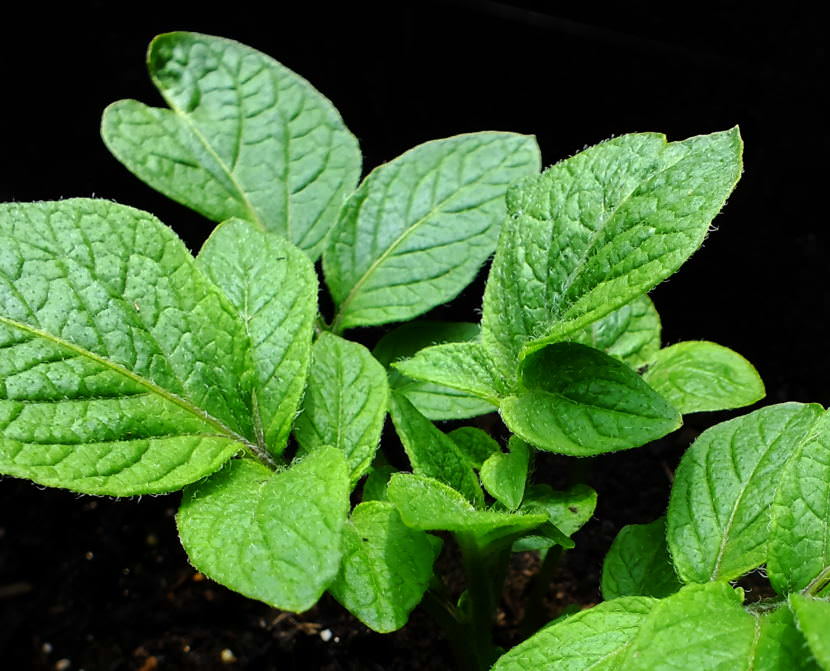
Close up view of potato seedlings growing in a North Douglas garden.
Close-up view of potato seedlings growing in a North Douglas garden. (Photo by Matt Miller/KTOO)

Gardentalk – How to plant flower and garlic bulbs this fall

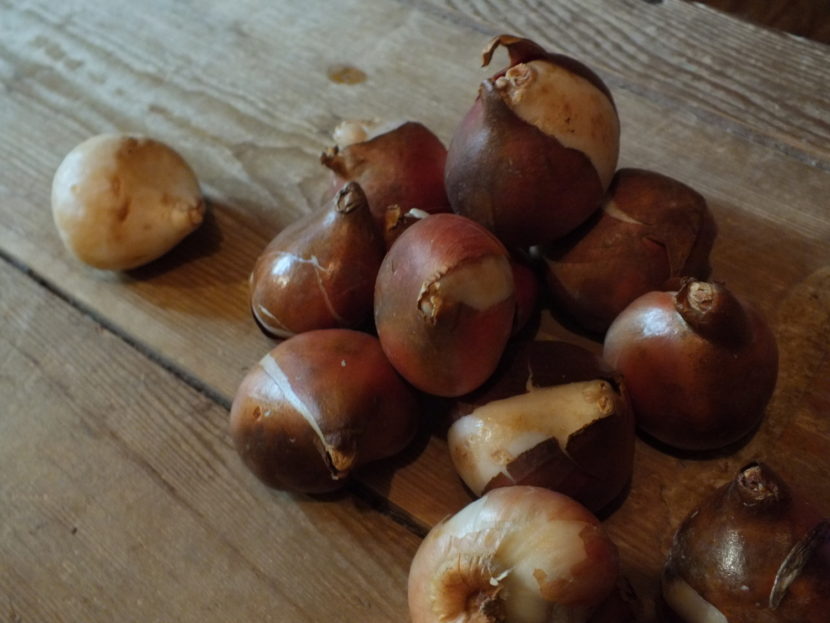
Bulbs ready for planting.
Bulbs ready for planting. (Photo by Matt Miller/KTOO)

As temperatures slide below freezing this month, now is a good time to plant flower and garlic bulbs.

“Obviously, the ground should not be frozen,” says Master Gardner Ed Buyarski. “That makes it a lot easier.

He suggests working compost and other organic fertilizer into the soil before digging holes for the bulbs. Garlic, especially, is a heavy feeder over the winter.

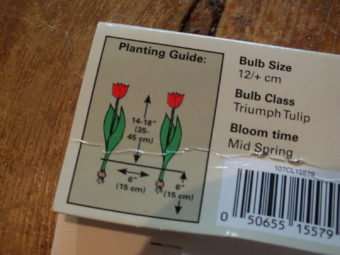
Planting guide attached to bag of bulbs (Photo by Matt Miller/KTOO)

Garlic bulbs should be planted pointy end up, about two or three inches deep, with uniform spacing about six inches apart. Rake soil over the holes and cover with seaweed or compost. Then cover the whole planter with clear plastic or tarps so the bulbs don’t get moldy and the fertilizer doesn’t leach away in the rain.

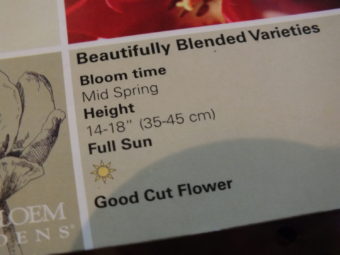
Flower bulbs should be planted differently, according to the variety. Check the bag or box for specific instructions on planting depth and spacing.

Buyarski says he usually digs a small trench for planting a large number of bulbs all at once. Sprinkle in some bulb fertilizer just before planting the bulbs. Replace the soil over the bulbs in the trench or hole, and then cover it with mulch.

Planting guide attached to bag of bulbs (Photo by Matt Miller/KTOO)

Once bulbs get twelve to sixteen weeks of temperatures below 40 degrees, that will trigger green sprout formation.

Just cross your fingers that Juneau doesn’t experience another mild spell later this winter.

If there’s another hard freeze after the bulbs sprout early, then both the bulb and eventual blossom could be damaged.

Gardentalk — How to stretch your harvest well into fall

Cold sink buckets
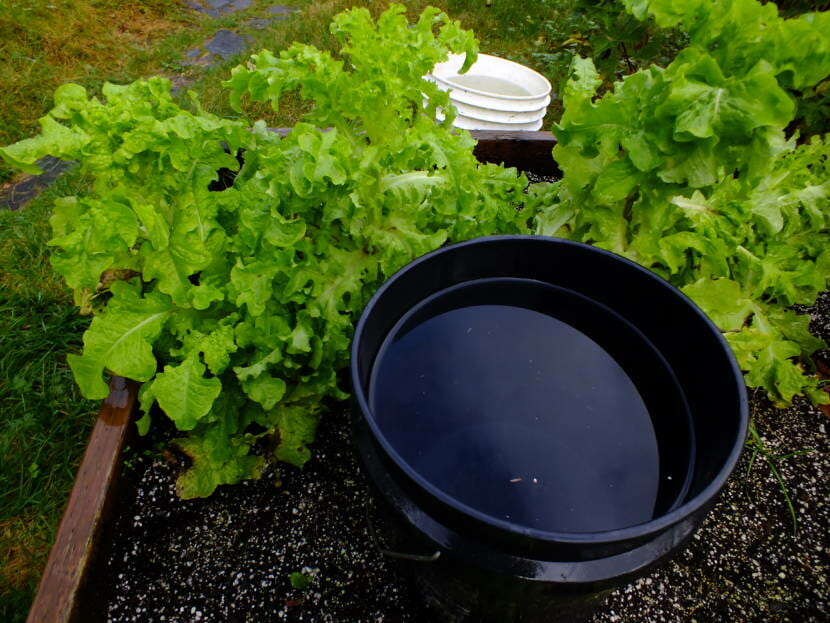
These buckets of water, particularly when placed inside a greenhouse, can delay or even prevent the effects of a frost or sharp freeze. (Photo by Matt Miller/KTOO)

Temperatures are dropping, and the amount of daylight is diminishing rapidly each day. But it’s hardly the time to give up entirely on gardening.

Master Gardener Ed Buyarski says he’s stopped watering his greenhouse tomatoes as a way to force them to ripen.

“Peppers, eggplants, zucchini, squash — all of those are pretty tender. They, too, are kind of semi-tropical,” Buyarski says. “We can wrap them up in fleece blankets (or) put buckets of water in around them, that helps slow the freezing process.”

The fleece blankets will provide as much as five degrees of insulation. The buckets of water will act as cold sinks, delaying or even preventing freezing in some cases.

For potatoes, cut off the plant above the soil and put a tarp over the mound. That will keep the potatoes dry and help the skins toughen up before digging them up for indoor curing.

“Our carrots, cabbages, kale, parsnips, turnips, rutabagas — I guess all those cabbage family plants particularly — will get better with colder weather,” Buyarski explains.

“Their sugar content increases,” he says. “So, we can leave them out there and just harvest them as we need them until a really hard frost threatens, that might actually freeze the soil.”

Buyarski says he’s even harvested brussel sprouts, carrots and parsnips late into the fall and early winter.

Gardentalk – Preparing your ornamentals for winter hibernation, safe from Juneau’s cold

Dahlias
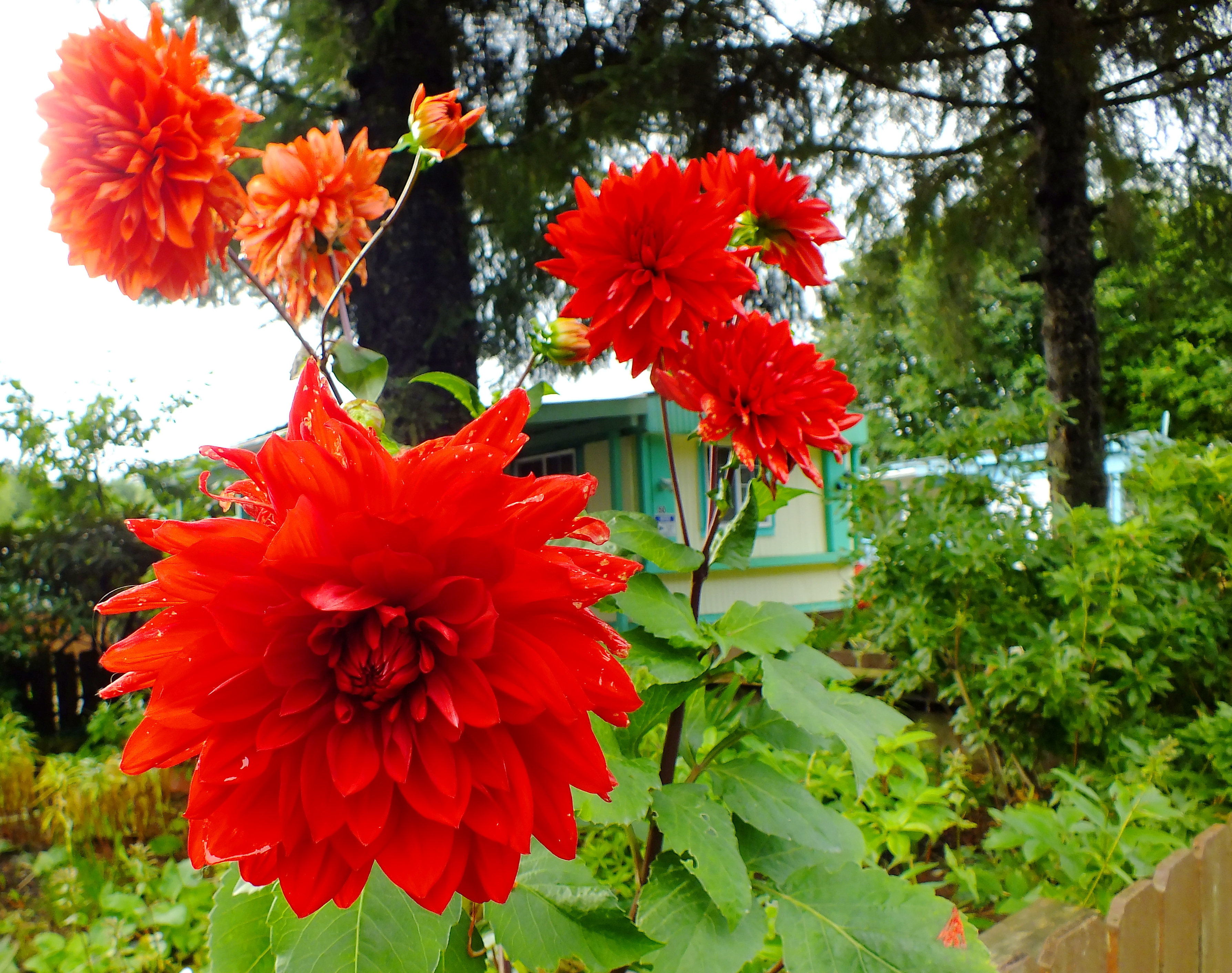
Dahlias bloom in a Lemon Creek yard in September 2020. (Photo by Matt Miller/KTOO)

Ornamental plants like petunias, begonias, dahlias and fuchsias won’t survive even a mild Southeast Alaska winter outside. We need to bring sub-tropical plants into a space that won’t freeze, says Master Gardener Ed Buyarski.

“If they hit 32 degrees, they’re probably toast,” Buyarski says. “I guess frozen, not toast.”

Once a hard frost knocks back the foliage of dahlias and begonias, Buyarski recommends removing the tubers. Wash off the dahlia tubers while allowing the begonia tubers to dry out before putting them in a labeled paper bag and storing it in a place that does not freeze.

Dahlia tubers can also be stored in dry sawdust, dry shredded paper or dry straw in a paper grocery bag. They can be divided now or in the spring.

Fuschias should be trimmed back to 4-to-8 inch stems and can overwinter in a place colder than 40 degrees, like a root cellar. But Buyarski says check on them regularly to make sure they don’t dry out over the winter.

Gardentalk – How to stop a fungus invasion and why your veggies might be turning yellow

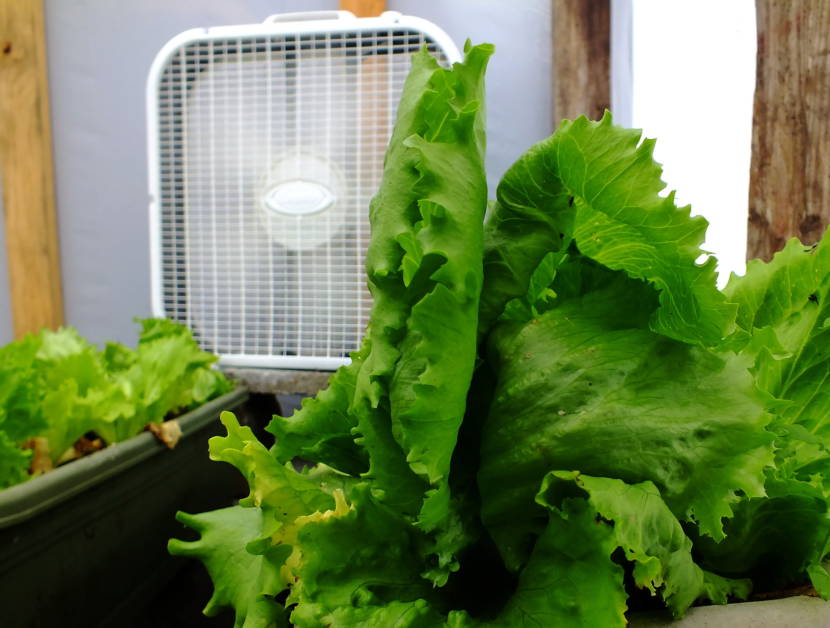
Lettuce fan
A fan keeps the air moving in a North Douglas greenhouse. The lower leaves of the lettuce in the background are turning yellow. (Photo by Matt Miller/KTOO)

Are your veggies turning yellow this late in the season?

Master Gardener Ed Buyarski says it’s likely because most of the soil nutrients have been been washed away by this summer’s rains.

It may be too late this season for an application of weed juice or fertilizer. So Buyarski recommends trimming leaves from vegetables as soon as they begin turning yellow. Otherwise, they will be susceptible to slugs and fungus.

With all the rain and moisture we’ve had this summer, Buyarski also recommends harvesting squash, zucchini and cucumbers as soon as possible — before they succumb to a fungus, which can spread fast in an environment where there is little air circulation.

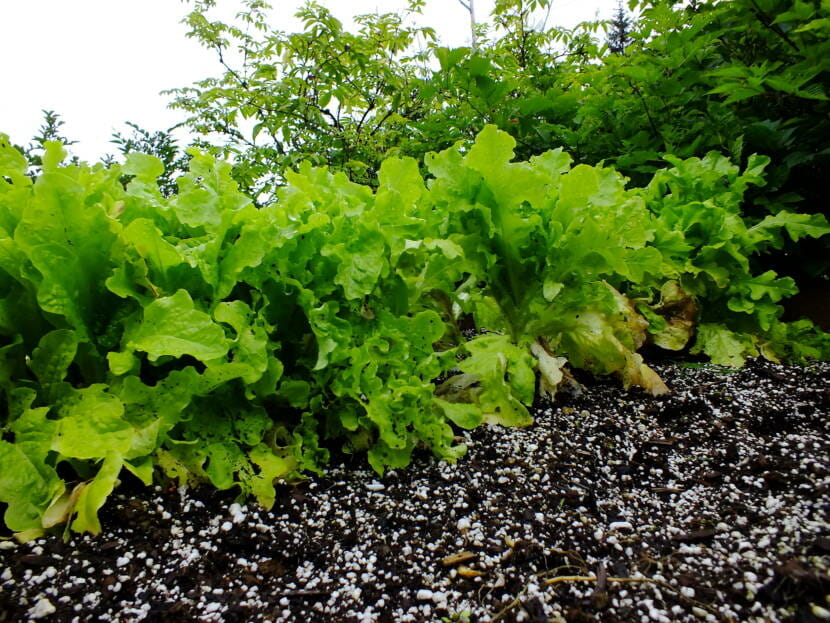
Yellowing lettuce
The lower leaves of this lettuce are turning yellow and will soon fall victim to slugs and fungus if they are not removed. (Photo by Matt Miller/KTOO)

Gardentalk – Pick those apples and turn them into pie, jelly and applesauce

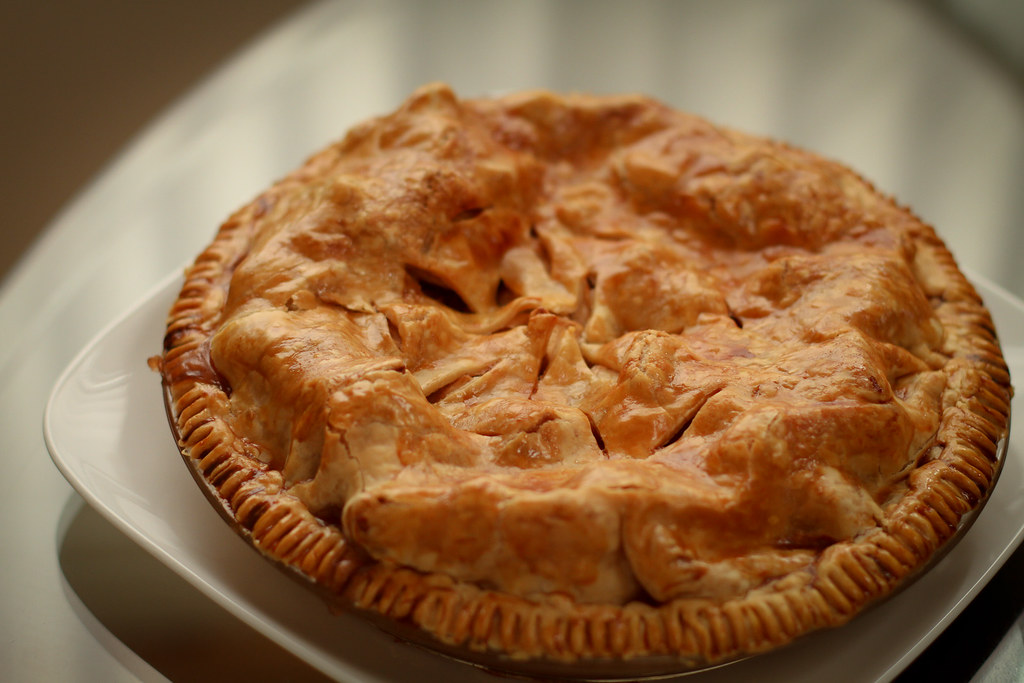
Homemade Apple Pie“Homemade Apple Pie” by WinstonWong* is licensed under CC BY-NC-SA 2.0

There may be a few hundred apple trees of several different varieties in Juneau. The exact number is unknown.

For many of those trees, it’s harvest time.

But Master Gardener Ed Buyarski says tree owners should look carefully at the interiors of their trees. If the leaves and branches get too thick, then future apples on the north side of the tree won’t get enough sunlight to ripen. He recommends thinning out any interior growth while you’re already up there picking apples.

Yellow Transparents are usually the earliest apple variety. They should be picked at the end of August, when the fruit is still a little green. They will get mealy and turn pale yellow if you leave them on the tree too long.

Other varieties, like Pristine and William’s Pride, usually are picked later in the season as their flavor improves.

For anyone wanting to plant a new apple tree, Buyarski says now is the perfect time to order. He suggests picking out an early ripening, scab resistant variety for next spring’s planting — and getting together with others for ordering multiple trees

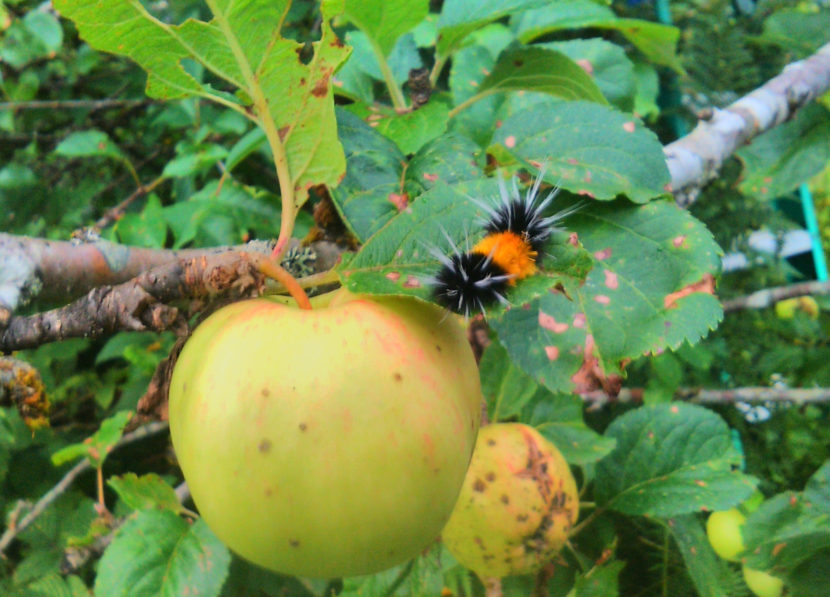
This woolly bear caterpillar was spotted roaming an apple tree in Juneau in August 2016.
This woolly bear caterpillar was spotted roaming an apple tree in Juneau in August 2016. (Photo courtesy Ed Buyarski)

.

Site notifications
Update notification options
Subscribe to notifications