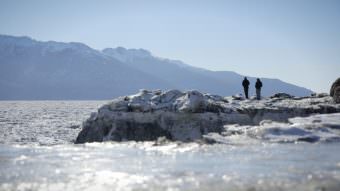
Cook Inlet has some of the most dramatic tidal shifts on the planet. From scientists to startups, many have speculated how this fast-flowing water could be harnessed to produce electricity. Professor Tom Ravens (University of Alaska Anchorage) and Chris Rose (Renewable Energy Project Alaska) discuss the potential and challenges of tapping hydro-kinetic energy.
Eric Keto, Alaska’s Energy Desk
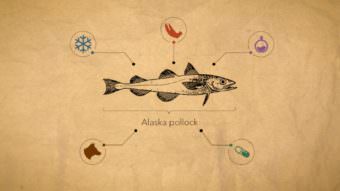
Video: Generating power from pollock
Hoisted up from the Bering Sea, Alaska pollock finds its way into products that are distributed around the world. Sometimes, part of the fish doesn’t make it that far. Mark Hoffman, supervisor at the UniSea power plant, explains how the company uses some of its leftover fish oil.
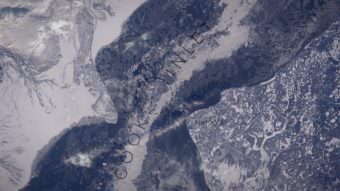
Video: Is the Cook Inlet gas leak contributing to global warming?
A natural gas pipeline in Alaska has been leaking methane into the atmosphere since at least early February. Dr. Katey Walter Anthony from the University of Alaska Fairbanks helps to put the size of that leak into perspective.
Coming into the Country
Celebrating the 40th anniversary of John McPhee’s book
that shared Alaska with the world
Feature Stories
Forty years later, the lure of “Coming into the Country”
Jennifer Pemberton
Looking back at romance and upheaval in the wilderness
Elizabeth Harball
From the bush to Congress
Rashah McChesney
Living in a dreamscape
Elizabeth Harball
Leading John McPhee down the Salmon River
Annie Feidt
Videos
- Coming into the Country: Where Are They Now?
- Searching for a New State Capital
- Pat Pourchot
- Sonja Woodman Corazza
- Rich Corazza
Coming into the Country: Where Are They Now?
Searching for a New State Capital
Pat Pourchot
Sonja Woodman Corazza
Rich Corazza
Profiles
More Coverage
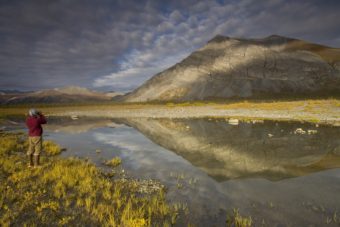
Video: What is the Arctic National Wildlife Refuge?
The coastal plain of the Arctic National Wildlife Refuge ranks as one of the most controversial chunks of land in Alaska. Since Congress set it aside for more study in 1980, environmental groups, politicians and industry have battled over whether to explore for oil there or to protect the wilderness forever.
Video: Natalie Carrasco, Eric Keto, Elizabeth Harball
Music: Garrett Bevins
Additional Footage: U.S. Fish and Wildlife Service
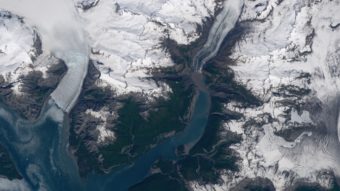
Video: As glaciers melt, landslide risk increases
One of North America’s biggest landslides occurred in Icy Bay, Alaska in 2015. The slide, and subsequent tsunami were a direct result of the shrinking glaciers in the region. Dr. Michael Loso, physical scientist at Wrangell-St. Elias National Park, explains the connection between retreating ice and unstable slopes.