
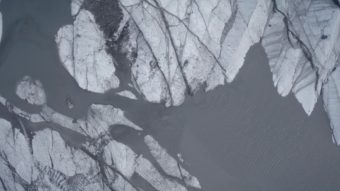
Glacier dammed lakes are common throughout Alaska and the Arctic. Dr. Michael Loso, physical scientist at Wrangell-St. Elias National Park, explains what happens when one of these lakes experiences a rapid drainage event.
Eric Keto, Alaska’s Energy Desk
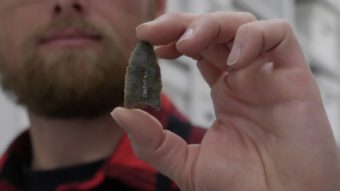
Video: Artifacts unearthed during TAPS construction remain relevant
Underneath the Museum of the North in Fairbanks are rows upon rows of artifacts from across the state. One group of items, unearthed during the construction of the Trans-Alaska Pipeline System, still have a role to play in Alaska’s modern development process.
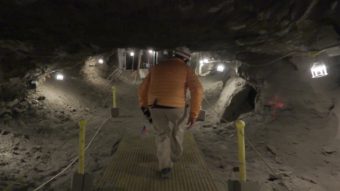
Video: Below ground in the Fairbanks permafrost tunnel
Ancient microbes, unusual ice structures, mammoth bones – there’s a lot happening below the surface in the Fairbanks Permafrost Tunnel Research Facility.
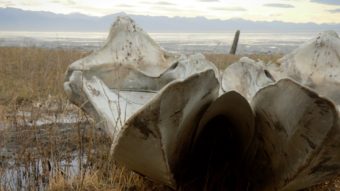
Video: Whale skeleton takes flight in Anchorage
Researchers from the University of Alaska Fairbanks were at Kincaid beach in Anchorage to finish recovering the skeleton of the humpback whale that washed up there in July.
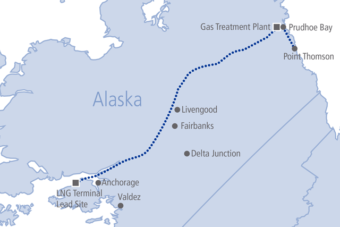
Gas line: A love story
The 1970s were a crazy time in Alaska. The state was young and along with that adolescence came its first infatuation, oil. Prudhoe Bay was discovered in 1968 and it changed everything. It was North America’s largest oil field. But Alaska wanted more, and even as the behemoth Trans-Alaska Pipeline System was being built, several companies were pursuing natural gas pipeline projects to bring North Slope gas to market.
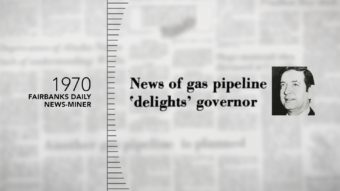
Video: Forty years of Alaska’s failed gas line plans
For over 40 years, Alaska’s leaders have been promising to build a natural gas pipeline from the North Slope. This week, Alaska’s Energy Desk asks: Will it ever happen? And, if so — why is it taking so long?