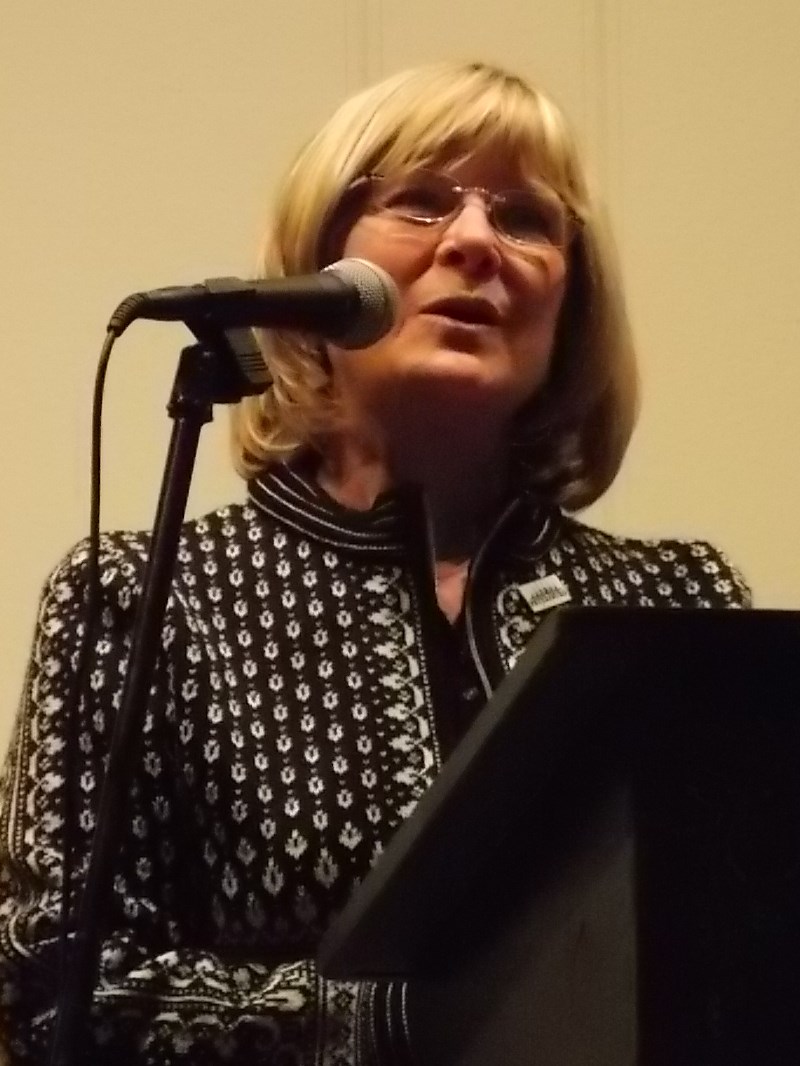
Sealaska’s headquarters building in Juneau. (Photo by Heather Bryant/KTOO)
Southeast’s regional Native corporation is out of the plastics business.
Sealaska sold its share of factories in Alabama, Iowa and Guadalajara, Mexico, on Monday.
Nypro Incorporated bought out Sealaska’s share of their Nypro Kánaak partnership. The purchase price was not revealed.
President and CEO Chris McNeil Jr. says it’s part of a larger effort to narrow investments.
“This particular operation has had a spotty performance over the years. But now all three operations have been profitable. When you have a company that has increasing profitability, that’s generally the time to sell if you have the opportunity to sell,” he says.
Nypro was recently purchased by Jabil, a huge multinational corporation with 60 plants in 33 countries. McNeil says that was also a factor in the sale.
He says a few tribal members interned at Nypro. But the factories were too far away to benefit most shareholders.
Sealaska’s board and management are considering new areas of investment in Alaska and the Pacific Northwest, where most of its 22,000 shareholders live.
“We’re also looking for something that is more constant with our Native values, including the concept of sustainability,” he says.
Sealaska sold its global logistics subsidiary earlier this year, giving the same reasons.
McNeil says the corporation has not chosen a company or industry to replace the plastics business.
He says the sale will not have a large financial impact on shareholder dividends.
“This will become less gross revenues. But of course the revenue and income from the sale itself earns income during the time we’re holding money for reinvestment,” he says.
Sealaska’s plastics venture began in the late 1990s with a subsidiary called TriQuest Precision Plastics, which had a plant in Vancouver, Washington.
Changes in the market led the factory to close. Sealaska then combined assets with Nypro to form the partnership. It made bleach containers, filtered water bottles and other products.
The Ketchikan Gateway Borough redistricting plan for Southeast does not specify how Juneau’s two districts will be split up.
The Alaska Redistricting Board has come up with seven new maps of its own. Four more were submitted by the Ketchikan Gateway Borough, the Calista regional Native corporation and two other groups. (Link to the maps and related documents.)
But the redistricting maps posted online are small or compressed. So, it’s hard to even tell where some communities end up.
“I don’t think anybody really knows what’s going on with redistricting,” said Skagway Mayor Stan Selmer.
Like many Southeast leaders, he’s considering the implications of another round of election-boundary changes.
“I’m a little bit disappointed that this has this much of a life,” he said.
The northern Lynn Canal community used to be linked to Haines, its nearby neighbor, and quite a few other small Southeast towns.
The current redistricting plan, undergoing a court-ordered review, puts Skagway in with downtown Juneau, Petersburg, Gustavus and Tenakee Springs.
New maps keep Selmer’s town linked to the capital city and its Lynn Canal neighbors.
“I know that geography really is the major component of tying Haines, Skagway and Juneau together,” Selmer said.
Most of the new redistricting maps match other Southeast communities with their neighbors, rather than long, narrow strings of towns.
For example, plans link all of southern Southeast together.
Dan Bockhorst is borough manager of Ketchikan, which submitted its own set of regional boundaries.
“The plan that was presented would encompass all of the Ketchikan Gateway Borough and areas with which Ketchikan has strong social, cultural, economic, geographic and transportation connections and similarities,” Bockhorst said.
Some of the 11 proposed maps shuffle communities and boundaries in the middle of the region.
A number, including Ketchikan’s, put Wrangell back in a district with Sitka and Petersburg. That’s what Petersburg wants, rather the current district with Juneau.
All these changes make it hard for some residents to know who their legislators are – and vice versa.
“I’ll just go with the flow, whatever it is. It’s just very frustrating when you get yanked around,” said Wrangell Representative Peggy Wilson.
She lost Sitka and Petersburg from her district for the 2012 elections. And she gained much-larger Ketchikan.
“The thing is, I know that district so well because I’ve had it for so long. And it’s been a challenge for me to get to learn all new people,” Wilson said.
Election districts have to have pretty much the same number of residents.
So when Southeast Alaska didn’t grow – and other parts of the state did – redistricting cost the region two of its eight legislative seats.
That forced small towns in with larger communities, some against their will.
Merrill Sanford is mayor of Juneau, which has about half the region’s residents and two of its four remaining election districts.
“It just seems like no matter how you cut it, we end up having to have some of the other littler communities around us, one way or the other, in our district. And of course that scares and worries them and I don’t blame them,” Sanford said.
A public hearing on the plans is set for noon to 4 p.m., July 2nd, in Juneau. Others are set for June 28th in Anchorage and July 1st in Fairbanks. Testimony will be taken in person and via teleconference.
Sealaska shareholders have re-elected four incumbents to their regional Native corporation’s board of directors.
Richard Rinehart Jr., Jodi Mitchell, Jackie Johnson Pata and Patrick Anderson were the top vote-getters.
Results were announced Saturday at Sealaska’s annual meeting in Hoonah.
The board chose Alysha Guthrie as youth adviser for the next year.
The incumbents were challenged by 10 independent candidates, many critical of the corporation’s board and managers.
Mick Beasley, Myrna Gardner and Ralph Wolfe were the top independent vote-getters.
Sealaska says about 120 shareholders and guests attended the meeting in Hoonah. Another approximately 280 households viewed a webcast.
Board members chose Albert Kookesh and Rosita Worl to continue chairing and vice-chairing the panel. Top managers were also retained, including President and CEO Chris E. McNeil Jr.
Sealaska has about 22,000 tribal member shareholders.
2013 Annual Meeting Election Results (in shares cast)
Representative Beth Kerttula speaks to the Petersburg Chamber of Commerce. (KFSK file photo)
Representative Beth Kerttula didn’t know Peterburg’s borough assembly was planning to ask again to get out of Juneau’s legislative district.
The small fishing community is sending a letter to the Alaska Redistricting Board requesting to be in a district with Sitka, Wrangell, and other smaller Southeast communities.
But Kerttula says she’s not surprised.
“I just respect Petersburg’s desire to be more of what they used to be in terms of the contiguity of their district. I don’t know that that will happen,” the democratic representative says. “As I’ve said, I love representing Petersburg. It’s a tremendous community. Senator Egan and I have great connections there and will continue to work our hardest for them frankly whether they’re in the district or not.”
Kerttula says she and Senator Egan had worked diligently on getting appropriation money for the community during the recent legislative session. Petersburg received 2.5 million for its police station and more than 2.1 million in state money for its elementary school. The airport got 3 million in federal money and another 3.3 million for Haugen drive and adjacent bike path.
Petersburg fought the inclusion in Juneau’s house and senate district last year. The Redistricting Board this week is beginning the process of redrawing Alaska’s legislative lines.
Kerttula thinks regardless of how the lines are drawn, there will likely be a smaller community placed in Juneau’s district.
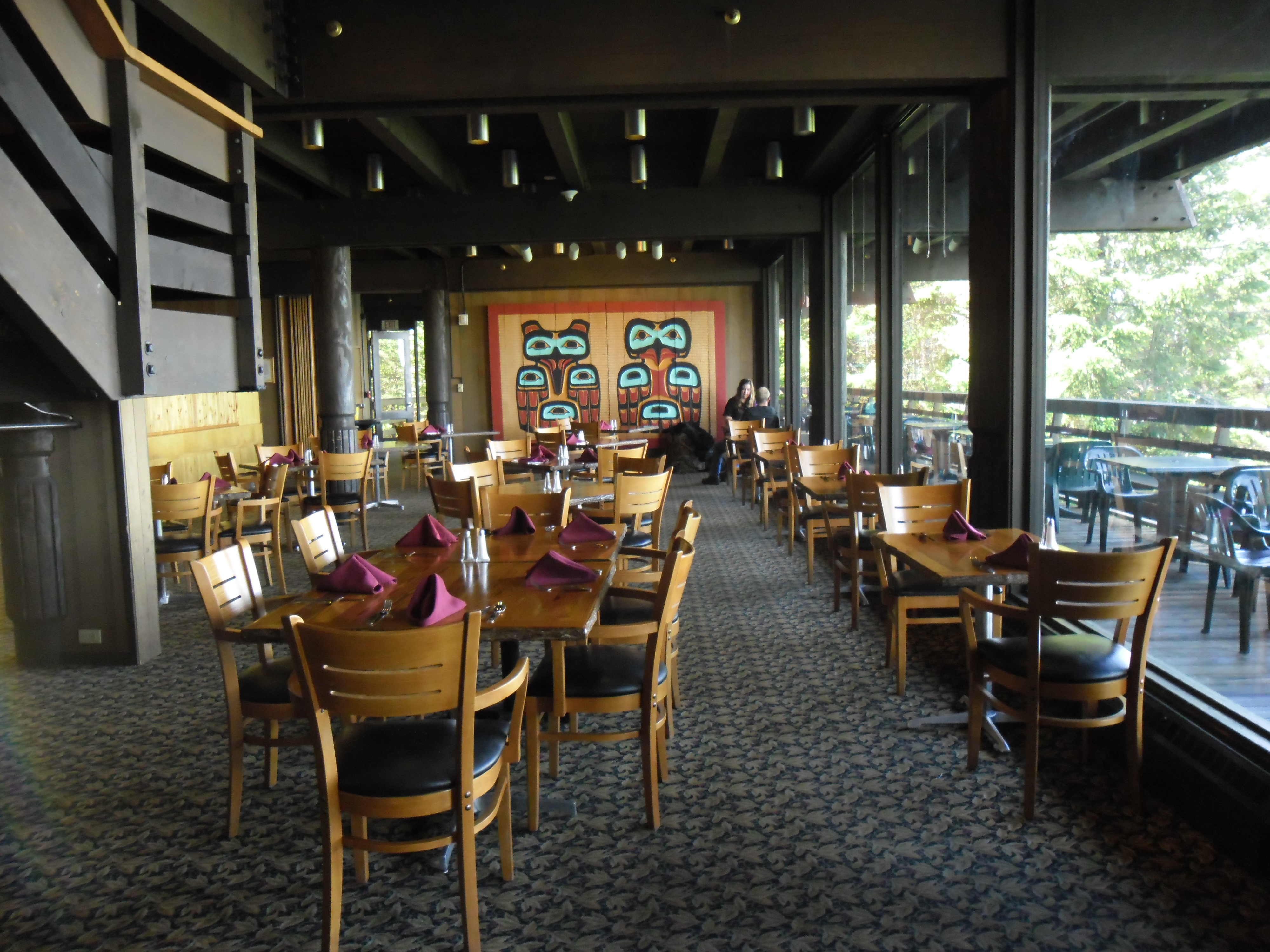
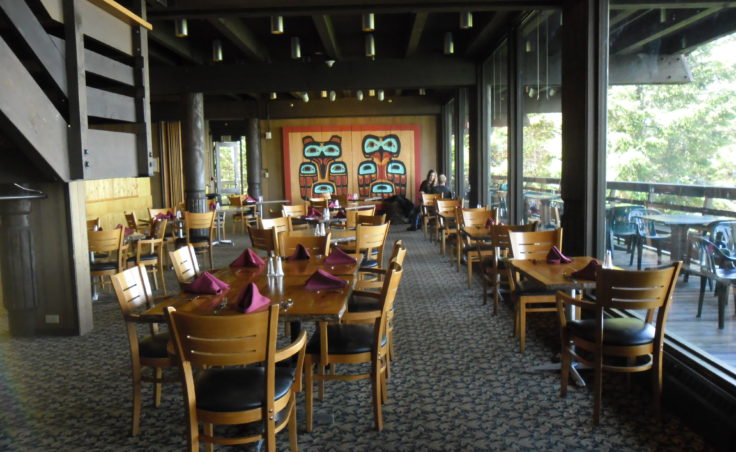
Aramark and Huna Totem Corporation currently provide concessions for Glacier Bay Lodge, which includes offering three meals a day in the Fairweather Dining Room. (Photo by Lisa Phu/KTOO)
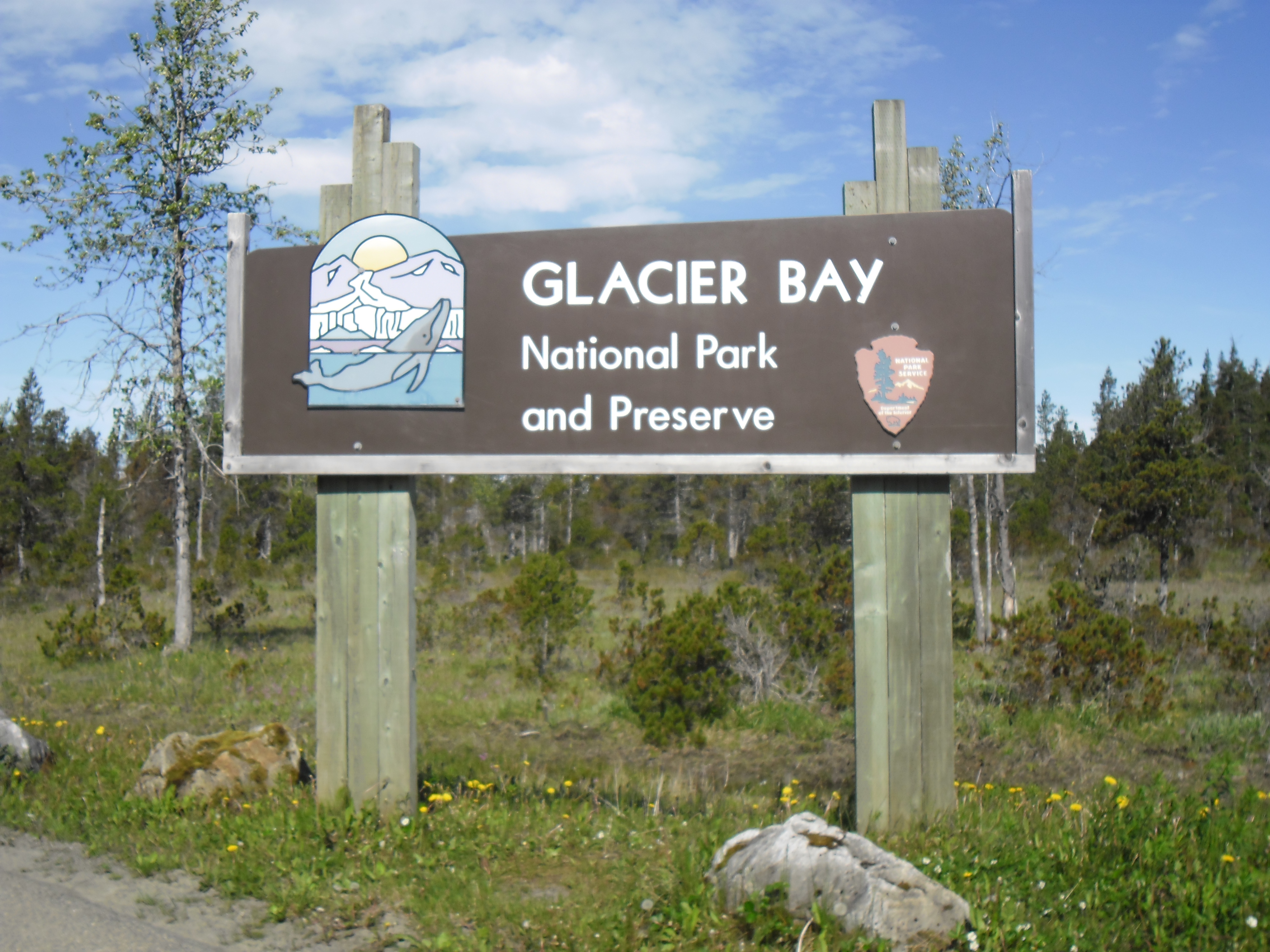
Glacier Bay National Park and Preserve saw 432,414 visitors in 2011. (Photo by Lisa Phu/KTOO)
Glacier Bay Lodge may shut down next year if no concession contract is secured. (Photo by Lisa Phu/KTOO)
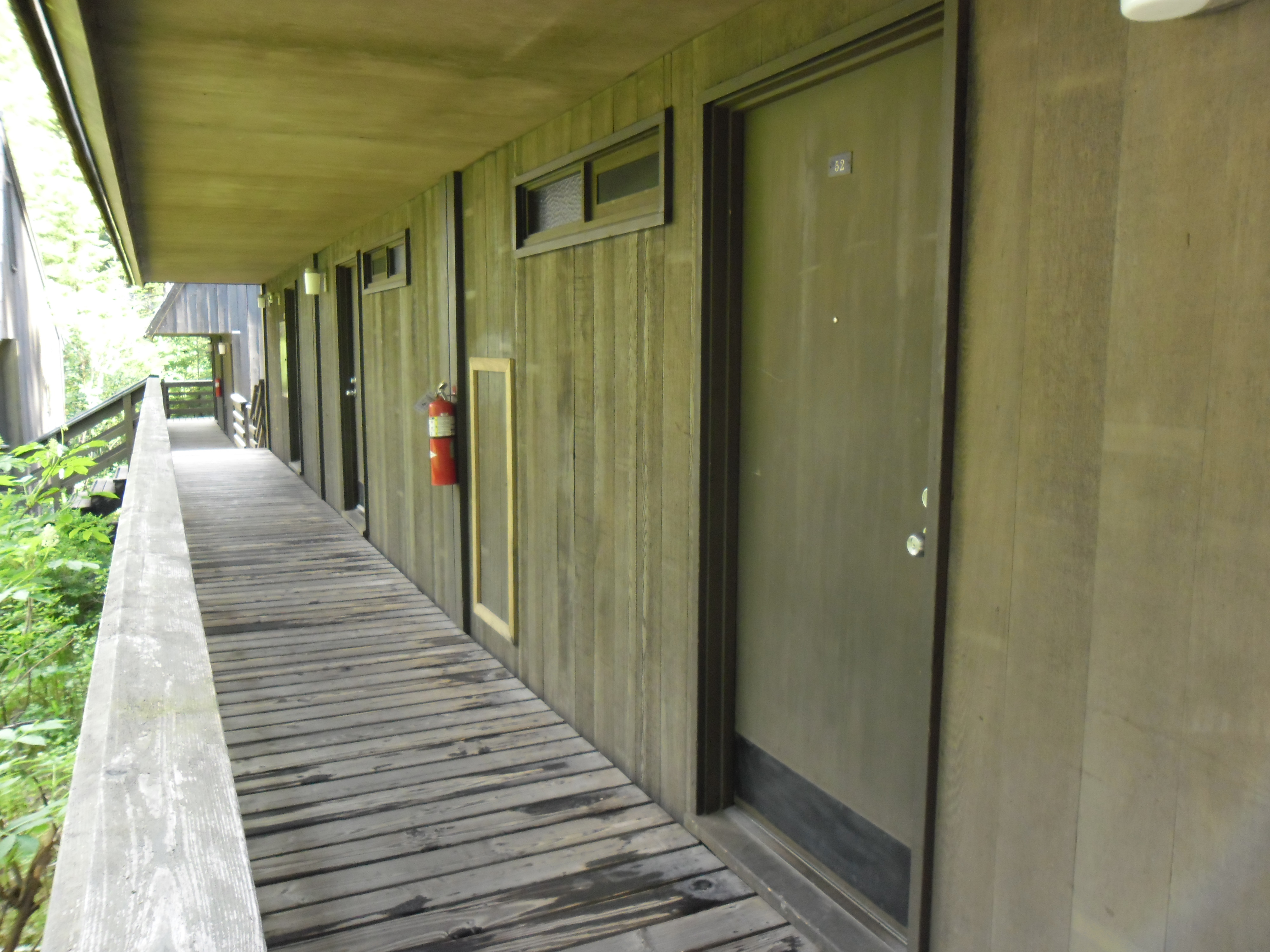
Glacier Bay Lodge is the largest lodging operation in Gustavus with 56 rooms. (Photo by Lisa Phu/KTOO)
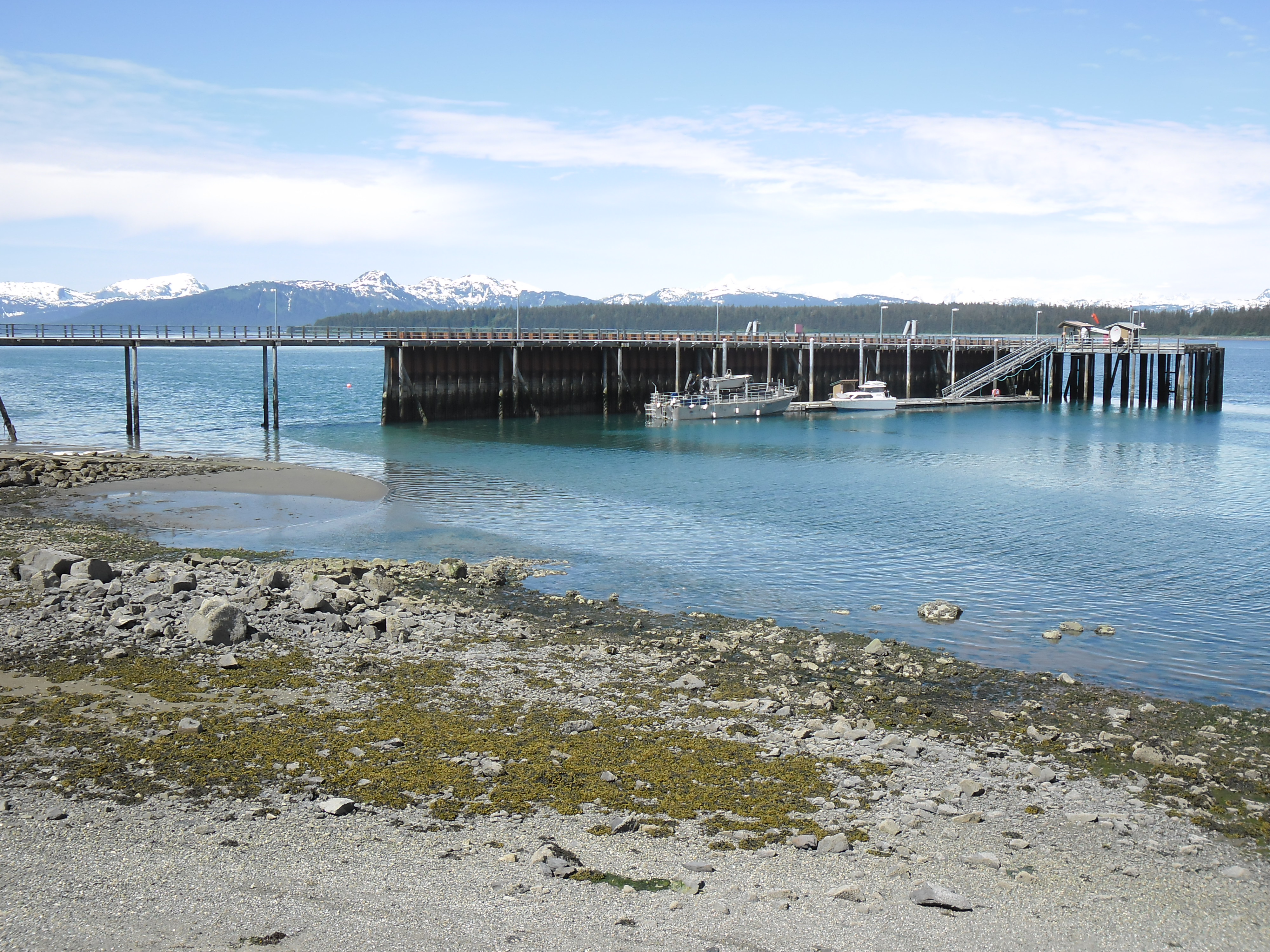
The dock at Bartlett Cove. (Photo by Lisa Phu/KTOO)
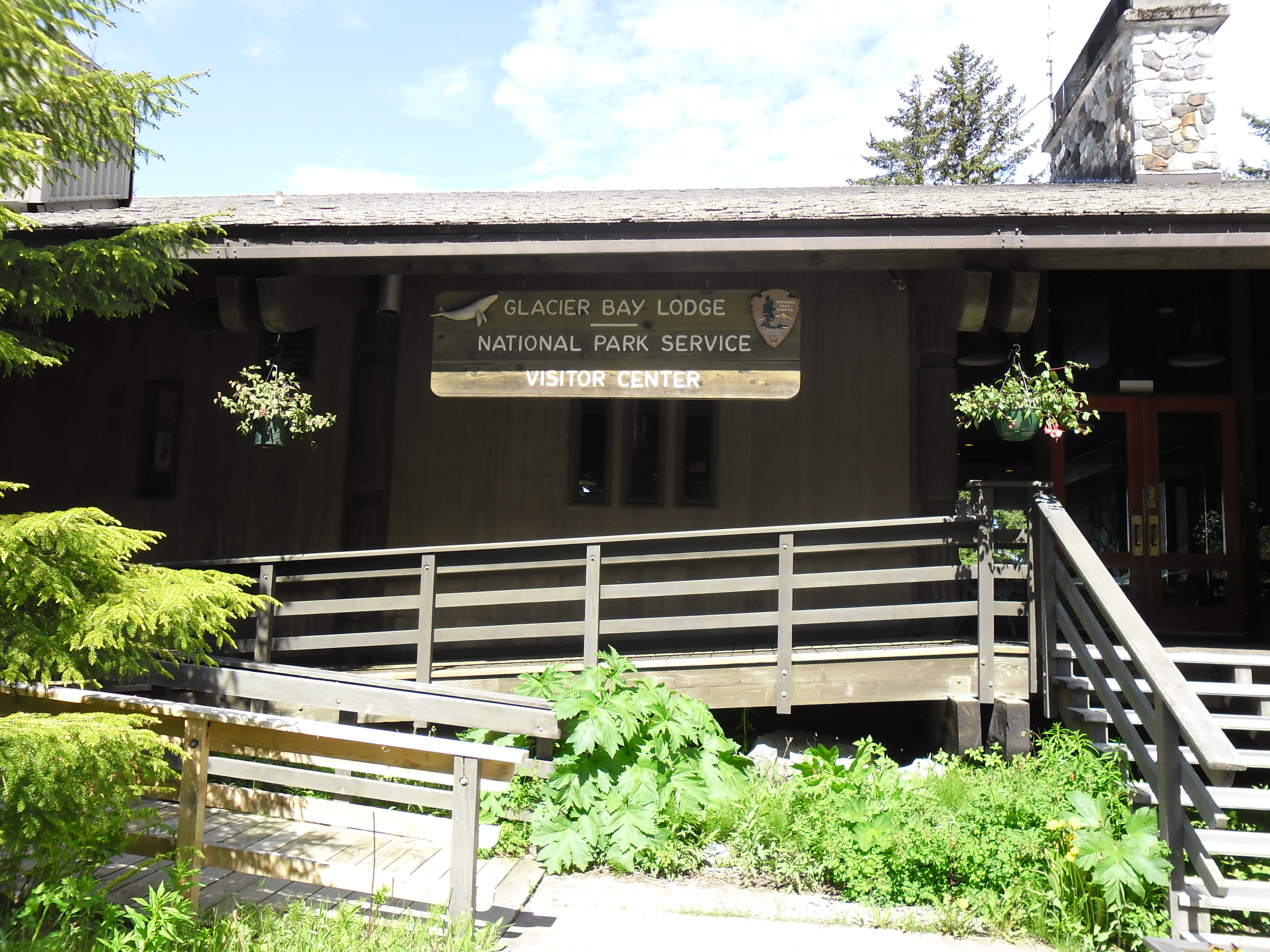
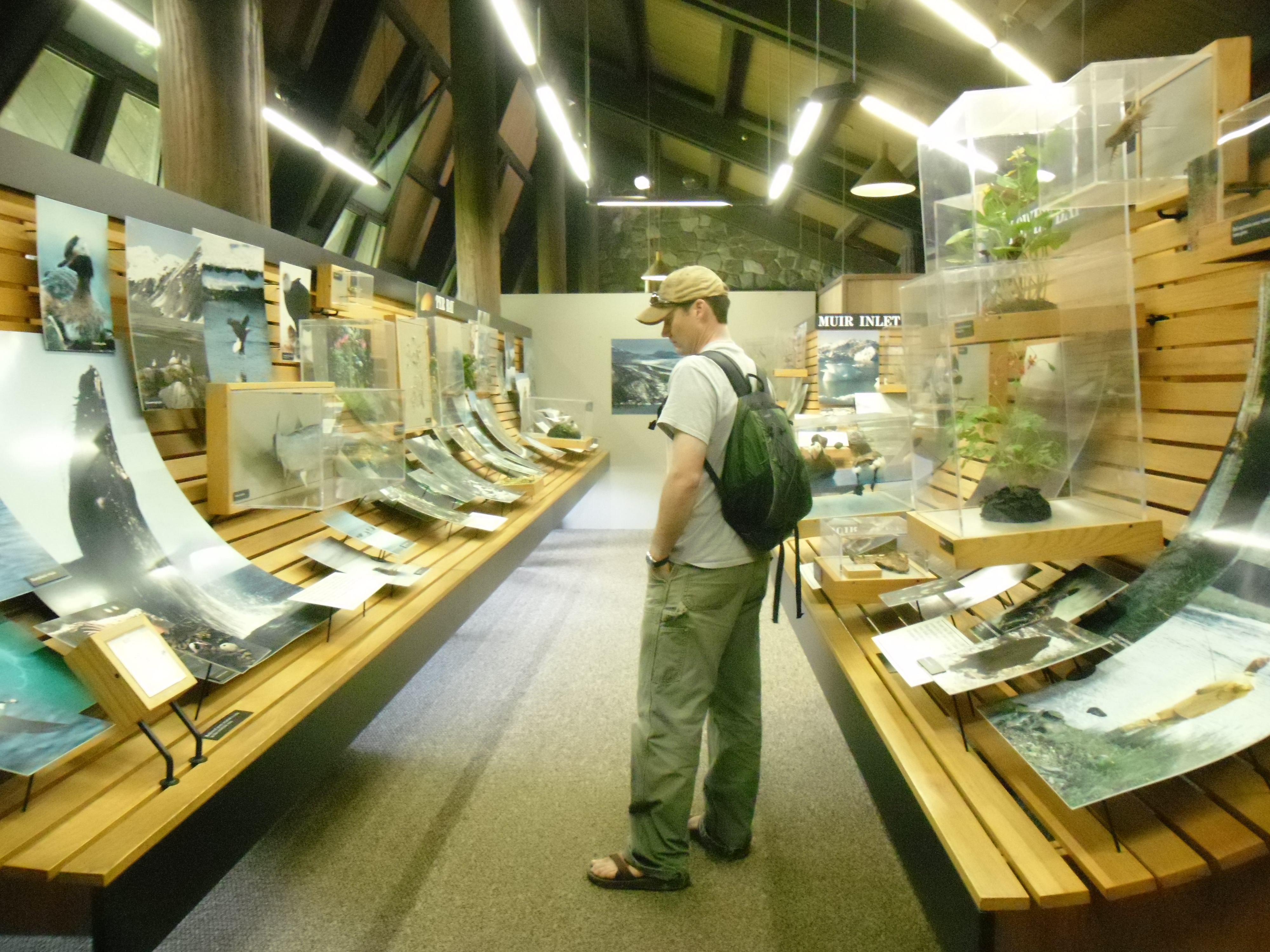
The museum for Glacier Bay National Park is housed in the Glacier Bay Lodge. (Photo by Lisa Phu/KTOO)
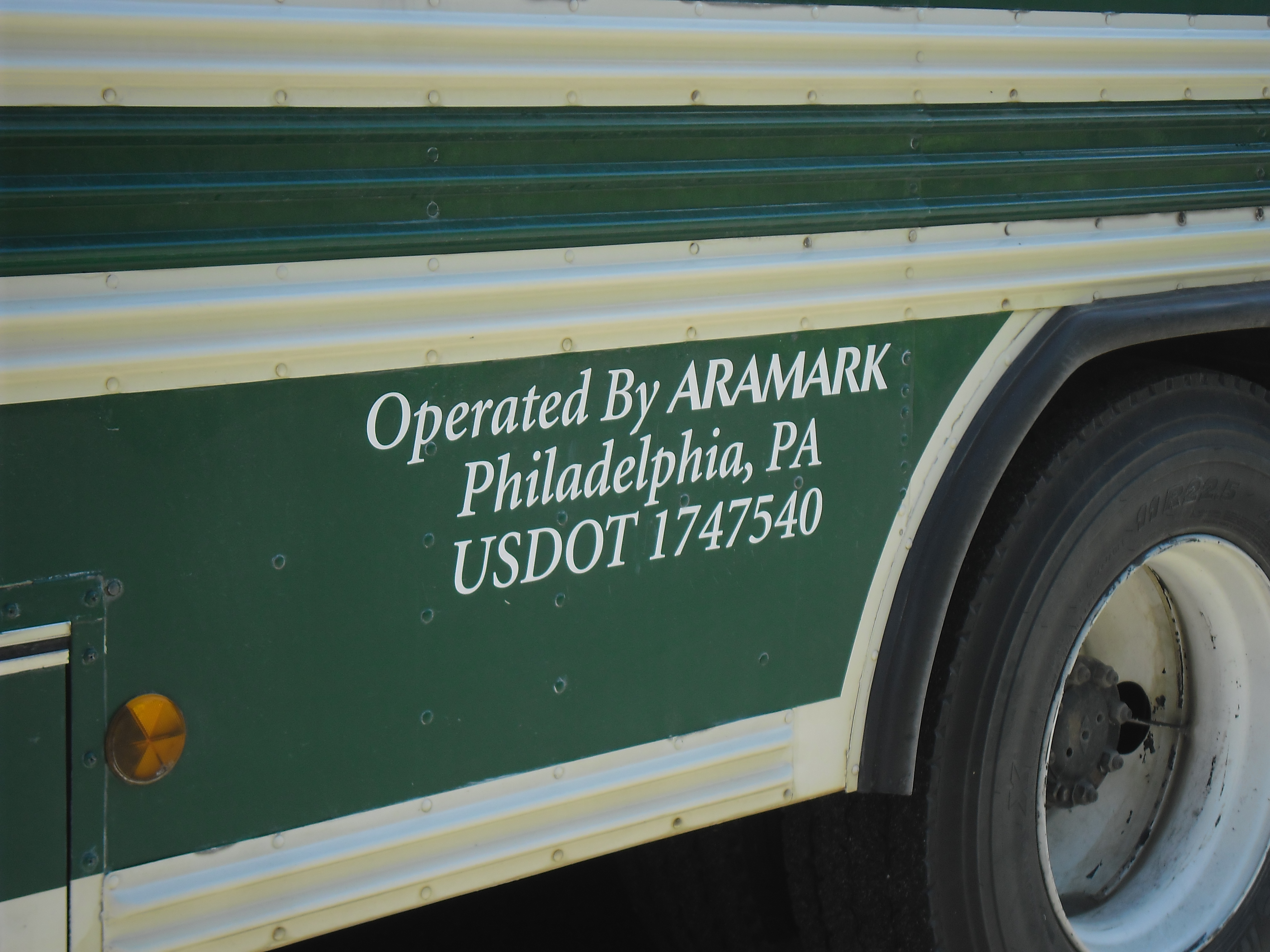
Aramark provides ground transportation between Gustavus and Bartlett Cove. (Photo by Lisa Phu/KTOO)
Glacier Bay Lodge may shut down after this season. Glacier Bay National Park and Preserve put out a prospectus for concession services in January but received no bids by the March 26 deadline. Closing Glacier Bay Lodge could have rippling effects on the economy of Gustavus.
For the past ten years, Glacier Bay Lodge has been run by a joint venture between food services company Aramark and Huna Totem Corporation. Aramark is headquartered in Philadelphia and also supplies concession services in Denali National Park and Preserve, among other parks around the country.
Besides running the Lodge and restaurant, Aramark and Huna Totem are responsible for providing day boat services, camper and kayak drop offs and pick-ups, marine fuel sales, ground transportation between Gustavus and Bartlett Cove, retail shop, and maintaining public showers on the Park campground. All these services are in danger of disappearing after this season.
Susan Boudreau is superintendent at Glacier Bay National Park and Preserve. She says she asked interested parties why none of them put in a bid to run the lodge.
“The bottom line is it’s just not financially feasible. It hasn’t been making money. It hasn’t been making money for the past 20 years. Right now with the economy, it’s just a risk for them. They all ran the numbers and it’s just not the right timing for them.”
Boudreau is not worried about the park losing visitors if the lodge closes.
“I don’t really see how it can affect the National Park at all because the visitors are so intrigued about coming to the park. It’s on their bucket list. It’s the top of the line,” she says.
According to the National Park Service, more than 400,000 people visited Glacier Bay in 2011, most by cruise ship, but 25,ooo flew or ferried into Gustavus before entering Glacier Bay.
Gustavus Mayor Lou Cacioppo says losing Glacier Bay Lodge would be devastating.
“It would be a very serious blow to the economy directly and indirectly. We can guess what the fallout’s going to be but I’m sure it even encompasses more than what I’m realizing at this moment.”
Glacier Bay Lodge contains 56 rooms, which accounts for about half the rooms available in all of Gustavus. Cacioppo says the closure of the lodge would be a revenue hit for the city in regards to bed and sales tax.
JoAnn Lesh is president of the Gustavus Visitors Association and owns Gustavus Inn with her husband Dave.
“If the lodge closes, we’ll lose half of the beds in town which will decrease our ability to support all of these activities like kayaking, whale watching, charter fishing,” Lesh says.
Boudreau says the park is exploring other options. The first is the feasibility of a temporary 2-year concession contract for day boat and camper drop-off services for the 2014 and 2015 seasons. A second is determining if the January prospectus can be revised to make the contract more financially feasible. According to the park service, if a new prospectus is issued, a new concession contract probably would not be in place until the 2016 operating season.
A third option is extending the current contract with Aramark and Huna Totem for another two years. Aramark declined to comment for the story but offers this statement:
“We continue to speak with the National Park Service about the possibility of managing the lodge beyond the current contract, however, there are a number of factors to take into consideration before a decision can be made. In the meantime, we are focused on providing a high level of service for guests this year.”
Huna Totem Corporation did not return repeated phone calls regarding Glacier Bay Lodge.
Alaska’s congressional delegation in Washington, D.C. has gotten involved in the issue. Letters have been written to Interior Secretary Sally Jewel and National Park Service Director John Jarvis urging the lodge stay open.
UPDATE:
After completion of this story, Huna Totem Corporation contacted KTOO with a statement regarding the possible closure of Glacier Bay Lodge. Huna Totem, in a joint venture with Aramark, holds the concession contract for the lodge, which ends this year, and did not put in a bid to continue to run the lodge.
Speaking through Thompson & Co, a PR firm based out of Anchorage, Huna Totem CEO Lawrence Gaffaney releases this statement:
“Huna Totem Corporation is committed to working with the National Park Service in Glacier Bay and sharing the personal story of our ancestral homeland, Sit’ Eeti Gheeyi, with visitors. While it’s our intention to continue offering authentic cultural programming for travelers in the park, we don’t know yet how the concession contracts may change. We are still talking with the Park Service and others on how to maintain a cultural and professional presence in the park and provide an improved experience for non-cruise ship visitors.”
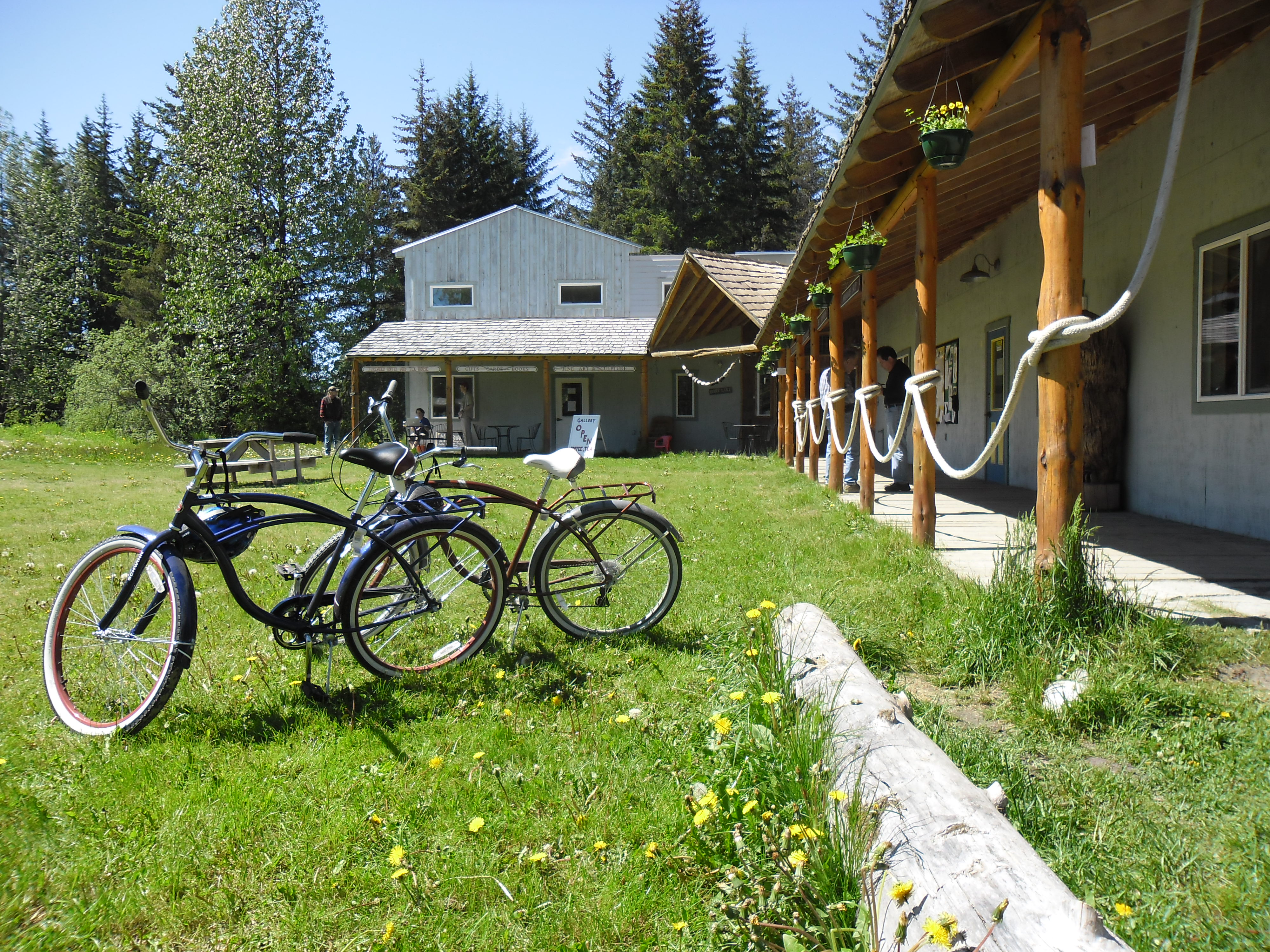
Gustavus has a year-round population of around 450. Many residents like to congregate at the town’s ‘Four Corners,’ where the Fireweed Gallery and Coffee Shop is located. (Photo by Lisa Phu/KTOO)
State ferry service between Juneau and Gustavus is in its third season. While most Gustavus residents are happy with the additional transportation option provided by the Alaska Marine Highway System, others aren’t sure the change is good for the small community.
The first ferry between Juneau and Gustavus sailed on November 23, 2010.
“I waited pretty much most of my life and just thought it was a dream that would never ever happen,” says Sylvia Pederson.
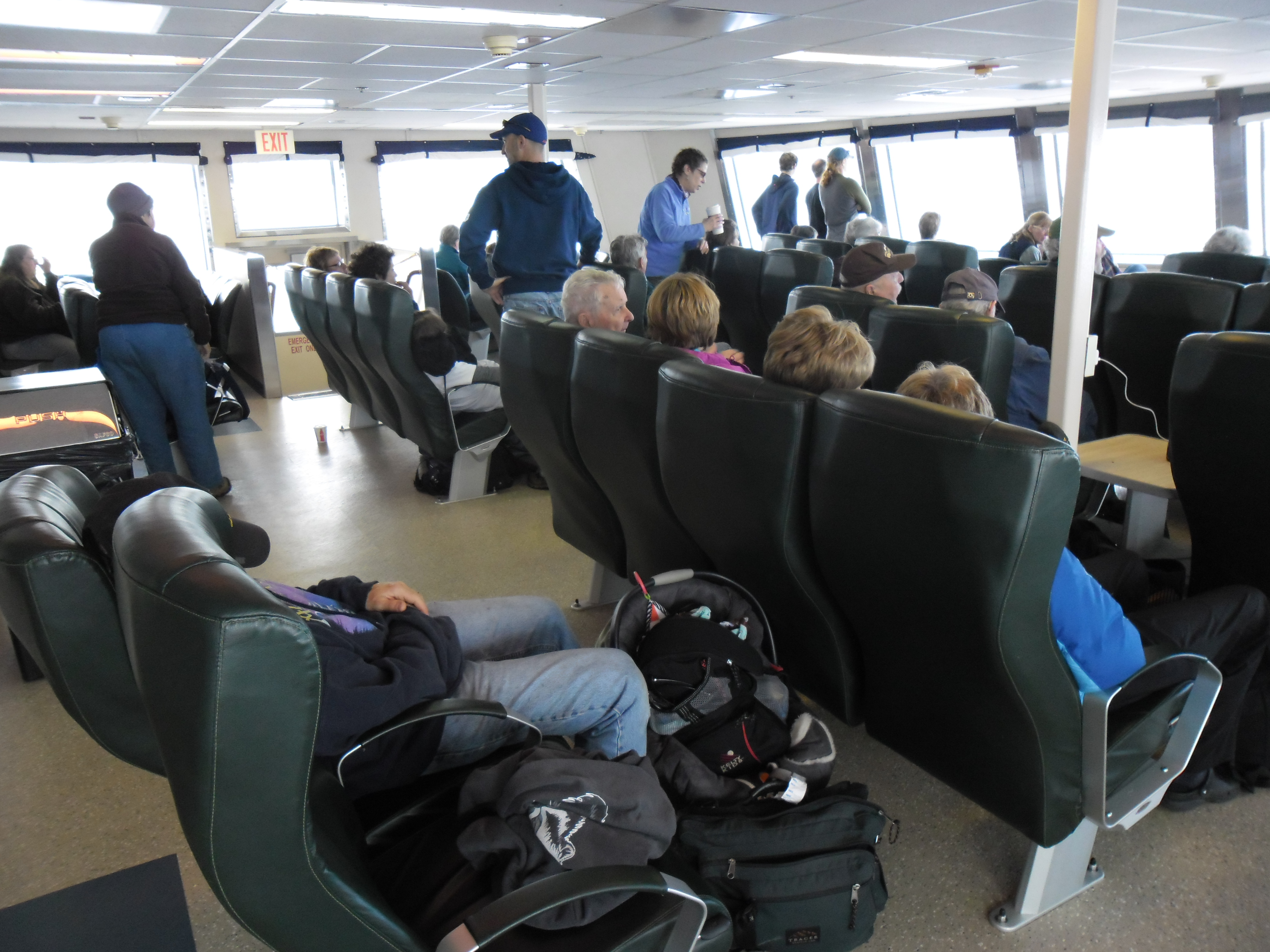
Passengers on the LeConte relax during their four-hour ride from Juneau to Gustavus.
Pederson has spent her whole life in Gustavus, a town with a year-round population of 450. She’s also spent most of her life in fear of flying, which used to be the only way to get to and from Gustavus. So whenever Pederson left home, she had to take anxiety pills.
“There was no other option so I mean I did it, because you have to, but I never liked it. All the pilots would humor me and say, ‘It’s a Sylvia day or not,'” she laughs.
Now Pederson doesn’t let six weeks pass by without traveling to Juneau by ferry. She goes for medical purposes and visits her mother in the Juneau Pioneer Home. On this particular journey, Pederson went with her mother to the Senior Ball, something Pederson would’ve never considered if it meant flying.
Gustavus residents Leslie Sirstad and Betty Markey are also traveling back home from Juneau.
Aboard the LeConte: Gustavus residents Leslie Sirstad and Betty Markey use the ferry to get supplies and to take a break.
“I’m working on family record kinds of thing, so I got some scrapbook things. That was the real reason why I went in,” says Sirstad.
Markey’s trip was for a similar purpose. “I went in to get supplies and just to look around.”
Markey went to Costco and Fred Meyer which are common stops for Gustavus residents who want to fill their vehicles, an option now possible because of the ferry.
Sirstad and Markey also go to Juneau to take a break, “to change the scenery, make home look better,” says Sirstad. Markey adds, “And to get to go to a restaurant, a different restaurant, different foods, ‘cause you’re limited in Gustavus. We’re not complaining. We’re happy the way it is.”
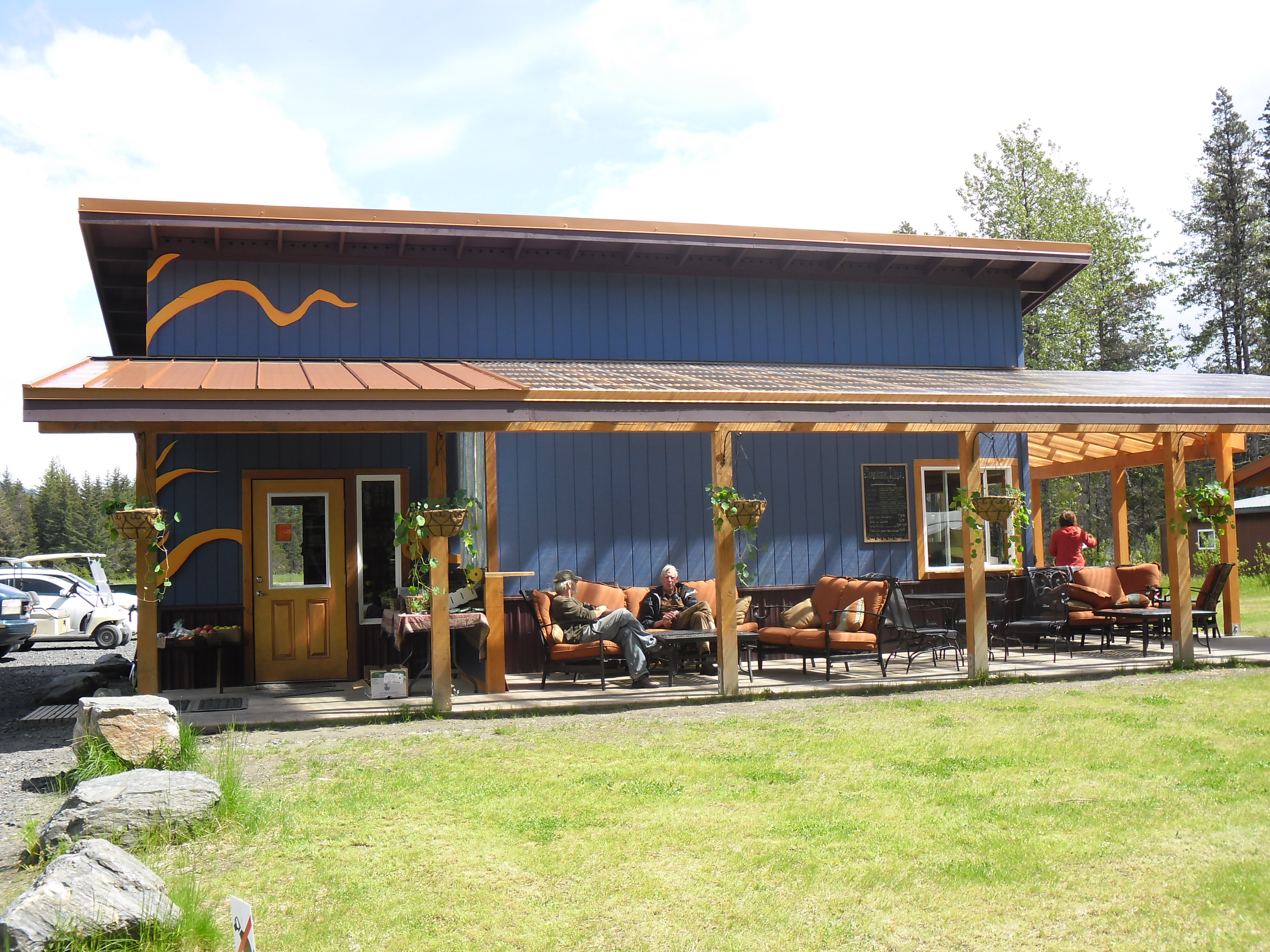
Barb Miranda Bruno is also happy with the way it is. In fact, she may have liked Gustavus better before the ferry. Bruno is co-owner of Sunny Side Market, a health food store and café that opened in 2007 and is geared toward locals. While the ferry does bring more people to her business, Bruno says inaccessibility is a key reason residents live in Gustavus. She calls herself a fence-sitter regarding the ferry.
“It’s just busier,” Bruno says. “It just changes the way Gustavus was. If you talk to the old timers, before the road was paved, that was a big deal, before electricity, that was a big deal, and now we have the ferry so there are these incremental changes that slowly have Gustavus become a little bit more like other places and I think a lot of us chose to live here because it was different.”
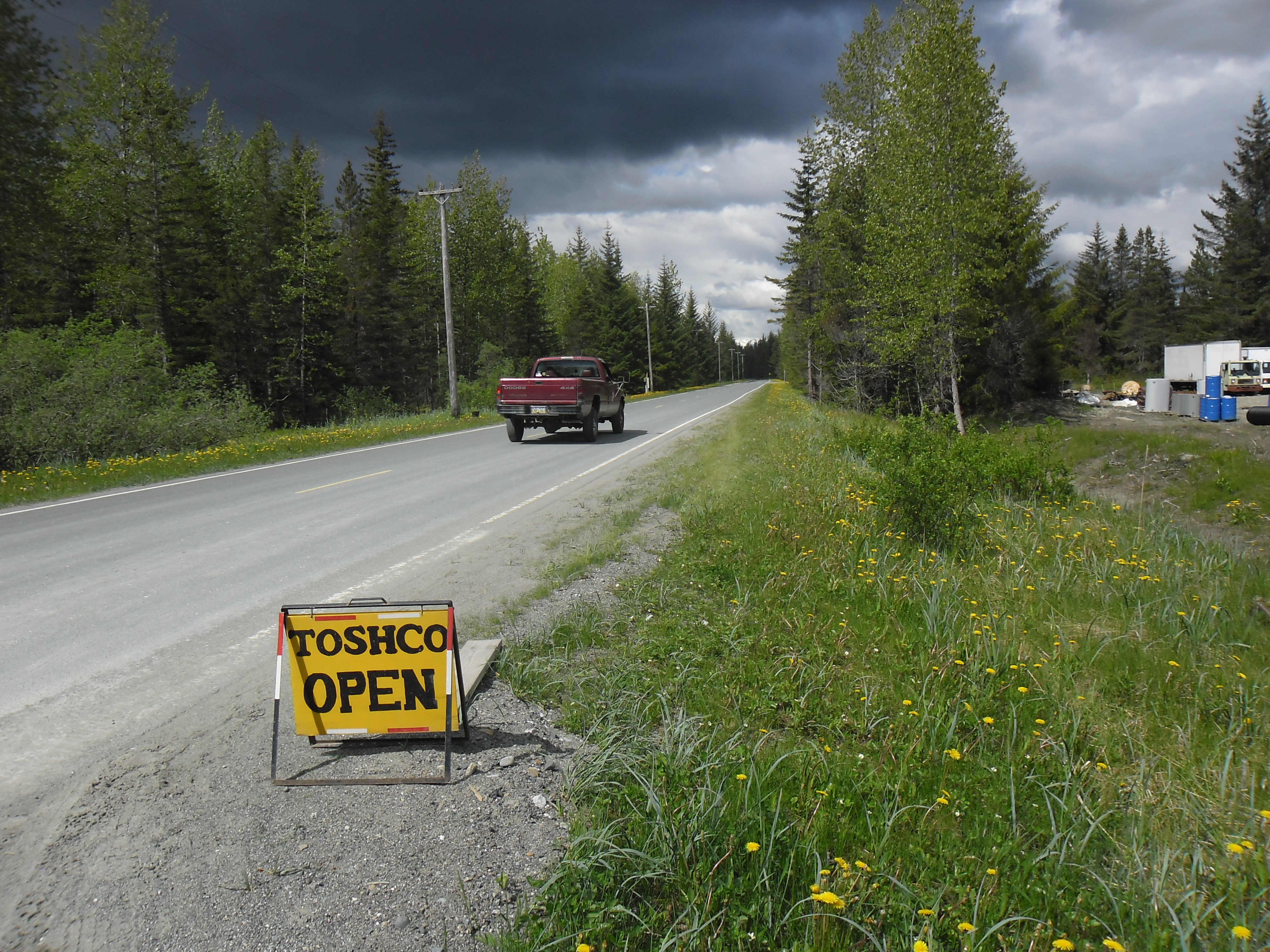
Toshco owner Toshua Parker says he opened his business based on the ferry coming to Gustavus.
Toshua Parker comes from a homesteading family in Gustavus. He’s the owner of Toshco, “which is a grocery, lumber, hardware, clothing and marine, and everything else store,” Parker explains.
It’s no coincidence that his store has been around for as many years as the Alaska Marine Highway has been going to Gustavus. Parker says he started his business because of the ferry.
“Without the ferry, there would be really no way for us to get these materials out here economically enough that we could pass the savings on to the customers and hit the price point that we need to hit to make this work. At this point I don’t know how we’d survive without it. It’s really been a godsend for us out here.”
An example of those savings – the price of a gallon of milk is $5.99. Parker says it was double that before his store opened. Toshco and Sunny Side Market are the only grocery stores in town.
Barb Miranda Bruno co-owns Sunny Side Market, a health food store and cafe.
Gustavus is the gateway to Glacier Bay National Park so residents are used to seeing tourists. But Kelly McLaughlin, owner of Fireweed Gallery and coffee shop, says the ferry has changed the type of people who come to Gustavus.
“We see a lot more of independent travelers who aren’t looking to spend a lot of money, who just want to come and see Gustavus. So there’s a higher traffic but maybe not as much money spent,” she says.
The ferry is also bringing in more vehicles.
“The traffic is a little bit difficult sometimes because we’re not used to quite so many cars. People haven’t quite figured out how to deal with all that, but it’s coming,” says Pederson.
Pederson is confident Gustavus residents will bend with the changes. They’ll need to – in October, the Alaska Marine Highway plans twice-weekly trips between Gustavus and Juneau year-round.
Close
Update notification options
Subscribe to notifications
Subscribe
Get notifications about news related to the topics you care about. You can unsubscribe anytime.