Arts & Culture

Gyre Project to study marine debris through science and art

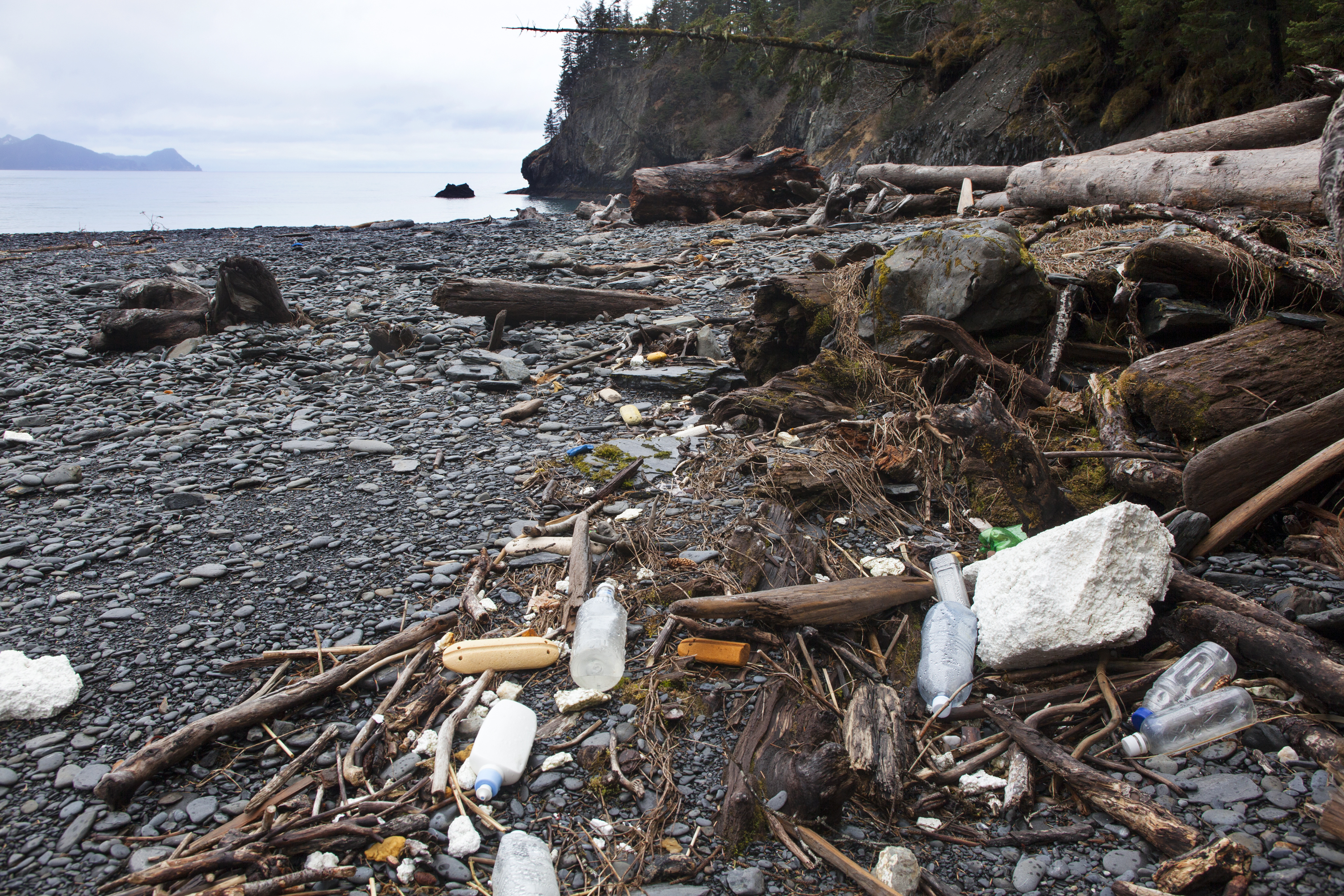
Marine debris in Bulldog Cove on the western shore of Resurrection Bay in 2011. Photo credit: Kip Evans/courtesy of Anchorage Museum

An ambitious expedition to study ocean trash launched from Seward on June 7. The Gyre project is a collaboration between the Anchorage Museum and the Alaska SeaLife Center, among other organizations, to document the impact of marine debris along Alaska’s shoreline – and across the globe.

The project began when a team of sixteen marine biologists, educators, and artists boarded a research vessel to collect data and materials along the Kenai Peninsula. What they find will become part of an exhibit at the Anchorage Museum this winter.

Alaskans have been thinking about marine debris lately, thanks to all the trash washing up on the state’s coastline after the 2011 tsunami in Japan. The Anchorage Museum’s Julie Decker will get a first hand look at that trash this week, although it’s not the kind the kind of thing she usually does for her job as the museum’s chief curator.

“This has been fascinating,” she said. “This has been an education for me, for the artists, for the scientists to talk to the artists.”

The idea for the project came from Howard Ferren, Director of Conservation at the Alaska SeaLife Center. He says trash – and especially plastic – has been a huge issue in our oceans over the past few decades. “It’s a very recent phenomenon and yet we already have maybe a hundred million tons of plastics in the oceans,” he said. “There’s no easy way to define that. But what we can tell you is that there are impacts. Significant and growing.”

That’s why Ferren approached the Anchorage Museum about three and a half years ago to propose a collaboration that would link science with art. Although the project now involves dozens of people and as many moving parts, the Anchorage Museum’s Julie Decker said the integration of all the elements will be pretty seamless.

“We’re organizing it as an art exhibition, but I don’t think you can separate art and science in this case,” Decker said. “The artists serve as researchers into the issue. They’re passionate investigators of how this affects our planet and most of the artists come to their work because they live along the ocean – see it, lived it, started to collect it, and it made its way into their work.”

Decker said the exhibit will feature a wide range of artwork, both from artists on the expedition this week and from others from around the world. For instance, “There’s a woman who collects trash from the beach in California and repackages them as souvenirs,” she said. “Artists from Finland collecting trash on their beaches and creating false aquariums. Somebody creating snow globes with beach trash along the Yukon River.”

The exhibit will also include the scientific results of this week’s research as well as a series of videos by National Geographic filmmakers. When it all comes together, what Decker really hopes the project will spark is discussion.

“We’re not advocates for a point of view,” she said. “What we’re interested in is talking about our oceans, talking about plastic, talking about human consumption and human action and I think it’s a fascinating story and one that really can impact everyone and I think everyone can understand how it’s tangible to us.”

Decker herself is joining the expedition for one day this week to participate in a beach cleanup at Hallo Bay in Katmai National Park.

The exhibit will run at the Anchorage Museum from February through August 2014. After that, it’ll be re-packaged by the Smithsonian Institution to tour the Lower 48.
Juneau sends dancers around the country and beyond

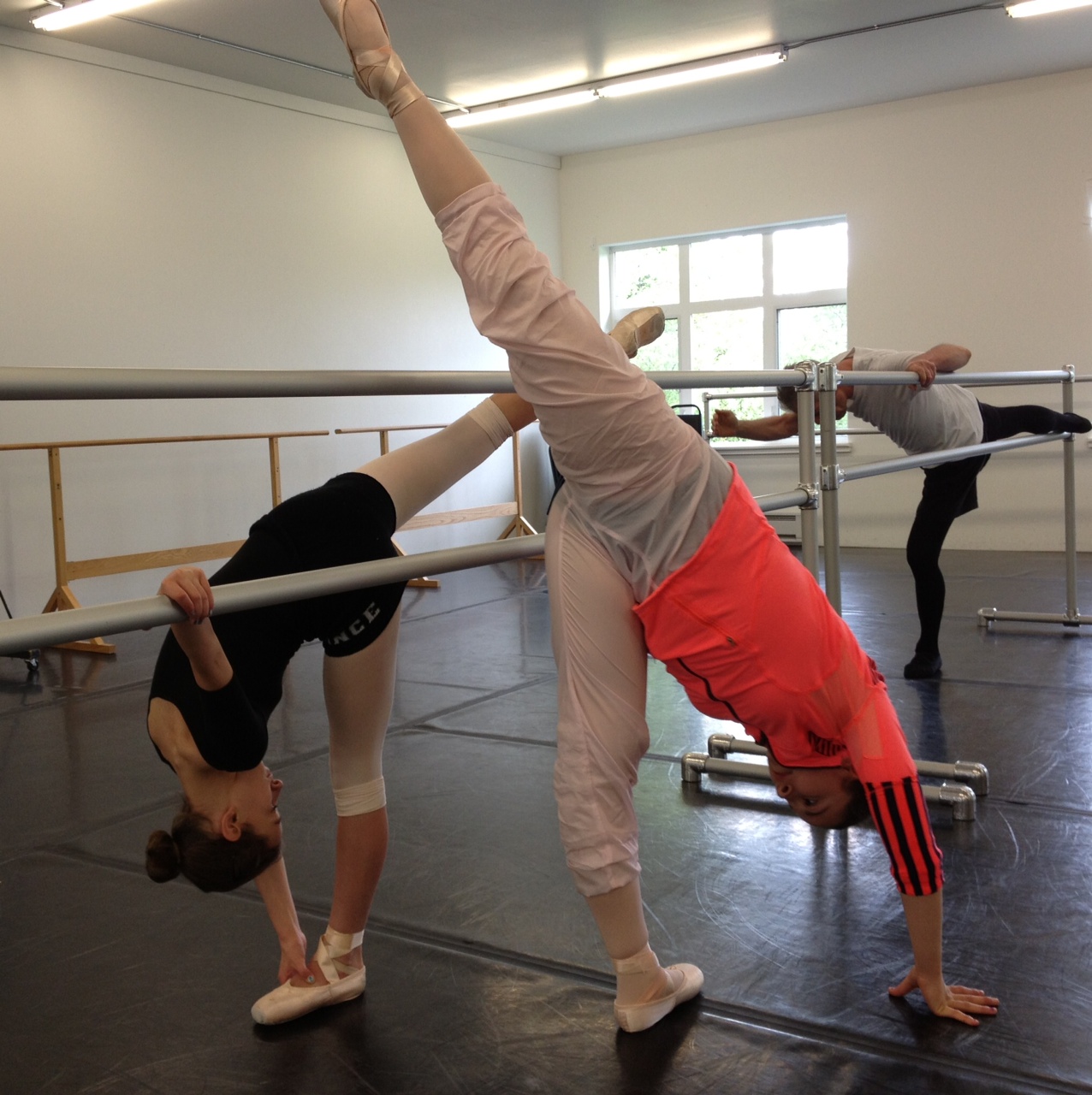
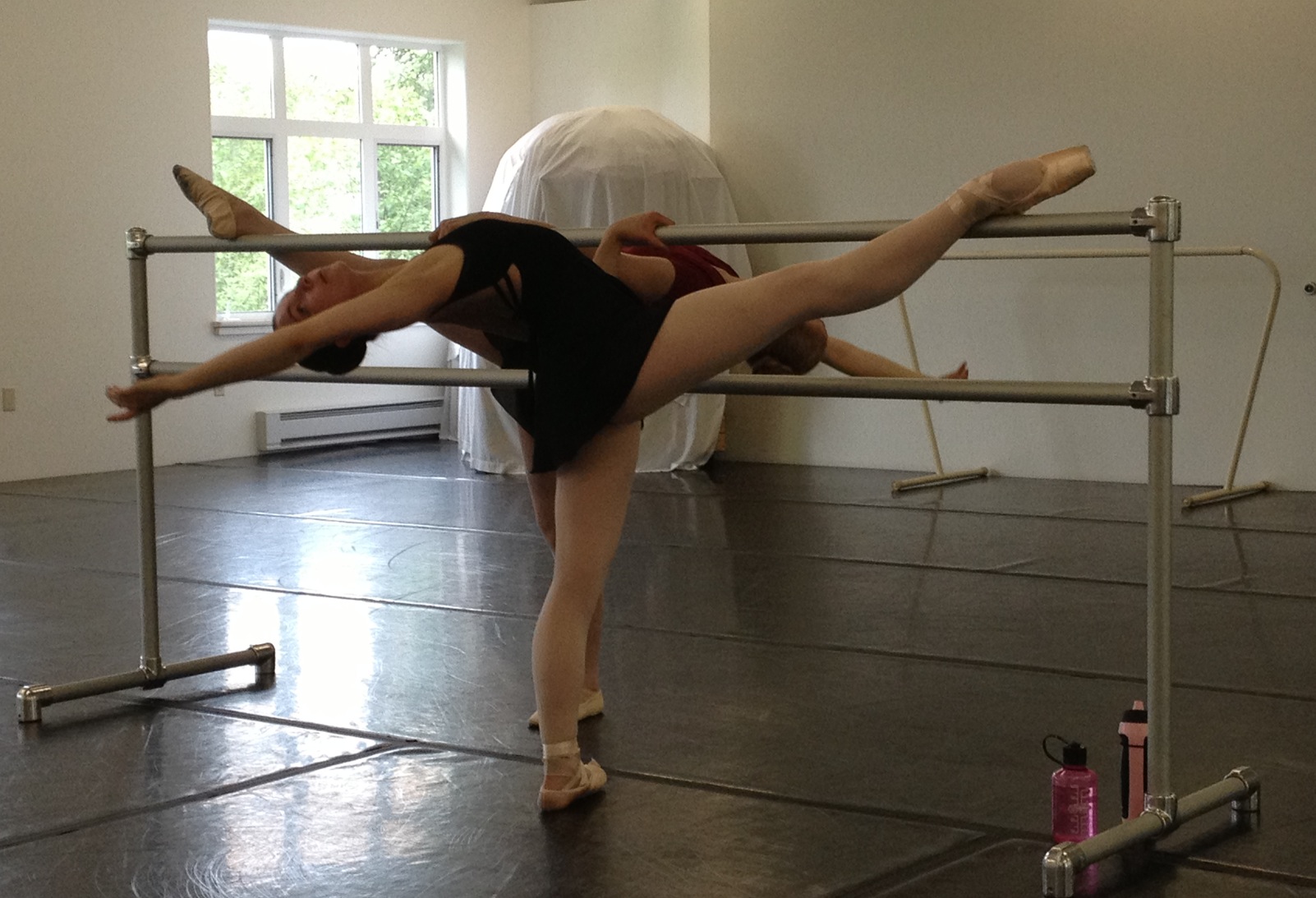
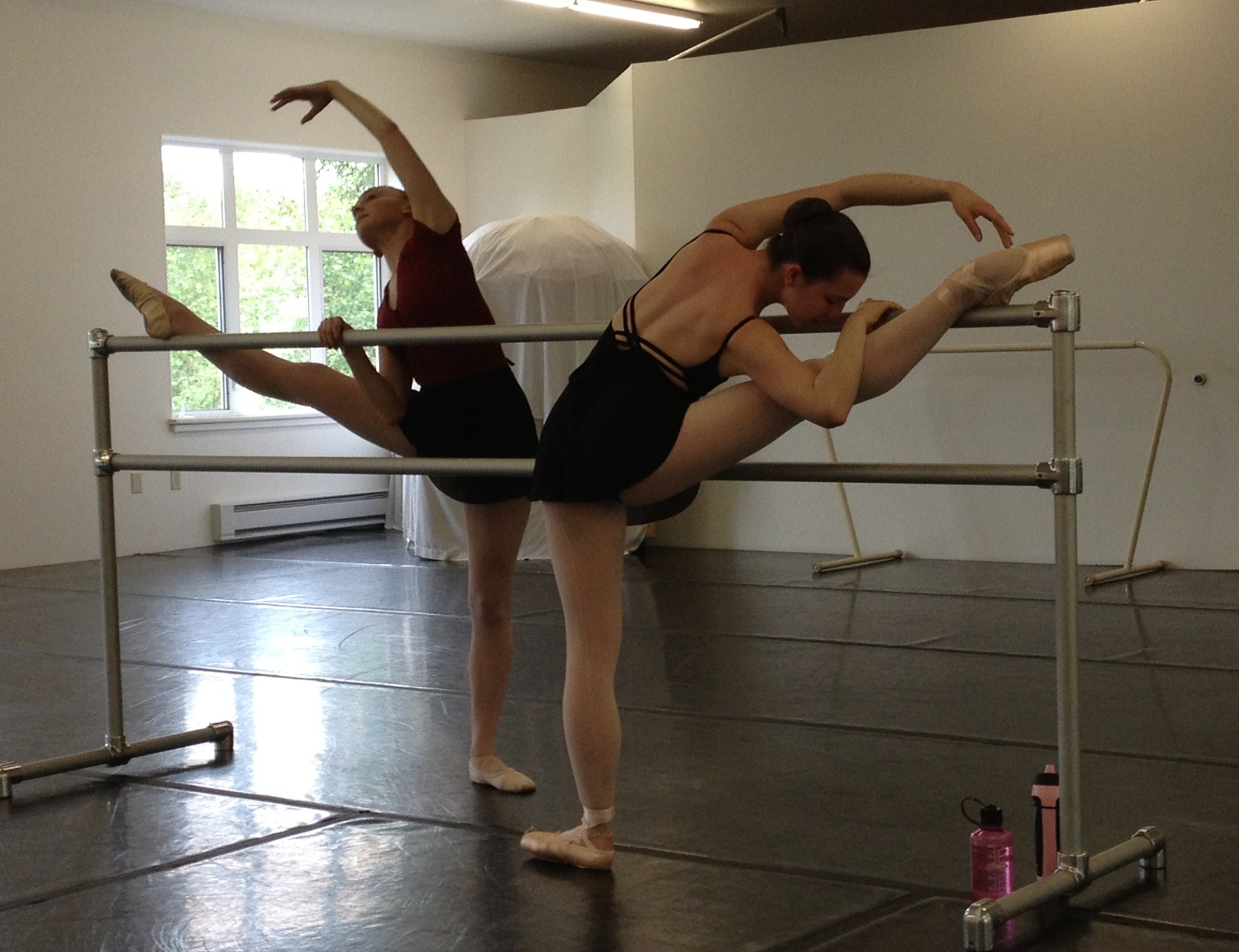
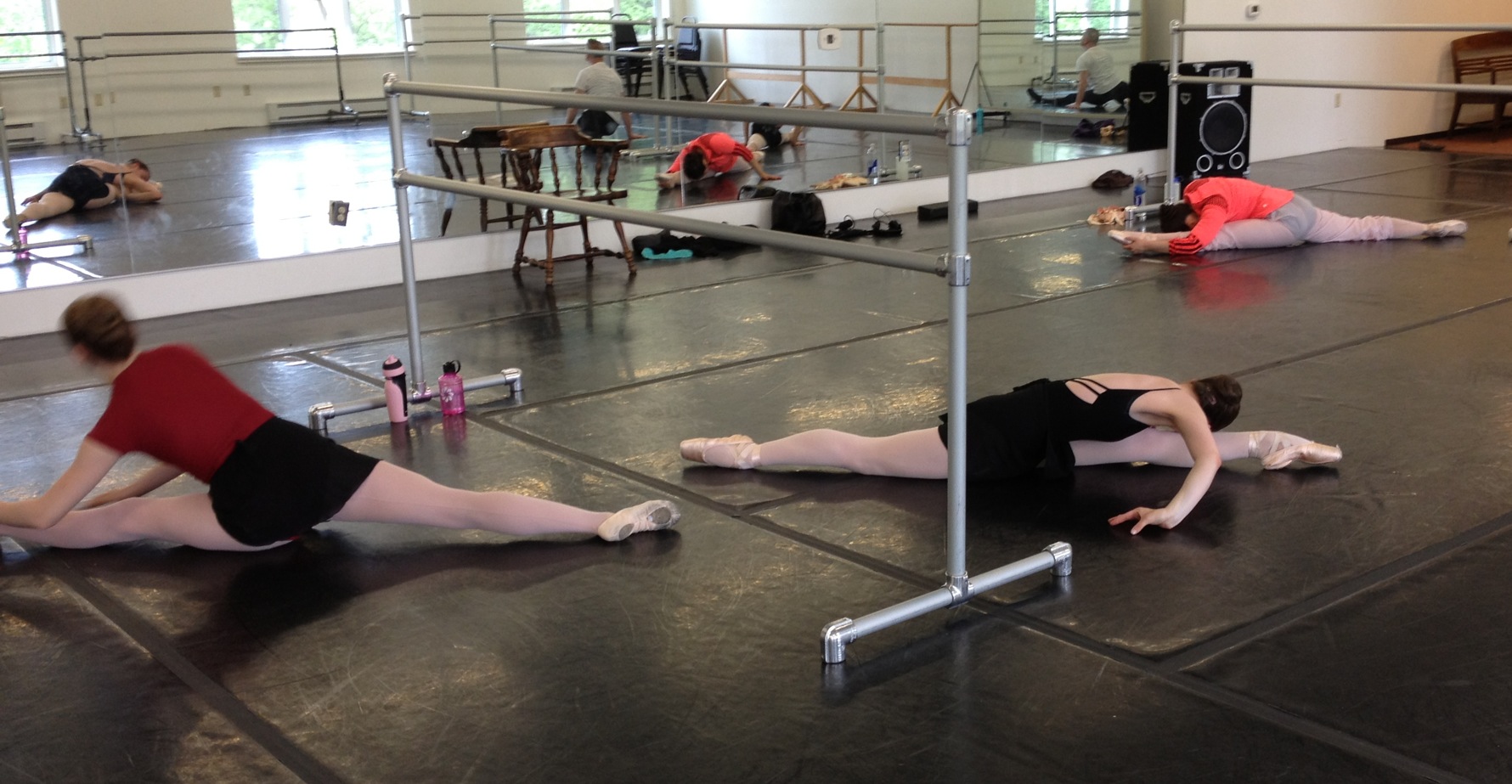
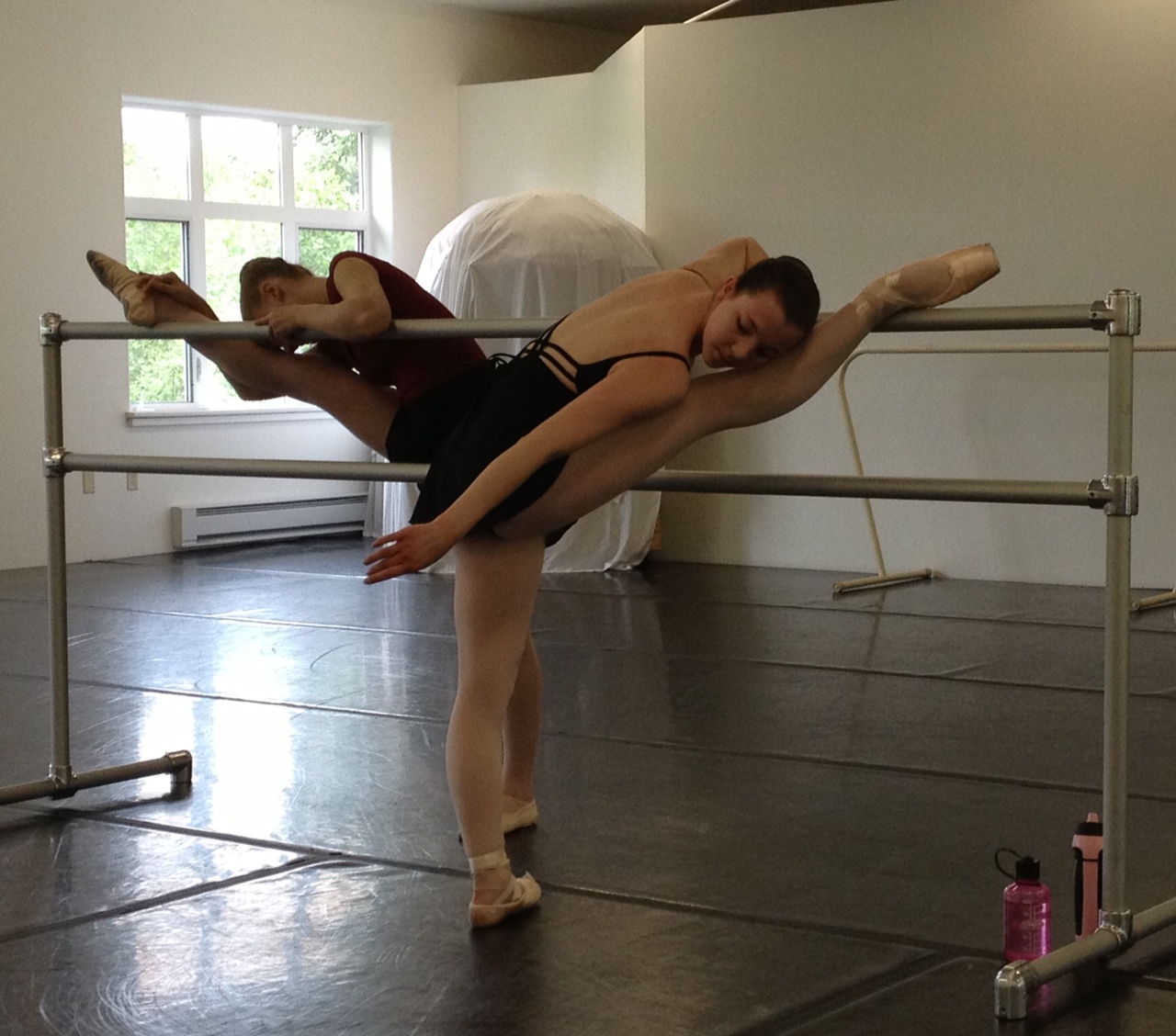
Several Juneau teenagers are heading to the nation’s best dance programs this summer – one is even going to Russia. Within the next few weeks, five students from Juneau Dance Unlimited will leave Alaska to practice their techniques and expand their horizons in New York City, Pittsburgh, Boston, Houston, and Moscow.

14-year-old Marissa Truitt has been dancing for ten years.

“You just get such a great feeling when you dance, a really good feeling that I don’t get from doing anything else.”

For 16-year-old Maire New, dance is discipline.

“You’re always striving towards perfection in dance, so for me that’s really a fun thing to work on every day.”

Summer for most teenagers is the time to relax and spend time with friends. For these girls, summer means dancing in some of the country’s most competitive and rigorous programs. Truitt is heading to the Pittsburg Ballet Theater. New will start with a 3-week program at the Bolshoi Ballet Academy in New York City, then travel to Moscow for further intensive dance study and language acquisition.

15-year-old Gabrielle Duvernay says dance is a priority.

“It always comes first, I mean my family of course, but it definitely comes before friends. It’s mainly in the front of my mind all the time.”

In January, Duvernay traveled to Seattle to audition in front of artistic directors and ballet masters from the country’s best dance companies. She applied for five programs, got into two, was waitlisted for one, and finally decided on the Boston Ballet School.

All three girls dance up to 7 days a week. On at least three of these days, they’re at JDU’s studio taking classical technique ballet class with artistic director Philip Krauter.

Krauter describes his teaching style as demanding yet kind.

“The ones that are serious about their training usually are self-critical themselves; they don’t need any more from me. I try to give them as much positive, correct information as I can to train them properly and then it’s up to them to take it and do something with it.”

Truitt says there is a lot of pressure from other girls associated with dancing in these summer programs, “especially during auditions, like weird eye looks at people and like, ‘Am I better than her?’ and all this really unnecessary pressure.”

When asked how she deals with that, Truitt says, “You just have to ignore everything and focus on you and the teacher and the music and know what you’re doing and realizing that you love ballet, you’ll do it no matter what, even if people are judging you.”

Despite the stress and self-criticism, the girls see the upside of working hard and pursuing their passion. For New, ballet has opened doors to the Russian language. When she studied dance at the Bolshoi Ballet Academy in New York City last year, her teachers taught in Russian.

“If you would be going across the floor and they’d yell, ‘Khorosho’. That would mean good, so that was nice to hear, and then if you were doing something wrong, they might say, ‘Net’, which means no, but they might say it multiple times; that’s really bad.”

As a recipient of a competitive scholarship through the US Department of State, New will spend six weeks this summer in Moscow studying Russian language, culture and ballet at the Bolshoi Ballet Academy.

Dancers at this level rely on their families for emotional and financial support. Tuition and housing for the summer dance programs cost around 5-thousand dollars; airfare is separate. Truitt worked as a dance assistant at JDU and saved 8-hundred-dollars to help pay program fees. New has applied for fine arts scholarships through the Juneau Arts and Humanities Council.

Dancing is a family affair. New’s father is a veterinarian and her mother, Diana Ross-Miller, works at his clinic. She says being a supportive parent involves endless encouragement and sacrifices.

“Certainly the time involved in just simply having her be at the studio so much dancing and training is very intense and takes away from other possibilities. Like for example, on this beautiful day, we might not be going to the beach for a long walk with our dog because we’re taking her to the studio to go dance, so there are definitely trade-offs but we think in the long run it’s really worth it.”

The girls, including Duvernay, hope all the sacrifices, training, and auditions will lead to a dance career, “but I also am going to college. That’s one definite that I’ve always kept through my life. I’m going to college because if I get a career crushing injury then I have to have something to fall back on. I can’t just rely on my body for my whole life. I think I’m going to get a business degree,” Duvernay says.

Truitt says if she can’t be a professional dancer, she’d like to attend college and become a nutritionist or physical therapist. New’s ultimate dream is to join a professional ballet company after high school and get her college degree while dancing.


Planning Commission postpones Statter Harbor question

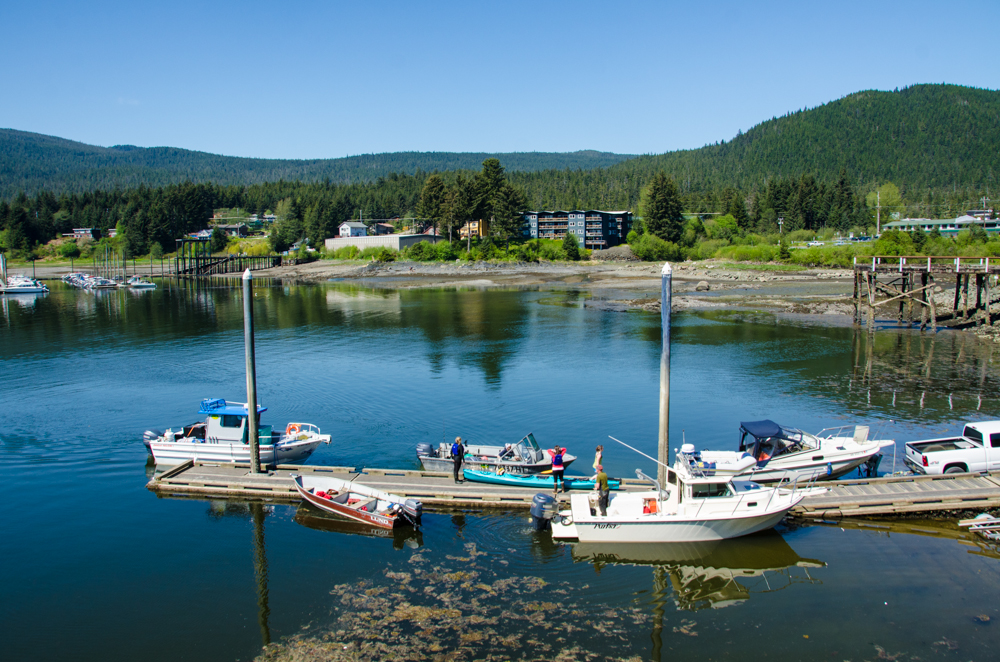
The old boat launch at Statter Harbor.
The old boat launch at Statter Harbor. (Photo by Heather Bryant/KTOO)

The Juneau Planning Commission has postponed reconsideration of the conditional use permit for a new boat launch and parking area at Statter Harbor.

The Planning Commission had planned to take up the second vote at its meeting Tuesday night. But CBJ Community Development Director Hal Hart asked for the delay.

He says he’s been pushing the CBJ Docks and Harbors Department to resolve project issues that resulted in the Planning Commission’s vote last month to reject the permit.

Chairman Mike Satre called for reconsideration, and told Docks and Harbors to  use the time to respond to local homeowners’ concerns about the project.

Port Director Carl Uchytil says he’s done just that.  He’s met with Auke Bay Towers condominium association attorney and plans a meeting with the Statter family.  The harbor is named after Don D. Statter, a former state public works employee and CBJ Docks and Harbors Board member, who advocated for Juneau harbor improvements.

Uchytil says he has “tweaked” the permit application, but believes the project as it is meets environmental and regulatory requirements as well as community needs.

“We’re working diligently with all those concerned that the Auke Bay condo association and others to ensure the project is built that meets the demand of the boating public and we feel the he process have been followed diligently,” Uchytil says.   “And after 4 ½ years we think it will vastly improve the Auke Bay area and provide a benefit to all Juneauites.”

Community Development Director Hart wants to see another draft plan by the end of this week that addresses neighbors’ primary complaints, including the question of green space at the harbor.

“What would the folks who are living in the condominium – what do they see? And then from their perspective, are they just looking at a large parking lot,  fill and a parking lot, or is that going to be broken up with some landscaping?”

Hart says the seawalk also should be attractive as a public place, not just a spot for harbor users, “so  that coming in from the highway you’ll be able to walk down that seawalk and have a progressive view of the shoreline.  You’ll see the stream off to your right as you’re walking and the bay would be in front of you. Ultimately we want that to be a nice public amenity.”

But Hart acknolwedges there’s not much space for both parking and landscaping in the area.

Neighbors also are concerned about lighting, which Port Director Uchytil says is mostly resolved.

Hart says he’s bringing up the design issues at the Planning Commission level because they’re important to the community. The Statter Harbor Master Plan has been in the works for more than four years.  New floats have already been completed.

The Planning Commission will take up the Statter Harbor conditional use permit on June 25th.


St. Paul Elder Passes Away at 90

Courtesy of Smithsonian Institution

The Pribilof island of St. Paul lost an important elder this month. Mary Nicolai Bourdukofsky passed away on June 2 at age 90. Bourdukofsky was devoted to preserving Unangan culture and history.

Mary Nicolai Bourdukofsky was born January 9, 1923 to Nicolai and Olga Kozloff, on St. Paul Island.

Bourdukofsky was a fixture in many regional Native organizations throughout her life, and even traveled to the Smithsonian Institution in Washington, D.C. to consult on the museum’s Alaska Native collections.

But her close family friend, Sharon Svarny-Livingston, says some parts of Unangan history were hard for Bourdukofsky to share.

“One of the things that she was always really adamant about remembering, even though she didn’t like to talk about it, was the internment during World War II.”

Bourdukofsky was pregnant and already had two small children when St. Paul was evacuated in 1942. She and other Pribilof Island residents were taken to Funter Bay, in southeast Alaska.

The conditions at the camp there were horrendous. Even though it was painful to discuss, Bourdukofsky didn’t want it to be forgotten. So she allowed herself to be interviewed for “Aleut Story,” a 2005 documentary about the Aleut internment.

As Bourdukofsky describes in this clip from “Aleut Story,” she and other Unangan women decided to lobby the government for better treatment:

So we all got together and had a meeting and then we wrote this letter. I’ll read it: ‘We, the people of this place, want some better place than this to live. This place is no place for living creatures. We drink impure water and then get sick. The children get skin disease — even the grown-ups … Why [do] they not take us to a better place to live and work for ourselves? Do we have to see our children suffer? We all have rights to speak for ourselves.'”

After the war, Bourdukofsky returned to St. Paul to raise her family. She had seven children of her own. But she taught dozens more, at Unangan culture and science camps throughout the state.

Her friend, Svarny-Livingston, worked with her at Unalaska’s Camp Qungaayux. She says Bourdukofsky’s skills seemed to go on forever.

“Basketry, dance, song, language. I mean, she was — she knew everything. You could ask her to teach something, and she would know how to teach it.”

Bourdukofsky was a patient and engaging instructor, and she returned to many camps year after year to teach. But she had a special link to the children of St. Paul, her home village.

She taught at a marine stewardship camp in St. Paul a few years back. Before she left, her young students gave her a nickname in Unangam Tunuu.

“And they called her ‘Stuparam Anaadaa,’ which means ‘mending mother.’ It was probably given to her by them because of all the crafts she taught them — with the sewing, and the seal gut, and the fur seals. But I think it came to mean to everybody else that she kind of was the mending mother of the culture. She helped bring things back. She helped keep things going, so that it would outlive all of the elders and be passed down to the other generations.”

Bourdukofsky was laid to rest in St. Paul on Saturday.  She is survived by four sons and her sister, Justina Gilmore.

Jean Rogers Remembered Through the Arts

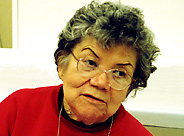
Jean Rogers

Local author Jean Rogers will be remembered Sunday for her contributions to Juneau’s arts community. The two-hour program will host musical performances and stories from the artists Jean supported during her life.

Jean Rogers is remembered for her children’s book, King Island Christmas, a true-story Rogers adapted from Alaskan artist Rie Munoz’s real-life experiences on the Bering Sea Island in the nineteen-fifties.

In the 1997, the story was made into a musical, first performed at Perseverance Theatre.  Nearly every Christmas season, musicians in Juneau bring the story to life. Now a group is taking Rogers’s story across the pond to the Edinburgh Festival Fringe in Scotland.

Directed by Missouri Smith, King Island Christmas will be among thousands of performances at the Fringe Festival this August. To stand out, the production has been renamed Alaska’s King Island Christmas and dedicated to Rogers.

Because if it wasn’t for her excitement and enthusiasm about the story when Rie told her, it never would have happened. -Sharon Gaiptman, Alaska’s King Island Christmas Organizer

To raise enough money for the 40 cast members, group organizer Sharon Gaiptman proposed an internet “kickstarter campaign” with a goal of raising ten-thousand dollars. Before the month was over, more than 100 online donors contributed 11-thousand thousand dollars.

Fundraising efforts for the production have included bake sales, school dances, garage sales, dinners, and even a loan from True North Federal Credit Union. The last fundraising opportunity will be a weekend of performances called Christmas in July before the group leaves for Scotland.

Rachel Saunders has been performing in the King Island Christmas Chorus since 2001. The Fringe Festival will be her 5th  production.

When we’re up there singing to the audience, you just feel like you’re giving a gift to the community and we get so much more in return when we’re singing it.

The King Island Christmas Chorus will perform three numbers from the musical during Sunday’s memorial for Rogers including favorite, Agoodik Muktuk Salmon and Seal.

Roger’s daughter Sydney Fadaoff says donations from the memorial will go to Willoughby Arts Complex Fund in memory of Jean and George Rogers.

It was mom and dad’s dream for Juneau to have a performing arts center so I’m sure they would be very pleased to know that’s where the contributions will be going

“A celebration of life of Jean Rogers through the Arts” is Sunday, at 2pm at the Juneau Arts and Culture Center.

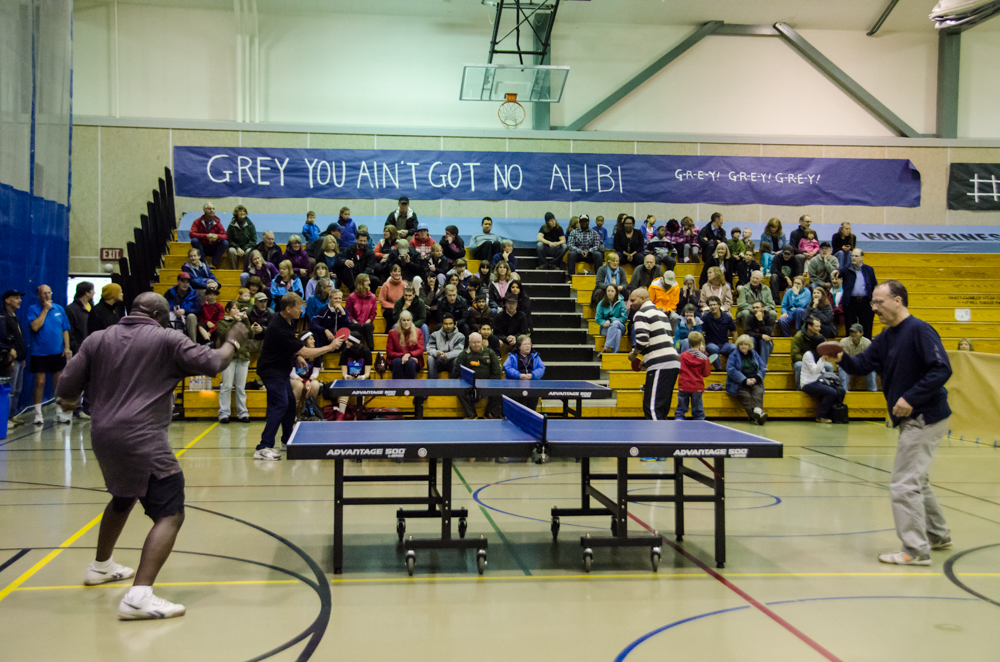
NYT Puzzlemaster Will Shortz Adds Alaska To His Table Tennis Quest

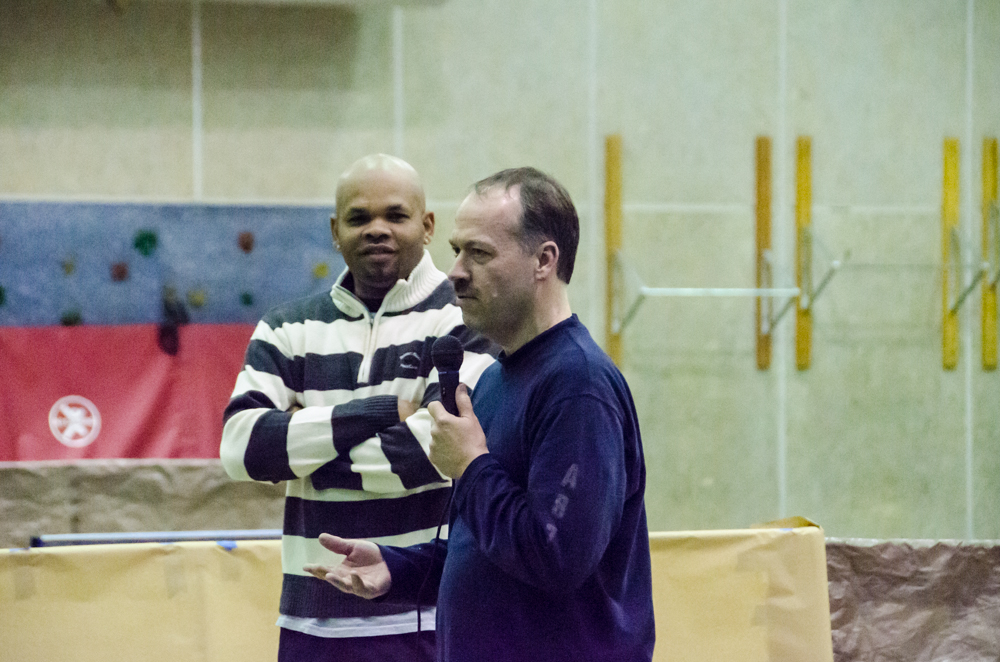
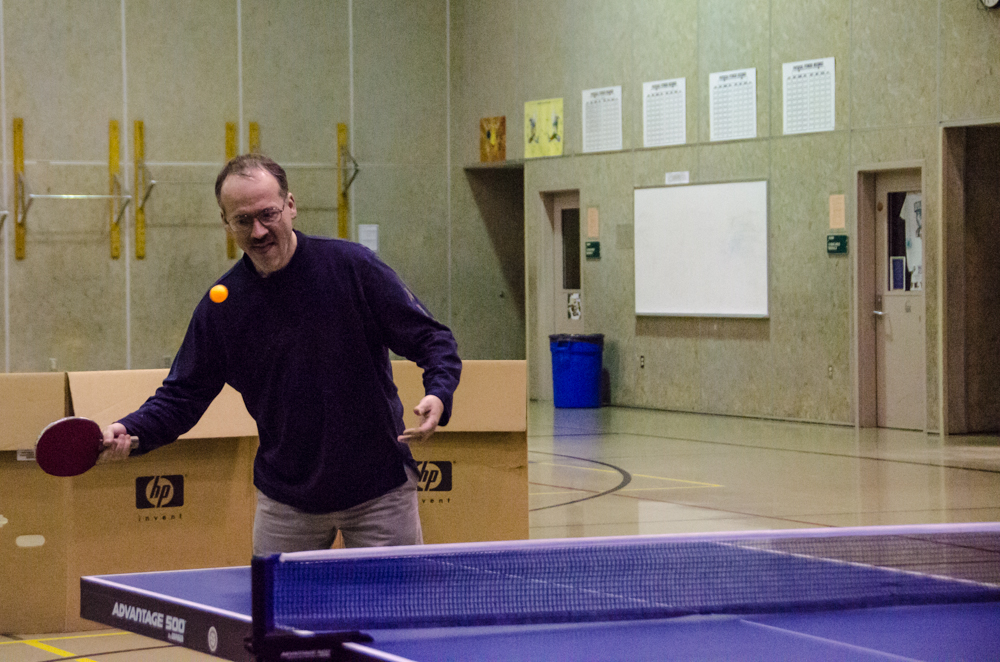
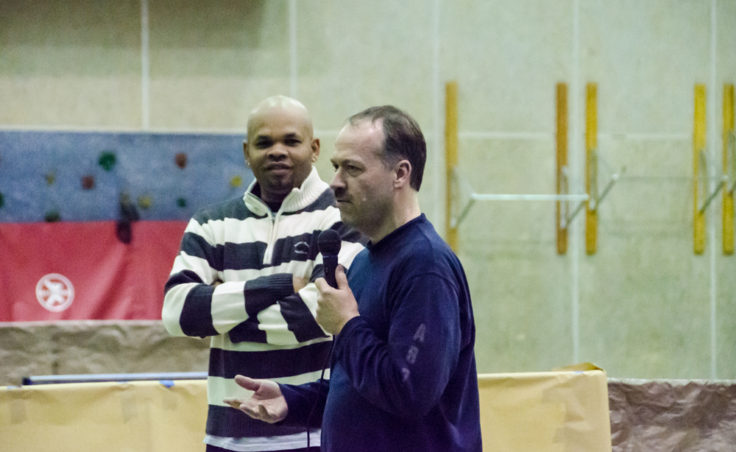
Fans of puzzles and table tennis were at Dzantik’i Heeni Middle School last night for a table tennis exhibition featuring puzzle master Will Shortz and Caribbean table tennis pro Robert Roberts. Shortz is most known for being New York Times’ crossword puzzle editor and NPR’s puzzle master, but Shortz’s other passion is table tennis.

“You would think puzzles and table tennis would be diametrically opposite activities. To me they are very similar. Both activities are things that you get completely wrapped up in, completely focused on, you forget everything else in the world, and when you’re done, you’re relaxed and you’re refreshed and you’re ready to go back to life.”

Juneau Table Tennis Club hosted last night’s exhibition. Shortz and Roberts spent the evening playing with members of the public. Shortz also got the crowd thinking with newly created word puzzles. Together Shortz and Roberts run a table tennis center in New York.

Juneau was the first stop of a full week table tennis tour throughout the state. Shortz and Roberts are leaving for Anchorage this afternoon. Shortz has a goal of playing table tennis in every state of the U.S. Alaska is his 40th.

Tune in to KTOO News later for more on Will Shortz’s table tennis visit in Juneau.


Site notifications
Update notification options
Subscribe to notifications