Community

Scattered services make homelessness in Haines hard to grasp

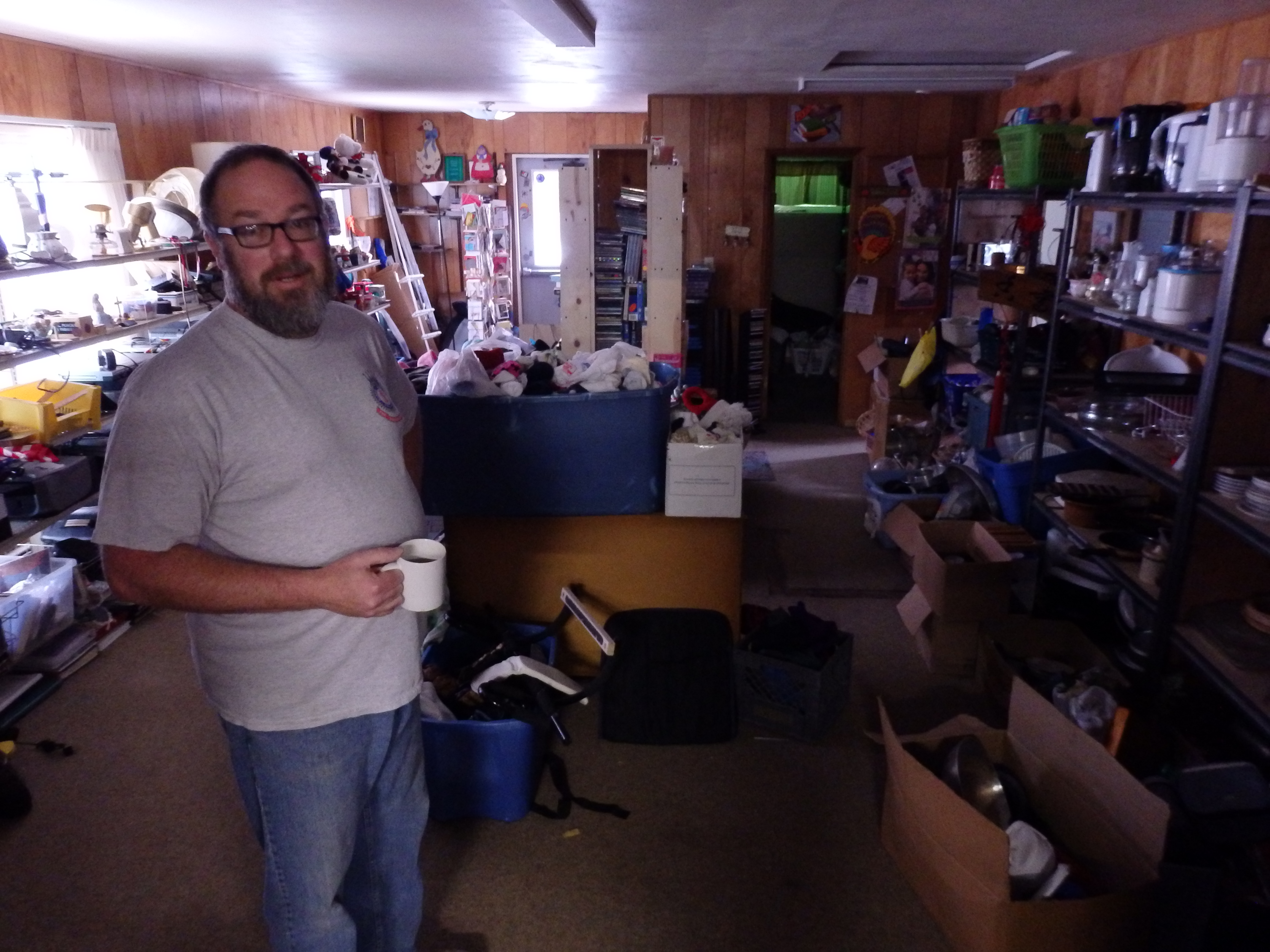
Haines Salvation Army corps officer Dave Kyle stands in a room where he lets people sleep if they’re in need of temporary shelter.

It’s hard to get a true sense of how big of a problem homelessness is in Haines. There is no shelter or centralized service tasked with responding to homelessness. Right now, a patchwork of local organizations helps out people in need. But even they aren’t sure how large the problem is and what the solution should be.

“We had one guy here when I first got here, he slept in the back there for six months until he could get back to Chilkat Lake,” Lt. Dave Kyle said.

Kyle is a corps officer at the Haines Salvation Army. He points back behind racks of second-hand clothing to a room where five or six people have slept over the past three years. Kyle says he’s on “sketchy ground” letting people stay here when they have nowhere else to go. This isn’t a licensed shelter.

“I do tend to push the envelope a little bit in regards to helping my community,” Kyle said.

Sierra Jimenez works for Southeast Alaska Independent Living, which serves seniors and people with disabilities. SAIL and the Salvation Army are two Haines organizations that seem to deal with homelessness the most. Local churches, Lynn Canal Counseling and the police department also help sometimes. They often provide one-way ferry tickets to Juneau, to the Glory Hole shelter.

“[That happens] several times a year,” Jimenez said.  “And I don’t know that it’s a solution but it’s the solution that we have here in Haines. And that generally is for somebody who is chronically homeless, truly has no place to go and no resources and shelter is the only option.”

Roger and Judy Kley were in that situation when they showed up in Haines more than a year ago. KHNS brought you their story in December.

“When my PFD check come in that one year, I’d already made the decision that we were coming to Haines one way or another,” Judy Kley said. “I was getting real frustrated on the stress I was under not having a place to live.”

The Kleys came to Haines from Anchorage. They slept in the Salvation Army building for a night or two and then they were sent to the Glory Hole in Juneau. It wasn’t until they got disability income that Jimenez was able to help them successfully apply for a government-subsidized apartment in Haines.
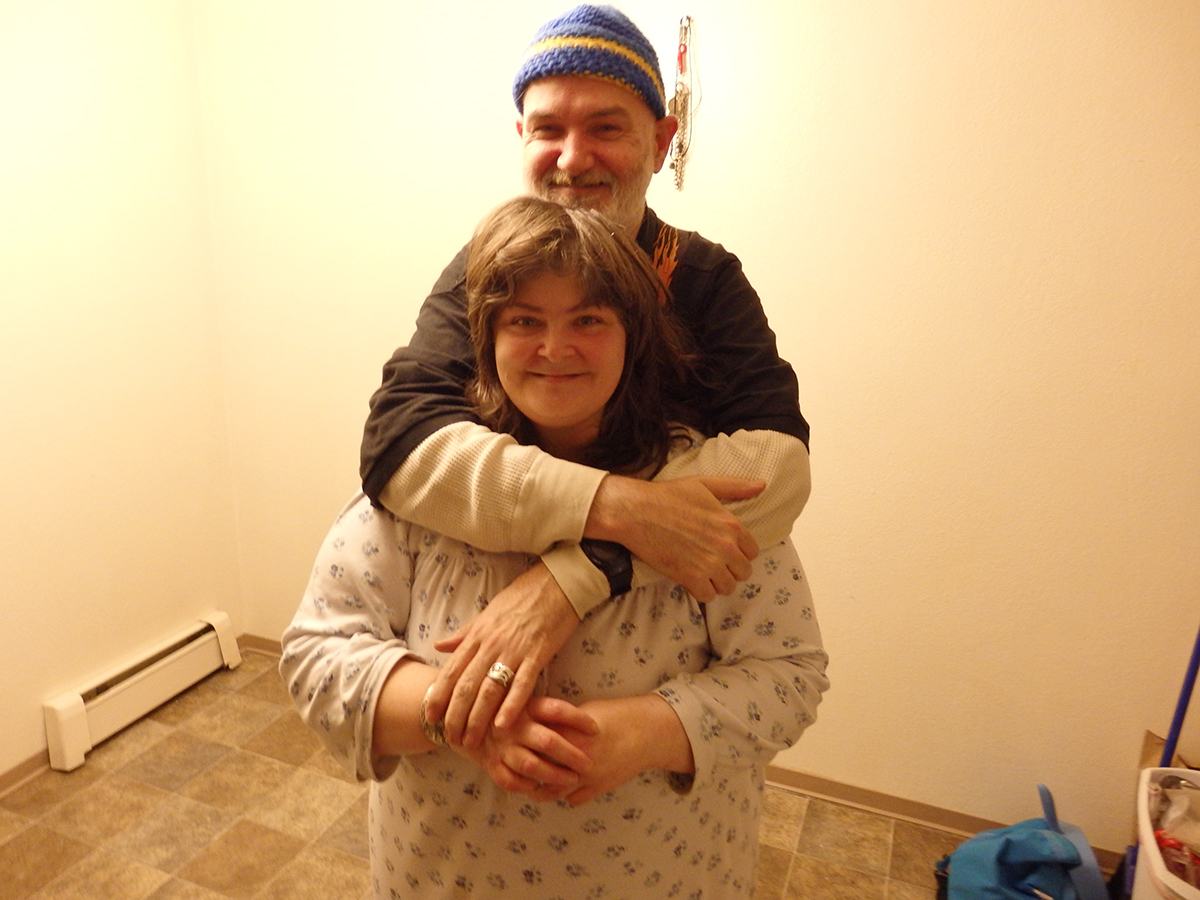
Roger and Judy Kley in their new Haines apartment.

When people like the Kleys show up, Jimenez and Kyle say it would be nice to have a shelter for them. But they’re not sure if there are enough homeless people in Haines to make a shelter worth it.

“You know it’s a really good question and I don’t know the answer to that,” Jimenez said. “It would be so nice to have an emergency bed or two for families that come through while we try to put the pieces together. That would be the dream, the ideal situation.”

“Yes, ideally a shelter would be an excellent deal for it,” Kyle said. “But in the emergency sense, in the crisis sense, I don’t think we have enough [people like that.]”

Kyle says helping people who are at risk of becoming homeless is a bigger concern here than helping those that are already homeless.

“Homeless care is very low on my expenses radar. I just helped a family out with $1300 worth of rent assistance, another family at $65 for electric, another family at $75 for electric, I just sent the guy to Juneau for $37 and I haven’t helped anybody for homeless,” Kyle said.

But he agrees that all of those people are at risk of homelessness if they didn’t have a place like the Salvation Army to turn to for assistance.

Jimenez also says helping people who are maybe a paycheck or two away from homelessness is a more common problem in Haines.

“Sometimes somebody just needs help one month with rent or food and then they can be back on their feet. Other people need education and help budgeting,” Jimenez said. “There’s every different story.”

After KHNS’s December story on homelessness, Haines Borough Manager Dave Sosa contacted the Salvation Army and SAIL to set up a meeting, which hasn’t happened yet.

“There’s plenty of room for discussion on these issues and to take a look at what’s the scope of the problem,” Sosa said. “Because I know that there are some homeless people, but I don’t know how many.”

If Sosa wants definitive numbers, he’s not going to get them. There are a few local organizations responding to homelessness. But there is no organization tracking it.

If people want to put a number on homelessness in Haines, it will require taking a leap and setting up a centralized service, even though the scale of the problem is uncertain.
Puppets showcase ‘low-tech, high magic’

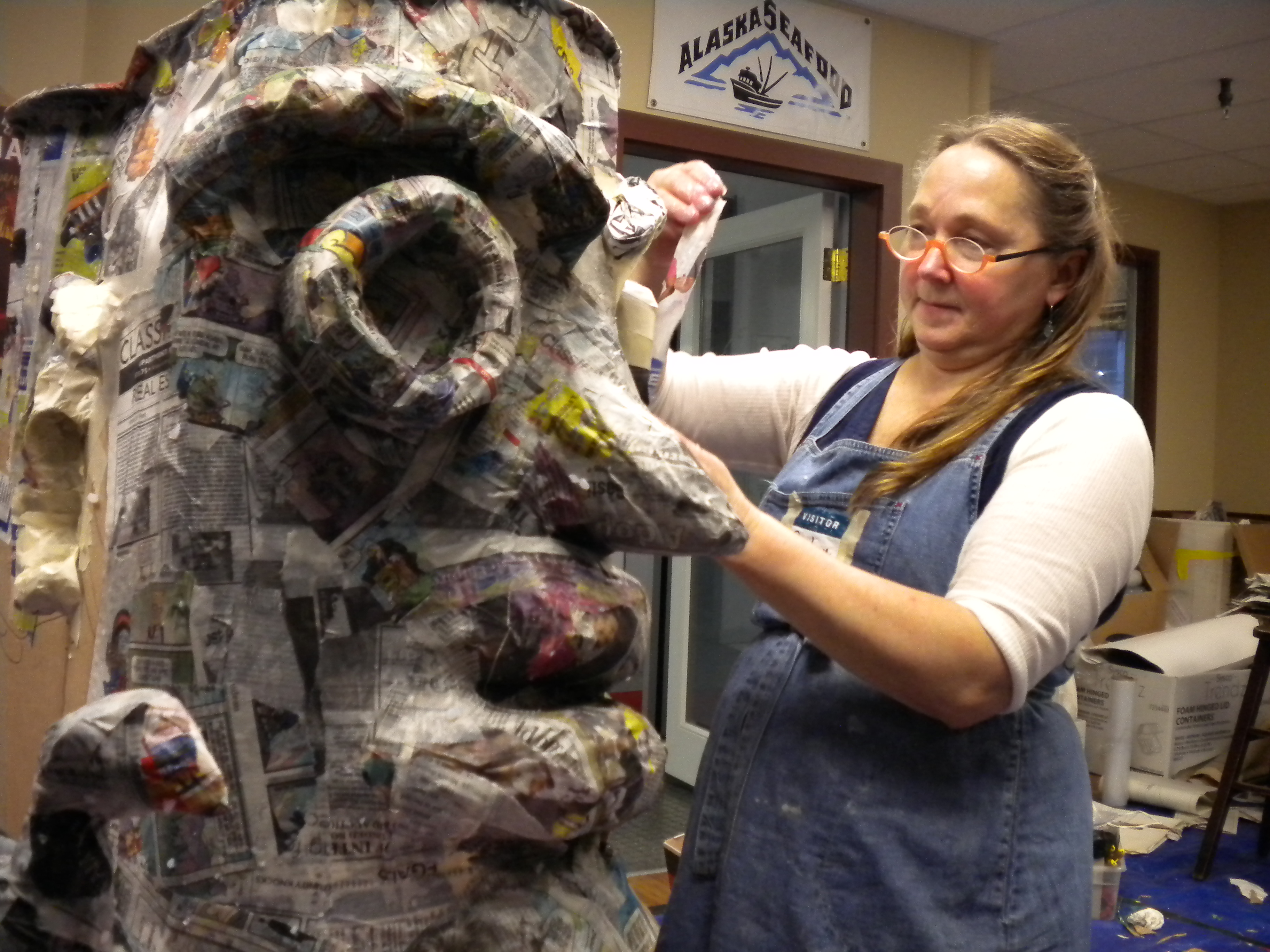
SueAnn Randall puts together a puppet at the Merchant's Wharf on Saturday, Jan. 24. (Photo Courtesy of Kevin Reagan)
SueAnn Randall puts together a puppet at the Merchant’s Wharf on Saturday, Jan. 24. (Kevin Reagan/KTOO)

Three visiting artists are helping Juneau residents spin cardboard into gold as they build a variety of life-size puppets.

It’s part of a project to create over 100 small and life-size puppets. Performers will wear them during the Governor’s Awards for the Arts and Humanities on Thursday, and they’ll serve as the pre-show entertainment for the Wearable Art Extravaganza on Feb. 14.

It’s a Saturday afternoon and a studio in the Merchants Wharf of downtown Juneau is filled with cardboard, fabric and old newspapers. The sewing machines and power tools hum as artists stitch, paste and staple materials together.

Patty Mitchell is in the middle of sewing neon feathers onto a giant black tutu.

The tutu will serve as the neck for a giant bird puppet being constructed as part of a month-long project. Most of the materials used for the project are donated by Juneau residents. Seatbelts, crutches and old dresses have already been dropped off at the wharf for the artists.

“You never know what people are going to bring, and so I’m kind of in a candy shop right now with everything I’ve ever wanted,” Mitchell says.

Mitchell, of Ohio, has been making puppets professionally for the last four years and estimates she’s crafted at least 200. She is one of three visiting artists helping local artist M.K. MacNaughton to complete the giant puppet project.

“I love that (in) art there aren’t any wrongs or rights in how you do things. Sometimes mistakes lead to the coolest outcomes.” – MacNaughton

MacNaughton raised over $8,000 for the community project. She and the three visiting artists will spend their days through Feb. 12 leading puppet workshops for Juneau schoolchildren. At night, they work in the puppet studio alongside local volunteers.

On the other side of the puppet studio, visiting artist Daniel Polnau is building a structure that will hold a giant puppet on a performer’s back.

“One of our mottos is low-tech, high magic,” Polnau says.

Polnau frequently walks along the beaches of Juneau, picking up long sticks he may or may not incorporate into his puppets. He says puppetry forces an artist to combine a number of talents.

“A project like this is almost like putting together a Thanksgiving dinner. You’re kind of scurrying around and creating 12 dishes at once,” Polnau says.

Dishes that include puppet sea goddesses, flying wolves and giant monsters. Even Juneau City Manager Kim Kiefer has influenced the artists’ imaginations, as a puppet resembling her is under construction for Wearable Art.

As visitors to Juneau, Polnau and Mitchell say they’ve been impressed by the range of artistic talent that strolls into the puppet studio. Passersby often walk in with little artistic experience and end up recycling trash into art.

“We humans are designed to be together and make things together and we just create a little bit of structure, foundation, opportunity for people to come in and investigate,” Mitchell says.

MacNaughton and the visiting artists will continue offering community workshops in the Merchants Wharf from 4 to 8 p.m. every weekday, and 10 a.m. to 5 p.m. every weekend until Feb. 12. They encourage anyone in Juneau to come in and try to think outside the box.

Haines is oldest community in Alaska

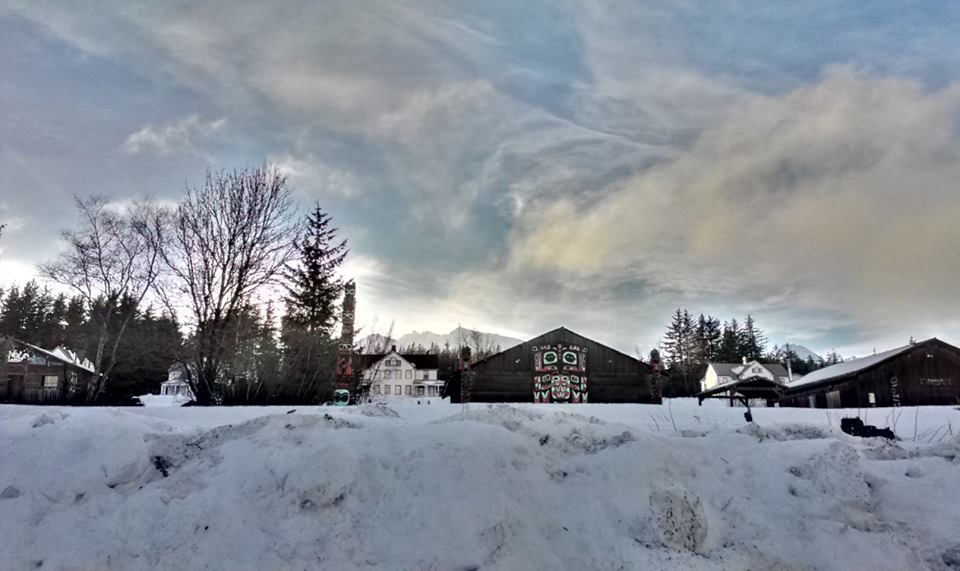
(Photo by Margaret Friedenauer)

Haines has the oldest population in the state. That’s according to the Alaska Department of Labor, which released statistics for the aging population on Friday.

The Haines Borough has the highest median age in the state at 48.5. Southeast Alaska has the highest median age as a region, followed by the Gulf Coast region. The Northern Region, including Nome and Barrow, has the lowest median age at 29.8.

18 percent of Haines residents are age 65 and over. 62 percent are age 20 to 64, and 20 percent are 19 and under. Haines’ age demographics are most similar to Hoonah and Wrangell out of all the Southeast communities surveyed. Wrangell is the only other community in the state with 18 percent of residents 65 and older.

Skagway’s demographics are unique in Southeast. Almost three-fourths of Skagway residents are between ages 20 and 64. The municipality has the lowest percentage of people 19 and under in Southeast, at 16 percent. Only 13 percent are seniors age 65 and older. The median age in Skagway is six years younger than Haines, at 42.4.

Alaska as a whole is aging. The state’s population of seniors passed the 70,000 mark in 2014. The number of Alaskans age 65 and older increased by more than 3,000 since 2013. That group now comprises 10 percent of the state’s population. The state’s median age is 34.

Alaska’s kink community readies its new home after years of unique hurdles

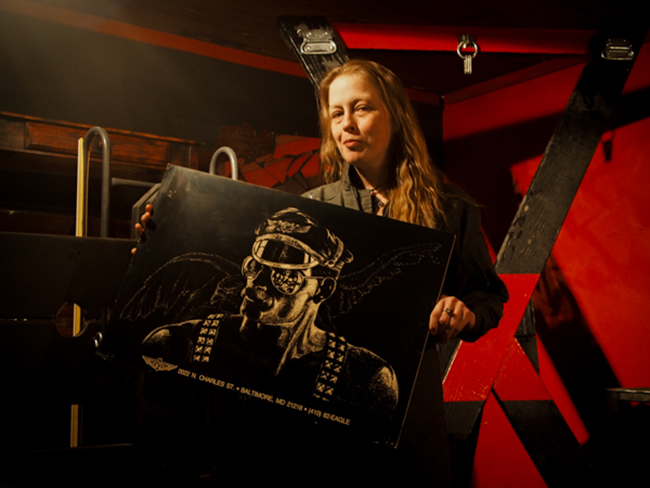
Sahra Shaubach in the room she and volunteers extensively rehabbed inside the basement of the 225 E. 5th Ave property, holding a poster from the The Eagle, a renown Baltimore leather bar. (Photo by Zachariah Hughes, KSKA)

Alaska has a tightening kink community made up of people living alternative lifestyles that range from discomfort with mainstream society to unconventional sex practices. But they have struggled to find spaces in which to gather. Now, after a lengthy tenant dispute and thousands of dollars worth of property damage, the Alaska Center for Alternative Lifestyles–ACAL– is ready to open it’s doors.

“Our stairwell, when we finish staging, will be full of pride-flags from across the lower-48,” explains Sahra Shaubach as she shows off the staircase leading into the 2000 square-foot basement she rents in downtown Anchorage, formerly the site of the Kodiak bar. ”Those will include Bear pride-flags, and GBLT pride flags, of course the Leather pride flag, the Trans pride flag and so on and so forth.”

ACAL is meant to solve a years-long problem of where people interested in unconventional sex can get together for events.

”You name it, we’ve rented it,” Shaubach explains.  ”We’ve done this out of restaurants after they’ve closed, we’ve done this out of convention halls, we’ve done this out of hotels–we’ve rented entire floors of hotels and done theme rooms. We’ve rented basements, we’ve rented empty houses. And we’ve been doing it with the respect of the greater community in Anchorage, I believe. We haven’t had anyone call the cops and say ‘Oh my god the perverts are screaming next door.’”

“Kink community” is the umbrella term covering everything from bondage and leather aficionados to erotic artists and exotic hula-hoopers. Though Alaska’s kink community is dwarfed by cities in the Lower-48, it is far more widespread than the uninitiated may realize. In the last two decades, different groups like The Northern Lights Dungeon Society and Alaska Dark Realms organized coffee meet-ups and dinners nicknamed “munches.”

“It was just amazing to realize that people across the board–young, old, fat, ugly, educated, not, your doctors, your lawyers, your school teachers, your single mothers, your college students–everybody shows up to those munches,” Shaubach recalls from when she began getting involved eight years ago.  ”If you saw us sitting at a restaurant–20, 25, 30, 40 of us–you would have no idea we are Alaska’s alternative community. We look like the people you’d see at Fred Myers.”

Shaubach pounced on the opportunity to rent out the basement in the old Kodiak, even though it meant cleaning up years of broken furniture, trash, and remnants of people crashing when they had nowhere else to go. Upon seeing the space for the first time in two years, the landlord wept. Shaubach and volunteers organized “work frollicks”–a borrowed Amish term–to haul trash, paint, clean, and disinfect the industrial kitchen on the top floor. It took months, but the results are impressive. The rambling chambers of the basement are primed for activities: a tiny stage surrounded by tables, studded leather straps to hang donated art, and “playrooms” holding a few daunting apparatuses.

“There’ll also be a large padded table here that also has a cage that goes underneath it,” Shaubach explained, pointing inside her favorite room. It was filled with supplies and equipment, including an X-shaped St. Andrew’s Cross and wooden stocks affixed to a spanking bench.

“Forgive me if this is a little bit suburban,” I asked, “but what is the table and what are the cage for?”

“Umm,” Shaubach paused, a smile spreading over her face, ‘there’s so many options for a table and a cage!”

Alaska’s kink community numbers in the hundreds, and is committed enough that Shaubach can finance the costs of rent and upkeep by collecting membership fees.

“It’s like having a Sam’s Club Card,” said Shaubach, “you don’t get the groceries for free, but you definitely get a discounted rate for being a member.”

$120 s a year buys access to the space, along with priority rates on workshops and educational events on eclectic topics like knot-tying.

ACAL was set to open in December, but a highprofile tenant dispute disrupted those plans. The top-floor was leased to Charlene Egbe, who runs the Alaska Cannabis Club, and was evicted last week. By the time Egbe and her business partners vacated the premise the top floor was a mess, documented extensively by a local blogger with an interest in the case, who has since publicly archived photographs documenting the state of the property. The kitchen was filled with trash and flat-screen TVs, fixtures, and furniture were gone.

Egbe says that she and associates poured money and time into improving the space beyond its condition from when she first  signed the lease.

“We’re disappointed that our former landlord continues to attempt to assassinate the character of the Alaska Cannabis Club,” Egbe said by phone. “We are taking legal action against our former landlord, and other parties involved, for defamation of character, amongst other things.”

Shaubach is not eager to dwell on what happened, or on the pending civil case. Instead, she is planning more work frollicks to get the ACAL space ready in the weeks ahead. She knows where she’ll put a small library and has already picked a name (The Back Door) for the modest boutique that will sell leather accouterments. Mostly, she’s ready for the Alaska Center for Alternative Lifestyles to finally become a gathering place.

“We’ve built this center, and created it with a vision of our community having a place to foster our foundations and elevate our education past what we’ve already done. And we just need a home,” Shaubach said, a sad note creeping into her voice. “We need a place that’s safe, sane, secure so that we can practice what it is that we do.”

The Center’s public premier is slated for the first Friday in February.

State lawmakers to be welcomed with local goodies

Juneau's Deputy City Clerk Beth McEwen stuffs gift baskets that will be given out to state lawmakers at the 30th annual Legislative Welcome Reception at Centennial Hall. (Photo by Kevin Reagan/KTOO)
Juneau’s Deputy City Clerk Beth McEwen stuffs gift baskets that will be given out to state lawmakers at the 30th annual Legislative Welcome Reception at Centennial Hall. (Photo by Kevin Reagan/KTOO)

Juneau residents can meet the 60 members of the 29th Alaska Legislature Thursday at the annual Legislative Welcome Reception at Centennial Hall.

Beth McEwen, deputy clerk for the City and Borough of Juneau and an organizer of the free event, says the welcome reception has grown over its 30 years. Even though this year the state faces an estimated $3.5 billion deficit, McEwen says there’s still a lot to be excited about.

“We have a lot of construction that’s been going on and will be going on in the near future, so this is just a little way of kind highlighting the fact that we are building for a brighter future,” McEwen says.

This year’s reception focuses on various state-funded construction projects in Juneau, such as the new State Library, Archives and Museum building and Sealaska Heritage Institute’s Walter Soboleff Center.

To illustrate the construction theme, yellow Tonka Trucks will serve as table centerpieces at the reception, courtesy of some younger residents.

“Even the kids of Juneau have donated their toys for the cause — loaned them, not donated them — they’re getting them back,” McEwen says. “But we’ve had some great outpouring of community support in just pooling everything together to make it happen.”

More than 60 local businesses donated items such as shot glasses, snow scrapers, bags of ground coffee and sockeye salmon. The items will be stuffed into gift baskets, one for each lawmaker. The gifts are meant symbolize the state’s cultural diversity.

McEwen estimates about 1,500 Juneau residents will be attending the reception. The event offers a rare chance for lawmakers to casually meet and greet with each other and local residents outside the Capitol building. The reception begins at 5:00 p.m. in Centennial Hall and will end just before Gov. Bill Walker is scheduled to deliver his State of the Budget address at 7:00 p.m.

Mallott remembers his mother during Juneau’s MLK celebration

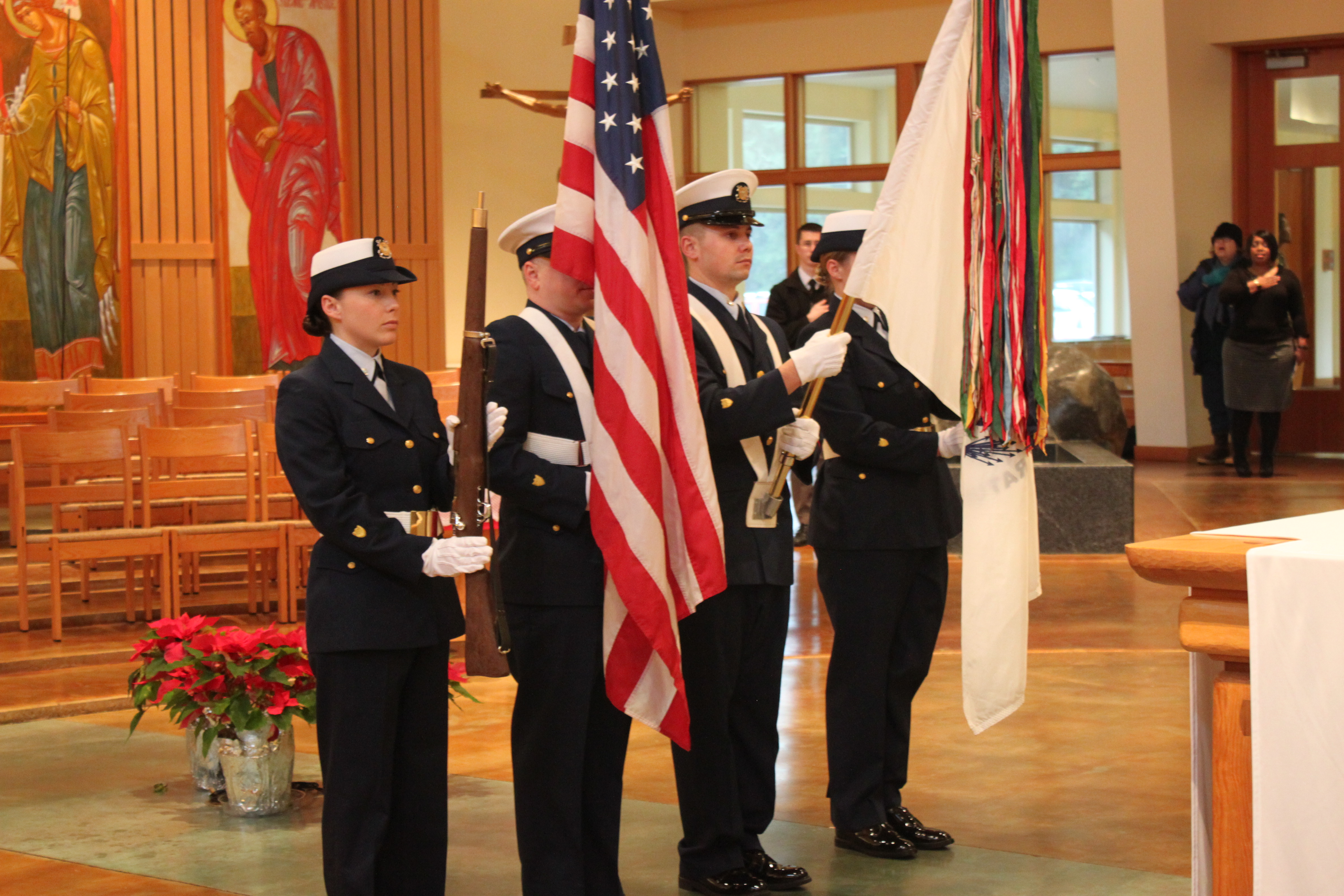
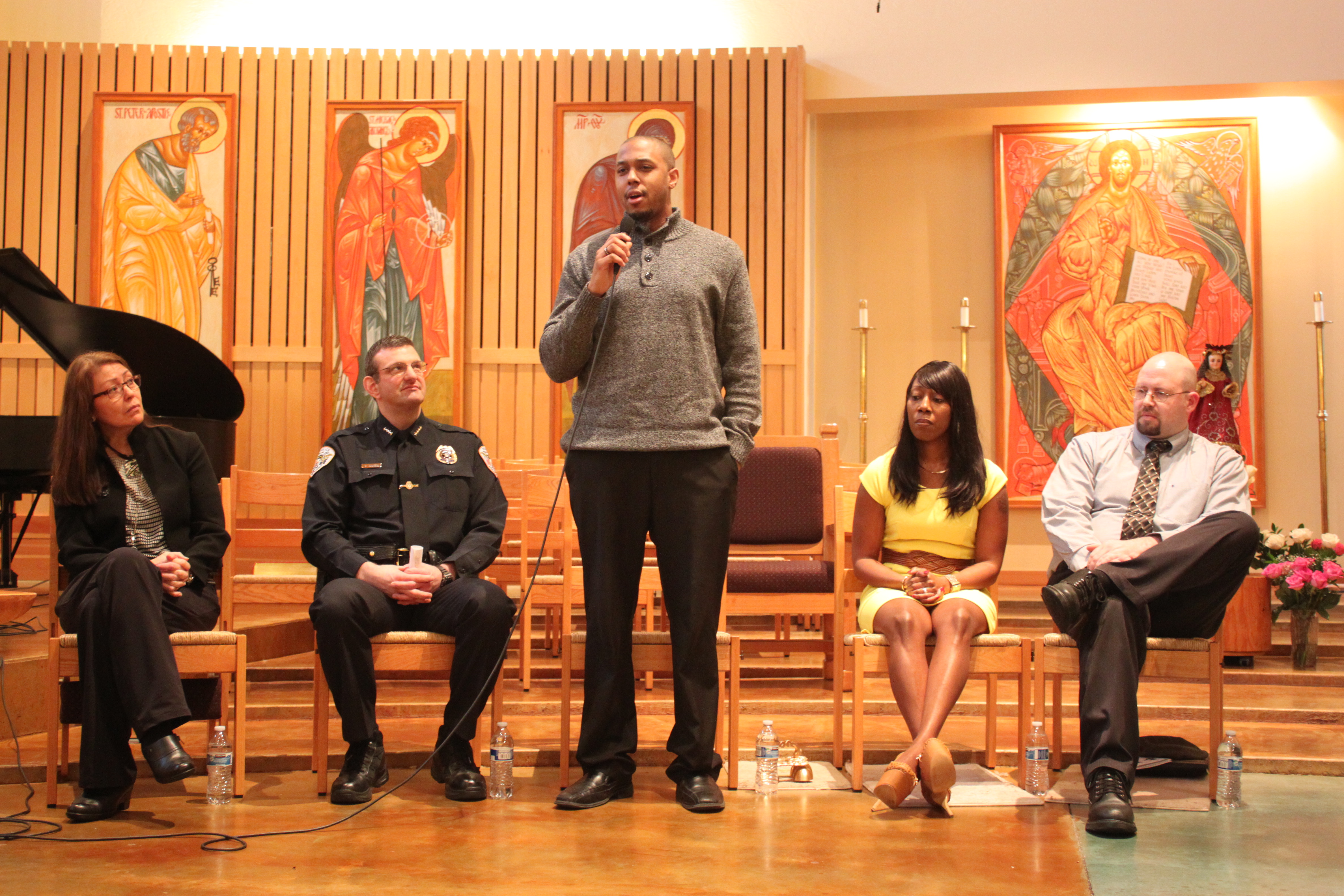
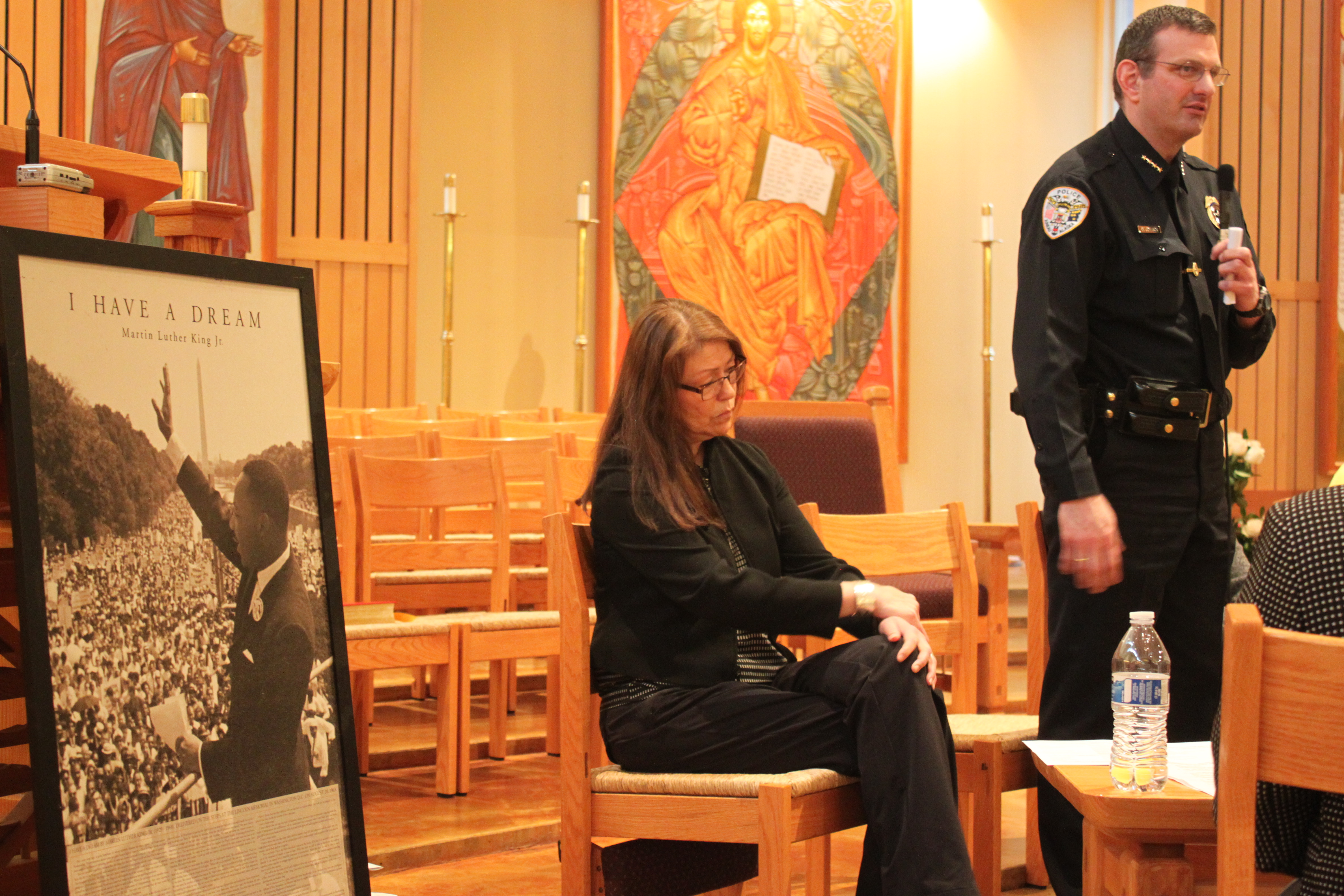
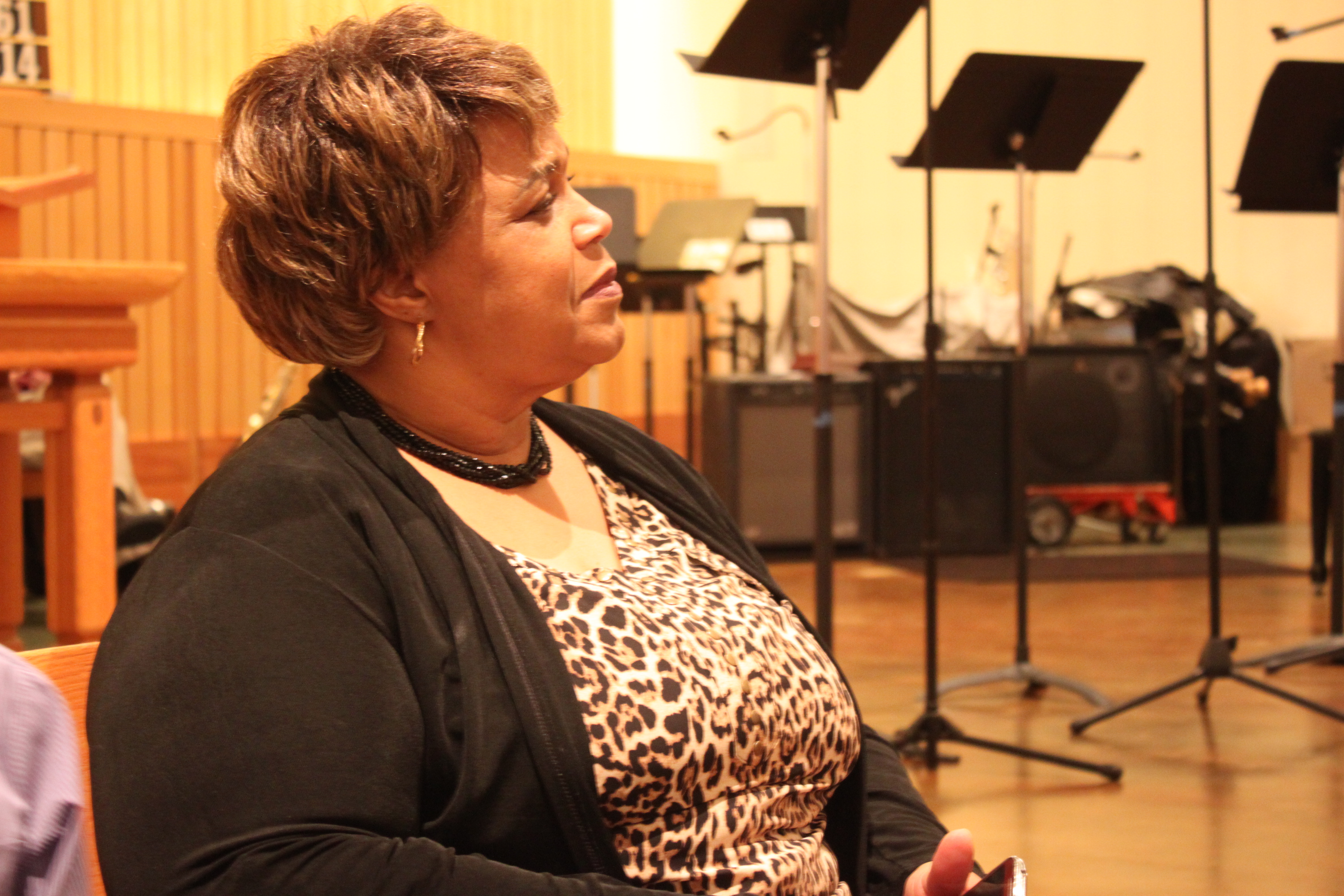
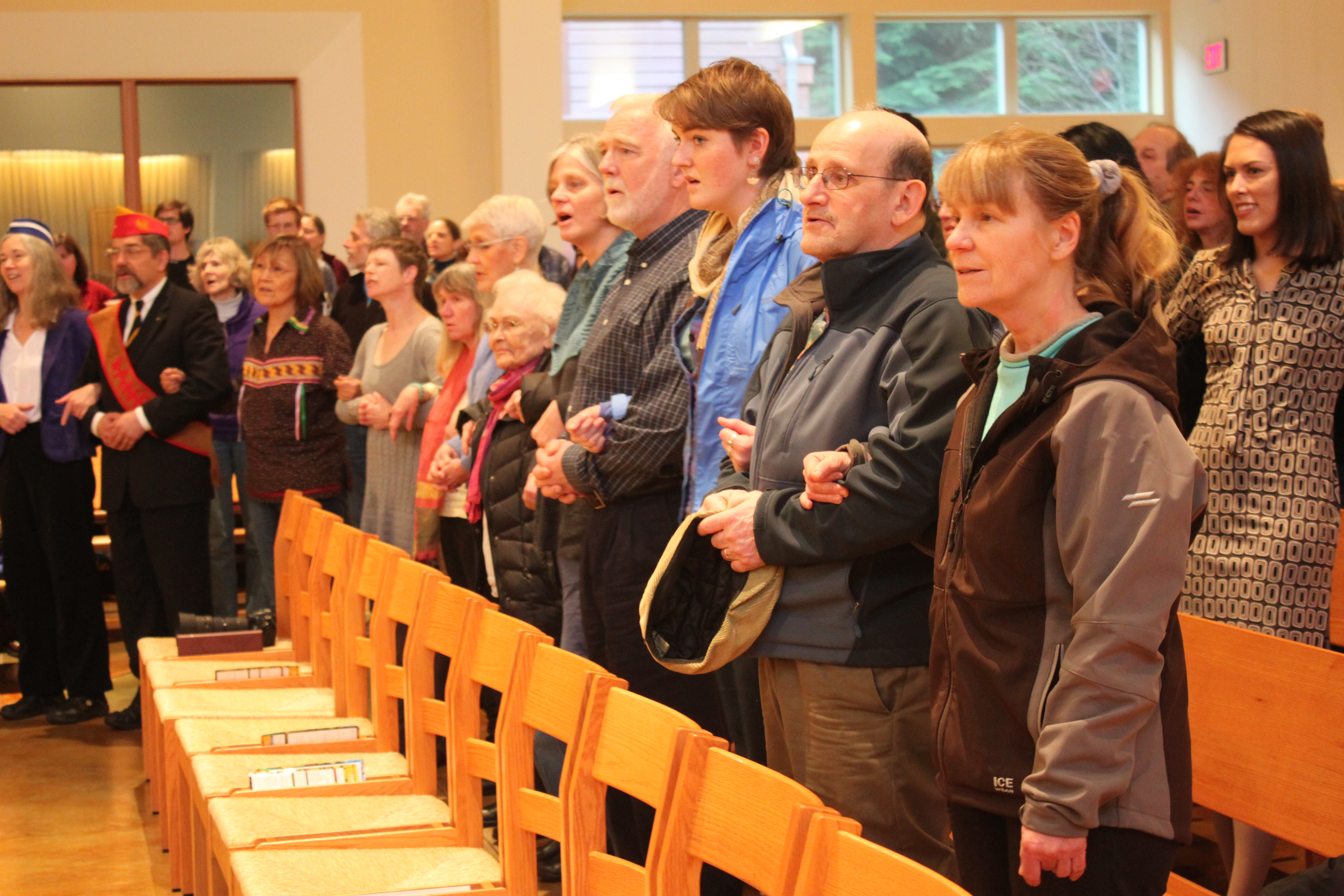
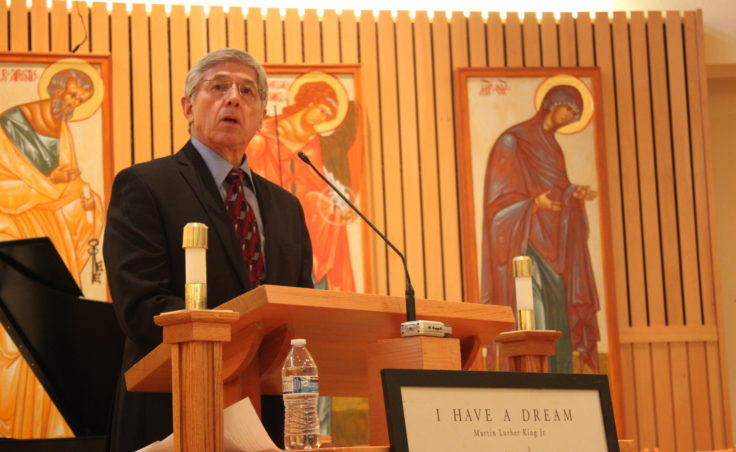
About 200 people attended the Dr. Martin Luther King Jr. Community Celebration held Monday at St. Paul’s Catholic Church. The event was organized by Juneau’s Black Awareness Association.

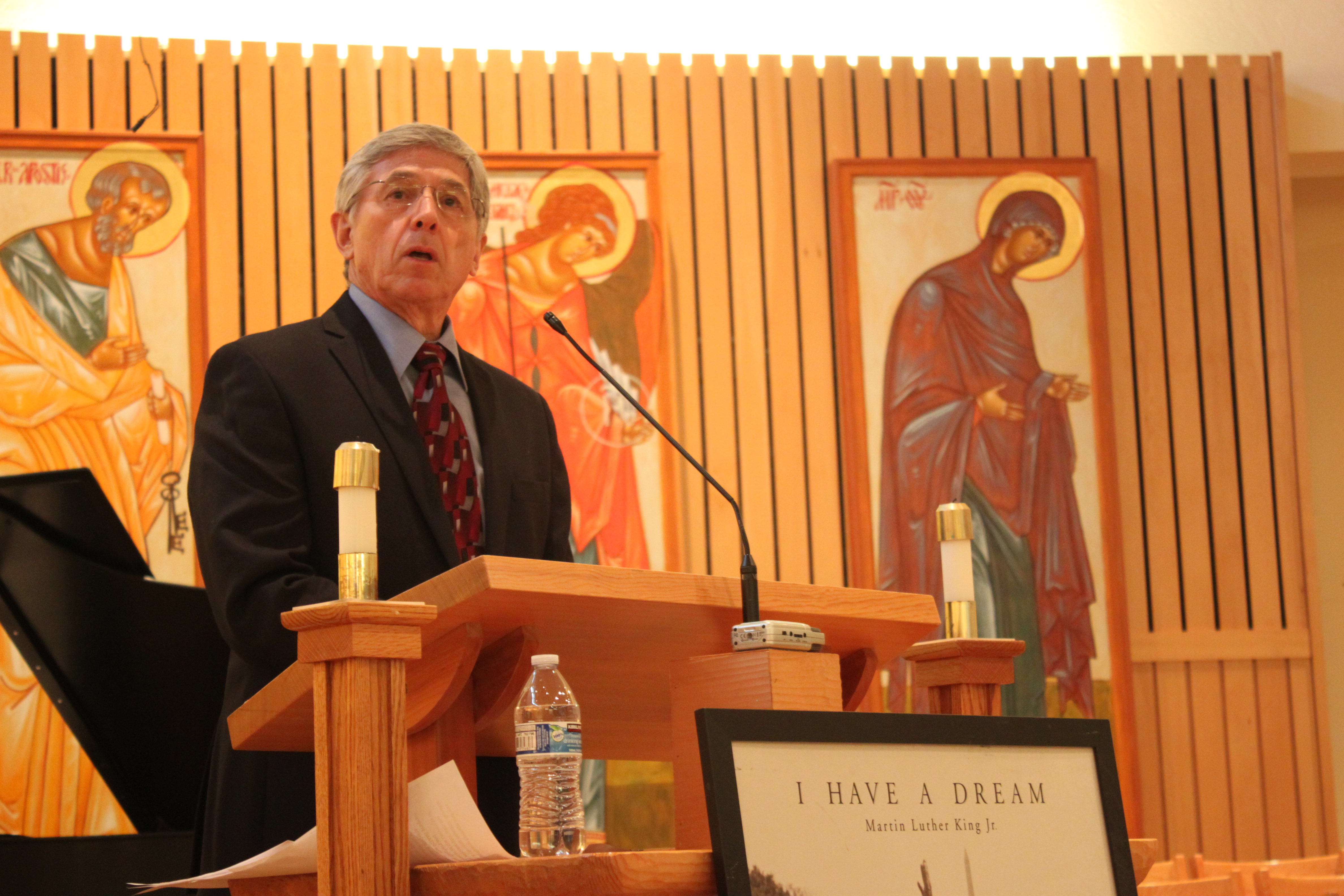
Lt. Gov. Byron Mallott gave the opening speech. He spoke about his mother’s experience with discrimination.

Lt. Gov. Byron Mallott said his mother, Emma – a Tlingit woman – would cry whenever she had to leave Yakutat to go to Juneau.

“And she was crying for her brothers and sisters because to come to this place was to come to a place in which she was not welcome and a place in which she was not accorded respect, the place in which her innate and wonderful dignity was not recognized,” Mallott said.

Mallott’s mother was around when Elizabeth Peratrovich testified for Alaska’s Anti-Discrimination Act of 1945. Peratrovich told the Territorial Senate it was time to give Alaska Natives basic human and civil rights.

Mallott said he grew up during a time of conscious healing.

“A time in which every Alaskan had to look into their hearts and soul and examine their place in this wonderful land and make personal decisions about the kind of life that they would lead to either reject or embrace their brothers and sisters around them,” Mallott said.

Mallott has seen change in his lifetime, and he said his position as Alaska’s Lieutenant Governor is proof.

“And so I hope to wear this office very lightly because, for all of us, every day that we live is just another step in a life, a life that follows the arc of history and time, that the Rev. Martin Luther King stated so visually powerfully, the arc of history, the arc of time that hopefully ‘bends toward justice,'” he said.

For Mallott, the color of unity is the color of his mother’s eyes.

Listen to other sounds of the celebration, including Salissa Thole singing, actor Michael Flood performing King’s “I’ve Been to the Mountaintop” sermon and Sherry Patterson, president of Juneau’s Black Awareness Association.

Site notifications
Update notification options
Subscribe to notifications