Community

Why “Alaska” means milk and basketball to many Filipinos

When Filipinos hear “Alaska,” often the first two things that come to mind are milk and basketball.

(Composited from photos by @Doug88888 and Ion Botezatu via Flickr Creative Commons)

That’s according to the Philippines’ recently appointed honorary consul to Alaska, Jenny Gomez Strickler.

It turns out, the Philippines-based Alaska Milk Corporation sells milk in the country and sponsors the Alaska Aces — not Anchorage’s minor league hockey team, but a professional basketball team in the Philippines. Neither the milk nor the basketball team have a meaningful connection to the 49th state.

That means if Alaska wants to make inroads in trade with the Philippines, the state has a lot of work to do. In 2012, less than 1 percent of Alaska’s exports ended up in the Philippines, according to census data.

Jenny Gomez Strickler, Philippines honorary consul to Alaska

But Strickler says connections are being forged that could help build a market for Alaska seafood, and even liquefied natural gas.

The Juneau resident and retired Alaska Department of Commerce and Economic Development worker spoke to the Juneau World Affairs Council on Wednesday. In her new honorary role for the government of the Philippines, she’s part bureaucrat, and part international trade facilitator.

She’s trying to make the case that “Alaska” should mean “seafood” in the Philippines.

“The Philippines is a fish-eating country,” she said. “Yet its fish is imported from other countries. And its imported salmon is farmed salmon.”

Strickler, Juneau Rep. Cathy Munoz and the governor’s office are trying to put together a seafood festival in Manila next year to show the country what Alaska has to offer.

Strickler shared an anecdote about a missed connection that networking at the festival might fix. A former Juneau resident brought some Alaska seafood to Manila for his friends to try. One of samplers happened to be a hotel owner.

“The business owner enjoyed it so much, he said, ‘If I get this from you, can you guarantee me X amount throughout the year, or a portion of the year?’ He looked him straight in the eye and said, ‘I can’t, cause I’m not a fisherman.’”

She said they’re working on a pitch to get support from the Alaska Seafood Marketing Institute.

Strickler also said she was on a recent conference call between Philippines Ambassador Jose Cuisia Jr. and state officials. The ambassador said he’s putting together a team to visit Alaska and investigate opportunities to import liquefied natural gas.

Finally, Strickler said Aklan State University in the Philippines is interested in sending instructors to the University of Alaska Southeast through an exchange program. They want to learn about saltwater fisheries.

Strickler said she expects that arrangement to come together after the Juneau Assembly adopts a sister city proclamation linking Juneau and Kalibo, the capital city of the Philippine province Aklan.

A Juneau Assembly committee backed the proclamation on Monday.

Jenny Gomez Strickler’s talk with the Juneau World Affairs Council is tentatively scheduled to air on 360 North on October 11th.
Windy weekend in Southeast

The National Weather Service said the early morning strong winds that blew through some parts of Juneau Sunday were just the prelude to fall.

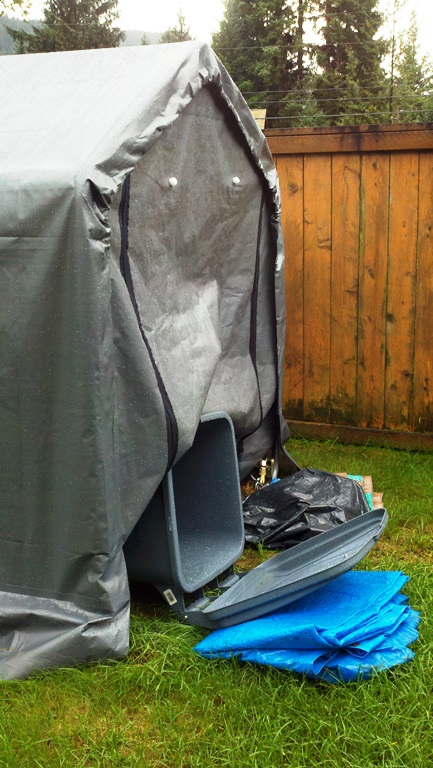
A newly installed garden shed had its first test in Sunday’s big blow through the Mendenhall Valley.

The highest gusts were reported at 12:35 a.m. at the Juneau airport.  Two brief and localized power outages were caused by a tree that fell on Davis Avenue and another on Dudley Street, according to Alaska Electric Light and Power.

The gusts wreaked havoc on some gardens, sheds, and a greenhouse or two, but no major damage was reported.

Forecaster Kimberly Vaughan said most of Southeast had wind and rain, with the highest amounts of rain in Yakutat and Skagway, Pelican and Elfin Cove.

“And it basically had a tropical feel, which is where all the rain came from.  You know it was warm and moist, and kind of what we call an atmospheric river,” Vaughan said.

Eaglecrest had 1.33 inches of rain for the 24-hour period, 8.am. Saturday to 8.a.m. Sunday.  Pelican had more than 3 inches.

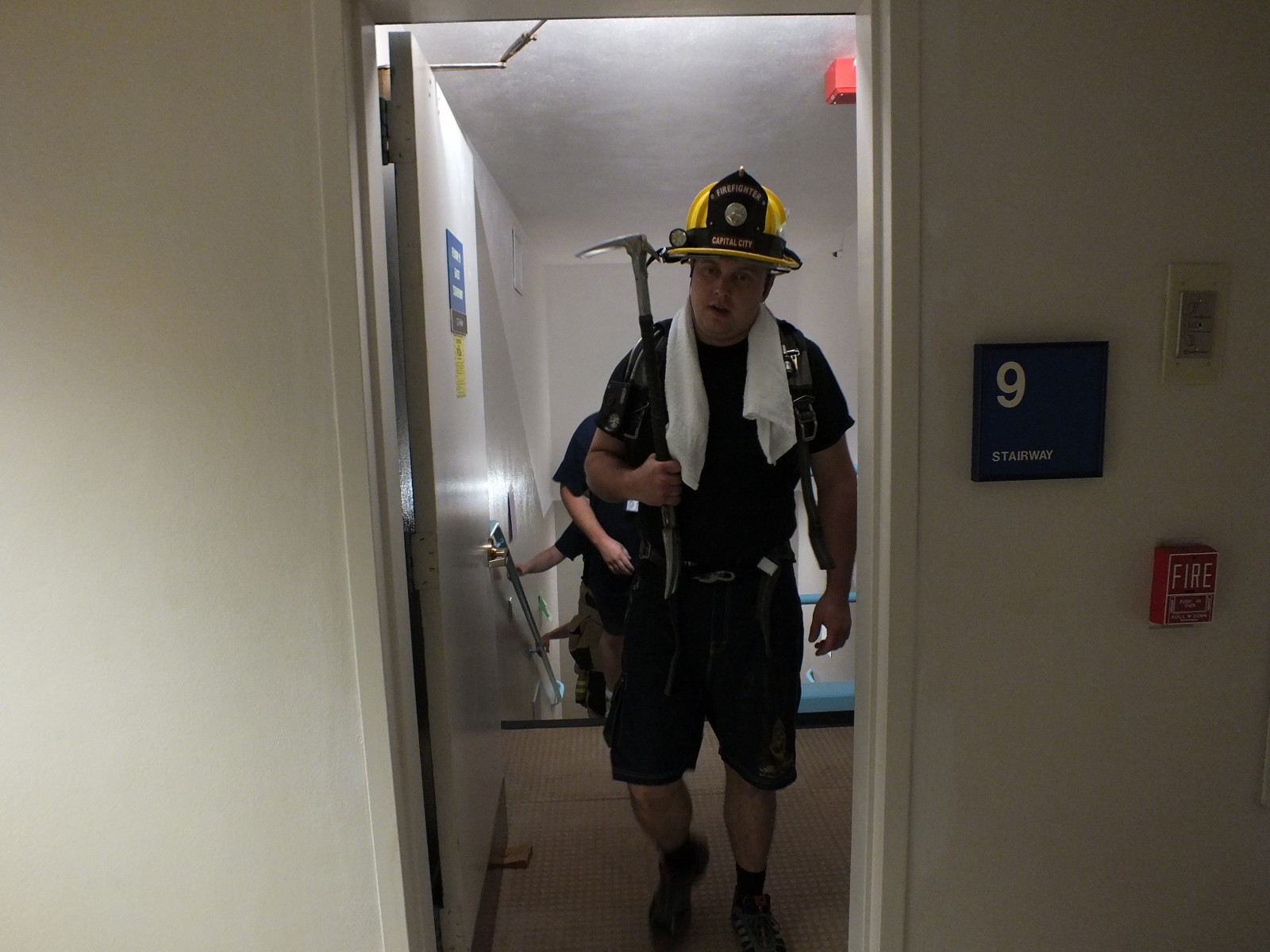
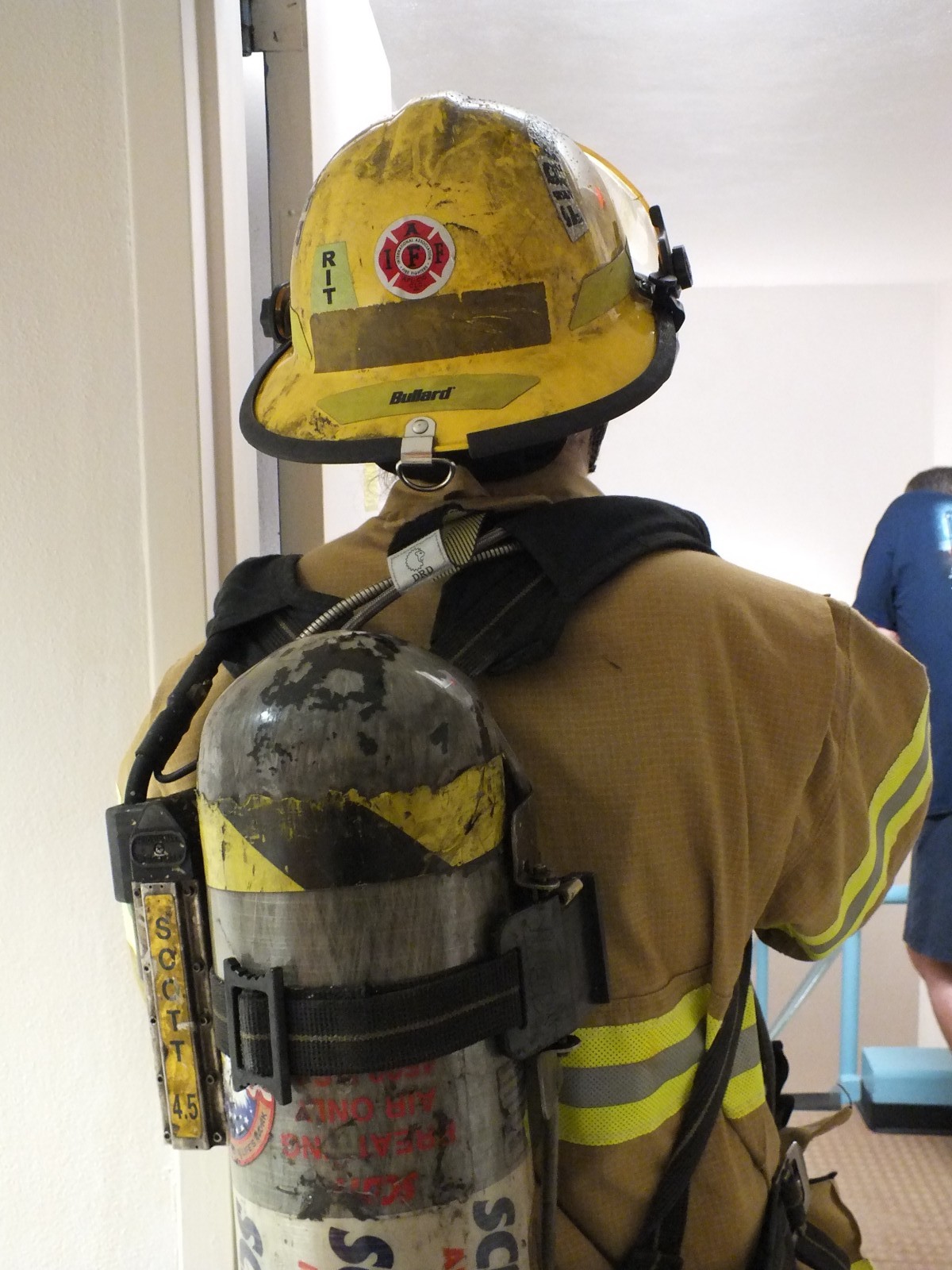
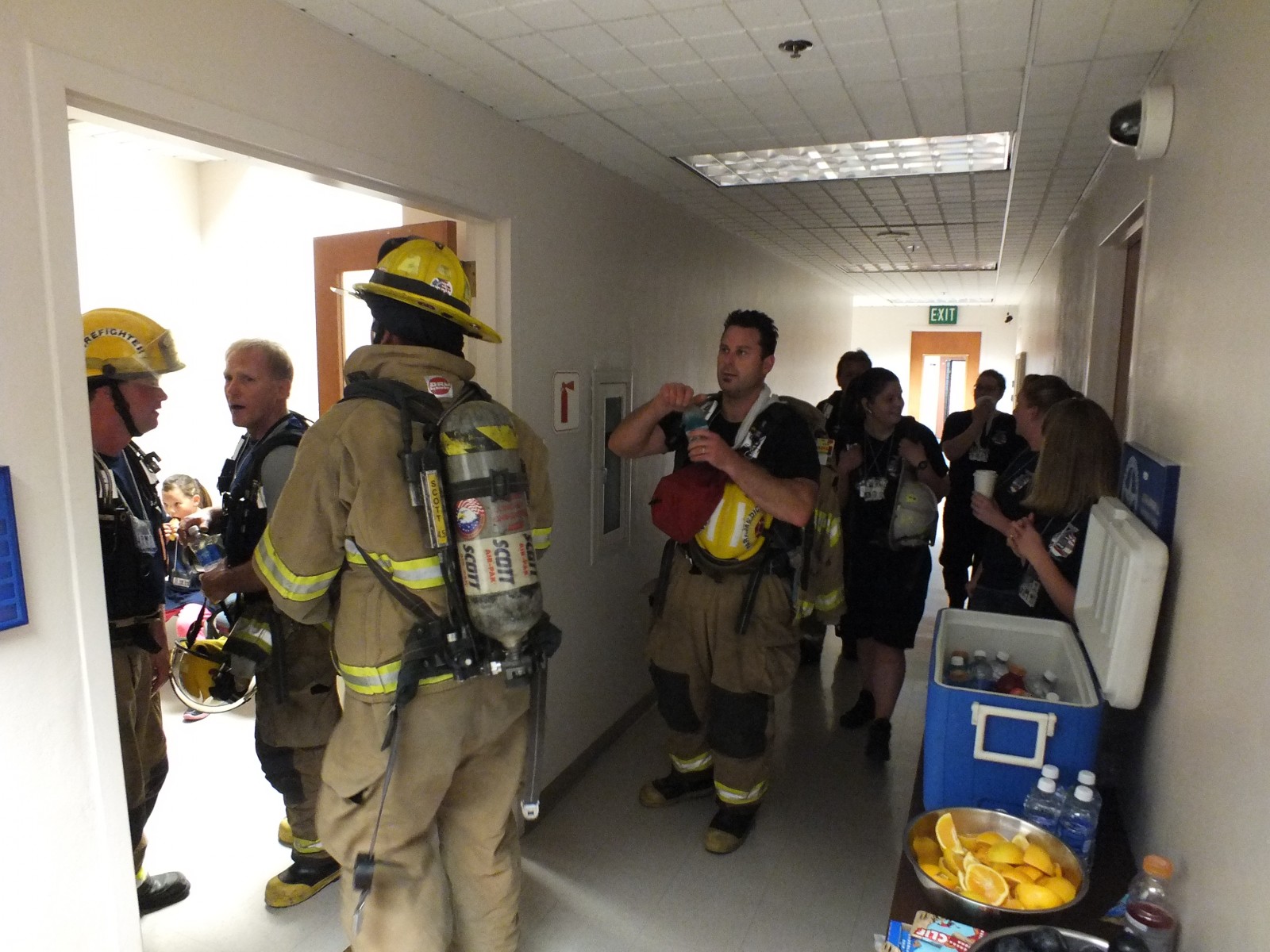
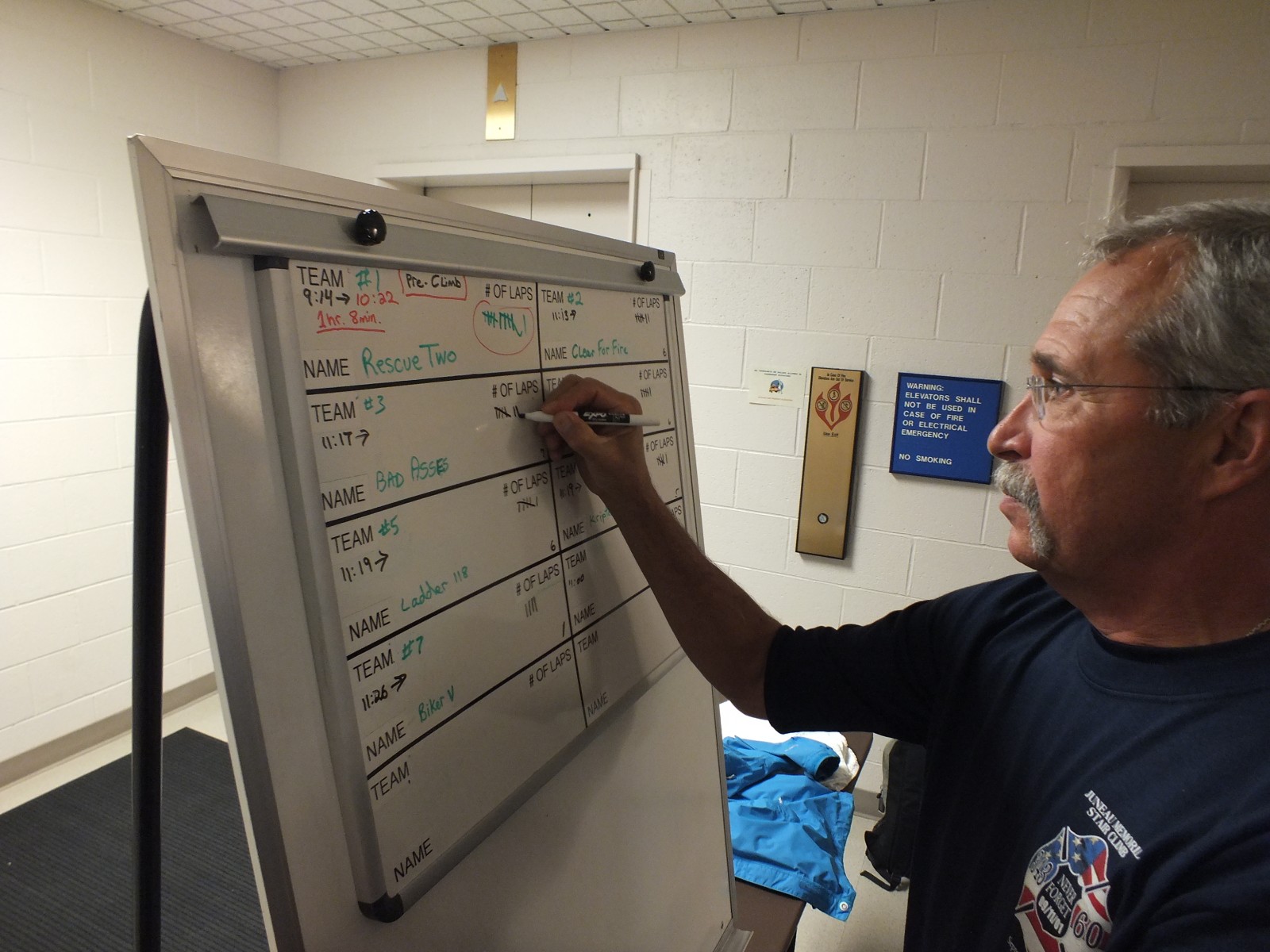
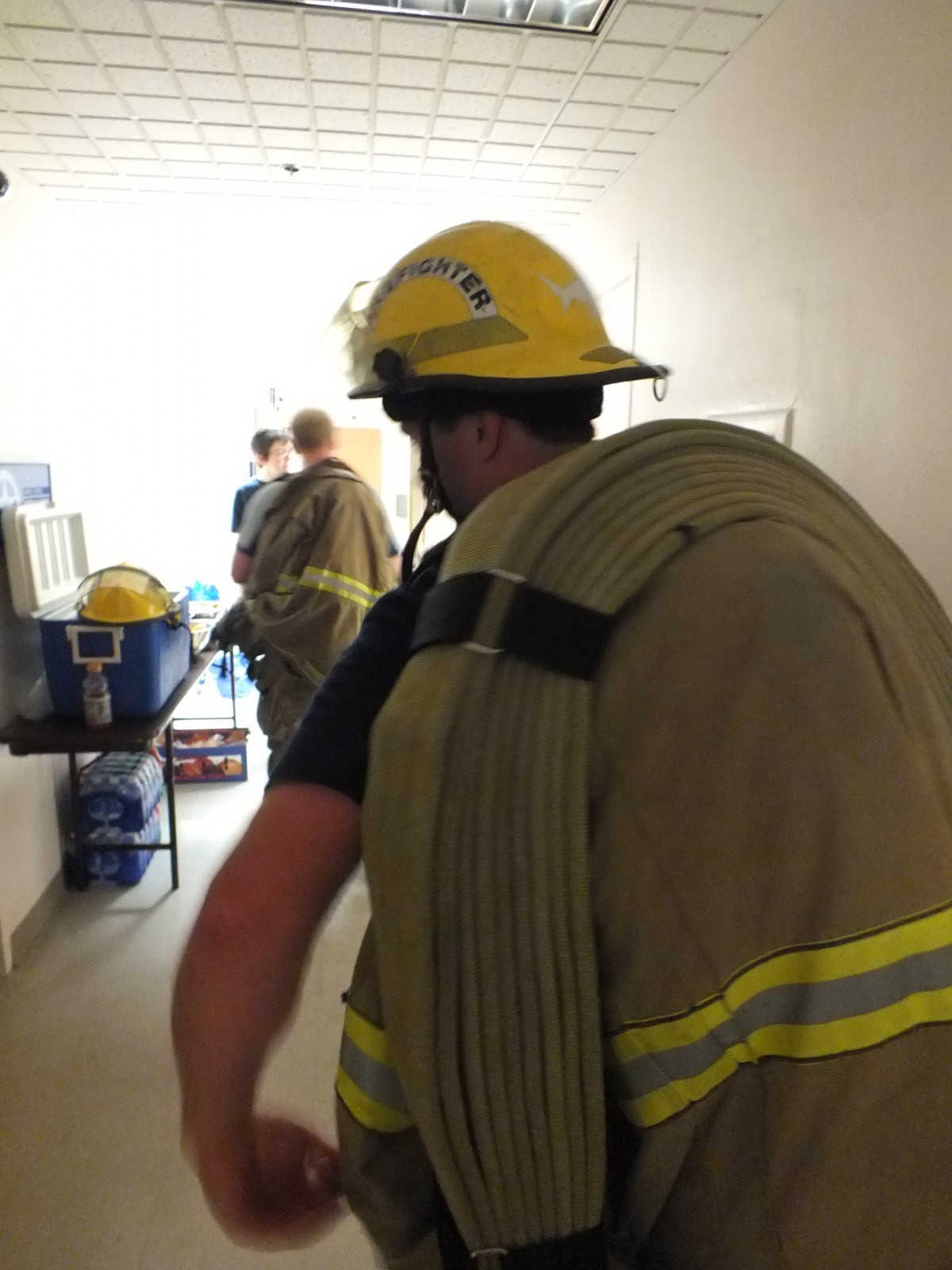
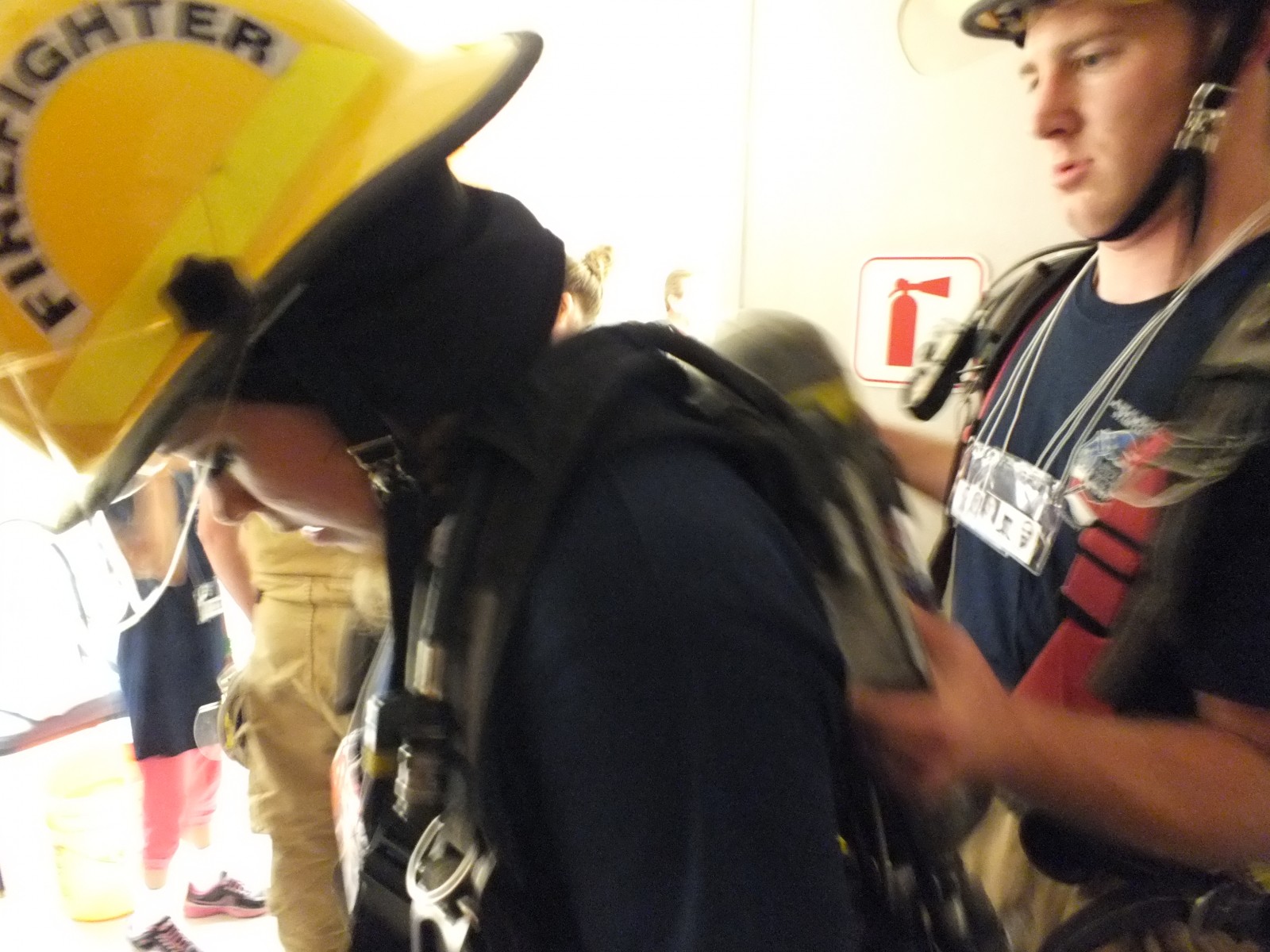
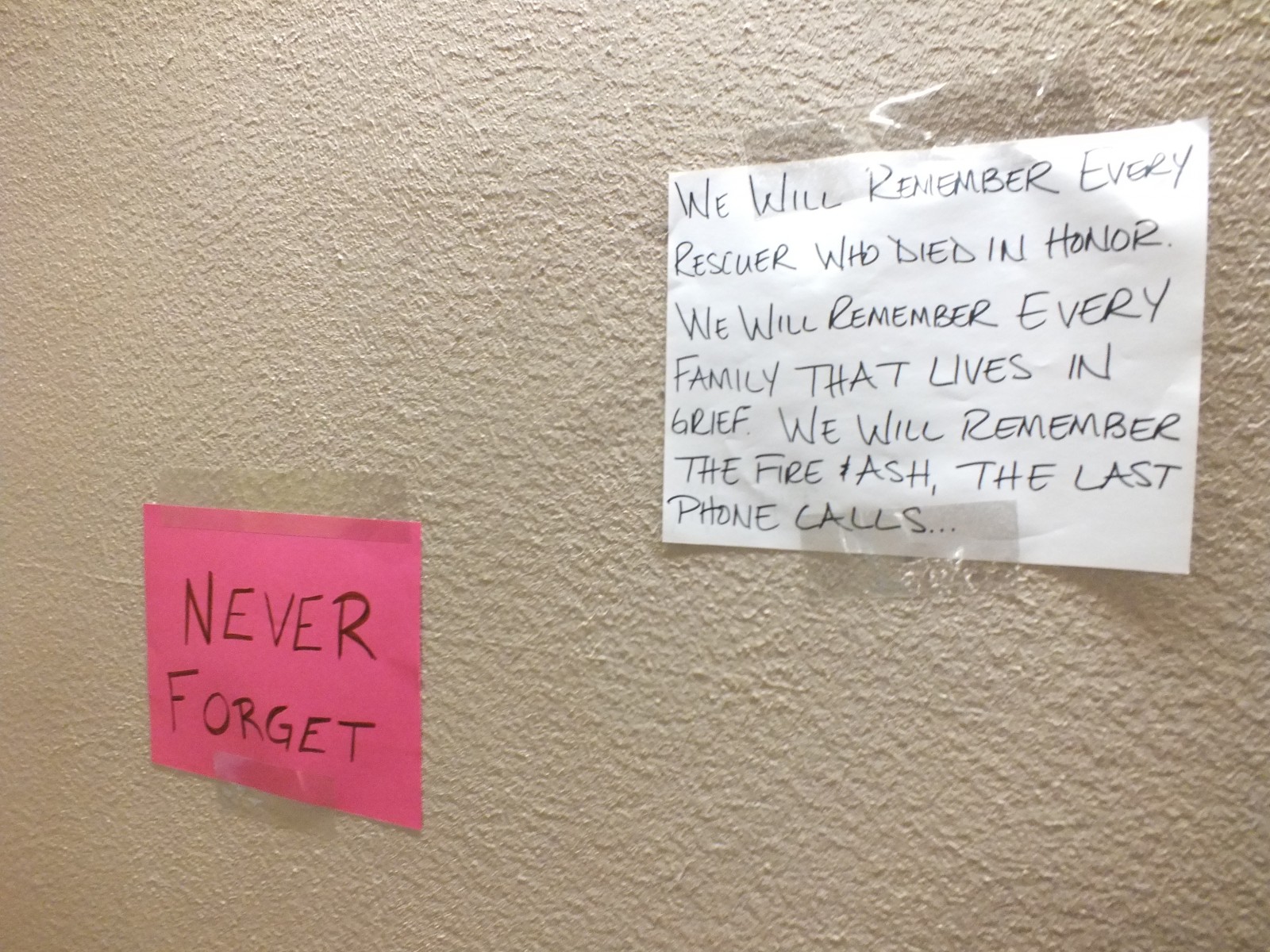
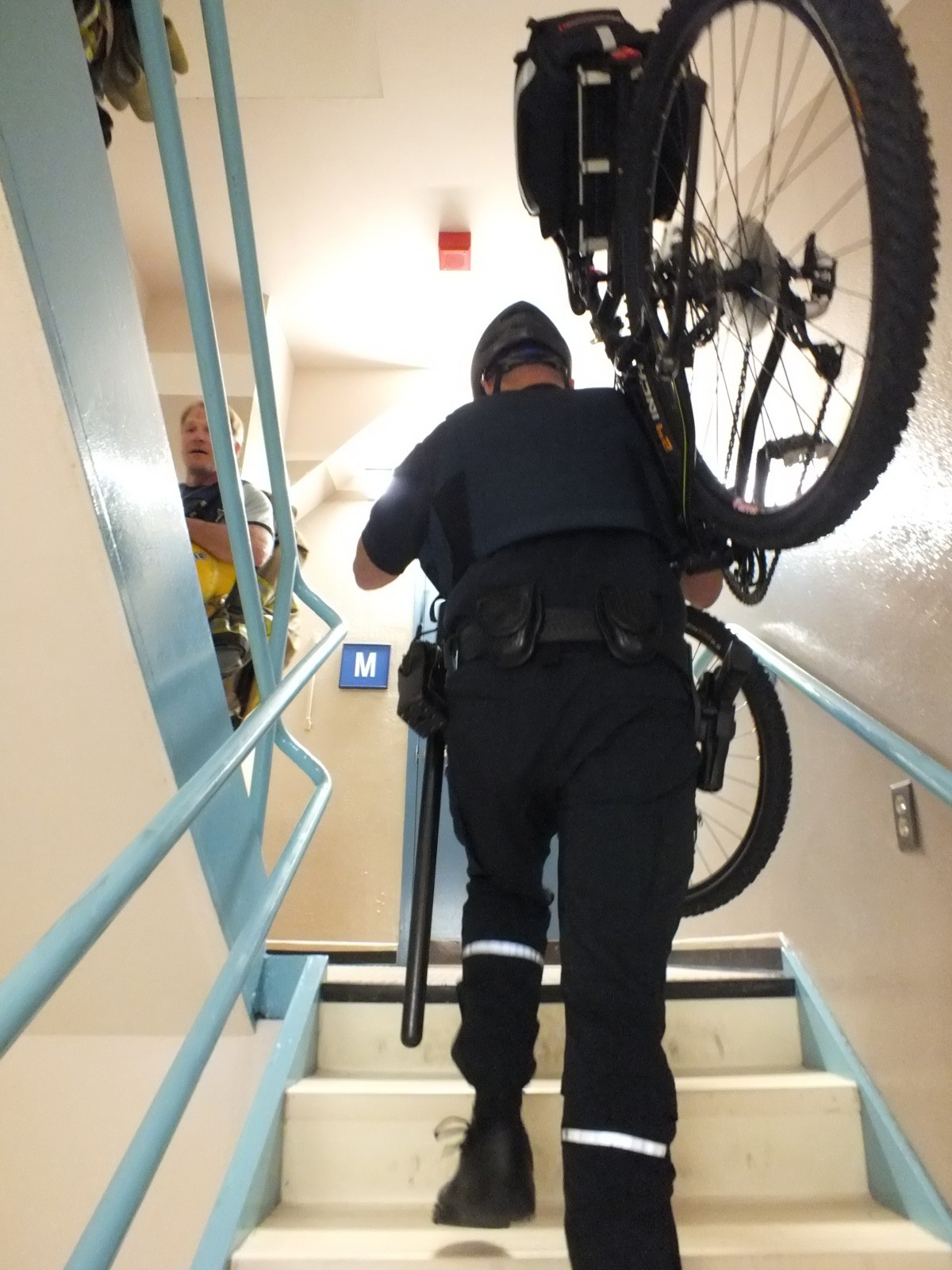
Juneau firefighters, officers climb to remember those who perished during 9/11

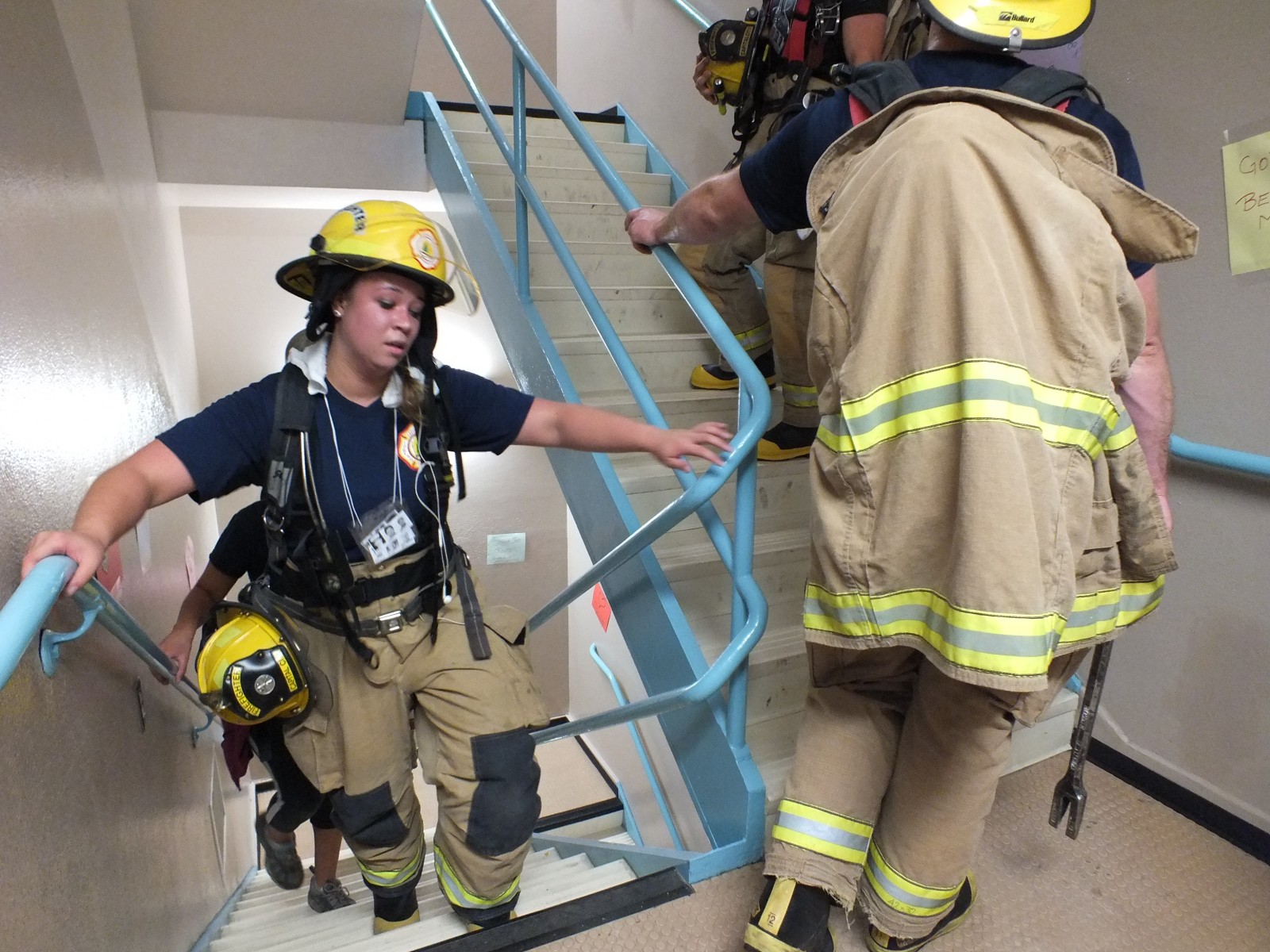
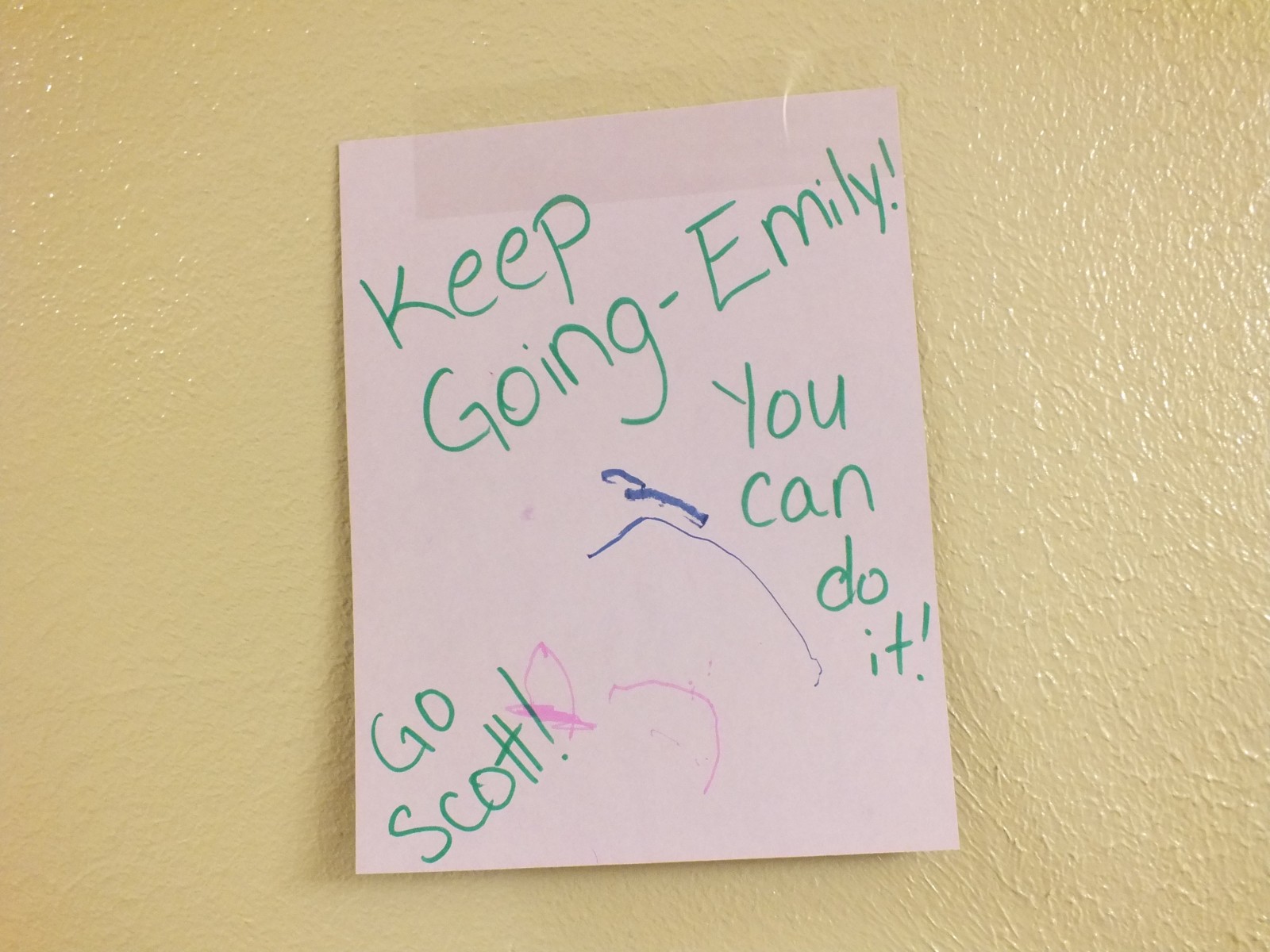
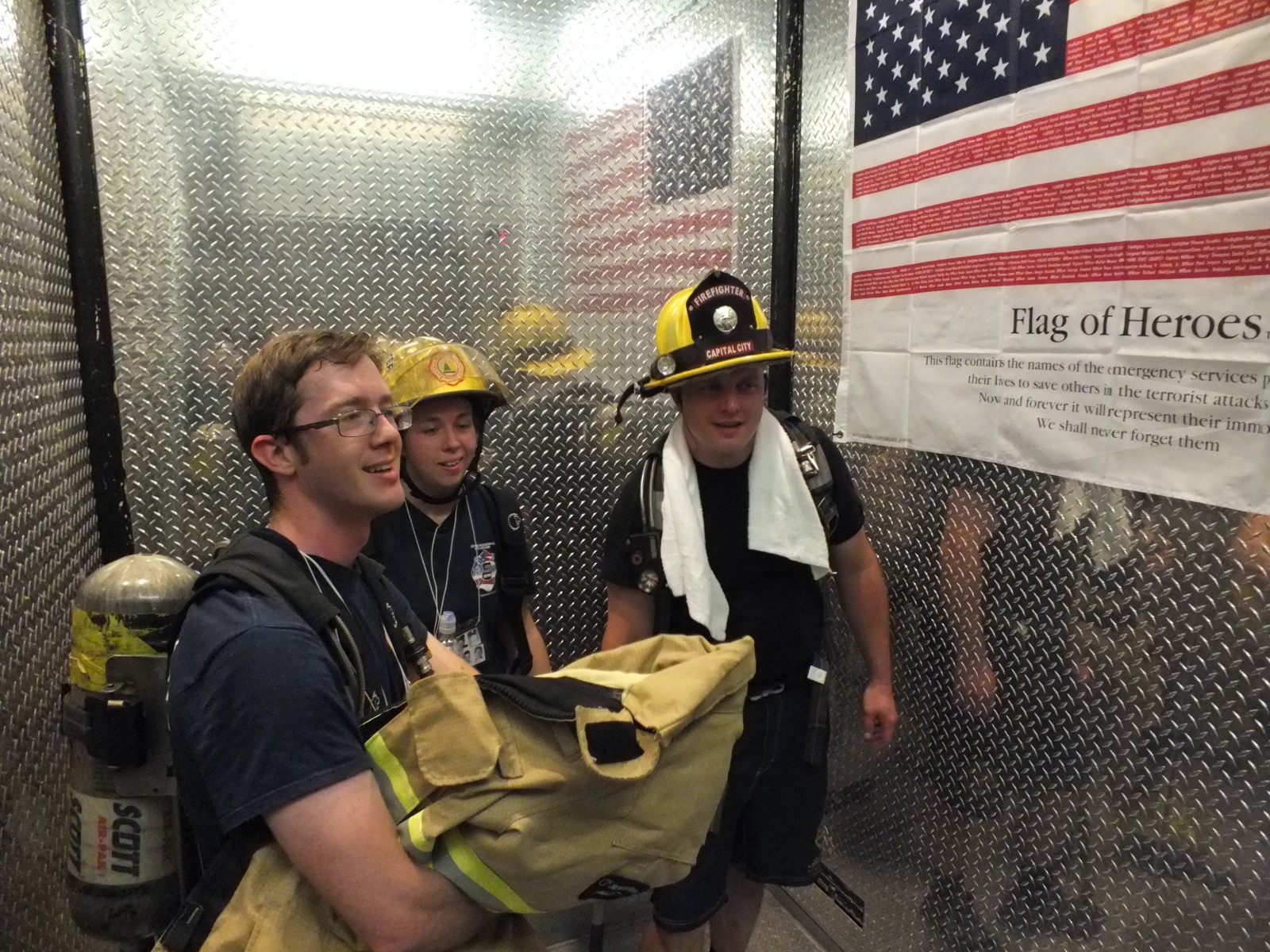
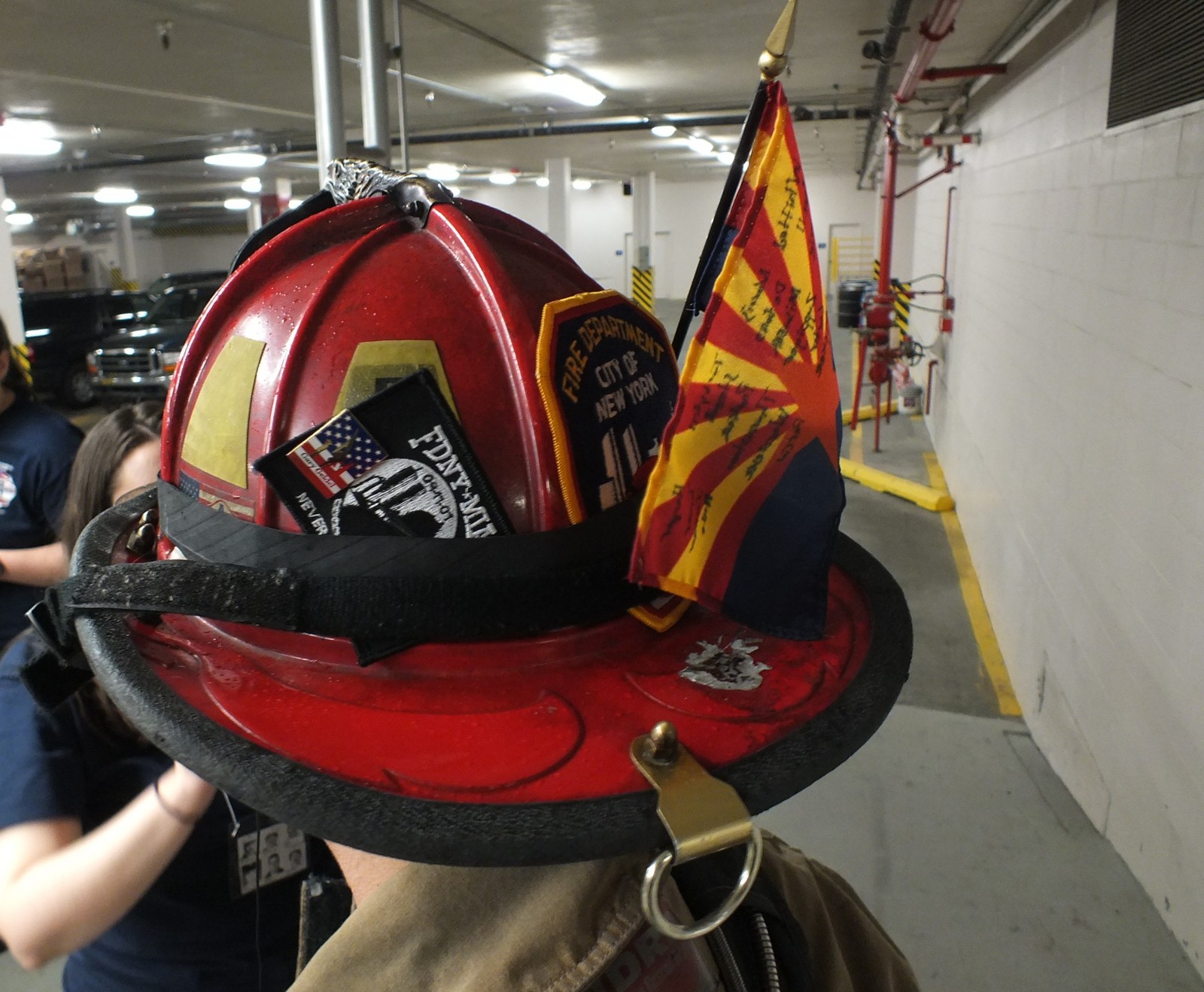
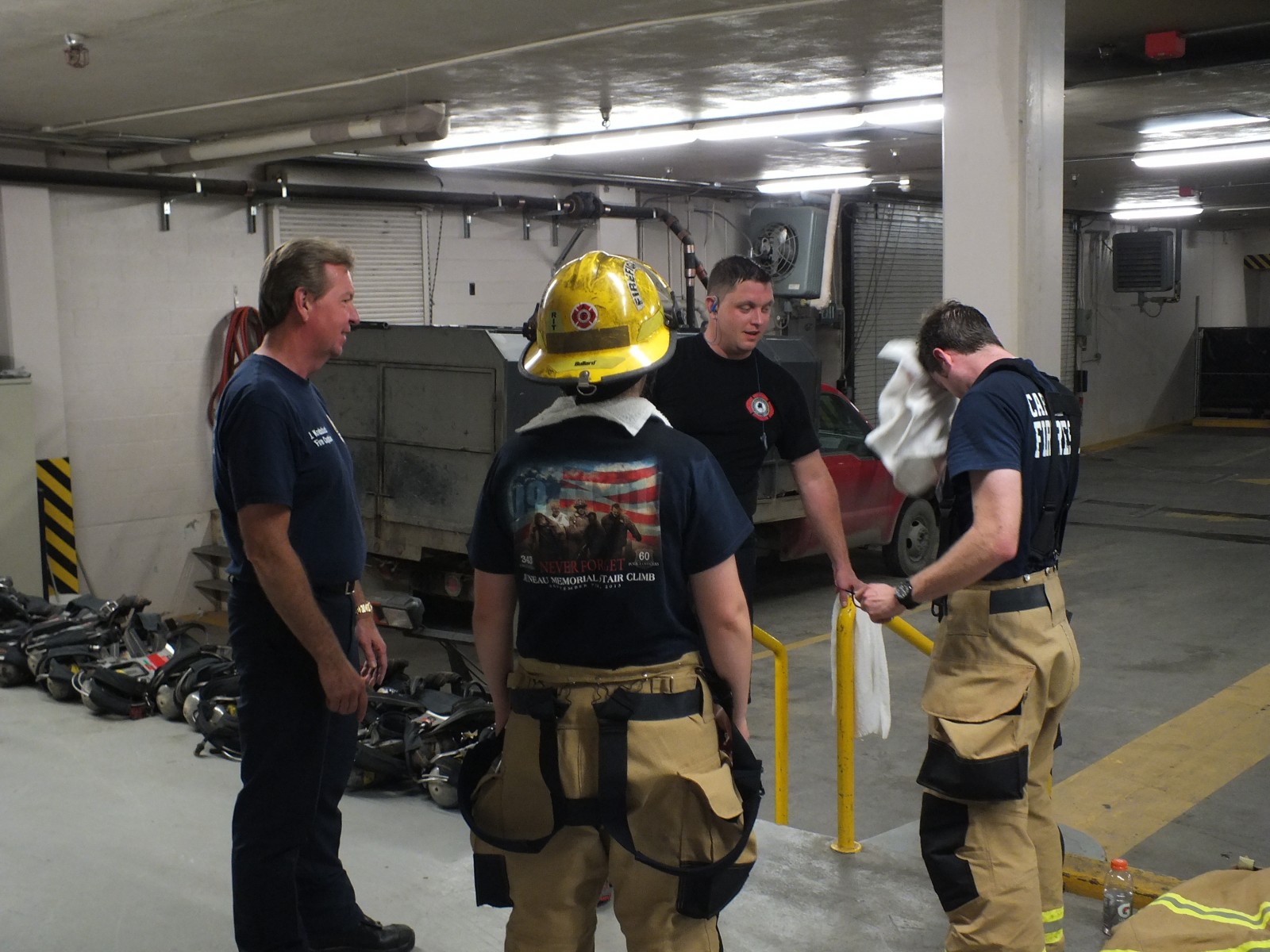
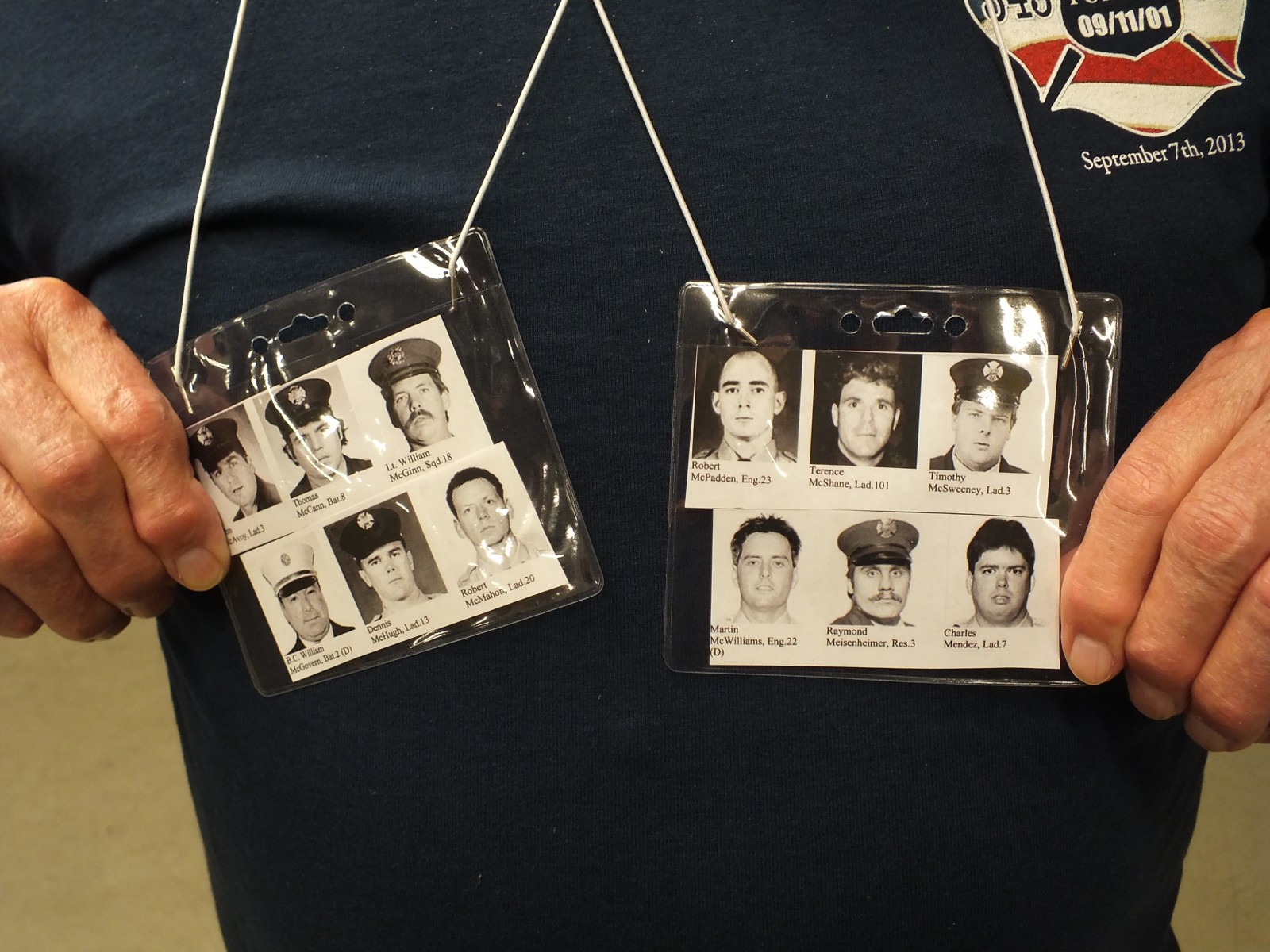
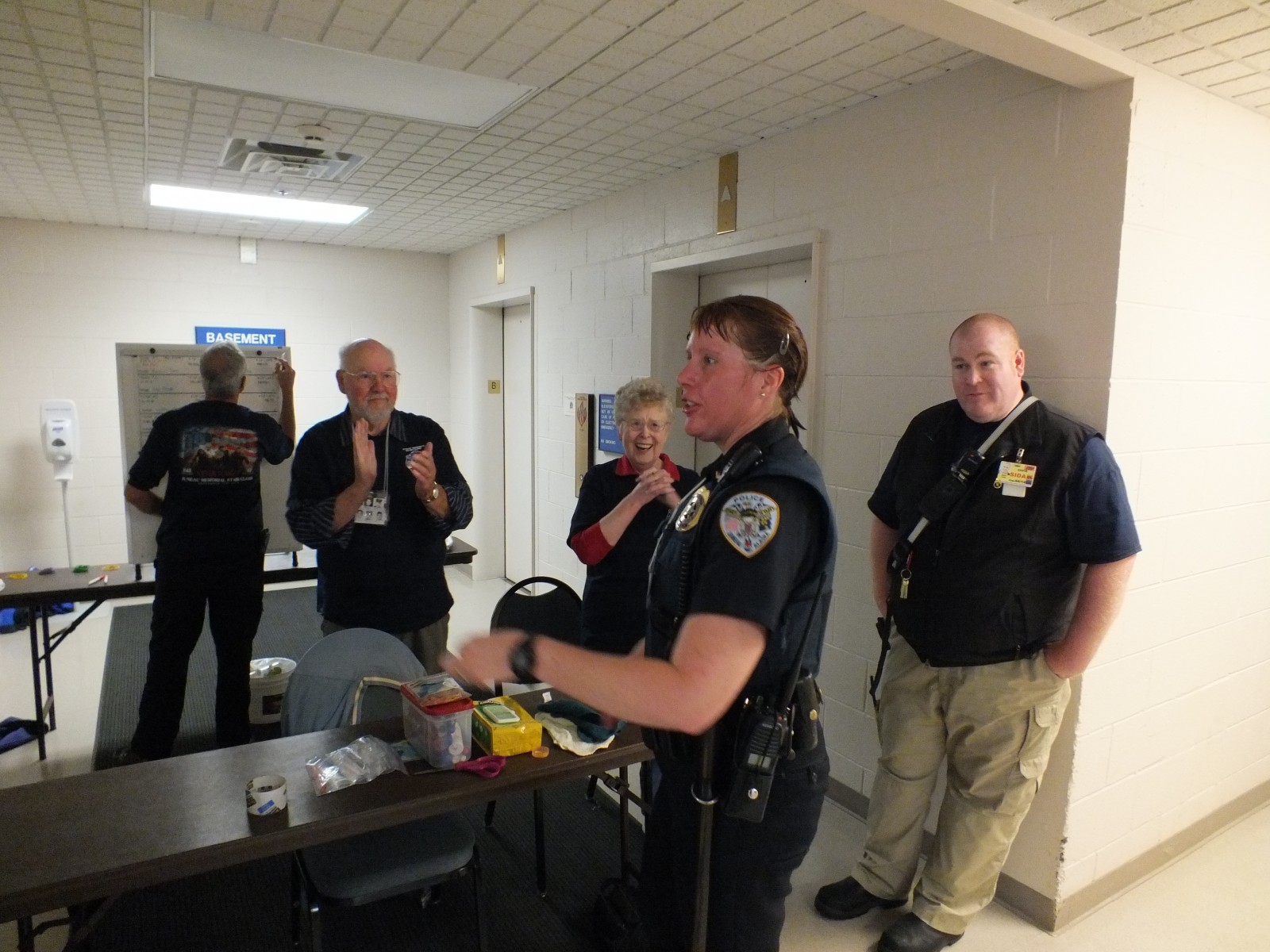
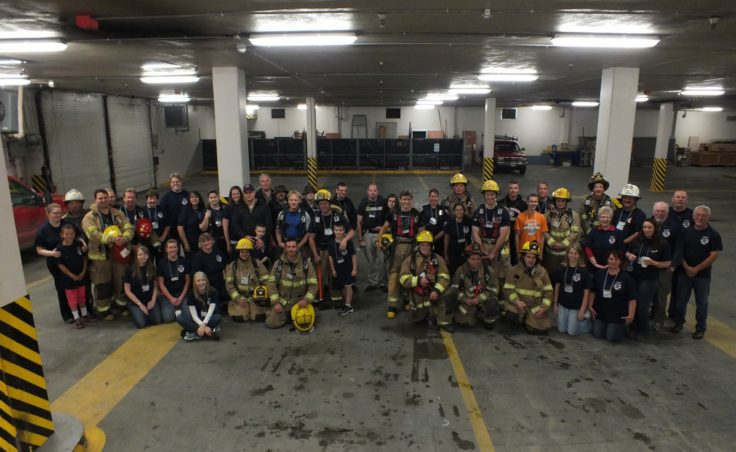
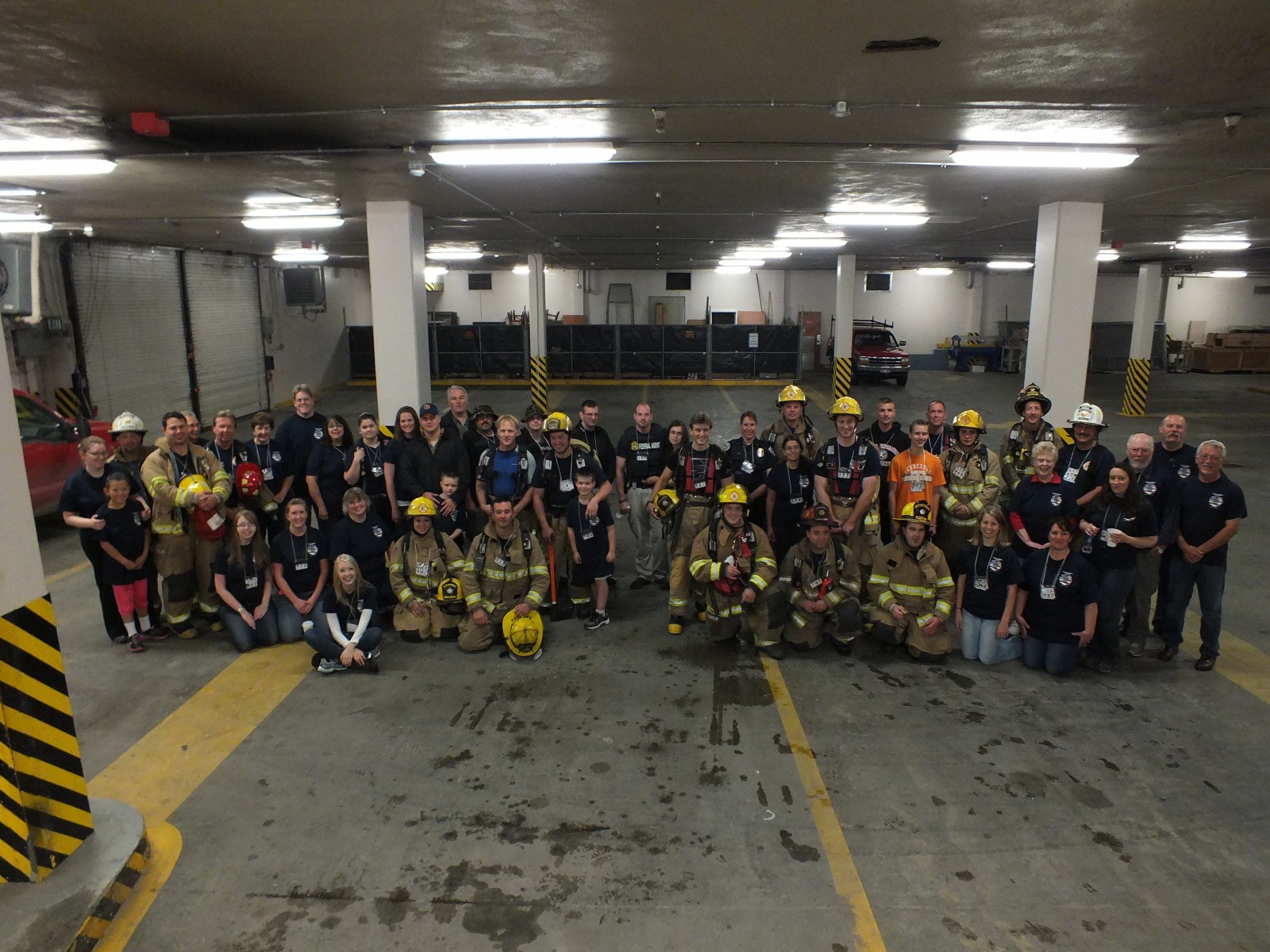
Capital City Fire and Rescue firefighters, Juneau Police officers, and their families participated in the Third Annual 9-11 Memorial Stair Climb at the Juneau Federal Building on Saturday, Sept. 7, 2013.

The event was intended to remember the 343 firefighters and 60 police officers who perished during 9-11 in New York City as well as a benefit for the National Fallen Firefighters Foundation.


[youtube https://www.youtube.com/watch?v=AHD0OmmmuQ4?rel=0&w=640&h=480]

Friday night lights: JDHS / TMHS

TMHS Falcons and Soldotna Stars players and coaches at the end of Friday’s game, played in Juneau.

The Thunder Mountain Falcons fell to the Soldotna Stars 61 to 6 on a balmy and dry Friday evening in Juneau.

In Palmer, the Juneau-Douglas Crimson Bears prevailed 33 to 24 over the Colony Knights.

Neither was a conference game, so it doesn’t count toward the run toward playoffs in the Southeast Conference.  Soldotna is the powerhouse of the Northern Lights Conference;  Thunder Mountain is part of the Southeast Conference, and Juneau-Douglas just joined the SEC after years in the Railbelt.  Colony is  a member of the Railbelt Conference.

Soldotna scored less than two minutes into the game, with three touchdowns in the first quarter. The Stars easily scored four more in the second quarter then one in the third.

The Falcons’ only touchdown came in the fourth quarter, on a 57-yard carry by senior Ben Jahn. The Falcons’ attempt at a two-point conversion was blocked.  The Stars’ final touchdown came midway through the fourth quarter, for a total of 61 points to the Falcons’ 6.

In Palmer,  Crimson Bears’ running back Demetrius Campos scored four touchdowns.  At half-time the Bears led 13 to 0. The second half was more competitive, with one Colony TD in the third and three in the fourth quarter.  But  Juneau’s George Sua scored another touchdown for the Bears in the last quarter, sealing the game at 33 to 24.


Community raises $100,000 in one week to keep clinic open

For many homeless people, Front Street Clinic is the most visible form of help. It connects them to other health and social services. (Photo by Lisa Phu/KTOO)

The clinic for Juneau’s homeless and low-income residents will stay open at least through April 30th thanks to the fundraising efforts of local community members and organizations.

The Southeast Alaska Regional Health Consortium recently announced plans to close Front Street Clinic October 1 due to budgetary constraints.

More than $100,000 has been raised in the past week. Mariya Lovishchuk is executive director of Glory Hole, Juneau’s soup kitchen and shelter:

“It was kind of like one of the most clear things I’ve ever had to do in my life. You have to call everyone you know and you have to ask them all for money and you have to just very honestly explain what you’re asking for and because what I was asking for is just so rudimentary, people gave money. We just absolutely have to keep them going.”

COO Dan Neumeister says SEARHC will use $90,000 from a U.S. Health Resources and Services Administration grant to run the clinic. Total costs to keep Front Street open an additional six months are about $250,000. Neumeister says the shortfall will be covered by community fundraising.

The Juneau Coalition on Housing and Homelessness led the effort to keep the clinic open. It was supported by Representatives Munoz and Kerttula, the city and borough of Juneau, Bartlett Regional Hospital, SEARHC, and other local organizations.

But clinic supporters still need to raise $46,000 by September 30.

Juneau Community Foundation executive director Amy Skilbred says that’s possible to do in this community. The Foundation is launching a campaign to raise the needed additional funds.

“The Front Street Clinic has been really important for providing medical services for homeless people and other underserved populations and we just want to show there’s a community-wide effort to support the Front Street Clinic and keep it going not only through this six month period, but keep the doors open forever.”

Lovishchuk says the long term goal is to turn Front Street Clinic into a community health center.

To donate to Front Street Clinic, go to juneaucf.org.


Previous Stories:

Front Street Clinic on the chopping block

Decision on Front Street Clinic could come today

Front Street Clinic could close Oct. 1

Arrow Refuse proposes rate increase

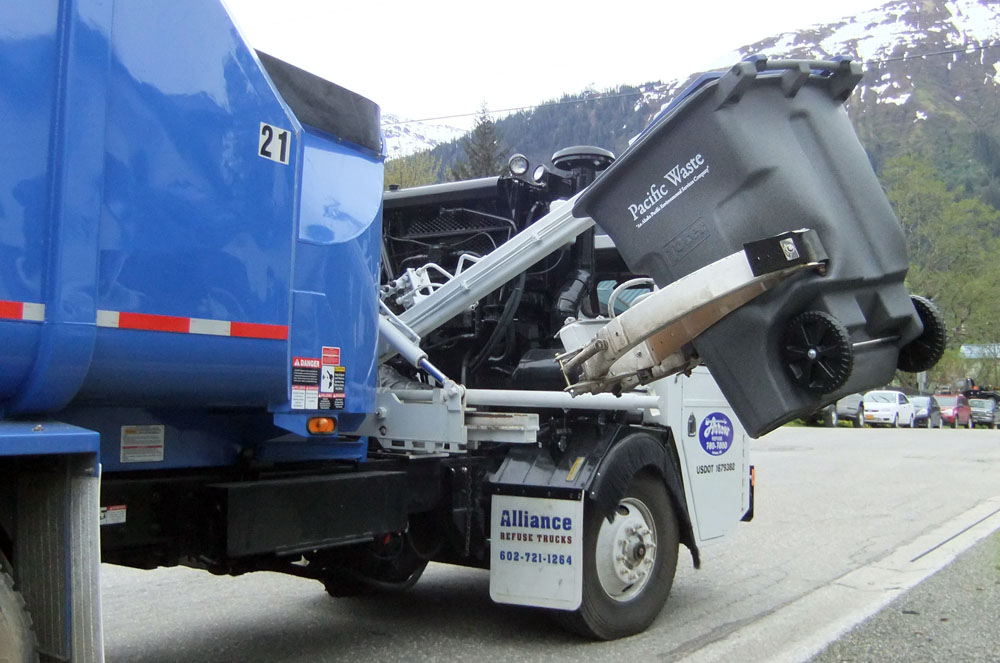
Arrow Refuse went to an automated roll-cart service in 2012. Now the company is proposing a rate increase. Photo by Heather Bryant/KTOO.

Juneau’s garbage collector wants to increase residential rates nearly 34 percent.

Alaska Pacific Environmental Services, operating in Juneau as Arrow Refuse, has asked the Regulatory Commission of Alaska to approve the tariff revision.

Arrow Refuse General Manager Jeff Riley says the process will take 12 to 18 months so the company has asked the commission to allow a portion of the rate to go into effect Oct. 1st.

Arrow Refuse last year rolled out an automated trash and recycling pickup service in Juneau, charging customers for 48 or 96-gallon carts.

But Riley says the company totally misread customers’ needs as they transferred from the old to the new system.

“We thought that if a customer has one can they’re going to go to a 48 gallon and that container is going to be really light, and  if they have two cans, they’re going to go to a 96 and that container will be really light,” he said. “We just totally missed what the customers were going to do.”

Riley says the same thing happened with Juneau’s new recycling program.  Instead of renting larger roll carts, most customers are using the smaller, less expensive cans.

“We have about 40 percent participation.  It’s awesome.  Everybody’s jumping on board with it, it’s just a great success.  But what it’s done is it’s driven most of our customers to take a 48-gallon container and they’re packing iT. They’re just really, really heavy,” he says.

In addition, disposal costs at Juneau’s landfill, operated by Waste Management, have gone up $10 per ton.  Riley says Arrow Refuse was not able to cover its operating expenses last year.

If the regulatory commission approves the interim rate, a 48-gallon roll cart in the so-called Blue Zone downtown would cost $21.05 a month, an increase of $4.26.

Outside the Blue Zone, the smaller cart would cost $3.67  more per month, to $18.12  in October.

Commercial rates also would increase.

Juneau’s proposed increase is one of several  the company is requesting across the state, including 4.54 percent in Dutch Harbor, 13.53 percent in Nome, and 24.11 percent in Ketchikan. The RCA is taking public comments online, found at the links provided in this story.

Site notifications
Update notification options
Subscribe to notifications