Gardentalk

Gardentalk – How do you get rid of cow parsnip?

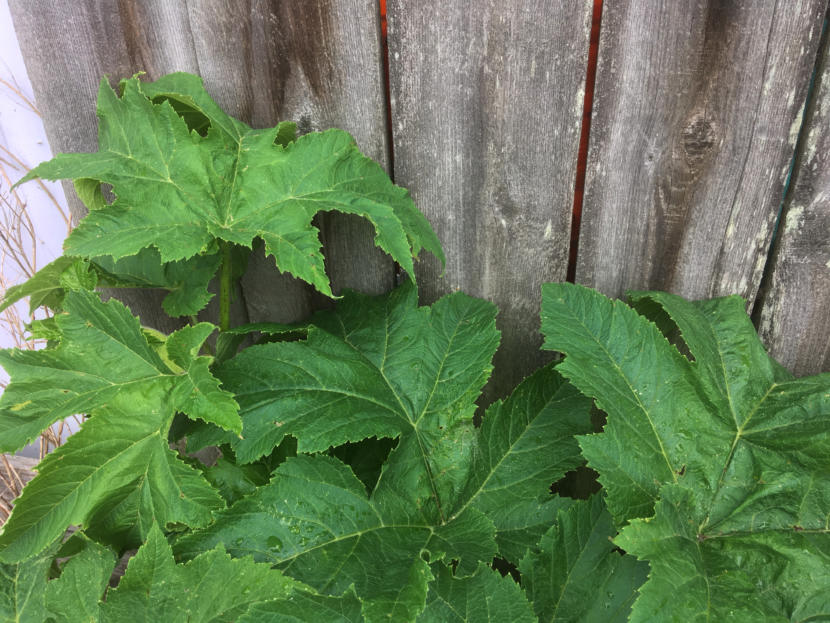
This cow parsnip plant in the KTOO Agricultural Test Station and Garden of Science! has not yet produced the distinctive white umbrella of flowers. (Photo by Matt Miller/KTOO)

Even with the light rainfall that fell on Southeast Alaska this week, gardeners should keep an eye on whether their plants and garden vegetables have enough moisture during the current drought.

Master Gardener Ed Buyarski said a simple trick is sticking a finger into the soil to check for moisture. Typically, the surface will dry out faster than the soil’s deeper layers.

Buyarski also reminds us to check our trees and all those potted plants sitting on the deck or hanging from the eaves.

“If we have a breeze on a sunny day, they really dry out fast,” Buyarski said. “We may need to be watering those almost every day.”

Listen to the May 23 edition of “Gardentalk” about watering and cow parsnip:


For this week’s gardening question, listener DJ asks, “How do you kill cow parsnip?”

Buyarski advises carefully cutting down cow parsnip if you want to remove it from your yard.

Sometimes called wild celery or other variations, the perennial plant secretes a substance that can cause painful blisters after the skin is exposed to sunlight. He suggests protecting your face, hands and arms before manually removing the plant. Cow parsnip have large, foot-long taproots which may be difficult to dig out.

Herbicides like Roundup may work if applied to a young plant’s leaves or the interior of the stalk or taproot after you cut down most of the plant.

Covering the exposed root with cardboard may also kill the plant or prevent it from sprouting again.

At the very least, Buyarski suggests cutting off the white, umbrella-shaped flower heads before they bloom or set seed.

And never use a lawnmower or weed wacker to cut or knock down the plant, which Buyarski said can effectively vaporize and distribute the plant’s secretions.

“So, now there’s juices in the air, juice that will land on your bare skin, whether it be face or hands,” Buyarski said.

Do you have a garden question for Ed? Fill out the form below, and he’ll answer your question in an upcoming segment.

Listen to past episodes and subscribe to the podcast on the “Gardentalk” page, so you’ll never have to worry about missing Thursday’s live radio broadcasts.
Gardentalk – Banish and bury those dandelions and buttercups

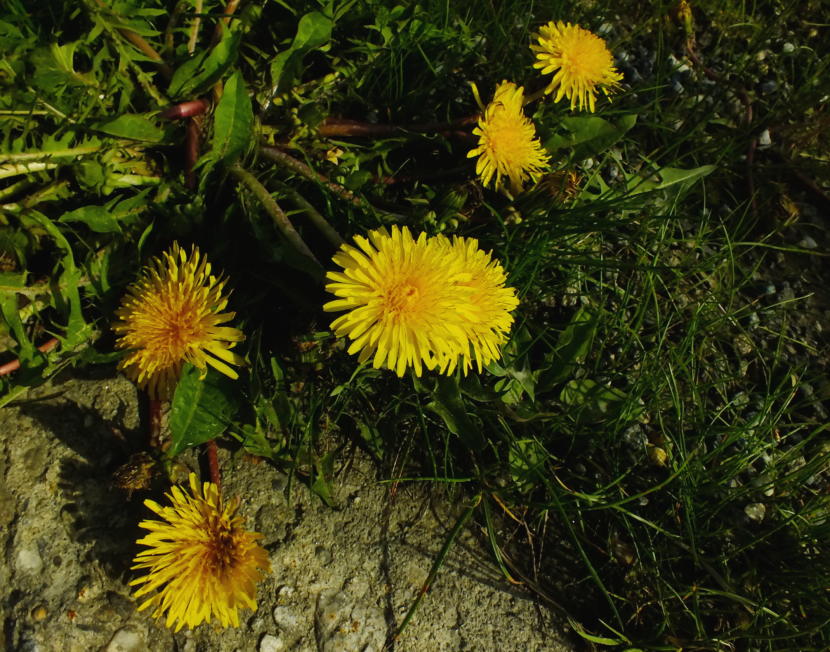
Dandelions bloom before they go to seed in an adjunct of the KTOO Agriculture Test Station and Garden of Science!
Dandelions bloom before they go to seed in an adjunct of the KTOO Agriculture Test Station and Garden of Science! (Photo by Matt Miller/KTOO)

The dandelions are in full bloom in Juneau. Soon, the buttercups will also blossom as the dandelions go to seed.

Master Gardener Ed Buyarski has a few tips for preventing those pervasive plants from spreading in your yard and garden.

Listen to the May 16 edition of “Gardentalk” about dandelions and buttercups:


For dandelions, remove the yellow flowers before the plant goes to seed. Also, try digging out the tap root (which may go down 6-12 inches) and throw the plant into your trash, not in your compost pile.

“Even after you pick a dandelion bud, it will finish maturing and have seeds,” Buyarski said. “So yeah, into the garbage bag or something like that would be your best bet for those.”

For buttercups, remove the entire plant, including flowers, roots and their runners, which they use to spread out.

“They’re kind of more like strawberry plants in that regard, as far as how they spread,” Buyarski said. “They also set seeds.”

Try removing buttercup plants before they go to seed and, again, put the plant’s remains into the trash.

For both plants, don’t just hack at the tops of the plants with a weed eater and call it done. You may only be helping the plants multiply and spread.

Buyarski said he uses a lot of cardboard in his garden for the first layer of a mulch, which can kill both dandelions and buttercups before the cardboard breaks down in a year or two.

Do you have a garden question for Ed? Fill out the form below, and he’ll answer your question in an upcoming segment.

Listen to past episodes and subscribe to the podcast on the “Gardentalk” page, so you’ll never have to worry about missing Thursday’s live radio broadcasts.
Gardentalk – Last call for spring garden vegetable planting

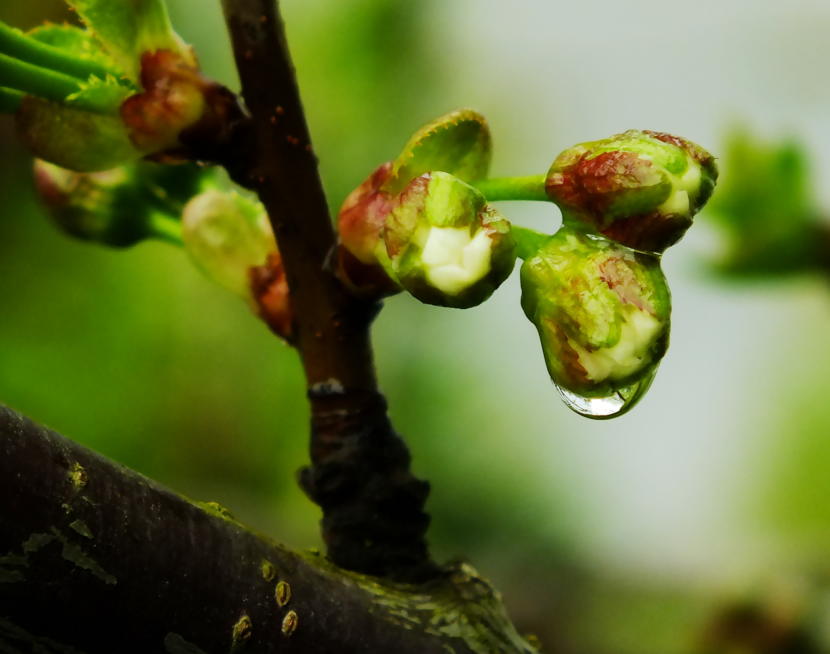
Close up of Telephone Hill cherry buds as they prepare to blossom at KTOO's Agricultural Test Station and Garden of Science! (Photo by Matt Miller/KTOO)
Close up of cherry buds as they prepare to blossom at KTOO’s “Agricultural Test Station and Garden of Science!” (Photo by Matt Miller/KTOO)

This may be the last chance this spring for planting certain vegetables unless gardeners want their plants to bolt during June and July’s long daylight hours.

Master Gardener Ed Buyarski says radishes and spinach should be planted now.

“If the soil is warm,” Buyarski said. “That’s the critical thing here.”

If you want to keep your soil warm after sowing, it can be covered over again with clear plastic until the seeds germinate and sprout.

Listen to the May 9 edition of Gardentalk about spring planting:

Buyarski also says peas, parsnips, carrots, cabbage, lettuce, mustard greens, swiss chard and potatoes can be planted now.

For those gardeners with rhododendrons that are turning yellowish-green, Buyarski says the plants may be missing magnesium, an important nutrient. Dilute a tablespoon of Epsom salts in a gallon of water and then dribble over the roots around the plant’s drip line.

Also, a reminder that annual community plant sale starts at 9 o’clock on Saturday, May 11 in the Carrs-Safeway parking lot. It’s usually pandemonium — like Cabbage Patch Kids Christmas shopping kind of crazy. So, remember to bring boxes, wagons and helpers to quickly purchase and haul away stuff.

Gardentalk – Use seed potatoes for your summer spud crop

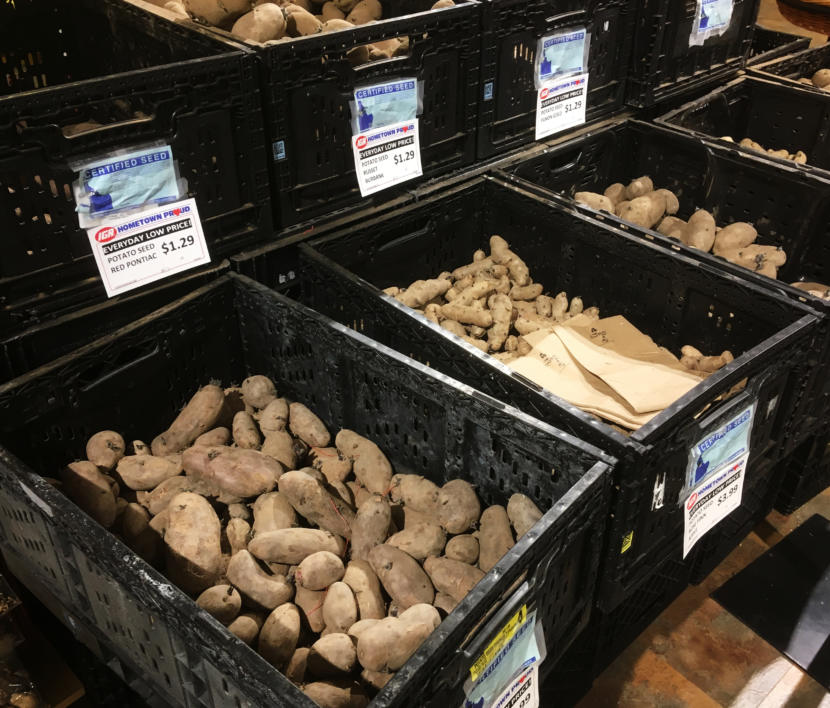
Certified seed potatoes on sale at a Juneau grocery store in April 2019.
Certified seed potatoes on sale at a Juneau grocery store in April 2019. (Photo by Matt Miller/KTOO)

Always start from seed. That’s the most important piece of advice that Master Gardener Ed Buyarski has for gardeners who want to grow potatoes this season.

Buyarski explained in the latest edition of Gardentalk on KTOO that certified seed potatoes are usually free of diseases. They also lack the chemical sprout inhibitor that is usually applied before eating potatoes are shipped to grocery stores.

There is a small exception to that rule, though: Buyarski said if gardeners have any potatoes left over from their own crop that they started from seed last year, then those can be used as seed this season as well.

Buyarski said seed potatoes can be planted once sprouts are about a half-inch long. If the seeds are bigger than a golf ball, then they can be cut up at planting so they have one or two eyes apiece.

After lining your planting area with compost, plant each seed potato about an inch or two deep with eyes pointing up.

Seed potatoes with longer sprouts can be planted in a shallow trench with the sprout laid flat just below surface.

Cover the garden bed with clear plastic to help the soil and seeds warm up over the next few weeks.

Listen to the April 25 edition about planting potatoes:

Gardentalk – Feed me, Seymour!

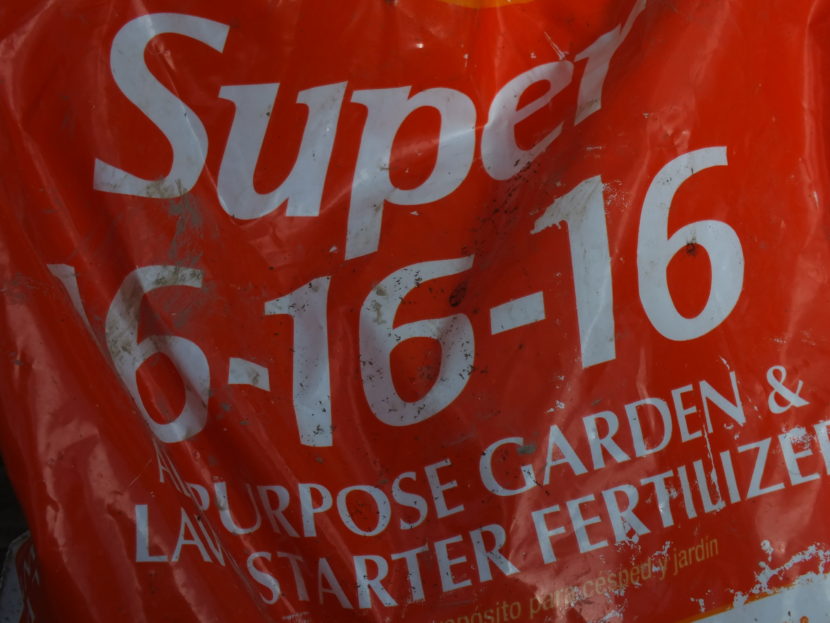
Front of bag of 16-16-16 fertilizer specifies proportions of nitrogen, phosphate, and potash.
Front of bag of 16-16-16 fertilizer specifies proportions of nitrogen, phosphate, and potash. (Photo by Matt Miller/KTOO)

The carnivorous plant Audrey in “Little Shop of Horrors” feasted on blood and body parts so it could thrive and grow. But you don’t need to sacrifice one of your own limbs just to feed your trees, garden vegetables, or lawn.

Master Gardener Ed Buyarski explained in latest edition of Gardentalk that fertilizer or compost may be all that you need.

Listen to the April 19 edition of Gardentalk about fertilizing trees, plants, and the lawn:


Buyarski started the segment by answering a question from a listener, Sam, who writes:

“We have a sunset maple and are wondering if we should fertilize it in the spring and, if so, with what? Or, is compost enough?”

Buyarski said, yes, now is a good time to fertilize trees because their buds and roots are all growing. Either compost or a balanced fertilizer would work just fine for Sam’s maple. However, fruiting trees may need more.

He doesn’t recommend placing compost or fertilizer around the trunk of the tree. Instead, he suggests placing it under the tree’s drip line or below the tips of the branches because that is where the roots will be most active.

Tree spikes or granular fertilizer will also work.

Every package of fertilizer specifies the ratio of nitrogen, phosphorus, and potassium that may be important for a specific tree variety or a grass lawn according to the season.

10-12-10
Back of bag of 10-12-10 plant fertilizer specifies proportions of nitrogen, phosphate, and potash. (Photo by Matt Miller/KTOO)

Gardentalk – Planting and seed starting

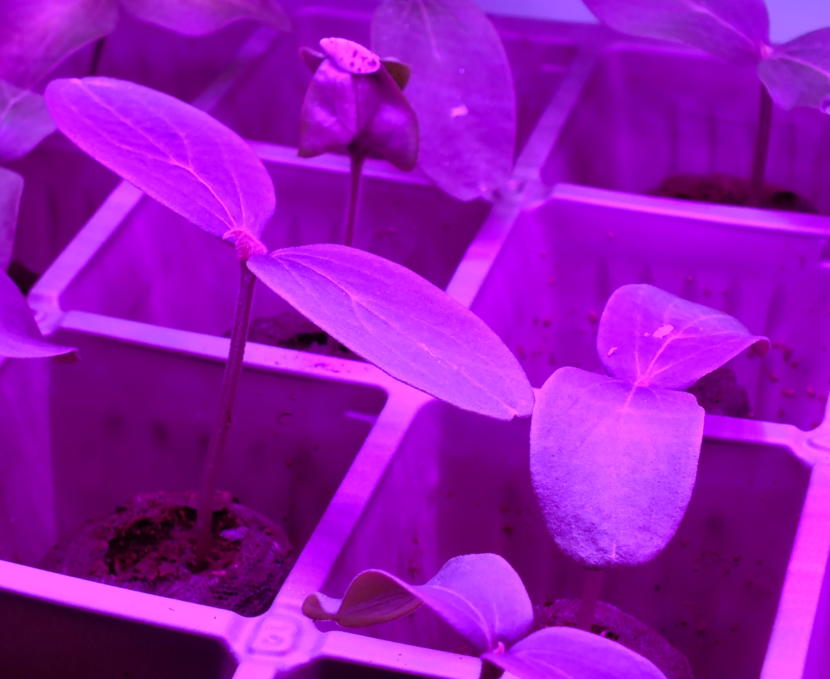
Cucumber and pumpkin starts as seen under a LED grow light.
Cucumber and pumpkin starts as seen under an LED grow light. (Photo by Matt Miller/KTOO)

If you haven’t done so already, now would be the perfect time to start planting some of your garden vegetables. Hardy vegetable bulbs or seeds could go straight into the cool ground now, while other veggie plants need to be started indoors before they are strong enough for transplanting outside.

Master Gardener Ed Buyarski had some planting advice and answered some questions sent in by listeners during the latest edition of “Gardentalk,” which airs on KTOO’s “Morning Edition” every Thursday.

This week, Ric from Auke Bay writes:

“My garlic is already 4 inches high. When can I plant onion bulbs in my garden? How far apart for green onions? … Do shallots do well in Juneau? Where is the best source for a small bulb to plant?”

Listen to the April 11 “Gardentalk” segment on starting seeds and hardening off your starts before you plant them outside in the soil.
Buyarski said shallot and onion bulb sets can go into the ground now, and the cool, moist soil will stimulate root growth. Green onions can be planted thick — about half an inch to 1 inch apart — and then be thinned during the season until they are 3-4 inches apart. Onion plants should go in later when the ground warms up more.

Along with leeks, Buyarski recommends protecting shallots and onions from the onion root maggot by covering with Reemay horticulture fabric.

“They will burrow into the roots or bulbs of these things, and you end up with rotten little plants, which is what you don’t want,” Buyarski said.

He suggests leaving them covered with the fabric, either as long as possible into the summer or until the plants start lifting up the fabric.

Indoors, Buyarski said he just started tomato seeds, and soon he’ll start cabbage, cauliflower and broccoli. He’ll wait until the soil gets warmer before starting cucumber and zucchini seeds, since transplanting them usually occurs only 3-4 weeks after germination.

He recommends reading the back of seed packets to check seed timing and plan ahead for replanting outside in the garden.

Do you have a garden question for Ed? Fill out the form below, and he’ll answer your question in an upcoming segment.

Listen to past episodes and subscribe to the podcast on the “Gardentalk” page, so you’ll never have to worry about missing Thursday’s live radio broadcasts.
Site notifications
Update notification options
Subscribe to notifications