Jeremy Hsieh

Local News Reporter, KTOO

I dig into questions about the forces and institutions that shape Juneau, big and small, delightful and outrageous. What stirs you up about how Juneau is built and how the city works?

How squeaky wheels are driving changes in Juneau’s tree cutting policy

Trees cut near Savikko Park
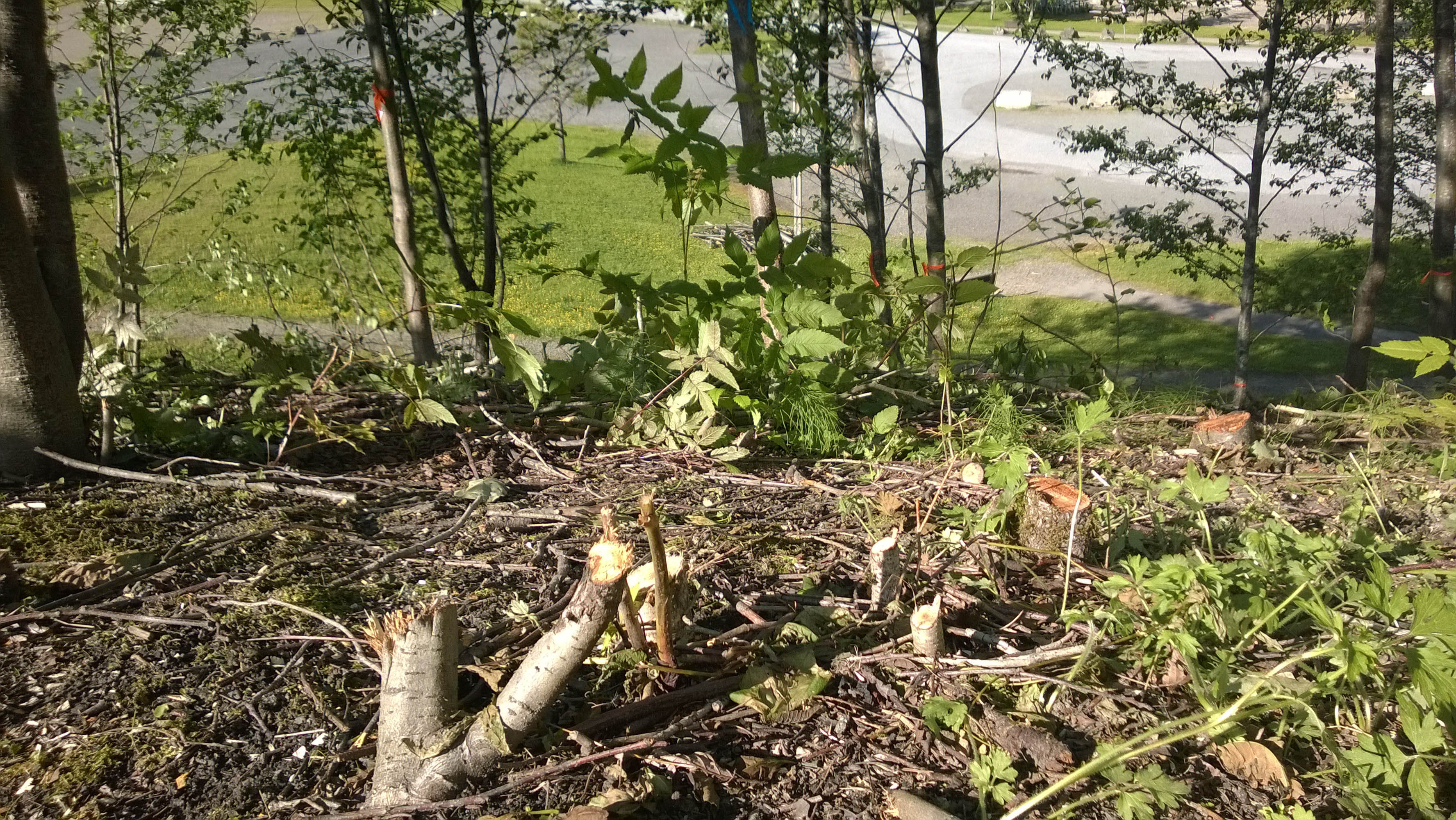
In June, city landscapers thinned the alder trees near a sledding hill between Saint Ann’s Avenue and the Treadwell Ice Arena. (Photo by Jeremy Hsieh/KTOO)

Eight months after city landscapers rejected some Douglas homeowners’ requests to clear cut alder trees to improve their view, city crews cut most of them down.

The city’s near reversal sparked a minor neighborhood drama that’s renewed an effort to revise the borough’s tree cutting policy.

This isn’t a story about a scandal, but about how a few vocal and connected residents became the proverbial squeaky wheel.

In September, longtime Douglas residents Susanne and Sandy Williams asked Juneau’s Parks & Recreation Department to cut down some alder trees on a hillside between Treadwell Arena and Saint Ann’s Avenue. Over the years, the trees had grown tall enough to block the Williams’ Fifth Street view of Savikko Park and Gastineau Channel.

Parks & Landscape Superintendent George Schaaf inspected the site and rejected the request, citing a city policy that specifically bars cutting trees for enhancing the view of private property owners.

Months later, Schaaf’s landscapers cut down most of the trees, leaving the biggest alders.

“Which seems very bizarre,” said Mark Calvert, a Saint Ann’s Avenue resident unhappy about the tree cutting.

“Their reason is for letting trees go higher, when that identical vegetation and the identical trees exist for hundreds of feet along Sandy Beach. And then all of a sudden, just in this tiny swath, you know, trees are significantly thinned out.”

Coincidentally, that  improves the view for a few houses, Calvert said.

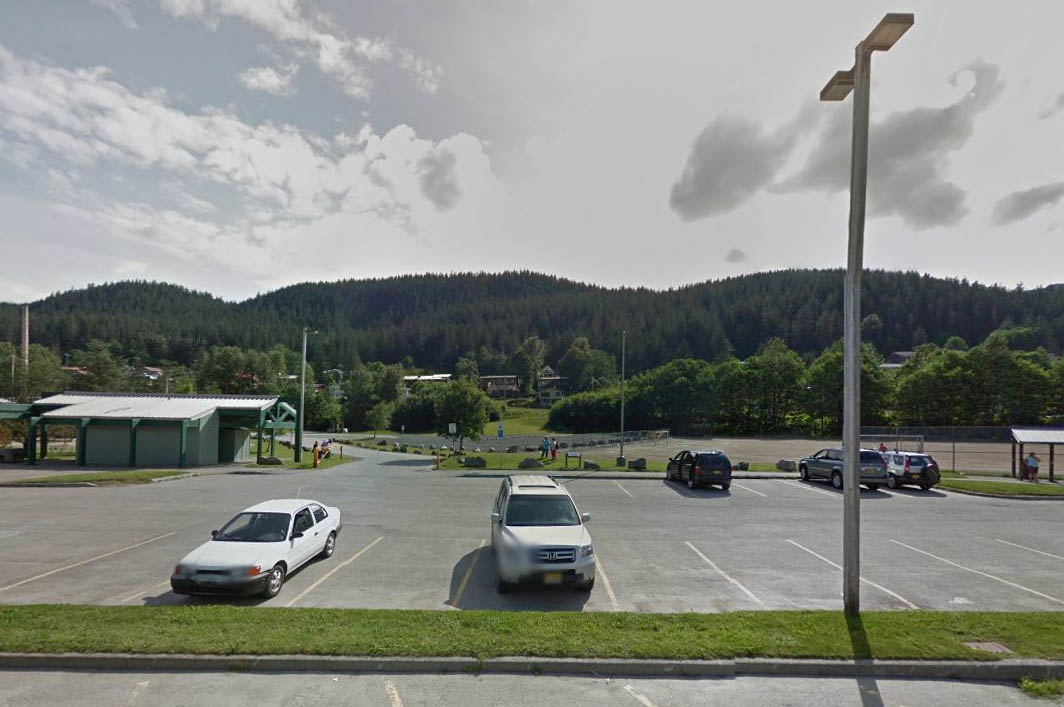
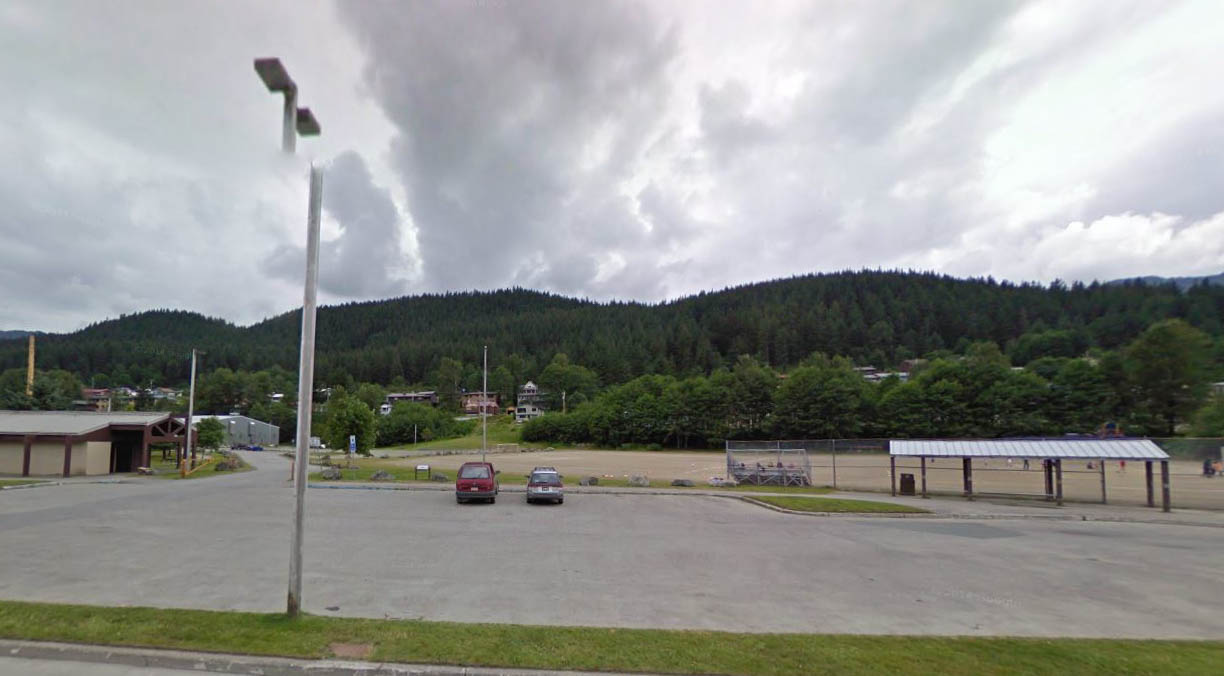
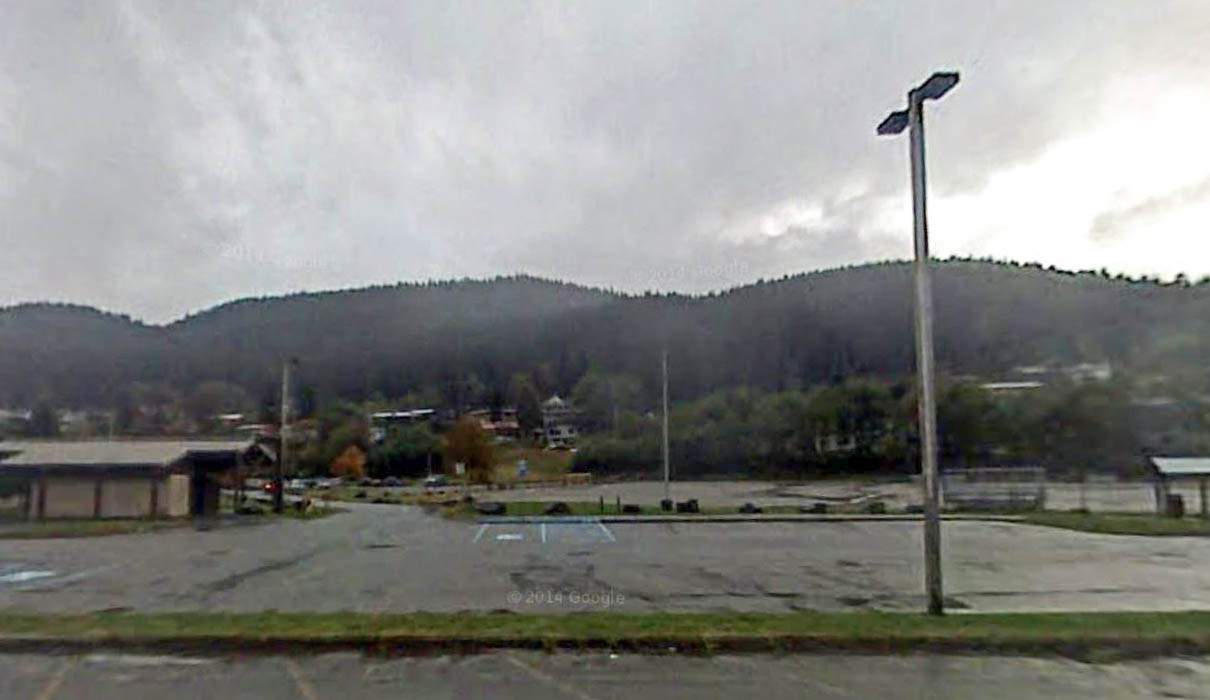
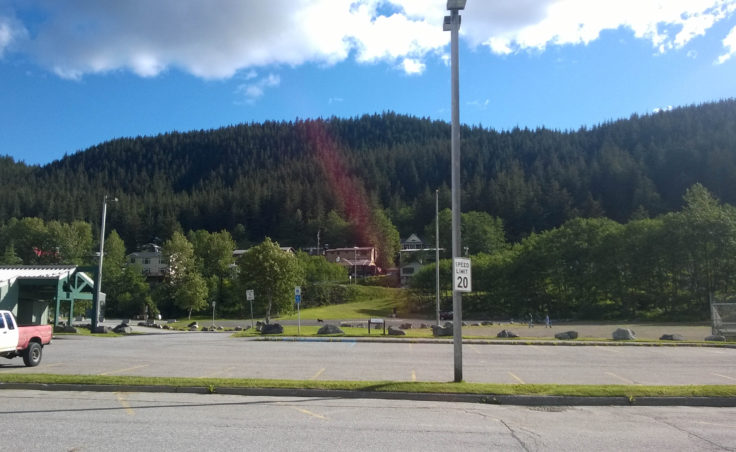
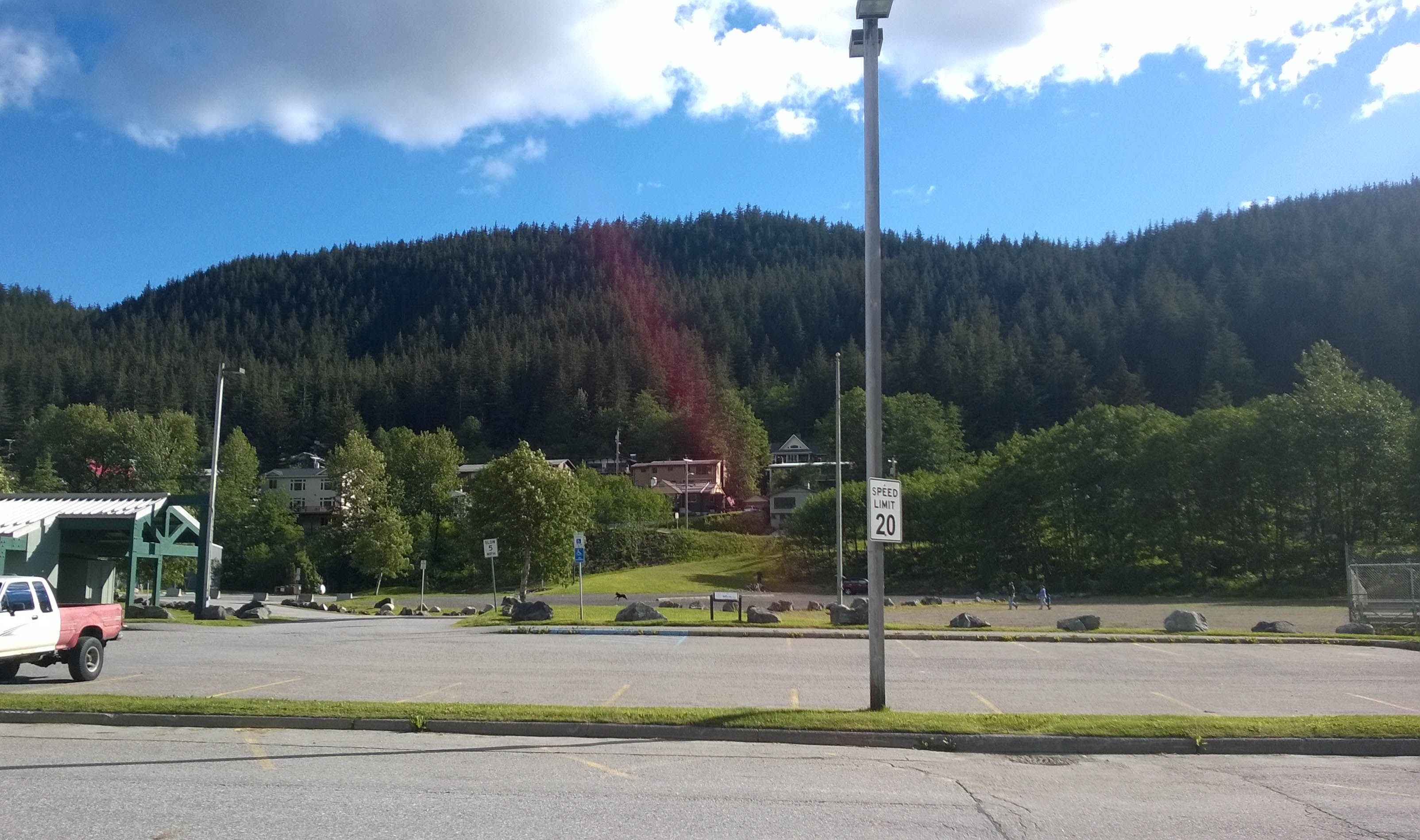
From a distance, the hillside looks much as it did in Google Street View going back to 2007.
After Schaaf’s initial rejection, the Williams wrote directly to Mayor Merrill Sanford and the Juneau Assembly complaining about the trees. Sanford got involved.

Sandy Williams happens to be a donor to Sanford’s successful 2012 mayoral campaign. He gave $100, a tiny portion of the $33,000 Sanford collected for the race, according to campaign finance records.

Sanford acknowledged he’s been longtime friends with the Williams and many of the residents who complained, and of course, he said his involvement was unrelated to campaign donations.

“Had nothing to do with $100 donation, or a $10 donation,” Sanford said.

He said he was sympathetic because views affect property values and falling trees can be hazardous.

“And I’ve been asked by them why our policy is the way it is, and so I looked into it and have been trying to get that changed for a couple of years now, in fact,” Sanford said.

In May, a landscape expert, Sanford, and Parks & Recreation Director Brent Fischer – who is Schaaf’s boss – met with the Williams and several like-minded neighbors.

The city’s experts said they couldn’t clear cut the hillside, but decided they could thin the tree stand, which would accelerate a natural progression; the biggest alders keep growing, the smaller ones die and the understory fills in with other native species, like salmonberry bushes and goatsbeard.
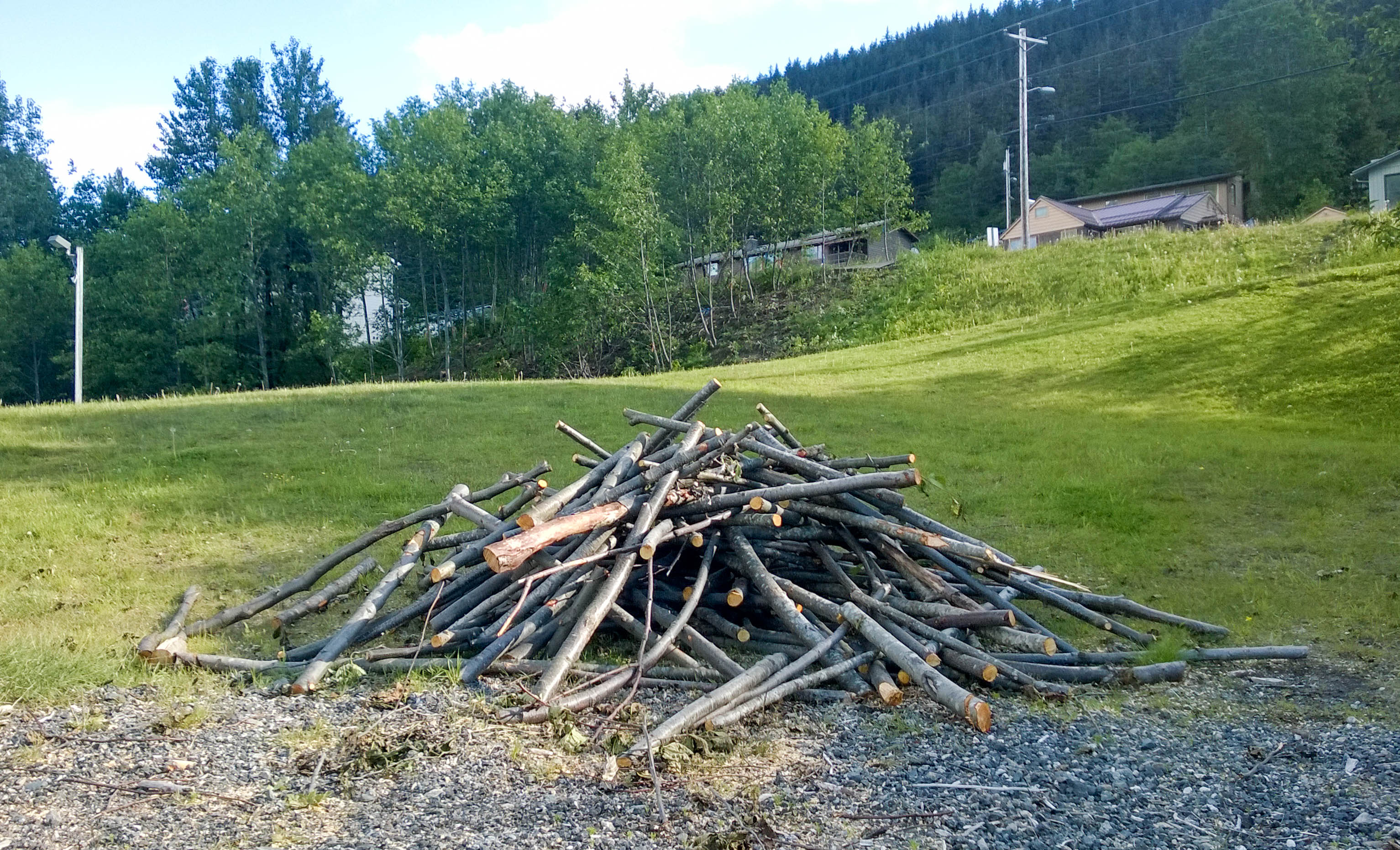
Trees cut near Savikko Park
A pile of alder trunks and branches left after city landscaping crews thinned the tree stands on the sledding hill off Saint Ann’s Avenue. (Photo by Jeremy Hsieh/KTOO)

Parks and Rec manages a few tree stands this way, for example, near the Juneau Montessori School and on the Treadwell Mine Historic Trail. But director Fischer said it’s not something the department can afford to do everywhere.

“We don’t have the resources to actively do this in all areas. Nor do I want to. We just can’t. We don’t have enough resources,” Fischer said.

“We laid off a landscape person this year….We laid off a building maintenance person this year, laid off a rec coordinator position this year because of the budget.”

So why go to the extra effort here? Fischer said that’s just the way it works sometimes in the city. Things get brought to attention, and you get refocused.
Empty Chair Project recognizes Juneau’s Japanese WWII internees

Seventy-two years ago, more than 50 Juneau residents were forced to leave their homes. It was World War II, and the United States was forcing Japanese nationals and Japanese Americans all over the West Coast into internment camps.

Learn more

The Empty Chair Project supporters blog about history, the memorial and more at http://emptychairproject.wordpress.com/.

The Juneau-Douglas City Museum is hosting an exhibit on Juneau’s interned Japanese until Oct. 26.

Juneau filmmaker Greg Chaney’s documentary “The Empty Chair” premiered Friday.

That included John Tanaka, who was shipped out of Juneau in April 1942 with dozens of other Japanese. Tanaka was the valedictorian of Juneau High School that year, but didn’t get to graduate with everyone else. On Saturday, like at the graduation he couldn’t attend, an empty chair was dedicated as a quiet memorial to the interned.

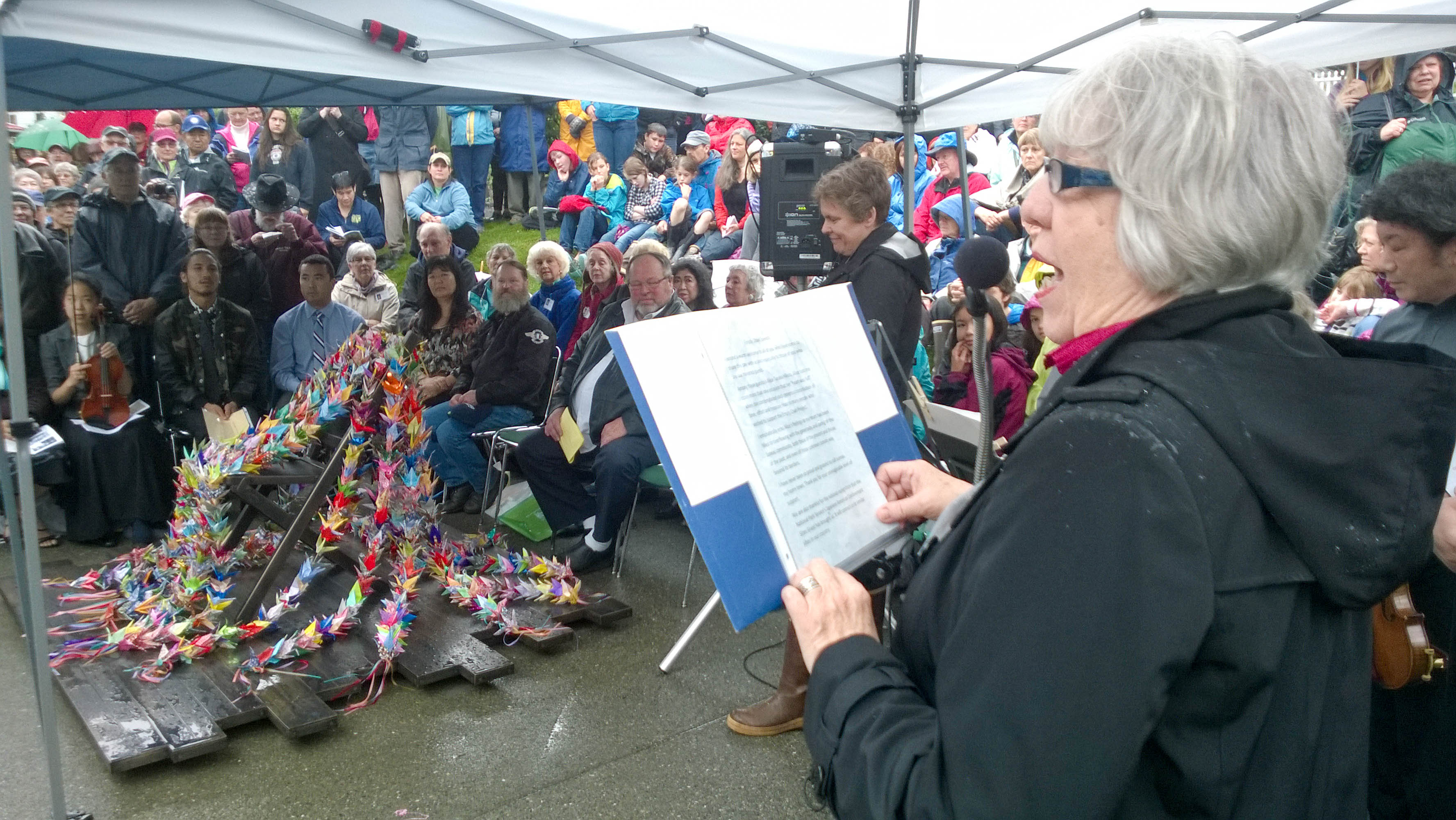
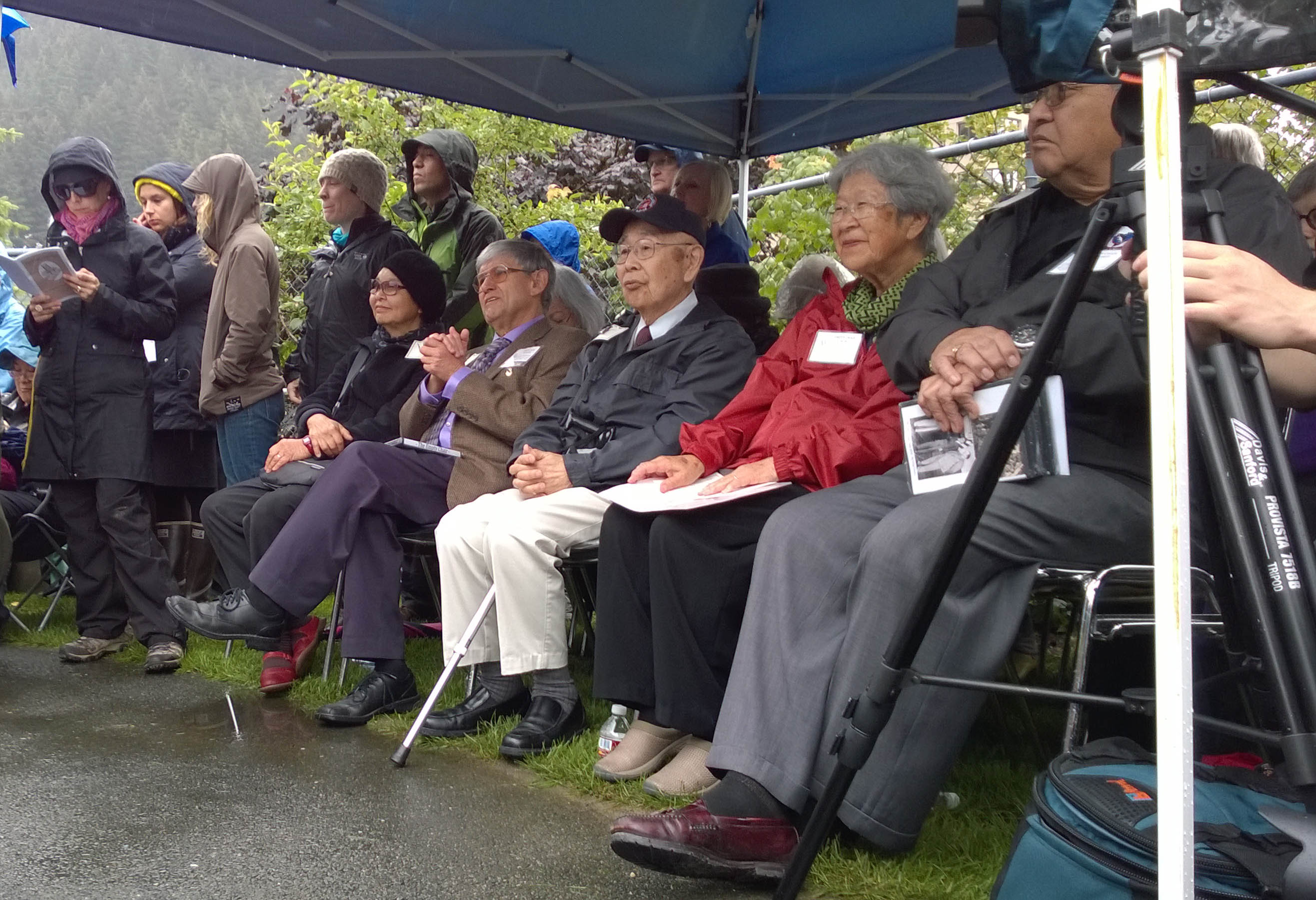
More than 200 people attended the dedication ceremony at Capital School Park for the bronze sculpture that recognizes the 53 people from the Juneau area sent to camps.

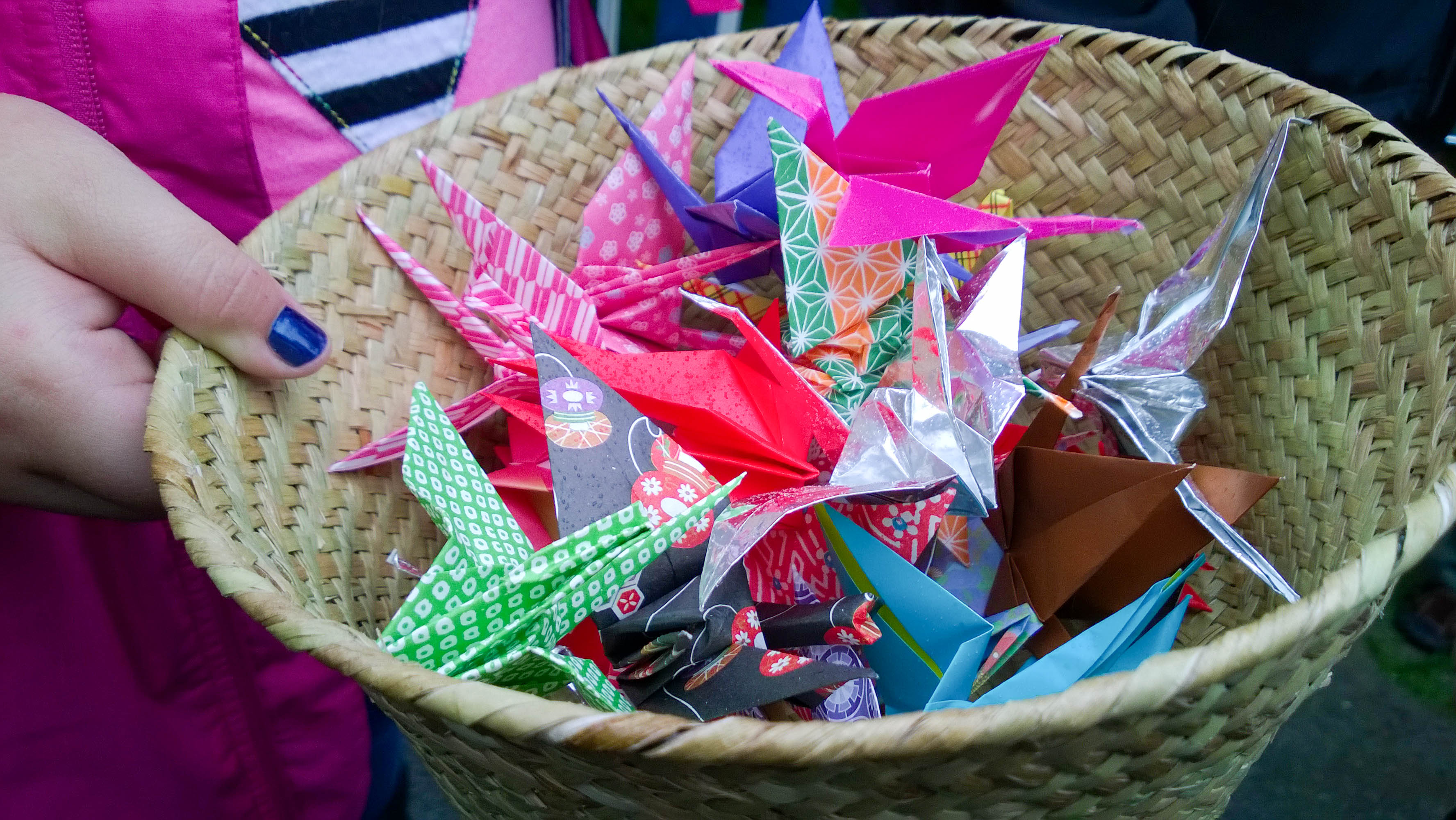
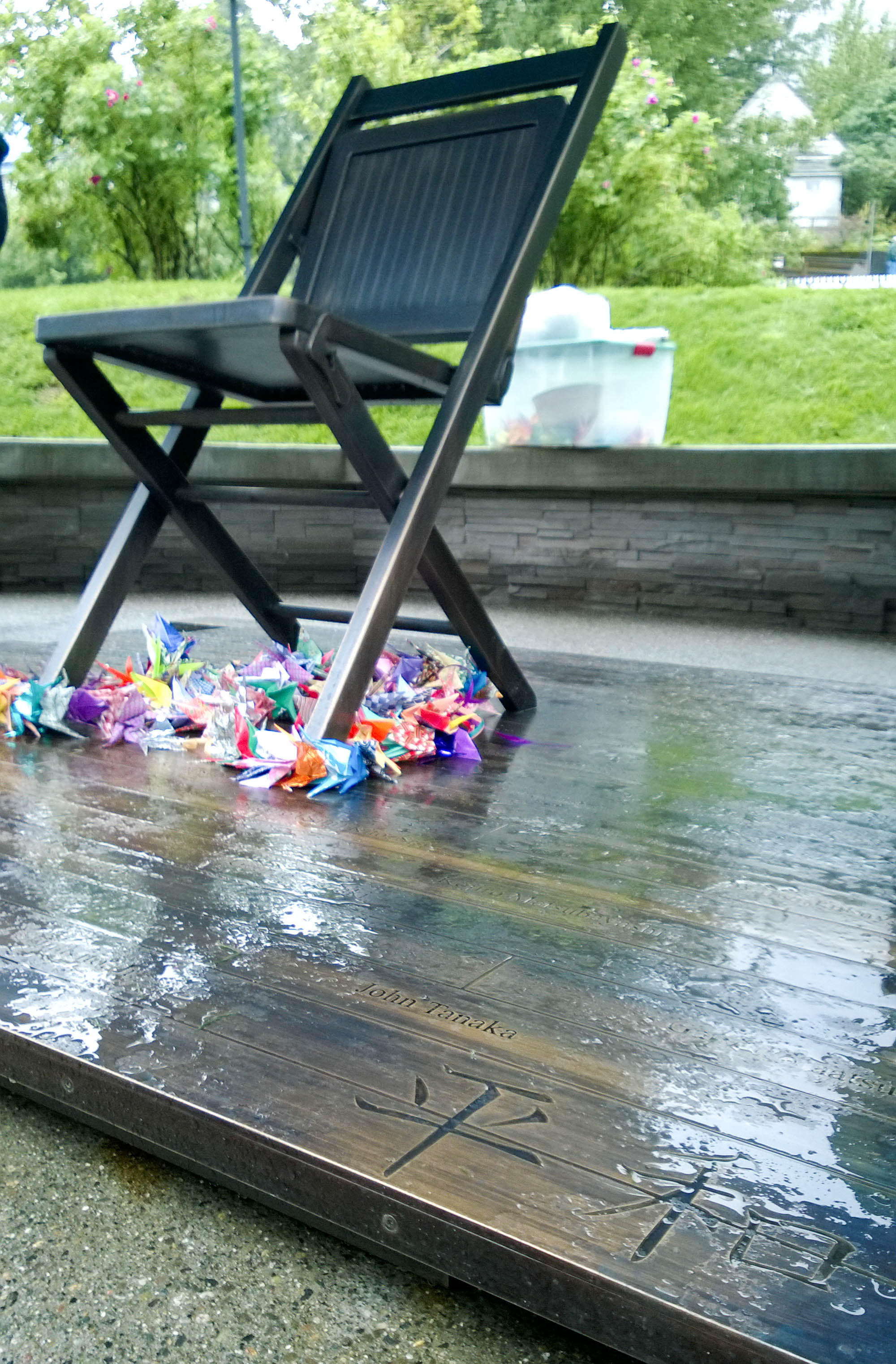
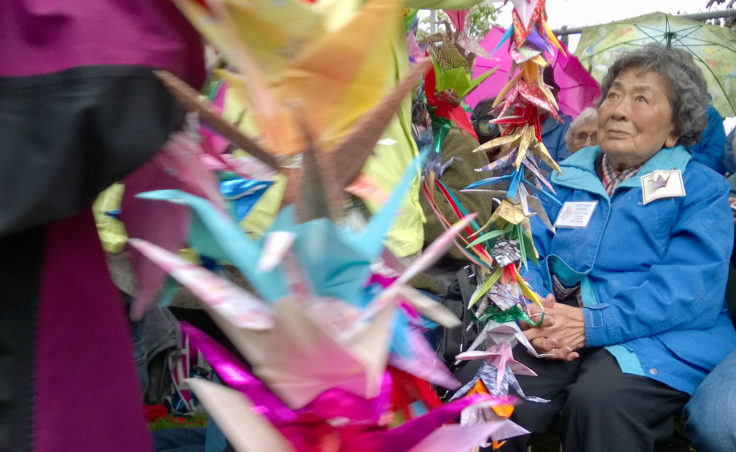
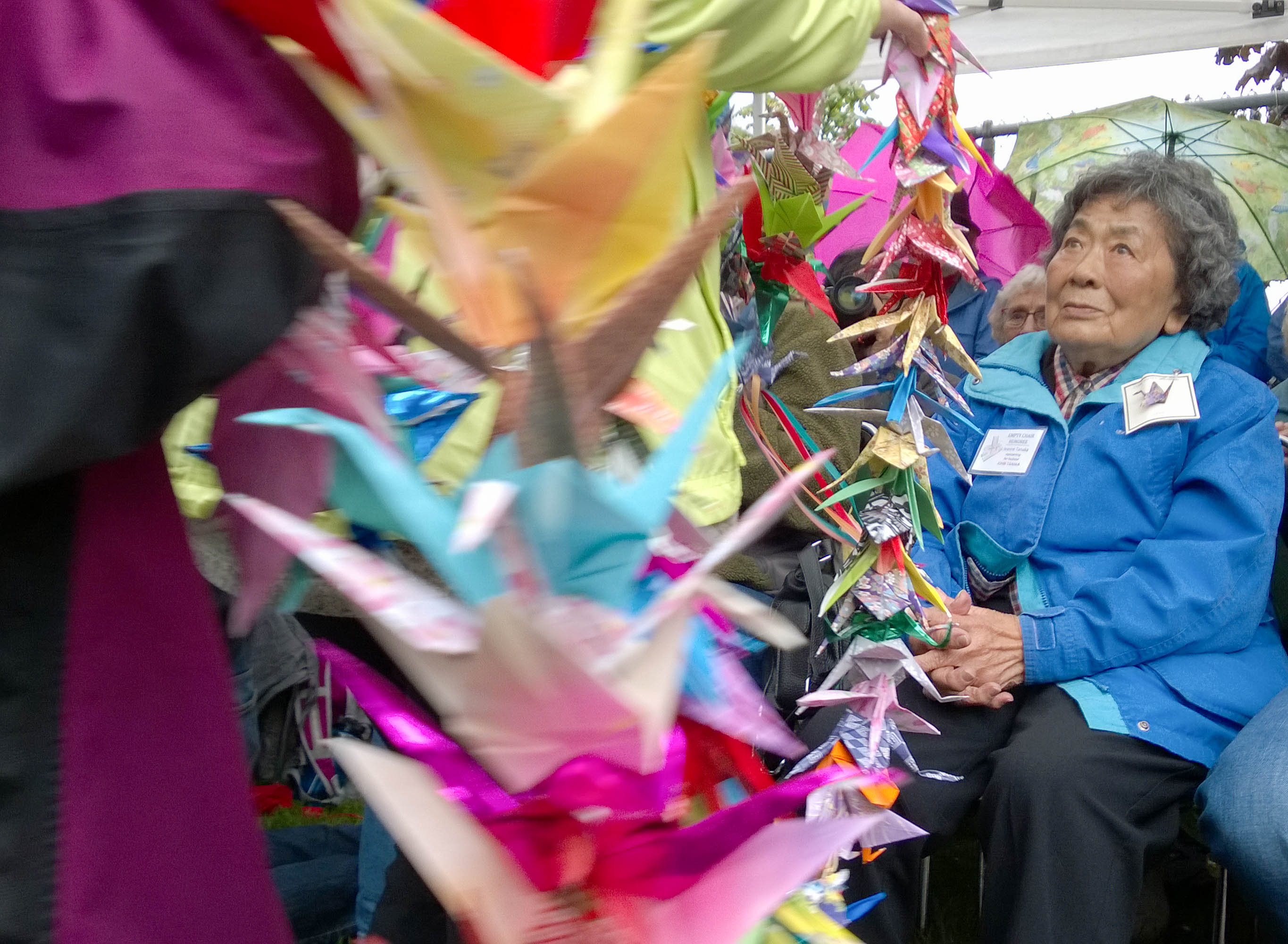
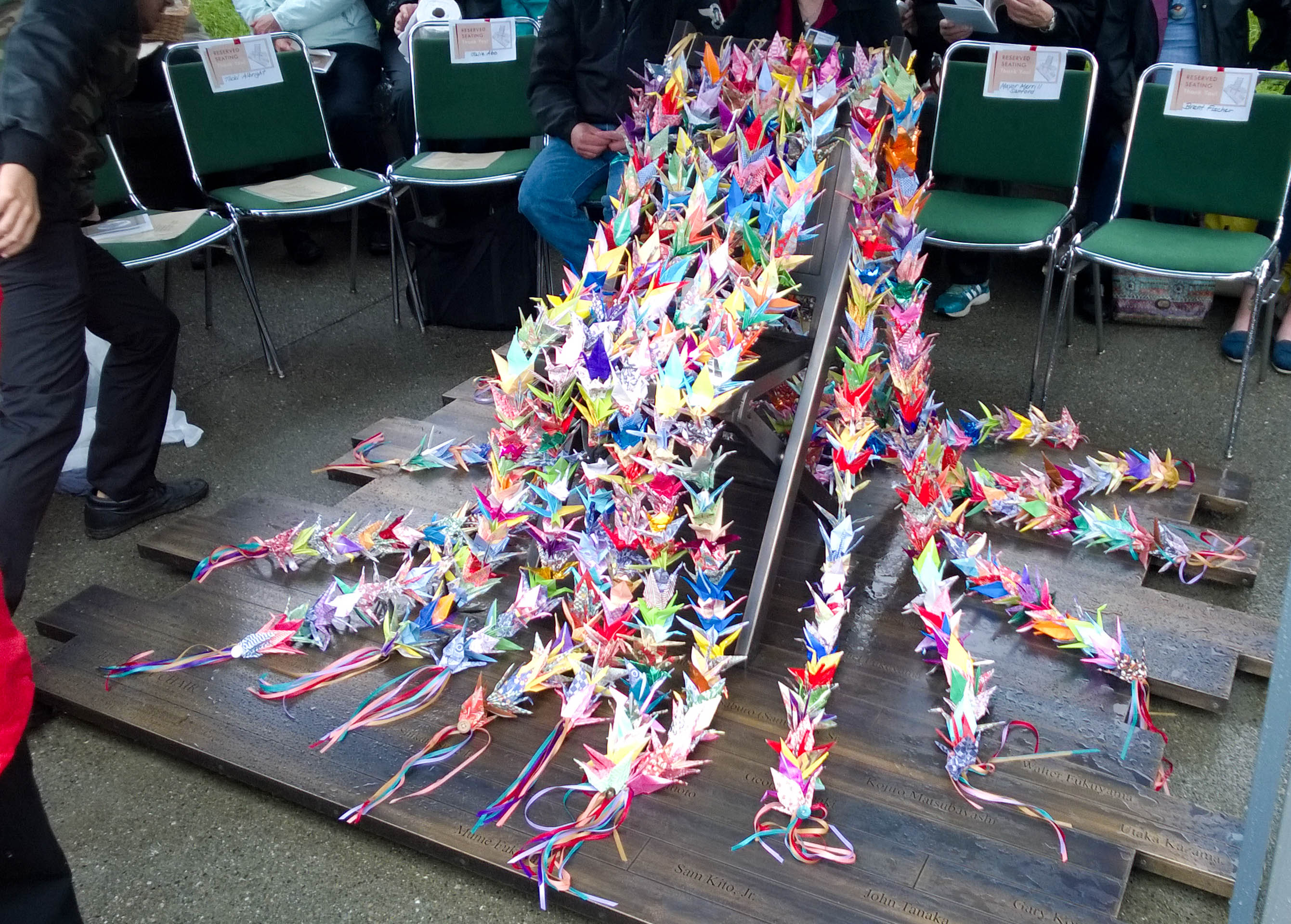
Chains made of a thousand brightly colored origami cranes draped the Empty Chair memorial. It’s a bronze reproduction of a simple folding chair, like the kind Juneau High School used in the 1940s for graduation ceremonies. It has a spartan aura, sequestered in the park with a jagged chunk of planked flooring.

“And the irregular edge of the floor was intended to represent a section of the gymnasium floor that had just been ripped out of the gymnasium as a metaphor for the way that the people were ripped from their homes and their community,” said Peter Reiquam.

Reiquam is the Seattle-based artist commissioned for The Empty Chair Project.

The names of the 53 people forced to leave their homes for internment camps during World War II are etched into the floor planks. The communal, military-style camps were ringed by barbed wire and guard towers.

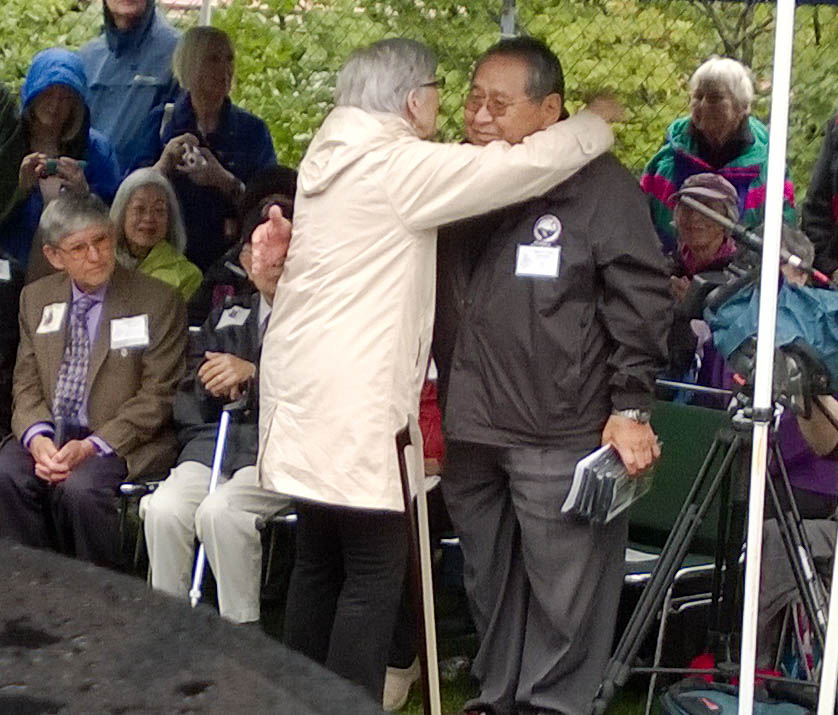
Mary Tanaka Abo, one of John Tanaka’s sisters, teared up during the dedication ceremony. She was surrounded by her extended family, and said seeing her young relatives understand what her generation went through is particularly important.

“You know, our family history? People kind of roll their eyes. The kids, you know. But, you know, when they see the community here, (then) they really think it’s important. Then, it kind of validates everything,” Abo said. “And you know, people (are) nearing the end of their lives. So it’s just really tremendous to share this moment, you know, of our home town, with our families.”

After being interned, John was drafted into the 442nd Infantry Regiment, a Japanese-American Army unit that fought in Europe.

His family returned to Juneau after the war. The lease on the family business, the City Café, had lapsed, but the community helped the Tanakas and others reestablish themselves. The café eventually became a 50-year institution.

John worked summers in the café while going to college and medical school. He became an anesthesiologist and settled in Spokane, Washington. He died in 1977.

His widow, Jeanne Tanaka, says they rarely talked about their internment or the war. But she said John spoke fondly of his hometown.

“I feel it’s a wonderful tribute to him, and to the community that really helped him out so much,” she said. “I’m very grateful.”

Amid some words and music, the sculpture was unveiled by a procession of the youngest members of the extended Japanese families. Each child delivered a chain of the origami cranes to an elder.

Most of the Juneau residents sent away during World War II have died, but a few attended the ceremony.

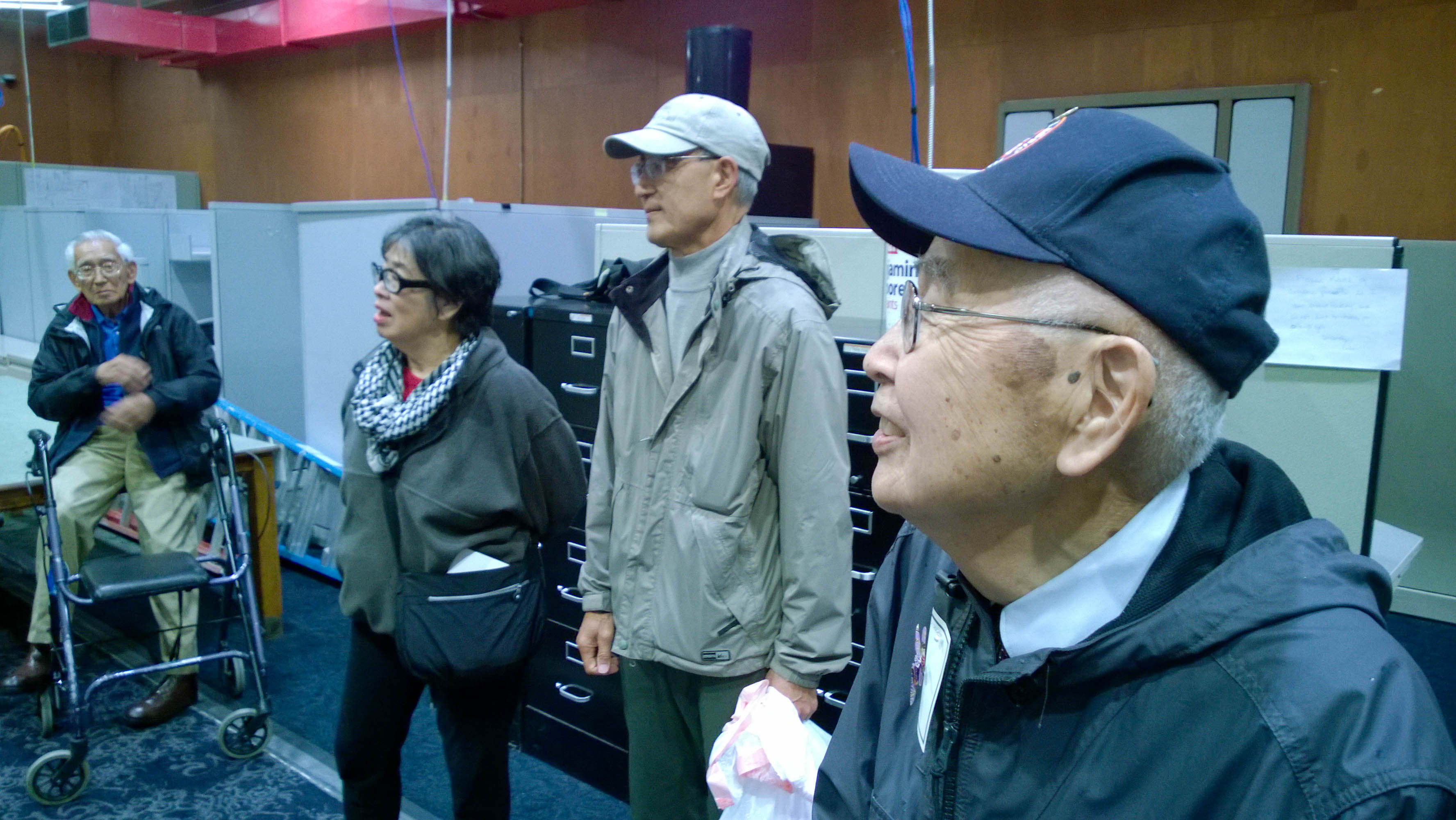
Eighty-nine-year-old Walter Fukyama was one of the high school students who was detained. After the dedication, he stepped into the gym where he had played basketball as a youth, where he should have graduated in 1943. The hoops are still there, but the space has been converted to makeshift offices for Capitol workers. It was the first time he’d been back. He didn’t want to pose for photos, and said he wasn’t sure how he felt. He said he just wanted to reminisce.

Mendenhall flood waters begin to recede

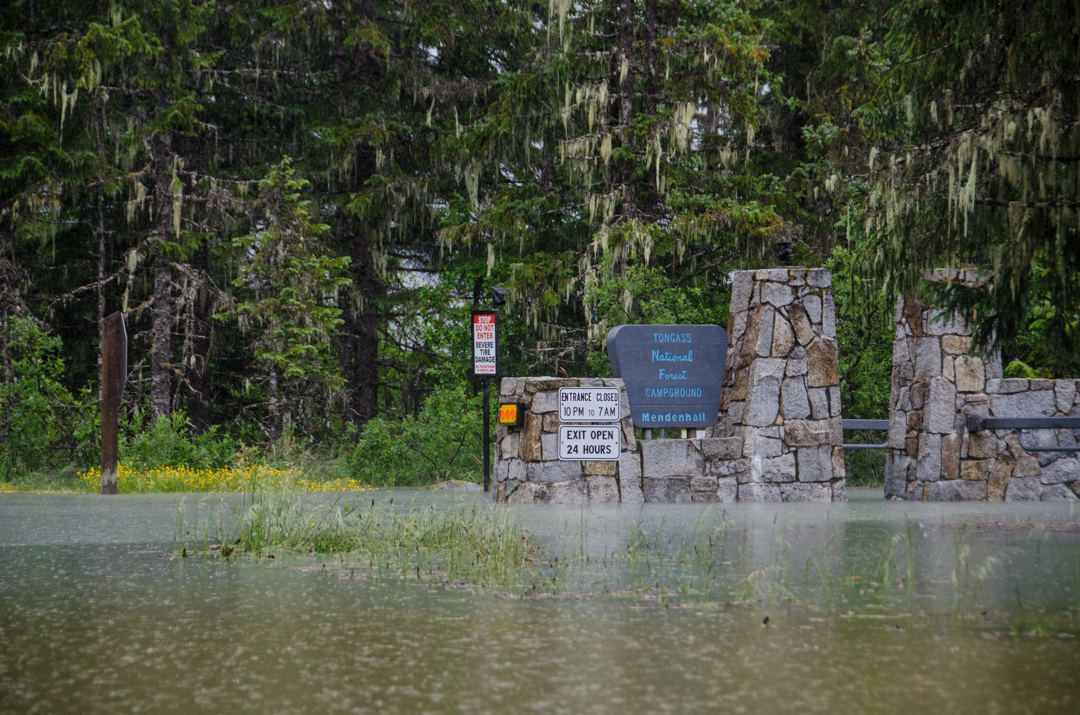
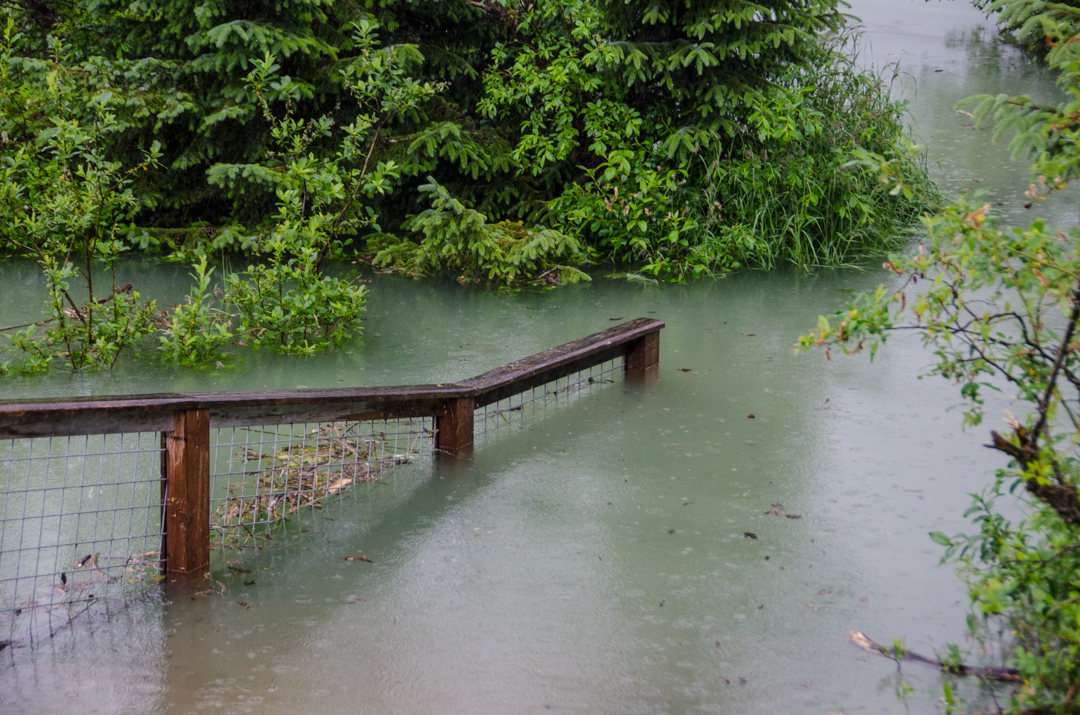
Flood waters have begun to recede on Mendenhall Lake and the Mendenhall River.

The National Weather Service reports the lake crested at a record height of 11.8 feet around 4:30 p.m. Friday. The previous record of 11.2 feet was set in 1995.

“The rain is adding a little bit of water to the lake and the river, but it is a very minor player in what’s going on right now,” says Brian Bezenek, lead forecaster at the Juneau office.

The old record was likely set by heavy rain, Bezenek says, unlike the new one.

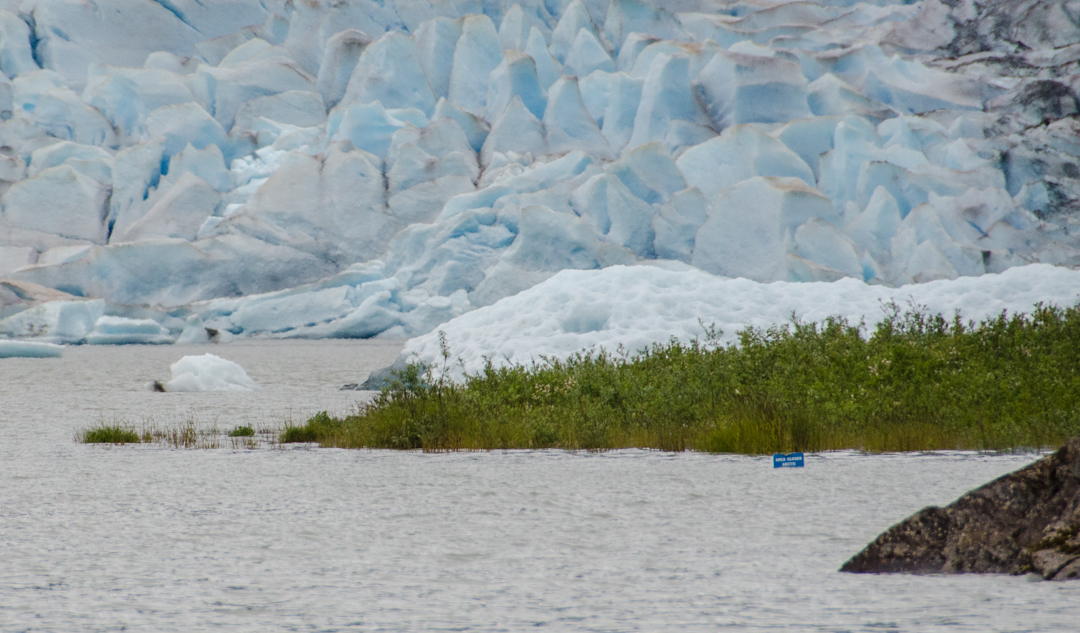
This week’s flooding was caused by a glacial outburst flood, also called a jökulhlaup. The last occurrence in the Mendenhall Valley was in 2012. The Mendenhall Glacier acts as a temporary dam in front of Suicide Basin, where water gradually accumulates. Water pressure and other factors eventually overcome the dam and the basin drains into the lake and river.

The Mendenhall River crested at 13.5 feet. Both crests fit under the weather service definition of moderate flooding.

“But the water should be falling rapidly through the evening and overnight,” Bezenek says.

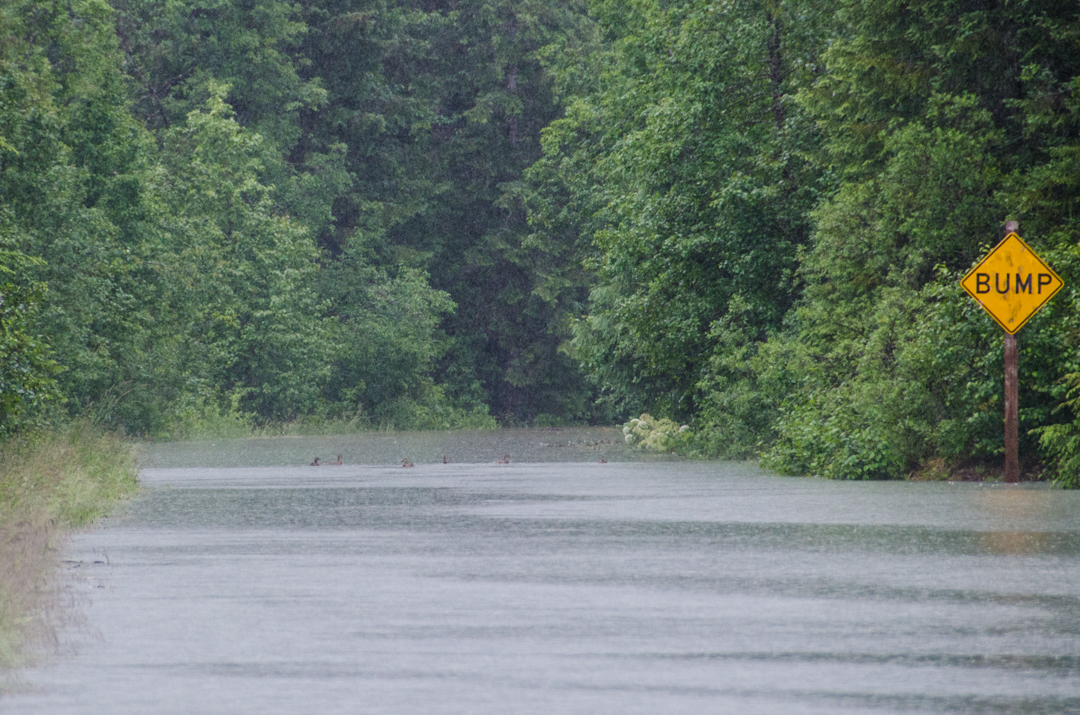
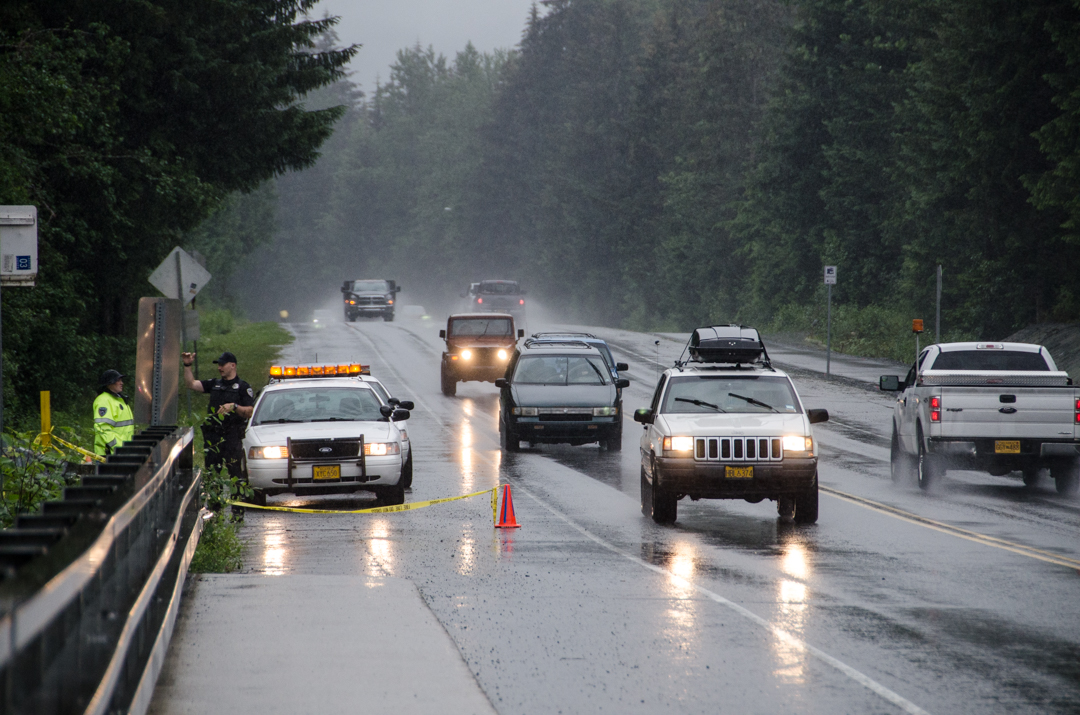
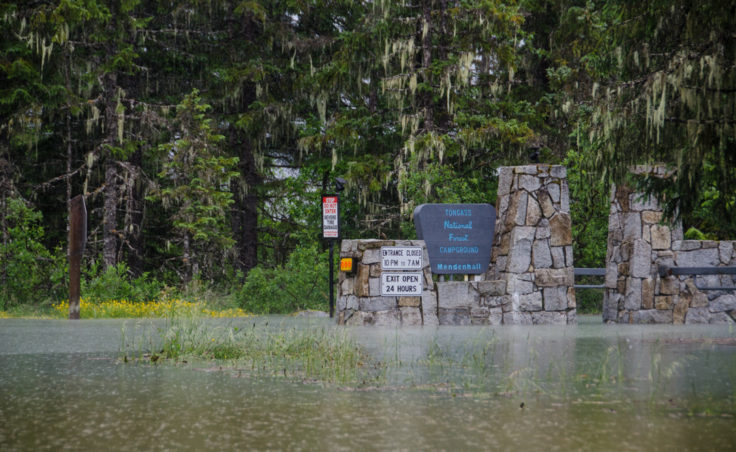
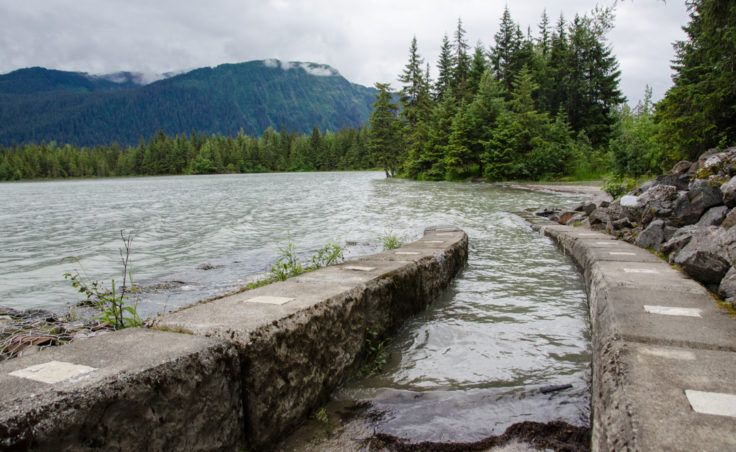
No waves were visible on the lake Friday evening. A family of ducks swam down Skater’s Cabin Road as Forest Service officials blocked off the flooded roadway.

The flood warning remains in effect through 10 p.m. Saturday. City officials are asking people not to stop or stand on bridges to take photographs. They also say the banks of the Mendenhall River may be unstable and should be avoided.

View Drive remains closed, though barricades along Riverside Drive from Rivercourt Drive to Killewich Avenue are being removed. Alaska Electric Light & Power anticipates restoring power to View Drive and the Mendenhall Lake campground Saturday morning.

Bezenek says he thinks it will be business as usual in the area come Sunday.

Heather Bryant contributed to this report.

Should Alaska’s newest oil tax system stay or go?

Though the Juneau Chamber of Commerce opposes the repeal of a major oil and gas tax law, it invited in speakers Thursday on both sides of the issue.

The referendum to repeal Senate Bill 21 is on the Aug. 19 primary ballot.

The law took effect in January and generally lowered oil taxes. It’s intended to spur new oil production and boost the state’s oil-dependent economy.

Critics called it a giveaway and organized the referendum within months of the law’s passage last year.

Chamber President Max Mertz says it’s important to be informed on the complex matter.

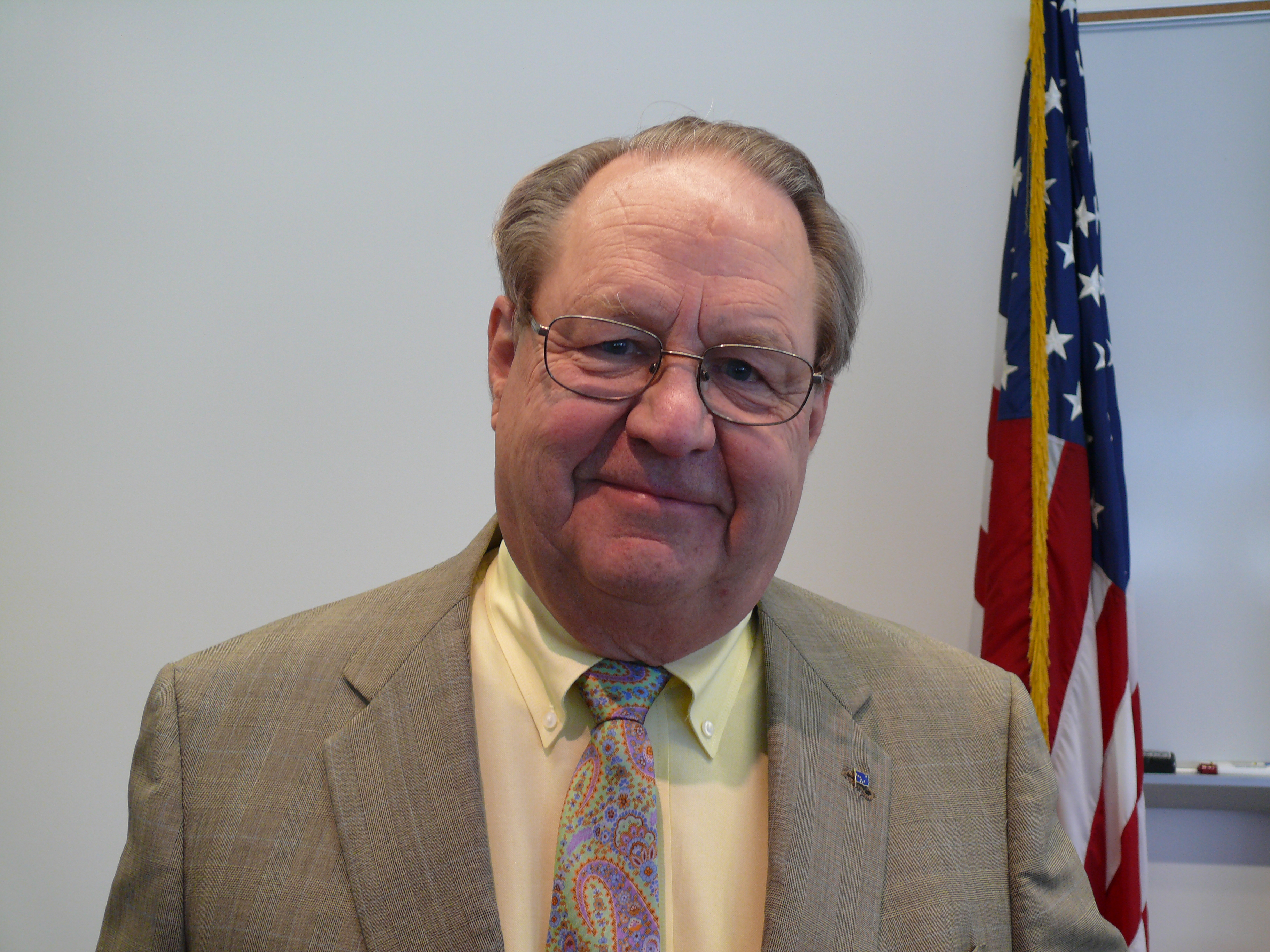
Longtime Alaska economist Gregg Erickson supports the repeal.

Gregg Erickson
Longtime Alaska economist Gregg Erickson supports the repeal of Senate Bill 21. (Photo by Jeremy Hsieh/KTOO)

“And it’s clear, when we reduce our taxes on the oil companies, we’re going to elicit more investment. And more investment is going to produce more oil,” Erickson said. “But that’s not the question, that’s obvious to me as an economist. …The real question is, is it going to make Alaska better off? Is it gonna mean more resources to support the economy and the diversification of Alaska’s economy?”

Erickson said the answer is clearly no. He said under state forecasts, SB21 is expected to drive oil production up 4 percent, while net oil tax revenue to the state will be down 7 percent, compared to the old system.

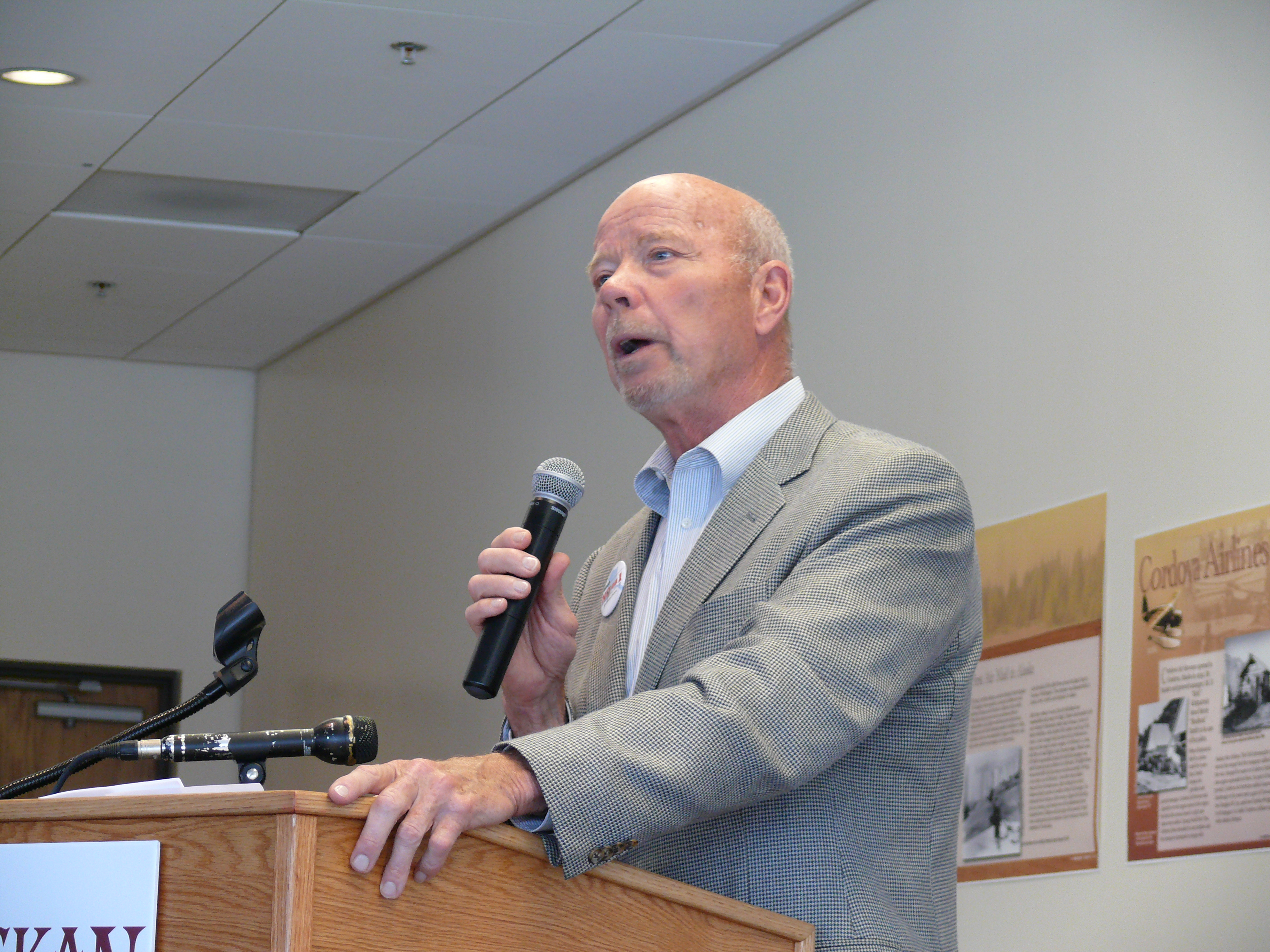
Former Anchorage Mayor Rick Mystrom wants SB21 to stay in place. He said the decline in oil production has gone from about 6 percent a year to 2 percent since the switch. And he said a successful repeal would set the stage for the state legislature to make its sixth oil and gas tax rewrite in a decade.

Rick Mystrom
Former Anchorage Mayor Rick Mystrom wants Senate Bill 21 to stay in place. (Photo by Jeremy Hsieh/KTOO)

“The sixth tax change. That’s the single biggest variable expense the oil companies have in dealing with their operation,” Mystrom said. “How could anybody, how could Alaska Brewing – how could anybody invest in their business long term if their biggest expense went up and down six times in 10 years? You can’t do it.”

If SB21 is repealed, Mystrom predicts the latest effort to build a natural gas pipeline will fail, new production facilities on hold now won’t go online, and new industry investments will be driven elsewhere.

Both men noted how tightly woven the oil industry is with the state economy and state government, which is funded about 90 percent through oil revenue.

Update: NWS says 60 percent chance of Mendenhall Lake and River flooding

Update: 12:30 p.m., July 10, 2014

Water levels on Mendenhall Lake are still below flood stage, but the National Weather Service is warning the lake could rise quickly.

Meteorologist Robert Tschantz says so much water has drained from Suicide Basin that the sensor is no longer working.

“The response already started is now to watch the lake,” he says.

About 11:30 a.m., Mendenhall Lake was at 6.7 feet; minor flood stage is 9 feet. But Tschantz says he expects the lake and Mendenhall River to peak nearly two days earlier than originally forecast when Suicide Basin started to drain.

Actually the peak has been sped up to Friday night around 10 o’clock. And then we think it’s going to drop back off fairly quickly during Saturday and by late Saturday evening, it should be out of flood. At least that’s the current thinking,” Tschantz says.

Once flooding starts, expect water over Mendenhall Lake trails, the U.S. Forest Service campground on the lake, West Glacier Spur Road around Skater’s Cabin, and View Drive.

At flood stage, Tschantz says it’s very important that people stay away from the banks of the Mendenhall River, because they could easily give way.

Original story:

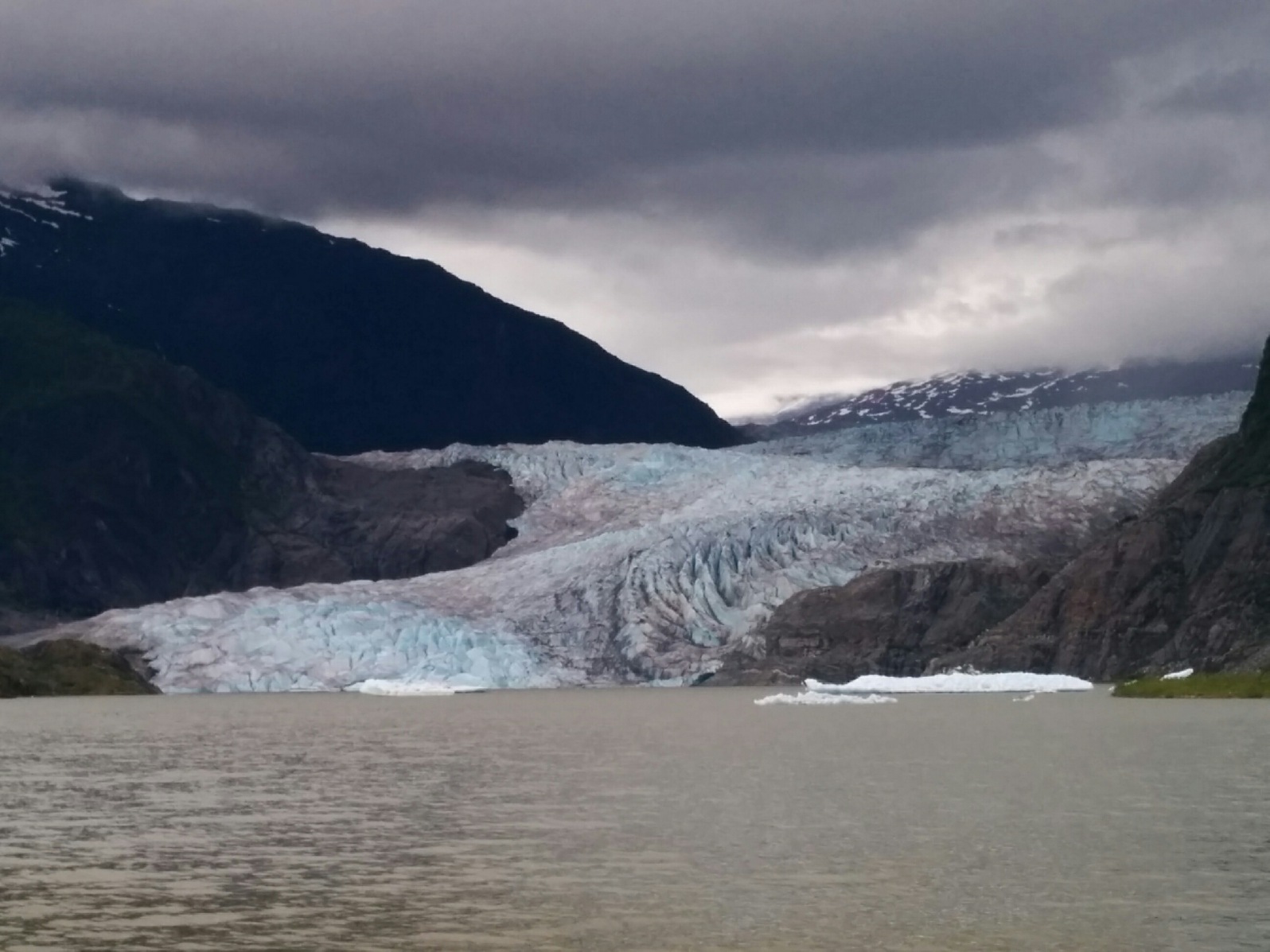
Mendenhall Lake and Glacier
Mendenhall Lake and Glacier on Wednesday evening after the Suicide Basin sensor reported water levels draining. (Photo by Heather Bryant/KTOO)

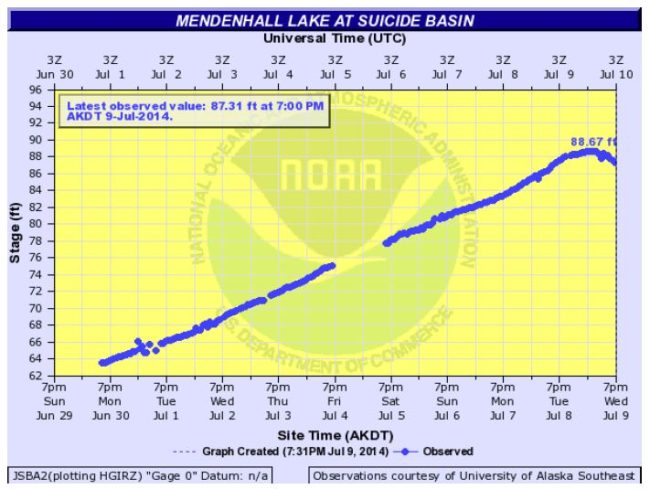
The sensor in Suicide Basin is reporting water levels draining and the National Weather Service has issued a flood watch in effect through Monday morning for the Mendenhall Lake and Mendenhall River areas.

“This glacial lake that we call Suicide Lake is showing signs of starting to drain. And our sensors are confirming that,” says meteorologist Wes Adkins.

Suicide Basin graph
A National Weather Service graph of a water level sensor readings shows Suicide Basin draining.

He says the rate at which water is draining from the basin — and rising in the Mendenhall Lake and River — has yet to be determined.

“There are a lot of unknowns with this. And the two biggest unknowns are how much water is underneath the glacier at this point in the basin, and how quickly that will release into the lake,” Adkins says.

Adkins says the service is predicting water levels will gradually rise and peak on Sunday. He says there’s a 60 percent chance of flooding.

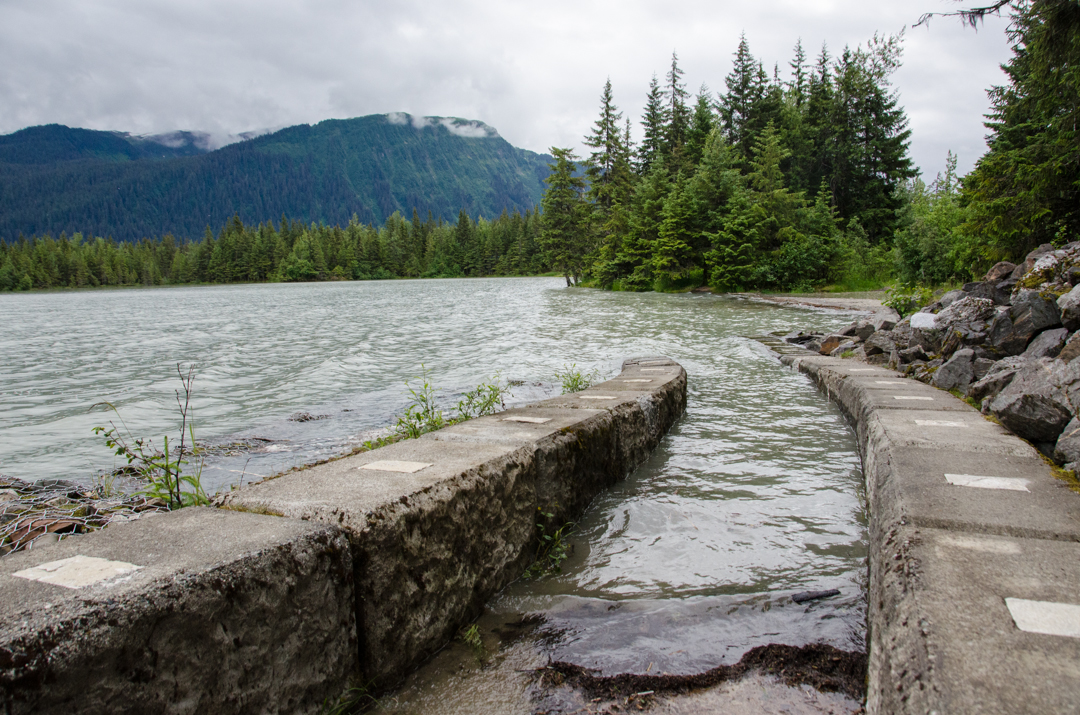
On Wednesday evening, much of the beach in front of the Mendenhall Lake pavilion was underwater. Waves lapped the shore.

Adkins advises visitors and residents in the flood watch area to monitor reports and be prepared.

The flood watch comes as NBC’s TODAY Show prepares for a live, early morning broadcast from the Mendenhall Visitor Center on the lake.

Heather Bryant contributed to this report.

Sewer and water fees going up in 2015

Municipal water and sewer fees in Juneau are set to increase with the new year.

Beginning Jan. 1, water utility fees will increase by 6.5 percent and wastewater fees by 8 percent under the ordinance the Juneau Assembly adopted Monday. New rate hikes will continue every July through 2018.

It isn’t the three years of 9.5 percent hikes originally proposed, but the net effect will be about the same.

Scott Willis headed up the advisory board that recommended the increases.

“We know no one likes a rate increase, but we also know that sometimes they are necessary,” he said.

Right now, typical residents pay about $90 a month in combined water and sewer fees. By the fifth rate increase in 2018, they’ll pay about $130.

The hikes partially commit the city to a 10-year Public Works plan to turn around utilities deficits and to pay for sewer and water capital projects. Cruise ship passenger fees and municipal sales taxes will also contribute to the capital projects.

At the Assembly meeting, Juneau Chamber of Commerce representative Lorene Palmer and Alaskan Brewing Co. founder Geoff Larson acknowledged the need for sewer and water infrastructure. But they also urged the Assembly to consider the hardships that the short notice imposes on local businesses’ budgets.

“Many of the small businesses … that are part of the Chamber and part of our community have already budgeted for 2014. And now, on Sept. 1 … this proposal adds a new expense to them that they were not anticipating.” Palmer said.

Merrill Sanford
Merrill Sanford. (Photo courtesy City and Borough of Juneau)

After their testimony, the Assembly amended the ordinance so the first fee hike takes effect in January instead of September. It also amended the ordinance so five smaller fee hikes were spread over four years, instead of three years of sharper hikes.

The Assembly passed the amended ordinance in a 6-3 vote.

Mayor Merrill Sanford said he would prefer smaller 3 percent hikes.

“I just can’t walk down this path of creating a big account in wastewater and sewer when we don’t need that right now,” Sanford said.

The mayor, Mary Becker and Randy Wanamaker voted against the fee hikes.

Site notifications
Update notification options
Subscribe to notifications