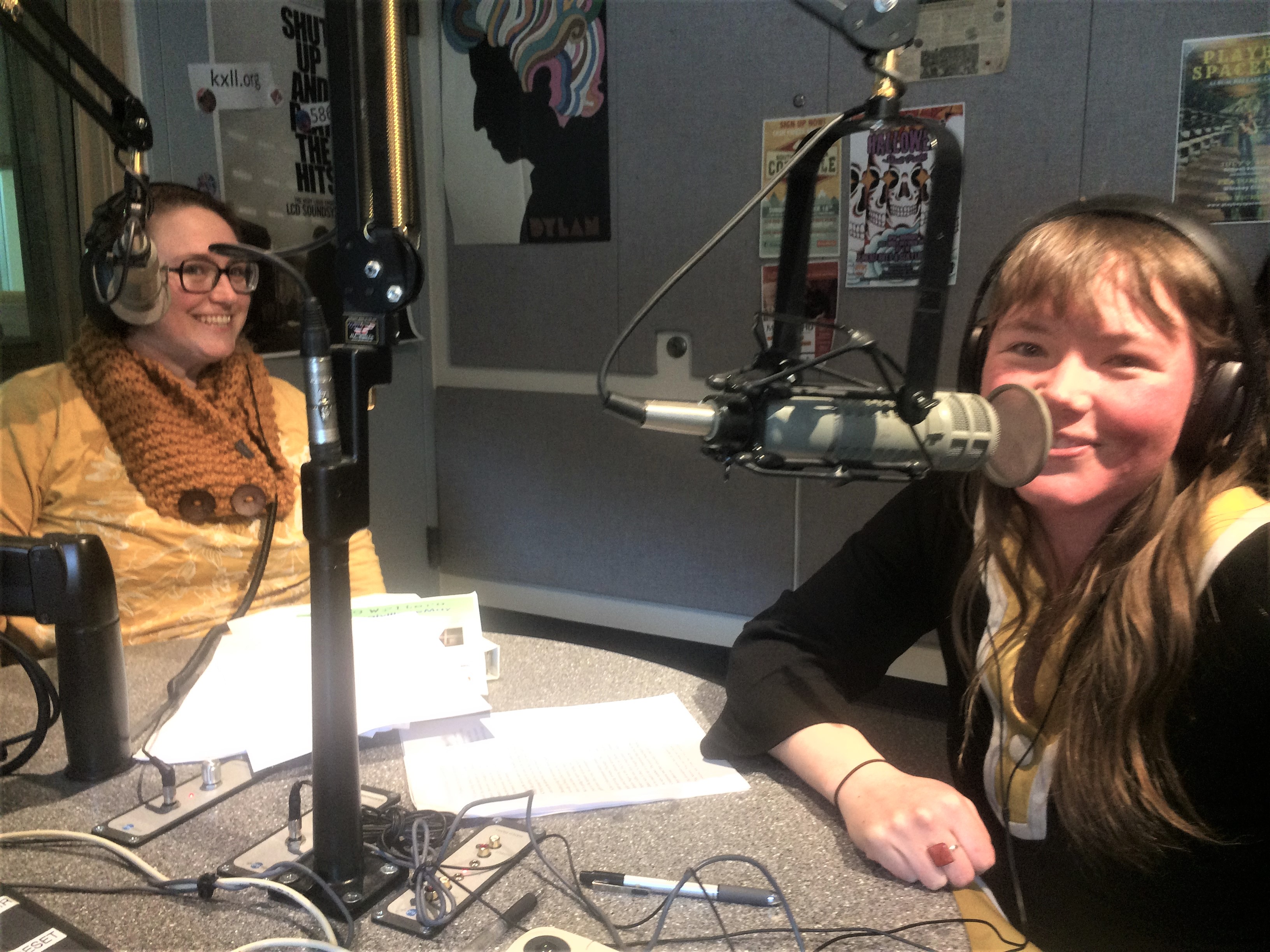
To KXLL listeners, Your Favorite Sisters are known as the DJs “spinning the platters that matter” on Tuesday evenings.
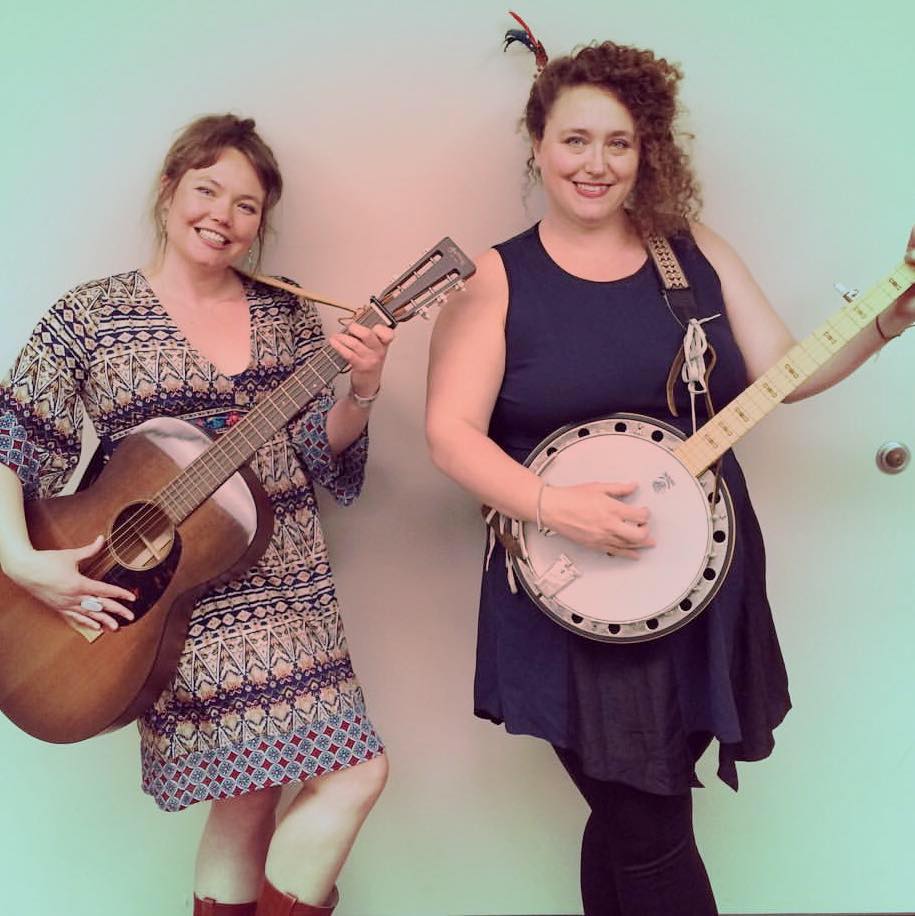
Individually, Kirsa Hughes-Skandijs, a.k.a. “big sis,” is a musician, multimedia artist and a writer. Alicia Hughes-Skandijs, “lil sis,” is a comedian (you may recognize her from Club Baby Seal), a musician, and a writer.
Collectively, the two have been to some 20 Alaska Folks Festivals, and they wrote us this guide:
Prepare to be in two or more places at one time. Scheduling:
Listen to the guide here:
The good thing about Folk Fest is that it lasts all week so you can ease yourself into the musical mayhem slowly. Monday through Wednesday, downtown is fairly quiet, there aren’t all-night jam sessions raging into the morning light, and that means it’s a good time to focus on the festival itself at Centennial Hall. Amateurs and professionals, kids and elders, string bands and alphorns, the Centennial stage is the reason for the season.
Being as the festival starts on a Monday, some of us have to worry about pesky things like getting up for work in the morning. The good news is that not only does KTOO stream the Fest live, but they even have video. Welcome to the future. You can see the show from your own couch.
1) Keys to getting that sweet merch:
Besides giving the performers moral support in the form of live applause and the novelty of being able to use the restroom without waiting in line in the hallway, there is one other reason to make the trek to the hall in person – the merch table! We’re going to regret telling you this, but if you want to make sure you get your pick of the apparel styles and sizes (a little birdy told us that there are going to be girly tanks this year, for example), you want to get there early in the week.
A lot of phenomenal talent comes to our town for this festival and they typically start arriving around Thursday. That’s when the festivities start picking up steam – gigs and jamming abound downtown.
The festival itself kicks into high gear as the dances begin at the Juneau Arts and Culture Center on Thursday evening, and Friday morning the JACC hosts Coffee and Jam: a crazy contra potluck. The good thing about the JACC’s dance sets is they’re longer than the usual Folk Fest set, so you can pop across the lot to catch a set in Centennial that you’ve had your eye on and be back in time for the next number. The guest band plays Thursday and Sunday on the main stage in Centennial and they also play a full set at the JACC on Saturday so people can get their dance on.
The downtown scene has its staples like the Alaskan, the Rendezvous and the Red Dog Saloon.
You can count on a broad variety of excellent live music through the weekend, and if one bar is too crowded, then it’s a mere stroll across the street or down the block (also a good time to catch your breath with some fresh air and cool off).
The Rockwell is fully jam-friendly during Folk Fest and has a lineup featuring KXLL’s own Annie B in addition to some other mega-talented babes on Saturday night. The new kid on the block is the Hanger’s newly renovated ballroom, which is hosting showcases and open mics all week. KXLL’s having a pretty killer showcase late Friday, by the way (cough cough).
After hours, jams will be huddled in any number of hotel rooms and halls, and Monday morning, if you’re a very early riser, you can probably see the folks who went the distance walking over to the Sandpiper for some well-deserved breakfast before bedtime.
2) Folk Fest? More like Broke Fest! Budgeting:
Cost of attending Folk Fest? Zero dollars and zero cents! Covers to see amazing bands in town for the festival and super groups jamming on stage at the local bars? Also (usually) zero! So where does the money go?
Well, the aforementioned merch table is one good place to lose some cash – and of course, we strongly encourage you to purchase a membership to help keep this amazing 43-year-old party going. Budget a measly $25 and make sure that this institution of Juneau keeps its lights on (and its guest artists stellar)!
If you indulge in adult beverages, then you probably already know that closing out that bar tab can be more bracing than a hot cup of coffee. We can’t tell you how to budget out your bar costs, but we can remind you to plan ahead. If you’re going to be playing or listening to the after-hours jams, it also behooves you to think about where the next warm can of flat Rainier is going to come from after the liquor store closes. Stock up!
Most importantly, after you’ve been dancing, hollering, picking, and celebrating, you’re probably hungry enough to eat a horse or two. On site, Pucker Wilson will of course be flipping Juneau’s top rated burgers and Happy Camper’s got healthy noms covered.
Some venues, like Rockwell or the Red Dog, can serve food right to your grubby little paws, but for most of us as the hours pass the choices narrow to street meat and frozen burritos. It wouldn’t hurt to have a snack or two up your sleeve, and hey, maybe stick some coconut water in there while you’re at it.
3) Live your life like a can of Sterno in the wind. Pacing:
You want to make it to the finish line. Wine gets better with age and the jams get sweeter as the weekend flies by — and that’s not just the sleep deprivation talking.
It’s important to carve out a little time for naps and showers.
Showers are great. Please shower.
Your body is a fine-tuned machine and you need to make sure it’s got gas in the tank. Just like everyone needs to change their guitar strings regularly, you need to change your Achilles tendons – make sure you get those hip replacements before you go out dancing for the third or fourth night in a row. Better to sleep in and make it through the night than try to get up, stagger to brunch, and end up asleep before the first act of the night goes onstage at 7 p.m.
All too soon, Monday rolls back around, and after so much music the real world can feel a little empty, a little lonely and a whole lotta Sunday Morning Coming Down (thanks, Kris Kristofferson).
Giving it your all helps when you have a new year’s worth of magical memories to cherish in your little heart, and savor the ghost jams that haunt your empty ears, and start practicing for next year!
Those whimsical ’80s hits aren’t going to cover themselves.