Arts & Culture

New children’s opera tests its wings at workshop

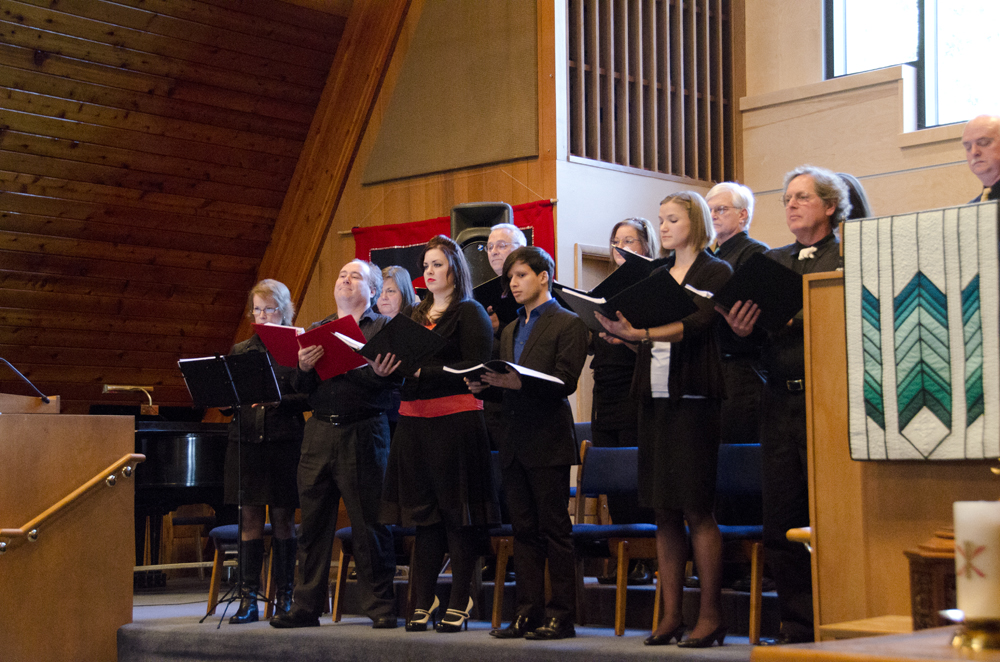
A dozen singers compromise the cast of Bennu's Birds.
A dozen singers compromise the cast of Bennu’s Birds. (Photo by Heather Bryant/KTOO)

Opera to Go’s Amalga Chamber Orchestra this weekend performs the aria of a new children’s opera that recently debuted in a workshop setting.

Bennu’s Birds — written by Rory Stitt — won’t premiere until spring, but a Juneau audience got a peek at the opera in October and offered comments for the final production.

Bennu’s Birds is about a boy named Bennu, who lives in a village where singing is essential, but his singing sounds like nonsense. He strives to be accepted.

A dozen singers dressed in black stand in two rows at the front of the sanctuary at Northern Light United Church. Next spring, they will don costumes and stride around a stage and battle. But on this October Sunday afternoon, they’re static in front of an audience armed with comment forms and plot cheat sheets.

The performance workshop is not new to Juneau audiences. More than a decade ago, King Island Christmas went through the workshop process at Perseverance Theatre. Opera to Go Artistic Director William Todd Hunt says workshops are common nowadays with new artistic pieces.

“So that when you go into your final version you don’t spend all that time on something that might not make as much sense as it could,” Hunt says.

Former Juneau artist Rory Stitt wrote the music and words to the opera. He now lives in Portland but continues to work on various musical projects in Juneau.

Hunt and Stitt have been working on the opera for years.

“In this very room, in Northern Light Church, I met Rory, probably four years ago who was working on his requiem. I’d kind of known him as a rock and roll player and what not and an actor, but seeing this other side of his music, and meeting him, made me think ‘Wow, this guy needs to write a children’s opera,’” Hunt says.

“He mentioned to me about the idea of creating a children’s opera and that he would commission me for it if I was game for that,” Stitt says.

[quote]“Where did I get the idea? I don’t know, I read a lot of children’s books, to get myself sort of into that mindset.  Growing into your own identity was something I struggled with a lot. My tactic was, if it was relatable to me, for my childhood experience, that was probably the closest I could get to creating something that might be meaningful for kids,” Stitt says.[/quote]

“A lot of composers for children’s operas tend to write down to make it really sing-songy for the kids but he doesn’t do that and I really respect that,” Hunt says.

While the script is three years in the making, Stitt started working on the music two months ago. The singers only had a couple of weeks to learn the piece before the workshop.

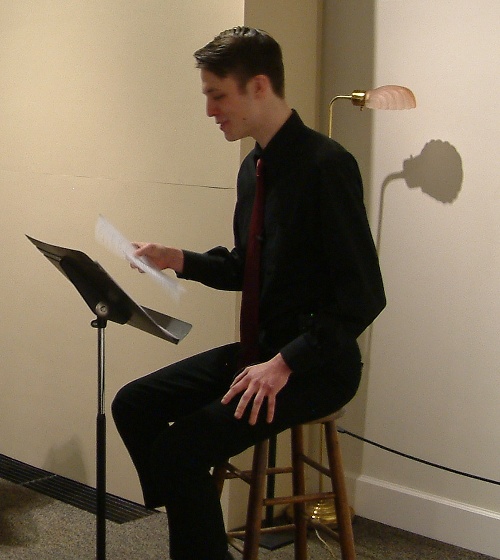
21-year-old Jonas Decena, who plays Bennu, only had time to learn the most important songs, such as the final scene. Hunt played the rest of Bennu’s parts on a saxophone.
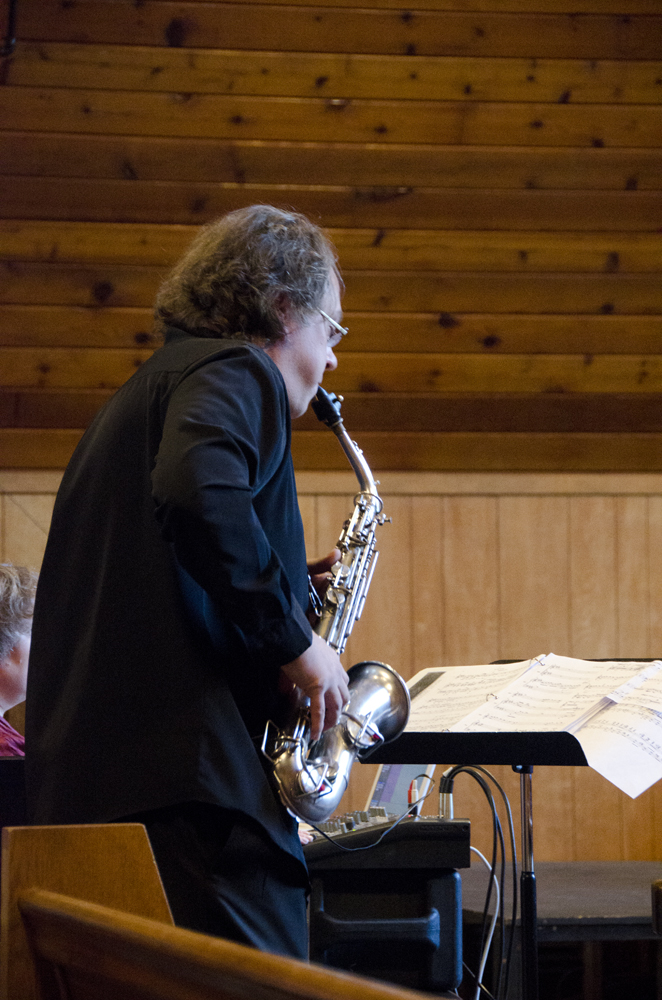
Opera to Go Artistic Director William Todd Hunt plays the saxophone to represent what Bennu sounds like.
Opera to Go Artistic Director William Todd Hunt plays the saxophone to represent what Bennu sounds like. (Photo by Heather Bryant/KTOO)

Hunt doesn’t know quite what Bennu will sound like in the final opera.

“It’ll be jibberish, probably, that’s another thing that’s up for possible revision is ‘what does Bennu actually sound like,” Hunt says.

Two weeks wasn’t enough time to turn it into an orchestral piece, or even hand it over to a piano player. Instead he used a computer program that creates and plays back music.

“When I first started using this particular program, Finale, in ’92, it was awful. It was pretty much hard to listen to, very stilted sounding. But they’ve gotten it to where it was fairly natural sounding,” Stitt says.

Decena moved to rural West Virginia when he was 10. There, his parents enrolled him in college-level vocal lessons as a birthday gift. He says he practiced at least five hours a day for Bennu’s Birds.

“I really want to add this to my portfolio because in April I’m moving to New York and I’m going to be doing auditions,” Decena says.

Decena says he can empathize with Bennu.

[quote]“When I came to this country I didn’t really speak English. I came here when I was 7 from Venezuela and, yep, learned from scratch,” Decena says.[/quote]

Juneau soprano Rebekah Grimes is The Bird in Bennu’s Birds. 5-year-old Ava Grimes came with her dad and brother to watch her mom sing.

“I really liked it. I liked the music,” Grimes says.

Throughout the rough-cut performance, the audience filled out the comment forms, explaining what they liked or what they didn’t understand.  Heather Bennett came to the opera with Alicia Hughes. Bennett found out about the workshop from Facebook.

“The voices sound great, and I love the music that goes with some of the harmonies but there were some areas where it sounded like the background music, essentially was doing something very different, so different that it was distracting from the scene rather than adding to it,” Bennett says.
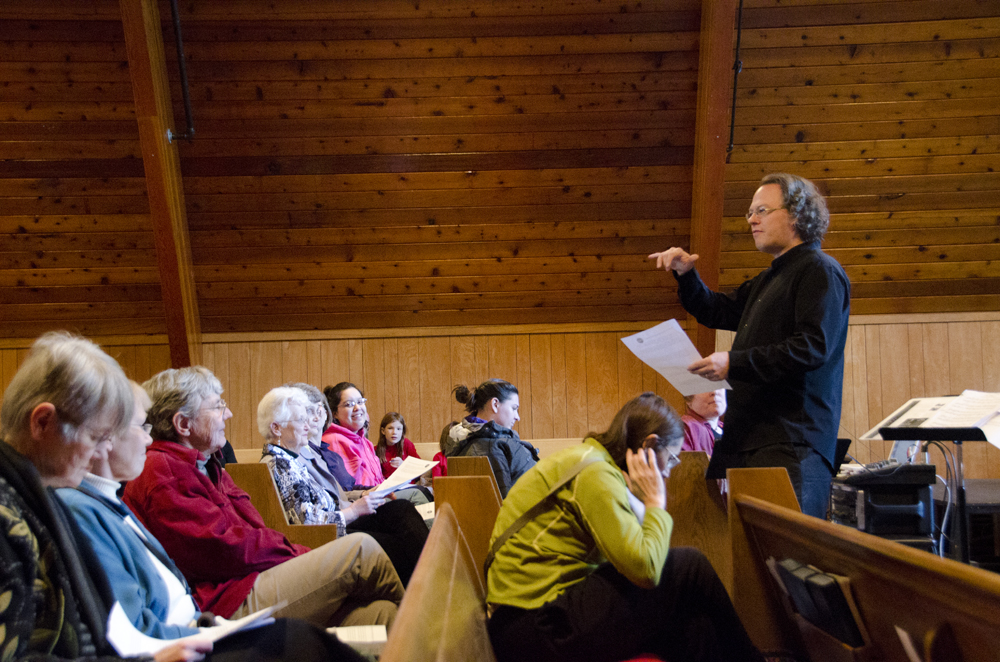
Opera to Go Artistic Director William Todd Hunt asks the audience for honest feedback to gauge what needs to be changed in the workshop.
Opera to Go Artistic Director William Todd Hunt asks the audience for honest feedback to gauge what needs to be changed in the workshop. (Photo by Heather Bryant/KTOO)

Hughes says some scenes needed clarification, but she calls the story “fantastic” and relatable.

“I just thought some of the music was really haunting, I’m sure I’ll have some of these stuck in my head already,” Hughes says.

Stitt will use the audience input from the workshop to decide what direction the opera will take. Once revisions are made, Stitt and Hunt will do the orchestration and hash out production staging and costumes.

The Amalga Chamber Orchestra will feature a selection from Bennu’s Birds at a concert at Northern Light United Church on November 17 and 18.  The full opera will debut next spring.
U.S.S. Juneau Memorial rededicated

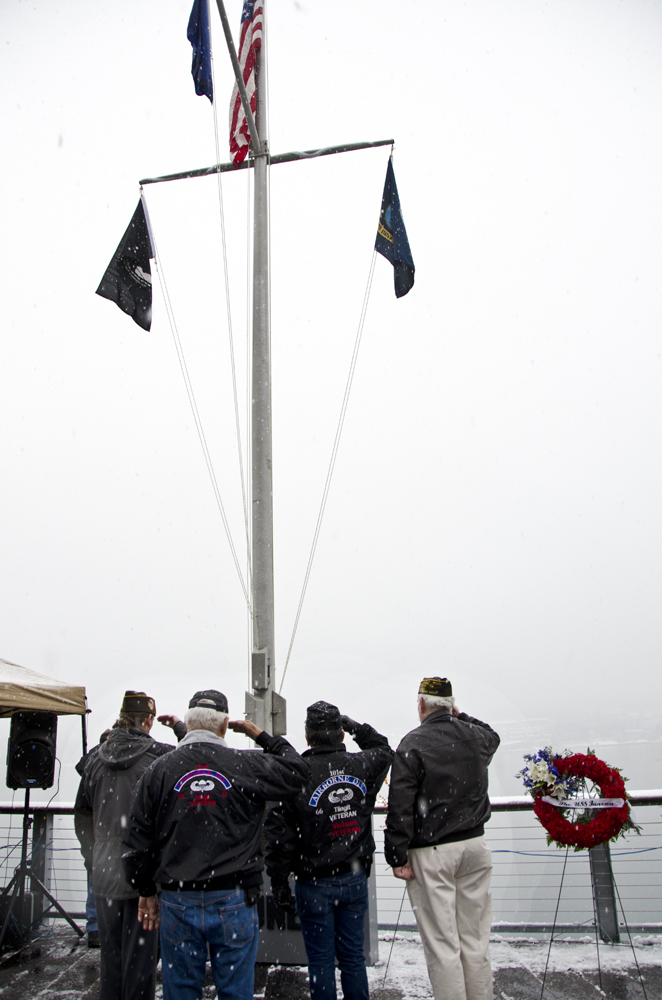
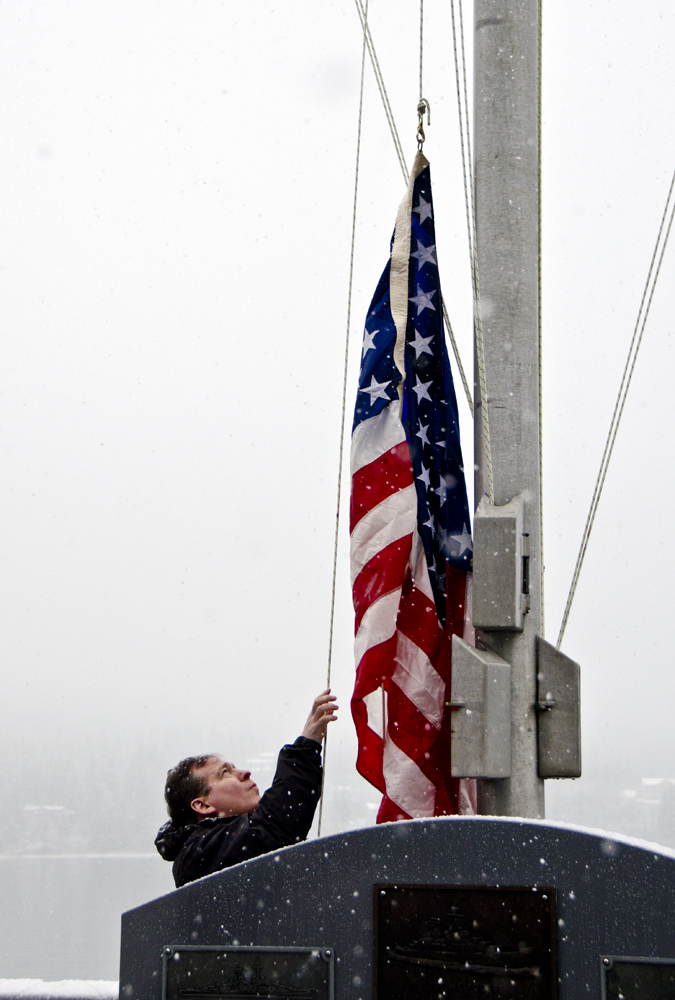
Col Duff Mitchell, retired from Army National Guard, raises the American flag.
Col Duff Mitchell, retired from Army National Guard, raises the American flag. (Photo by Heather Bryant/KTOO)


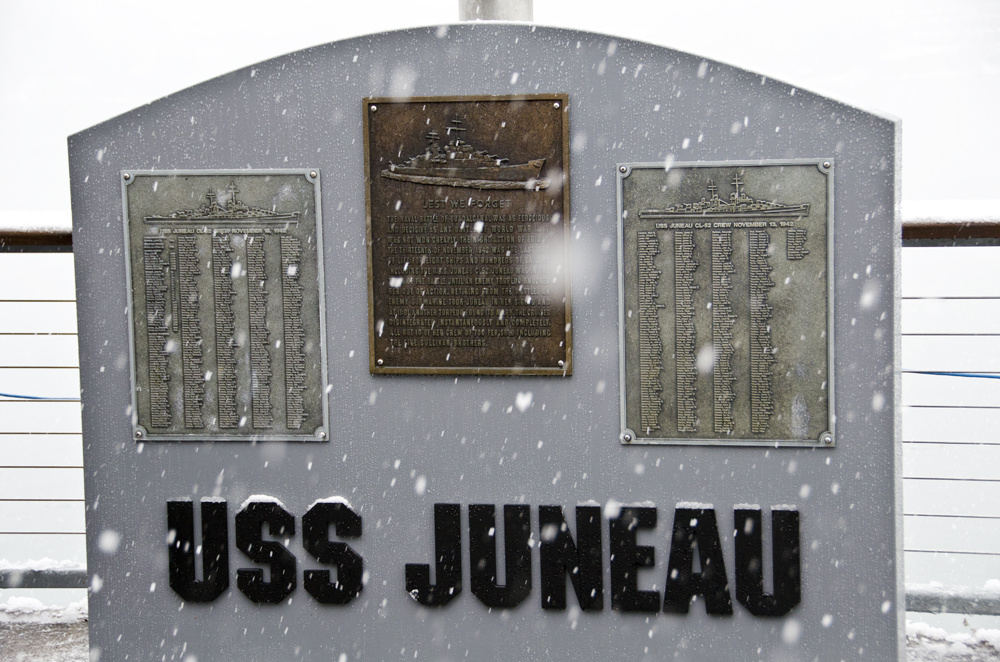
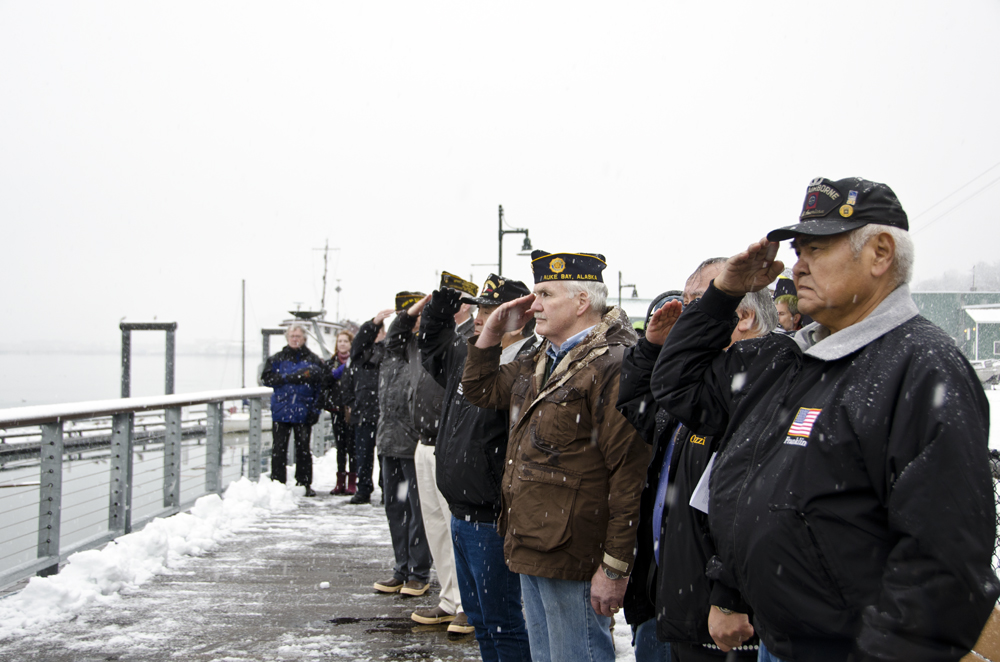
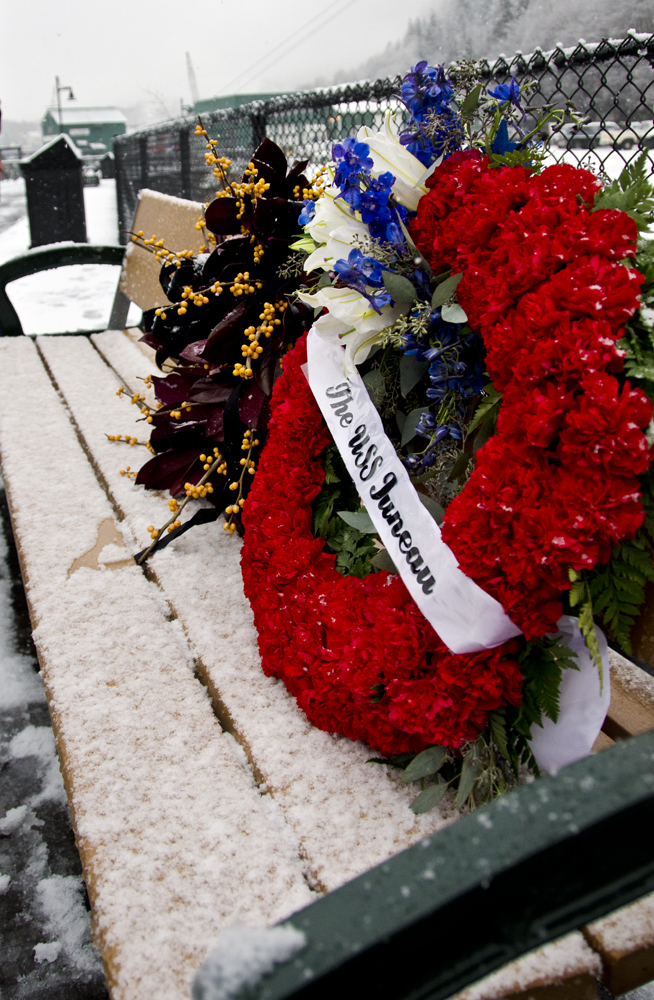
A new memorial was dedicated on the waterfront on Tuesday to commemorate those who lost their lives aboard the U.S.S. Juneau seventy years ago.

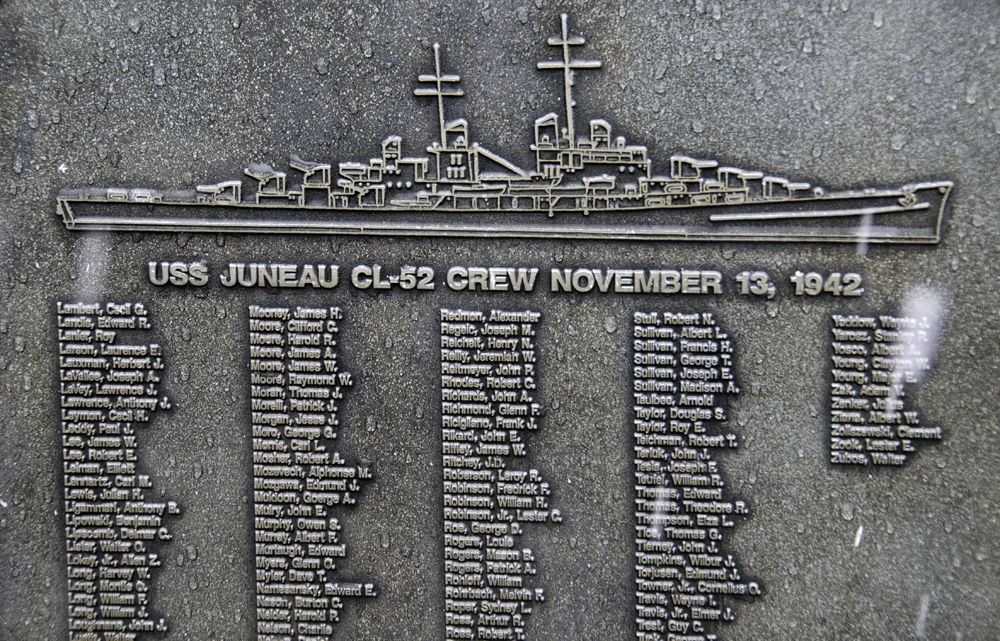
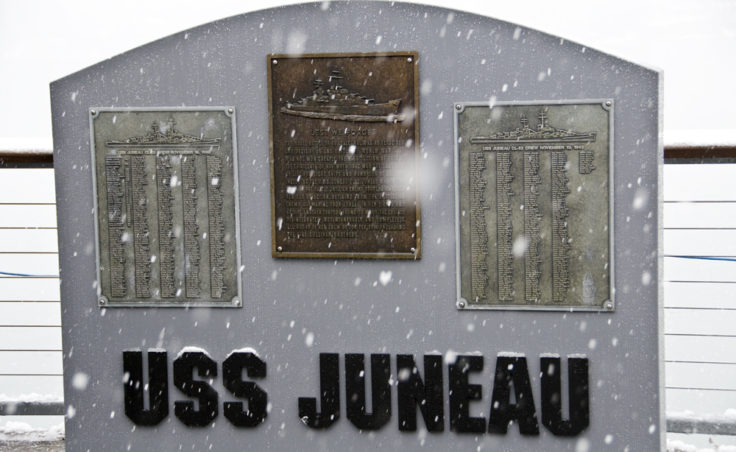
The new memorial still retains the original plaques and flag standard of the old memorial. But it’s shaped differently and located near the south end of the Seawalk.

The previous memorial — built in 1987 near where the new Visitors Center is located – visibly suffered from the elements.

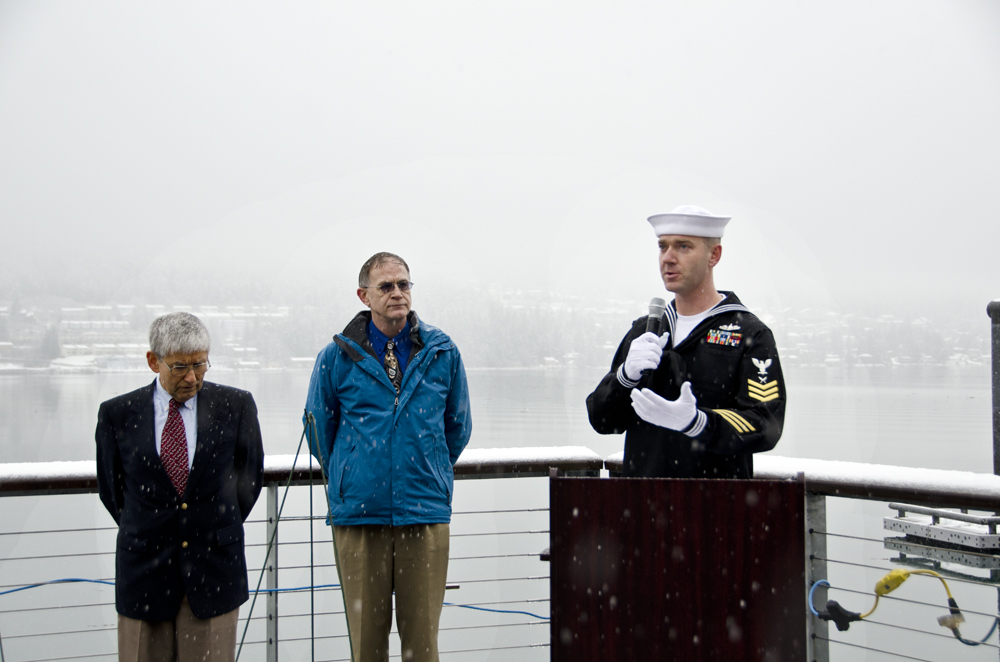
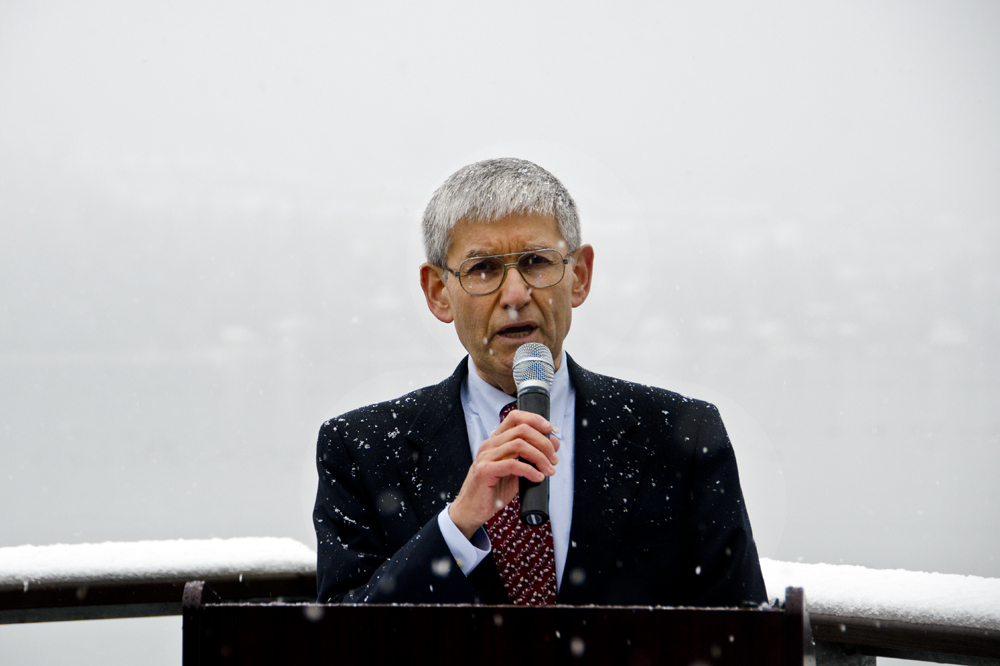
Some of the sounds and voices from Tuesday’s rededication of the U.S.S. Juneau Memorial included the Juneau Community Band, CBJ Port Director Carl Uchytil, an invocation by Lieutenant Colonel Pat Travers of the U.S. Air Force Reserve and who is also pastor of Saint Paul’s Church, CBJ Port Director Gary Gillette, U.S. Navy Petty Officer Gregory Cazemier, Assemblymember Randy Wanamaker, and trumpeter Dave Hurlbut.


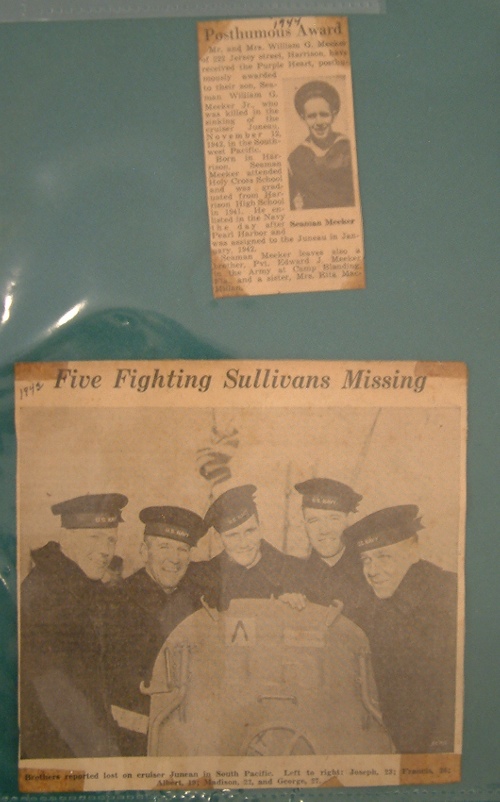
Six-hundred and 87 sailors, including the five Sullivan brothers, died when the light cruiser U.S.S. Juneau was sunk during the naval battle of Guadalcanal.

Four sailors – mostly medics and pharmacists by training – were transferred from the Juneau to the cruiser San Francisco before the Juneau was sunk.

Out of the estimated 115 sailors who initially survived the explosion and sinking of the Juneau, only ten sailors remained when they were rescued eight days later. They rest had succumbed to sharks and exposure.

The Department of the Navy’s Naval Historical Center lists two of the ten survivors as Signalman First Class Lester Eugene Zook and Chief Gunner’s Mate George Imari Mantere.

Albert Shaw of Juneau was a nephew of Mantere. Shaw says Mantere came up to Juneau for the 1987 dedication of the original memorial. We talked to him about his uncle as we hustled from the new memorial site to a reception at the Visitors Center.


[vimeo 53978266 w=500 h=303]

U.S.S. Juneau sunk seventy years ago

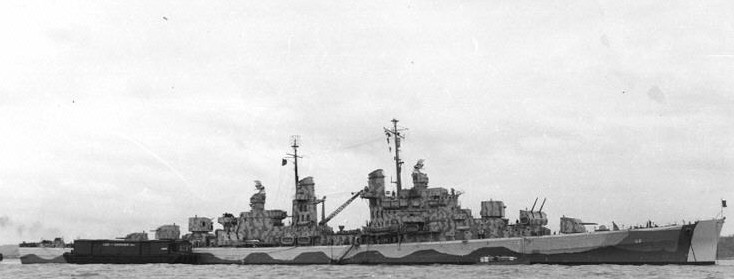
Tuesday marks the seventieth anniversary of the sinking of the U.S.S. Juneau, a light cruiser that participated in the naval battle of Guadalcanal during World War II. Six-hundred and 87 sailors perished during the sinking on Nov. 13, 1942.

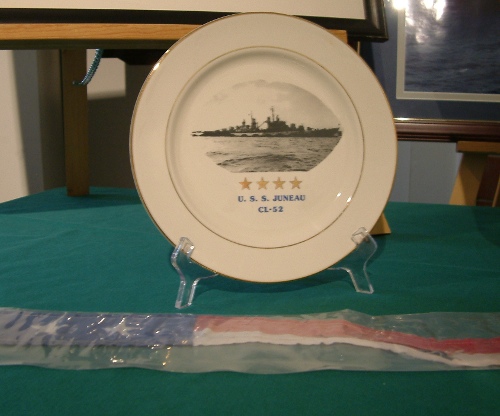
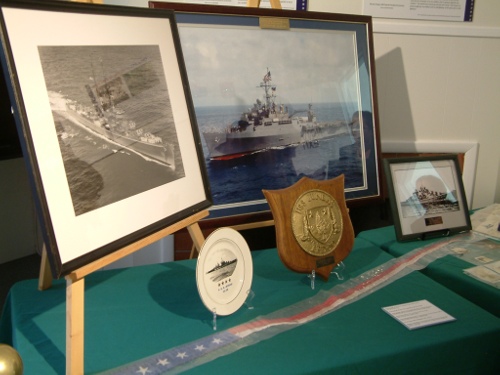
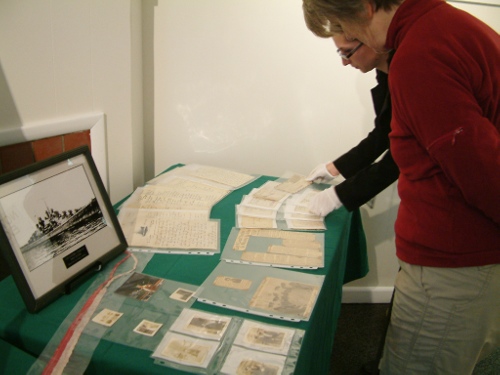
Included in the slideshow below are pictures from Saturday’s event at the Juneau-Douglas City Museum that included display and reading of recently acquired letters originally sent by Seaman William George Meeker from aboard the U.S.S. Juneau to Winifred Blohm in Harrison, New Jersey.


The U.S.S. Juneau was a light cruiser engaged in one of the fiercest naval battles of World War II. Along with the cruisers Helena and San Francisco, the Juneau had retired from the naval battle of Guadalcanal to head for a nearby Allied port for repairs. The Juneau was already crippled by a torpedo hit. Another torpedo later sent the Juneau rapidly to the bottom. As many as many as hundred sailors may have initially survived, but crews of the Helena and San Francisco may have thought that no could have survived the explosion and quick sinking. There was also the potential of continued torpedo attacks.

Only ten sailors survived shark attacks and exposure after eight days in the water. Among the 687-sailors who lost their lives were the five Sullivan brothers aboard the Juneau.

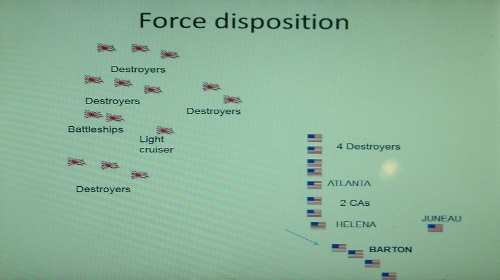
Lt. Cmdr. Miguel Vasquez, officer-in-charge of the U.S. Navy’s Pacific Fleet Maritime Homeland Defense Detachment Alaska, was a featured speaker at the Juneau-Douglas City Museum on Saturday. Using a power point presentation, he described the first ship to bear the name Juneau and the battle in which she was crippled and eventually sunk.  He gave us a recap following his presentation.

Vasquez says the battle was very chaotic with at least one officer on-board a destroyer calling it ‘a bar room fight with the lights turned out.’

“It was a tactical victory for the Imperial Japanese Navy,” said Vasquez who also noted that the Japanese did not do enough damage to reinforce Guadalcanal.  “It turned out to be more of a strategic victory for the U.S. forces.”

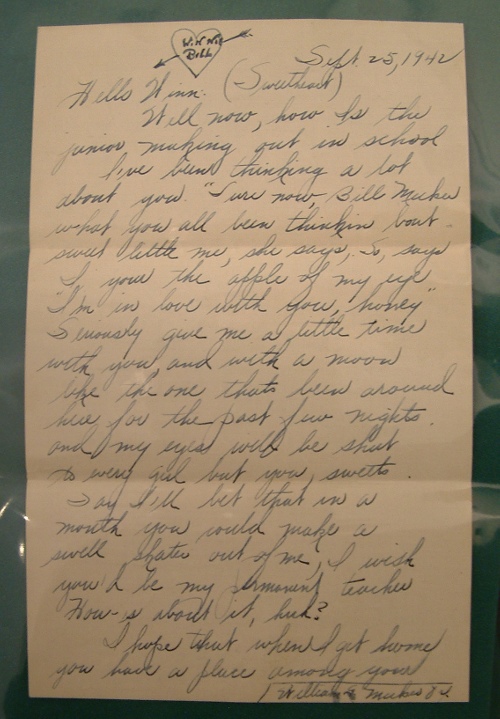
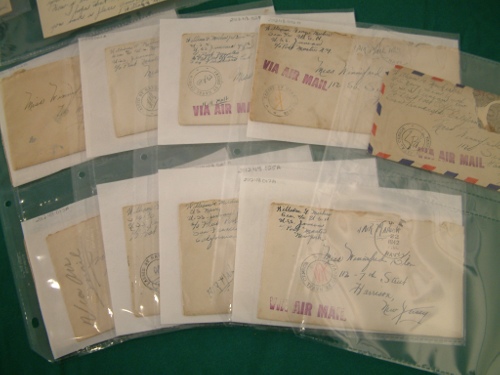
What makes this anniversary of the Juneau’s sinking unique is the recent acquisition of letters originally sent by a sailor aboard the cruiser.  Seaman William Meeker, sent seventeen letters to Winifred Blohm, his next door neighbor and good friend in New Jersey. The last one was sent exactly a week before the U.S.S. Juneau’s sinking.
Jodi DeBruyne, curator of collections and exhibits at the Juneau-Douglas City Museum, describes the donated collection.

“They tell a really great personal story that everybody can relate to. Friendship, love, honor are just themes that transcend time,” said DeBruyne.

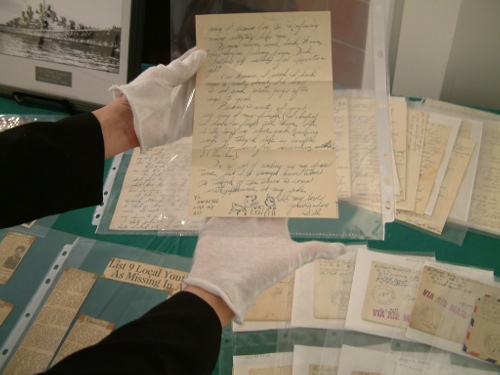
Also on Saturday, local actor Bryan Crowder provided his voice for the words written by the 21-year old Meeker, who thought very fondly of his neighbor in Harrison, New Jersey.

“‘Dear Winnie. How are you, Blondie? How are your big brothers making out?'”

The letters, donated by Blohm’s daughter and son-in-law Mary and Ray Testa, will remain in the care of the Juneau-Douglas City Museum until they are brought out for display again.

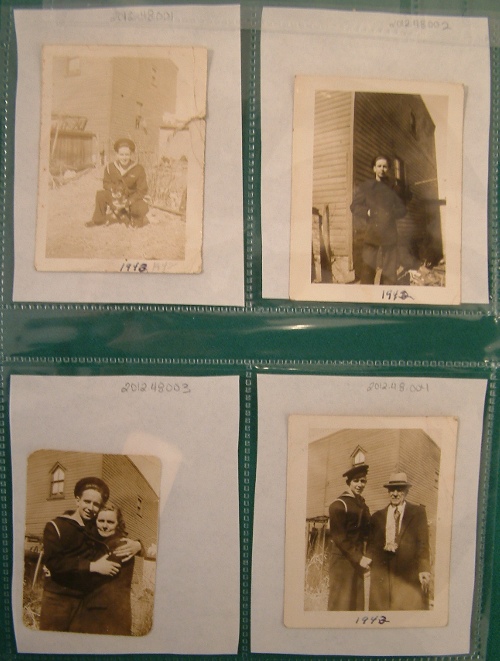
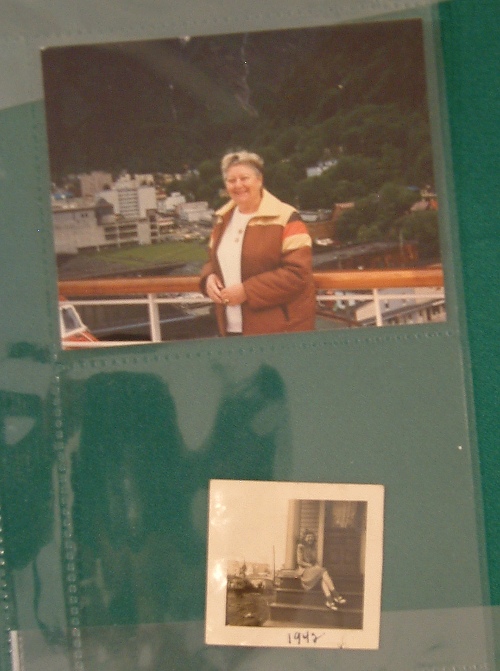
Also included: pictures of Meeker and a picture of Winifred Blohm visiting Juneau in 1991. DeBruyne said the Testas are trying to track down another picture of Blohm visiting the U.S.S. Juneau memorial on the waterfront.

Blohm passed away in 1998.


Letters from U.S.S Juneau sailor put on display, read

History came alive on Saturday when Juneau residents heard the words of a sailor who eventually perished when his vessel, the U.S.S. Juneau, was sunk during World War II.

Seaman William George Meeker, a sailor aboard the light cruiser that sank following the naval battle of Guadalcanal, sent seventeen letters to Winifred Blohm, his next door neighbor and good friend in Harrison, New Jersey.

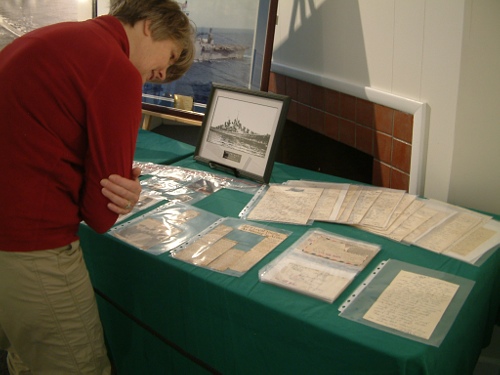
The letters were briefly put on display at the Juneau-Douglas City Museum and an actor read from some of them during an event on Saturday.

The letters were donated by Blohm’s daughter and son-in-law Mary and Ray Testa.

Jodi DeBruyne, curator of the museum’s collections and exhibits, says they just received the letters last week – one week before the seventieth anniversary of the U.S.S. Juneau’s sinking.

U.S.S. Juneau artifacts
Jodi DeBruyne of Juneau-Douglas City Museum (obscured) shows a visitor some of the letters written by Seaman William Meeker from the U.S.S. Juneau before it was sunk during World War II. Photo by Matt Miller/KTOO News

“Mary was reading through the letters last December,” recalls DeBruyne. “So, they came across them and they discovered this great love story. They want to preserve it for a future (generation) and for William Meeker not to be forgotten.”

DeBruyne says letters will be preserved in archival- and museum-quality settings until they are brought out for display again.

Assemblymember Randy Wanamaker brokered the donation of the letters from the Testa family.

Also included: pictures of Meeker and a picture of Winifred Blohm visiting Juneau in 1991. The Testas are trying to track down another picture of Blohm visiting the U.S.S. Juneau memorial on the waterfront.

She passed away in 1998.

Among the 687-sailors who perished when the Juneau was sunk on November 13th, 1942 were the five Sullivan brothers. At least two other sets of brothers reportedly served on the vessel.

A service is planned at the U.S.S. Juneau memorial on the waterfront at 12:15 p.m. on Tuesday.

CBJ plans to exempt Soboleff Center from historic district standards

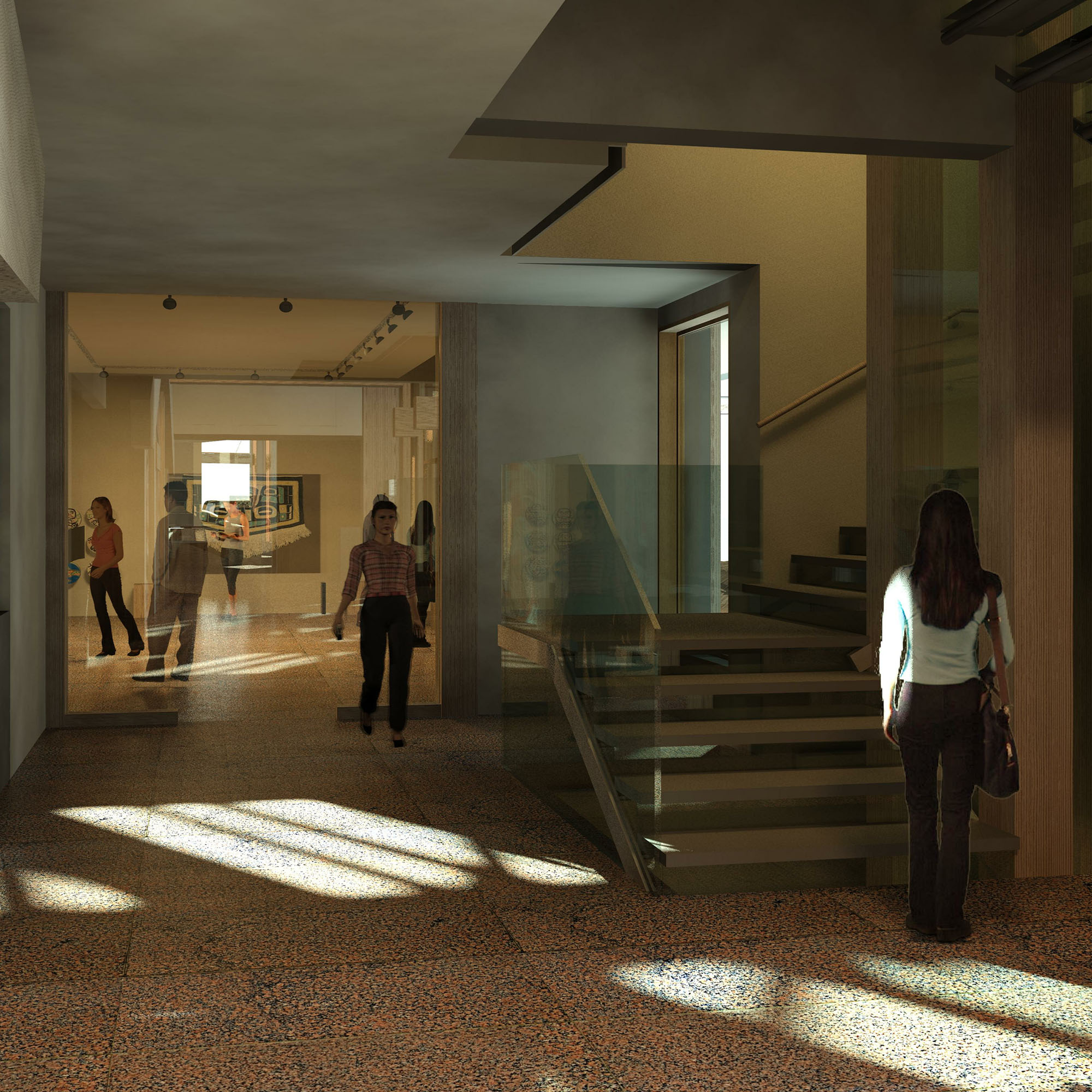
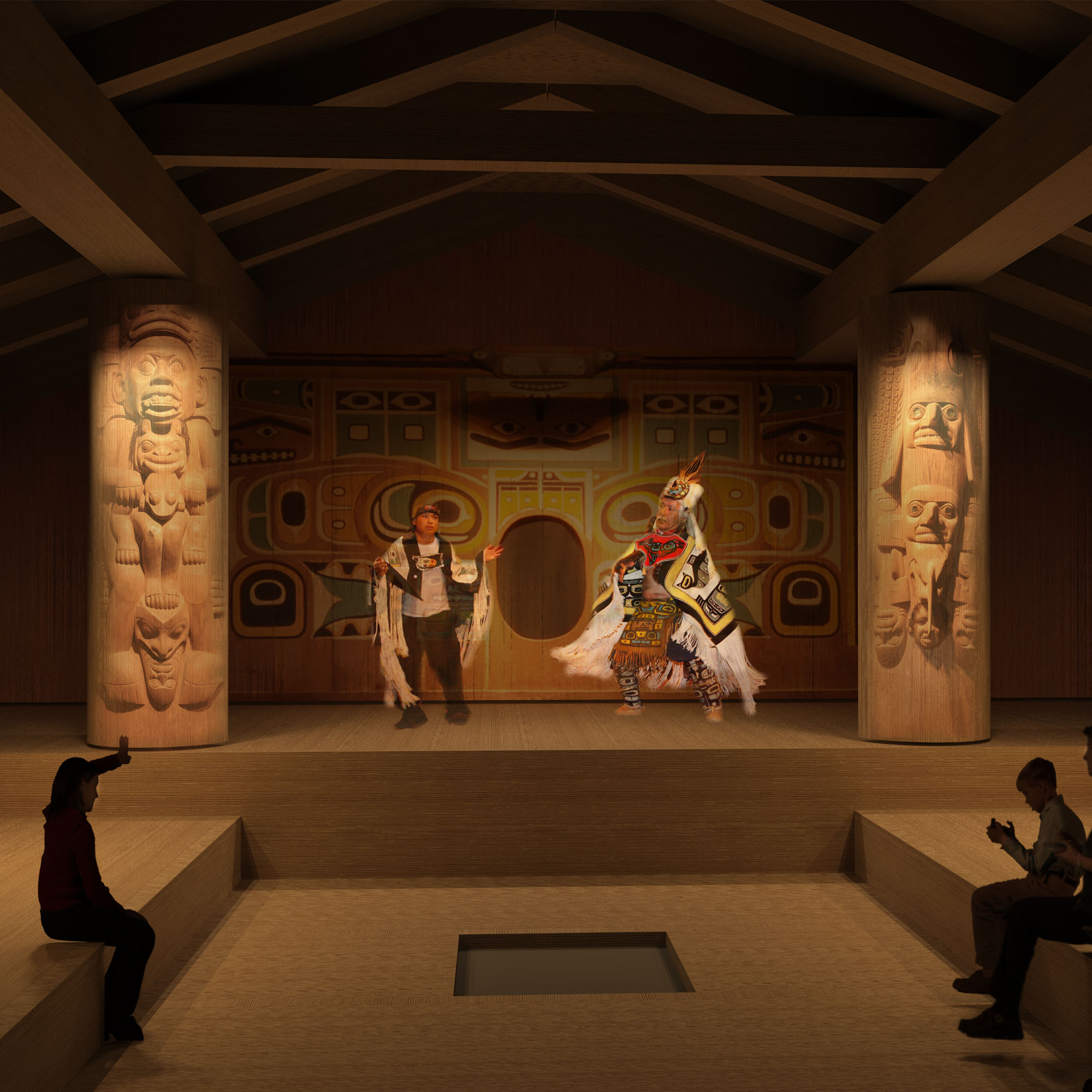
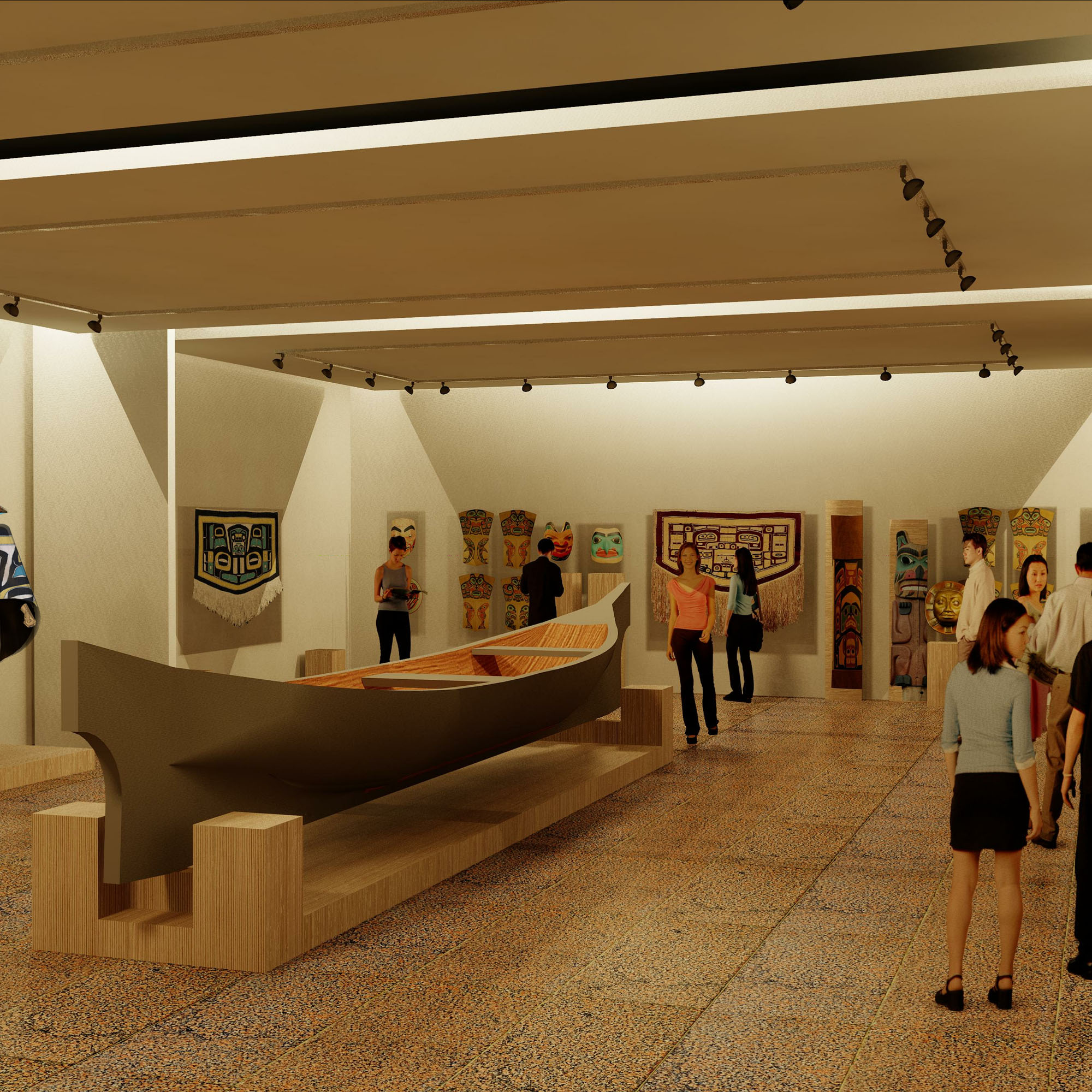
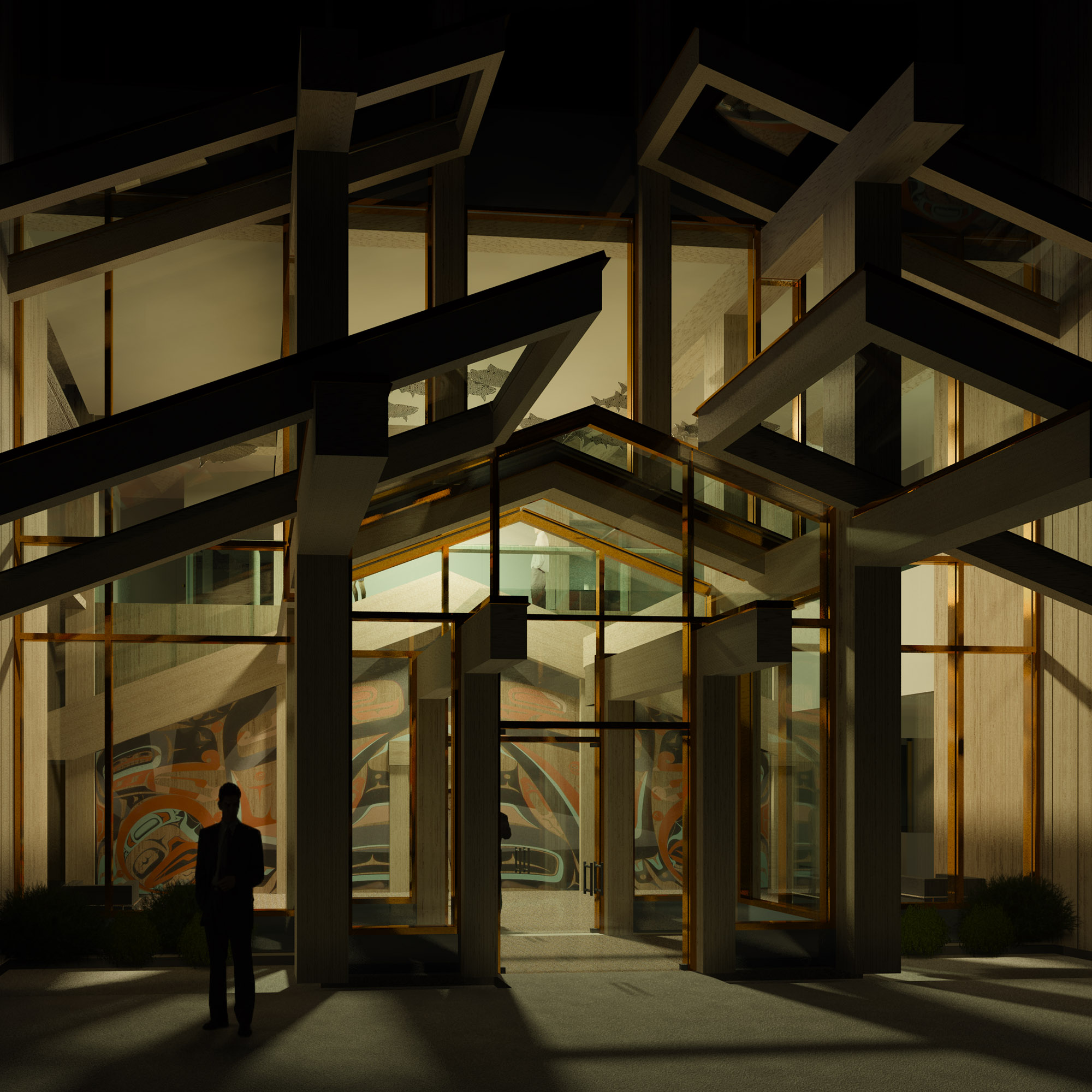
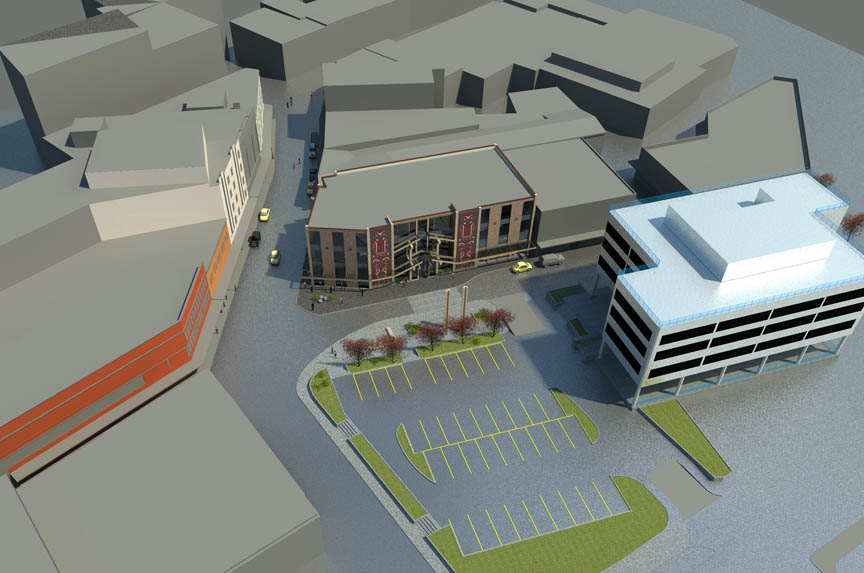
A rendering of the exterior of the center.

Officials with Sealaska Heritage Institute and the City and Borough of Juneau are working on a deal to let SHI out of the city’s historic district standards for the proposed Walter Soboleff Center.

The four-story, 29,000 square foot education and cultural facility will be built on the edge of the downtown district, which celebrates the late 19th and early 20th century architecture of Juneau’s original mining period.

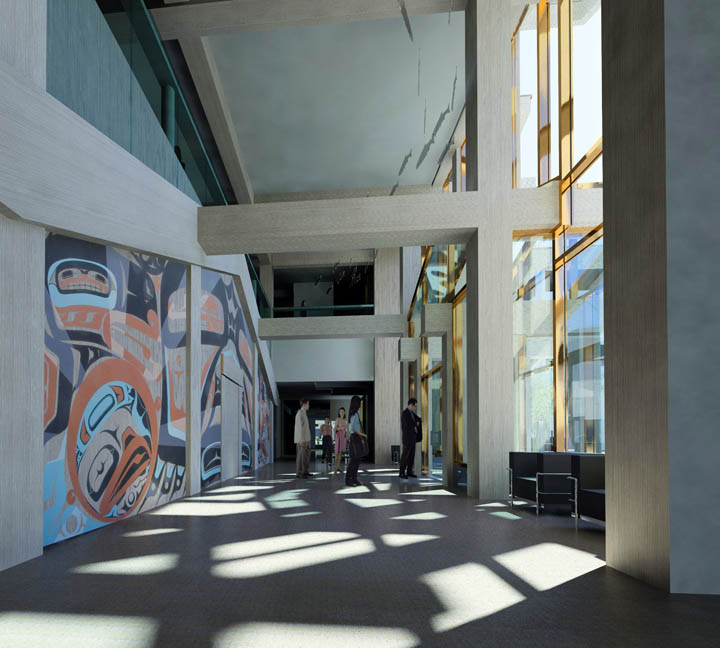
The Soboleff Center will also present a historic look. After all, the history of Southeast Alaska Native architecture goes back over 10,000 years.

Sealaska Heritage Institute Chief Operating Officer Lee Kadinger says the facility at the corner of Front and Seward streets downtown will pay tribute to that history, incorporating elements of traditional Tlingit, Haida and Tsimshian design. It also will take advantage of modern advances in building materials to meet LEED Gold standards.

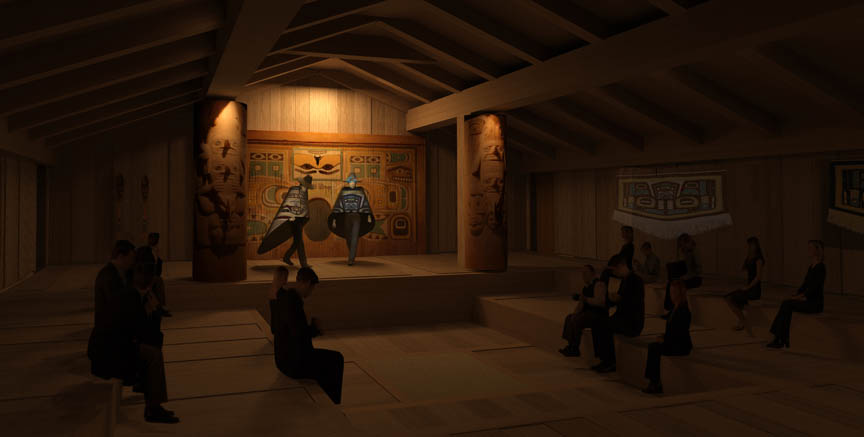
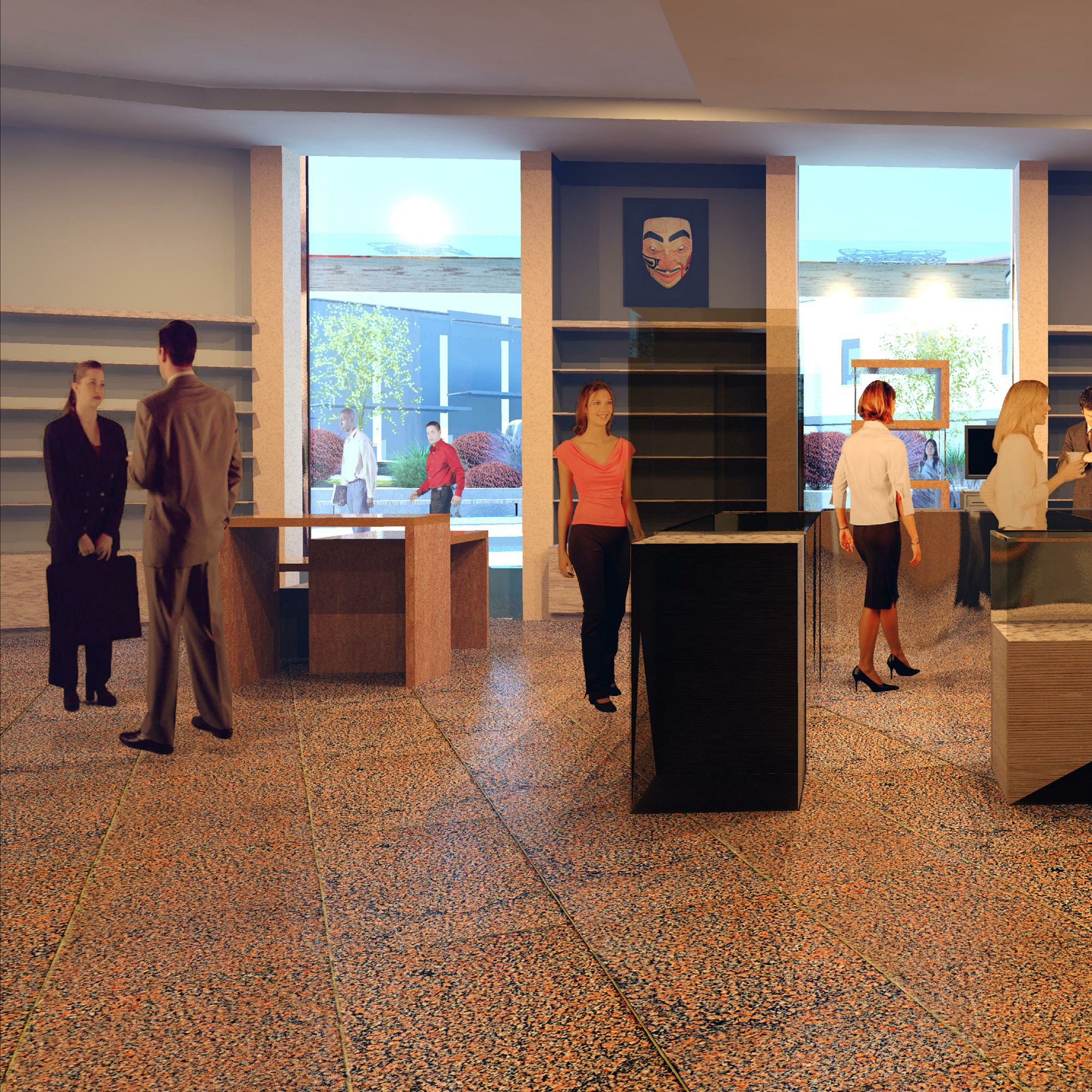
A glass and cedar façade will give way to an interior that will include exhibits, work and performance space for artists, as well as offices for SHI’s staff, and climate controlled storage for the institute’s collections.

“We just feel that it celebrates the rich cultural diversity of Southeast Alaska,” Kadinger says. “And we feel that it really represents Juneau’s original habitants in a wonderful light.”

Kadinger says SHI is not looking to re-write the city’s historic district code. Rather, the institute would prefer the Juneau Assembly pass an ordinance providing an exception to the property where the center will be built.

“Native culture is part of the history of Alaska, and a non-code exemption would not change the historic district standards in the rest of the district,” he says. “But it would provide for an inclusion of what may have been an oversight.”

The Juneau Assembly this week directed the city law department to draft an ordinance fulfilling SHI’s request.

Mayor Merrill Sanford said the city could put conditions on its exemption. The only suggestion he made would be maintaining the same parking standard.

“The parking standard has been made more flexible in the past five to 10 years,” Sanford said. “And I think we’ve held everybody accountable to that standard within the downtown district that I don’t think that we should step out away from those rules.”

Design drawings for the Soboleff Center show no additional off-street parking. Surface parking would be available at the Sealaska Plaza lot directly across the street.

Other than that, Sanford said he was comfortable changing requirements for building materials, color schemes, architectural style and the like.

“Here we have our Native heritage that has a bright, diversified color scheme to what they do and all their arts and culture,” Sanford said. “They want to build that into this building, and right now that can’t be done.”

SHI’s Kadinger would like to hammer out details of the exemption in the next two months.

Juneau voters in October approved an extension of the city’s temporary one-percent sales tax, which included $3 million for the Soboleff Center. Kadinger says construction is estimated at $20 million, and that SHI has raised about 75 percent.

The facility will be named after the Reverend Doctor Walter Soboleff, a renowned Tlingit elder who passed away in 2011 at the age of 102.

Pet rat aboard Deadliest Catch boat draws state scrutiny

A recent episode of the Discovery Channel series Deadliest Catch could be used as evidence in a criminal case. The crew of the F/V Northwestern is under investigation by the state and they may have unintentionally ratted themselves out on camera.

Burdell makes his first appearance during the fifth episode of season eight. It’s a slow stretch of fishing for the Northwestern, and there’s not much human drama for the cameras to film. Until:

Deckhands: “It’s a [expletive] rat. Rat is in the box.”

As the deckhands corral the terrified rodent into a bucket, Captain Sig Hansen imparts some folk wisdom.

“The Norway rats are good luck on boats.”

The crew decides to hang on to Burdell, whose name is never explained, and then the pots start rolling in full.

Narrator: Captain Sig honed in on the crab once again.

Sig: Hey! Rats are good luck!

Narrator: And his good luck charm gets a stay of execution.

Sig: We’re not going to toss him over the side. I say we release him in Akutan.”

If that segment of reality TV actually does reflect reality, Hansen’s decision to keep the rat could end up costing the Northwestern up to $200,000. Regulations passed in 2007 make harboring rats a class A misdemeanor in Alaska. Releasing them into the wild is definitely illegal. State Troopers are investigating the incident and wouldn’t comment for this story, but if they do prosecute, it would be the first time the rat laws have been applied.

Joe Meehan is a biologist with the Alaska Department of Fish and Game and something of a rat expert. His reaction to the video:

“Yeah, I thought it was odd. I had never heard that rats could be considered good luck.”

In fact, Meehan says, they’re often distinctively unlucky.

“Rats can chew on wires and communications equipment, they contaminate foods through their feces and urine. There’s just a whole host of problems that rats can cause for humans.”

That’s leaving aside their considerable environmental impacts, like destroying seabird colonies. Many of the Aleutian Islands – including Akutan – already have resident rat populations, but Meehan says new rats could strengthen their genetic pool or introduce new diseases.

“And of course, not all of the islands in the Aleutians already have rats, and so we certainly don’t want to get rats on any new islands.”

People in the rat field also don’t want celebrities giving other fishermen ideas. Rodent eradication is expensive. Getting rid of the vermin on Hawadax — formerly known as Rat Island — cost $2.5 million.

In the end, Burdell never had the opportunity to colonize any islands. A Deadliest Catch web extra suggests he was accidentally tossed off the boat.

Crew: Rat overboard!!
Captain: What it looks like to me, is that he abandoned ship. I think our stowaway just went for a swim!”

Fish and Game’s Meehan says while he’s happy Burdell didn’t get released on Akutan, tossing rats overboard isn’t the preferred method of disposal. Rats are strong swimmers, so trapping or poisoning them is the only way to ensure their demise.

Site notifications
Update notification options
Subscribe to notifications