Arts & Culture

NPS, Hoonah Indian Association moving forward with tribal house project

Huna Tribal House
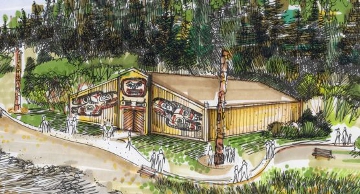
An artist’s rendering of the proposed Huna Tribal House to be built at Bartlett Cove in 2013. The project is a collaboration between the National Park Service and the Hoonah Indian Association. Image courtesy NPS.

The National Park Service and Hoonah Indian Association are inching closer to a new tribal house on federal land in Glacier Bay National Park.

The 3,500 square foot structure will be built on the waterfront at Bartlett Cove.

Park Superintendent Susan Boudreau says it will be the first tribal house in the Huna Tlingit’s ancestral homeland since advancing glaciers forced the people to move more than 200 years ago.

“The Huna people stayed in Hoonah, and there’s people in Sitka, there’s people in Yakutat, there’s people in Juneau,” Boudreau says. “This started about 18 years ago with some elders [wanting] to start linking the Huna people back to Glacier Bay National Park.”

Boudreau says the tribal house will serve as a meeting place and visitors center, allowing the Park Service to expand educational programs in Glacier Bay. The agency already partners with Native groups on programs for school kids and some of the more than 500,000 cruise ship passengers that visit the park each year.

In addition, the Hoonah Indian Association will be able to use the tribal house for traditional ceremonies. The design is based on historical accounts and photographs, and will feature a gabled roof and thick plank walls carved with Native imagery.

Master carvers and Hoonah students have already finished the main interior wall, or screen. Boudreau says it depicts the history of the four Glacier Bay clans, and is currently on display at the Hoonah School District’s auto shop.

“It is absolutely beautiful,” she says. “This building has got oil on the ground, it smells like an auto shop, and the screen takes you away from all that, and brings you right into what’s so important about Glacier Bay and the clans. It is pretty incredible.”

Boudreau says the finished building will cost $3.2-million, with funding from the National Park Service already appropriated. Construction is scheduled to begin next summer.

The Environmental Assessment was released Friday. A public meeting on the project will be held in Hoonah on Tuesday and another in Gustavus on November 5th.

Officials from the Hoonah Indian Association could not be reached for comment.

Links:
Huna Tribal House Environmental Assessment Available for Comment
Tribal House Project
U.S.S. Juneau letters may be donated to museum

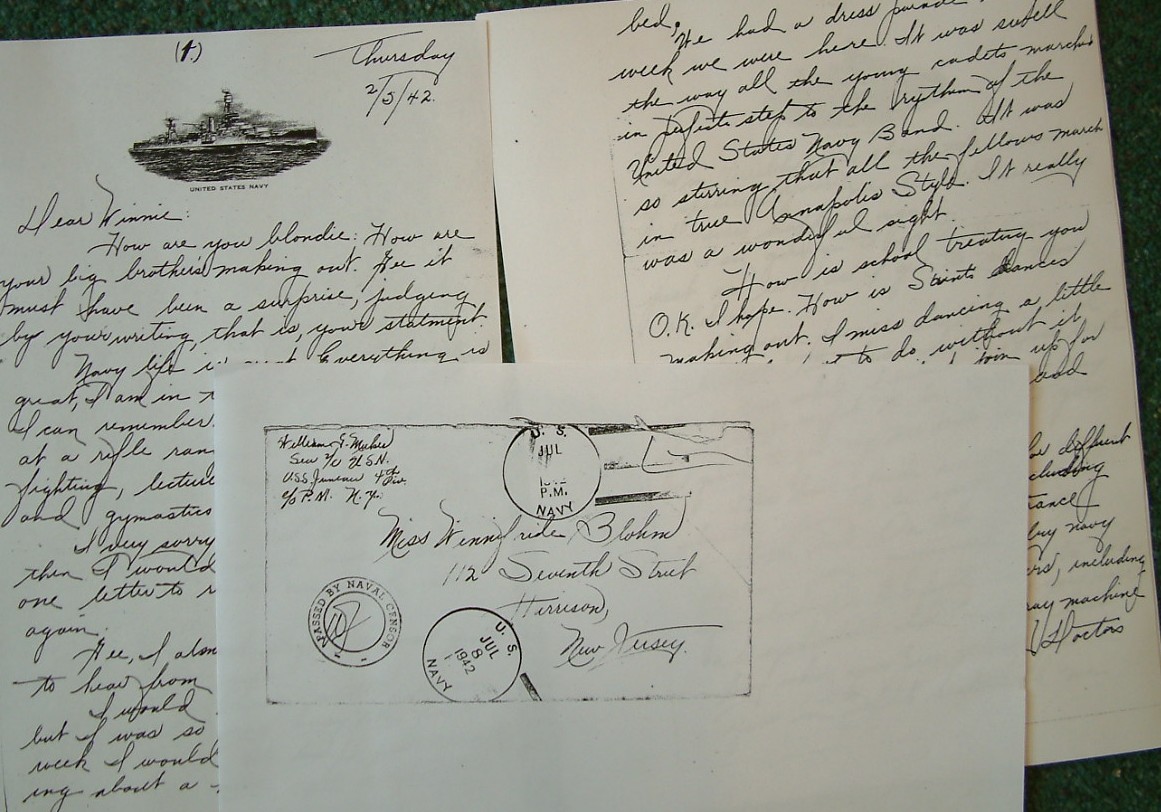
Copy of a letter from William George Meeker, Jr. aboard the U.S.S. Juneau to Winifred Blohm.
Copy of a letter from William George Meeker, Jr. aboard the U.S.S. Juneau to Winifred Blohm back home in New Jersey. Meeker is believed to have perished when the vessel was sunk on Nov. 13, 1942. Photo by Matt Miller/KTOO News
A set of letters written by a sailor aboard the original U.S.S. Juneau may be headed to the Juneau-Douglas City Museum for research and display.

Assemblymember Randy Wanamaker, who’s organizing activities centered around the cruiser’s tragic sinking during World War II, said he was contacted by the daughter of a woman who held on to the letters for nearly seventy years. Winifred Blohm of New Jersey was the next door neighbor and good friend of William George Meeker, Jr. who served as a seaman aboard the Juneau. Wanamaker says Meeker wrote at least sixteen letters to Blohm.

“He became alive to me because I can remember being that person,” said Wanamaker reflecting on his early military training. “A new person, with less than a year, still learning and having a sense of wonderment about it all.”

iFriendly Audio

Wanamaker said the collection also includes postcards and Japanese documents which need translation. Blohm recently passed away and her daughter wanted to pass the documents on to Meeker’s family, but she could not find any surviving relatives. She then turned to Wanamaker to arrange a possible donation to a museum or library.

A representative of the Juneau-Douglas City Museum was not present during an organizational meeting on October 5th. But a representative of the state’s historical collections said the City Museum would be the proper place for such artifacts.

The wife of Juneau Mayor Harry Lucas sponsored the U.S.S. Juneau which was launched in Kearny, New Jersey on Oct. 25, 1941.

U.S.S. Juneau CL-52
U.S.S. Juneau (CL-52) on Feb. 11, 1942 displaying her original camouflage scheme. Photograph 19-N-28143 from the Bureau of Ships Collection in the U.S. National Archives, courtesy of the Naval Historical Center.

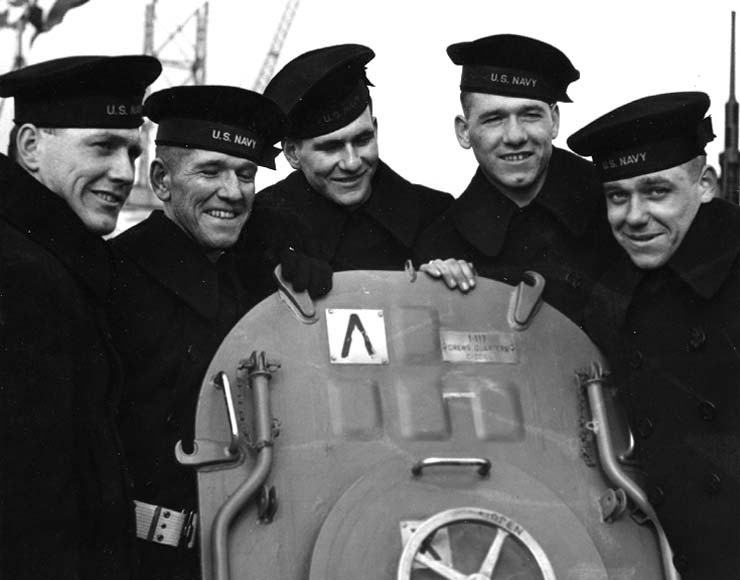
The U.S.S. Juneau was a light cruiser that was eventually sunk following the Naval Battle of Guadalcanal. Among the 687 sailors who perished were the five Sullivan brothers.

The five Sullivan brothers
The five Sullivan brothers on board USS Juneau (CL 52) at the time of her commissioning ceremonies at the New York Navy Yard, Feb. 14, 1942. All were lost with the ship following the Nov. 13, 1942 Naval Battle of Guadalcanal. The brothers are (from left to right): Joseph, Francis, Albert, Madison and George Sullivan. Photograph NH 52362 from the Bureau of Ships Collection in the U.S. National Archives, courtesy of the Naval Historical Center.

Wanamaker is leading a group that’s organizing events to mark the seventieth anniversary of the sinking on Nov. 13, 1942. He said if anyone has any old artifacts or pictures related to the first U.S.S. Juneau, then they should contact him.
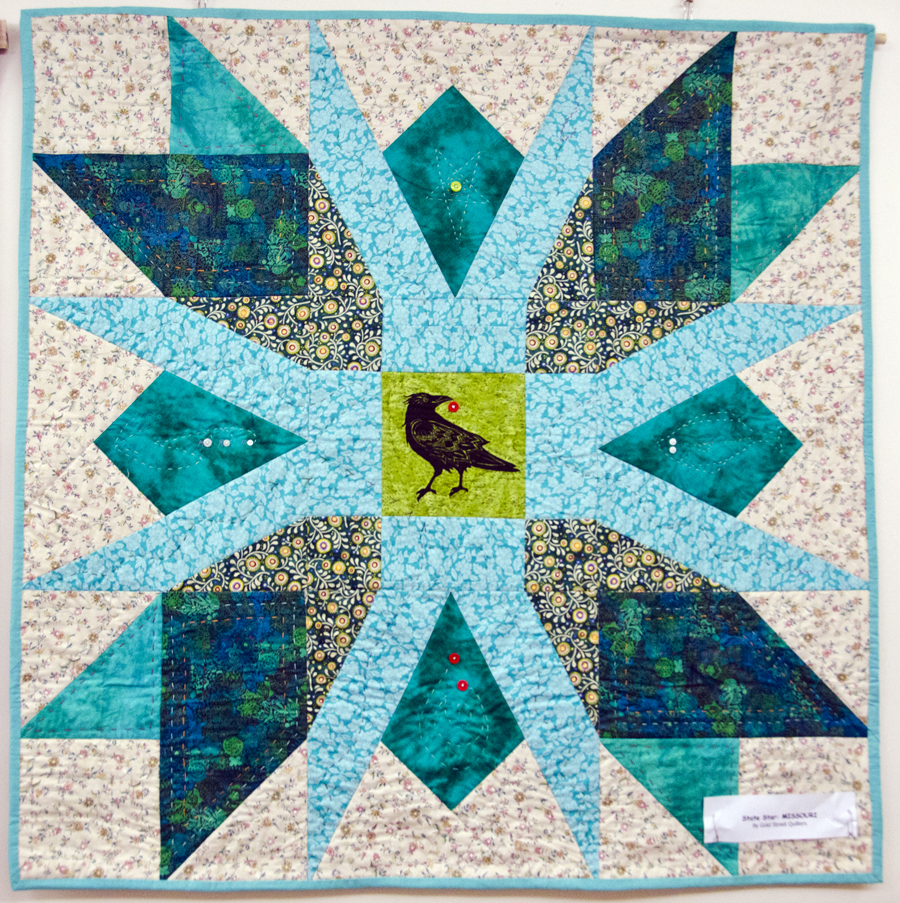
Exhibit features World War II Attu and Kiska artifacts
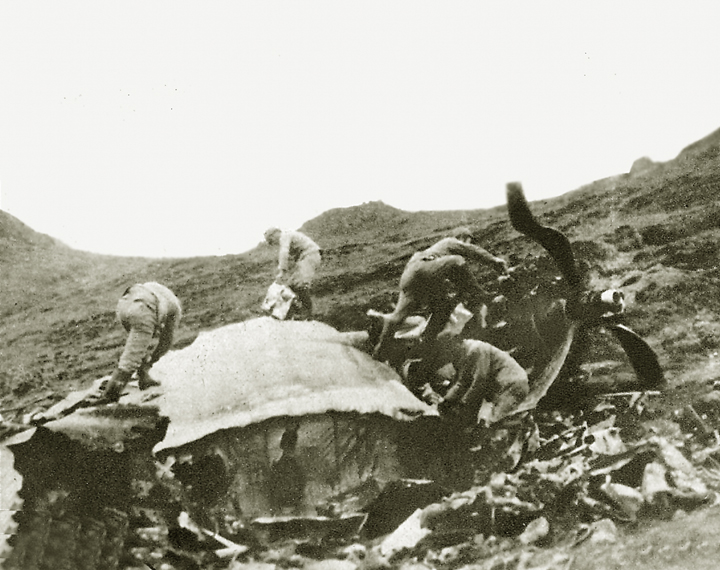
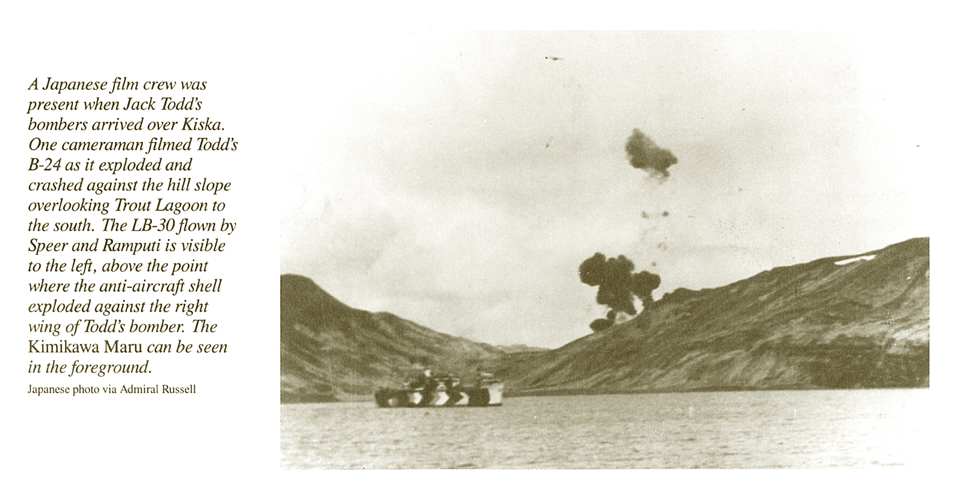
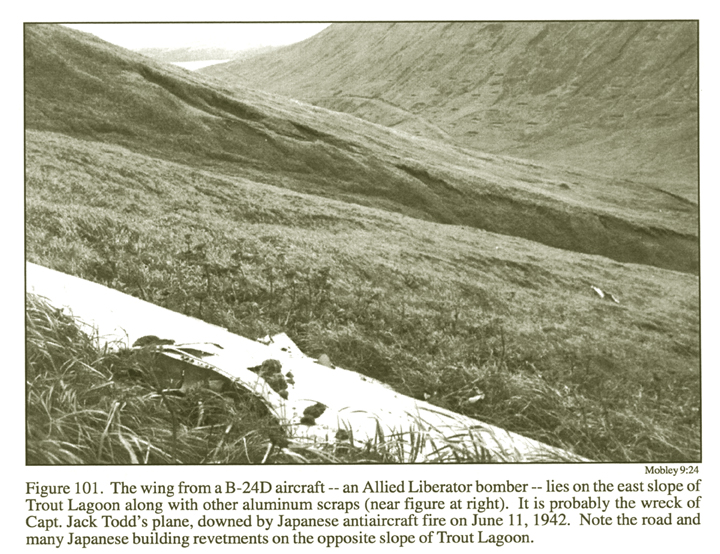
Japanese soldiers at B-24 wreck site.
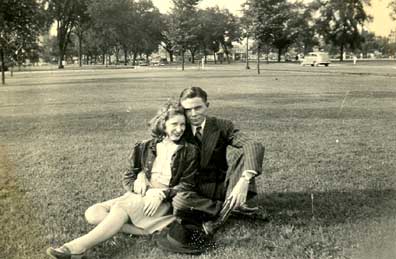
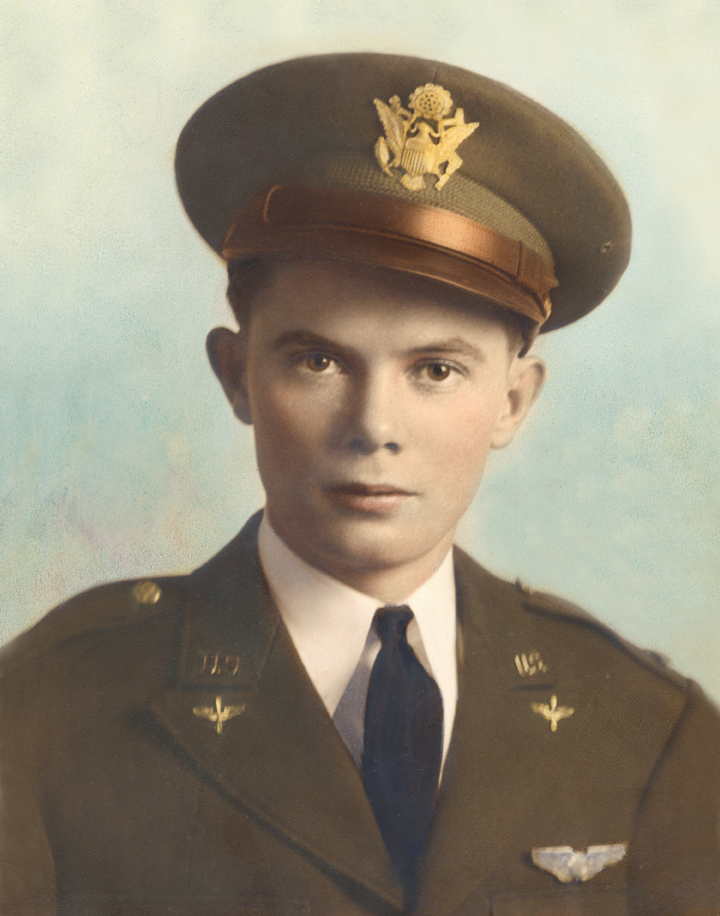
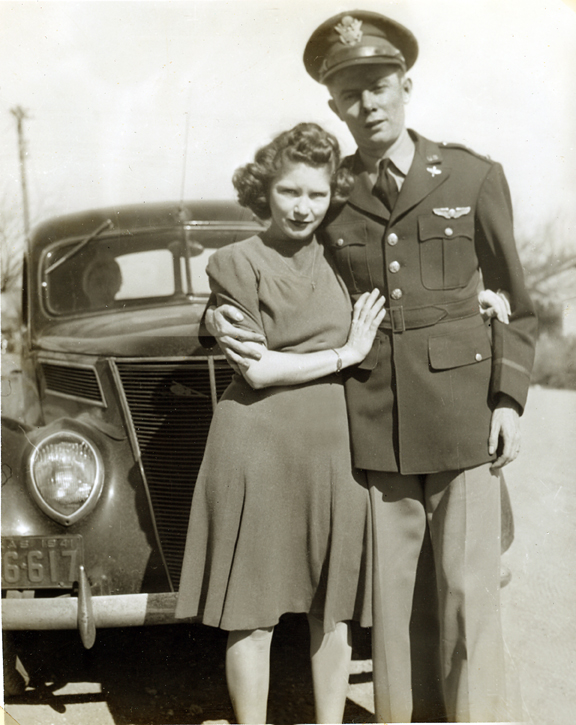
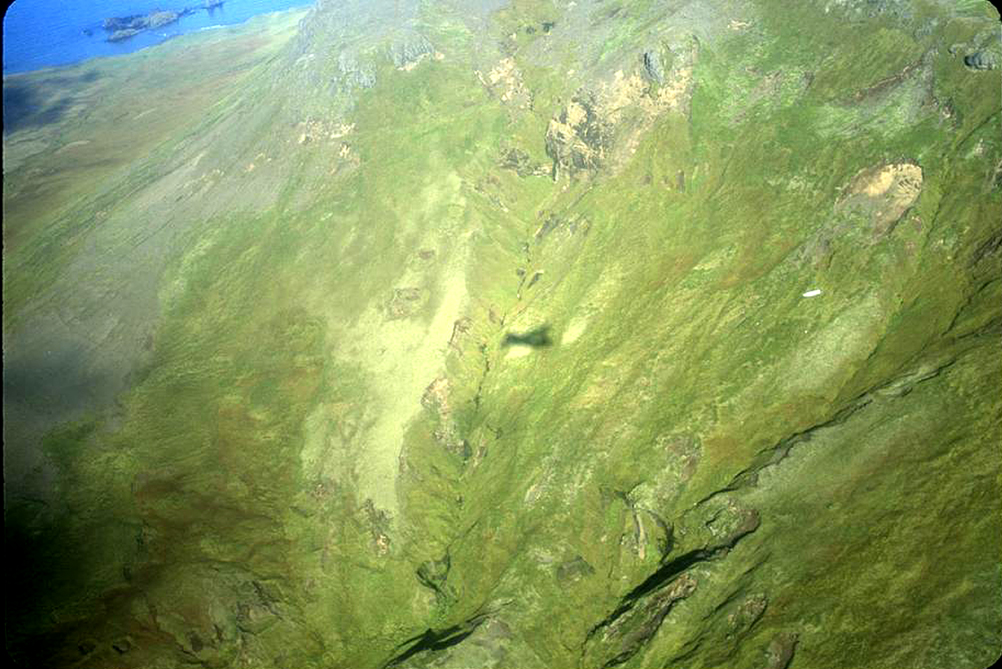
Published photo of Japanese soldiers at wreck site of B-24 that was believed to be Lt. Henry Hubbard’s aircraft after it was hit by anti-aircraft fire. File photo.

The Alaska State Museum’s summer exhibits that highlight World War II in Alaska are closing October 13th. Museum officials say they will be the last major, locally curated exhibits before the current museum is dismantled and rebuilt as the proposed State Library, Archives, and Museum or SLAM project.

“When Over There Was Here” and “Kiska: A World War II Battlefield Landscape” feature artifacts recovered from Attu and Kiska, and Dirk Spennemann’s photographs of the remnants of the Aleutian Campaign.

Curator of Collections Steve Henrikson says it was ‘all hands on deck’ for the planning, item acquisition, preparation, and installation of the exhibit.

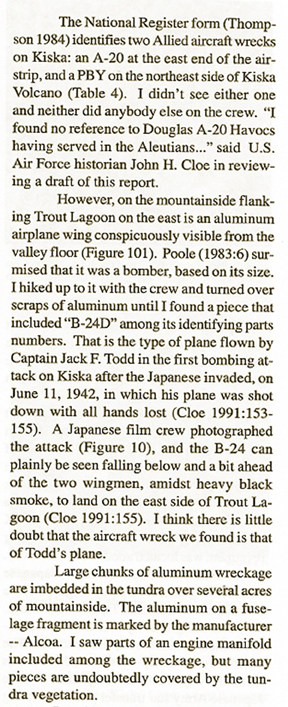
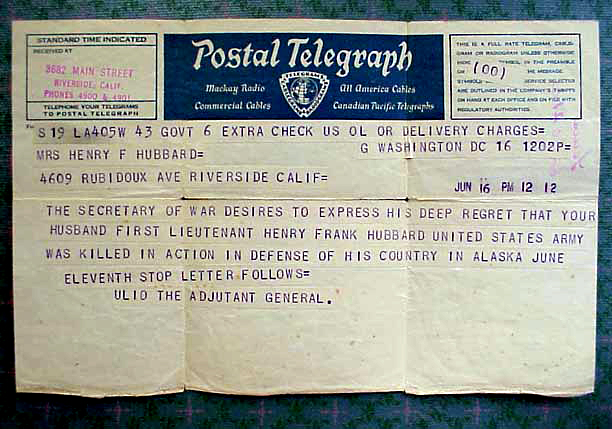
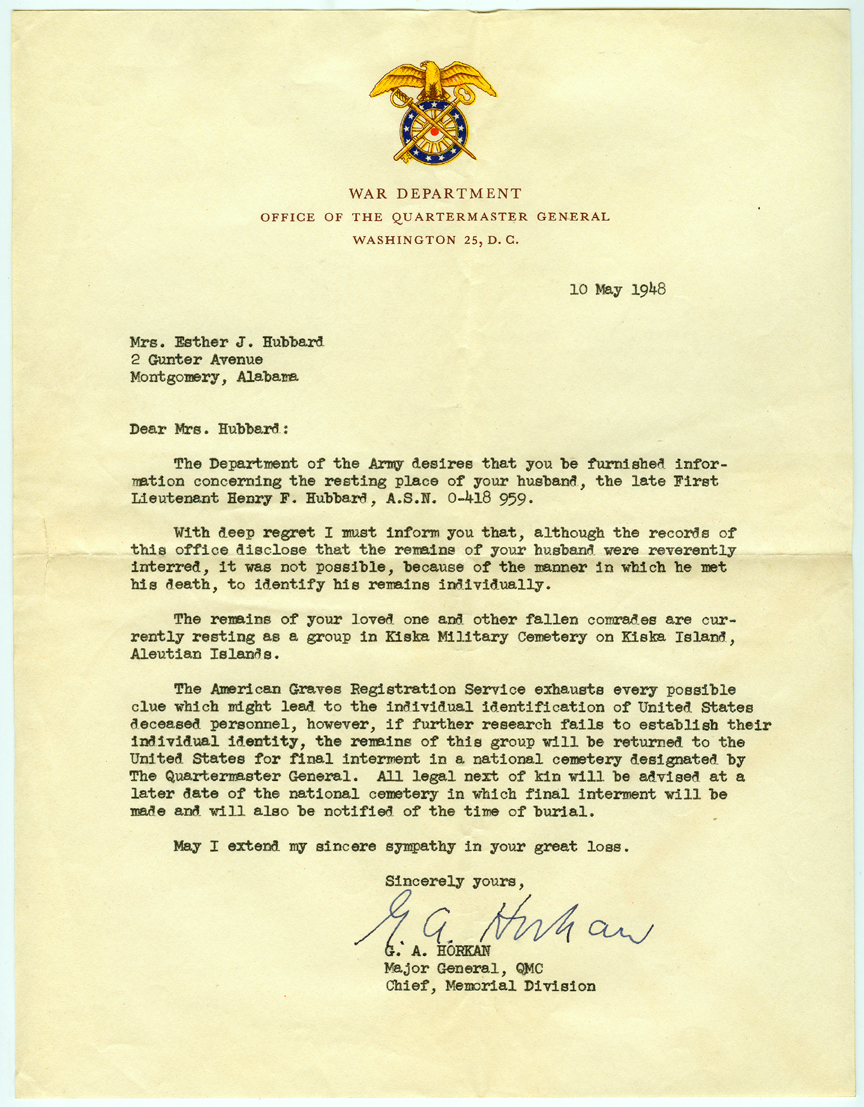
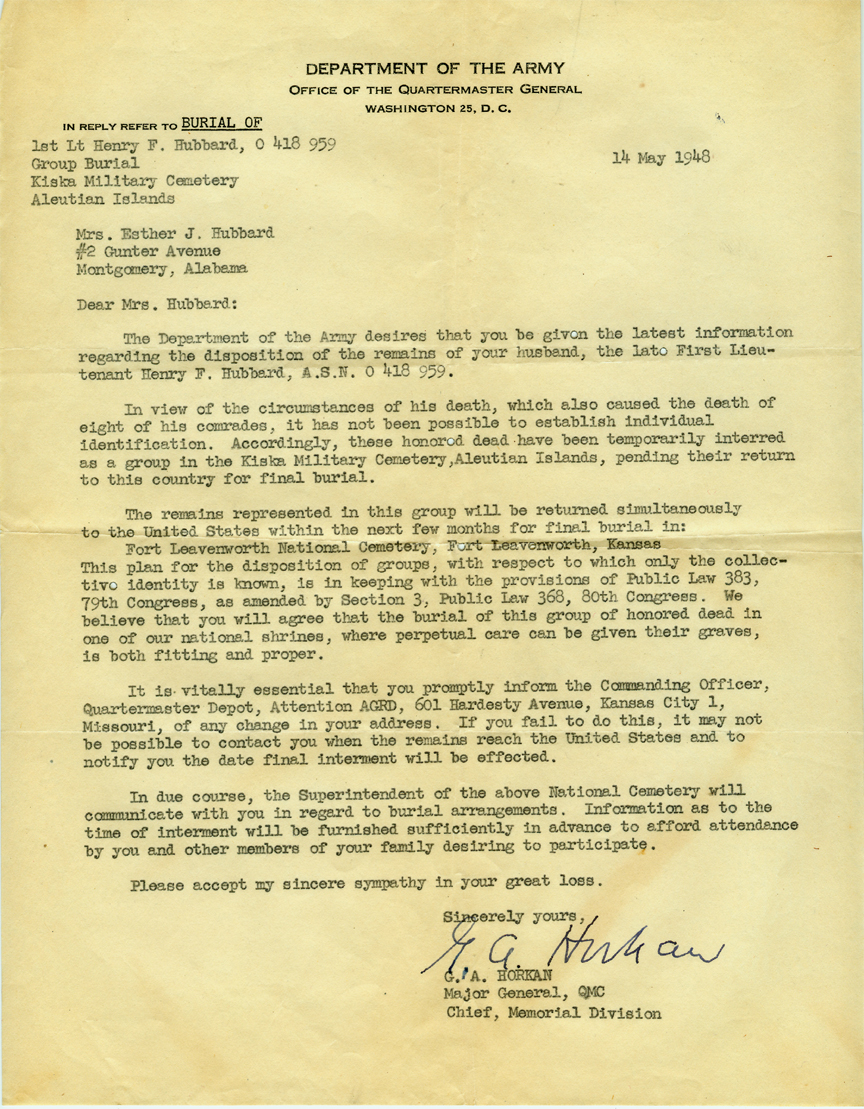
Among some of the featured items include uniforms, service patches, propaganda leaflets, a Japanese 37 mm field gun and an infantry gun, a Japanese flag carried by soldiers during the last charge on American troops on Attu, and artifacts from Lt. Henry Hubbard.

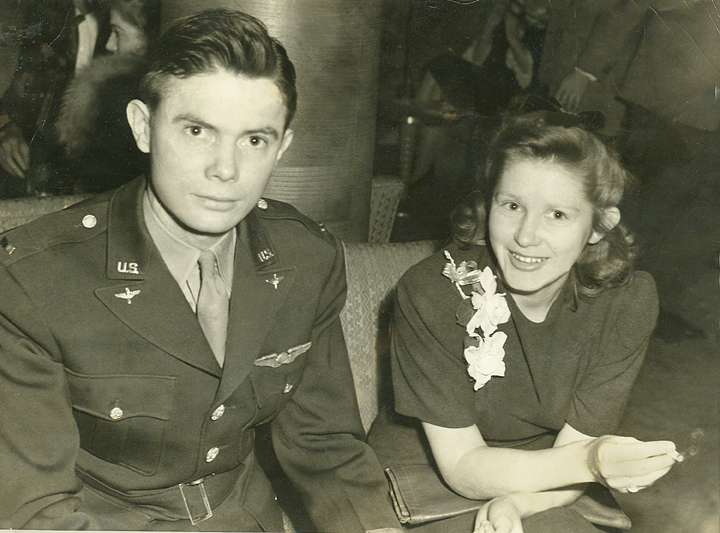
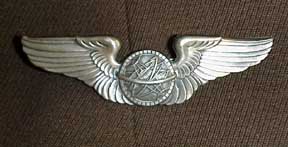
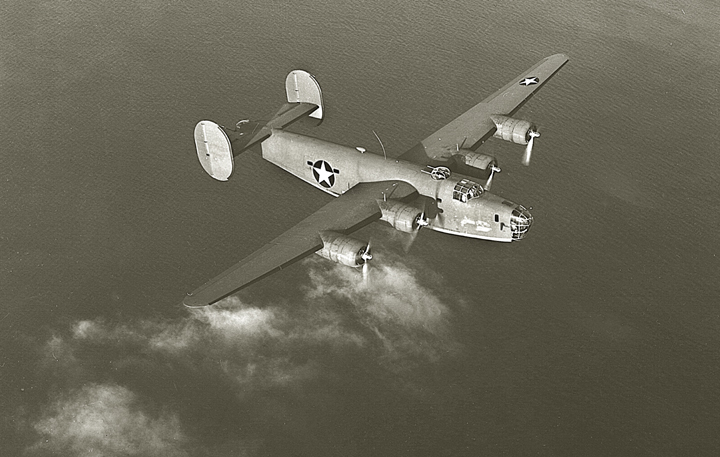
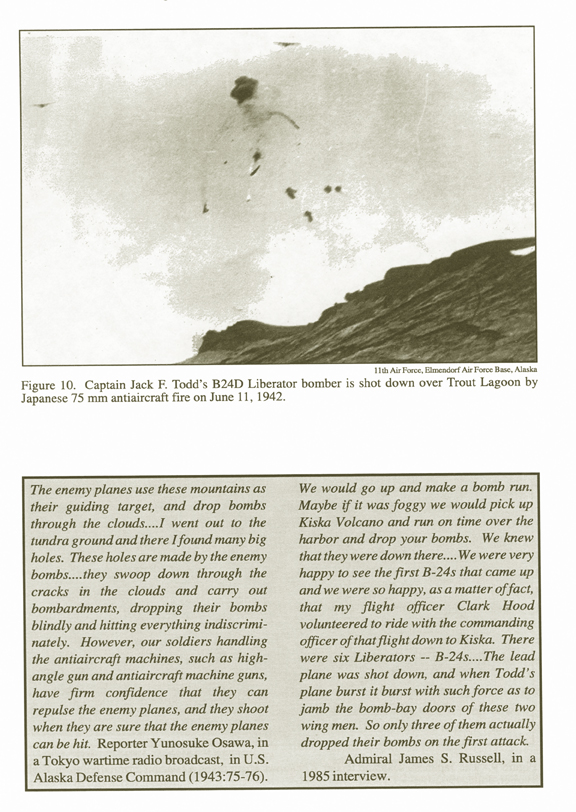
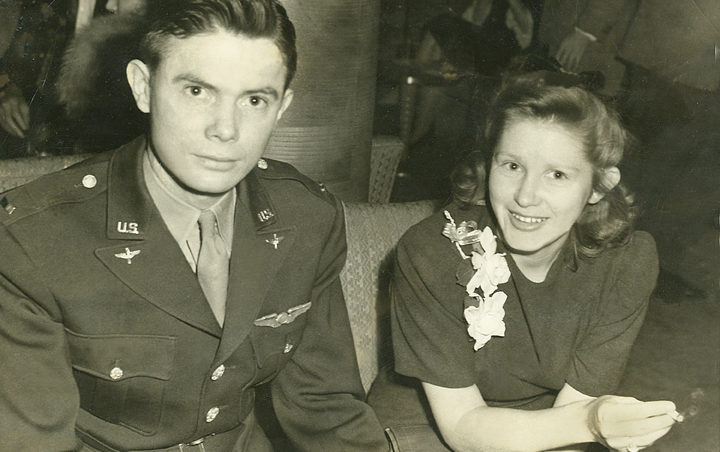
Hubbard was one of the first casualties reported when the U.S Army attempted to push back Japanese forces during the Aleutian Campaign. Hubbard was a navigator aboard a B-24 bomber that was shot down during a mission over Kiska Island in June, 1942. Many of Hubbard’s remaining personal effects likely would’ve disappeared forever if not for Alaska aviation historians who intervened and had the artifacts donated to the Alaska State Museum and Historical Collections. Hubbard’s daughter Gail Reban had put some of the items up on the internet auction site eBay and threw the rest out in the trash. Alaska aviation historian Ted Spencer contacted Reban before the items were lost forever. Some of those artifacts are now featured during the current exhibit at the Alaska State Museum.

You can find out more in this story that originally aired in 2005:

iFriendlyAudio

Juneau accordion master Dale Wygant honored at Assembly meeting

Longtime Juneau musician Dale Wygant was honored with a mayoral proclamation last night (Monday) at the Juneau Assembly’s regular meeting.

With an otherwise light agenda, the proclamation for Wygant was notable for likely being the last one delivered by outgoing Mayor Bruce Botelho, and for a rousing kazoo rendition of “Beer Barrel Polka” delivered by Wygant’s friends and supporters.

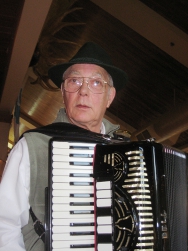
Dale Wygant
Dale Wygant plays a 2010 Octoberfest concert at the Mt. Roberts Tram. (Photo courtesy Steve Tada)

The proclamation names this week “Dale Wygant Week” in the Capital City.

Mayor Botelho noted that Wygant and his accordion appear several times a month at the Juneau Pioneer Home, Wildflower Court, and Mt. View Senior Center, in addition to regular concerts at charity and community events.

Wygant called the honor a “real surprise.” He said he enjoys playing for the older audiences, who can remember some of the thousands of tunes he knows by heart.

“They enjoy the kind of music that I play primarily,” Wygant said. “The old time things, and the polkas and the schottisches and things like that. I’m not much into Led Zeppelin and the more modern people.”

You can catch the Wygant-led Oompah Band this Friday at Southeast Alaska Independent Living’s 20th anniversary dinner and auction at Centennial Hall.

September Quilt Show

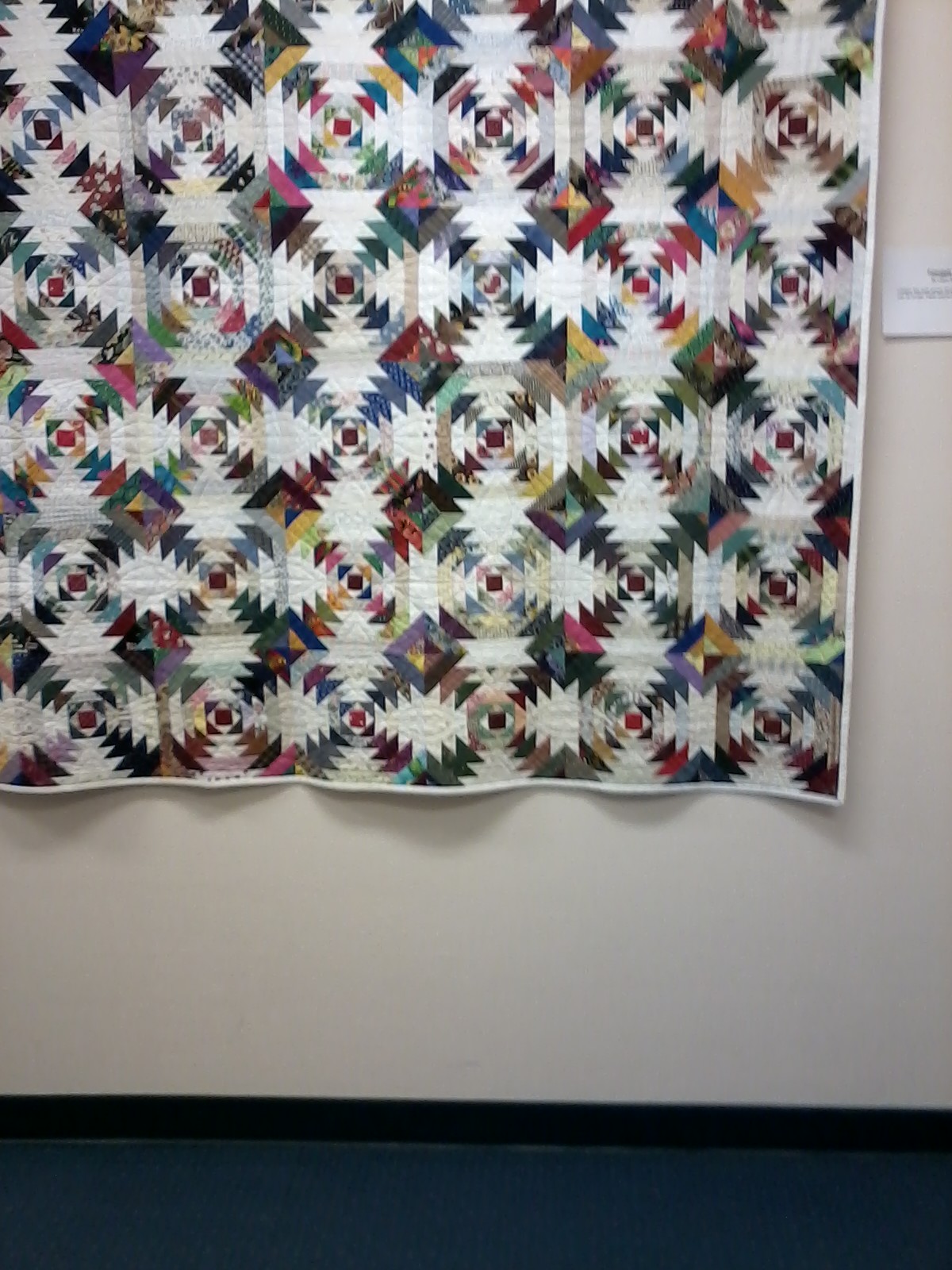
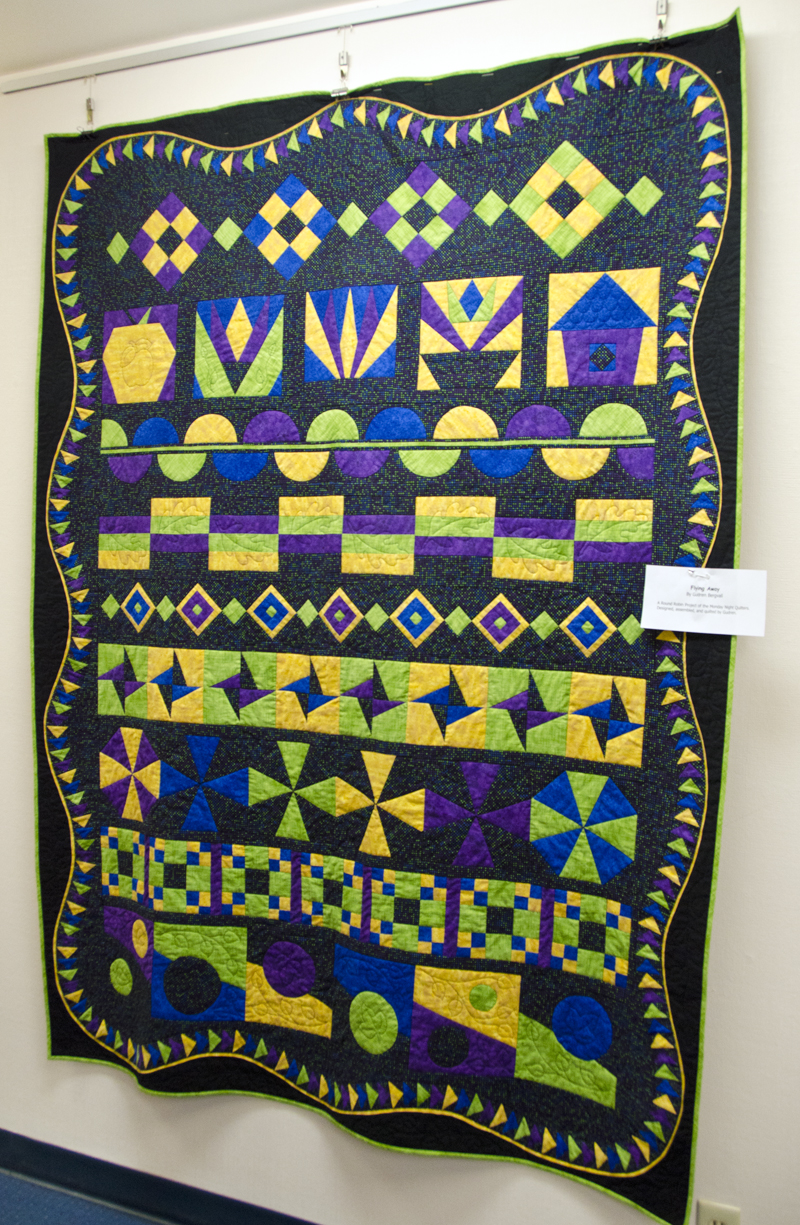
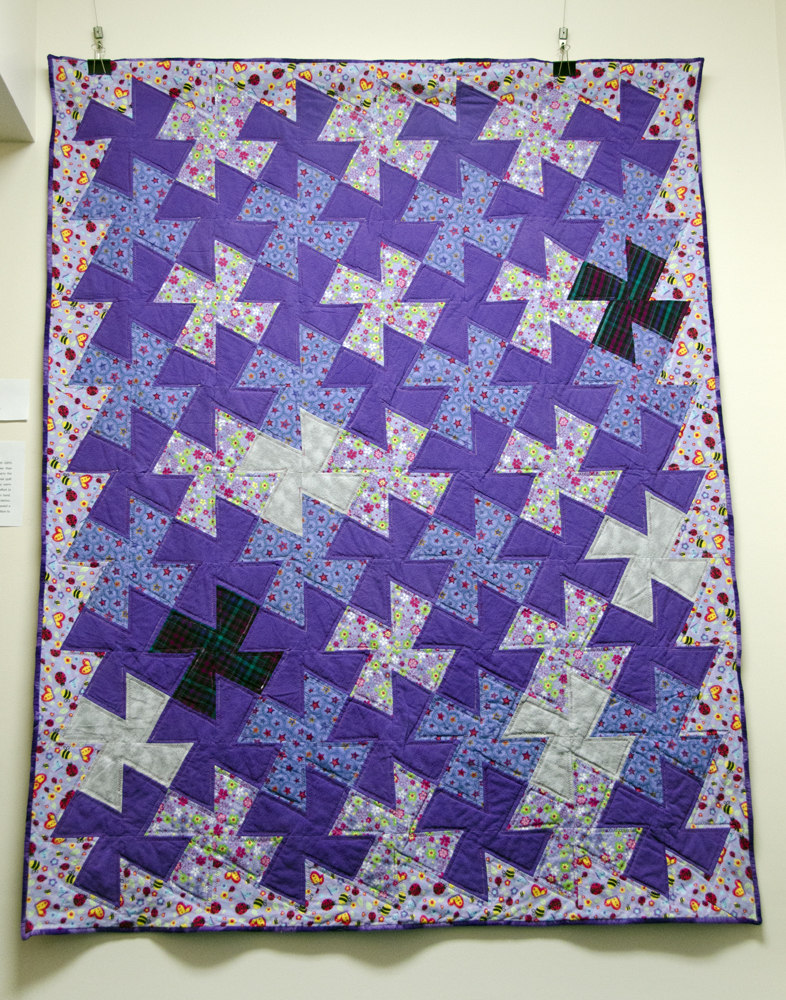
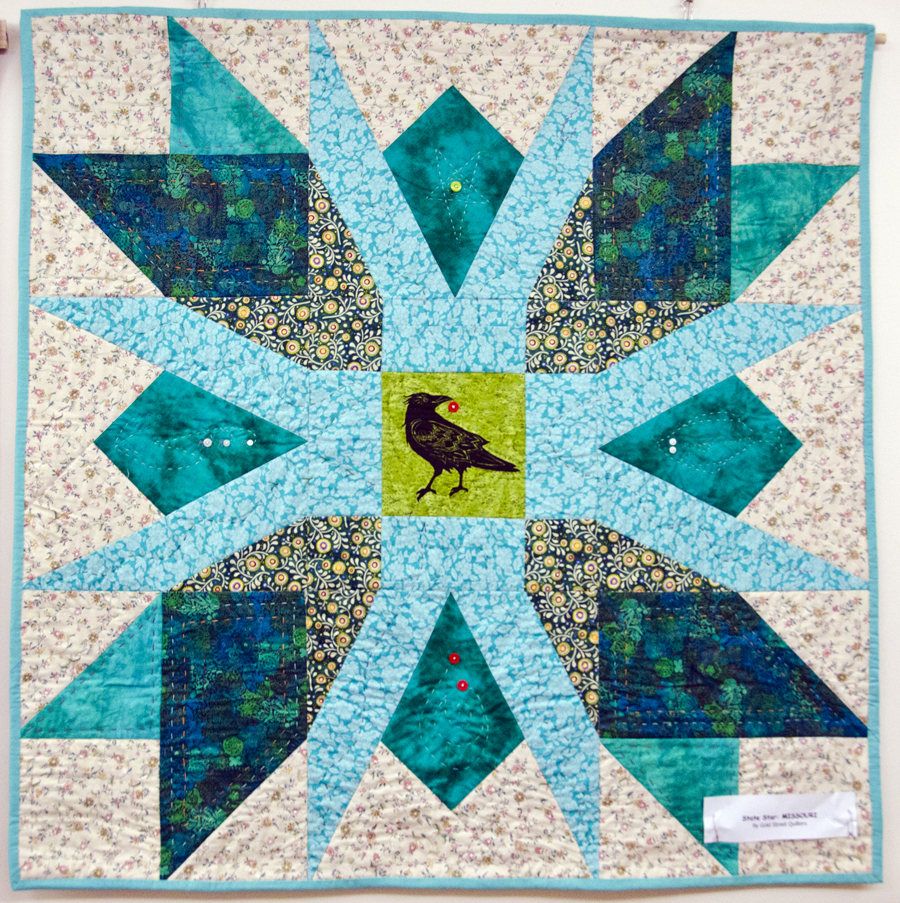
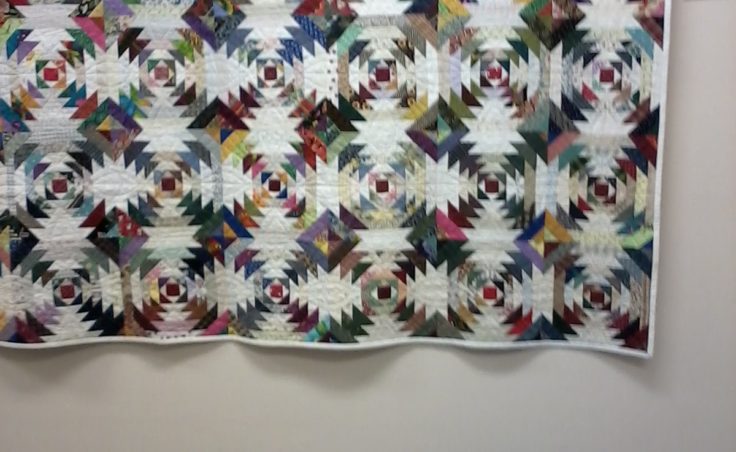
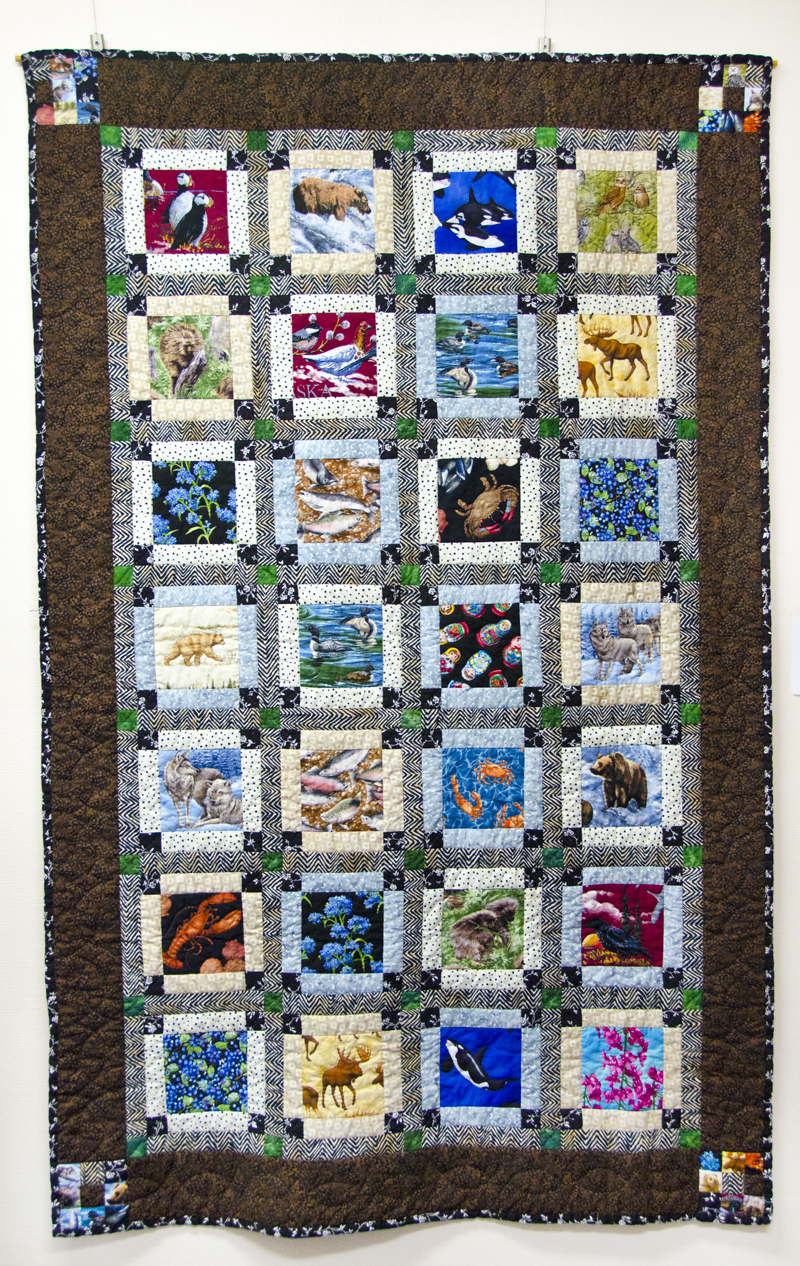
Ten quilts decorate the upstairs hallways of KTOO during September. Members of the Monday Night Sewing Circle and the Gold Street Quilters are displaying a variety of personal quilts. Several quilts, like the Eyes Have It and French Braid, were inspired by workshops led by guest artists. Two are birthday gifts for friends, and another, Pineapple, was 20 years in the making. View these quilts at the KTOO building during business hours, Monday through Friday, 8 to 5 pm. through Oct. 1.

Sealaska Heritage gets education & Soboleff Center grants

Image courtesy the Sealaska Heritage Institute.

Sealaska Heritage Institute has received a total of $4.5 million for educational programs and the Walter Soboleff Center to be built in downtown Juneau.

The federally funded Alaska Native Education Program has awarded three grants; the first for about $2 million over two years, dedicated to construction of the Soboleff facility.

The second grant is $1.2 million over three years for cultural orientation programs for teachers in the Juneau School District and University of Alaska Southeast.

The heritage institute has already signed an agreement with the school district and UAS for educational programs. SHI president Rosita Worl says the program for teachers’ began informally this fall.

“It (the grant) will also allow us to develop culturally relevant resources,” Worl says. “We know that teachers are extraordinarily busy and we know they have definite requirements they have to teach to, so providing supplemental materials that speak to our culture, I think, will also help them.”

A third grant over three years is for $1.37 million for math summer camps for Southeast Alaska middle school students. Worl calls the proposed classes math “boot camp.”

“We have partnered with the University of Alaska in the teacher-training program and we see where our students are coming into the university not prepared in math — in general. I mean we do have students who are doing well in math, but in general,” she says. “So we decided that we were going to go after programs where we could help our students in math.”

Such programs will be part of the Walter Soboleff Center when it is completed. It will have classrooms and event spaces as well as ethnographic collections and a research facility. Worl says about half the funds have been raised for the center, estimated at $20 million.

Alaska Native organizations, school districts and universities are eligible to compete for funds from the Alaska Native Education Program. It was created by the late U.S. Senator Ted Stevens for Alaska Native education programs, because Alaska does not have benefit of educational funding through Bureau of Indian Affairs schools, unlike other states.

Site notifications
Update notification options
Subscribe to notifications