Community

Alaska Mental Health Trust funds city homeless coordinator for Juneau

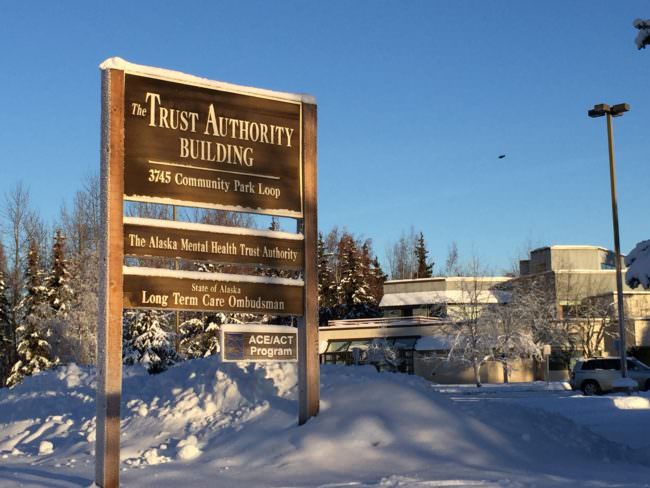
The Trust Authority Building in Anchorage houses their main offices. (File photo by Anne Hillman/Alaska Public Media)

Thanks to a $100,000 grant from the Alaska Mental Health Trust Authority, the City and Borough of Juneau will hire a coordinator for housing and homeless services.

Earlier this month, the Trust Land Office cleared a downtown waterfront lot that homeless campers had occupied. Most campers had left the property by the time police arrived to enforce a trespassing order.

The trust authority’s acting CEO Steve Williams said the trust’s board recognizes that many homeless people are also its beneficiaries with mental illness. The trust funds a similar position in Anchorage and Fairbanks.

“The trustees and the trust felt this was an important project given the homelessness issues that are happening not only down in Juneau but in other areas of the state,” Williams said. “And really trying to provide a resource to the city and borough to have a person on-point to help coordinate the local services so that we can get some better outcomes for the homeless population there in Juneau.”

Juneau’s housing officer requested the grant. The trust authority’s board approved it earlier this month. Williams said it envisions funding the position for three years.

“The second and third year the city will have to come back to the trust for the request, at which point they will review the request again,” he said. “It’s expected that the trustees would continue the funding for the second year and then the third.”

The Juneau Assembly is expected to formally accept the funds next month. The Assembly also is working towards establishing a warming center for mid-November when the seasonal city-run Thane Campground closes.

At this week’s meeting, city staff said $75,000, the bulk of which is drawn from the city’s tobacco tax, could be made available for a warming center to operate for about 100 days this winter.

City staff said time is short and that funding is scheduled to go to public hearing in the first week of November.

The city’s homelessness task force chaired by Assembly member Debbie White is still reviewing potential locations for a warming center. Its recommendations will be brought before the full Assembly.

Editor’s note: KTOO’s building sits on land leased from the Alaska Mental Health Trust Authority. KTOO has also applied for and received occasional grants for special reporting projects from the authority.

Juneau fashion designer channels advocacy into bad boy persona

Tahir McInnis performs as Tyquan to Bobby Brown's "Every Little Step" at the drag show Glitz at Centennial Hall on Jun. 17, 2017. (Photo by Miranda McHenry/Courtesy of the artist)
Tahir McInnis performs as Tyquan to Bobby Brown’s “Every Little Step” at the drag show Glitz at Centennial Hall on Jun. 17, 2017. (Photo by Miranda McHenry/Courtesy of the artist)

In front of a red velvet curtain on the Rendezvous stage, Juneau drag king Tyquan lays down some fancy footwork to Bobby Brown’s “Every Little Step.”

With a fake wireless mic, Tyquan lip syncs as the R&B singer, flanked by backup dancers in gold parachute pants.

Juneau artist and rising drag king Tahir McInnis addresses themes of gender and race through performance, art and fashion.

McInnis said her drag persona was inspired by Bobby Brown’s portrayal in BET’s biopic miniseries “The New Edition Story.”

“He was awful. He was the worst,” Mcinnis said. “That’s kind of what I based my character of off: this bad boy, womanizing, out all night partying, like that type of persona.” 

Tyquan nails the look with a high-top fade and suit jacket buttoned low with extra-square shoulder padding.

The suit jacket exposes the illusion of pecs and a six pack. It’s a foam costume piece McInnis customized by painting it to match her skin.

I was kind of shocked that it turned out, like, spot on for a little Halloween costume chest plate because I know people spend thousands on materials for drag, padding, chestplates, stuff like that.”

Tahir McInnis dressed as Coolio backstage at the Rendezvous for FAME : Drag Show from Stage to Screen on Saturday, Aug. 12, 2017. (Photo courtesy of the artist)

Since Tyquan’s debut in April, McInnis has appeared as the rapper Coolio and the Disney character Powerline from the “Goofy Movie,” crafting head to toe looks for each routine.

McInnis started sewing when she was just 8.

It’s a trade that runs in her family. She’s been making clothes as long as she can remember, and now creates her own patterns.

After starting at such a young age, she says whipping up a costume like a jumpsuit is no big deal.

I just roll up to Joann’s and say give me a couple yards of this, give me some yards of that.”

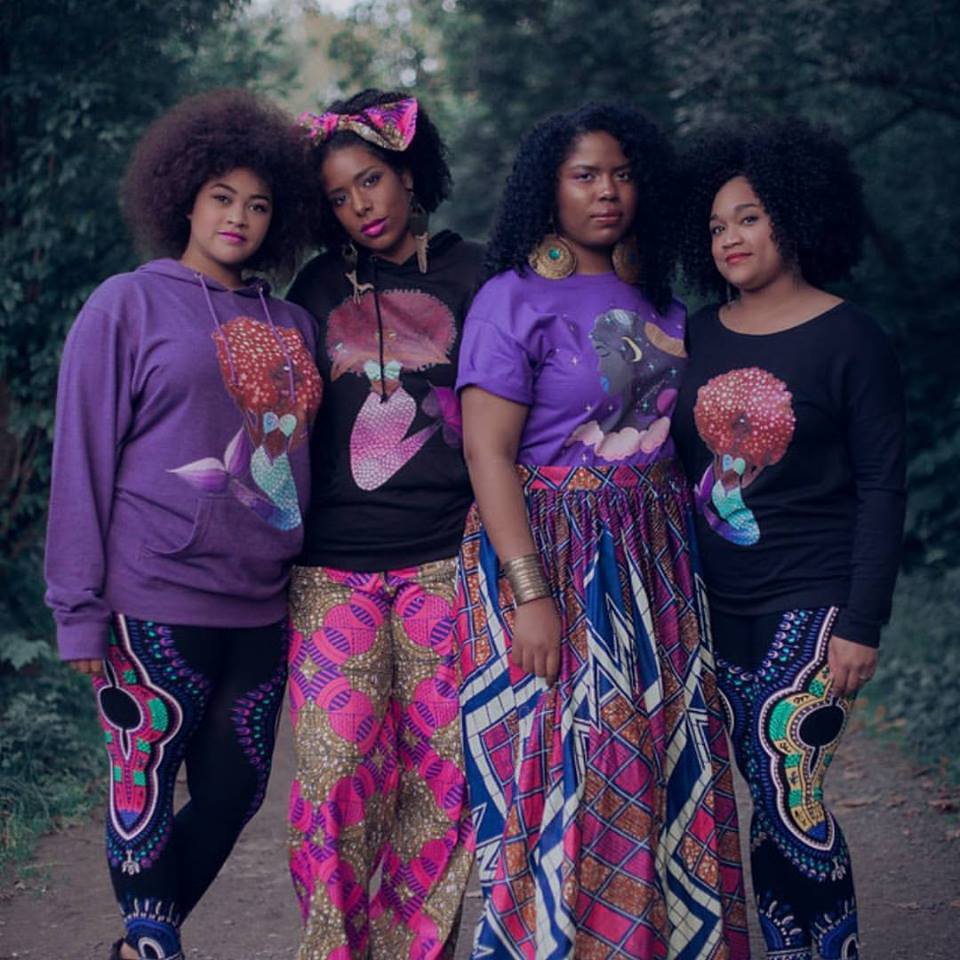
Tahir McInnis (second from left) models designs from her fashion line Melanin Auntie which appeared as a pop-up shop at Downtown Dames First Friday during September. (Photo courtesy of the artist)

She’s started a line of clothing and home goods called Melanin Auntie, which features images from her paintings including fantastical mermaids with afros and orcas in space. This month she was featured artist for First Friday at Downtown Dames.

“I had a young, black girl come in, she was maybe about 9. She bought one of my T-shirts that she saw online because she’s never seen a mermaid that looks like her,” McInnis said. “I just let her know, ‘You’re beautiful, and you don’t have to change anything about you. Your hair, your skin, anything.’”  

“If I can just make one little brown girl in town make her feel like she’s not outta place, like, how I felt  growing up here, then I’ve done what I’ve set out to do,” she said.

She’s lived in Juneau for more than 20 years. Outside of drag, she said she’s repeatedly mistaken for being transgender.

“Growing up here in Juneau, I’ve had people always ask me if I’m trans, if I’m transgender … I’m not, but I support that community,” she said. “All my trans sisters, just be you.”

“After a while I said, there’s no problem with that, I’m going to embrace it, it’s not going to hinder me in any way, it doesn’t hurt my feelings, and I’m proud of what I’m doing. And if you guys want to see the man, I’ll show you the man.”

This weekend, 10 amateur drag performers took the stage at Femme Fatale, Juneau’s biggest drag event and main fundraiser for the Alaska AIDS Assistance Association’s services in Southeast.

Tyquan competed for the first time in the Locals Night show against four other kings.

Wearing a light-up, white fringed jumpsuit and sporting a large white afro, the drag king danced and handed out roses to a medley of Parliament Funkadelic, Marvin Gaye and Rick James.

He took third place.

Juneau’s Housing First prepares to open its doors

Juneau’s Housing First project is opening its doors this week to the first eight residents. The $8.3 million Lemon Creek complex will soon  house 32 of the community’s most vulnerable residents.

The 32 apartments in the Housing First building are basic, almost institutional with low, single beds. But then there are the little touches that show how much community support has gone into the project.

The Gold Street Quilters donated 32 handmade quilts with the names of each resident embroidered inside.

An efficiency apartment with a small bed with a quilt on it, a window,, a full sized refrigerator, and a small kitchenette area
Each apartment in the Juneau Housing First building has its own bathroom and kitchenette. (Photo by David Purdy/KTOO)

“Every unit gets a quilt and every quilt says who it’s for and their name and they’re all pretty awesome,” Mariya Lovishchuk said as she led a tour. She runs the Glory Hole downtown shelter and soup kitchen and has been project’s manager.

Similar facilities already exist in Anchorage and Fairbanks. It starts as no-strings housing for homeless people.

“The idea is just having housing, nice housing, in itself is a stabilizing force in people’s lives,” Lovishchuk said. “And what we know from other projects is that even though people don’t have to participate in services, they participate a lot more than when they have to do it as a condition of something.”

A reception desk with a hallway behind it with doors opening off it
The reception desk of the community clinic (Photo by David Purdy/KTOO)

Essential services from medical care to counseling are available. There’s also a clinic downstairs to be completed. A physician’s assistant will be on site for urgent care. Mental health services will also be offered.

The Juneau Assembly has provided $2.7 million in public money to help finance the project. Other donors followed. Businesses provided in-kind services and materials.

Tenants pay rent on a sliding scale.

“You pay 30 percent of your income to rent and it gets reassessed every month by the landlord,” she explained. “So if your income is zero then your rent is zero. But if your income is $1,100 a month then you pay 30 percent of that.”

And, the thinking goes, as people become settled, productivity increases.

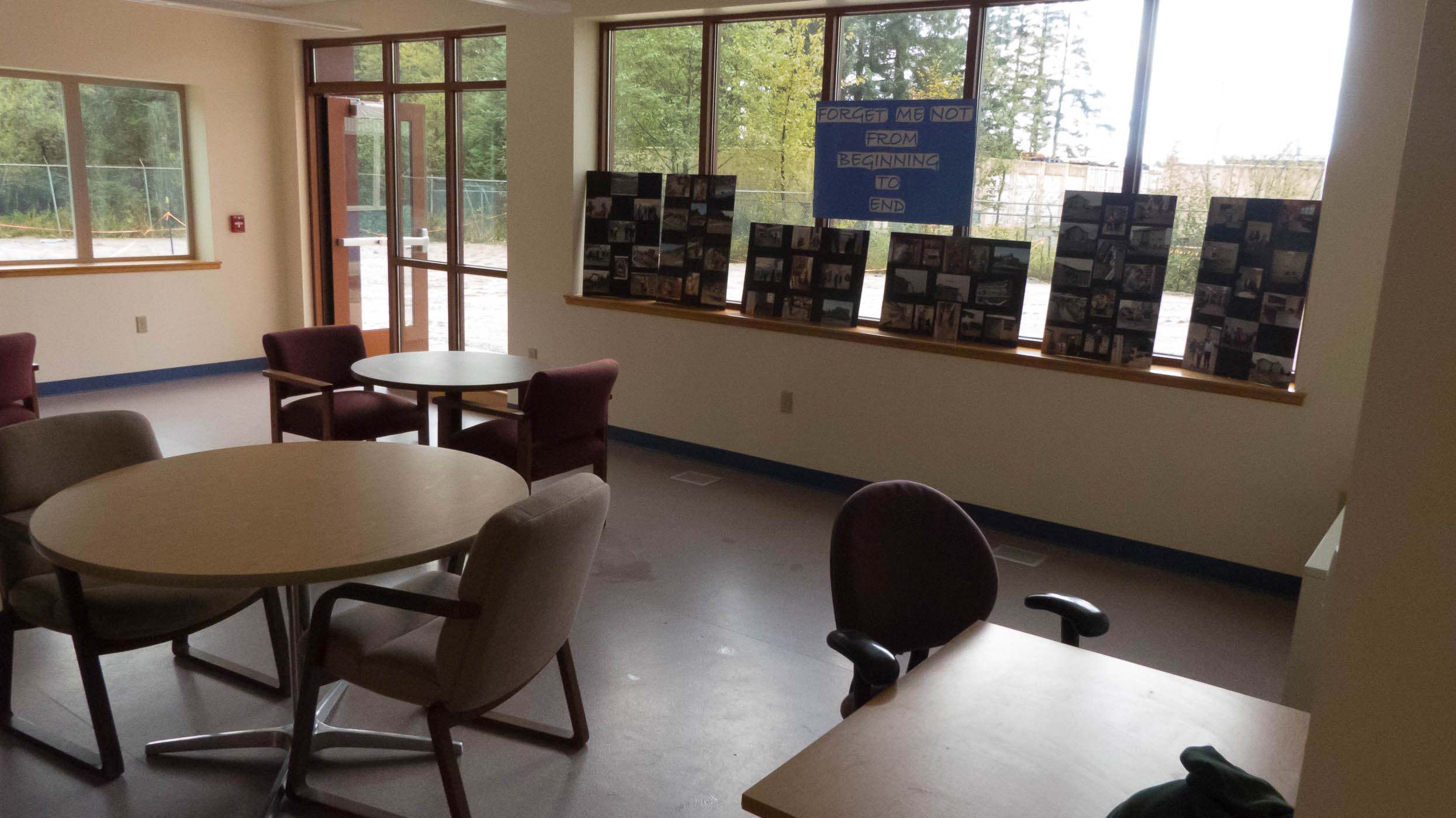
Tables and chairs in the common room with windows looking out into the parking lot
Common area in the Juneau Housing First building (Photo by David Purdy/KTOO)

“And actually in the idea is that in this project is that people come in with very little income initially but once they stabilize they do bring more income in, their income increases,” she said.

So will it work?

“We want to do an evaluation of the program and demonstrate of benefits of Housing First in Juneau,” said Jeanette Lacey, Bartlett Regional Hospital’s lead social worker and a Housing First board member. Lacey will also be working with researchers from University of Alaska Fairbanks which will be using this as a case study.

“The Housing First program in Juneau has obviously learned from the lessons of other programs throughout the nation and so what we’ve tried to do with our program is to take what’s been working and try to redesign some things that maybe didn’t go as well,” Lacey said. “So we want to just evaluate the process that we have here and also have something to give back to the community to demonstrate what we’re seeing as outcomes of the project.”

Dacia Davis is the newly hired program director who will oversee the complex’s eight staffers. She brings with her 14 years of experience in social work.

“I see it as a learning experience and we’re going to grow a lot this year,” Davis said. “And just every day kind of adjust and be flexible and meet the needs of the program and the tenants.”

The first 10 residents are set to move in in the next week. Organizers hope it’ll be quiet affair and under the radar as people settle in. Batches of 10 residents will move in every 10-14 days until all 32 apartments are filled.

Tee Harbor neighbors decry brown bear killing

Neighbors criticized the  recent killing of a brown bear attacking chickens and urged the Juneau Assembly to pen stronger rules requiring secured chicken coops.

An Alaska Wildlife Trooper fatally shot the 420-pound bear a week ago after the unidentified property owner called police to report the bear killing chickens at a home near Tee Harbor.

Neighbors claimed the chicken coop wasn’t an enclosure, but an open pen and the killing could have been prevented.

“I was outside and I heard the shots that went off that shot that grizzly,” Honalee Elkan said.

That bear was doing nothing but trying to be a bear,” Roger Hughes said.

“This woman needs to be cited for her stupidity,” Kristine Trott said. “She was told by her neighbors, warned by her neighbors, many times.”

In a dispatch, the wildlife trooper reported being charged from a distance of 15 feet.

Alaska Fish and Game officials said an open chicken pen had attracted the bear.

Electrified fencing is recommended but not required by law. No citations were issued.

That didn’t sit right with Michelle Warrenchuk, who urged the the Juneau Assembly to take action.

“In the wake of last week’s shooting of a brown bear that had raided a chicken coop out the road and the many other bears and chicken encounters that have happened this summer and over the years resulting in killing of bears,” Warrenchuk said. “I feel it is time for the city to re-look at their chicken ordinance.”

In all, a half-dozen neighbors testified. A question was asked by the Juneau Assembly didn’t indicate whether it’d take action.

The Kodiak Island Borough is toying with strengthening its chicken regulations. That’s attracted healthy debate over striking the balance in raising poultry without baiting predators.

Juneau’s Housing First ribbon cutting postponed

The Housing First Project under construction on November 17, 2016. (Photo by David Purdy/KTOO)

Juneau’s Housing First grand opening – slated for this week – has been delayed again.

The housing complex designed for Juneau’s most vulnerable residents was originally scheduled to open in May.

Project officials didn’t immediately offer an explanation for the delay, though it was confirmed that this week’s ribbon cutting had been pushed back for at least a week.

Building code officials are continuing on-site inspections at the Lemon Creek complex, according to City Housing Officer Scott Ciambor.

“The Housing First collaborative is still working on final details as far as we know which includes applying and getting the certificate-of-occupancy through the Community Development Department,” Ciambor said Monday. “I’m pretty sure they’re working on that as we speak.”

The City and Borough of Juneau has contributed about $2.7 million toward the 32-unit apartment complex. It will also include a community clinic operated by Juneau Alliance for Mental Health Inc. or JAMHI.

It’s at least the third time the opening has been postponed for the $8.2 million project.

Editor’s note: Scott Ciambor’s spouse is a CoastAlaska employee. 

Former Anchor Point resident works to help Texans after Hurricane Harvey

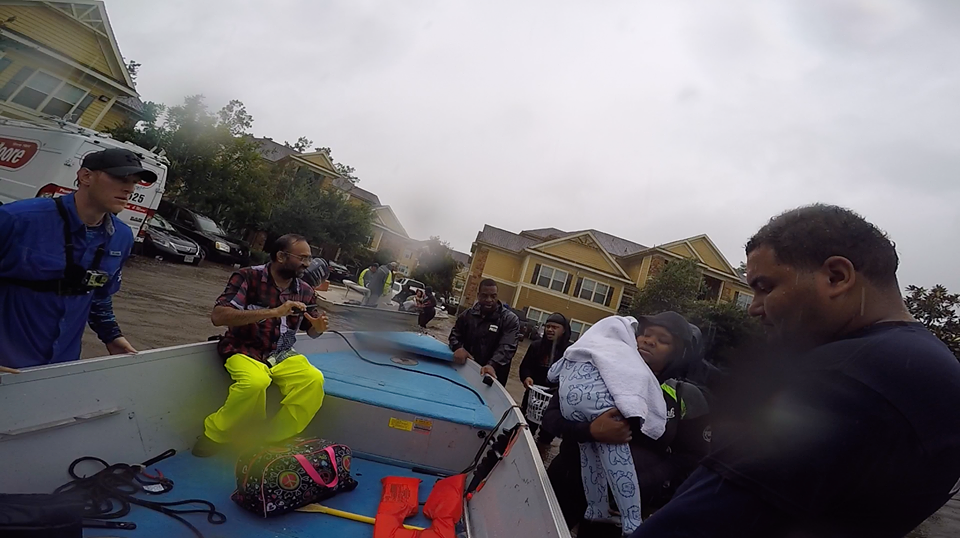
Chase McKinney and Israel Lopez rescue families in Houston after Hurricane Harvey. (Photo courtesy Chase McKinney)

As Hurricane Irma barrels through the Caribbean and onward to the Southeastern U.S., the relief effort still is underway in Texas after hurricane Harvey devastated Houston.

A former Anchor Point resident, who now lives on the southwest corner of the city, spent three days responding to the disaster.

Now that the waters have receded, he doesn’t want Alaskans and the rest of the country to forget about the mountain of work left to do.

Chase McKinney grew up in Anchor Point and graduated from Homer High School.

He left Alaska to go to college and eventually settled in Houston, where he also brought his love for the outdoors.

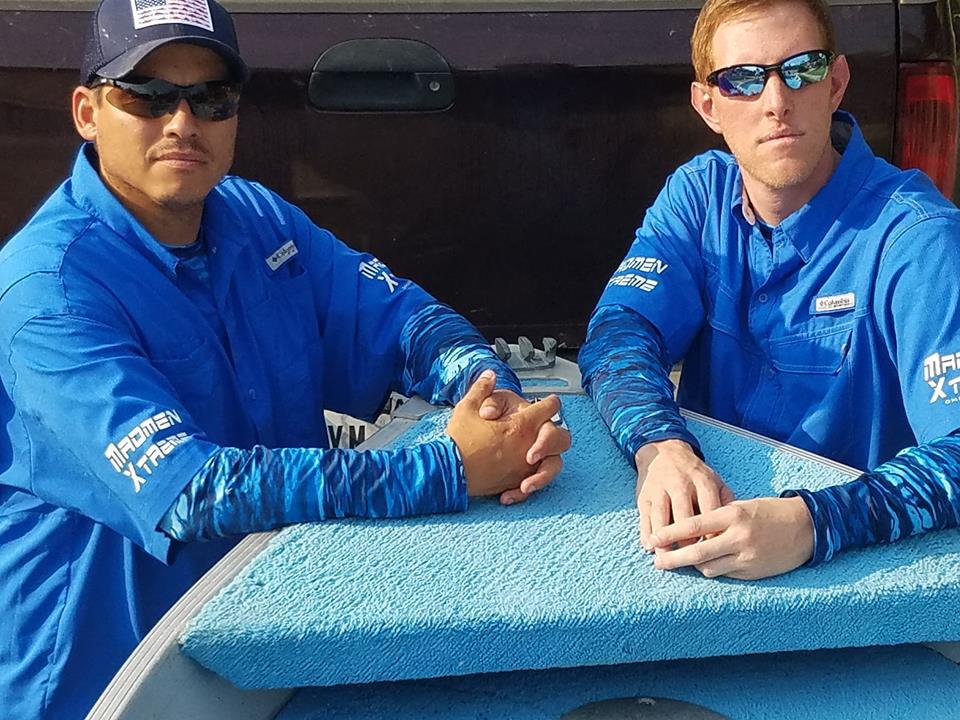
McKinney and his friend Israel Lopez recently started an outdoors enthusiast group called Madmen Xtreme, aimed at sharing their passion through videos online.

“We’ve been making these videos, we’ve been going outdoors, we’ve been fishing, we’ve been camping, really just to show people how easy it is,” McKinney said. “We never thought we were going to get out and save lives when we started it.”

When Harvey hit Houston little under two weeks ago, McKinney waited it out for about two days.

Israel Lopez, left, and Chase McKinney. (Photo courtesy Chase McKinney)

The Sunday morning after the storm hit, he said his home in a southwestern suburb got by mostly unscathed.

“I wasn’t affected by the flood at all. I’d already been paid forward. I just thought I needed to go out and help the people that were in a little more dire straits than I was,” McKinney said. “That’s when I called Israel and I said, ‘Hey, let’s get the boat, let’s get out.’”

After a few hours of driving, going up and down streets just trying to find which roads were passable, both Lopez and McKinney got to their boat and started motoring through neighborhoods.

McKinney said he was blown away by the community’s response.

“It was all organized by civilians. Civilians organized the boats, civilians organized the checkpoints, civilians organized the shuttles. Civilians organized where people were going to go in the shelters,” he said. “It was all done Monday and Tuesday by a gigantic civilian presence.”

Over three days, they pulled about 120 people from their homes all while filming their efforts on a GoPro camera.

McKinney uploaded those videos to his Facebook, and people back home in Alaska started asking how they could help.

Soon, a crowdsourcing account was set up for donations through GoFundMe.

After about a week of fundraising, they’re about $500 shy of their $3,000 goal.

McKinney said all of the funds raised have gone directly towards supplies.

“To the families that need goods or wares or whatever they need, cleaning supplies,” McKinney said of the supplies they’ve purchased with donations. “We’re going to the store and we’re buying those things, and we’re hand delivering that to the people who need it.”

Both McKinney and Lopez say they will continue delivering those supplies and helping Texans put their lives back together so long as the funds keep rolling in.

Site notifications
Update notification options
Subscribe to notifications