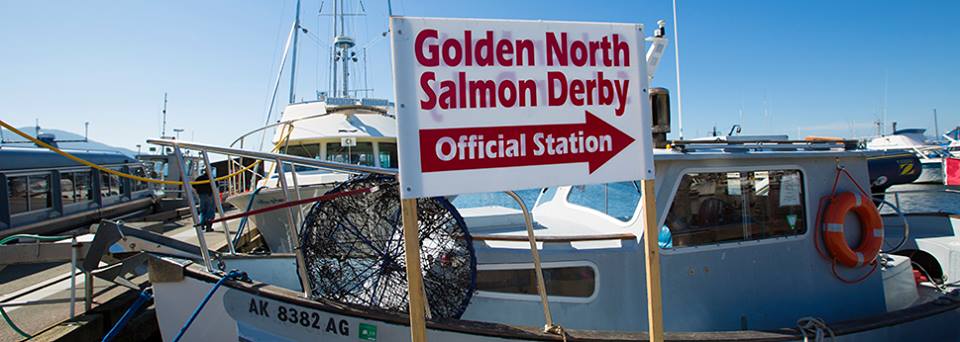
The Golden North Salmon Derby weigh station at Auke Bay. (Photo courtesy Territorial Sportsmen)
Juneau resident Jody Hass is the unofficial winner of this year’s Golden North Salmon Derby. She caught a 27.4-pound king salmon on Friday at 11:53 a.m. and weighed it at Douglas Harbor. Hass also reeled in the number one fish in 2013.
In other unofficial results, Brandon Godkin came in second with a 27-pound king caught on Saturday around 10:30 a.m. and turned in at the Auke Bay weigh station. Mike Bethers caught the third place fish, a 22.3-pound Chinook, Sunday morning around 7:30 and weighed it at Auke Bay.
The Territorial Sportsmen organized the 69th annual event, and its board will confirm the results Tuesday at noon. The derby started Friday morning and ended Sunday evening. Michael Olsen caught the 69th biggest fish — a 14.9-pound Coho — Saturday night at 6:15.
Awards night is on Thursday at 7 p.m. at Centennial Hall. First place winner takes home $10,000. Prizes are given to the 69 biggest fish and there will also be drawings for those who turned in scholarship fish.
The top fish are posted at the Golden North Salmon Derby website.
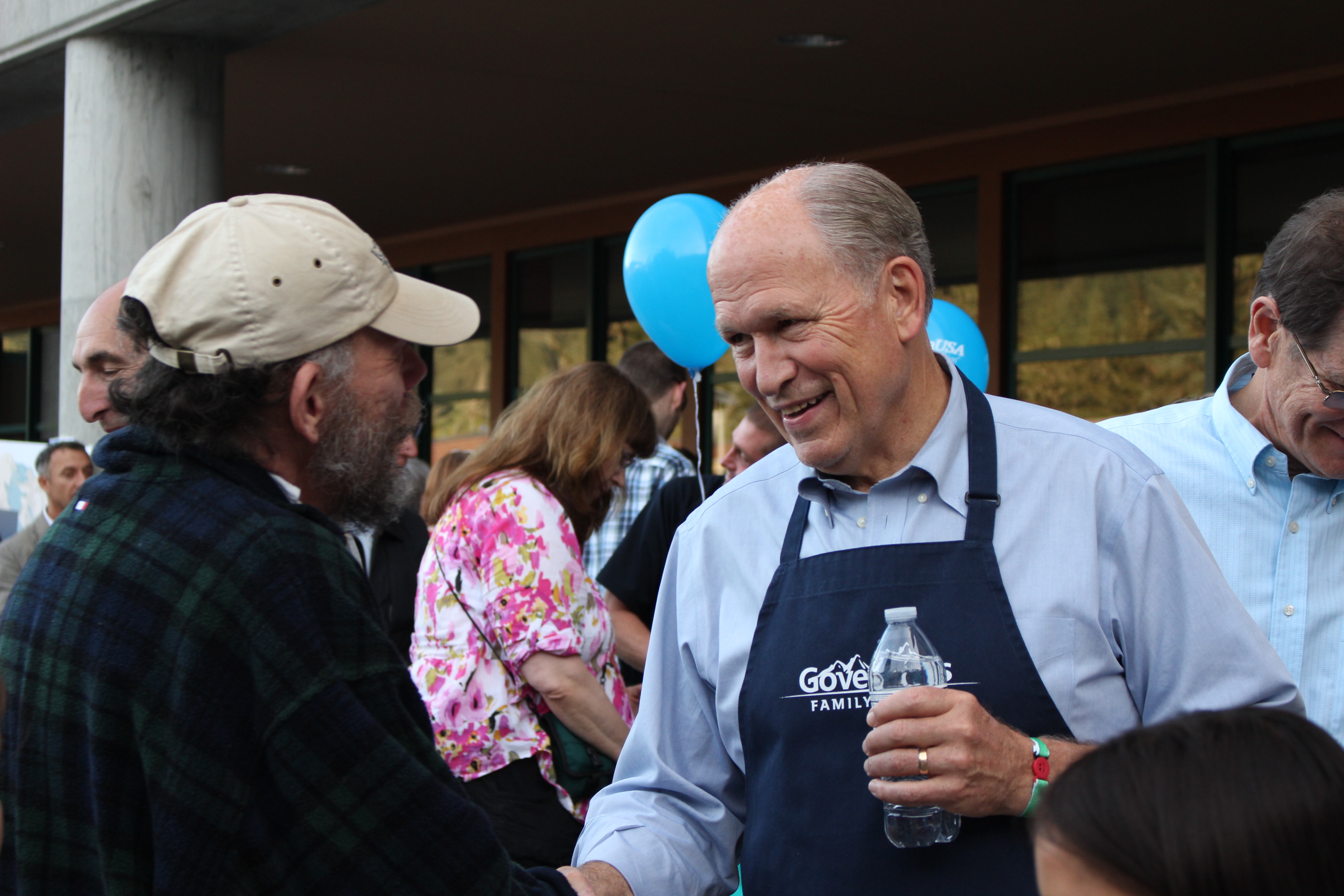
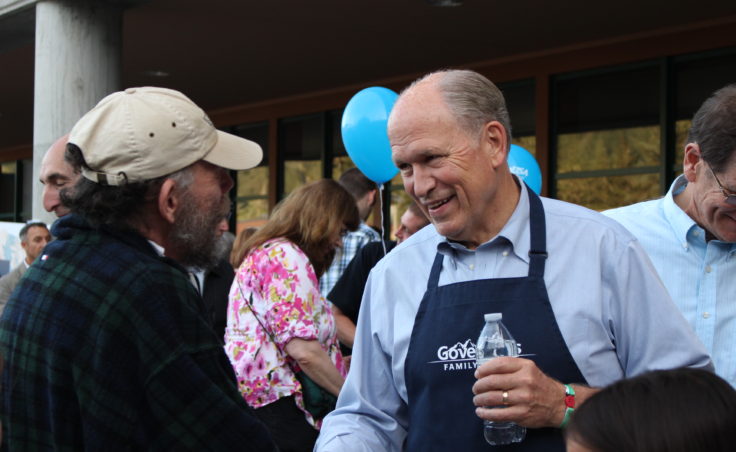
Gov. Bill Walker greets people at his the Governor's Picnic at UAS in Juneau, Aug. 14, 2015. (Photo by Elizabeth Jenkins/KTOO)
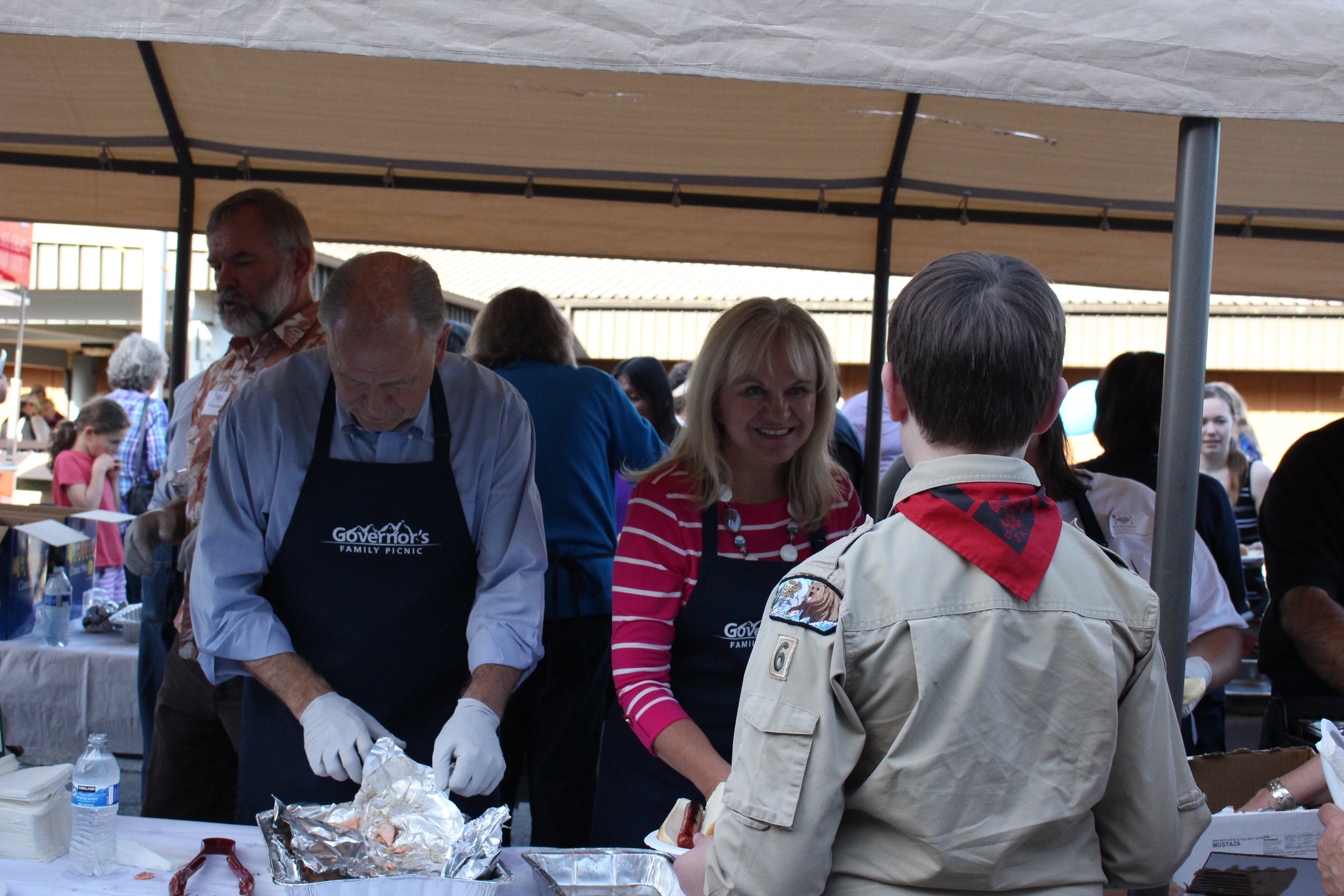
The governor and first lady Donna Walker serve the public salmon and hotdogs. (Photo by Elizabeth Jenkins/KTOO)
(Photo by Elizabeth Jenkins/KTOO)
(Photo by Elizabeth Jenkins/KTOO)
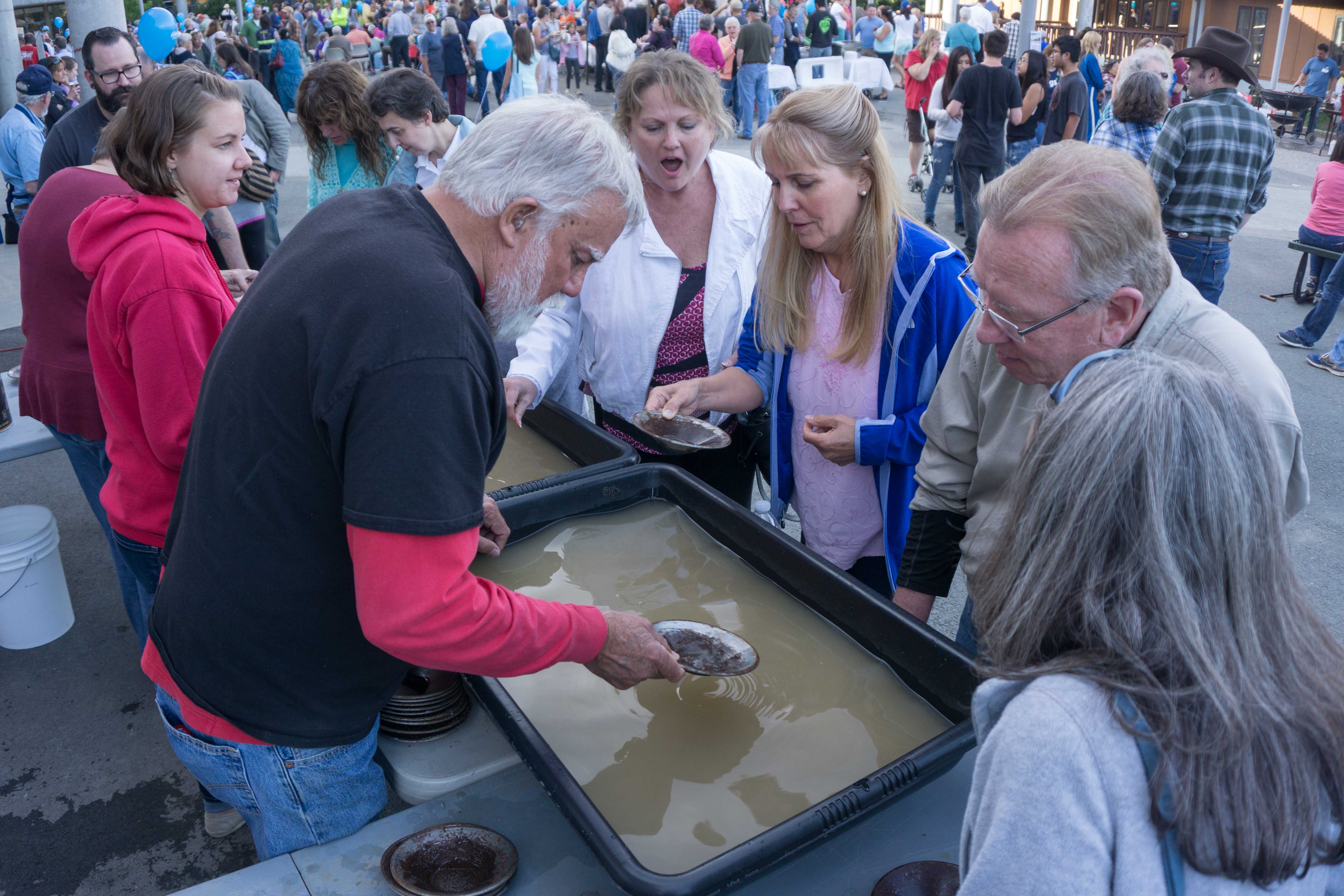
Panning for gold at the 2015 Governor's Picnic. (Photo by Jeremy Hsieh/KTOO)
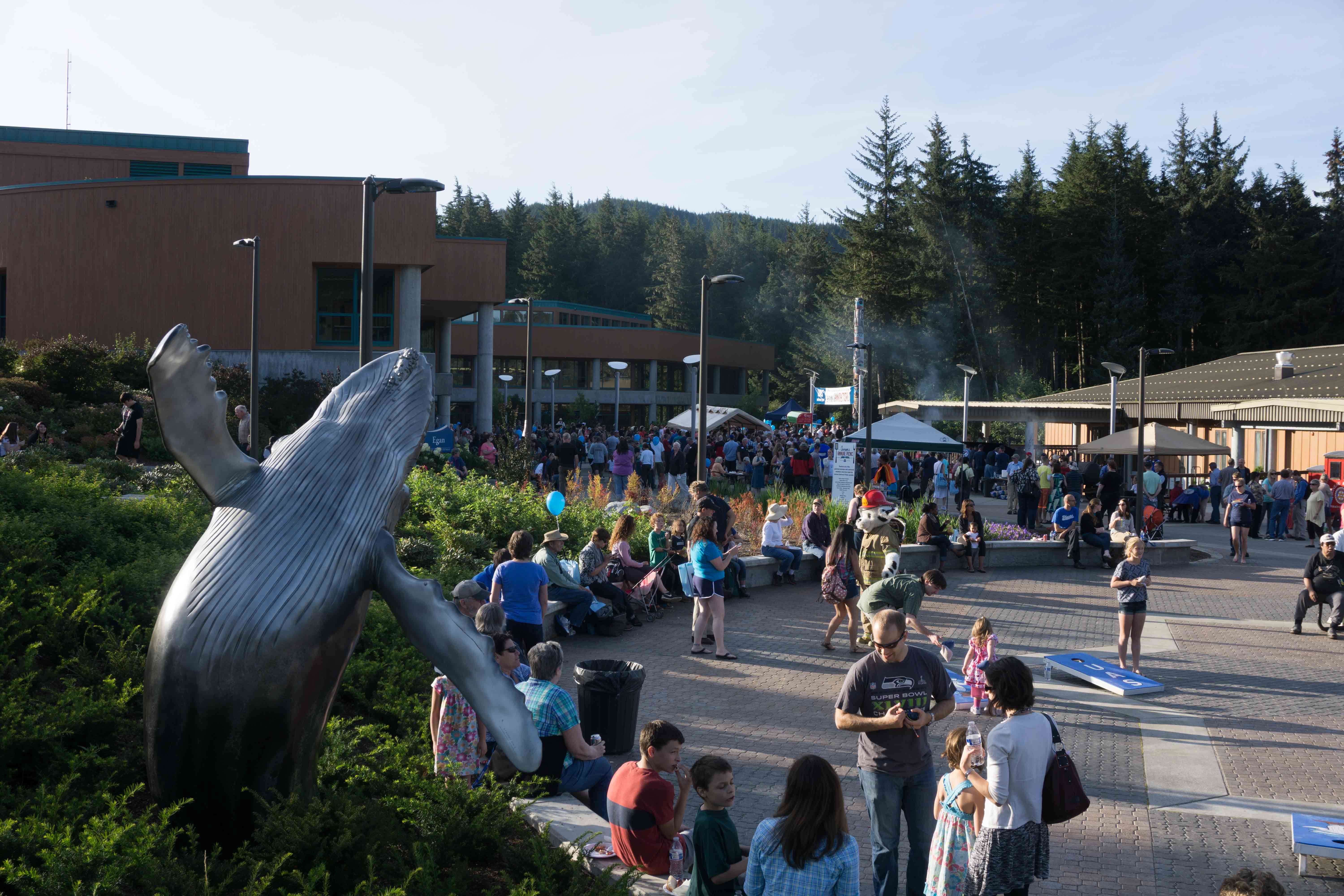
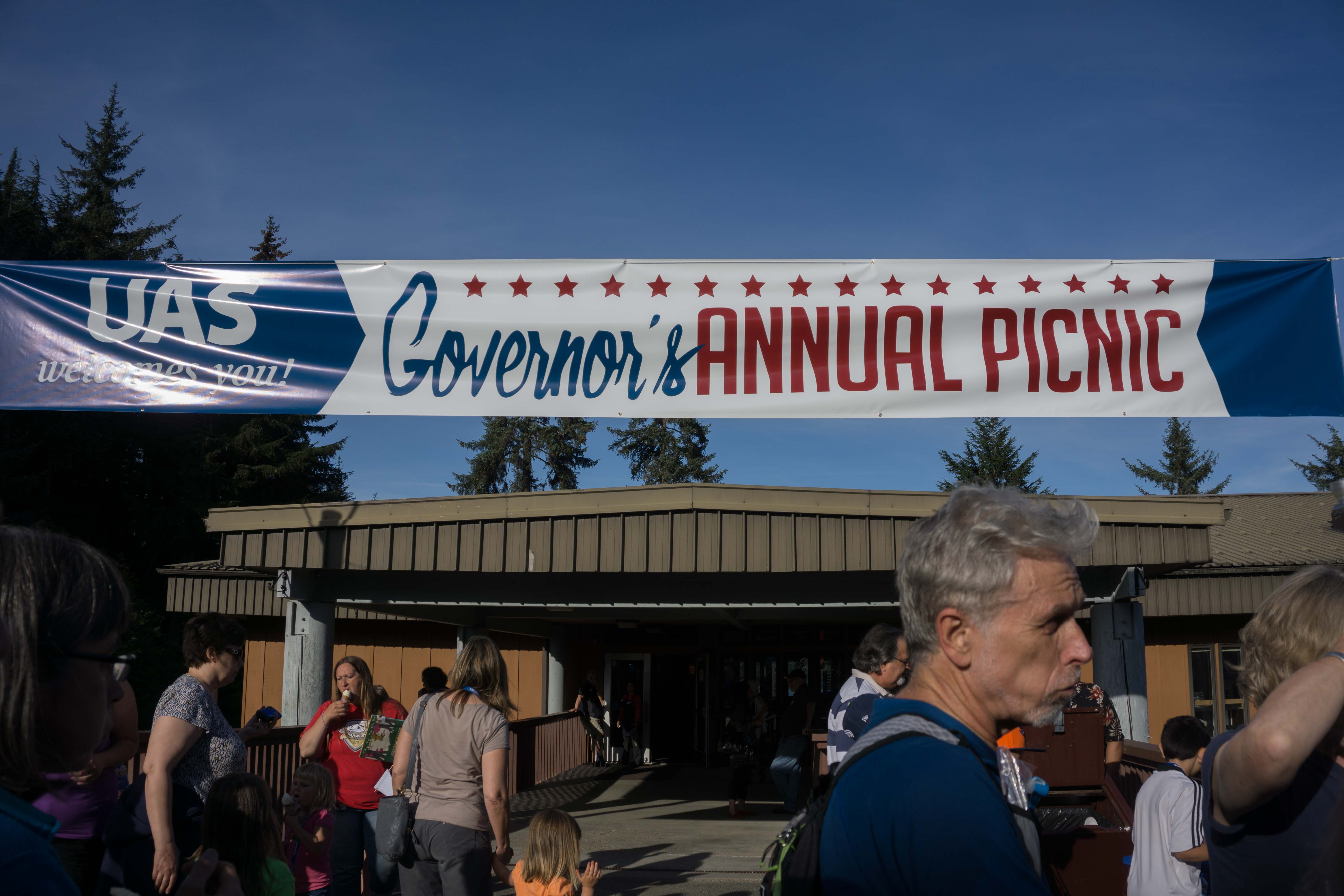
The 2015 Governor's Picnic was held at the University of Alaska Southeast. (Photo by Jeremy Hsieh/KTOO)
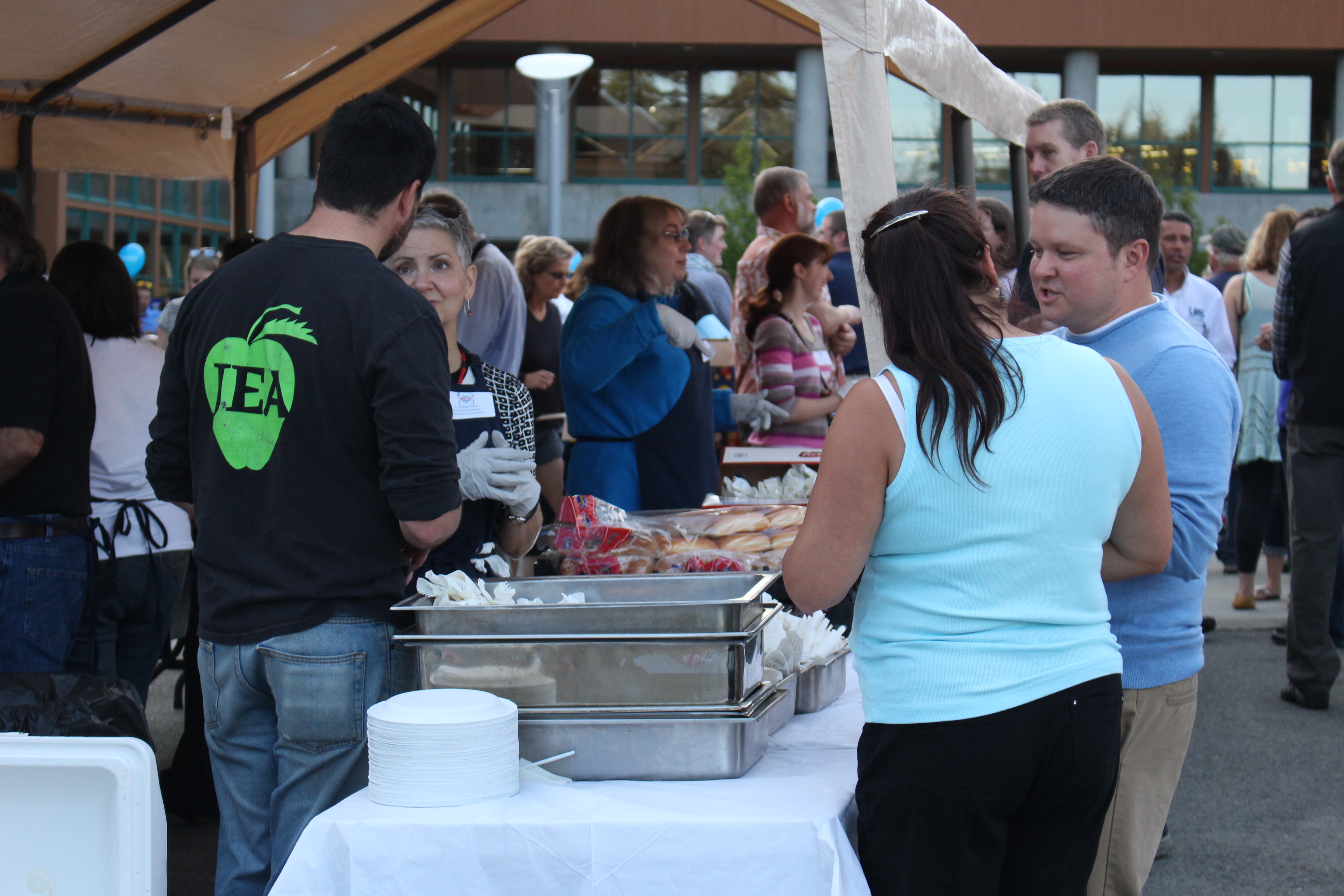
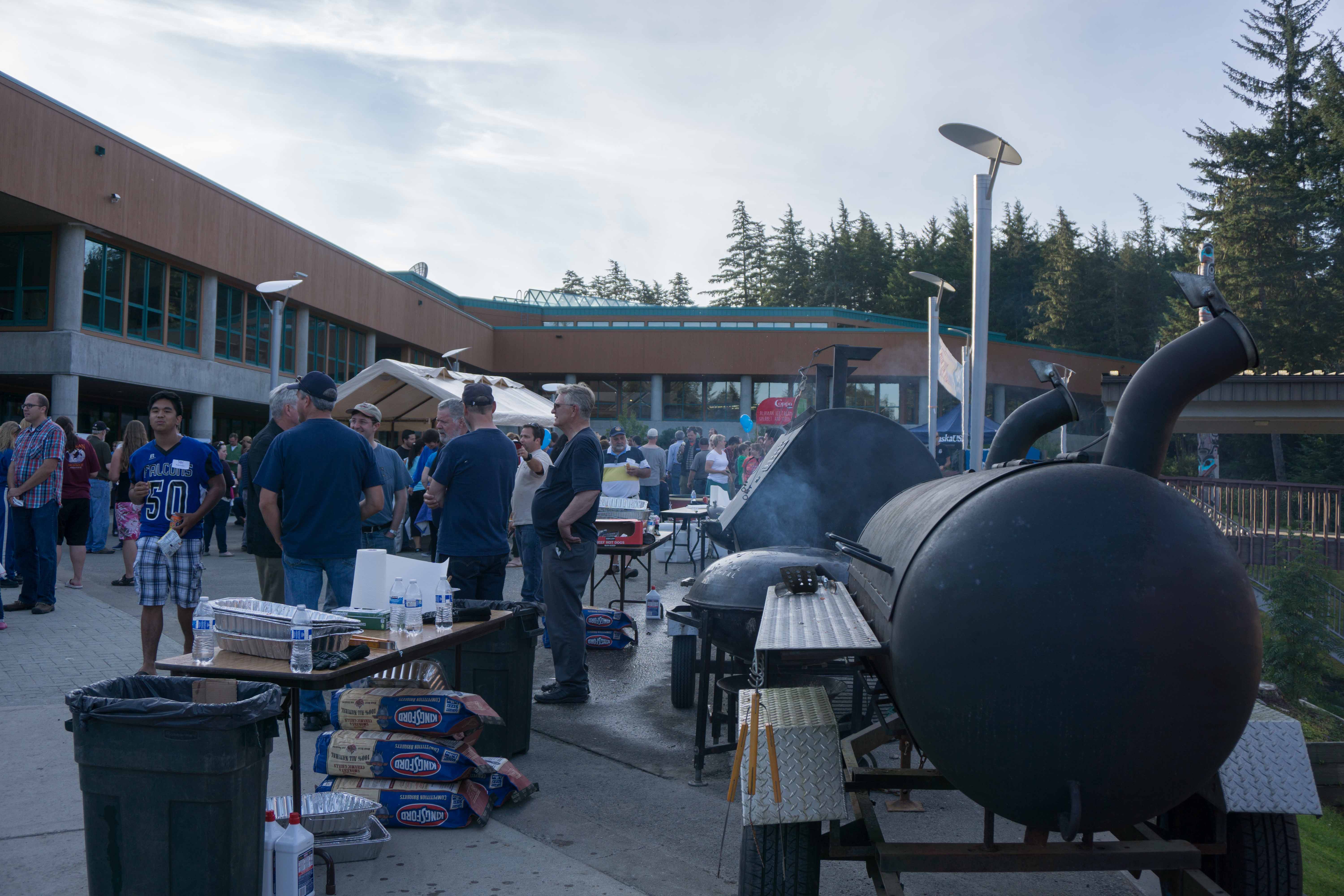
The grill station at the 2015 Governor's Picnic. (Photo by Jeremy Hsieh/KTOO)
(Photo by Jeremy Hsieh/KTOO)
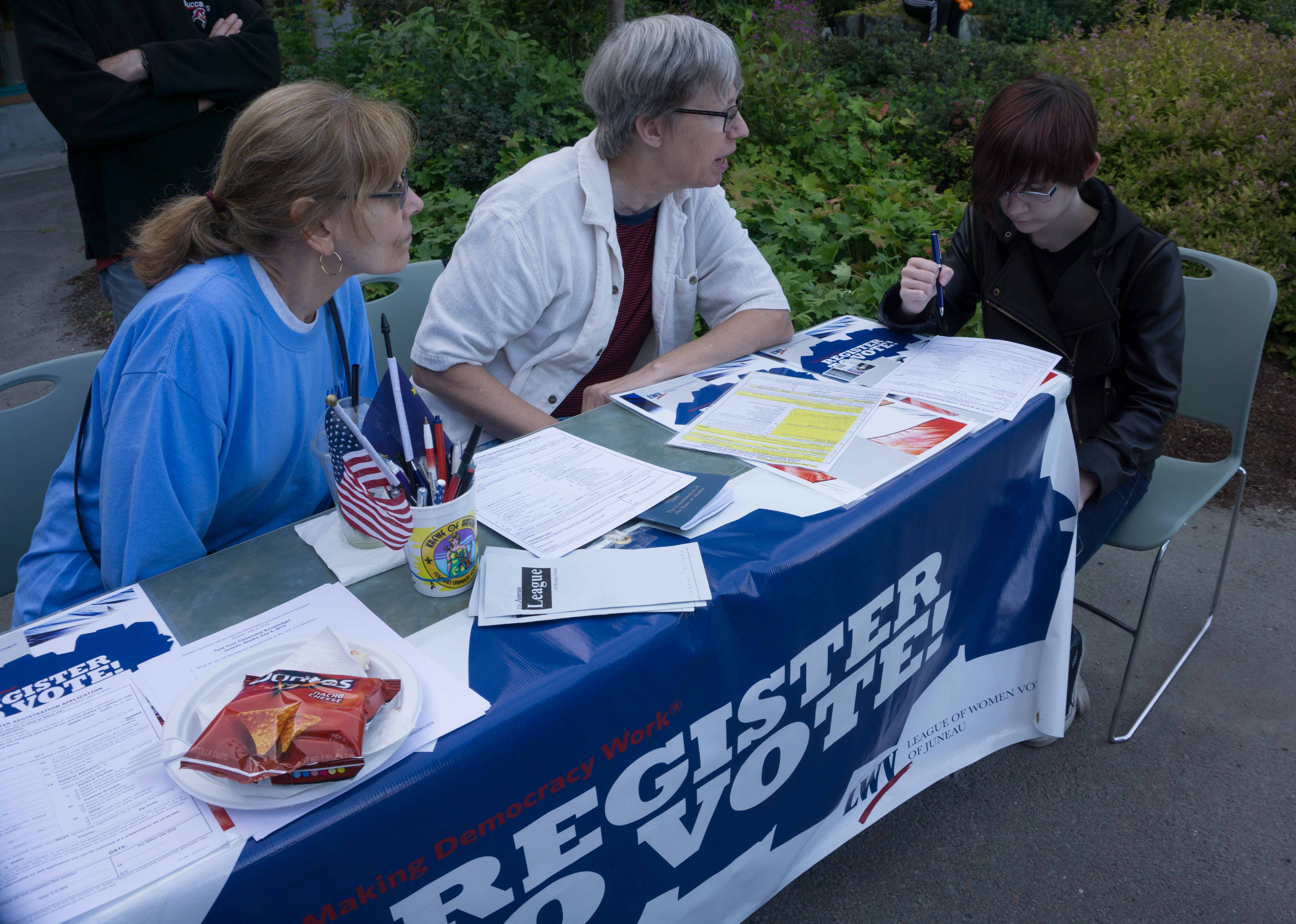
Volunteers help someone register to vote at the Governor's Picnic at the University of Alaska Southeast, Aug. 14, 2015. (Photo by Jeremy Hsieh/KTOO)
(Photo by Elizabeth Jenkins/KTOO)
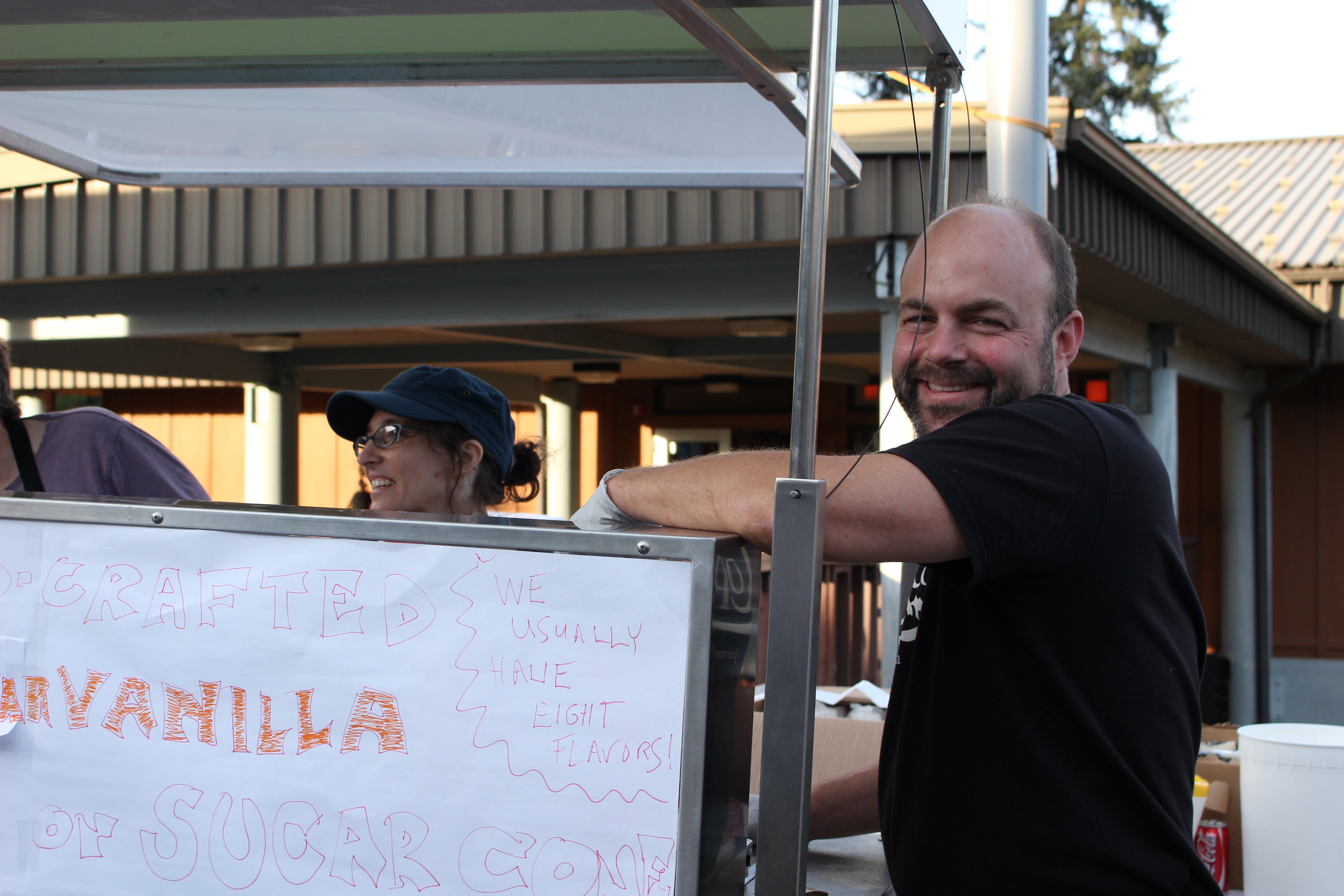
Coppa provided vanilla ice cream for the event. (Photo by Elizabeth Jenkins/KTOO)
Gov. Bill Walker hosted his first Governor’s Picnic in Juneau on Friday at the University of Alaska Southeast. While serving up hot dogs and salmon, I asked picnic-goers what they’d do as governor for the day.
The community lined up on a warm, sunny afternoon to mingle with state officials but also for the free food: hot dogs, salmon, and locally made ice cream. Gov. Walker was dressed for the occasion.
“Well, I’m wearing my cook outfit. My apron. My governor’s picnic apron and it’s the third time I’ve worn this outfit,” he says.
He says it can be tough doing double duty: serving the public fillets of fish and being a politician.
“My problem is this: I like to shake hands and say hello to people and I have to wear a plastic glove and then I have to take it back off, put it back on, take it back on,” Walker says.
Brenda Calkins and her daughter are waiting in line. They’re inching closer to the governor but not sure what they’ll say as he serves them a piece of salmon.
“Yeah, I don’t know if I have anything. … I might have to think up a question in, like two seconds,” Calkins says.
In years past, the governor’s picnic has been held at Sandy Beach. This year, it’s on the UAS campus to highlight education and kids activities.
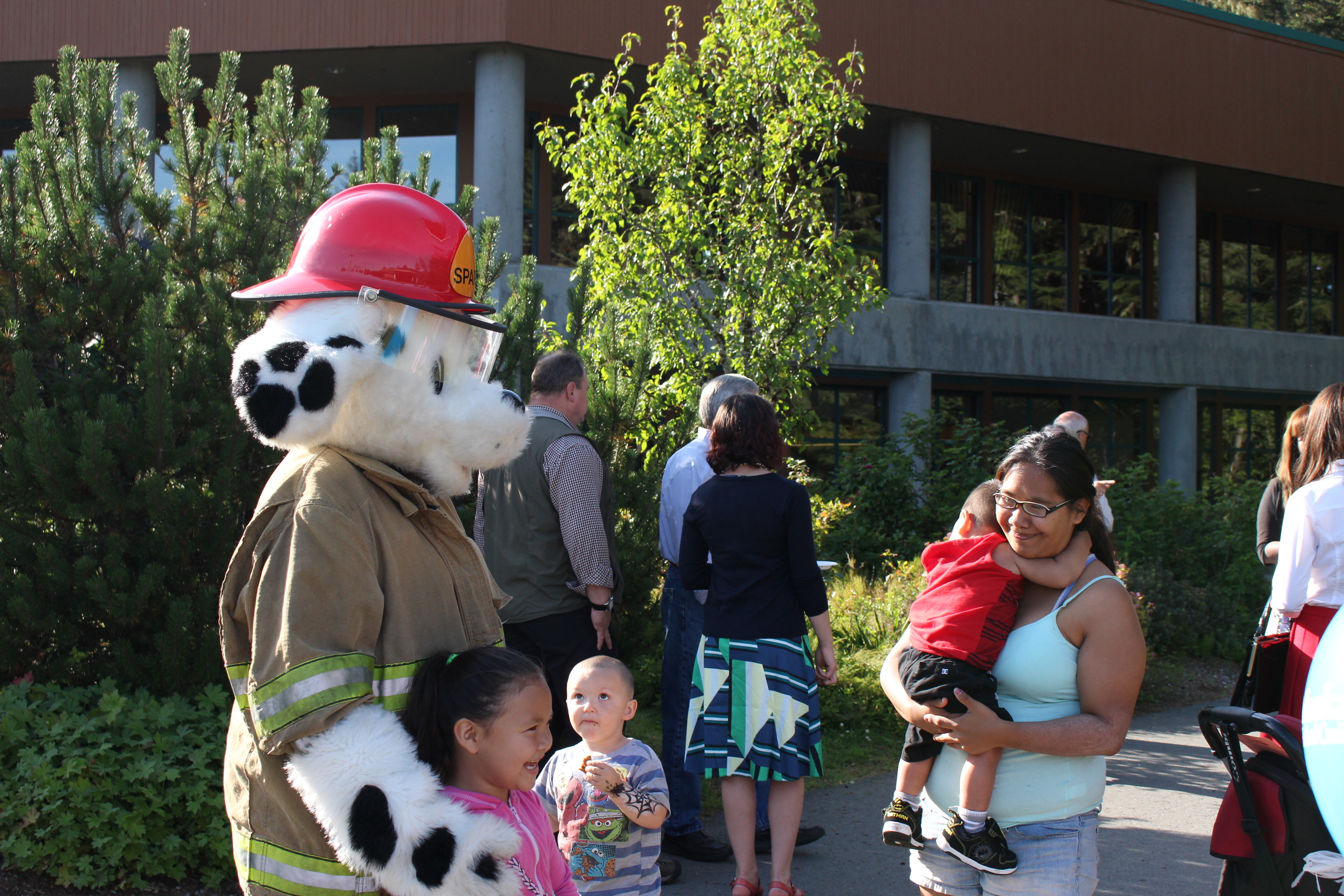
A fire truck is parked nearby for children to hop aboard. And like the food, there’s a line for that, too. Volunteer firefighter Steven Anderson is making sure everything runs smoothly.
“I’ve been doing this about five years. As much as I can I come out to the community events,” Anderson says.
What would he do if he was governor for the day?
“I don’t know much about politics and I don’t think I could change much for a day. I’d be kickin’ back in the mansion,” he says.
After thinking a few seconds, he says he’d work on increasing the budget for firefighting.
The Thunder Mountain High School football team also helped out at the event.
“Just kind of picking up trash, handing out fliers and at one point we were helping people find a place to park,” says left tackle Josh Quinto.
He has his own ideas about what he’d do if he were governor–more community events.
“I think at most, maybe throw a big party. I’d have different music everyday. Maybe some rock, country occasionally. So random stuff like Fall Out Boy or Nickelback, I guess,” Quinto says. “Definitely not the same food. Maybe something other than salmon, I don’t know like halibut. Fish and chips, those are always good.”
Picnic-goers lounge on a half-moon concrete bench, scraping food off paper plates and watching people play corn hole.
Andualem Fanta is watching the fun. He travels for work with Delta Airlines.
“I am originally from Ethiopia so I migrated to U.S. I lived in different state. But this my first time the governor invited everybody and having a good time,” Fanta says.
What would he do as governor?
“If I’m a governor, today? Serve the people like this. It could be a great opportunity to show you care about the people,” Fanta says.
From everyone, there was a variety of responses from dog racing, building a pipeline and making it permanently sunny in Juneau.
Brenda Calkins and her daughter make it through the end of the food line. Unfortunately, Gov. Walker ducked out for a photo-op with a costumed bear but first lady Donna Walker is still there.
“I didn’t know it was the first lady,” Calkins says with a laugh.
Which is what the Governor’s Picnic is all about. Getting to know your officials.
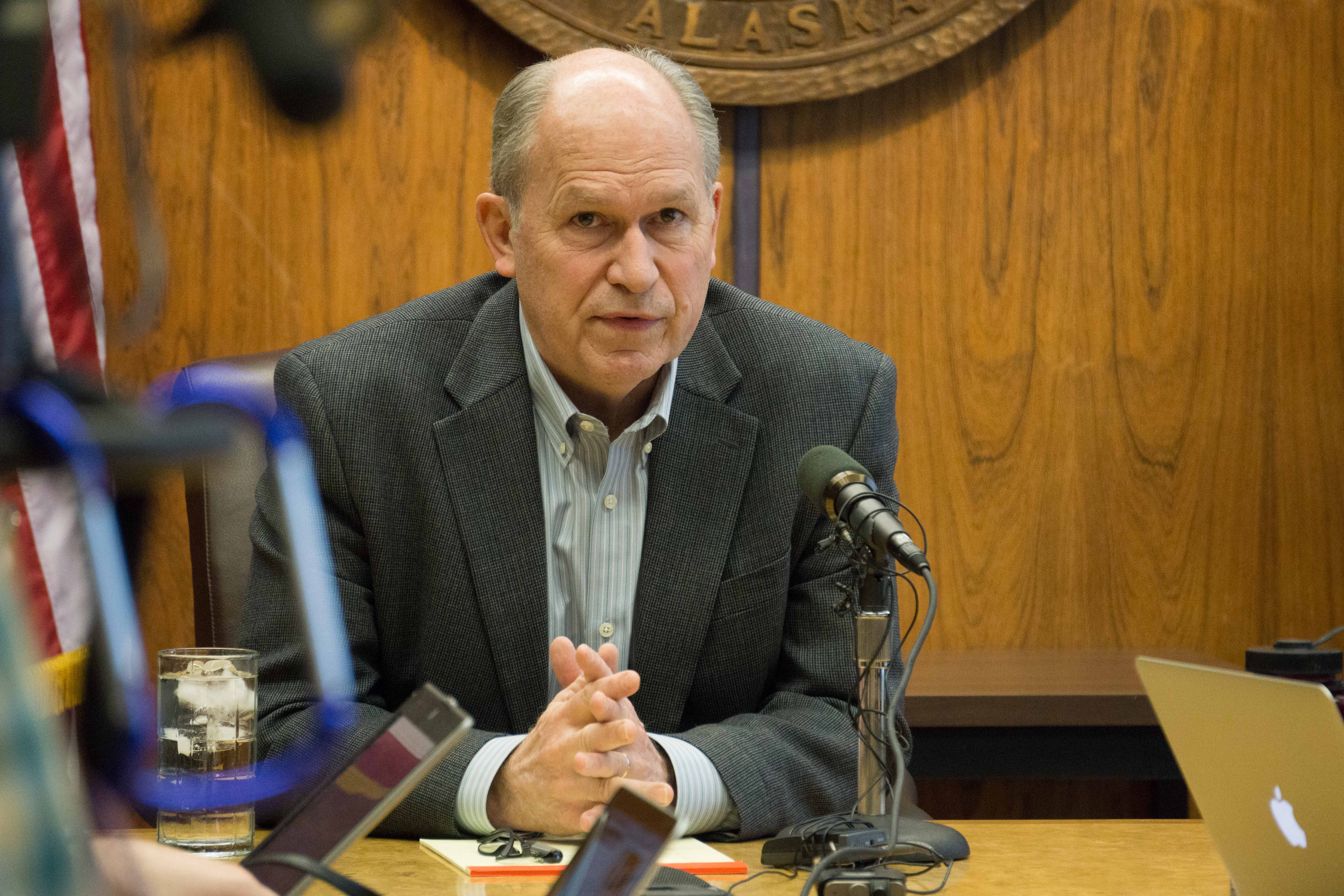
Gov. Bill Walker on April 18. 2015. (Photo by Jeremy Hsieh/KTOO)
There are no state laws prohibiting workplace discrimination in the private sector based on gender identity or sexual orientation. Or against discrimination in housing and public accommodations. Or separate hate crimes.
The Alaska State Human Rights Commission and the Anchorage Equal Rights Commission do not accept LGBT discrimination claims; complainants are instead referred to the federal Equal Employment Opportunity Commission. The state commission does not keep track of these cases in their annual report.
State commission director Paula Haley and Anchorage commission director Pamela Basler would not go on the record during initial interview requests, and would not answer questions directly. They did not respond to subsequent interview requests.
This is despite the federal commission’s recent interpretation of the Civil Rights Act of 1964, which says sexual orientation discrimination is the same as discrimination based on sex. The commissions are not legally obligated to accept LGBT cases despite EEOC’s rulings and interpretation of civil rights law.
Gov. Bill Walker has stated, “It would be up to the Commission to decide whether or not the Act covers sexual orientation or any other class.”
Walker has not given a direct answer when questioned about his position on LGBT rights. He’s only stated that he believes marriage is between a man and a woman. When questioned further in this interview about his stance on LGBT rights, he still did not provide a direct answer.
KTOO’s Lakeidra Chavis and Jennifer Canfield interviewed Gov. Bill Walker about LGBT issues on Aug. 11. This interview has been edited for length and clarity.
KTOO: During your campaign for election, you never gave a complete answer to questions about your stance on LGBT rights and same-sex marriage. Has that changed since then? Can you say YES or NO that you support equal protections for LGBT people?
Walker: I’m not sure I didn’t give a complete answer on something. The answer I typically gave consistently was that I do support a traditional marraige and I also will follow the law that is in place and I follow the law that is in place regarding that. The Supreme Court has ruled that non-traditional marriage is to be recognized and that’s what we recognize
KTOO: Do you support equal rights and protections for LGBT in Alaska?
Walker: I don’t like any form of discrimination, at all. But I also respect the religious freedoms and rights of others as well, so it’s a little bit of a dilemma for me. But again, I have pledged to uphold the law. The law currently in Alaska does not recognize LGBT as a protected class. On the federal side it is, on the state it’s not — the statues do not call for that. So I can’t go beyond the letter of the law and I don’t get involved in that, there’s a commission that does that.
KTOO: Have you reviewed the Alaska State Human Rights Commission to ensure that their priorities are in line with your administration?
Walker: I have not. I have not been reviewing their actions.
KTOO: Earlier last month when we first requested an interview, your spokeswoman Katie Marquette provided us with a statement, and in that you said, “this comes down to a legal interpretation of protected classes which is determined and enforced by the Alaska State Human Rights Commission.”
If you stand by what you said, the state commission is actively deciding to not offer these protections. What are your thoughts on that?
Walker: They’re a quasi-judicial body and they make the determinations that they make. As far as I know, they’re following the law. If the legislature changes the law then they’d follow the law that was changed.
KTOO: Since 2001, the federal Equal Employment Opportunity Commission has made multiple rulings that sexual orientation and gender identity fall under sex as a protected class. Last month they made a similar ruling for the private sector. Do you think that these rulings are precedent enough for the law to be changed in Alaska and for our non-discrimination law to be updated?
Walker: I know the federal EEOC has adopted a broader interpretation and that’s currently being sorted out in the courts. So I will stand by to see what the legislature does; it’s not my intention to introduce any legislation on this particular issue.
KTOO: You said respected you the religious rights of others; it could be argued that you can discriminate against women based on some people’s religious beliefs. Do you think those are two different subjects? Can they be interpreted the same way?
Walker: No, I think those are different. Gender is a protected class. So I think that is a different issue. When Alaska makes the change, and perhaps it will, then that would be similar. [For clarification later during the interview, gender identity is not a protected class in Alaska. Sex refers to someone’s biological makeup and reproductive systems. Gender is a social construction that forms the social roles we associate based on someone’s sex. Gender identity refers to how someone might identify — or not identify — in relation to their assigned gender. ]
KTOO: Do you think that the classification of discrimination based on sex is in opposition to some people’s religious beliefs?
Walker: I can’t really anticipate various religious beliefs.
KTOO: We’re trying to get an idea from you as to whether your administration intends to address this issue at all.
Walker: At this point, we don’t intend to address this issue. That shouldn’t be a surprise. I said that during the campaign. We don’t intend to introduce legislation on these issues or other social issues. Our focus is on our economy, cost of energy, education. There’s no secret about that. We will follow the laws that are enacted and that’s what we’ve done. Again, it’s not intention, nor have we, discriminate against anyone for any reason.
KTOO: It’s estimated there are more than 19,000 LGBT working adults in your state, and they still face discrimination in the private sector, including housing and public accommodations; there are no protections against hate crimes. Why haven’t these issues been addressed in your administration so far — because they affect a large amount of people in your state, who are also a part of the workforce and contribute to the economy?
Walker: Since we’ve been in office, we’ve been involved in the financial situation we are in the state. We’ve had multiple meetings with the LGBT community — once before the election and once after. We’ve certainly spoken frequently on the phone with them and members of that community. I certainly think we have a good relationship with them. They said they’ve never been invited to the governor’s mansion for lunch. I think we had about 15-20 [people]. They don’t always agree with me. I totally respect that. But one thing we do is try to continue to have dialogue and discussion, and we’ll continue to do that throughout my administration.
KTOO: When I spoke to Paula Haley, executive director of the state Human Rights Commission, I had a very difficult time — same thing with Pamela Basler at the Anchorage Equal Rights Commission. LGBT discrimination issues are still a big topic on the national scene as well as in the state. There are still people experiencing discrimination to go, and they have nowhere to go to file those claims in Alaska, because they aren’t protected from them. Do you feel that that this is an acceptable response that two directors of your state’s human rights commissions have when being questioned about their practices?
Walker: Well, I don’t want to be judgmental about what the Human Rights Commission is or isn’t doing, but I will say we are working on that.
KTOO: What issues are you referring to?
Walker: The issue of having some venue to report, record circumstances where they feel they’ve been discriminated against.
KTOO: And what would that be?
Walker: That’s what we’re working on.
KTOO: Is there a timeline on when that might come out to the public?
Walker: No, not particularly a timeline, but we’ve been talking about since our last meeting with the LGBT community. When we had lunch — that was raised then. It was something that resonated with me. I’ve been giving that some thought and we’ll be coming out with something. I’m not sure when but we’ve got some thoughts we’ve been discussing internally.
KTOO: I just want to make sure we’re characterizing this correctly: nothing will change at the human rights commission but you are looking to create another system for people to log these complaints. Is that correct?
Walker: I wouldn’t say another system, I listened to what their concerns were and we’re trying to figure out some way their issues can be documented.
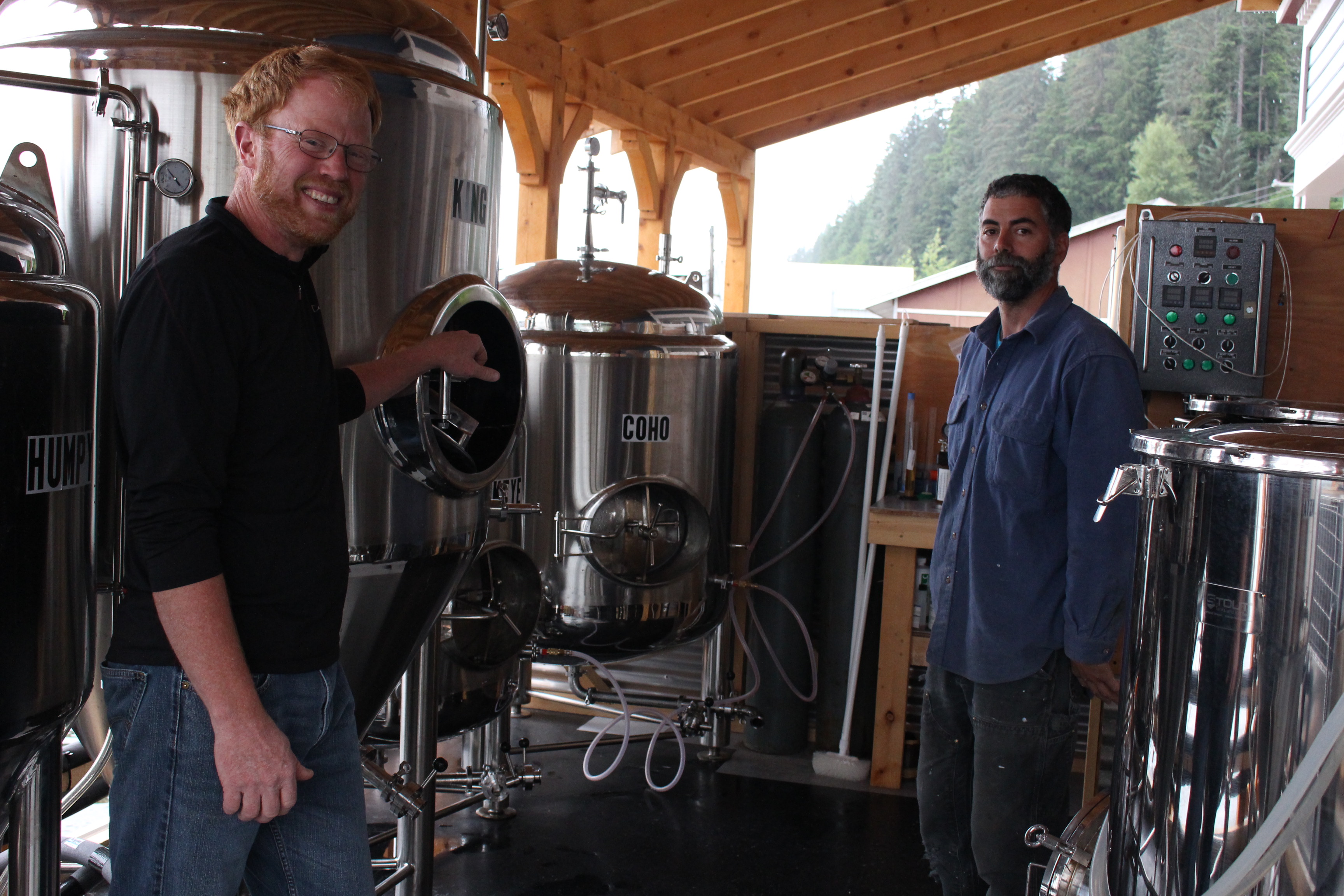
Dan Kane and his business partner Todd Thingvall. (Photo by Elizabeth Jenkins/KTOO)
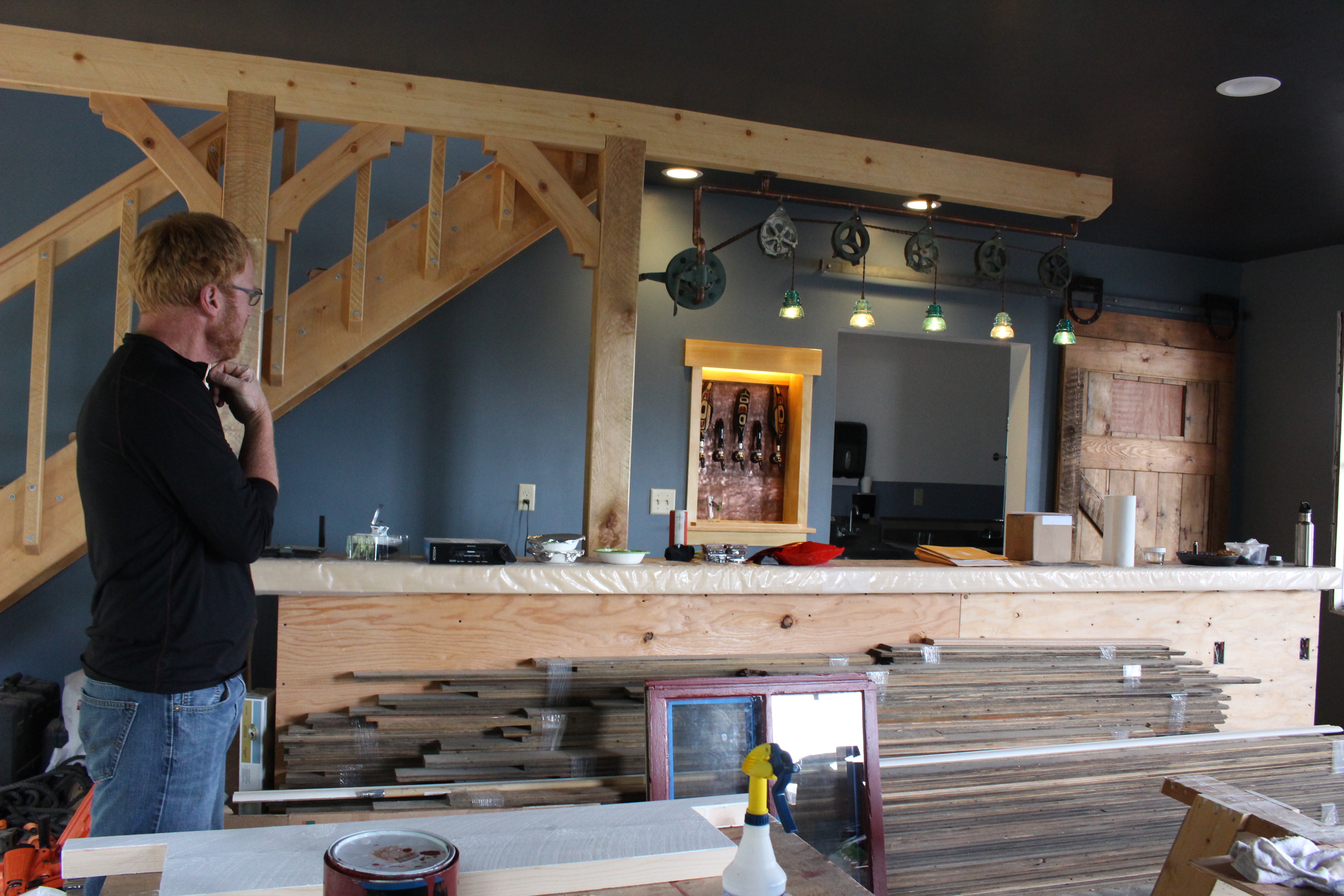
On Saturday, a Hoonah microbrewery is opening its doors to serve the village a variety of craft beers. Kegs used to become scarce around the same time tourists did. Now fresh pints are guaranteed through winter.
Todd Thingvall and his business partner Dan Kane have been working hard to renovate a 100-year-old house on pilings above water, the site of the new brewery and taproom. Both left good jobs to start the business. Kane says his kids asked if he was having a midlife crisis.
“There’s been a lot of sleepless nights,” Kane says. “I’m sitting in Anchorage at my house there and I have a good life. There’s a lot mornings I would be sitting there going, ‘Have I lost my mind, is this really what I want to do?'”
He’s been homebrewing for about 20 years. They met each other through their wives.
“Dan had beer so I instantly liked him. We hit it off ever since,” says Thingvall.
He pitched Kane the idea of opening the Hoonah brewery. They invested about $400,000 and are living upstairs. The long-term plan is to move the tanks to another site but for now, they’re on a patio above the water.
Usually stainless-steel fermentation tanks are labeled one, two, three.
“We decided, eh. Let’s stay with a Southeast theme and we went with keta, humpy, king, sockeye and coho. Of course, the king is the big seven barrel,” Kane says.
(Photo by Elizabeth Jenkins/KTOO)
They’re cooled by a refrigeration unit that runs partially off solar panels. Electricity can be expensive in Hoonah and the panels could pay for themselves in a little over a year.
On the bottom of the king tank is a well kept brewer’s secret.
“You’re very lucky to see this. It’s called a sample valve. It allows you to take samples or actual drinks out of a vessel. So this is our pale which was the first beer that we made here,” Thingvall says.
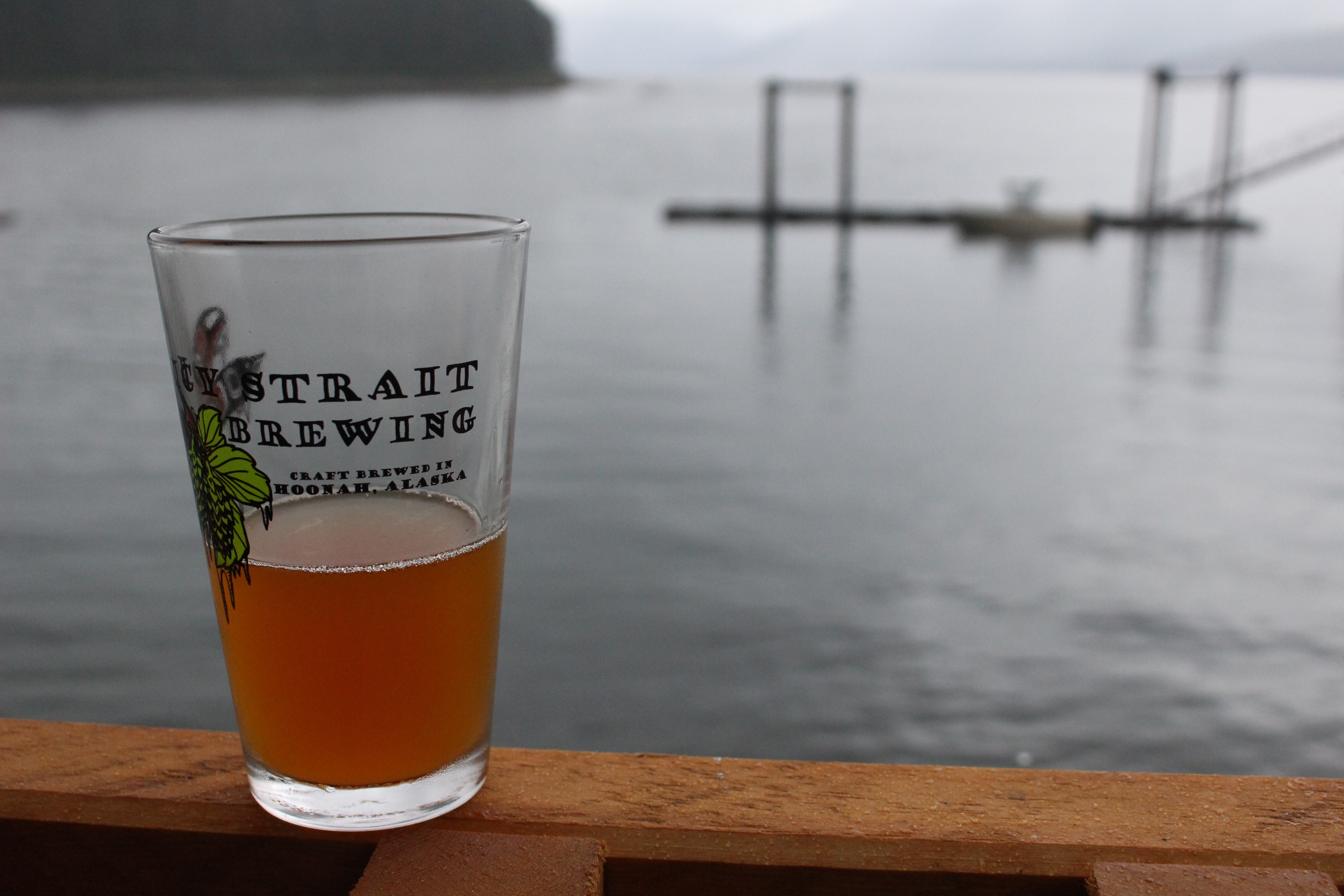
He fills up a frothy golden glass of beer made with Cascade hops.
With no connecting roads, the Pacific Northwest hops and brewer’s yeast is shipped using FedEx. Thingvall and Kane say it can be nerve-wracking waiting for the delicate ingredients to arrive. Most need to remain temperature controlled. It travels from Seattle to Juneau, then over to Hoonah by small plane. A few weeks ago, their yeast was overdue.
“One great thing about a small town, even the postmaster, she knew exactly what I was looking for and it came in Saturday after their closing hours and she called us. And said, ‘Hey it’s here.’ And waiting for us to come pick it up,” Kane says.
They’ll serve pale ale, IPA and hefeweizen. A pilsner and stout are also in the works. Production will be about 500 barrels a year, and some of the kegs could be distributed to Southeast’s smallest communities like Gustavus and Elfin Cove–maybe eventually making its way to Juneau.
Overlooking the taproom of Icy Strait Brewery. (Photo by Elizabeth Jenkins/KTOO)
What Kane says they’re really looking forward to the most is experimenting with ingredients like Hudson Bay tea, a medicinal plant that grows in the muskeg.
“When it first hits your palate, it was more of light clean, crisp beer and then as it hit the back of your palate that’s when that tea just came alive,” Kane says.
It can be tricky getting FDA approval for ingredients that are locally sourced, but they say they’re up for the challenge. They want Icy Strait Brewing to reflect the community.
“Hoonah has a slogan: The little place with the big heart. And it’s true. The people here are wonderful,” Thingvall says.
The bidding process for construction of an estimated $11 million seawalk, island and park near the Douglas bridge could begin in the next few weeks–creating a home for a major Juneau landmark.
New York City has the Statue of Liberty. Seattle has the Space Needle.
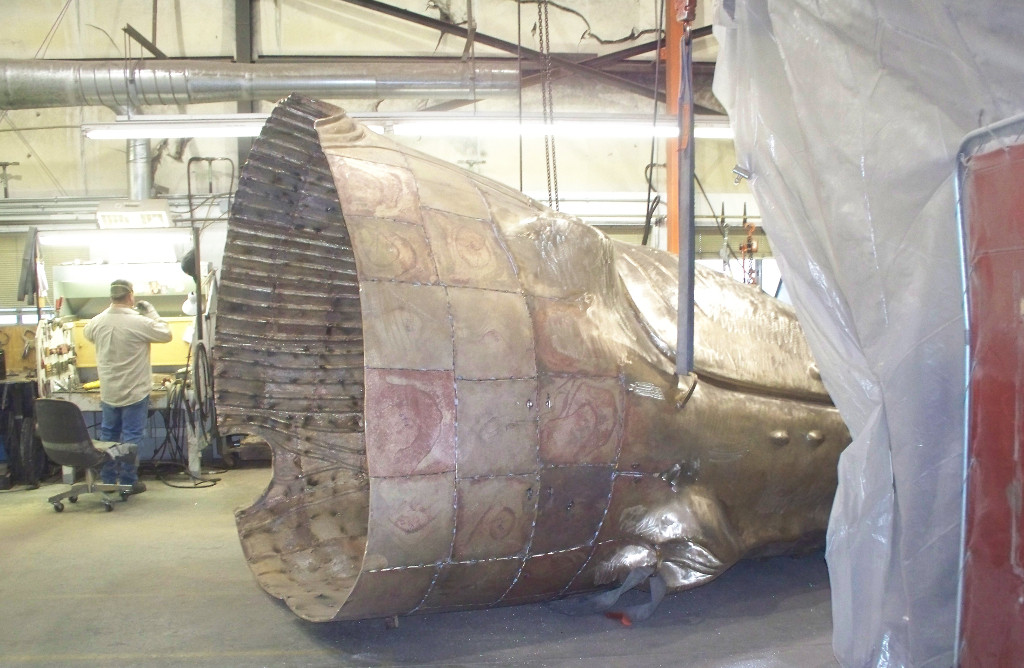
“A lifesize breaching humpback whale will become iconic to Juneau,” says former mayor Bruce Botelho. He’s the vice president of The Whale Project, a nonprofit dedicated to the completion of the nearly $1.5 million bronze sculpture, designed by Skip Wallen.
Most of the money has been raised through private donors and grants, but the organization is still asking for funds. In 2012, the statue was gifted to the city of Juneau with the understanding it would find a place for it; now it seems it has.
“Oh, it’s exciting. I’ll feel a lot better once it’s actually in place but we’re moving quickly towards that,” Botelho says.
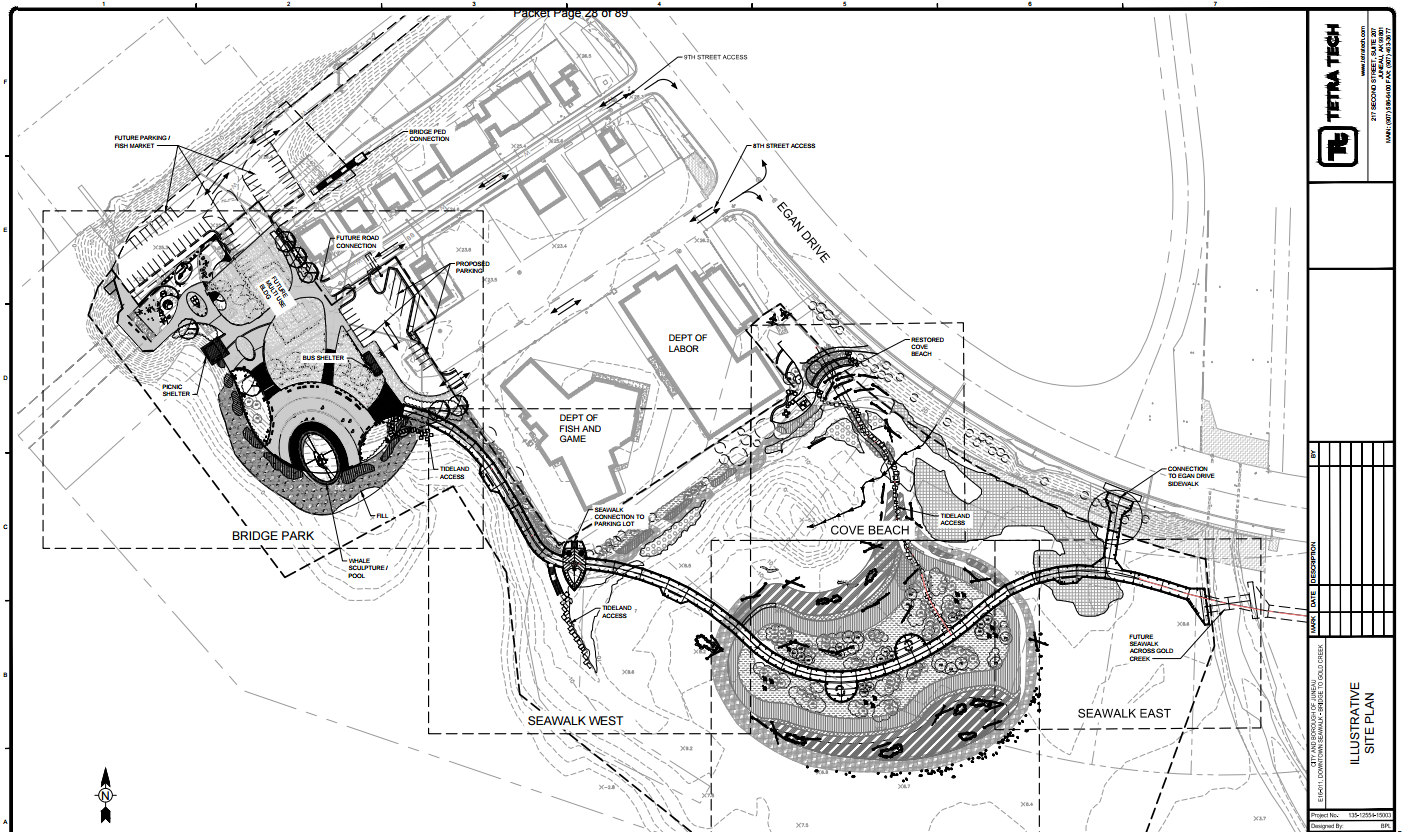
Site plans for the Bridge Park from the Juneau Planning Commission agenda.
The statue will be part of a new waterfront park and seawalk that will eventually connect all the way to the cruise ship docks about a mile away. It will cross over to an artificial island, lush with native plants.
Skye Stekoll, an engineer with the city of Juneau, says the island will mitigate some of the ecological damage done to Gold Creek and its delta. The Army Corps of Engineers has already signed off.
The bronze, life-size whale statue at a workshop. (Photo courtesy City and Borough of Juneau)
“So a habitat island is trying to replace some of the riparian habitat that may have been there in a natural state,” Stekoll says.
In June, the Assembly gave its final approval to move ahead. Cruise ship passenger fees and sales tax will fund the construction. A mixed-use plaza is in the plans and Juneau Docks and Harbors is considered opening a fish market on the other side of the bridge.
After more than a decade of discussion, disagreements about where the park should be built and concerns over funding, the only thing left to do is open the bidding process, which Stekoll says could happen in the next few weeks.
“Yeah, for the most part we are now ready to go.”
Bids then go before the assembly for final approval. Construction could start as early as October and be completed next fall.
Editor’s note: A reference to the Juneau-Douglas Bridge has been corrected. It’s the Douglas Bridge.
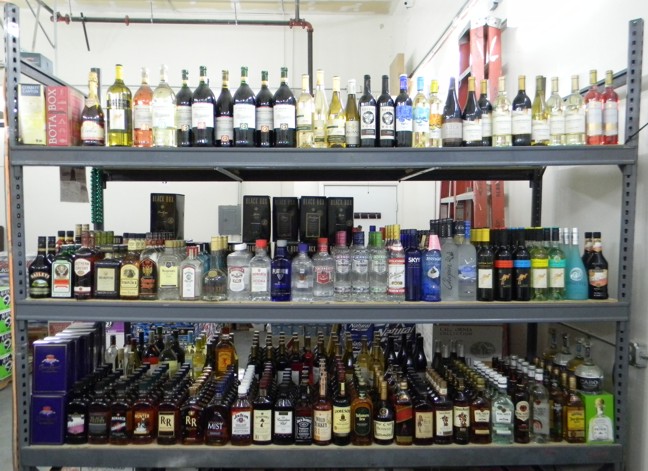
Bethel voters will not have the option to go into local option this October and open a city-run store like Kotzebue, pictured above. (Photo courtesy City of Kotzebue)
There will not be a vote this October for Bethel to go into local option status and pursue opening a city-run liquor store. The Bethel City Council by a vote of 5-1 rejected sending the vote to citizens.
Council member Chuck Herman cast the only vote in support, citing the ability for more local control and the opportunities for partnering with villages that are possible with a version of local option.
“We can work together with them as a community and figure out what regulations and restrictions they need so we’re not providing a massive space for importation to flow straight down the river. This would be medium that I personally think would be the best for the Delta as a whole. The people in the city would be able to purchase alcohol from the store and they would not feel like a criminal going into the city-run store,” said Herman.
Bethel left local option in 2009 and citizens voted again in 2010 to stay out while still rejecting local sales. That triggered a liquor status that allows for unlimited importations and no local sales.
Vice Mayor Leif Albertson said that’s agreeable for many.
“That was something that a lot of people felt they could live with. Moving forward, we don’t know what the state’s going to allow us to do. I think for many of use, before we’d make what I’d consider a drastic decision to go into local option, I think it’s important to know what our options are. And we’d have a better idea after the advisory vote after we hear from the ABC Board,” said Albertson.
The city is seeking an appeal of the state liquor board’s rejection of their formal protest of Bethel Spirits application, which is still pushing for the first liquor store in Bethel in four decades. The Alaska Commercial Company is also applying to open a liquor store.
Among the many moving pieces, the Council will send Councilmember Zach Fansler to the next ABC board meeting in September in Kotzebue. The board will hold a hearing in Bethel in October. That’s the same month as the advisory vote.
And on that ballot, Bethel voters decide whether to tax future marijuana sales at 15 percent.
The council passed an amendment to raise it from 12 to 15 percent sales tax. Mayor Rick Robb opposed the higher rate.
“We’d be in danger of driving a legal product to being an illegal produce. Instead of getting 15 percent, we’d get zero percent and we also continue with crime and the associated economic crime that comes with illegal drug crime,” said Robb.
The council could lower it in the future without putting it to citizens in a public election.
Leading up to Alaska’s first legal marijuana sales in 2016, municipalities have options for regulating the commercial industry. And there will be local option provisions that could opt Bethel out of local sales or manufacturing, but the city hasn’t taken that up.
The city can also implement an excise tax, which doesn’t need to be approved by voters.
The council also established a marijuana advisory committee to run from September of this year through the start of 2017. The panel is tasked with making marijuana recommendations to the council.
Close
Update notification options
Subscribe to notifications
Subscribe
Get notifications about news related to the topics you care about. You can unsubscribe anytime.