Community

‘Monumental art’ makes Juneau’s new Walter Soboleff Building shine

[carousel easing=”linear”][item id=”1431579084-1-89″ tab_id=”1431579233228-1″ title=”Item”]
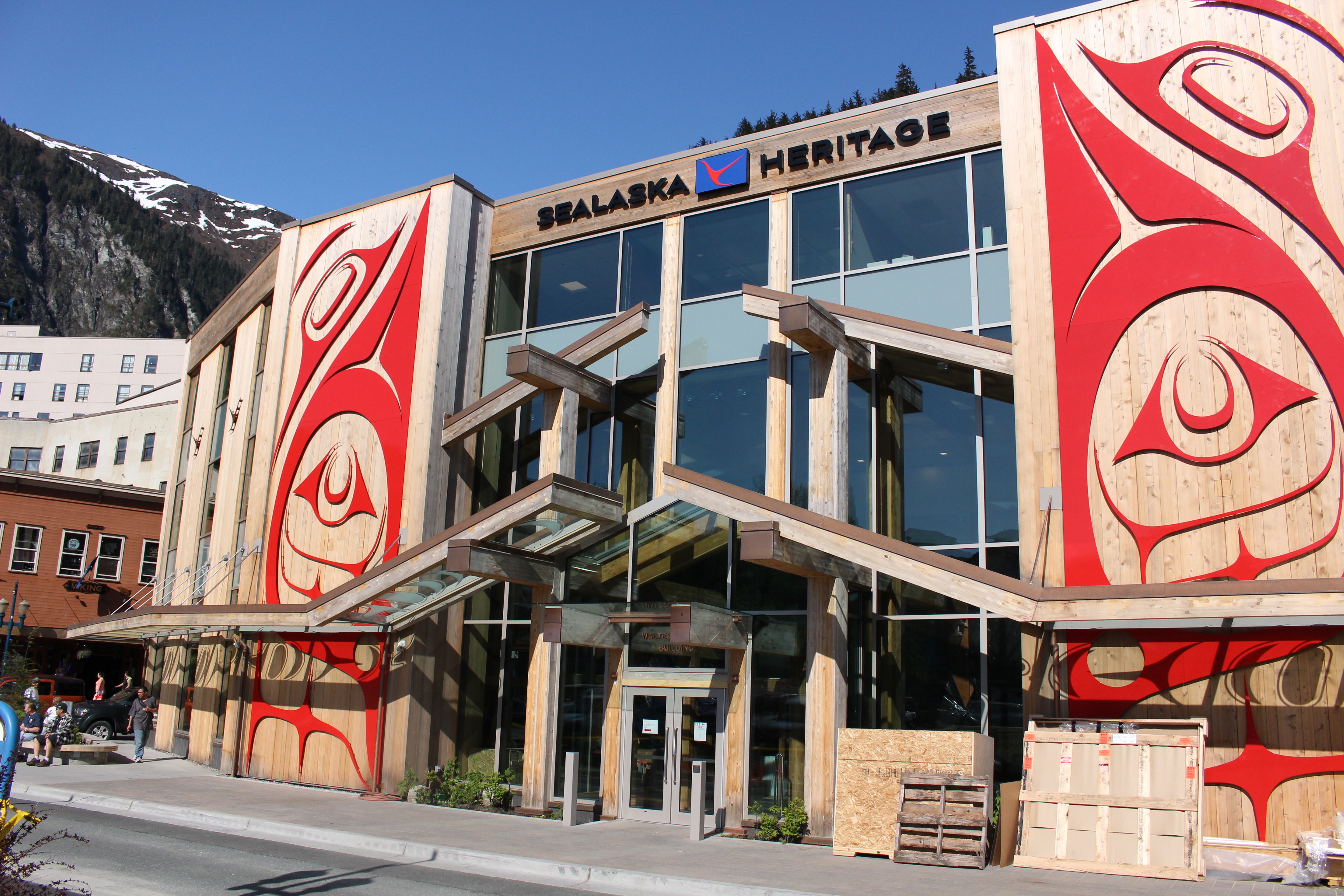
Haida artist Robert Davidson's metal panel "Greatest Echo" adorns the front of the Walter Soboleff Building. (Photo by Elizabeth Jenkins/KTOO)
Haida artist Robert Davidson’s metal panel “Greatest Echo” adorns the front of the Walter Soboleff Building. (Photo by Elizabeth Jenkins/KTOO)
[/item][item id=”1431579084-2-77″ tab_id=”1431579233842-1″ title=”Item”]
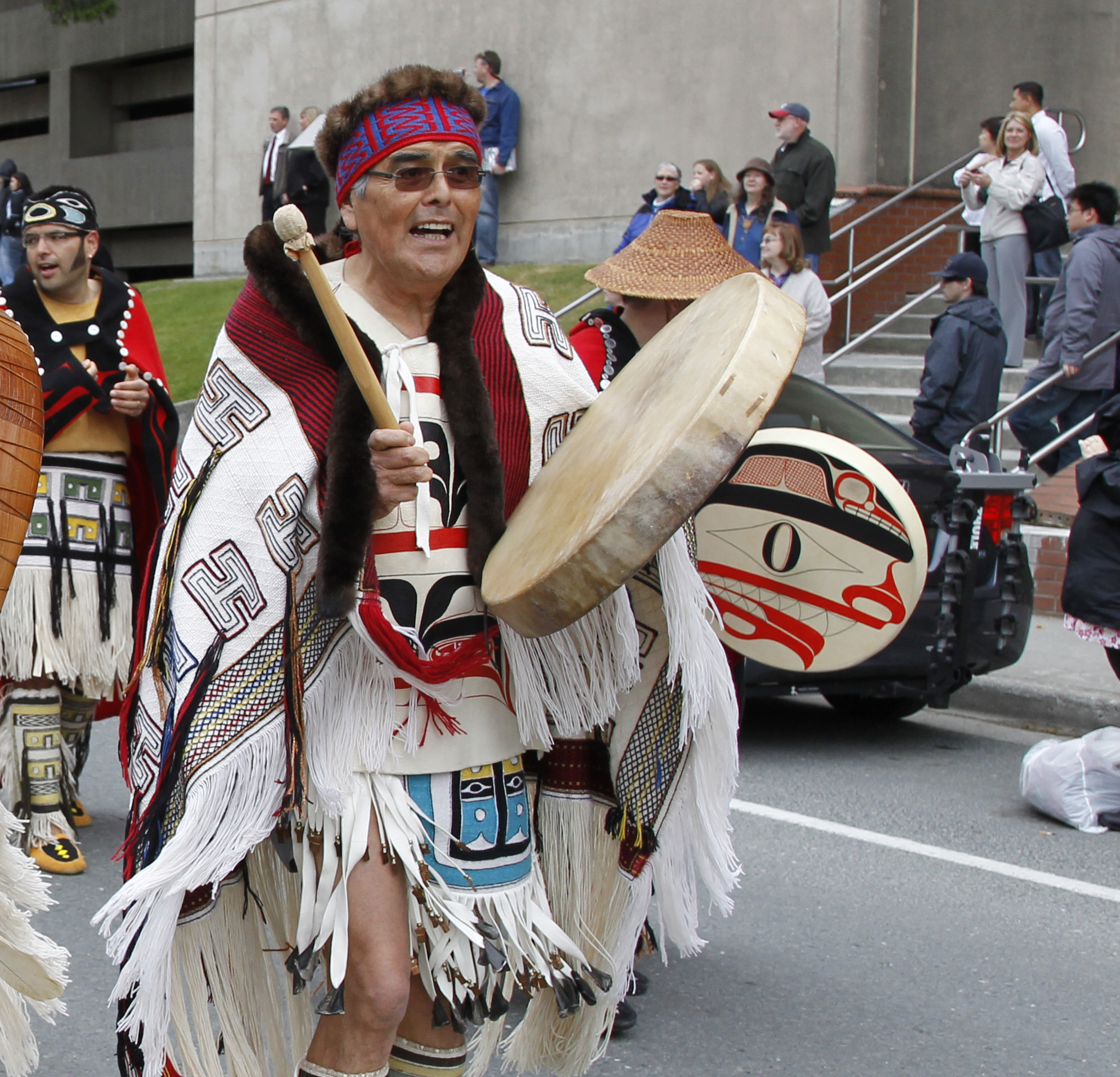
Robert Davidson at Celebration in 2010. (Photo by Brian Wallace Sealaska Heritage Institute)
[/item][item id=”1431579084-3-38″ tab_id=”1431579234397-2″ title=”Item”]
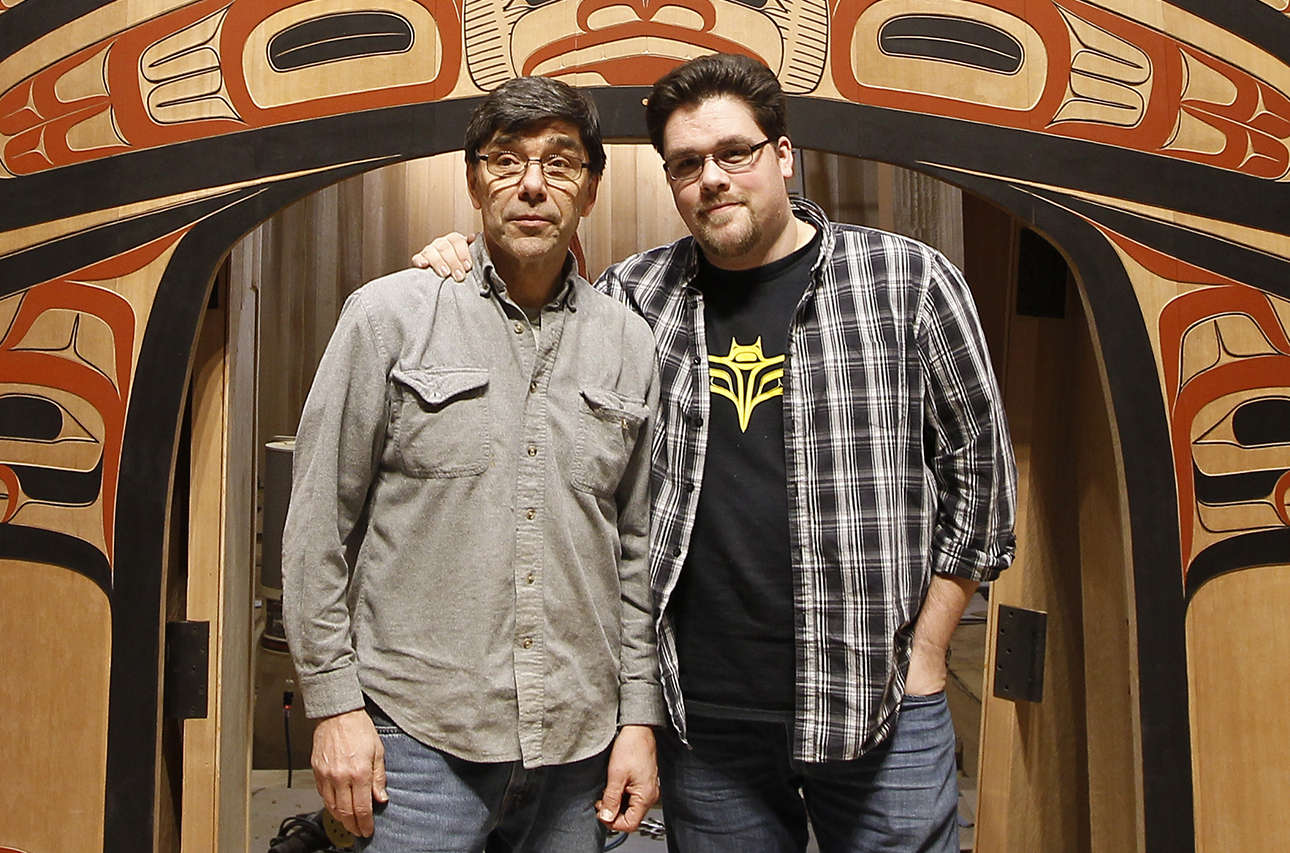
David A. Boxley (left) and son David R. Boxley collaborated on the Tsimshian clan house front. (Photo by Brian Wallace/Sealaska Heritage Institute)
[/item][item title=”Item” id=”1431579387938-0-1″ tab_id=”1431579387943-4″]
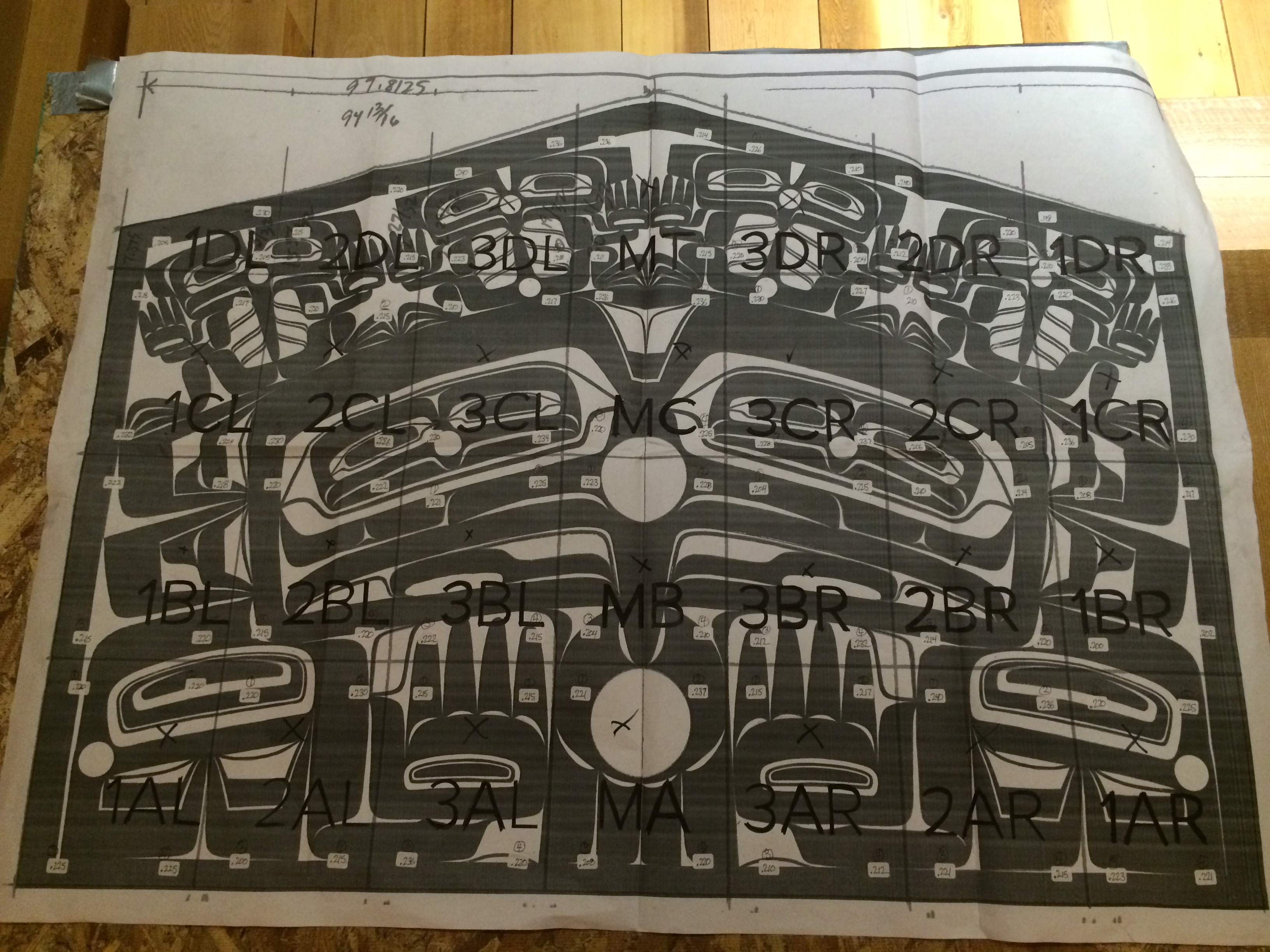
The blueprint of Singletary's 28 glass panels. They weigh close to 1,500 ponds all together. (Photo by Scott Burton/KTOO)
The blueprint of Singletary’s 28 glass panels. They weigh close to 1,500 ponds all together. (Photo by Scott Burton/KTOO)
[/item][item title=”Item” id=”1431579472053-0-10″ tab_id=”1431579472059-7″]
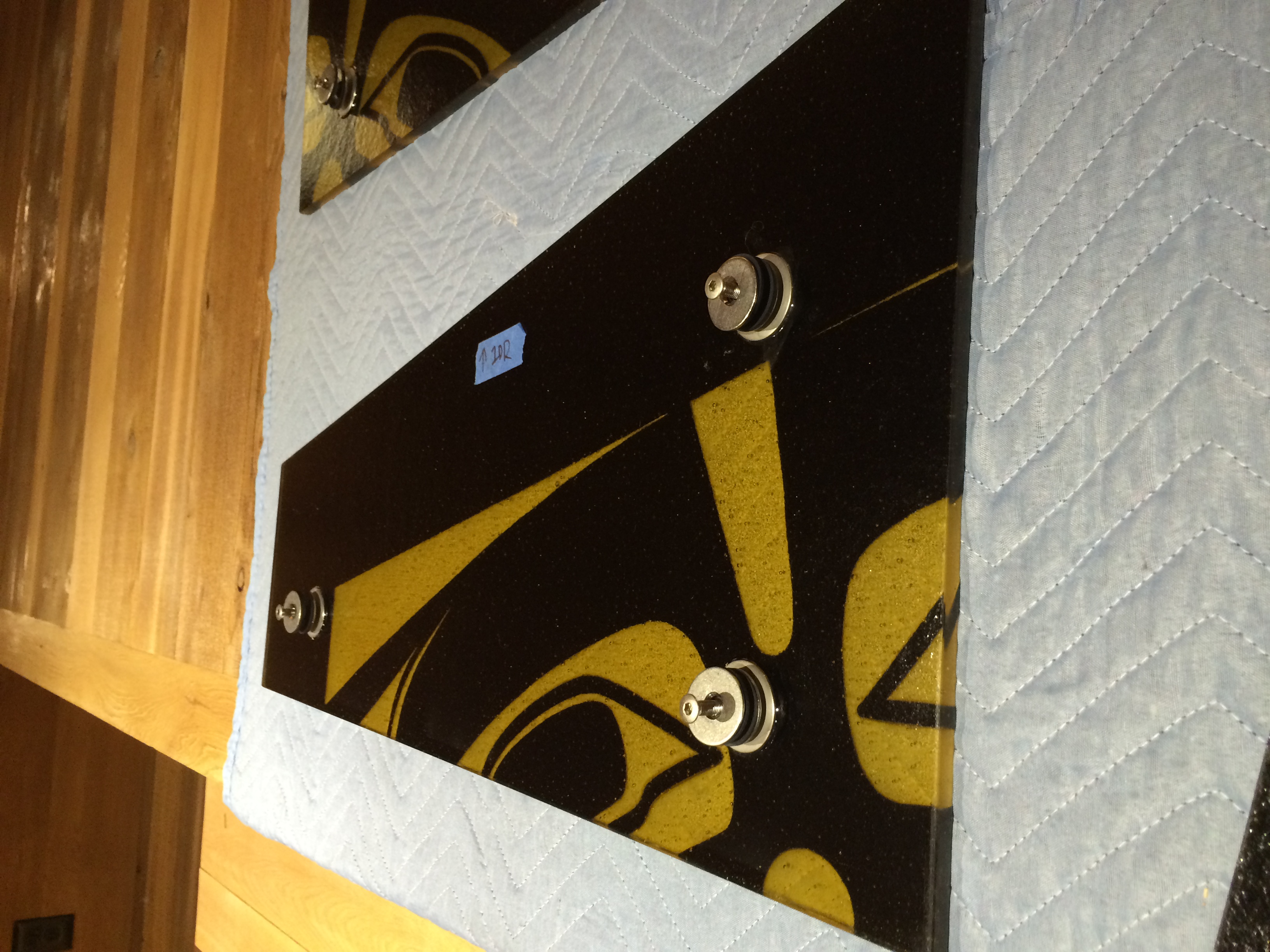
One of Singletary's 28 glass pieces that will combine to make the screen. (Photo by Scott Burton/KTOO)
One of Singletary’s 28 glass pieces that will combine to make the screen. (Photo by Scott Burton/KTOO)
[/item][/carousel]
Opening ceremonies for the Walter Soboleff Building begin Friday at 8:30 a.m. The grand opening ceremony will be broadcast live on 360 North.

The new Walter Soboleff Building in downtown Juneau will soon be fully unveiled to the public. In addition to observing the structure’s architecture, visitors will be surrounded by monumental art.
Rosita Worl says she wanted both traditional and contemporary art. (Photo courtesy of Sealaska Heritage Institute)

“We knew we wanted to have the best of our artwork,” says Sealaska Heritage Institute President Rosita Worl. “And we also knew we wanted to have all of our three nations represented: the Tlingit, Haida and the Tsimshians.”

By “we” she means the institute’s Native Artist Committee: Tlingit artist Nathan Jackson, master Haida weaver Delores Churchill, Tlingit contemporary artist Nicholas Galanin and formline expert Steve Brown. They solicited art, deliberated over the proposals and chose three. But what is monumental art?

“I think of it as something that is put on structures, canoes, or totem poles, but they’re not utilitarian objects. They’re not things that we wear. They’re not ceremonial objects per se, but that’s not to say that they don’t have a sacred dimension to them,” says Worl.

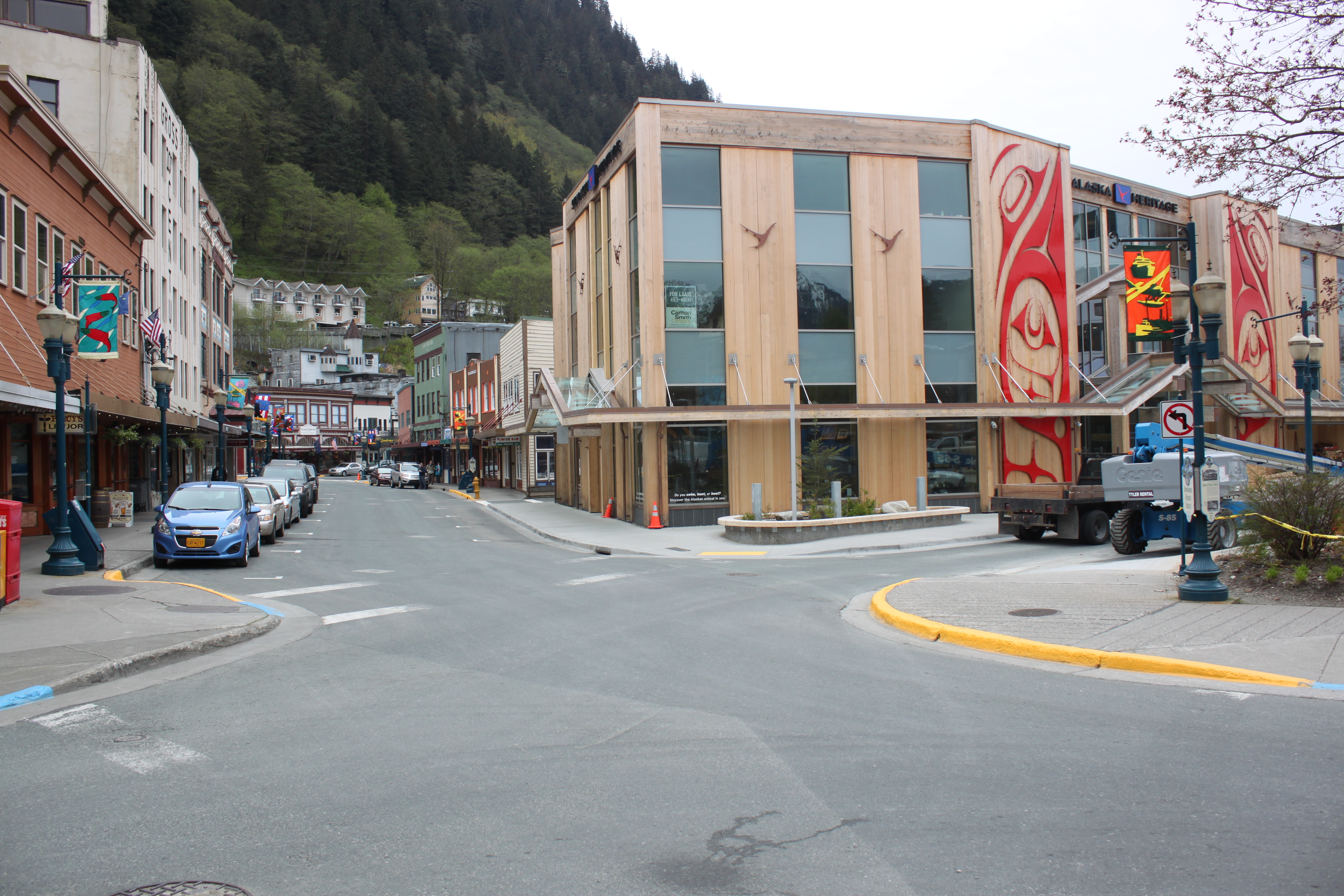
Haida artist Robert Davidson’s 40-foot red steel panels frame the building’s front entrance. The installation was inspired by a smaller contemporary piece Davidson donated to SHI that was dedicated to Walter Soboleff called “Echoes.” The piece everyone will see from the street is called “Greatest Echo.”

“The fact that it was dedicated to Dr. Soboleff (and) called ‘Echoes’ (was) because Robert Davidson said that ‘he had echoes from the past that were moving into the future’ and it was just absolutely the appropriate theme for the building,” says Worl.

Beyond Davidson’s panels and through the glass front doors, a 15-foot tall, 40-foot wide Tsimshian clan house front defines the atrium. It’s by David A. Boxley and his son David R. Boxley. The elder Boxley says his piece is a step back in time.

“It is made to look like you were coming by canoe into a Tsimshian village and this type of design would have been on the major house of that village,” he says.

The detailed painted formline design on it may be the most traditional of the three pieces of monumental art, but there’s more there. The wood is carved, too.

“Most of the old house fronts from back in the day were painted. The carving on this type of thing was usually set aside more for interior screens,” Boxley says.
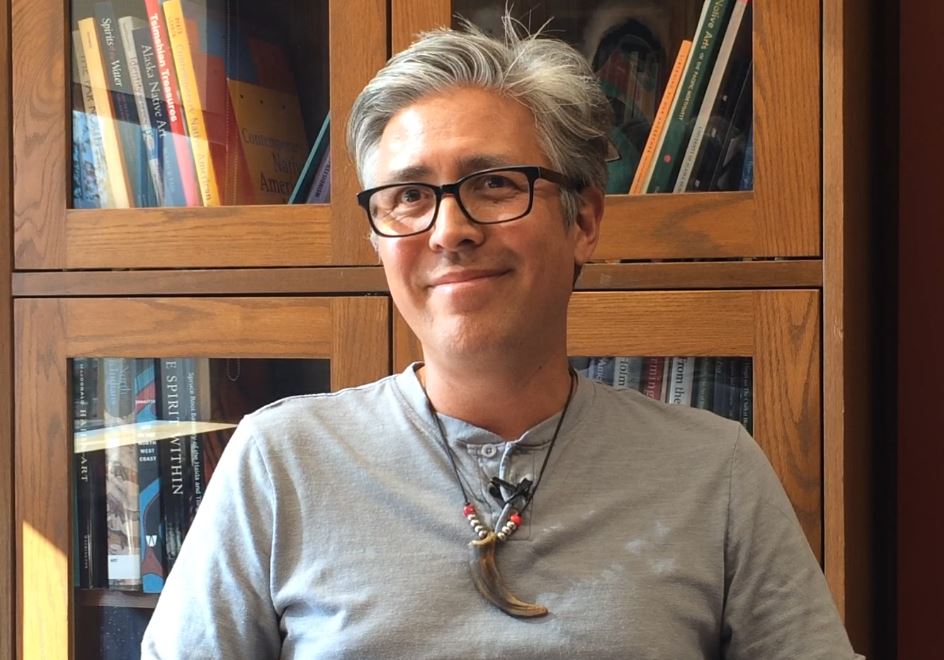
Tlingit glass artist Preston Singletary hopes his work will inspire future generations to explore new mediums. (Photo Scott Burton/KTOO)

Inside, the third piece of monumental art is a clan house screen by Tlingit artist Preston Singletary.

“I created a bird design that could represent eagle or raven, so it’s a little bit nebulous there. But I wanted to create a very quintessential Tlingit style so that the formline is quite bold and has a really strong kind of architecture to it,” Singletary says.

While a traditional screen is made of wood, Singletary’s is actually 28 black and amber sandblast-carved glass panels mounted together as a mural.  Singletary says that using a contemporary medium like glass brings a new element to traditional art.

“I hope that the takeaway might be for someone to be inspired to, you know, reinterpret what they’re doing as far as the traditional arts,” Singletary says. “Maybe they’ll be inspired to create in a new material and see that it’s ok and see that we’re pushing forward on different levels, and so maybe the next generation will be a lot more comfortable with doing that.”

Worl says this is what the Native Artist Committee was after.

“We wanted to have both traditional and contemporary. We wanted to be able to show the evolution of our culture—that our culture isn’t static.”
Front and Franklin streets to undergo major reconstruction

City right-of-ways on Front and Franklin streets haven't undergone major reconstruction in 30 years. (Photo by Lisa Phu/KTOO)
City rights of way on Front and Franklin streets haven’t undergone major reconstruction in 30 years. (Photo by Lisa Phu/KTOO)

The City and Borough of Juneau plans to reconstruct Front and Franklin streets downtown. It hosted an initial meeting last month to find out what the public wants and is still looking for suggestions.

Standing outside the new downtown Heritage Coffee Cafe, project manager Michele Elfers says it’s been 30 years since Front and Franklin streets have had major reconstruction.

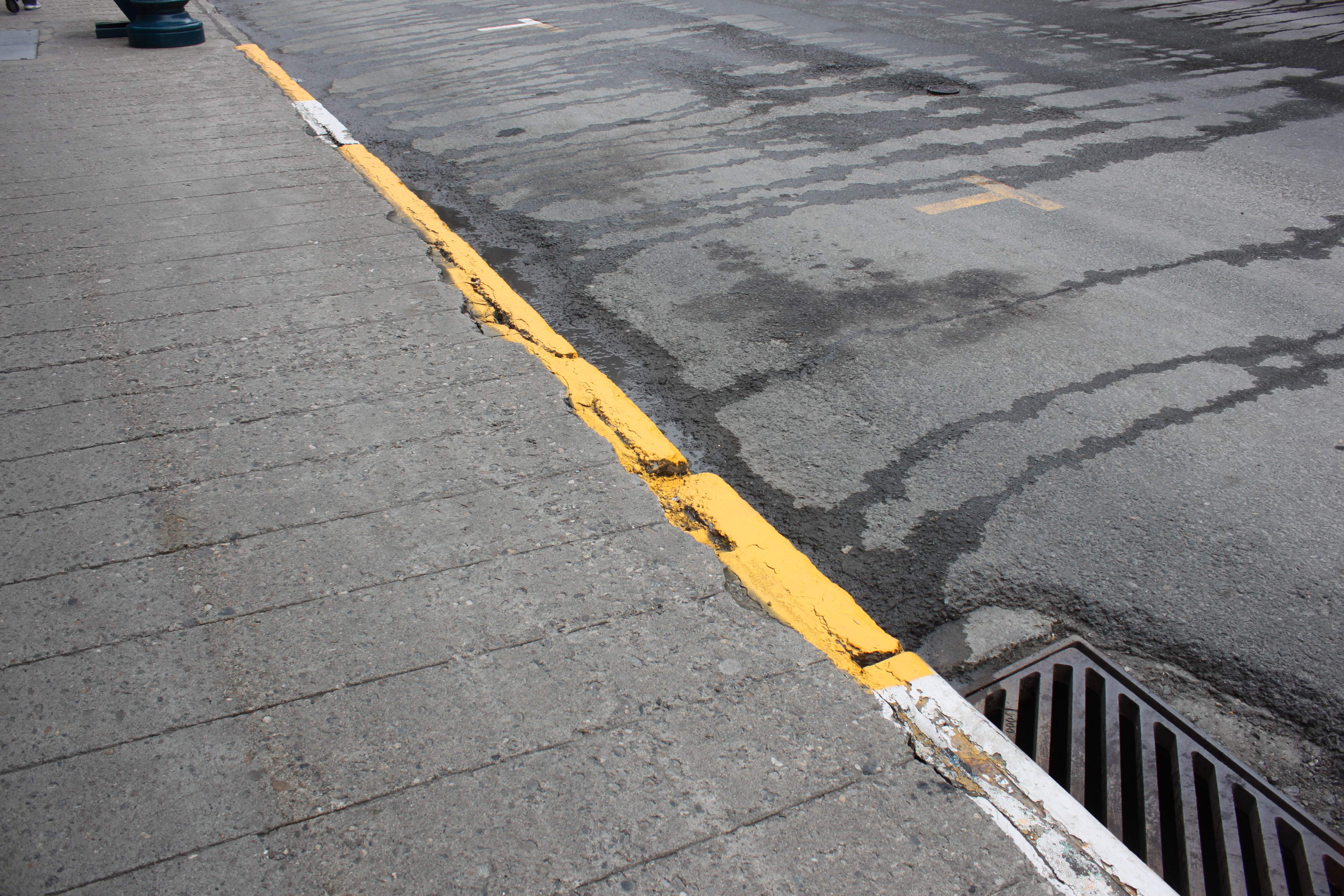
“When you look at the sidewalks and you see the paving pattern with the joint lines that are about 10 inches apart, that was done in the ‘80s and it was meant to look like planks to give it a historic feel because this is the historic district, and so they thought, well, maybe it looks like wood planks,” Elfers explains.

These sidewalks were originally designed to look like wood planks. (Photo by Lisa Phu/KTOO)

She says those sidewalks are crumbling.

“It’s time for an upgrade. Here’s a little tripping spot right here. That’s probably 3/4 of an inch to an inch, which is not OK,” Elfers says.

As we walk down Franklin Street, Elfers points out gaps in the sidewalk, deteriorating curbs and uncomfortable pinch points.

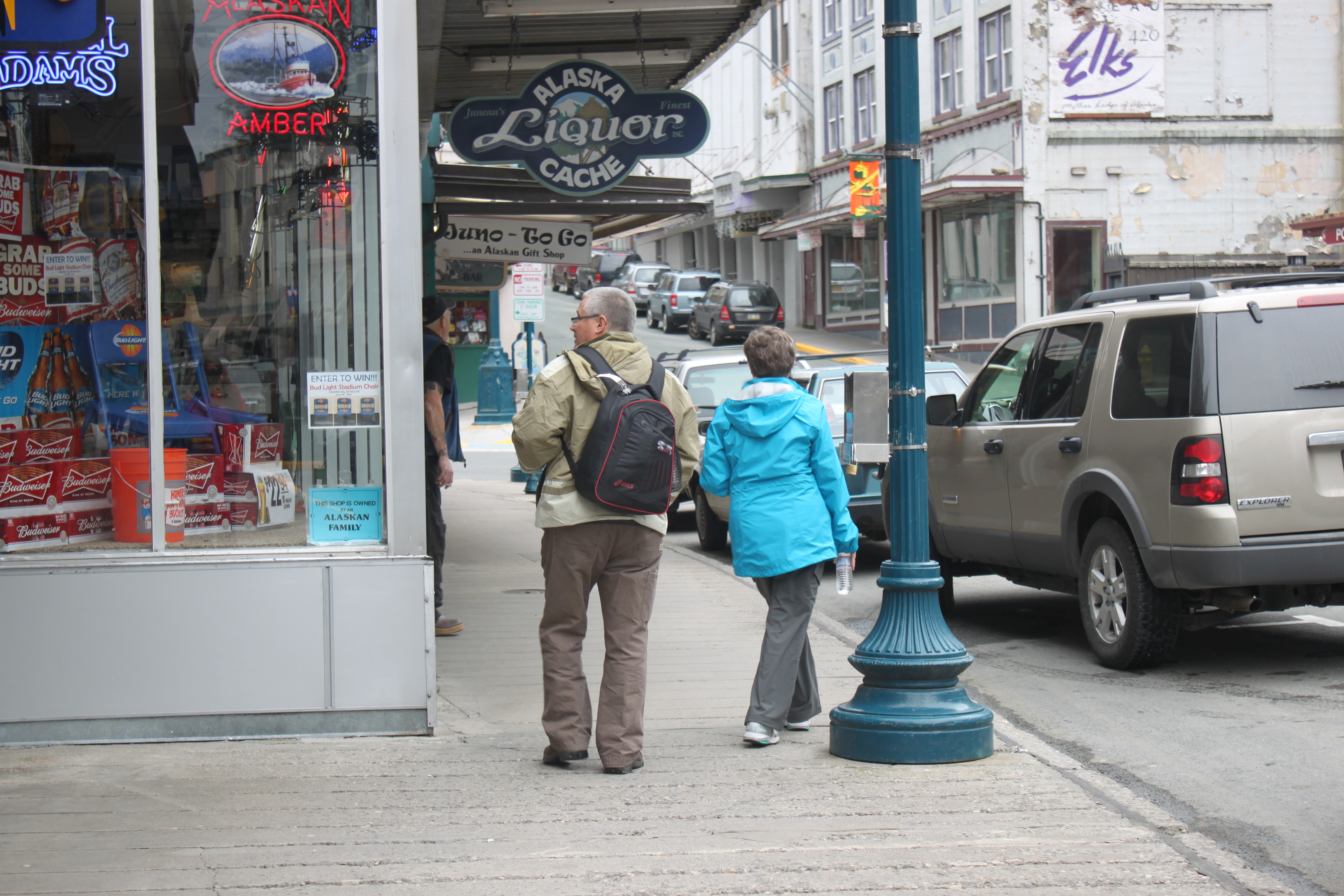
“Right here, we’re in front of the Alaska Liquor Cache,” says Elfers, “and there’s a street pole – the base is almost two feet wide and then you have the corner of the building, and your walking space is maybe 4 feet.”

A pinch point near the Alaska Liquor Cache makes it hard for people to walk comfortably. (Photo by Lisa Phu/KTOO)

Elfers says the city is considering things like utility upgrades, curbs, gutters, sidewalks, parking, intersections, lighting, gathering spaces and art. She says a lot of it will be decided by the public.

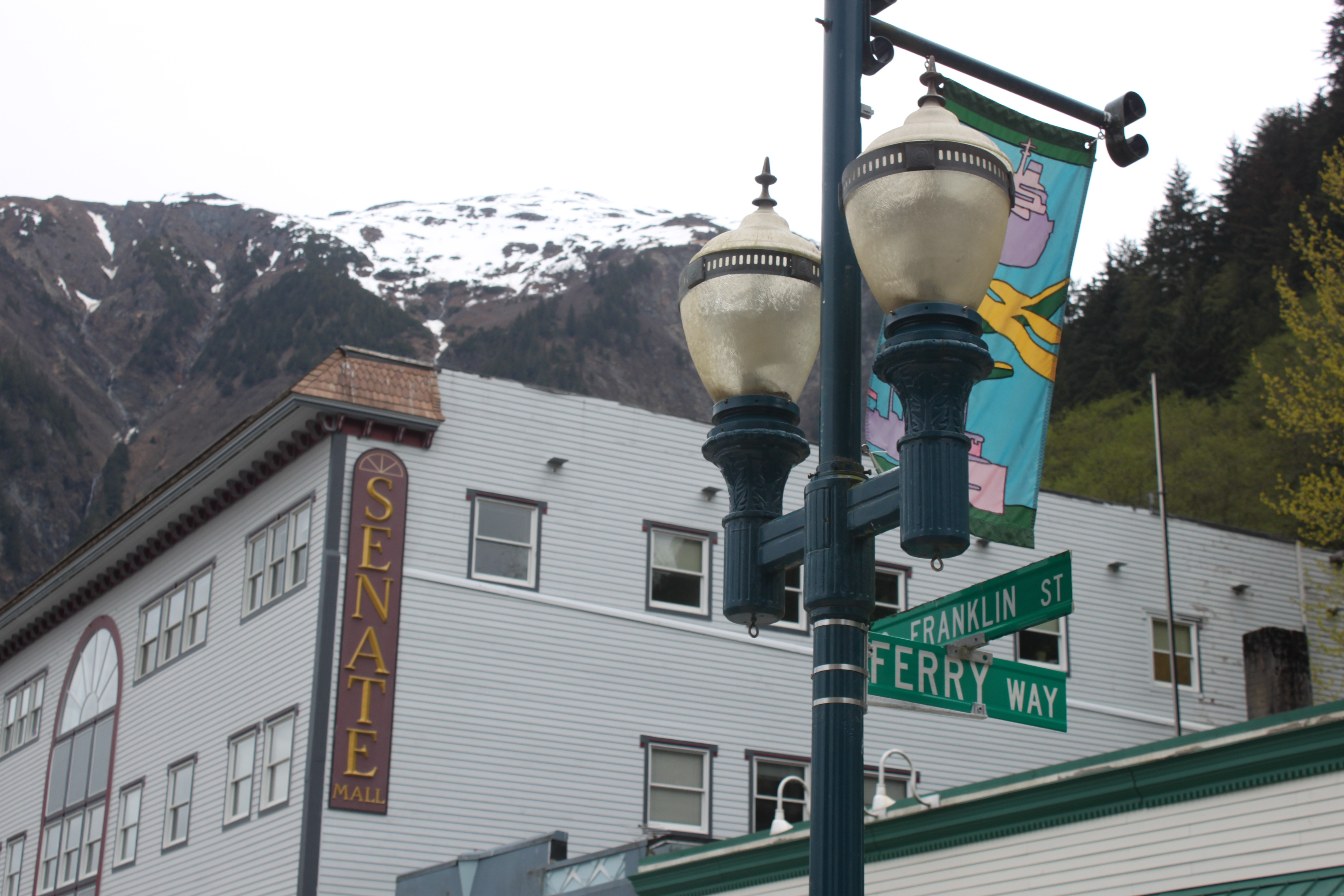
It was the public after all that brought the project forward. Bruce Denton is one of the owners of the Senate Building on Franklin Street. He says the street reconstruction project stems from the Downtown Improvement Group, which formed almost a year ago.

“The issues go, I think, beyond homelessness. It’s just a general state of decay downtown, whether it’s property owners or business owners or city infrastructure or city maintenance or the whole gamut,” Denton says.

After Denton went to city staff and the Juneau Assembly about Front Street and Franklin Street reconstruction, the Assembly appropriated $100,000 for this planning stage of the project.

Denton says he wants to see downtown developed to its potential. He wants it to become a more family-friendly place.

“It just makes me really sad when people say, ‘I never come downtown. I can’t stand coming downtown.’ I think it’s a super dynamic spot and it’s the face of our city,” Denton says.

He says the city moving forward with the downtown street reconstruction will spur more improvements.

“If somebody paints their building then the neighbor feels like they should paint their building. There’s a lot of that going on. Just raising the level of care, whether it’s painting fire hydrants or crosswalks or fixing the curbs and the sidewalks that are covered with gum – it’ll feed on itself,” Denton says.

At the first public meeting for the project, Elfers says many people talked about improving downtown lighting. (Photo by Lisa Phu/KTOO)

Another $250,000 will go toward design, Elfers says. How much the total project will cost hasn’t been determined.

“What we need to do is figure out what the community wants, make some decisions, recommendations to the Assembly and then the Assembly gets to decide what’s funded and what’s not and where it’s coming from,” Elfers says.

City staff will have recommendations and draft plans for comment at the next public meeting June 17.

GCI services interrupted in Juneau

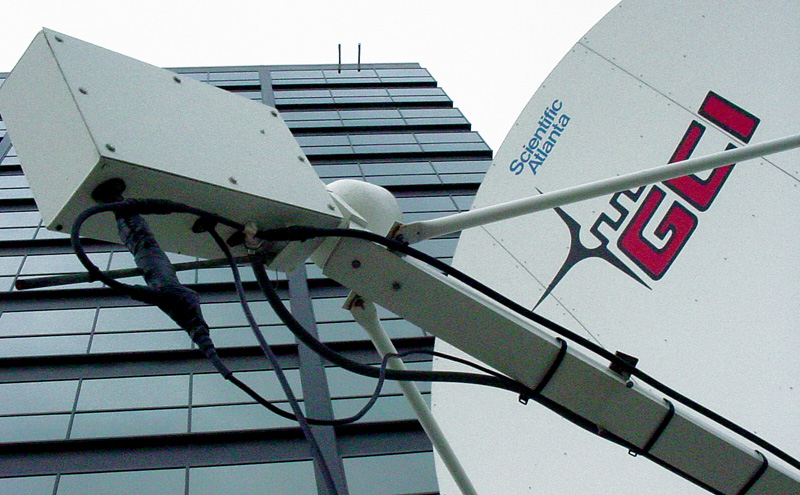
GCI Antenna
GCI Antenna. (Creative Commons photo by Sir Mildred Pierce)

Telecommunications provider GCI experienced an outage this morning in downtown Juneau with one of their fiber cables.

“This morning we had a contractor working at 12th and Glacier. They inadvertently pulled down an aerial fiber can. When they pulled the can down, they managed to dislocate a couple of fiber cables,” says Warren Russell, the vice president for GCI in Southeast.

A can is the name for the single collection point for various fiber cables. Cell phone reception in Juneau may have been impacted.

“It’s not the whole network, it’s just certain sites may be down. So you may experience short gap areas as you drive through town,” he says.

Other services interrupted were Video on Demand, PBS and 360 North. Russell says the issue should be fixed now.

Juneau Police Department remembers fallen officers

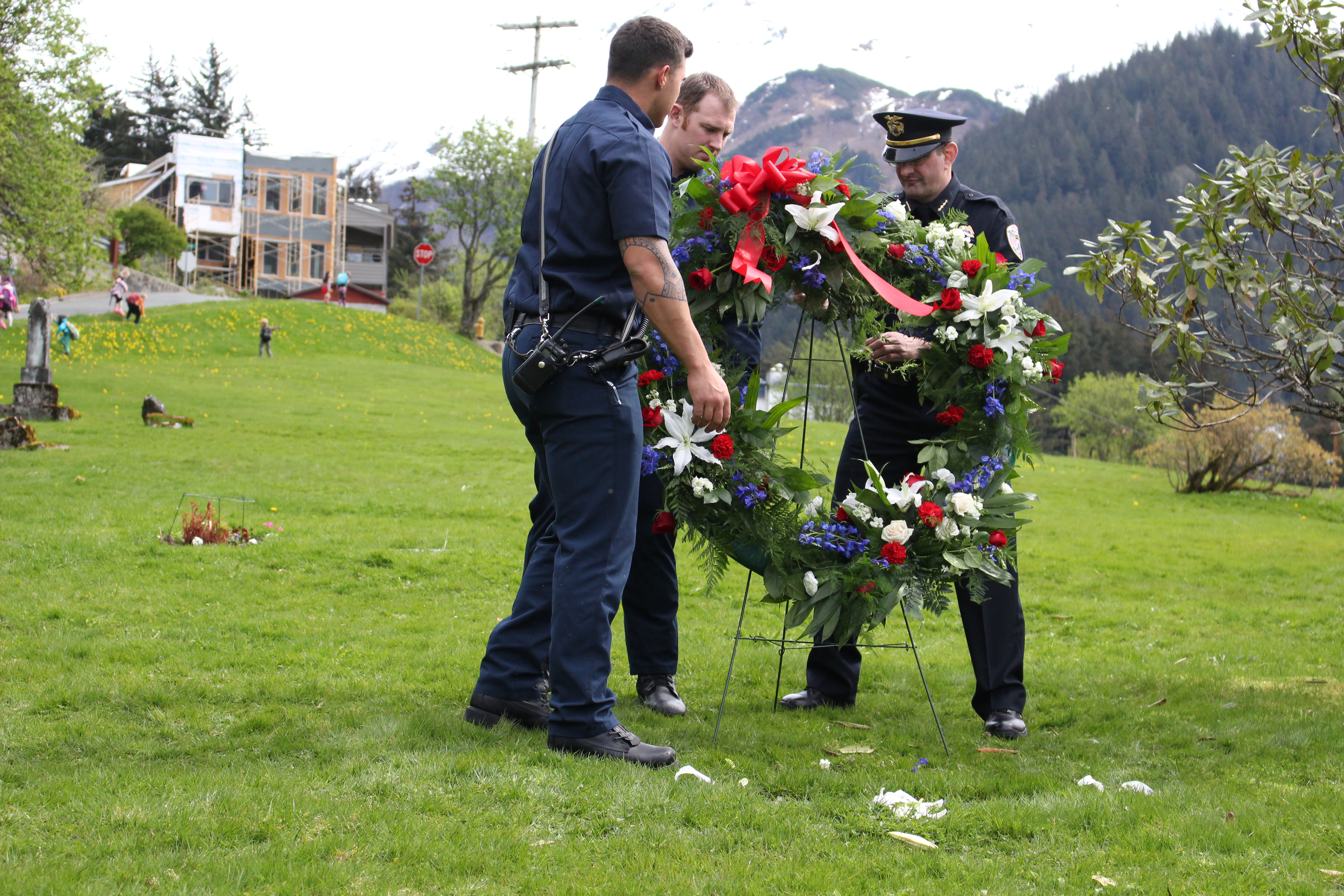
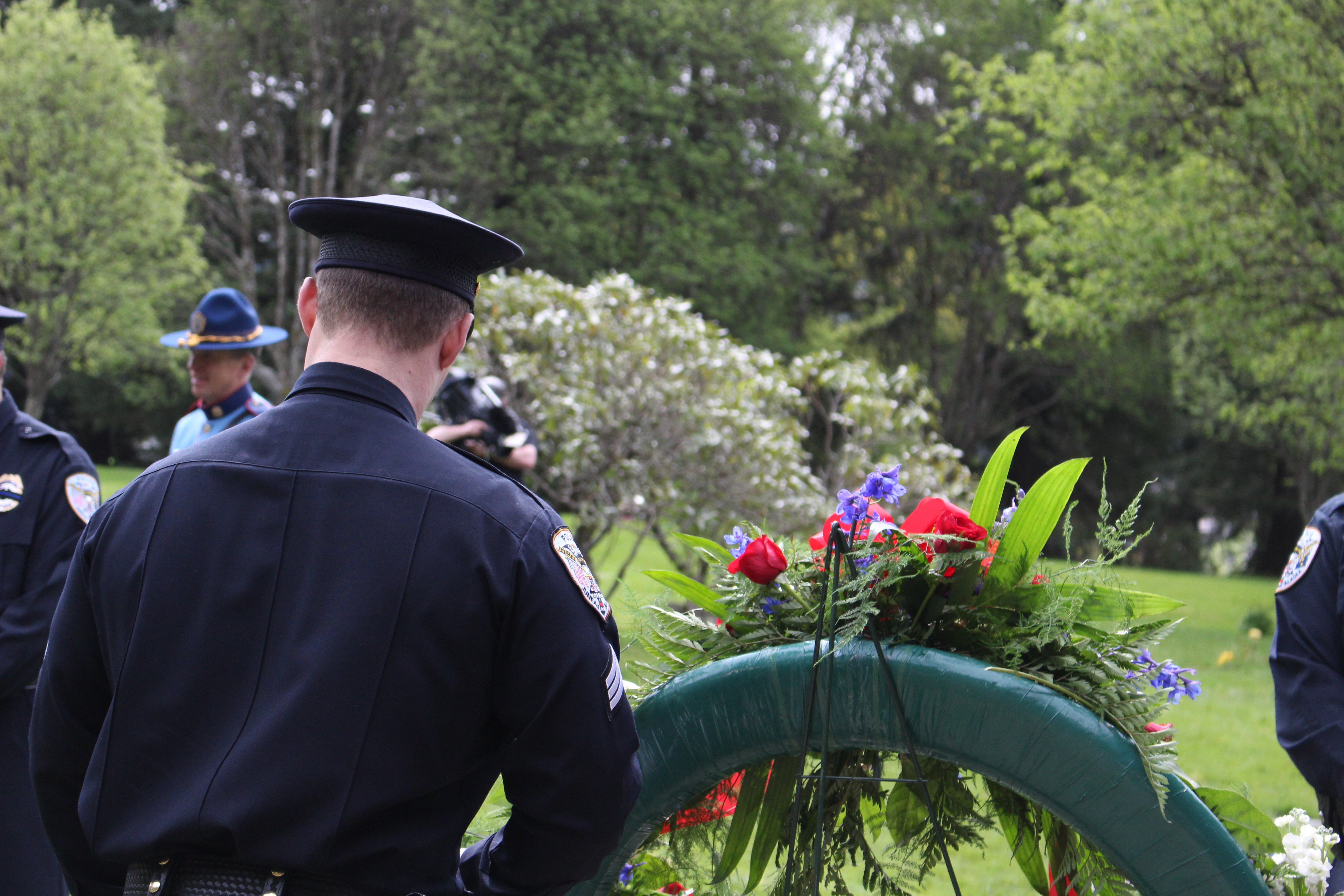
The Juneau Police Department places a wreath on the grave of Officer Richard Adair (photo by Elizabeth Jenkins/KTOO)
The Juneau Police Department places a wreath on the grave of Officer Richard Adair. (Photo by Elizabeth Jenkins/KTOO)

Around 25 people gathered at Evergreen Cemetery this afternoon to remember local law enforcement officers killed in the line of duty.

“We have four from Juneau Police Department that were were killed. We also honor the troopers and the other police officers in other jurisdictions, like Hoonah. We’re here to place a wreath and remember their service and their sacrifice,” said Chief Bryce Johnson with the Juneau Police Department.

The earliest recorded police death in Juneau happened in 1964 when Chief of Detectives Donald Dull was accidentally shot by a court bailiff. In 1979, Officer Richard Adair and Officer Jimmy Kennedy were both ambushed by gunfire and died from their injuries. Officer Karl Reishus died in 1992 after trying to save two firefighters during a training accident.

IMG_5436At today’s ceremony, a wreath of flowers was placed on the grave site of Officer Richard Adair. Some of his family still live in Juneau. Lt. Kris Sell says coming together for Alaska’s Police Memorial Week is a way to remember the fallen officers but also reflect.

“There’s only one degree of separation between the fallen officers and those who walk the streets,” she says.

Another ceremony will be held tonight at 5:30 p.m. at Dzantik’i Heeni Middle School.

Governor signs SLAM bill for Kashevaroff, Foster

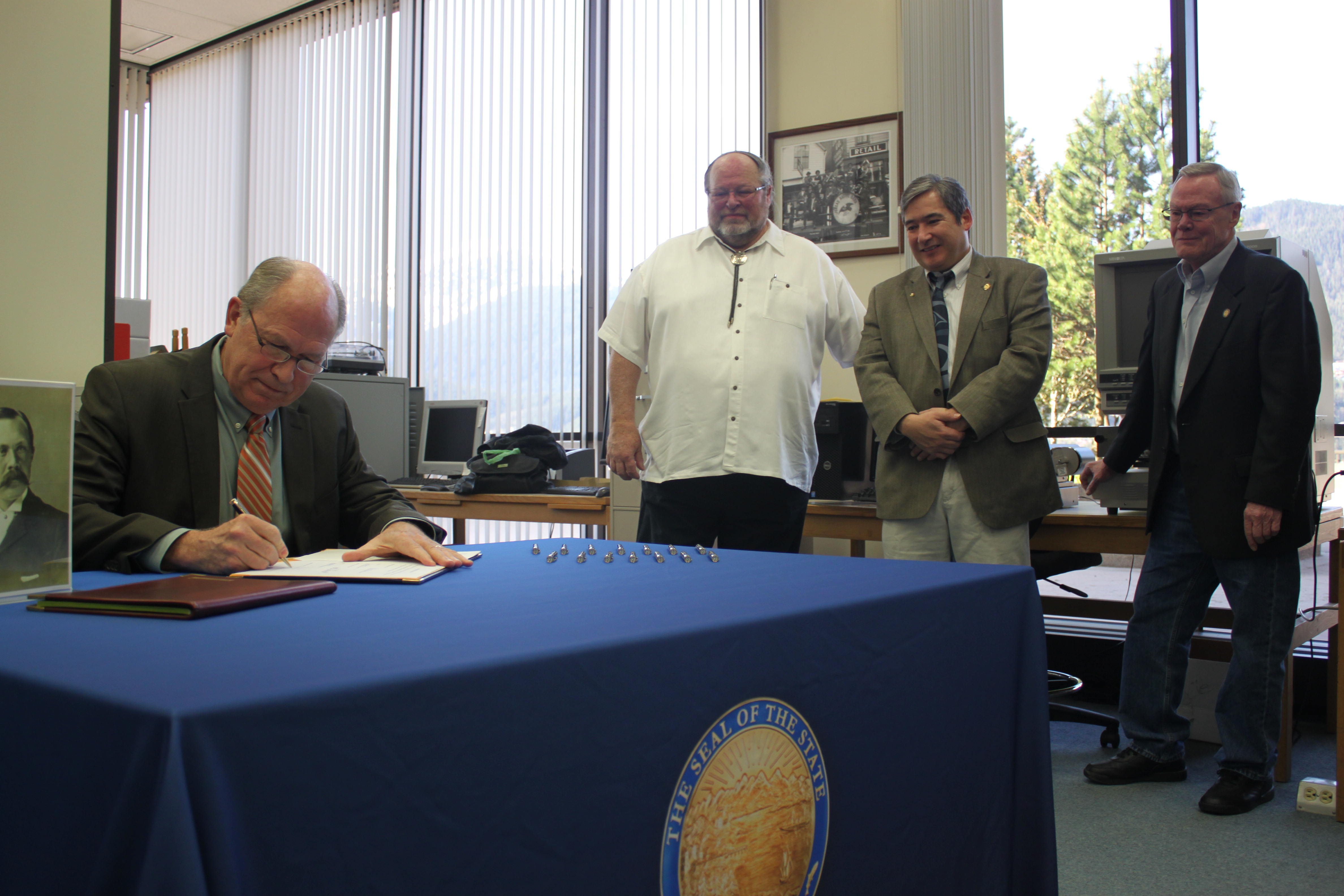
Gov. Bill Walker signs the bill Tuesday morning as Juneau Mayor Merrill Sanford, Rep. Sam Kito III and Sen. Dennis Egan look on. (Photo by Lisa Phu/KTOO)

Gov. Bill Walker signed a bill this morning officially naming the new State Libraries, Archives and Museum Building after Father Andrew P. Kashevaroff. The signing took place in the historical library in Juneau’s State Office Building.

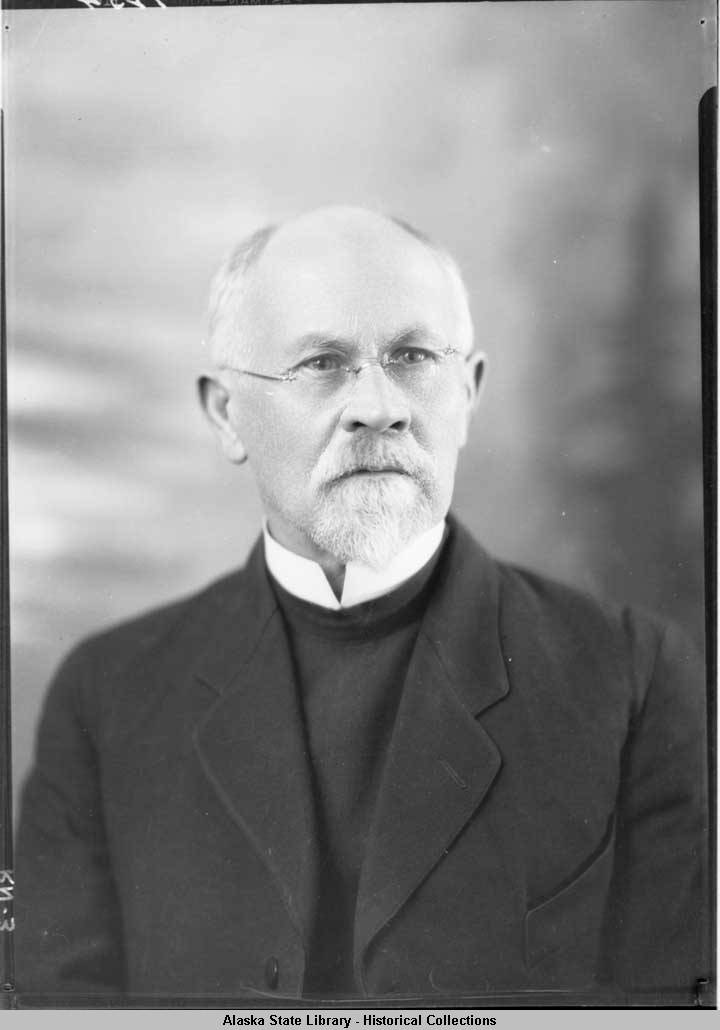
Of Russian and Native heritage, Father Kashevaroff was the first librarian and curator of the Alaska Historical Museum and Library when it relocated to Juneau in 1919.

Father Andrew P. Kashevaroff (Photo from the Alaska State Library-Historical Collection)

Bob Banghart is deputy director of the Division of Libraries, Archives and Museums.

“He was charged with the task of getting it on its feet and going forward with it, and if you look at the diagrams of the old facility, it would almost appear to be a cabin of curiosities. He was pulling in material from all over,” Banghart says. “But you read his writings and he was deeply engaged in social issue, the studying of cultures.”

Kashevaroff acquired thousands of objects for the museum. He held the position for 20 years until his death in 1940. Kashevaroff was also the Russian Orthodox priest of Juneau’s St. Nicholas Church.

Juneau Sen. Dennis Egan’s bill naming the SLAM building also honors former Rep. Richard Foster from Nome. A reading room upstairs in the facility will be named after him.

“Richard was in the archives all the time. If he was missing on the House floor, they’d have a page go down to archives and there would be Richard,” Egan says.

The Father Andrew P. Kashevaroff State Library, Archives, and Museum Building is being built in downtown Juneau. It’s scheduled to open to the public next May. Kashevaroff’s portrait will be on the Founders Wall located off to the right as you enter the facility.

Video footage of the House floor discussion on the bill provided by Gavel Alaska

Path to graduation: one student’s journey to UAS alum

(photo by Elizabeth Jenkins/KTOO)
(Photo by Elizabeth Jenkins/KTOO)

This past weekend, 693 students received diplomas from University of Alaska Southeast campuses. Sunday was the Juneau campus’s 44th commencement ceremony. Graduation is often a time for celebration, and it should be because getting through college can be hard. There are exams to ace, late night study sessions and pressure over what comes next.

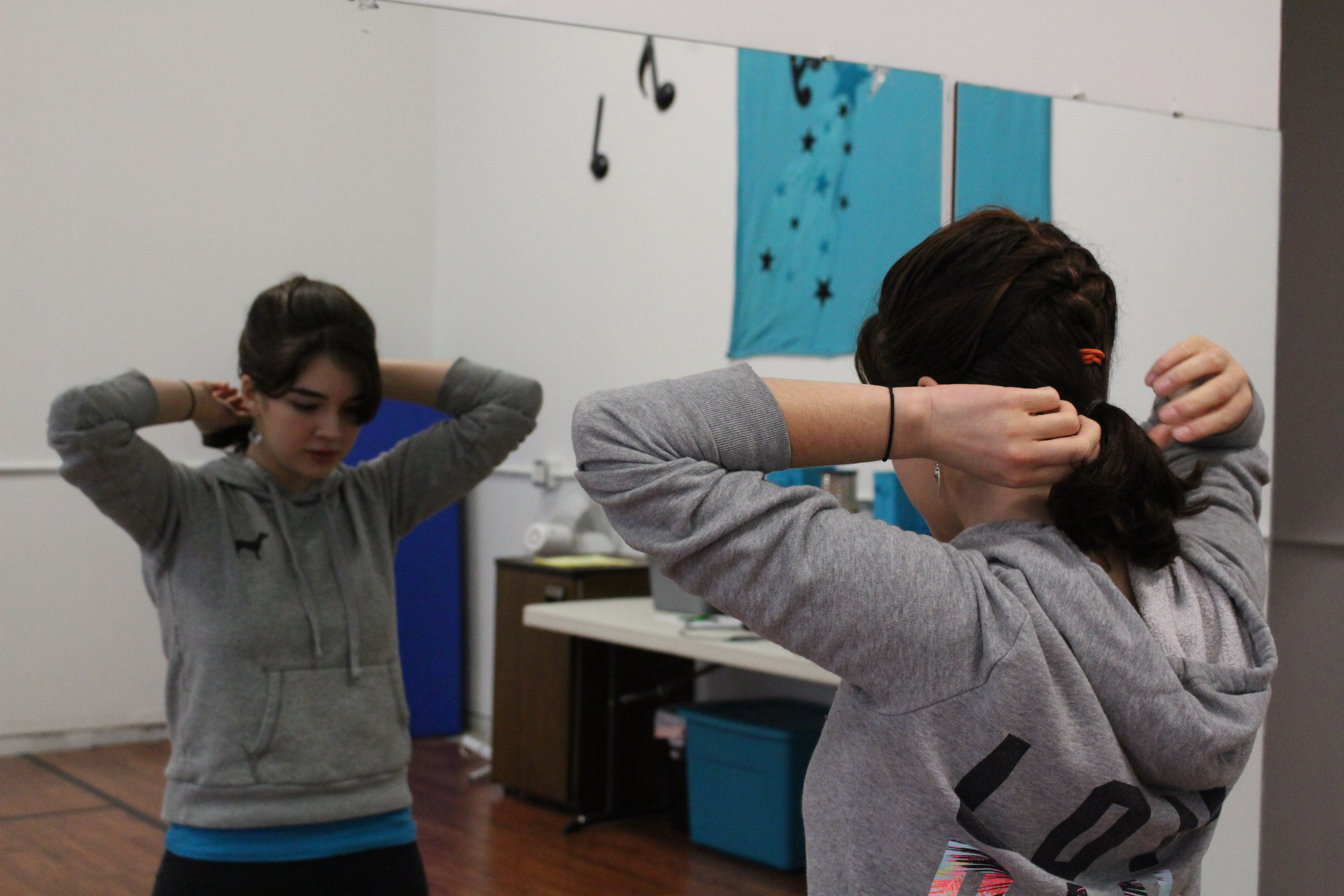
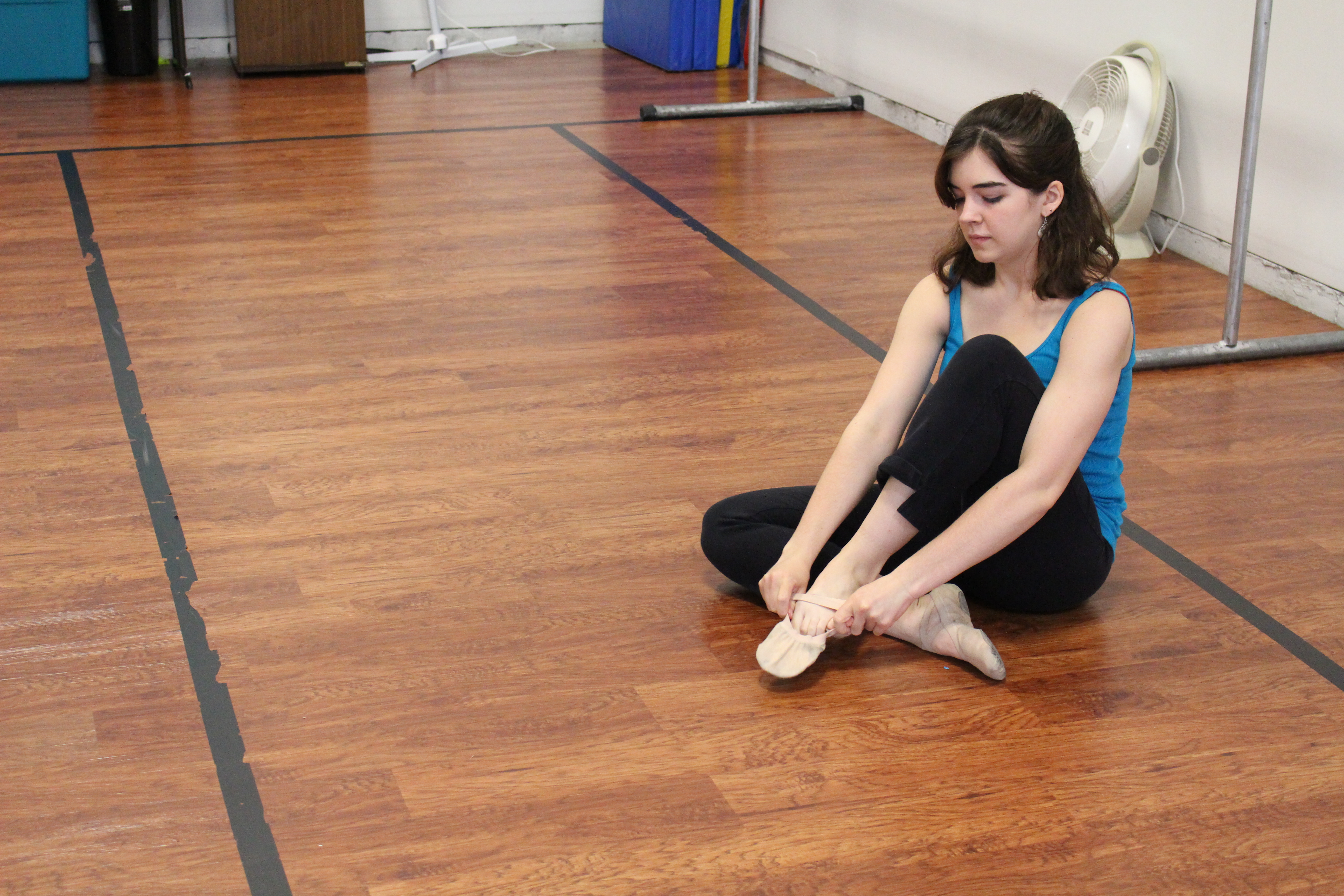
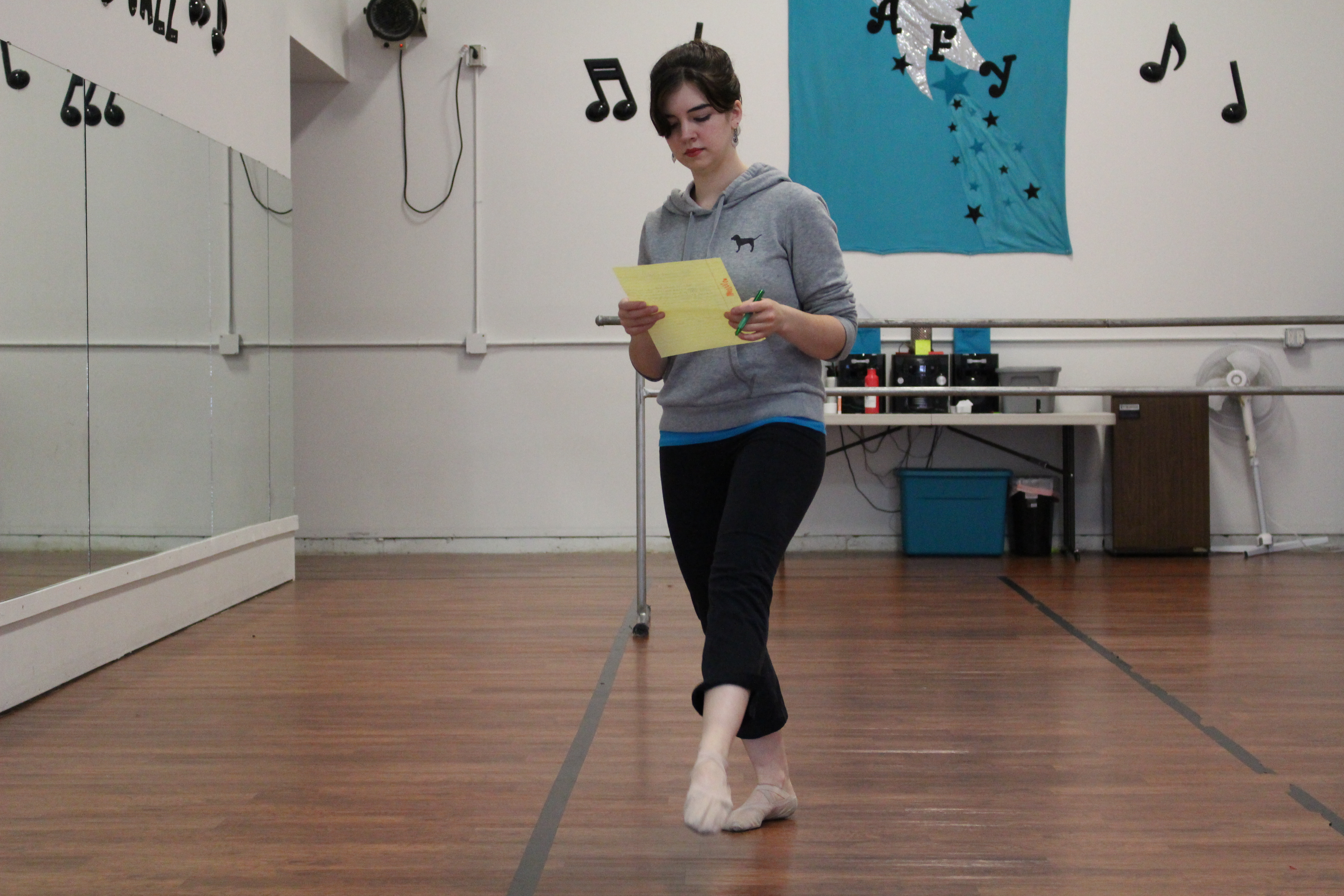
Rebecca Salsman guides a class of pre-teen students through a ballet routine at Tafy dance studio in Lemon Creek. She just arrived here from her other job, working as a daycare teacher. And if that wasn’t enough, she’s also a graduating senior.

“I think the most difficult thing has been trying to figure out how to balance it. Like, I’ve had days where I would go to class, I was taking 21 credits at a time a semester and so I would be in class every evening or every morning. And then I would go and work my full-time job. Then go to a class for another few hours. Then go teach one dance class here or there,” Salsman says.

Even the little things, like grabbing lunch or finding time for friends has been a challenge.

“Or when am I going to get my half hour of ‘me’ time in the day? You take them for granted before you get into college,” she says.

A self-described “ambitious home school kid,” Salsman started taking classes at UAS when she was just 14. She’s now 24 and receiving a degree in English with an emphasis in creative writing.

“I always knew I was kind of good at it like throughout school and stuff and high school. It was never my niche until I figured out how much fun it could be college,” she says.

Rebecca Salsman gets ready to teach class (photo by Elizabeth Jenkins/KTOO)
Rebecca Salsman gets ready to teach class. (Photo by Elizabeth Jenkins/KTOO)

This past year, she spent a lot of time editing the UAS literary journal, Tidal Echoes.

“And I would do that, odds and ends, when the kids were napping. On my lunch breaks when I had to. At midnight if I had to just to get things done,” she says.

Throughout her time in school, when things got really hectic, she’s had moments of I just can’t do this anymore.

“Oh yeah, I’ve hit those points a couple of times in my college career,” she says.

For the first three years, Salsman paid for her tuition with scholarships.

(photo by Elizabeth Jenkins/KTOO)
(Photo by Elizabeth Jenkins/KTOO)

“Then the fat hit the fan and I had to start paying for ‘em. I was considered too old and had been there too long to keep receiving as many scholarships. That was a challenge of having to hit the reality of paying student loans and working and trying to figure out how to manage life,” she says.

She got through it and now she’s graduating from UAS. Being a senior, she says you get a lot of unsolicited advice.

“Go back to school and get a masters degree. Become a teacher because that’s the only thing you can do with an English degree.”

But for now, she says she doesn’t mind where she’s at.

“I’m totally okay with continuing to work 7 a.m. to 8 p.m. ‘til I pay off my student loans and then go back to school for masters,” she says.

Salsman says she’ll use her English degree in other areas of her life, like telling stories through movement and dance.

Editor’s note: This story has been corrected to acknowledge several UAS graduation ceremonies across different campuses. An earlier version overstated Juneau diploma figures by incorporating all UAS campuses.

Site notifications
Update notification options
Subscribe to notifications