Community

Juneau to become third city in Alaska to shelter high-risk homeless

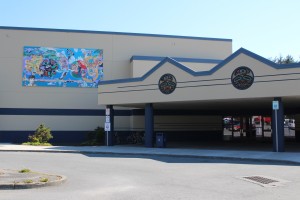
This concept drawing by MRV Architects shows the proposed Housing First project in Juneau. The facility would be built in Lemon Creek on land contributed by Tlingit-Haida Regional Housing Authority.

Juneau will become the third city in Alaska to offer permanent supportive housing to the high-risk, chronically homeless. Those are the people who have been on the streets the longest, and may suffer from addiction or mental health issues.

The Glory Hole offers three meals a day and connects homeless people with services to look for work and find housing. Up to 43 people can sleep in the shelter’s beds, but a deal breaker to staying overnight is being intoxicated. You have to pass a breathalyzer with a blood alcohol level under 0.10.

Trevor Kellar is the outreach coordinator and housing specialist at the shelter. He says he doesn’t like telling people they can’t stay.

“It can be a bummer to kick folks out, especially in the winter asking them to leave when it’s really cold is just so hard to do. But we just try to hold a line of this is what we are, this is how we serve, these are our sobriety requirements,” he says.

Juneau is estimated to have nearly 600 homeless people. Forty of those are considered high-risk, and thus the hardest to house. That’s about to change for some. The Glory Hole just received a grant from the Alaska Housing Finance Corporation to build a Housing First project.

Mariya Lovischuk, The Glory Hole’s executive director, says before you can address substance abuse or mental health issues, you need to put the person in housing.

“You need to give the person no strings attached housing in order for the person to stabilize,” she says.

(Graph by Scott Ciambor/ Alaska Mental Health Board)

The grant includes $3 million dollars in capital funding as well as $1.2 million for operational costs for the next three years. Tlingit-Haida Regional Housing Authority is contributing land in Lemon Creek where the project will be built. Lovischuk says there were a lot of obstacles to overcome to get the 32-bed facility to this point. One of them was her initial aversion to the idea.

“When I first heard about the concept I thought this is such a ridiculous idea this will never work and I’m philosophically actually opposed to it,” Lovischuk says.

She also thought it would enable residents to drink, so Lovischuk visited some of Housing First facilities in Seattle to find out for herself.

“It really took seeing how it works to realize when someone is in constant crisis and has been on the street for 12 years. You can’t just expect them to go to rehab,” Lovischuk says. “A lot of those people have been to rehab many, many times and they’re trying.”

After that, Lovischuk noticed patterns of behavior around The Glory Hole. For instance, she says a sober guest, fresh out of rehab would say, ‘Oh, I’m really excited I’m not going to drink anymore!'”

Then the inevitable stress of living in a shelter would cause them to relapse.

“’Oh, this person moved my stuff. Oh, my phone got stolen,’ and seeing that mounting and mounting, and then seeing that excitement about having a good life after rehab disappear — it was really heartbreaking,” she says.

Rainforest Recovery Center emergency vehicles patrol downtown Juneau several times a day looking for chronic inebriates. The program has a room where people can sleep off their intoxication, but the service is costly. In a two-month span, one client racked up over $33 thousand dollars in expenses that included trips to the emergency room.

Lovischuk hopes the Housing First facility will cut down these costs. The units will be more like apartments — everyone will have their own.

“So it’s definitely not going to be a shelter,” she says. “Nobody has to have annoying roommates. It’s going to be like people’s own little home.”

The Juneau Housing First Collaborative is looking for additional funding for the $7 million project, but Lovischuk says they would like to start breaking ground this summer. Once built, it will be funded by a combination of grants, donations and residents paying a small portion of their income for rent. The City and Borough of Juneau committed $1.5 million to the project in January.

New Juneau business to bring salmon skin wallets, crab shell shirts to the masses

A small Juneau business launched a Kickstarter campaign this week to crowdsource funds for a unique line of apparel and accessories. Tidal Vision is hoping it’s onto the next big thing: garments sewn from discarded salmon skin and crab shells.

Craig Kasberg, the founder of the company, pulls out a wallet from his back pocket. It’s a muted jade color, shiny with a slightly bumpy texture.

“It’s much different than what you see when you throw a skin away in the garbage when you’re cooking up your dinner or something,” he says.

The wallet is made entirely from salmon skin sourced from a processor in Kodiak, and then sewn at a tannery in Washington State.

The odor is different than what you might think.

“I would say it smells quite similar to any vegetable tanned leather really,” he says.

Tidal Vision's salmon leather wallets will retail for about $75. (photo by Elizabeth Jenkins/KTOO)
Tidal Vision’s salmon leather wallets will retail for about $75. (Photo by Elizabeth Jenkins/KTOO)

The skin has gone through a 24-step process that dries it out until it turns into leather. The material doesn’t stink because the fish oils have all been removed.

“And then replace those with all natural based vegetable tanning oils.”

Alaska has a long history with fish leather. Historically, Alaska Natives across the state have used salmon and other fish skins to craft durable garments, bags, boots and other items necessary for village life. These days, a few Native artists continue the time-consuming tradition of processing fish skins.

The material was also marketed to tourists and fashion houses in the 1990s until those ventures fizzled. Over the last few decades numerous Alaska entrepreneurs have tried their hand at the fish leather business, prompting speculation that it could be a new cottage industry for the state.

Kasberg says the biggest hurdle is convincing consumers byproducts are cool.

“When people think of fish waste, they almost plug their nose in reaction. When people haven’t seen it, smelt it, felt it, I think there is a challenge there,” he says.

Kasberg owns a gillnetter and has fished commercially in Southeast Alaska for almost a decade. He recently sold his commercial fishing license to help fund the new business.

His partner, Zach Wilkinson, has a background in economic development in agriculture. He says the agriculture industry already uses animal byproducts to make high-end items, like shoes and handbags, so why not Alaska fisheries.

“Clearly this stuff is valuable and useful and we could be doing something with it,” he says.

Some seafood processors sell byproducts for pet food, fish meal and vitamin supplements.

“What I’m particularly excited about it is kind of moving those things up the value chain and producing higher value products,” Wilkinson says.

Another item Tidal Vision plans to roll out is clothing made from chitosan extracted from crab shells. The fabric is antimicrobial, so it’s perfect for socks, underwear or gym shirts.

“We’re still going to recommend you wash your clothes but as far as odor goes, you won’t have to,” Kasberg says.

The use of chitosan is common in many industries. It’s usually stripped away from crustacean shells with formaldehyde, but Tidal Vision has a patent pending on a greener, more environmentally friendly method. They’re hoping to eventually expand the product into bandages and other medical supplies.

“The sutures that dissolve into your bloodstream are made out of a chitosan,” he says.

If the products take off, Kasberg says the business could add an overall boost to revenue for fish processors in Alaska. He would be giving them a dollar a pound for the skins, which he says is 90 percent more than fishmeal manufacturers pay. And that money could trickle down to commercial fishermen who supply the processors, like Juneau fisherman Anthoney Sine.
“That would increase our price. That would increase the money that we would be getting on our end,” he says.

Sine owns a boat called the Fortune and is preparing for the upcoming gillnet season. He says the price of seafood can fluctuate; alternative revenue streams could provide more stability.

“It greases the wheels,” Sine says. “Our seasons are short, especially the salmon season. Being able to get a little more money for my product strengthens my business for sure.”

Kasberg’s Kickstarter campaign has already raised more than half of the money it needs to begin mass production. They’re starting with wallets and plan to roll out one item at a time.

Tidal Vision surpassed its Kickstarter goal of $17,500 in 24 hours.


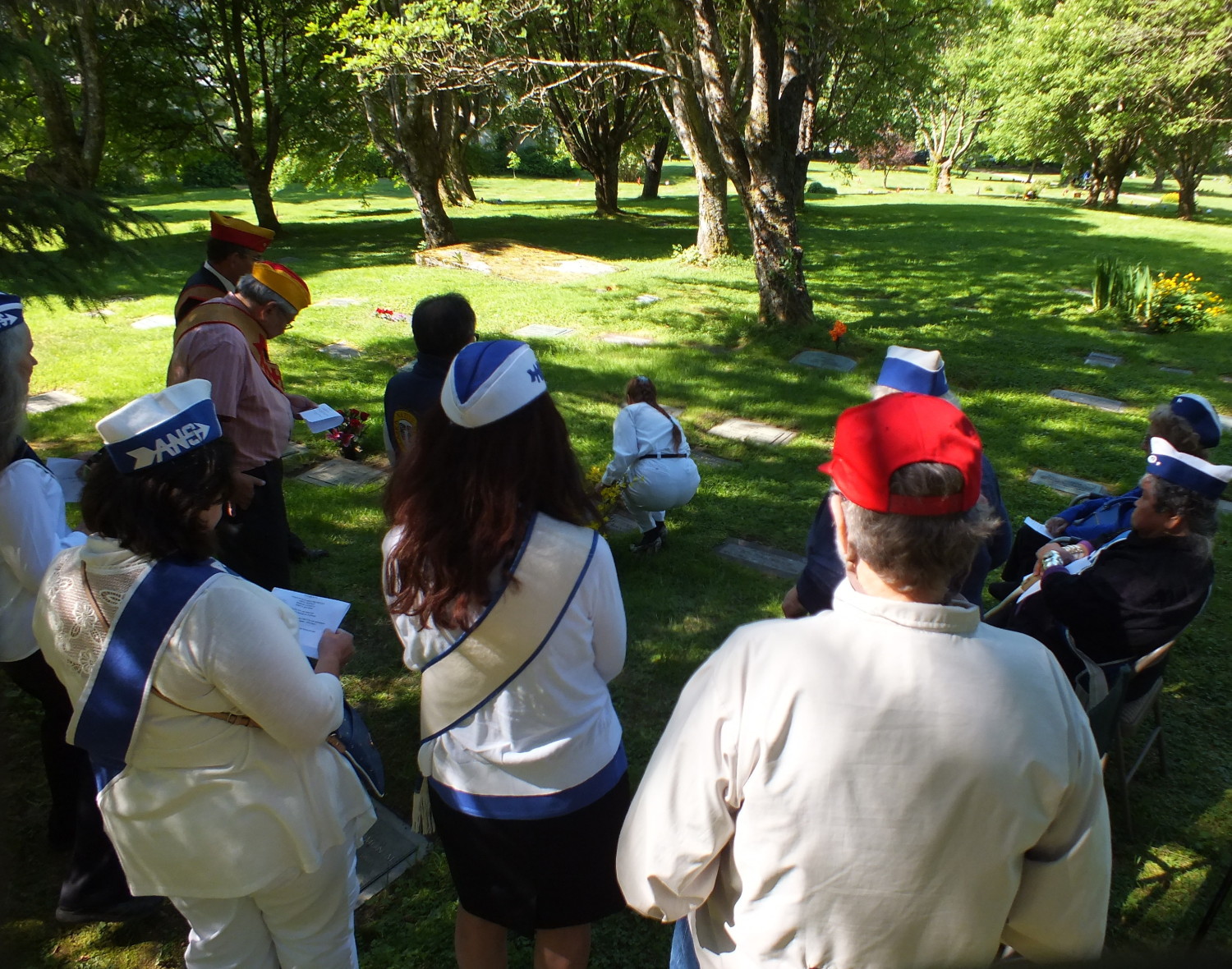
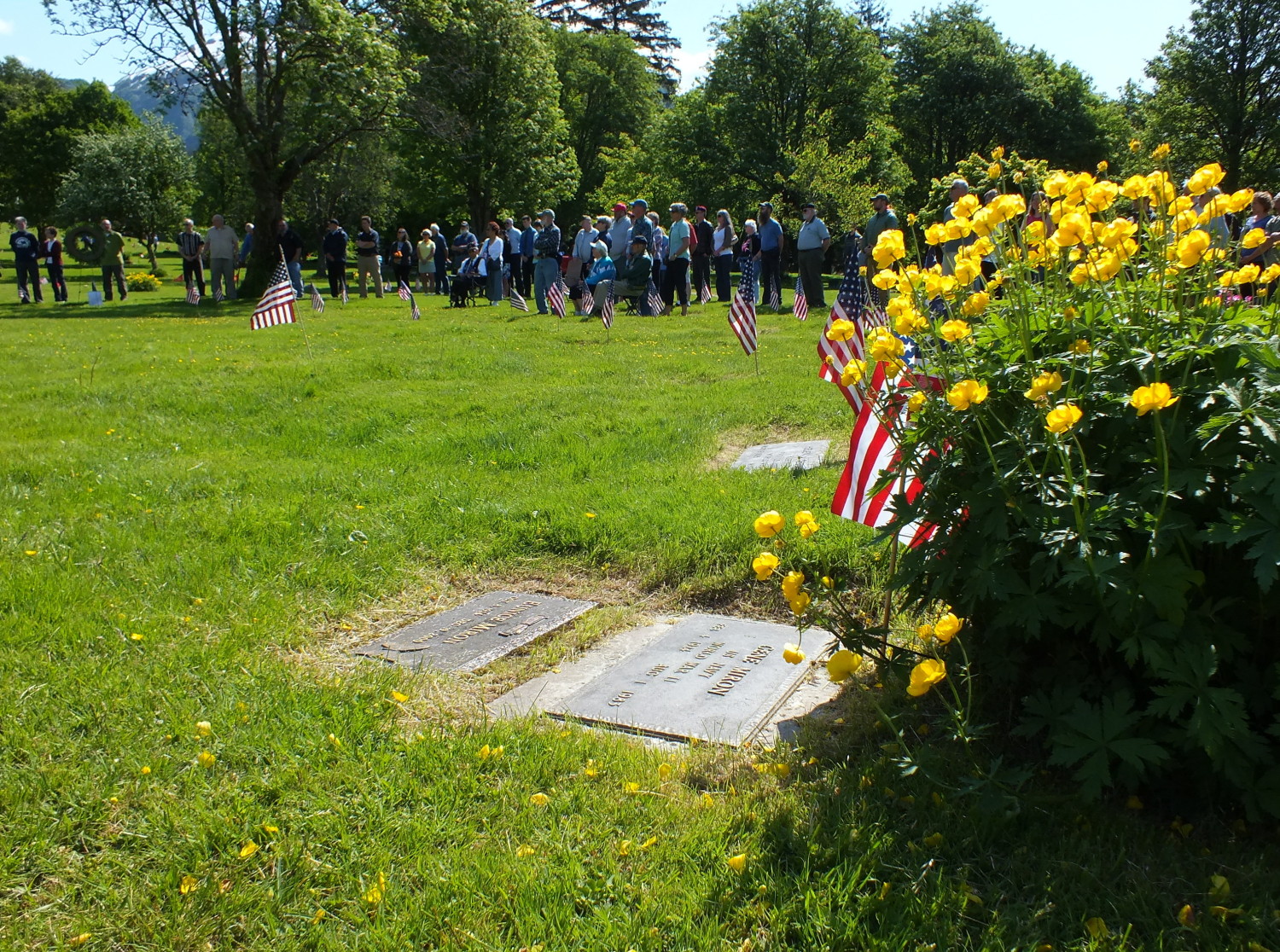
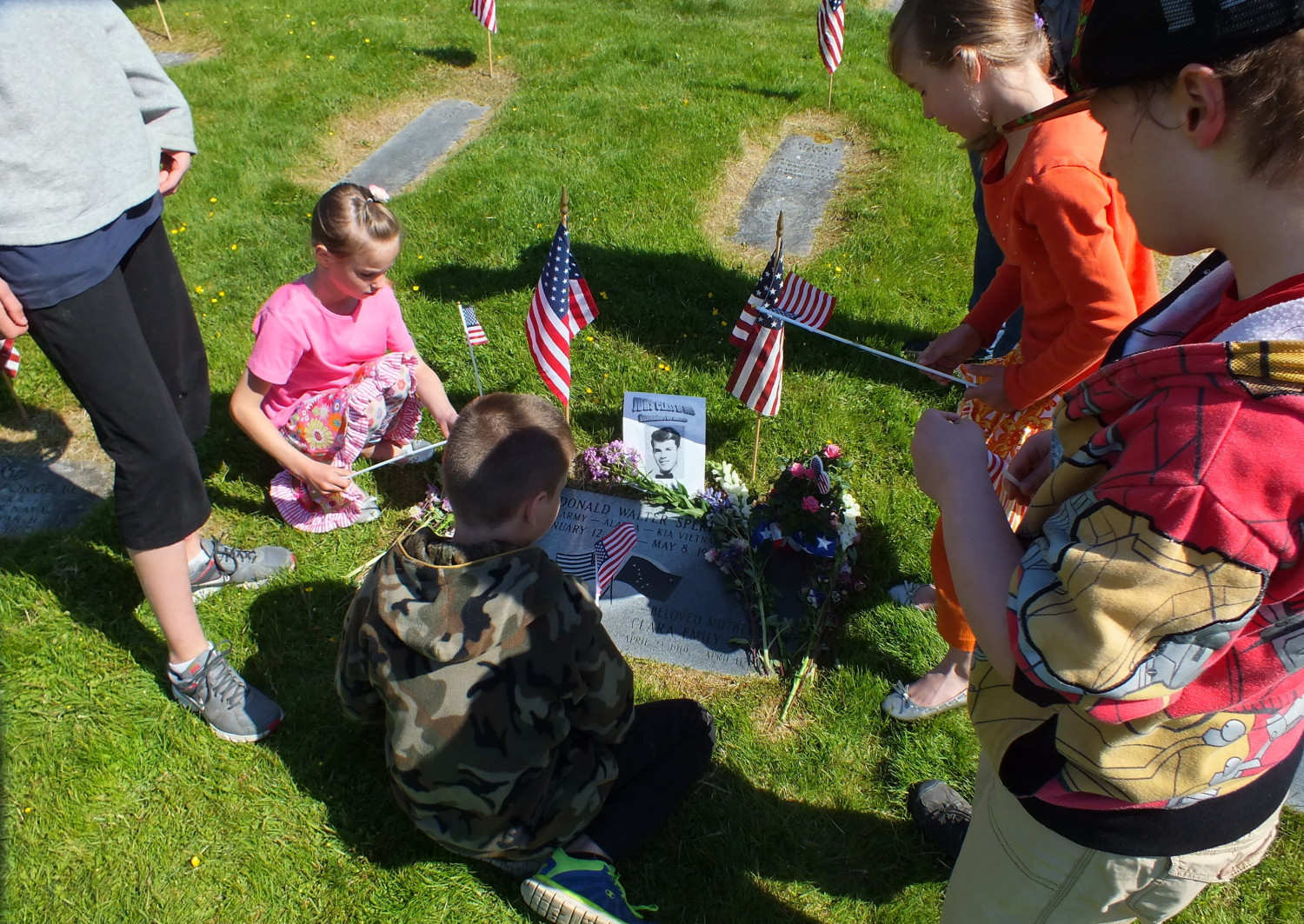
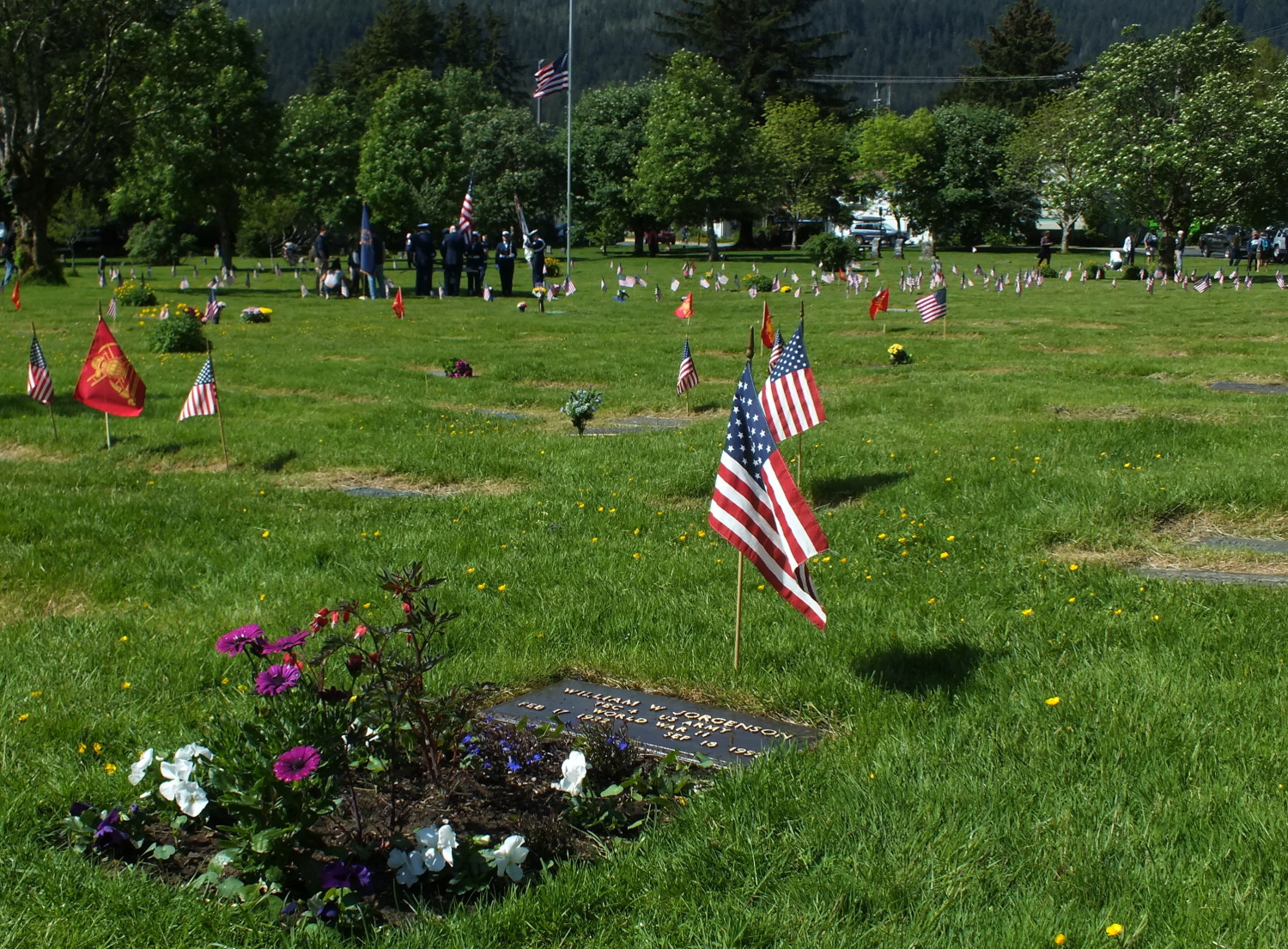
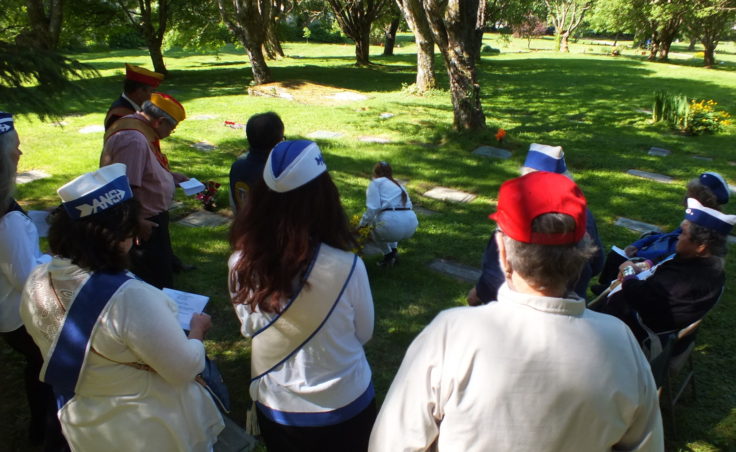
Slideshow: Memorial Day in Juneau


Juneau residents remembered and honored those who made the ultimate sacrifice during Memorial Day observances under sunny skies and breezy conditions in Juneau.

Observances were held at Evergreen Cemetery, Riverside Memorial Park, and the Southeast Alaska Native Veterans Memorial.

Here’s audio from the observance in Evergreen Cemetery:

Sitka middle schooler breaks down language, cultural barriers for immigrant students

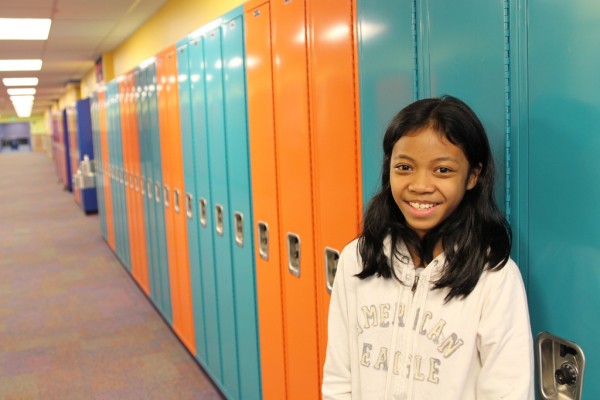
At 12, Jasmine Molina has found a way to help newly arriving Filipino students transition to middle school. “She is a self-initiated ambassador,” says her teacher, Janelle Farvour. (Emily Kwong/KCAW photo)

Imagine you arrive in a world where it rains all year round, and daylight swings from 17 hours in summertime to a paltry six in winter. And you’re only seven years old. That’s the situation Jasmine Molina found herself when she first got to Sitka, over 5,000 miles from her native city of Manila in the Philippines.

Sitka’s Filipino population has grown substantially in the past five years, but there remains no formal system to help new students transition to school. That is, until Jasmine came to town.

“Hello – ang pangalan ko ay Jasmine Molina.”

There’s something about Jasmine that makes you want to talk to her.

“It’s a pretty big school compared to the Philippines,” she said, walking down the hallway.

Maybe it’s her big brown eyes or her silky black hair, which she quickly tucks behind her ear while dialing her locker combination.

But it’s probably her smile, which turns her face into a huge pair of parentheses.

“I just like want to go up to them and be like, “Hey, do you want to be my friend?” And they’ll be like, “Yeah.” And I’ll be like, “Cool,”’ Jasmine said. “Everyone says I’m weird. But weird is awesome. I think weird is awesome.”

Oh, and she’s got killer self-confidence. Again, not your typical middle schooler.

Janelle Farvor was Jasmine’s language arts teacher last year.

“She’s funny, sensitive and she’s generous,” Janelle said.

Janelle remembers the very first time she saw Jasmine. At the grocery store, with a bunch of other Filipino kids, talking.

“I thought, ‘What is this little girl doing?’   She’s talking so fast, and I just kinda observed a little bit and then I saw her pointing out things and showing things, and I thought, ‘Oh my gosh, this little girl is explaining how this store works,’” Janelle said.

Janelle saw her again a few years later. She’d grown a bit taller, but was doing the same thing.

Filipinos make up 9 percent of the Sitka School District, yet there is no Tagalog-speaking staff member or formal support group to help new students. In her own way, Jasmine has taken up that cause. (Emily Kwong/KCAW photo)

“I thought, I wonder if she’s an ambassador,” Janelle said. “These kids all look very new. They’re just wide-eyed and mouth agape, wondering what this is about, what this can is of. And there was Jasmine, explaining it all.”

And last year, when Janelle met her 6th grade class, Jasmine was in it – all grown-up. Jasmine’s dad is a fisherman and came to Sitka five years ago. Jasmine and her mom followed, a month later.

“I was really shy,” Jasmine said. “I didn’t really know anything about Sitka until my cousin showed me around the next day. There was a lot of tall people.”

And not only that, but it was several degrees colder than in Manila, where Jasmine grew up.

“I only had one jacket and it was really cold and there was a lot of snow on the ground,” Jasmine said.

As she got used to the cold, one thing that made a big difference to Jasmine was meeting other kids her age.

“On the first day I went to second grade they’re like, ‘Hey what’s your name?’ I’m like my name is Jasmine. I came from the Philippines.’ They’re like, ‘Cool.’ I wanted to do the same thing and make people comfortable where they are,” she said.

And it’s something Jasmine has been doing ever since: from greeting new families and showing their kids the ropes, to how to open a locker and getting around the building. It’s more than middle school survival tactics; Jasmine is helping her classmates succeed in a Western school.

“And for her to do it on her own volition, and to just see a need and to step up to fill a need, I think that says a lot about her character,” Janelle said.

At Blatchley Middle School, there are 29 Filipino students and in the whole district, 121, making up 9% of the Sitka student body. At the bottom, the school district doesn’t have a designated Tagalog speaker or support group to help students orient themselves. But for now, Jasmine fills that gap.

“I’ve had her – even I’ve brought her down to help me scold,” Janelle said. “They need to not be so chatty or whatever, I have her talk to them in Tagalog to hear a lecture in the mother tongue. There’s nothing like it.”

Now, it’s hard to imagine Jasmine yelling at anyone. And if you asked her if she’s an ambassador or a leader, she’d probably say no. She’s just being a friend. Antonete Partido remembers meeting Jasmine in dance class.

“When I first got here, she talked to me instead of just ignoring me,” she said.

The two girls chatted in both English and Tagalog. Antonete lives with her grandmother, who adopted her. She hasn’t seen her parents for five years and describes her family as broken apart.

“I don’t really get to call them because I have school. My grandma has work. So we don’t really have time to call them,” Antonete said. “I don’t think other people know that my parents aren’t here because I don’t show my feelings to them.”

But Jasmine knows. And when we finish the interview, Jasmine takes Antonete aside and says, “You’re my one.” She says it again, “Don’t forget. You’re my one.” And with that, Jasmine turns on her heels and heads out the door to go to her next class.


Taking the heat: A graduate in lockup prepares to transition out of the kitchen

It’s graduation season for Alaska’s high school seniors. Earning a diploma marks a milestone in a teenager’s life; but for a student in a juvenile treatment center, the achievement is an opportunity for a fresh start.

JYC students whip up brown sugar shortbread and a hollandaise sauce. (photo by Elizabeth Jenkins/KTOO)
Johnson Youth Center students whip up brown sugar shortbread and a hollandaise sauce. (Photo by Elizabeth Jenkins/KTOO)

At the Johnson Youth Center in Juneau, a handful of students are mixing, blending and whisking their way through Chef David Moorehead’s recipes. It’s not easy stuff.

For J, an 18 year-old finishing his first year here, learning how to make crème brule was a big moment.

“It tastes like heaven, but in a custard way. One time we tried to get the hard crust on the top, but we set off the fire alarm here,” he says.

We’re not releasing J’s full name because he’s a juvenile, and his criminal record is viewed as “confidential” by the courts.

In J’s culinary arts class, one of the students is using a French technique to make hollandaise sauce. Chef Moorehead says cooking teaches the kids focus and how to manage expectations. Some have felony charges and are court-ordered to spend two years locked up at JYC.

“I think this place can be really heavy on the kids,” Moorehead says. “And this kind of gives them a little outlet. So for some of them it’s the best thing since apple pie to be able to break away from the regimentation and learn something new.”

Although J’s graduating soon with his high school diploma, he still has another year left at JYC. The center houses juveniles for both the long and short-term.

“Coming here I thought my life was over. I was like, ‘Wow, what am I going to do now?’ But being here got me all these classes and activities that’s going to help me in the real world,” he says.

When he was in regular high school, J says he caved to peer pressure.

“A lot of poor decisions, I made a lot of mistakes over and over again,” he says.

A "soft" room at the Johnson Youth Center. Residents must earn points to receive amenities like a couch. (photo by Elizabeth Jenkins/KTOO)
A “soft” room at the Johnson Youth Center. Residents must earn points to receive amenities like a couch. (Photo by Elizabeth Jenkins/KTOO)

Now he lives in the treatment wing, which is separate from short-term detention. Staff don’t refer to him as an inmate: he’s a resident. And the facility isn’t called a jail. Some of kids on the treatment wing, like J, are repeat offenders who were in and out of the system until the court appointed a longer stay.

“When you go through his file and you see how many times he has come to visit us, you say, ‘Huh, at what point didn’t you get it?'” says Julia Black, a paraeducator at JYC.

She says it took some time, but eventually J came around.

“He all of a sudden woke up. Watching him buckle down and get to school, and everyday I’d go down and see him and you’d just see this kid doing everything he could to do it right,” she says.

In part, he says his wake up call came after being sentenced to two years at the center.

“Like, two years of your life taken away. After this, there’s no coming back to JYC. It’s the big boy house. There’s a lot of people counting on me. I don’t want to let them down,” he says.

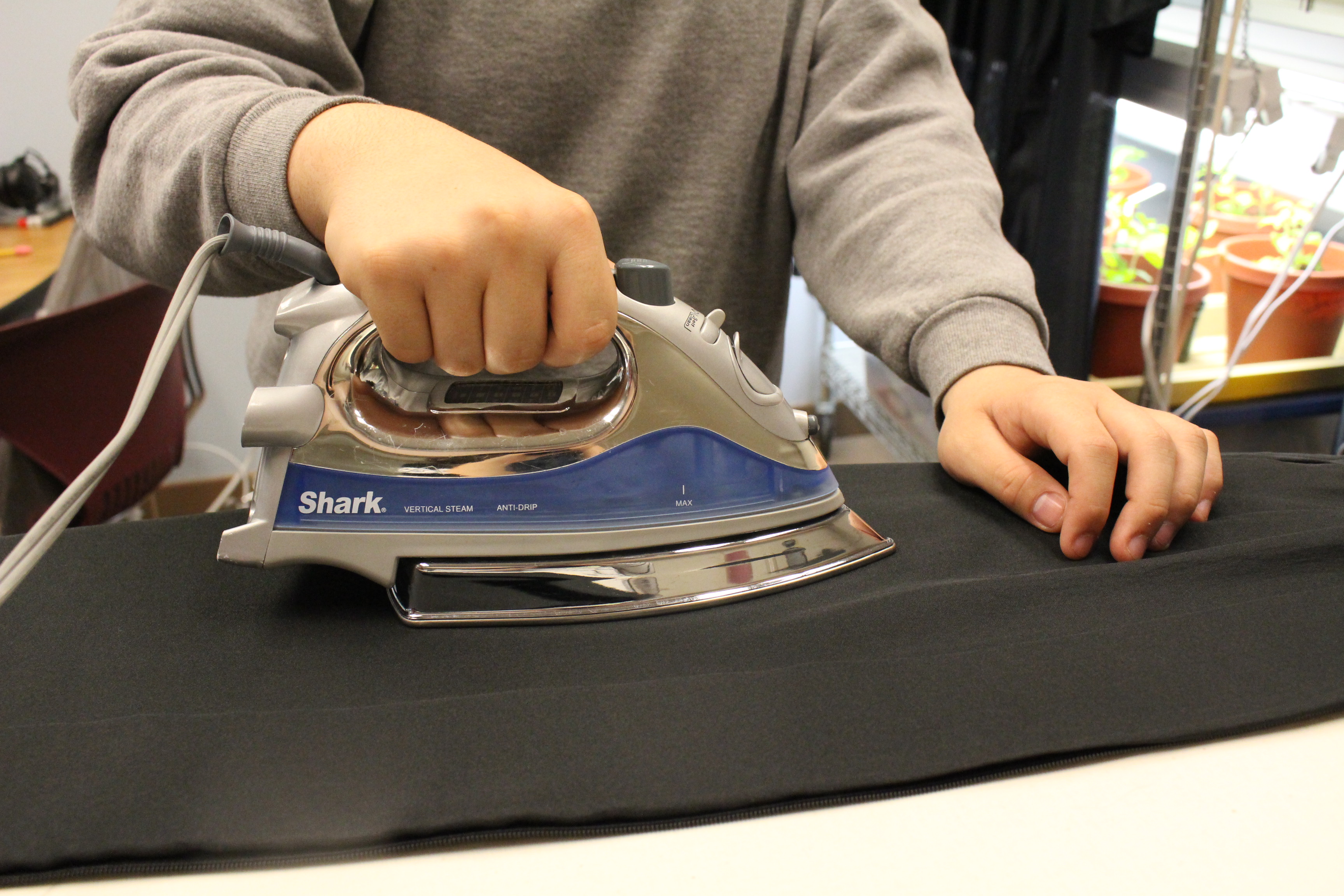
A JYC resident irons their gown for graduation. (photo by Elizabeth Jenkins/KTOO)
A Johnson Youth Center resident irons his gown for graduation. Four students at the center recently earned their high school diploma. (Photo by Elizabeth Jenkins/KTOO)

One of the people counting on him is his infant son.  He missed the birth while he was serving his sentence.

“That was a really big disappointment in my life. I was like I don’t want to go through this again. I don’t want to put my son through this. I just want to be there in his life when I get out of here and stay there,” he says.

JYC offers counseling on being a good parent, dealing with stress and building healthy relationships. In a year or less, J will be back out in the world. He’s the first in his family to earn a high school diploma. He says he’s a little anxious about what the future will bring.

“I came here not having much responsibility except for going to school but now I’m out, I have to hold a job, take care of my son, and like, live on my own. And that gets me nervous, but not as nervous because I know I can do it,” he says.

With the work readiness training from JYC, J says he’s looking into careers in the culinary arts or mining.

Editor’s note: An earlier version of the story indicated J’s record will be expunged. The juvenile’s record is actually viewed as “confidential” by the courts. 

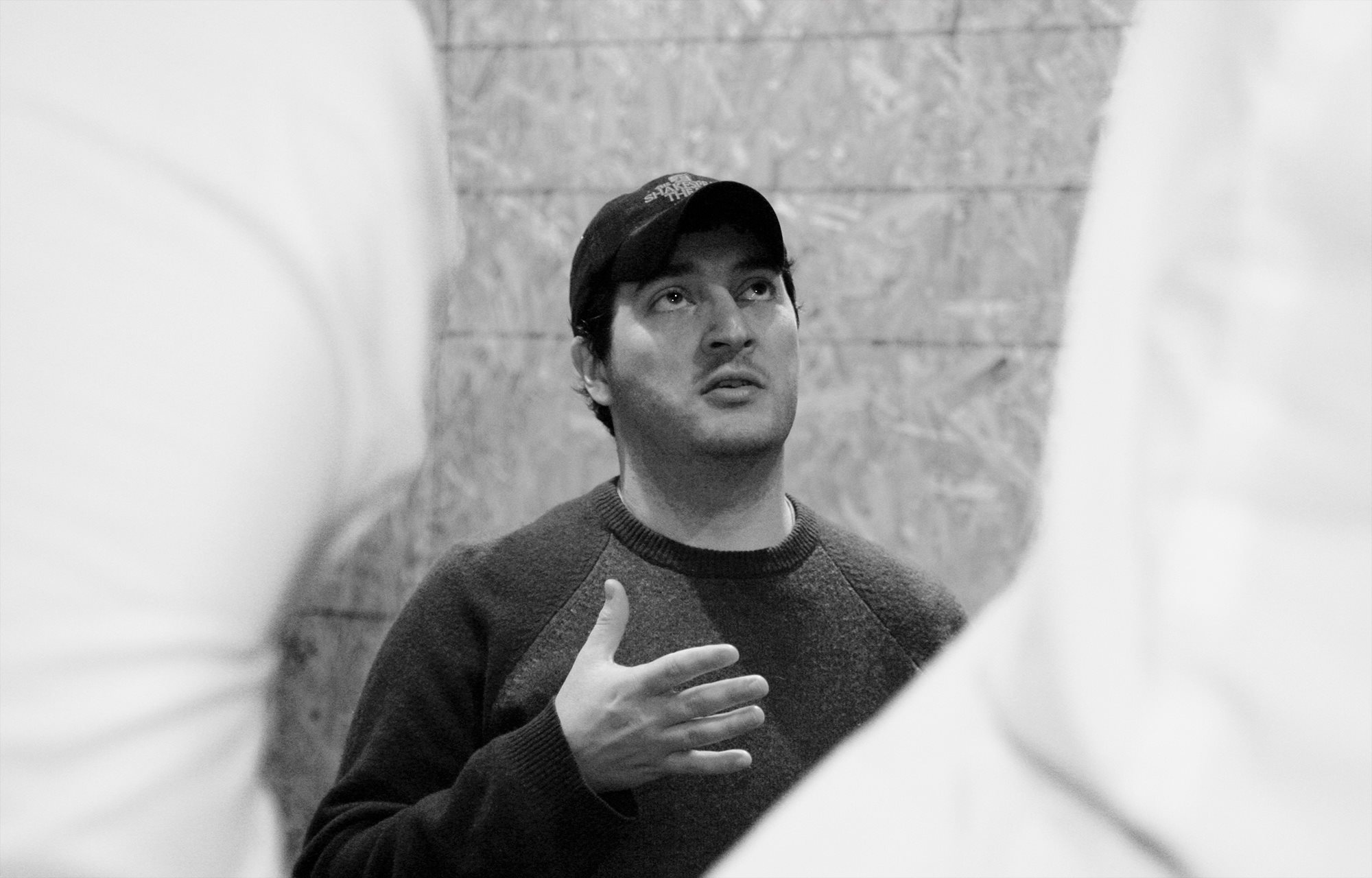
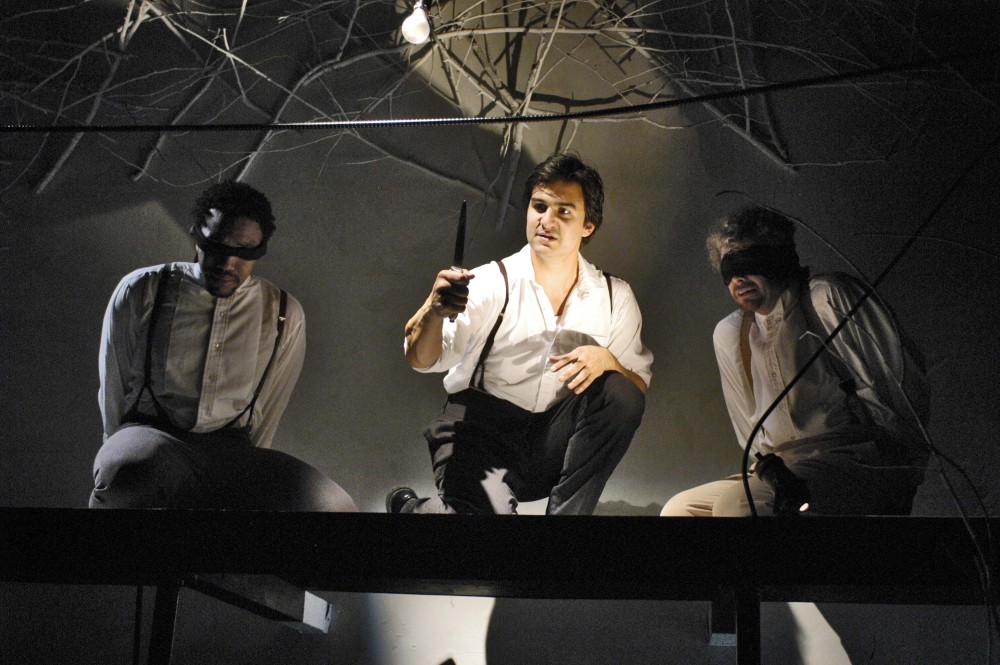
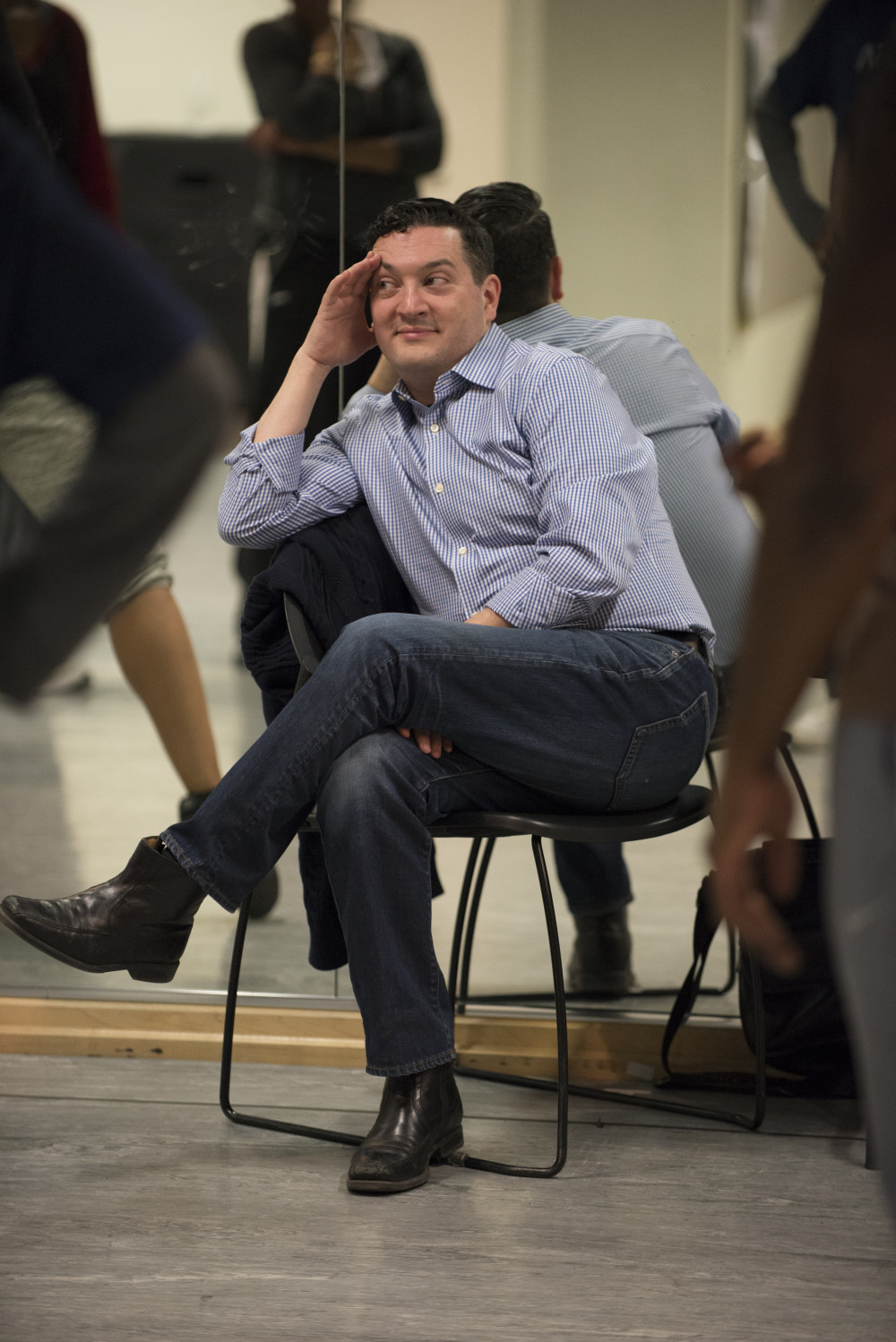
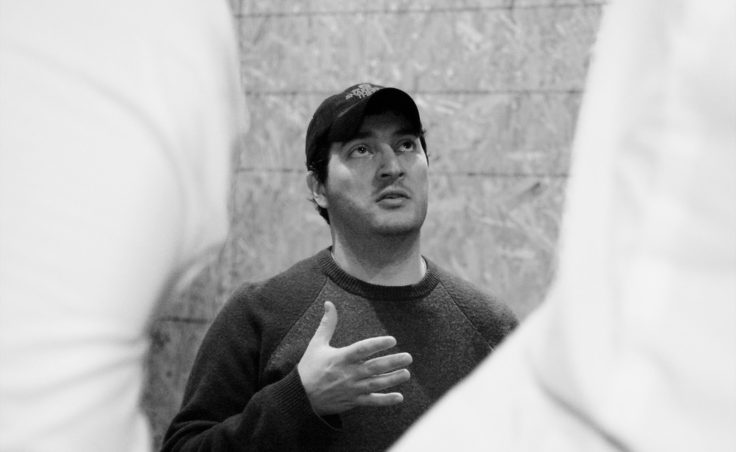
Former Perseverance Theatre artistic director PJ Paparelli has died


Juneau and Chicago theater goers and actors are mourning the loss of a talented playwright and director.

PJ Paparelli died Thursday after a car accident in Scotland. He was 40 years old.

He was the current artistic director of the American Theater Company in Chicago and previously served as artistic director of Perseverance Theatre.

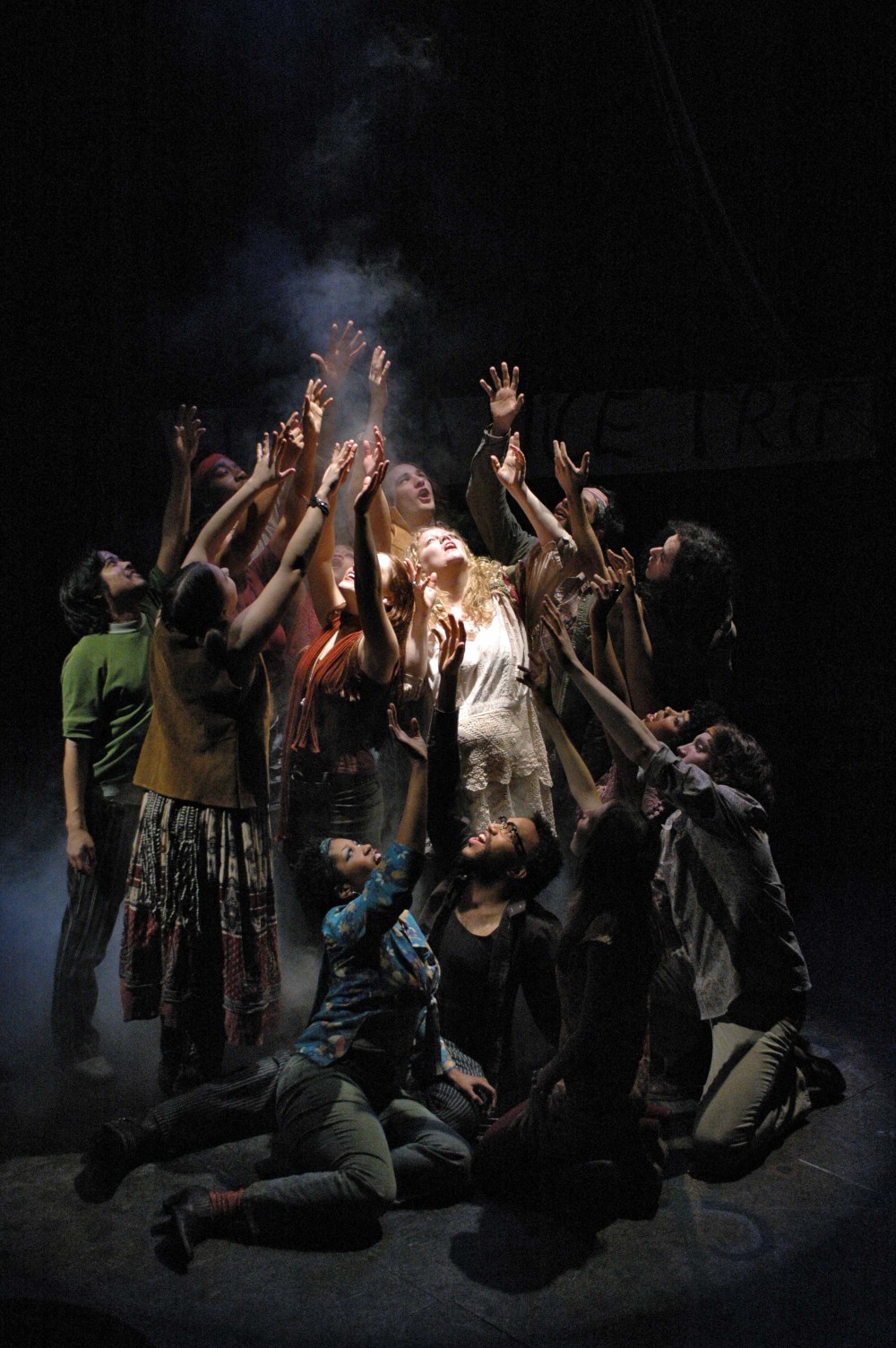
During his tenure in Juneau, he directed or guided productions of “The Who’s Tommy”, “Hair”, “Hamlet”, “Twelfth Night”, “columbinus”, and “The People’s Temple” among others. He also helped adapt “Raven Odyssey” for the stage.

Perseverance board president Terry Cramer says Paparelli kept the theater going, brought new works to the stage, and set high standards.

Current Perseverance artistic director Art Rotch says Paparelli was so talented, and his death is a huge loss.

“We’re still kind of in shock over here,” Rotch says. “And there’s a lot of us here that worked with him, some more directly than me. It’s just a reminder of how precious life is. Everything we do in the theater has a shelf life, and comes and goes. We’d like to think that our collaborators will be with us for a long-time. So, it’s really sad.”


Rotch, who watched Paparelli’s career at ATC with interest, says he was committed to his work in the theater, and he was devoted to diversity, putting work on stage that reached young audiences, and writing pieces about the place he was in.

Ishmael Hope says he first met Paparelli during a visit to the Shakespeare Theatre Company in Washington D.C., and he considered him as a mentor during his time at Perseverance. Hope worked as director of outreach at Perseverance and collaborated with Papparelli in the development of “Raven Odyssey”.

“His whole thing was trying to produce the absolute best that you possibly could with the team, with everyone involved,” Hope says.

He says Paparelli accomplished a huge amount in his four years at Perseverance, and put good, hard-hitting content on stage and generated amazing performances by local actors.

“PJ pursued the plays that he wanted to do that he felt would have an effect on Juneau’s audience and have some ripple effects on American theater,” Hope says while referring to the premiere of “columbinus” that Paparelli co-created after four years of interviews.

Hope acknowledges that Paparelli had his own strong, unique style of staging a production or bringing in outside talent that occasionally rubbed people the wrong way.

“He was constantly spinning his wheels and he was controversial with the theater community here in Juneau,” Hope says. “As his friend, I was a little bit biased. I was also just admiring his work ethic, his tenacity, and his artistic vision.”


Rotch says they’ll be remembering Paparelli in curtain speeches for the final weekend’s performances of “Seven Homeless Mammoths Wander New England”.

Paparelli was vacationing with close friend David Charles Goyette in Scotland, although – according to the Chicago Tribune – Goyette was not in the car at the time of the accident.

According to the paper’s remembrance, Paparelli said only a few days before he died that some people found him challenging because he was always trying to do the highest quality of work “on a storefront budget.”

At ATC, Paparelli collaborated on “The Humans” and a revised, three-act version of “columbinus”. He also brought to stage “Disgraced”, “The Big Meal”, and “The Original Grease” among many productions.

Kelly O’Sullivan, an ensemble player at ATC, says they’re still in shock and trying to figure out the theater’s next step.

“Although, that feels insurmountable right now,” O’Sullivan says.

With a successful season at ATC capped by Paparelli’s own play opening to great reviews,  O’Sullivan says many considered him to be at the height of his career.

She says Paparelli completely transformed ATC and diversified the ensemble when he arrived seven years ago.

“He started bringing in really cutting edge works from all across the country and then making really revolutionary work of his own,” O’Sullivan says. “He engaged as much of Chicago as he could with the type of work he was putting on, especially with “The Project(s) which is his final production that he co-wrote, directed, and had been working on for five years.”

“The Project(s)” is a documentary play that was based on over 100 interviews, and it incorporates cappella music, body percussion and stepping to tell the story of the American poor in Chicago’s public housing projects.

“Paparelli was an activist in his art and really dedicated the theater to asking the question ‘What does it mean to be an American and what’s our responsibility as artists in America?'” O’Sullivan says.

She says he was “a ball of energy” with an insatiable drive and laser-like focus. She says no one worked harder than him and he had incredibly high expectations of others, but he was not a taskmaster or manipulative director who disrespected actors.

O’Sullivan says Paparelli also had a lighter side that was not seen by many others.

“He had an incredibly youthful, impish spirit,” O’Sullivan says. “He was a man who did a lot of obviously serious work with a lot of weight to it and a lot of gravitas. But I don’t think a lot of people knew how silly and fun he was.”


“The Project(s)” will continue its run until June 21. The theater’s Youth Ensemble, a two-year program for college-bound high school students in which Paparelli founded and served as mentor, will also continue.

(This story has been updated with additional material.)

Site notifications
Update notification options
Subscribe to notifications