


Community

$10 million Aurora Harbor rebuild underway

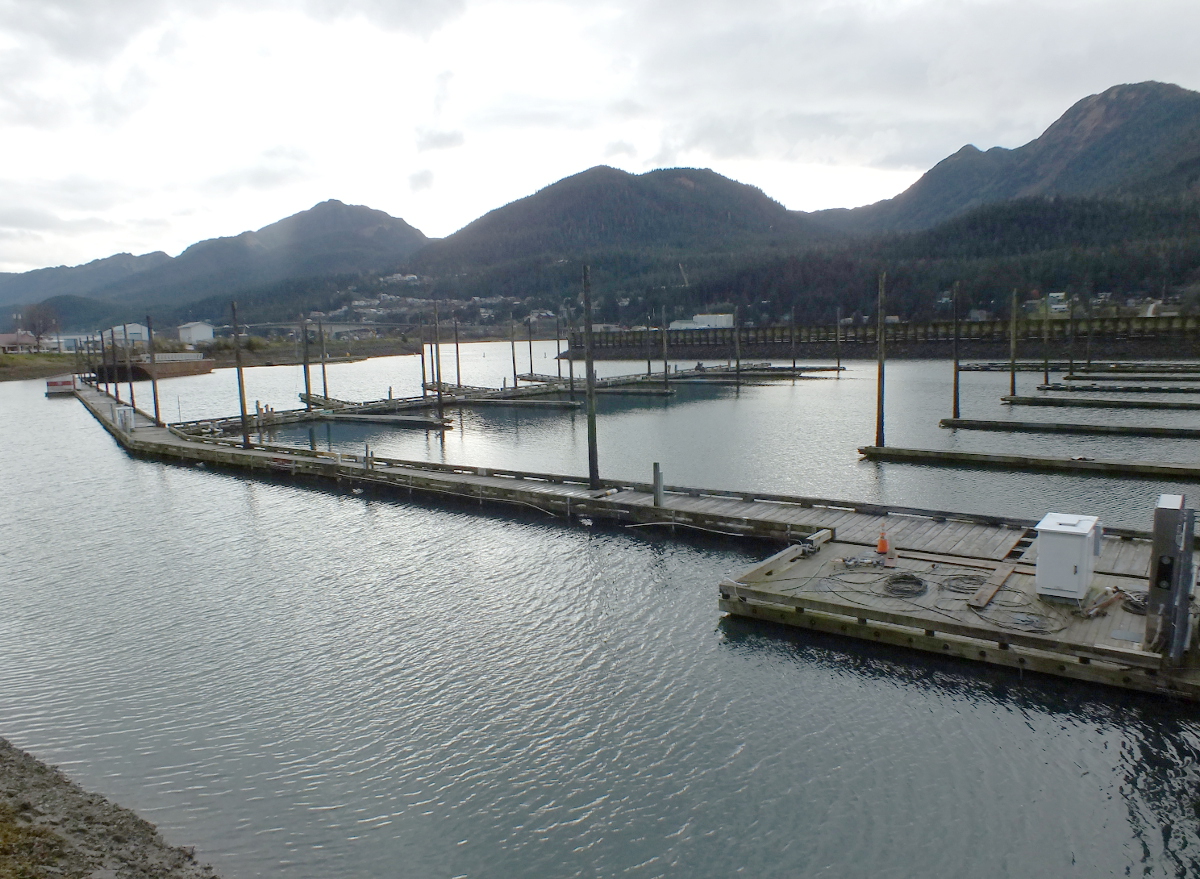
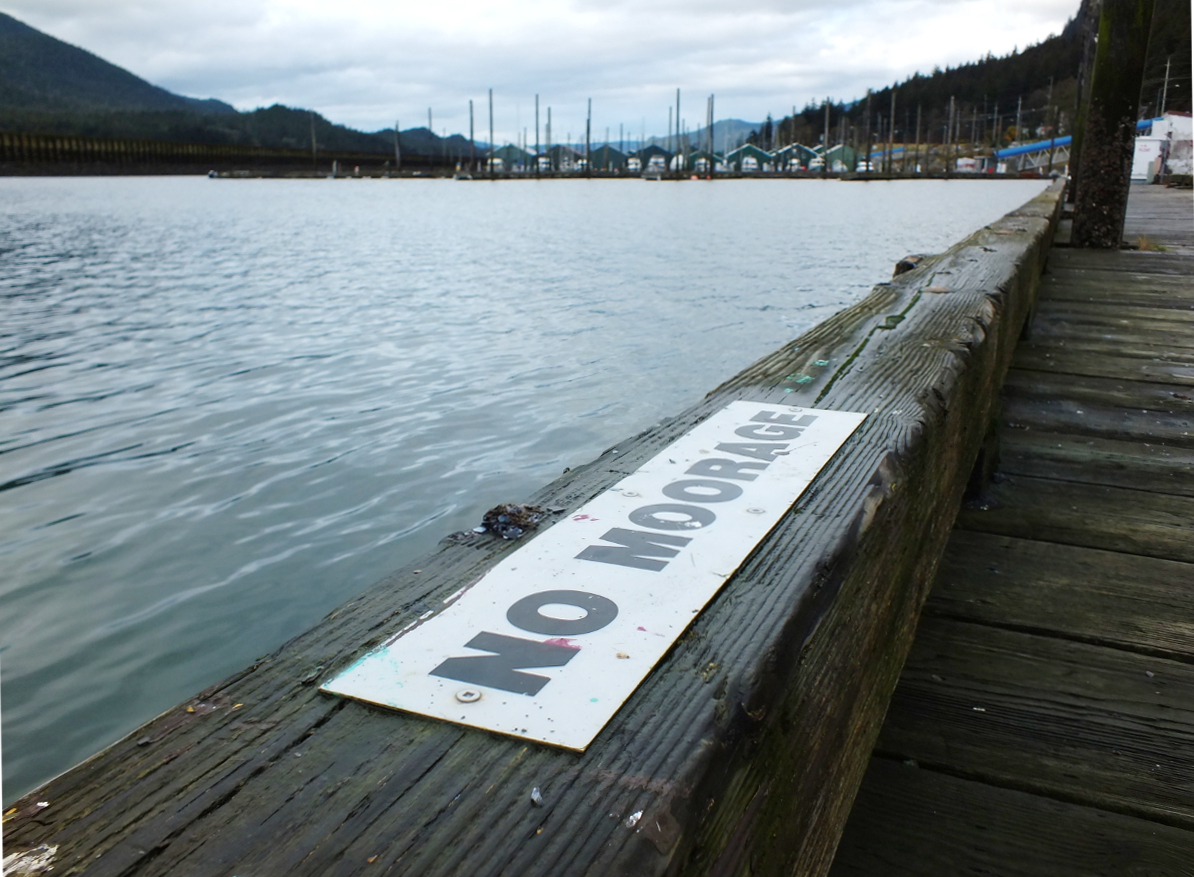
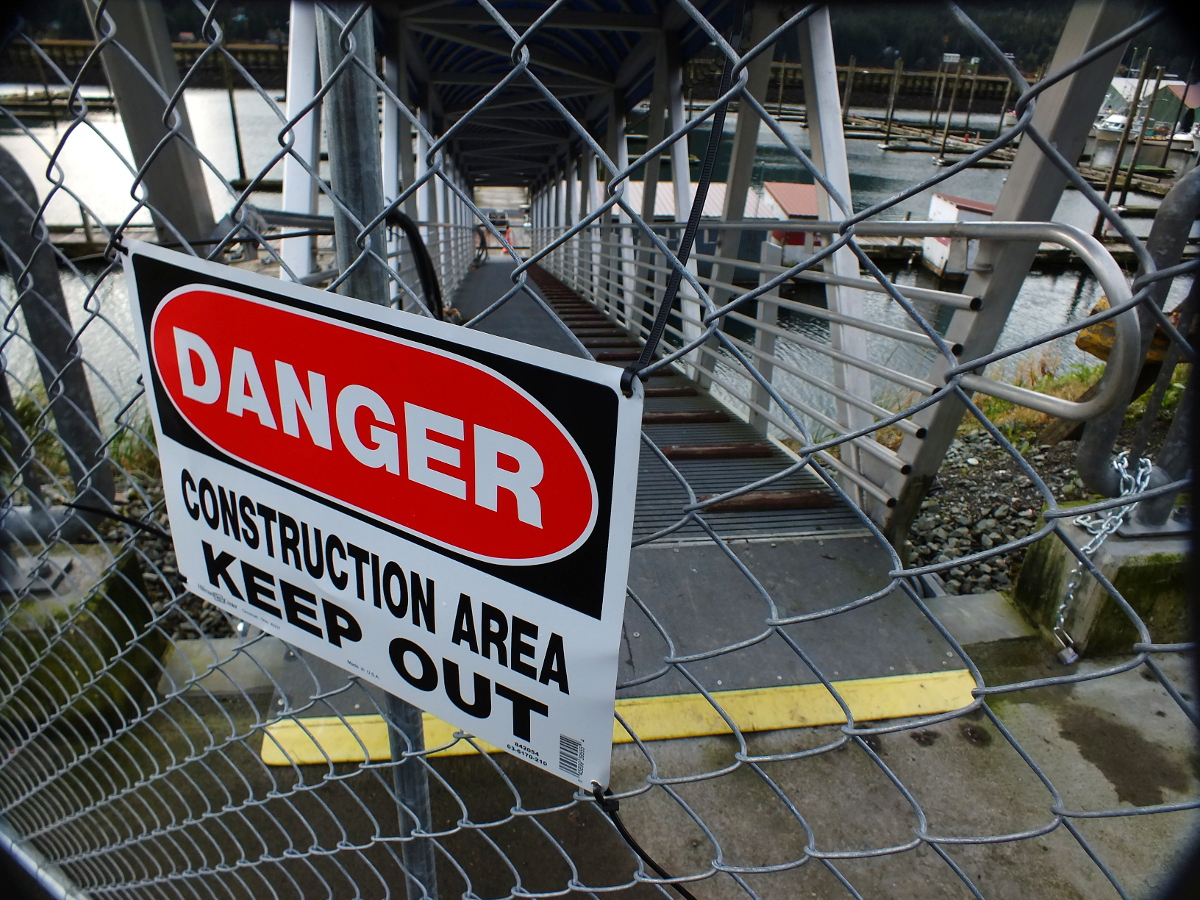
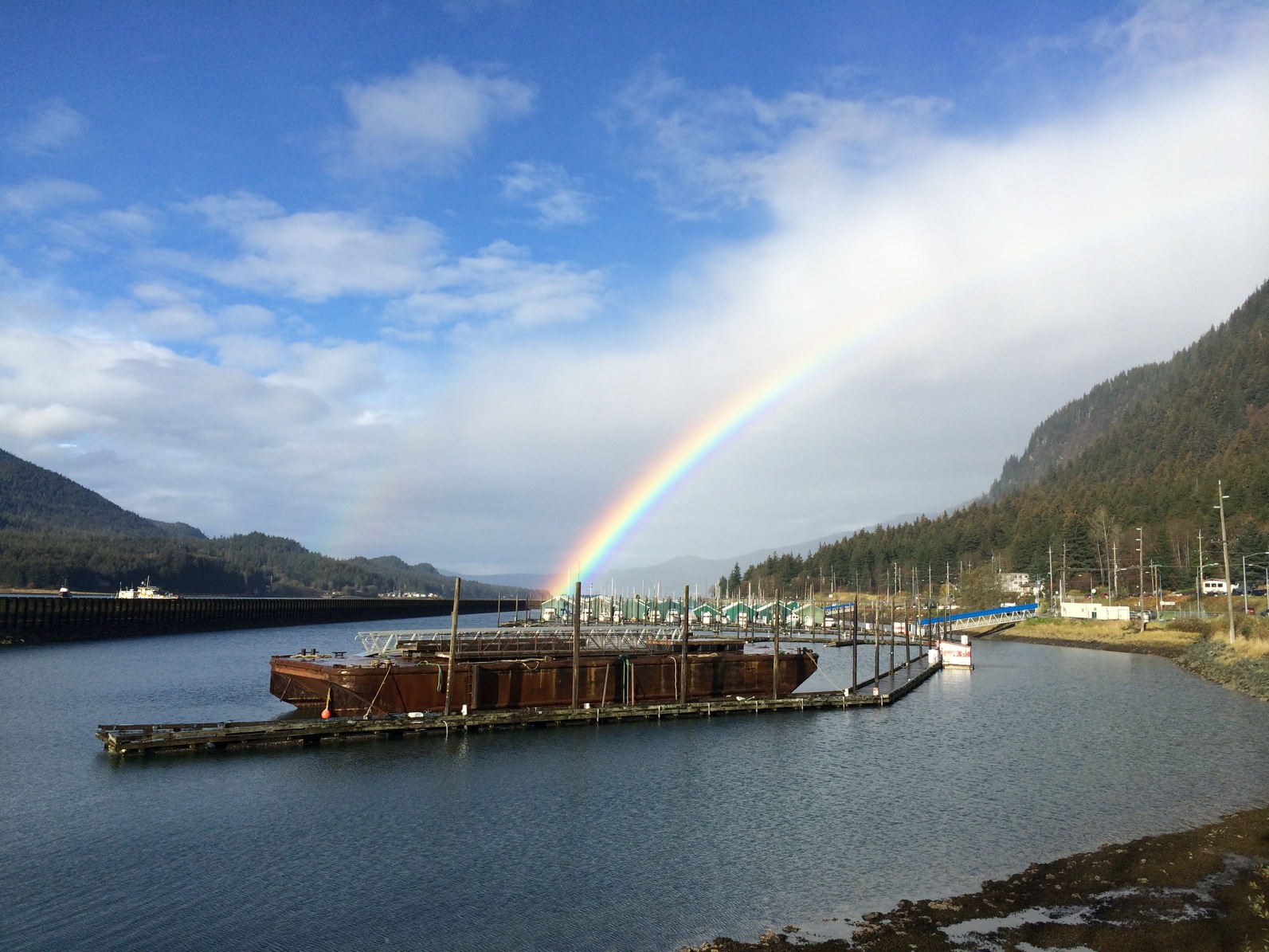
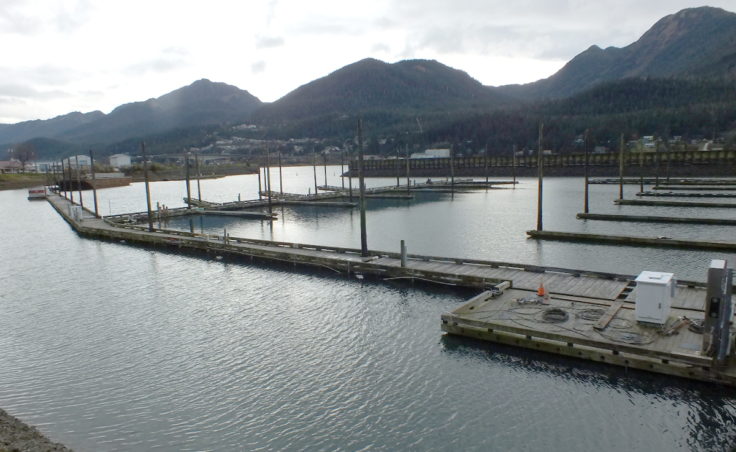
If you passed by Aurora Harbor right now, you’d see rows of empty boat slips and a spot where an excavator has ripped open the asphalt in the parking lot to expose the pipes below. It’s part of a Juneau Docks and Harbors project to replace the aging floats and walkways in the southern section of the harbor.

The dock replacement project began Oct. 1. Erich Schaal is deputy port engineer and oversees construction. He says that it’s the right time for an update.

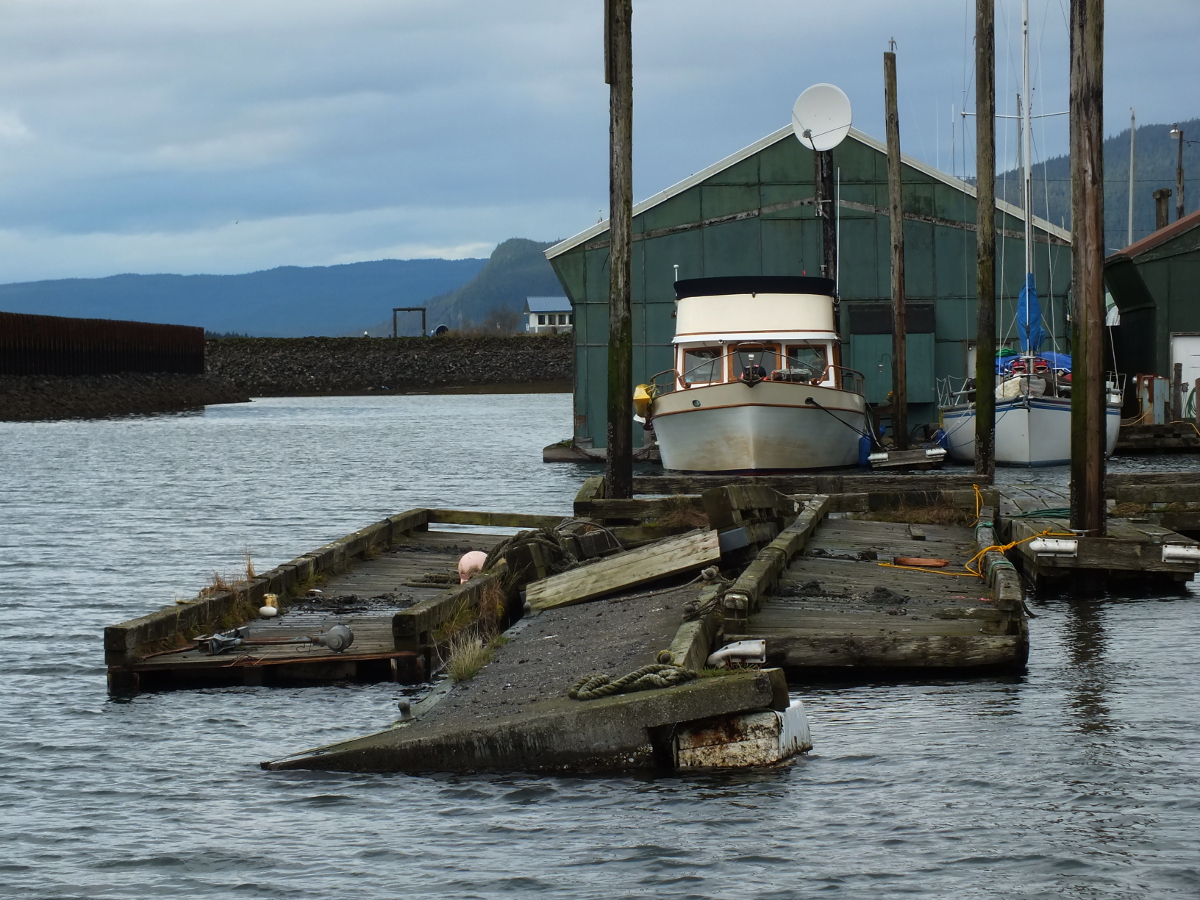
“It was built by the state back in the ’60s, so it’s outlived its useful life,” Schaal says. “We are seeing floats that are sinking, floats that are twisting. So we are replacing about the southern third of the entire harbor, so it’ll be demolished here soon and new floats will be installed and boats will move back in the spring.”

And they will make more changes by the end of May, the expected wrap-up date.

“We have a new water system going in, upgraded electrical. There is going be a new all-season sewage pump-out facility,” says Schaal. “We want to have good, clean water and good, clean services in the harbor, so we’re going to have a facility that will allow live aboards as well as transient or moving vessels.”

The $10 million project is being paid for from three sources.

“There’s a grant (from) the state,” says Schaal. “There’s some fund balance, some money that docks and harbors has saved in anticipation of this, and then there’s some sales tax money that’s paying for this as well.”

That’s 1 percent sales tax money Juneau voters approved in 2012.

David Borg is the harbormaster. He says construction displaced about 134 boats, including a handful of live aboards. They were moved to Harris Harbor, Douglas Harbor or the other end of the Aurora Harbor.

Docks and Harbors hopes to also repair the northern Aurora Harbor docks if the money becomes available.
Flu season is here, enterovirus may follow

Flu season is here, but flu shots won’t protect you against Enterovirus D68, which is spreading across the country. The virus causes flu-like symptoms. There’s no vaccine or specific treatment for Enterovirus D68.

Alaska, so far, is one of only four states that haven’t reported a case. Nevada, Hawaii and Arizona also have no reported cases of the virus.

The strain is less common in the U.S. and was rarely reported until recently. As of Thursday, the CDC has received reports of nearly 800 enterovirus D68 infections in 46 states and the District of Columbia.

Only 79 confirmed cases of the D68 virus were reported between 2009 and 2013. Teens, children and infants are at higher risk for symptomatic infections. The virus spreads just like a cold does–coughs, sneezes and touching infected surfaces.

“There’s been heightened surveillance for that nationwide,” says Louisa Castrodale, an epidemiologist with the Alaska Department of Health and Social Services. “It’s not something in and of itself reportable and so most of the time it would just manifest itself as a report of increased respiratory illness.”

Enteroviruses are fairly common; according to the CDC, there are more than 100 strains and 10 to 15 million enterovirus infections occur each year in the United States. The family of viruses typically causes mild cold-like symptoms, with some people not appearing sick at all. However, the D68 strain is linked to respiratory illnesses that can range from mild to severe.

Castrodale says various respiratory infections circulate during this time of year and anyone experiencing wheezing of difficulty breathing should contact their doctor. Those with pre-existing respiratory conditions should contact their doctor at the first signs of a respiratory infection.

“If you know you have asthma you should have a lower threshold for seeking care and you should probably be in more regular contact with your health care provider. Anytime you’re concerned or having issues with breathing or dehydration, things like that, it’s always worth a call to a provider to see if they recommend you coming in.”

Castrodale still encourages cutting your chances of getting sick by getting a flu vaccination.


Here is a comprehensive list of where and when you can get the flu shot in Juneau. Prices are also included for those who pay out-of-pocket. People older than 65 years or those with compromised immune systems may have a doctor recommendation for an increased dose of the vaccine; we’ve also included information on where those vaccines can be found. 

Southeast Alaska Regional Health Consortium
3245 Hospital Drive
Regular dose: available
High dose: not available
Hours: Vaccines are only available to SEARHC patients. An appointment is required, but if you already have an appointment scheduled for any other reason the flu shot can be administered at that time. A separate appointment is not required.

Front Street Clinic
225 Front St.
Vaccine not available yet. Clinic will decide Monday Oct. 20 on how to make them available.

Juneau Public Health Center
3412 Glacier Hwy.
Regular dose: available
High dose: available
The Juneau Public Health Center serves uninsured and underinsured persons. Vaccines can be administered on a sliding scale fee basis or for no cost if the patient is qualified.
Hours: appointment required

Juneau Drug Co.
No vaccine available.

Ron’s Apothecary
9101 Mendenhall Mall Rd.
Regular dose: $28
High dose: $55
Hours: M-F 10 a.m. – 6 p.m.

Bartlett Regional Hospital
Vaccine not available to the general public, only to hospital staff.

Costco
5225 Commercial Boulevard
Regular dose: $14.99
High dose: not available
Hours: M-F 10 a.m. – 7 p.m. Closed 1:30 – 2:30 p.m. for lunch if only one pharmacist is working.
Sat. 9:30 a.m. to 6 p.m. Closed 1:30 – 2:30 p.m. for lunch if only one pharmacist is working.
Sun. Closed.
Costco membership is not required to use the pharmacy.

Fred Meyer
8181 Glacier Hwy.
Regular dose: $28
High dose: $60
Hours: M-F 9 a.m. – 9 p.m.
Sat. 9 a.m. – 7 p.m.
Sun. 10 a.m. – 6 p.m.

Safeway
3033 Vintage Blvd.
Regular dose: $30. Insurance can be billed.
High dose: not available
Hours: M-F 9 a.m. – 7 p.m. Closed 1 p.m. – 1:30 p.m. for lunch.
Sat. 10 a.m. – 6 p.m.
Sun. 1 p.m. – 6 p.m.

Wal-Mart
6525 Glacier Hwy.
Regular dose: $25
High dose: $48
Hours: Call ahead of time for flu shot hours. Next availability is Tuesday, Oct. 21 9 a.m. – 9 p.m.

New report quantifies demand for assisted living in Juneau

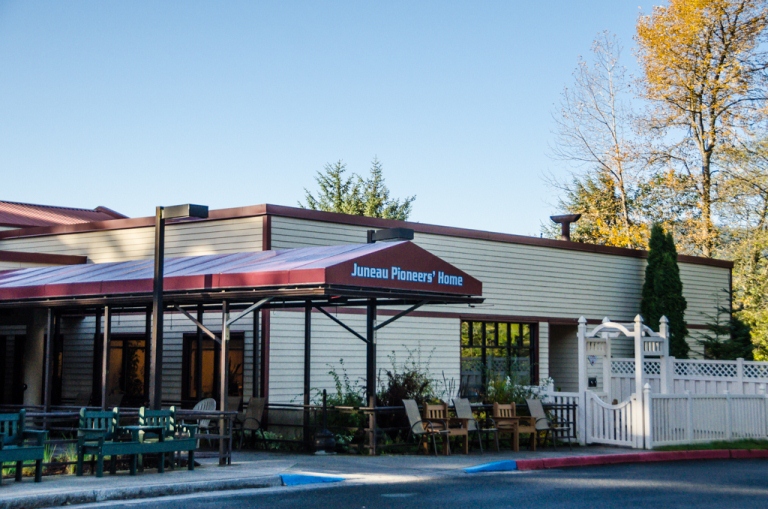
The Pioneer Home is the only assisted living facility for senior citizens in Juneau. (Photo by Heather Bryant / KTOO)

Demand is high for more assisted living facilities in Juneau, and an aging population means the need is only going to grow.

A new study of senior housing and services says the city needs an additional 327 assisted living beds over the next 30 years to meet projected demand. Right now, the only major assisted living facility is the 48-bed Juneau Pioneer Home, which already has an active waiting list of more than 100 people.

Margaret O’Neal with the Juneau Economic Development Council says by 2032, one in five Juneau residents will be a senior citizen.

“We have really limited options,” O’Neal said Wednesday at an event held to unveil the new study.

JEDC commissioned the report along with the Juneau Assisted Living for Seniors Task Force and the nonprofit Senior Citizens Support Services Inc.

The study makes several recommendations, including a public-private partnership, where the city would provide land or financing for an assisted living project.

Jim Scholl with the assisted living task force says some private investors are already taking a look at Juneau.

“We’ve seen interest from at least two developers so far, and I expect more interest now that we have a quantified demand,” said Scholl.

The study cost $50,000 and was produced by Anchorage-based consultants Agnew::Beck. The City and Borough of Juneau provided half of the funding. The Alaska Mental Health Trust Authority provided $10,000, and Senior Citizen Support Services came up with the rest.

The study is posted on JEDC’s website.

Haven House gets permit to operate on Malissa Drive

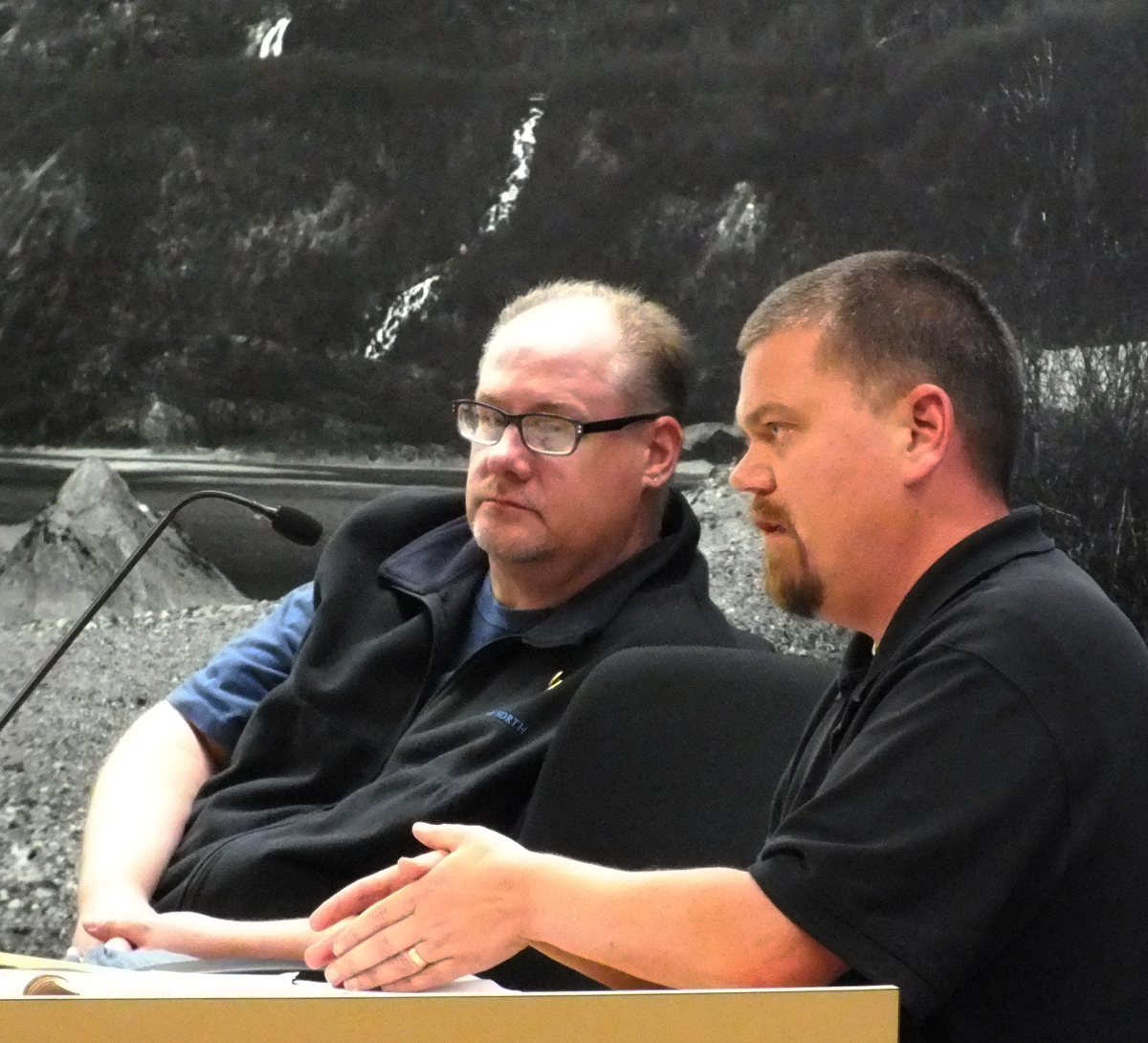
Planning Commission Chairman Mike Satre, right, questions Community Development Department staff while Commissioner Bill Peters listens during the Oct. 14, 2014 meeting on a Haven House conditional use permit. (Photo by Matt Miller/KTOO)

The Juneau Planning Commission has approved a conditional use permit for a proposed faith-based transitional home for women just released from prison.

The four hour-plus hearing on Tuesday night included extended testimony from attorneys representing both Haven House and Tall Timbers Neighborhood Association, and over an hour of testimony from about 20 people expressing their support or opposition to the project.

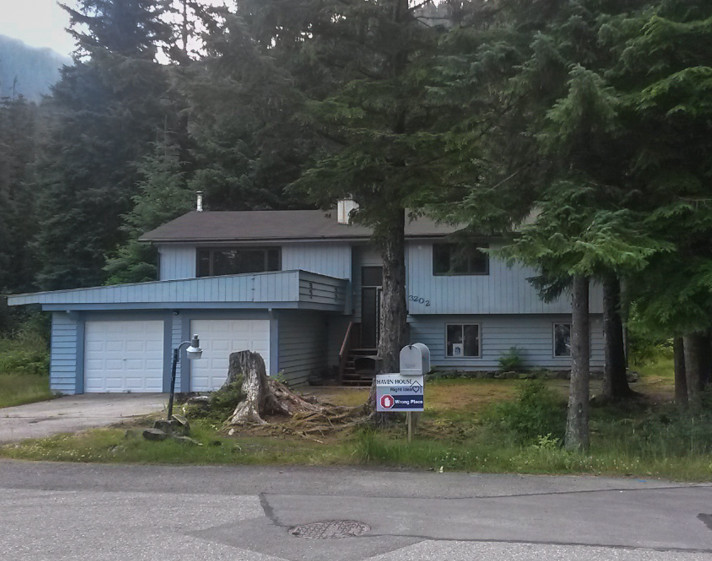
Haven House has been incorrectly called a halfway house or an institution where inmates continue serving out their prison sentence. Instead, it would accept only vetted former inmates who are on probation or parole. In addition to a residence manager, as many as nine women could call 3202 Malissa Drive home for up to two years until they got back on their feet.

Former inmate Heather Schimanski credits her recovery to a similar transitional housing facility in Anchorage. She reminded planning commissioners that former misdemeanants and felons of all types already live as neighbors or walk the streets all over town, including around her home near Glacier Valley School.

“Near the area are people doing drugs and committing crimes,” Schimanski said.

“I guess I want to point out that Haven House has so many rules set up that you’re more protected than I am on Jennifer Drive. I can’t go and say ‘Well, you don’t belong here and I don’t want you around my kids.'”

Guy Holt was one of many neighbors concerned about the potential drop in property values, impact on public safety and disruption of neighborhood harmony.

“Zoning regulations have not been followed by Haven House and the CDD. They have been manipulated, in my mind,” Holt said. “They’ve changed how they felt a few times and now we’re to the culmination of this and we’re going ‘Well, what pieces fit and what pieces don’t?'”

CBJ Community Development Department staff recommended adding conditions to the permit such as maintaining yard vegetation and always keeping a residence manager on site. Based on allowances for back-in parking for three cars, only four people could live at Haven House at the very start. The number of total residents could expand to 10, including residence manager, once the property owner, Grant Properties LLC, modifies the driveway to allow for more off-street parking. Planning commissioners also added a condition for establishing house rules that outline residents’ behavior and expectations.

Almost all of the commissioners voiced support for Haven House, the potential benefit to the community, and its goal of combating recidivism. A stable housing environment is viewed as a key piece in breaking the cycle of released inmates quickly reoffending and returning to prison.

Commission Chairman Mike Satre also lauded the project, but he was concerned about the nine month long process that neighborhood residents had alleged was manipulated by Community Development Department staff. Satre said he understood why residents had lost faith in city government.

“I really think that the original decision that this was a halfway house and (its operation) was not allowed should’ve been allowed to stand so that it could be appealed,” Satre said. “This concept that the law that was on the books that was likely unenforceable could’ve been tested at that time. If it was truly unenforceable, we could’ve thrown that out. We could’ve dealt with that right away. We likely would’ve been deciding this months ago.”

Haven House
Haven House at 3202 Malissa Drive. (Photo by Greg Culley)

Haven House director Kara Nelson said after the Tuesday meeting, they were unsure when they’ll begin operation and the first clients could move in. Mary Alice McKeen, an attorney representing Haven House, said the facility–theoretically–could operate at risk while an expected appeal by the Tall Timbers Neighborhood Association goes to the Juneau Assembly. The appeal could force Haven House to shut down.

In addition, Robert Spitzfaden, an attorney for TTNA, said he’s going to court to challenge CDD’s earlier designation of the facility as a ‘use not listed.’ That led to the Planning Commission deciding in August that Haven House fit within the category of a facility that offers miscellaneous rooms for rent.

Archives at the Walter Soboleff building to be named after Native rights attorney, lawmaker

The Sealaska Heritage Institute announced today that it will name the archives facility at the Walter Soboleff Center after a Tlingit Native rights figure.

William L. Paul Sr. was the state’s first Alaska Native attorney and first Alaska Native legislator. He was active in fighting against school segregation, and for the citizenship rights of Natives and their right to vote. Paul was also instrumental in getting the federal government to extend rights granted under the Indian Reorganization Act to Alaska Natives. The act is credited with fundamentally changing the government’s relationship with Native Americans and Alaska Natives.

The Walter Soboleff building is expected to be completed by the end of this year.

Juneau nonprofit bridges Spanish language gap

(Creative Commons photo by Cat)
A Latin American immigrant moved to Juneau recently with her boyfriend and met a local man who helped her get settled and find an apartment. She claims he asked to live with her family temporarily, and then things went downhill.

“Tuesday he was a good man, Wednesday he was a good man, Friday he was a good man, but Saturday he was a monster,” the woman says in Spanish.

We’ve omitted her name due to the ongoing nature of her case, which involves accusations of domestic abuse and sexual assault. She claims the local man was often drunk and abusive.

“I was afraid,” she says. “Because, I said, ‘What if he kills me? What do I do?’ Because he said he was going to make me disappear.”

She needed a protective order from the courts, but her English was limited.

“She didn’t know her way around and basically was harassed by this man because of the lack of the language,” says Wanda Peña. “She couldn’t communicate with anybody, so she ended up going to the courthouse and they provided her with our number and she immediately called.”

Peña is a volunteer with Piedra de Ayuda, a national nonprofit that started a Juneau branch last year and now offers Spanish translation and interpretation services. Peña helped the woman fill out paperwork and interpreted for her in court.

New Jersey native Eddy Reyes helped found Piedra de Ayuda, or A Helping Rock. It began as a homeless outreach program on the East Coast and is now based in Florida. After he moved to Juneau, Reyes started a local branch. He says government agencies like the Division of Motor Vehicles had not provided many language services in the capital city.

“Because there’s not maybe an interpreter or they don’t understand the language there to fill out a form, suddenly someone had to walk out of there without a picture ID,” he says. “Cause of course, if you’re gonna try to get a job, you have to identify yourself. Well, how do you do that if you have no ID?”

Reyes says Piedra de Ayuda is made up entirely of volunteers. Since last year, the local branch has added seven board members and helped about 20 different clients.

Although the law requires courts to provide interpretation to people with limited English proficiency, nonprofit and commercial organizations that offer language assistance are rare in Alaska. Neil Nesheim is court administrator for Southeast. He says 60 to 70 percent of interpretation is done over speakerphone, which is not always the best option.

“Obviously it’s more effective to do it in person only because you get to see subtleties such as facial language, hand language, intonation and those sorts of things,” Nesheim says.

About 5 percent of Juneau’s population identifies as Hispanic. Some, like the woman Peña helped, don’t speak English and need help translating official documents and government forms, or navigating the Alaska Court System.

The woman says she’s grateful to Piedra de Ayuda.

“She came to help me so quickly,” the woman says. “They didn’t charge me anything. They were wonderful people.”

Site notifications
Update notification options
Subscribe to notifications