Community

Petersburg museum’s WWII era photo project needs help with identifications

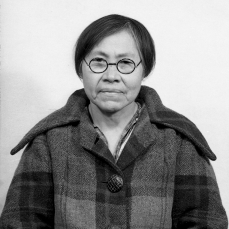
One of the unknown people. (Photo courtesy of the Clausen Museum)

A museum in Petersburg is reaching out to try and identify hundreds of World War Two era photos of people from central Southeast Alaska. The images are being archived at Petersburg’s Clausen Museum and may include photos of people from Wrangell, Kake and other remote communities.

Volunteers and paid workers have scanned in an estimated 2,500 images, mostly negatives, of residents and visitors who came though Petersburg in 1942, or used the waterfront.

Kathy Pool is working with the museum on the World War II Coast Guard photo identification project.

“These photos were taken by Mary Allen in January and February of 1942 after Pearl Harbor in the previous month,” Pool said. “We were slapped with new regulations limiting who was allowed down along the waterfront in Petersburg and any other coastal town in Alaska.”

One of those requirements was a photo ID card issued by the Coast Guard for anyone coming and going on the waterfront and that’s where these photos come in.

“The people had to supply three passport photos to the Coast Guard and be fingerprinted and give a physical description and were issued these cards that they had to have on their person when they went to the cannery to work or had to go to the fuel dock and fuel their boat or fishermen coming over from Kake to sell fish.”

The negatives show faces and torsos of 1,508 different people. Pool said some tried out different poses or different outfits on different days.

“They were taking advantage of Mary having her equipment set up in a studio and they’d come after work in their work clothes and get their ID photo taken that they needed for their Coast Guard identification card. But they’d go home maybe the next day they’d show back up in instead of work clothes maybe a coat and tie. The women instead of in their head scarves cause they’d been working in the cannery they show up very well coifed in makeup and nice clothes and sit for a nice photograph.”
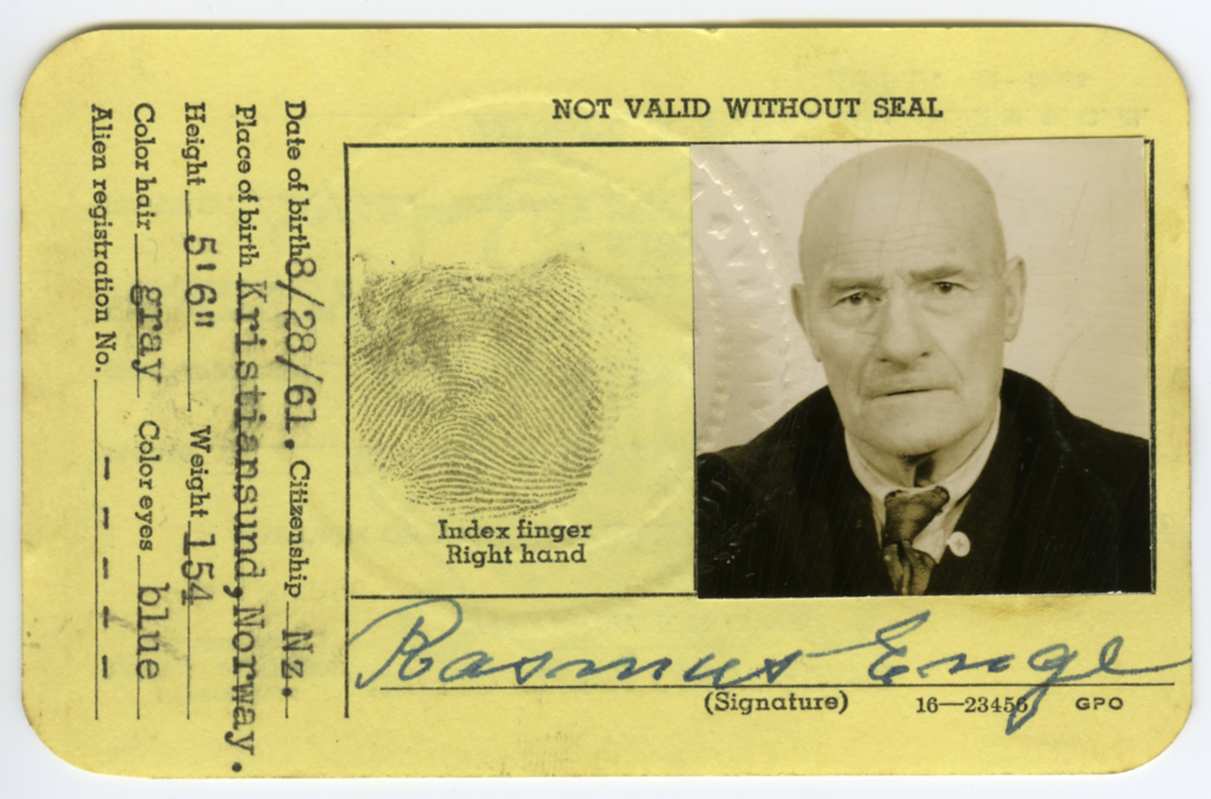
Rasmus Enge's WWII Coast Guard identification card. (Photo courtesy of the Clausen Museum)
Rasmus Enge’s WWII Coast Guard identification card. (Photo courtesy of the Clausen Museum)

Allen died just three years later in 1945 and the images were kept in a local building until that was torn down. The negatives were rescued and given to the museum. Local historian Chris Lando identified many of the photos in the 1970s. Still there are images of 603 people that no one’s been able to identify yet. Pool thinks some may be from Kake, Wrangell and possibly Angoon and Hoonah. Some are already up on the Clausen Museum’s facebook page.

Pool and several volunteers have been digitizing the images and archiving them. They’ll all ultimately end up online and available for family members. The museum also plans to send flash drives with the unknown images to neighboring communities and ask for help in IDing the photos.

Clausen director Sue McCallum said the project was funded by a collections management grant from the statewide organization Museums Alaska.

“It’s the first year that they’ve had these grants and we were awarded $6,000 from them. Because of the urgency of this project of people who are able to identify these images are aging very rapidly and some are quite old like in their 80s. And so we’re hoping not to lose those resources, to identify the people.”

Another private donation of $1,000 helped buy a new computer to hold the digital images.

Pool said it’s a unique project.

“1,500 photos of all ages of people, age 15-84, men and women, the diversity of the ethnic backgrounds, this is a real unique slice of life here,” she said. “What a snapshot, what a gift we have.”

Pool hopes to do some public slide shows in Petersburg in August and will make house calls to show the images to anyone who can help identify people. She’ll also visit neighboring communities if needed.
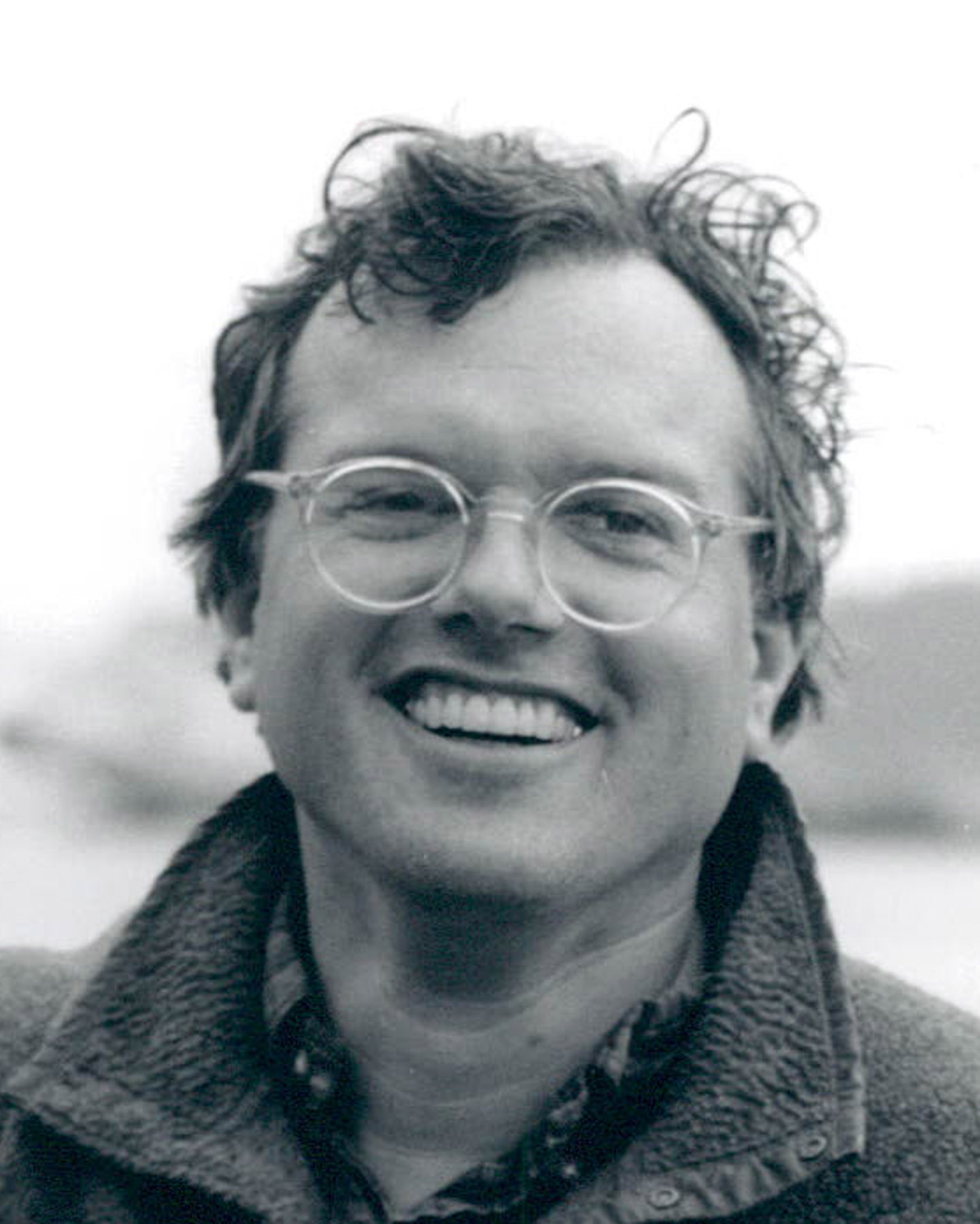

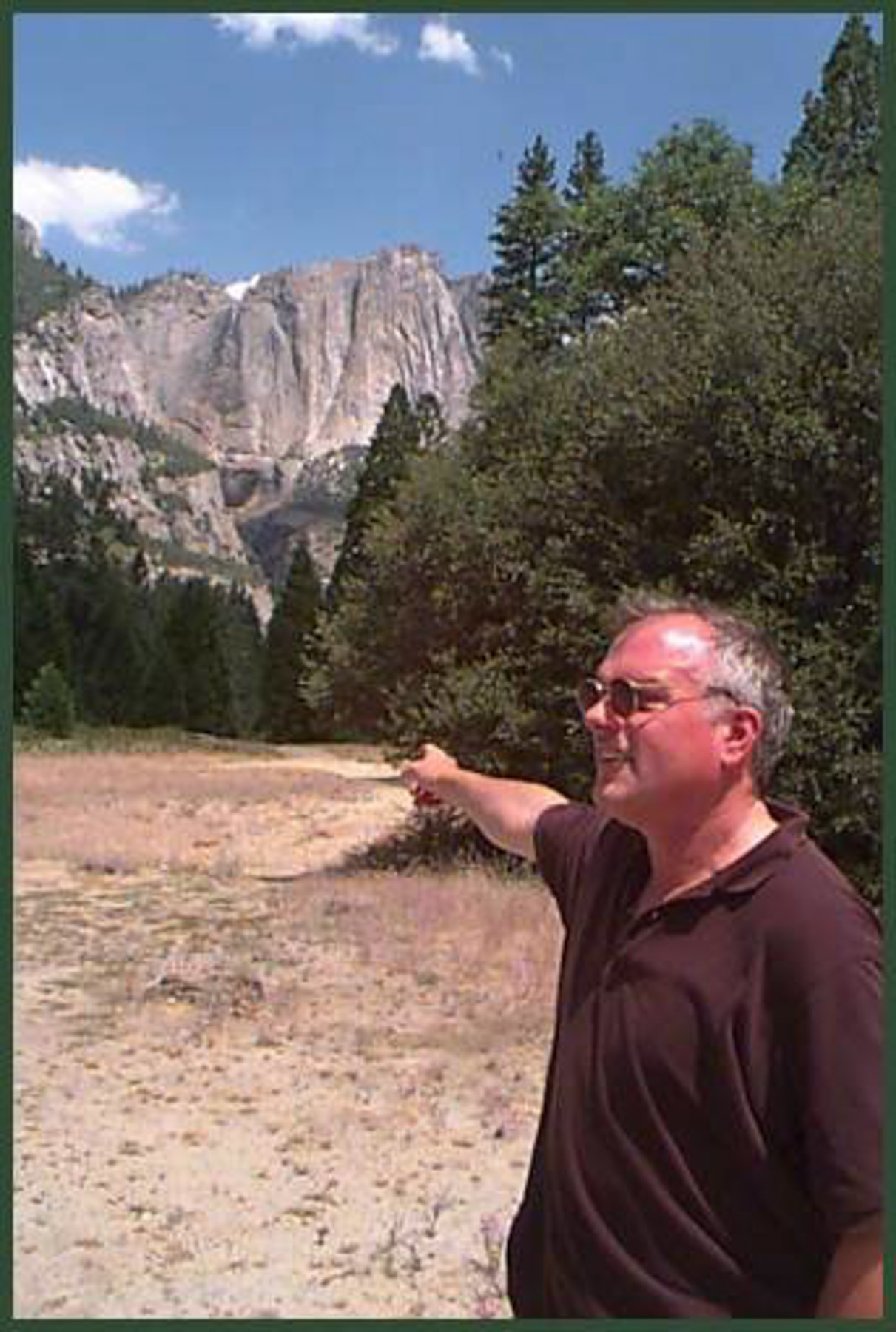
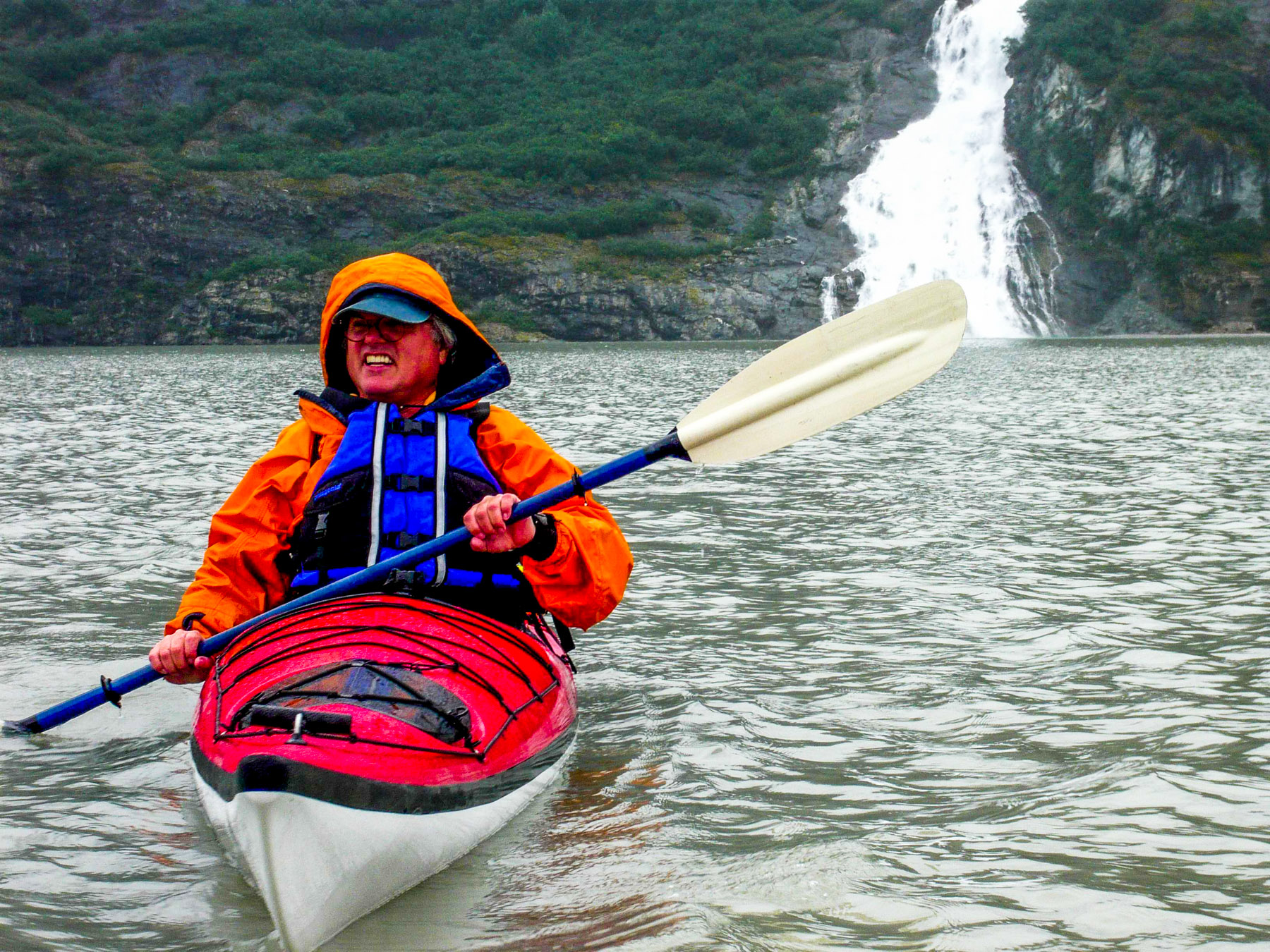
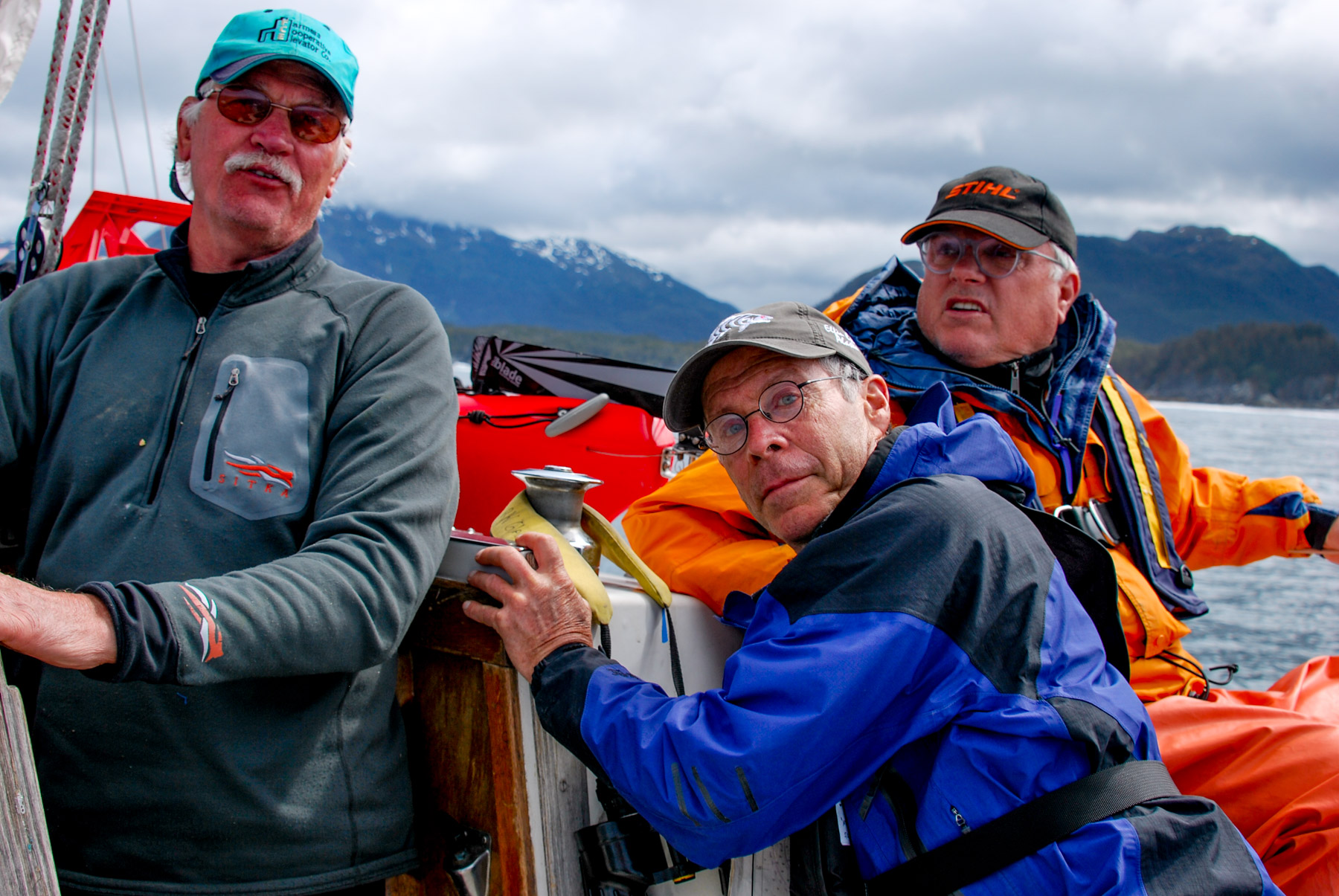
Remembering Peter McKay

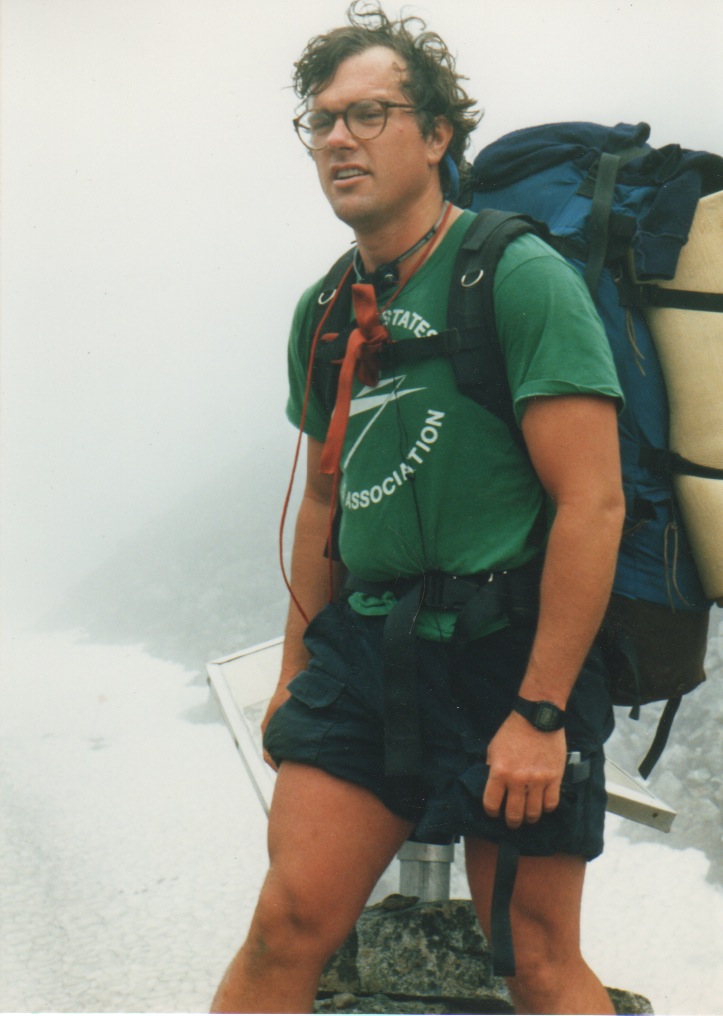
All photos courtesy of the Peter McKay photo memorial


Ask any adult who moved to Alaska to start a new life and you may hear their story about arriving with 37 cents in their pocket and no job prospects. Or how they squeezed all their belongings into their old car and drove up the Alcan Highway. None of those stories will probably ever top that of Peter McKay, who used a rowboat to get here.

McKay worked as a planner for the State of Alaska Community and Regional Affairs Department for 25 years, before it became Commerce, Community and Economic Development. Friends and colleagues like Nicole Grewe say his long career and sense of social responsibility were sparked and shaped by a stint in the Peace Corps, serving in the Amazon jungle in Columbia.

“That’s where I believe that he discovered his passion to do rural development and community organizing work, and his love for the Spanish language,” Grewe said.

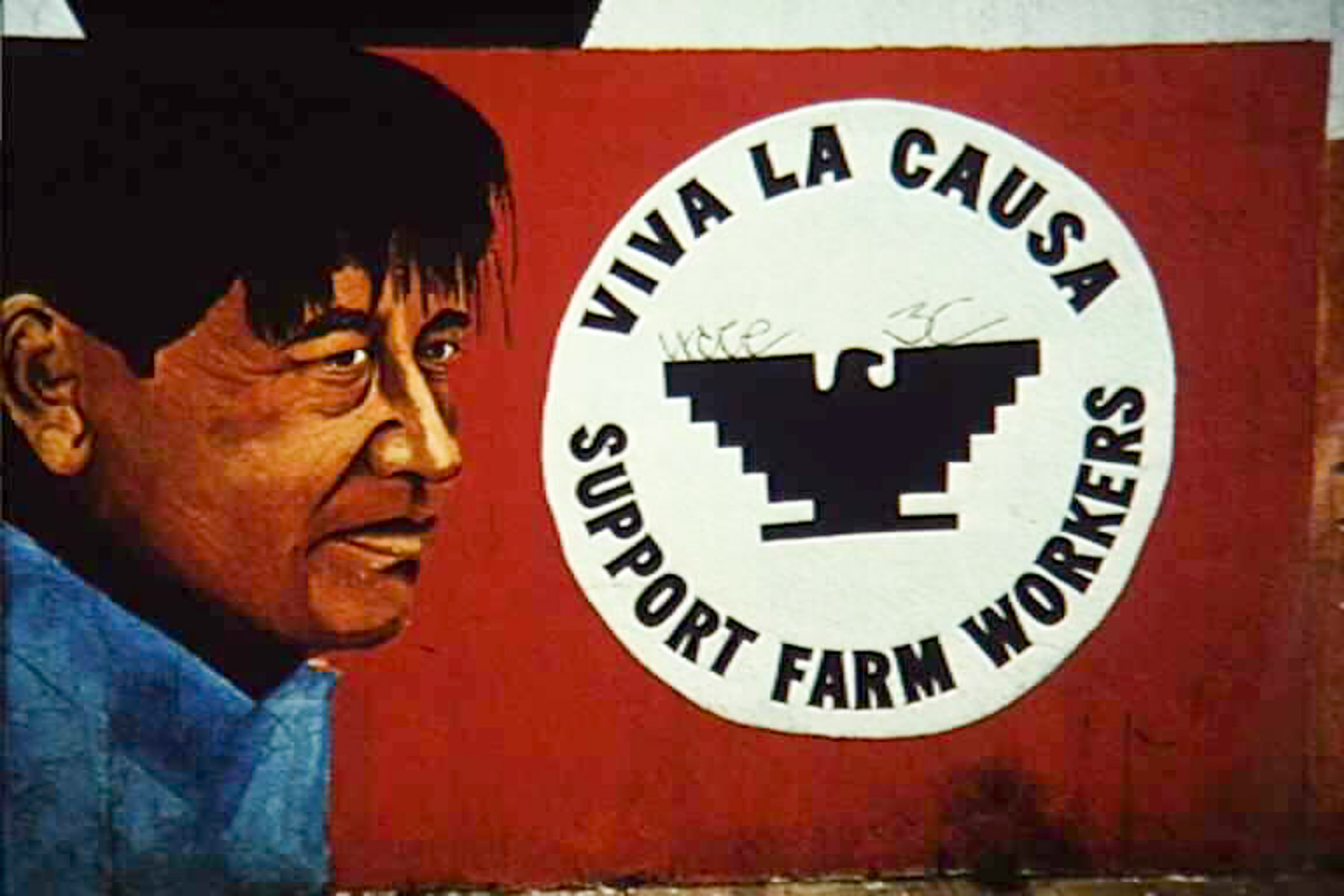
Later, McKay worked with Cesar Chavez and Chicano farm workers by helping them set up strawberry co-ops and a bi-lingual radio station. He also volunteered to help villagers in Gambia, West Africa build a clinic and a dam.

In Alaska’s Kuskokwim River village of Aniak, he wasn’t afraid to work in the dirt during an experimental farming project.

“The dream they had in those days was (that) everyone was using an outhouse and honeybucket,” said Scott Hurlbert, who was just out of high school when he met McKay.

There was really no running water in Aniak as far as toilets and sewers went.”

McKay helped the city of Aniak build its own reliable drinking water and wastewater system, and get grants for the equipment and local training.

“And that was how he thought about it,” Hurlbert recalls. “It was like: ‘Can we make an improvement now? Can we make the place better today? We’ll figure out the next bit later.'”

Grewe said McKay’s work for the state included helping with ANCSA land conveyances in the 1980s, community planning and municipal government assistance, and guiding new cities in their incorporation, management, and planning and zoning. He also helped small communities develop safe drinking water and wastewater infrastructure.

“Some real nuts and bolts work that didn’t have an easy solution,” Grewe said.

It’s difficult to finance, operate, and maintain this infrastructure in a village with high unemployment. Peter just kept at it. He knew how critical it was that if you don’t have safe drinking water and a way to dispose of wastewater safely, (then) you really cannot tend to other community viability issues.”

According to Grewe, McKay’s legacy to new employees was the need to get out of the office cubicle and into the village whenever possible, talking with people, and developing relationships.

“You network profusely, you shake hands and get to know people, you listen to their stories even though it can be very time consuming and certain cultural sensitivities need to be applied,” Grewe said.

He was one of the very few people that truly bridged the difference between urban and rural Alaskans, in my opinion.”

McKay has been remembered as generous, well-read, a mentor, a strong and silent listener with a good heart and a great grin, and a bit of a trickster.

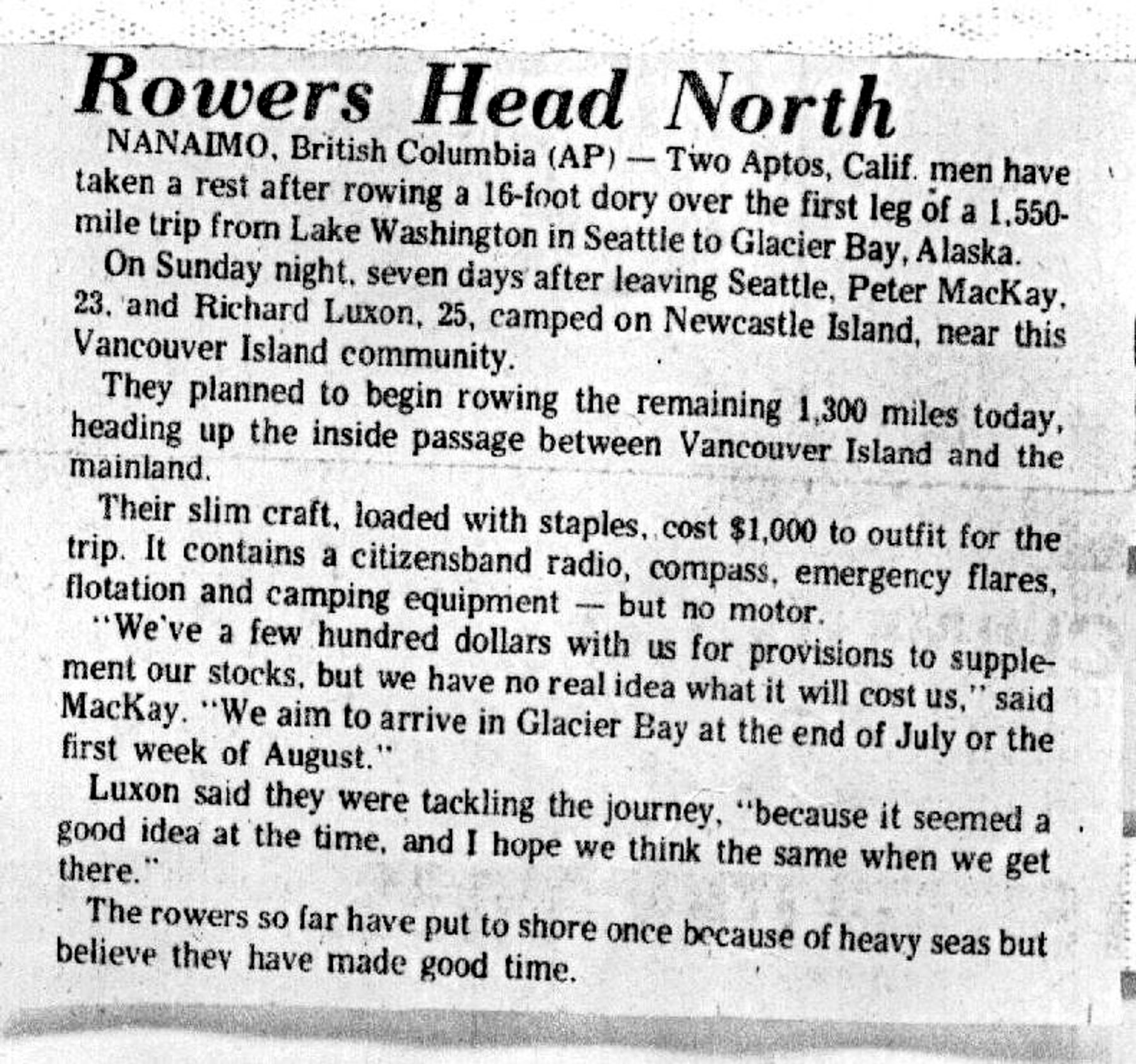
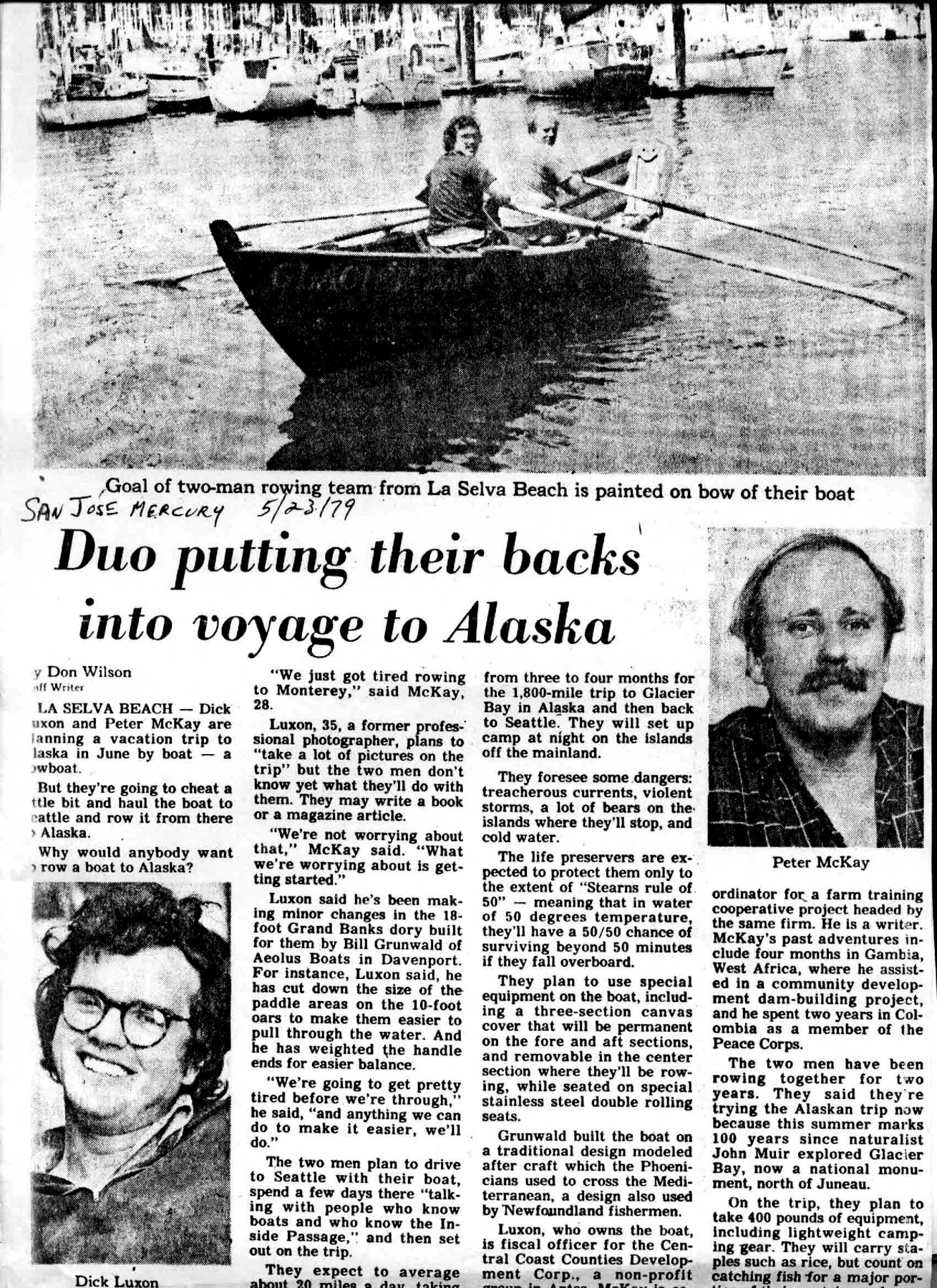
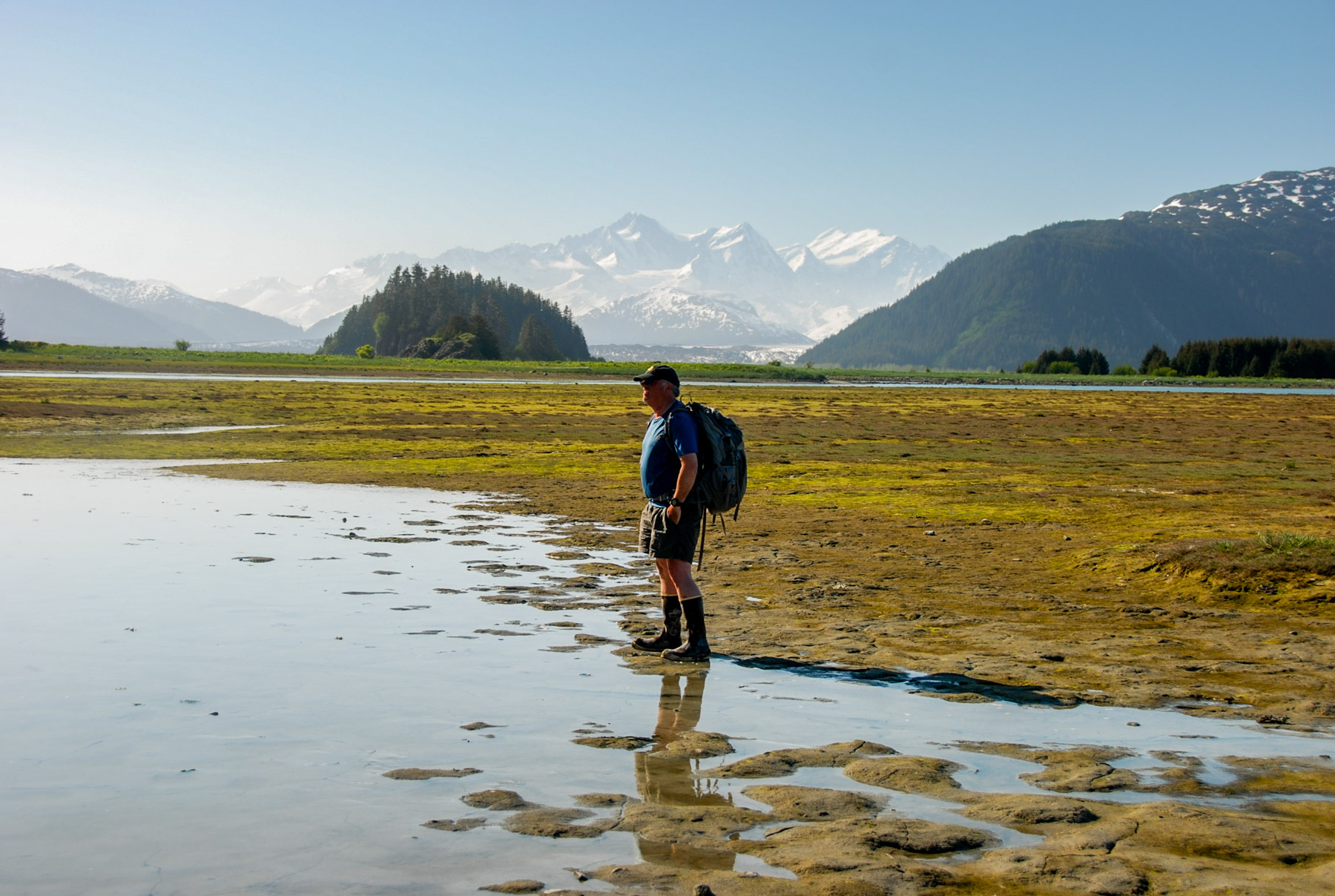
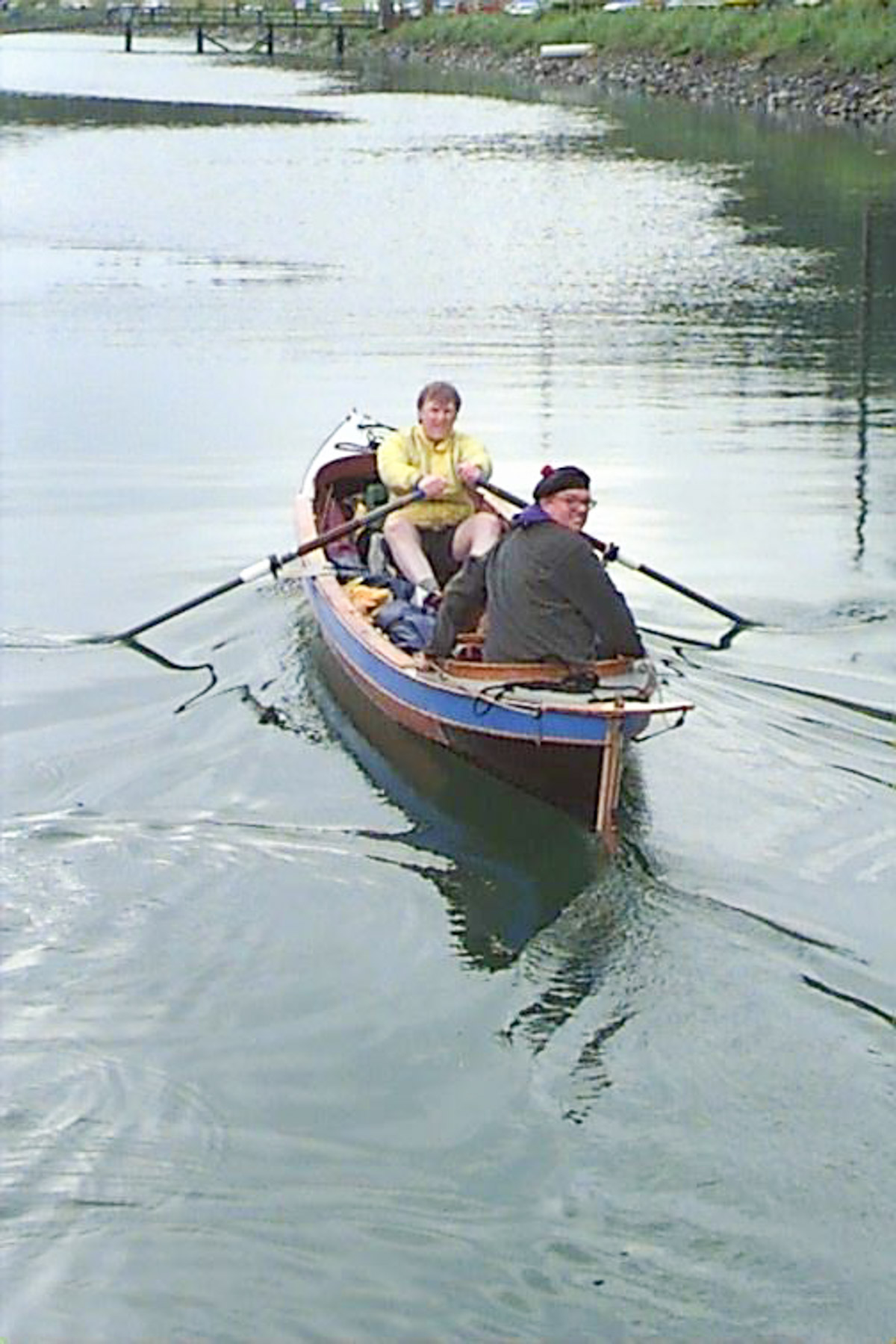
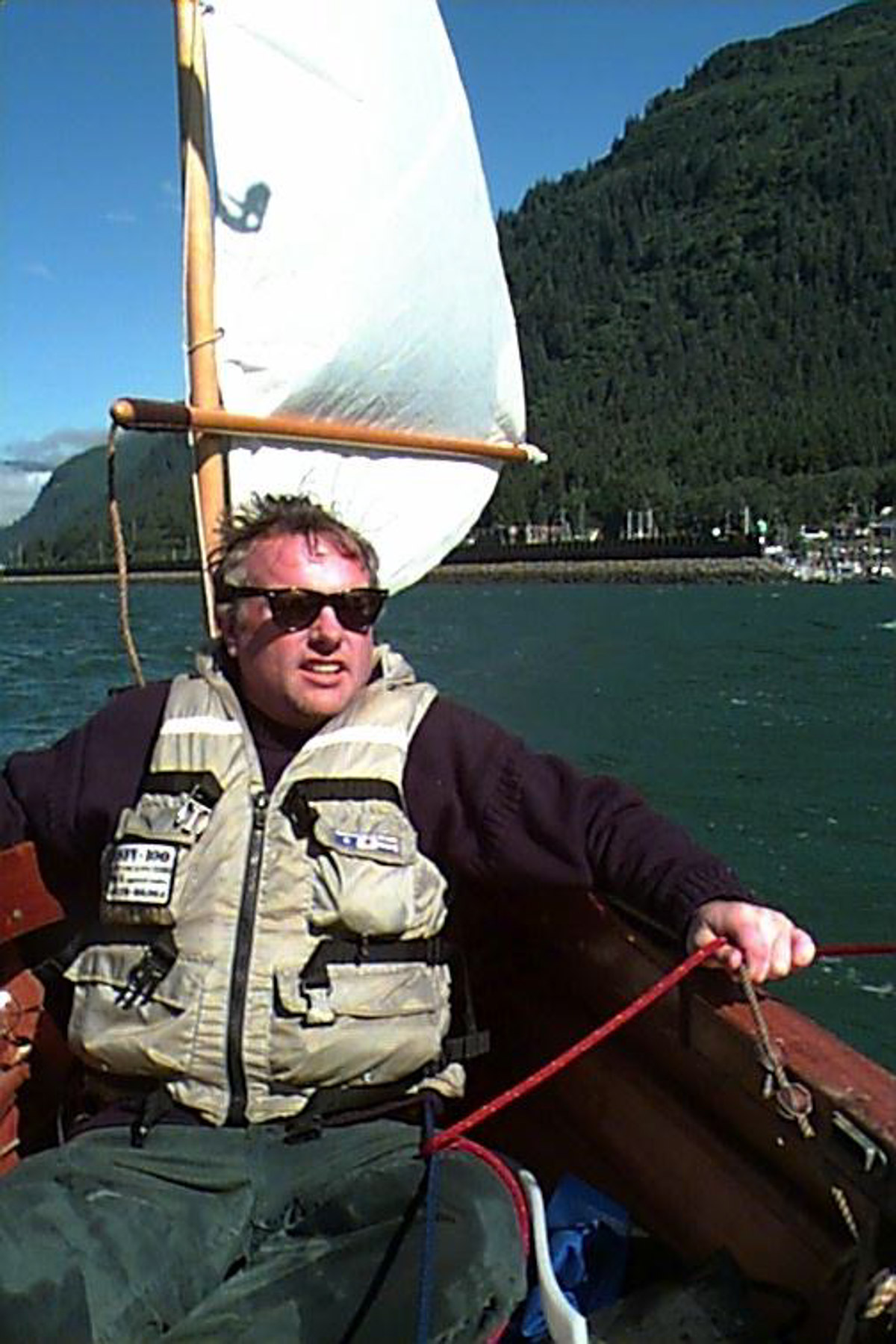
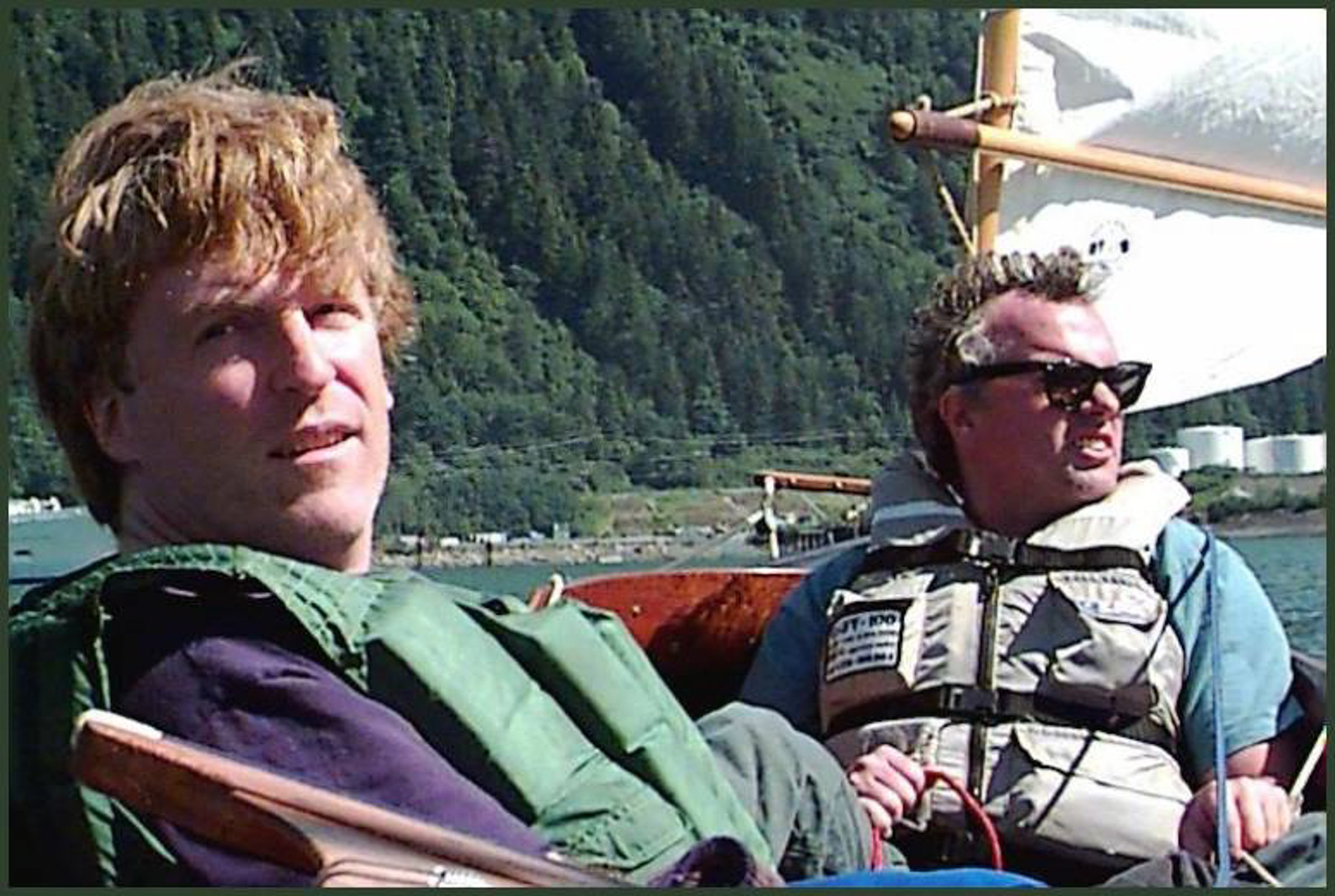
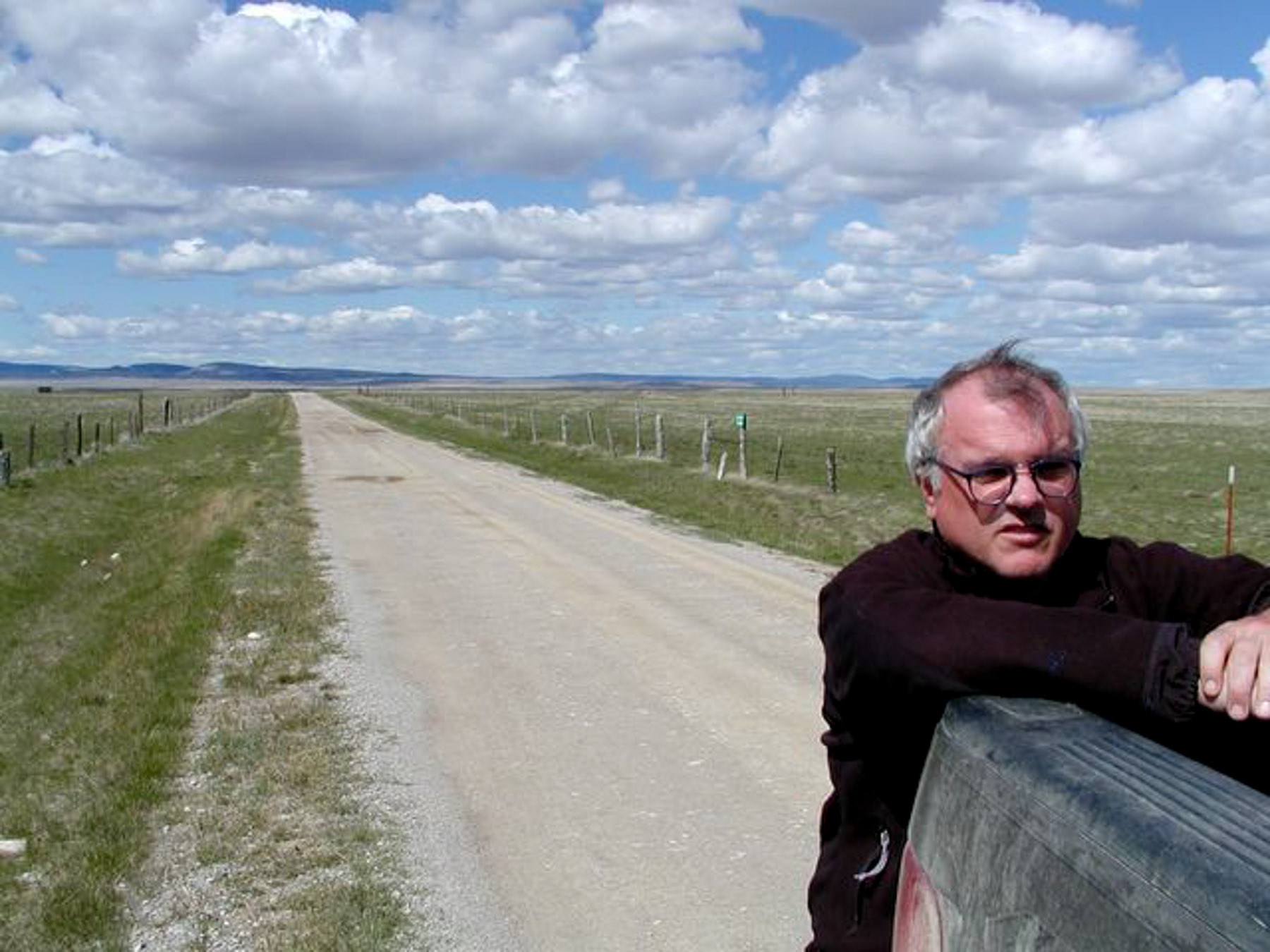
His adventurous spirit is probably most widely known. In 1979, McKay and friend Dick Luxon decided to row into Glacier Bay to commemorate the hundredth anniversary of John Muir’s canoe voyage. They started in Seattle in an 18 foot wooden open dory loaded up with 400 pounds of gear for the trip that was estimated at well over a thousand miles. Why do it? McKay joked to a San Jose Mercury News reporter that they “just got tired of rowing to Monterey.”

It took three months, but they made it.

It was the perhaps the start of countless adventures – either alone or with friends – that McKay made under his own power or with just a little help from nature.

He felt that what you’re testing is yourself and your ability to endure,” Hurlbert said.

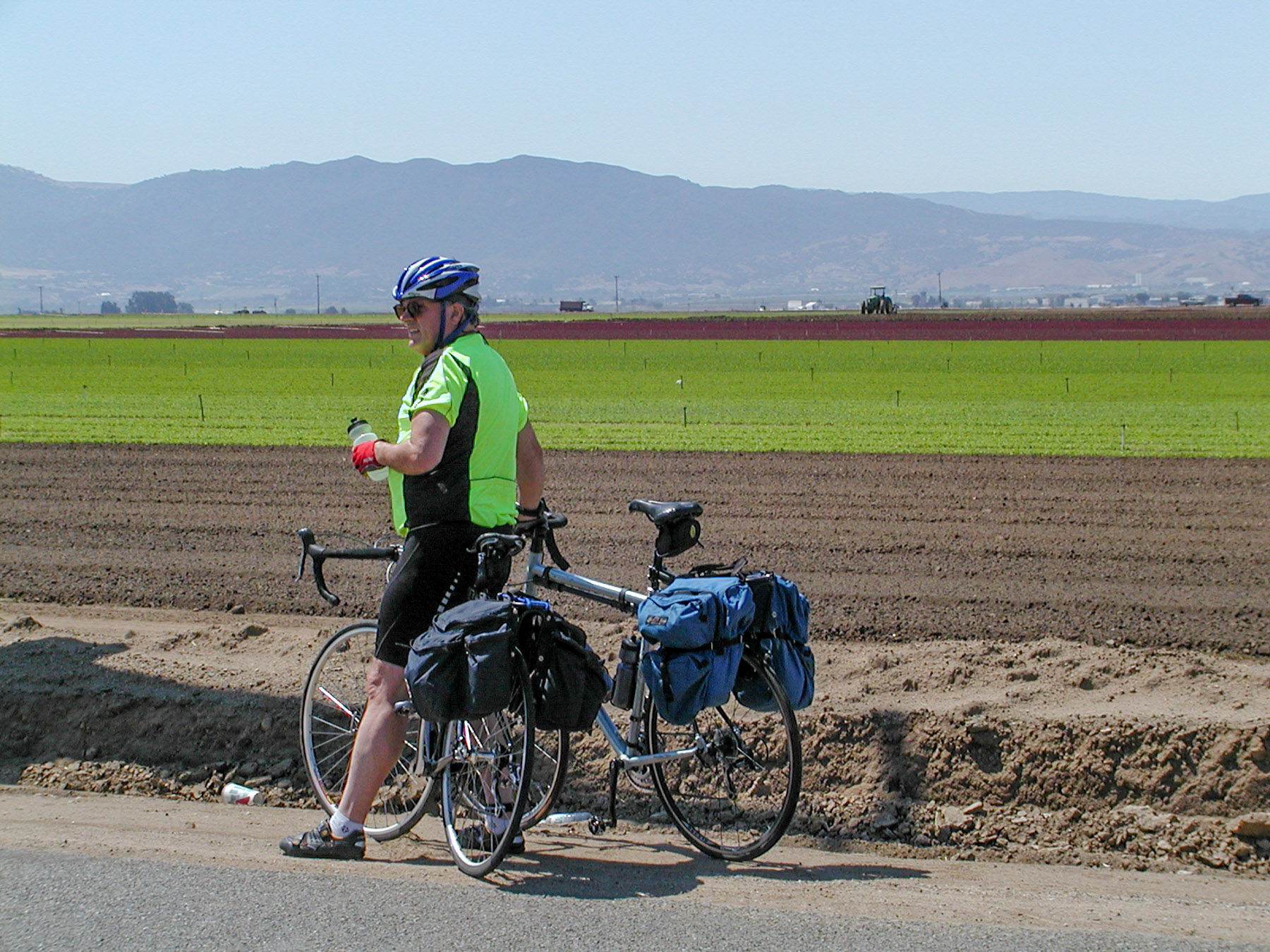
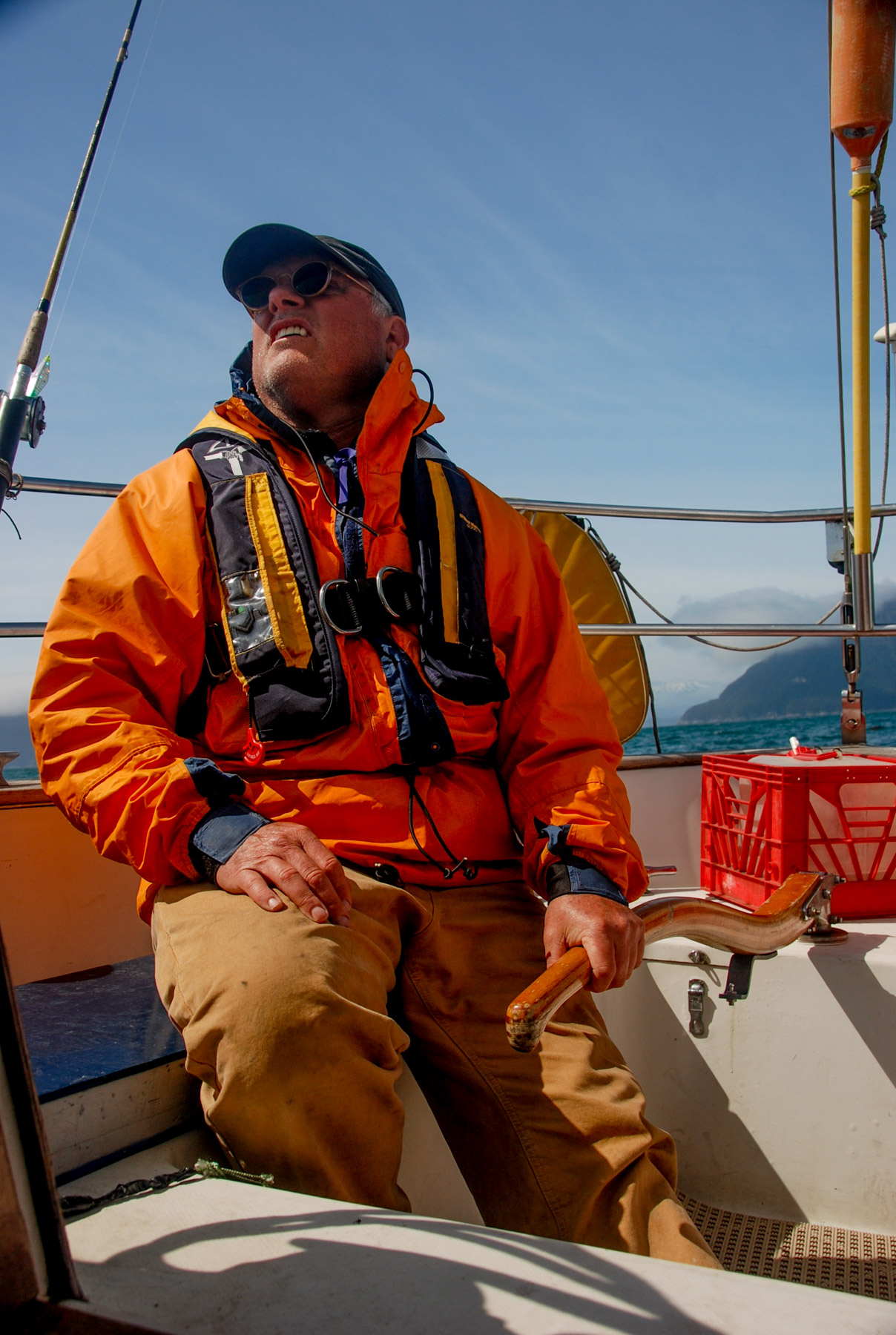
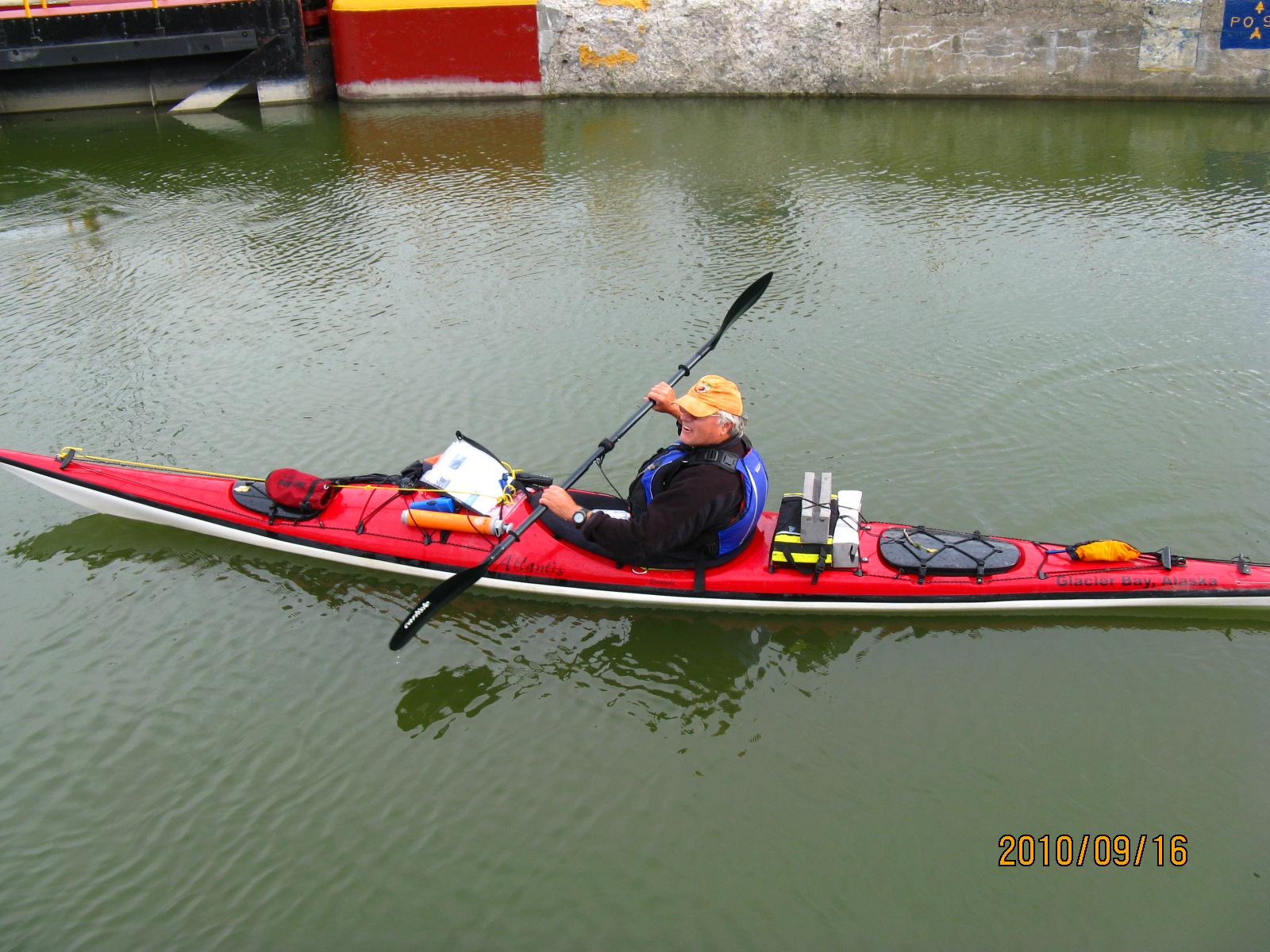
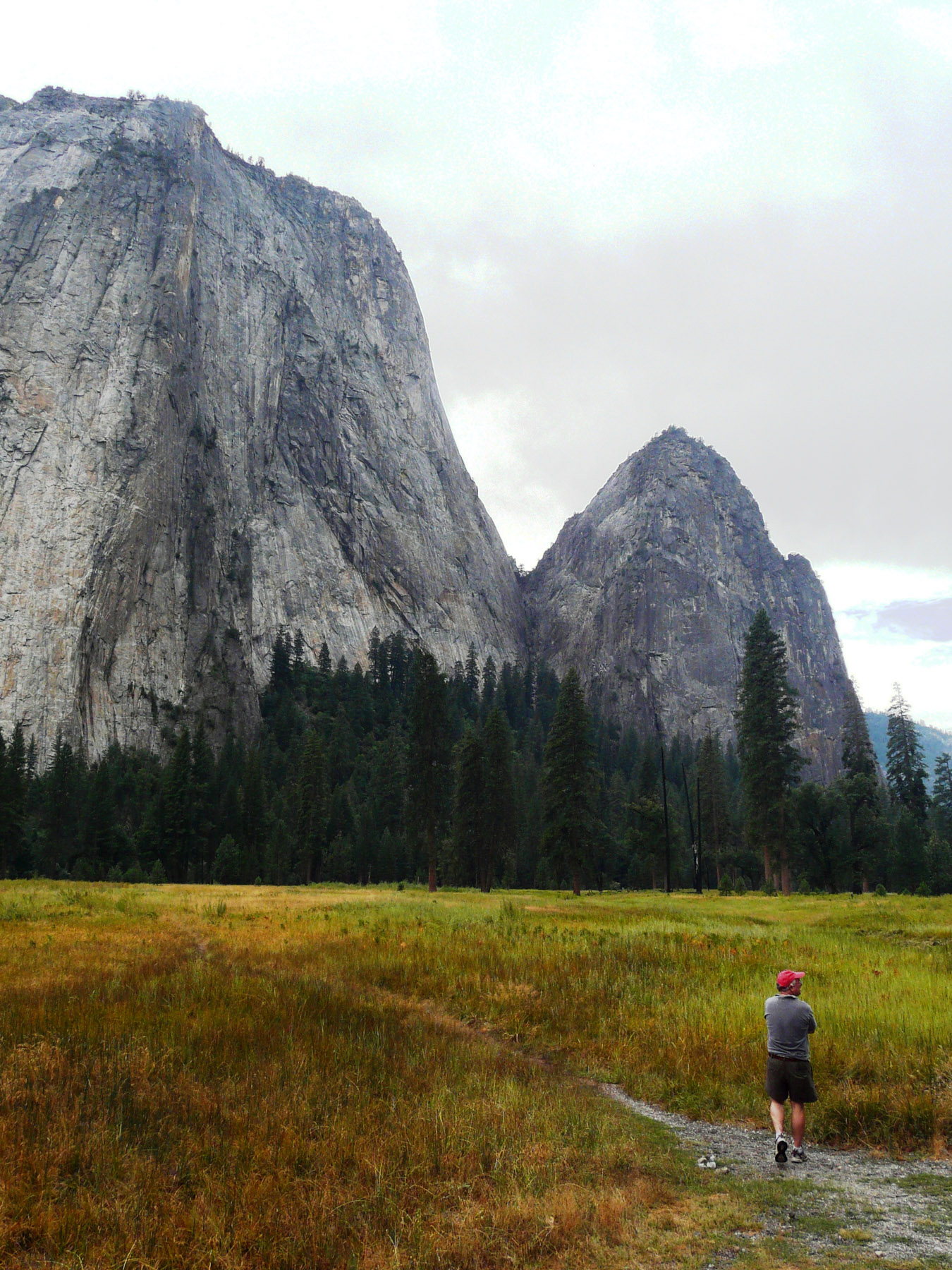
Those adventures included countless hikes, rowing back-and-forth from McKay’s Juneau home to his Gustavus cabin, cycling from Seattle to Portland, cycling and kayaking Erie Canal, sailing the Atlantic from the U.S. East Coast to Ireland, cycling through France and Spain, and various rowing expeditions along the inside and – very treacherous – outside waters of Southeast Alaska.

Author Andy Hall went on one of those trips with McKay and another friend, former Aniak teacher Lamont Albertson.

“(We) got into some really hairy seas,” Hall said. “At one point, Peter yelled that there was this whirlpool. The way his boat is set up, the rower has his back to the bow. Guy in the back is navigating with a tiller. So, Peter could see what we heading toward.”

Lamont and I kind of craned our necks to see what was going on and he said ‘You don’t want to see it! Just keep rowing!’ We rowed through like five hours straight to get out of this stuff.”

Bud Carpeneti, now a retired judge, embarked on a few of the Washington state cycling trips with McKay.

He was just the kind of person that just got you to do things that you’d never even thought about doing, much less believe that you could do.”

Carpeneti’s daughter joined McKay on that trans-Atlantic sailing voyage.

“He’s really an adventurer. He’s the kind of person that just saw great things to be done out there and he wanted to do them,” Carpeneti said.

Hall said McKay was never trying to compile an expedition resumé, or embark on the various adventures for any fame or notoriety.

I think he did it because he enjoyed it. When you do things like that with somebody, it kind of puts you in different place with them. The conversations are little more deeper, more real.”

Peter McKay passed away June 28th during a hike on Juneau’s Flume Trail. He was 63 years old.

A memorial for Peter McKay starts at 4 p.m. Sunday, July 20th at the Juneau Yacht Club.

Coalition forms to address downtown Juneau problems

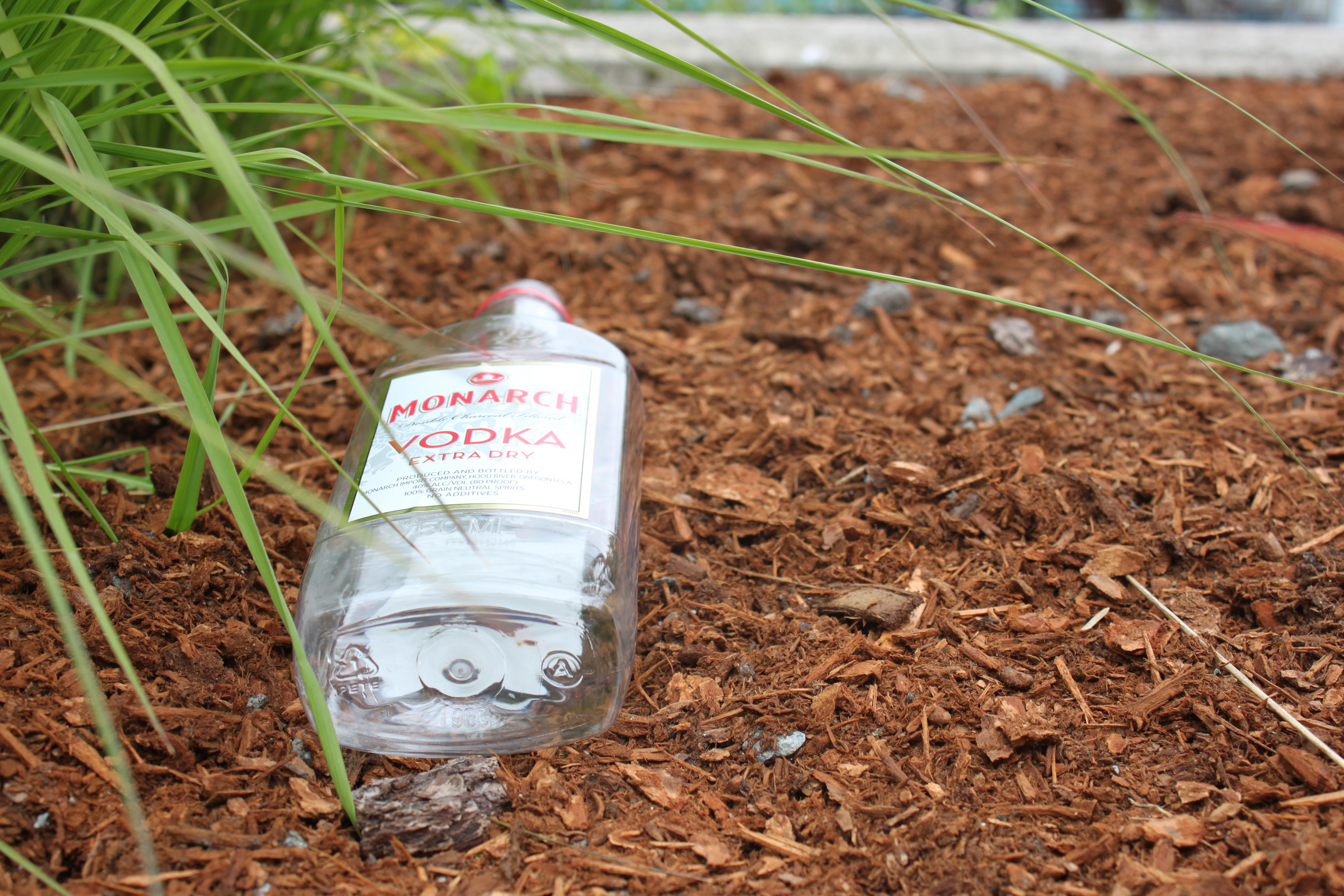
It's not unusual to find empty alcohol bottles and cans littering parts of downtown. (Photo by Lisa Phu/KTOO)
It’s not unusual to find empty alcohol bottles and cans littering parts of downtown. (Photo by Lisa Phu/KTOO)

A downtown Juneau cleanup is set for July 25. It’s an effort by of a coalition of business and property owners, and others that have joined together to tackle problems in the city’s core.

Bruce Denton has had an office in the Senate building on South Franklin Street for about 30 years. In May, he spent a lot of time outside painting, watching over downtown.

“I had no idea how bad it had become.”

Now he’s a man with a mission.

A video

Denton asked filmmaker Pat Race to produce a short video of some of the things he’d seen from his perch.

“My marching orders to Pat was that I didn’t want it to be an indictment of any one group. I just basically wanted the bad and the ugly of what was going on downtown,” Denton says.

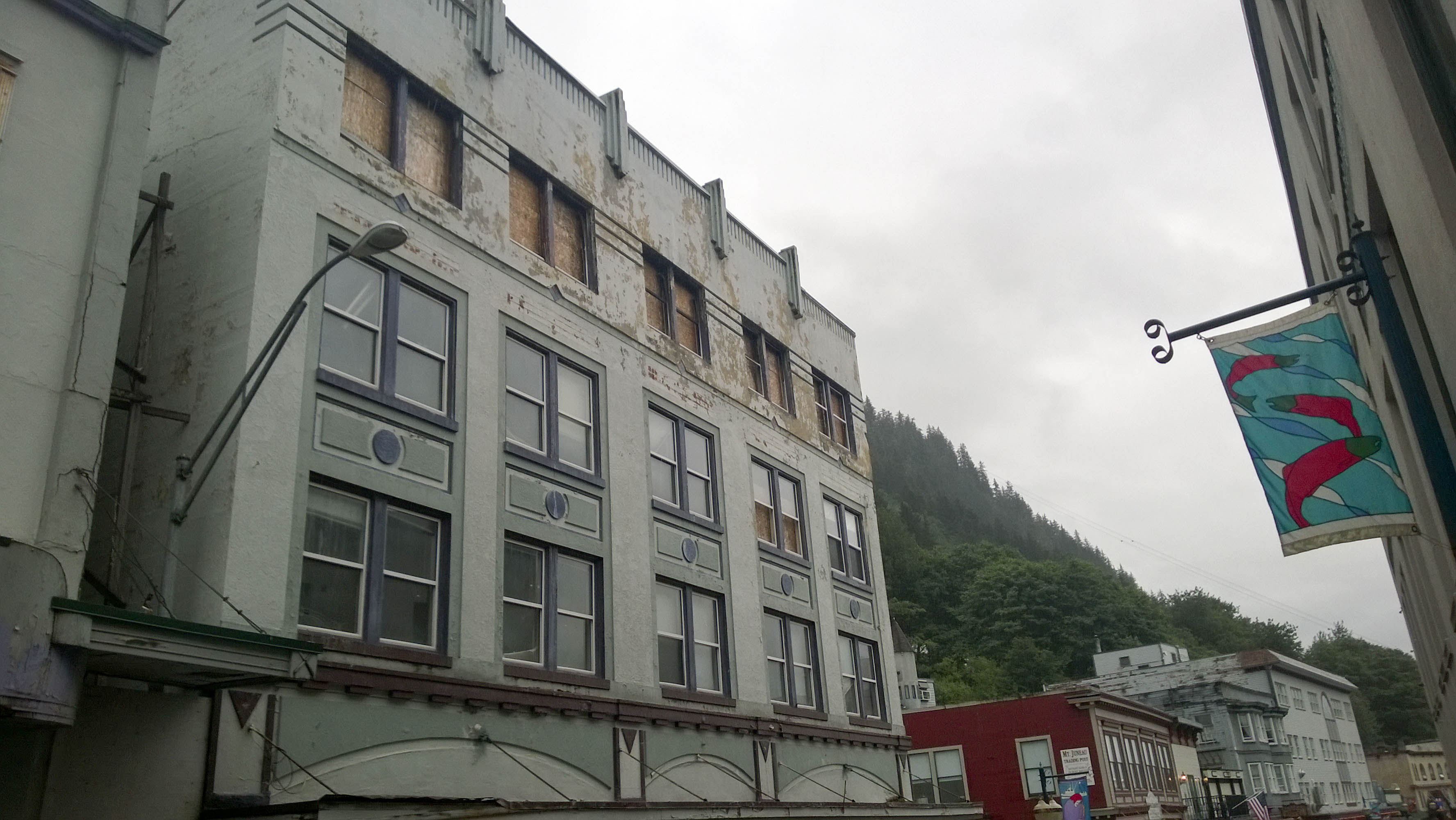
Gastineau Apartments
Buildings beyond the Gastineau Apartments need paint and other work. The apartment building burned in November 2012. (Photo by Jeremy Hsieh/KTOO)

The bad and the ugly?

“It’s everything,” he says.

The video starts at Front and Franklin streets and pans the burned-out Gastineau Apartments.

“You look up Franklin Street and think why would I want to go there?”

Pat Race calls his short video a snapshot of downtown.

“I filmed everything from like puke and poop and people passed out on the doorsteps of businesses and broken windows and busted up sidewalks. It really ran the gamut,” Race says. “It’s just a deterioration of attention.”

It even picks up the north wall of Denton’s Senate building.

“It looks horrible,” Denton says. “I thought, ‘Pat, why did you do that to me,’ and then I thought, ‘Wait a minute, this is what we’re talking about. We all need to take ownership.’”

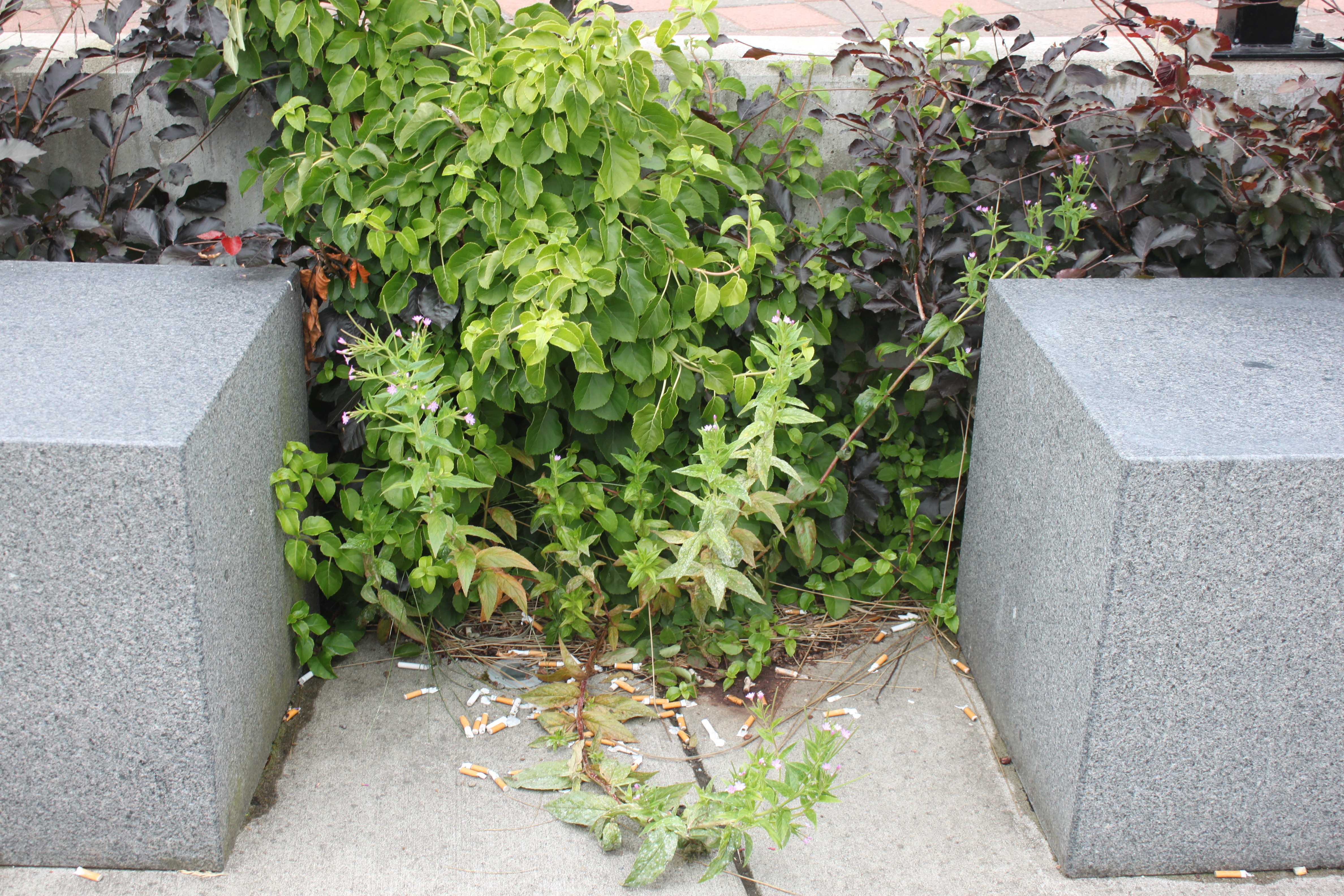
Cigarette butts litter a small park on Telephone Hill. (Photo by Lisa Phu/KTOO)

Race deliberately shot the footage over a short period of time.

“It’s not cherry-picked, it’s not all the greatest hits from the last month. It’s everything that just happened within a few days,” he says. “And it’s pretty pervasive.”

Race also owns a business downtown. He says he wasn’t surprised at the images he saw in his camera, but at how long he’d shut them out.

“I think the thing that surprised me was how much I had my blinders on now,” he says.  “I think once you start looking around it’s pretty appalling how many cigarette butts are on the ground, and how things haven’t been painted in quite a while and just what we let people get away with in a public space.”

Denton calls it “just a lot of obnoxious activity, a lot of people operating below polite society.”

An informal coalition

For the past month, Denton and Race have taken their concerns and the video to small groups of business and property owners, a few CBJ staff and a couple of elected officials. Even the Downtown Neighborhood Association has joined.
Juneau Police Chief Bryce Johnson dubs the informal coalition DIG, for Downtown Improvement Group. Earlier this month, Denton and Race met with Johnson and Lt. David Campbell. They don’t need a video to understand the issues.

“Typically, what we encounter in the downtown area is a lot of public nuisance-type complaints. Alcohol is a contributing factor to it,” he says. “A lot of people are consuming alcohol.”

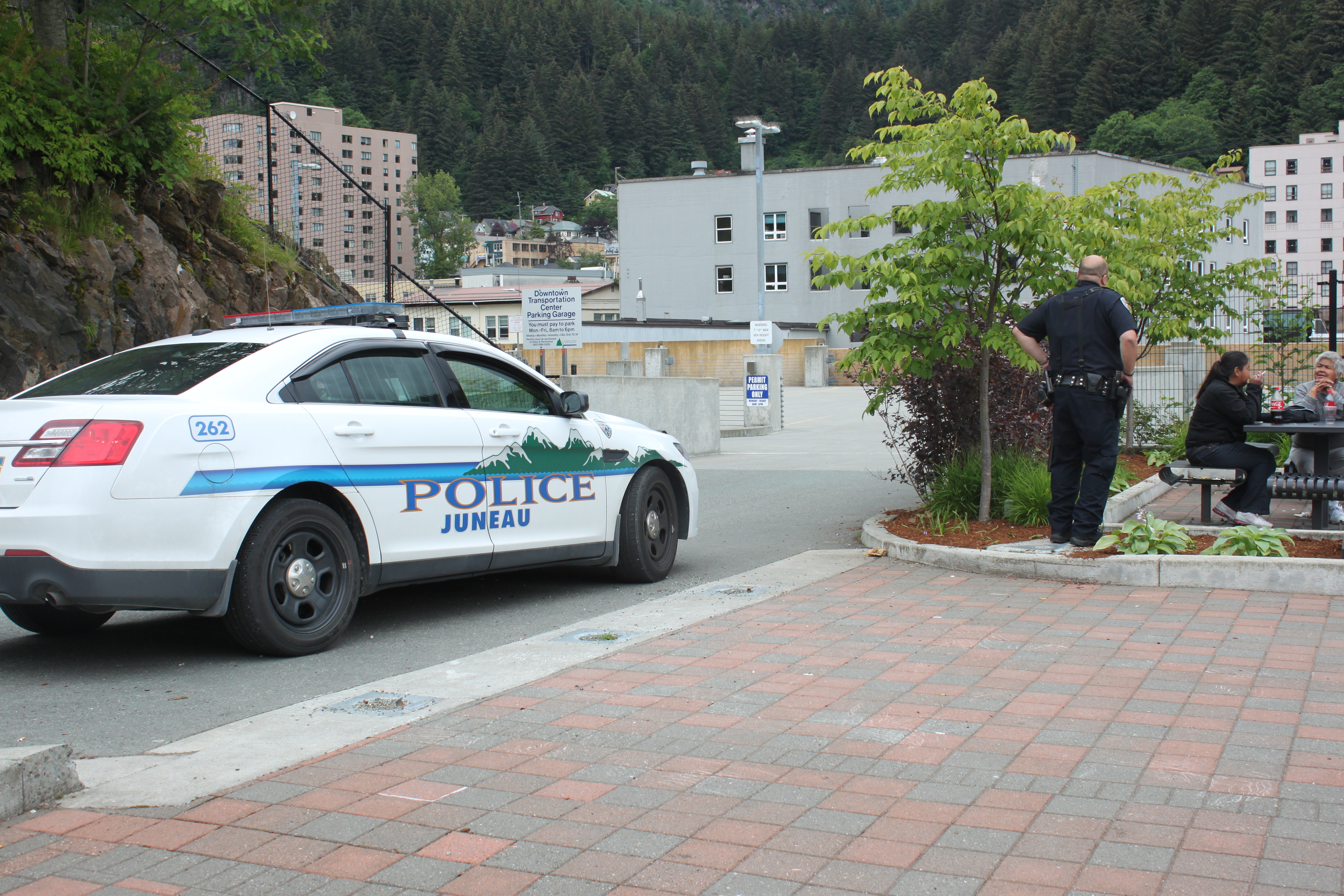
Juneau police make a check at Telephone Hill. Downtown Juneau consumes a lot of JPD time. (Photo by Lisa Phu/KTOO)

Downtown Juneau consumes a lot of police presence, especially on nights and weekends.

When he steps out of his police lieutenant role, Campbell admits downtown is sometimes an unpleasant place to be.

“As a citizen and a parent, I don’t know, there’s just an uncomfortable air about it,” he says.

Campbell says Denton is on the right track. He points to a study done years ago called Broken Windows.

“You have an area that’s got broken windows and graffiti, it gives an unconscious message that nobody cares,” he says.

And such problems grow. The reverse, of course, is well-cared for property, an inviting downtown.

“You keep places clean, you know you have the impression that somebody cares about it, is watching it. And as you’re able to get ownership and get back, it actually has a positive effect toward these low-level, quality-of-life issue crimes,” Campbell says.

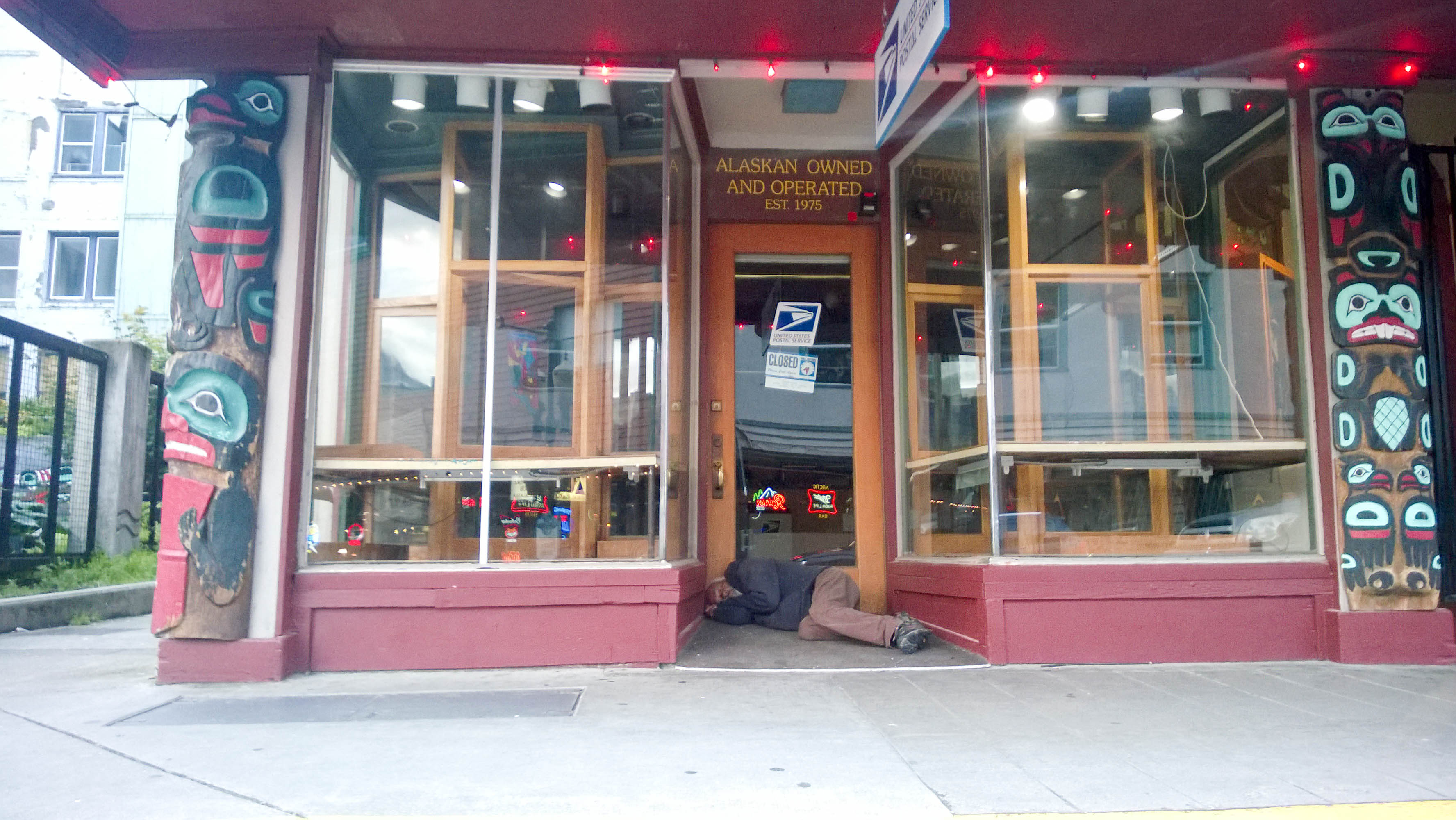
man sleeping downtown
A man sleeps in the doorway of a shop on South Franklin St. (Photo by Jeremy Hsieh/KTOO)

Cleaning up is a start

As Denton spreads his message, he says peer pressure is the way to start cleaning up downtown.

“If your neighbor on both sides of your building cleans up their act, it kind of puts a lot of pressure on you to do the same thing,” he says.

While a general clean-up may be the best way to start addressing the issues, Denton and other members of the downtown group know it’s superficial; the tougher solutions may take years.

Those conversations are just getting underway.


Editor’s Note: This story is the first in a series on downtown Juneau issues. You can read the second part here: Bring your brooms and scrub brushes; downtown cleanup is Friday

AWARE breaks ground for new 12-unit apartment building

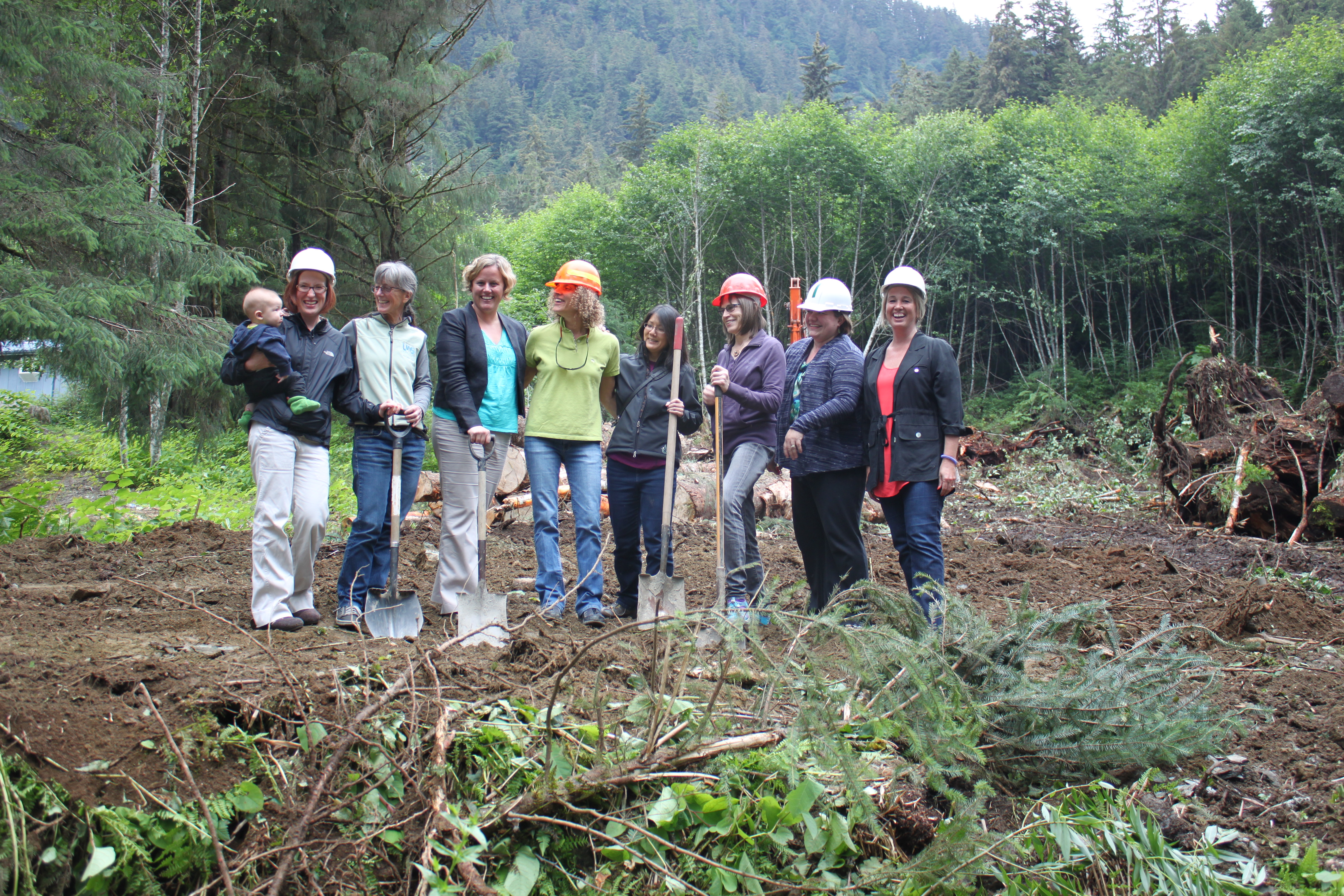
AWARE staff, board members and Rep. Cathy Munoz stand on land being cleared for the new transitional housing facility. (Photo by Lisa Phu/KTOO)

Women and children leaving AWARE’s emergency shelter will soon have a place to live as they look for permanent housing.

Juneau’s women’s shelter and domestic abuse nonprofit broke ground for a transitional housing facility Thursday afternoon.

AWARE direct services manager Mandy Cole says it’s emotional watching the acre of land being cleared.
“It’s unbelievable in some ways. I’m going to cry a little. Because we’ve just worked so hard and our need is so great and the need of the women and children we serve is so great that to know that we are contributing in this really positive way to the community and to the women we serve is so gratifying,” Cole says.
On an average year, AWARE provides up to 6,000 shelter nights for abused and battered women and children. This past year, the organization provided nearly 8,500 shelter nights.

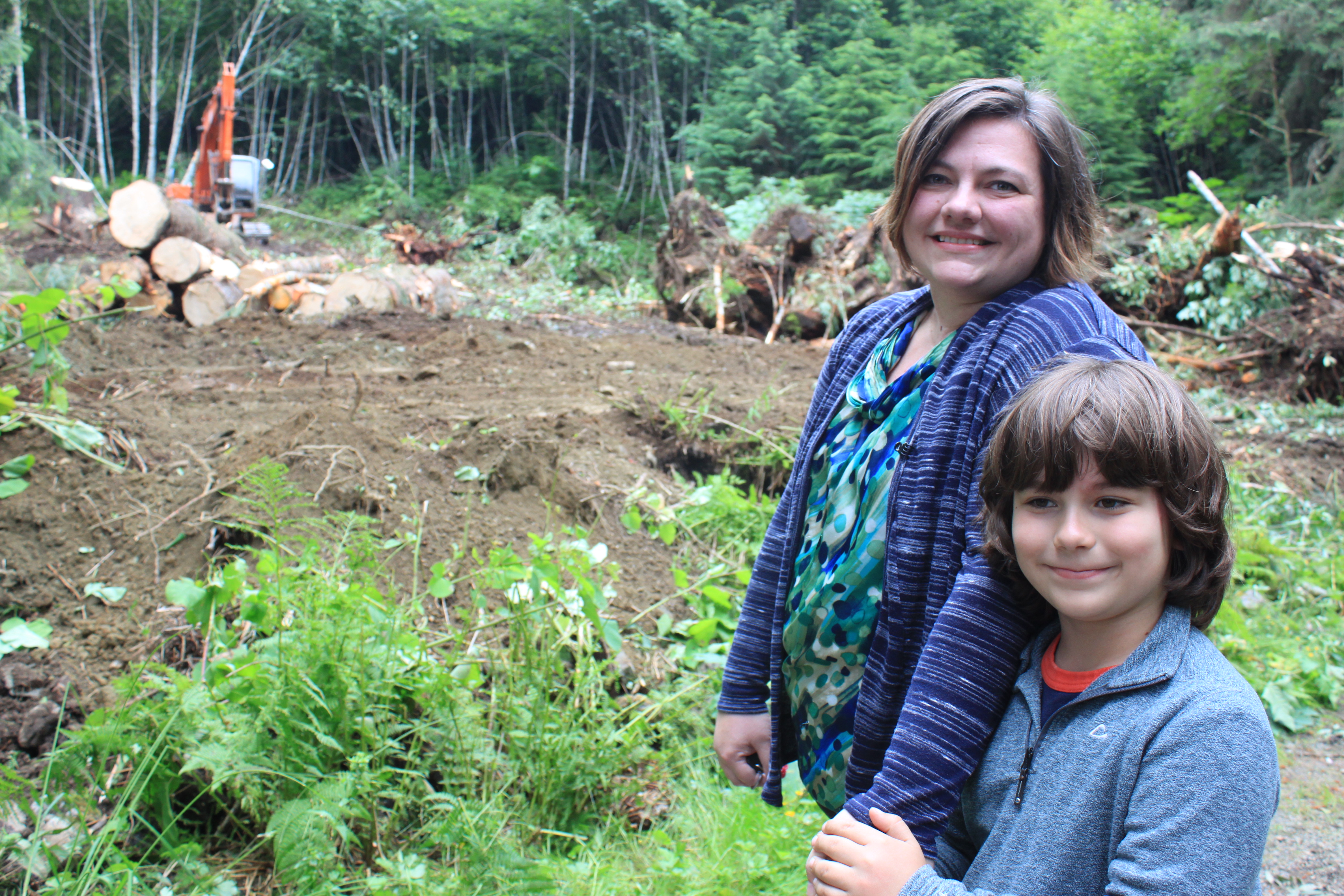
AWARE's Mandy Cole brought her son Theron, 8, to the groundbreaking. (Photo by Lisa Phu/KTOO)
AWARE’s Mandy Cole brought her son Theron, 8, to the groundbreaking. Logs in the background will be used for the entrance of the new building. (Photo by Lisa Phu/KTOO)

Cole says women leaving emergency shelter need additional services and support before they’re ready to plunge into independent living. She says transitional housing will allow women to build skills for financial independence.

“Market rental housing in Juneau is not affordable to our women. We’re talking about folks with income of less than $10,000 a year,” Cole says.

Rent will be subsidized in the 12-unit facility, which includes four efficiencies, four one-bedroom and four two-bedroom apartments.

Cole says the new housing will offer the latest technology in security that won’t burden residents or staff.

“We’ll be able to monitor anybody coming near or in the building from anywhere. I’ll be able to do it from the emergency shelter. I’ll be able to do it from my home,” she says.

The transitional facility is estimated to cost $2.3 million.

AWARE executive director Saralyn Tabachnick says most of the funding is from the Rasmuson Foundation and the State of Alaska.

“And this community came through with nearly $200,000. So it’s just so meaningful to me that everyone is invested in this. This is not just AWARE’s project. It’s really a project to benefit the community,” Tabachnick says.

AWARE hopes to move women and children into the new housing by the end of the year.

AWARE board member Robin Gilcrist designed the transitional housing building. (Courtesy of AWARE)

How to shuck: a primer for OysterFest

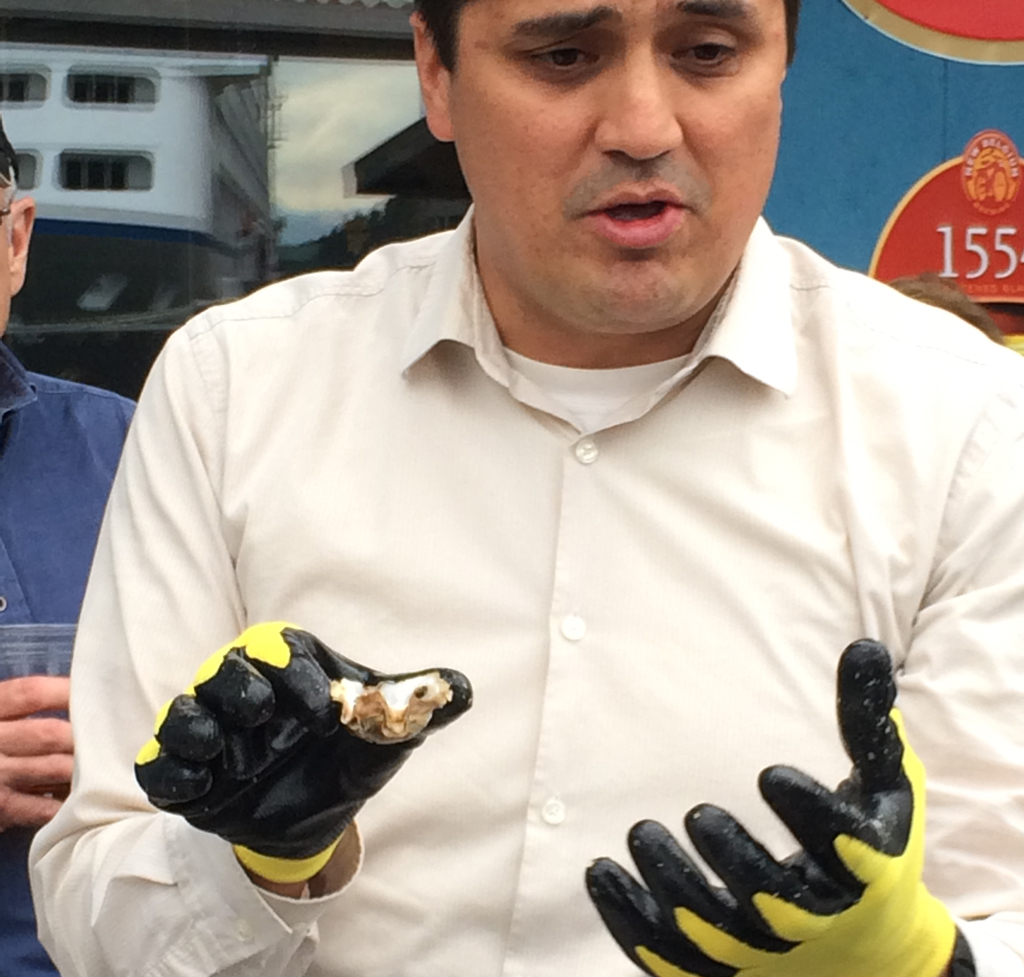
Anthony Lindoff, mariculture program manager for Haa Aaní, teaches volunteers how to shuck oysters.
Anthony Lindoff, mariculture program manager for Haa Aaní, teaches volunteers how to shuck oysters. (Photo by Sarah Yu/KTOO)

Volunteers are learning how to shuck bivalves in preparation for the Third Annual OysterFest this weekend.

Alana Peterson, the economic development coordinator at Haa Aaní, says that she hopes attendees will be more hands-on with their food, shucking the oysters themselves.

“Shucking oysters is kind of an art. It takes a little practice, and so we didn’t want to just tell people ‘good luck, shuck your oysters,’ so we thought we’d get some volunteers trained,” she says. She says it usually takes five or six tries for people to learn the technique.

Some helpful shucking tips include: start shucking at the hinge of the oyster, make sure to sever the adductor muscles and to use a flathead screwdriver if a shucking knife isn’t available. Tapping on the oysters will help determine if they are alive, with a dead oyster producing a hollow sound.

Oysters from different farms will also shuck, and taste, slightly different.

Haa Aaní has ordered 12,000 oysters from five different farms with an extra 2,400 as backup. Last year, 9,600 oysters were consumed. The oysters come from Yakutat, Angoon, Halibut Cove and Prince of Wales. They’ve been tested for paralytic shellfish poison and other toxins.
OysterFest begins at 2 p.m. Saturday, in the Sealaska Plaza. Tickets are $12 for six and $20 for a dozen oysters.

In transition: When a family of five calls one room home

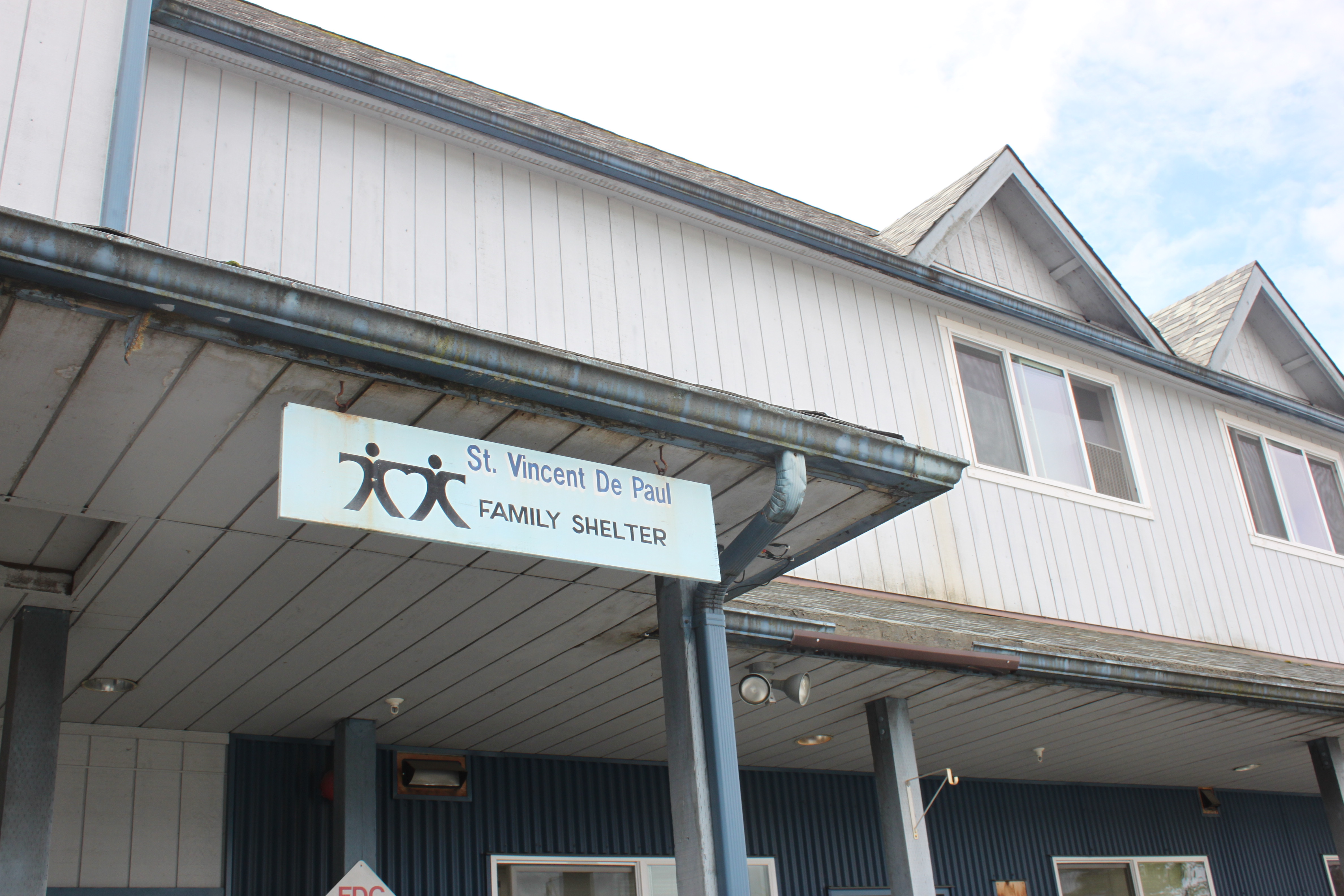
Juneau charity organization St. Vincent de Paul has a record high number of people staying in its transitional housing shelter. Usually, around 55 people live in the 26 units. At the moment, there are 66 occupants, almost half are children.

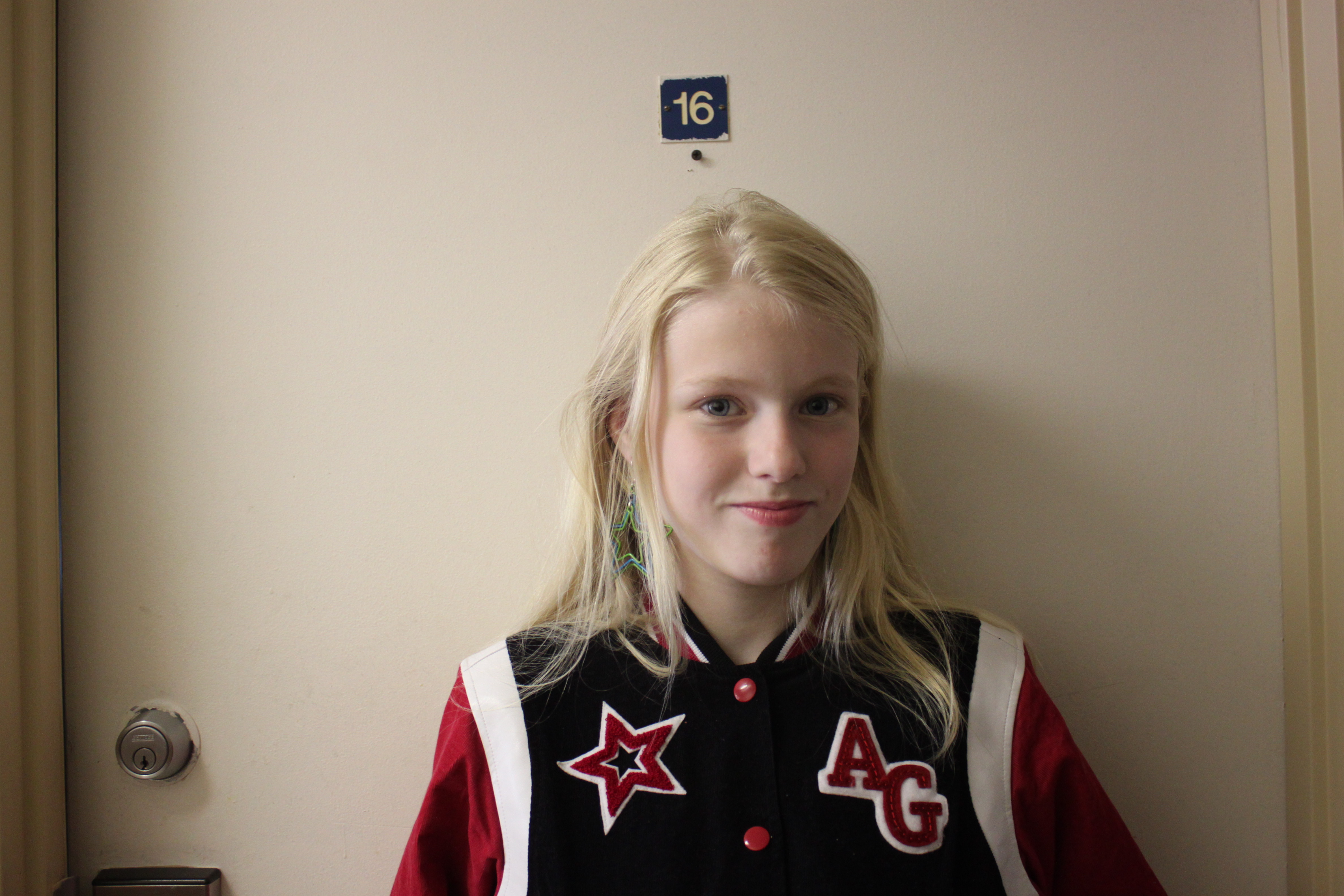
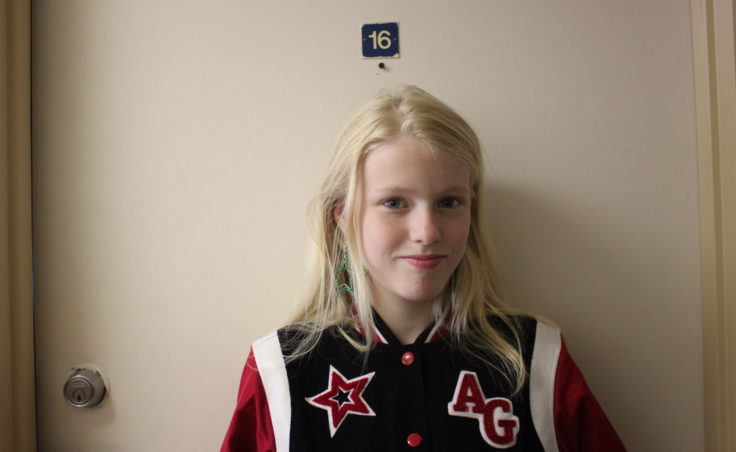
Twelve-year-old Carrie McVey has been living in and out of transitional housing at St. Vincent de Paul for as long as she can remember.

“I’m used to calling St. Vincent’s home because I’ve been here most of the time,” Carries says.

She lives in unit 16 with her 16-year-old sister, 11-year-old brother and their parents.

“We’re all just living in one room. I’ve basically made my bed my own room, ‘cause I have to sleep on the bottom bunk. My brother sleeps in the top bunk and I can just tuck blankets in under my brother’s mattress.”

It’s like a little fort, she says.

Carrie’s father has a job at Goldbelt Security Services and her mother doesn’t work. During the school year, Carrie goes to Juneau Community Charter School. She’s open with her classmates about sometimes living in a shelter.

“‘Cause, like, some of my friends would ask if they could stay the night and I’d have to tell them no,” Carrie says.

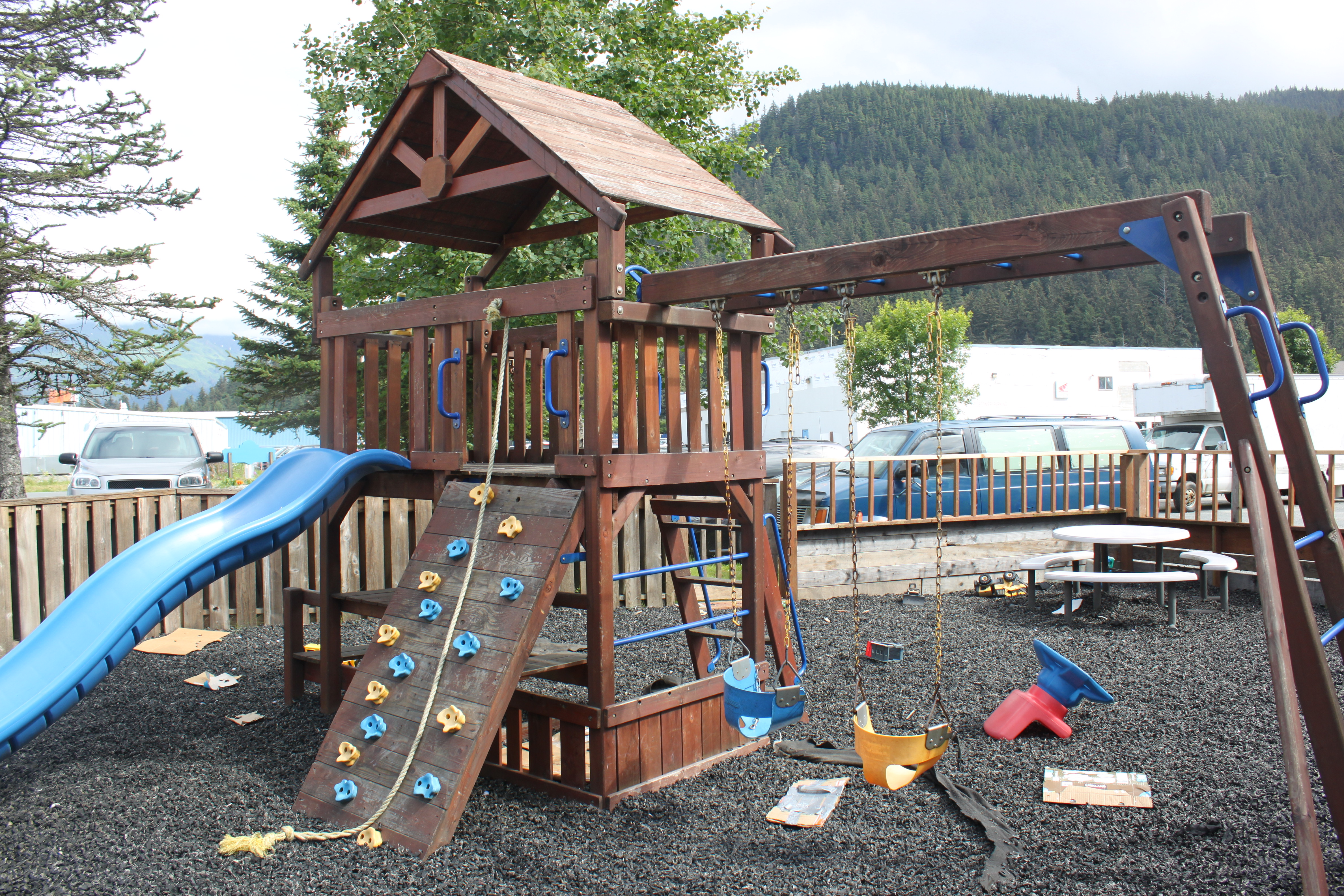
There are more kids at the shelter than usual, she says, which means she actually has someone her age to hang out with. During the summer, Carrie visits the playground and wanders around the shelter.

“I like going in and hanging out with some of the other families ‘cause, you know, I know how they feel. Most of us just feel alone, like we have nowhere to go,” Carrie says.

She wants her family’s stay at St. Vincent’s to be what it’s supposed to be – transitional.

“I hope that we can get our own house that we can stay, for once. ‘Cause it seems like, you know, every year we move from one house and then back in here, and I’m getting tired of it,” Carrie says.

Carrie is one of 30 kids currently living at the shelter.

St. Vincent de Paul housing manager Tamee Martini says the high number of shelter occupants is driven by the number of kids. She says families at the shelter usually have one or two kids. At the moment, several families, like the McVeys, have three. A couple families have more.

“It’s sad to see a large family with children that are homeless for whatever reason. I mean, being homeless is sad for everybody, but those children deserve to be in a place of their own and not in a room. I just believe that they need more room to wander around and be kids and be outside poking at bugs or whatever, just being kids,” Martini says.

Individuals and families can stay in transitional housing for a maximum of two years, though most stay for a year. In order to get in, there’s an application and an average wait time of six months.

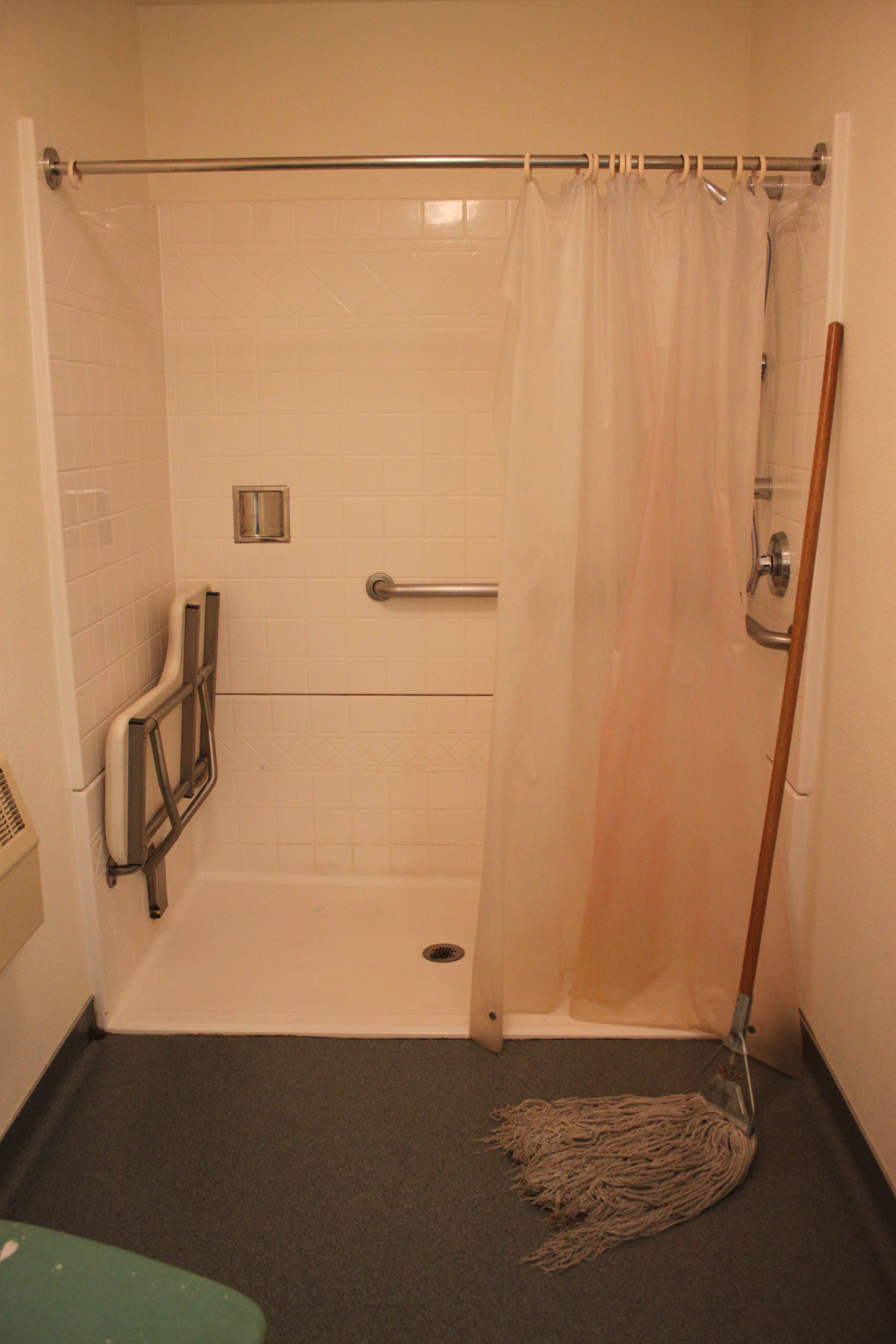
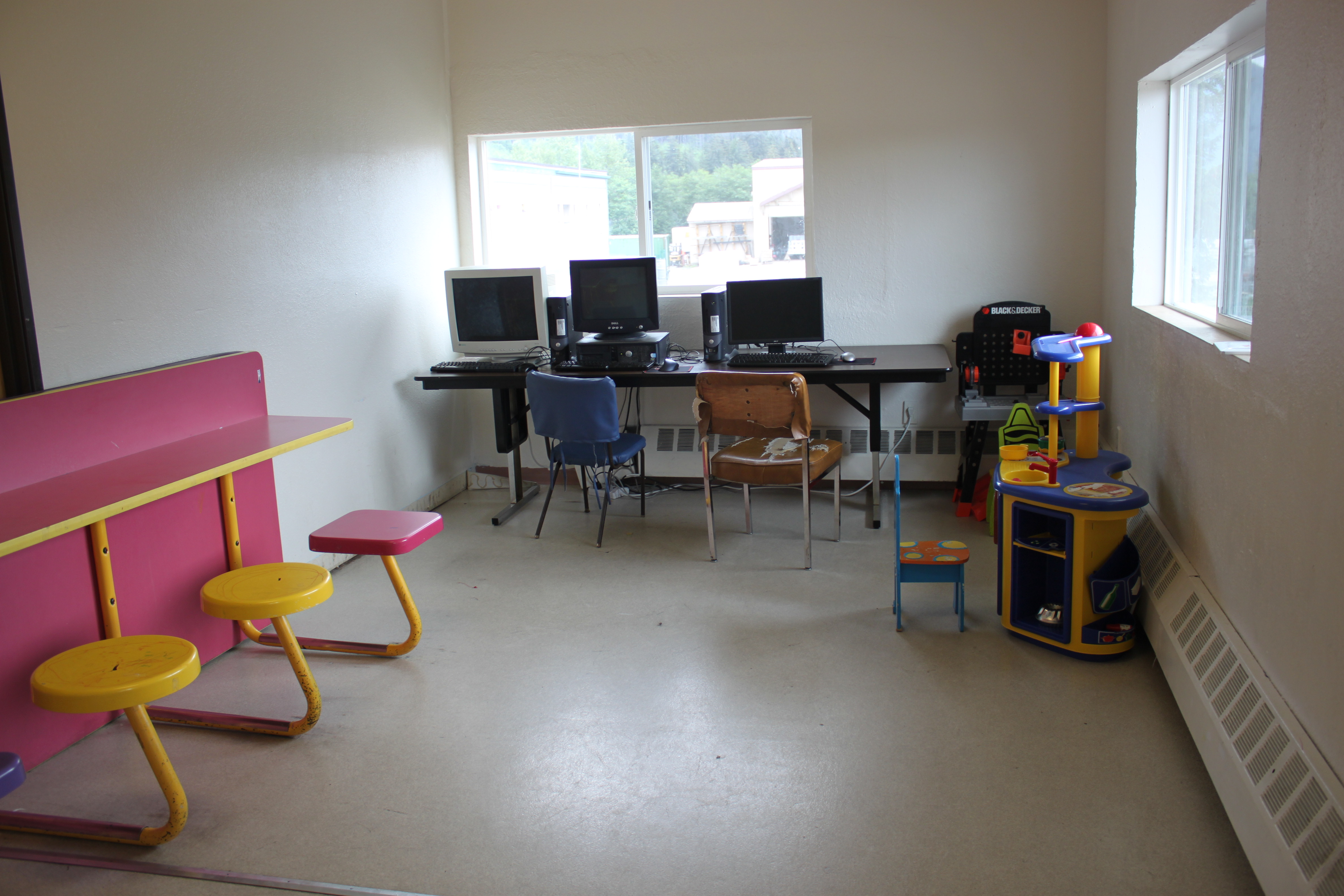
Rent is $525 a month. That gets a person or family a 400-square-foot room, which includes a bathroom with a toilet and sink; shared kitchen, laundry and shower facilities; as well as a kids’ play room and a computer area for job searching. The shelter stays clean through assigned chores.

Martini says residents are required to be actively looking for permanent housing and for work if they don’t have it.

“We do keep on top of that and have frequent conversations with the families about what are you’re doing to move on to a better situation. So even though it is probably the cheapest rent in town, especially for a family, it’s not something we want anybody to consider the last stop,” Martini says.

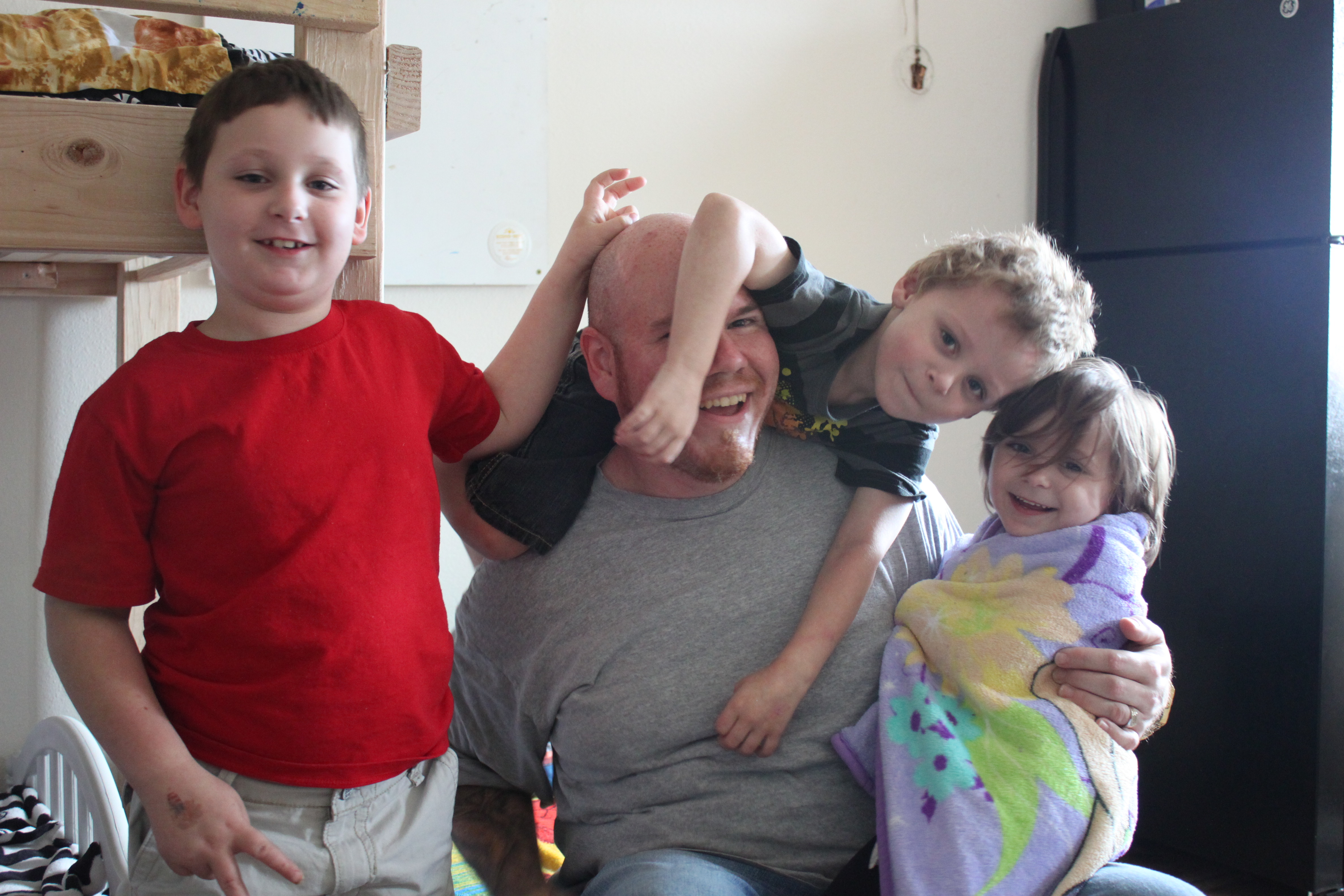
Cory MacDonald and his wife live at the shelter with their three kids.

“Miles is the oldest. He’s 7. Leland is 5 and little Chloe is 4,” says MacDonald.
This is the family’s second stint. They spent about six months in the shelter two years ago. This time, it’s been about three months. In between, they’ve lived with family in town. They haven’t lived as a whole family in their own place for three years.
Both parents have jobs, but MacDonald is away from the family for large chunks of time.

“I’ve been in and out of trouble, so I’m actually out on an ankle monitor here right now,” he explains.

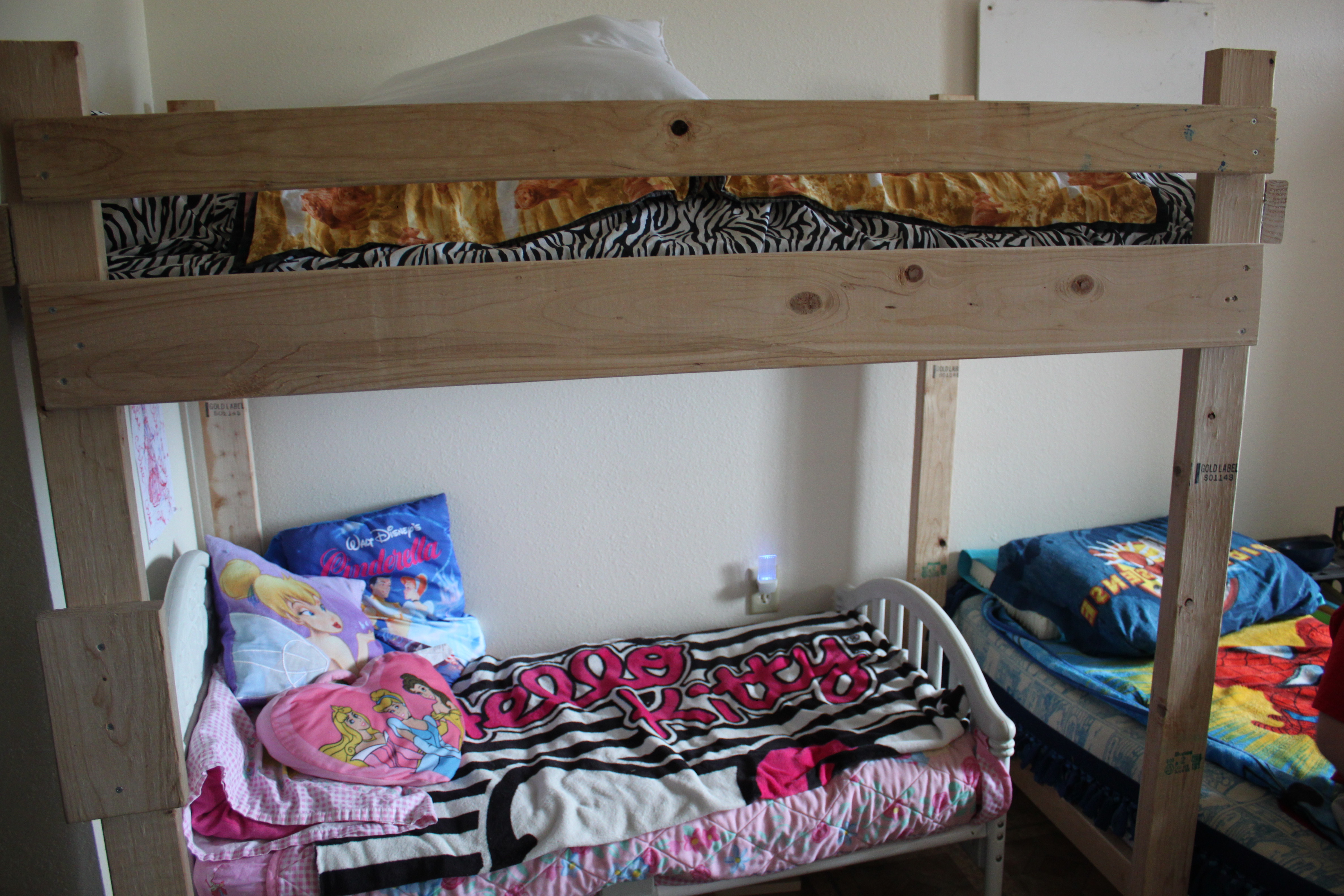
For a tight space, the MacDonalds have made the room as homey as possible. The parents have a large bed in one corner. In another corner, Miles and Chloe share a homemade bunk bed, with Leland’s bed at the foot of it.

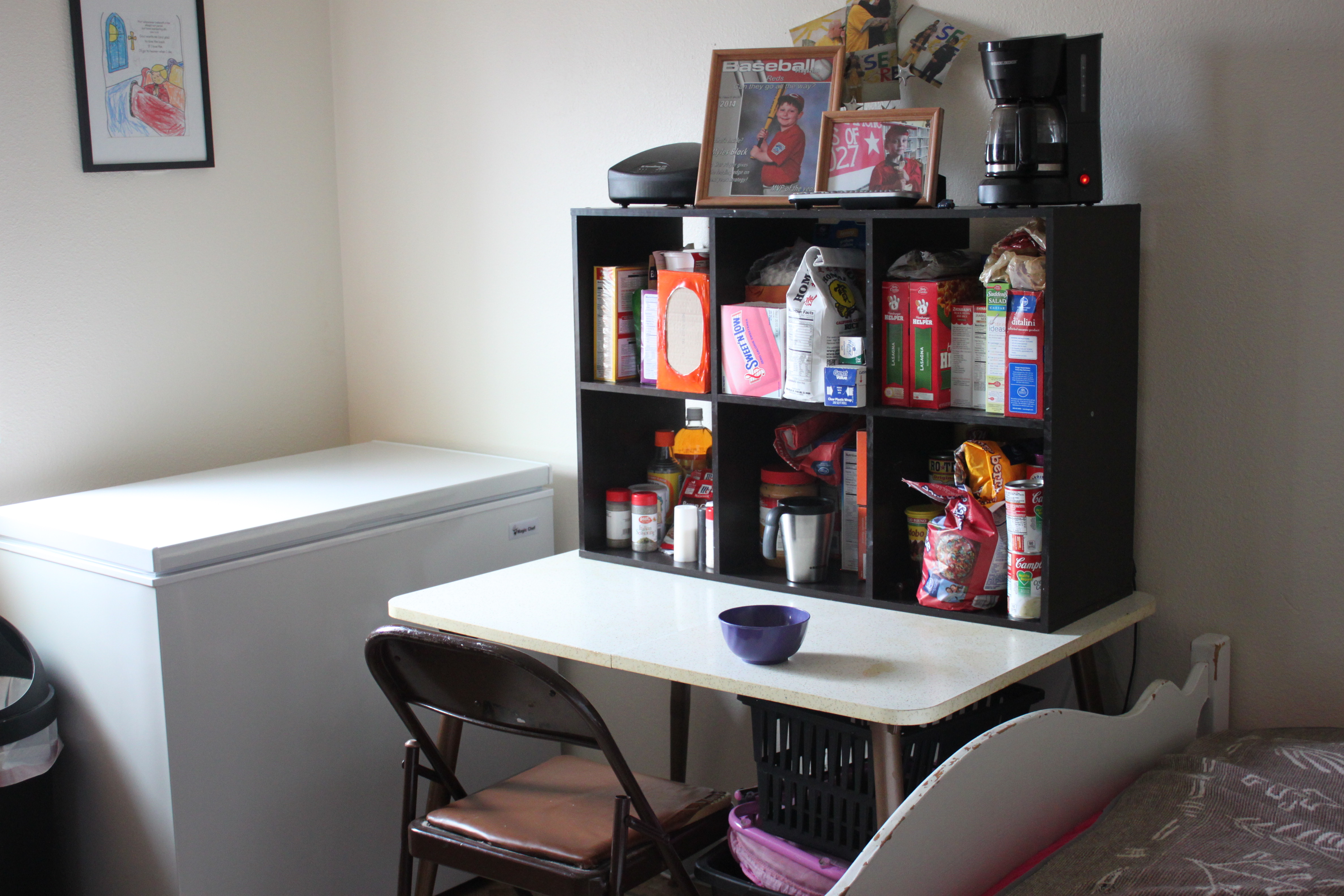
“Then we got our fridge and our entertainment system and we brought this freezer in here so we could store extra food and stuff. This is our little dining area set up,” MacDonald says.

The children look at home sitting on the beds, eating crackers and watching TV. But MacDonald doesn’t want this to be home. At least, not forever.

The plan is to stay at the shelter for up to a year while MacDonald and his wife save up enough money buy a home of their own.

Site notifications
Update notification options
Subscribe to notifications