Community

Shuttle ferry concept not popular in many Southeast communities

AMHS ferry Kennicott [Alaskan Marine Highway System] Ketchikan strait. (Photo by Jay Galvin/Flickr Creative Commons)
Still a lot of skepticism of Governor Sean Parnell’s decision to replace the proposed Alaska Class Ferry with smaller shuttle ferries.

Public comments to the House and Senate Transportation Committees Thursday seemed to depend on the size of the town.

Parnell earlier this month said the 350-foot mainliner would be scrapped in favor of shuttle-day boats.  In Juneau — where short trips up and down Lynn Canal may be more the norm than longer ferry rides – most testimony applauded Parnell’s decision.

Juneau Chamber of Commerce Executive Director Cathie Roemmich  said the Alaska Marine Highway System generally doesn’t need mainliners in Lynn Canal.

“These boats will not only get up and down Lynn Canal better and bring more people up and down Lynn Canal, but they’ll be smaller boats,” she said.

 Roemmich is also a member of the Marine Transportation Advisory Board and watched the Alaska Class Ferry grow from a small shuttle concept to the larger ship, now estimated to cost between $150 million and $170 million.   She said a return to shuttles puts AMHS in the right direction.

But David Wheeler of Ketchikan said communities south of Juneau need bigger ferries.

“The dayboats are great for Juneau, Haines and Skagway, but they’re not so good for the rest of the state.  There’s people that need to transport their goods, their cars to the mainland and we need more connections, not less.  The little boats aren’t going to work for us,” Wheeler said.

Haines and Skagway officials said shuttle ferries won’t work well for their communities, either.  They’re especially concerned about the design, which may have an open car deck.

Haines Borough Mayor Stephanie Scott said that would be a big design mistake for a Lynn Canal ship.

“Commissioner Kemp, while admitting that the design for the smaller vessels is on his desk, has declined to say whether or not the design includes an open car deck.  Please out an end to our speculation. Certainly an open deck design will be much less expensive, but it will be much less reliable in the heavy seas of the Lynn Canal or even in the seas of Clarence Strait outside of Ketchikan,” Scott said. “Such a ferry will be a fair-weather vessel much like the Chenega or Fairweather, the fast ferries that cannot reliably sail in the Lynn Canal in the high seas.”

This was the second hearing the transportation committees have held on the administration’s decision to build smaller day boats, called roll-on / roll off, with vehicles loading from the ends of the vessels.

DOT Commissioner Pat Kemp told lawmakers last week that Governor Parnell directed him to find a new, less expensive design; Kemp guessed that two shuttles could be built for one Alaska Class ship.

He said the shuttle concept report will be out soon – but there may not be a design until November.  That puts the new ferry project months behind, since the Alaska Class was to go out to bid this summer.

That doesn’t bother Frank McQueary of Anchorage.  He called the state’s ferry system unfair to the rest of the state, because it competes with other transportation modes.

“As much as the ferry system needs to be a part of our statewide transportation system the reality of these burgeoning costs and inappropriate labor contracts and the positioning of the ferry system as a separate entity within DOT have led us down a path that is totally unsustainable,” he said.

McQueary said the ferry system should move to short shuttle hops instead of longer ferries to bring down costs.

Meanwhile, Transportation Commissioner Kemp, appointed by the governor to head the department in December, will come before the joint transportation committees on Tuesday for his confirmation hearing.

Living King’s dream

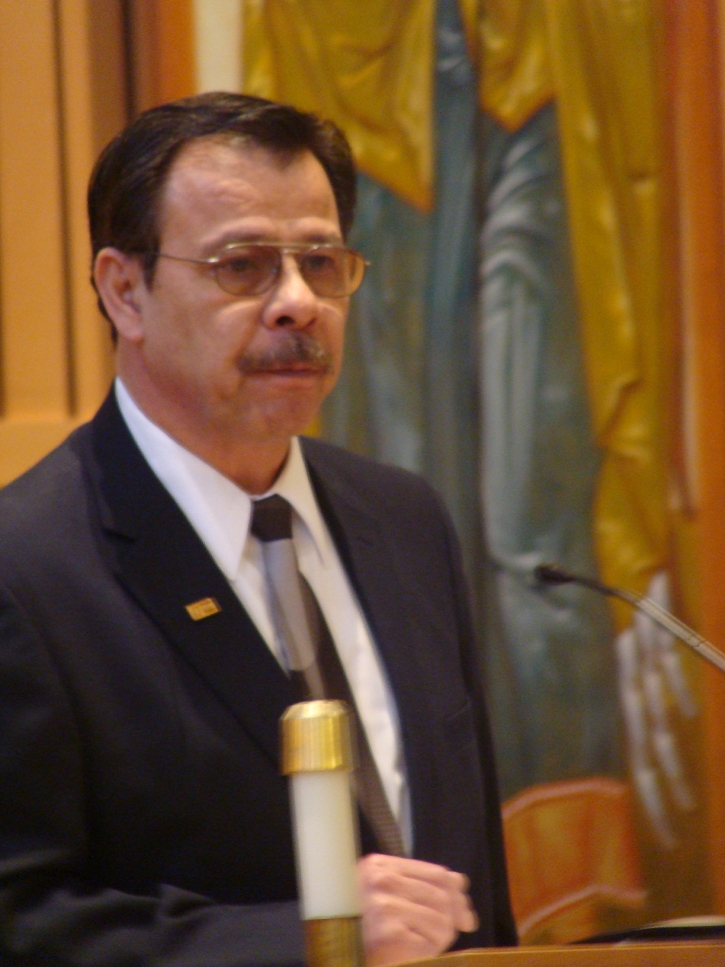
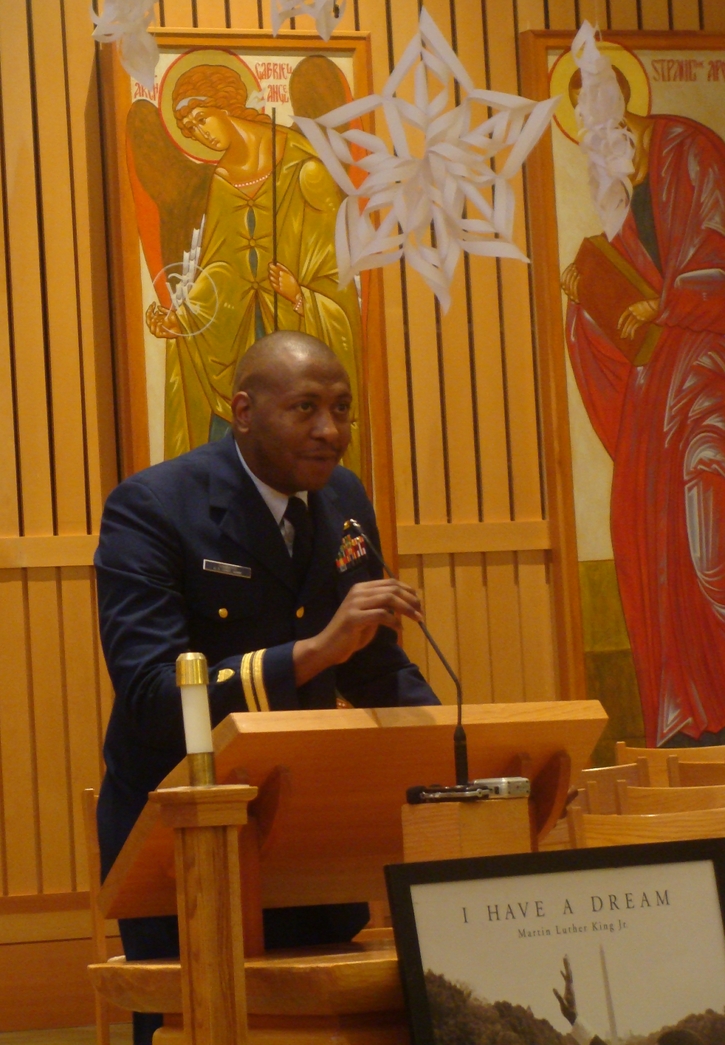
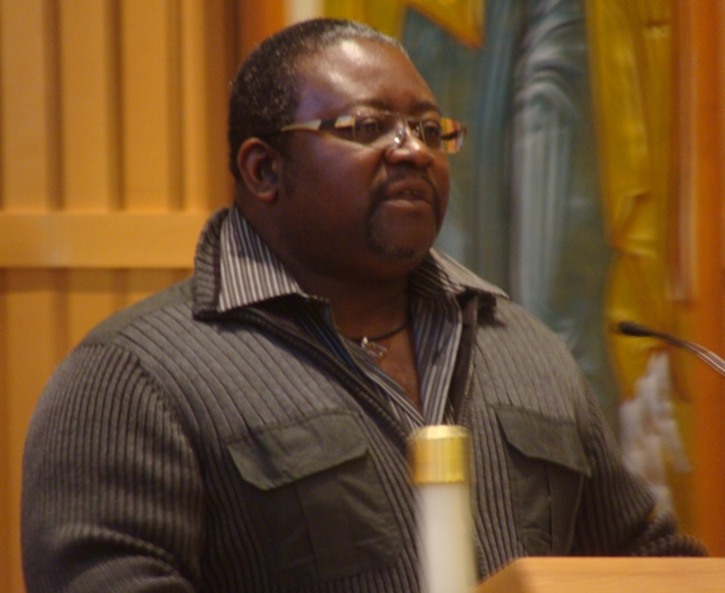
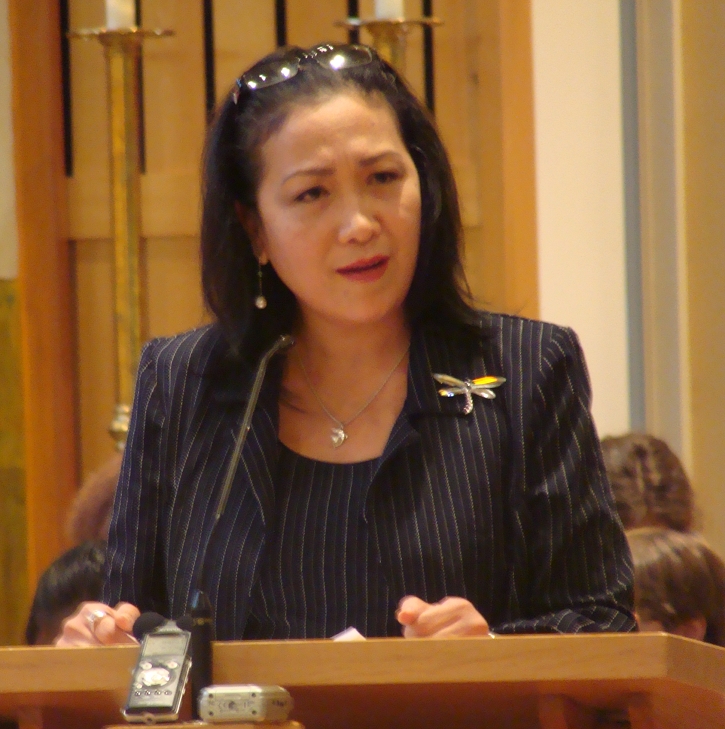
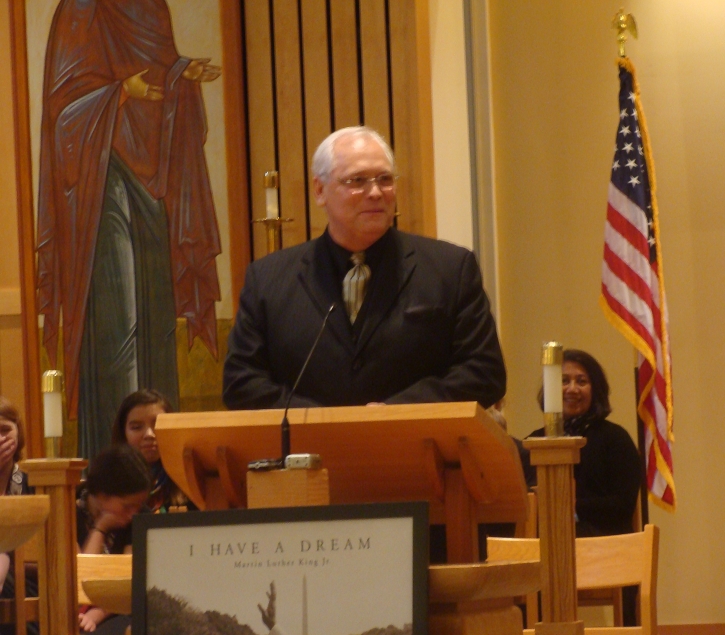
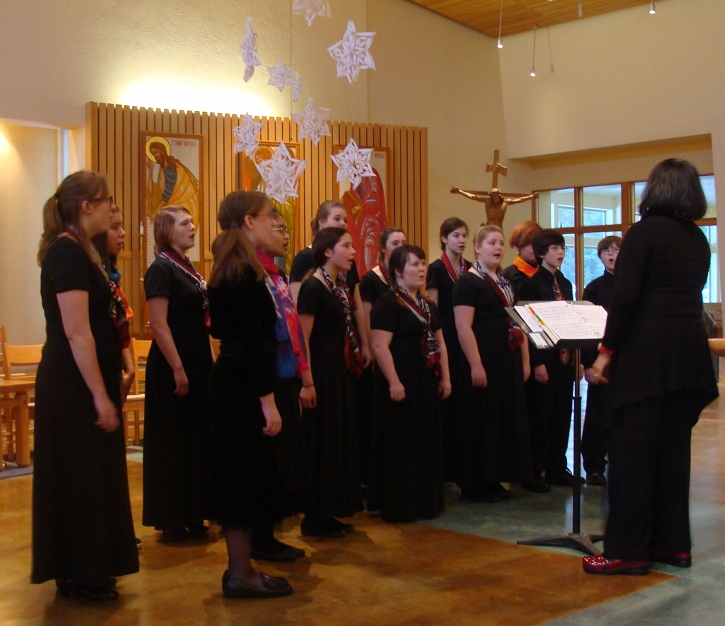
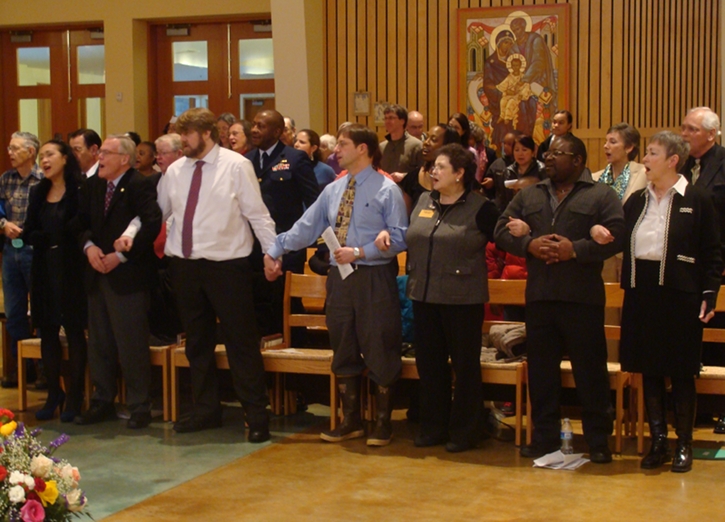
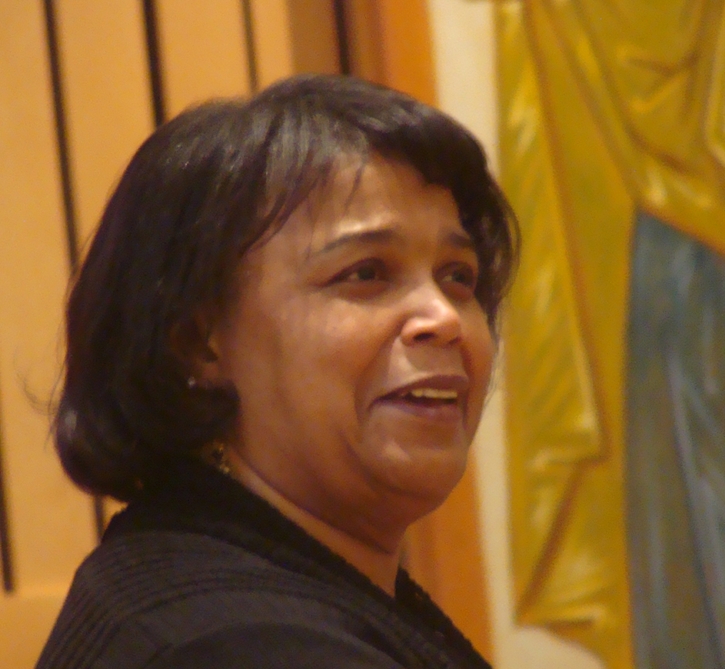
About a hundred people gathered at St. Paul’s Catholic Church in Juneau Monday for the annual Martin Luther King, Jr. Day celebration.

All of the speakers talked about the strides our society has taken in terms of race relations since King’s death 45 years ago. They also spoke of the need to keep fighting for equality.

Speakers and performers included:

  • Shirley Workman, Mistress of Ceremonies
  • Alaska Youth Choir, Missouri Smyth – Director
  • Juneau Senator Dennis Egan
  • Sally Smith, Office U.S. Senator Mark Begich
  • Mike Tagaban, Thunderbird House, Auke Village
  • Geny Evangelista-Del Rosario, Filipino Community Advocate
  • Glenn Mitchell, “I Have a Dream” reading
  • Salissa Thole, “My Country Tis of Thee”
  • Daymond Geary, Breakthrough Church
  • Lt. Mickey Sanders, USCG
  • Richard Green, Glacier Valley Church of God
  • Sherry Patterson, President Juneau Black Awareness Association

KTOO’s Casey Kelly produced this audio postcard.

Chief Browning to retire

Juneau Police Department chief Greg Browning says he will retire May 31, 2013.

Juneau Police Chief Greg Browning will retire at the end of May, after 34 years in law enforcement.

Browning, 57, came to Juneau 13 years ago as assistant chief and moved into the top job in 2006.

He says he became interested in being a police officer in high school, when he was working in a hamburger stand.

“The officers would come in because the policy was to give officers half-price – it’s not exactly appropriate anymore – but back in those days it was pretty common. And so I got to know police officers and got interested in the profession,” Browning says.

Browning has a bachelor’s and master’s degree in criminology from Florida State University, which he says is one of the best schools of criminology in the country.

Originally from New Mexico, he took a job out of college with the Amarillo, Texas, Police Department, expecting to stay a couple years. Instead, he stayed two decades and worked his way through the ranks to captain.  Then he moved to Juneau.

Amarillo has a department of about 300 sworn officers, compared to the small Juneau Police Department.

“The isolation here makes it necessary for even a small department like Juneau to have our own SWAT team, our own bomb squad, and we’re completely on our own here if something happens. Whereas communities in the lower 48  have the luxury of being able to form alliances with other jurisdictions to cover things like SWAT and bomb teams and things like that,” Browning says. 

He says both Amarillo and Juneau have been part of a satisfying career in law enforcement, which he describes as a job in which a person “can actually make a difference in your community.”

He also like police work because “it’s never boring.  There’s always something new going on. It’s unpredictable, which sometimes that’s a negative too, but it’s actually what attracts me to the job,” he says.

Browning calls being the Chief of Police in Juneau “the highlight of his career,” but says he’s looking forward to a little less stress, and enjoying some off-duty hobbies like golf and photography.

He says he is giving five months’ notice so the city has plenty of time to find a replacement.

He plans to retire to central Texas.


Formal groundbreaking for SLAM project

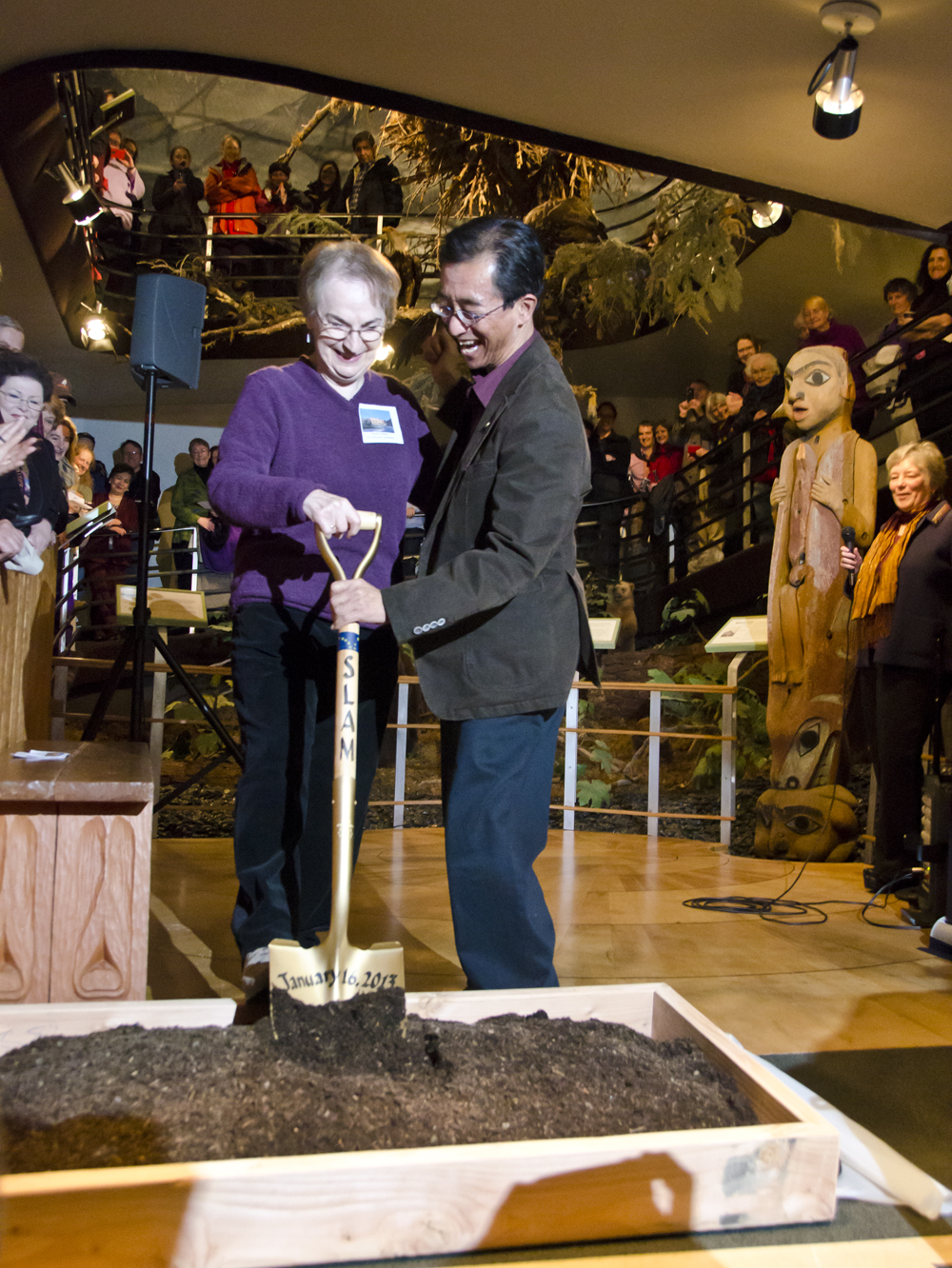
Phyllis DeMuth, member of the 1967 Alaska State Museum Committee, and Ron Inouye, representative of the Alaska Historical Society break ground.
Phyllis DeMuth, member of the 1967 Alaska State Museum Committee, and Ron Inouye, representative of the Alaska Historical Society break ground. (Photo by Heather Bryant/KTOO)

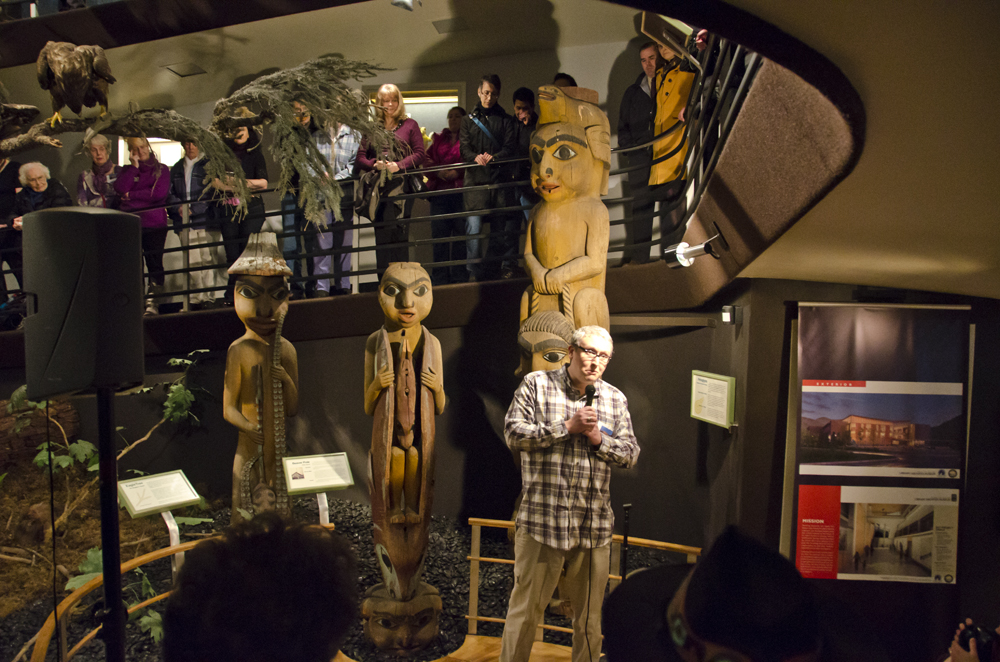
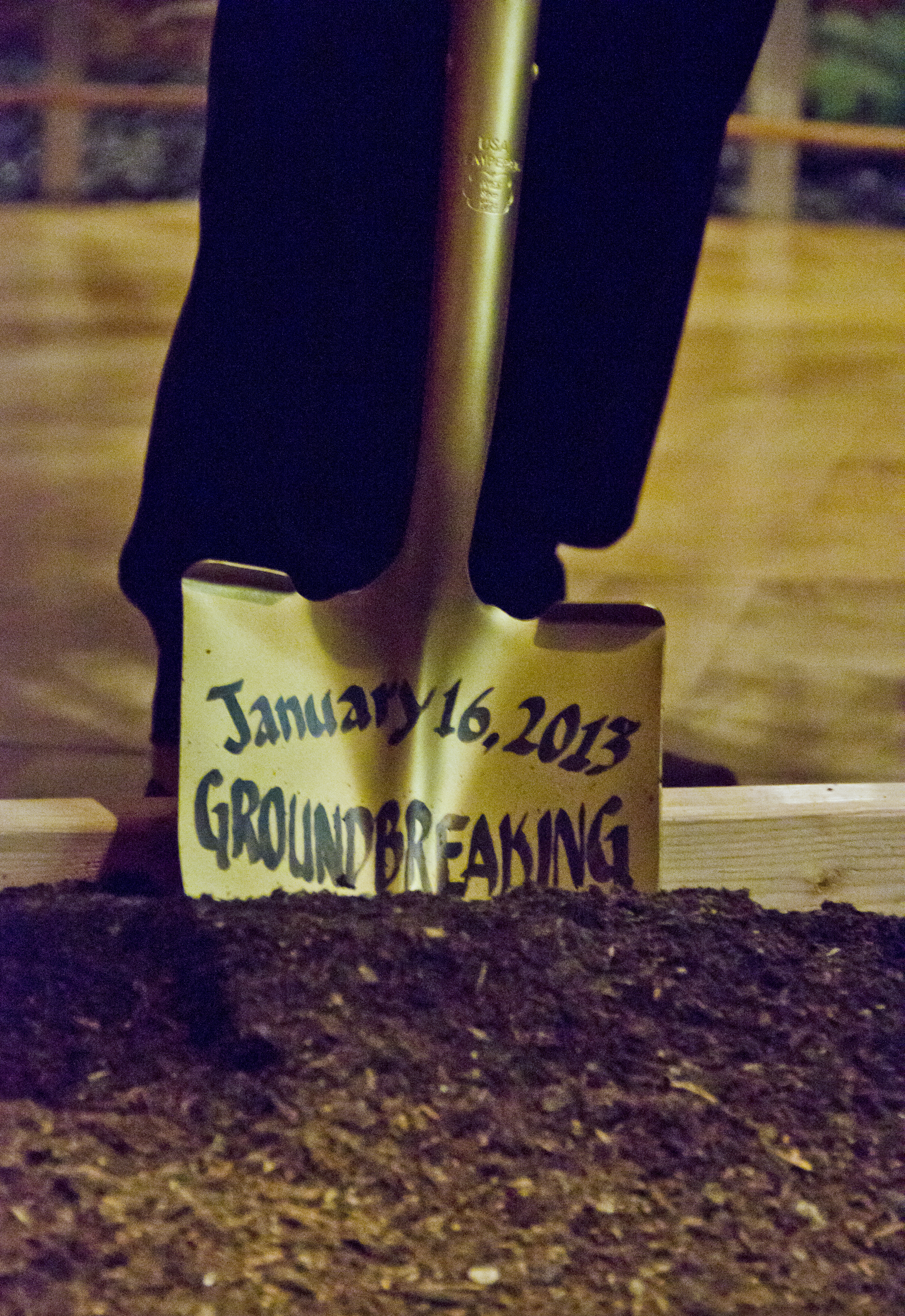
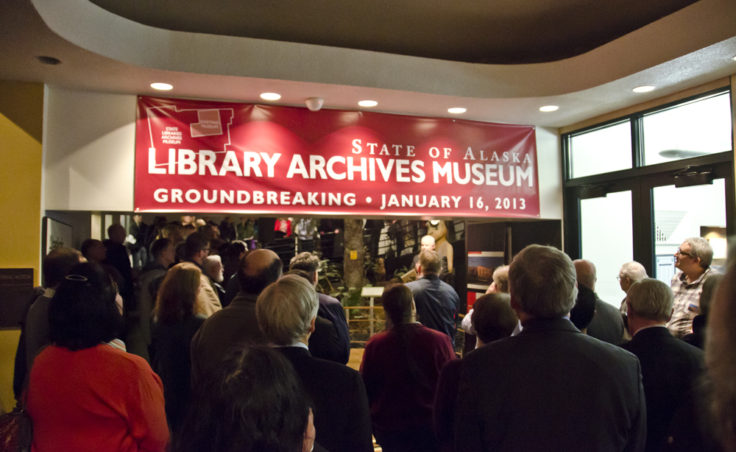
Dirt has been turned for the new State Libraries, Archives and Museum in the capital city. The project to hold Alaska’s treasures in one building is already underway, as contractor PCL Construction prepares the ground behind the current Alaska State Museum.

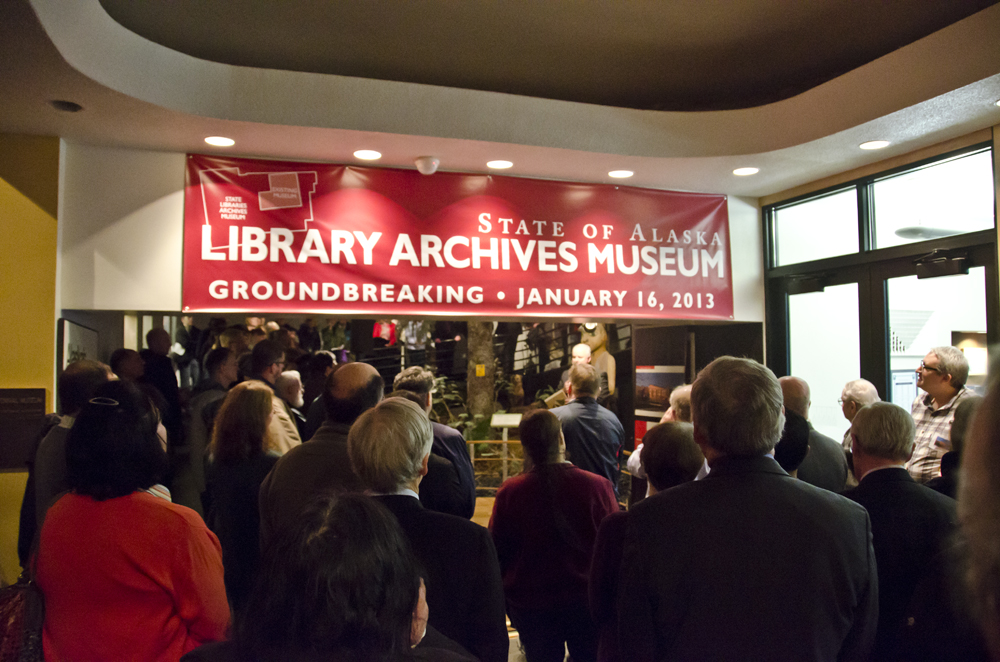
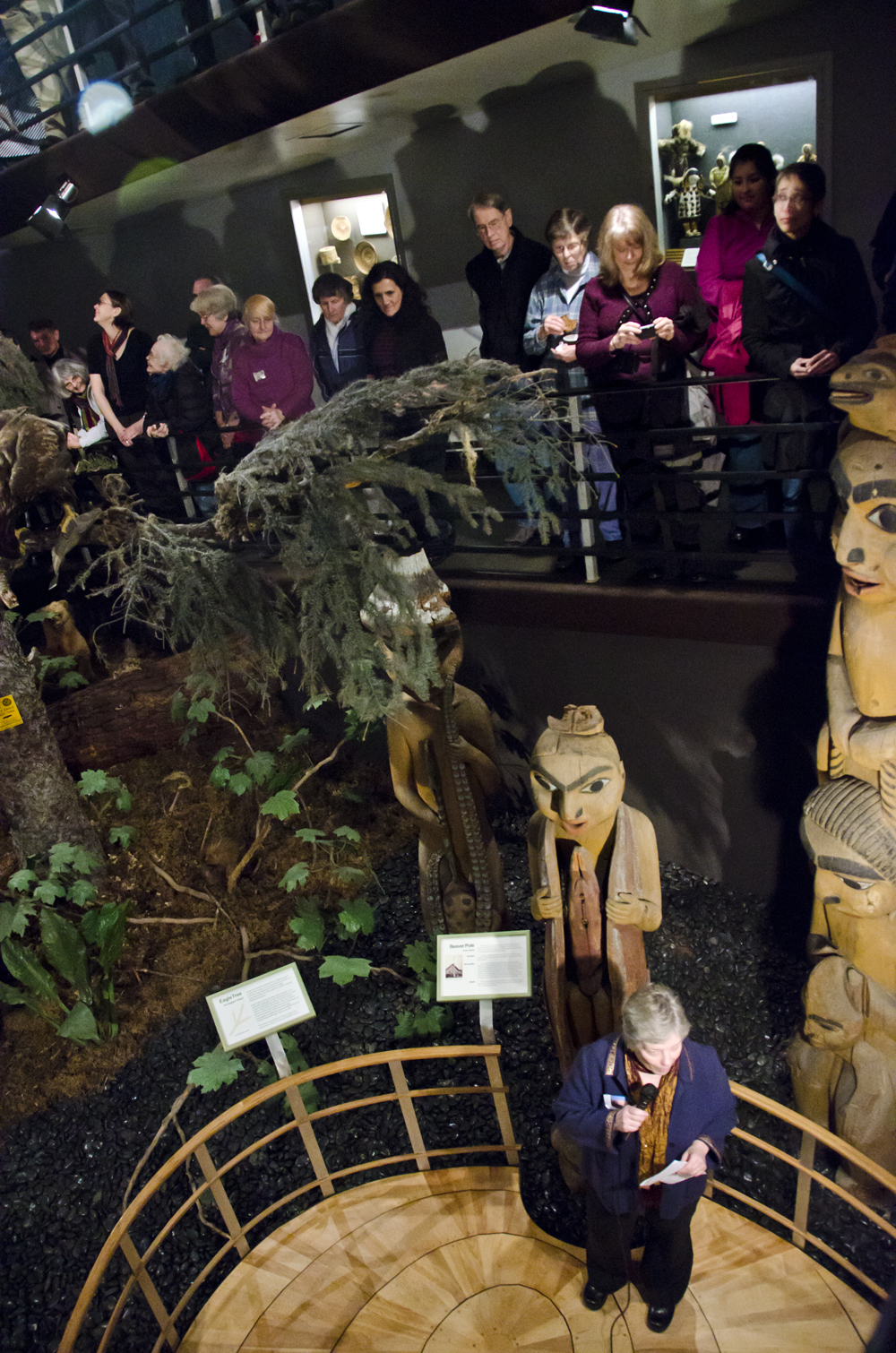
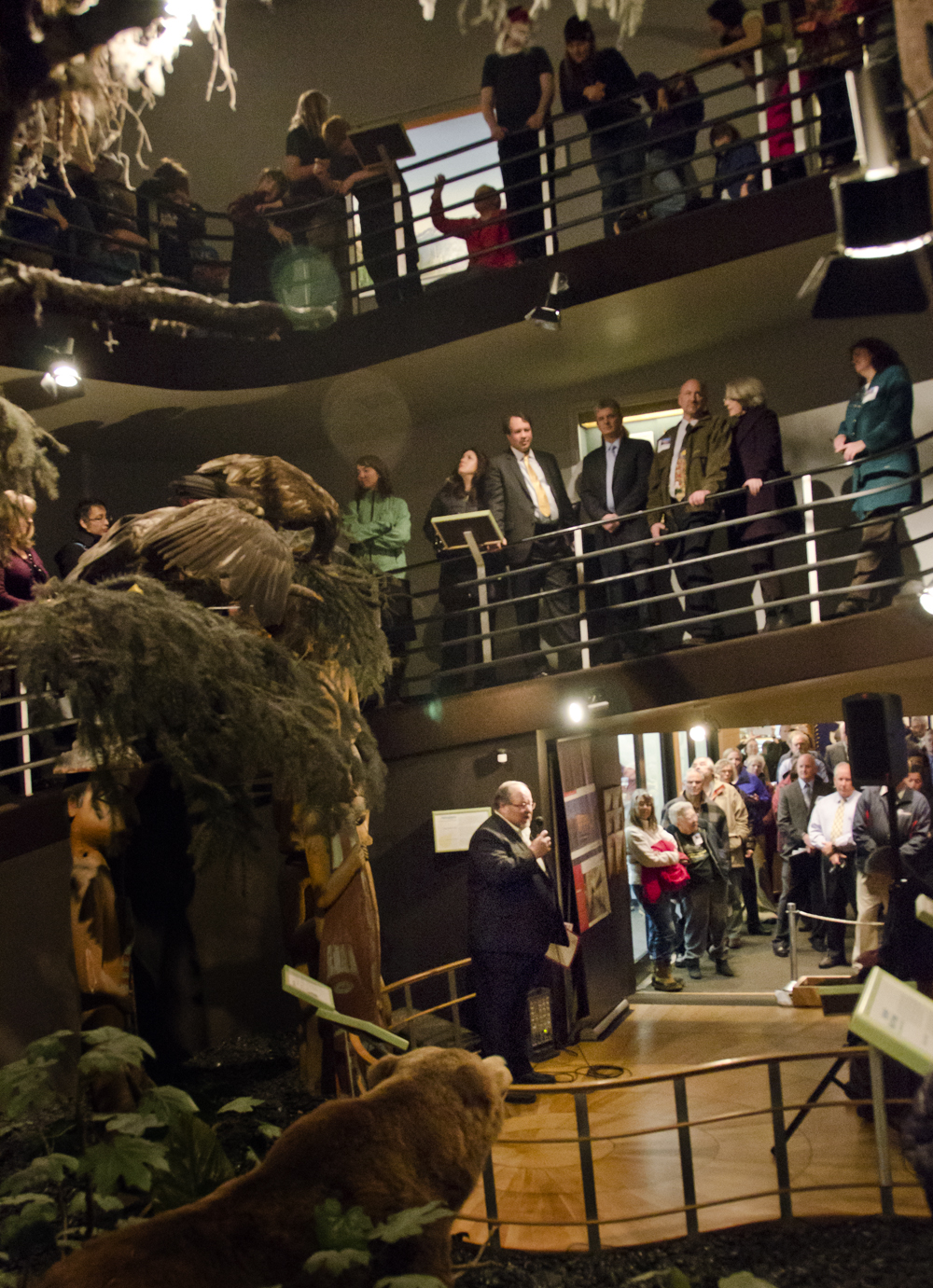
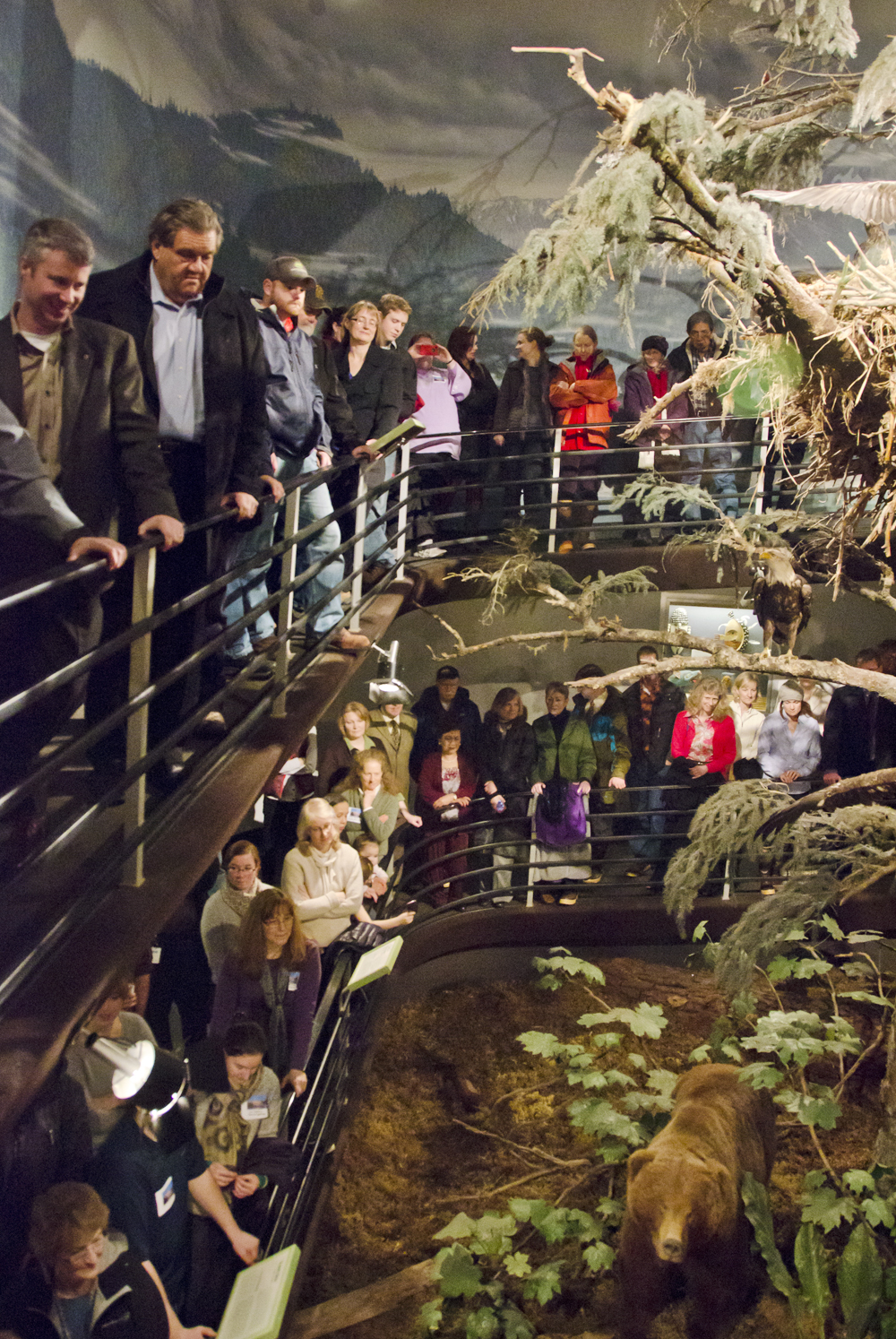
Wednesday’s cold rain in Juneau moved the groundbreaking inside. The museum was packed with state and local officials, including legislators and Juneau Assembly members, some who had their pictures taken with the special shovel in a trough of dirt near the museum’s landmark eagle tree.

Linda Thibodeau is director of the SLAM project.

“I wish we could have had a beautiful sunny day and we could have gone outside and dug in the back lot, but we don’t.  It’s winter time in Juneau and we have a lovely pile of, as our commissioner said, fertile earth here, ready to go.  This is a day we’ve been waiting for, for a long, long time,”  Thibodeau said.

So far, the Alaska Legislature has approved about $81 million toward the $131 million project.  Gov. Sean Parnell has included $20-million in his proposed state capital budget.

As Juneau Mayor Merrill Sanford thanked the many people who have worked on the project, he reminded lawmakers in the audience that another $50 million is needed to complete construction.

“And in fact your work is not done yet.  We’re going to be banging on your door – I see a chairman of a finance committee here  – for a little bit more money to get this new facility completed all together,” Sanford said.

At 118,000 square feet, SLAM will have twice the space currently allocated to the state libraries, archives and museum in Juneau, according to Department of Education and Early Development Commissioner Mike Hanley.

“The new SLAM building will double the exhibit size and triple our storage space above what we have here.  When we look at the operating costs it will do it for the same operating costs that we have now, because of a focus on energy and because of the work we’ve done with our architects.  It’s tremendous.  A huge building that will be able to be operated for the same cost that we’re operating this one now,” Hanley said.

He also said that structures used in construction called “unified curtain walls”  can be built in Alaska.

“At one point we thought our only option was to have these constructed overseas and brought back. We recently found out that we have been able to move that contract to Bucher Glass in Fairbanks, into a new factory that will employ an additional 16 to 20 individuals.  And it’s been said that this project, the SLAM project, was the spark that allowed them to get their feet under them and get that project rolling,” Hanley said. 

The SLAM project is to be complete in 2016.  Education officials say it will allow the state to improve its technical and program support for archives, libraries and museums statewide.

Alaskans join Idle No More movement

Alaskans are joining the Canadian First Nations’ Idle No More movement.

Often compared to the “Occupy” protests, the grassroots movement has moved across Canada and is gaining traction among Native groups in the U.S.

Canadian First Nations are protesting legislation that removes environmental protections on tribal lands. As several First Nations’ chiefs were meeting with Canadian Prime Minister Stephen Harper on Friday, they got support in Juneau and Anchorage.

About a hundred people turned out for a noon rally in Anchorage, compared to about ten in Juneau, but the message and the signs were the same: Sustainability now; sovereignty for indigenous people.

At the Anchorage rally, Allison Warden, of Kaktovik, called the issues emotional.

“I hope something is awakened within you. Something inside your DNA, like this is where I’m supposed to be, this is what I’m supposed to do, this is how I stand up for my people,” Warden said.

Vi Waghiyi, of St. Lawrence Island, said the military bases built there during the 1950s have contaminated the land and waters where the Siberian Yupik residents of the island gather food:”

“We have 10 times more PCB levels in the blood of our people than the average American in the Lower 48. But we’re also some of the most highly contaminated population on the planet because of our reliance on our subsistence foods,” Waghiyi said. “Our very foods that have sustained our people for many, many generations are killing our people.” 

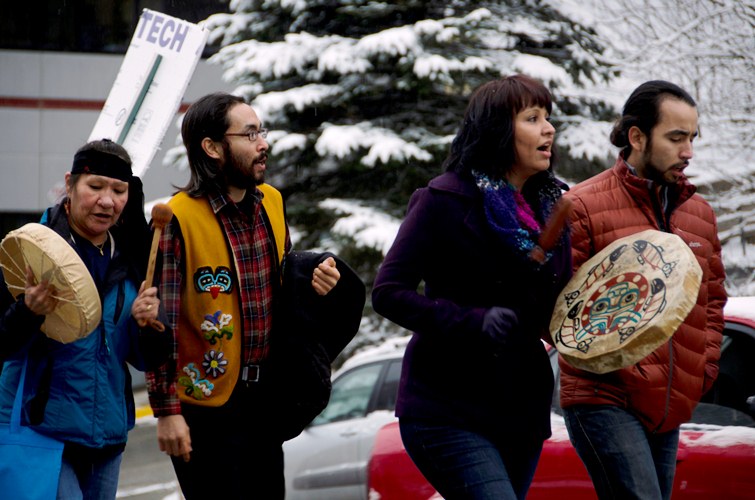
A rally that started at Juneau’s Marine Park on Friday finished at the Alaska State Capitol. Rallies were held in Juneau and Anchorage in support of the Canadian First Nations’ movement Idle No More. Photo by Annie Bartholomew/KTOO.

In Juneau, Ishmael Hope called the Idle No More movement wholesome, simple and healing. Of Tlingit and Inupiat descent, Hope said the local rallies are not meant to antagonize.

“What we’re here to do is show who we are and that can translate into the politics of our time, and that can translate into the big issues of our time,” Hope said. “We could see how the clan, the language, our culture, our identity can connect with political issues, with ideas of sovereignty. “

Hope said the border between Alaska and Canada is invisible for Native people. And when it comes to major industrial development – like that proposed in the British Columbia wilderness – it could impact all Alaskans.

Guy Archibald is Mining and Clean Water Coordinator for the Southeast Alaska Conservation Council, which supports the Idle No More Movement.

“Up the Unik River, the Stikine River, the Sacred Headwaters, there’s huge open pit mines proposed mines proposed for up there,” he said. “The environmental review process of the Canadian federal government has been deregulated and defunded. It’s scary what could happen, and so much of our economy here in Southeast is dependent on these rivers. It’s a billion dollar fishing industry.”

While conservation groups share many of the values expressed in the Idle No More movement, Archibald said the cause should not be “co-opted by conservation groups.” He said Idle No More needs to remain an indigenous movement.

Related stories: Skiing the Sacred Headwaters; BC  powerline spurs transboundary development  

Juneau hires new library director; Berg to retire

A Missouri man has been hired as Juneau’s new library director.

Robert Barr is currently Information Services Manager for Johnson County Library in Kansas City.  He will assume the Juneau job next month.

City Manager Kim Kiefer announced Barr’s appointment Thursday.

The city conducted a nationwide search. Kiefer says Barr has been working in libraries for about a decade and is particularly interested in growing and diversifying the value of libraries to the community.

Barr will replace Barbara Berg who is retiring as CBJ library director, a post she has held since 2003.  But her history goes back to city and borough unification.  She moved to Juneau in 1972, when CBJ was taking things over.

“I was the first city employee at the Douglas library after Borough unification when they brought the Douglas library into the system,” Berg says.

In fact, she has worked in libraries or bookstores since her first job in college.  And over the years, she’s seen tremendous changes in technology.

“My first job in a library at Fort Richardson was typing catalog cards and filing them in the card catalog.  Then we went through the era of converting our collections to online and barcoding everything,” she says. “Now the systems keep getting more and more developed until many times in the catalog you can click through and you actually get to the electronic book. You get to the source material from one point so that’s a real change.  But the book is still here, and I firmly believe it’s not going anywhere.”
But Berg says public libraries of the future will not be warehouses of books.

“I think we’re going to move in new directions where there’s more electronic books and the cream of what you want in the physical format,” she says. 

She says the real electronic revolution is the online search.

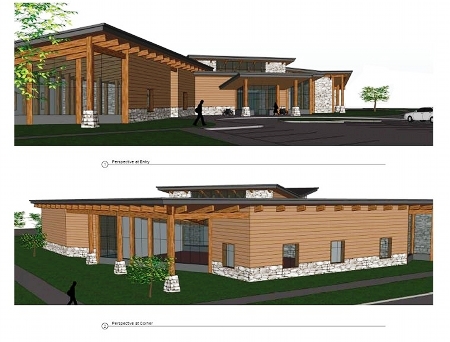
Mendenhall Valley Library Design. Courtesy Friends of Juneau Public Libraries.

Barbara Berg has been at the forefront of planning for the new Mendenhall Valley library, to be built next year in the Dimond Park area.   She believes the brick and mortar library is an important community gathering center.

“It builds a sense of community when people are sort of separated by their electronic devices at their individual homes or their individual workplaces, not communicating face to face.  The library is a forum; it’s a place in the middle of our town that everyone can use.”


Site notifications
Update notification options
Subscribe to notifications