Housing

Juneau’s historic Bergmann Hotel no longer condemned

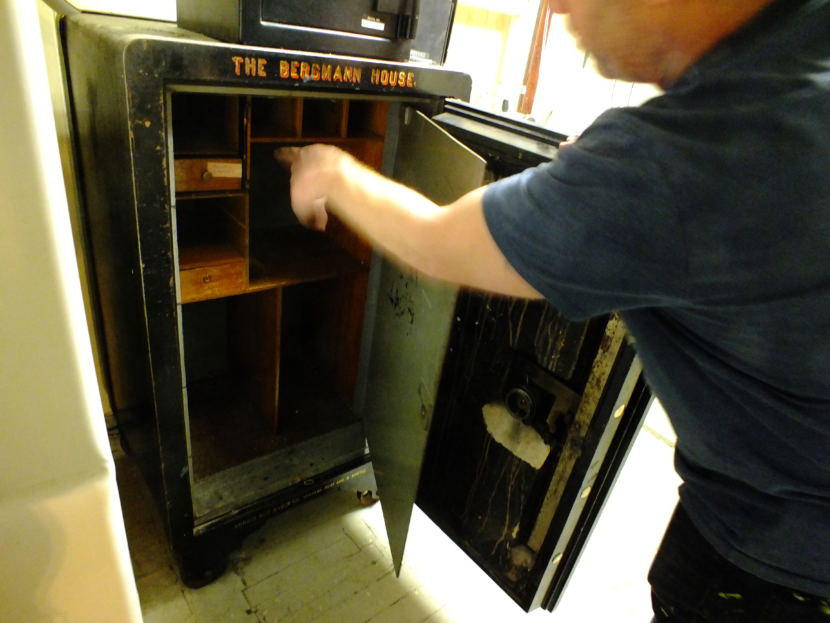
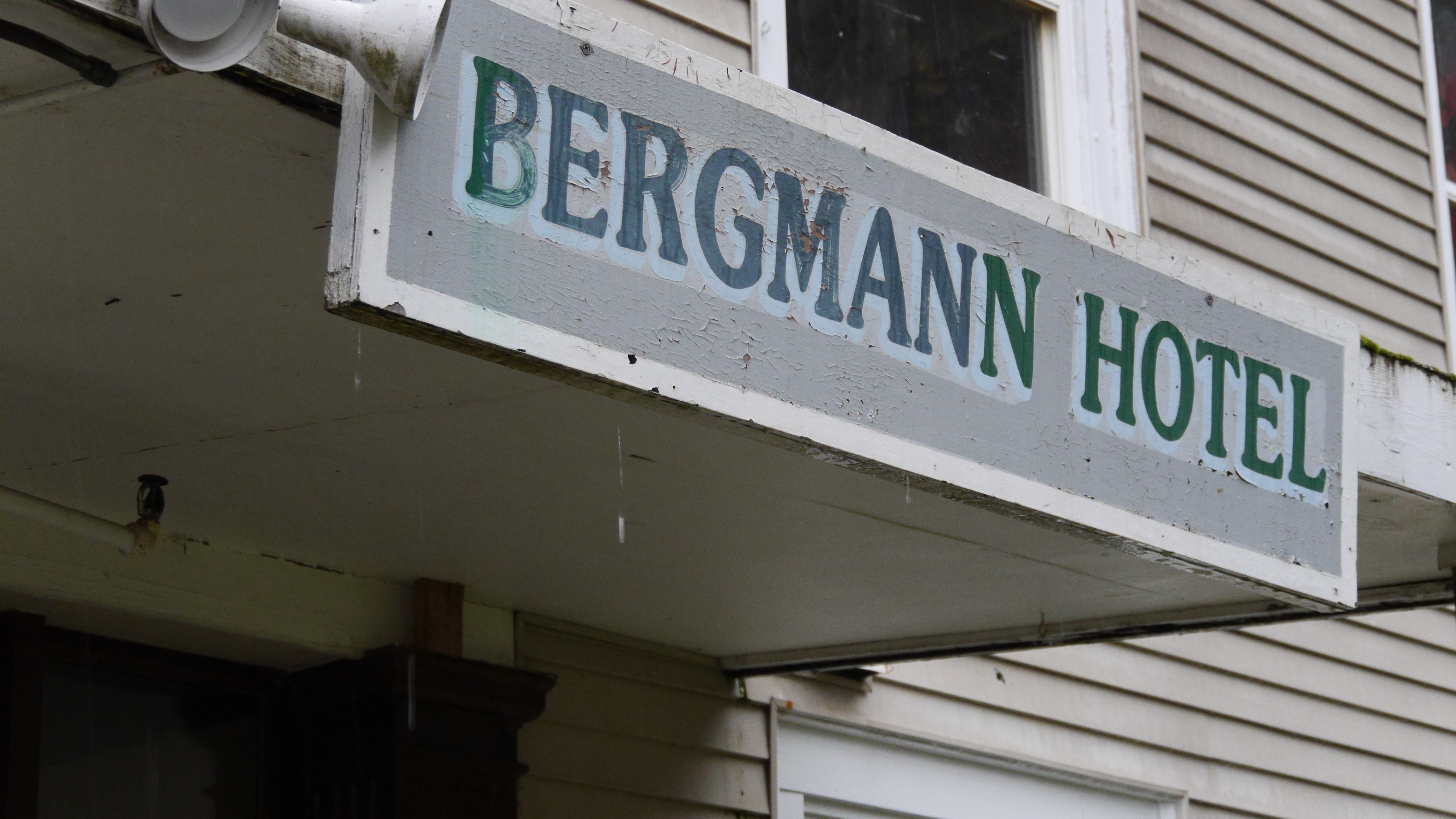
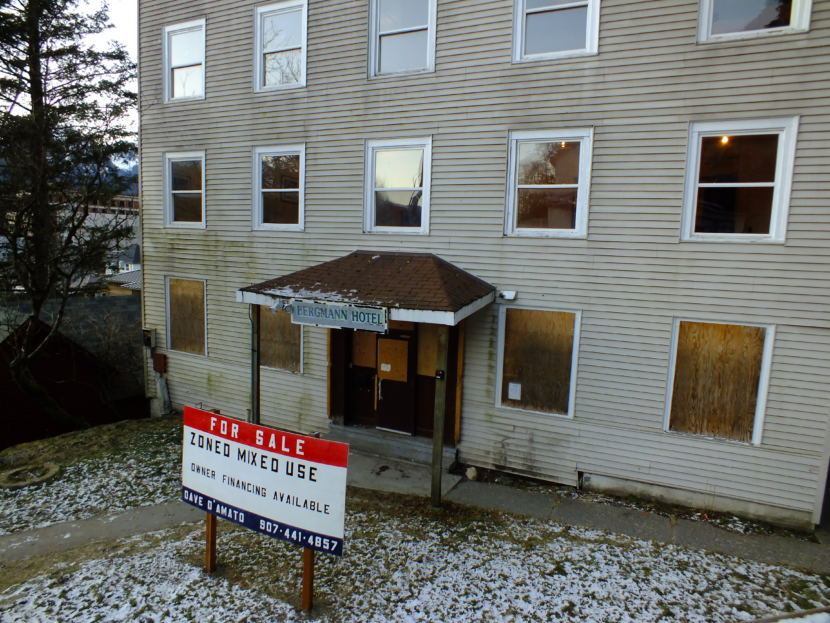
Repairs have been completed at downtown Juneau’s Bergmann Hotel and it’s now for sale. (Photo by Matt Miller/KTOO)

Downtown Juneau’s Bergmann Hotel is now fit for human occupancy.

“I’ll show you one of my favorite sentences in the last month and a half,” said David D’Amato as he checks his smartphone for an email he received from a city building official.

D’Amato is a representative for Breffni Place Properties LLC, which owns the Bergmann Hotel.

“’The condemnation order is hereby lifted,'” D’Amato reads. “‘I will remove the condemnation placard on Saturday, December 30th, 2017.’”

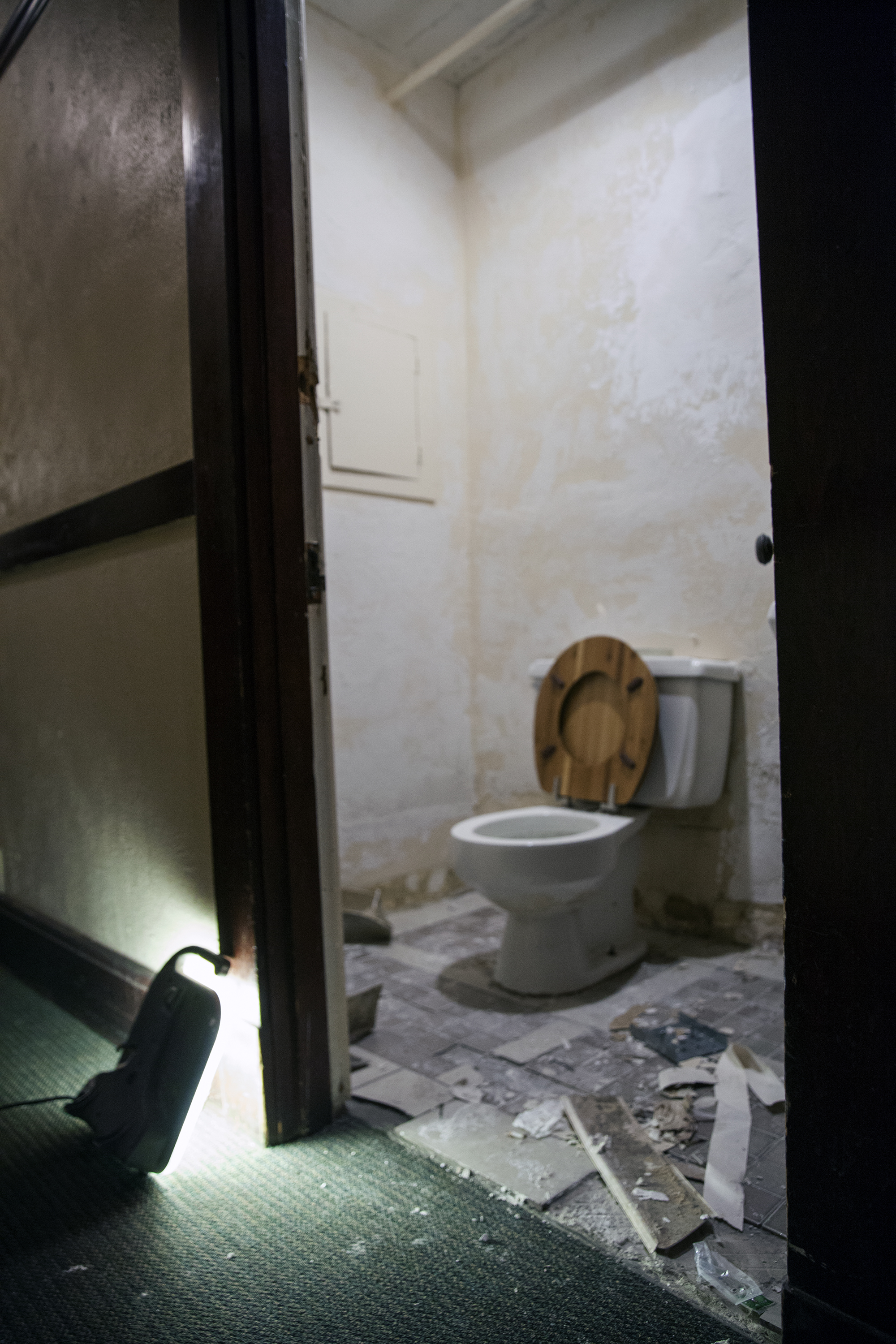
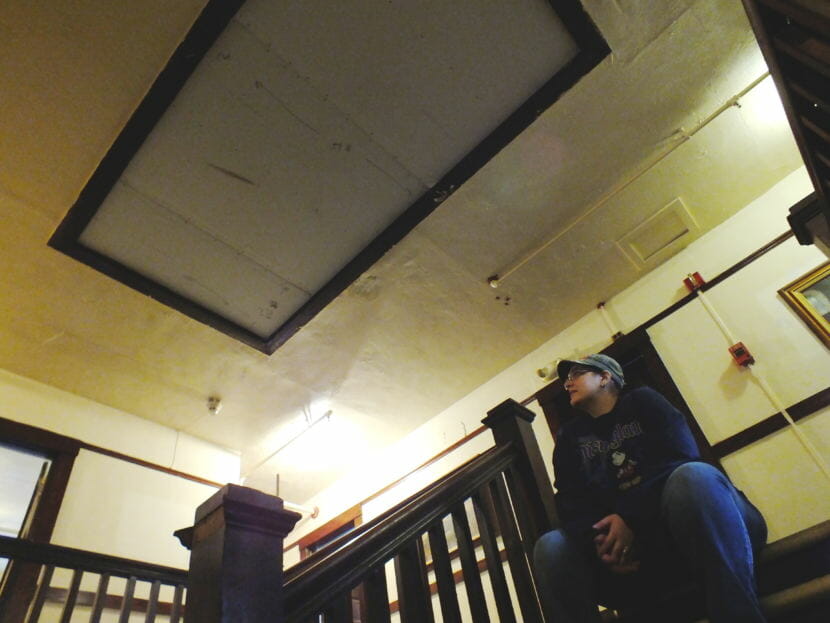
D’Amato said all of the required repairs to the Bergmann Hotel have been completed. They include repaired or replaced sprinkler heads, repaired doors and windows allowing for an emergency exit, fire caulk applied to possible penetration spots in the walls and ceiling, and a repaired fire alarm system. D’Amato also temporarily covered a stairwell skylight that had broken glass.

“As a family, we’re really proud of it,” said Maureen Barrett-Smith, daughter of Breffni Place Properties owner Camilla Barrett of Washington state.

“I think that’s a really big point,” Barrett-Smith said. “We’re really proud of being able to come in and kind of interject ourselves into the situation and be able to bring it back. I mean, the building is in good shape. It’s looking good, and it’s getting clean. Dave’s been a godsend. So, we’re really pleased with where we’re at.”

But the historic building will not be opened to tenants anytime soon. It’s up for sale.

“Our intention is to guarantee to the city and the public that the bones of the building are great and that anybody can move forward without any reservation about windows, doors, roof, foundation, rest of that,” D’Amato said. “This is going to be a good shell for somebody to paint their new design for this part of town in.”

D’Amato said the new owners can do what they want.

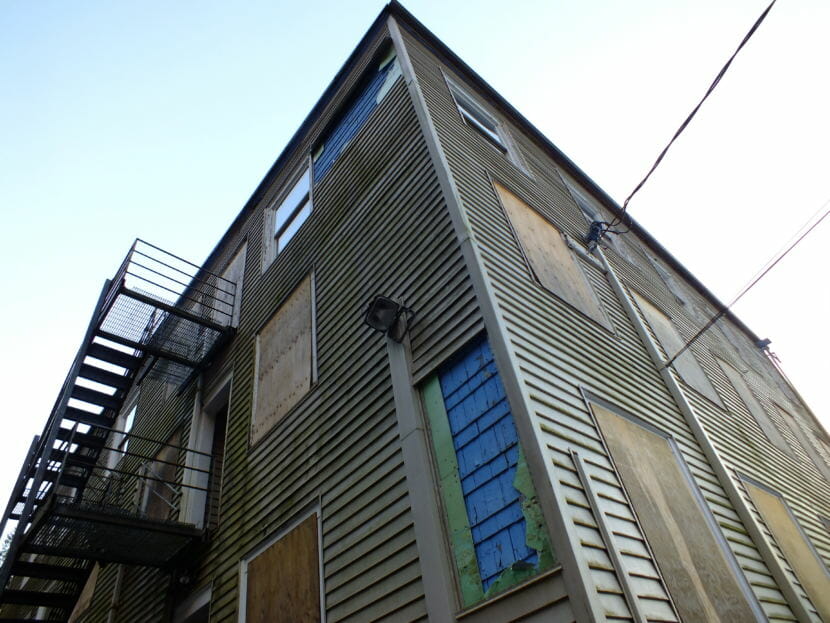
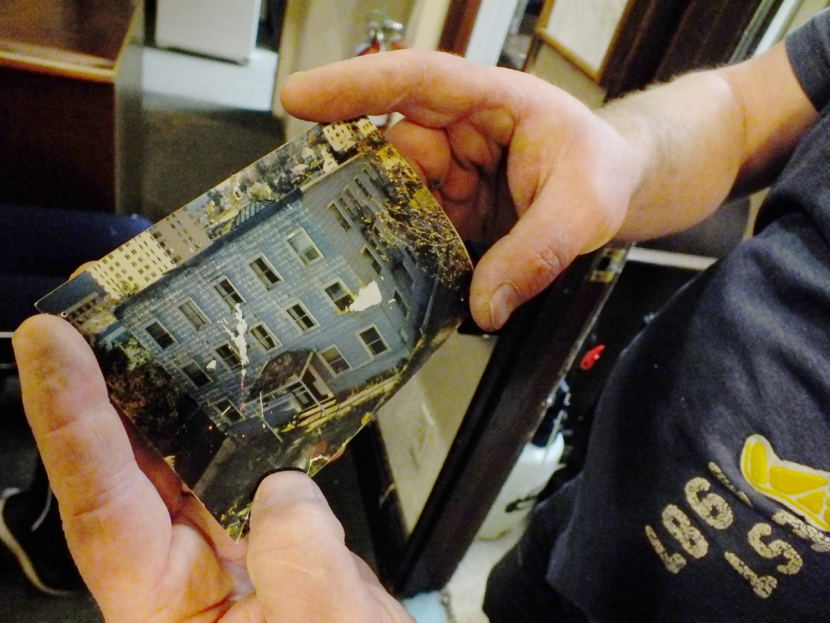
At the very least, he hopes they will restore the original cedar shake siding that’s been covered up.

“At some point, this looked old to some people’s eyes. That stuff is still right underneath here,” D’Amato said as he tried peeling back some of the vinyl siding that’s covering the cedar shakes.
D’Amato has a background in homelessness and public health issues in Anchorage.

When he first arrived in Juneau, he said social service providers asked him not to close the building because it was the residence of last resort for those with medical or psychological issues.

“At that time, Camilla took on, I think, the saintly burden of allowing all of that to go on,” D’Amato said. “She lost of ton of money over the course of that assistance that she was providing to the city and to the homeless community.”

D’Amato said the Bergmann wasn’t really supported in a way that he thought was most helpful for the homeless population.

“I was not happy with what I was seeing down here, and I wish that we would’ve gotten more support from the folks who we were serving and I wish the people who were here to be served by those homeless providers were better served,” D’Amato said.

D’Amato said Camilla’s oldest son, James Barrett, became seriously ill a few years ago. He said Barrett’s physical ailments affected his mental functioning and his ability to manage his mother’s properties. He also believes Barrett may not have been forthcoming to his mother about the residents placed at the Bergmann and the hotel’s condition, the now-demolished Gastineau Apartments, and two small rental houses between the hotel and the Holy Trinity Episcopal Church.

D’Amato said those houses were a haven for drug activity.

Juneau Police officers served search warrants there in August. D’Amato already has two potential buyers interested in fixing them up.

A new manager was hired in August 2016 to turn the Bergmann Hotel’s image around as it carried the stigma of a place for illegal activity. D’Amato said the manager hired an unlicensed handyman who attempted to repair the sprinkler system. But, instead, part of the second floor was flooded and the entire building’s water was shut off.

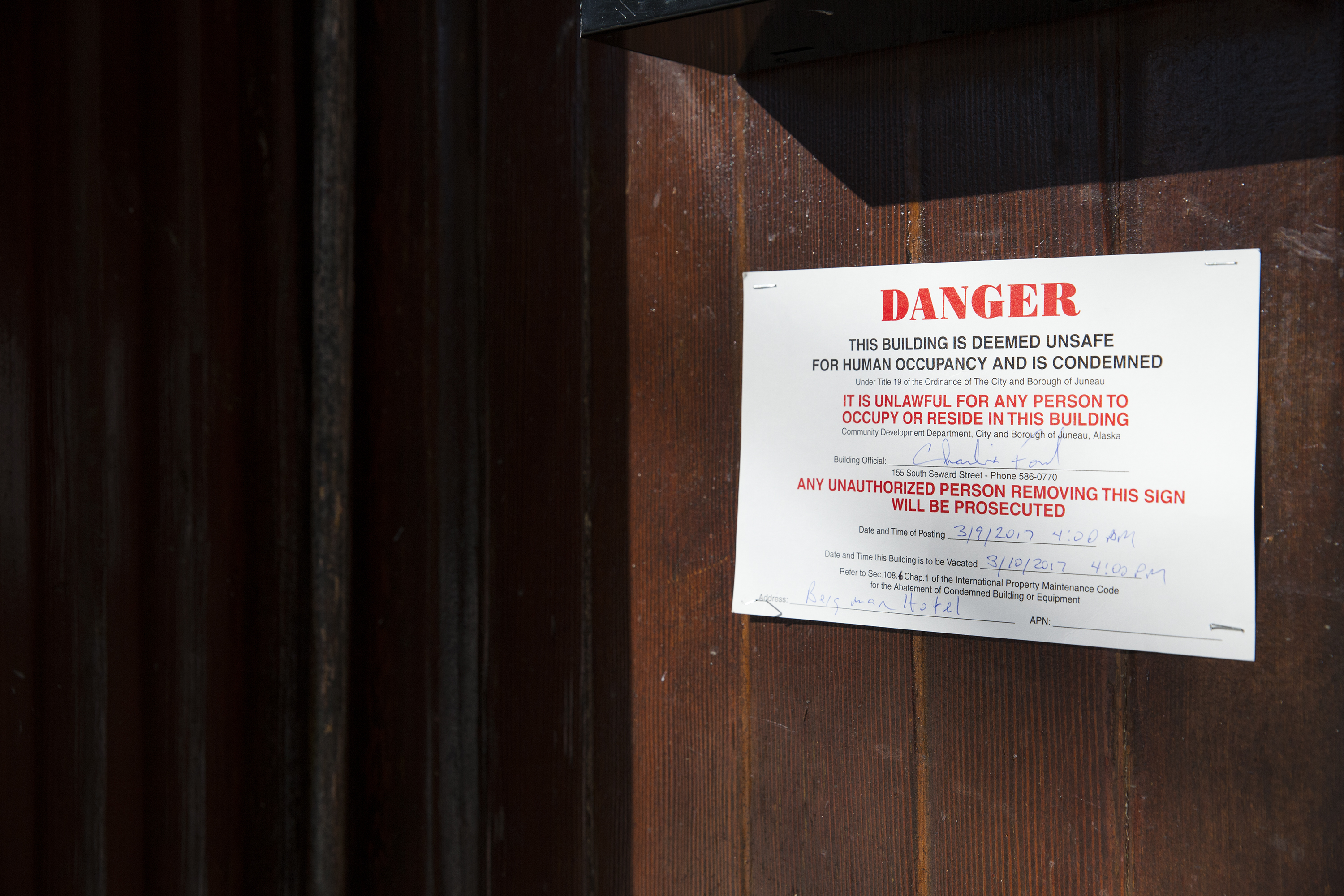
Then last March, the Bergmann was condemned by the City and Borough of Juneau over health and safety hazards. That new manager, Charles E. Cotten, Jr., was arrested last October for allegedly dealing methamphetamine. He’s currently awaiting trial in U.S. District Court.

The Bergmann Hotel was built in 1913. It’s been listed on the National Register of Historic Places since 1977.

Juneau’s biggest stories of 2017

Here’s a look back at the capital city’s biggest stories of 2017.

State budget woes trickle down

State officials continued slashing budgets, cutting Alaska Permanent Fund dividends and closing a gap between state spending and revenue with savings.

Gov. Bill Walker vented at a July press conference.

“The process is broken. There’s no question, the process is broken that we use in Alaska on budgeting. I’ve heard from many Alaskans that are frustrated with how long it takes for something to happen, how long it takes for the budget to be passed. Last three years, we’ve gotten right up to the edge of a government shutdown. At the very last, it doesn’t, but we have to send out notices to thousands and thousands – tens of thousands – under the contract. Teachers get pink slip notices. We can’t do the uh, the Alaska Marine Highway System can’t put out a ferry schedule because we don’t know where the funding is going to be or not. It’s just a, a terrible way to, terrible way to run a state.”

The membership of the Alaska Legislature isn’t changing much in the upcoming legislative session, and with elections in the fall, lawmakers are poised to continue drawing down state savings again without a sustainable budget.

The contraction in state government is catching up with the capital city.

Meilani Schijvens of Rain Coast Data 2016 08 24
Meilani Schijvens of Rain Coast Data. (Photo by Jeremy Hsieh/KTOO)

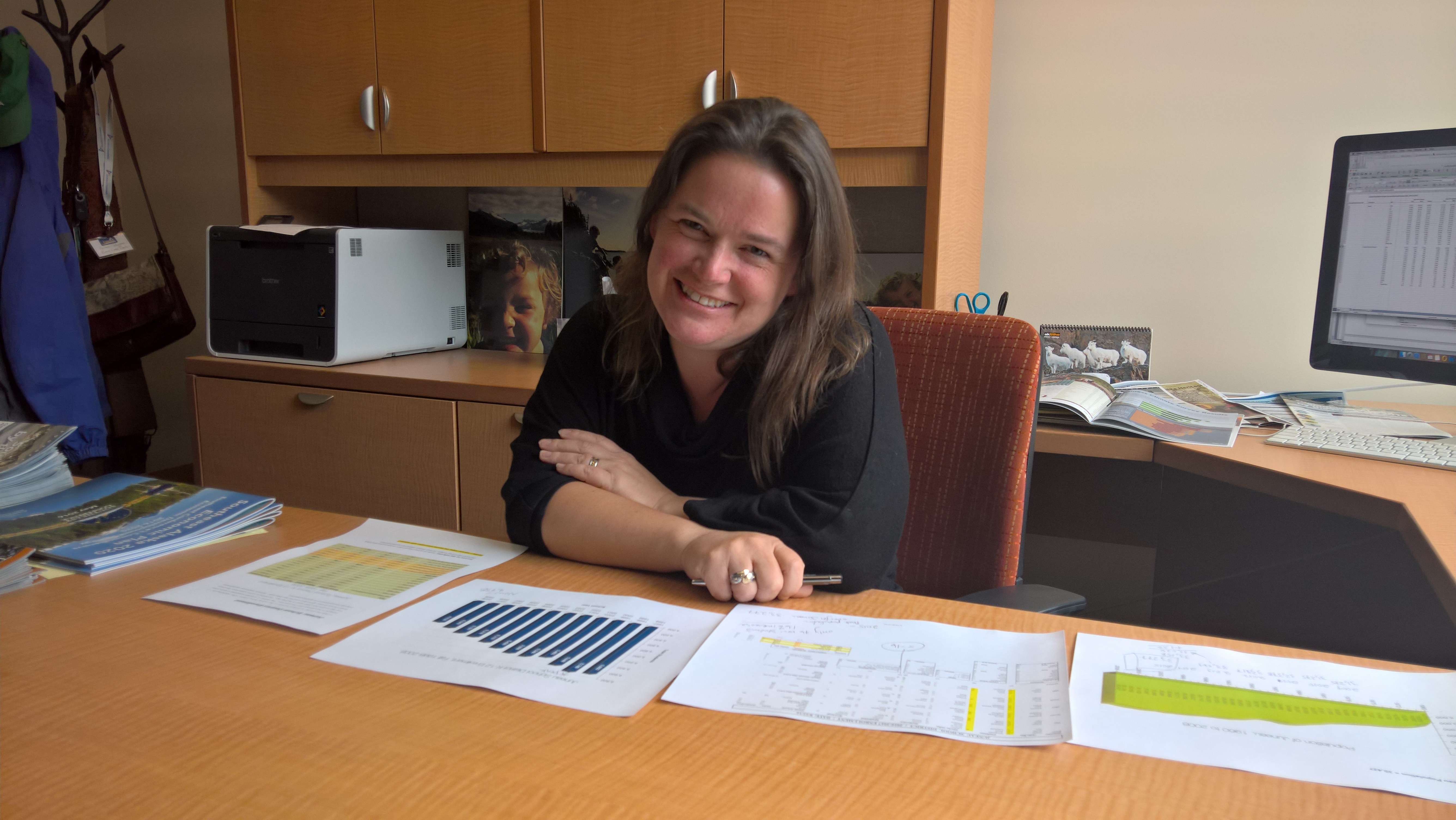
“Juneau really bore the brunt of those losses,” analyst Meilani Schijvens said, addressing the Southeast Conference in September. “If you look at Juneau, they had their third largest population decline in the history of that community, because they’re really ground zero for state jobs and state wages.”

Fall enrollment numbers in Juneau schools are down. The city’s municipal budget is down.

A pair of Panamax cruise ships docked in downtown Juneau on Aug. 30, 2017. The floating berths have eliminated the need for yellow security fencing and opened up a wide promenade for pedestrians. (Photo by Jacob Resneck/KTOO)

One area where Juneau’s outlook is bright is in tourism. The city completed a $54 million cruise ship dock expansion to accommodate bigger ships, better. Seasonal passenger counts are projected to grow by about 50 percent to about 1.5 million people in the next decade.

Teens set Project Playground ablaze

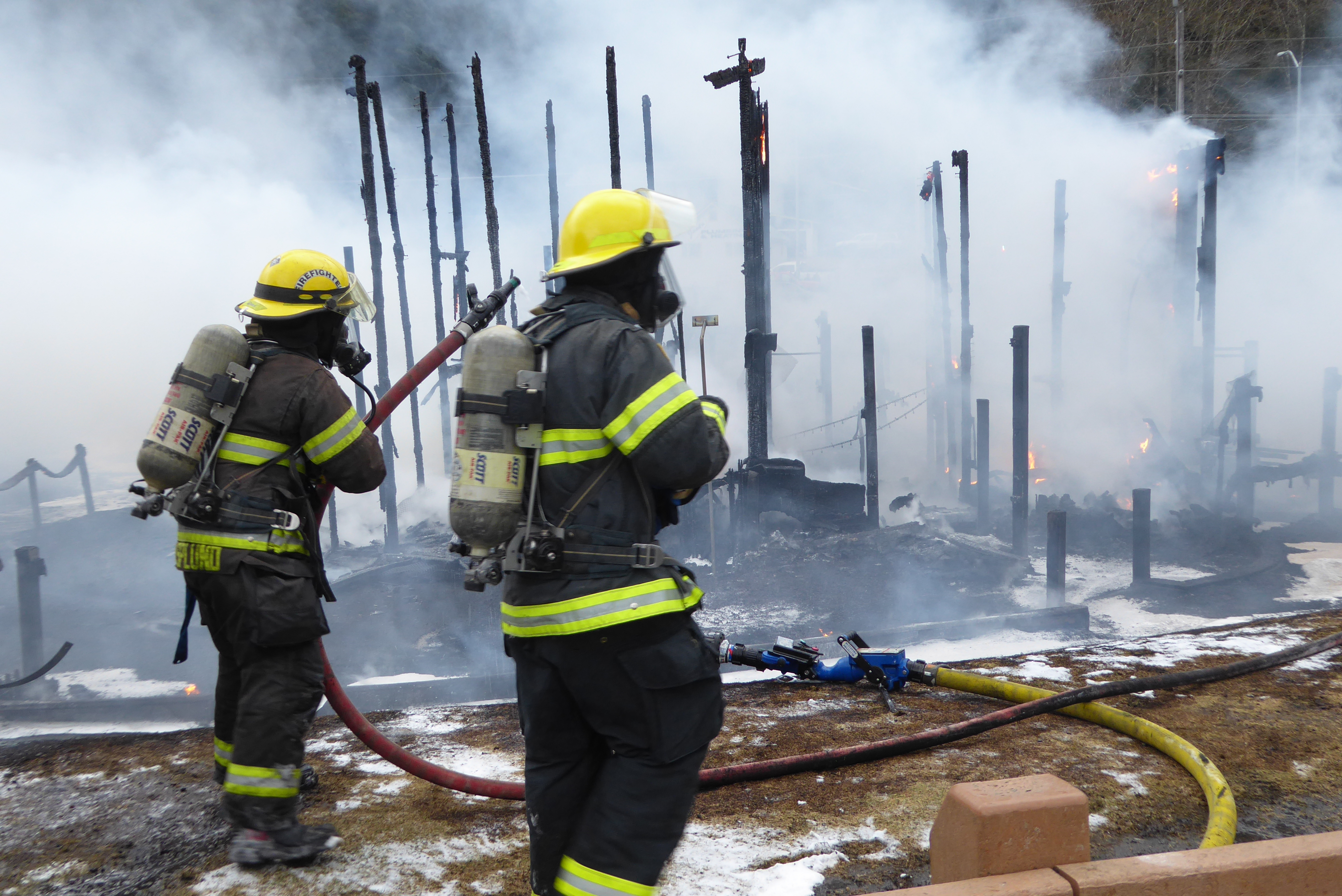
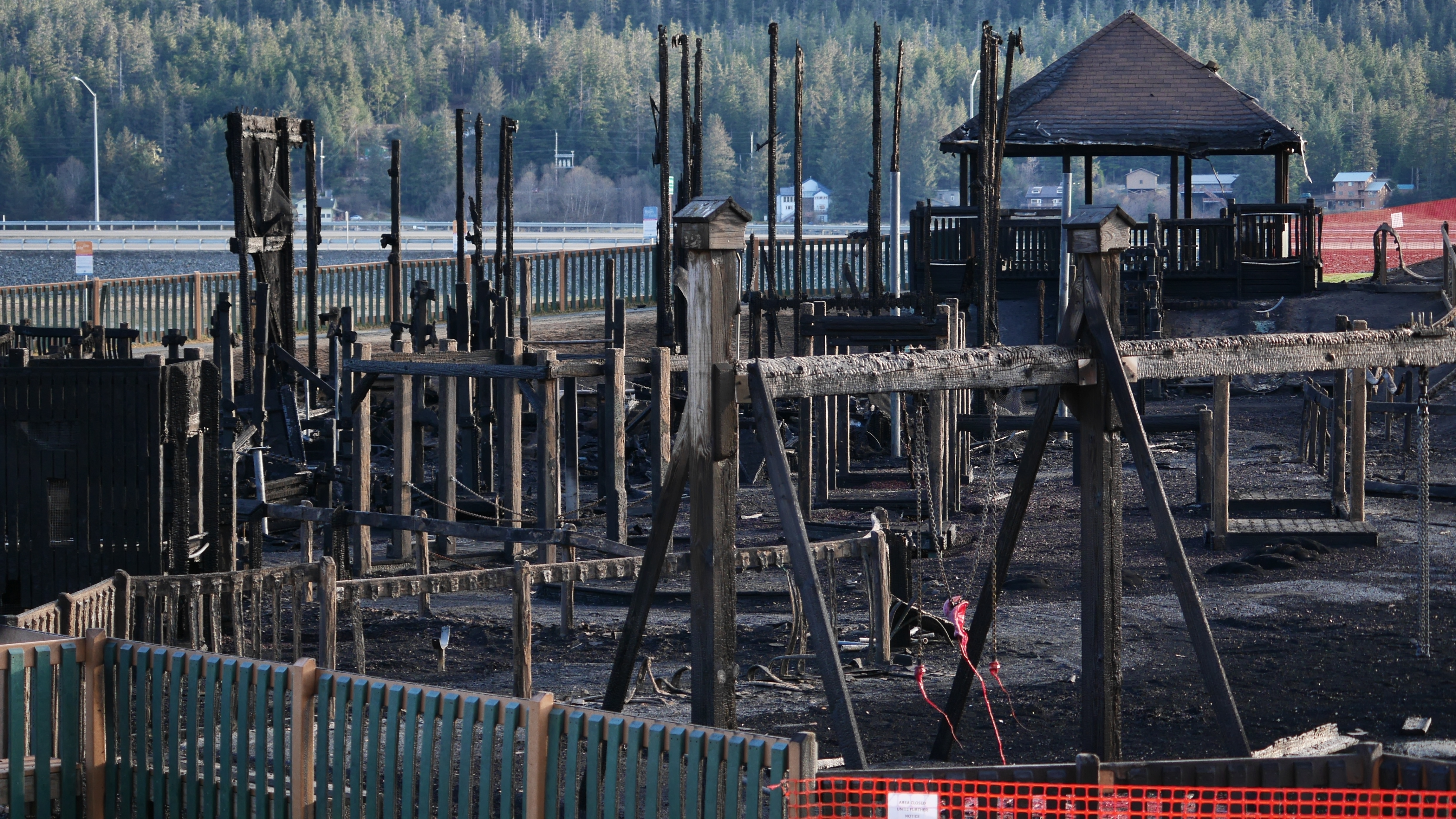
At Twin Lakes in April, smoke billowed and flames roared as a beloved, community-built playground burned to the ground.

Kala Burras was 11 at the time and had watched the fire crews put out the blaze at Project Playground.

Kala and Kaleb Burras with their parents Latroy, left, and Donny, right. Photo by Quinton Chandler/KTOO
Kala Burras. (Photo by Quinton Chandler/KTOO)

“It was really important because I liked to play on it every day and it was just really fun to play on it and now that it’s gone, it’s really sad,” Burras said.

No one was injured. Local authorities charged two 13-year-old boys with arson. They recently received the juvenile justice system’s equivalent of a guilty verdict. The state is seeking supervision and restitution. Specifics are confidential.

Insurance, fundraising and community labor are expected to cover a new and somewhat improved Project Playground. The working timeline calls for a contractor to do major construction in June and smaller scale community construction in August.

A rough year for the Barretts

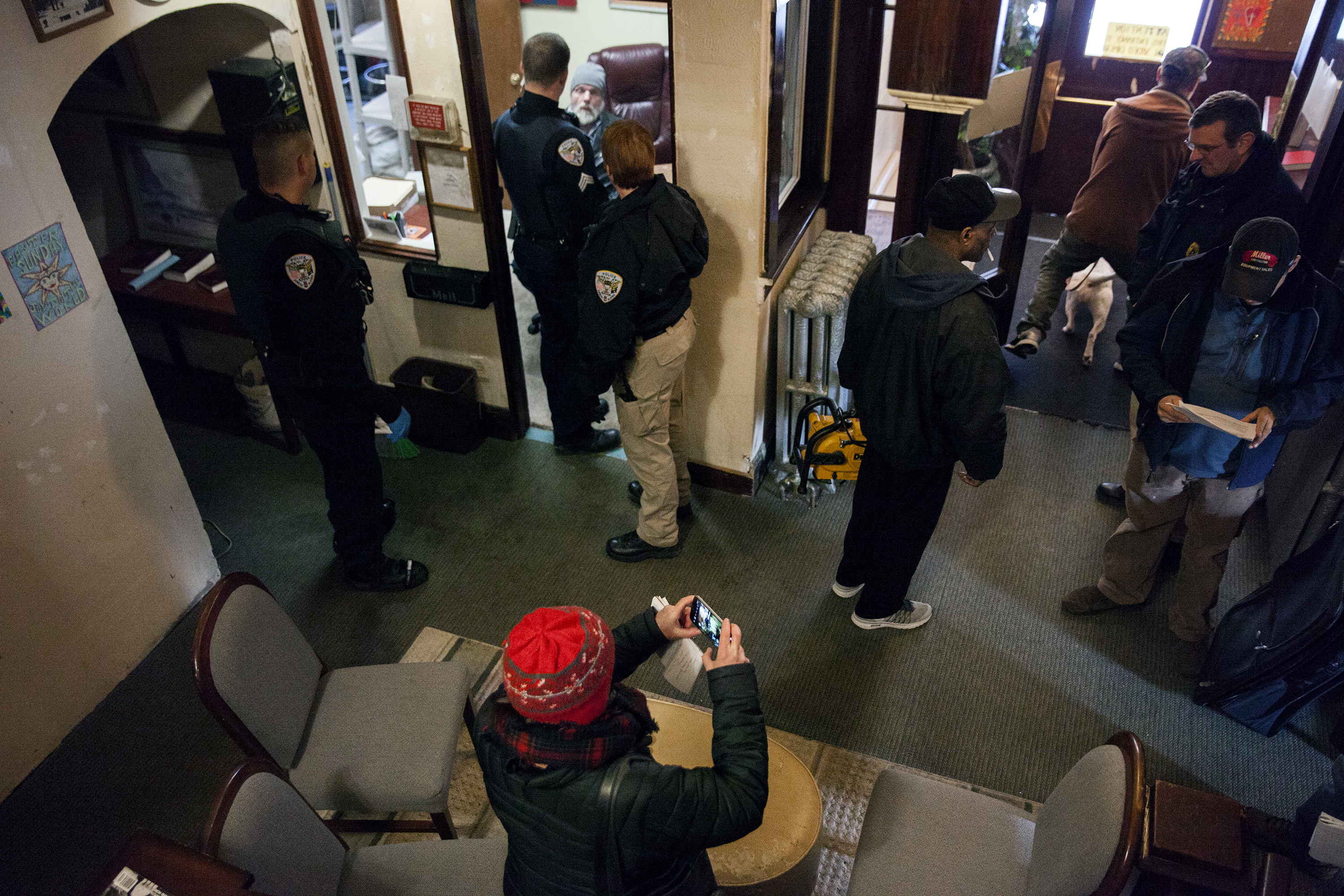
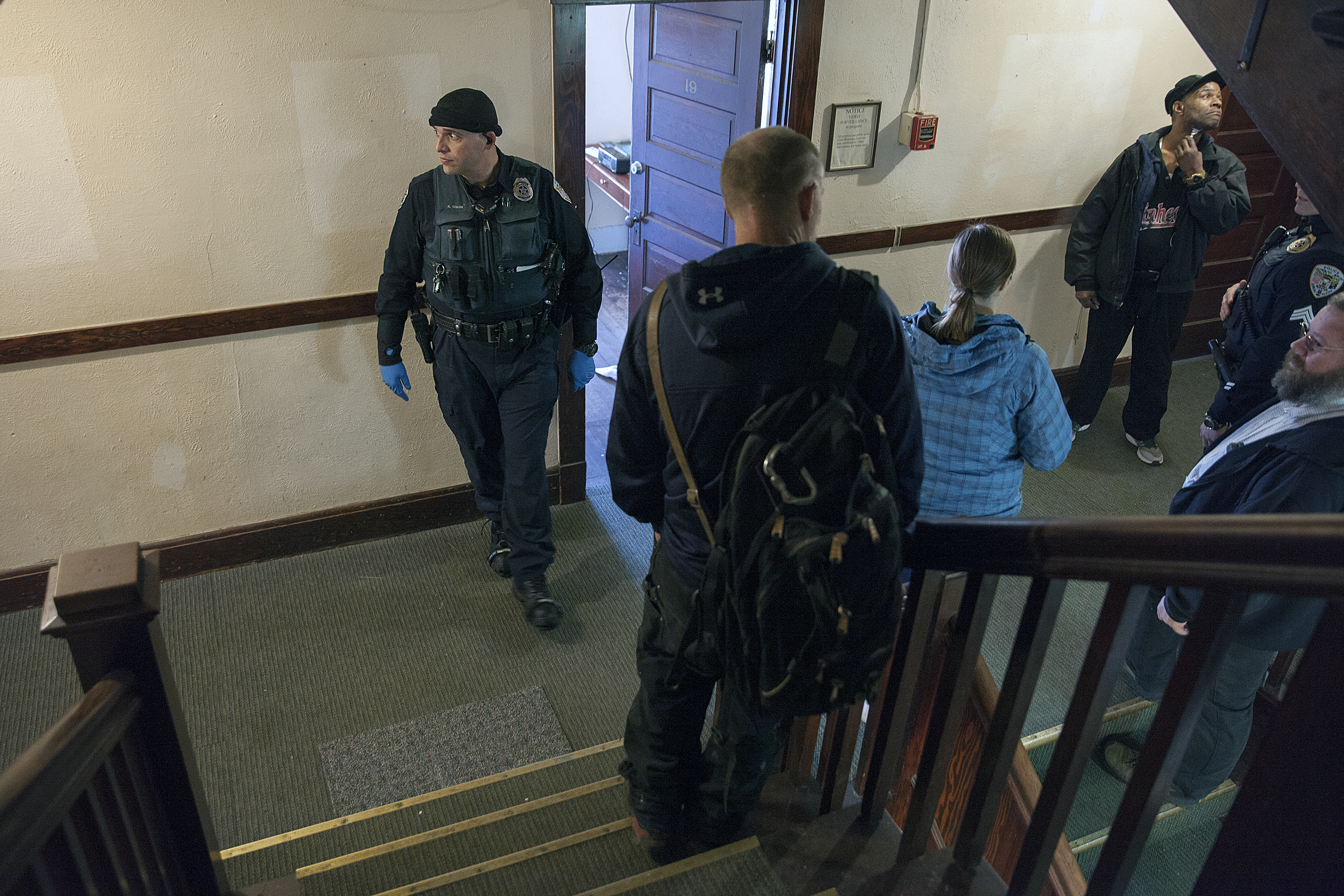
In March, the city condemned the historic Bergmann Hotel over health and safety issues, leading to the mass eviction of about 50 residents.

The hotel was one of several properties owned or controlled by James M. Barrett, his mother Camilla Barrett, aka Kathleen Barrett, or limited liability corporations they control.

In August, heavily armed police kitted out in body armor served a search warrant on a downtown home the Barretts own. A few weeks later, James Barrett was temporarily detained as police executed a search warrant on his downtown home. Authorities did not publicize charges or arrests after either search.

“So we’re hoping that whoever owns the property where all these negative happenings are going on will be held accountable and have to clean up their properties – physically and human activity-wise,” Monica Ritter said after the first raid. She’s a co-founder of the Uptown Neighborhood Association.

Meanwhile, the city’s lawsuit to recover demolition costs is still pending for another condemned downtown property the Barretts own: the Gastineau Apartments.

The trial date in Juneau Superior Court has been pushed back repeatedly, and is now scheduled for Feb. 26.

Move along…

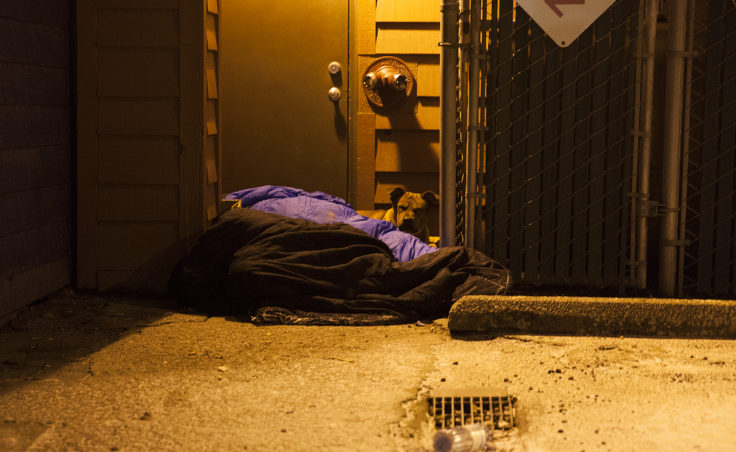
Juneau’s indigent and homeless population endured several forced displacements, though new social services also came online.

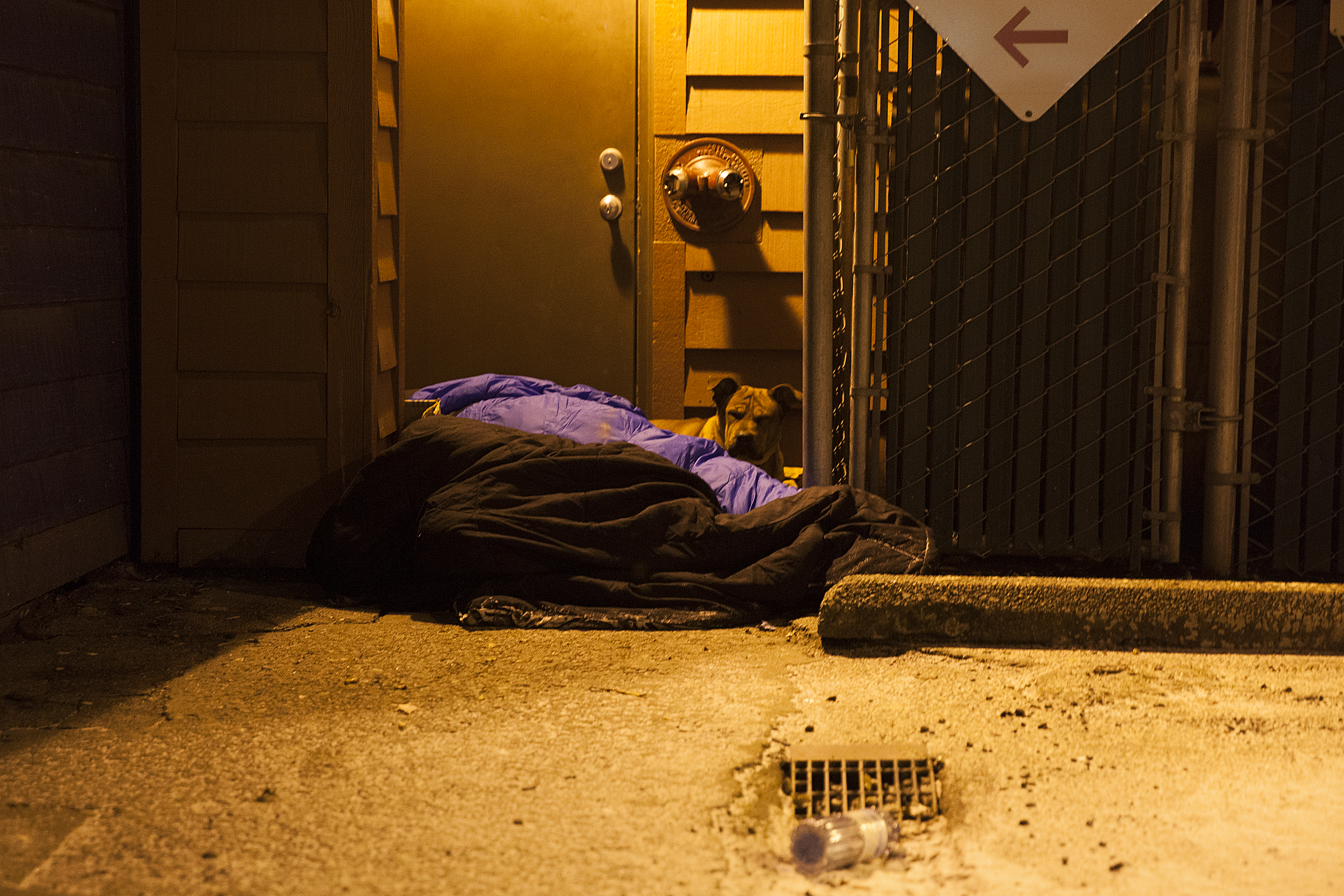
The Juneau Assembly adopted an “anti-camping” ordinance in February. It empowers police to cite people sleeping on private property in downtown areas between midnight and 7 a.m.

More people lost their homes with the Bergmann Hotel’s closure, including Chris Clark. At a temporary shelter, he said he lost his rent money — and a lot more.

Chris Clark plays card and board games with friends at the warming station inside the Salvation Army church on March 11, 2017.
Chris Clark at the Salvation Army’s warming station in March. (Photo by Quinton Chandler/KTOO)

“I paid $750 and they’re not giving me that money back. I’m not only homeless. I’m homeless with AIDS and I have no clothing, no medication, no anything. I have nothing,” Clark said.

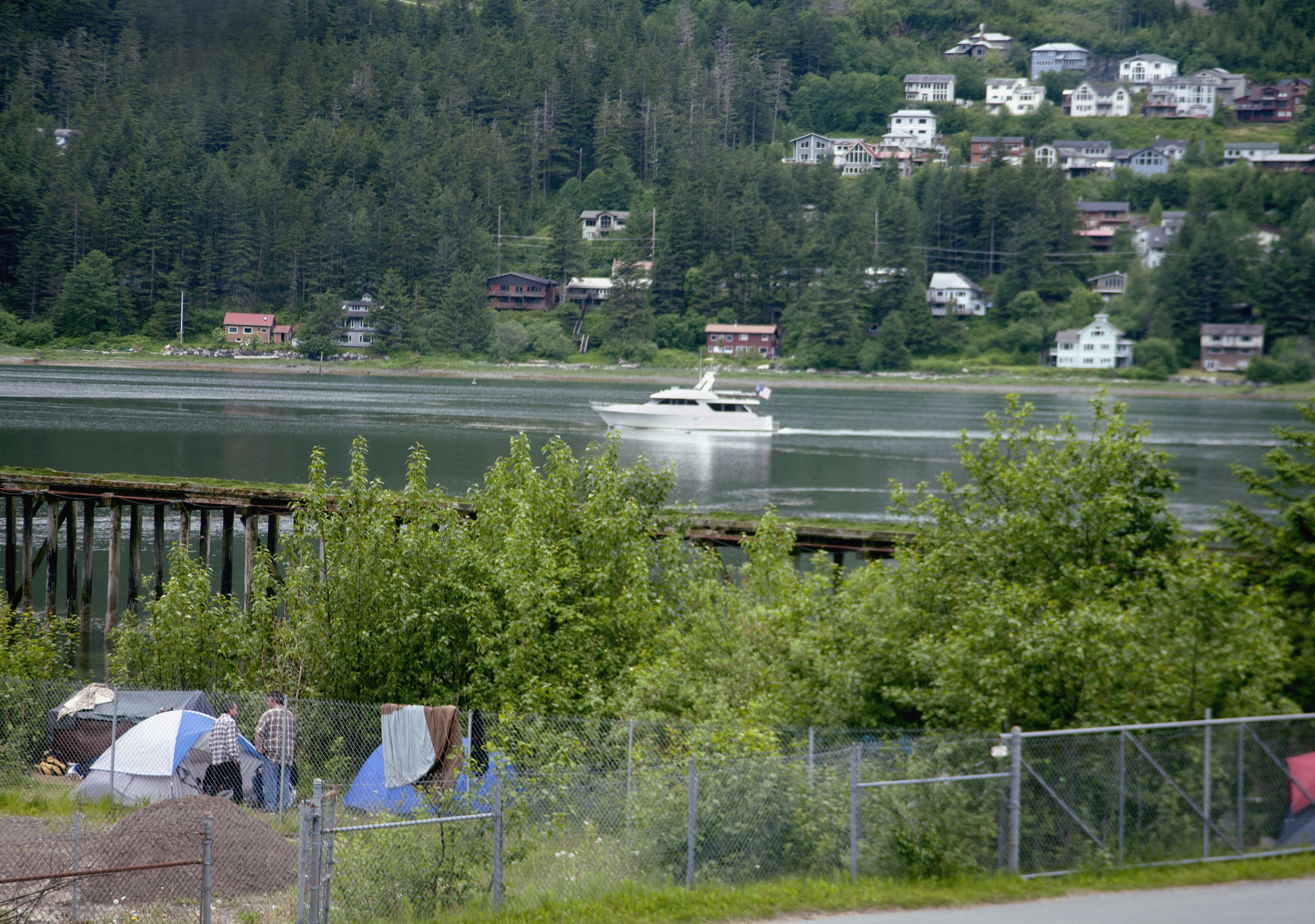
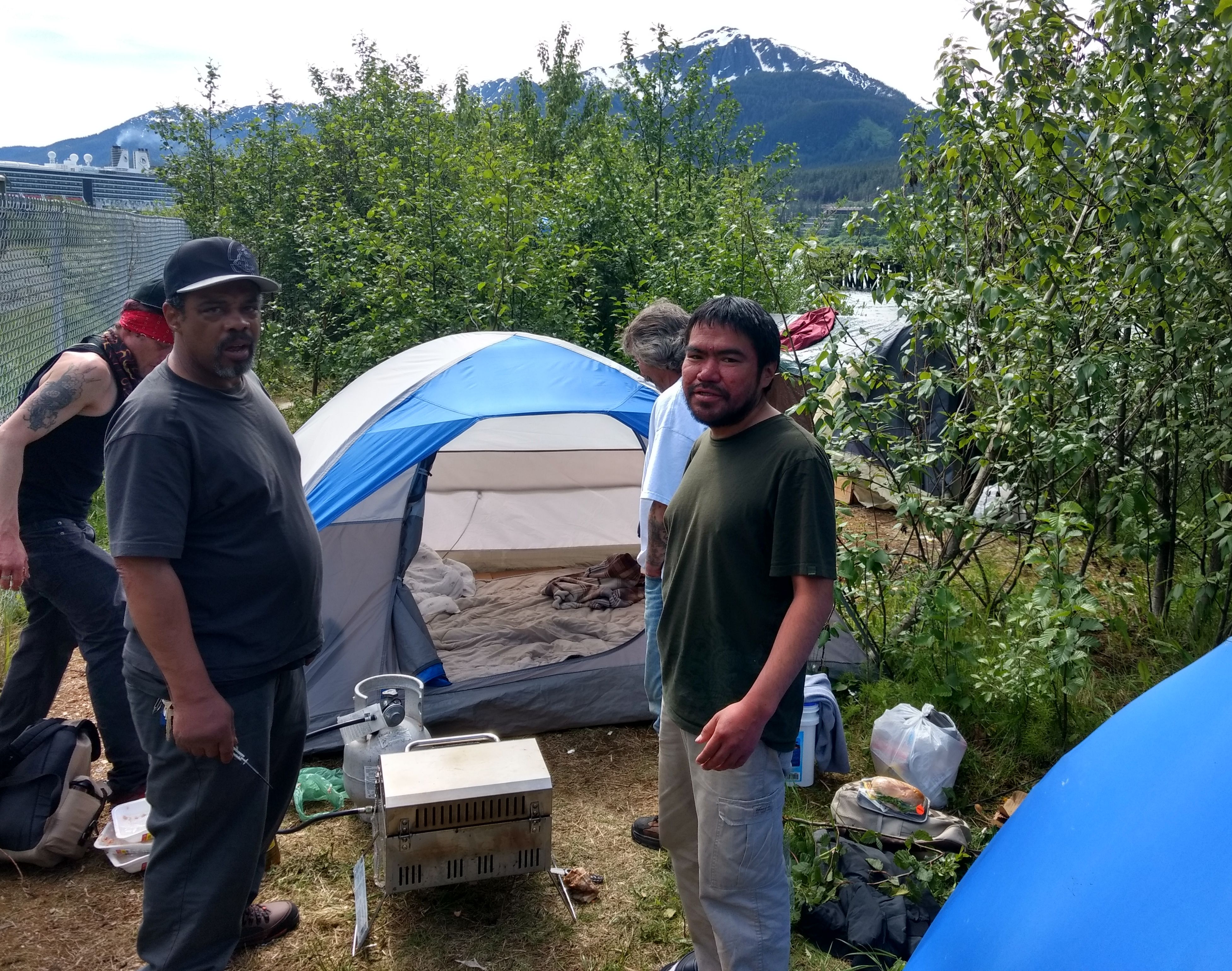
Later, a tent village sprung up on the vacant subport lot downtown. The Alaska Mental Health Trust owns the land and served the campers with trespass notices. It cleared the camp in September.

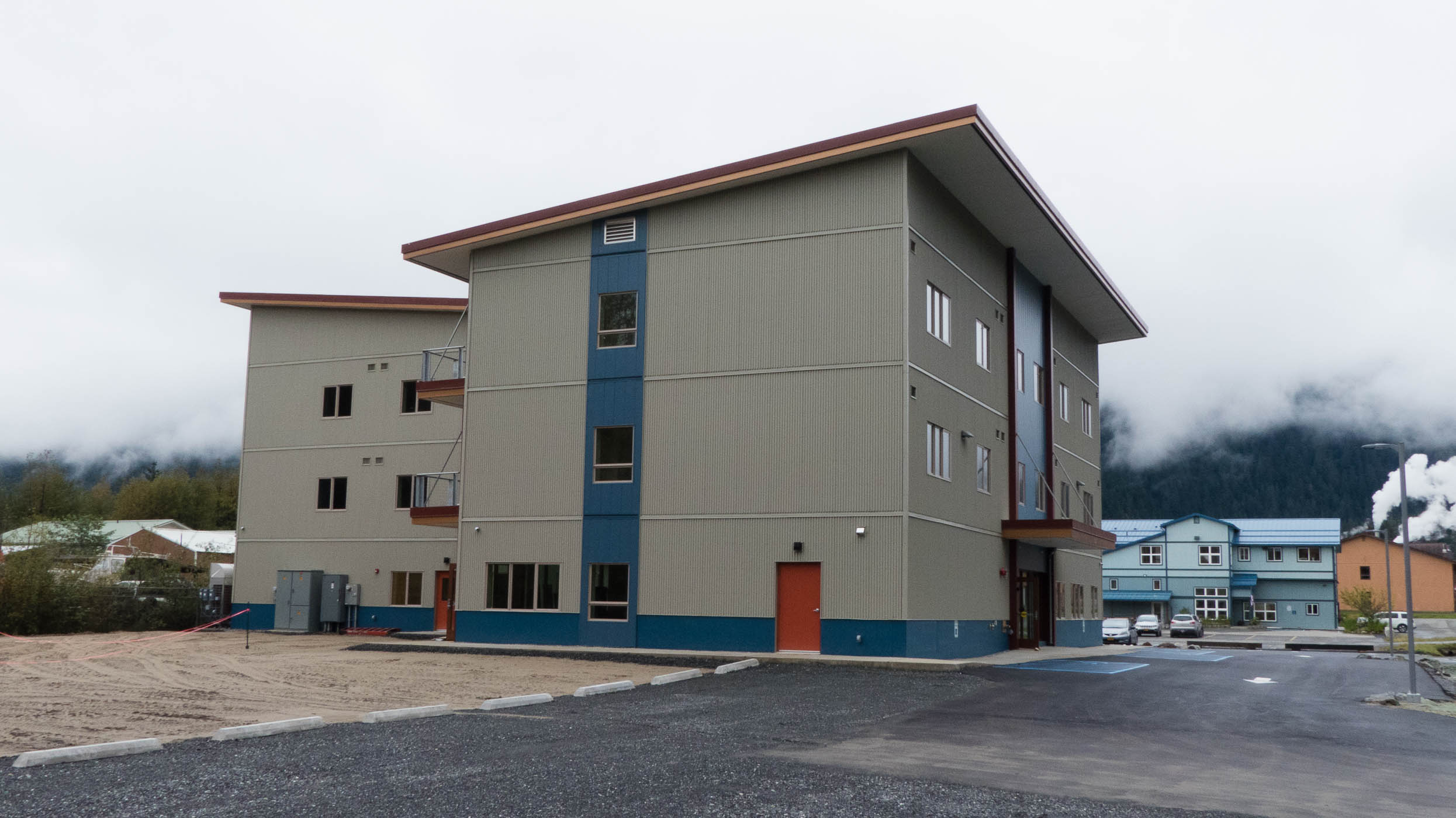
Also in September, apartments for 32 of Juneau’s most vulnerable people opened. Juneau’s Housing First complex provides permanent, supportive housing, and features an on-site clinic.

Mariya Lovishchuk helps manage the project.

“The idea is just having housing, nice housing, in itself is a stabilizing force in people’s lives,” she said. “And what we know from other projects is that even though people don’t have to participate in services, they participate a lot more than when they have to do it as a condition of something.”

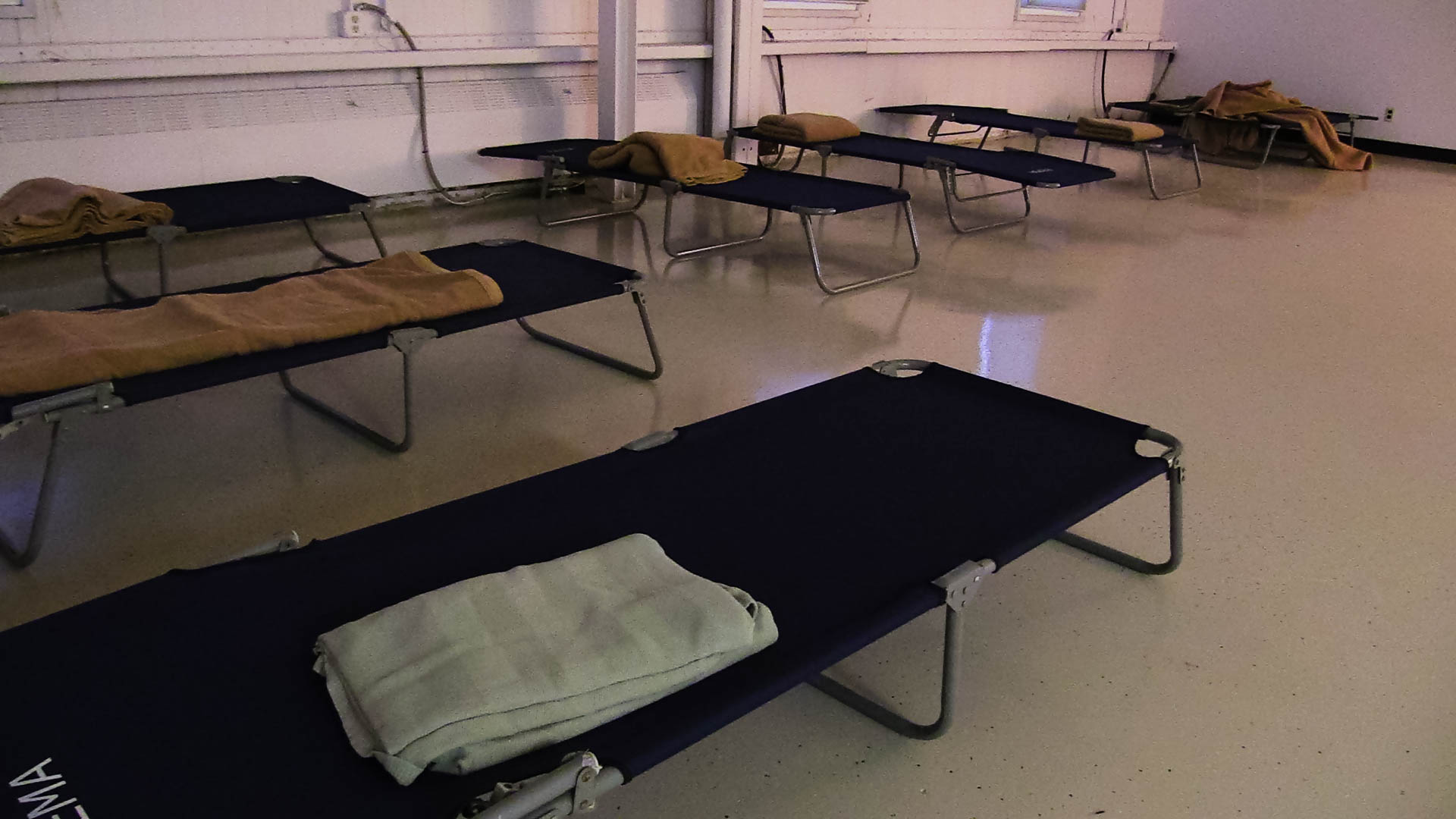
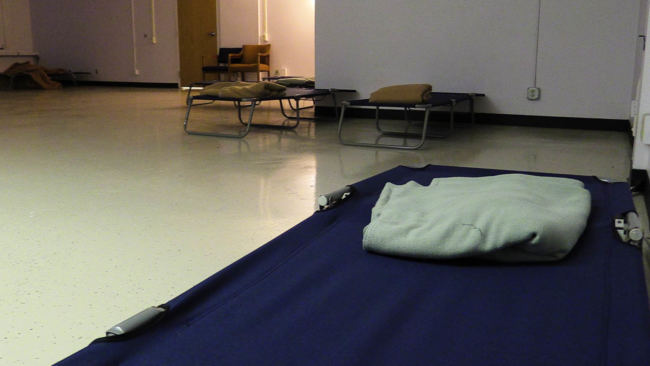
This winter, the city also opened a new emergency warming shelter for especially cold nights. There are temporary cots for up to 20.

More 2017 news of note


Jeremy Hsieh

Jeremy Hsieh

Jeremy Hsieh is the news director of KTOO.

Juneau’s warming shelter exceedingly popular

A single dark colored cot with one blanket on it in the foreground, with a couple other cots and some chairs in the background
Each visitor gets a cot, a blanket, and space under the cot for one bag. Taken December 2, 2017, the day after the shelter first opened (Photo by David Purdy/KTOO)

Juneau’s warming shelter is in its first month and already it’s operating over capacity.

Just a handful of people used the shelter in the first three days of December. But a cold snap has kept the shelter open nightly since Dec. 17 and a record 28 people spent the night Wednesday.

“We were only expecting to house up to 20,” Mandy Cole said Thursday. Cole is deputy director of AWARE, one of the social care agencies that staffs the city-run facility. “But over the holidays and during the colder part of the cold snap, we’ve had more people come than we had originally planned. So we have been trying to make as much room as possible.”

The Juneau Assembly allocated $75,000 to run the warming shelter on nights when temperatures drop below freezing.

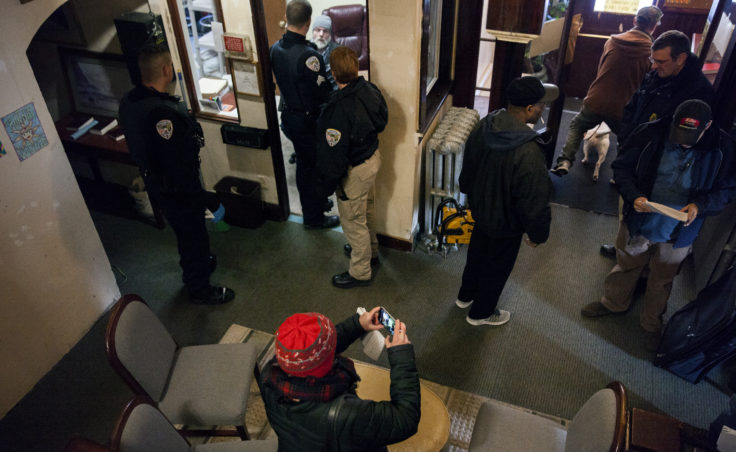
It’s a bare bones operation offering little more than a cot inside the former state Public Safety Building downtown. Doors open at 11 p.m. and police officers wake people up at 5:45 a.m.

Cole says most patrons just want some rest in a warm, safe place; there haven’t been any major issues reported.

“The design doesn’t allow any kind of extra stuff, we’re not doing anything social, we’re not feeding anyone,” she said. “We’re not doing anything where I think people would be expected to get along with their neighbors. The only expectation is that you come in and you go to sleep and it seems like it’s been working.”

Reacting to complaints from downtown merchants, the Assembly banned sleeping outdoors in the downtown core. Juneau’s longstanding downtown shelter screens out intoxicated people for safety reasons, so people are still caught out in the cold.

A former co-chair of the Juneau Coalition on Housing and Homelessness, Cole said shelters are only part of the solution to a complex problem.

“The long-term goal is to figure out how to not just house people for one night but what’s really going on for individuals so that they can get the interventions they need so they can be housed permanently,” she said. “We know they are not able to take advantage of some of the services that are currently offered. And so, it’s a nice opportunity to figure out what isn’t working so that we can then try something new to help get people into permanent housing.”

The warming shelter is scheduled to shut down for the season by April 15. The city posts updates on whether the warming shelter will be open on its social media accounts.

Housing markets in Northwest cities still topping the charts

The price of a typical single family home in Seattle rose twice as fast as the national average this year—nearly 12 percent. In Portland, home prices increased more than 6.5 percent. (Photo by Kevin Mooney/Northwest News Network)

Home prices continued to climb in Seattle and Portland at some of the fastest rates in the country this year. The latest data show Seattle is still the nation’s hottest market.

According to the Case-Shiller Home Price Index, the price of a typical single family home in Seattle rose twice as fast as the national average this year — nearly 12 percent. In Portland, home prices increased more than 6.5 percent.

David Blitzer is with S&P Global, which oversees the index. He said migration to Seattle and Portland and economic growth are pushing up prices.

“Both cities, but particularly Seattle, have strong economies,” Blitzer said. “The Seattle area is benefiting from a lot of technology development, as well as, I guess, more traditional industry.”

Housing prices rose particularly fast in the West. Las Vegas, Nevada, was the second hottest market, after Seattle. And many cities in California also saw high growth.

Blitzer said he expects interest rates to rise next year and the national housing market to cool.

Seattle real estate agent Sol Villarreal said rising prices come from a combination of factors that cause high demand and low supply, such as rapid migration to the region and not enough condominium construction in Seattle.

“You’re not building enough new units, people are afraid to sell their existing units, so every year the supply-demand imbalance gets a little bit worse,” he said. “We have more buyers into the system and fewer people want to sell their places if they have any option to stay there because they’re afraid of what the market is going to be.”

Modifying houses so seniors can stay in their homes

Shirley and Tom Clements tease each other as they pose in front of their wall of memories. (Photo by Anne Hillman/Alaska Public Media)

Shirley and Tom Clements’ home is steeped in memories.

Photos going back six generations cover the walls of the packed living room.

Knick-knacks and animal figurines fill shelves above the kitchen sink. They’ve been in the house for more than 20 years.

“Pretty much we landed a place, and we pretty much plant ourselves,” Shirley said, sitting at her kitchen table on a recent afternoon. “We don’t go out for much options.”

But will the tiny 50-year-old house keep being an option as they age? They’re adapting their home to make that a possibility.

When the Clements moved into their Palmer home in the mid-’90s, it had some cosmetic quirks, like gold-colored shag carpet.

They pulled that out fairly quickly and put in better flooring.

Eventually, they added more insulation to the walls and updated the heater. But over the past couple years, as the couple has aged, they’ve needed new types of renovations. Shirley had both knees replaced in 2009.

“It’s been rough. Well, with the knee problem, I couldn’t lift my knees over the tub to get into the tub,” she explained.

Tom decided to replace the tub in their tiny bathroom with a walk-in shower. It took him more than a year. First, he had to learn to extend the house to make room for the shower, then he taught himself to tile.

“That ain’t bad for an old mechanic, huh?” he said, laughing. “Actually, I learned to do that from a book.”

He also installed wider doors for Shirley’s walker.

Other renovations are now being completed by Alaska Community Development Corporation through the Senior Access Program.

Homeowners can receive up to $15,000  to make large and small modifications, sometimes with volunteer labor, to help stretch the funds. Renters are eligible for less.

Corporation housing manager Curt Christiansen said the objective of the program is to keep seniors in their homes as long as possible because it’s better for the whole community, and that’s what most seniors want.

“The overall cost to society is less if we can keep them in their own home and there are probably a lot of mental health benefits to staying in your own home,” he said. “You know, I see it with my parents and stuff, they don’t want to go somewhere else. They want to be where they raised their kids and stuff.”

The Clements’ home is where they cared for their grandkids, who would play on the tiny deck in the fenced yard.

Now, the rotting old deck is gone, replaced by a new ramp built by the Boy Scouts as part of the Senior Access Program.

Internal modifications included getting rid of the bumpy carpet in the bedroom that could cause tripping, and changing out sink handles.

“It’s hard sometimes for seniors to grip things,” like round knobs on sinks and doors, Christiansen said. “So we change out to levers.”

Down a short set of stairs in the passageway between the kitchen and the garage they’ll install a flip down bar and better handrails to help with Shirley’s balance problems. Similar bars will go into the bathroom, too.

Though the statewide program can serve about 70 homes per year, in many places it has a three-year-long waiting list. Different parts of the state have different lists, which vary in length. Christiansen said in Anchorage, there isn’t much of a wait right now.

Jim McCall is with the Alaska Housing Finance Corporation, which funds the program. He said people shouldn’t wait until they need their homes to be accessible.

“I tell people, ‘Plan ahead.’ Because obviously anything you can do now to continue to age in place, especially now while you’re still working and you can pay those things off, before you retire, even better.’”

Alaskans can apply for home renovation loans from AHFC to do some of the upgrades – a program that’s increased in popularity recently. Planning ahead is also important because there are one-to-two-year wait lists for senior housing, too. Nursing homes can cost around $300,000 per year in Alaska.

McCall, who has been working with seniors for 20 years, said without proper housing, people are more at risk for illnesses and behavioral issues, even seniors.

Housing “is a basic human need, so if you don’t have that, things start to go downhill pretty rapidly whether you’re 25 or whether you’re 85,” he said.

Shirley Clement and her husband want to keep aging in the house and the neighborhood where they’ve spent the last 23 years.

“I anticipate us being here, though, ’til God takes us home,” she said.

With the renovations from the Senior Access program, they might be able to do that.

ACLU won’t challenge Anchorage Assembly’s modified anti-camping measure

Earlier this month, the Anchorage Assembly voted on a measure designed to curb illegal camping in the city’s parks and wooded areas.

The move reduces the number of days people have to vacate a camp from 15 to 10.

The American Civil Liberties Union of Alaska said Tuesday it will not take the city to court over the move. At least not yet.

In a statement, ACLU executive director Joshua Decker criticized the new measure as shortsighted for focusing more on “criminalizing … poverty” than finding solutions to homelessness.

But Decker also says that given actions by the Berkowitz administration and the city’s Assembly, meaningful progress is being made to address the problem, including connecting more people with resources and housing.

The ACLU of Alaska says that while it believes the new rules might not be legal, it won’t initiate a court challenge, provided local officials maintain high targets for combating homelessness in the coming year.

Site notifications
Update notification options
Subscribe to notifications