Jacob Resneck is CoastAlaska's regional news director based in Juneau. CoastAlaska is our partner in Southeast Alaska. KTOO collaborates with partners across the state to cover important news and to share stories with our audiences.
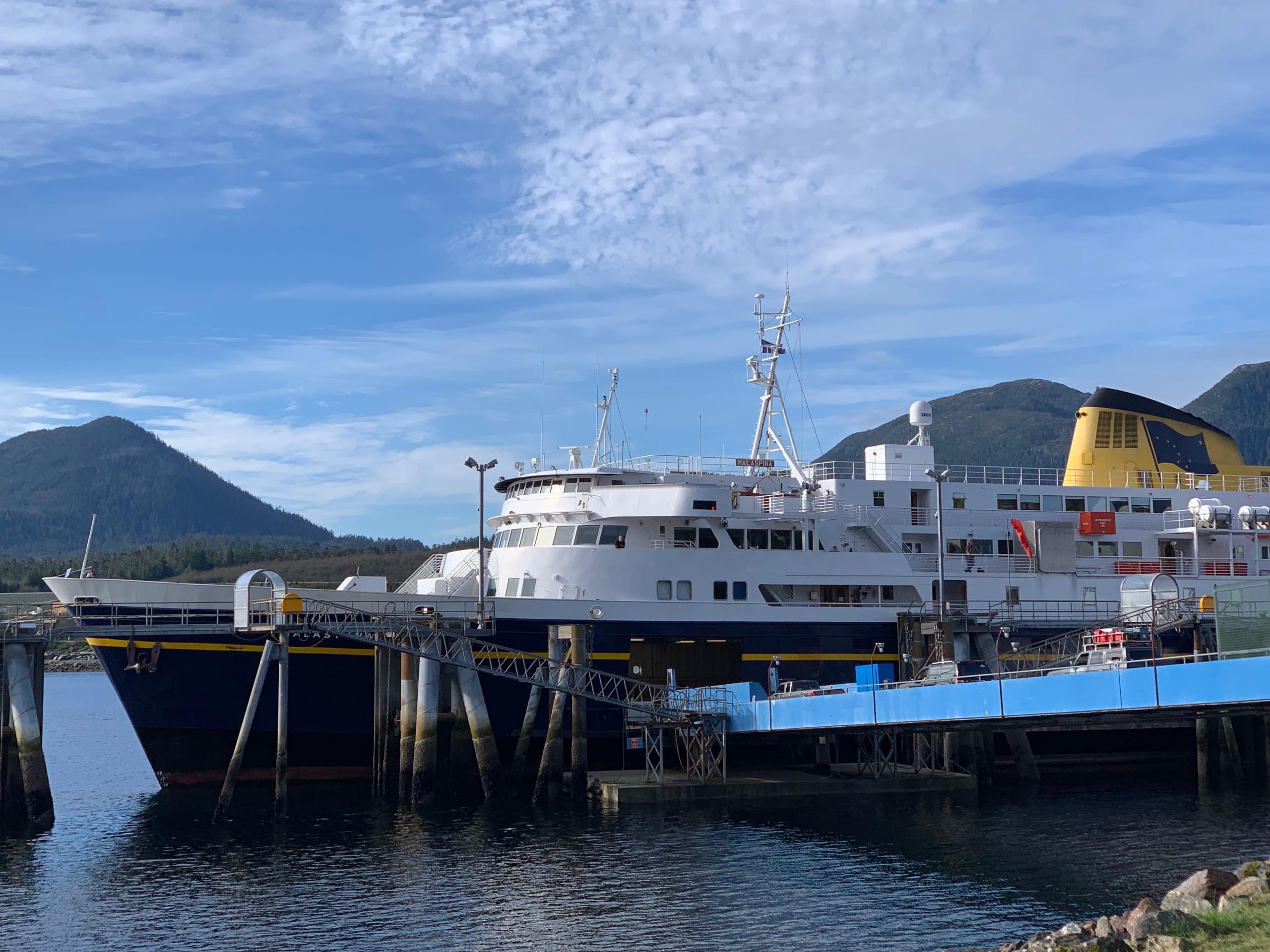
Vehicles load onto the Alaska Marine Highway System ferry Malaspina on a 2019 run to Prince Rupert, British Columbia. (Photo by Eric Stone/KRBD)
Ferry service between Alaska and Canada won’t resume this spring as scheduled. That’s according to a Wednesday statement from the Alaska Department of Transportation and Public Facilities.
Restrictions on travel due to COVID-19 have delayed work on the Prince Rupert terminal in British Columbia. The facility is being upgraded to comply with new regulations for U.S. customs officers working in Canada.
The international ferry link was suspended last year after U.S. customs officials announced they would no longer inspect vessels without an armed Canadian police presence in the terminal.
Local, state and federal officials from both countries have been working on a solution ever since.
A meeting planned this month between state and federal officials has been postponed, delaying any resolution. But the statement says the meeting will be rescheduled after coronavirus-related travel restrictions are lifted.
All sailings between Ketchikan and Prince Rupert are canceled until further notice.
The Alaska Marine Highway System extended its policy waiving cancellation fees for any reservation until May 11, 2020. To cancel or make changes to an itinerary, contact the AMHS reservation call center at 1-800-642-0066 or call your local AMHS terminal.
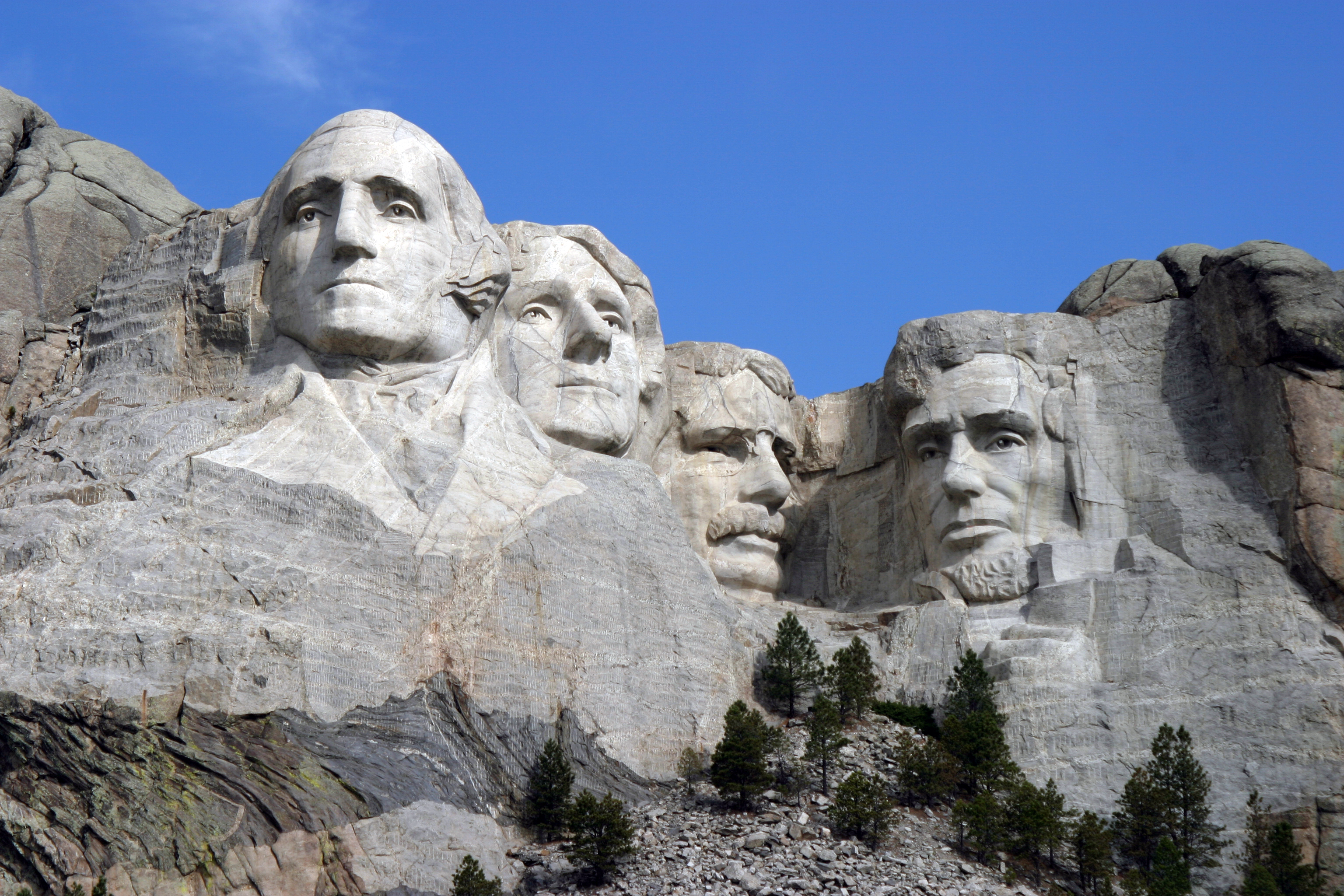
Earlier this year, dozens of Tongass National Forest employees were called on for temporary assignments to South Dakota.
Veterans of the Forest Service have called the move unusual, speculating a political motive: President Donald Trump’s controversial plan to hold an Independence Day celebration at Mount Rushmore, overturning a longtime ban on fireworks.
The Forest Service says it had two dozen volunteers from Tongass National Forest step forward to work at Black Hills National Forest.
“The request is a voluntary detail option, with employees choosing to take a two-week or four-week assignment to support agency interests,” Tongass spokesperson Paul Robbins Jr. wrote in a statement.
But veterans of the agency recall things differently.
“It started out as a volunteer thing,” Ken Dinsmore, a Sitka-based Forest Service employee of 40 years, told CoastAlaska. “And as it morphed and time went on, supervisors were being a little bit more persuasive, so to speak, than just volunteering.”
Dinsmore is also president of Local 251 of the National Federation of Federal Employees which represents about 350 agency workers. So he heard a lot about this from fellow union members.
“I would speculate that some folks volunteered, you know, get out of the rainforest for a little while,” he added. “I would encourage people to do that — if they wanted to.”
But he says there was some resentment among federal workers with families and other commitments to pack their bags for a month or longer.
“Management has the right to direct and assign work — it’s completely understood,” he said. “In this case, we found it to be a bit irregular.”
He said Tongass employees were not told specifically why a national forest in South Dakota needed dozens of scientists, technicians and other support staff from Southeast Alaska.
“I said, ‘What can burn? It’s stone! You know? It’s stone!’ So nobody knew why,” Trump told reporters on January 15. “They just said ‘environmental reasons.’ So I called up our people and within about 15 minutes we got it approved and you’re going to have your first big fireworks display at Mount Rushmore. And I’ll try and get out there if I can.”
“I mean, everybody knows that it’s the stupidest thing in the world to set off fireworks in the middle of the summer in the middle of a mountain pine beetle epidemic,” said Andy Stahl, an ex-Forest Service employee and now executive director of Forest Service Employees for Environmental Ethics in Eugene, Oregon.
Stahl admits he doesn’t have proof that the reassignment of Tongass staffers to South Dakota is related to Trump’s public sentiments.
“But it is an interesting coincidence that at the same time the President wants a fireworks party, the Forest Service is sending crews to where the party is going to happen,” Stahl said, “to make sure that all hell doesn’t break loose when the fireworks go off.”
A Freedom of Information Act request filed by CoastAlaska seeking answers is pending with the agency.
In an email to CoastAlaska, Black Hills National Forest spokesman Scott Jacobson wrote that the region had requested assistance from various parts of the country.
“The assistance is not in relation to the State of South Dakota / National Park Service proposal to host a fireworks display,” Jacobson wrote.
But then there’s the question of the urgency of outsourcing Southeast Alaska’s Forest Service expertise for a summer. Tongass staffers had been working on the largest Tongass timber sale proposed in decades.
Stahl says there’s a lot of other work the Southeast Alaska-based biologists, surveyors and other ground crews could be doing locally such as improving watersheds rehabilitate salmon fisheries.
“The Tongass still has a legacy of fish blocking culverts on its logging roads that need to be fixed, they need to be removed,” he said. “And these employees could be working on that and some of them are.”
The transfers to South Dakota are on hold. That’s because all nonessential travel has been postponed due to the COVID-19 pandemic. There’s been no word yet whether state officials are canceling with fireworks at Mount Rushmore — or if the president will attend.
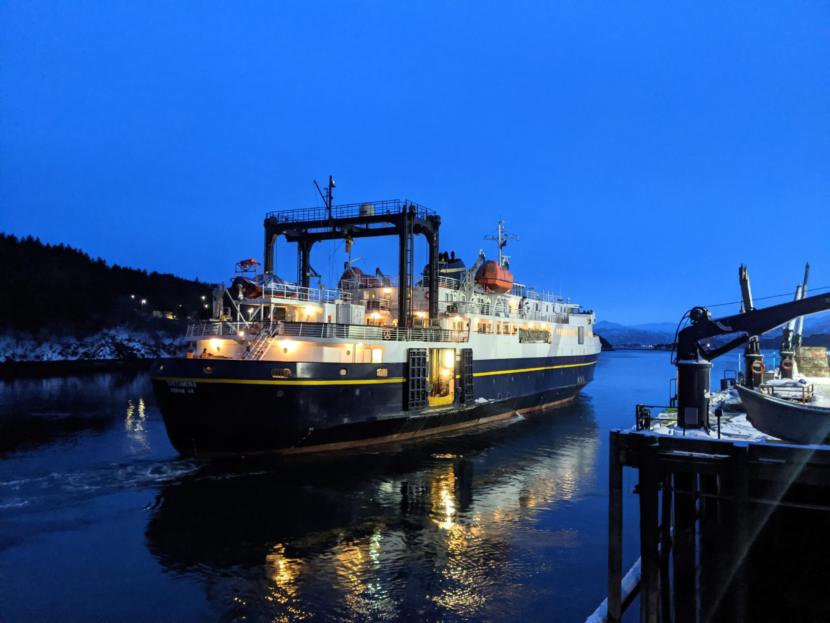
The M/V Tustumena pulls away from Kodiak on Jan. 11, 2020, beginning a ferry service gap of more than three months. (Photo by Kavitha George/KMXT)
Alaska Marine Highway System’s mainline service won’t be back up and running until mid-May. The ferries Columbia, Kennicott and Tustumena were scheduled to return to service later this month.
According to a Wednesday media release from the Department of Transportation, the three vessels are on schedule to be overhauled by Vigor Alaska. But the ferry crews needed to prep and provision the ships have been sent home due to COVID-19 precautions.
Travel restrictions implemented by a number of Southeast Alaska villages has also lessened demand for passenger service. But the DOT says essential grocery deliveries will continue throughout the public health crisis
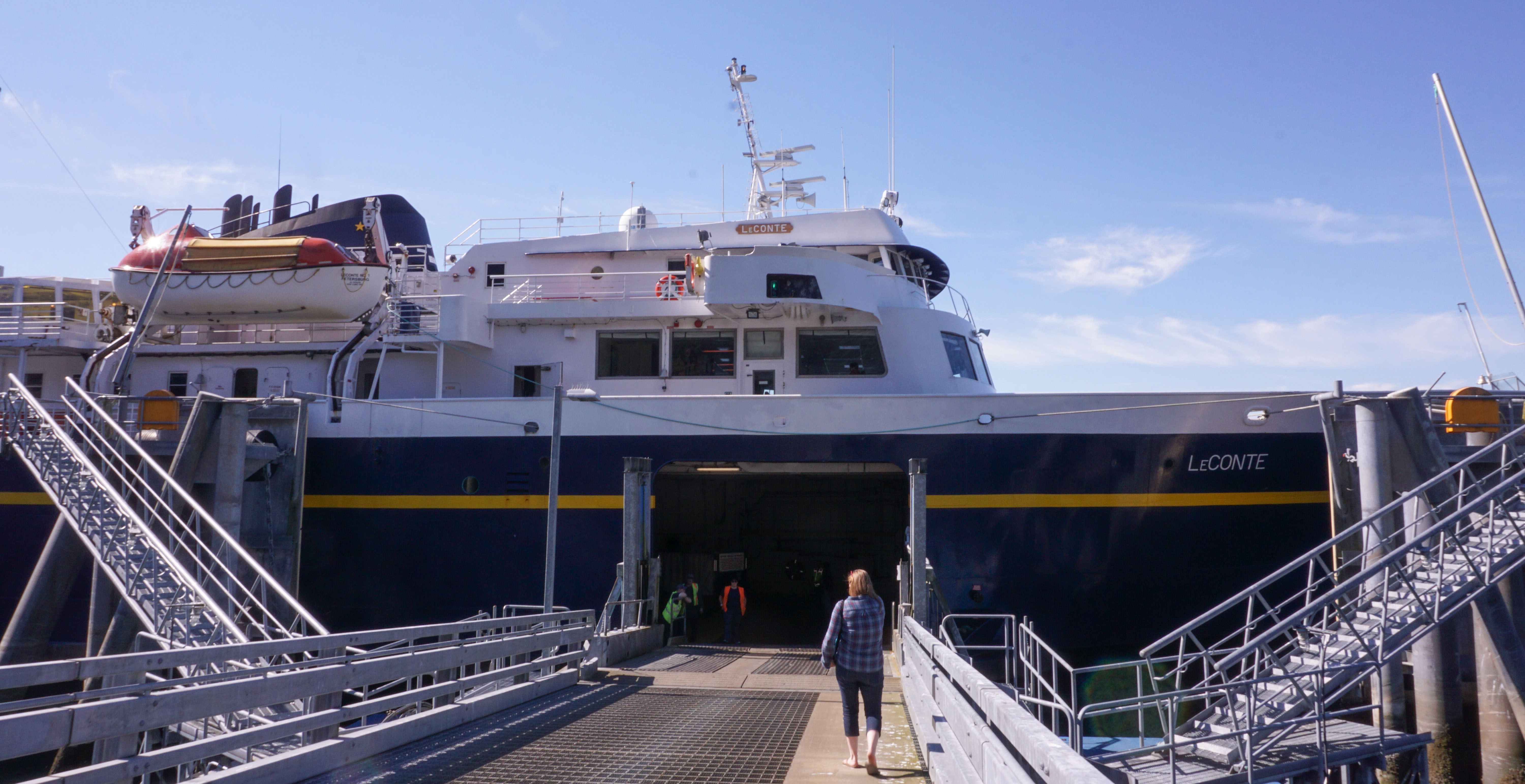
A passenger boards the Alaska Marine Highway System ferry LeConte in Pelican on Aug. 6, 2017. (Photo by Jeremy Hsieh/KTOO)
The Alaska Legislature has approved a budget that lawmakers say should keep the Alaska Marine Highway System running year-round.
In the past year, cost-cutting, a summer labor strike and a mechanical failure resulted in months-long service gaps, both planned and unplanned, for Alaska’s ferry system.
Legislators increased the operating budget by around $20 million over the previous year’s budget. Sen. Bert Stedman, R-Sitka, one of the Senate’s key budget writers, said that should guarantee at least one ferry is available as relief should another vessel break down.
“So we don’t face again what we faced this winter which was no service at all — which is totally unacceptable,” he told CoastAlaska on Sunday.
The budget also adds another $19 million to repair the Aurora, currently in layup, and adding crew quarters to either the Hubbard or Tazlina to extend their range. Those two ships are the system’s newest and known as Alaska Class Ferries. But as currently configured, they’re relatively short-range day boats.
“The the intent of the Legislature is to keep the Aurora,” Stedman said, “and we support crew quarters to make the Alaska Class Ferries more versatile.”
The operating budget includes about $16 million more than what Gov. Mike Dunleavy proposed. That should provide around 25% more service, according to figures from the Alaska Department of Transportation and Public Facilities.
Rep. Louise Stutes, R-Kodiak — one of the House’s most vocal ferry boosters — said the system won’t return to levels seen in less austere times. But she said it will serve its core mission.
“Communities are going to probably do with a little less service,” she said in an interview. “But as long as they have service, sustainable service, I think that’s that’s a good target.”
Some coastal villages have reported shortages of food and other staples during this year’s long gaps in ferry service. That’s because many lack barge service, an airport — or both.
Rep. Dan Ortiz, I-Ketchikan, said the Legislature wants to bring stability back to the state’s ferry network.
“I think we’ve put the marine highway system in the place where they should be able to provide adequate service throughout the system,” Ortiz said by phone. “As long as the governor doesn’t veto those monies.”
Dunleavy could still veto part or all of the Legislature’s ferry budget.
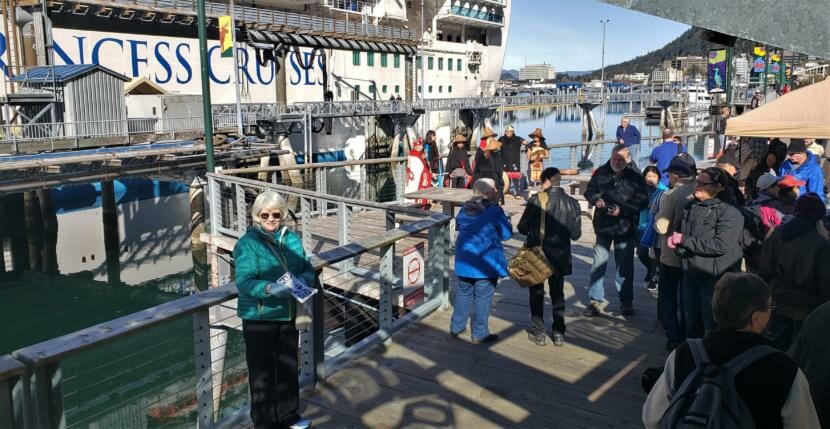
Vicki Logan of Travel Juneau greets and hands out walking maps to passengers of the Ruby Princess at the Franklin Dock on Sunday, April 28, 2019. The Yées Ḵu.Oo dance group performs behind her as part of a welcome party for the first big cruise ship of the season. (Photo by Jeremy Hsieh)
Legislation providing $2 trillion in relief for individuals and businesses hard hit by the coronavirus pandemic has been approved by the U.S. Senate. President Donald Trump has repeatedly said the cruise industry is among those he’d like to help.
“We can’t let the cruise line lines go out of business,” the president said last Sunday. “I mean, that would be massive numbers of jobs for our country.”
Cruise Lines International Association, a trade group, says its industry helps support more than 421,000 American jobs and contributes $53 billion to the U.S. economy. That’s threatened in Alaska and nationally following the global outbreak of COVID-19.
These economic figures include indirect economic benefits to smaller Alaska operators which are feeling the hit from a stalled cruise season.
“You’d be hard to find an operator in Alaska that’s not currently adapting schedules and figuring out plans to survive summer,” Colleen Stephens, who helps run a family owned boat tour operation in Valdez.
She’s also president of the Passenger Vessel Association (PVA), the national trade association representing U.S.-flagged passenger ships. In Alaska, that’s everything from private whale watching tour boats to the Alaska Marine Highway System.
The PVA recently penned a letter to the White House highlighting the “economic damage” being inflicted on its members by the coronavirus pandemic.
“The message we wanted to put forward is, ‘to remember us,’” she said. “We are providing U.S. jobs, we are providing taxes into the U.S. economy and local economies. And as we feel the hit which — we are all feeling very drastically — we wanted the message to be there to remember your U.S. domestic operators.”
A major union representing U.S. crew members is against any public money flowing to the cruise lines.
“We’ve heard discussions about a cruise industry bailout and it just, I can’t tell you how inappropriate and outrageous It really is — when you start thinking about it,” said Don Marcus, president of The International Organization of Masters, Mates & Pilots.
He says domestic, U.S.-flagged vessel operators should be first in line, not cruise lines that flag their ships in foreign countries to avoid paying taxes.
“My concern is it would be an outrageous misappropriation of, of tax dollars to bail out international cruise ship companies that are U.S.-owned that don’t pay taxes,” Marcus said in an interview. “When you have ferries, marine transportation industry around the country that are going to be in a similar position.”
Alaska’s U.S. senators haven’t said directly whether they support aid to the cruise lines.
“Senator Sullivan is focused on lessening the impacts of the coronavirus pandemic to Alaska’s working men and women, and many businesses throughout the state, including our tourism businesses — many of which are dependent on the cruise industry,” spokesperson Mike Anderson wrote in a statement.
“Senator Murkowski is working with her colleagues to mitigate the impacts of this pandemic on Alaskans, small businesses, non-profits, and industries,” spokesperson Karina Borger wrote.
The Senate bill establishes a nearly $500 billion fund for struggling industries, though it doesn’t specify exactly how the money will be doled out. That will come later.
A Washington, D.C. watchdog group that’s tracking the recipients of the stimulus package, says the big cruise lines like Carnival, Norwegian and Royal Caribbean shouldn’t be allowed to tap into this money.
“The cruise industry has been abusing the US taxpayer for years — for decades,” said Steve Ellis, president of Taxpayers for Common Sense in an interview.
He says COVID-19 took a lot of people by surprise. But big players can’t pretend like they didn’t see a potential pandemic as possible, “particularly in the cruise industry that has had problems in the past with viruses and other illnesses and sick ship syndromes.”
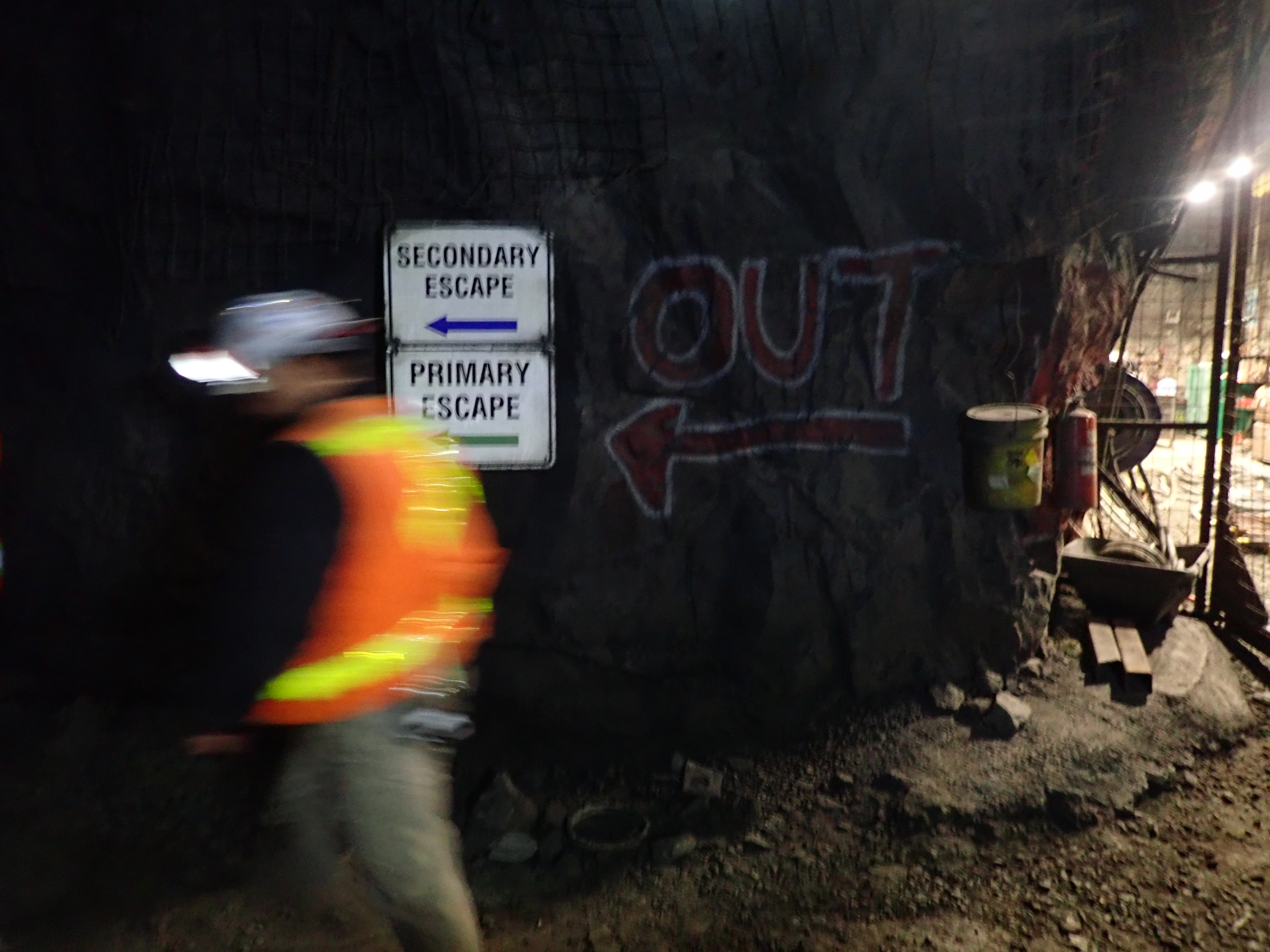
A manager walks past Kensington Gold Mine’s Elmira deposit on Oct. 15, 2019. It’s one of the areas Coeur Alaska is currently exploring. (Photo by Jacob Resneck/CoastAlaska)
Employees and contract workers at Kensington Mine will now be required to spend 14 days in quarantine in a Juneau hotel. That’s if they arrive from outside Alaska or a coronavirus-infected community.
Coeur Alaska announced the new measures — effective immediately — on Wednesday afternoon for the Juneau-area gold mine.
The move follows a similar protocol by Hecla Greens Creek Mine on Admiralty Island. The workforce at both remote mine sites includes out-of-state workers who transit through Juneau’s airport.
Both companies say they are quarantining their workforce in local hotels and moving to 28-day shifts to reduce the frequency of travel.
“Coeur Alaska is working with a hotel and restaurants in Juneau to provide lodging and food for our out of state employees and contractors,” Coeur Alaska spokesperson Jan Trigg wrote in a statement. “Hopefully this will help to offset some of the economic losses these businesses are experiencing due to the COVID-19 situation.”
Employees that live in Juneau that have traveled Outside will be expected to observe the quarantine in their own homes, she added.
Alaska Gov. Mike Dunleavy has exempted a number of industries — including miners — from a statewide quarantine for people arriving from out of state. But employers in industries considered critical must file plans on how they will prevent the spread of coronavirus in Alaska.

.jpg)