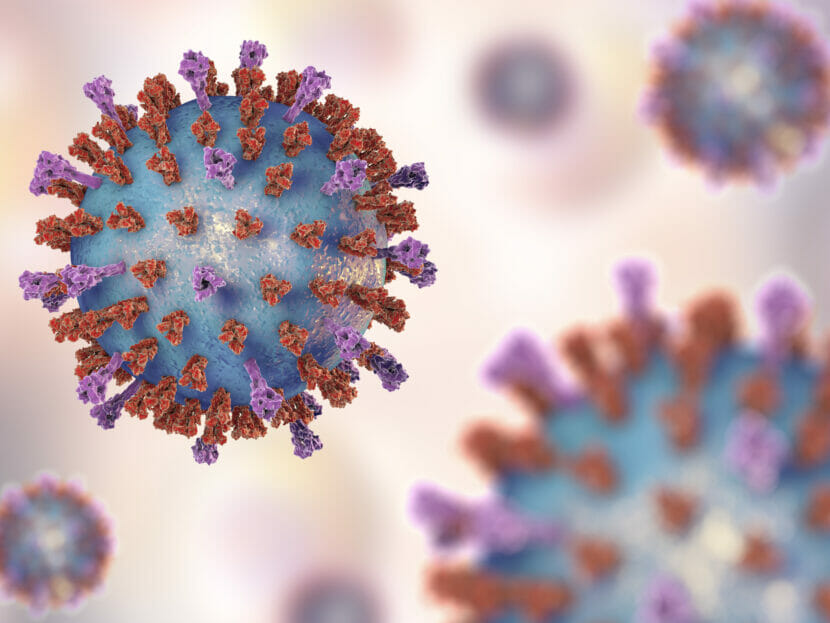
The first vaccine to protect infants from respiratory syncytial virus, or RSV, moved a step toward approval by the Food and Drug Administration with positive votes Thursday from a panel of experts. (Kateryna Kon/Getty Images/Science Photo Library)
Advisers to the Food and Drug Administration recommended that the agency should approve the first vaccine to protect infants from RSV, or respiratory syncytial virus. But some of the experts expressed reservations about the adequacy of data in support of the vaccine’s safety.
In a two-part vote, the experts voted unanimously, 14-0, that the available data support the effectiveness of the Pfizer vaccine in preventing severe RSV-related respiratory illness. They then voted 10-4 that the data supports the vaccine’s safety.
RSV is a leading cause of infant hospitalization in the U.S. From 58,000 to 80,000 children younger than 5 years old are hospitalized each year with RSV infections, according to the Centers for Disease Control and Prevention. Infants 6 months old and younger are at elevated risk for severe RSV illness.
The votes came after a day of testimony and discussion during a public meeting of the agency’s expert panel on vaccines. The FDA isn’t bound to follow the advice of its expert panels, but it usually does. A decision on the vaccine for infants is expected by late August.
The vaccine isn’t given to babies. Instead, pregnant people are immunized during the late second to third trimester of pregnancy. The antibodies they develop against RSV pass to the fetus in the womb and later protect the newborn.
A clinical study involving 7,400 people found the vaccine had 81.8% efficacy in preventing severe respiratory illness caused by RSV within three months after birth and 69.4% in the first six months.
There was some evidence that those who got vaccinated might have been more likely to give birth prematurely. And committee members worried about pregnant people getting the vaccine at the same time as some other vaccines, such as TDAP (tetanus-diphtheria-pertussis), because it could interfere with their effectiveness.
“I worry that if preterm births are in any way a consequence of this vaccine, that would be tragic,” said Dr. Paul Offit, professor of pediatrics at The Children’s Hospital of Philadelphia. He voted no on the adequacy of safety data.
The same Pfizer vaccine is under FDA review to protect people 60 and older people from RSV. Advisers voted to support approval of the vaccine at February meeting.
Copyright 2023 NPR. To see more, visit https://www.npr.org.
Transcript :
AILSA CHANG, HOST:
All right. The first vaccine to protect babies against one of the most common respiratory viruses took a major step forward today. Advisers to the Food and Drug Administration endorsed the vaccine to guard newborns against RSV. NPR health correspondent Rob Stein joins us now. Hey, Rob.
ROB STEIN, BYLINE: Hey, Ailsa.
CHANG: So I remember RSV surged over the winter, and it was such a big deal at the time. But can you just remind us how big of a problem RSV is in a typical year?
STEIN: Sure. You know, yeah, RSV came roaring back with a vengeance last fall, playing a big role in last winter’s miserable tripledemic (ph), you know, overwhelming children’s hospitals around the country. But even in normal years, RSV is a huge problem each fall and winter. Most kids will catch RSV in their first year of life. For most, RSV just causes a cold. But 2 or 3% of newborns will be hospitalized for RSV, making it the leading cause of hospitalization for very young babies. As many as 80,000 babies end up in the hospital each year because of RSV. And between 100 and 300 die, according to the CDC. Here’s Dr. Eric Simoes from the Children’s Hospital of Colorado, who spoke on behalf of Pfizer, which developed the new vaccine.
ERIC SIMOES: There’s nothing more distressing for parents than the frightened look of that 3-month-old infant struggling to breathe, being unable to feed.
STEIN: The first vaccine to protect older people, who are also at high risk for RSV, was just approved by the FDA. But despite decades of efforts to find a vaccine that can protect babies, this is the first time an RSV vaccine for newborns has made it this far.
CHANG: Oh, really? So is there something special about this vaccine to have made it so far?
STEIN: Yeah, it’s interesting. You know, we typically think of vaccines as a shot we get to protect ourselves against, say, the flu or COVID. But there’s a twist with this one. It’s a shot that pregnant people get six to nine months into their pregnancies to protect their babies for the first six months after they’re born. It works by stimulating the pregnant person to generate protective antibodies, which are then passed to the developing fetus in the womb. And in a big study involving thousands of pregnant people conducted by Pfizer, the shot was almost 82% effective at protecting babies against severe RSV in their first three months of life and 69% effective at protecting them against severe disease in the first six months.
CHANG: That sounds pretty good. Are there any concerns about the vaccine, any downsides?
STEIN: Yeah. You know, a previous experimental vaccine ended up actually making RSV worse without protecting babies. And even though that was way back in the ’60s, that specter has kind of cast a shadow over this whole field. Now, there’s no signs of that problem with this vaccine, but there was a lot of concern about a little hint that those who got vaccinated might be more likely to give birth prematurely. Here’s Dr. Paul Offit from the University of Pennsylvania.
PAUL OFFIT: I worry that if the preterm births are in any way a consequence of this vaccine, that would be tragic.
STEIN: But then Dr. William Gruber from Pfizer argued that the clear benefits of the vaccine outweigh unproven risks.
WILLIAM GRUBER: The question is, do you hold hostage the potential benefits of the vaccine for something for which you have no statistical significance?
STEIN: And in the end, the FDA advisory committee voted unanimously that the vaccine is effective. But the committee then voted 10 to 4 that the vaccine is also safe.
CHANG: OK. So the committee likes what they see in this vaccine. What happens next?
STEIN: The FDA will now consider the advisers’ votes and decide what to do, and it has to make a decision by August 21. I should mention that the agency is also considering approving this vaccine for older people, too, as well as what’s known as a monoclonal antibody to protect babies. So, you know, after decades of frustration, trying to find ways to fight RSV, there’s finally some possible options coming to protect, you know, this fall and winter.
CHANG: That’s great news. That is NPR health correspondent Rob Stein. Thank you so much, Rob.
STEIN: Oh, you bet.
(SOUNDBITE OF MASEGO SONG, “YOU NEVER VISIT ME”) Transcript provided by NPR, Copyright NPR.
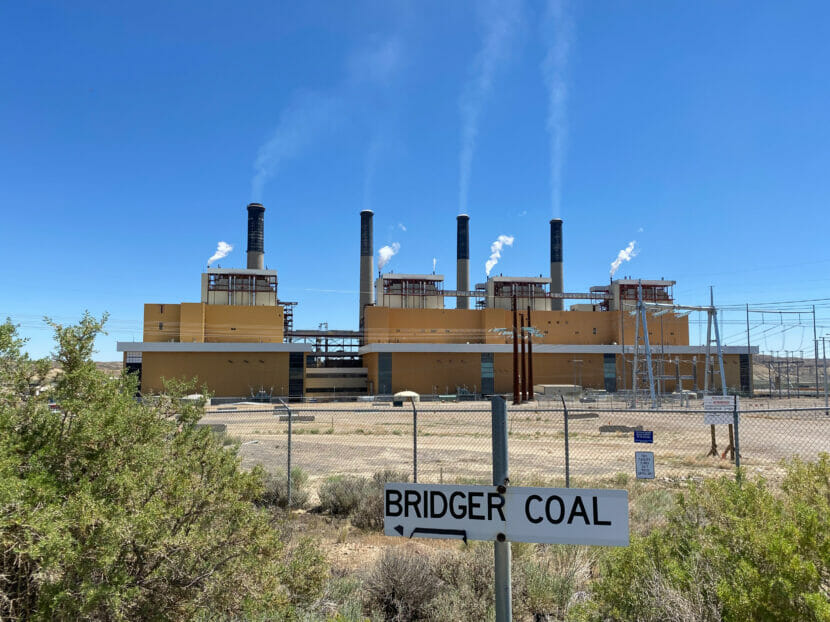
The Jim Bridger coal plant in Point of Rocks, Wyo., powers more than a million homes across six Western states. Under proposed federal rules many coal plants would have to dramatically reduce carbon dioxide emissions in coming years. (Julia Simon/NPR)
Coal and gas-fired power plants would have to eliminate nearly all their climate-warming carbon dioxide emissions in just a little over a decade, under proposed regulations issued today by the Environmental Protection Agency.
Owners of those plants have been allowed to spew climate-warming carbon dioxide and other greenhouse gasses into the atmosphere for more than a century. If these proposed regulations are finalized, they would come close to putting a stop to that practice.
“The EPA’s proposed rule sends an unequivocal signal to American power plant operators: the era of unlimited carbon pollution is over,” wrote Dan Lashof, U.S. Director at the World Resources Institute, in a statement responding to the proposal.
The regulations are based on technologies that capture and then store deep underground 90% of carbon dioxide from coal and gas-fired plants. But some facilities that plan to shut down in coming years or that operate at less than 20% of their capacity would be subject to less stringent requirements. Those could include adding cleaner hydrogen to natural gas to limit its climate-warming effects.
Environmental groups welcomed the rules, which are almost certain to face opposition and a legal challenge from the fossil fuel industry and its allies.
“EPA’s proposal relies on proven, readily available technologies to limit carbon pollution and seizes the momentum already underway in the power sector to move toward a cleaner future,” said EPA Administrator Michael Regan.
The EPA projects the rules would avoid up to 617 million metric tons of carbon dioxide through 2042. The agency says that’s the equivalent to the annual emissions of 137 million passenger vehicles, or about half of the cars on the road today.
Regan says the regulation would also bring health benefits by reducing other air pollutants, such as particulate matter, sulfur dioxide and nitrogen oxide. The EPA projects that in 2030, the proposed rules would prevent 1,300 premature deaths, more than 800 hospital and emergency room visits and more than 300,000 cases of asthma attacks. While the rules could increase electricity prices a “negligible” amount, the agency values the net climate and health benefits would be up to $85 billion.
The regulations also would help the U.S. meet its obligations under the 2015 Paris climate agreement, and they would be crucial in meeting President Biden’s goal of zeroing out carbon pollution from the electricity sector by 2035.
A climate regulation nearly a decade in the making
Power plants are the second biggest source of climate-warming greenhouse gas emissions in the country, according to the EPA, behind transportation.
The newly proposed rules would help the country get closer to the Biden administration goal of reducing greenhouse gasses 50 to 52% by 2030, based on 2005 emissions. Other initiatives to hit that goal include rules that will require more cars to be electric, tighter energy efficiency standards for appliances and switching buildings from gas to electric.
According to the Supreme Court’s landmark 2007 Massachusetts v. EPA decision, the EPA is required to regulate carbon dioxide and other greenhouse gas emissions under the Clean Air Act.
In 2014 the Obama administration proposed its “Clean Power Plan” aimed at cutting carbon dioxide emissions from power plants 32%, from 2005 levels, by 2030. That plan faced legal challenges and never went into effect. Still the country met that goal well before 2030, as coal-fired power plants were replaced by natural gas plants that emit less climate pollution than coal. Despite fast growth of climate-friendly wind and solar power, about 60% of the country’s electricity still comes from fossil fuels.
President Biden came into the office with the most ambitious plan to address climate change of any major party candidate in U.S. history, with a goal for the country to stop adding carbon dioxide to the atmosphere by 2050.
Scientists say that’s what’s needed to limit warming to 1.5 Celsius (2.7 degrees Fahrenheit) over pre-industrial levels and avoid the worst effects of climate change. Global average temperatures have already risen about 1.1 degrees Celsius.
The new EPA rules were shaped by legal battles. Last year, the Supreme Court restricted the agency’s options for regulating power plant emissions. Justices said that without a specific law, the agency cannot force the entire power generation industry to move away from fossil fuels toward less-polluting energy sources.
“It told EPA some things it could not do, but it also told EPA the path that’s open, under the law,” says David Doniger of the Natural Resources Defense Council.
The proposed rules set emission limits for power plants and then let power plant owners decide how they’ll meet the requirements, which could include shutting down their facility. The EPA concludes technologies, such as carbon capture and storage, that have been too expensive in the past are now more affordable, especially with tax credits available under the climate-focused Inflation Reduction Act that was passed last year.
Still, the coal industry may have the most to lose under this proposal. There are currently 158 active coal power plants, according to the Sierra Club. Despite the EPA’s analysis, the National Mining Association says carbon capture technology is not yet “technically and fully economically demonstrated.” The organization called for a “carbon capture moonshot.”
The coming legal fight
Criticism from the coal industry and its allies came even before the proposed rules were announced, some of it from within President Biden’s own party.
“This Administration is determined to advance its radical climate agenda and has made it clear they are hell-bent on doing everything in their power to regulate coal and gas-fueled power plants out of existence,” said Sen. Joe Manchin, D-WV, in a statement released by his office. In addition to representing a state where coal remains a powerful business, Manchin’s family owns a coal company. Manchin said he would oppose the Biden administration’s EPA nominees until the White House halts “their government overreach.”
Coal remains a major industry in West Virginia and preserving coal-fired electricity is a priority for many people there. State regulators recently approved a $3 million per month surcharge on customers’ bills to keep a coal plant from shutting down at the end of May. Customers will pay the subsidy even if the plant doesn’t generate electricity, though it will keep the facility’s 146 employees on the payroll.
West Virginia Attorney General Patrick Morrisey, who’s also running for governor, led a legal challenge by states opposed to the 2015 Clean Power Plan. He’s expected to lead a similar legal challenge to these rules, once they are finalized next year.
The regulations also could face opposition from the natural gas industry, which has sought to preserve its role in electricity generation. The American Petroleum Institute, in comments submitted before the rule was released, urged “EPA to consider the essential role gas-fired generators will continue to play in complementing renewables,” and asked for “significant compliance flexibility.”
Critics also argue the regulations will force coal and gas-fired power plants to shut down and leave the grid vulnerable to blackouts. But EPA Administrator Regan says this issue was considered. He recently signed a memorandum of understanding with the Department of Energy that is aimed at keeping the grid reliable and stable.
Even if the regulation survives an expected court challenge and takes effect, a future administration could change it. In 2019 former President Trump replaced the Obama-era Clean Power Plan with his much weaker Affordable Clean Energy rule. That means these rules likely will become an issue in the upcoming 2024 presidential election campaign.
Copyright 2023 NPR. To see more, visit https://www.npr.org.
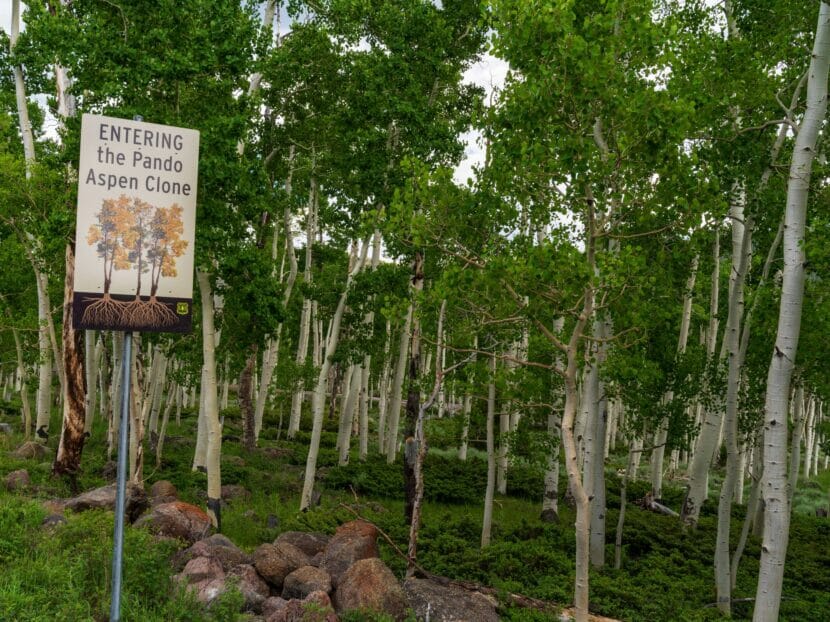
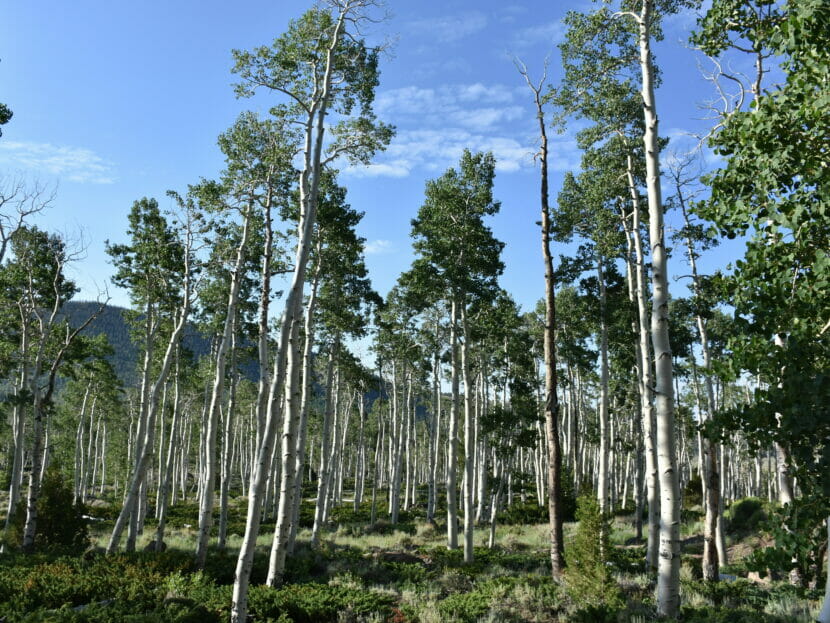
Pando began with a single seed and now contains over 40,000 “stems.” (Lance Oditt)
If you journey to Fishlake National Forest in Utah, you’ll be surrounded by a high-elevation behemoth.
It’s one of the largest life forms on the planet: a quaking aspen so colossal it has a name — Pando, which is Latin for “I spread.”
You might mistake Pando for a swath of forest of thousands of individual trees. But in reality, it’s all one tree connected by a single root system.
In a sense, Pando “redefines trees,” says Lance Oditt, who directs the nonprofit Friends of Pando.
What started as one seed now spans 80 football fields and weighs some 6,000 tons.
“They look like tree trunks to us, but stems is the proper scientific term,” he says. “They go 80 feet into the sky.”
Oditt is always searching for better ways to get his head around a tree this enormous. And he started wondering: “What would happen if we asked a sound conservationist to record the tree? What could a geologist, for example, learn from that, or a wildlife biologist?”
So about a year ago, Oditt invited sound artist Jeff Rice to visit Pando and record the tree.
“I just dove in and started recording everything I could in any way that I could,” says Rice, who made his pilgrimage to the mighty aspen last July.
Rice says that sound recordings aren’t just works of art.
“They also are a record of the place in time, the species and the health of the environment,” he says. “You can use these recordings as a baseline as the environment changes.”
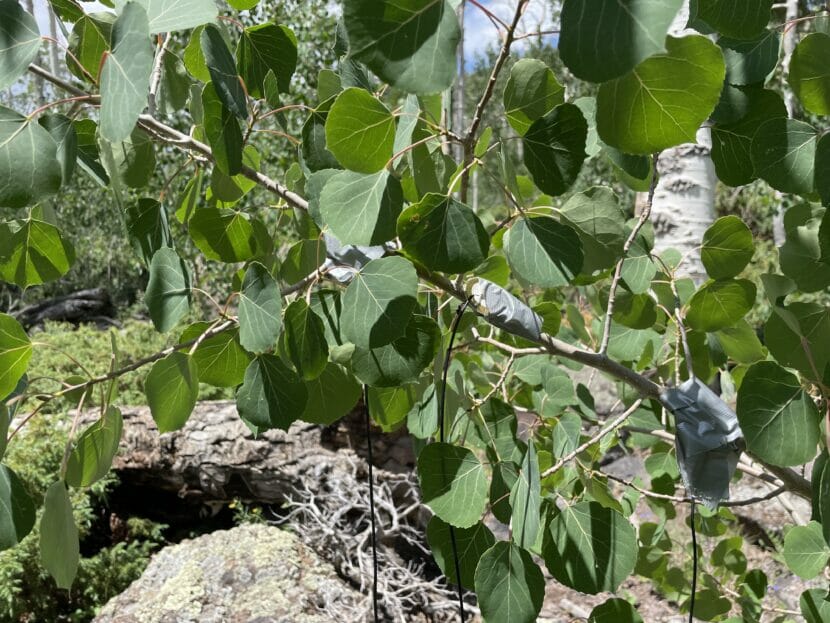
Microphones attached to Pando. (Jeff Rice)
In mid-summer, the aspen’s leaves are pretty much at their largest. “And there’s just a really nice shimmering quality to Pando when you walk through it,” says Rice. “It’s like a presence when the wind blows.”
That’s what Rice wanted to capture first — the sound of those bright lime green leaves fluttering in the wind.
He attached little contact microphones to individual leaves and was treated to this sound in return:
The leaves had “this percussive quality,” he says. “And I knew that all of these vibrating leaves would create a significant amount of vibration within the tree.”
Rice then set out to capture that tree-wide vibration in the midst of a thunderstorm. “I was hunkered down and huddling, trying to stay out of the lightning. When those storms come through Pando, they’re pretty big. They’re pretty dramatic.”
All that wind blowing through the innumerable leaves offered Rice a sonic opportunity to record the tree.
“We found this incredible opening in one of the [stems] that I’ve dubbed the Pando portal,” he says.
Into that portal, he lowered a mic until it was touching the massive tangle of roots below.
This was the result:
“As soon as the wind would blow and the leaves would start to vibrate,” Rice says, “you would hear this amazing low rumble.”
The vibrations, he says, were passing through Pando’s branches and trunks into the ground.
“It’s almost like the whole Earth is vibrating,” says Rice. “It just emphasizes the power of all of these trembling leaves, the connectedness, I think, of this as a single organism.”
“This is the song of this ecosystem, this tree,” says Oditt. “So now we know sound is another way we can understand the tree.”
In fact, the recordings have given Oditt research ideas, like using sound to map Pando’s labyrinth of roots. But above all, they’re a sonic snapshot of this leviathan at this moment in time.
“We have to keep in mind,” says Oditt, “that it’s been changing shape and form for like 9000 years. I call it the David Bowie problem. It’s constantly reinventing itself!”
And now, we’ve managed to turn up the volume to hear Pando as the baritone soloist it’s always been.
Copyright 2023 NPR. To see more, visit https://www.npr.org.
Pando is actually a clone, which means all the individual “stems” seen here are genetically identical. (Jeff Rice)
The U.S. public health emergency declaration helped marshal resources during the worst of the COVID-19 crisis, when the virus was spreading rampantly. This week, the declaring expires. (Frederic J. Brown /AFP via Getty Images)
On Jan. 31, 2020, with six confirmed cases of a new coronavirus in the U.S., a group of federal health officials gathered somberly at the lectern at the White House and declared a public health emergency.
“Beginning at 5:00 p.m. EST Sunday, February the 2nd, the United States government will implement temporary measures to increase our abilities to detect and contain the coronavirus proactively and aggressively,” announced then-Health and Human Services Secretary Alex Azar.
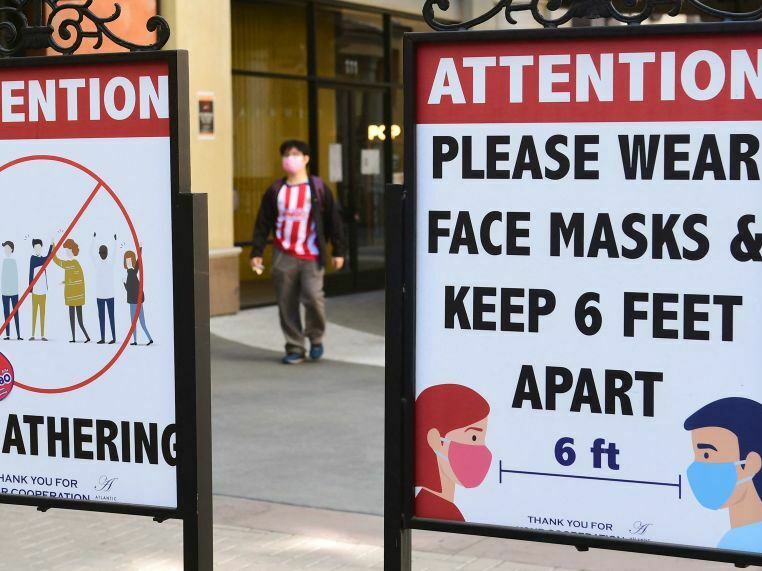
More than three years of social disruption, at least 6 million hospitalizations, and 1.1 million U.S. deaths later, that declaration is due to expire this Thursday. Some, including Republicans in Congress who pushed the Biden administration to end the declaration, say it’s about time. Others remain concerned about the virus and worry that the end of the declaration could mean relaxing measures that allow the virus to create new disruptions.
“COVID 19 is still a significant problem, but emergencies can’t go on forever,” observes Dr. Marcus Plescia, chief medical officer of the Association of State and Territorial Health Officials. “I think we’re living in a place where we’re treating COVID similar to flu.”
Professor Howard Markel, a physician and historian of infectious diseases, is in the camp that’s still concerned. “History says that all pandemics end,” he says. “But we have never had an infectious event like this – ever.”
Concrete changes coming
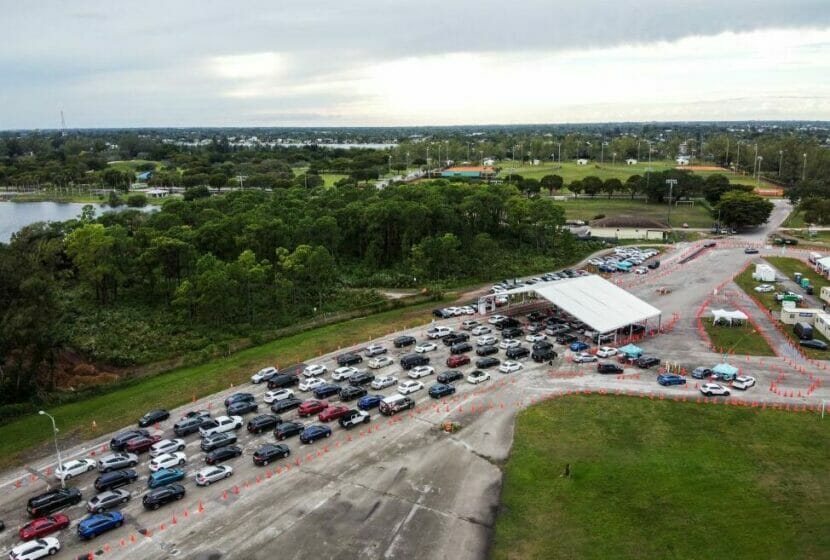
In the early months of the pandemic, for a brief time, there was remarkable bipartisan unity in quickly marshaling federal resources to fight the new virus. That included major investments in vaccine development, new laws that allowed people to stay on public insurance programs without interruption, and free tests and vaccines for all. Those rules allowed for things like drive-through mass vaccination campaigns, where no one asked for your insurance card, and free curbside COVID-19 testing kiosks.
What is left of many of those programs are now being dismantled. Here’s what’s changing and what’s staying the same, for now.
Vaccines and tests no longer free — now covered by health insurance
The federal government will no longer buy up tests or vaccine doses or treatments to give out to the American public for free. The health insurance system will take over — patients will have to go to the doctor, get a prescription, perhaps pay a copay when it comes to COVID tests and treatments, just like they do for all other illnesses.
It’s important to note vaccines will still be free for practically everyone. People who are insured are required to get vaccines with no cost sharing because of the Affordable Care Act. The White House says people without insurance will still be able to get free COVID-19 vaccines — and treatments like Paxlovid — through 2024.
Cars line up at a COVID-19 testing site at Tropical Park in Miami, Fla., on Dec. 21, 2021, during the omicron surge. Thanks to the public health emergency, COVID testing was free during the major surges of the pandemic. (Chandan Khanna /AFP via Getty Images)
COVID data tracking gets scaled back
For people used to relying on data from the Centers for Disease Control and Prevention for guidance on how much virus is circulating in their community, there are big changes ahead. The CDC announced it will sunset some of its COVID data tracking efforts, including tracking and reporting new infections. It will continue to track COVID-19 hospitalizations and deaths, do genetic analysis to identify worrisome variants, and monitor spread through wastewater surveillance.
“We will continue to keep our eye on the COVID-19 ball,” Dr. Nirav Shah, the CDC’s principal deputy, told reporters last week. He pointed to a recent CDC analysis of the new approach showing it will be effective.
The changes to how CDC collects and shares COVID-19 data “comes as no surprise at all but is further evidence that these investments were always temporary and not part of a long term strategy to be better public health data stewards,” Beth Blauer, who helped run a highly respected COVID data tracker at Johns Hopkins, told NPR.
Telemedicine access to remain in place
Some popular changes to health care brought by the COVID-19 pandemic will remain in place, at least for a time, including more flexibility with telemedicine, access to controlled substances and hospital-at-home programs. The Drug Enforcement Administration has not said how long it will allow telehealth prescribing of controlled substances, but most of the other measures have been extended to at least the end of next year.
Vaccines, tests and treatments emergency use can continue
Another thing that won’t change for now is access to numerous COVID-19 vaccines and tests and treatments that were allowed for emergency use by the Food and Drug Administration. That authority comes from a different declaration, which hasn’t ended yet — the timing of that is up to Health and Human Services Secretary Xavier Becerra.
The great Medicaid unwinding
A key provision in one of the first COVID relief laws gave states extra federal funding for Medicaid — the public health insurance program for low income people — but required states not to disenroll anyone for as long as the public health emergency was in effect.
Liz Adams, a stay-at-home mom in Plant City, Fla., says it was very important to her and her family to know they had Medicaid throughout the pandemic without having to worry about getting recertified. “It was there — you knew it was there,” she says. “I didn’t have to worry. I could take my kids to the hospital when they got sick and not have to stress it.”
Medicaid grew to be bigger than it’s ever been, with an estimated 95 million beneficiaries, which is more than 1 in 4 Americans. This provision actually ended a bit ahead of the public health emergency — states could start disenrolling people as of April 1.
Although the head of the health agency in charge of Medicaid, Chiquita Brooks-Lasure, has said many times that federal officials are “laser focused” on helping ensure that people who are eligible don’t lose coverage, a recent estimate from health research group KFF suggested that as many as 24 million people could lose Medicaid, including millions who are still eligible but fall through administrative cracks.
Adams thinks that’s what happened with her kids’ Medicaid coverage. Her son, who survived leukemia, recently had a follow-up biopsy appointment canceled because he was no longer insured. Adams is now working with navigators at the Family Healthcare Foundation to get coverage back.
Navigators, who help people sign up for health insurance for free thanks to federal grants, have extra funding this year to help people who find themselves without Medicaid coverage. (Navigators strongly suggest Medicaid enrollees make sure their contact information is up to date with their state Medicaid office so they don’t miss a notice about their coverage.)
Will we be prepared for future threats?
The end to America’s public health emergency declaration comes on the heels of the World Health Organization making the same determination last week.
In the U.S., the bipartisan willingness to marshal resources for the pandemic began to fall apart as the years wore on. The White House and federal health agencies have requested more funding to continue managing COVID-19 and prepare for the next pandemic threat, but Congressional Republicans questioned the need for it.
“One of my biggest worries is that we are losing time in preparing for the next pandemic,” Dawn O’Connell, the head of the Administration for Strategic Preparedness and Response told senators last week. “It’s the reason why the administration requested $88 billion last year to advance the American pandemic preparedness plan.”
That funding never came, despite the fact that many experts believe the next pandemic may come sooner rather than later.
Pien Huang, Rob Stein, and Yuki Noguchi contributed reporting. Editing by Carmel Wroth.
Copyright 2023 NPR. To see more, visit https://www.npr.org.
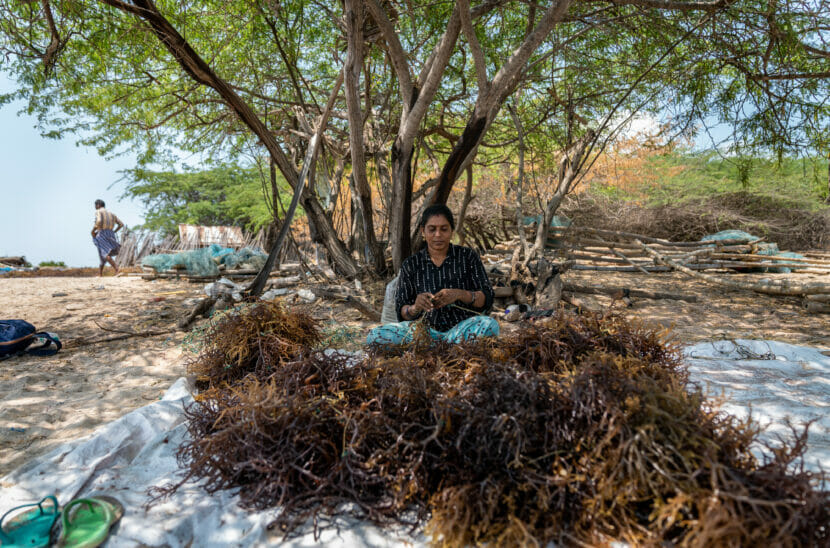
Thangamma, about 80 years old, gathers seaweed off Pananthoppu beach, Pamban island, Tamil Nadu, India. Seaweed extracts are used in a booming global food industry. An estimated 5,000 women gather seaweed in the shallow reefs around Pamban island, which they sell to local factories. (Anushree Bhatter for NPR)
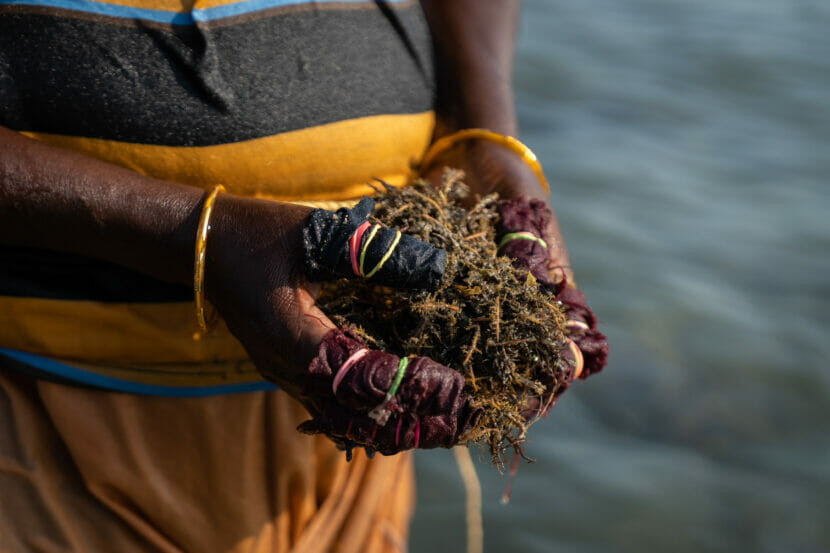
Early on a warm February morning, a group of ten women, ranging in age from 50 to 60, sit on the sandy shores of Akkal Madam beach on India’s Pamban Island, carefully bandaging their fingers. Wearing colorful blouses and saris, they wind thick strips of cloth over each digit and secure the ends with string. It takes them over 20 minutes.
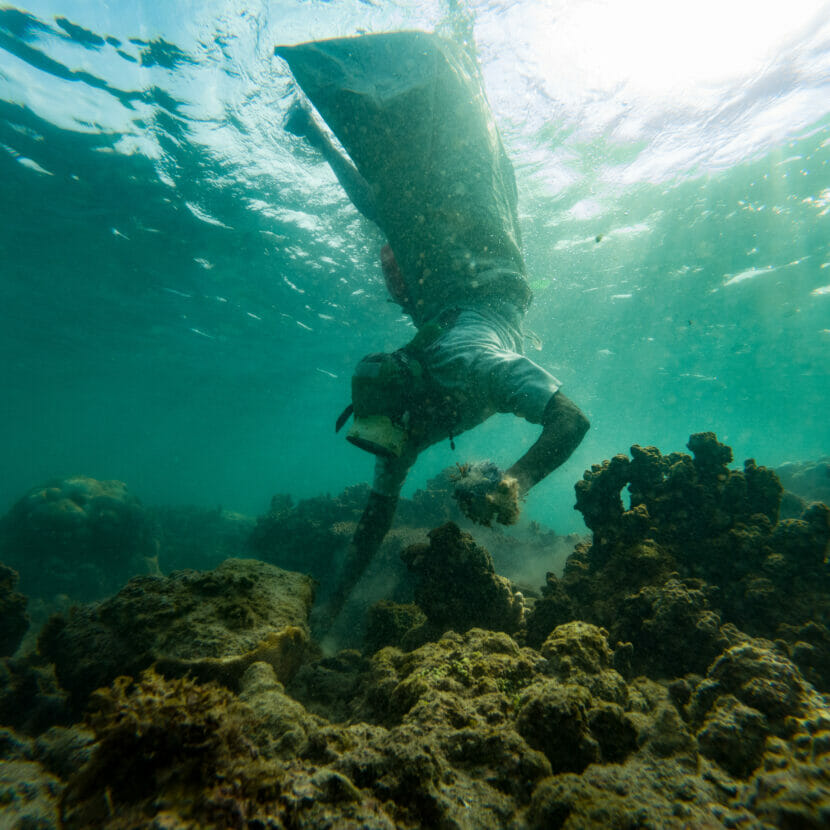
The bandages, they’ve found, are the best way to protect hands from sharp rocks on the seabed when they go underwater to dive for seaweed, which they sell to a local factory.
“This is how we get ready,” says Bhagavathy. “We’ve tried gloves before, but they always slip away in the strong currents. And injuries are so common when your fingers are exposed.”
Bhagavathy shows the seaweed she collected. The divers hold their breath for 2 to 3 minutes while extracting seaweed from underwater rocks. (Anushree Bhatter for NPR)
Bhagavathy knows what she’s talking about. Now in her mid-60s, she has been collecting seaweed since she was 7.
(Like the other seaweed divers interviewed for this story, she prefers to be referred to by her first name only, as is the custom in these parts).
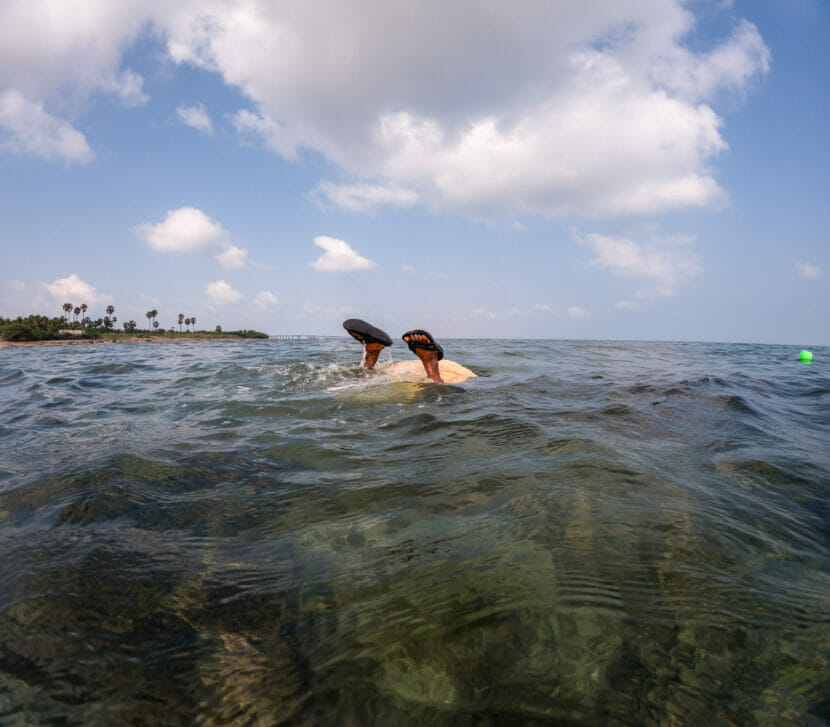
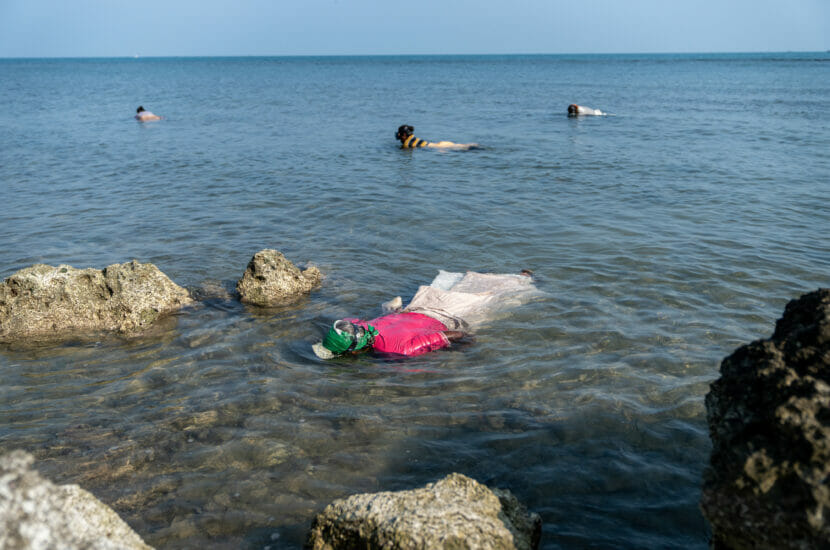
To keep the rocks from tearing at their feet, the women wear rubber slippers. They strap on goggles since they’ll be underwater with frequent dives each lasting up to 2-3 minutes over a 5-6 hour day. They’re mastered the art of holding their breath during these dives.
Thangamma, about 80 years old, dives in to gather seaweed. (Anushree Bhatter for NPR)
“It’s not for the faint-hearted. That’s why you won’t see any men here,” Bhagavathy jokes. The other women laugh as they wade into the warm waters.
But modern times and modern problems have made it harder to succeed in this old-fashioned occupation. A growing number of marine heat waves are causing a dropoff in the types of seaweed they gather. What’s more, the government now prohibits seaweed extraction in some areas to promote ocean health.
Nonetheless, an estimated 5,000 women from the region persist, determined to continue diving for seaweed.
“It’s our main source of livelihood,” says Munniammal, who’s in her mid-50s. “Our grandmothers and great-grandmothers have accompanied their husbands on fishing expeditions to collect seaweed as far as we can remember. It’s a tradition as much as it is our livelihood.”
Pamban, where the women collected seaweed that February morning, is a teardrop-shaped island known for its rich marine ecosystem. With over 4,000 species of plants and animals, it’s considered by UNESCO to be one of the world’s most bio-diverse hotspots.
The island is positioned between peninsular India and Sri Lanka, connected to the Southern Indian state of Tamil Nadu via a rail and road bridge that stretches over a mile and a half across the waters of the vast Indian Ocean. Eucalyptus, coconut and palm trees abound, and wooden fishing boats bob on turquoise waters as far as the eye can see.
There are no fishing boats on this particular beach, however; Akkal Madam is a deserted strip of baked sands at 8 a.m. when the women arrive after a 3-mile auto taxi ride from their village of Chinnapalam. A wild wind whips through their hair, and the sunlight is blinding.
The women who have gathered to collect seaweed in the shallow reefs tie white gunny sacks around their hips and plunge into the waters. They pluck at sprigs of springy seaweed, freeing them from the sharp rocks they grow on. They surface briefly and with one deft flick of the wrist throw the sprigs into the sacks tied to their waists. With hardly a backward glance they plunge into the waters again. From 8 a.m. until 3 p.m. they are mainly underwater.
Most of them wear shirts or t-shirts over their saris so their wet clothes don’t cling to them; the additional layer adds warmth. The strips of sari fabric thrown over the left shoulder streams behind like brightly colored flags as the divers slice through the waves. The water is cloudy because of frequent bouts of nitrogen and phosphorus, pollution that causes the growth of algae. The currents are strong, even on this nice sunny day.
On the beach on Pamban island, the seaweed gatherers go out only 12 days every month, collecting a week after the new moon and a week before the full moon. This is when the tides are weaker, the waters gentler and more conducive for seaweed gathering. There’s a gap of nine days between cycles to allow the seaweed to regenerate. (Anushree Bhatter for NPR)
In synch with the moon and the sea
Like anyone who depends on the sea for a living, the seaweed divers are exquisitely tuned into their natural surroundings.
On the beach on Pamban island, they set their own rhythm, harvesting seaweed only 12 days every month, their schedule governed by the lunar cycle. They collect a week after the new moon (roughly mid-month) and a week before the full moon (toward the end of the month). This is when the tides are weaker, the waters gentler and more conducive for seaweed gathering. There’s a gap of nine days between cycles to allow the seaweed to regenerate.
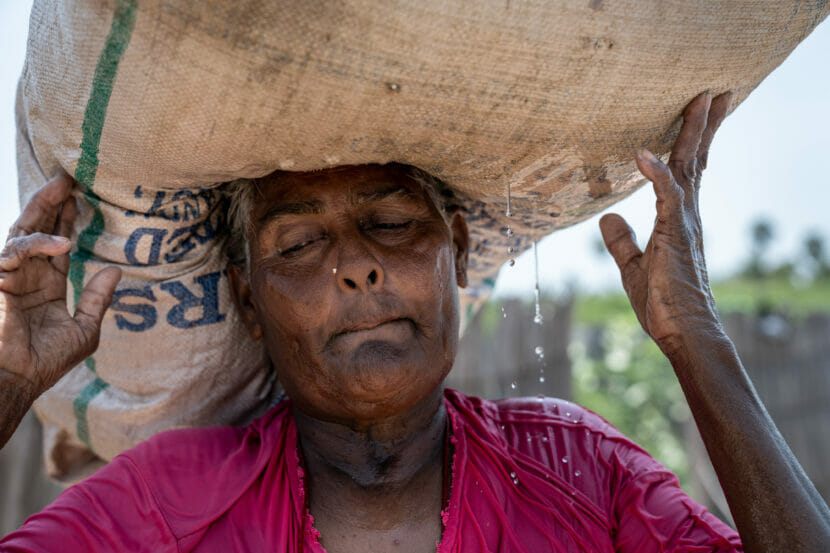
Thangamma carries her sack filled with seaweed. On a good day, a seaweed collector can earn about $6 from selling their goods to local factories. (Anushree Bhatter for NPR)
Other seaweed gatherers from Chinna Palam who are younger and more able, have a different working style.
They don’t just gather seaweed by the coast. As their foremothers did, the women collect seaweed further out at sea, off the coast of 21 uninhabited islets scattered like gems between Pamban and Sri Lanka. These islands now make up the Gulf of Mannar Marine National Park. The seaweed haul here is richer, especially around the coral reefs. They make double the income of those who gather seaweed by the coast. Since they must pool their money to hire boats for this expedition, they go out to sea only six times a year and leave the seaweed that grows around Pamban island for older women to harvest.
Small groups set out around 5 a.m., sharing a motorboat.
Their workday begins much before the crack of dawn, says Seeniammal, who is spreading the seaweed she gathered to dry just outside her home. That morning, she woke up at 3 a.m., made herself tea, prepared a meal for her husband and her granddaughter who lives with her and packed some rice for lunch on the boat.
By 5 a.m., she is accompanied by four other women on a motorboat, operated by a fisherman they know well. They each chip in about $1 for the ride. It’s a half-hour journey to the nearest island. Depending on the availability of seaweed, they may venture out to the other islands that are further away. Once they find the best spot, they moor the boat and dive in. The women are in neck deep waters usually until 3 p.m., because the strong currents would disrupt the work after that. Seeniammal gathered about 22 pounds of seaweed from that single trip, she says, almost double what women collect near the coast of Pamban.
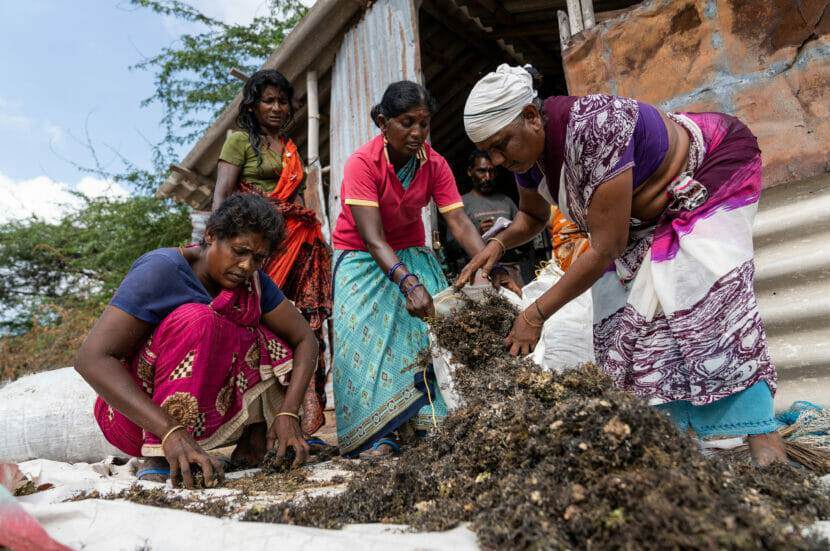
A seaweed gatherer removes unwanted particles from the dried seaweed before it is weighed and sold. (Anushree Bhatter for NPR)
They usually make about $6 a day – compared to $3 to $4 for the women who stay on the island’s coast.
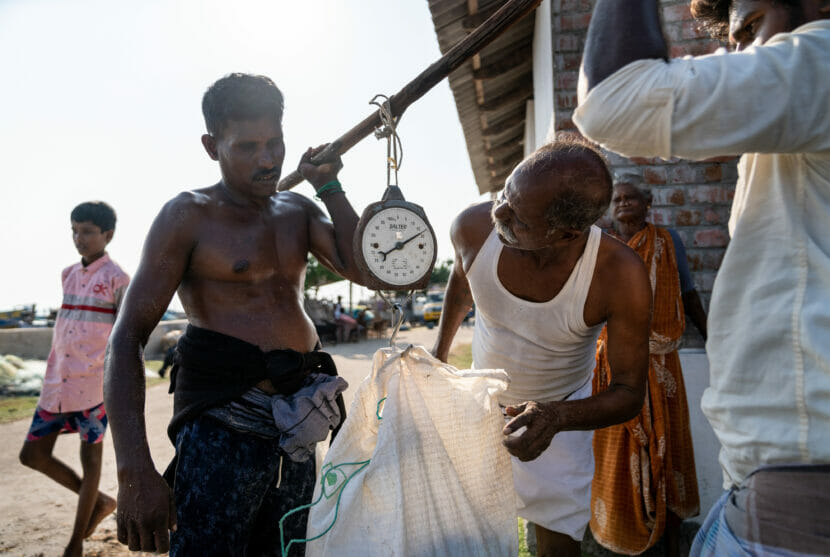
No matter where the seaweed is collected, the process of selling it is the same. Once the women return to their village, the seaweed is carefully weighed by representatives of local factories. Much haggling occurs.
Weighing the seaweed in Chinnapalam village, Pamban island, Tamil Nadu. (Anushree Bhatter for NPR)
Risks galore: poison fish, dizziness, human attackers, new laws
Holding on to this traditional way of earning a living poses many risks.
Poisonous fish abound in the coral reefs nearby.
“A few years ago, a poisonous fish sunk its thorns into me,” says Seeniammal. “It hides in the coral reefs, so we can’t ever spot it underwater. The pain is so excruciating, you’ll wish you were dead. I was rushed to the hospital and treated with an injection, but I was weak and disoriented for weeks afterward.”
The stonefish that is suspected to have stung Seeniammal is a well-known venomous reef fish with 13 venomous spikes. Other women chime in that they must constantly watch out for poisonous fish and stinging jellyfish.
There are other dangers. The women dive in small groups so they can look out for each other. Three months ago, a 50-year-old seaweed collector from a nearby village was raped and killed on an isolated beach.
The women also report that they sometimes grow dizzy while diving. If there’s any kind of accident, the seaweed collectors who travel by boat to their harvest spots must all return so the injured person can be treated. That means a loss of income, but, says Bakyam, age 40, it’s part of an unspoken pact: “We constantly watch out for each other.”
Then there are the legislative roadblocks. In 1986, the government established the Gulf of Mannar Marine National Park. Seaweed extraction in the protected waters of the reserve was declared illegal, with a jail term of three years for violators.
S. Mahendran, a Forest Range officer in the nearby town of Mandapam who is familiar with the women seaweed divers, says there’s a reason these restrictions existed.
“The islands are very fragile, eco-sensitive zones,” he says. “There is a buffer area of six to seven meters around each island to protect the coral reefs there. And any footfall on the island itself could pose a risk to its vegetation, particularly its medicinal plants and wild grass.”
The women are allowed to collect seaweed if they don’t breach that buffer zone, he says. But since the seaweed grows so close to the islands, that’s a thin line and not always possible, the women say.
So that restriction doesn’t stop the women, says Pandiammal, who is the head of the local village council. “We tell authorities that it’s our right to do so. We don’t know any other way to live.”
Rocky lives above water too
I interviewed nearly 50 seaweed-gathering women. They had one overriding concern about their lives when they were out of the water: the men in their community. They’re primarily fishermen – and, the women say, many of them are addicted to alcohol.
“Both men and women struggle to make a living. But the men tend to squander away hard-earned money on liquor,” Pandiammal says. “It’s made our lives above water as rocky as the seabed we face all the time.”
So fishing income earned by the men is squandered — putting pressure on the women to dive for more seaweed to make up for a husband’s lost income.
“Alcohol addiction is a huge problem in these parts and one that authorities are constantly battling,” says the forest officer Mahendran. “I truly admire the courage of these women. They must bear the burden of all the expenses after their husbands, who earn a good living, have frittered away their money on drinks.”
Many women say that the addiction grows worse from April 15 to June 15, during the state’s 45-day ban on mechanized boats, used by fishermen, so breeding season is not interrupted. Even the seaweed gatherers stay home so as not to disturb the marine life. The state government gives each family about $60 to compensate for the loss of the men who fish. But a woman’s income is not taken into account because a female labor force is largely invisible in a patriarchal country like India and a cash strapped state government battling a deficit can’t likely afford more, says Mahendran.
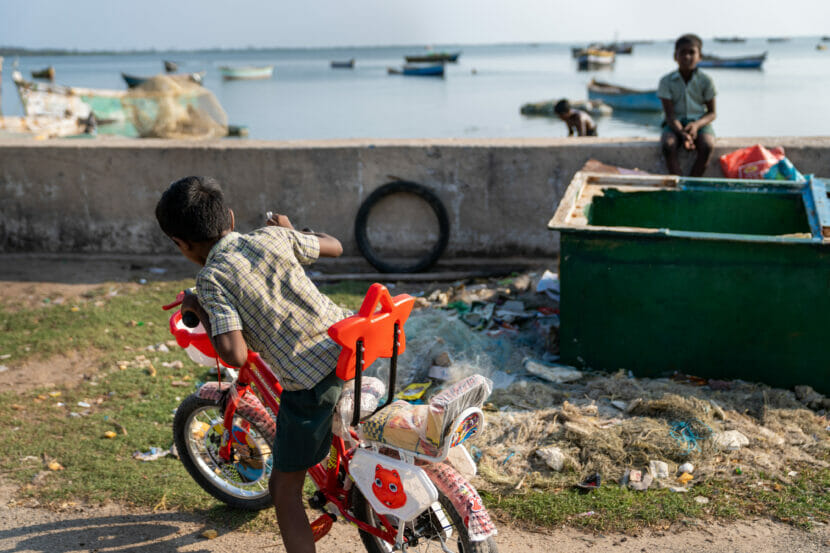
Children in Chinnapalam village, home to women seaweed divers. (Anushree Bhatter for NPR)
Changes for the worse — and the better
About 30 years ago, a plan was hatched to help the women.
In the 1990s, the Central Salt and Marine Chemicals Research Institute, a part of India’s Council of Scientific and Industrial Research, had the idea that teaching the women to farm seaweed would be not only less dangerous than collecting but more lucrative.
An agreement was forged with for-profit companies to cultivate a non-native species called Kappaphycus alvarezii, found in similar water in the Philippines.
Hundreds of rafts were set up close to the coast of Pamban island, laden with seaweed.
However, data from underwater photography taken since 2000 and published in the journal Current Science in 2008, revealed that the cultivated species has become invasive, smothering coral reefs in the protected reserve.
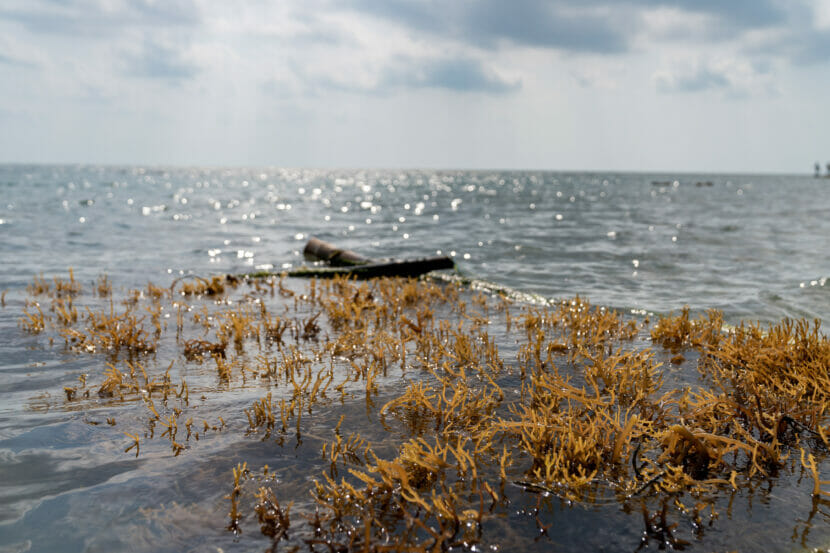
An effort to give women a new way to earn income involved cultivating an imported type of seaweed on rafts. But the species has reportedly become invasive, smothering reefs. (Anushree Bhatter for NPR)
An extensive open survey is required to establish whether the species is indeed invasive, says Vaibhav A. Mantri, senior principal scientist at CSIR-Central Salt and Marine Chemicals Research Institute. “There are contrary views on this subject,” he says.
So while the jury is out on seaweed cultivation, the army of seaweed collectors have seen changes for the better. India’s Recognition of Forest Rights Act of 2006, recognizes the rights of indigenous communities to make use of natural resources, and seaweed divers are now being issued ID cards by the state’s Fisheries Department. One of the objectives of this act is to “undo the historical injustice that occurred” to indigenous communities and to “empower them to use resources in the manner that they were traditionally accustomed.”
A seaweed farmer reseeds Kappaphycus alvarezii, a species of seaweed that is cultivated on rafts. (Anushree Bhatter for NPR)
A hundred women seaweed divers from Chinna Palam should receive ID cards later this month – Indian bureaucracy is blamed for the delays. That will enable them to collect seaweed anywhere without concern for the repercussions. All they would need to do to qualify is to prove that they’re members of the community that’s been collecting seaweed for generations. It’s a truce of sorts between the indigenous people who have loved and lived on these islands for four generations — and a government’s efforts to secure the marine reserve, says Mahendran.
“For us, it’s validation that we don’t destroy the islands,” says Pandiammal. “We protect them. If it weren’t for these islands, how could we live?”
Reporting for this story was supported by the Pulitzer Center on Crisis Reporting.
Kamala Thiagarajan is a freelance journalist based in Madurai, Southern India. She reports on global health, science and development, and her work has been published in the New York Times, The British Medical Journal, BBC, The Guardian and other outlets. You can find her on twitter @kamal_t
Copyright 2023 NPR. To see more, visit https://www.npr.org.
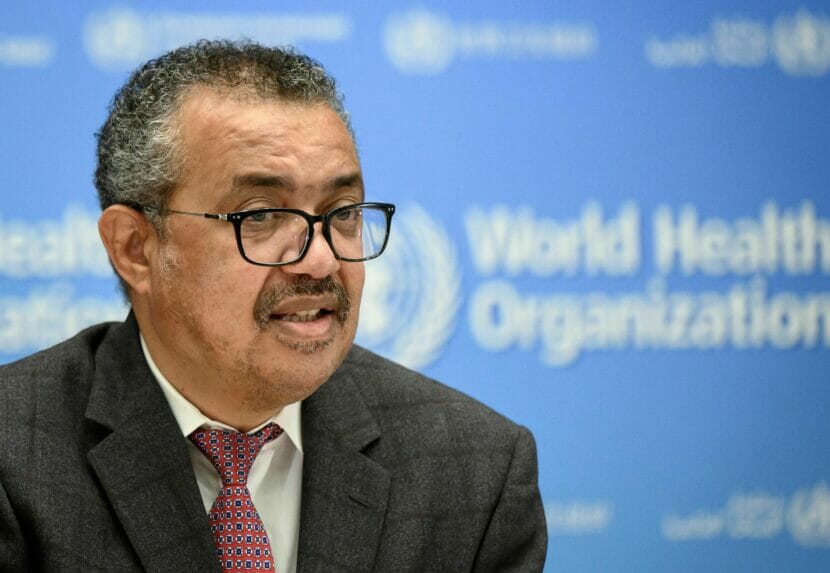
On Friday, World Health Organization director general, Tedros Adhanom Ghebreyesus stated: “With great hope, I declare COVID-19 over as a global health emergency.” (Fabrice Coffrini /AFP via Getty Images)
The World Health Organization has lifted the Public Health Emergency of International Concern (PHEIC) for COVID-19.
In a press conference on Friday, director general Tedros Adhanom Ghebreyesus said, “COVID-19 has been so much more than a health crisis, disrupting economies, travel, shattering businesses and plunging millions into poverty.”
He went on to state that for more than a year the pandemic has been on a downward trend and “this trend has allowed most countries to return to life as we knew it before COVID-19.”
Then he made the pronouncement: “Therefore, with great hope, I declare COVID-19 over as a global health emergency.”
He also spoke of “the painful lessons we have learned,” emphasizing that “the investments we have made and the capacities we have built must not go to waste. We owe it to those we have lost. To leverage those investments, to build on those capacities, to learn those lessons and to transform that suffering into meaningful and lasting change. One of the greatest tragedies of COVID-19 is that it didn’t have to be this way.”
The end of the emergency declaration comes more than three years after Tedros announced it on Jan. 30, 2020. At the time, there were fewer than 10,000 cases of the virus, most of them in China.
Nearly seven million deaths from COVID-19 have been reported to WHO, Tedros said. More than 1 million of the deaths were in the United States alone. But Tedros emphasized that “we know the [death] total is several times higher, at least 20 million.”
During that time, the disease “turned our world upside down,” he said. But the landscape has changed dramatically. While new variants may still pose a threat, vaccines and boosters have helped reduce the death rate.
WHO has issued the public health emergency declaration seven times since 2005. The designation triggers a series of rules that guide response to threatening disease outbreaks, including the fast-tracking of tests and medicines.

9(MDEwMjQ0ODM1MDEzNDk4MTEzNjU3NTRhYg004))
9(MDEwMjQ0ODM1MDEzNDk4MTEzNjU3NTRhYg004))
9(MDEwMjQ0ODM1MDEzNDk4MTEzNjU3NTRhYg004))
9(MDEwMjQ0ODM1MDEzNDk4MTEzNjU3NTRhYg004))
9(MDEwMjQ0ODM1MDEzNDk4MTEzNjU3NTRhYg004))
9(MDEwMjQ0ODM1MDEzNDk4MTEzNjU3NTRhYg004))