Community

Food bank needs more space to meet higher demand

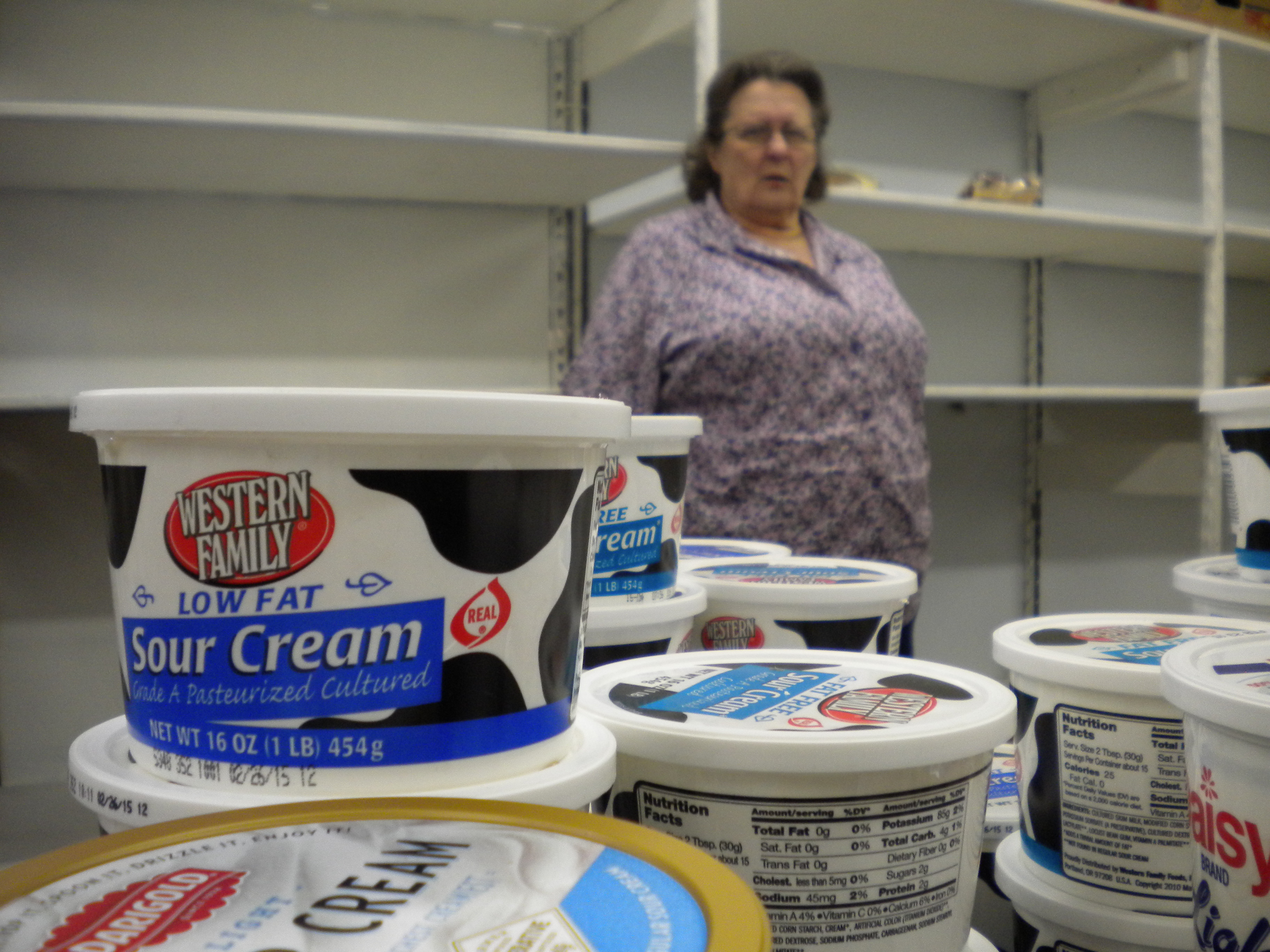
(Judy Brown volunteers every Saturday at the Southeast Alaska Food Bank. She says they quickly run out of meats and cheeses after opening at 8:30 a.m. (Photo by Kevin Reagan/ KTOO)
Judy Brown volunteers every Saturday at the Southeast Alaska Food Bank. She says they quickly run out of meats and cheeses after opening at 8:30 a.m. (Photo by Kevin Reagan/ KTOO)

The Southeast Alaska Food Bank  has doubled its inventory in recent years and is lacking the freezer space to preserve it all. The nonprofit hopes to expand its facilities on city-owned land to build additional storage.

It’s 9:15 on a Saturday morning and the shelves at the Southeast Alaska Food Bank are pretty bare. When the facility opened 45 minutes ago there were rows of chicken, cheese, soup and sandwiches — now all that’s mostly left is sour cream and a few loaves of bread.

Volunteer Judy Brown helps a man fill a box with packages of Oreo cookies. She says there’s no limit on how much an individual can take from the food bank.

“I just want to be fair,” Brown says, “I don’t want to see anyone not get anything.”

She says today’s supply is lighter than usual, so she asks visitors to take things sparingly.

The Southeast Alaska Food Bank allows any individual to visit on Saturday morning to take perishable goods such as milk, meat and cheese. The nonprofit gives its canned foods to local charities. (Photo by Kevin Reagan/ KTOO)

About 90 individuals visit the bank this morning and have walked out with roughly 2,700 pounds of food. The majority of it is locally donated from Walmart, Fred Meyer and Rainbow Foods.

Food bank manager Darren Adams says the amount of supply coming in-and-out has doubled in recent years.

“Once upon a time on a busy Saturday we would get 15 or 20 people showing up here to get food. When the economy started getting worse and worse, we started seeing more people and we had to move things around to accommodate that number of people,” Adams says.

The increased demand has led to plans for an expansion of the food bank by a quarter acre on a plot of city-owned land along Crazy Horse Drive.

Adams says the expansion would allow for the installation of walk-in freezers to store more meat — an item always first to go on a Saturday.

The added land would also permit the construction of a 1,840 square foot storage facility on the north side of the existing building.

Adams estimates the cost of the project to be minimal for the organization, but says the process is still very much in the “talking” phase.

Community planner Sarah Bronstein of Scheinberg Associates is helping the food bank navigate the complex process of getting the project off the ground.

“We will be just sort of looking over the shoulder of the city and making sure things are moving forward,” Bronstein says.

The Juneau Assembly needs to approve any changes to the food bank’s lease. Bronstein says it’s usually a three-month process, but does not foresee any hesitation from the Assembly.

“Part of the reason the city leases to the food bank is because it’s such a critical service that the food bank provides to the community,” Bronstein says.

The food bank also distributes nonperishable goods throughout the week to community partners such as The Glory Hole and the Boys and Girls Club of Juneau. Adams says roughly 25 percent of their supply is donated from individuals like the students of Floyd Dryden Middle School, who collected 1,140 pounds of food for the organization this past month.

“We live in a very generous community,” Adams says. “It never ceases to amaze me how willing people are wanting to step up and collect food for us.”

The city’s Planning Commission reviewed and approved the project at their Tuesday meeting. It now goes to the Assembly Lands and Resources Committee, which will decide whether to bring it before the full Juneau Assembly for approval.
Education liberates former Lemon Creek inmates

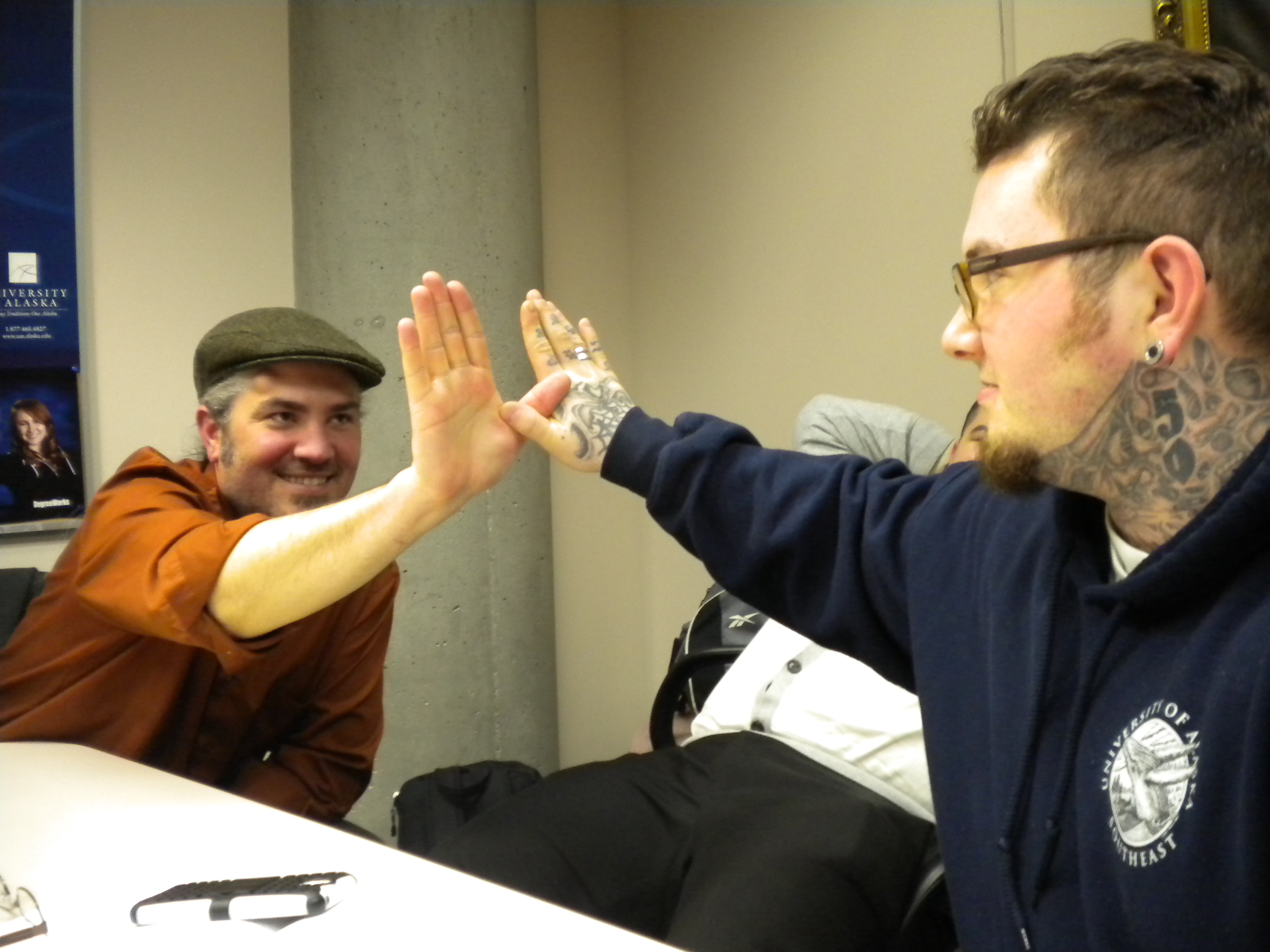
UAS assistant professor Sol Neely, left, demonstrates a special handshake with student Shawn Jessup. Neely advises the Flying University club, a campus support group for students transitioning from prison to college. (Photo by Kevin Reagan/ KTOO)

Inmates at Juneau’s Lemon Creek Correctional Center are using the works of Shakespeare and Dostoyevsky to get on the road to academia, and ultimately a better life.

They’re part of classes taught by UAS Professor Sol Neely, who brings college students behind bars with him each semester to learn writing skills alongside convicted felons.

Death, blood, despair — this is how Marcos Galindo describes prison gang life in a poem he wrote while incarcerated at Lemon Creek Correctional Center in the fall of 2013.

The 29-year-old is now a senior studying political science at the University of Alaska Southeast.

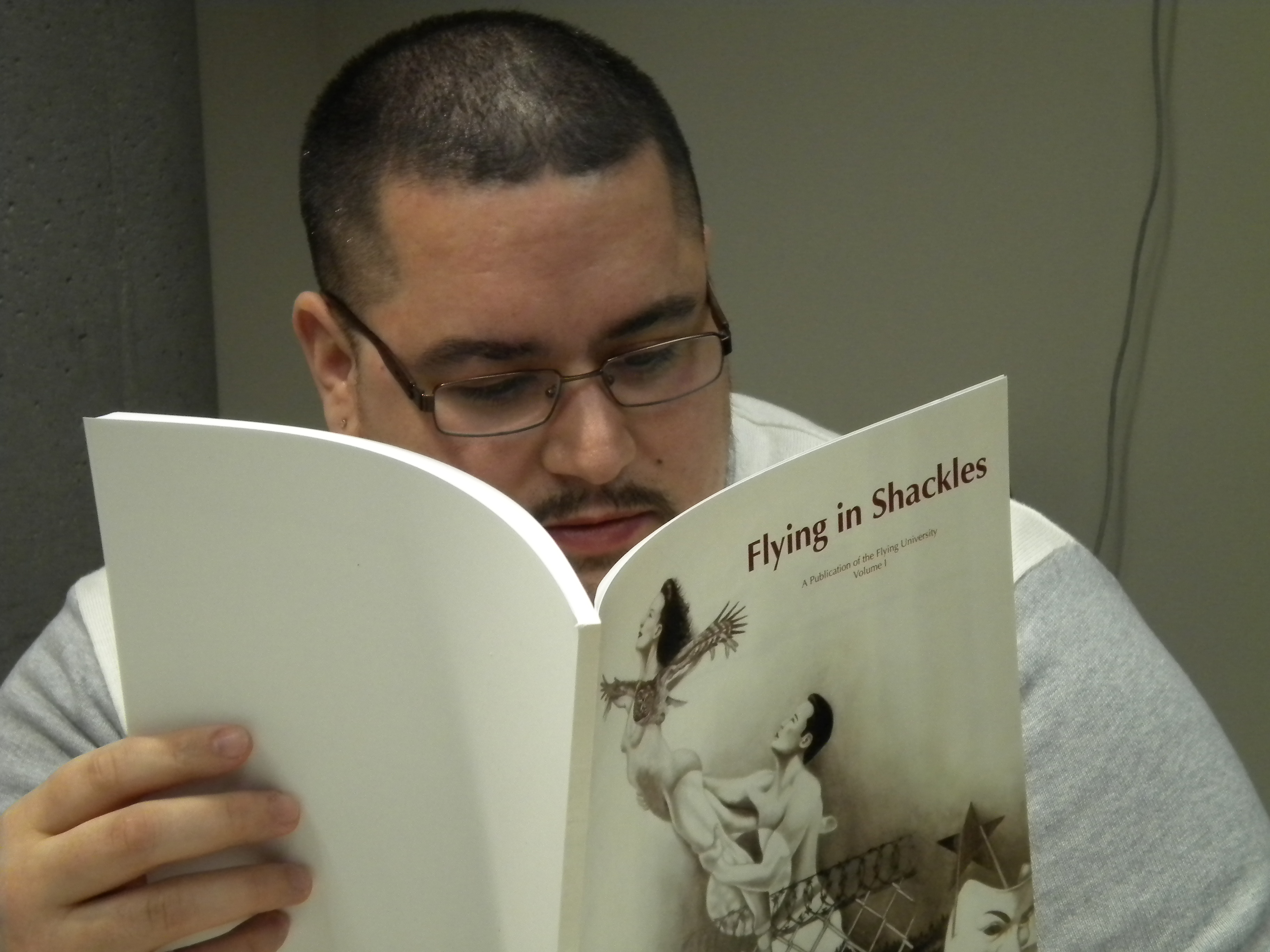
UAS student Marcos Galindo reads an issue of the Flying University literary journal. Galindo is one of the 15 former and current inmates of Lemon Creek Correctional Center to write contributions to the journal. (Photo by Kevin Reagan/ KTOO)

“Education opened my eyes to leaving old ideas in the past and adapting to a new, meaningful fulfilling idea which is critical thinking and being able to help others,” Galindo says.

Galindo says courses in philosophy and literature that he took while in prison gave him an escape. After serving two years for second-degree assault, he decided to abandon the gang lifestyle he’d been living since childhood and enroll at UAS.

Professor Sol Neely teaches the classes that inspired Galindo. He began teaching at the prison in 2012. Early on in the process, Neely says an inmate asked him point-blank why he was there.

“My response was I’ve done some things in my past and I have been fortunate not to land in jail, so I go in there because it could have been me,” Neely says.

Neely brings in a group of UAS students each semester to take a 10-week course alongside inmates. He says it’s important his UAS students not treat the program as a field trip — where they observe the prisoners at a distance.

“We’re not here to go in and to help these guys,” Neely says. “We’re to go in and learn from and co-study. It’s mutual.”

Neely teaches students to dissect the philosophical writings of Havel, Levinas and Dostoyevsky—writers who all at one point spent time in jail. Neely says the restrictive atmosphere of the prison is an appropriate place to discuss the themes of these authors.

Nathan Block is another UAS student and former Lemon Creek inmate. After serving in the Iraq War, he say ended up in prison after using skills the Army taught him in a negative way. Block says he immediately wanted to enroll at UAS after serving two years for armed robbery.

“I see education as a means to utopia in this world,” Block says. “Education leads to better things for everybody.”

Block writes about his military experiences in a poem titled “Bombs Under Freedom.” It was published with the works by 14 other current and former Lemon Creek inmates this month in a literary journal titled “Flying in Shackles.” Stories of rage, race and romance fill the pages, and Neely says it captures the individual, unique story of each prisoner.

“As you read the poems and the literature in this journal I think you have to listen for that story. If you want to access the existential depth, you’ve got to sit down with this book in your hand and you have to listen,” Neely says.

The journal was paid for by a grant from the university’s Undergraduate Research, Experiential & Creative Activities program. Neely says UAS faculty and staff have been supportive with students transitioning over from Lemon Creek.

Former inmates attending UAS joined together to form an on-campus club named The Flying University—an homage to the underground philosophy popular in Czechoslovakia during the Soviet invasion of the 1960s.

Galindo is the club’s founder and says their objectives are to promote social justice and recruit Lemon Creek offenders to enroll at UAS. Galindo says the transition is usually difficult for ex-convicts, but can be made easier thanks to Neely’s courses.

“There’s no reason why I can’t get a degree as well…If I could handle Sol’s classes I could handle any of these classes here,” Galindo says.

Shakespeare is the next topic Neely will be teaching at Lemon Creek. He says he’s excited to see how the inmates deconstruct the villainous personalities of the playwright’s famous works.

Re-entry program gives inmates hope to succeed inside and out

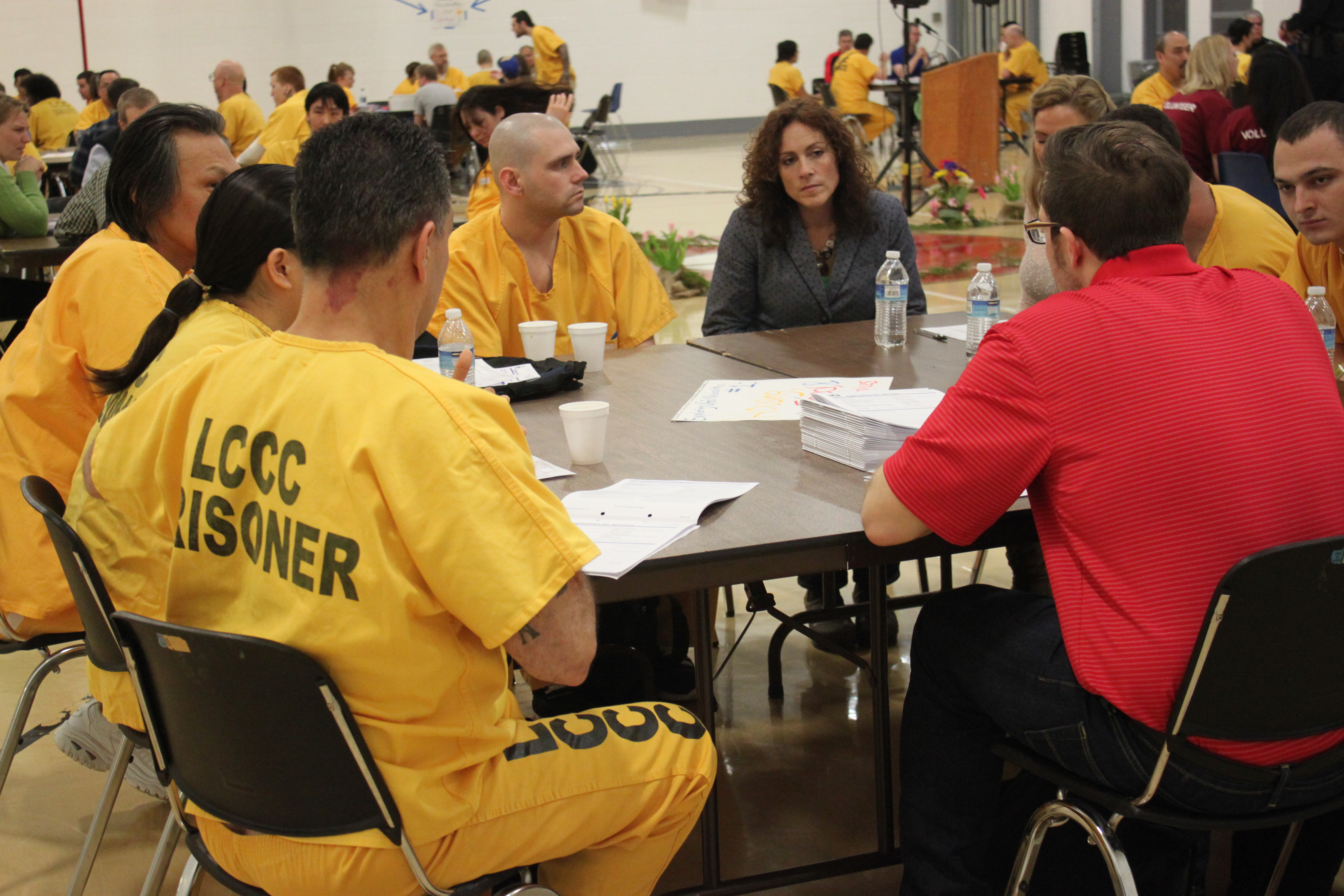
This is the eighth year Success Inside and Out has been held at Lemon Creek Correctional Center. The day's events took place inside the prison gym. (Photo by Lisa Phu/KTOO)
This is the eighth year Success Inside and Out has been held at Lemon Creek Correctional Center. The day’s events took place inside the prison gym. (Photo by Lisa Phu/KTOO)

On Saturday, 43 people rotated through tutorials in a basketball gym on topics like finding employment, how to open a bank account and reconnecting with family.

All the participants were wearing yellow jumpsuits. It’s Lemon Creek Correctional Center’s eighth annual Success Inside and Out event, which offers resources to soon-to-be-released inmates.

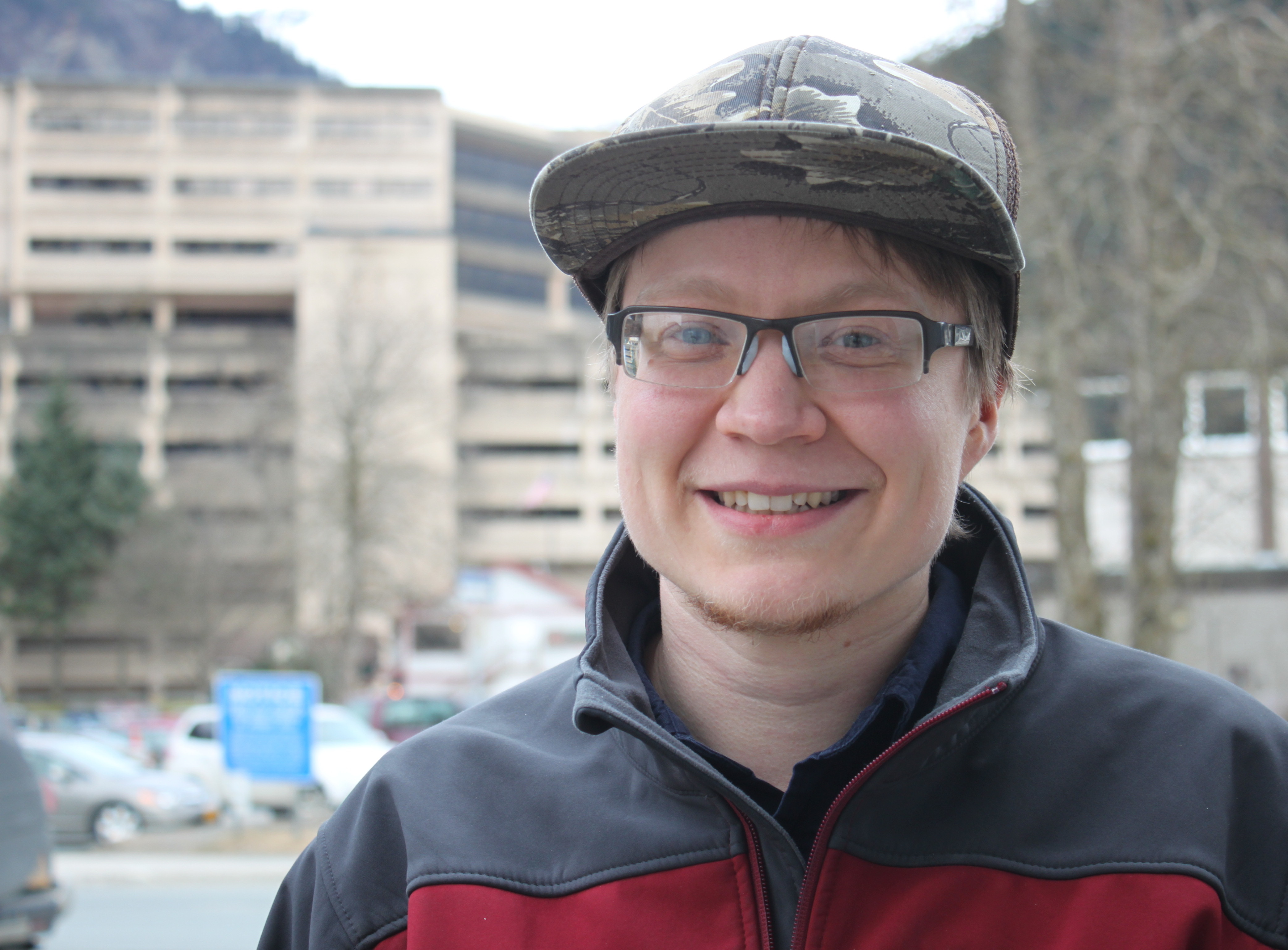
James Luckart has been in jail for more than eight years. According to court records, Luckart was convicted for three counts of assault, one for attempted sexual assault. He’s due to get out of Lemon Creek Correctional Center next February.

“I feel ready and I think I am ready, but it’s just I’m scared. It’s going to be a big test,” Luckart says.

James Luckart says Success Inside and Out makes him believe he has a chance to make it once he's released. (Photo by Lisa Phu/KTOO)
James Luckart says Success Inside and Out makes him believe he has a chance to make it once he’s released. (Photo by Lisa Phu/KTOO)

This is his first time at Success Inside and Out. He’s just come from a session on addiction and mental health. He’s gotten information about counseling once he’s out and a number to call even while he’s still in jail. Luckart thinks it’s cool.

“There’s people out there that actually care. I mean people in this environment are like, ‘Nobody cares about us. They just want to let us rot.’ But there are people that actually care, so it feels pretty good,” Luckart says.

His favorite part of the day has been hearing from former inmates who have succeeded on the outside – people who are sober, have jobs or go to school and are part of healthy relationships. These stories give him hope.

“We all have a chance to make it out there. Yeah, we’ve made some mistakes in our life but there’s a chance that we can make it out there in the community,” Luckart says.

Marcos Galindo is one of those people who made it. Most of his life was shrouded in violence, he says. He was part of a gang in California and was in and out of jail. He came to Juneau in December 2011 to visit his mother. That next April, he assaulted someone and ended up at Lemon Creek Correctional Center. While there, he took a class taught by Sol Neely, assistant professor of English at University of Alaska Southeast.

Now, Galindo is a senior at UAS and radiates positivity.

“My whole day when I wake up in the morning is about being positive, about how can I better my life and how can I better the person next to me’s life. And I learned a lot of that through Sol’s classes,” Galindo says.

So far, he’s helped four former male inmates get into UAS.

“Three of them are success stories. One of them started using again and went back. So we lost one and I took it a little personal but what can you do, right?” Galindo says. “But the three superstars we got now, they don’t need any help at anything. They’re knocking out essays on their own. They got higher GPAs than me.”

Juneau District Court Judge Keith Levy has been organizing Success Inside and Out for the past few years. The program was founded in 2006 by Alaska Supreme Court Chief Justice Dana Fabe for incarcerated women at Hiland Correctional Center near Anchorage. The program still takes place there.

Levy says the court system has a great interest in seeing inmates thrive when they’re released.

“People think of judges as punishing people and our role is not punishment. Judges, especially in Southeast Alaska, what we want to have happen is to recognize what gets people into jail and to deal with those things and help them not come back,” he says.

Levy isn’t sure how successful Success Inside and Out has been over the last eight years, but he says if it helps even a handful of people, it’s worth it.

New Tongass chief from Southwest U.S.

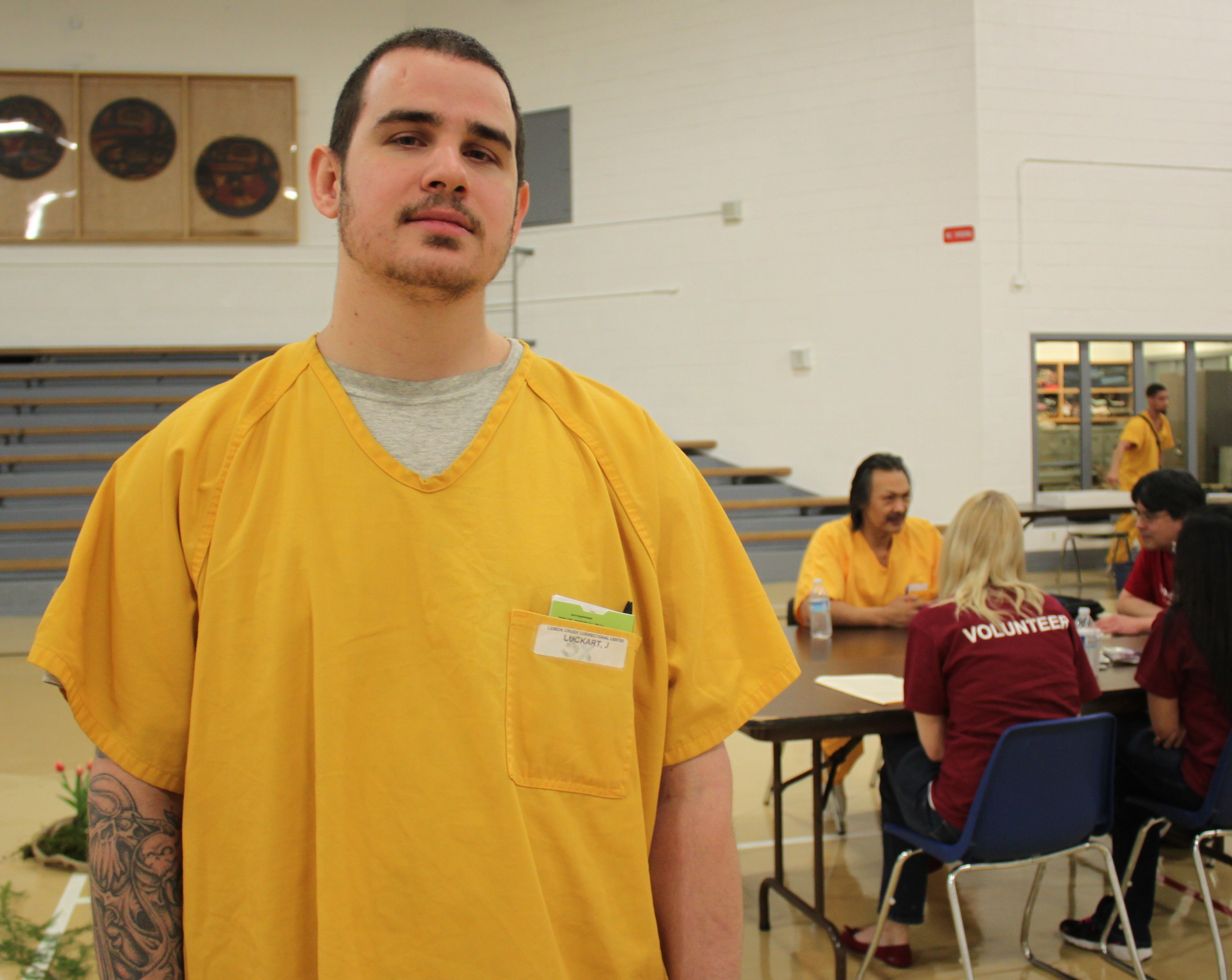
Earl Stewart will become the top official at the Tongass national Forest in May. (Courtesy USFS)
Earl Stewart will become the top official at the Tongass National Forest in May. (Courtesy USFS)

Southeast Alaska’s Tongass National Forest has a new top official.

Earl Stewart will take over as forest supervisor beginning in May. He will replace Forrest Cole, who is retiring after more than 40 years with the Forest Service.

Stewart is based in Flagstaff, Arizona, where he’s in charge of the Coconino National Forest. He’s never been to the Tongass.

He says he looks forward to overseeing America’s largest national forest, while understanding it attracts frequent attention.

“For me it’s that one opportunity to engage at a level that is far higher than what I’ve had … in the past, to develop new relationships and to expand horizons,” Stewart says.

Stewart’s future boss, Alaska Regional Forester Beth Pendleton, says he’ll be a good fit.

“He brings a wide range of experience and leadership to this position and has a great understanding of the unique relationships that communities have with their national forests, which will suit Alaskans well,” she says.

Stewart’s earlier posts were in Montana, Alabama and Washington, D.C. He began his Forest Service career in 1991, after working as a biologist for Oklahoma’s Department of Wildlife Conservation.

He says he knows the Tongass is different – and that he has a lot to learn.

“I’m going to approach it from a very eyes-wide-open manner, to seek to understand and interpret. And then try to assist in a much more collaborative way than what my experience has been in other situations,” Stewart says.

Stewart says he’s overseen timber harvests, including second-growth, and forest restoration projects.

He will take over Tongass operations as the agency maps out a transition from old-growth to young-growth logging.

It also faces ongoing legal challenges to its timber sales. And it’s adjusting to Sealaska’s takeover of 70,000 acres, including prime timberlands.

Two environmental organizations quickly welcomed Stewart to the Tongass.

“We are encouraged by Stewart’s background as a biologist and his experience leading collaborative restoration projects in other regions of the country that are well suited to meeting the unique needs of southeast Alaska,” says Mark Kaelke, Trout Unlimited’s Southeast Alaska project director.

The executive director of the Southeast Alaska Conservation Council invited Stewart to join her for a fishing trip in Petersburg.

“We look forward to introducing him to our unique way of life in Southeast Alaska and working with him to chart a prosperous and resilient future for our communities,” says Malena Marvin.


Transgender support group starts in Juneau

(Creative Commons photo by Karl Schultz)

The transgender community is finding a foothold in the capital city. A support and social group for transgender and gender questioning people had its first meeting in February with about 12 participants and has its second tomorrow. It follows a trend happening elsewhere in the state.

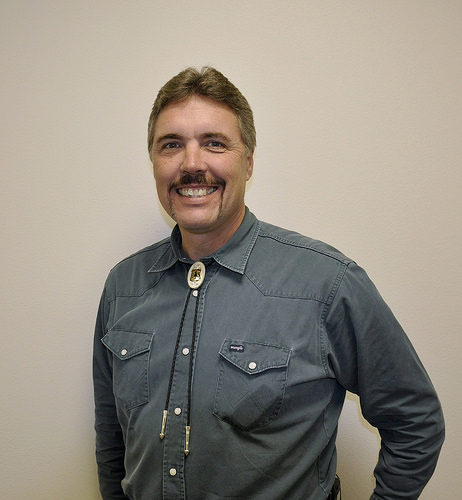
Zeif Parish, 30, was born a female, but for as long as he can remember, he’s identified as masculine. He says he grew up in Juneau viewed as an unusually masculine girl.

Zeif Parish is a transgender man. (Photo by Lisa Phu/KTOO)

“Half the people I met for my entire life until the last couple years would meet me and be like, ‘What’s her problem?’ and ‘What’s up with her? She’s weird.’ And it wasn’t my choice and I doubtless experienced more social rejection and stigma and negativity just based on that,” Parish says.

He started identifying as transgender when he was 20 and physically transitioned two years ago when he began taking testosterone. Parish says he’s had a supportive family, a strong Bahá’í faith and found happiness in his life, but he never had a community of gender variant friends.

Parish hopes a monthly support and social group in Juneau may change that. He’s one of the group’s organizers.

“I want to reach people who feel alone in their differentness whether it’s like totally a secret thing in their heart or if they express it, but still don’t like feeling alone,” Parish says.

Drew Phoenix, who’s also transgender, says having a support group is incredibly important. He’s the executive director of Identity Inc, a statewide lesbian, gay, bisexual and transgender organization based in Anchorage. Phoenix says transgender people or people questioning their gender are an at-risk population.

“Many people in Alaska know of someone who is gay or lesbian or bisexual. They’re not as familiar with people who are gender nonconforming or transgender. So transgender people are in a much higher risk of physical violence and discrimination than the broader LGBT population,” Phoenix says.

In Anchorage, the Veterans Affairs center runs a weekly transgender group. Identity organizes three – two for adults and one for teenagers. The first one started January of last year. Phoenix says Identity will offer additional groups in April.

“More and more I’m getting calls from parents of children, like first graders, third graders, fourth graders, who the children need a play group to be part of with other gender questioning kids. And then the parents need the support of other parents,” Phoenix says.

Phoenix says the climate around being transgender is slowly shifting, encouraging people to come out. TIME Magazine featured transgender actress Laverne Cox from “Orange is the New Black” on its cover last June. Identity recently received a $10,000 grant from the Alaska Mental Health Trust Authority to allow Alaskans in remote areas to videoconference in to transgender support groups. Phoenix says many organizations and businesses in Anchorage have reached out for LGBT cultural competency training.

Juneau’s transgender support group meets downtown Saturday, March 7 at 2:30. For more information, contact SEAGLA on Facebook or email seagla.lauren@gmail.com.

Transgender or gender questioning individuals can also meet up prior to SEAGLA’s weekly Friday social at The Imperial Bar at 5:15.

But he says society still has a long way to go.

“I’m so aware of the discrimination that still occurs both in places of employment, public accommodations, like use of locker rooms and restrooms. I’m concerned about policies not being in place in local schools for young people who are transitioning,” Phoenix says.

Lauren Tibbitts is a board member and outreach coordinator of SEAGLA, the Southeast LGBTQ alliance group based in Juneau. She’s been helping Juneau’s transgender group get off the ground. Tibbitts is also part of it and identifies as gender non-binary, which means she doesn’t consider herself woman or man. You don’t have to be transgender to be part of the group, she says.

“It is welcoming anyone who considers themselves outside of gender norms, whether you consider yourself or identify as gender nonconforming, non-binary, or transgender or agender – anyone who doesn’t strictly identify with heteronormativity when it comes to gender,” Tibbitts says.

The group also welcomes allies of the transgender community and people who want more information.

Editor’s Note: The story has been updated to correct the number of participants at the first meeting – there were about 12, not 20. 

Used Record, CD & Video Sale 2015

(Photo courtesy Pixabay)

KTOO’s Spring Membership Drive is coming soon. That also means that it’s time for the Used Record, CD & Video Sale! If you’ve got used media you’d like to pass on, bring it down to KTOO during the week of March 16th for our semi-annual sale scheduled for Saturday, March 21st starting at 9 a.m.

Once again, bring your donations down to the KTOO Building during business hours the week of March 16th. The Sale happens on Saturday, March 21st at KTOO, located at the corner of Egan & Whittier.

For more information, please call Jeff Brown at 463-6425 or e-mail jeff@ktoo.org.

Site notifications
Update notification options
Subscribe to notifications