Community

Delta vs. Alaska: Dueling airlines benefit Juneau

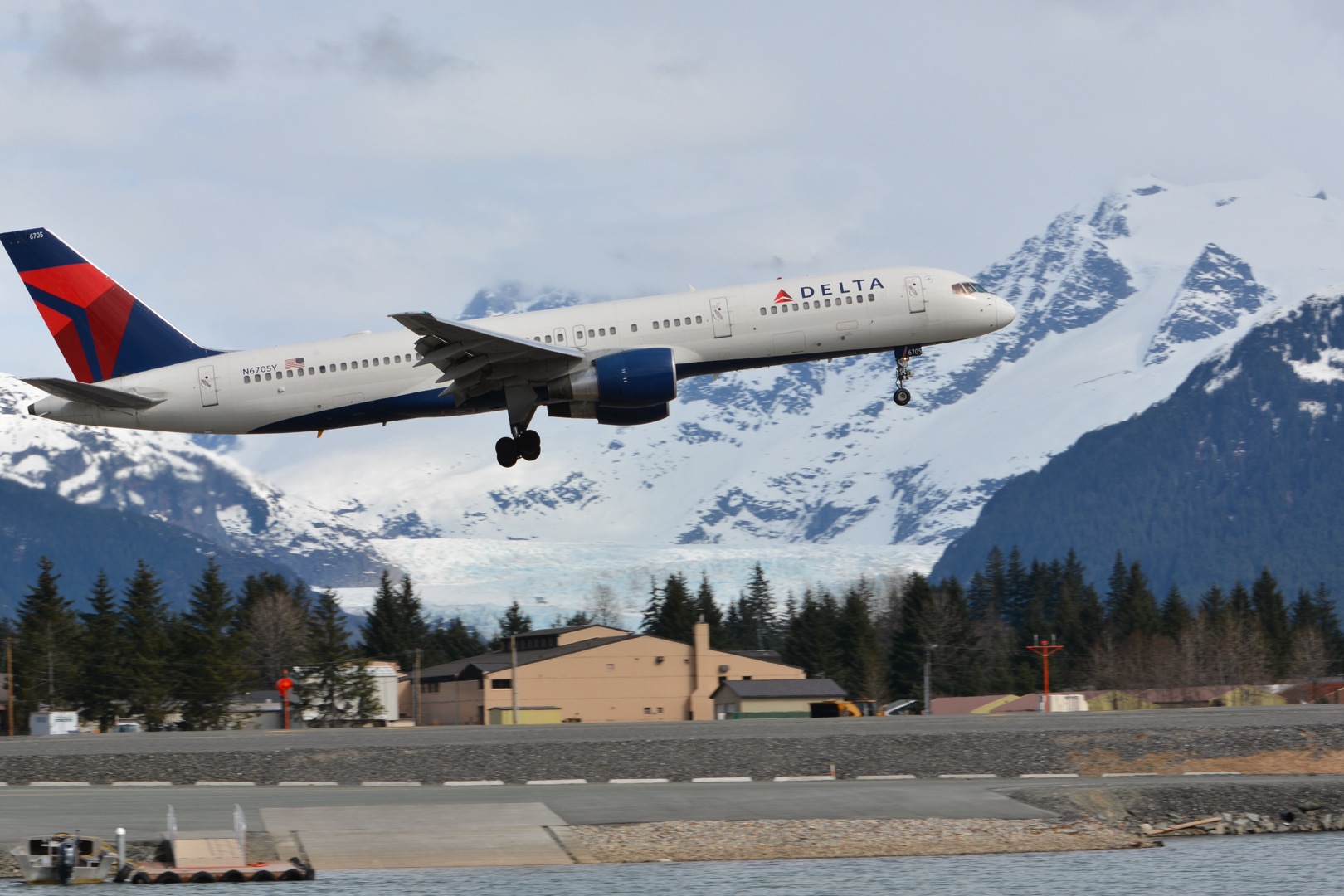
Delta Air Lines performs a test flight into Juneau on Wednesday in preparation for daily service to Seattle starting May 29. (Photo by Doug Wahto)

Delta Air Lines begins daily flights between Juneau and Seattle on May 29. For a long time, Alaska Airlines has been the only one flying that route.
Alaska travel analyst Scott McMurren says the power of competition goes a long way in lowering airfares.

“The moment that Delta’s rubber hits the tarmac in Juneau, fares will be at historic lows. The moment Delta leaves the market, fares will immediately return to their previous level. This is a great opportunity for Juneau travelers, and that great opportunity will last as long as Delta flies there and not a moment longer,” McMurren says.

An online spot check of round-trip flights between Juneau and Seattle in early June showed the airlines offered the same fares, $487.40. In September when Delta service ends, flights on Alaska Air Lines jump $80.

Adding service to Juneau is part of Delta’s expansion in Seattle. Right now, the airline makes 35 daily departures out of Sea-Tac Airport. By August, Delta hopes to increase that to 86 departures.

“We are reaching out to markets that are key travel markets for us that allow us to carry passengers both into Seattle as well as connect them onto international flights. We’re adding a significant amount of international service. We just added London Heathrow at the end of March and we are going to add Hong Kong and Seoul in June,” says Anthony Black, Delta spokesman.

The airline already flies from Seattle to Amsterdam, Paris, Beijing, Shanghai and Tokyo.

Connecting to international destinations is what Black says will set Delta apart from Alaska Airlines, which only flies internationally to Canada and Mexico.

Between Juneau and Seattle, Delta will be flying a Boeing 757. Alaska Airlines uses 737s. Black says a 757 can carry more passengers and has more powerful engines.

He also says Delta’s prices are competitive and, so far, Delta is pleased with bookings.

Marilyn Romano, regional vice president for Alaska Airlines, says she feels very secure with Alaska’s position in Juneau. She says Delta’s one flight a day between Juneau and Seattle during the summer doesn’t compare with Alaska’s eight flights a day.

“That’s our standard operating business coming in and out of Juneau and that doesn’t include all the other flights that we have – Anchorage to Juneau, or Juneau to other cities in Southeast Alaska – so as far as competing, I think we feel like we’ve been operating daily service into Juneau for over four decades,” Romano says.

Plus, there’s free baggage if you’re a member of Club 49, the airline’s program for Alaska residents, and bonus mileage, like last summer. Travelers flying on Delta from Juneau to Seattle will still get Alaska Airlines miles, though.

While Alaska and Delta are now competing in Juneau, the two airlines are partners for other destinations.

“At times, the competitive nature of our business is bigger than at other times and this is probably one of those times. We’re doing what we need to do to grow our business and Delta will do what Delta feels they need to do to grow their business, and at the same time, we are partners, so it’s a unique situation,” Black says.

Juneau International Airport manager Patty deLaBruere says competition is good for Juneau’s economy.

“Alaska Airlines, I think, has taken very good care of people up here but Delta may add a different flair on what they’re going to do for the travelers. So choice is good,” says deLaBruere.

That also means more revenue for the airport, an enterprise of the City and Borough of Juneau. Renting space for a check-in counter and offices, flying in and out, and parking its plane overnight in Juneau for the summer will cost Delta about $90,000.
Alaska House sends Native languages bill to Senate

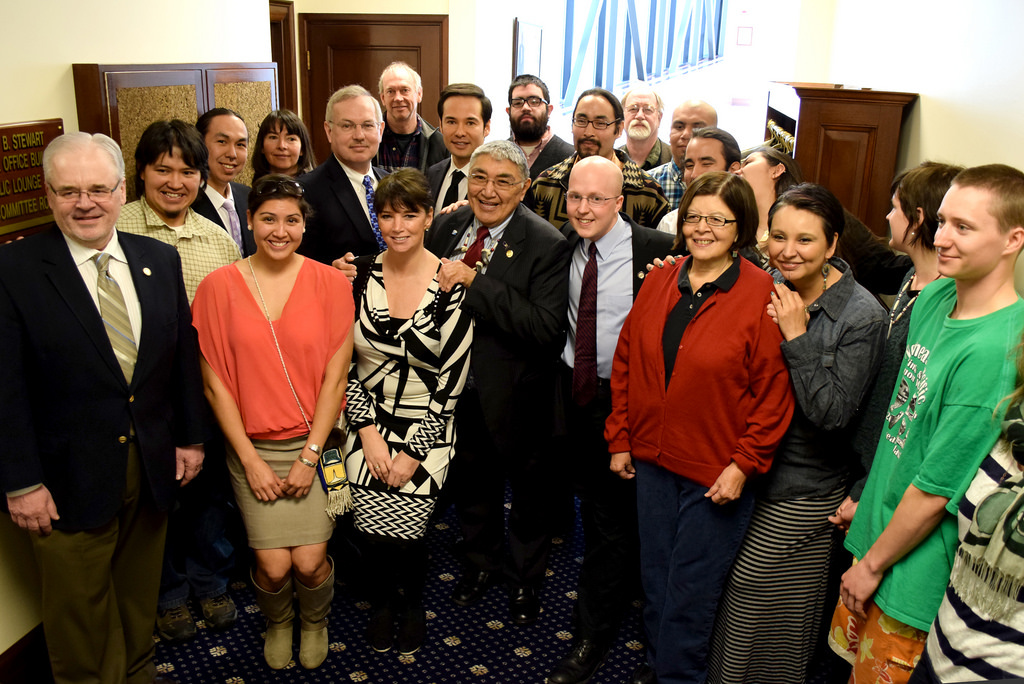
With less than a week to go in this year’s session, a bill that would symbolically recognize 20 Alaska Native languages as official state languages moved a step closer to passing the Alaska Legislature on Wednesday.

The House of Representatives approved House Bill 216 on a 38-0 vote, sending it to the Senate, where it’s scheduled to be heard on Thursday by the State Affairs Committee.
Supporters clapped from the gallery as lawmakers pounded their desks in approval after House Speaker Mike Chenault announced the bill had passed.

Rep. Jonathan Kreiss-Tomkins, D-Sitka, said in a House floor speech that even if the bill is largely symbolic, it’s still important to honor Native languages.

Eyak is one of the languages recognized in this bill. The last fluent speaker of Eyak passed away five short years ago,” said Kreiss-Tomkins, HB 216’s prime sponsor. “There are several other languages that are on the brink, have just a handful of fluent speakers left in Alaska.”

Kreiss-Tomkins said he hopes to someday learn Tlingit, one of three indigenous languages in Southeast Alaska.

Rep. Charisse Millett, an Anchorage Republican and co-sponsor of the legislation, said she regrets she never asked her Inupiaq grandmother to teach her the language.

“She told me stories of fish camps, and told me stories of moving from town to town to live a subsistence lifestyle, picking berries,” Millett said. “But I never learned the language.”

Millett said she hopes recognizing the state’s original languages will empower young people to overcome the shame her grandmother and mother felt about being Alaska Native.

“To engage in conversation, learn the language, the heritage of their elders. Learn the stories of what Alaska was, so they know how to make Alaska a better place,” she said.

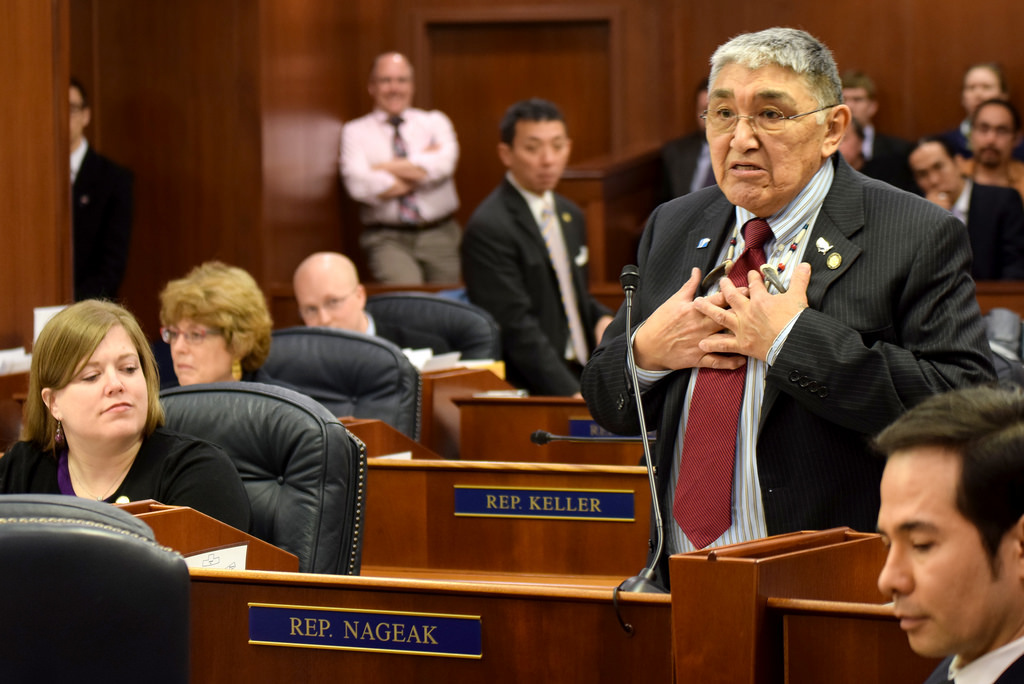
The legislature’s only fluent speaker of an Alaska Native language is Rep. Benjamin Nageak, D-Barrow, who delivered about half of his remarks in Inupiaq. Nageak said the bill acknowledges indigenous languages have been spoken in Alaska since before European contact.

“Most of our languages are still alive, and we need to continue to make sure that those languages thrive and survive,” he said.

After some Republicans on the House State Affairs Committee received HB 216 skeptically last month, a section was added to clarify that it does not require governments to conduct business in languages other than English − currently the only official state language.

Alaska lawmakers vote to allow medevac membership programs

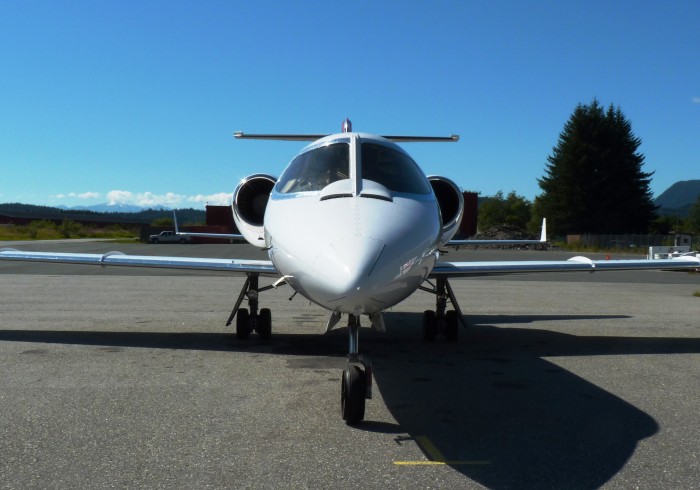
An Airlift Northwest Lear Jet waits for a medevac call at Juneau’s airport.

Legislation allowing medevac membership programs to continue is on its way to Gov. Sean Parnell for his signature.

The Alaska House unanimously approved Senate Bill 159 on Tuesday. It sailed through the Senate in late February.

The programs operated in Alaska for several years under an exemption, but Airlift Northwest’s AirCare was discontinued last year when the Division of Insurance said it no longer met state standards.

That resulted in lots of complaints from Southeast Alaskans, where AirCare had more than 3,000 members.

Rep. Cathy Muñoz, R-Juneau, started working with the insurance division to come up with a fix and shared the resulting legislation with her Southeast colleagues. Sen. Bert Stedman, R-Sitka, introduced it in the Senate.

“It basically just exempts these types of membership programs from the Division of Insurance requirements and it sets into law a reasonable regulatory regime within the division that allows this program to continue,” Muñoz says.

She says the bill had a lot of support from retirees, the commercial fishing industry, and people who work in remote sites such as mining and timber.

An emergency medical flight to Seattle or Anchorage can cost $100,000 or more. Membership programs are a supplement to other health care insurance to cover the patient’s co-pay.

“The primary insurance will pick up generally about two-thirds of a medical transport and the membership involvement would allow that extra charge to be waived if that was the only extra coverage the individual had,” she says.

Once the governor signs the bill into law, Airlift Northwest and other medevac companies will be able again to provide their membership programs to individuals who also carry medical insurance.

In a previous interview with KTOO, Airlift Northwest executive director Chris Martin said the company has always been clear that AirCare is not an insurance program.

“What an AirCare membership guarantees you is that you have no out-of-pocket expenses or no co-pay. So we bill the insurance, we take what the insurance reimburses us and you as our AirCare member do not see a bill for any further services,” she explained.

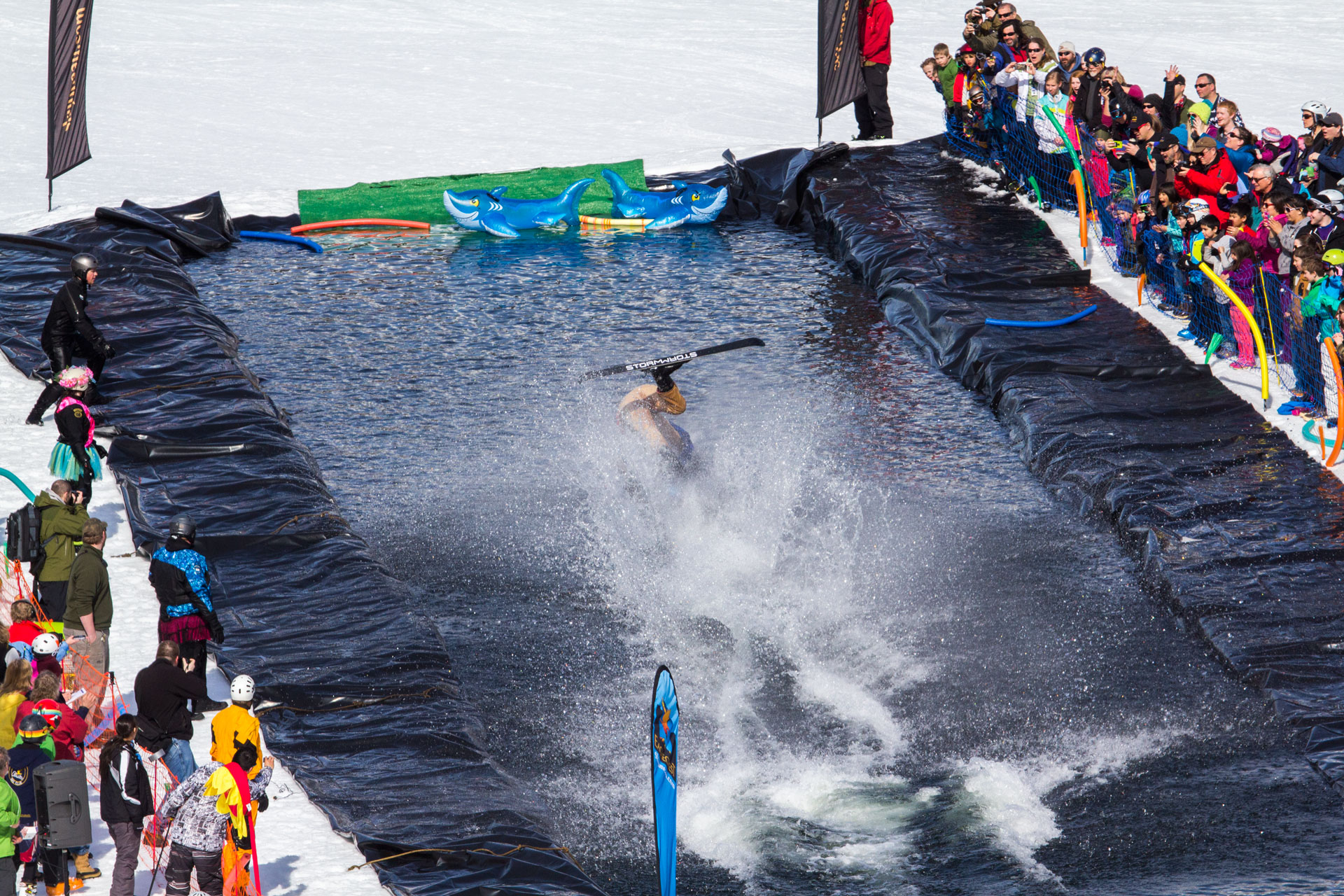
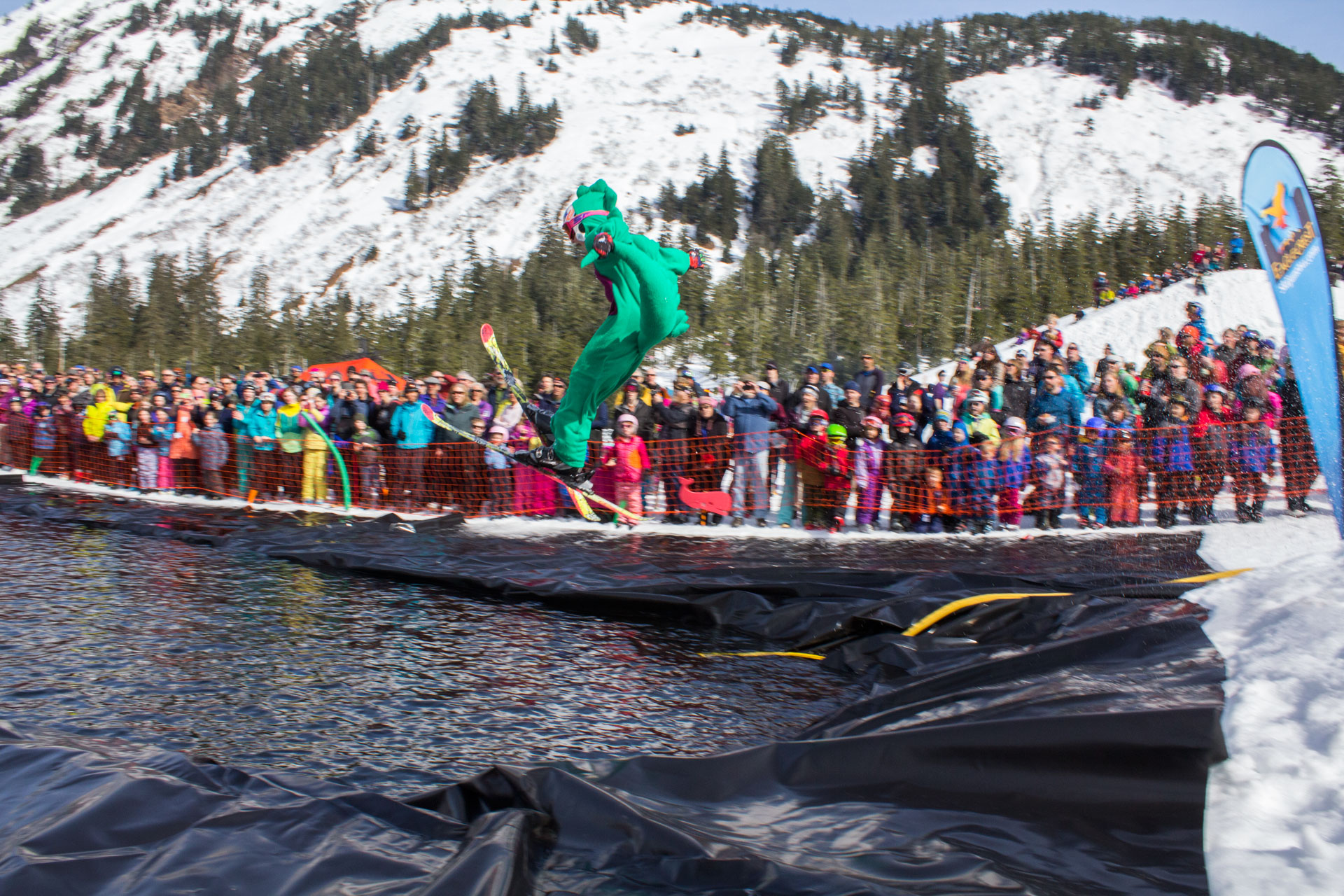
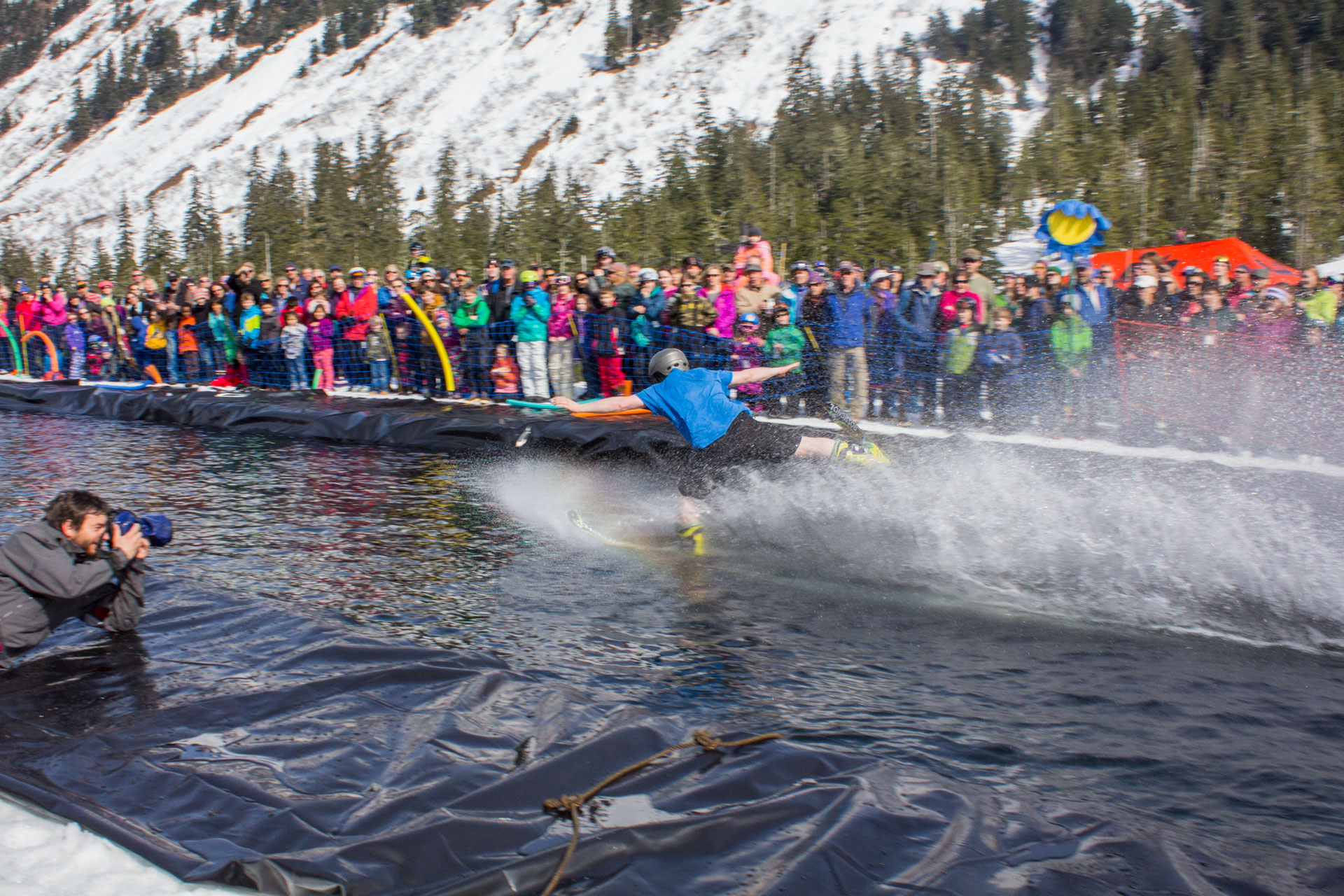
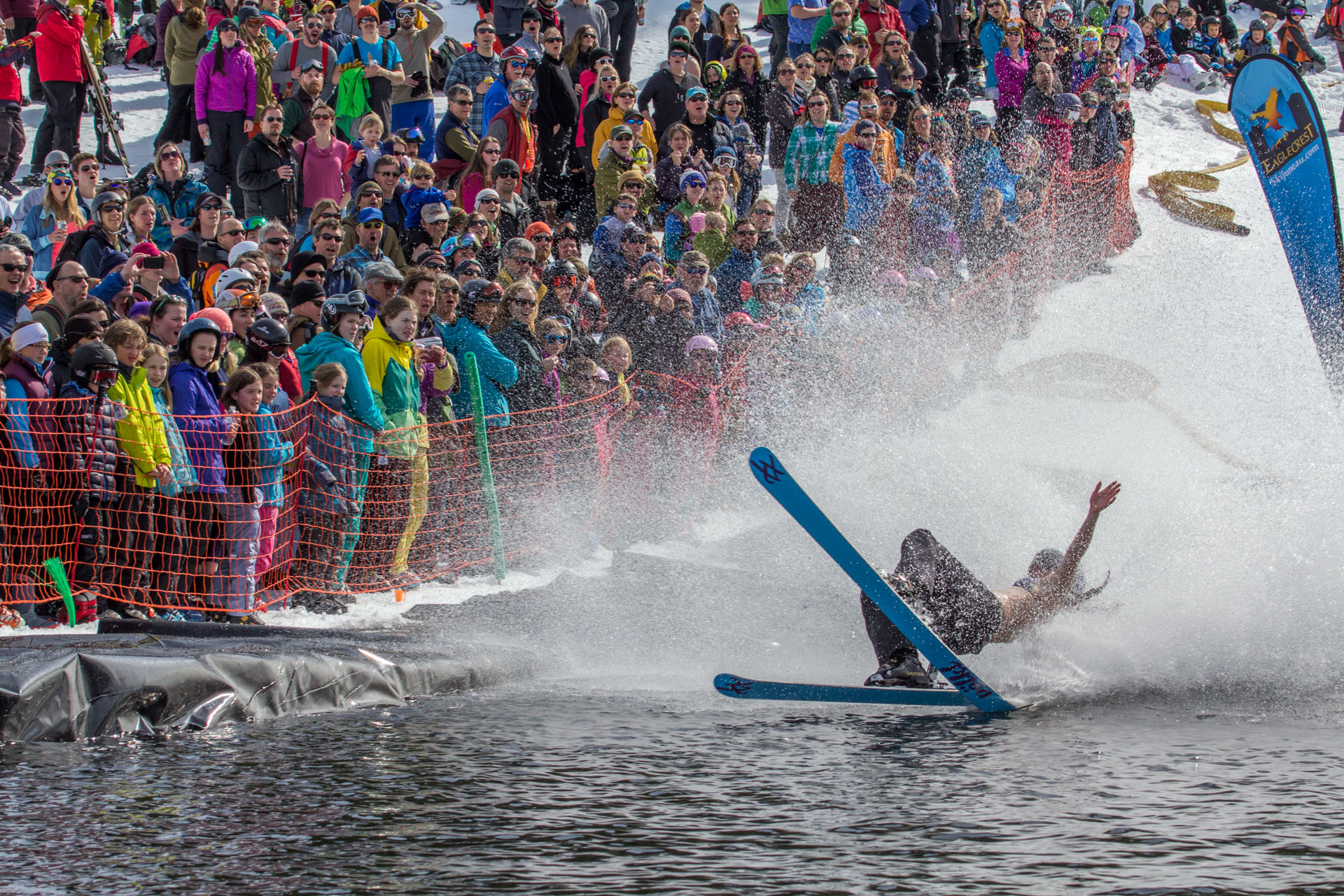
Sounds from down under the Slush Cup

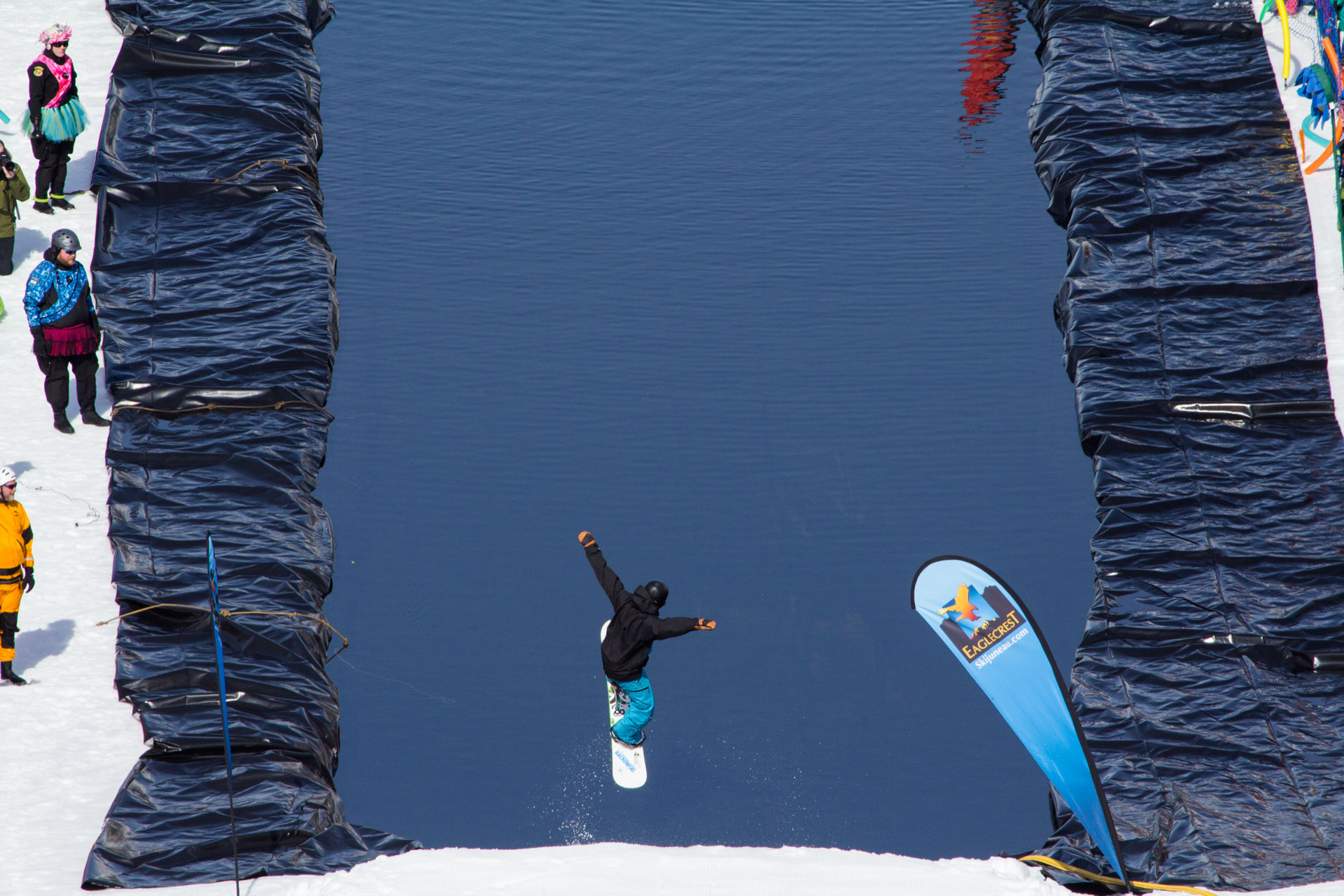
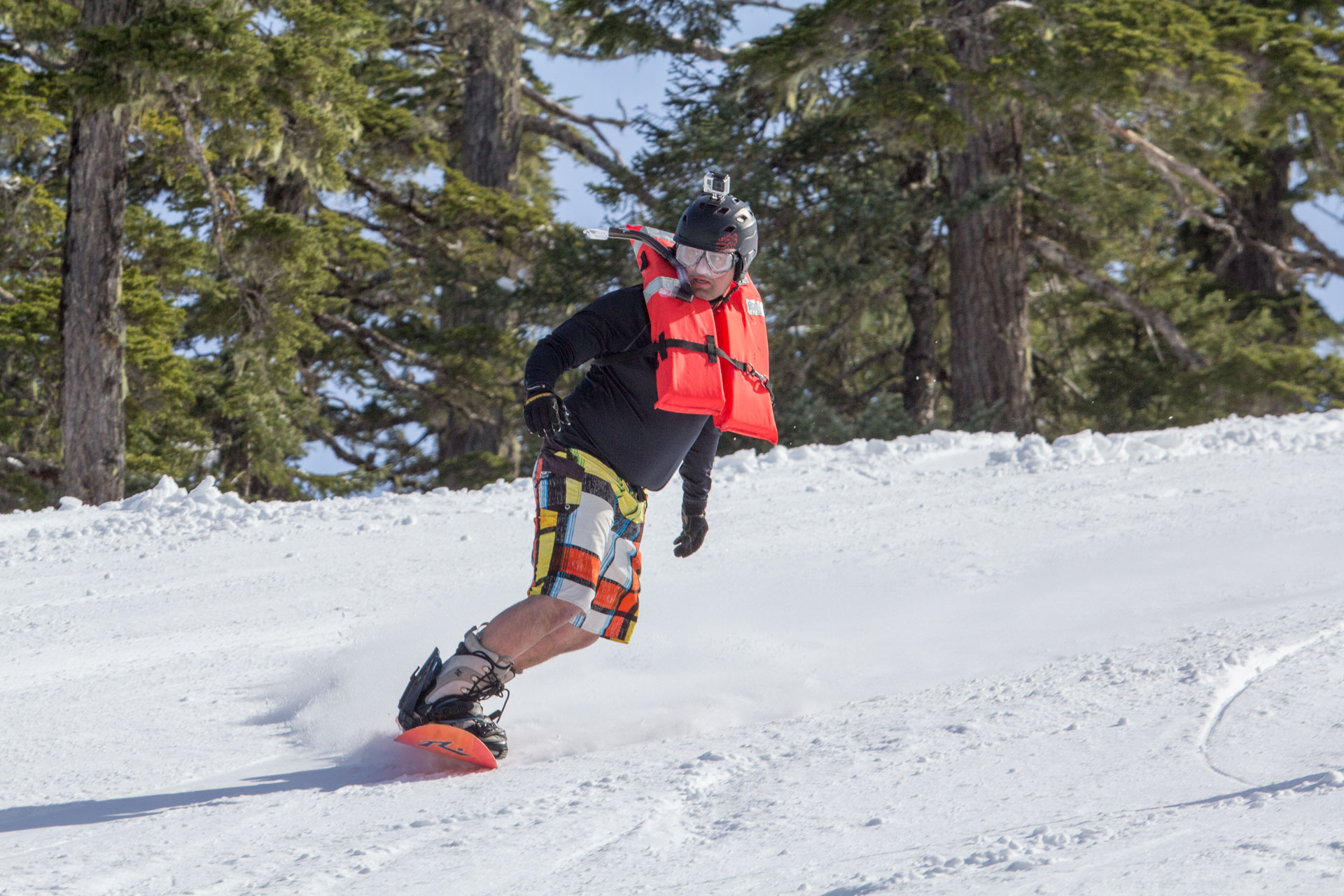
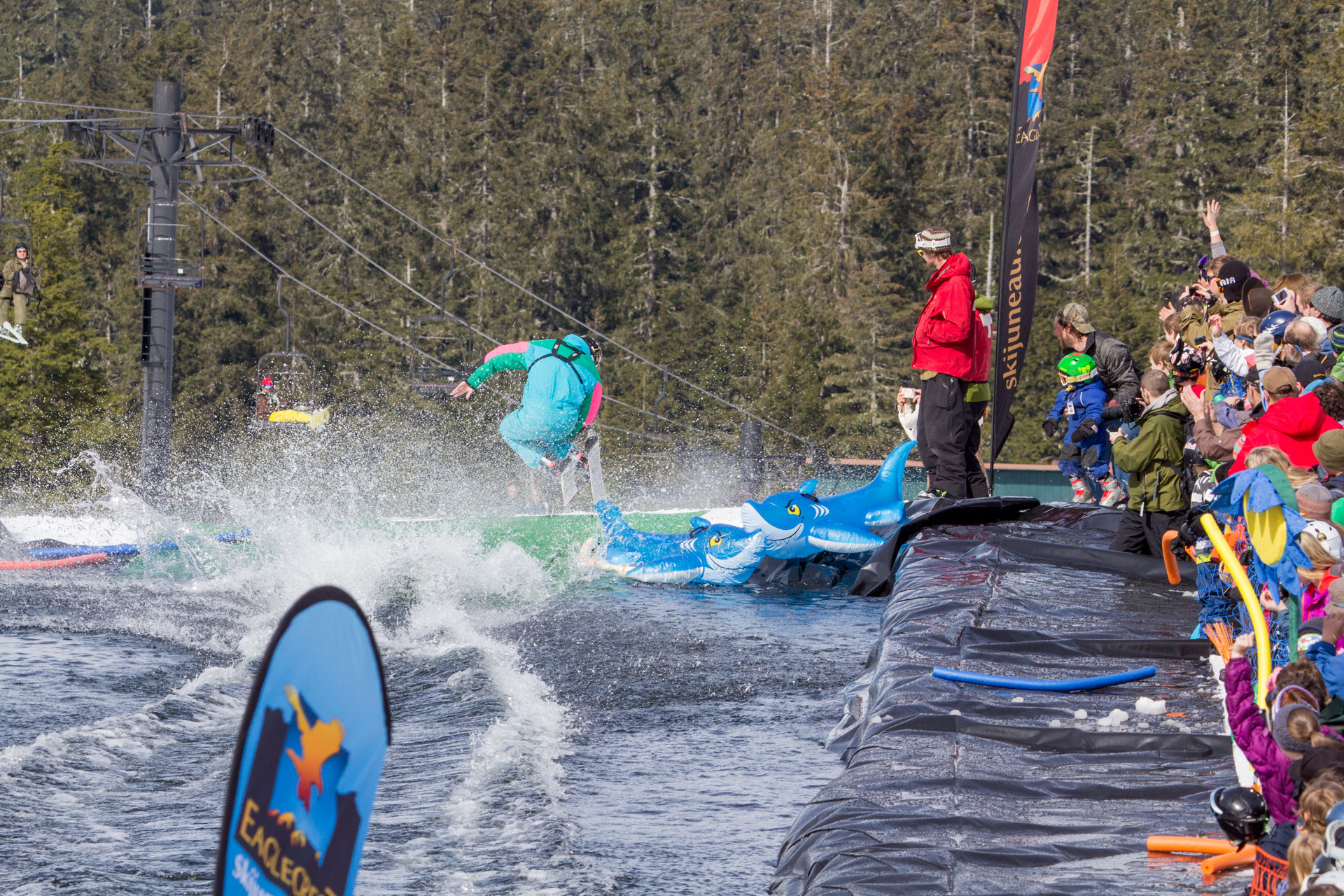
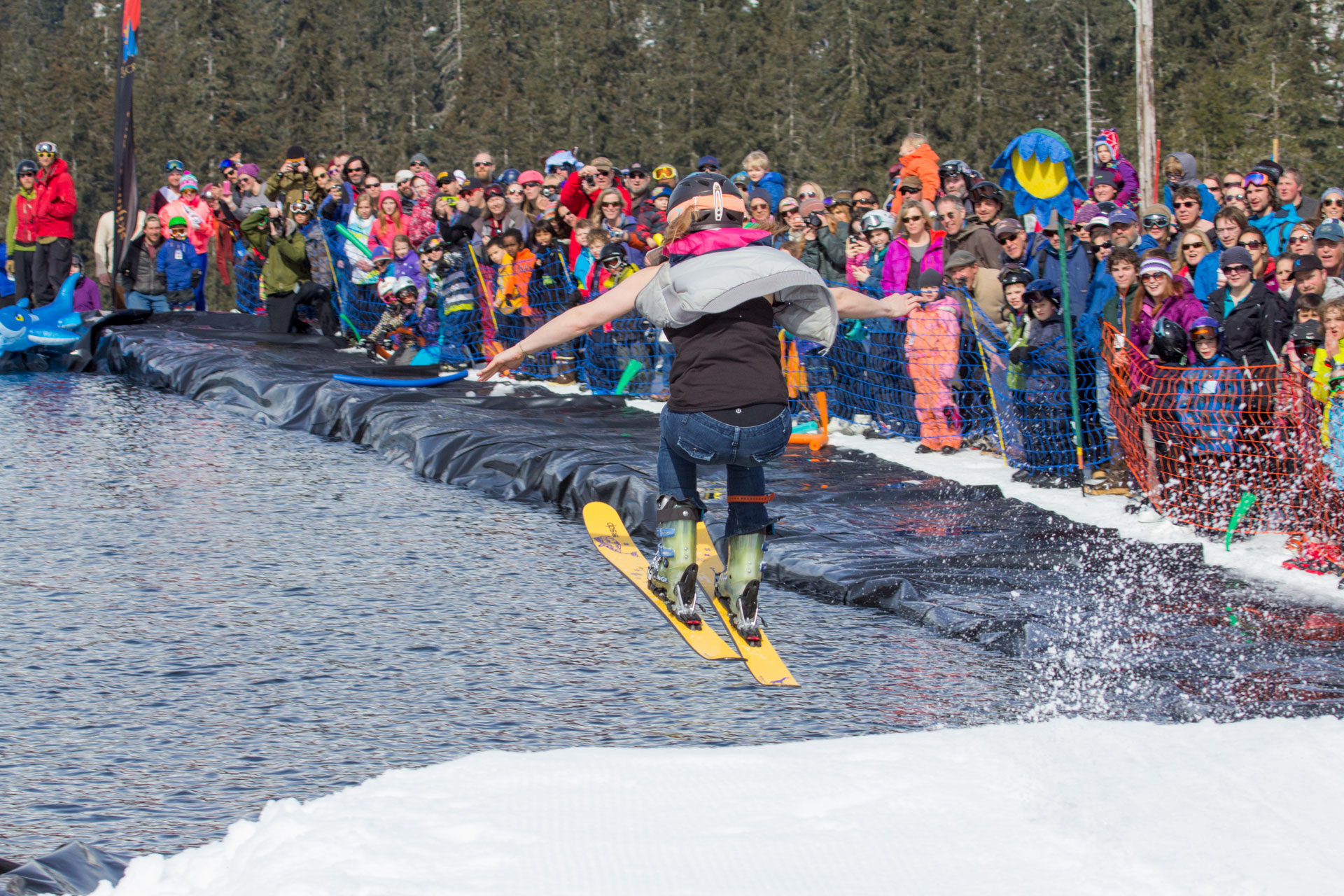
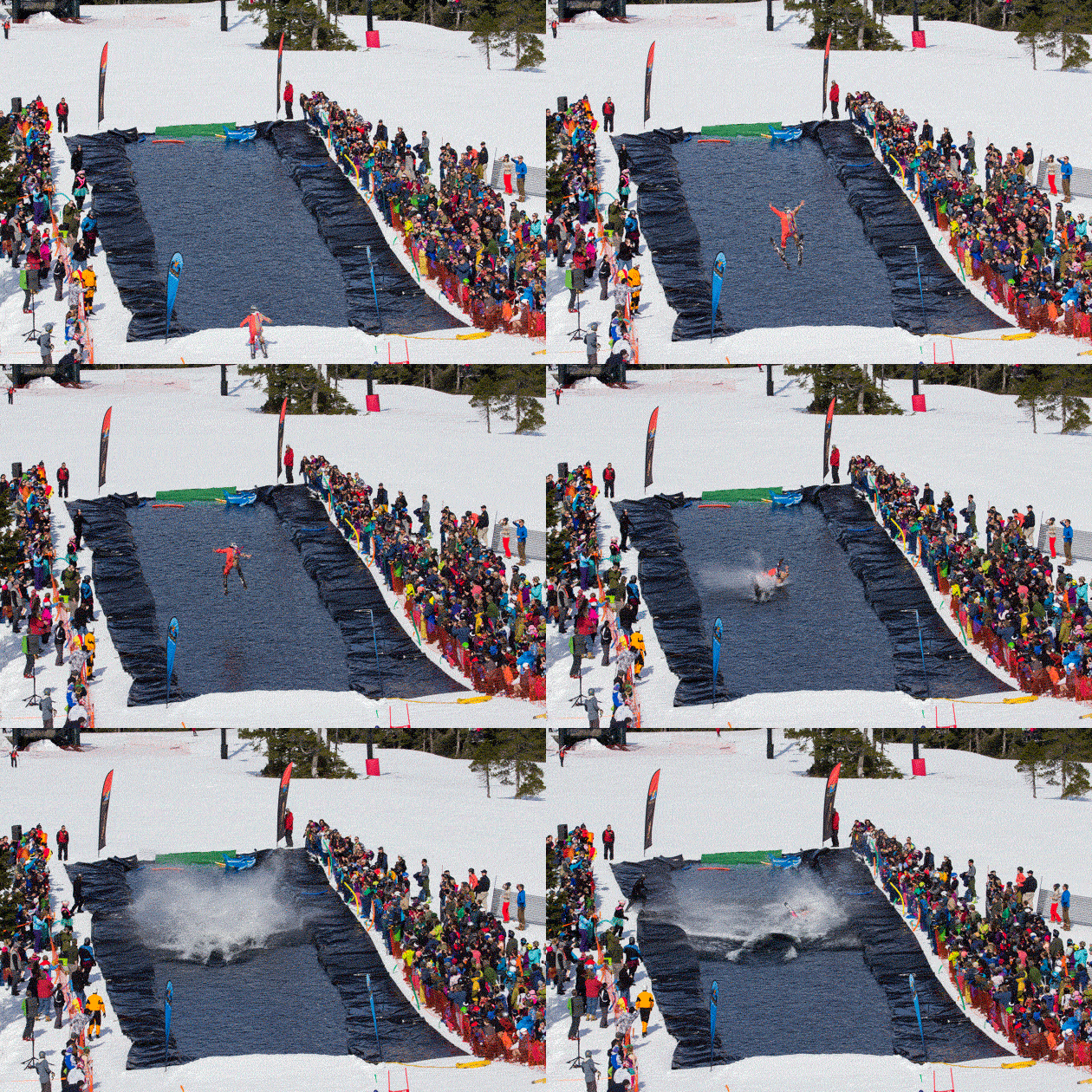
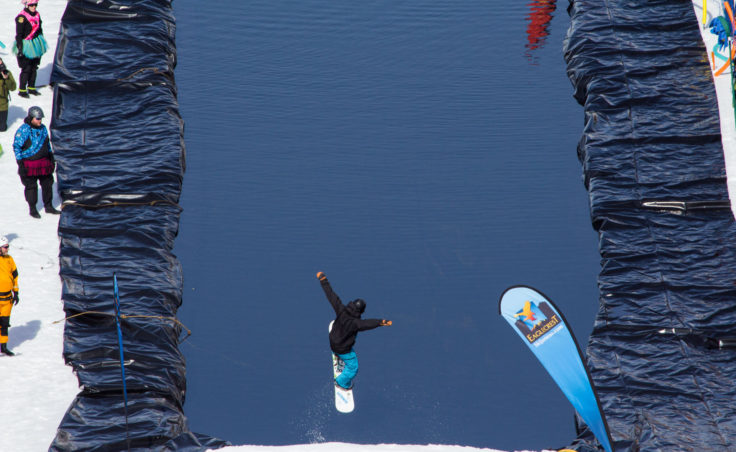
Does a snowboard crashing into a slushy pond sound different than a pair of skis? How does the sound differ above and under the water?

Our report is far from scientific, but this year KTOO used a hydrophone to record the sounds of last weekend’s Eaglecrest Slush Cup. Our thanks to Joseph Reeves for the loan of the special underwater microphone.

[icon name=”icon-file”]Results


Aquatic facilities board to take public comments on closing Augustus Brown pool

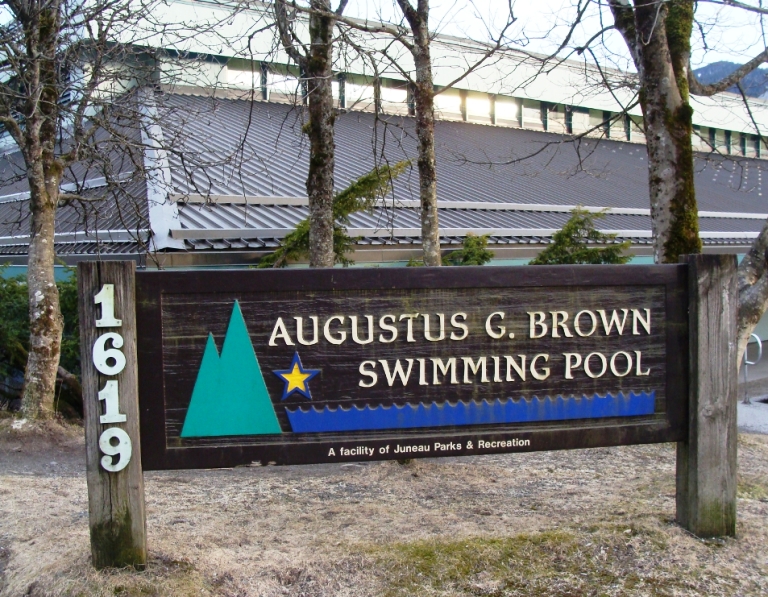
Augustus Brown Swimming Pool is adjacent to Juneau-Douglas High School on Glacier Avenue in downtown Juneau. (Photo by Casey Kelly/KTOO)

The Juneau Aquatic Facilities Advisory Board wants to hear from the public on a proposal to close the downtown Augustus Brown Swimming Pool for a year, possibly two.

City Manager Kim Kiefer says it could save the city $775,000 over the next two years and would be a good time to assess pool renovation costs.

The aquatic facilities board is a citizen advisory group to the city. Members have already said closing the pool is not the right approach to the city deficit.  They recommend the city work with a citizen group to find ways to reduce costs, increase pool revenue, and identify funding sources for deferred maintenance at the pool.

The board is holding a meeting Tuesday to take public comments. Board chairman Bob Storer says the group also has asked the city assembly for copies of mail received on the proposed pool closure.

Glacier Swim Club is one of the largest users of the pool.  Swim club board member Max Mertz says the Juneau swimming community has grown significantly since the Dimond Park Aquatic Center opened in 2011 in the Mendenhall Valley.

“We now operate, for example, a 50-person master’s program, Glacier Swim Club does, that didn’t exist before Dimond Park,” he says. “Glacier Swim Club has approximately 250 total members. Before the opening of Dimond Park we were around 120 or 130, so we’ve just about doubled in size.”

Mertz says closing Augustus Brown pool would create scheduling problems at Dimond Park and limit access to the pool.

In a three-page letter to the assembly, Glacier Swim Club offers nine recommendations to save money, including staff reductions at both pools, covering the pools for heat loss when the facilities are closed, and increased user fees.

Mertz believes both pools as well as other city recreational facilities could operate more efficiently.

“A decision to close Augustus Brown is hasty and it doesn’t answer a more important underlying question, which is how can we do these things better? What can we do to make sure our recreational facilities are top notch and operating most effectively? We need to do A — that – before we do B, which is starting to close facilities,” Mertz says.

The Juneau Community Foundation also urges the city to come up with other ways to meet the budget deficit. In December, the foundation gave the city $20,000 for climbing walls at Augustus Brown pool. That money would have to be returned if the pool closes.

The Aquatic Facilities Advisory Board will take public comment and consider options Tuesday at 4:45 p.m. in room 224 of city hall.

Eaglecrest season ends with memorial run

The Eaglecrest ski and snowboard season ended Sunday with a memorial run for long-time ski patrolmen Ron Dippold and Bob Janes.

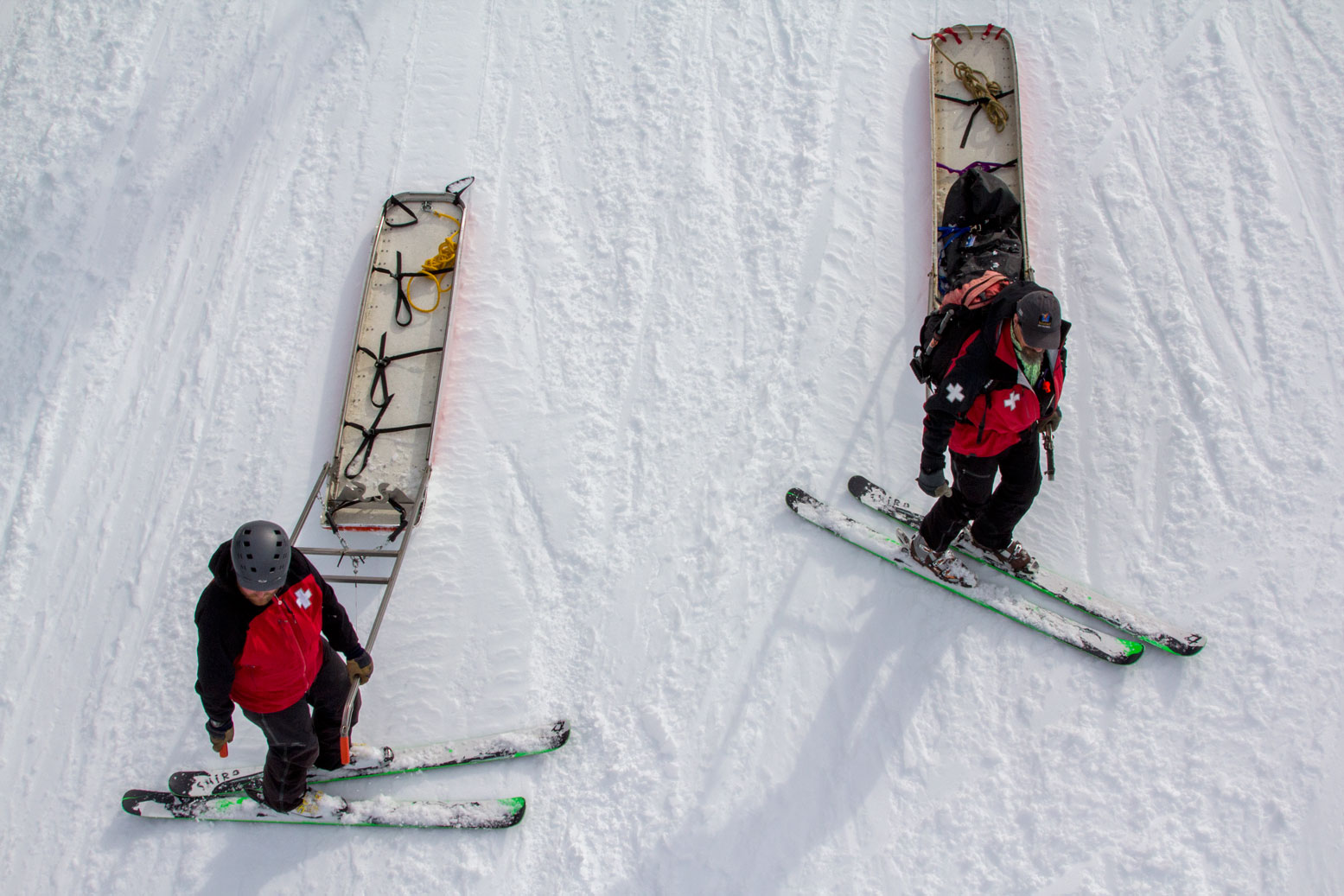
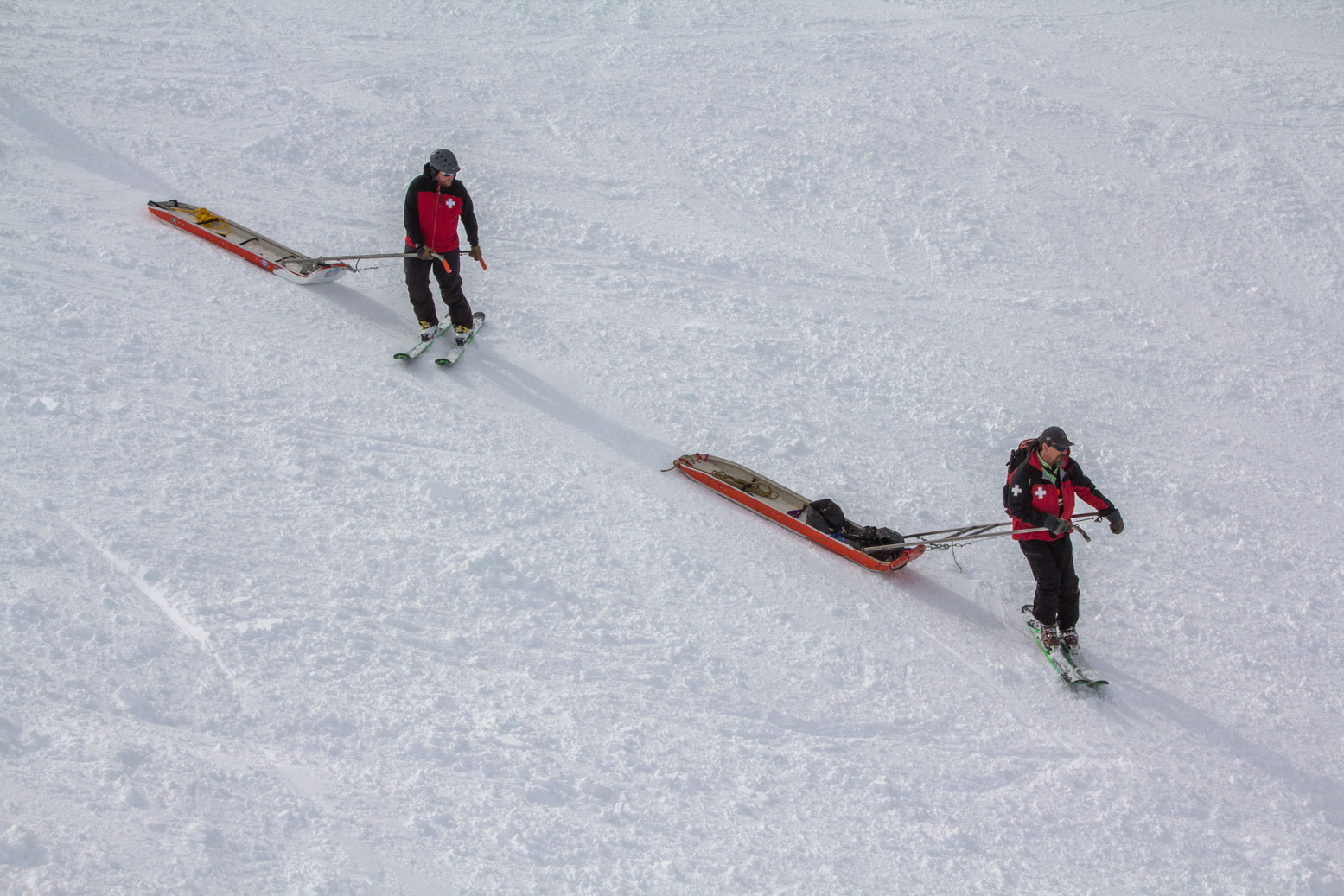
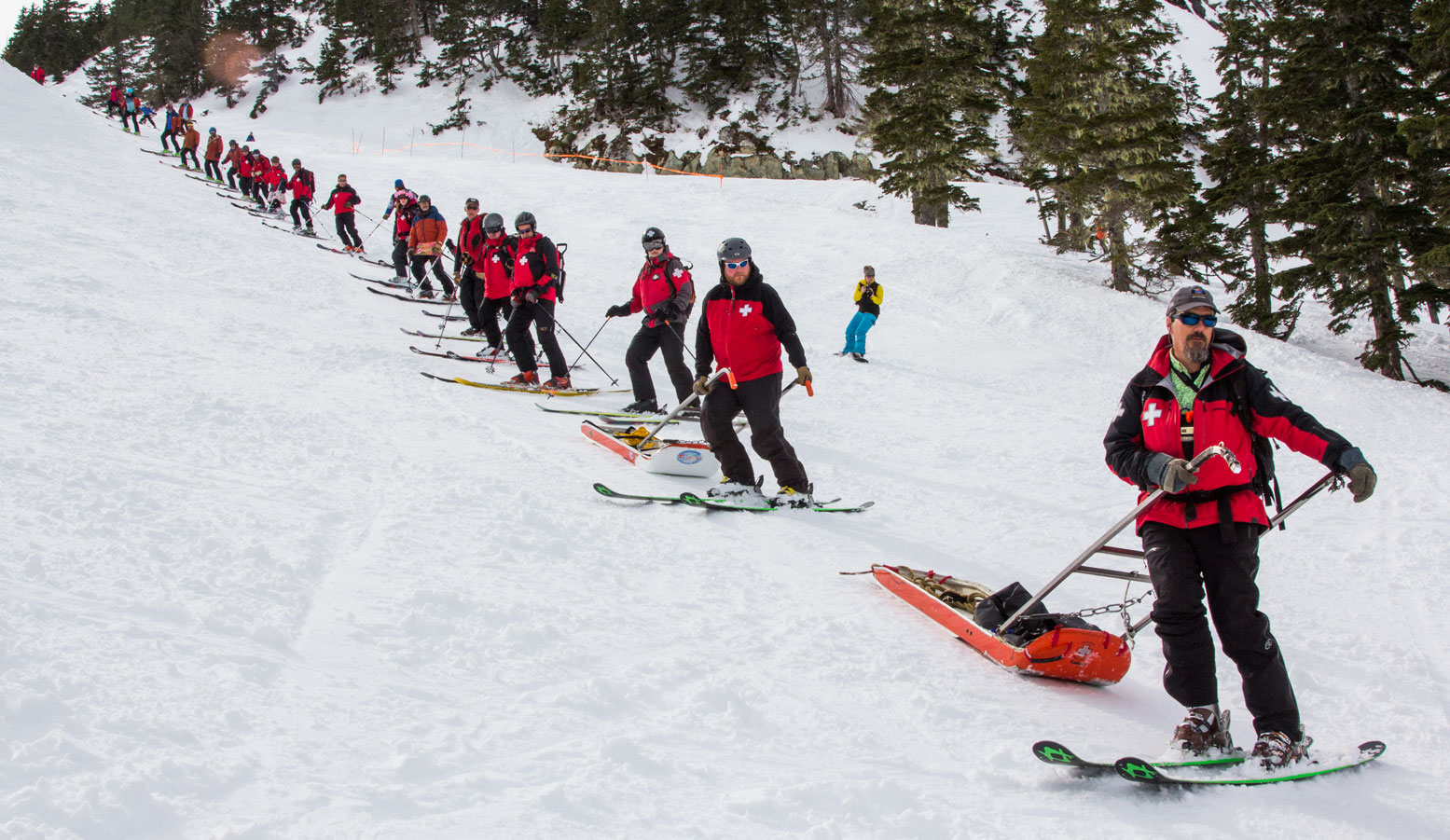
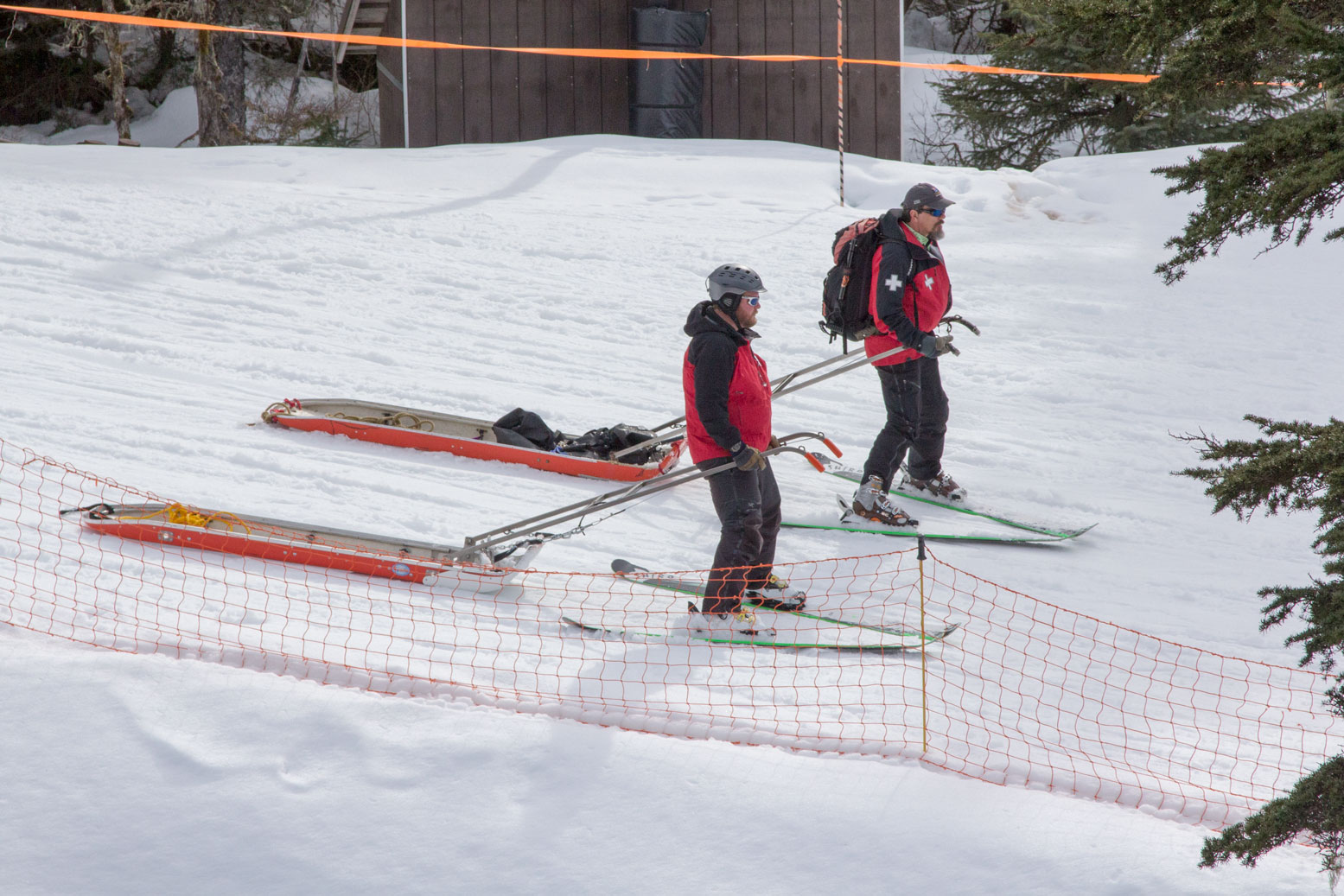
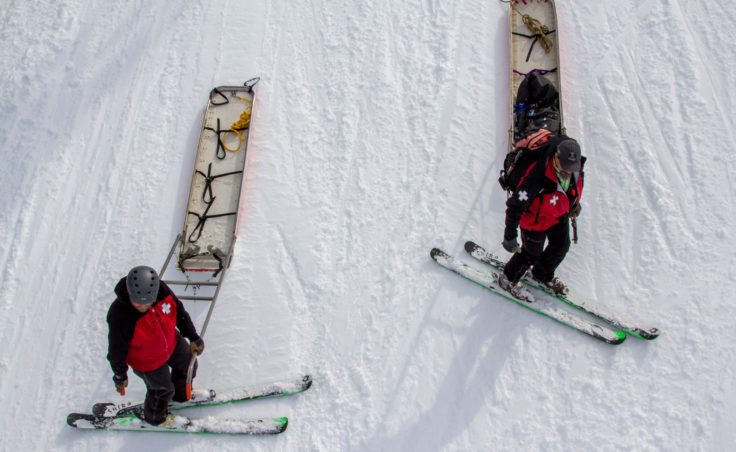
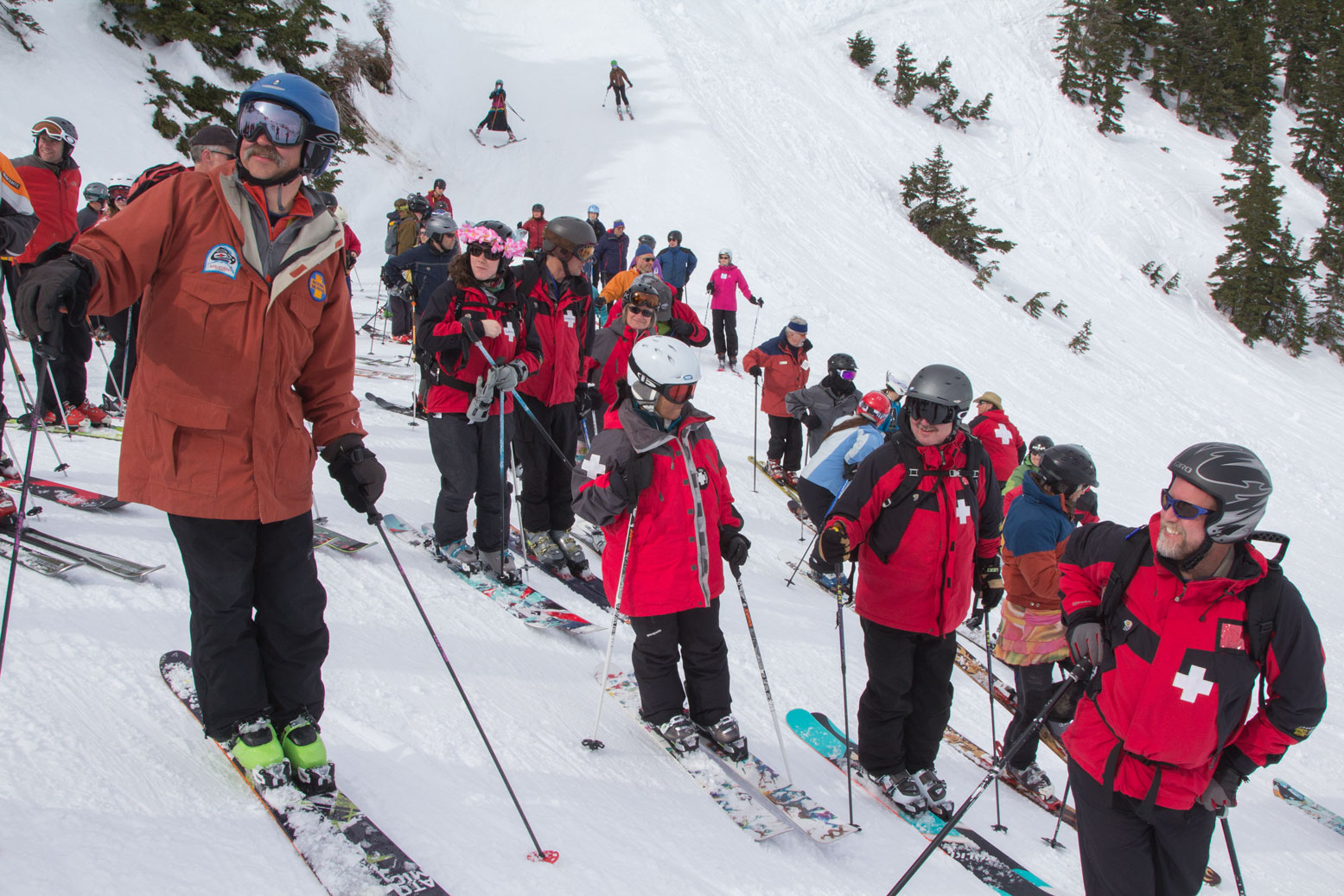
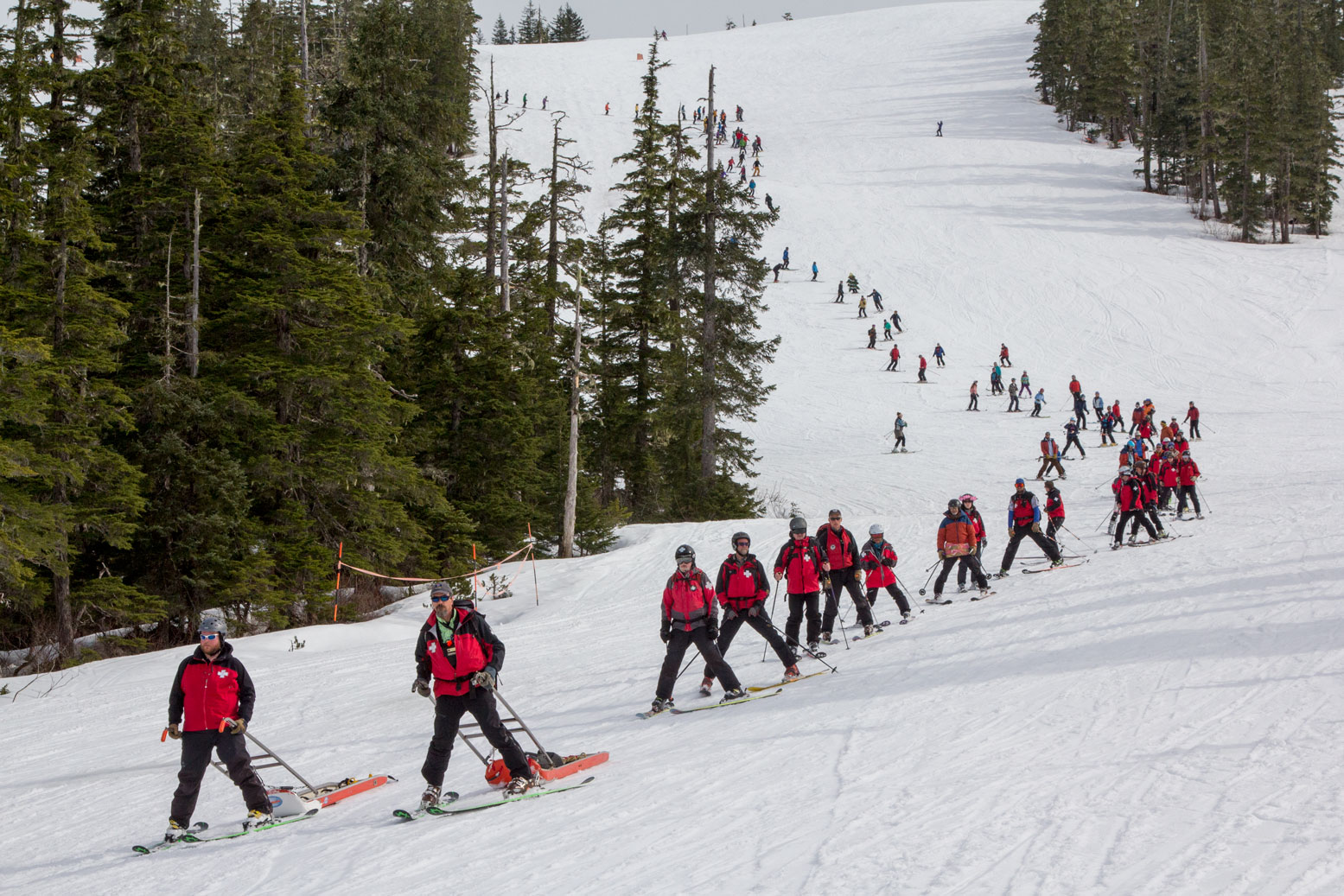
“The symbolic empty sleds for Janes and Dippold will go first, followed by today’s patrollers and the alumni patrollers,” said Bob Janes’ son Bill, as skiers of all ages came from Ptarmigan and Black Bear lifts to join the crowd at the top of Easy Bowl on Eaglecrest’s east side.

Empty Sleds - Gathering
Current and past Juneau Ski Patrollers gather with family and friends at the top of “Easy Bowl” for a memorial run at Eaglecrest Ski Area on Sunday. (Photo by Mikko Wilson/KTOO)

Bill Janes used a bull horn to address them.

“Both were patrollers, one for over 50 years, one for just under 50 years,” he said.

Dippold died in January at the age of 78; Janes passed away in March at age 92. They started volunteering with the National Ski Patrol at the old Douglas Ski Bowl called Third cabin near Dan Moller trail. It was replaced by Eaglecrest in 1975, which is now owned by the city and borough of Juneau.  A lot of community toil has gone into the ski area, and Janes reminded the crowd of several others who had been part of building it.

“Think about all the old timers, the Pittmans, the Tom Stewarts, Sig Olson, many others that I have not thought of that have left us already,” Janes said.

Pittman’s Ridge at Eaglecrest is named for Tom Pittman, who skied at Third Cabin along with Tom Stewart and Sig Olson. Stewart was secretary of Alaska’s constitutional convention and a superior court judge; Olson, a wildlife biologist. In World War II, Stewart and Olson were members of the skiing infantry of the 10th Mountain Division of the U.S. Army. Both died in 2008.

“And think about, too,” Janes said, “those that have left us far too early, the Bill Tugmans, the Helen Davies, Peter Barretts and Matt Brakels.  They also deserve our attention on this run.”

Bill Tugman taught skiing at Eaglecrest in the 1980s and died in a boating accident in 1987. Snowboarder and professional photographer Peter Barrett died in 2005 in a kayaking accident off North Douglas.  Skier, snowboarder and ski race coach Matt Brakel died in 1999 in an avalanche on Mt. McGinnis. Avid skier and CBJ accountant Helen Davies died of cancer in 2011.

Empty Sleds - Sourdough
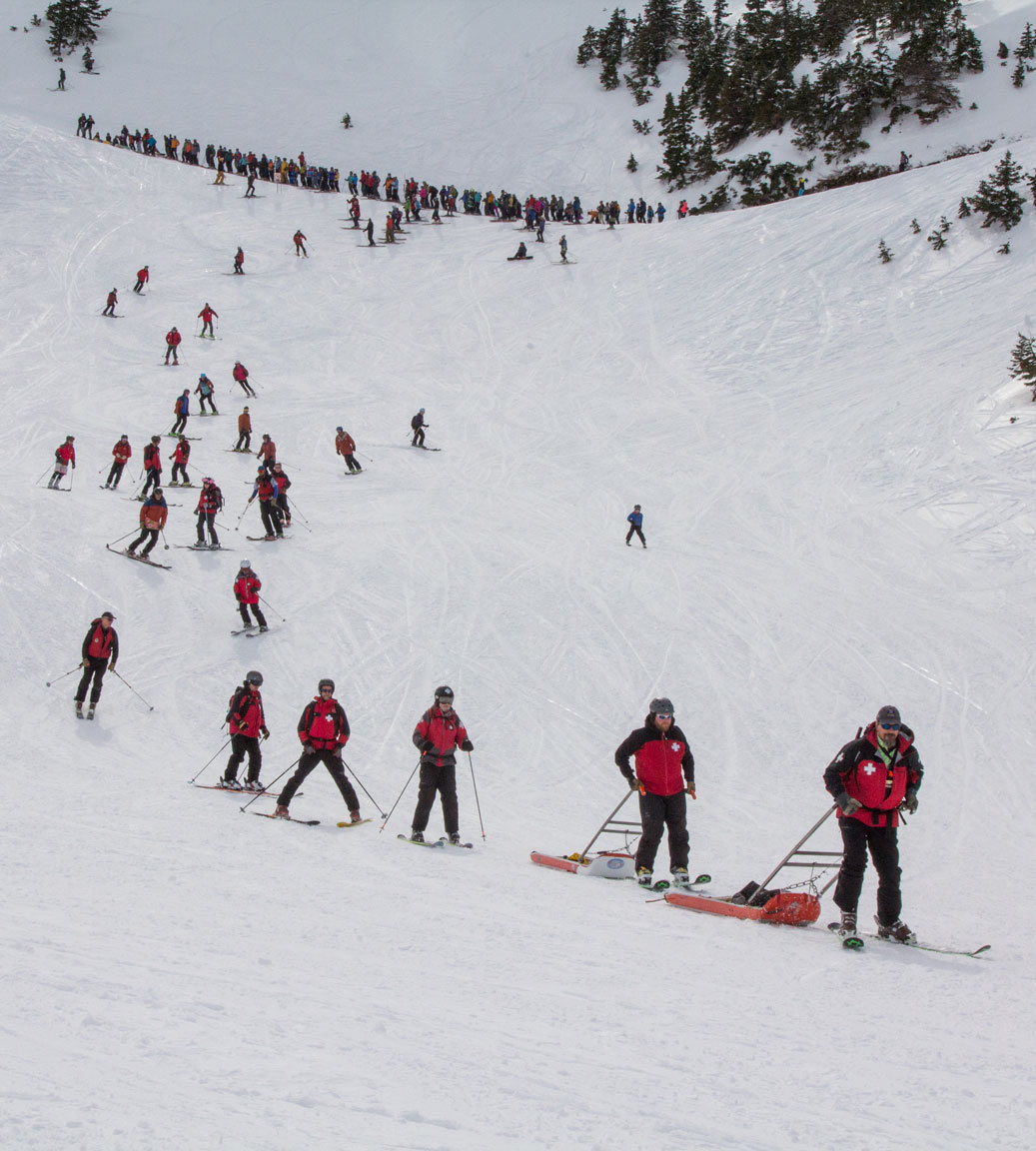
Ski Patrollers lead a group of about 200 down “Sourdough” on Sunday. (Photo by Mikko Wilson/KTOO)

Davies’ husband and Eaglecrest Director of Snow Safety Brian Davies started the procession with the two empty sleds, followed by current and former patrol members. More than 200 other skiers followed, including members of the Janes’ and Dippold families.

Most of the skiers were friends who had known these gentlemen for decades, some for just a few years; all were a part of the community ski area that fosters loyal users.

The slow procession seemed a fitting end to the 38th season at Eaglecrest.

Janes came to Alaska with the US. Forest Service. A celebration of his life will be held on April 20th. Dippold worked for the Forest Service and was a Southeast Region Director for the American Red Cross. A celebration of his life is May 31.

Site notifications
Update notification options
Subscribe to notifications