A Juneau trapper has lowered the amount of damages he’s seeking in a lawsuit against a hiker who sprang his traps last December. John Forrest sued Kathleen Turley in September. The case will appear in small claims court in Juneau Monday morning at 9.
Forrest originally sued for $5,000 in damages and the cost of attorney fees. On Oct. 1, the damages sought were lowered to $1,000.
Turley says she sprang three traps on two separate days out of concern for the safety of dogs and hikers. She also freed an eagle that was caught in two traps. The eagle was later euthanized.
Alaska Wildlife Troopers cited Turley for tampering with traps that Forrest had legally set, not for freeing the eagle. But at the arraignment, the state dropped the case.
Forrest is being represented by Fairbanks attorney Zane Wilson. Wilson helped win a high profile case against a wildlife biologist who freed a wolf from a snare in Tok in 1997. On Monday, Wilson will represent Forrest by telephone.
Juneau lawyer Nick Polasky is representing Turley pro bono. Polasky is a former state assistant district attorney. He was the primary prosecutor for fish and game offenses in Ketchikan and Juneau.
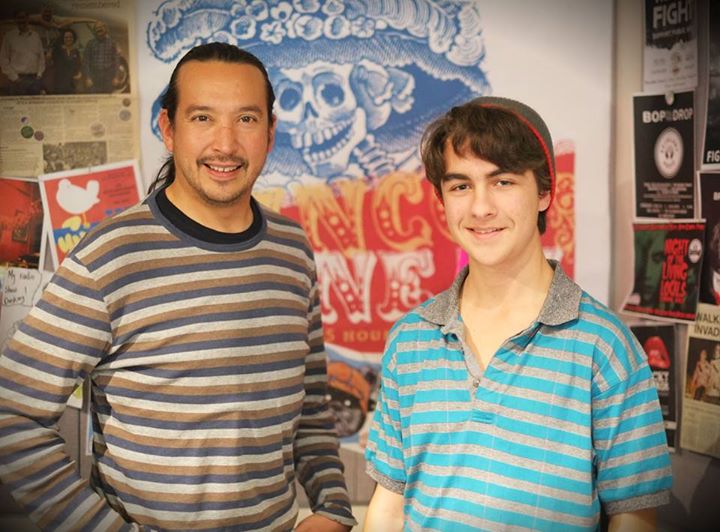
“Assimilation” playwright Jack Dalton and actor Tendal Mann. (Photo by Annie Bartholomew/KTOO)
In a dystopian future, Western civilization has crumbled and indigenous people are in control. That’s the premise of Jack Dalton’s play “Assimilation,” now touring Alaska. It flips the history of boarding schools with whites violently assimilated into Native culture.
A tyrannical character know as Elder pinches a student by the ear and leads him to his desk.
“With each time that you choose to speak your dirty language, your punishment will increase,” she tells him.
In the course of the play, the boys are beaten, verbally abused and stripped of their identity.
Whites are forced to assimilate into Yup’ik culture. It’s horrific treatment but it also really happened, which playwright Jack Dalton says is the point.
“Being Yu’pik myself, I have had a lot of conversations with people who ask ‘Why are Native people still having problems?’” Dalton said. “And my answer is usually well, when you look at all the traumas that’s happened over several generations, you can imagine it’s really hard to heal from those traumas.”
Assimilation premiered in Anchorage in 2010 with 12 sold-out performances. And this past spring, it was selected for a staged readings at Emory University.
Dalton said he didn’t do any historical research on Alaska Native boarding schools. He drew inspiration from the stories his family told him about their own experiences.
“So I was actually worried that maybe I was too close to the subject and I might be making it harsher than it really was but my dramaturge, Michael Evenden from Emory University, went and did the research and said you only cover about 25 percent of what happened. There’s so much more,” Dalton said.
In the play, a boys screams out in pain as Elder strikes him with a stick.
“I do not care how good your Yup’ik is!” she lectures.
Louise Leonard, the actress who plays Elder, attended one of the boarding schools when she was kid and remembers being punished for speaking her Native language of Cup’ik.
“I am so glad that this is going to be on because we never really talked about those days,” Leonard said.
Dalton cast Leonard after meeting her at a state fair.
He says, traditionally, not talking about the “bad things” was a survival mechanism.
But it’s one that can be dangerous. Each performance of Assimilation is followed by a community discussion.
However, Dalton said he has wondered if some of the material could be offensive–particularly the racial slurs targeted toward whites.
“Every single person I talked to said, ‘How could I possibly be offended by what’s in the play when you realize that every one of those things and every one of those slurs is something that’s happened to Native people and other minorities?’”
By flipping the roles, Dalton says he hopes Natives won’t feel triggered by the violence. And non-Natives can empathize with what happened.
Assimilation’s Kickstarter recently raised over $15,000 to pay the actors and cover touring costs. The play premieres in Juneau on Friday at The University of Alaska Southeast’s Egan Library. The performance is free and starts at 7 p.m.
Editor’s note: the location of the premiere performance has been corrected.
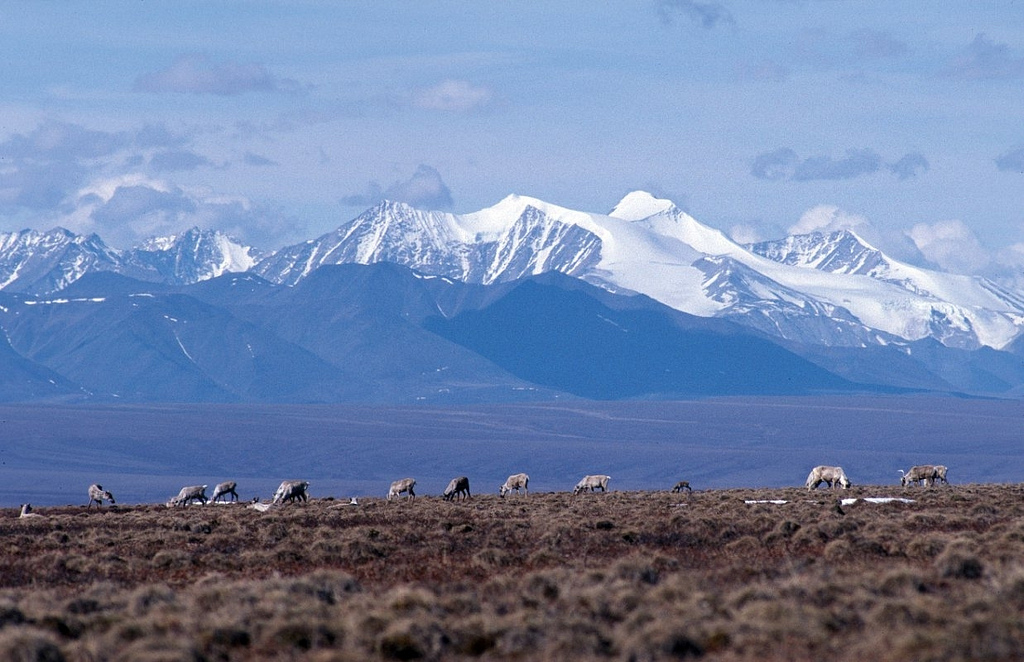
Caribou graze on the coastal plain of the Arctic National Wildlife Refuge with the Brooks Range as a backdrop. (Creative Commons photo by USFWS)
Alaska gets close to 2 million visitors a year,and more and more of them are visiting the Arctic Circle and beyond. That’s what a large audience at this week’s Alaska Travel Industry Association convention in Juneau heard during a “Tourism in the Arctic” panel discussion.
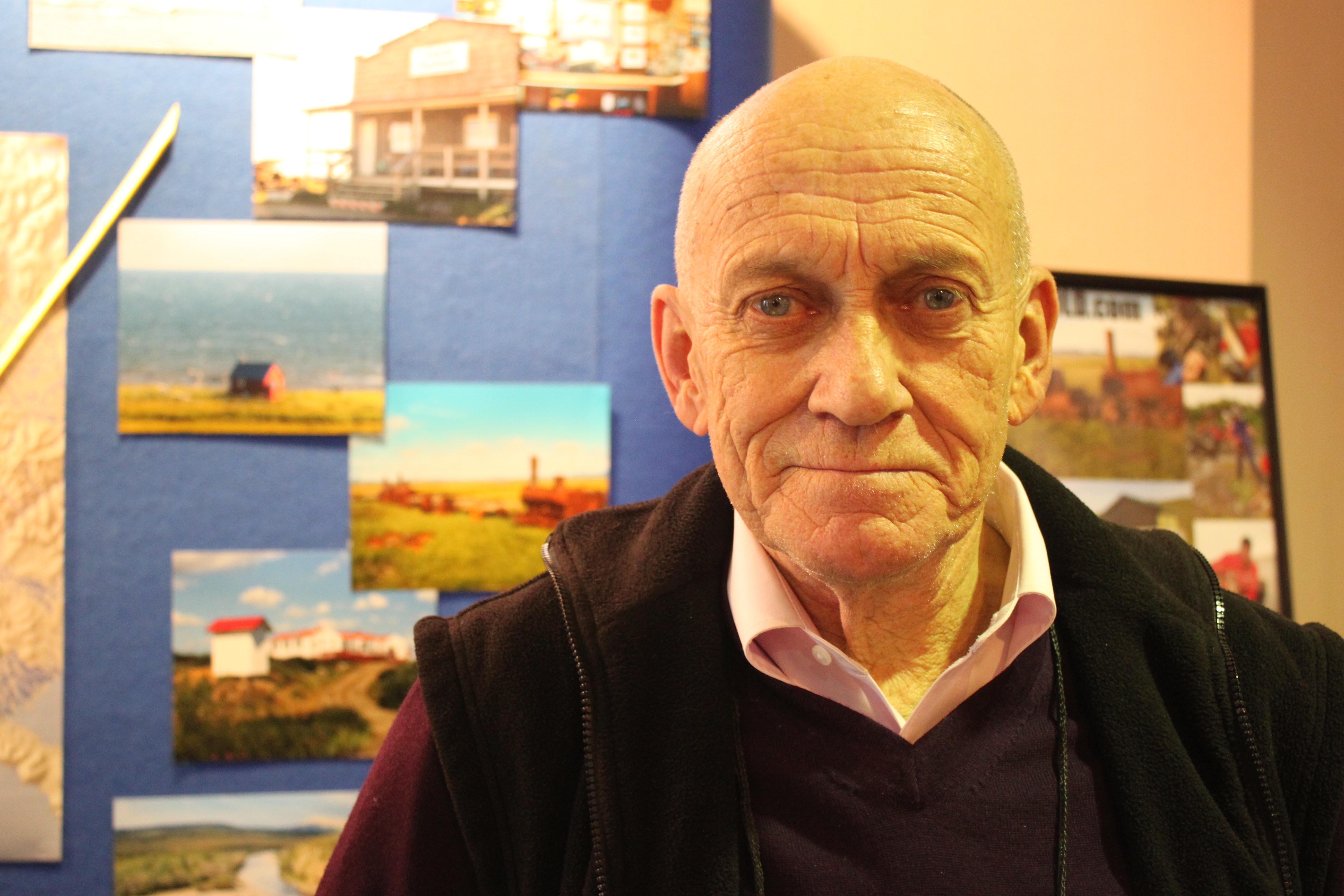
Richard Beneville is Nome’s new mayor. He also owns his own tour company, Nome Discovery Tours.
“I’m going into my 24th season,” Beneville said.
He said Nome attracts tourists for many reasons – its sport fishing, hunting, “and birding. Oy gevalt! Birds! A hundred-and-seventy migratory species that come through May 15 to June 15. We just had the cranes go out. You could look out and see 100,000 cranes in different formations. Very exciting.”
Nome usually gets between 8,000 and 9,000 tourists a year, said Beneville. Tourism has remained steady, but there has been a change.
Richard Beneville stands in front of the Nome table at the Alaska Travel Industry Association’s convention at Juneau’s Centennial Hall. (Photo by Lisa Phu/KTOO)
“The first questions used to be about gold and dogs. Now, the questions are about environment, what’s happening with the Bering Strait, how does it look for Nome in the future? So my clients are very aware of what’s going on,” Beneville said.
Next summer, the number of tourists to Nome will go up. The Crystal Serenity will spend 32 days traveling from Seward to New York via the Northwest Passage. The 1,000-passenger ship will make a stop in Nome. The cruise is being advertised as the first luxury ship to travel the Northwest Passage. Fares range from $22,000 to $120,000. It’s fully booked.
The Arctic is hot right now. President and CEO of Explore Fairbanks Deb Hickok said the state has become a prominent player in Arctic discussions, most recently highlighted by President Obama’s visit.
“Alaska, as the only U.S. state included in the Arctic, is now in a special position to leverage opportunities in the Arctic,” Hickok said.
Tandy Wallack, owner of Circumpolar Expeditions, says Arctic communities need more infrastructure to increase tourism and economic development. She cited the relocation of Kaktovic’s runway as an example.
“The present runway is built on the beach so this one is in higher ground, hopefully will help with the fog and more flights will be able to get in and out. Obviously that will allow more visitors to come into the village. But more importantly, additional air service is going to benefit the village,” Wallack said.
Brett Carlson, co-founder of Northern Alaska Tour Company doesn’t necessarily think more infrastructure is needed, especially anything that could turn the Arctic into a Disneyland.
“That’s just not the vision I see for Alaska’s Arctic. I think, generally, the infrastructure is there. The reason you’re going to come to Alaska’s Arctic and the reason Alaska’s Arctic is a continually rare travel experience in the world is it’s so unlike the rest of the world,” Carlson said. “If you wanted all those modern amenities, you could go to thousands of places in the world.”
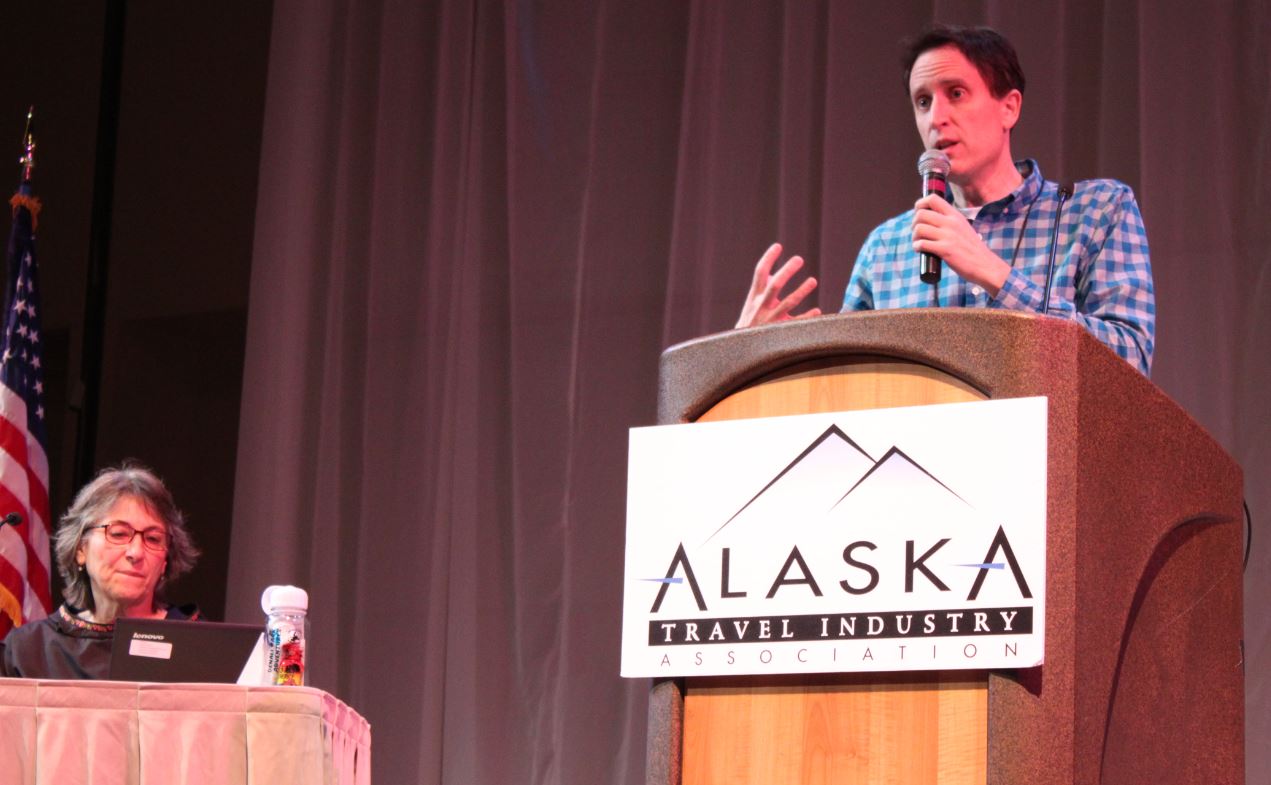
Explore Fairbanks President and CEO Deb Hickok and Northern Alaska Tour Company’s Brett Carlson during a panel discussion “Tourism in the Arctic.” (Photo by Lisa Phu/KTOO)
Carlson said his company commits to honoring traditional culture when bringing tourists to communities like Anaktuvuk Pass, Barrow and Kotzebue.
“If you can put visitors in someone’s home or in front of somebody in an authentic way where they’re not a tour guide, they’re just a person talking about their life, (it’s) a moving experience,” Carlson said.
Although Carlson admits there’s a struggle between tourism and authenticity.
Richard Beneville isn’t worried about tourism changing Nome, a community of 3,700 residents. He says when the Crystal Serenity unloads its 1,000 passengers, likely in a rotation of smaller groups, Nome will be ready.
“Nome is famous for Iditarod and Nome is famous for throwing a big party for so many people and I want to use that community feel for this ship because without it, it’s not going to work as well as it could,” Beneville said.
As tourism and other industry in Alaska’s Arctic grows, Beneville said he expects more people and more traffic to come through Nome. But he’s confident, Nome will remain Nome.
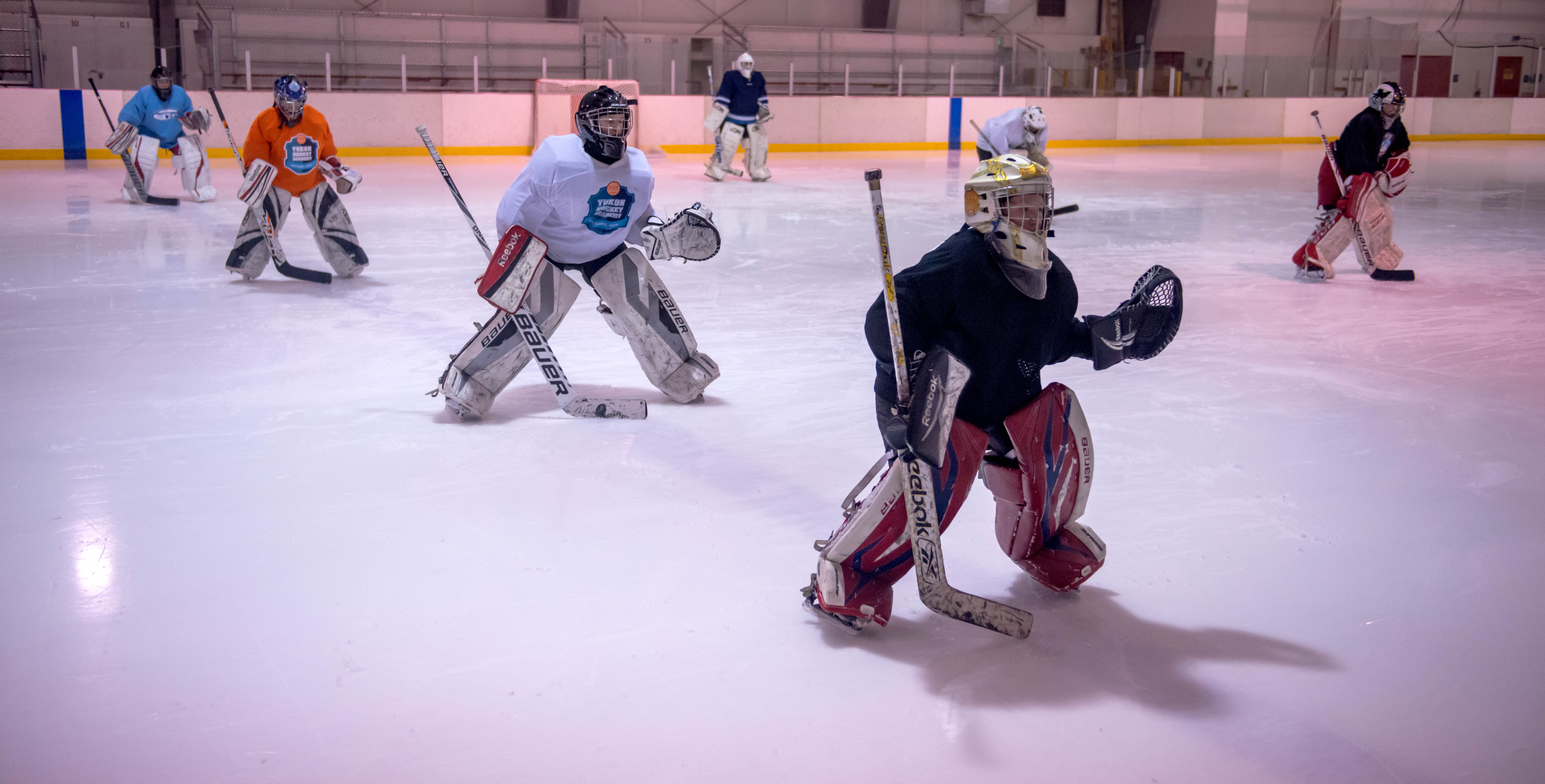
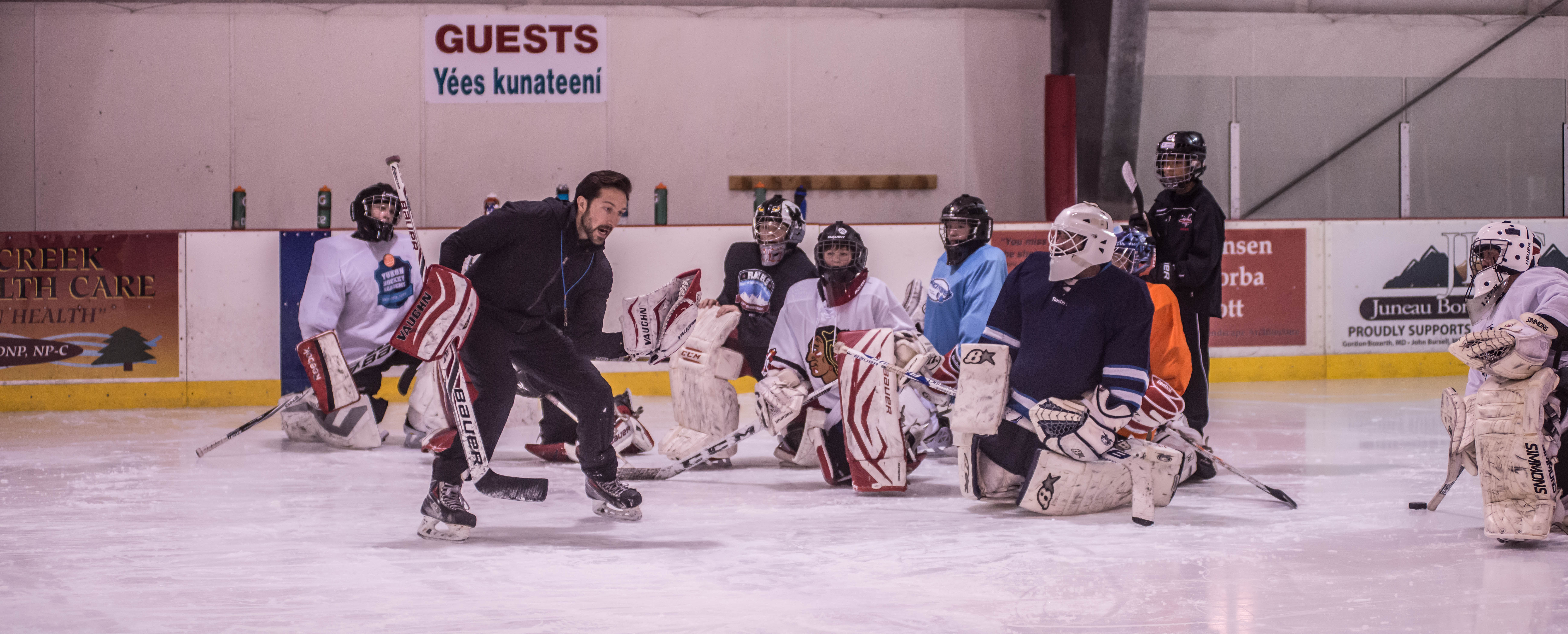
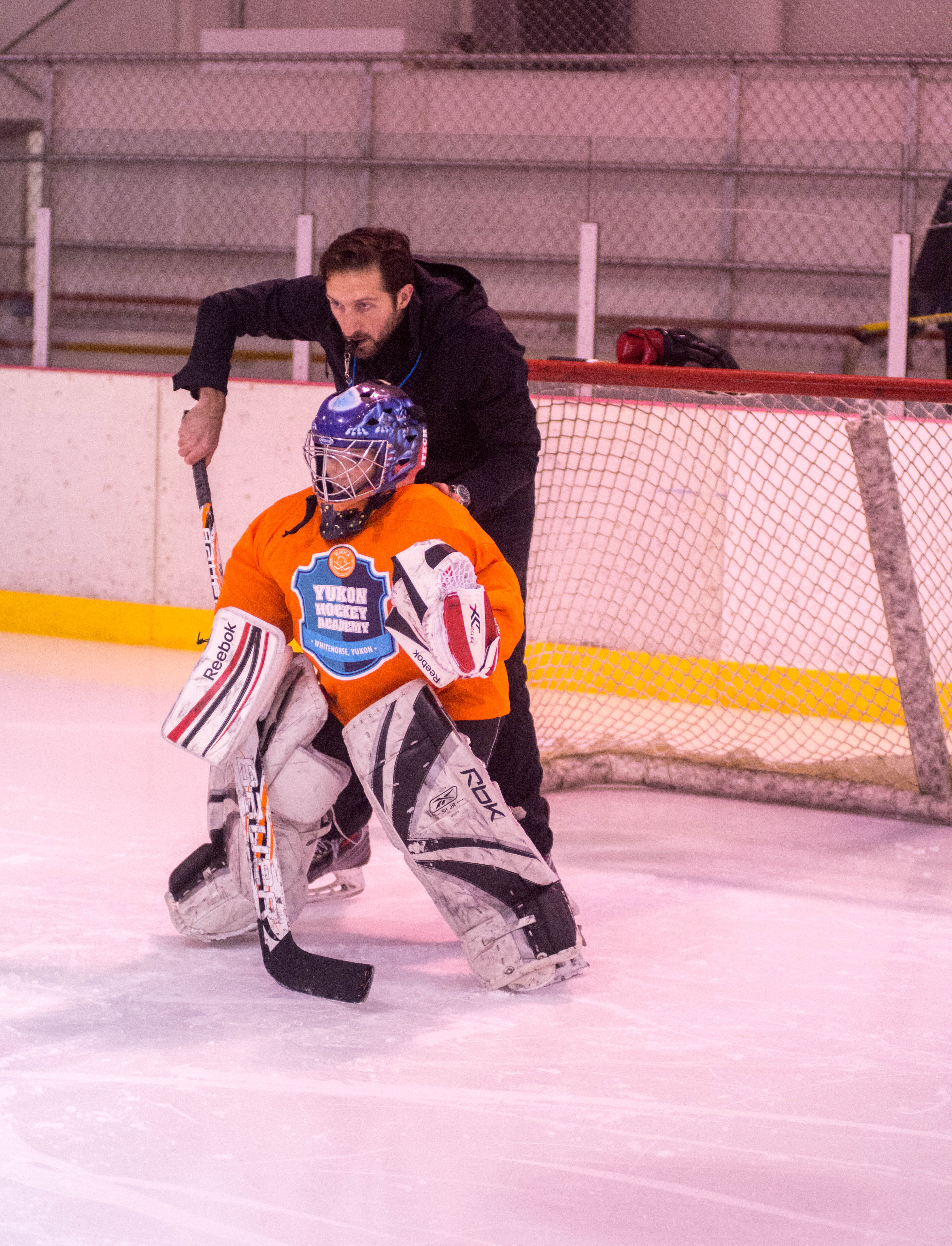
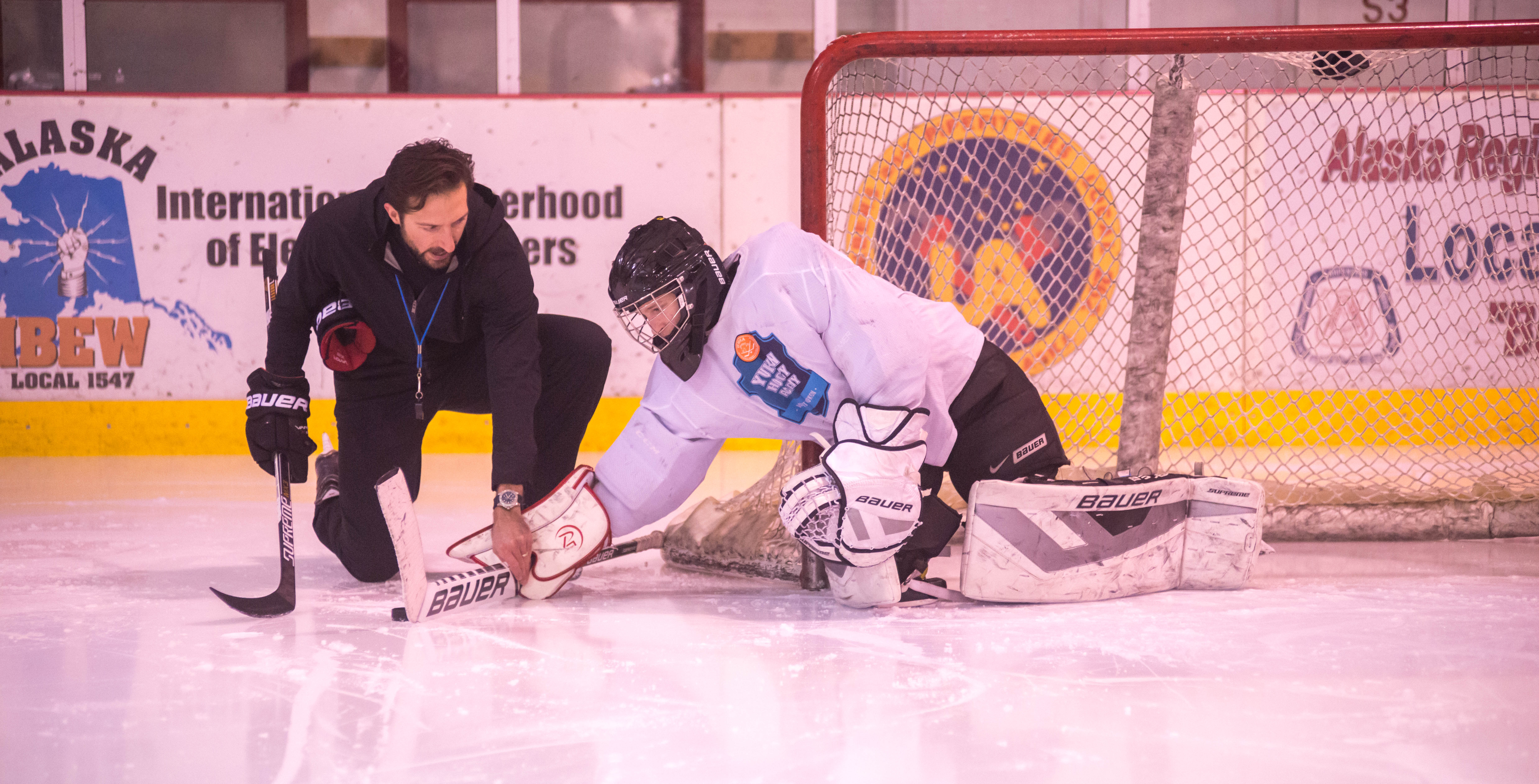
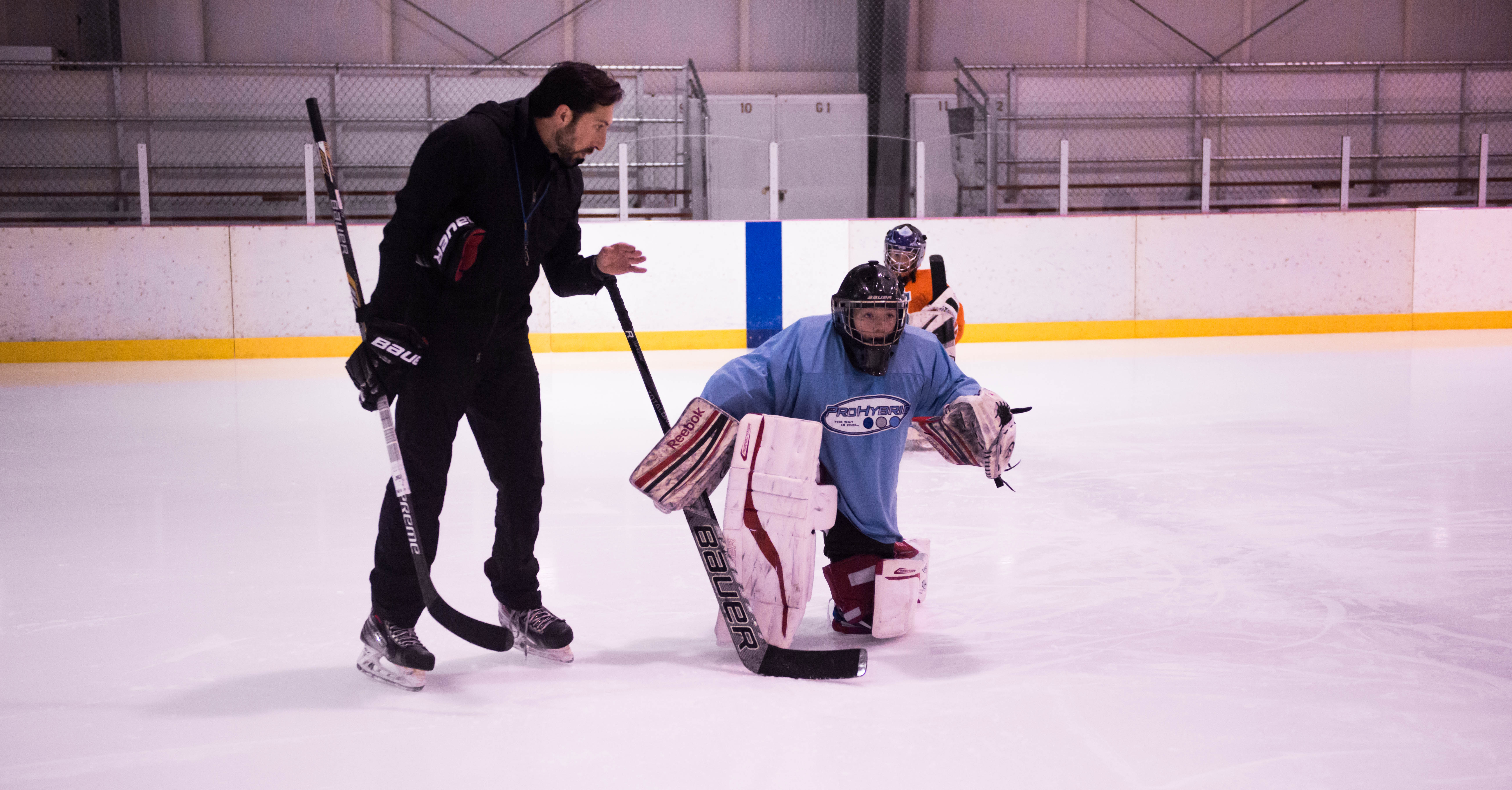
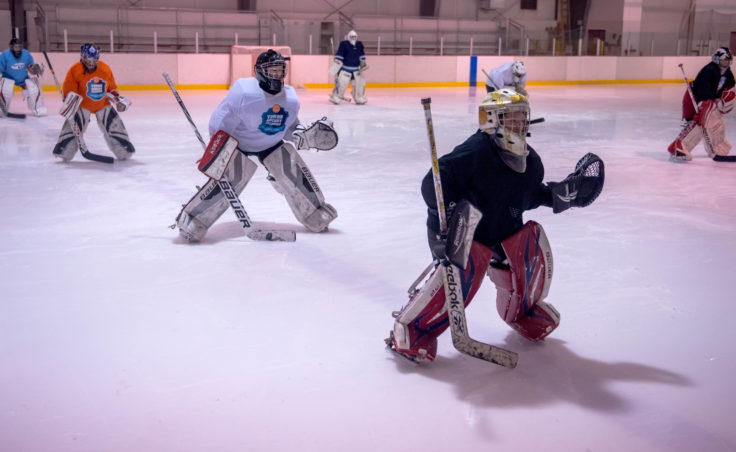
The Juneau Douglas Ice Association sponsored Treadwell Arena’s first goalie camp of its kind this past weekend by bringing Minnesota-based Zach Sikich and his ProHybrid Clinic to Juneau for a three-day tutorial. Six youth and two adult goalies participated in on-ice and off-ice drills.
Youth hockey player Evan Fabrello leads a group of goalies in warm up drills during a three-day goalie camp. (Photo by Steve Quinn)
Goalie instructor Zach Sakich demonstrates the proper method to catch and possess a shot on goal. (Photo by Steve Quinn)
Zach Sikich works with Reed Loree on his positioning and stick handling during a three-day goalie clinic. (Photo by Steve Quinn)
Wolf Dostal makes a save during a shooting drill conducted by goalie instructor Zach Sikich at Treadwell Arena. (Photo by Steve Quinn)
Florian Wade stops a point-blank shot during a drill run by goalie coach Zach Sikich at Treadwell Arena. (Photo by Steve Quinn)
Goalie coach Zach Sikich works with goalie Cody Mitchell during a three-day clinic at Treadwell Arena. (Photo by Steve Quinn)
Goalie coach Zach Sikich works with goalie Kyle Farley-Robinson during a three-day clinic at Treadwell Arena. (Photo by Steve Quinn)
Goalie Evan Fabrello stops a shot by Andre Peirovi during a drill designed by goalie instructor Zach Sikich at Treadwell Arena. (Photo by Steve Quinn)
The Juneau teachers’ union and the school district did not reach an agreement Wednesday after a full-day meeting. The teachers’ last contract expired June 30, but its terms remain in effect.
The meeting was devoted to financial issues, such as salaries and health care, which are the final elements to be negotiated.
“We made progress, but we were disappointed that we didn’t finish,” said Ted VanBronkhorst, human resources director for the Juneau School District.
An overtime session is planned for Wednesday, Oct. 14.
“What we all agreed was let’s go back to our teams and come back together and see if a couple more hours can get us there, so we all view the possibility is there,” said Sara Hannan, a teacher at Juneau-Douglas High School and the bargaining representative for the Juneau Education Association.
If the teachers’ union and the school district reach a tentative agreement next week, a written version will go to the teachers. They have two weeks to review it before a vote to finalize it.
It then needs to be approved by the Juneau School Board. VanBronkhorst expects the contract will likely be on the November agenda.
The union, representing 365 school district employees, started the bargaining process with the school district in February.
The last bargaining process was contentious with teachers picketing and threatening to strike. This time around, the school district and the teachers’ union are using a new approach called interest-based bargaining, which is more collaborative.
Close
Update notification options
Subscribe to notifications
Subscribe
Get notifications about news related to the topics you care about. You can unsubscribe anytime.