Southwest

Community of Hooper Bay suffers 3 suicides in one week

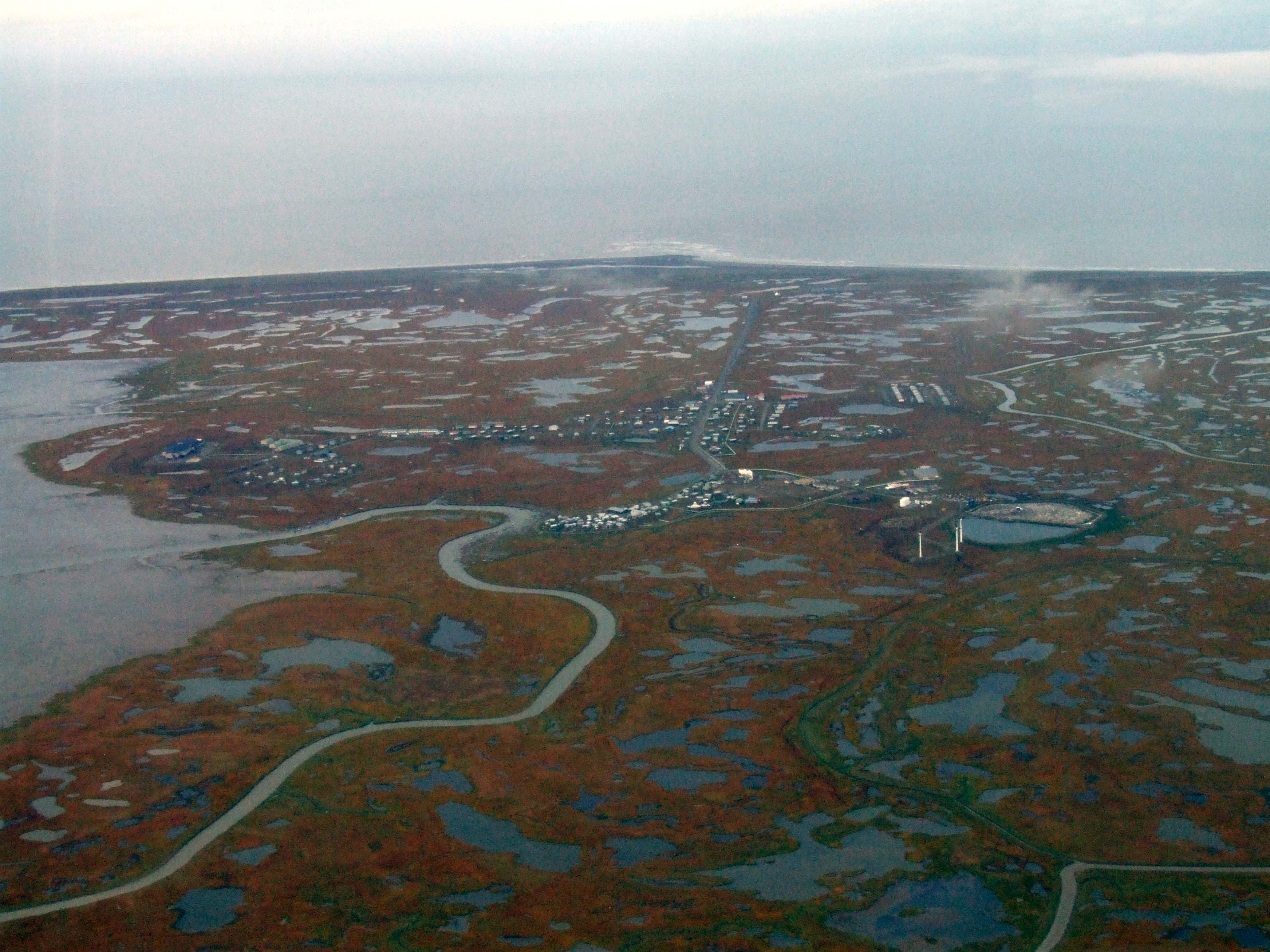
Hooper Bay, Alaska. (Creative Commons photo by Travis)

Three suicide deaths in the past week have rocked the community of Hooper Bay. Troopers believe the victims were connected.

The Yukon-Kuskokwim Health Corporation has already sent emergency health clinicians to the community to assist with debriefing efforts, according to YKHC Director of Emergency Services Chris Byrnes.

“There’s going to be boots on the ground today There’s going to be people doing debriefings with the family as well as what we can do to offer support for those close,” Byrnes said.

Last week, state troopers were notified of a death by suspected suicide. The victim was 26-year-old Noel Tall.

Then late Friday evening, Hooper Bay troopers were notified of the death of 24-year-old Eric Tomaganuk.

Tomaganuk was taken to the health clinic but health care workers couldn’t resuscitate him.

Troopers believe the deaths could be related.

Sunday evening the village suffered another death. Alaska State Troopers in Hooper Bay were notified that 20-year-old Miranda Seton had apparently committed suicide. Seton was reportedly distraught over Tomaganuk’s recent suicide.

Byrnes says the healing efforts will be ongoing.

“Usually there’s a healing circle that happens very quickly. In Hooper Bay, I’d expect that would be over at the tribal council,” he said.

James Sweeney, the health corporation’s vice president for hospital services, says the first focus is the family.

“The first priority is the family of the immediate person and then to reach out to people who might be close friends or in relationships with them, to try to make sure they have some type of relief or some type of person reaching out to them,” Sweeney said. “Then we’ll reach out to the whole village.

Although neither Byrnes nor Sweeney could cite how many suicides happened in the last year, Sweeney made it clear the YKHC response to the issue is ongoing.

“This is something that we’ve sadly, had to do several times and we do on an ongoing basis whenever something like this happens,” Sweeney said.

Sweeney encourages villages to reach out if they believe there’s a problem.

“It’s a proactive approach, not just a reactive approach. The more proactive we can be for any of these, the more we minimize these events from happening,” Sweeney said.

Sometimes suicides have a contagion effect.

Albert Wall is the director of the Department of Health and Social Services’ Division of Behavioral Health and says the tragic situation in Hooper Bay has a name.

“A loved one or someone who was involved in a someone’s life that committed suicide often can enter into a state of despondency themselves. That’s a clinical thing that happens, they’re called cluster suicides,” Wall said.

The remains of all three victims were sent to Anchorage for autopsy.

Mental health experts say suicide is a complex issue and is not typically related to one event.

If you or someone you know is having thoughts of suicide, you can seek help and call the state Careline at 1 (800) 273-8255.
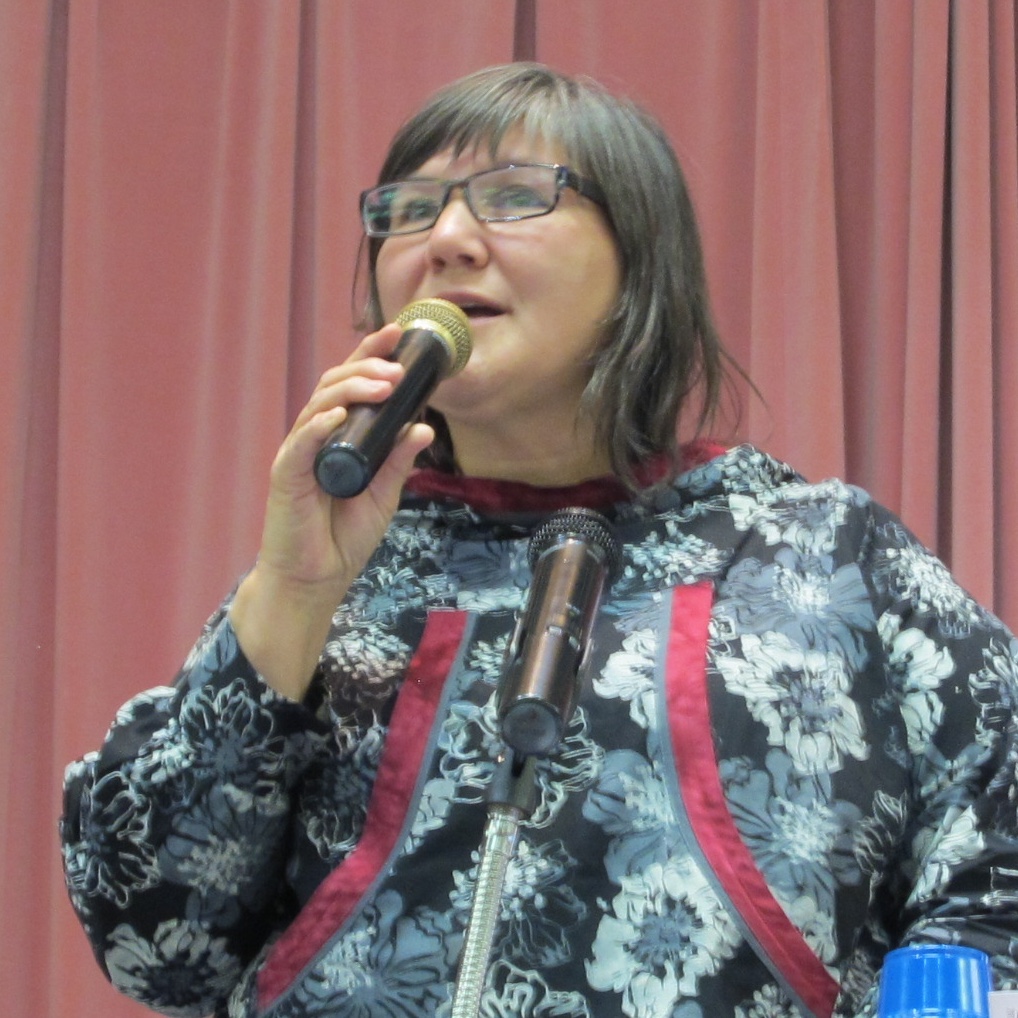
 

Village council organization elects first-ever female traditional chief

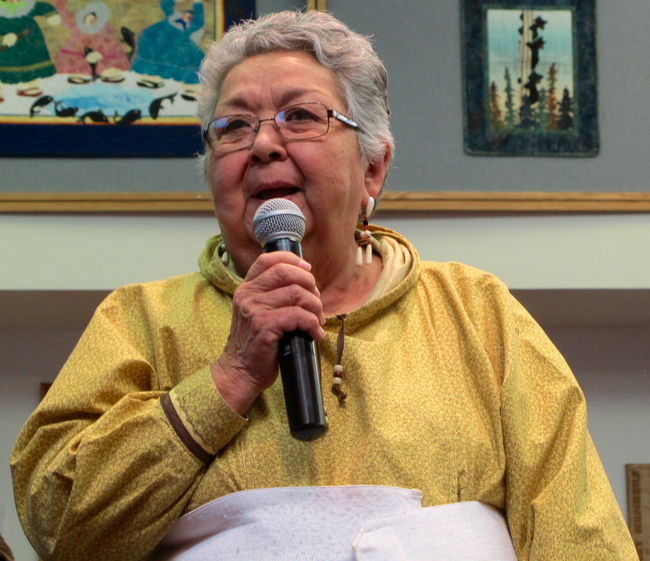
Bea Kristovich is the first woman Traditional Chief of AVCP. (Photo by Anna Rose MacArthur / KYUK)

In a historical election Bea Kristovich is the first woman to ever be elected Traditional Chief of the Association of Village Council Presidents.

“I think I’m still in shock,” she responded when asked about her new position.

On the second day of the 51st  AVCP Annual Convention association delegates elected Kristovich as 2nd Traditional Chief of AVCP.

“Women were always left out over the years,” Kristovich said. “The men were the leaders. But over the years, there’s been more women getting more active, going into active roles as leaders from the villages. And they’re still silent. But I think being the first one, it will show the other younger generation that they can do it.”

Kristovich has been active in working on Native and education issues for more than 40 years. She was also part of the effort to see the Alaska Native Claims Settlement Act passed.

The Traditional Chief acts as a figurehead — opening meetings, saying prayers and offering traditional knowledge. But Kristovich, who belongs to the Native Village of Napaimute, wants to do more than that. In her new position, Kristovich said she wants to encourage leaders to speak openly. To do that, they will have to challenge their cultural upbringing.

“We weren’t raised that way to be open or talk about people or argue or stuff like that” Kristovich explained.

She also says she wants older leaders to retire so younger leaders can step forward to learn about tribal issues.

“I want them to be united,” Kristovich continued. “You know, [there are] 56 villages, and they’re still separated by Yukon, Kuskokwim and our area, and I think if we were all united, we’d be so strong. We could stick together and fight for issues that are very important for our people and our villages. It would work.”

Panel at Bethel convention seeks solution to tribal child welfare problems

Valerie Davidson, commissioner of the state's Dept. of Health and Social Services, led the panel on tribal-state child welfare in the AVCP region. (Photo by Anna Rose MacArthur/KYUK)
Valerie Davidson, commissioner of the state’s Dept. of Health and Social Services, led the panel on tribal-state child welfare in the AVCP region. (Photo by Anna Rose MacArthur/KYUK)

Keeping tribal children in their tribal communities is the solution to improving regional child welfare, panelists said Monday at the Association of Village Council Presidents annual convention

The panelists represented a range of local, regional and state organizations and said the approach to keeping children in their tribal communities is two-pronged.

The first is by training more foster parents in each village. There is especially a need for therapeutic foster parents. Such parents receive extra training and an additional stipend to provide behavioral health services to foster children.

Panelist Fennisha Gardner, Southwest regional director of children services, said currently there are no therapeutic foster parents in the Bethel area. Without these parents, many children are removed from their homes because they require therapeutic services not available in their communities.

Panelist Linda Ayagarak-Daney, an AVCP social worker, said many foster parents are acting in a therapeutic way by engaging their foster children in cultural practices like berry picking, subsisting and boating.

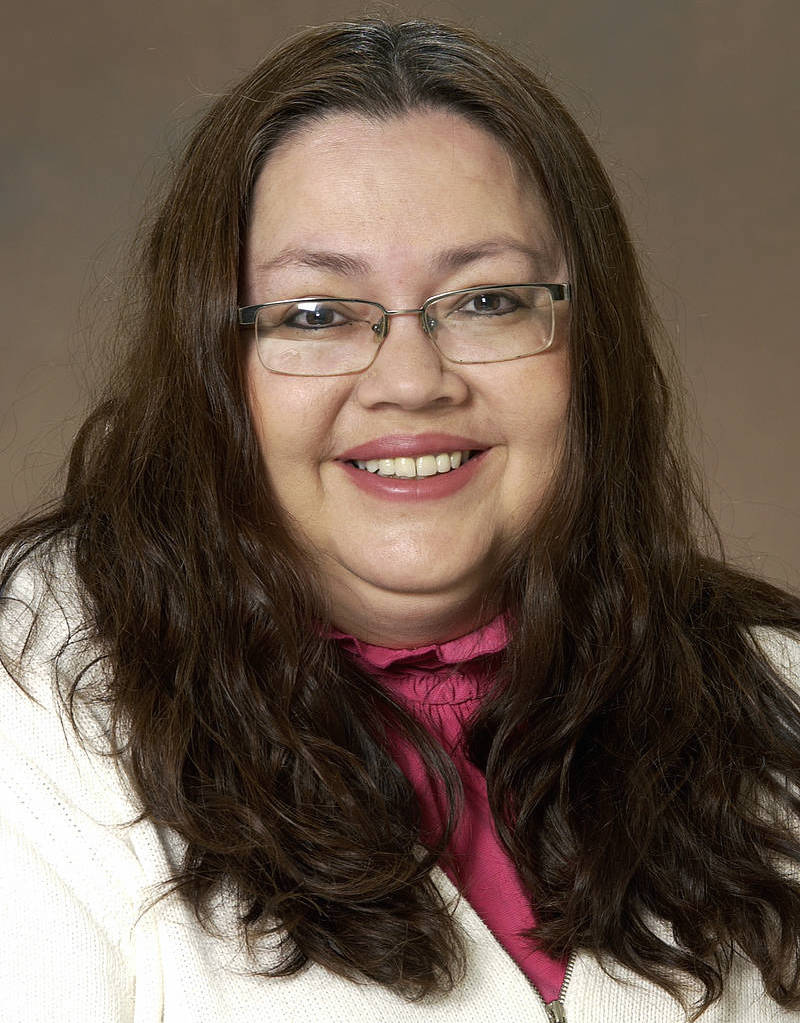
Monique Vondall-Rieke. (Photo courtesy of South Dakota State University)

Another solution panelists offered was to continue establishing and empowering tribal courts. Many panelists said tribes, not the state, know best how to care for their children.

The AVCP recently hired Monique Vondall-Rieke to help establish tribal courts throughout the region. Her vision is to create 25 to 30 new courts. To do that, she will soon begin tribal court assessments in AVCP villages.

Vondall came from working with the Chippewa Tribe in North Dakota as a tribal judge and attorney. She was also responsible for writing tribal court code.

The convention goes until Thursday at the Bethel Cultural Center.

Salvation Army buys building to house Bethel headquarters

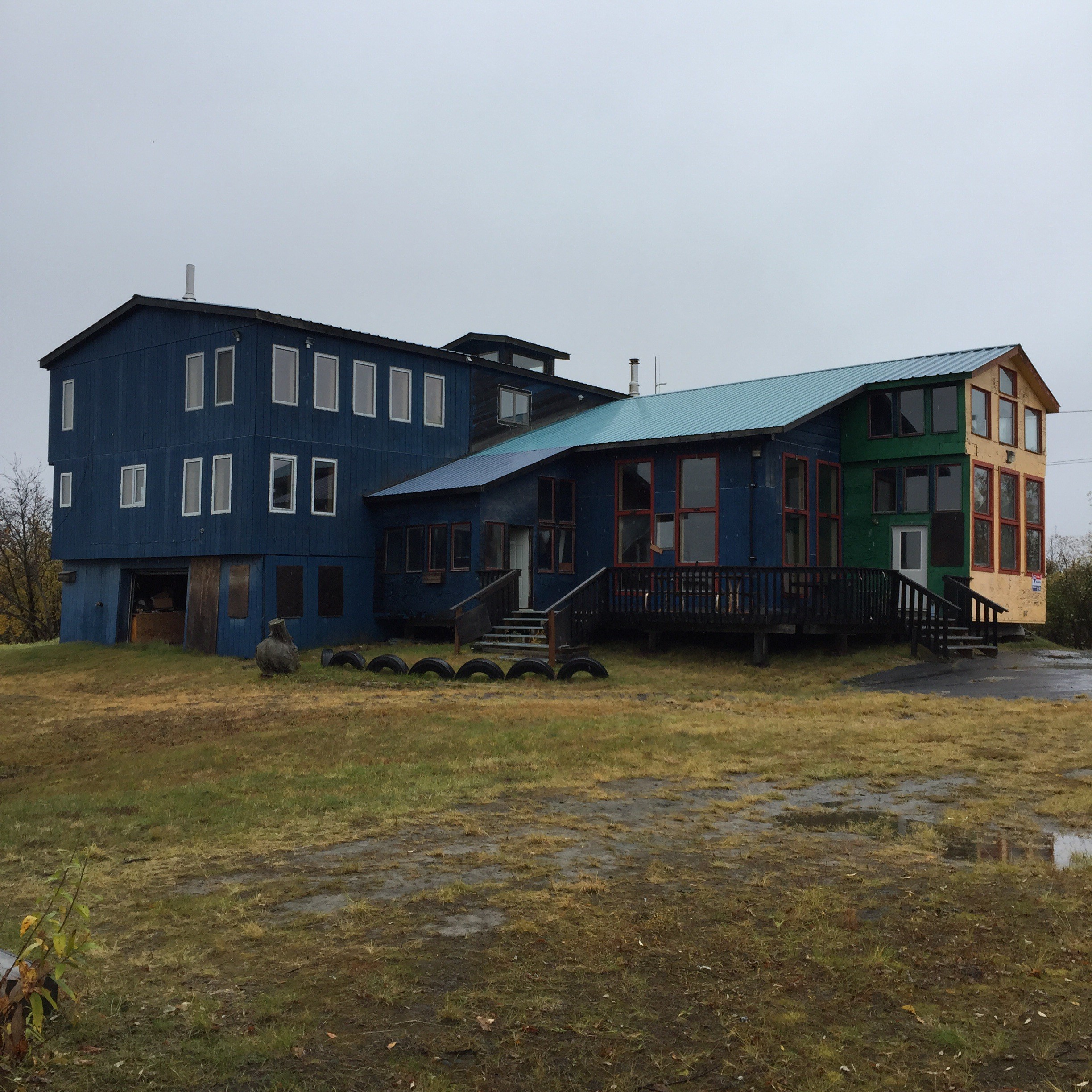
The Salvation Army purchased this building from Bethel resident Tim Myers. (Photo by Charles Enoch/KYUK)

The Salvation Army finalized the purchased of a building in the Tundra Ridge area of Bethel Friday. Once operational, the building will offer a variety of services to the community.

Major Loni Upshaw is handling the purchase and says she is happy with the building.

“Wonderful building! And it fits the needs that the Salvation Army has in this community, lack of any place else to purchase in town,” said Upshaw.

The building was once a girls dorm for the school formerly called the Bethel Alternative Boarding School It’s been vacant since the school moved to the Kilbuck building. It has no utilities as of Friday, and plans are in place to clean the building and to make any repairs before they begin operations but there is no set date for that to happen, and she is not sure yet of what services will be available through them.

Upshaw says, besides being the Bethel headquarters for their organization, it will also be the location for the local homeless shelter.

“It’ll be the Salvation Army outpost, or core, which is our church. We will be helping with food services, a food box, commodities. We will be helping out housing the Winter House there and whatever services that [they] need. We’ll just be open as a social service but also as a church,” said Upshaw.

The Bethel Winter House couldn’t be reached for comment, but they previously announced tentative plans to open Dec. 1, during the coldest part of winter. But Upshaw is hopeful they might open the shelter sooner since it gets cold before winter.

“I’m not quite sure; I haven’t had the meeting with them. But the Winter House has grant monies to hire nighttime watchers or caretakers. So as soon as things are ready and the temperatures down we will start housing people and doing what we can to get them out of the cold. No date has been set yet for this,” said Upshaw.

The Salvation Army will also provide a food pantry; a service that up till now has been operated by The Bethel Lions Club. The Lions Club stated that their contract with the Food Bank of Alaska has been discontinued.

The Salvation Army has been in Alaska since 1898 and serves 18 communities throughout the State, Bethel being the most recent addition. They offer youth programs, spiritual support, emergency services, rehabilitation services and senior services.

NTSB releases preliminary report on deadly Iliamna crash

(Creative Commons photo by Matt' Johnson)
(Creative Commons photo by Matt’ Johnson)

The National Transportation Safety Board released a preliminary report Friday on the Sept.15 crash of a turbine Otter float plane in Iliamna. The accident killed three and wounded seven onboard. The plane was owned and operated by the Rainbow King Lodge. It left before dawn to take clients and guides to a day of fishing on a river northwest of Kodiak.

The NTSB has not concluded what caused the accident. But the report details a statement from the only eyewitness that dark morning.

The van driver for the lodge was able to watch as the Otter took off, says NTSB Alaska office chief Clint Johnson:

“What he explained to us is he saw the airplane initially rotate and become airborne and shortly after that the airplane descended, struck the floats on the water again, the airplane again bounced back in the air or at least became airborne again and at that point descended behind some trees and out of his sight and he was the one who got the first 911 call off and got the rescuers headed that way,” Johnson said.

The plane crashed not far from the end of East Wind Lake. Volunteers from Iliamna and Nondalton and a state trooper helped pull the survivors from the wreck and transported them to the village clinic where they were treated and later medevaced to Anchorage. Johnson said the NTSB has since spoken with all the survivors, including the pilot.

“What they consistently said is they thought they hit something, which right now would lead us to believe that what they heard and felt in the airplane was probably the airplane striking the water again,” Johnson said.

Johnson said the NTSB considers three main issues in an investigation: man, machine and environment. So far, they have not ruled any out as possible causes of the crash. He said the Otter’s Honeywell turbine engine will be sent to a Honeywell factory in Phoenix for tear down in October. The NTSB does not expect to release a final report on this accident for another nine to 12 months.

Bethel drafts rule to protect city employees from sexual orientation, gender identity discrimination

The City’s Municipal Code, Union Agreement, and Employee Handbook, which the City Administrator and City Attorney are creating drafts of to include “sexual orientation” and “gender identity” under protected classes. (Photo by Anna Rose MacArthur/KYUK)

Bethel city employees could soon be protected from sexual orientation and gender identity discrimination.

In its regularly scheduled meeting Tuesday, Bethel City Council voted to draft language to include sexual orientation and gender identity under the city’s protected classes.

If the changes take effect, it would be illegal for a city employee or someone applying for a job with the city to be treated differently by another city employee because of their actual or perceived sexual orientation or gender identity.

Bethel council member Chuck Herman suggested the changes after reviewing a draft of the City Employee Handbook and finding the protected classes lacking. He says the changes would make the city a more attractive employer and would also send a message to city workers.

“We are signaling to our future employees and our current employees,” Herman said, “that we do not discriminate on that basis, and what we care about is results and hard work, and being a competent and caring employee.”

The Bethel City Administrator and City Attorney are drafting consistent language for the city’s Municipal Code, Union Agreement and Employee Handbook, making sure all three documents’ protected classes match.

The changes are expected to be presented to the council in late November.

Local governments have taken similar actions elsewhere in the state. The Anchorage Assembly is amending an ordinance that would outlaw sexual orientation and gender expression discrimination in the workplace, public facilities and in housing.

Likewise, in Juneau, assemblyman Jesse Kiehl is drafting a city ordinance that would prohibit the same class discrimination in the workplace, public facilities and in housing. The City and Borough of Juneau already has a personnel rule banning discrimination against city employees “for a reason not related to merit.”

The proposed changes in Bethel would apply only to city employees, and would not extend to the private sector.


Site notifications
Update notification options
Subscribe to notifications