Community

Whale butchered, meat distributed to villages surrounding Kuskokwim River

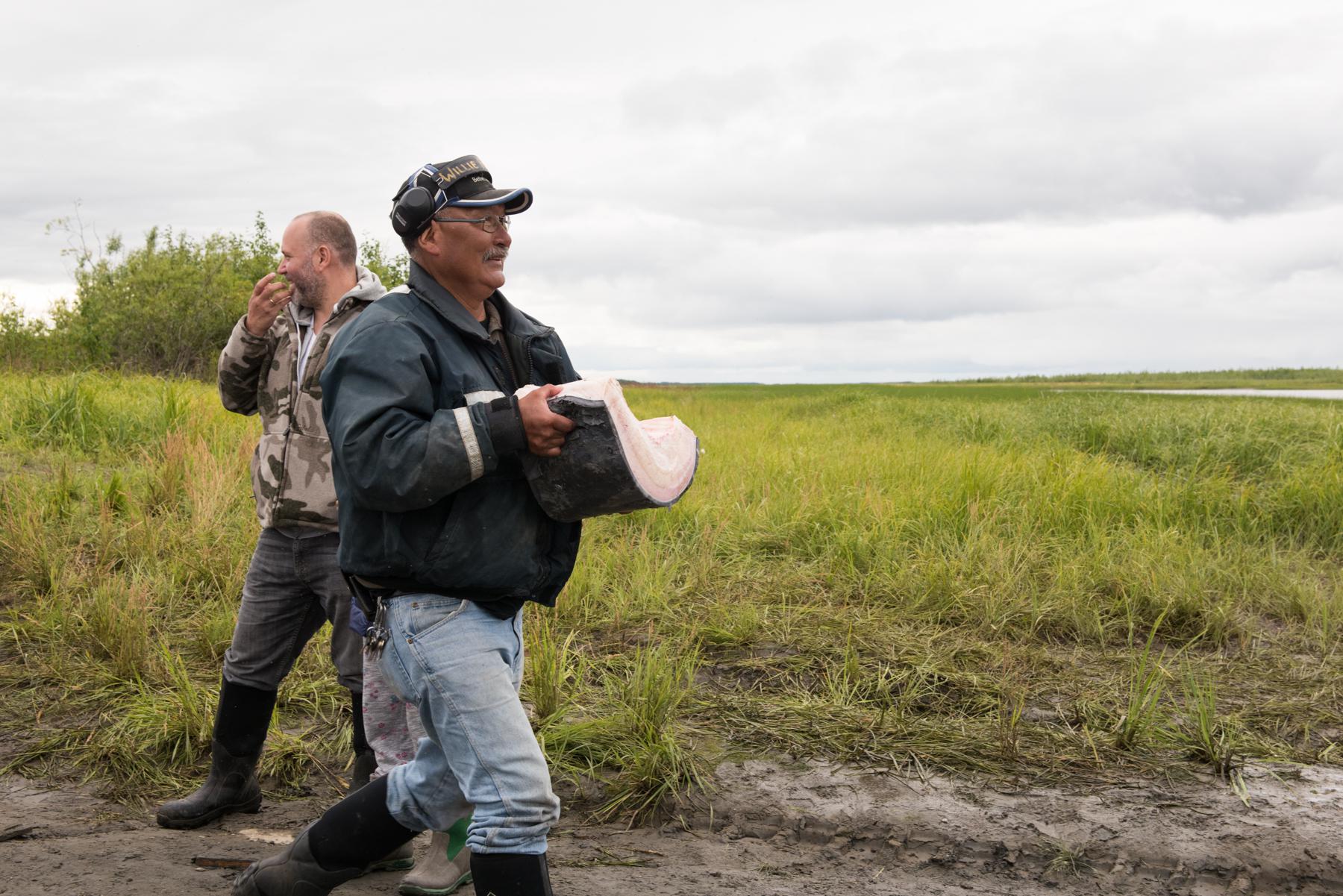
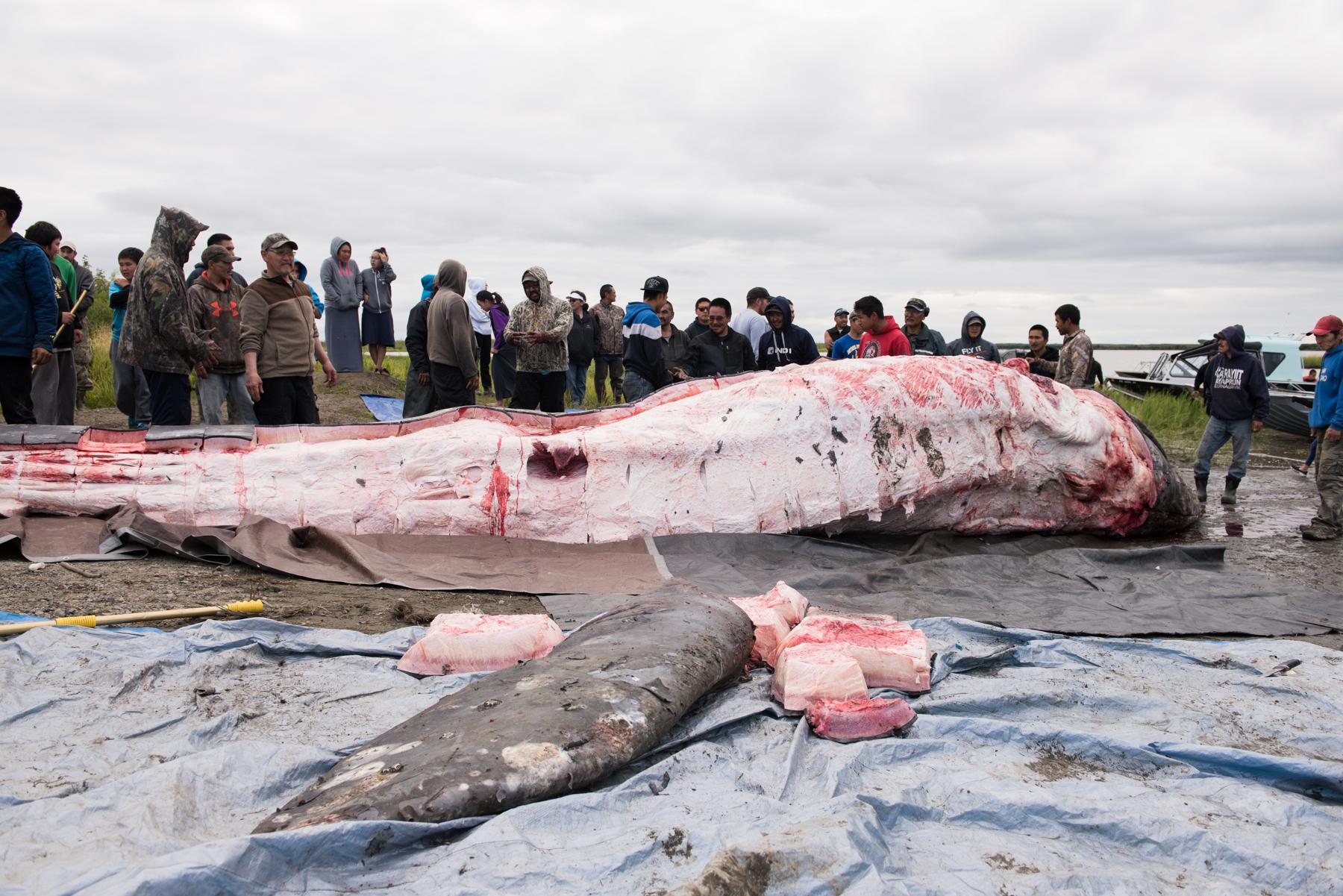
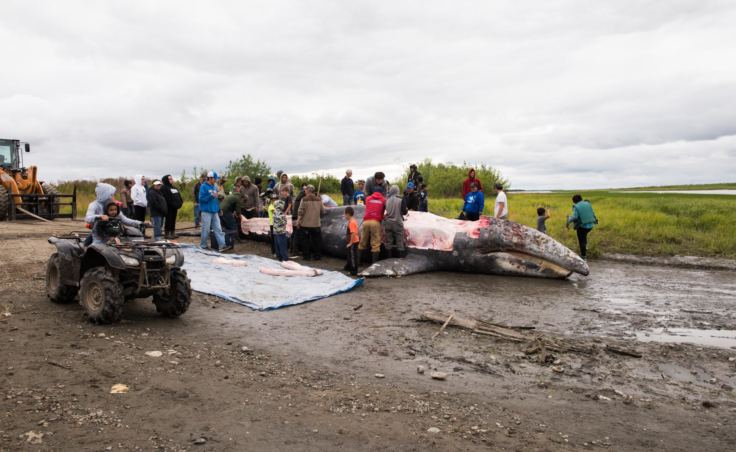
Meat and blubber from the whale killed Thursday evening in the Kuskokwim River is currently being distributed to surrounding villages. Six boats dragged the 37-foot long whale to shallow water between 6 p.m. and 7 p.m. on Saturday. A yellow front-end loader then carried the carcass to the Napaskiak shore.

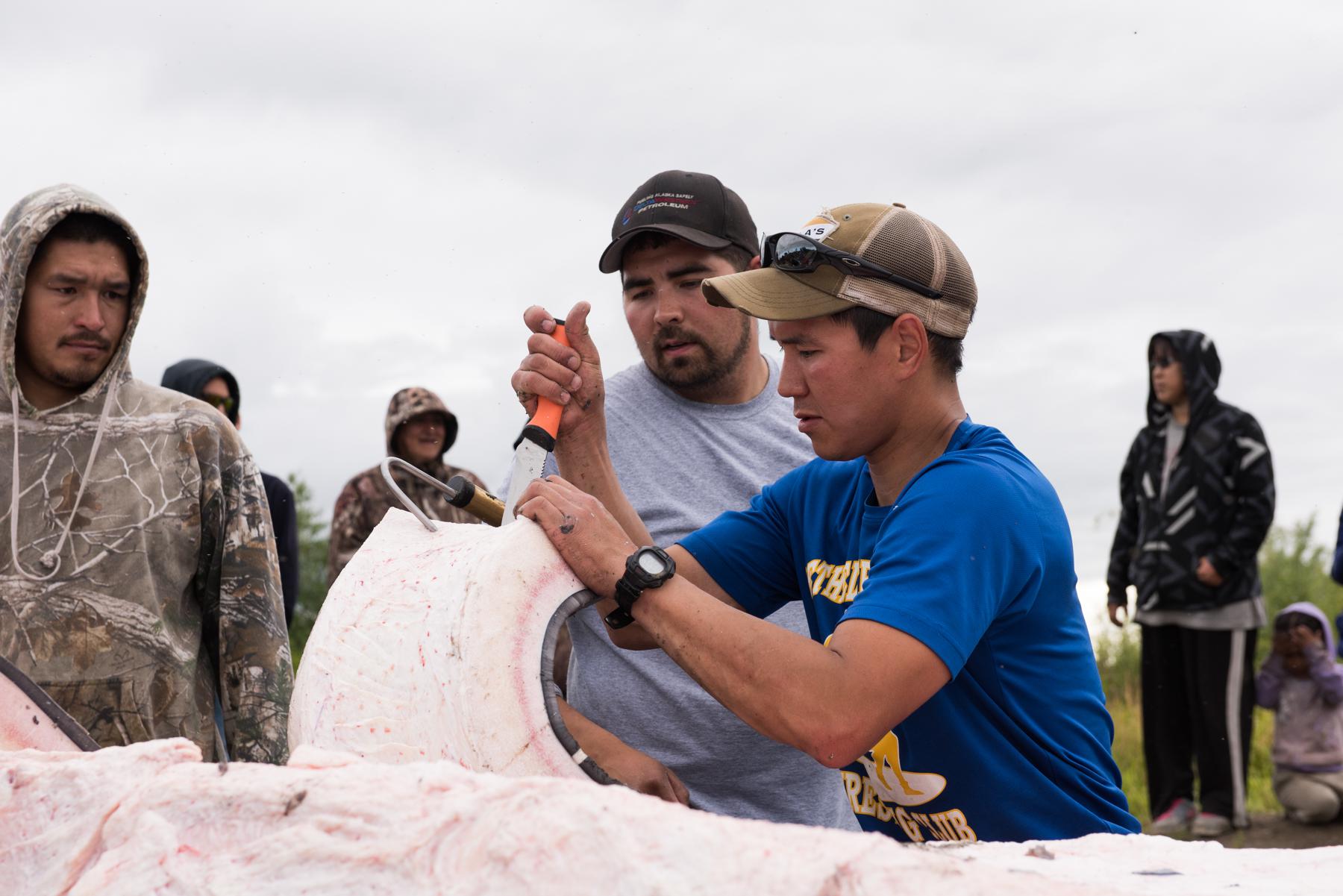
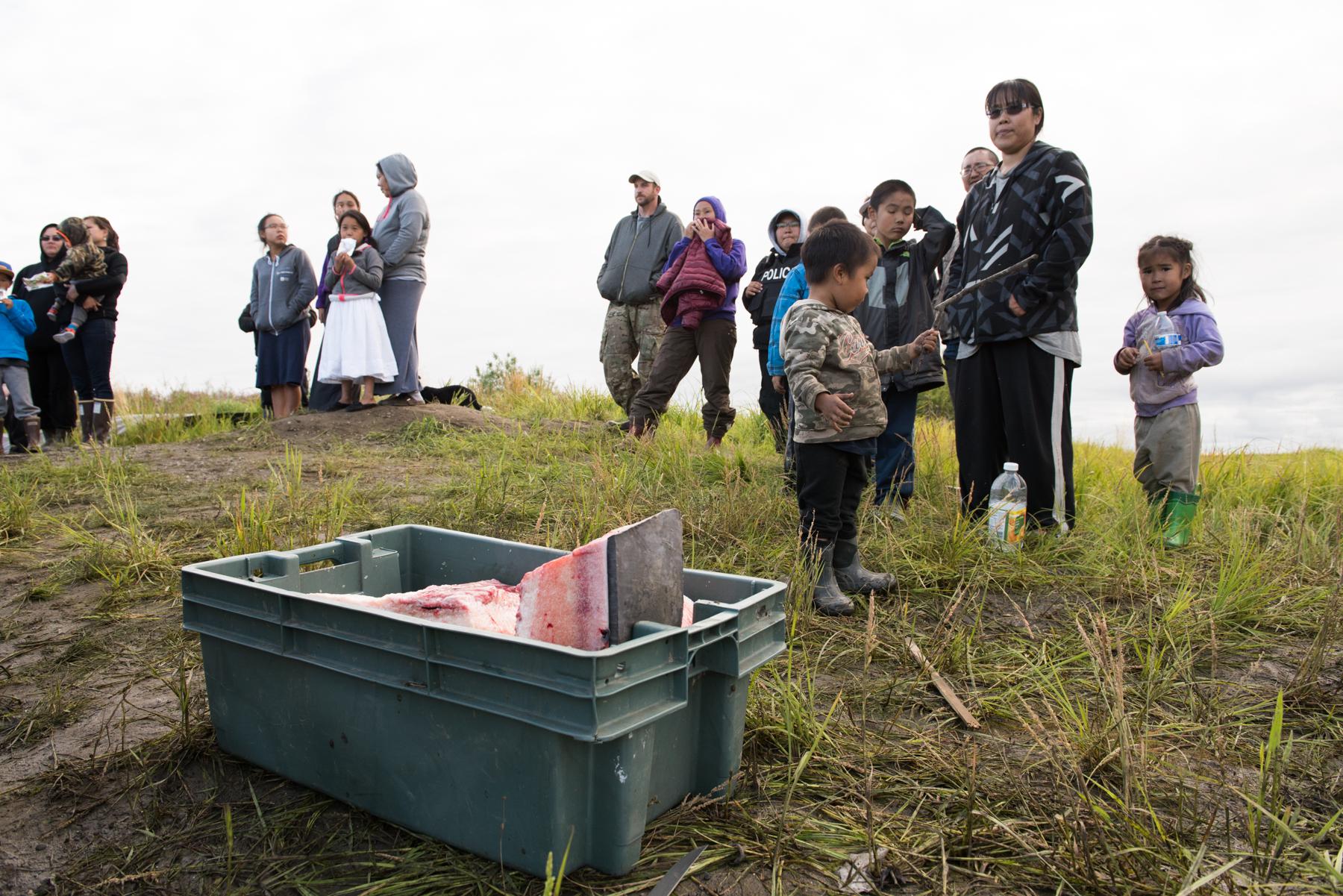
As of 7:45 p.m. Saturday, about 40 people, including elders, adults, and children, surrounded the whale while several people worked to butcher the meat.

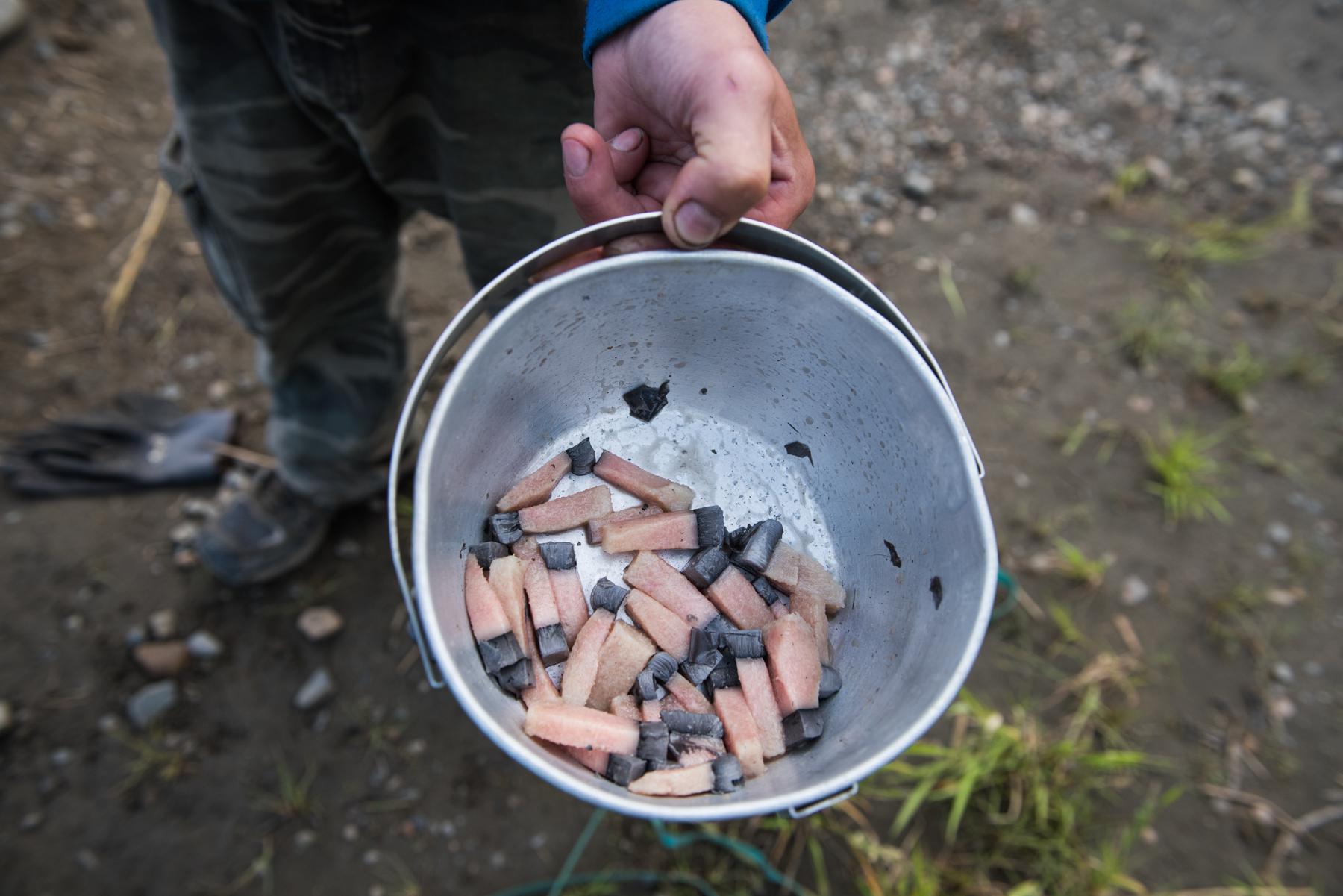
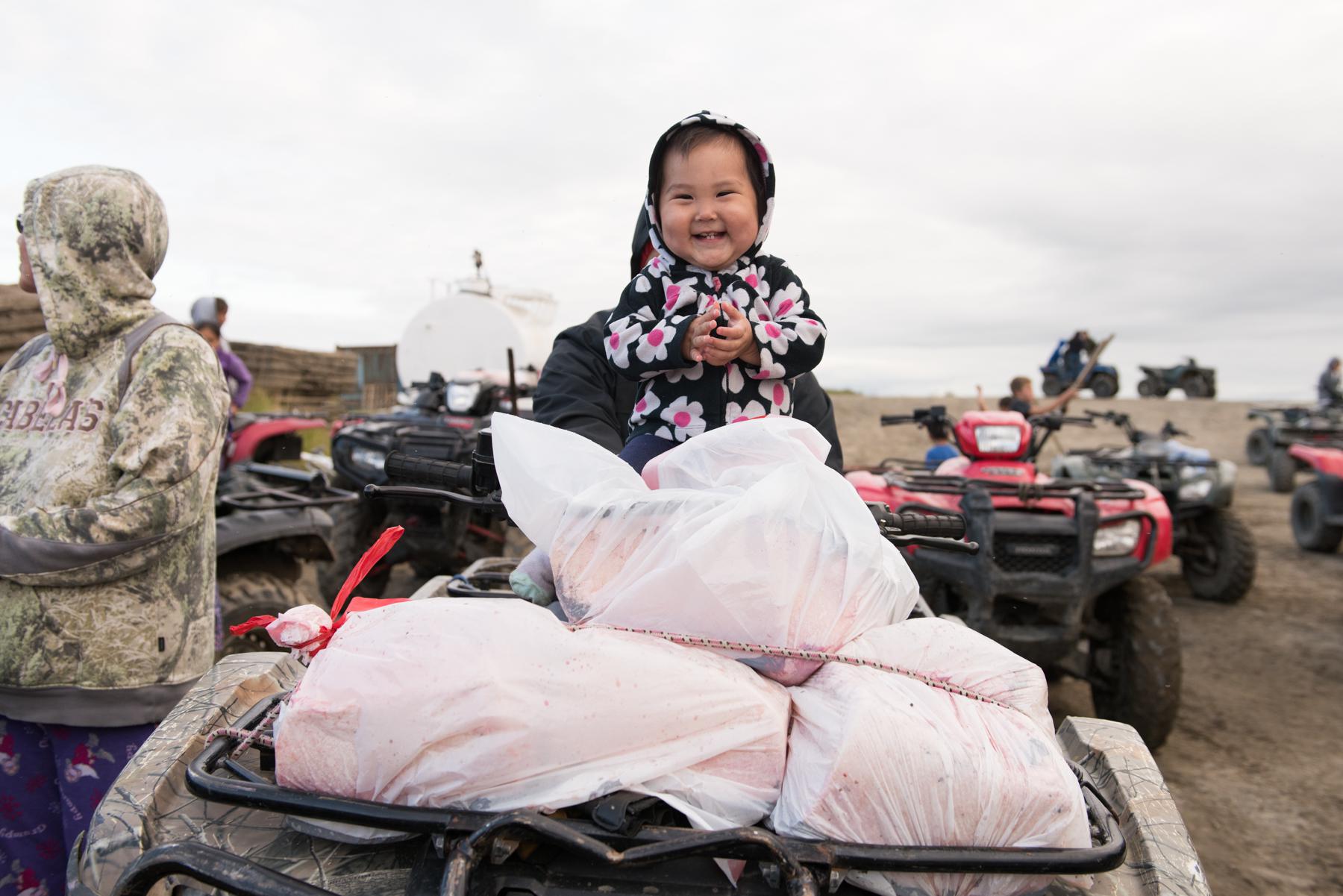
The meat was first distributed to elders, who were seen driving away on four wheelers, carrying pieces of white blubber in trash bags.

Around 9 p.m., sections of the whale had been given to community members from Napaskiak, Atmautluak, Bethel, Akiachak, Tuluksak, and Akiak. Meat and blubber from the whale is expected to travel throughout the region.

Bethel Fire Chief Bill Howell runs a meat cutting and processing business in Bethel called Bill’s Meats. A friend asked him to come to help with the butchering. He soon arrived with knives and began carving whale steaks.

Before the whale was cut, Napaskiak Honorary Chief Chris Larson said a prayer of thanks. Then the whale was given fresh water.

Larson says the whale will be enough to feed the village, especially after a summer of low king salmon. However, there was an abundance of red and chum salmon this season.

Even though the whale has been sitting dead at the bottom of the river for several days, bystanders are saying that the meat is edible.

One woman, when asked how she would prepare the meat, said, “I’m not sure. I’m gonna start with Crisco.”

Others are Googling how to prepare the meat, or saying that they will call their friends and family up north for advice.

Whales coming up the Kuskokwim are rare, and a whale of this kind has not been seen this far inland in living memory. The whale is grey and covered in barnacles. It is not a beluga, as some earlier claimed. It may be a gray whale, but that is unconfirmed. The legal ramifications of the incident are unknown. Whales are protected under federal law and international treaty.

The killing of the whale has drawn a broad controversy that has largely played out over Facebook. Opponents say that whales are not a traditional food for the area, and that the locals who spent 90 minutes using guns, seal harpoons, and whatever they had on hand were unequipped to kill an animal of this kind.

Others have supported killing the whale, saying whatever the river brings them is subsistence food.

To avoid negative attention, many people involved with killing and/or salvaging the whale are choosing to remain anonymous.

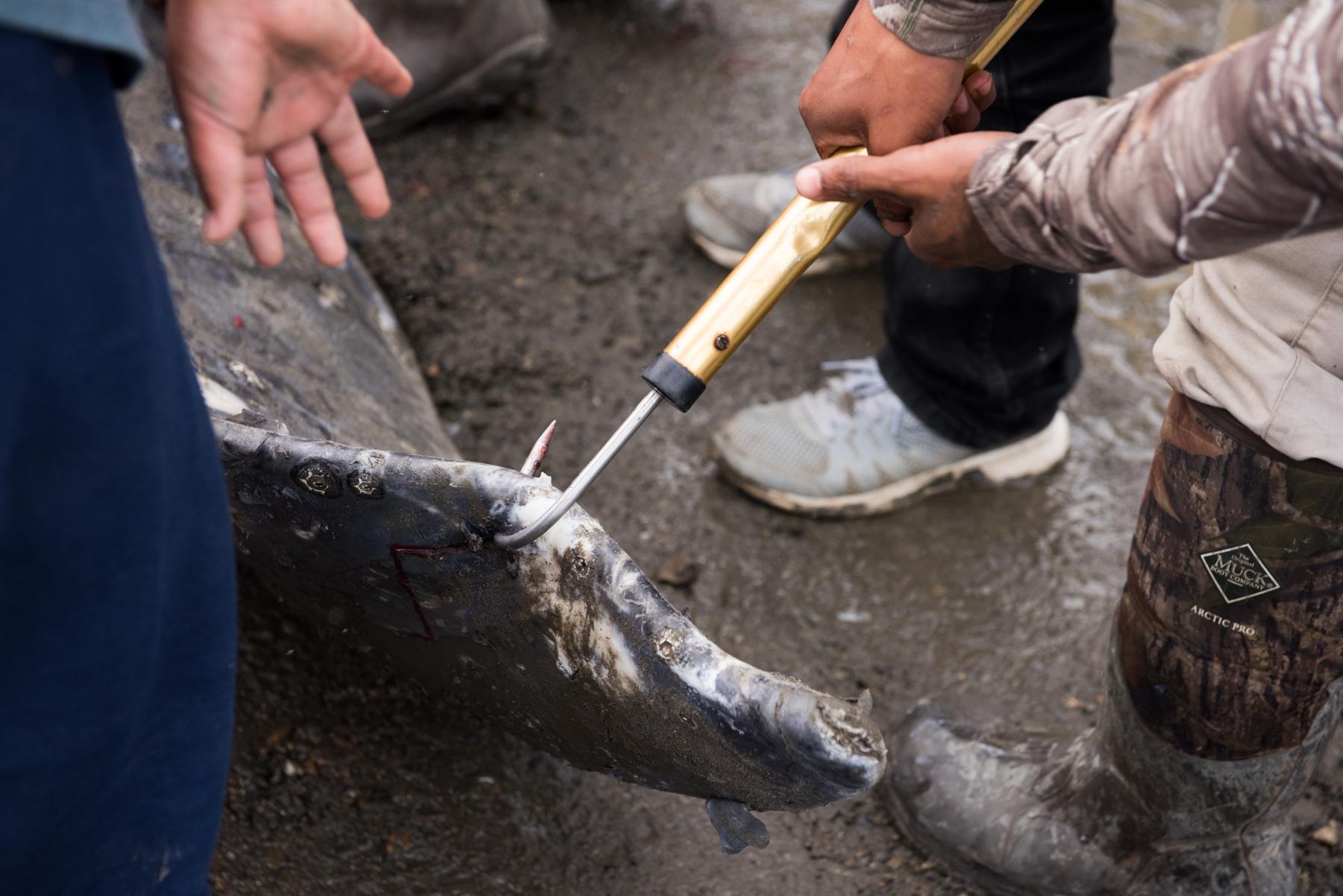
Many people have worked around the clock since Friday morning to bring the carcass ashore. The Napaskiak Tribal Council voted to donate $500 of gas to boaters who helped with the recovery. Welders fashioned custom, four-barbed hooks from scrap metal. Ropes broke and hooks were lost as the weight of the animal overwhelmed the homemade equipment.

When it was killed, an estimated 40 to 50 boats were seen chasing and surrounding the whale. Only six to eight boats at any given time were helping to salvage it.

Joe Evon with Napaskiak Search and Rescue led the recovery effort. Mid-day Saturday he said, “Everybody that participated in taking that animal’s life should be out there helping us.”

After two days of trying, innovating, developing tools, and trying again, hooks caught deep enough in the carcass lying under 30 feet of river water. It took a half dozen boats joining the strength of their motors to finally drag the giant animal from the bottom of the Kuskokwim.

Napaskiak Tribal Administrator Sharron Williams says that the recovery was a group effort and that she’s proud of those who helped.
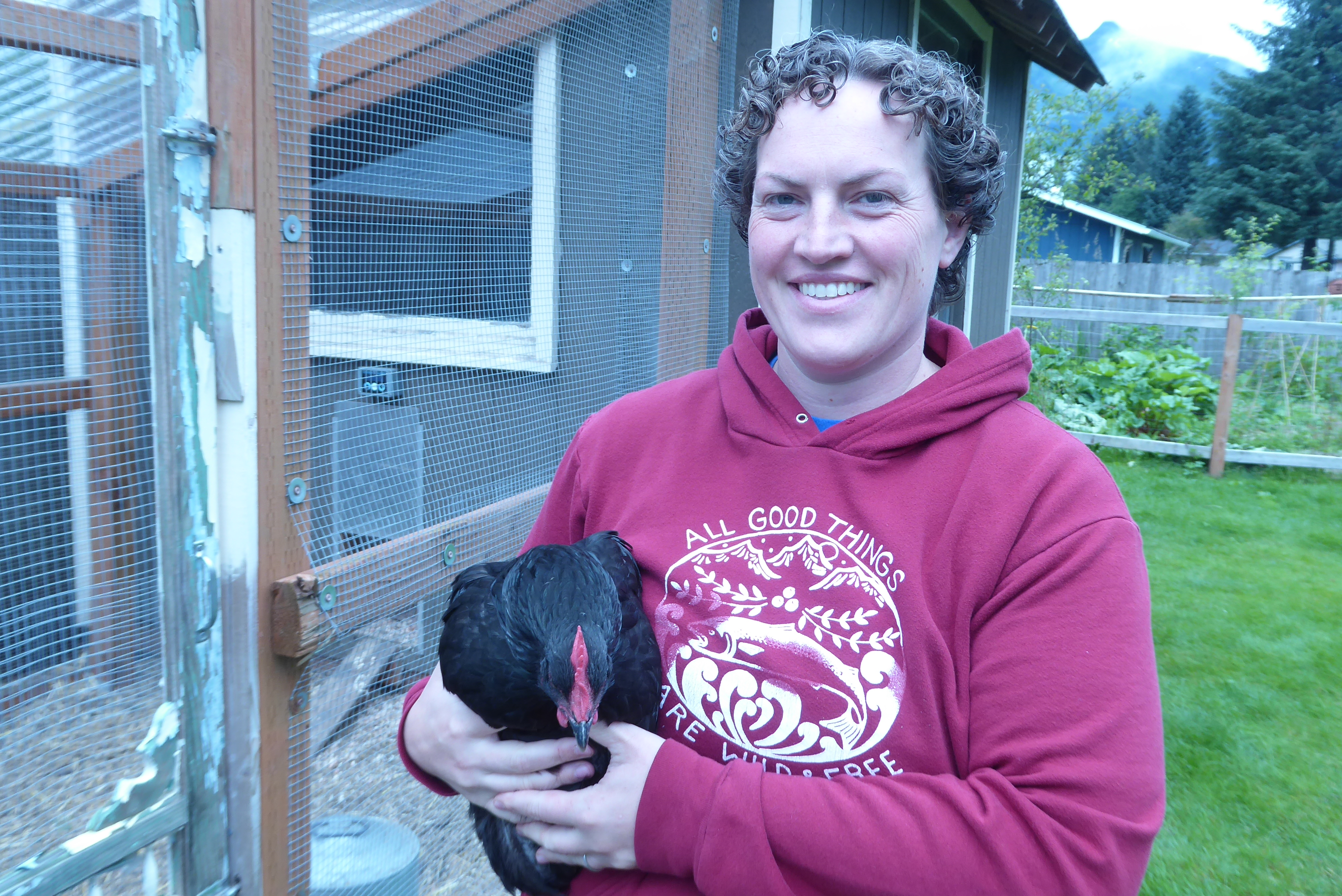
Summer tips: Save your chickens, stop feeding bears

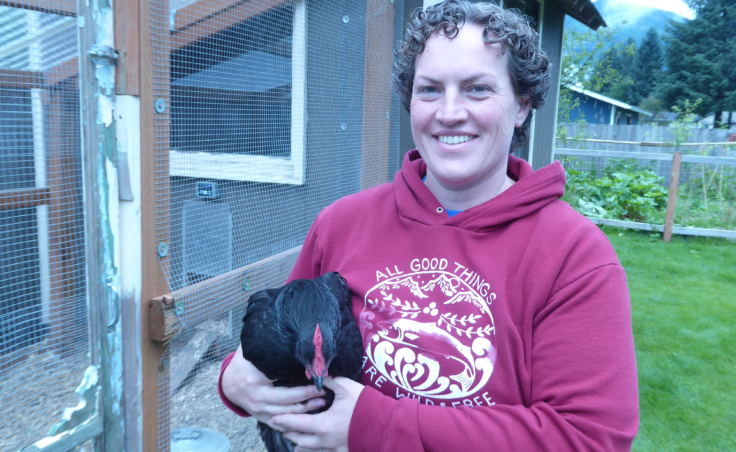
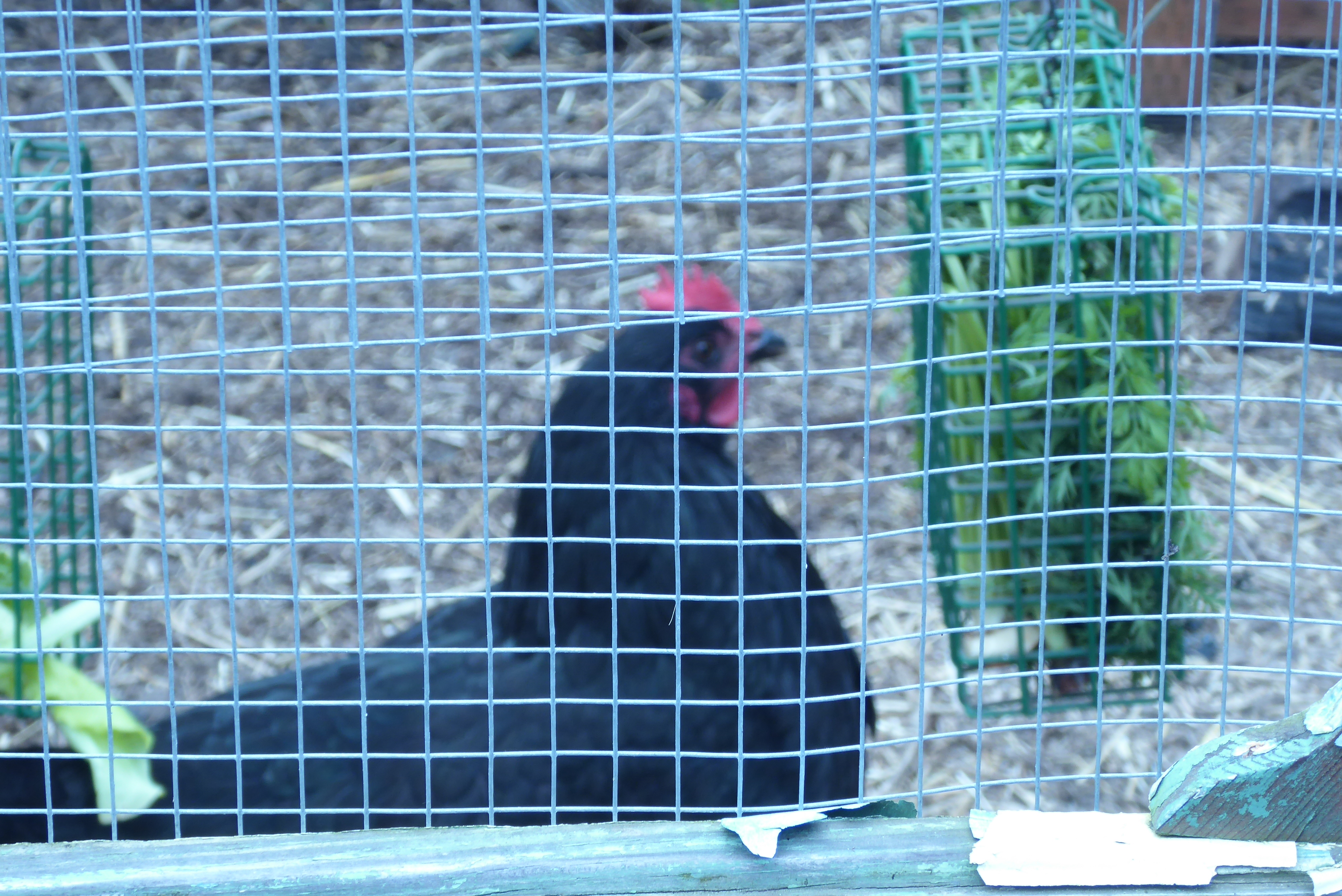
A chicken eats from a hanging feeder inside Sarah Dolan's chicken run in the Mendenhall Valley on Saturday, July 29, 2017.
A chicken eats from a hanging feeder inside Sarah Dolan’s chicken run in the Mendenhall Valley on Saturday. (Photo by Quinton Chandler/KTOO)

If a bear cornered Sarah Dolan’s chickens inside her chicken run, they would be sitting ducks.

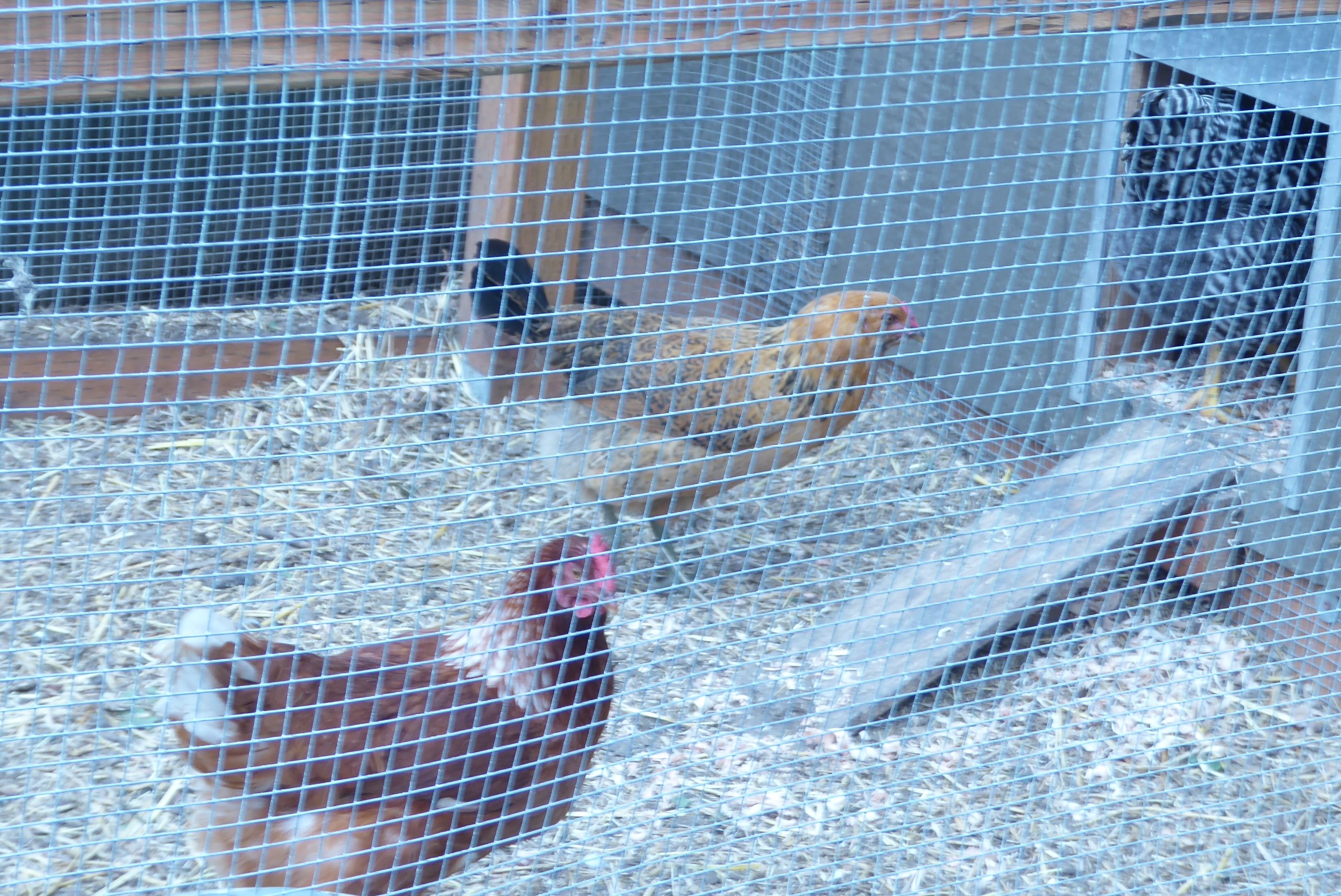
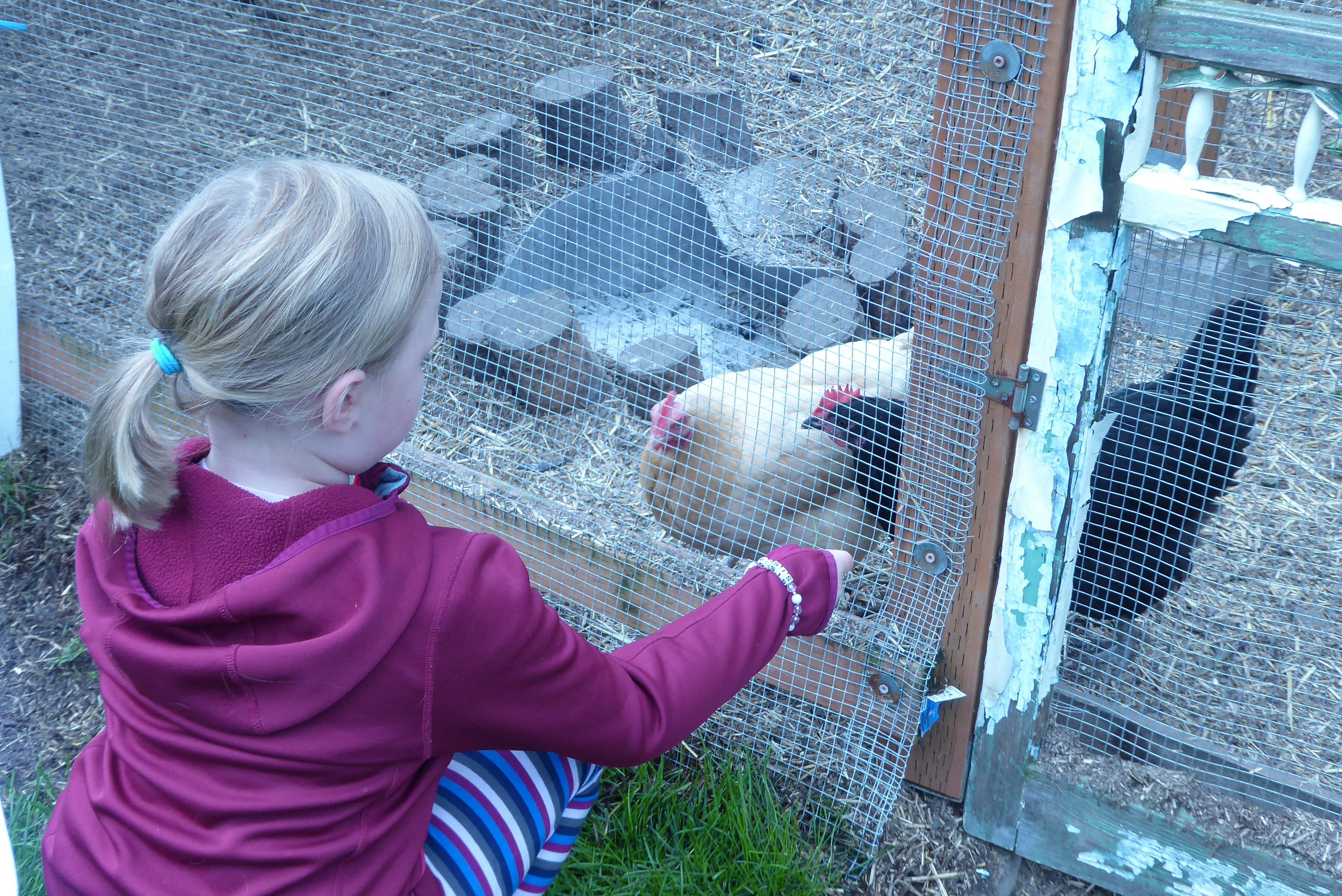
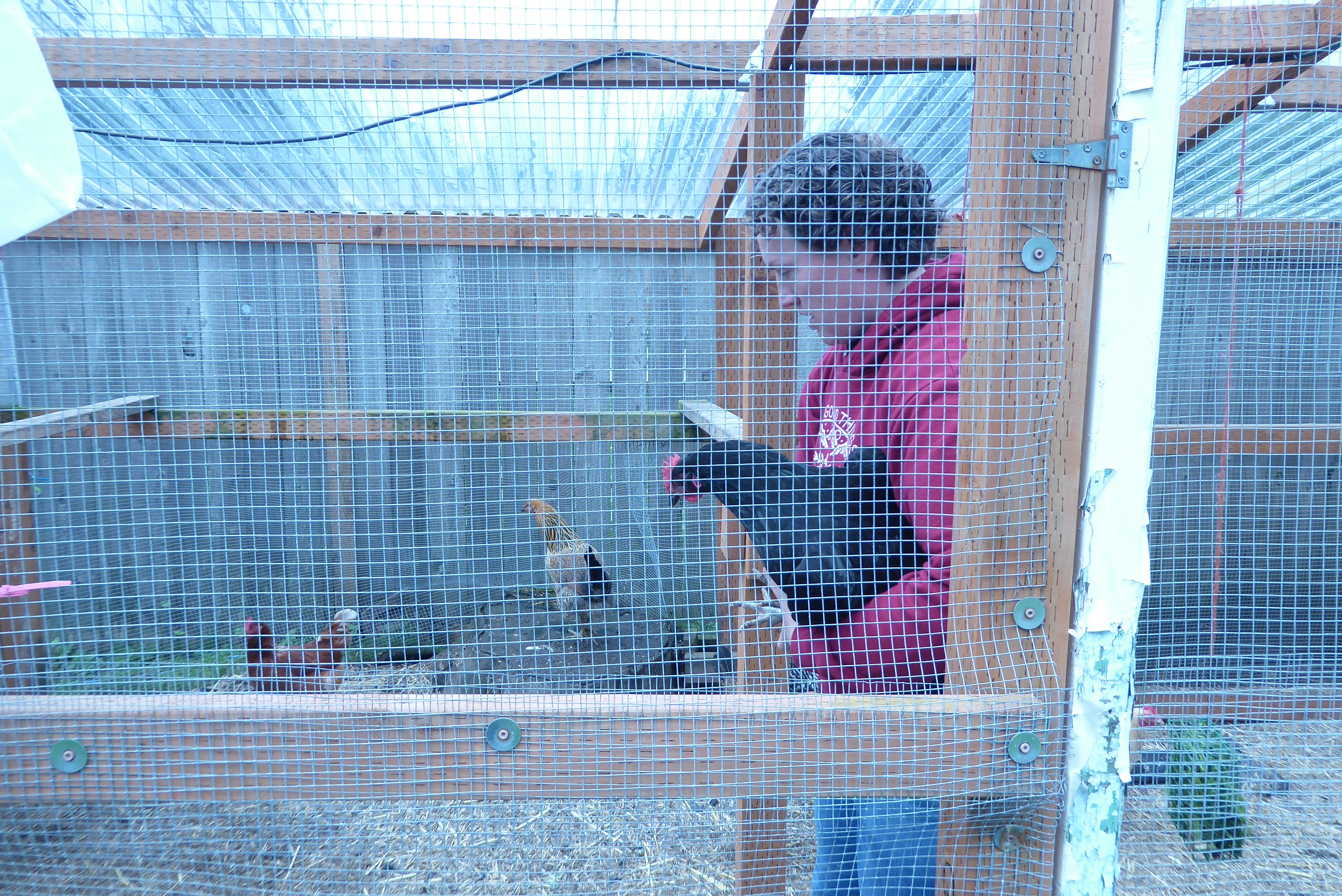
Six birds are strolling aimlessly around the run surrounded by a mesh fencing called hardware cloth. It looks like chicken wire, but Dolan says it’s more solid.

“And I have that screwed into the 4-by-4s and then in the ground with cement pier blocks,” Dolan explained.

She has clear, plastic roofing at the top to protect from aerial hunters such eagles. She just lost two chickens to ravens earlier this summer. She let them free-range and didn’t watch for birds. It’s a mistake she doesn’t plan to make again.

Dolan’s recommendations for a chicken coop

  • Use electric fencing
  • Must be dry
  • Must be well ventilated
  • Needs roosting bars
  • Install a feeder
  • Add nesting boxes (secure them if they can be accessed from outside)
  • Build in 2 to 4 feet per bird
  • Use wood shavings, straw or shredded paper for bedding
  • Install a very secure human door and a small chicken door

Chickens are just one of the attractants Fish and Game is reminding people to protect from hungry bears. The agency recommends chicken owners put electric fencing around their birds.

Dolan said it’s a smart precaution but she doesn’t have any.

“I know that’s a gamble,” she said. “Because I know it’s a gamble, if I were to come out one day and a bear were actively trying to get into my run or coop, I would try to scare it off of course — that’s it. It’s my fault if it gets in.”

But, she’s confident the worst won’t happen because she has a fallback plan.

“It would take a bear a little bit to break (the run) down and in those seconds I would envision my chickens being able to run into the coop,” Dolan explained.

Her coop is overkill for such a small operation. Her husband calls it “Cluckingham Palace.”

It’s a strong wooden shed. You’d need a lot of force to break into it.

A chicken-sized sliding door, like a dog door, leads from the coop into the run. Dolan thinks if a bear attacked, her birds could hide on the other side and the bear would eventually give up.

She didn’t always have a palatial coop, but in the six years she’s been raising chickens, she’s still never lost any to bears.

The fence helps.

“A bear can scale that in a heartbeat if it wanted to, but it can’t see back here,” Dolan pointed out. “The sounds of a chicken isn’t really what’s going to draw it back here, it would be a smell and I don’t have a smell.”

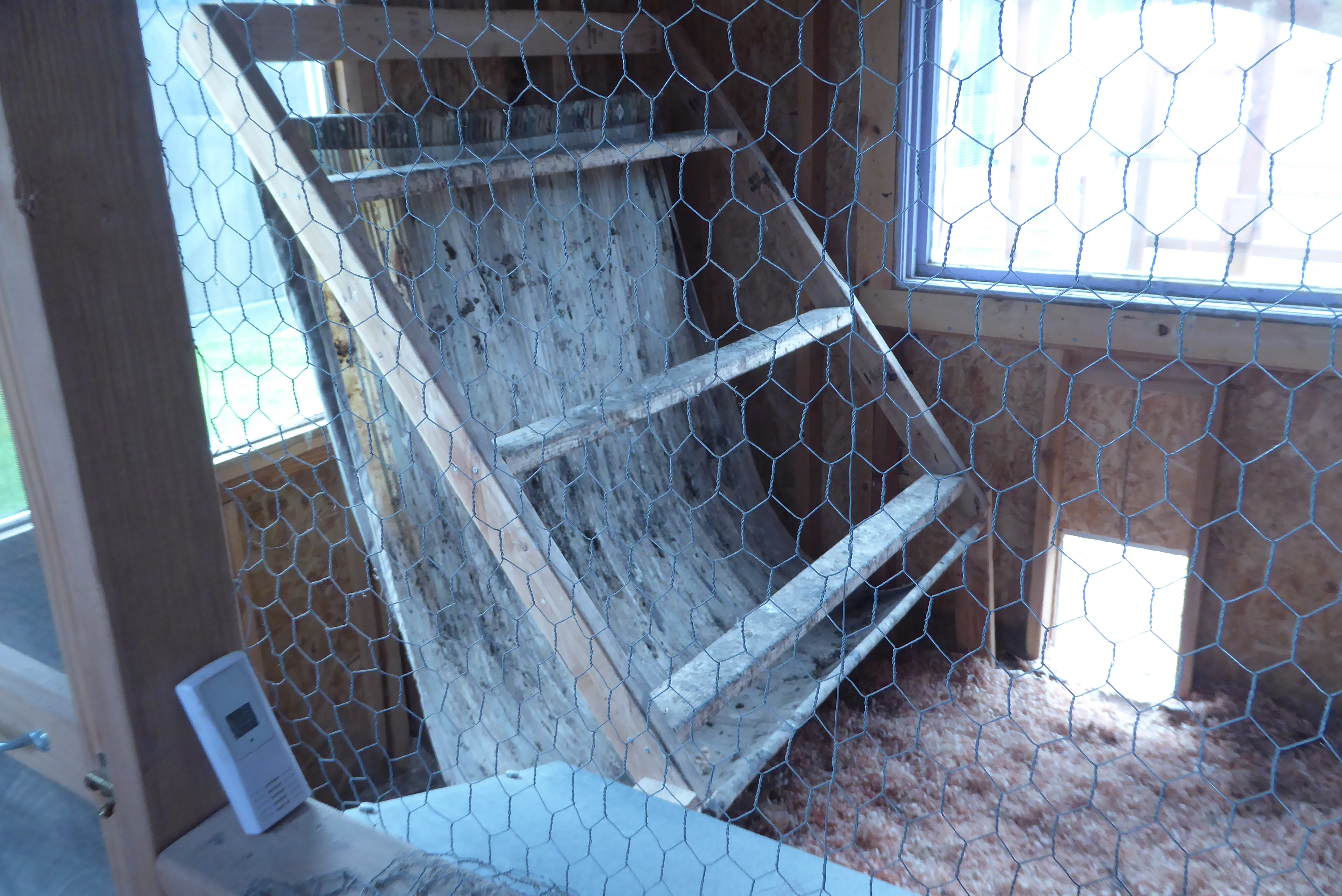
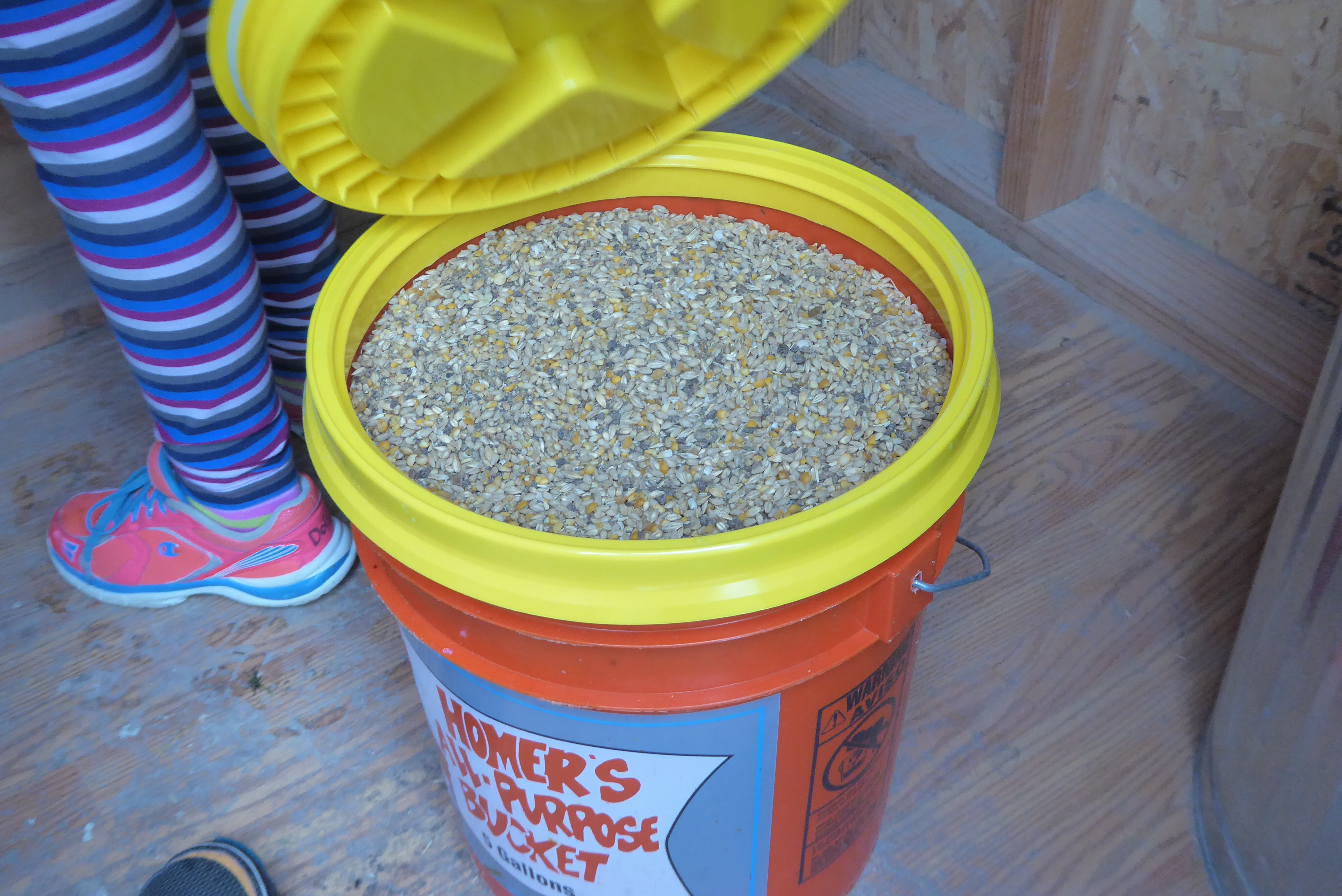
Dolan keeps the chickens’ food in sealed containers inside her coop and she also feeds them inside. Her feeder doesn’t let the chickens spill food on the floor and she has what she calls a poop hammock that hangs underneath the chickens’ roosting bars.

The hammock catches poop and she composts it. She adds leaves and moss when she uses the compost to filter out lingering smells.

She’s not lying. The place really doesn’t stink.

Dolan’s recommendations for a chicken run

  • Use electric fencing
  • Use hardware cloth and sink it into the ground
  • Cover the top with roofing or netting
  • Make a dust bath for the chickens with wood ash or diatomaceous earth
  • Leave a waterer in the run instead of the coop (The coop must stay dry)

Dolan is part of a growing community of Juneau chicken farmers.

Teaching chicken owners how to keep bears out of their coops is one way Stephanie Sell is trying to minimize human-bear encounters.

Sell is the Fish and Game area biologist for northern Southeast Alaska. She is having a bear-crazy summer.

“We’re getting a lot of calls about bears in trash and sometimes we can address those and other times we have more aggressive behavior, like, the bear that we just dealt with, that we need to deal with immediately,” she said.

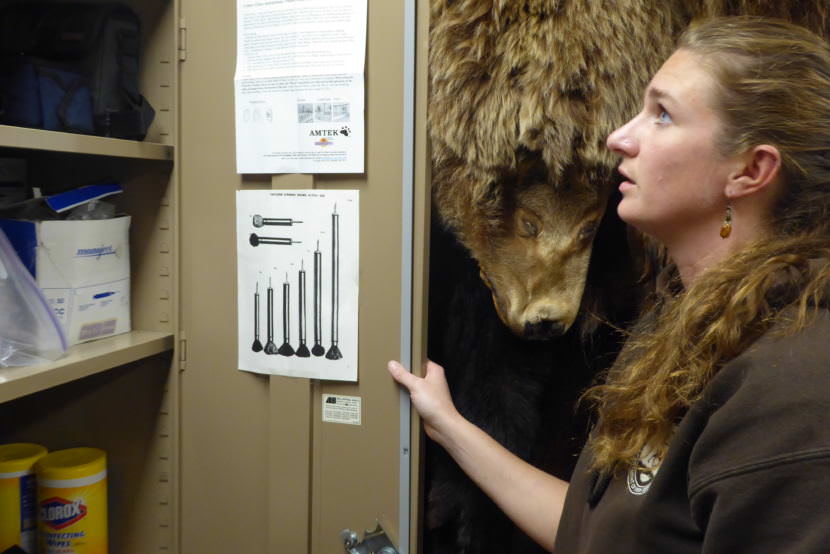
Biologist Stephanie Sell looks for electric fencing in a closet at the Fish and Game office on Douglas Island.
Biologist Stephanie Sell looks for electric fencing in a closet Friday at the Fish and Game office on Douglas Island. (Photo by Quinton Chandler/KTOO)

Sell and her co-workers recently put down a 470-pound black bear after it broke into a trailer home arctic entry. She said it was probably the biggest black bear she’s ever handled and was a known troublemaker.

She suspects the same bear broke into another home a few days before and she remembers that two years ago it pushed a window out of another home and climbed inside.

“You don’t get to be that big by being stupid so … I can guarantee that this bear has probably been eating trash for a long time,” she said. “(It) has found food sources within arctic entries before, so it basically recognizes that and will go back and try to find those locations again.”

This bear caught public attention because it was really big, but Sell said its misadventures are a symptom of the problem that is taking the steam out of her summer.

Some people in Juneau are breaking the rules for bear attractants.

“Trash, chicken coops, pet food, bird seed, stuff like that,” Sell said. “Food conditioning is a form of habituation. They find humans as being a normal part of their world. When people are saying, ‘Well it’s not afraid of me at all,’ that’s because we’ve been feeding it for years.”

Dolan’s advice for chicken first aid

  • Use black strap molasses to induce diarrhea
  • Add apple cider vinegar to water to reduce bacteria
  • Keep gauze pads, first aid tape, vet wrap, eye droppers and scissors
  • Add electrolytes to water if chickens are sick
  • Use Blu-Kote antibacterial/antifungal spray for wounds
  • Use Vetericyn spray to kill bacteria in cuts and to treat bumblefoot
  • Use coconut oil to prevent frostbite on chicken’s combs
  • Use Kocci Free to cure parasitic infestations like coccidiosis

Sell said don’t leave out pet food; don’t put out a bird feed in the summer. Juneau law says only put trash in bear resistant buildings or containers.

This is common knowledge. Fish and Game has been preaching it for years, but based on the reports she’s getting, Sell thinks too many people are getting complacent.

Sarah Dolan highly recommends new chicken farmers use electric fencing around their coops and runs. She also said to build everything before you get chickens. Otherwise, you might get busy with life and settle for a half-finished home for your birds.

Juneau police chief leaves Alaska for Idaho

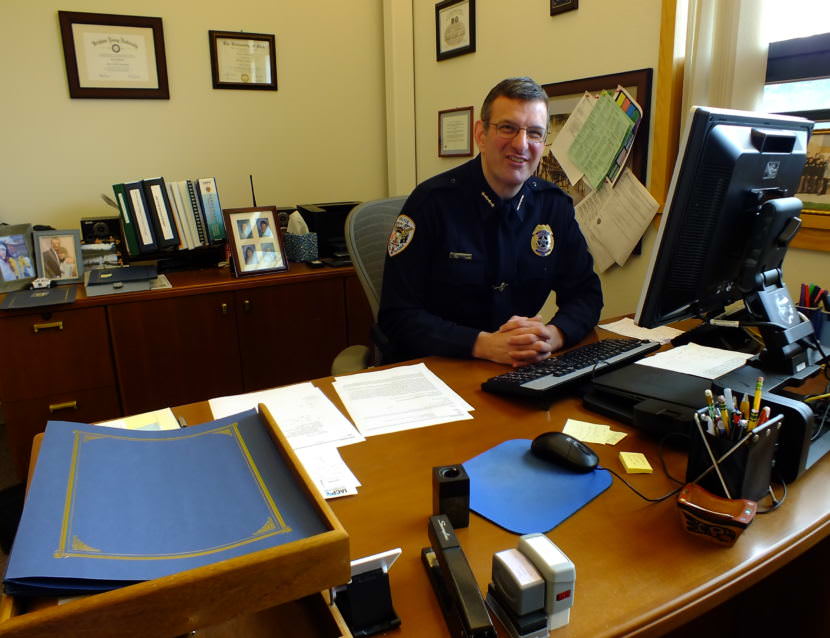
Juneau Police Chief Bryce Johnson in his office before his last day on July 28, 2017.
Juneau Police Chief Bryce Johnson in his office before his last day on July 28, 2017. (Photo by Matt Miller/KTOO)

Juneau’s outgoing police chief says several major initiatives that got underway during his tenure will continue after his departure.

Bryce Johnson’s last day as head of the Juneau Police Department was Friday. Ed Mercer, currently deputy chief, will be sworn in as the new chief on Monday.

“I think he’s going to do really well,” Johnson said. “I’m happy for him. We’ve worked together for four years now. He’s been just a great help to me, and I think he’s going to do a really good job. I’m really happy for him.”

Johnson said the department continues to be short-staffed. The problem is not recruitment, but retention. Many officers with additional training under their belt head off for higher paying positions elsewhere after 4 or 5 years.

Johnson expects the department to start rolling out body cameras to patrol officers about a month after he leaves. All officers should be wearing them by fall. Johnson said the biggest hang up has been computer networking infrastructure and docking station connectivity.

Body cameras won’t fix every problem. However, Johnson views cameras as not only good for officer accountability, but also good for citizen accountability.

“What we find is the public is much better behaved when they know they are on camera,” Johnson said. “The agencies that incorporated body cameras have found that people behave much better. That helps. There’s research out there that says if you have officers that aren’t behaving well – which I don’t believe we do – but if you do have that, they behave better. And so that helps as well. Use of force incidents go down. The number of complaints citizens make against officers go down. When they do make the complaints, you have a pretty good record of what occurred.”

Johnson suggests Alaska follow the lead of other states like Michigan which passed legislation exempting public disclosure of camera footage in certain circumstances. He says that might help police departments from getting swamped with public requests.

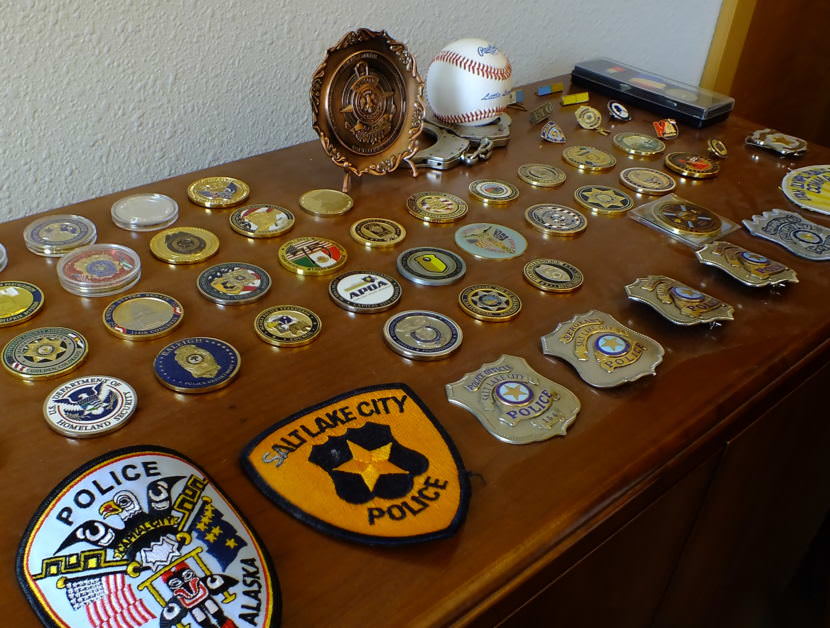
A collection of patches, badges, pins and challenge medals line the top of a cabinet in Juneau Police Chief Bryce Johnson's office. He still has the baseball that he threw out as part of the ceremonial first pitch during Little League opening day immediately following his arrival in Juneau.
A collection of patches, badges, pins and challenge medals line the top of a cabinet in Juneau Police Chief Bryce Johnson’s office. He still has the baseball that he threw out as part of the ceremonial first pitch during Little League opening day immediately following his arrival in Juneau. (Photo by Matt Miller/KTOO)

Johnson says one of his first goals when he started at JPD was to get CIT or the Crisis Intervention Team off the ground. They’re specially-trained officers who respond to a suicidal person or other mental health emergencies. Johnson says a third of officers are already CIT trained. The next academy is planned for October.

Also under development is an expansion of the program called the Mobile Crisis Outreach Team. In case of a potential use of a firearm, officers would still be dispatched to make the scene safe, but the primary response will include dispatching a mental health professional to the scene. Such a low-key response can de-escalate a situation and provide a solution, and avoid public embarrassment to someone in distress.

“Even if they don’t go to the hospital, there’s someone there that referred them to the help they can get, give them help they can get,” Johnson said. “Some help was given instead of just going in and leaving. So, it’s a better way of doing it. It treats the person with mental illness with respect and helps them get the help they need.”

Johnson says another continuing effort is the Juneau Police Department’s accreditation by the Alaska Association of Chiefs of Police. The department hopes to meet 123 standards that would demonstrate they’re adhering to best practices on everything ranging from dispatching procedures and running an evidence room to dealing with hate crimes.

Johnson was asked what that means for the average taxpayer or average citizen to have their local police department accredited.

“It means your police department is a good police department and they’re doing police work the way it should be done,” Johnson said.

Johnson expects burglaries and thefts in Juneau to level off at last year’s high, but they still need to go after root causes like drug addiction, including opioid abuse. Senate Bill 91 has a framework in place for rehabilitation and treatment options, but it will be awhile before those programs are up and running.

Johnson tried to make the department and officers more approachable by implementing various community outreach programs. They range from designating officers for certain geographic areas to Coffee with a Cop and the recent Beat versus Street bowling tournament. But he says a lot of those ideas came from other department employees.

Johnson says he believes those initiatives had any measurable effect on community’s trust in police department and officers.

“If I can be absolutely frank, we’ve had a crime spike, have we not?” Johnson asked. “The community has not yet turned on the police department. I think they see how much good work those officers are doing, and they understand kind of the realities on the ground that I explained to you earlier. And so, I think there’s a connection between the community and the police department.”

Johnson also referred to last December’s officer involved-shooting as another example.

“We saw what happened in many other communities with officer-involved shootings,” Johnson said. “This community gave us time to do the investigation and get the facts. We didn’t see what occurred in other places. So, yeah, I think there are tangible results from all of that.”

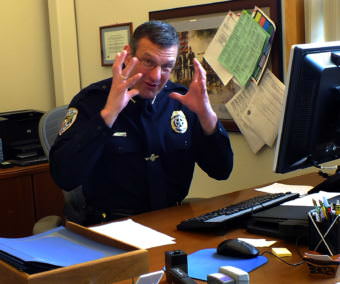
Juneau Police Chief Bryce Johnson describes what it felt like to be pepper sprayed during a department training session.
Juneau Police Chief Bryce Johnson describes what it felt like to be pepper sprayed during a department training session. (Photo by Matt Miller/KTOO)

After Johnson’s last day on Friday, he’ll become the new police chief in Idaho Falls, Idaho. He says that’s a community of about 58,000 people served by a police department with 125 employees, including about 90 officers, which is well over twice the size of Juneau’s department.

Johnson says he accepted that job to be closer to children and grandchildren in Utah.

Southeast Alaska State Fair kicks off Thursday

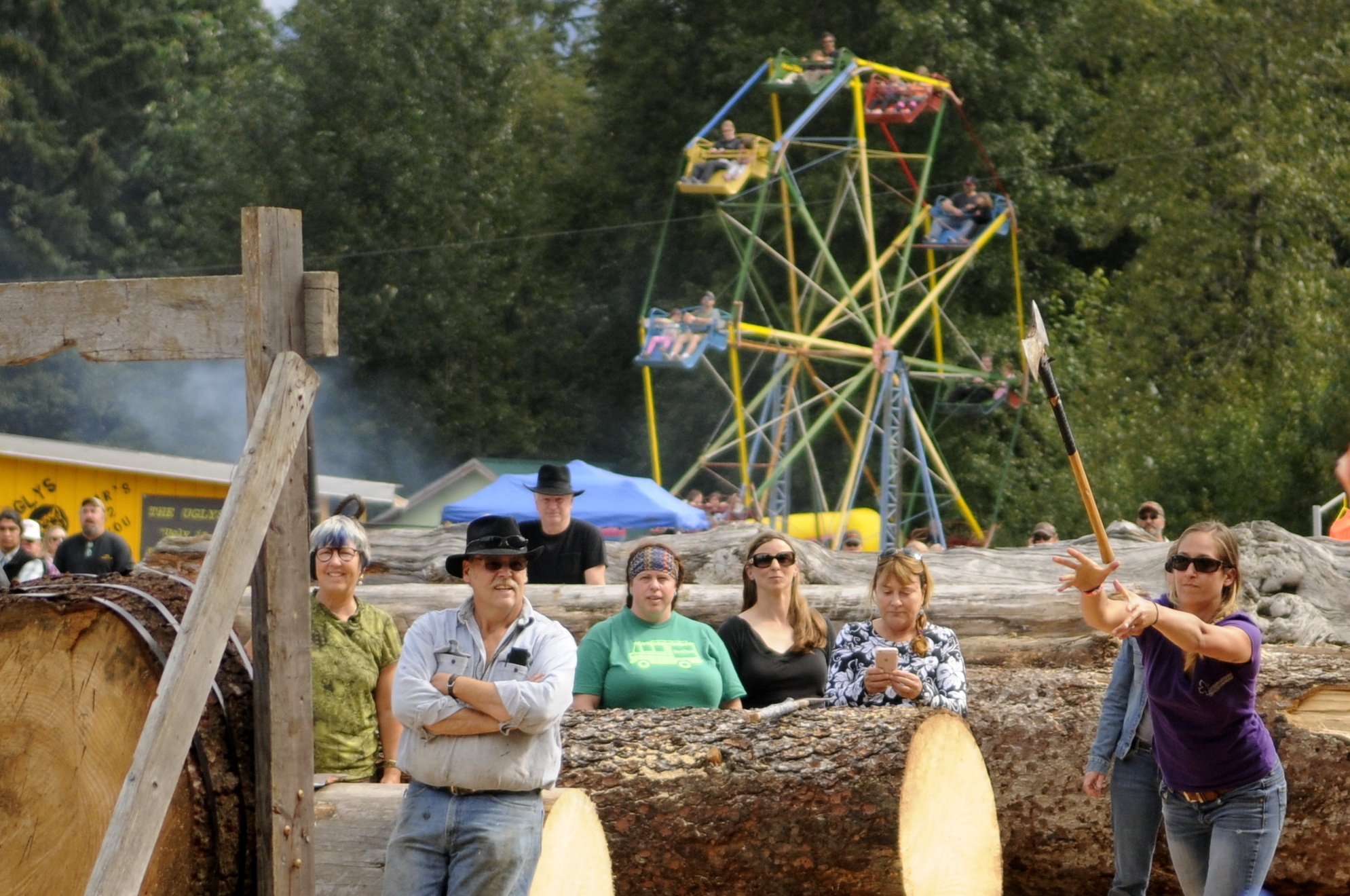
A woman competes in the axe throwing contest during the logging show at the 2016 Southeast Alaska State Fair. (Photo by Jillian Rogers/KHNS)

Haines is getting ready for a weekend full of music, food and Ferris wheels.

The 49th annual Southeast Alaska State Fair takes place Thursday through Sunday.

“It’s gonna be hard to see everything that you want to see this year at the fair,” director Jessica Edwards said.

She’s the leading force behind the four-day event which brings people from around the region and state to Haines.

“I really feel like I have a smile on my face the whole four days of the fair just doing the work that I’m doing,” Edwards said. “It’s a busy time but it’s just really joyful to see people having fun.”

(Read the story and see the photos from the fair last year here.)

The fun includes a few new events. One of them is sure to boost the fair’s cuteness factor.

“We have a lot of excitement around this,” Edwards said. “It’s called the dinky doggy derby.”

The dinky doggy derby is a race for dogs 30 pounds or under.

“We have seen people training out there in Ravens Arena,” Edwards said. “So, taking it pretty seriously.”

There’s also a most loveable dog contest. Humans can compete too, in everything from the fisherman’s rodeo to a new strong man and woman contest.

On Monday, Jack Smith Jr. and Sr. were setting up for the logging show.

One important piece: a new log for the log rolling contest.

“It rolls this year, because it didn’t roll very good last year,” Jack Smith Jr. said. “It sat there and got water-logged and didn’t want to go in a circle.”

Smith said the sedentary log took some of the drama out of the lumberjack competition.

Fair staff and volunteers are making other improvements as well. The carousel went through a thorough refurbishment. The main stage sound system is getting an upgrade.

Edwards thinks that will make a big difference for dozens of musicians.

The two primary headliners at this year’s fair are the Eric Krasno Band and Delhi to Dublin.

“I feel like we’re going to get a lot of people’s happy music place over the weekend, with those two,” Edwards said.

Other headliners include Trampled by Turtles singer Dave Simonett, New Sound Underground and Jon Wayne and the Pain. Edwards said the fair is also incorporating more rap acts like Onry Ozzborn.

“HomeSkillet was a big Sitka festival that focused on rap and hip hop music and they closed last year, there was not more HomeSkillet,” Edwards said. “We feel like we also have to bring that genre in for people who appreciate it.”

Headliners perform Thursday, Friday and Saturday evenings. But there will be music and other kinds of entertainment throughout each day, including a talent show, break-dancing troupe and wearable art show.

Edwards said wearable art is one of the few craft exhibits in which entries are actually increasing.

And then, there’s the food.

“Lots of food this year,” Edwards said. “A whole food court is springing up over by the park stage. Also new this year, we’ll have a wine garden, where you can get wine in actual glasses.”

Near the wine garden, you’ll find fried cheese curds and fish and chips. On the other side of the fairgrounds, at the main food court, fan favorites like samosas and corn on the cob will be back.

As for the weather forecast, Edwards said all they can do is hope this cold, rainy summer gives way to sunshine for Haines’ biggest event of the year.

Juneau cops and homeless strike common ground at the bowling alley

Wayne Fu Smallwood bowls at Taku Lane LLC on Saturday.
Wayne Fu Smallwood bowls at Taku Lanes on Saturday. (Photo by Quinton Chandler/KTOO)

Last weekend, it was the Street versus the Beat at the Taku Lanes bowling alley. Both teams celebrate strikes and laugh at occasional gutter balls. But all but one of the seven people bowling against the police are homeless or in some kind of unstable housing.

Wayne Fu Smallwood is ­67 and lives in a cabin in the woods.

“I just got a wood stove and candles, but I’m happy,” Smallwood said.

Homeless Juneau residents and local police competed on equal terms to draw donations to the Glory Hole homeless shelter. The same people who use the shelter’s services helped raise over $3,000 worth of donations.

Smallwood said he doesn’t have bad interactions with the police. But, he said a lot of people living on the street try to avoid cops.

“When you’re on the street, you’re on the sidewalk,” he said. “You want to stay away from the cops. When they come around, then you have to move on.”

He’s referring to a sore subject in Juneau. Often property owners call the police to stop homeless people from sleeping in downtown Juneau doorways.

Smallwood thinks it’s good for the two teams to play each other.

“I think it could probably open some doors,” he said. “People that are on the street could come to the cops with their problems, instead of trying to deal with it themselves.”

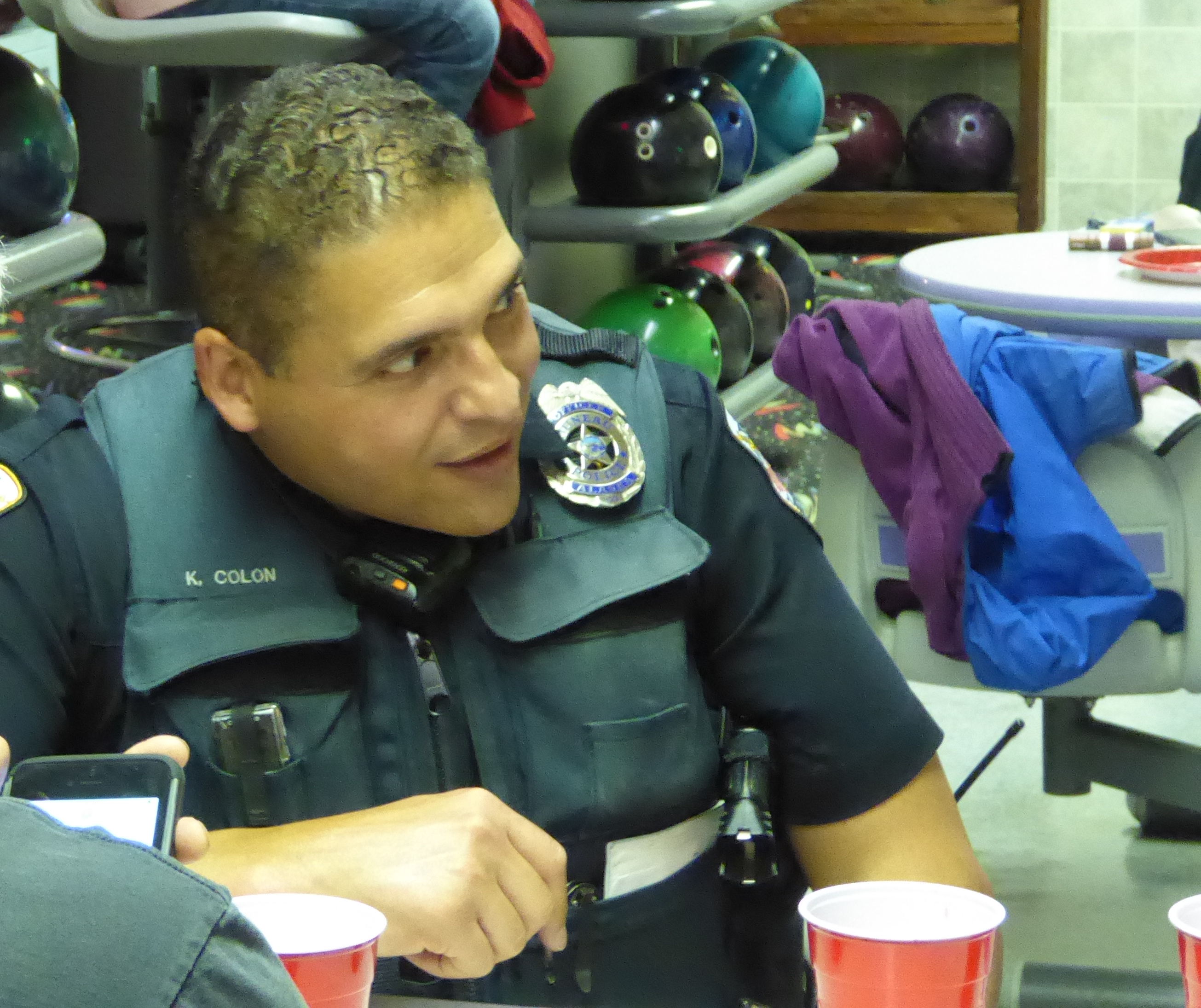
This night, Officer Ken Colon said everyone has the same goal.

Juneau police Officer Ken Colon watches the Street vs. the Beat game from his seat at Taku Lanes on Saturday, July 15, 2017.
Juneau police Officer Ken Colon watches the Street vs. the Beat game from his seat at Taku Lanes on Saturday. (Photo by Quinton Chandler/KTOO)

“Just to have fun. Get out here and have fun (and) be individuals,” Colon said. “(It’s) more of a personal side, a human side.”

Colon walks the downtown beat and comes face to face with Juneau’s homeless every day.

“I know a lot of stories that they are intimate with me about and have a better understanding with them, however, tonight, we’re all equal,” Colon said. “Tonight feels like we’re all equal and we’re just having fun and kick back (and) relax. That’s pretty much how I feel and think everyone else feels the same way.”

Rebecca Service organized the event. She said her goal is to bring Juneau’s homeless and police closer.

“Instead of separating people into categories and just kind of meeting on the same lane,” Service said.

She moved to Juneau two months ago from San Francisco and right now, she sleeps in her van. She was going to do this same event before she left San Francisco. She was inspired when she saw several cops wearing gray bowling shirts.

She asked them, “‘Hey, are you guys in a bowling league?'”

They responded with a question. “‘What do you mean?'”

“‘Well you’re wearing all bowling shirts right?’ And they got grumpy and walked off,” Service said. “But, then the next cop I saw, I’m like, ‘Hey do you bowl?’ He’s like, ‘I bowl a 220, what do you bowl?’ ‘I’m awful at bowling, but would you bowl me if I set it up?’ He was like, ‘If you set it up, I’ll show up to it.’”

Eventually, more cops signed onto the idea, but finding the space to play was impossible in the big city. Now that Service lives in Juneau, that isn’t a problem.

“Anywhere you go, you should leave it better than you found it,” she said. “I came here and I kind of put that idea out there and I got a good response. It’s an amazing community here. It’s very supportive of each other.”

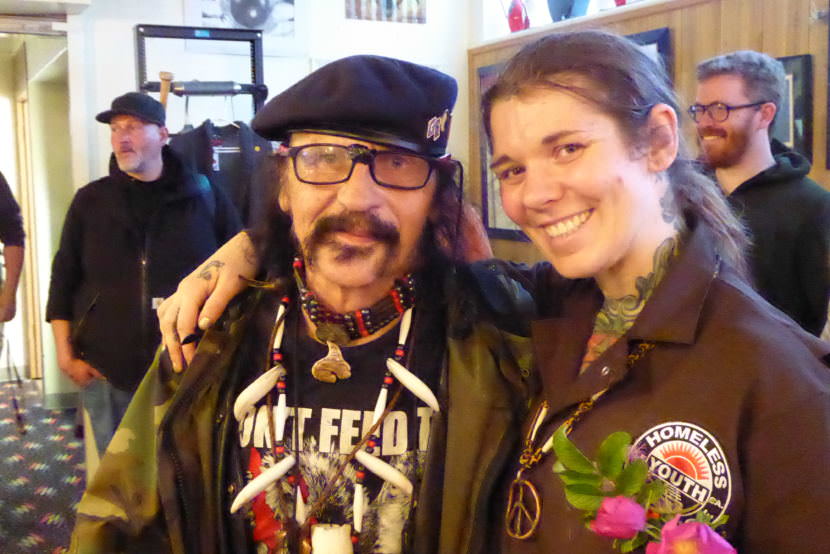
Wayne Fu Smallwood, left, and Rebecca Service, right, on Saturday after the game.
Wayne Fu Smallwood, left, and Rebecca Service pose for a photo after bowling on Saturday at Taku Lanes. (Photo by Quinton Chandler/KTOO)

The game ends.

“Technically the Streets won,” Service said. “Our average is a little bit higher than the police officers’. I think it was really great. I’ve never seen so many happy homeless people next to so many happy cops at the same time.”

Officer Colon seconds that. He said his bowling game was “below marginal,” but you can’t tell from his face.

“Smiling and playing is good therapy. That’s pretty much what I can come up with. It’s great therapy,” he said.

Service said the event raised $3,325 from food sales, a silent auction and donations. All of the gifts will go to the Glory Hole shelter.

Juneau Assembly mining task force to add members

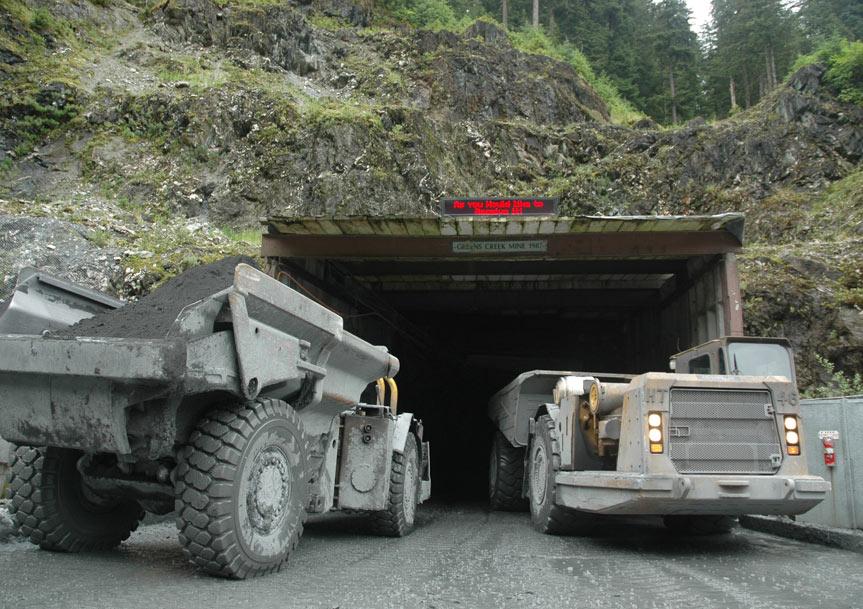
Greens Creek Mine
Greens Creek Mine. (Photo courtesy Hecla Mining Co.)

A task force appointed by Juneau’s mayor to re-examine the city’s mining ordinance met for the first time Friday. Its first decision is that the committee should be enlarged to include two planning commissioners and two members of the public.

That’s according to a press release from the City and Borough of Juneau.

A group of Juneau businessmen approached the Assembly in May arguing that the current mining ordinance duplicates state and federal review and should be streamlined.

In response, Juneau’s mayor named three Assembly members to a mining ordinance review task force.

Anyone interested in applying to fill the two open public seats on the mining committee should apply online or in person at the city clerk’s office by Aug. 7.

Appointments are scheduled at the Juneau Assembly’s Aug. 9 meeting. More information on the history of the city’s mining review process is here.

Site notifications
Update notification options
Subscribe to notifications