Alcohol & Substance Abuse

Debate continues over treating opioid addiction with opioids

Suboxone
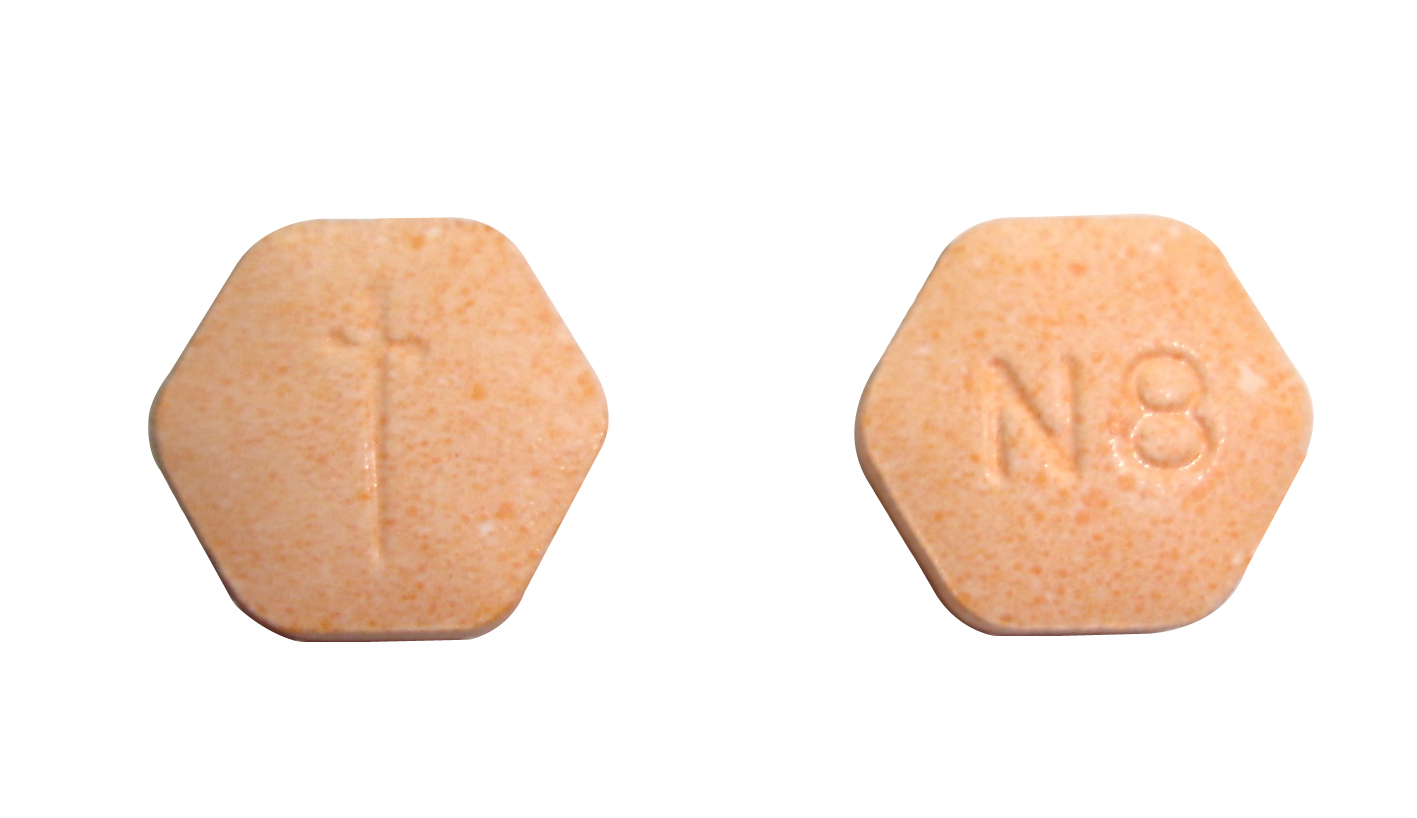
Suboxone pills. (Creative Commons photo by Supertheman)

Buprenorphine is one of the medications used to treat opioid addictions. A speaker at a recent medical conference in Anchorage said getting the medication to heroin users through their primary care providers is an essential way to reduce overdose deaths. But some addiction treatment professionals in Alaska say not so fast.

Buprenorphine is a synthetic opioid that’s often combined with another drug and sold as Suboxone. It’s usually a small film placed under the tongue. Like heroin, it stimulates receptors in the brain, but to a much lesser degree. Massachusetts family physician Steve Martin has prescribed the medication for years.

“The most common response we get from people (we prescribe it to) is ‘I feel normal now,’” Martin said. “Without any craving, without any feelings of withdrawal. Without feeling like they have to find something right away. Without feeling like they can’t go to work or take care of their family.”

Martin said buprenorphine doesn’t lead to addictions, and it’s the cause of fewer than 1 percent of overdose deaths. People need to be on it for at least a year before they taper off, though some have been on it for much longer. The medication has been available since the early 2000s, and has been prescribed for long-term use in Europe.

Martin spoke to a group of primary care providers from around Alaska during a conference in late April. He said that drug dependence needs to be looked at and treated like any other chronic disease — as part of primary care. And, just like medical providers don’t require counseling for medications to treat depression or diabetes, they shouldn’t require it for buprenorphine, a medication to treat addiction.

“For a given person we can’t predict whether counseling will be helpful or not,” Martin said, citing studies in medical journals. “But in randomized trial after randomized trial, people randomized to counseling plus buprenorphine or buprenorphine or Suboxone by itself do equally as well in terms of their recovery.”

Martin said some people get support through church or family relationships instead of through formal counseling services.

Karl Soderstrom, who runs Fiend 2 Clean peer-to-peer addiction recovery support network in Wasilla, disagreed.

“I think it’s naive to think that counseling isn’t effective. I think that by just prescribing we’re addressing the biological effects of the individual and keeping them from suffering withdrawal symptoms,” Soderstrom said. “But we’re not addressing the root causes of the addiction and the underlying behavior that the individual is experiencing.”

According to Soderstrom, we can’t just rate the success of medications, like buprenorphine, based on overdose numbers because recovery is about more than just staying alive. It’s reconnecting with a healthier life and community.

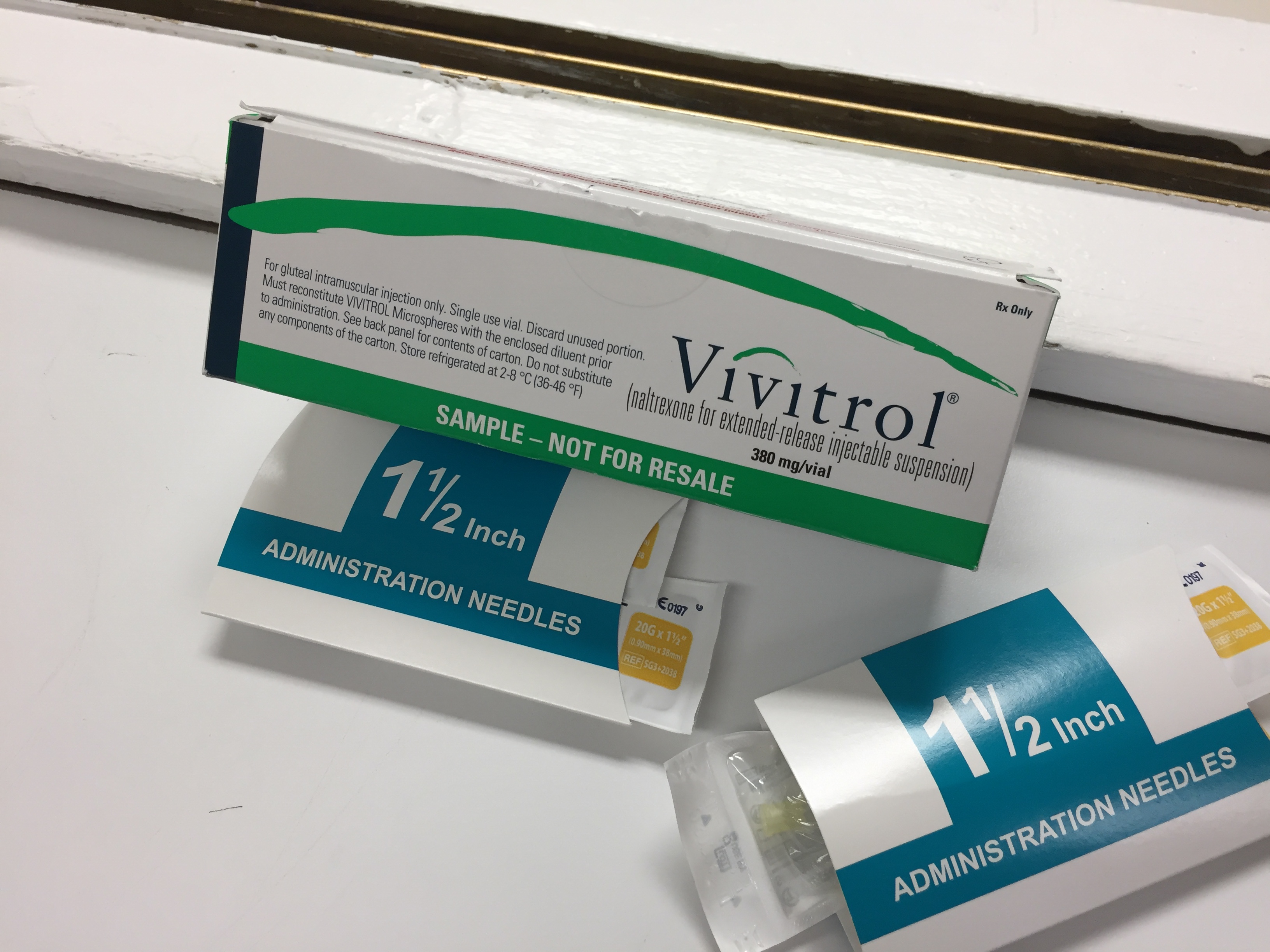
Anchorage family health nurse practitioner Jyll Green provides addiction treatment services, primarily a long-acting form of naltrexone called Vivitrol. She said buprenorphine can easily be diverted and sold on the streets.

“People are getting one-month prescriptions for these medications, which is allowing them the opportunity to divert their medication on the street, which many patients tell me they have done, so they can still purchase street drugs,” Green said.

Green advocates for stronger regulations on the distribution of the drug.

Federal laws changed in 2016. Now doctors who prescribe buprenorphine products like Suboxone and Subutex to treat addiction can increase their patient limit from 100 to 275.

Martin said the treatment helps people get their lives back on track, and over-regulating the medication means fewer people will have access to it.

Juneau Assembly kicks in another $1.2 million for Housing First

The Housing First Project under construction on November 17, 2016. (Photo by David Purdy/KTOO)
The Housing First Project under construction on November. (Photo by David Purdy/KTOO)

The City and Borough of Juneau has come to the aid of the Juneau Housing First Project with another $1.2 million.

Housing First is designed to serve Juneau’s most vulnerable residents, many of them homeless. But grants and other fundraising have been leaner than projected for the 32-unit complex and clinic under construction.

Housing First was originally slated to open in May. But when the project lost Front Street Community Health Center as its partner to run the onsite clinic, that pushed things back. Now a new partner’s been found: the Juneau Alliance for Mental Health, Inc.

“You know we’re just responding to the needs of the community, the program,” Doug Harris of JAMHI said. “And we’ve been fully invested in the Housing First project since its initial planning stages.”

The Juneau Assembly unanimously approved the increased funding without discussion Monday evening.

“We’re really excited to start moving people in,” Housing First’s Project Manager Mariya Lovishchuk said. “This feels like a huge, huge step.”

The Housing First complex is now slated to open in July and gives preference to what case workers identify as the community’s most vulnerable residents.

State DOC offers new way to treat opioid addictions

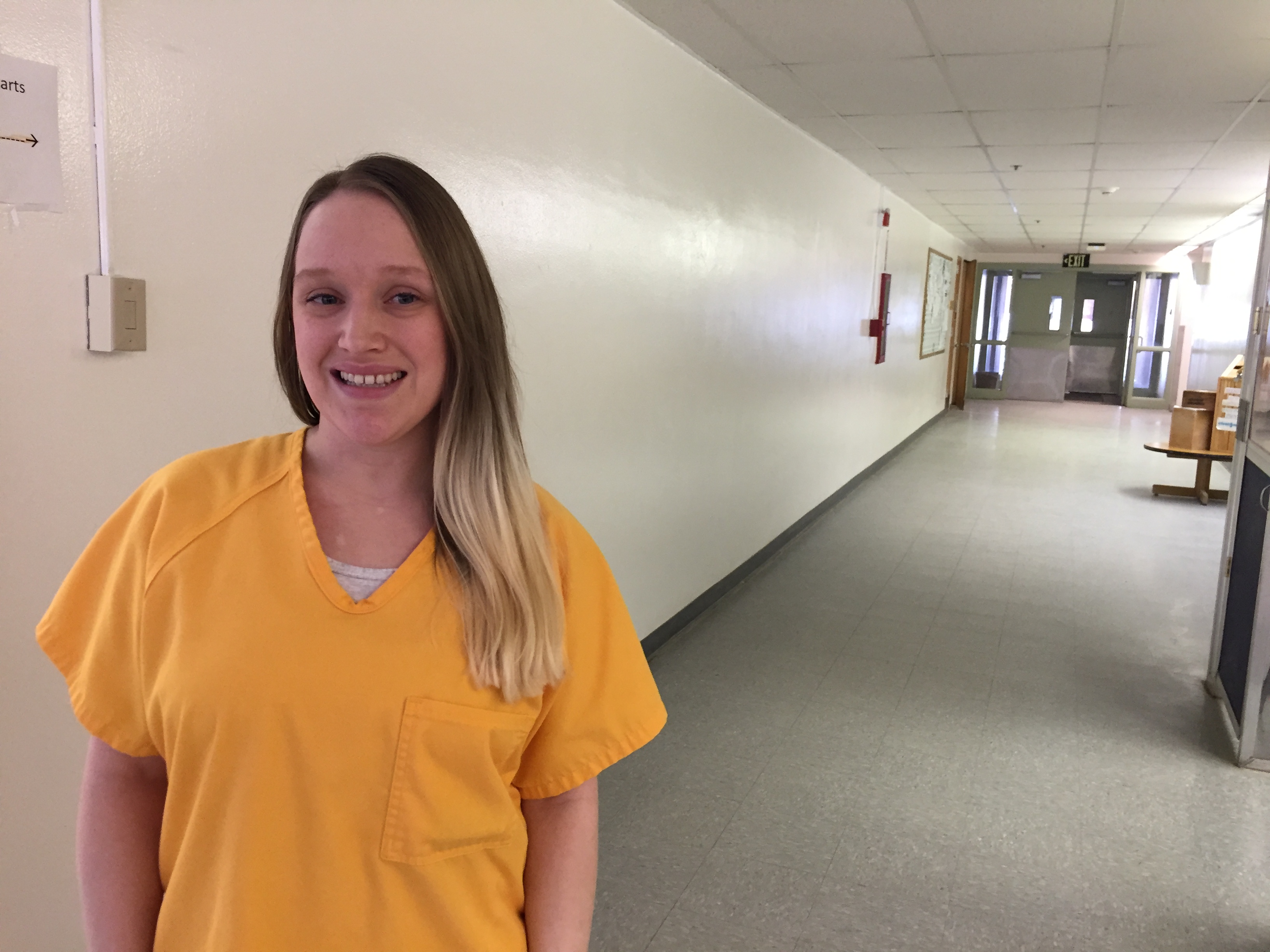
Sadie Douglas is an inmate at Hiland Correctional Center and is participating in the new Vivitrol treatment program. (Photo by Anne Hillman/Alaska Public Media)

The state’s Department of Corrections is trying a new tactic to stop the opioid epidemic: offering Vivitrol shots, a monthly injection that curbs cravings for heroin and other drugs and stops people from getting high.

The pilot program launched recently at Hiland Mountain Correctional Center, where Sadie Douglas has been serving her sentence for the past two years.

“I got here, and I was completely hopeless. I really was,” she said during an interview earlier this month. “I suffered from severe depression when I first got here.”

Douglas’ story is pretty common among people with addictions.

She was prescribed pain pills, got hooked, and eventually switched to heroin. In the process, she lost her husband and kids.

Eventually, she was convicted of drug and theft charges. Since entering Hiland she’s joined a sobriety program and found faith in God.

But even after not using opioids for two years, “it’s always there in the back of your mind,” she said. “If you’re having a bad day or feel sad or alone or you just miss your family and you don’t want to feel those feelings, then you think, ‘Well why don’t I just go get high’ and you don’t have to feel any of it.”

That’s why she’s joined the Department of Corrections’ new Vivitrol program.

Vivitrol is an injectable form of naltrexone that blocks cravings for opioids and prevents people from getting high off of them.

Naltrexone has been around for decades in a pill form, but for the pills to stop cravings, you have to remember to take them every day. Vivitrol is administered once a month by a provider.

It’s similar to the drug naloxone, or Narcan, which is used to reverse overdoses. Both block receptors for opioids, but naltrexone has a longer-lasting effect.

Autumn Vea, who oversees substance abuse programs for the Department of Corrections, said giving inmates an injection right before they re-enter the community helps them stay sober longer, but it still needs to be given alongside other therapy or counseling.

“Oftentimes when offenders re-enter into the community, all their triggers come back,” she said. “This will help them block their cravings long enough to either be – one –connected to an aftercare provider or –two— go on to live a sober, healthy lifestyle if they’ve learned enough coping skills behind the walls.”

Prisons across the nation are offering Vivitrol and the early data is promising, but the medication hasn’t been around long enough for extensive studies to be completed.

Pew Charitable Trusts reports that Vivitrol recipients at a prison in Massachusetts only had a nine percent recidivism rate over four years. That’s compared to the 77 percent national re-arrest rate for drug offenders, according to Bureau of Justice Statistics.

Vivitrol is the injectable form of naltrexone, which cuts cravings for opioids and alcohol. (Photo by Anne Hillman/Alaska Public Media)

Vivitrol won’t work for everyone.

Vea said it can increase symptoms of depression and psychosis and can cause liver damage, so they test for all these things before administering it.

“Part of our diagnostic process is making sure that Vivitrol is the right medication for the right offender at the right time,” she said.

The pilot program is starting at Hiland, but will eventually be offered at correctional facilities in Anchorage and Fairbanks.

As of mid-April, four people had received the shot. The drug’s manufacturer gave 1,200 free samples of the medication to the department. On the outside, the monthly injection can cost about $1,000 if a person doesn’t have Medicaid or insurance.

The department is also looking into offering two other addiction treatment medications in the future methadone and buprenorphine, Vea said.

Douglas will receive her first shot a few days before she’s released in late April. She’s a different person than she was when she walked into Hiland two years ago, she said.

“I didn’t understand for a little while how people functioned on just air,” she said. “Life’s hard and it hurts, but with people by your side and doing things the right way, you can get through it.”

Douglas has a strong support system waiting for her on the outside, and she plans to enter treatment as soon as she’s released.

Families and others can refer inmates to the program by contacting the Department of Corrections at doc.substanceabuse@alaska.gov.

Narcan saves lives in opioid epidemic but it’s only the first step

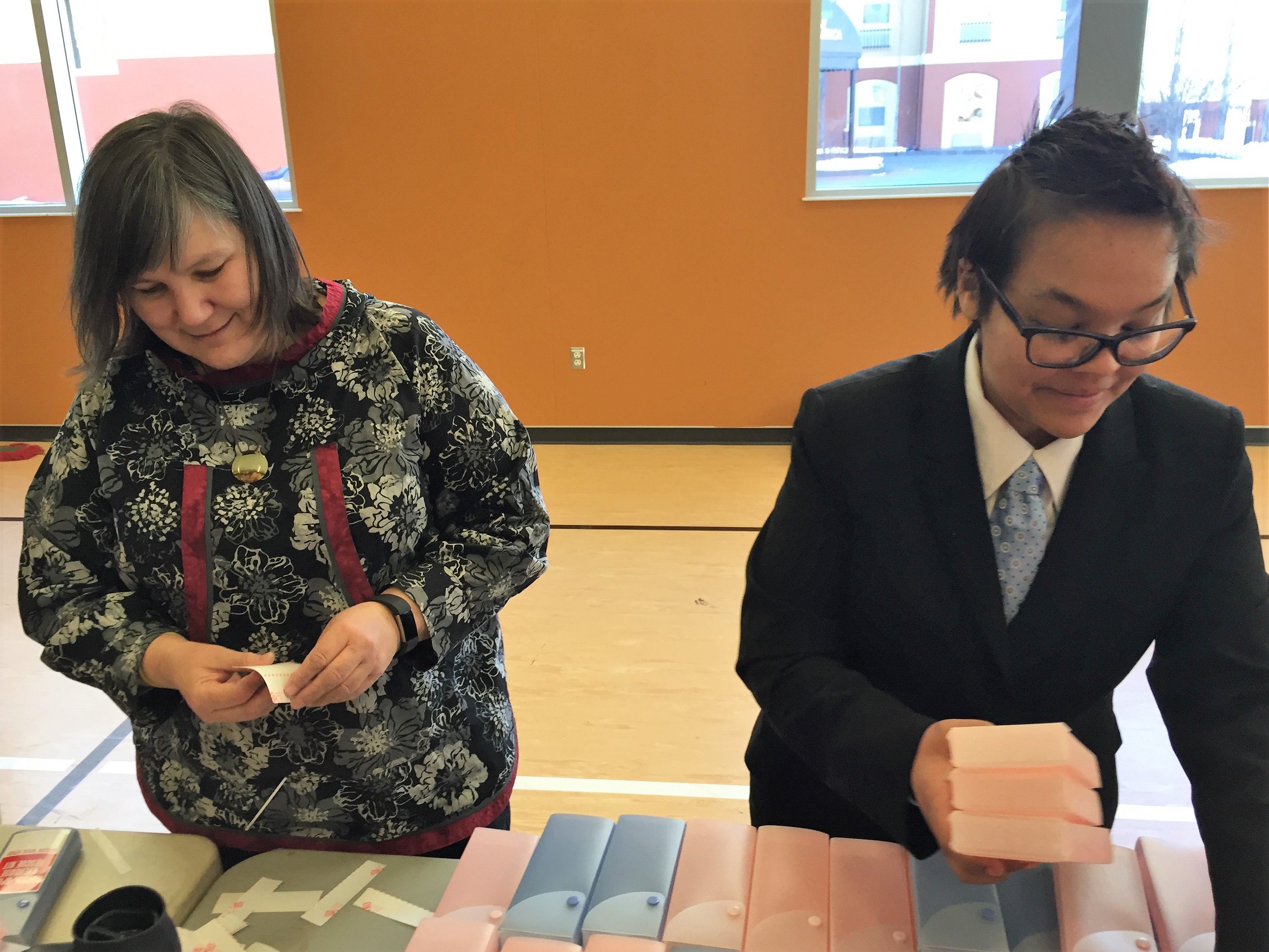
Department of Health and Social Services Commissioner Valerie “Nurr’araaluk” Davidson and Nichelle Willams pulls stickers off boxes with on a Narcan kit assembly line at Covenant House in March. (Photo by Anne Hillman/Alaska Public Media)

The state’s Department of Health and Social Services is starting to distribute Narcan kits around Alaska. The nasal spray stops opioid overdoses.

Late last month a group at the Covenant House in Anchorage assembled the kits. Nichelle Williams, 20, was among them, ripping stickers off plastic pencil cases.

Then she carefully lined up each box so the next volunteer could put on a different label.

“They all have to be the same way, so it’s easier to put the stickers on,” she explained patiently. “It makes it easier.”

“She increases our chances not to screw it up!” added her fellow volunteer.

They were at the beginning of a long assembly line for building Narcan kits — small plastic boxes that contain a nasal spray drug, basic instructions, gloves and CPR masks.

The kits will be used to stop overdoses from heroin, OxyContin, and other opioids.

Williams joked about the importance of her role, but she clearly understood the seriousness of what she was doing.

Narcan saved her life — twice. Her cousin wasn’t as lucky.

“She ended up dying right in front of me,” Williams said. “If I had the Narcan, I probably would have been able to save her, but it wasn’t popular at that time.”

That’s why the state is trying to get Narcan into the hands of everyone who might need it. It’s part of the governor’s initiative to fight the opioid epidemic. State epidemiologists report from 2009 to 2015, 774 people in Alaska died from opioid overdoses.

“This isn’t about clinicians. This is about the general public,” said Andy Jones, chief of emergency response for the state’s Department of Health and Social Services. “What it means is we’re giving a lifesaving tool to everybody who wants one within Alaska. And then they have the capability to be an overdose rescue first responder.”

Administering Narcan to someone who is overdosing will buy time, he said, but you still need to call 911.

“It doesn’t mean it’s a homerun for you. It usually means you have about 30 minutes to 40 minutes,” he said. “Those opioids are still in the body and could bind back to the receptor and throw you back into an overdose.”

Jones said some people have the misconception that giving away Narcan will make individuals more likely to use opioids, but that’s not the case.

Rapid withdrawal is a painful process.

Nichelle Williams has first hand experience with that.

“When I overdosed, and had to get Narcan, that was the worst withdrawal of my life,” she said. “I didn’t want to go through that again.”

Having Narcan available did not make her think it was safer to use heroin or encourage her to use.

Getting clean wasn’t an easy process and treatment options were not immediately available.

Williams started using opioids when she was 17 after being prescribed narcotics for pain from foot surgery, and quickly became dependent.

When her pills ran out, she switched to heroin.

“You know, when I experienced getting high, it took all my physical pain away,” she said. “When all my physical pain went away, it went to my head and was like a head and body high for me.”

Williams said it helped ease her emotional pain, and she couldn’t control her cravings.

She overdosed three times then was mandated to get treatment. She said the Narcan saved her life, but ultimately she needed a strong support system to stay sober.

“I think that when you go and ask for help, not having people judge you and make you feel like you’re less of a person because you use drugs” helps when trying to get clean, she said.

Williams hasn’t used in six months and plans to start her degree in psychology in the fall.

Young people can request the kits from Covenant House staff to use themselves and give to others. Anyone in the state who needs kits can email projecthope@alaska.gov.

State suspends medical license of former Fairbanks Memorial Hospital chief of staff

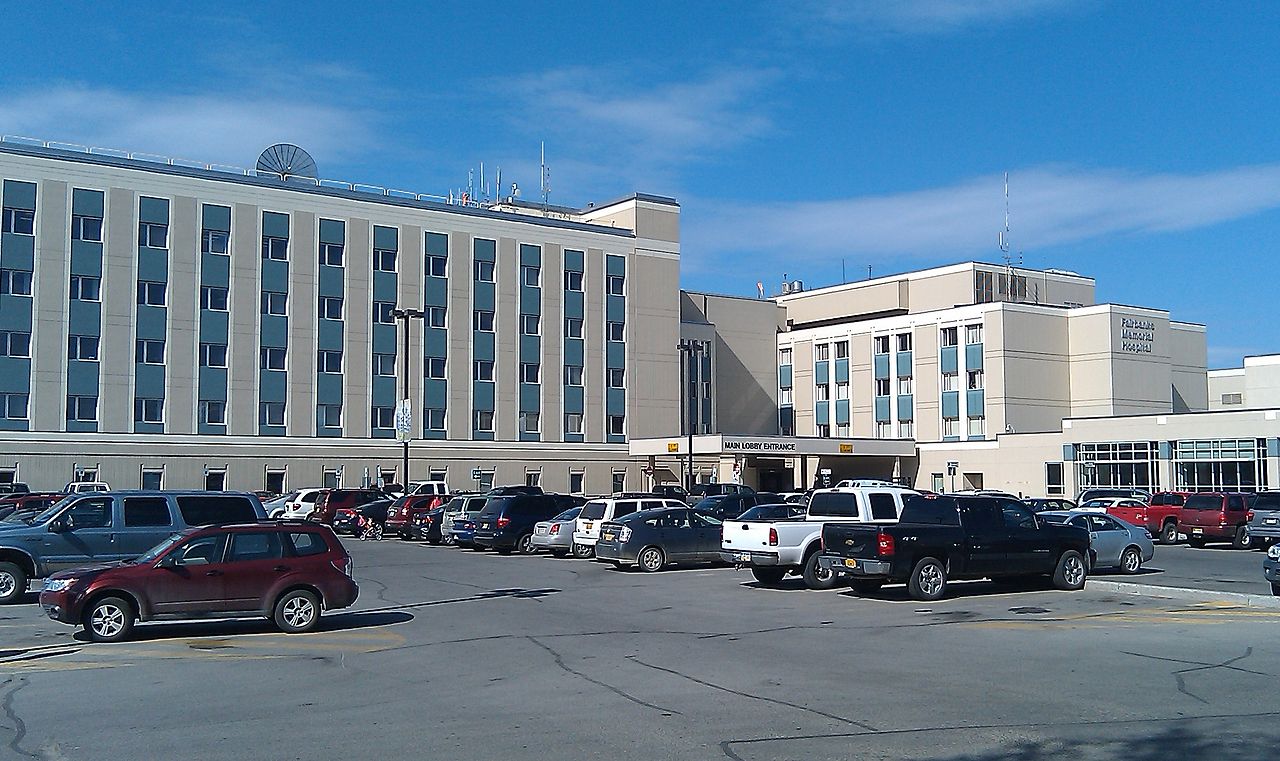
Fairbanks Memorial Hospital
Fairbanks Memorial Hospital in May 2011. (Creative Commons photo by RadioKAOS)

The State Medical Board has suspended the license of the former chief of staff at Fairbanks Memorial Hospital. The suspension of Dr. Christopher Jensen earlier this month is the result of accusations filed by the state, including drug use.

Angela Birt is chief investigator for the state office of professional licensing. She said Jensen had “allegations of potential substance abuse.”

Birt referenced a report detailing Dr. Jensen’s alleged use of cocaine, which came to light following a Jan. 18 mental health breakdown, information she said was enough to raise safety issues.

“The board has the ability to summarily suspend the provider based on their public safety responsibility,” Birt said.

FMH Chief Medical officer Danny Robinette said Dr. Jensen’s privileges at the hospital were immediately suspended following the January breakdown, during which State Troopers brought him to the hospital, after finding him lightly clothed on the street at 40 below zero.

“He requested at that time, a leave of absence from the medical staff and subsequently submitted a resignation as chief of staff,” Robinette said.

Robinette said Jensen, a plastic surgeon, was well respected and had no known history of mental health issues or drug problems, nor any complaints filed against him.

“He’s been on staff here since, I believe 2009, if I’m correct in that, I’ve actually worked with him myself personally before I was chief medical officer as a surgeon on patients together, his outcomes and results were good,” Robinette said. “There was never any evidence of any issues or any reported problems, prior to January.”

Robinette underscored that Dr. Jensen was not a hospital employee and therefore only subject to drug screening if there was suspicion of a problem. The Medical Board license suspension notice orders Dr. Jensen to get a psychiatric evaluation. Chief Investigator Birt said Jensen has requested a hearing on the suspension. Jensen did not return a call requesting comment.

Alcohol, drugs cost Alaska economy $3 billion a year

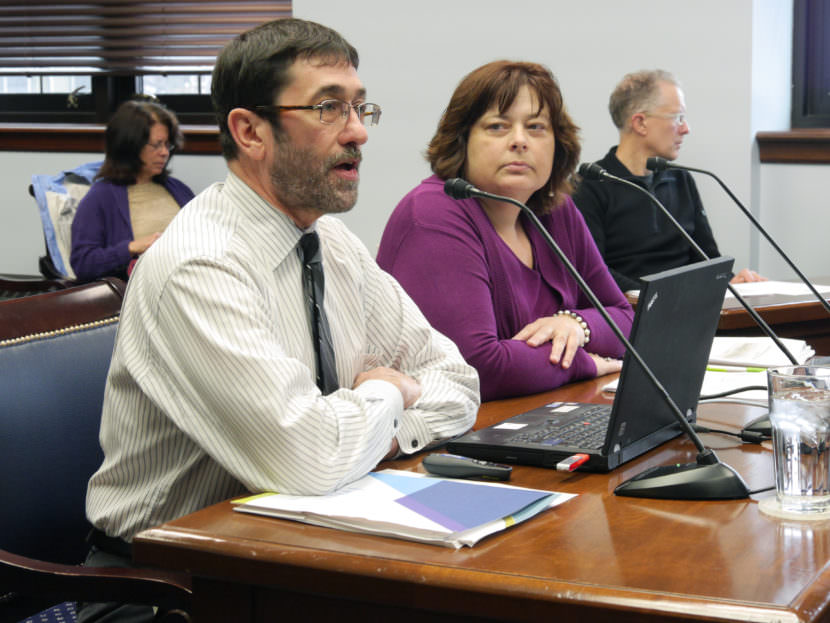
Alaska Mental Health Trust Legislative Liaison Jeff Jessee and McDowell Group Vice President of Anchorage Operations Donna Logan address the Senate Health and Social Services Committee on March 29, 2017 about the economic costs of alcohol abuse in Alaska. (Photo by Skip Gray/360 North)
Alaska Mental Health Trust Legislative Liaison Jeff Jessee and McDowell Group Vice President of Anchorage Operations Donna Logan address the Senate Health and Social Services Committee on March 29 about the economic costs of alcohol abuse in Alaska. (Photo by Skip Gray/360 North)

The total costs from alcohol and drug abuse and dependence in Alaska are more than $3 billion per year, according to a new Alaska Mental Health Trust report completed by the McDowell Group.

That amount is equal to roughly $4,000 per state resident. And while much of the recent focus has been on the opioid crisis, the report found that alcohol use causes more economic damage.

Mental Health Trust legislative liaison Jeff Jessee said there’s a proven way to reduce these costs: Provide treatment to everyone who could benefit from it. He says state funding for programs that provide this treatment is limited.

“It’s stunning to me how much effort is being put forth by this legislature in attempting to reduce the costs of government programs and departments that are at least arguably trying to contribute something positive to Alaska and Alaskans,” Jessee said.

Jessee testified to the health and social services committees in the House and Senate on Tuesday and Wednesday. He noted the costs are greater than the gap between what the state government spends and what it raises in oil royalties, taxes and fees.

The report found that one third of the economic costs from alcohol use are due to the lost income for the families and local economy of those who die from alcohol-related causes.

Other major alcohol-related costs result from the expense of the criminal justice system, health care, motor-vehicle crashes, and welfare.

Anchorage Democratic Rep. Ivy Spohnholz said the information makes lawmakers more aware of the problem.

“I think that the report has done exactly what it was designed to do, which is to show the hundreds of millions and really billions of dollars that we spend each year as a state by not properly grappling with the issue of alcohol and also drug abuse,” she said.

McDowell Group Anchorage Vice President Donna Logan noted this is the fourth report her organization has completed since 2001. Each report has had successively more accurate information. This has led the cost estimates from alcohol misuse to rise by 50 percent in the last four years.

“I think when you have better data and better modeling, the credibility of your study improves,” Logan said. “And people are making a lot of decisions with this data, and so we want to make sure it has as much integrity as possible.”

While Alaska’s costs from alcohol are large, the rates of alcohol abuse and dependence in the state were similar to national averages, according to the report.

Site notifications
Update notification options
Subscribe to notifications