
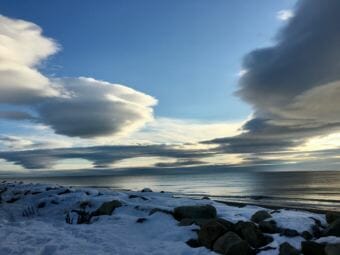
For those who wonder what the Bering Sea will be like decades from now, last year may have been a glimpse of the future. It brought something many did not expect: the disappearance of the undersea “cold pool,” which is the nursery for Alaska’s pollock fishery.
Science & Tech
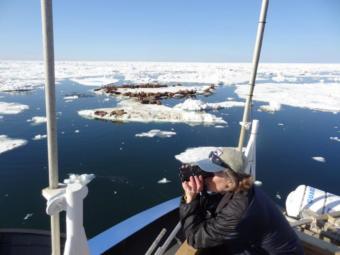
So far, seals are adapting to shrinking sea ice
Ice seals use sea ice to raise their young, and sea ice is in rapid decline. Logically, that should spell doom for seals in the Arctic. But one researcher says the animals have adapted well so far.
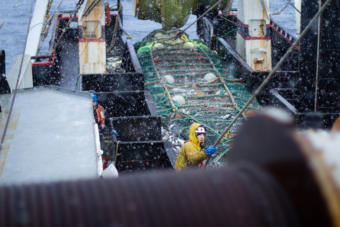
As the Bering Sea warms, this skipper is chasing pollock to new places
“Across the board, everybody has a story about something that they haven’t seen before,” said Dan Martin, a 53-year-old captain of a Bering Sea pollock trawler. We took a fishing trip with Martin to find out what he’s experiencing as the Bering Sea heats up.
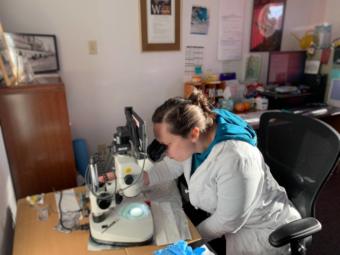
Is your dirty laundry making dirty mollusks? Traces of microplastics offer clues.
Researchers in Sitka have been looking at the impact of microplastics on local shellfish. Their findings illustrate a possible connection between microplastics in mollusks and household laundry.
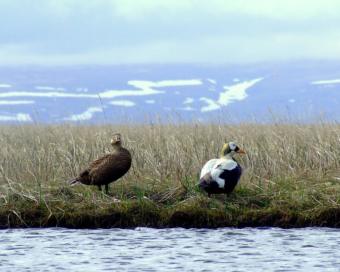
Study finds saltier water in Y-K Delta could be bad news for some ducklings
A researcher with the University of Alaska Fairbanks says that with the loss of sea ice and increased storm surges, saltwater levels near duck nesting grounds in the Y-K Delta are rising.
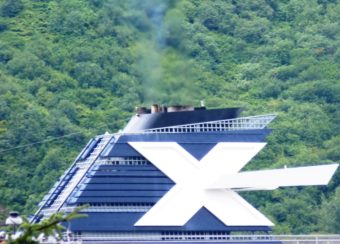
Survey will monitor cruise ship emissions in downtown Juneau this summer
The Alaska Department of Environmental Conservation shared a new plan Tuesday to start tracking air quality in downtown Juneau in order to learn more about the impact of cruise ship emissions.