Southcentral

Ferry fares up 5 percent for most routes

Skagway dock 5/5/13 Malaspina
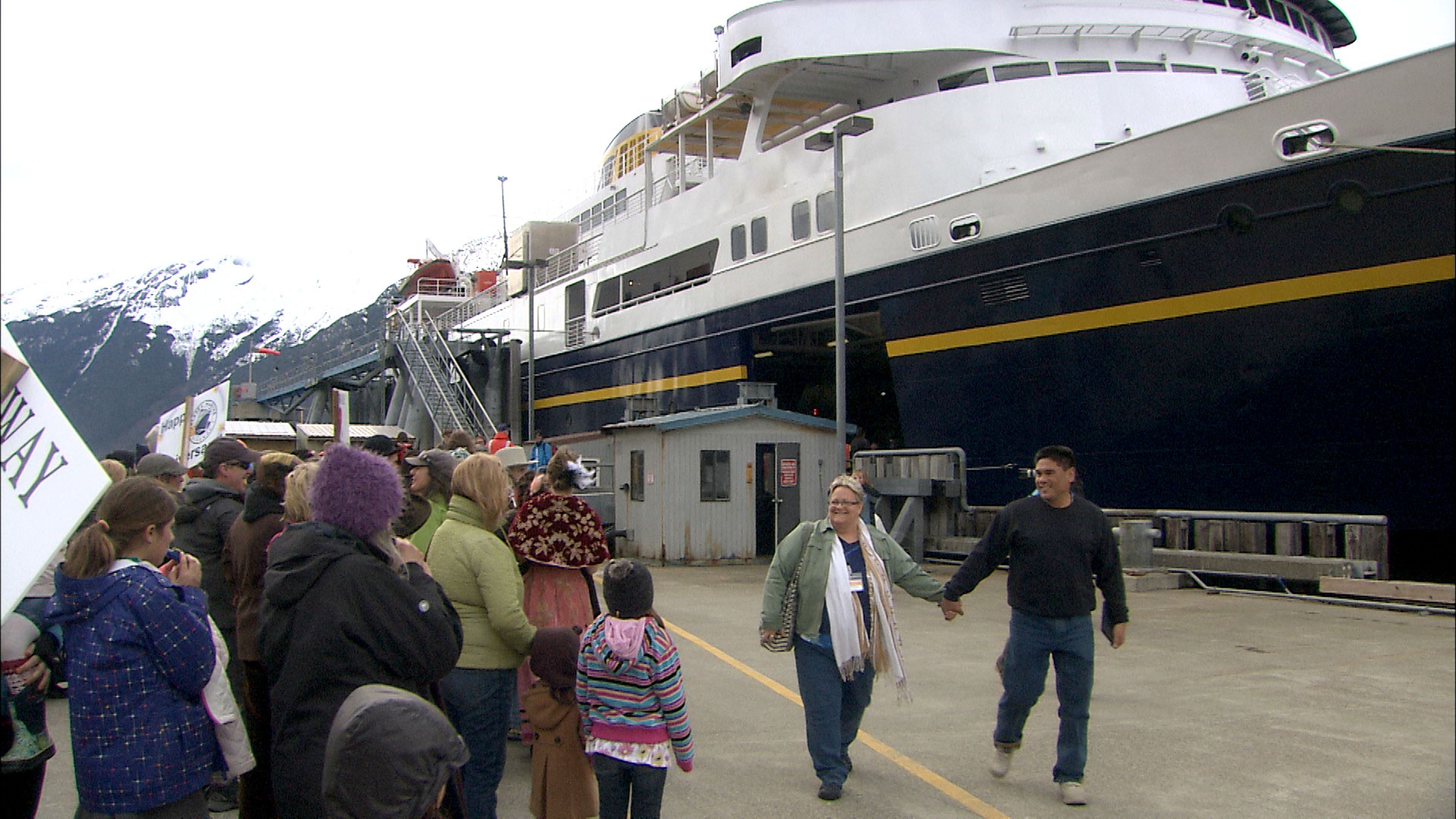
Passengers disembark the ferry Malaspina in Skagway during its 50th anniversary sailing. Most ferry fares went up Jan. 1. (Photo by Mikko Wilson/360 North)

Ferry fares went up 5 percent for most routes Jan. 1. The hike comes on the heels of a 4.5 percent increase that began in May. The increase is for new reservations. Those made before January will not change.

Alaska Marine Highway spokesman Jeremy Woodrow says higher fares are part of a larger effort to increase earnings and decrease expenses.

“The marine highway system’s cost recovery for its revenues is much lower than it has been in the past. If you look at the fact that the fares have not been increased in the last seven to eight years, that can be one reason to point to that,” he says.

Low oil prices drove service cuts already in place for the winter. More extreme reductions listed in the governor’s budget are slated for July. The legislature could cut service further.

ferry Taku
The Alaska Marine Highway ferry Taku sails into Wrangell Narrows off Petersburg. (Photo by Ed Schoenfeld/Coastalaska)

Not all marine highway routes are seeing price hikes.

Woodrow says those that are disproportionately higher will remain the same, at least for now.

“Once we are closer to that, the marine highway system can begin formalizing its rates based on route mileage, ridership, as well as … embarking and disembarking fees and have a more formalized system,” he says.

The increases stem in part from a rate study released a little more than a year ago.

The new fares are integrated into the marine highway’s reservations system, though no full list has been published.

The higher fares coincide with an adjustment to the system’s reservation policy. Customers must now pay a minimum $20 fee for any change made within two weeks of sailing.

Woodrow says it closes a loophole.

“That loophole allowed customers to pre-book travel and continue to move that travel back to later dates without having a cancellation fee or change fee. And it withholds that space from other customers who would otherwise use that space on the ferry,” he says.

A set of new cancellation fees ranging from 5 to 40 percent of a ticket’s value took effect Oct. 1.
Murre die-off around Kachemak Bay estimated to be in the thousands

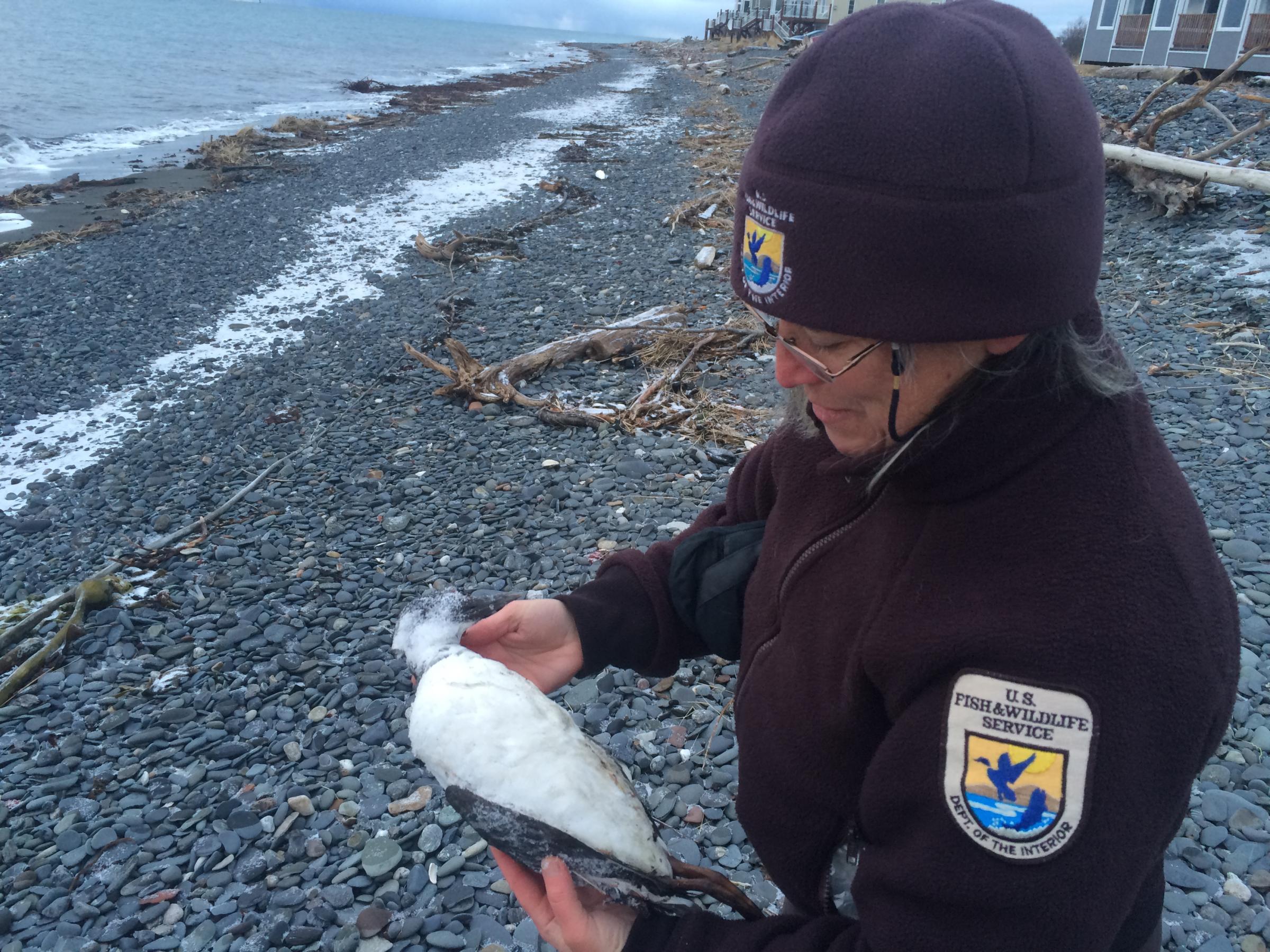
Wildlife Biologist Leslie Slater holds one of about a dozen dead Common Murres found along a short stretch of beach at the Spit in Homer Tuesday, Dec. 22. (Photo by Daysha Eaton/KBBI)

Die-offs of common murres have been happening across Alaska since this summer. The latest report comes from Kachemak Bay, according to biologists with the Alaska Maritime National Wildlife Refuge in Homer.

Wildlife biologist Leslie Slater says there have been two waves of mortality.

“This die-off started to be noticed around mid-July in certain parts of the state. And so it continued at some level — a fairly high, noticeable level — for a couple of weeks and then it seemed to diminish. Then there seemed to be resurgence again of the number of carcasses that we were seeing on beaches. That happened in mid-November or so,” Slater said.

There have been die-offs reported of the penguin-like seabirds in Cold Bay in July and in Kodiak in November. Slater says they’ve also had reports from Seward, Sitka and Prince William Sound. In November, starving and dead murres turned up around the Mat-Su and Anchorage areas, farther inland than usual.

“It seems that then they would either be disoriented, which could be the result of ingesting a toxin, or they could be very desperate in searching for food and just kept traveling up the inlet,” Slater said.

Seabird die-offs have been recorded all along the West Coast of the U.S. in Washington, Oregon and California this year. Slater estimates that a large number of murres have died around Kachemak bay.

“Based on the duration of the time that we’ve had carcasses being reported to us, I would say, it’s into the thousands, certainly, throughout Kachemak Bay,” Slater said.

The dead murres are being counted by citizen scientists all along the Spit and along the beach up to Anchor Point.

“They’ve been doing this for several years and so there’s been a baseline established of what we would consider being a normal winter … and so far, it’s been at least six times the normal background amount that’s been observed,” Slater said.

Slater says citizen scientists mark the murres with color-coded zip ties around a wing or foot and if you see a bird with a zip tie she says you should not disturb it because it’s part of a study.

Anecdotal reports of dead murres and other birds are coming in from across the bay. They’ve also had reports of dead tufted puffins, horned puffins and an ancient murrelet. She says the birds, along with murres, feed on small fish or dive to get invertebrates during summer. They dive for squid, crustaceans and krill during winter.

Slater says murre carcasses were sent to the National Wildlife Health Center in Madison, Wisconsin where bird flu was ruled out. The dead birds seem to have starved, but Slater says there could be other factors.

“There are analyses that are pending. So it could be something that had to do with PSP, like paralytic shellfish poisoning that was ingested at some point, but that is still unknown,” Slater said.

Results from those tests should be back in January. That’s also when Alaska Maritime National Wildlife Refuge biologist Heather Renner will present a paper on the murre die-off at the Alaska Marine Science Symposium in Anchorage.

Legislators recommend ending pricey Anchorage LIO lease

Anchorage LIO Seal
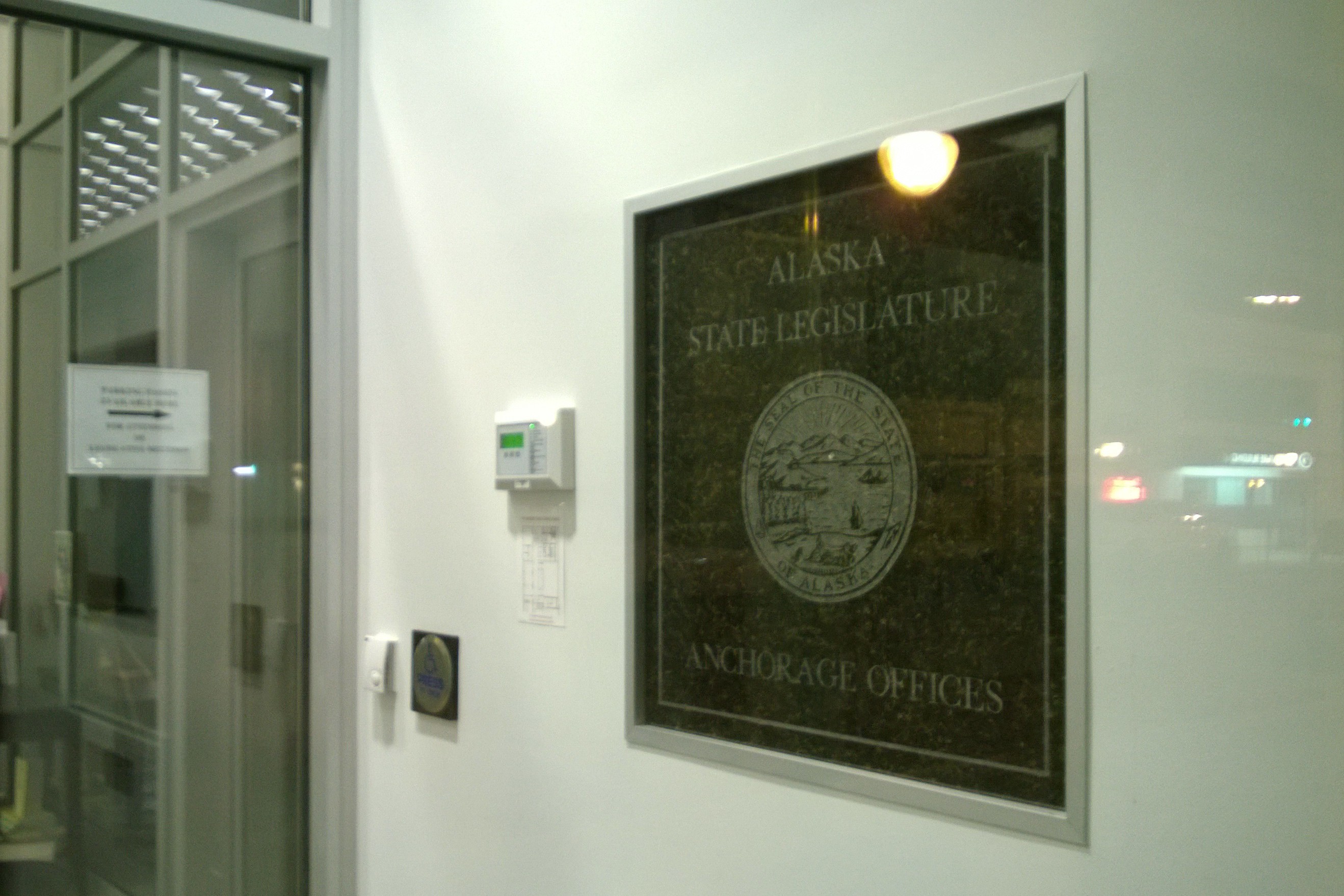
The state seal at the Anchorage Legislative Information Office. (Photo by Jeremy Hsieh/KTOO)

To buy or not to buy? That is one of the questions the Alaska Legislative Council wrestled with at an almost 5-hour meeting Saturday in the Anchorage Legislative Information Office.

Council members were trying to decide whether to vacate, purchase or continue to pay rent at the newly renovated building.

After hearing from a battery of real estate attorneys and an executive session, the council voted unanimously to recommend ending the lease on the LIO, with an option to wait 45 days to work out a potential financial arrangement with the building’s owner, Mark Pfeffer.

“We are pleased the Alaska Legislative Council decided to gather more information before making a decision,” said Pfeffer’s spokesperson Amy Slinker in an email. “We believe there are several options that save the state money without taking the drastic step of breaking the lease and risking what others have said would be serious negative credit implications.”

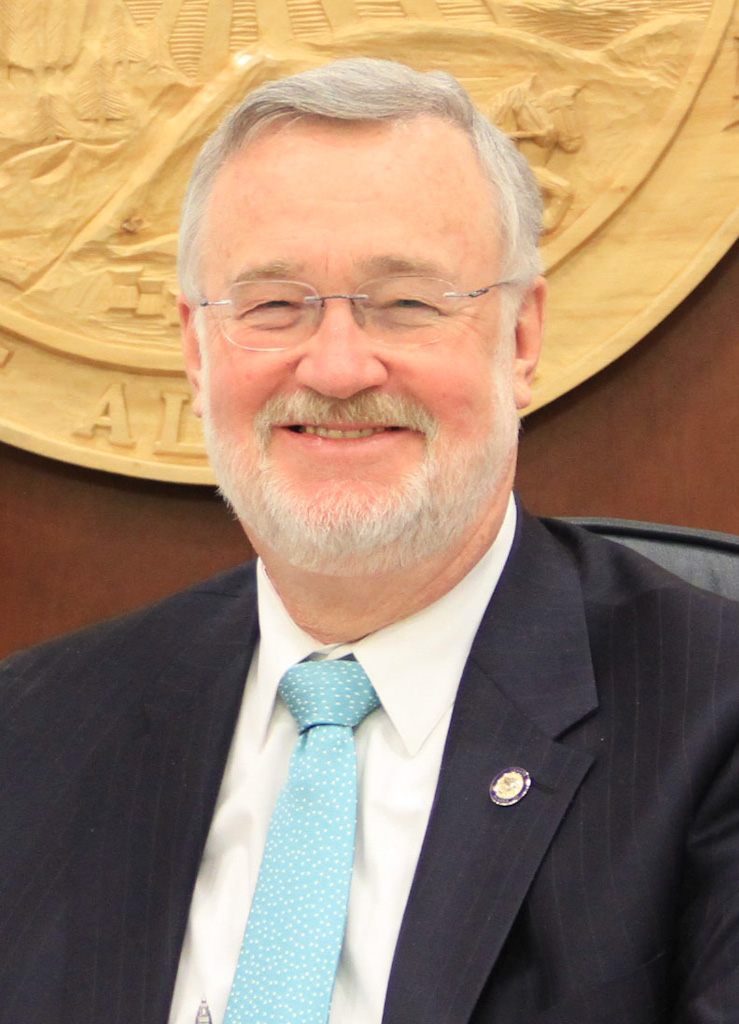
Before the vote, Sen. Gary Stevens, who chairs the council, said the final decision rests with the legislature. He also said press reports about breaking the lease on the building were not accurate.

Gary Stevens
Sen. Gary Stevens. (Courtesy photo)

“What we are talking about, if we do move, not that we will but if we should, that we wouldn’t be so much breaking the lease as we would be taking advantage of a negotiated clause that went through a lot of discussion as the two sides negotiated a contract,” he said. “So it is taking advantage of a negotiated clause in the lease. Further, remember that what we do here today is advisory to the legislature. We don’t have the power of funding anything, and we don’t have to make a recommendation to the entire legislature to include this, whatever it is, in the budget.”

Stevens also said LIO landlord Mark Pfeffer told him Friday that he had dropped the $37 million price of the building by $1 million. That was a surprise to most council members, as did a last minute spreadsheet from state debt manager Deven Mitchell, which presented a dozen new scenarios with detailed costs of purchasing, leasing or abandoning the building through 2046.

The council wrestled with four main scenarios, three outlining different purchasing schemes, and one advocating ending the lease and moving state offices to the Atwood Building in downtown Anchorage.

Pfeffer fielded questions from the council for about half an hour. He told the council that in August 2013, the lease was 10 percent below market value, and that a purchase option was amended to it. Pfeffer said a clause in the lease makes it subject to annual appropriation, and using that clause creates a tricky credit issue.

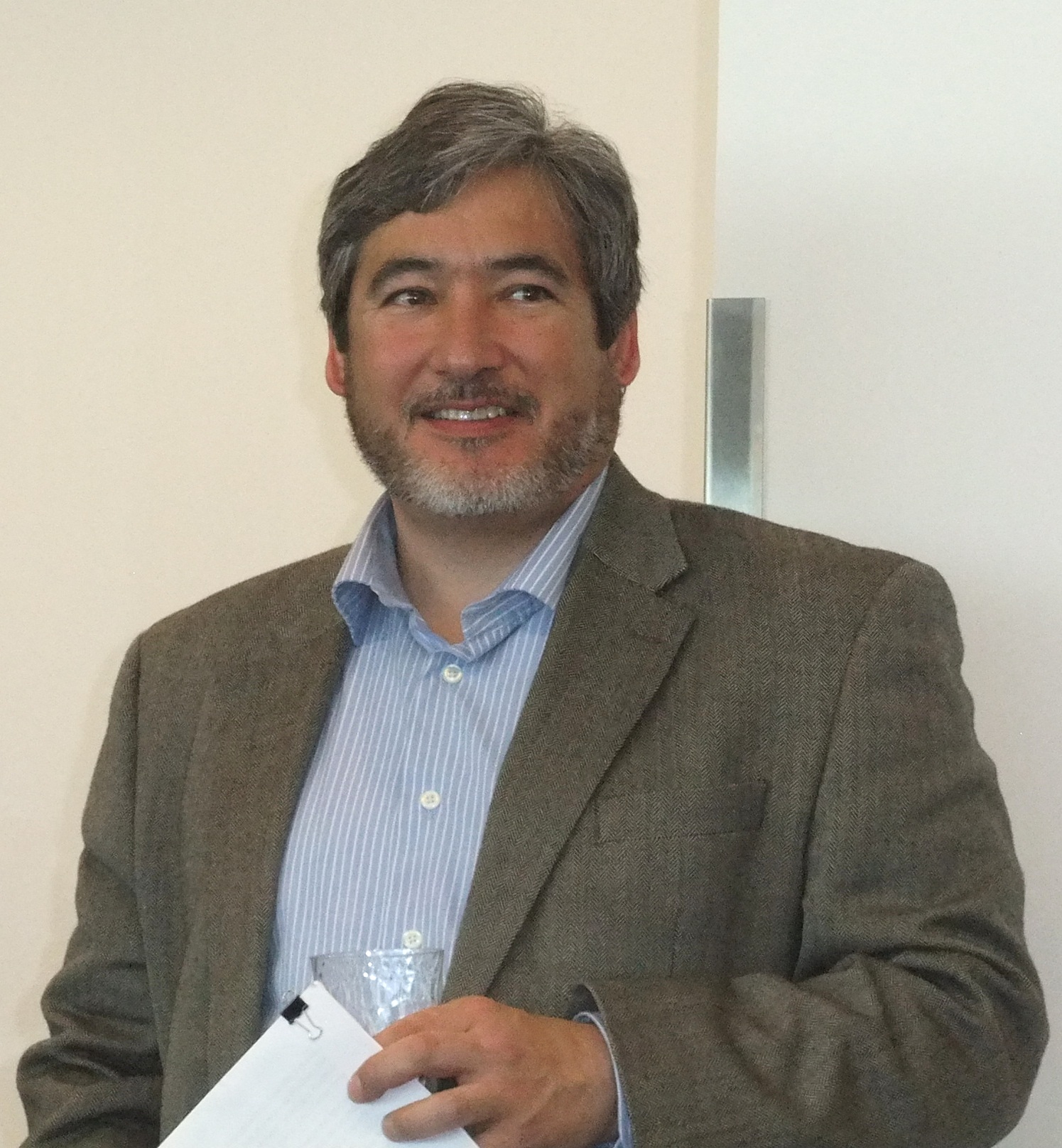
Rep. Sam Kito III at Juneau Chamber of Commerce on Thursday. (Photo by Rosemarie Alexander/KTOO)
Rep. Sam Kito III. (Photo by Rosemarie Alexander/KTOO)

“It is a rarely, if ever, used clause, because once it is used, it means that subsequent leases have to be looked at as though they are basically only a one-year lease,” Pfeffer said. “So you have to pay the full cost of whatever it is you are leasing basically in one year because the lessor cannot count on a longer term payment schedule. It’s virtually never used and if it is used it will have a significant effect on the way you do things in the future.”

Rep. Sam Kito III said the state has used such clauses in the past with no adverse effects.


Lawmakers seek cheaper digs than Anchorage LIO

Anchorage LIO Seal
The state seal at the Anchorage Legislative Information Office. (Photo by Jeremy Hsieh/KTOO)

Lawmakers are considering alternatives to their expensive and controversial office space in Anchorage.

When the state renewed its lease on the Legislative Information Office in downtown Anchorage last year, it paid about $7.5 million for renovations — and saw its annual rent spike from under $700,000 to more than $4 million per year.

The deal was negotiated by Rep. Mike Hawker, R-Anchorage, and approved by the Legislative Council, which handles the legislature’s administrative business.

But with a budget crisis prompting cuts across the state, the high rent has become an embarrassment for lawmakers.

The question now is whether the state can get out of the deal and find anything cheaper.

On Friday, the Council heard a range of options prepared by its chair, Republican Sen. Gary Stevens of Kodiak. Stevens’ report found the cheapest option — by far — would be to move into the state-owned Atwood Building, a few blocks away.

Moving into the Atwood Building would cost about $10 million over 10 years. Keeping the existing lease would cost an estimated $40 million over 10 years, Stevens found, while buying the current building outright would cost at least $43 million.

But lawmakers expressed concern that breaking the existing lease could prompt expensive litigation. A decision on the building was postponed Dec. 19.

Berkowitz kills controversial road project

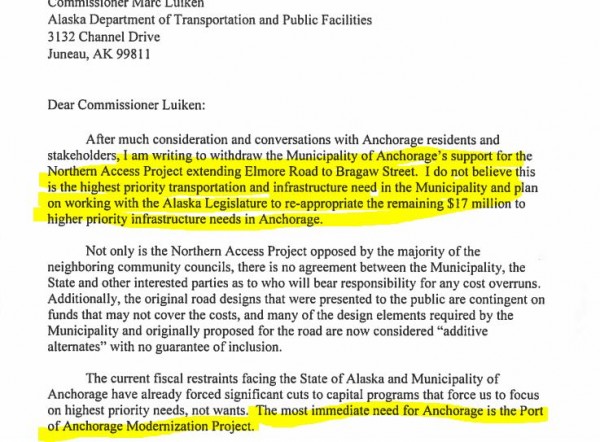
Ethan Berkowitz letter to DOT to kill Bragaw extension
This from Anchorage Mayor Ethan Berkowitz to Transportation Commissioner Marc Luiken to kill the Northern Access Project came out Friday.

A contentious road project in Anchorage is being dealt a fatal blow.

In a letter sent out just ahead of the weekend to the head of the state Department of Transportation, Mayor Ethan Berkowitz withdrew the city’s support for the Northern Access Project, also known as the Bragaw or Elmore Extension.

“We made the decision because in this time of fiscal austerity at the state level, there needs to be a distinction between wants and needs,” Berkowitz said.

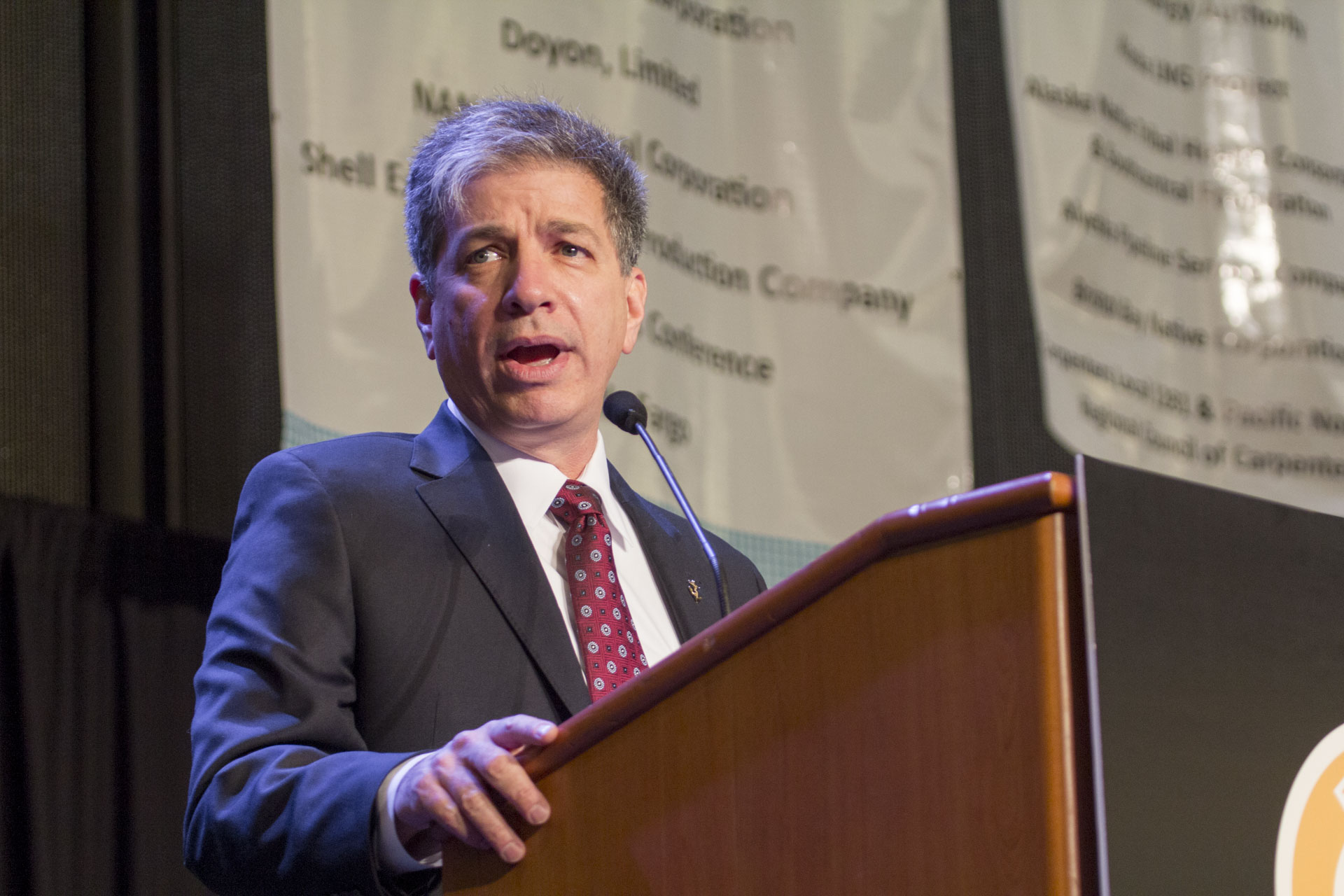
AFN 2015 Ethan Berkowitz
Anchorage Mayor Ethan Berkowitz at the Alaska Federation of Natives Convention in October. (Photo by Mikko Wilson/KTOO)

Citing funding contingencies and complex designs that could put the municipality on the hook paying the cost for construction overages, Berkowitz is asking the legislature to re-appropriate the $15-17 million balance of funds left to pay for the project. He wants the remainder to go to the Port of Anchorage Modernization Project.

“The port is the most pressing need that we have here in Anchorage, and in fact it’s one of the most pressing needs in the state,” Berkowitz said. “80 to 90 percent of the goods in all Alaska cross through that port, and we’re one seismic event away from a disaster.”

The Northern Access Project faced major opposition from community and environmental groups, as well as criticism over its costs, which were conservatively estimated at about $20 million for a two-lane road 7/10th of a mile long.

Though the letter is a serious blow to the project, Berkowitz hesitated characterizing it as “dead.”

“I’ve spent enough time around Juneau to know that every project becomes its own Lazarus after a while,” Berkowitz said. “It just means that for the time being we’re not going to be proceeding with it.”

Supporters of the project, including area hospitals and the University of Alaska Anchorage, say the road extension is necessary to accommodate increasing traffic into the U-Med District.

Using language as a portal to the depths of cultural heritage

What do a person, a dog, a shaman effigy and a crucifix have in common?

To a traditional Dena’ina speaker, all four are in a linguistic classification that categorizes them as sharing a similar essence.

“In Dena’ina thought, what’s common is they are all animate, they are all alive, they all have a soul,” says anthropology professor Alan Boaraas.

The idea doesn’t quite translate to English. It’s a facet of culture embedded in language, as subconscious as the grammatical structure a baby learns as they absorb the dialogue around them,” Boraas says.

“What is it that’s embedded in the grammar of a language, Dena’ina in this case, that conveys a message, a point of view, a feeling, that is difficult put into English? And often is lost, as they say, in translation.”

The problem of “lost in translation” is much more significant than just ordering something you didn’t quite expect in a foreign restaurant.

“The relationship between language and how you organize the world is subconscious as you learn language, and would become what we sometimes call human nature, which is why one culture’s human nature is not another culture’s human nature, because the language is different. You can argue all you want what human language is, but it really has to do with how you understand the grammar of the language as a filter for the world.”

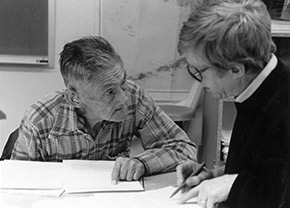
Dena'ina elder Peter Kalifornsky and anthropologist Dr. Alan Boaraas. (Photo courtesy of the University of Alaska Anchorage)
Dena’ina elder Peter Kalifornsky and anthropologist Dr. Alan Boaraas. (Courtesy of the University of Alaska Anchorage)

So for a Native Athabascan of the Cook Inlet region, Dena’ina isn’t just the language of their people, it is a portal to the full depths of their cultural heritage.

And that portal has almost been lost.

According to anthropologists, Dena’ina has been one of the world’s most endangered languages, with just a handful of speakers left by the 1970s. But Boraas and linguist James Kari started working with a few of the remaining fluent elders to preserve the language, making recordings of the speakers, translating stories and turning the oral tradition into a written language.

All that knowledge has coalesced into a curriculum for language classes, such as a beginning Dena’ina class taught this fall at the Kenai Peninsula College. Another class on grammar will be offered this spring.

Site notifications
Update notification options
Subscribe to notifications