Southwest

EPA stops Pebble mine, capping decades-long battle

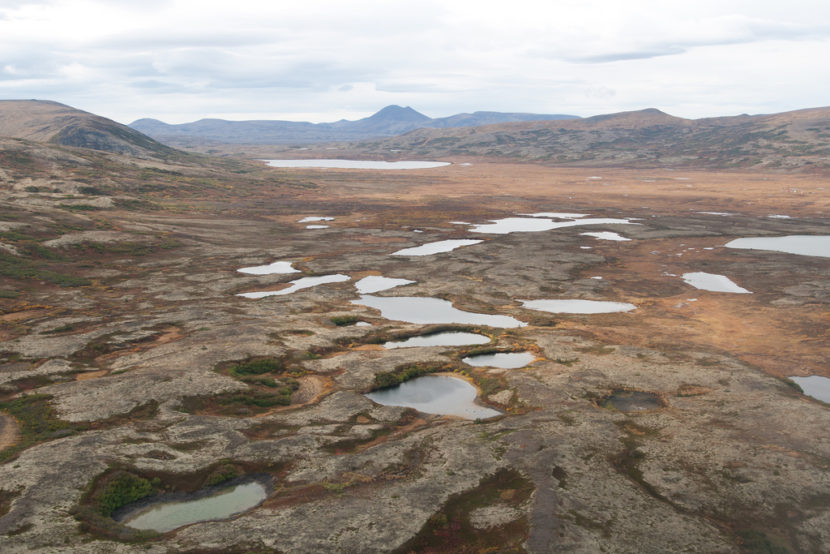
The proposed Pebble Mine site, pictured in 2014.
The proposed Pebble Mine site, pictured in 2014. (Photo by Jason Sear/KDLG)

The U.S. Environmental Protection Agency announced Tuesday morning that it is effectively killing the controversial Pebble mine project in Southwest Alaska.

The decision caps a decades-long battle over a region that is not only home to one of the world’s largest deposits of copper and gold, but also the world’s largest wild salmon run. The EPA says the mine would cause too much damage to the salmon habitat, and it’s banning certain mining activities at the Pebble deposit.

United Tribes of Bristol Bay Executive Director Alannah Hurley called EPA’s decision historic. It’s a move some Bristol Bay tribes have been pushing the EPA to take for 13 years.

“Many of those who began this battle are no longer with us. New generations of our people have been born and raised with the cloud of Pebble hanging overhead,” she said at an EPA press conference on Monday. “But our ancestral responsibility to safeguard our watershed and fishery has united all of us in our work to defend the world’s last great wild salmon fishery.”

The EPA is exercising its rarely used veto authority under section 404-c of the Clean Water Act to prohibit mining the Pebble deposit. This is the 14th time in the history of the Clean Water Act and just the third time in the past 30 years that the federal agency has done so.

Hurley thanked the Biden administration multiple times. She pointed to its nation-to-nation discussions with the region’s tribes and said the federal government consulted with tribes when the state government would not. She also said tribes will continue their efforts to protect the region.

“Our work will not be done until every inch of our traditional homelands are protected,” she said. “And EPA’s action today helps us build that future where our people can remain Yup’ik, Dena’ina and Alutiiq for generations to come.”

Before Tuesday, the proposed Pebble mine already faced serious headwinds. The Pebble company had proposed building an open-pit copper and gold mine about 17 miles from Iliamna Lake. The U.S. Army Corps of Engineers denied Pebble a federal permit two years ago, and the mining company is appealing that decision.

In a written statement responding to Tuesday’s announcement, Pebble CEO John Shively said the EPA’s use of its Clean Water Act authority while the appeal process is ongoing is “unlawful and unprecedented,” and that doing so will likely result in legal action.

“For well over a decade, we have argued that fair treatment under the rules and regulations of the U.S should be followed for Pebble or any other development project,” said Shively’s statement. “Unfortunately, the Biden EPA continues to ignore fair and due process in favor of politics. This preemptive action against Pebble is not supported legally, technically, or environmentally.”

Gov. Mike Dunleavy issued a statement Tuesday along with leaders of several state departments blasting the EPA’s veto. He said the veto “sets a dangerous precedent.”

“Alarmingly, it lays the foundation to stop any development project, mining or non-mining, in any area of Alaska with wetlands and fish-bearing streams,” he said. “My Administration will stand up for the rights of Alaskans, Alaska property owners, and Alaska’s future.”

Alaska Attorney General Treg Taylor called the EPA’s decision “legally indefensible.”

The EPA said Tuesday that the mine’s harm to salmon habitat would be “unacceptable.” It said it would damage or destroy 100 miles of streams that support spawning and breeding and approximately 2,100 acres of surrounding wetlands.

The EPA’s action also goes beyond banning Pebble’s proposed project. It bars future projects that would cause a similar loss of aquatic resources, and it restricts the discharge of mining materials in the South and North Fork Koktuli Rivers and in the Upper Talarik Creek.

Still, EPA Administrator Michael Regan said the determination is focused on the Pebble deposit.

“We know that this particular project would have adverse impacts, that would significantly impact not only the industry, but also impact the ecosystem and have a significant impact from a cultural standpoint as well,” he said.

The EPA’s Assistant Administrator for the Office of Water Radhika Fox said the agency’s decision means that the Army Corps cannot grant Pebble’s appeal as proposed. But she said it does not ban every future project.

“It provides a roadmap for those types of projects that would create these adverse impacts, but does not at all apply to other projects that could potentially be considered,” she said. “And it does not apply to any resource development beyond this one in the state of Alaska.”

The EPA said the habitat around the Pebble deposit supports the diversity of Bristol Bay’s salmon and many other species, which in turn sustain the region’s Alaska Native communities and support its sport and commercial fisheries.

This story has been updated.
Bristol Bay braces for EPA’s final decision on the proposed Pebble mine

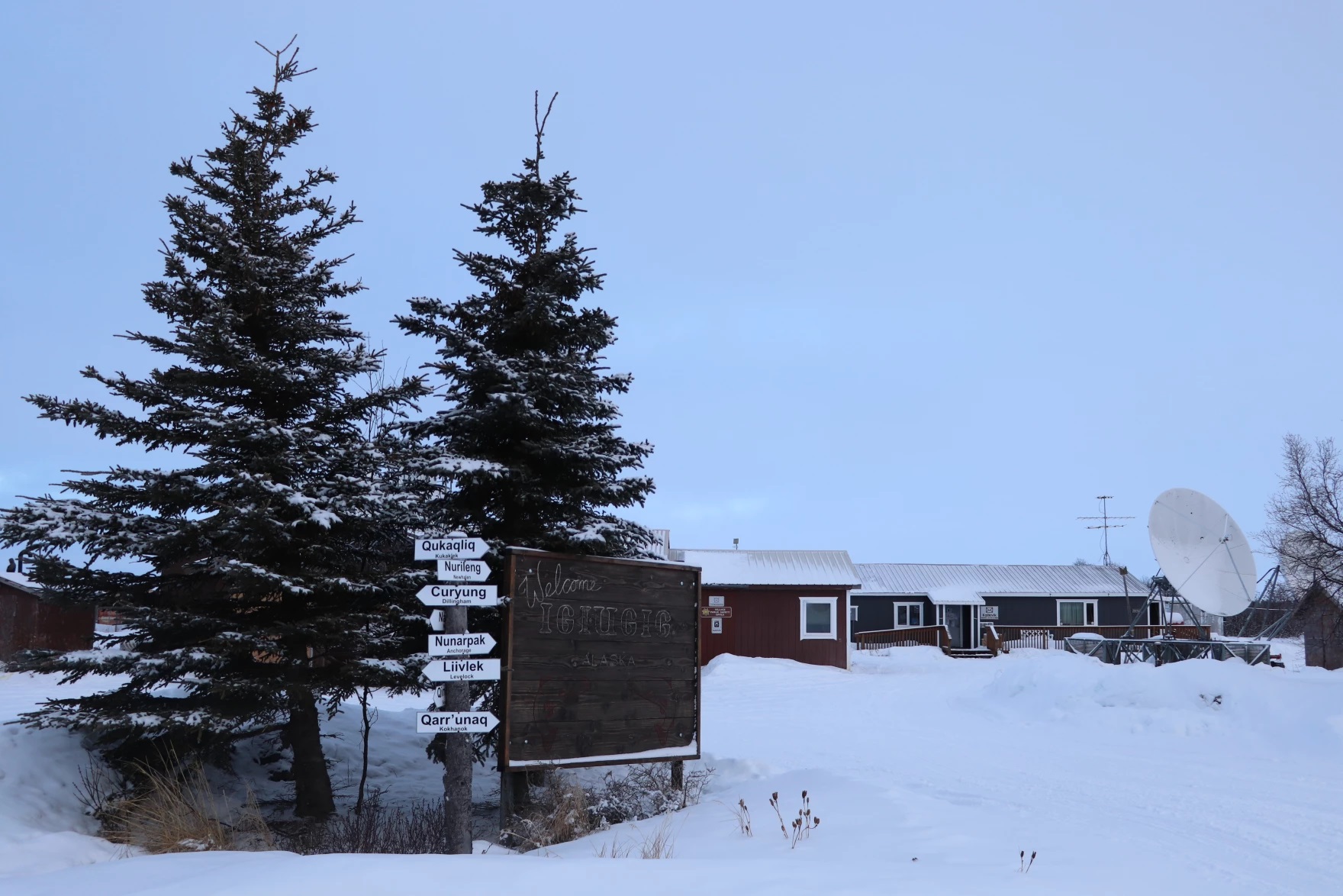
A sign that reads ‘Welcome to Igiugig’ next to a signpost with the place names of communities in Yup’ik on Jan. 18, 2023. (Photo by Isabelle Ross/KDLG)

The sun was just starting to rise at 9 a.m. on a recent January morning in Igiugig as Christina Salmon walked through the snow to her office in Igiugig’s airport, where she works many jobs, including as a village council member. Igiugig, a community of about 70 people, sits on the Kvichak River which flows from Iliamna Lake, where Yup’ik, Dena’ina and Alutiiq peoples have lived for thousands of years.

Salmon said she almost feels like she can relax again.

“We’ve just wasted so much of our life fighting Pebble,” she said.

Pebble Mine would be one of the largest copper and gold mines in the world — but it might never break ground. The U.S. Environmental Protection Agency is expected to issue its final decision on the mine very soon.

Last month, Salmon got the news she was hoping for: The EPA recommended a ban on mining activities at the site, which is about 45 miles from her village. The recommendation would not only ban the mining activities described in the Pebble company’s permit, but any similar mining there.

If the EPA finalizes that decision, it would effectively kill the mine.

The EPA is exercising a rarely used authority under the Clean Water Act, commonly called its “veto authority.” Some Bristol Bay tribes have pushed for this action since 2010. Agency officials declined to be interviewed for this story, but in a statement said the mine could harm fish spawning and breeding areas and that vetoing the mine would protect fisheries and a traditional way of life based on wild salmon.

The U.S. Army Corps of Engineers denied Pebble’s mining permit two years ago, but the company appealed that decision. Pebble spokesperson Mike Heatwole said the EPA is not following normal protocol by using this Clean Water Act authority before the appeal has even been processed.

“We continue to say that it is largely unlawful and unprecedented what the EPA is attempting to do regarding this project,” he said.

Heatwole said the company may take this fight to the courts. But the EPA’s use of this authority reflects its serious concerns about the mine’s impact on the region, according to Joel Reynolds with the Natural Resources Defense Council.

“It’s about as much opposition as one will ever see to a development project anywhere really, but in particular, in a development-friendly state like Alaska,” he said.

Many who want the mine to move forward say they understand the opposition to it, but they say the economic future of the region is at stake.

“I think the EPA should butt out, quite frankly, and let the process continue,” said George Hornberger, who runs the electrical utility in Newhalen, one of the communities closest to the proposed mine site. Hornberger said he’s concerned about the mine’s environmental risks, but that there needs to be other work opportunities in the region.

“If it’s not that, then tell me your plan for this area,” he said. “What is your plan to bring economy into this area and give people a reason to stay here?”

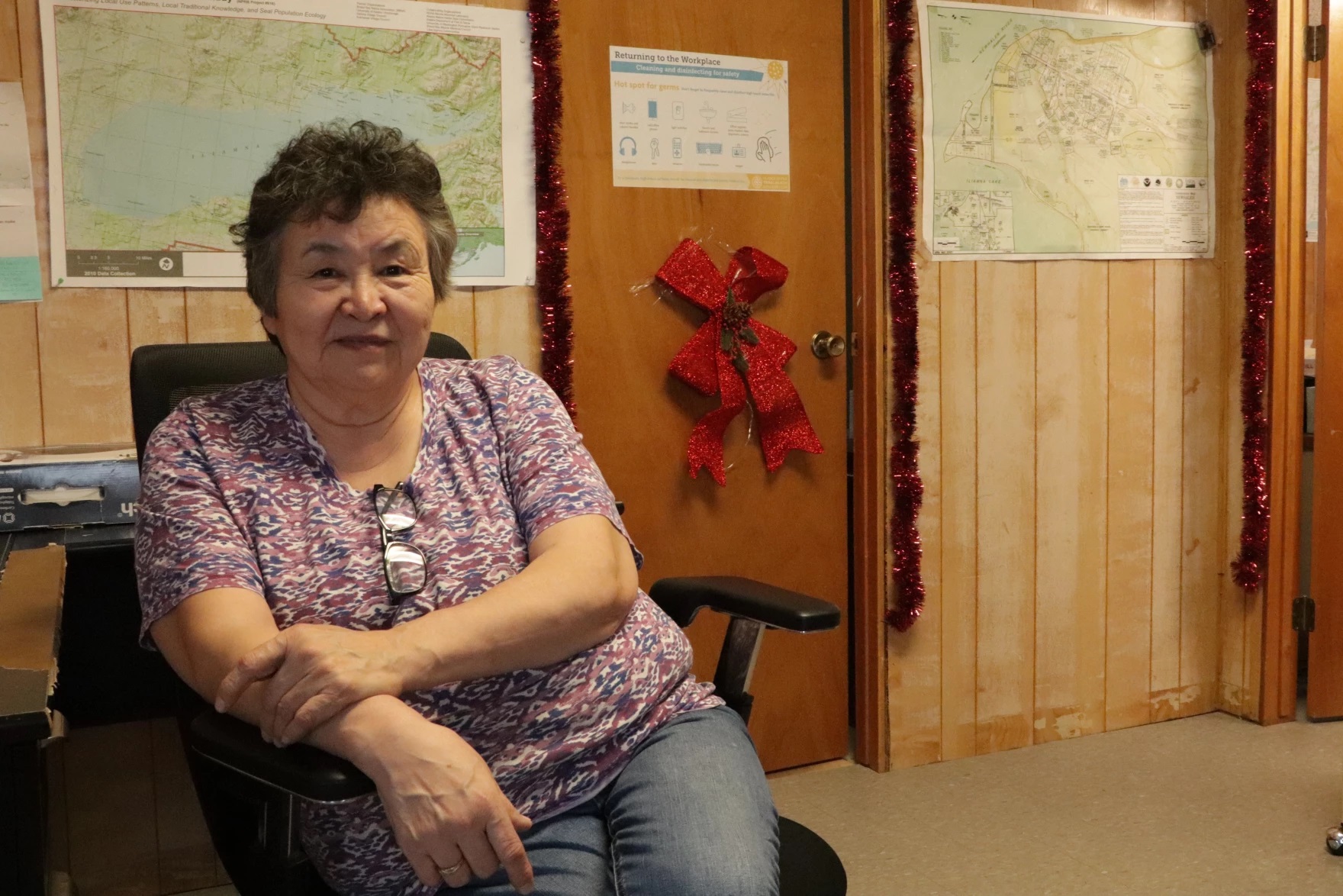
Newhalen Tribal Council administrator Joanne Wassillie in her office. (Photo by Isabelle Ross/KDLG)

Joanne Wassillie, the Newhalen Tribal Council administrator, believes Pebble can develop the mine safely. And she said earlier, when Pebble was exploring the site to see if a mine was viable, the company provided people with good-paying jobs.

“We saw a really positive change when our people were working,” she said. “And then it seems like as soon as they quit working we started noticing a lot more kind of like depression, no jobs, more alcohol- and drug-related activities happening.”

Wassillie said the prospect of good jobs would give people the ability to stay in the place they love. Now, they’re taking that upon themselves.

“We’re going to focus on: What can we do in Newhalen?” she said.

The Newhalen Tribal Council recently opened a grocery store, and it has a roads program to work with the city on maintenance. It’s also helping some members who don’t have driver’s licenses get them. Wassillie isn’t banking on Pebble; instead, she said, she and others are thinking outside of the box.

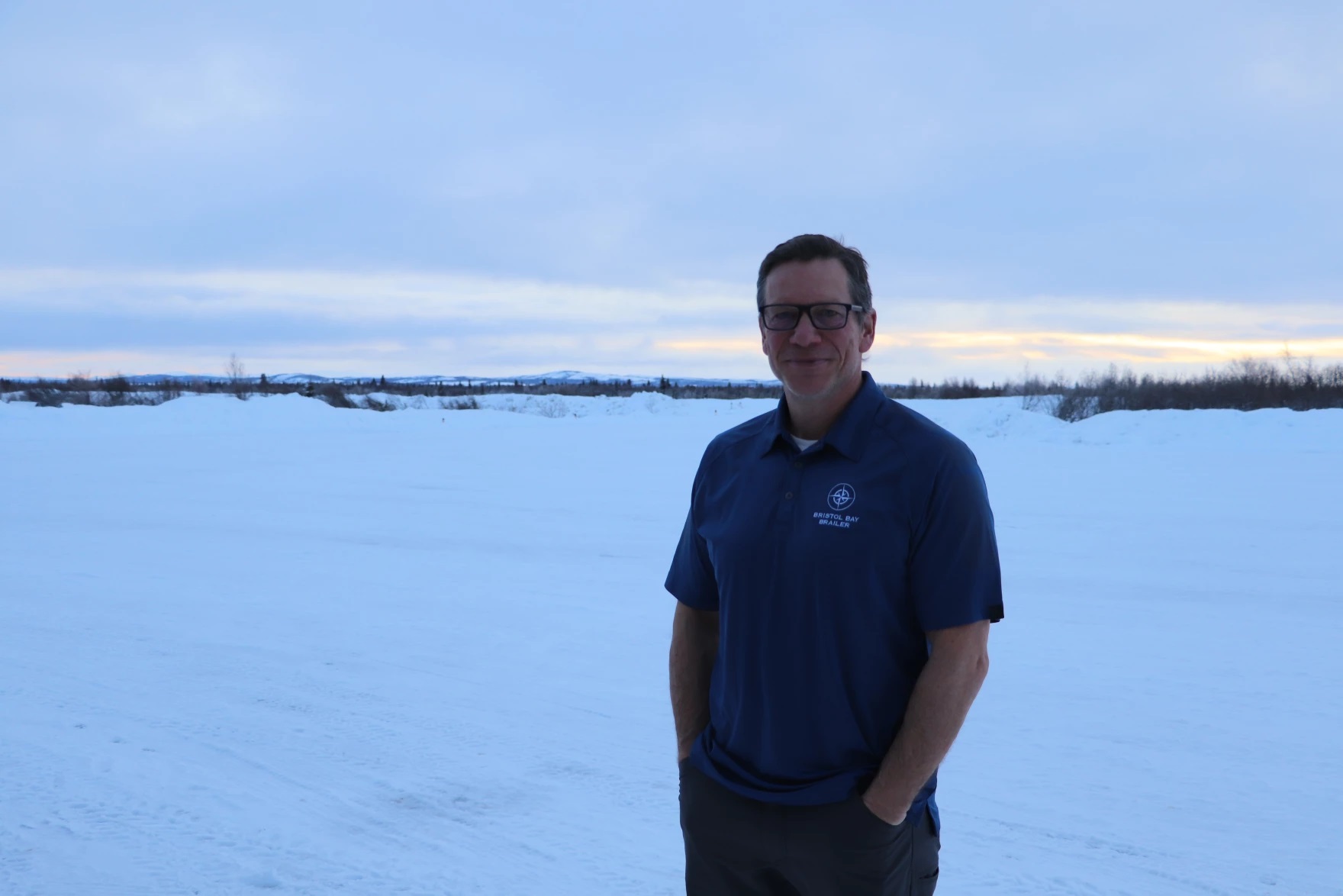
Karl Hill poses for a photo outside the Igiugig airport. (Isabelle Ross/KDLG)

In Igiugig, Karl Hill, the tribe’s vice president, said he’s excited to focus on things like broadband efforts and a new cultural center.

“We do need projects that can bring money into our region and help to elevate our youth to higher levels of education,” he said. “So there is a need for it. But I think each project is a case-by-case basis, you know, and this one just doesn’t fit.”

Hill said that over the years, debates around Pebble often relied on economic gains that can’t be weighed against culture and tradition.

“When you talk about a way of life, you can’t put numbers to it,” he said. “There is no ‘It’s worth a million, it’s worth a billion.’ We’re all having to integrate into the cash-based society. We still have this way of life that is subsistence, and there’s no value you can put on that. It’s worth everything to people. “

Kodiak crab strike ends after 2 weeks

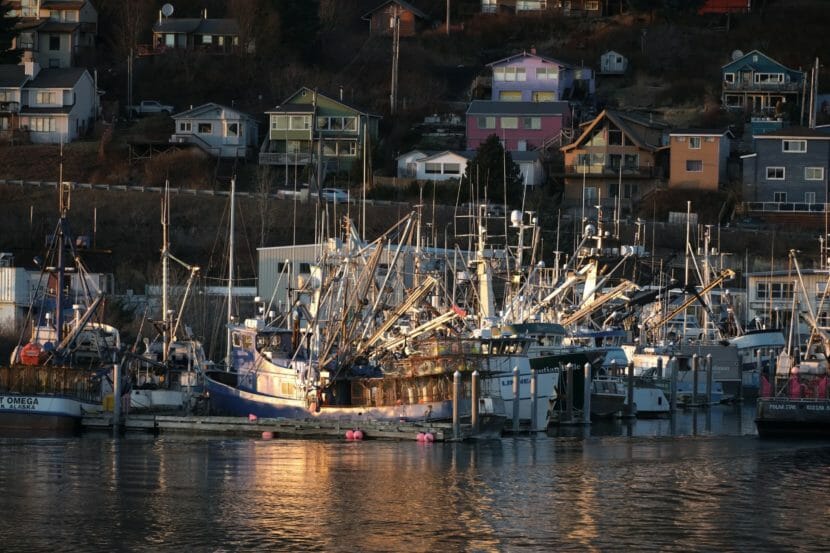
Boats stacked with empty crab pots sit in Kodiak’s St. Paul Harbor. (Brian Venua/KMXT)

After two weeks of staying at the dock, Kodiak’s tanner crab fleet is finally going fishing. Crabbers agreed to a price with the island’s processors on Saturday.

Each of Kodiak’s four canneries offered slightly different deals — Alaska Pacific Seafoods agreed to $3.35 per pound plus a retro payment — which can boost the final payout to fishermen after the season. Pacific Seafood also agreed to $3.35 per pound with a possible retro to fishermen. OBI settled with crabbers for $3.25 plus profit sharing, and Trident Seafoods stayed at $3.25 per pound.

It wasn’t exactly the deal Kodiak crabbers were hoping for, and some boats from Kodiak may still take their crab out west where processors are offering slightly more per pound. But ultimately, 80% of those in attendance at Saturday’s meeting agreed — it was time to go fishing.

“We stuck together, we’re gonna roll this thing out together, and we’re looking at it as a victory,” said Kevin Abena, the secretary and treasurer for the Kodiak Crab Alliance Cooperative, which represents the fishery’s permit holders.

Crabbers were initially offered $2.50 per pound ahead of the season, which started Sunday, Jan. 15. And at one point, nearly 200 vessels up and down the Aleutian Chain said they weren’t going fishing unless they were offered a better price.

Crabbers in Chignik and the South Peninsula started fishing last week after coming to an agreement with canneries in King Cove. But as of Friday, about 130 vessels from Kodiak still weren’t fishing. Alaska’s Department of Fish and Game also confirmed it hadn’t received any harvest reports or landings in that time.

“It’s important for these processors to know that we can stick together and organize and and honestly get a more fair deal on the table,” said Abena.

With a deal in place, crabbers will now set their gear at noon on Monday, Jan. 30 for the start of Kodiak’s tanner crab season.

Fishing can go fast in Kodiak’s tanner crab fishery — last year, the fishery closed after just about a week. This year’s quota is much larger, at 5.8 million pounds; that’s more than five times the size of last year’s harvest level. Abena said they’re expecting a bottleneck at local canneries, and some vessels might be stuck waiting to unload their harvest.

But despite all that, he says the fleet is more than ready.

“For a fisherman, he’s worried about when he’s going fishing and how long he’s going to be out fishing,” he said. “And now we have that first piece of that puzzle – we have when we’re leaving –  that’s huge.”

Abena is also the skipper of the fishing vessel Big Blue. He said after the last two weeks, he’ll feel a sense of relief when he pulls out of the harbor.

NOAA denies emergency request to close red king crab savings areas

""
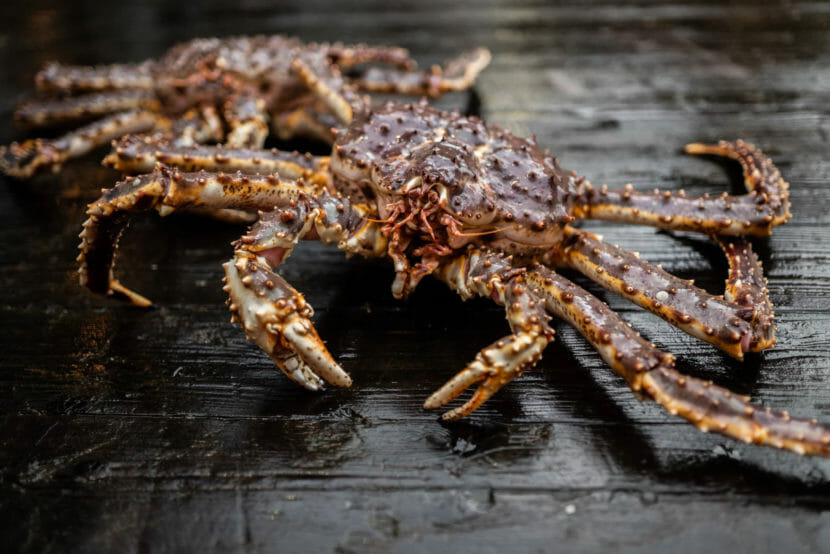
The red king crab savings area was established in 1996 and is permanently closed to bottom trawling, but it remains open to midwater — or pelagic — trawlers, pot fishing and longlining. (Bri Dwyer/Alaska Bering Sea Crabbers)

The National Oceanic and Atmospheric Administration has denied an emergency request Friday to close crucial habitat for Bristol Bay red king crab to all types of commercial fishing.

That comes after Alaska Bering Sea Crabbers petitioned in late September for a closure of the red king crab savings areas to protect the species during a time of historically low stocks.

The nonprofit, which represents independent crab harvesters, requested that the grounds be closed to all fishing gears from Jan. 1, 2023 through the end of June.

The Bristol Bay red king crab fishery has been closed to fishing for two years due to low population. Biologists have seen declines in recruitment and stocks for more than a decade. It’s not abundantly clear what is causing the crash, but some theories suggest climate change and warming ocean conditions may be in part to blame.

The savings area was established in 1996 and is permanently closed to bottom trawling, but it remains open to midwater — or pelagic — trawlers, pot fishing and longlining. Bottom trawling is allowed, however, in a small section within the savings area — known as the savings subarea — when Bristol Bay red king crab is not open to directed fishing.

Jamie Goen is the executive director of Alaska Bering Sea Crabbers. In a letter addressed to the North Pacific Fishery Management Council in December, she argued that pelagic trawling — or midwater trawling — has similar impacts to the sea floor as bottom trawling. She urged council members to consider closing the king crab savings areas for roughly 180 days of the year, when crab stocks are most vulnerable.

While the council said that the closure “could provide habitat benefits through reduced bottom contact by trawl gear and potentially reduce Bristol Bay red king crab mortality,” they argue those effects are uncertain and rely on assumptions that the closure would move fleets into areas with lesser impact to crab stocks. The council also said a provided analysis shows that the closure could negatively affect other species, like salmon and halibut.

Ultimately, despite Goen’s and about 25 other comments, the agency chose not to recommend the proposed emergency action.

And on Jan. 20, NOAA Fisheries announced that they had denied the petition and would not close the savings areas. Their reasoning: the emergency regulations wouldn’t address the low stocks or declining trends of mature female crab. They said taking emergency action and changing the rulemaking process isn’t worth it.

According to Alaska Bering Sea Crabbers, harvesters are “dismayed and deeply disappointed that NOAA Fisheries denied protections for dwindling crab stocks on the same day they opened pollock fisheries with increased harvest limits.”

The council is considering alternatives to the emergency action, including implementing an annual closure of the savings area and subareas to all commercial groundfish fishing gears through a normal rulemaking process — that would not include non-pelagic trawling.

NOAA is working to facilitate quick relief funding for various fishery disasters, including the most recent king crab and Bering Sea snow crab closures.

Historically, that kind of funding has taken years to reach the hands of fishermen.

Gov. Mike Dunleavy estimated a loss of more than $287 million to the red king crab and Bering Sea snow crab fisheries over the last two years.

Kodiak fishermen sit out opener as dispute over crab prices continues

Boats stacked with empty crab pots sit in Kodiak’s St. Paul Harbor. (Brian Venua/KMXT)

Fishermen should have been setting their gear on Sunday morning for the opening of Kodiak’s biggest tanner crab fishery since 1986. But the harbor was almost full, with dozens of boats stacked high with empty crab pots. At the coffee shop near the docks downtown, fishermen lined up for free coffee instead.

Frank Miles owns the Sumner Strait — it’s a 58-foot limit seiner — and has fished commercially for nearly 50 years. His first tanner season around Kodiak was in the early 80s, when he chopped bait for a local boat.

“I’ve parlayed it into a very good livelihood,” he said. “I’ve raised three kids in this town on the back of fishing income, and it’s been a beautiful thing.”

Miles normally fishes pot cod and longlines for halibut and black cod. He also tenders salmon. He sat out the beginning of this cod season so he could go out for tanners instead. He didn’t think prices would be quite as high as last year’s record of more than $8 per pound.

“But I never in my wildest dreams thought that we’re gonna get offered $2.50. It really is a slap in the face,” Miles said.

That’s how much all of Kodiak’s processors offered ahead of the scheduled opener for the tanner crab fishery.

Miles says he understands that processors’ expenses have gone up, but so have his. Fuel and bait costs have increased, it’s more expensive to replace or repair crab pots, and he’s losing money staying tied up. Miles said it costs $63,000 to insure his boat — which is one of two that he owns — plus $15,000 in moorage fees for the Sumner Strait alone.

Skippers and crew from Kodiak, Chignik and the South Peninsula have been holding out for better price before they go fishing (Brian Venua/KMXT)

Kodiak’s entire fleet sat out the season opener on Sunday, and they aren’t planning on fishing anytime soon. That includes fishermen in Chignik and the South Peninsula.

“Nobody’s pulling any pots as far as we know,” said Kevin Abena, the secretary and treasurer for the Kodiak Crab Alliance Cooperative, which represents about 120 permit holders in the fishery.

It’s a diverse group that includes 32-foot gillnetters to 118-foot crabbers.

He said they’re still negotiating with the canneries in town, but so far, the best offers are coming from processors out the Aleutian Chain.

“We are actively finding tenders right now, working with the processors out west to formulate a plan to move all this crab out west,” Abena said.

As of Monday, that decision wasn’t final, but it’s a serious option. Abena said the cooperative is in talks with Peter Pan in King Cove to process crab from Kodiak.

Canneries to the west are offering close to $4 per pound for Bering Sea tanners. But Kodiak tanner crabs are about an inch bigger. That’s another sticking point for local fishermen, who say the crab around Kodiak is more valuable than what’s currently on the market.

Abena said both the community and fishermen from other parts of the state have reached out to express their support of the stand-down. At this point, he says the soonest the fleet would go fishing is Wednesday, Jan. 18.

“The amount that we stand to gain, everybody understands it is much greater than what we’re losing right now for standing down for a day, two, three, four – a week – whatever it takes,” he said.

Fisherman Frank Miles said whenever they get a fair deal, he’ll be ready.

“I can’t wait to go fishing, man, I think everybody’s ready to go,” he said. “I’ve never seen a fleet so ready.”

In the meantime, he and the others will continue to wait.

As of Monday morning, processors in Kodiak either could not be reached by phone or had no comment.

Brian Venua contributed to this reporting.

Kodiak fishermen stand down to protest low tanner crab prices

Kodiak’s commercial fishing fleet has been preparing for the area’s biggest tanner crab season since 1986. (Brian Venua/KMXT)

Kodiak’s biggest tanner crab fishery in nearly 40 years is set to open on Sunday, but the fleet is standing down. Fishermen say they won’t go fishing for the prices offered by local canneries. It’s the latest wrinkle on a winter fishing season already impacted by closures and strikes.

Processors in Kodiak offered $2.50 per pound for tanners when negotiations started earlier this month. Kevin Abena is the secretary and treasurer for the Kodiak Crab Alliance Cooperative, which represents about 120 permit holders in the fishery. He said since then, all of Kodiak’s canneries haven’t budged from their initial price.

“We haven’t been given anything to consider. $2.50 isn’t the number that we’ll consider,” Abena said.

Last year, fishermen were paid a record of more than $8 per pound. The tanner crab fishery was closed in 2021, but back in 2020, prices still were more than $4.

This year’s harvest levels for the Kodiak fishery are the biggest they’ve been since 1986, at 5.8 million pounds. That’s more than five times the size of last year’s quota. Combined with the fisheries in Chignik and the South Peninsula, 7.3 million pounds total of tanners are up for grabs in the Westward Region.

Last year, the state Department of Fish and Game estimates the Kodiak region alone was worth over $10.1 million.

The big quota this year also means more boats are participating. Last year, 87 vessels fished for tanners. This year, 109 were registered as of Friday morning. That includes some Bering Sea crabbers, whose seasons have been canceled because of crashing snow crab and king crab populations.

Abena says some processors out west have been offering around $4 per pound for tanner crabs. That doesn’t help the local fleet though, most of whom can’t make the trip out the chain. And it doesn’t help the community, which collects municipal taxes off of seafood landings.

“This is a community deal,” he said. “Everybody in the fleet has spent a lot of money on getting ready to do this fishery, everybody has invested money.”

Abena declined to call it a strike, but the action is similar to a strike in another fishery earlier this year. Bering Sea fishermen successfully pushed up the price per pound for Pacific cod after striking.

Abena says the entire fleet – including fishermen in Chignik and the South District — is holding out until local processors offer better prices.

“The feeling of unity is really strong, and it’s pretty special,” he said. “It’s hard to get a diverse group like we have here on board, everybody has things that they want to move on to after crab. Some boats go cod fishing, some boats go dragging for pollock. Some guys will be going right into black cod or halibut fishing.”

When reached by phone Friday morning, Pacific Seafoods had no comment. Other processors, including Trident, Ocean Beauty and Alaska Pacific Seafoods, could not be reached.

The cooperative’s next meeting with permit holders is Saturday. Abena said if they get the right price, the soonest they’d go fishing is Monday, Jan. 16 – a day after the scheduled opener.

Correction: A previous version of this story said the Kodiak area fishery was worth $1.2 million. Fish and Game estimates it was worth over $10.1 million. 

Site notifications
Update notification options
Subscribe to notifications