Alaska Native Corporations

Delores Churchill honored with Lifetime Achievement Award

The Central Council of Tlingit and Haida Indian Tribes of Alaska will get about half the BIA settlement funds slated for Southeast tribal governments. (Photo by Ed Schoenfeld/CoastAlaska News)
(Photo by Ed Schoenfeld/CoastAlaska News)

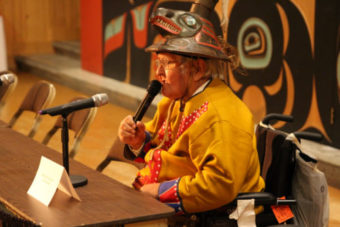
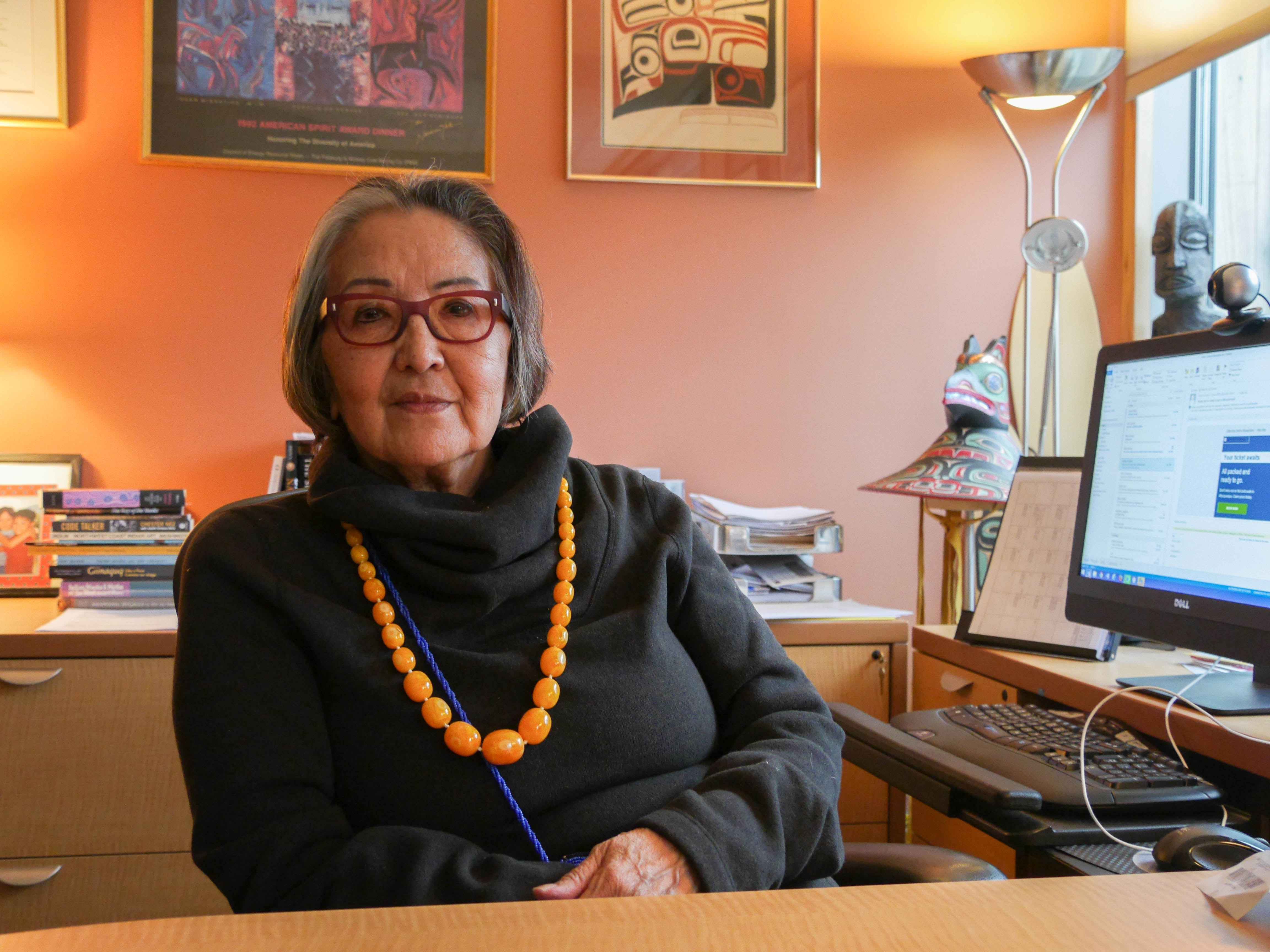
The Central Council of Tlingit and Haida Indian Tribes of Alaska held its 82nd annual meeting last month in Juneau. At the welcoming banquet, Haida master weaver Delores Churchill of Ketchikan received the Lifetime Achievement Award from council president Richard Peterson.

Ninety-nine delegates from throughout Southeast, Anchorage and the Pacific Northwest attended the three-day event.

Before the award was presented to Churchill, Dana Ruaro gave an introduction.

“Ná anii has such an incredible background, but the most amazing about her is her personality, and how loving she is, how funny she is, the situations she puts herself in.”

Ruaro says Churchill is not only a master weaver, but also a master diver. She shared stories of Churchill diving for abalone. Ruaro says Churchill is also an avid hiker, and once was a taxi driver.

“She was telling me this story one time about how this gentleman, a nice looking man, wanted to ride up to Ward Lake. He wanted her to take all these back trails and she refused. She said, ‘I’m not going up there. If I get up there, I’m not going to be able to get back down, so you get out right here, right now!’  She said later on she saw him in the newspaper and he was a serial killer. And I’m not kidding. She really has had an incredible life, given to her by her stubbornness and bluntness.”

Ruaro spoke about the many honors Churchill has received, including an Alaska State Council on the Arts fellowship, and a National Endowment for the Arts National Heritage Fellowship Award for Haida basketry. Ruaro says Churchill studied at the British Museum and relearned the six-strand weave, which she brought back to Alaska.

She says basketry was taught differently in the past, and Churchill’s mother took steps to ensure Delores’ weaving was done properly.

“She spent five years (weaving) until she was actually able to keep one of the baskets that she wove. Because if they weren’t good enough, she would make them throw them in the fire and she’d have to start all over again. And so it made her really learn the technique of weaving, which she shared with other people.”

Churchill was raised in the Haida village of Masset in the Queen Charlotte Islands. In addition to working to continue the tradition of Haida basketry, Churchill also has worked to preserve the language.

Churchill says she is honored to receive the award, but wished it had happened when her mother, Selina Peratrovich, and other master weavers and artists who passed on the tradition were still alive.

“I think of them every time I see hats. And the slippers I’m wearing are ones that Jennie Thlunaut made for me before she died.”

At the ceremony, Churchill wore the same dress she wore in 1978, when her mother won an Alaska Native Brotherhood / Alaska Native Sisterhood lifetime achievement award.

“I also wore her bracelets, because when she was being honored, she also wore her gold bracelet. I very seldom wear them because I’m not a gold bracelet kind of person. Holly (Dolores’ daughter) is. Holly loves her jewelry.”

Before presenting the award, President Richard Peterson read a proclamation.

“…and whereas Delores is a world-renowned Haida master weaver of baskets, hats, robes and other regalia…And whereas Delores has carried her mother’s legacy as a teacher, and has taught and demonstrated basket weaving in many Alaskan communities, nationally, and in countries such as West Germany, Great Britain, Holland, Switzerland, Finland, Sweden and Norway…And whereas Delores is one of the few remaining speakers of Xaad kíl…”

The proclamation also noted that Churchill was appointed to the Governor’s Alaska Language Preservation and Advisory Council, received an honorary doctorate from the University of Alaska Southeast, is a Rasmuson Foundation Distinguished Artist, and received many other honors. Peterson also declared April 19, 2017, as Delores Churchill Day.
Plan would boost Alaska’s Northwest Coast art

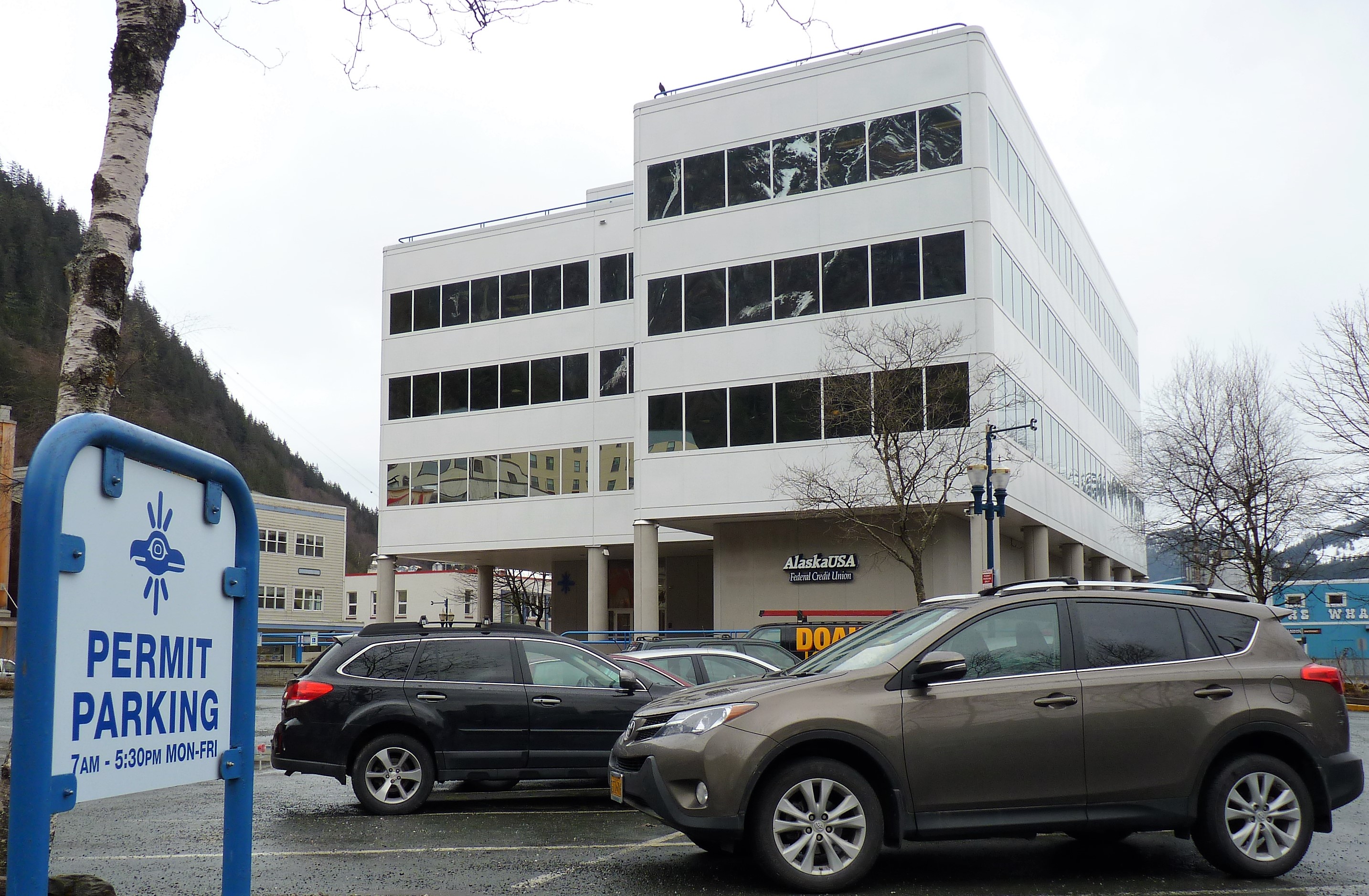
The Sealaska Heritage Institute plans to turn this downtown Juneau parking lot into a Native artists' park and market.
The Sealaska Heritage Institute plans to turn this downtown Juneau parking lot into a Native artists’ park and market. (Photo by Ed Schoenfeld/CoastAlaska News)

A major Southeast cultural organization plans to create a Native arts market and park in Juneau. That, and an advanced education initiative, are part of an effort to boost the region’s traditional arts economy.

A downtown Juneau parking lot is slated to be turned into a Native artists’ park.

Sealaska Heritage Institute President Rosita Worl said it will include totems and other large art objects, plus a tribal house.

“It would look like a tribal house, but it would be enclosed,” she said. “It would be an area where the artists can carve monumental art, as well as other art forms.”

The park is part of the institute’s multi-pronged effort to encourage, promote and sell Native art from Southeast Alaska. It’s branding the style as Northwest Coast Art.

Sealaska Heritage Institute President Rosita Worl is promoting a Native arts initiative in Southeast Alaska.  (Photo by Lakeidra Chavis/KTOO)

“Northwest Coast Art is developed around what we call formline and there are basic components that you have to master,” she said. “It’s a whole different art scheme than drawing naturalistic forms.”

Another part of the effort is an education initiative to develop Tlingit and Haida artists’ skills.

Sealaska Heritage Institute Senior Research Fellow Rick Harris said it starts with a two-year program at the University of Alaska Southeast, which already offers formline design courses.

Harris, a retired Sealaska Corp. vice president, said graduates could continue studies at New Mexico’s Institute of American Indian Arts, which offers degrees in writing, museum studies and studio arts.

“The idea is for students to be able to come to UAS, learn and be skilled and become experienced in Northwest Coast design and then actually be able to go to Santa Fe and to capture some of the additional benefits that they have been able to develop through their Indian arts program,” he said.

The three organizations signed a memorandum of agreement in November.

The Northwest Coast Arts Initiative also would push for federal recognition for formline design and funding to expand its programs.

The initiative is in its early stages.

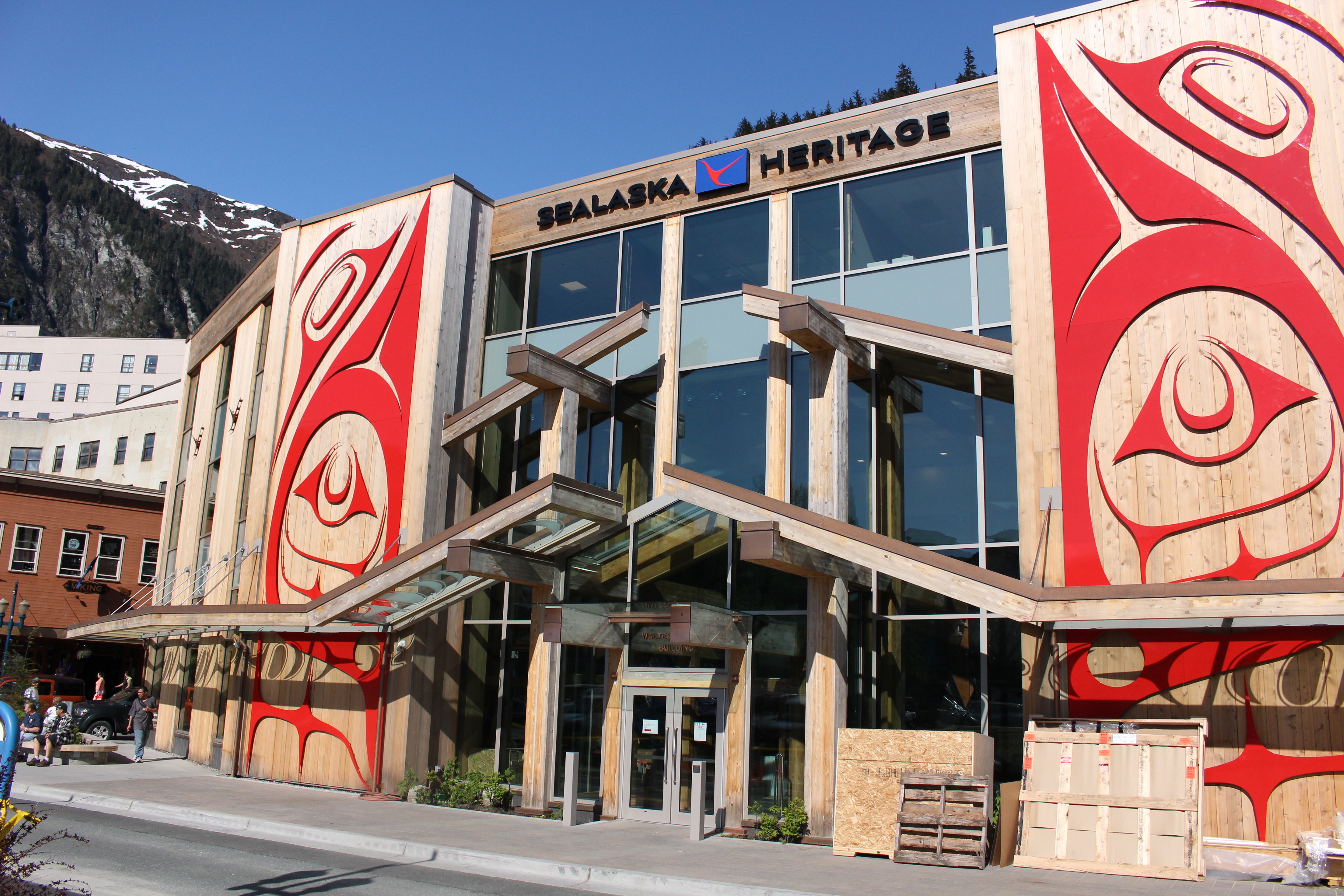
Haida artist Robert Davidson's metal panel "Greatest Echo" adorns the front of the Walter Soboleff Building. (Photo by Elizabeth Jenkins/KTOO)
Haida artist Robert Davidson’s formline design panel “Greatest Echo” adorns the front of the Walter Soboleff Building. (Photo by Elizabeth Jenkins/KTOO)

Worl, also a Sealaska Corp. board member, said the Juneau arts park and market would cost $7 million to $8 million, including moving parking underground. It also hasn’t yet sought needed building permits.

The university and Indian arts programs would also have significant expenses.

She said it’s worth pursuing.

“What you’ve got to do is take yourself out of Northwest Coast Art and look at it in context of art throughout the world. And then you begin to see how unique and how different it is from other art forms,” she said.

Sealaska Heritage Institute already built the Walter Soboleff Center, which was completed about two years ago. It has archives, a theater, a store and exhibits in a building across the street from the proposed arts park.

Sealaska Corp. President and CEO Anthony Mallott said this will be phase two.

“Adding an outside park where artists are more engaged with the visitors or with residents of Southeast Alaska is a vision that has been put forward and we’ll continue to find ways to see if we can make it work,” he said.

The term Northwest Coast Art also refers to similar work from Coastal British Columbia and Washington state. But Worl said her institute’s efforts will focus on Southeast Alaska.

Sealaska Corp. adds to seafood investments

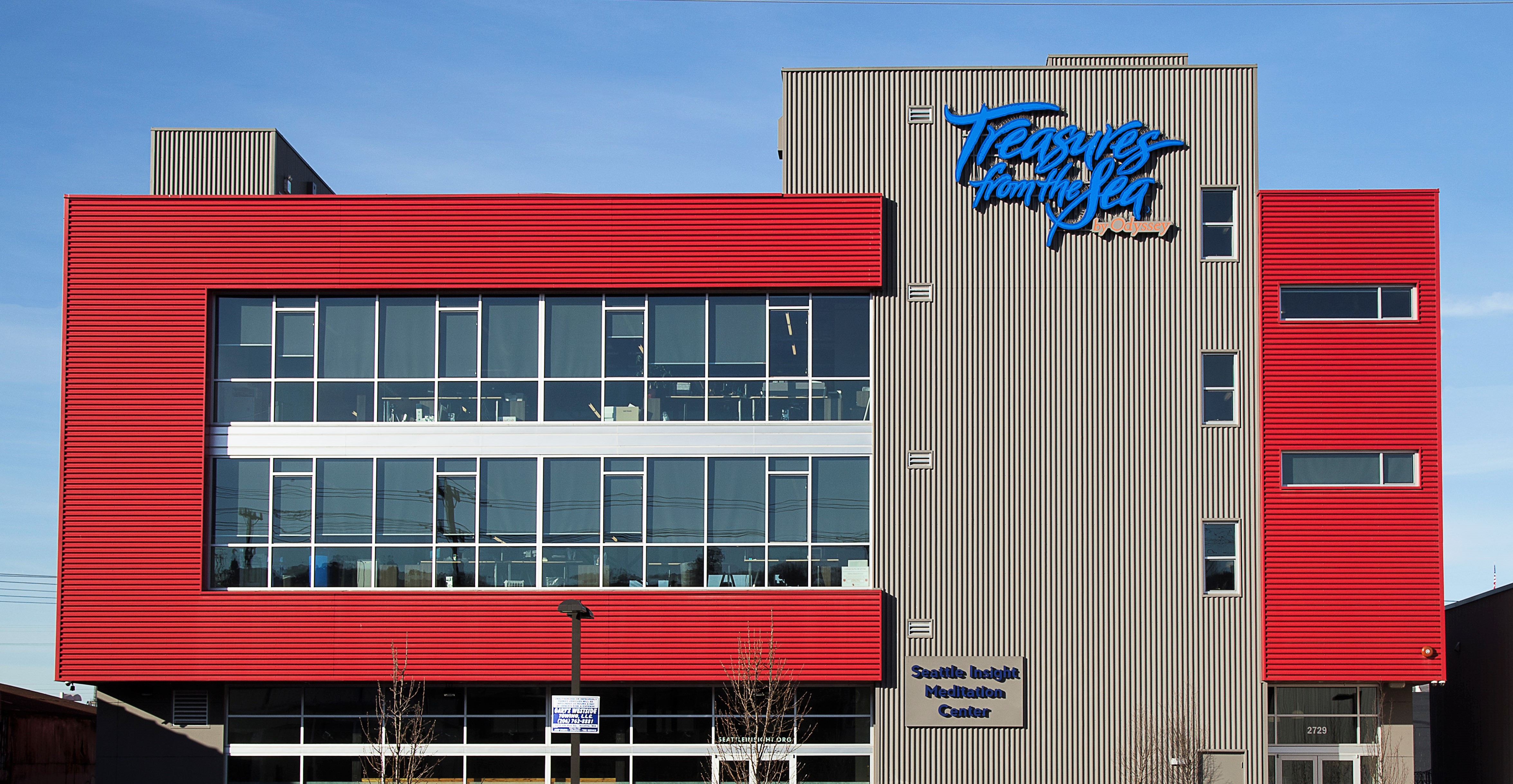
Workers process seafood at a division of Odyssey Foods in Seattle. Sealaska has purchased a majority interest in the company.
Sealaska Corp. recently purchased a majority interest in Odyssey, a Seattle-based seafood processor that owns this building. (Photo courtesy Sealaska Corp.)

Sealaska officials say investments in two seafood processors will help drive future earnings.

But a critic of Southeast’s regional Native corporation doubts they will make much money.

Sealaska’s latest investment is Seattle-based Odyssey Foods.

It sells a variety of seafood, under the Treasure of the Sea and Chef’s Treasures brand. It also has a food service division and produces custom products for other companies.

Sealaska President and CEO Anthony Mallott said it’s more than a seafood company.

A worker portions halibut as part of a processing line at Odyssey. (Photo courtesy Sealaska Corp.)

“They do a lot of breaded and battered processing. But the real value was the people and the platform that provides a channel to market,” he said.

Sealaska bought 51 percent of the company, so it has majority ownership, Mallott said.

But the Juneau-based corporation will leave Odyssey’s business model and management team in place.

“The base of their global supply chain provides a good stable income, good cash flow,” he said. “The growth that we’ll be looking for is adding more wild Alaska product to their marketing channels.”

Odyssey is Sealaska’s second seafood investment in a year. And it’s part of an effort to change its direction.

Sealaska purchased a minority interest in Independent Packers Corp., a slightly smaller Seattle processor, last May.

“They were a great ground-floor platform for us to build upon, even with the minority position,” he said. “They have a client base, they have the expertise to get products directly to the retail market.”

Independent Packers employs about 180 people. Odyssey’s staff is about 200.

Sealaska said both could provide jobs for its shareholders who live in the Pacific Northwest, and not just on the processing line.

Anthony Mallott is CEO and president of Sealaska Corp., which is headquartered in Juneau. (Photo by Ed Schoenfeld)

Sealaska has not released the financial details of its most recent seafood investment. Mallott said that will be in the corporation’s annual report, to be released in early May.

Longtime Sealaska critic Brad Fluetsch said that information should already be available.

“This really goes to the point that Sealaska is not very transparent in its financials and financial dealings with shareholders,” he said.

Fluetsch, who is running for Sealaska’s board of directors, is an investments manager for the city of Santa Fe, N.M.

He also said the processor investments are the wrong approach to making money.

“This is taking all the risk of a private company, when they could have went out and bought a diversified portfolio of global fish companies, if they really want to get into the fishing industry, and earn a much higher rate of return,” he said.

Sealaska’s Mallott said the two companies will bring in more revenue than such investments. He also pointed to the corporation’s existing investments in the stock and bond markets.

Low oil prices hit Sealaska dividends

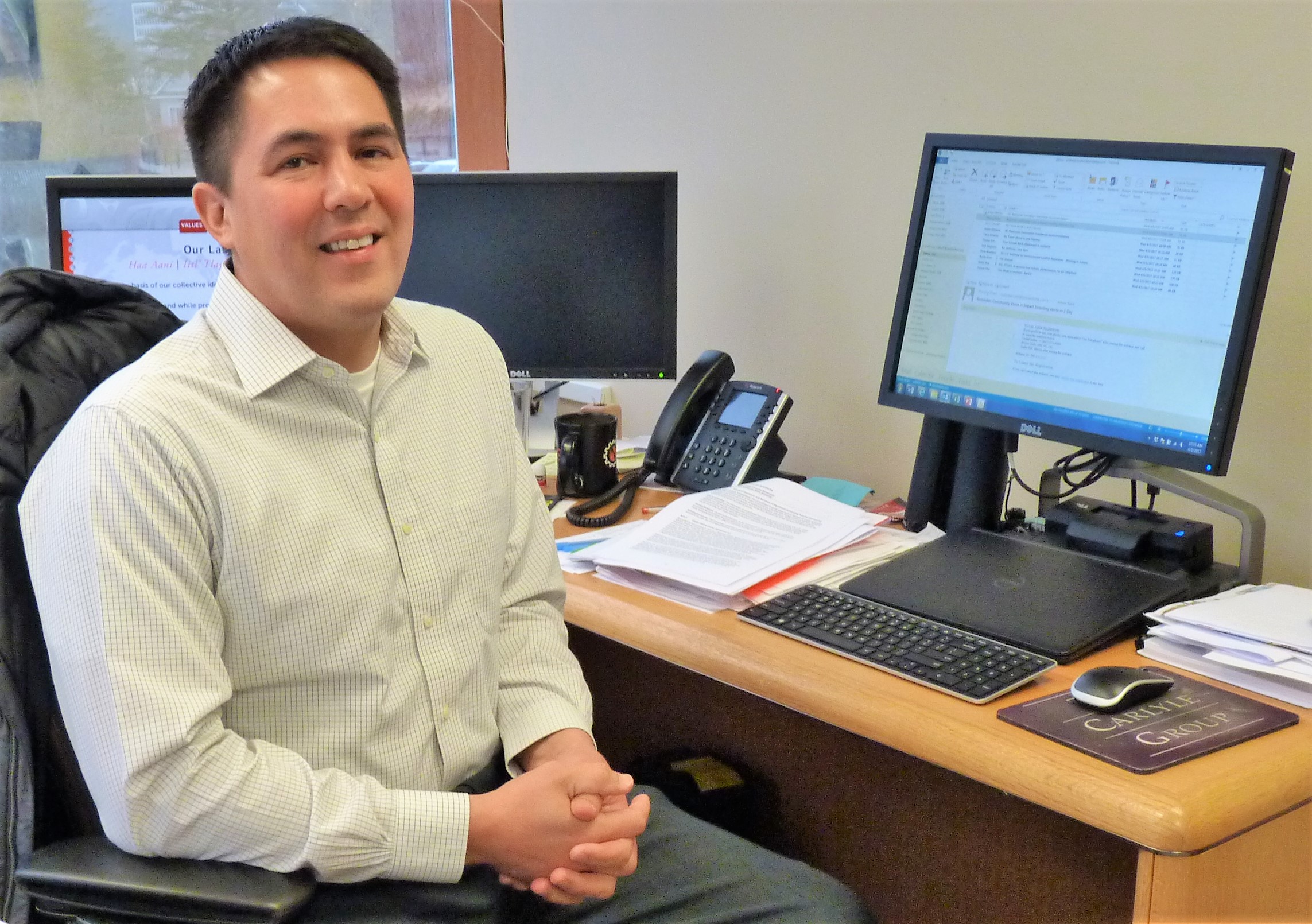
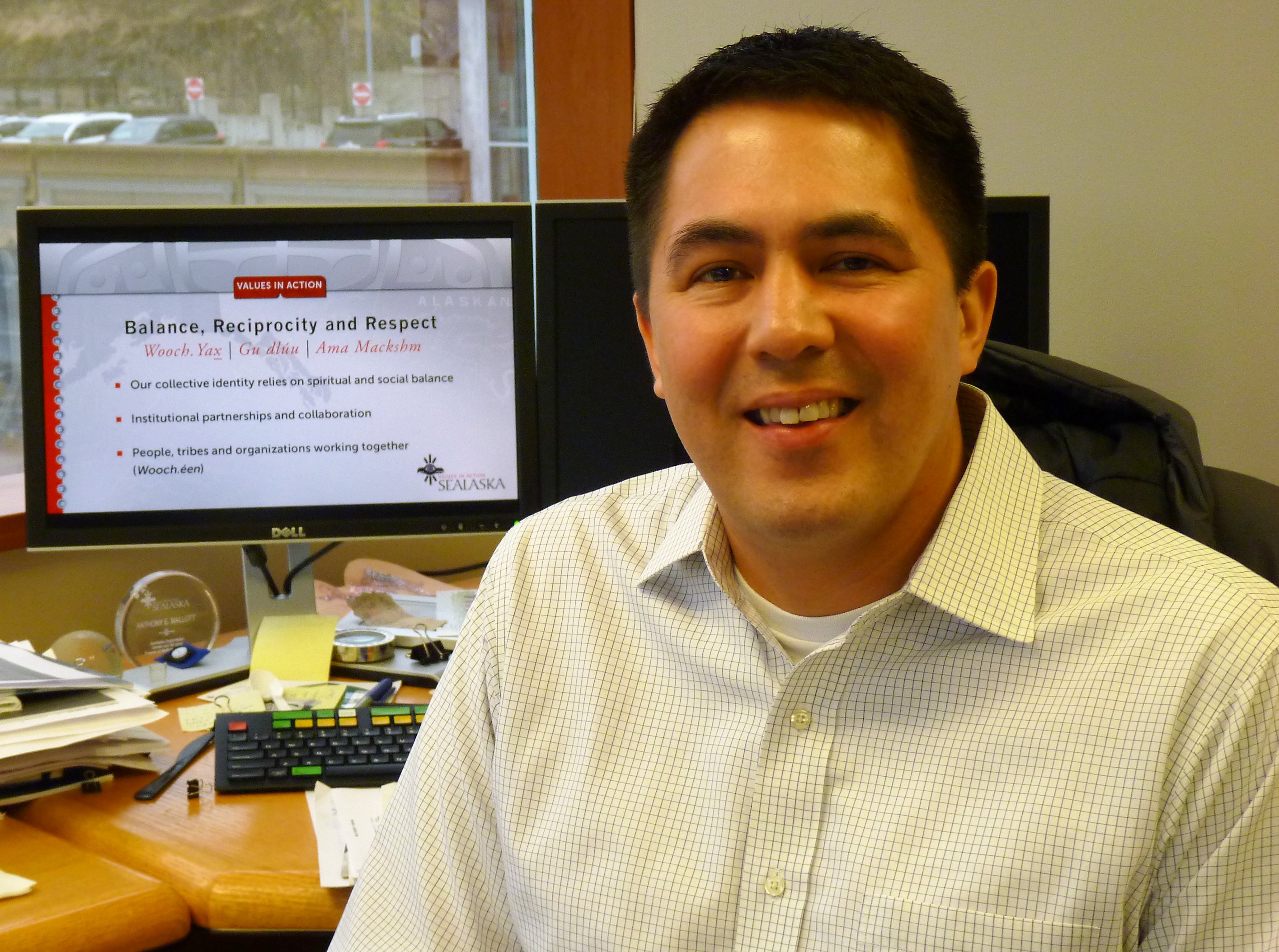
Sealaska President Anthony Mallott poses for a photo in his office. The Juneau-based regional Native corporation is distributing $10.6 million to its 22,000 members this month. (Photo by Ed Schoenfeld, CoastAlaska News)
Anthony Mallott is president and CEO of Sealaska, the Juneau-based regional Native corporation that’s distributing $10.6 million to its 22,000 members this month. (Photo by Ed Schoenfeld/CoastAlaska News)

Lower North Slope oil prices are taking a bite out of Native corporation dividends 1,100 miles away.

Sealaska, Southeast’s regional corporation, just announced it will pay out $10.6 million to its more than 22,000 members mid-month. That’s a third less than last year’s spring distribution.

Sealaska President and CEO Anthony Mallott said it’s dropped because of lower payouts from a pool of natural-resource earnings from all regional Native corporations.

Arctic Slope Regional Corp. is seeing declining oil royalties from the fields that are on their lands,” he said. “And that offers direct 7(i) (payments) to Sealaska and all of the other regionals.”

7(i) is a provision of the Alaska Native Claims Settlement Act describing how corporations are to share resource revenues. The settlement act created the corporations.

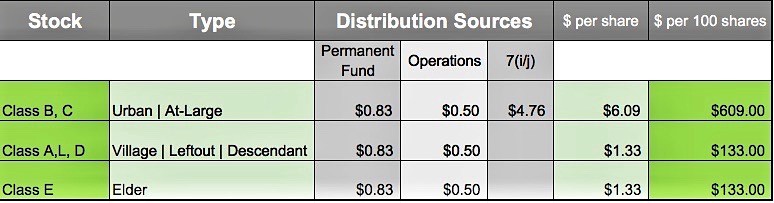
This month’s Sealaska payments will range from $133 to $609 per 100 shares, depending on membership in other Native corporations and other factors.

Resource revenue pool payments are the difference between the two amounts.

Mallott said the second-largest dividend revenue source is one of Sealaska’s investment accounts.

“The Permanent Fund distribution is very stable,” he said. “It offers close to $4 million annually in distributions.”

The other source is the corporation’s own business earnings, which have been down. They dropped significantly in 2013 after its construction subsidiary lost more than $25 million.

Mallott said that’s hitting the earnings part of the distribution because the corporation averages such revenues over five years.

“As we move out of that effect, as we move into 2018, we fully expect the distribution to have a good upward trajectory,” he said.

Sealaska has six different classes of shareholders, receiving different payments.

This chart shows the different shareholder classes and what dividends they’ll get in the April 14 distribution. (Graphic courtesy Sealaska Corp.)

Class B also covers those enrolled in an urban corporation, such as Juneau’s Goldbelt. They receive the full $609 per 100 shares, including the resource pool money.

Class A also is those enrolled in a village corporation, such as Kake Tribal. They don’t get the resource pool payment, so their total is only $133 per hundred shares. Sealaska pays the difference directly to the village corporations, which may or may not pass it on to shareholders.

Class C is at-large shareholders, who are not enrolled in another corporation. They get the full amount.

Mallott said about a quarter of shareholders are in village corporations and about three-quarters are with urban corporations, or none at all.

Class D is descendants of original shareholders, who receive the smaller payment, as do those who became shareholders after the original enrollment date in class L.

Also, Class E elders can receive an additional $133.

Many shareholders hold more than one class of stock, due to inheritance or gifting.

Longtime leader Rosita Worl to leave Sealaska board

Longtime Sealaska regional Native corporation board member Rosita Worl will step down as a director in June. She will continue to head up the Sealaska Heritage Institute. (Photo by Lakeidra Chavis/KTOO)

One of the Sealaska regional Native corporation’s longest-serving leaders is stepping down.

Rosita Worl has spent 30 years on the Juneau-based corporation’s board of directors. She said she’s been thinking about leaving for a while.

“I probably would have resigned three years ago, but at that point in time, I was chair of the Lands Legislation (Committee) and I felt like I wanted to see that completed before I left the board,” she said.

That controversial bill traded corporate land near shareholder communities for more valuable timber properties within Southeast’s Tongass National Forest.

After several attempts, it passed Congress in 2014.

Worl will complete her final three-year board term, which ends in June. That will leave an open seat on Sealaska’s board of directors, to be filled during spring shareholder elections.

In the past, many departing board members resigned during their terms and were replaced by an appointee, who then ran as an incumbent.

Worl will continue as president of the Sealaska Heritage Institute, the corporation’s cultural arm.

The anthropologist, who’s taught at the University of Alaska Southeast, says she’s looking forward to completing some academic projects.

“I’ve had to spend most of my energies on Sealaska and Sealaska Heritage Institute. And I’d like to finish a couple of manuscripts that I have: Tlingit property law and an ANCSA study, for example,” she said.

Worl, of Juneau, is one of the longest-served members of Sealaska’s 13-person corporate board.

Only Albert Kookesh of Angoon has served longer.

Worl’s leadership roles have extended outside Southeast Alaska.

She’s been on the boards of the Alaska Federation of Natives, the Indigenous Languages Institute and the National Museum of the American Indian.

She’s also chaired the federal Native American Graves Protection and Repatriation Act Review Committee.

Her Tlingít names are Yeidiklats’akw and Kaa háni and she is Eagle of the Shungukeidí (Thunderbird) Clan from the Kaawdliyaayi Hit (House Lowered from the Sun) of Klukwan and a Lukaax.ádi yadi (Child of the Sockeye Clan).

Shee Atiká’s revenue fell 98 percent in 5 years; shareholders call for CEO’s resignation

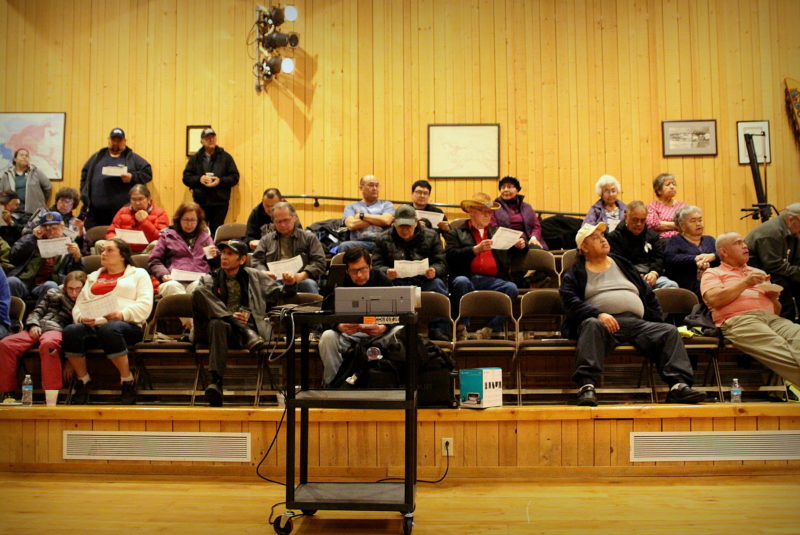
A crowd of Shee Atiká shareholders look over the corporation’s financial statements.
A crowd of Shee Atiká shareholders look over the corporation’s financial statements on Saturday, Jan. 28, 2017 (Emily Russell/KCAW)

Revenue for Shee Atiká, Sitka’s Native corporation, has dropped by nearly 100 percent since 2010. Shareholders packed the tribal community house on Saturday, Jan. 28 to discuss the fate of their corporation, and it’s more than just revenue they’re worried about losing.

It’s a Saturday night in downtown Sitka. Sheet’ka Kwaan Naa Kahidi is packed with people and the stage crowded with dancers in bright red and black regalia.

But this isn’t just a dance performance. It’s a meeting organized by Shee Atiká shareholders.

“We’re losing money. We’re losing our shareholder benefits. We could lose the land our corporation has,” explained shareholder Dionne Brady-Howard.

Brady-Howard isn’t alone. More than 150 Shee Atiká shareholders are here tonight to air their grievances.

Members of Shee Atiká’s board and management were invited to the meeting, but none of them showed. That includes CEO/President and Chairman of the Board Ken Cameron, who has previously declined to comment on the issue.

So, what are shareholders concerns? Let’s start with the money. Shee Atiká’s financial statements show that from 2010 to 2015, total revenue dropped from $182 million down to just $3 million.

Sandi Riggs was Shee Atiká’s Chief Financial Officer for five years. She saw the corporation’s profits begin to skyrocket in 2005. That’s when Shee Atiká started landing contracts with the U.S. military.

“There was eight years of huge cash flow coming in and nothing was really done on the management end to figure out– we’ve got all this cash, what are we going to do?” Riggs explained.

Riggs left the corporation in 2008, and in 2010 revenue began to plummet.

Shee Atiká is now scrambling to slim down its spending, which brings us to of shareholder benefits.

The corporation offers scholarship money and funeral benefits to its more than 3,000 shareholders, like Ethel Makinen. She just lost a son in early January.

Shee Atiká shareholder Herman Davis addresses the crowd.
Shee Atiká shareholder Herman Davis addresses the crowd. (Emily Russell/KCAW)

“It’s hard to lose your loved ones, and if you can’t afford to pay for it this helps,” Makinen explained.

In mid-January, though, Shee Atiká cut funeral benefits in half, from $1,750 to $875.

But Native corporations weren’t originally set up to pay for funerals or issue dividend checks. They were established to manage Native lands. The Alaska Native Claims Settlement doled out more than 44 million acres of land to newly established corporations.

Shee Atiká got 26,000 of those acres, but now most of the land– 22,000 acres– is being sold to the U.S. Forest Service.

Harvey Kitka voiced his concerns about that during the meeting. He’s the son of one of Shee Atiká’s founding directors Herman Kitka, who he says fought tirelessly for the land.

“The land over on Cube Cove area, right now they’re giving it away for almost nothing,” Kitka said.

The U.S. Forest service is paying $18.3 million for it. An appraisal in the 1980s did value the land at over ten times that much– $176 million– but that was before the land was logged extensively.

Whether it’s the land sale, the loss of shareholder benefits, or decline in revenue, there is one thing shareholders like Larry Garrity agree could be downsized.

“The only place we haven’t cut is our management’s salaries. Everything else is being cut,” Garrity said.

President/CEO and Chairman of the Board Ken Cameron’s salary has gone up in the last five years. According to Shee Atiká, Cameron took home $411,421.50 in 2015.

But removing Cameron or anyone else from the board requires shareholders to vote directly and not just by discretion. When shareholders vote by discretion, which is common, they’re essentially let the board vote for them. By doing so, shareholders are entered to win prizes like 50,000 Alaska Airlines miles, $1,000 dollars cash, and so on.

“After a point it’s going to be up to shareholders to decide that we can’t be bought with door prizes,” Dionne Brady-Howard told the crowd, “and that we to see a change not to just get higher dividends, but to make sure that we still have a corporation that still has land 20, 40 or 200 years from now.”

To make sure, of that, shareholders are calling for the board to remove Ken Cameron, and if that doesn’t work, it will be up to shareholders to vote him out directly.

Site notifications
Update notification options
Subscribe to notifications