Alaska Native Government & Policy

Group working to bring remains of 15 Alaska Natives home from Carlisle

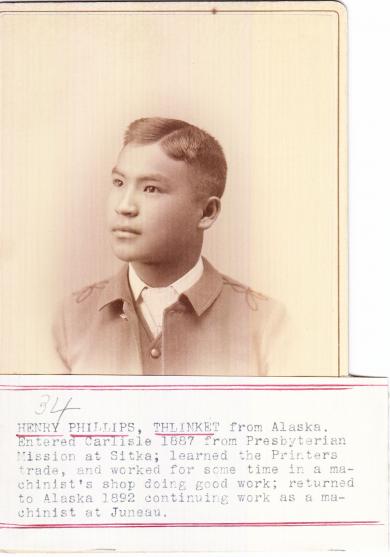
Henry Phillips, originally "Ka-Ka-Ish," was 12 years old in 1887 when he arrived at the Carlisle Industrial Indian School in Pennsylvania. His student file says he arrived from the Presbyterian Mission in Sitka, though both of his parents were still living. He returned to Skagway to work as a printer at the Daily Alaskan newspaper. (Public Domain image from National Archives and Records Administration)
Henry Phillips, originally “Ka-Ka-Ish,” was 12 years old in 1887 when he arrived at the Carlisle Industrial Indian School in Pennsylvania. His student file says he arrived from the Presbyterian Mission in Sitka, though both of his parents were still living. He returned to Skagway to work as a printer at the Daily Alaskan newspaper. (Public Domain image from National Archives and Records Administration)

The remains of 15 Alaska Natives may soon journey home from the Carlisle Industrial Indian School in Pennsylvania. A small group of people working with the U.S. Army and the First Alaskans Institute have authored a resolution they hope to see passed at this year’s Alaska Federation of Natives convention in Fairbanks.

While the resolution is focused on students of the past, there is still concern for potential future boarding school students.

Bob Sam says the Army wants to see the repatriation process completed in less than a year, and they’re going to foot the bill. Sam is confident it can be done, but points out that the Carlisle school is just one of many schools Alaska Natives were sent away to.

“This is just the tip of the iceberg, … Carlisle school is just the beginning,” Sam says. “It’s one of the first boarding home military-type schools in America and all boarding home schools used Carlisle as a model. Chemawa, Haskell, they all have their cemeteries.”

Sam has been helping repatriate human remains for 30 years. From a former tuberculosis sanitarium in Sitka to helping a friend recover his Ainu ancestor’s remains from a university in Japan — Sam has a talent for what he calls “bringing bodies home.” And he’s well-known in Southeast for his dedication to restoring old cemeteries. There was the Russian Orthodox cemetery in Juneau and another one in Sitka.

Sam is working with Nancy Furlow and Jim LaBelle Sr. LaBelle spent 10 years at the Wrangell Institute in Southeast Alaska. He says his time there was traumatic and he’s spent a lifetime working to heal from it.
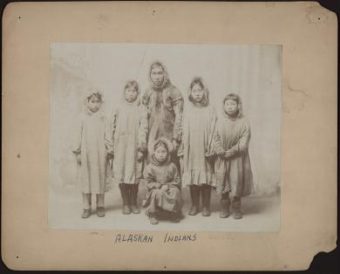
Handwritten on the back of this image: Pupils from Alaska AS THEY ARRIVED AT CARLISLE IN THE FALL OF 1897 SEE REDMAN, JUNE 1899. (Public Domain image from National Archives and Records Administration)

There is little study on the history and impacts of residential schools on Alaska Native children. In a 2005 study by the Institute for Social and Economic Research at the University of Alaska Anchorage, 61 adults who attended boarding schools from the 1940s through the 1980s were interviewed. Some said they were abused. Others experienced no abuse and enjoyed school. And some said that while they weren’t traumatized by their school, they remember seeing abuse.

Some lawmakers see regional boarding schools, or even virtual schools, as a cheaper solution to education in rural Alaska. Former Gov. Sean Parnell was a strong advocate for regional boarding schools and included increased funding for them in education bills he sent to the legislature.

As time goes on, LaBelle thinks there will be more pressure to consolidate schools and increase support for residential schools.
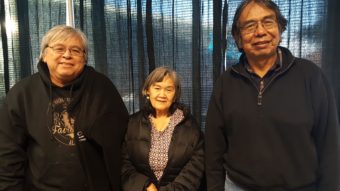
Jim LaBelle, his wife Susan LaBelle and Bob Sam at the 2016 Elders and Youth conference in Fairbanks. (Photo by Jennifer Canfield)
Jim LaBelle, his wife Susan LaBelle, and Bob Sam at the 2016 Elders and Youth conference in Fairbanks. (Photo by Jennifer Canfield)

“Should this happen, there needs to be a process where communities and families participate at all levels of this discussion,” LaBelle says. “If there is eventually going to be a return to boarding schools in some parts of Alaska, at least it will be done in the way that respects the culture, respects the language, doesn’t provide for an institutional setting.”

And these schools should not be forced on rural communities, he says.

“There’s got to be a full participation process. In the days when I went, we had no choice. If you protested or objected, parents were sent to jail.”

Both LaBelle and Sam say there are a lot of issues for Alaska Native people that need to be resolved. Bringing home the remains of Alaska Native students at the Carlisle school in Pennsylvania is part of the process, Sam says.

“Once we resolve these issues, American Indians and Alaska Natives will go on to be the people that they were intended to be and they will begin to have some sort of forgiveness in resolving. But there’s another side to it,” Sam says. “The non-Native people who have guilt, they will begin to resolve their guilt so that they can go on to become the human beings they were intended to be. And we get to know each other doing these kinds of things together.”

The resolution is expected to be presented to delegates Saturday.

About the Carlisle Industrial Indian School
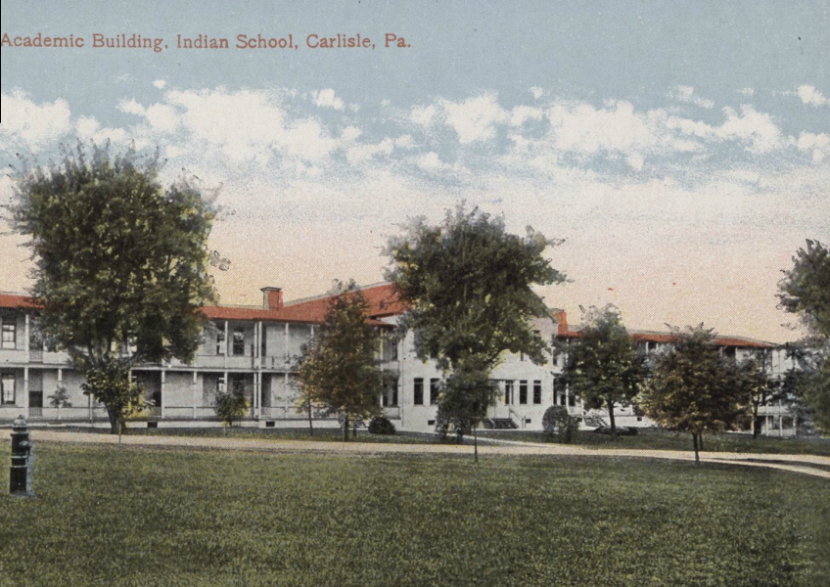
The caption on this artwork reads Academic Building, Indian School, Carlisle, PA. (Public Domain image from National Archives and Records Administration)

The Carlisle Industrial Indian School was founded in 1879 in Pennsylvania by an Army officer who believed that the federal government was holding Native American people back by segregating them.

The word “racism” is believed to have first been uttered by Richard Henry Pratt, who founded the school.

At an annual conference in 1896, Pratt said: “Segregating any class or race of people apart from the rest of the people kills the progress of the segregated people or makes their growth very slow. Association of races and classes is necessary to destroy racism and classism.”

Pratt believed Native people were intended to be inherently equal to European-Americans, they just needed to be civilized.  

“It is a great mistake to think that the Indian is born an inevitable savage. He is born a blank, like all the rest of us,” Pratt said in a speech at an 1892 convention. “Left in the surroundings of savagery, he grows to possess a savage language, superstition, and life. We, left in the surroundings of civilization, grow to possess a civilized language, life, and purpose. Transfer the infant white to the savage surroundings, he will grow to possess a savage language, superstition, and habit. Transfer the savage-born infant to the surroundings of civilization, and he will grow to possess a civilized language and habit.”

Operating throughout the height of the Progressive Era until 1918, more than 10,000 attended the school. The school’s foremost goal was assimilation of its students. English was the only language allowed to be spoken. In the dorms, no two students from the same tribe were allowed to live together. Students were made to pick out new English names. Boys were required to cut their hair. The phrase, “Kill the Indian, save the man” — Pratt coined that, too.

Correction: Earlier versions of this story misstated when the resolution will be presented to the AFN delegates. It’s expected to be presented Saturday.  
Native rights attorneys brief tribal leaders on putting land into trust

Placing lands into trust is a way for Alaska Native tribes to permanently protect them, but it’s not the only means of exercising control.

That was the message during opening day discussions Monday at a Tribal Leaders Summit in Fairbanks. Washington, D.C., based Native American rights attorney, Lael Echo-Hawk said placing tribal lands into trust with the Bureau of Indian Affairs, an option that re-opened to Alaska tribes this summer following a lengthy court battle, carries definite advantages.

“It’s being able to say no. You cannot have an ease of way or right of way across our land,” Echo-Hawk said. “Or if you do come and you want to work on our land, than you have to pay us a tax. It’s saying, we get to decide.”

Echo-Hawk, who grew up in Fairbanks and Delta Junction, has helped lower 48 tribes apply for trust status and notes it’s a long and complicated process, that can be contentious at some locations.

“The ones that I think are going to raise more eyebrows and cause a little more contention or opposition are gonna be the ones closer to urban areas,” Echo-Hawk said. “Those areas that do have a property tax. Those municipalities or boroughs that think they might be losing something by seeing this land go into federal trust.”

Echo-Hawk cautioned that placing land into trust also brings management responsibilities and can require working with adjoining state and private landowners.

“And do memorandums of agreement and intergovernmental agreements so that you’re sharing a resource. You’re protecting all of the citizens in a responsible way,” Echo-Hawk said.

“To the extent that there are concerns about states’ sovereignty, those can easily be negotiated,” Native American Rights attorney Lloyd Miller said.

Miller maintains that a shift toward increased local control does not require Native lands be put into trust, and believes the climate is right to expedite federal legislation to empower tribes to manage their own communities.

“I think this is a watershed moment for fashioning a solution by Alaskans, for Alaskans which could be enacted by Congress,” Miller said. “We have senators and a congressman, led in particular by Sen. Murkowski, who are highly sensitive to the need for civil society in Alaska villages. The kind of civil society that the state of Alaska has never been able to provide those villages and which the state of Alaska is even less able to provide in a declining revenue environment.”

Miller noted that Alaska’s Congressional delegation and Gov. Bill Walker’s administration are sympathetic to crafting a solution, important given that the state has proven inadequate at addressing village issues, a situation likely to get worse due to budget deficits.

Elders and Youth conference kicks off today in Fairbanks

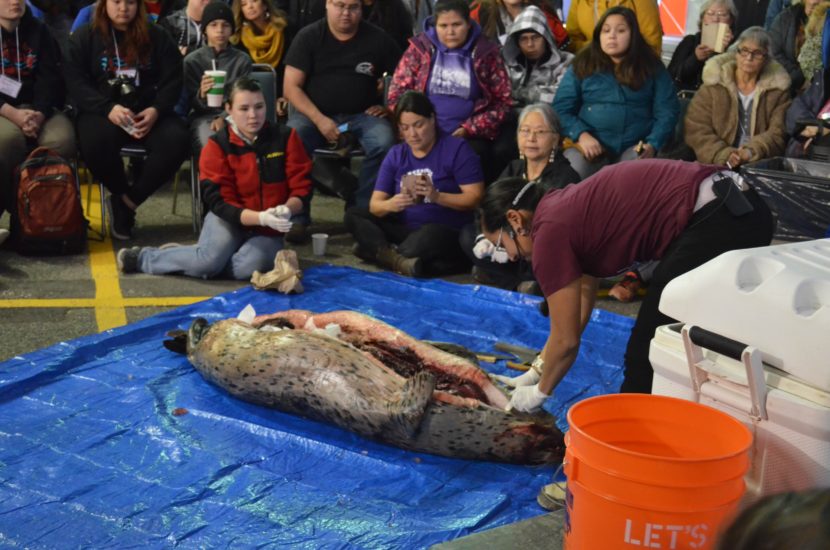
Marjorie Tahbone shows a crowd how to properly butcher a seal during a workshop at the 33rd annual Elders and Youth conference in Fairbanks. (Photo by Jennifer Canfield)

More than a thousand Alaska Natives, young and old, from across the state are met today at the 33rd annual Elders and Youth conference. The event, hosted by the First Alaskans Institute, is usually an opportunity for 13 to 18 year olds to learn about leadership, civic engagement and consensus building alongside their elders.

This year’s conference theme is Ancestral Imperative: Adapt. Unite. Achieve. and it runs through Wednesday morning.

Attendees are encouraged to talk seriously about issues facing their communities, and there are many afternoon workshops focused on language, culture, subsistence and policy. One of the first orders of business requires regional groups to elect new members to the Statewide Elders and Youth Council.

The day began with a welcome and blessing from the Rev. Luke Titus and the Rev. Anna Frank, both are Tanana Athabascan from Interior Alaska. The custom is typical of Alaska Native gatherings in which many of the attendees are not from the surrounding area. When the conference is held in Anchorage, for example, the group is welcomed by representatives from the Dena’ina Athabascan community.

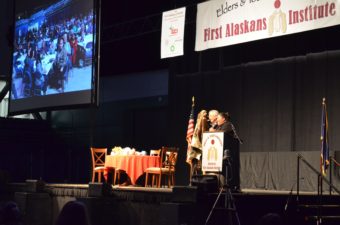
Liz Medicine Crow, president and CEO of First Alaskans Institute, and board chair Willie Hensley give opening remarks at the 33rd annual Elders and Youth conference in Fairbanks. (Photo by Jennifer Canfield)

Liz Medicine Crow, the institute’s president and CEO, addressed the crowd along with former state lawmaker Willie Hensley, who serves as the organization’s board chair.

Hensley talked about how the Elders and Youth conference first started as an opportunity for Alaska Native youth who spent most of the year at boarding school, away from their home communities.

“We didn’t have the opportunity to interface with our parents, aunts and uncles, our communities, we were away from our language, we were away from our stories. There were a lot things about the culture that we missed out on because we were gone for years at a time,” Hensley said.

The conference took on a more solemn tone briefly when Medicine Crow advised the gathering about an ongoing manhunt in Fairbanks. Just after midnight on Sunday, a Fairbanks police officer was shot and seriously injured. The suspect in that shooting is yet to be apprehended. Fairbanks police say they’re looking for an Alaska Native man in his 20s.

Medicine Crow said the organization has talked to Fairbanks police.

“They are aware of all of our visitors coming in and they want to make sure that you have a good experience as well, but it just requires a little more awareness of what’s happening around you when you go out and about,” Medicine Crow said. “Remind our men, remind our brothers to keep their heads up and to be safe.”

Lt. Gov. Byron Mallott is scheduled to address the conference Tuesday afternoon.

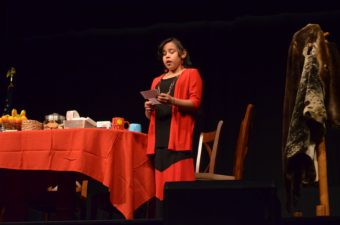
Joan Inga Barnowski, 11, gives the youth keynote speech at the 33rd annual Elders and Youth conference in Fairbanks. (Photo by Jennifer Canfield)

This year’s youth keynote address was given by Joan Inga Barnowski, 11, who is Sugpiaq (Alutiiq) from Old Harbor, a city in the Kodiak Island Borough. As part of a science project she worked on earlier this year, the 6th grader tested homes in her community for radon, a known carcinogen. Based on her initial work, potential issues were identified in several homes. In her speech, Barnowski advocated for youth to be aware of the environment and to be good stewards.

Raphael and Vivian Jimmy, both Yup’ik from Mountain Village, will give the elder keynote address Tuesday. The couple now lives in Anchorage where they lead the Kuigpagmiut Dance Group. Raphael is 91 and Vivian is 87.

Some of the workshops listed on the conference agenda include Food Sovereignty: Working on Seal, The Return from Carlisle, Social Justice Issues: An Alaska Native Perspective and Spoken Roots: Writing Ourselves, Our Communities and Our Histories.

This year’s conference theme is Ancestral Imperative: Adapt. Unite. Achieve. The conference is open to people of all ages and backgrounds.

The conference runs through Wednesday morning and will be broadcast live on 360 North.

The state plans to clean oil contamination from Alaska Native land

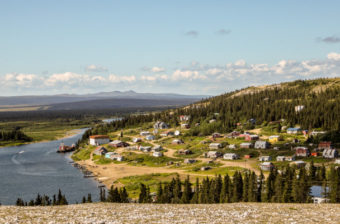
White Mountain’s oil drum storage area is one contaminated site out of 338 sites on ANCSA land that is still in the clean-up process.
White Mountain’s oil drum storage area is one contaminated site out of 338 sites on ANCSA land that is still in the clean-up process. (Photo by Laura Kraegel/KNOM)

The Alaska Department of Environmental Conservation (ADEC) is coordinating the clean-up process of contaminated lands throughout the region and all over the State.

White Mountain’s oil drum storage area is one of nearly 1 thousand sites transferred from federal entities to Alaska Native Corporations under ANCSA. The Bureau of Land Management deems 338 of these sites to be contaminated lands still in need of cleanup, including White Mountain’s oil drum storage area.

Based on a preliminary assessment report done in 1999 by the Ecology and Environment company for the United States Environmental Protection Agency (USEPA), White Mountain’s oil drum site has relatively minor petroleum contamination, up to 540 ppm (parts per million) across a 4-acre site.

As of right now, the contaminated lands have already been designated and surveyed by the Bureau of Land Management, then organized into an online interactive database. Since this database was finished, the BLM’s role in the cleanup process has been very limited.

BLM Project Manager Paul Krabacher says, legally, the BLM can’t do anything, including cleaning up the lands, since the lands have already been conveyed and are no longer managed by the BLM. But, as the clean-up process continues, ADEC focuses on high priority sites, helps negotiate agreements between parties, and examines orphan sites.

John Halverson, the Environmental Program Manager for ADEC’s Contaminated Sites program, defines orphan sites as, “those sites where there’s either known or suspected contamination and there’s not a agency or another party that’s already either working on the site to characterize it and clean it up or planning to do so in the foreseeable future,” explained Halverson.

One example of an orphaned site is White Mountain’s oil drum storage area near the old BIA school. Halverson says the level of contamination and the amount of diesel range organics (DRO) present determines the priority of the site. DROs are a mixture of petroleum hydrocarbons found in diesel fuel.

“We have different clean-up levels based upon the site’s circumstances; even our most conservative clean-up levels are typically based on the contaminants’ potential to migrate to ground water,” stated Halverson. “So, for DRO, our default clean-up level is 250ppm; that’s kind of the starting point, and then people can propose alternative clean-up levels that are higher based on the site’s specific circumstances and information that they collect.”

According to APRN, Daniel Cheyette, Legal Counsel from the Bristol Bay Native Corporation, voiced his concerns about Alaska’s contaminated lands back in August.

“As the landowners, as participants in ANCSA who believed that the land grants were in satisfaction of their land claims, it’s really frustrating that, so many decades later, we still have contaminated sites. And the federal government (is) really moving very slowly in terms of correcting the problems that it created. It’s a step, it’s a start, but it’s taking way too long, and it’s very frustrating for the landowner,” said Cheyette.

According to a DEC report from March 2011 on the White Mountain oil drum storage area, the community’s previous Indian General Assistance Program (IGAP) coordinator indicated that whatever was left of the original 1,000 oil drums would either be transported to Nome’s drum crusher or be reused by the community. Current White Mountain IGAP environmental coordinator Jay Adams says there are still about 60 fifty-five-gallon drums left at the site, less than a mile away from the BIA school building.

Even though the community of White Mountain has removed some of those oil drums on their own, it is not their responsibility to clean up the site. The DEC deemed The Bureau of Indian Affairs as the entity responsible for the cleanup of this site. After repeated attempts to contact the Bureau of Indian Affairs, they could not be reached for comment.

There is no set timeline for the rest of the cleanup at this White Mountain site, or for the other orphaned sites in the region, including the Marshall Fish processing plant and Emmonak’s tank farms.

*Note: more information on the Bureau of Land Management’s report on ANCSA contaminated lands can be found in this article from Alaska Business Monthly.

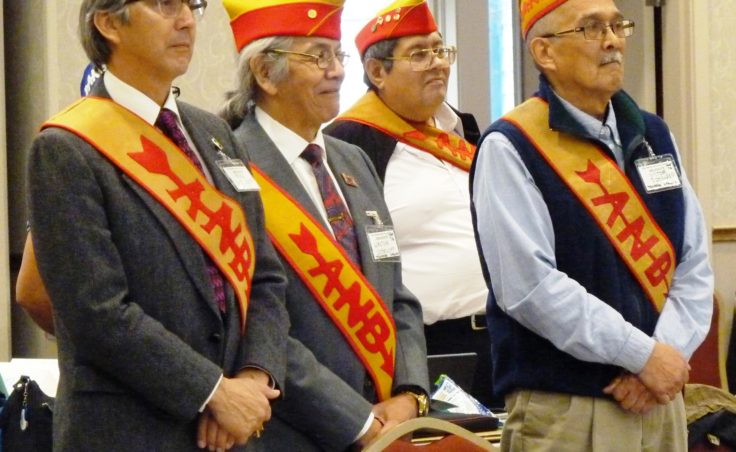
Native Brotherhood, Sisterhood boost youth leadership

Alaska’s oldest Native organizations are giving younger members more power.

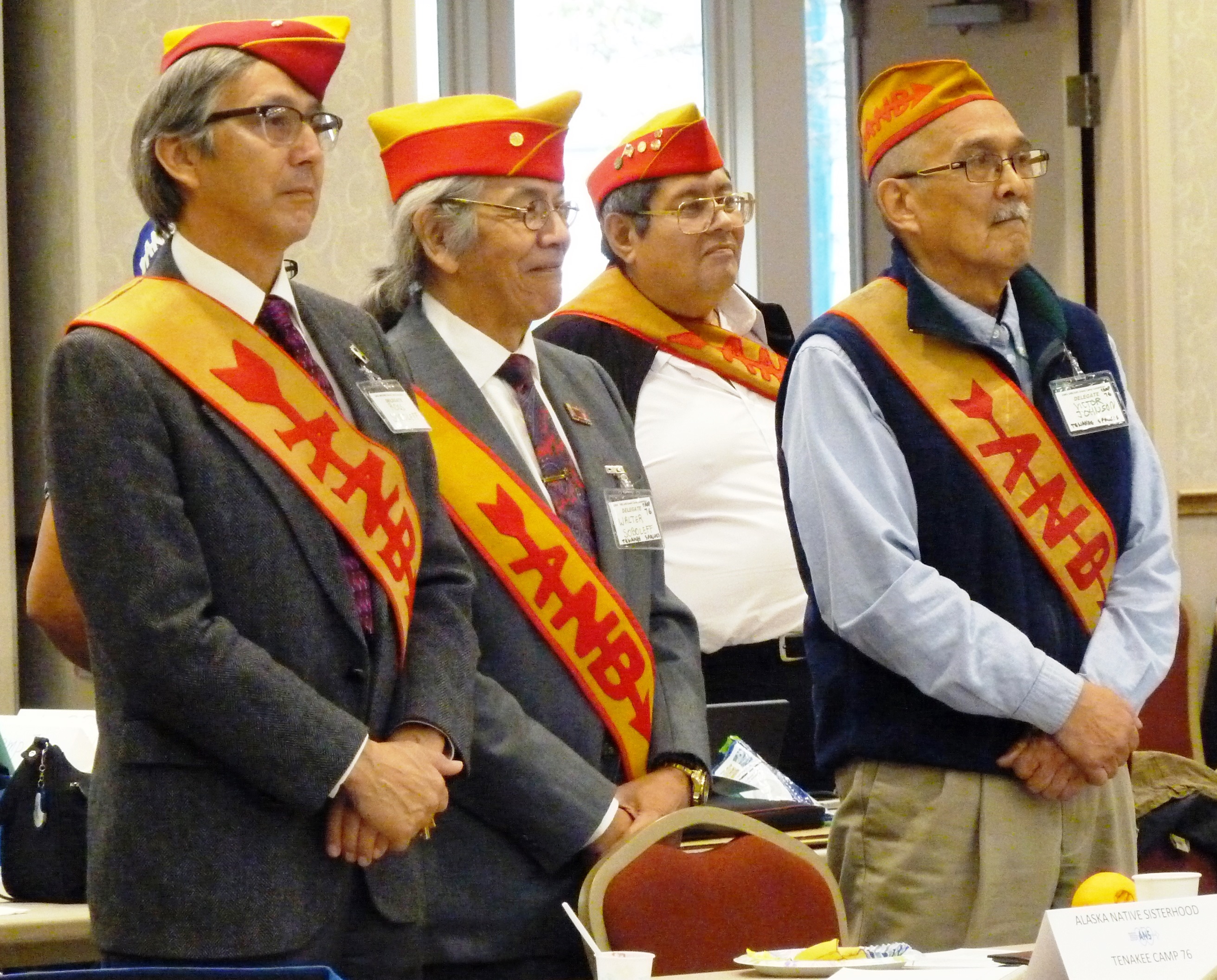
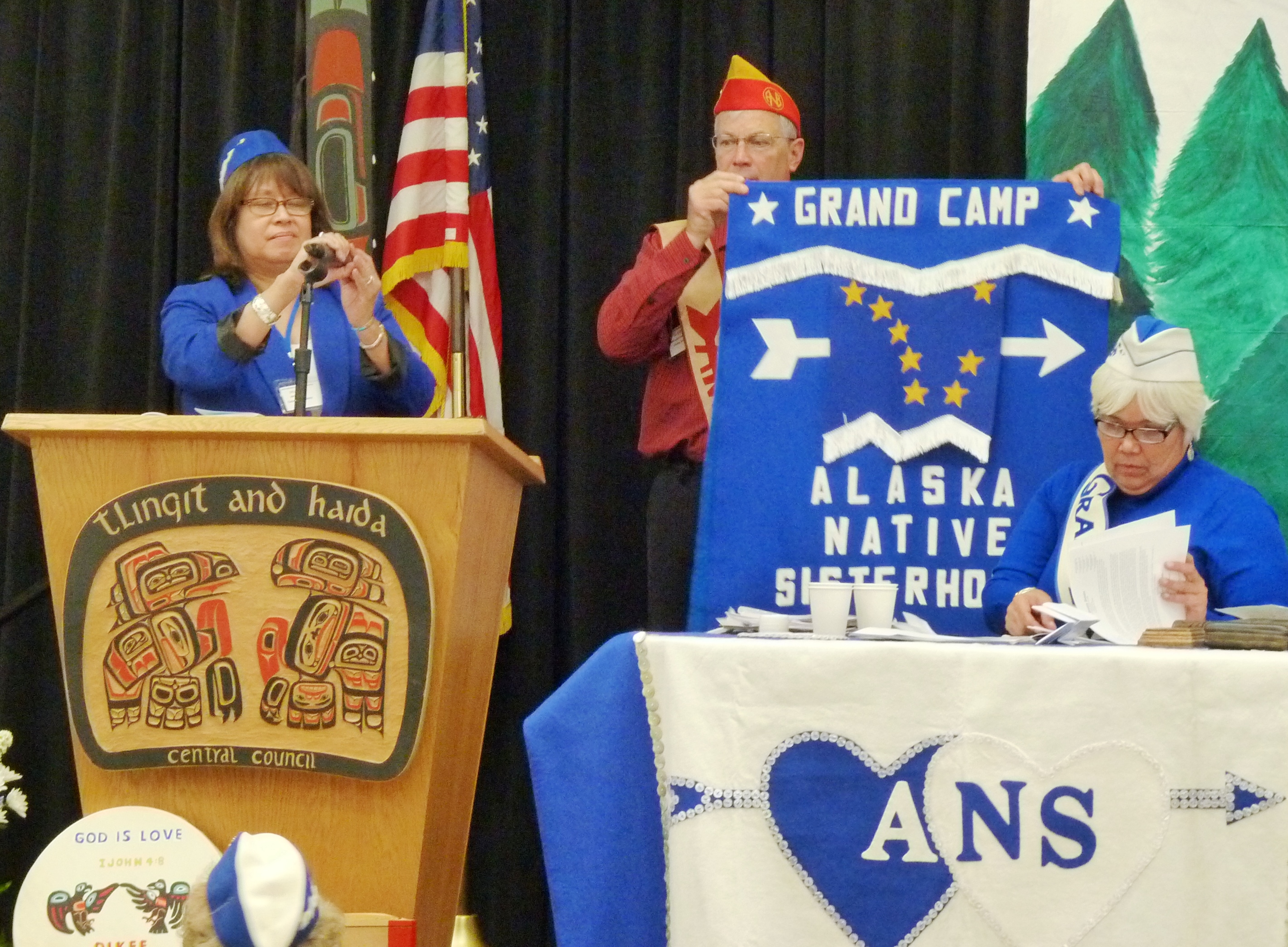
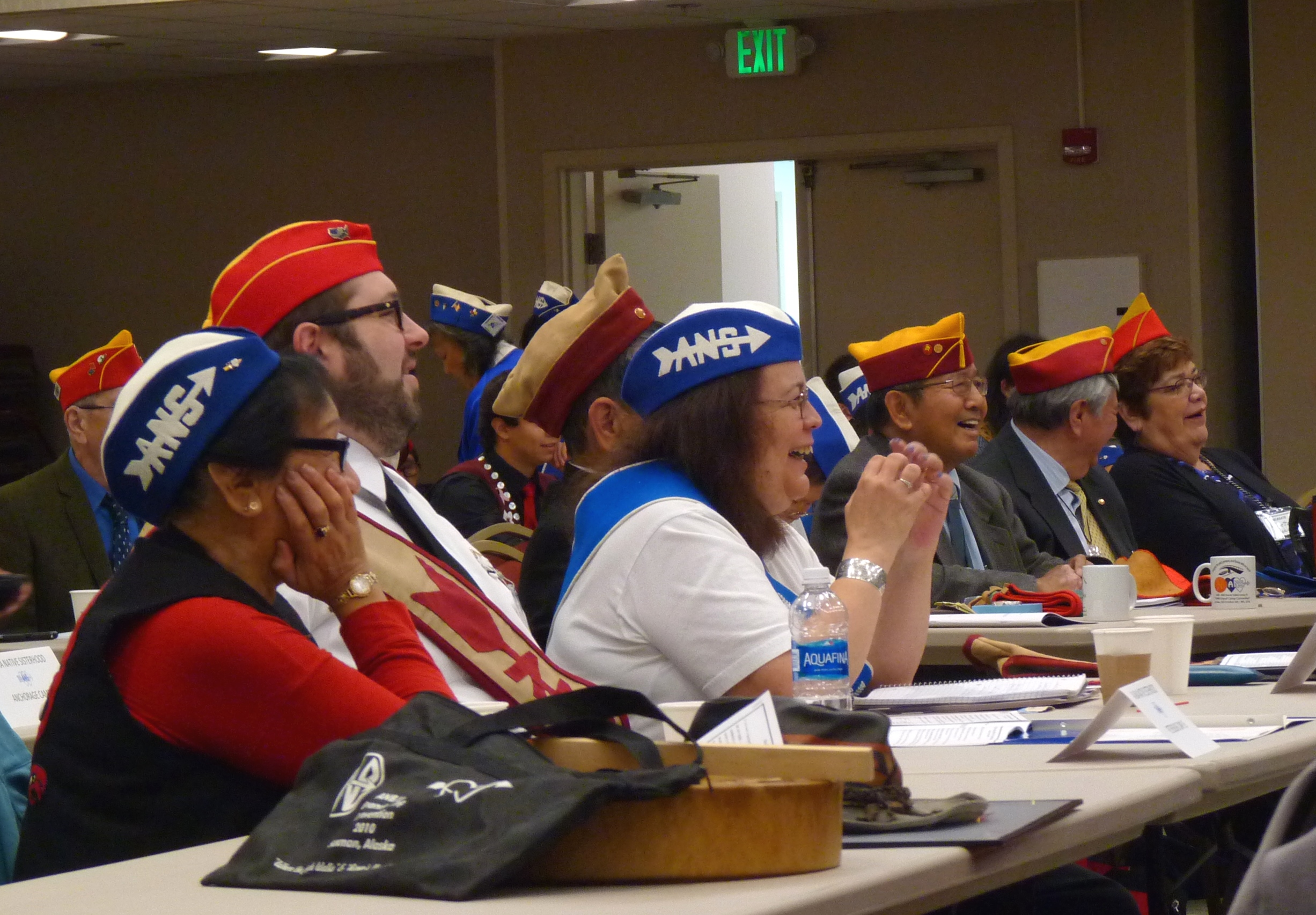
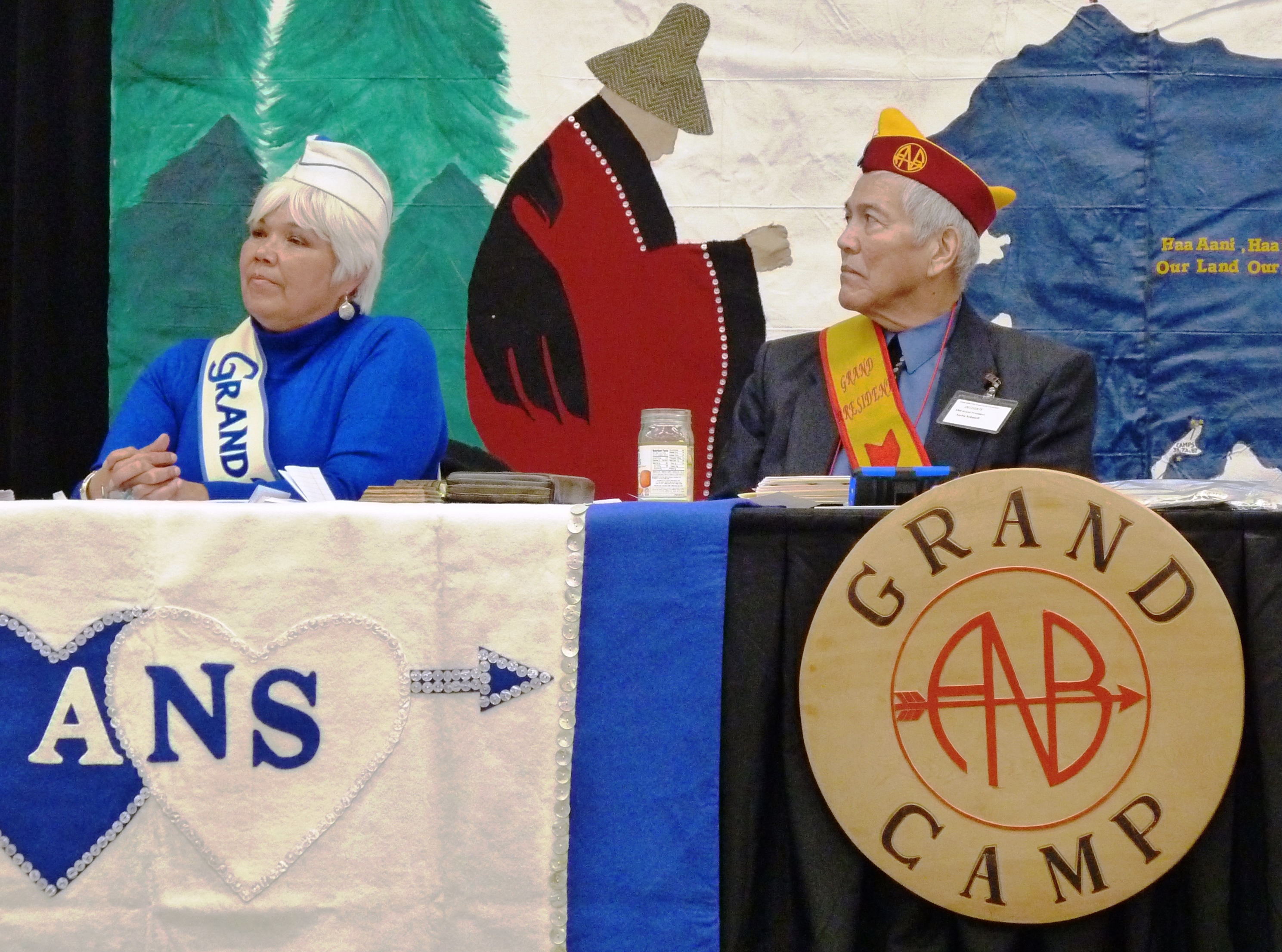
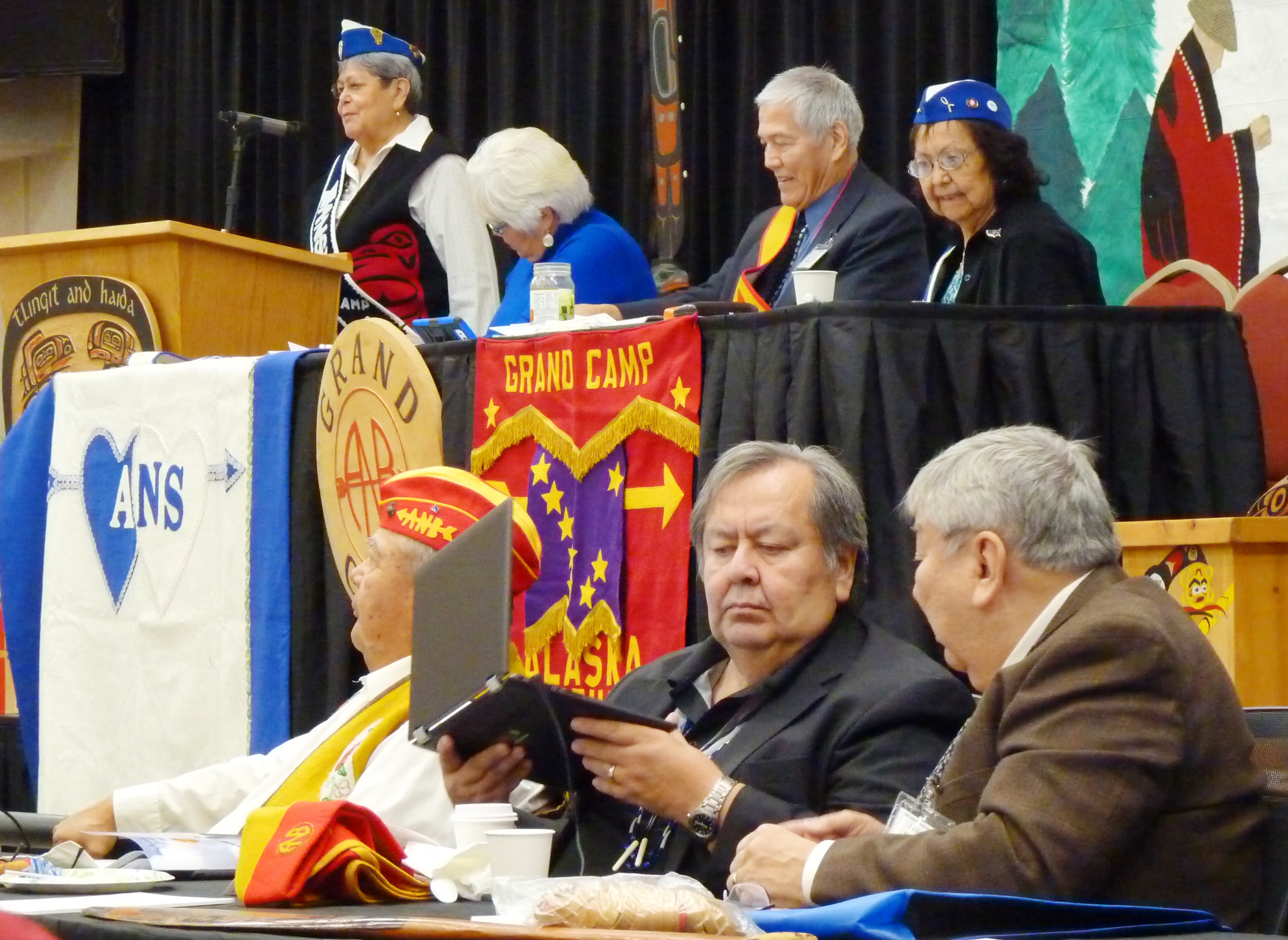
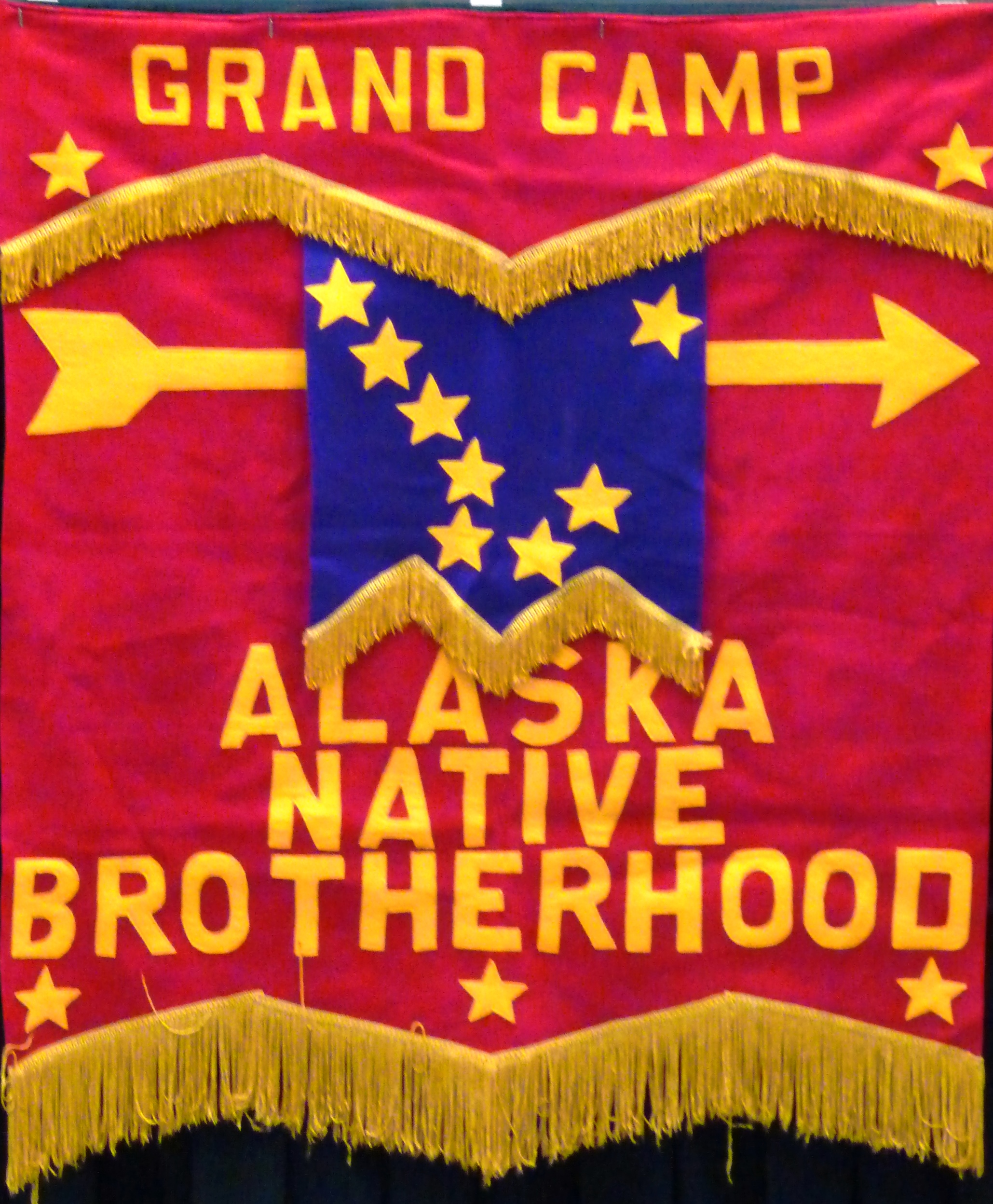
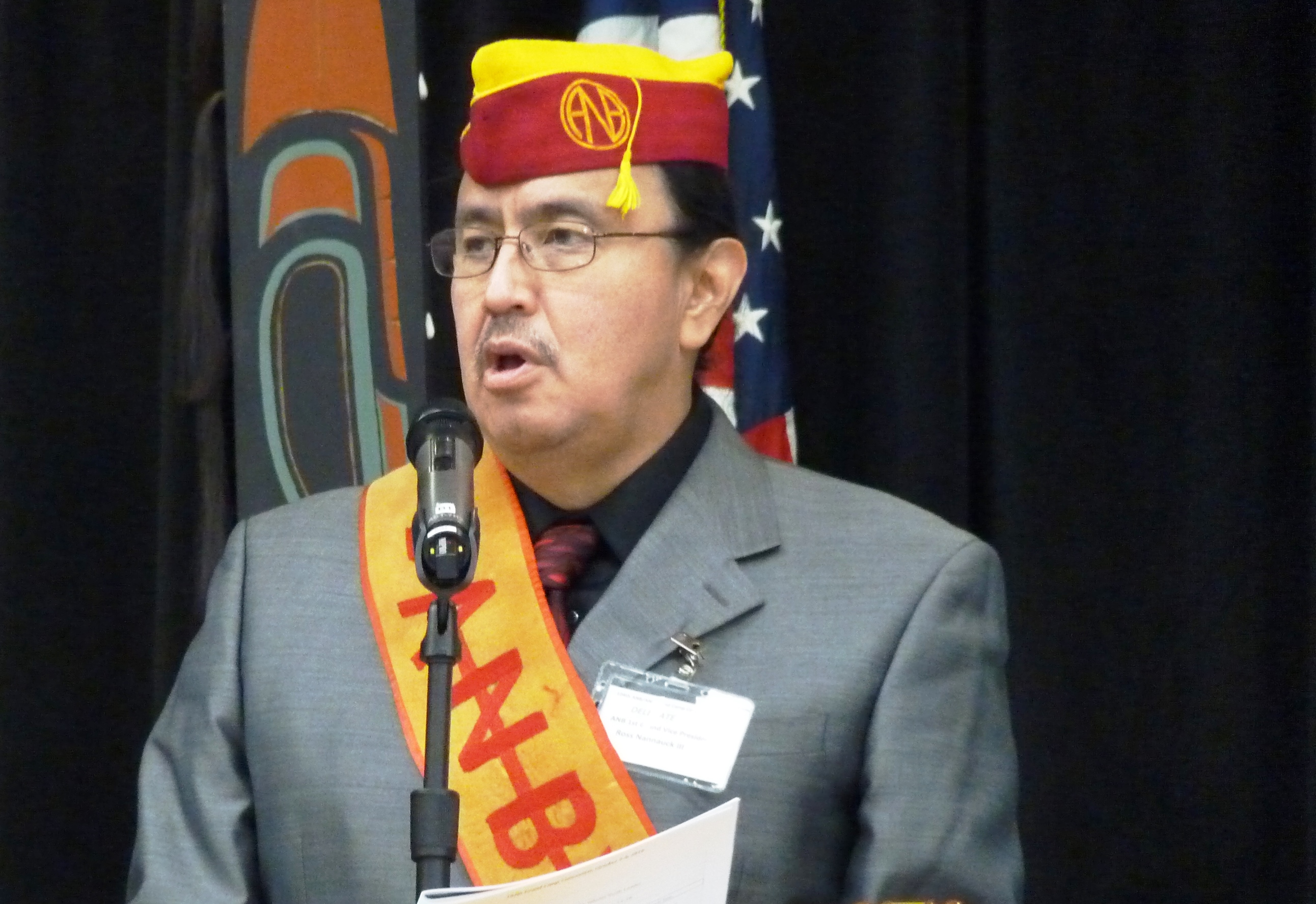
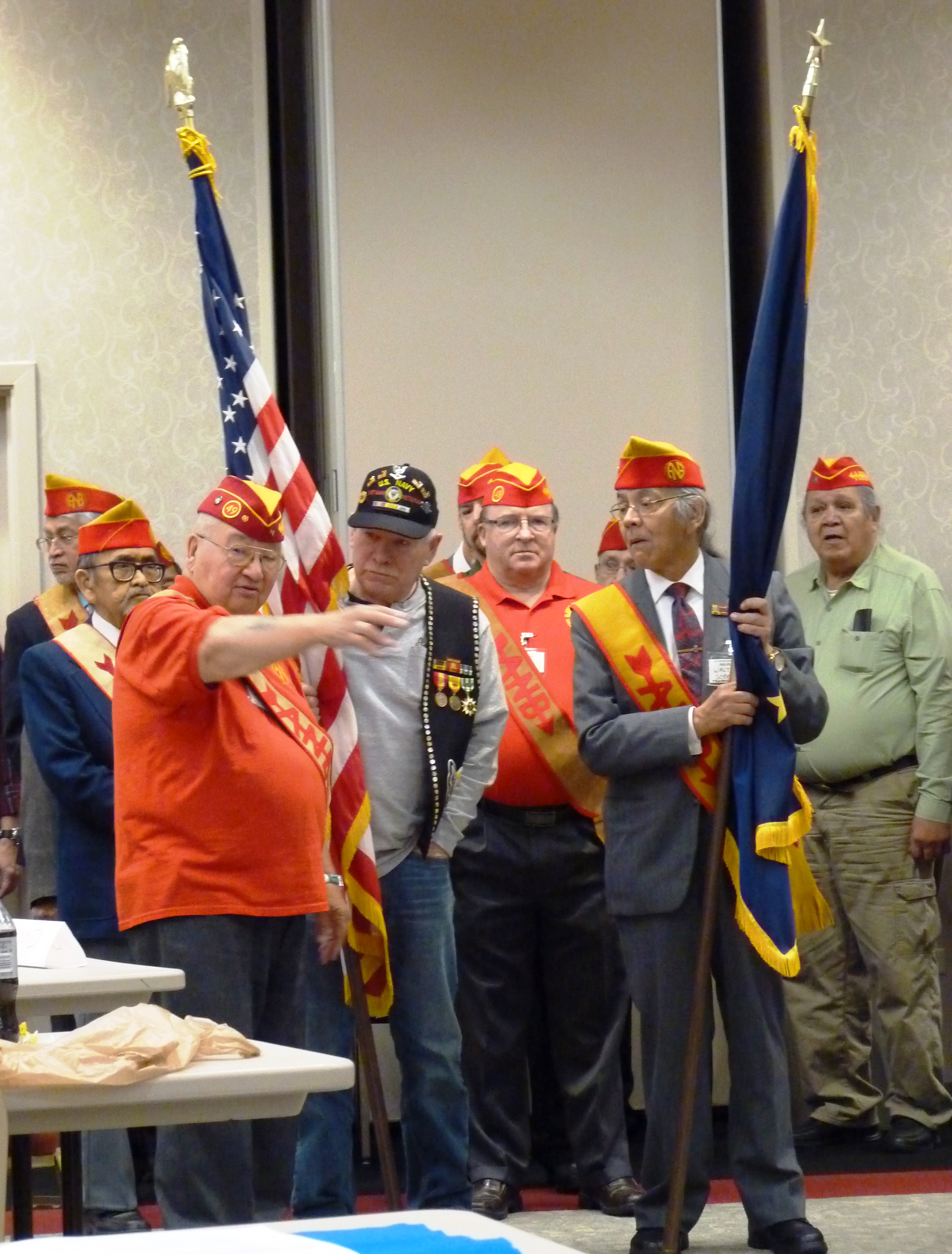
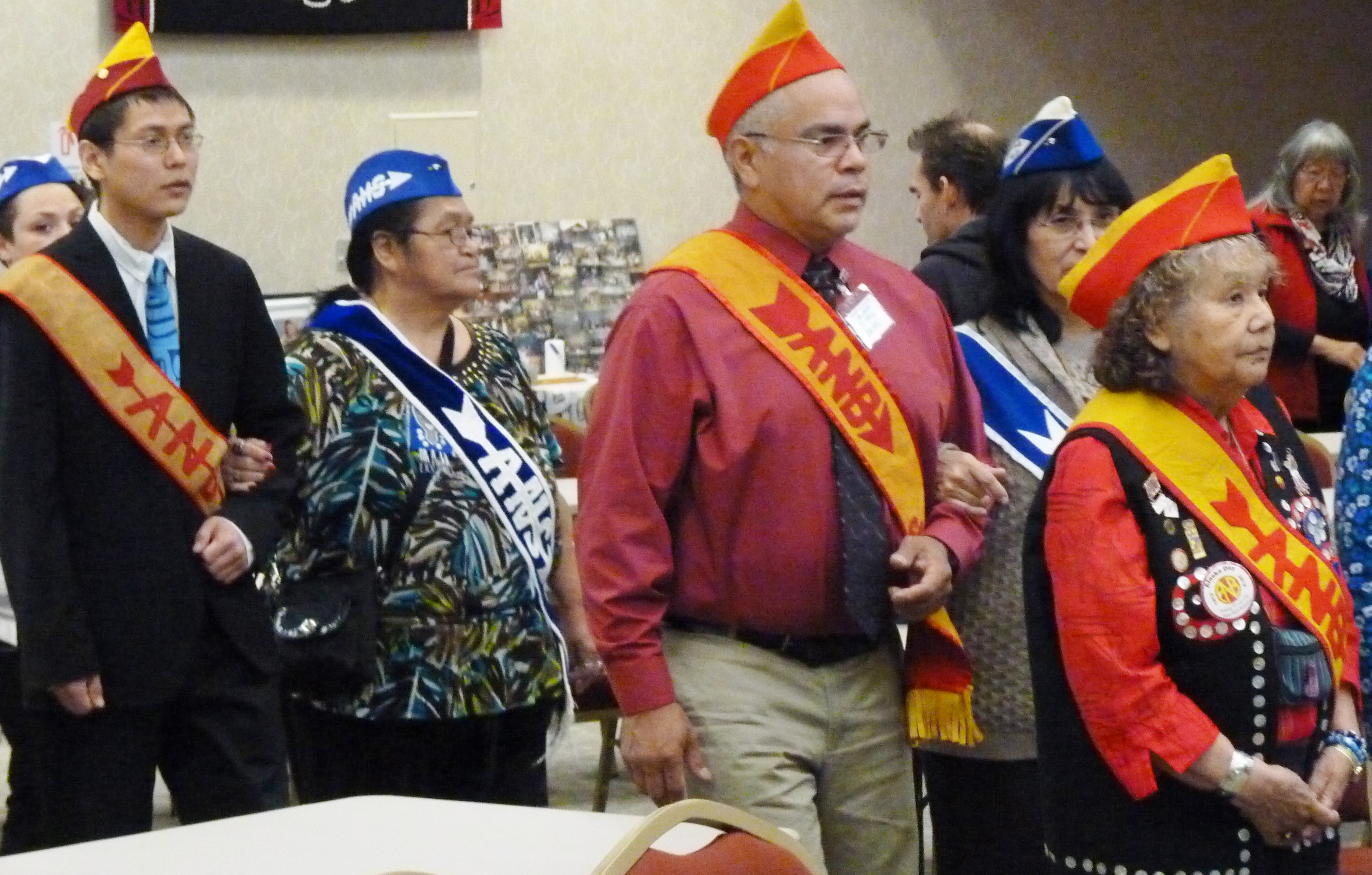
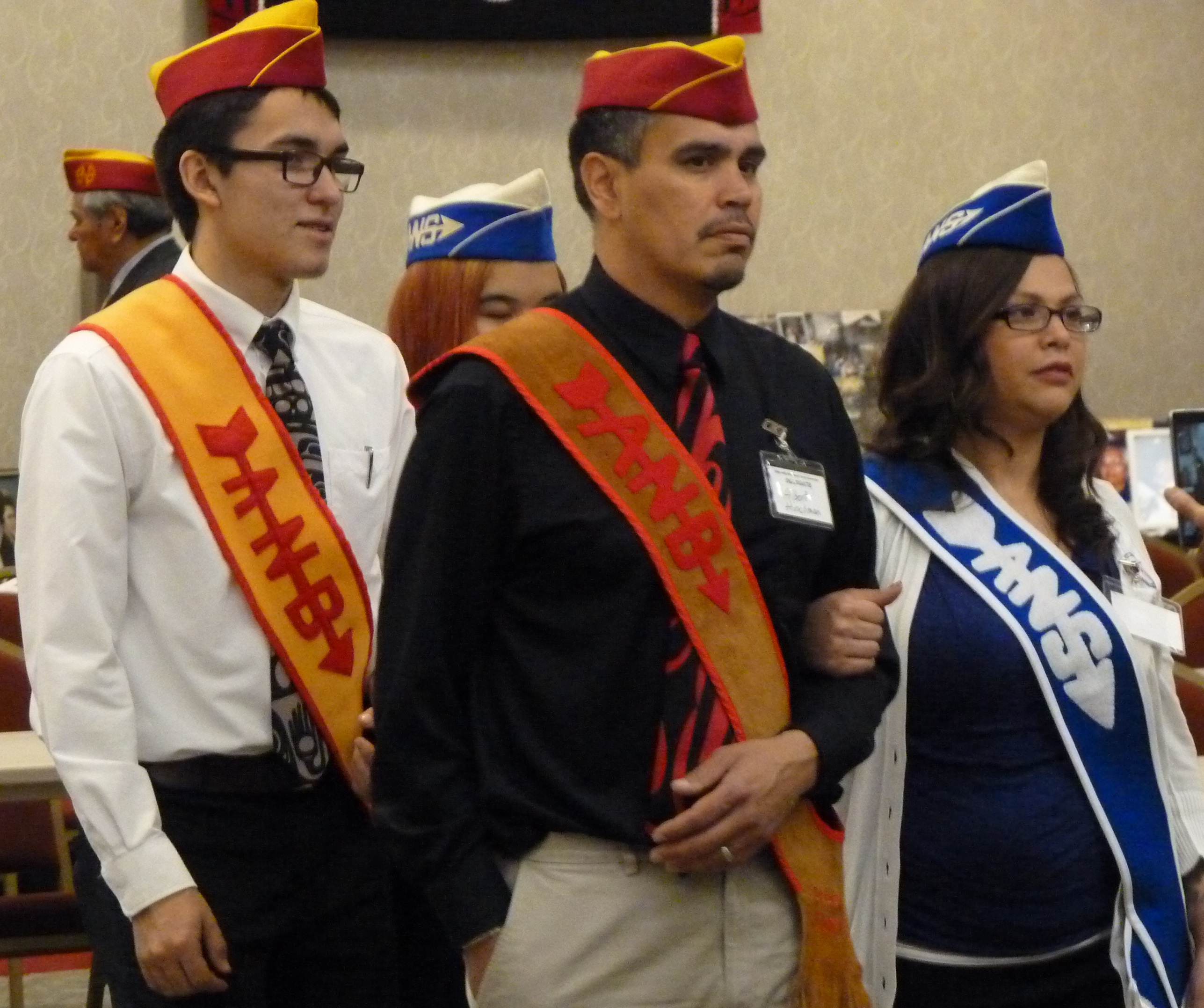
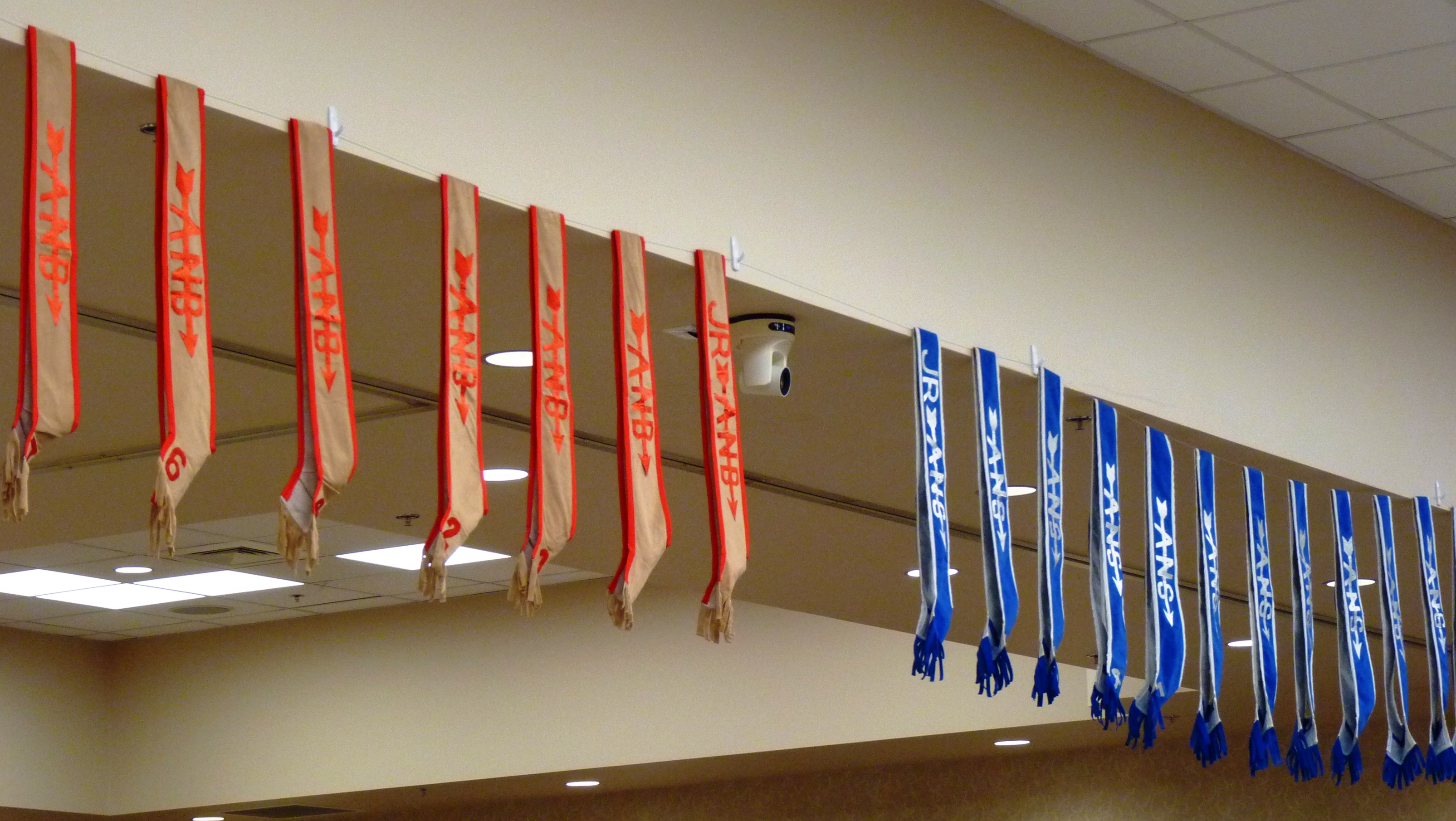
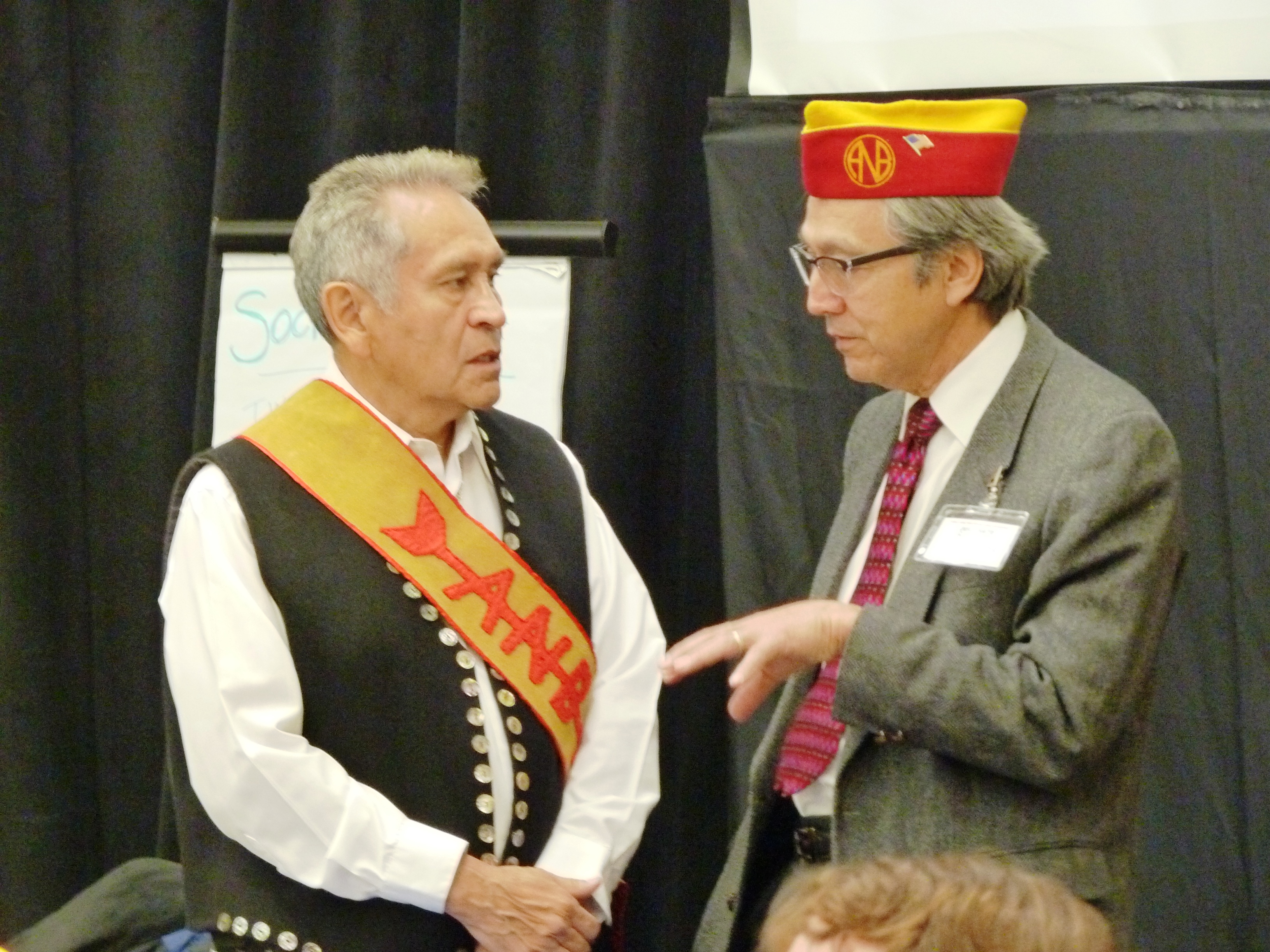
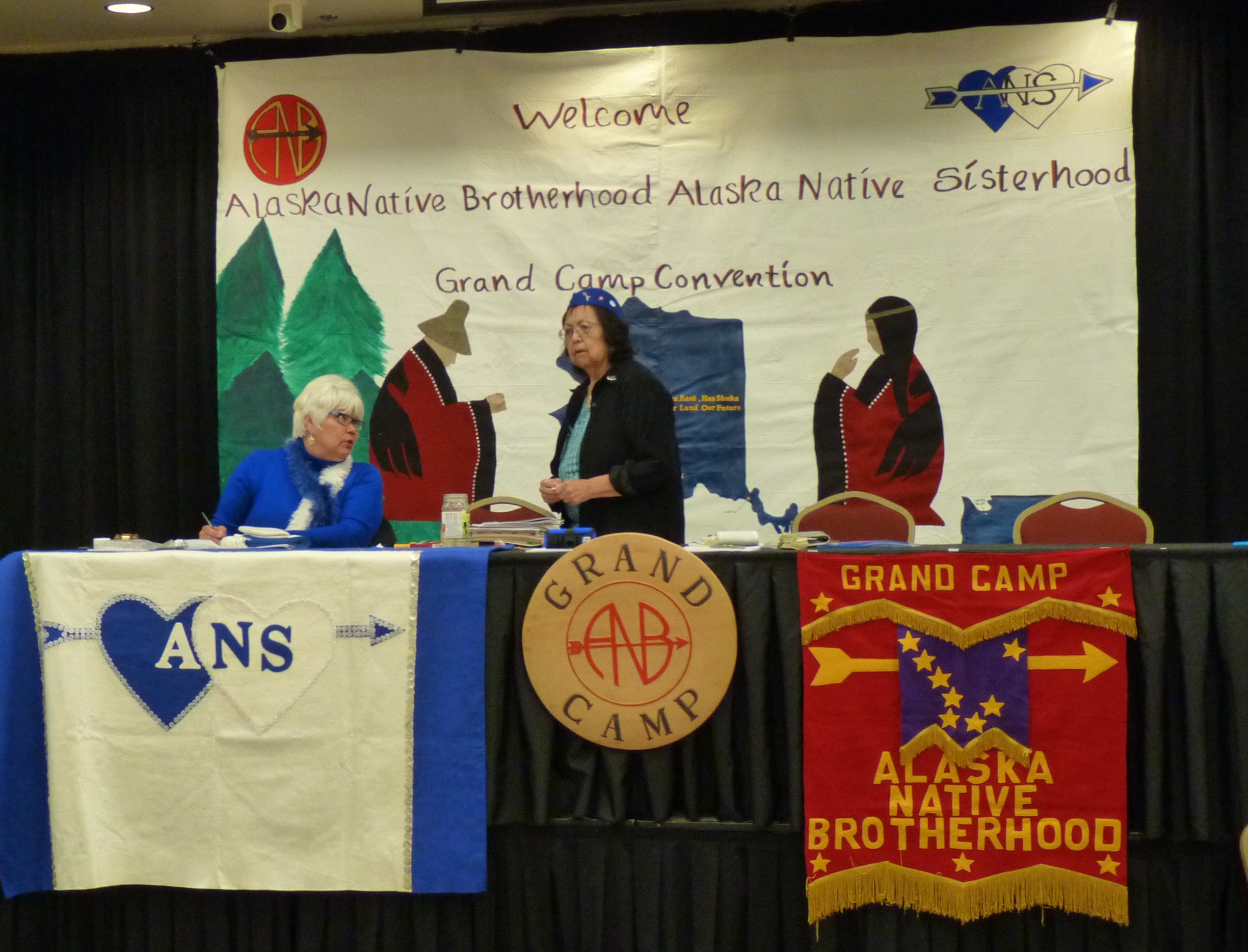
That’s the result of leadership elections held at the recent Alaska Native Brotherhood and Sisterhood Grand Camp Convention in Juneau.

The hundred-plus-year-old organizations have been trying to attract more youths and young adults.

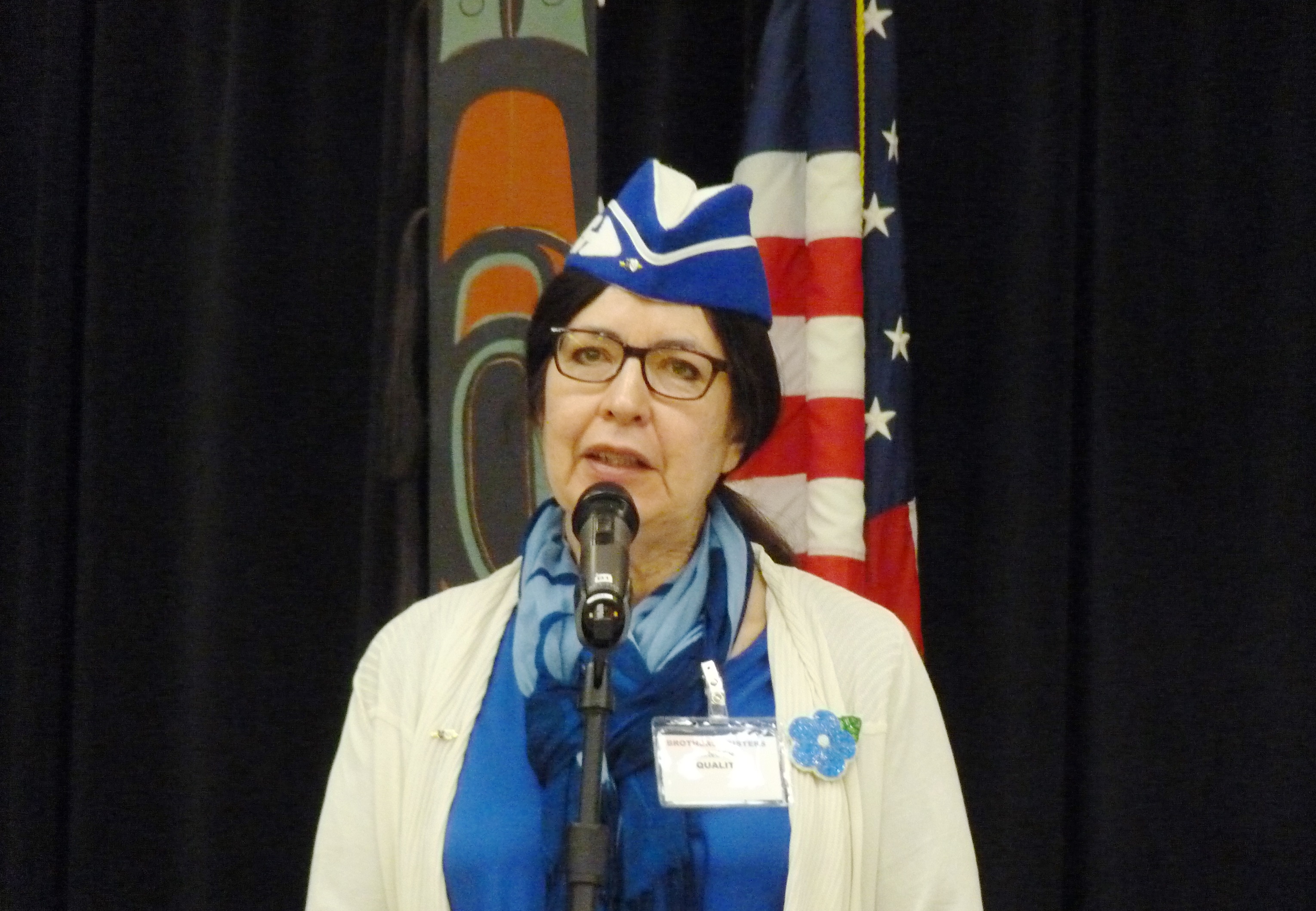
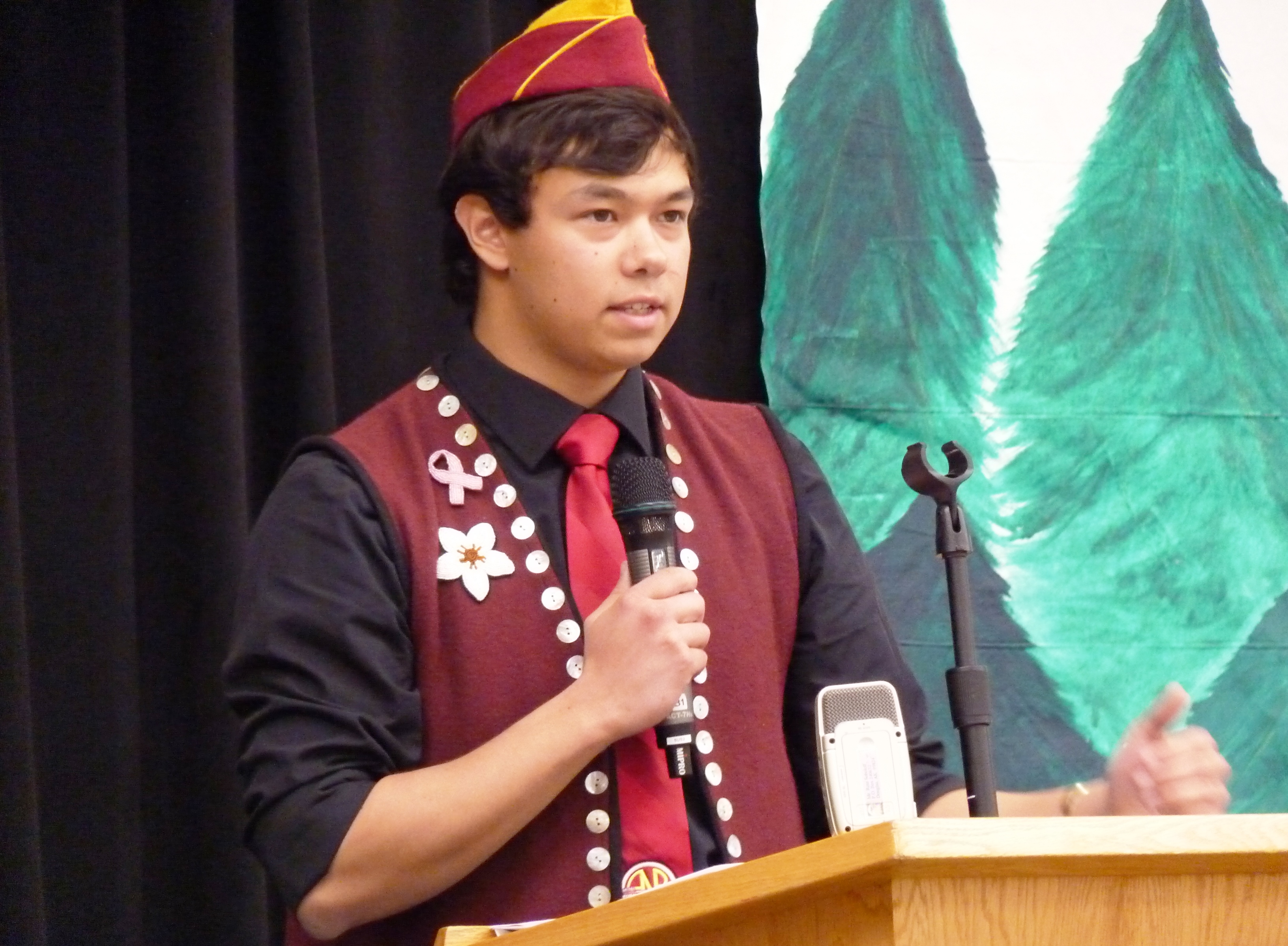
To highlight that effort, they chose Devlin Anderstom, 19, to be their keynote speaker.

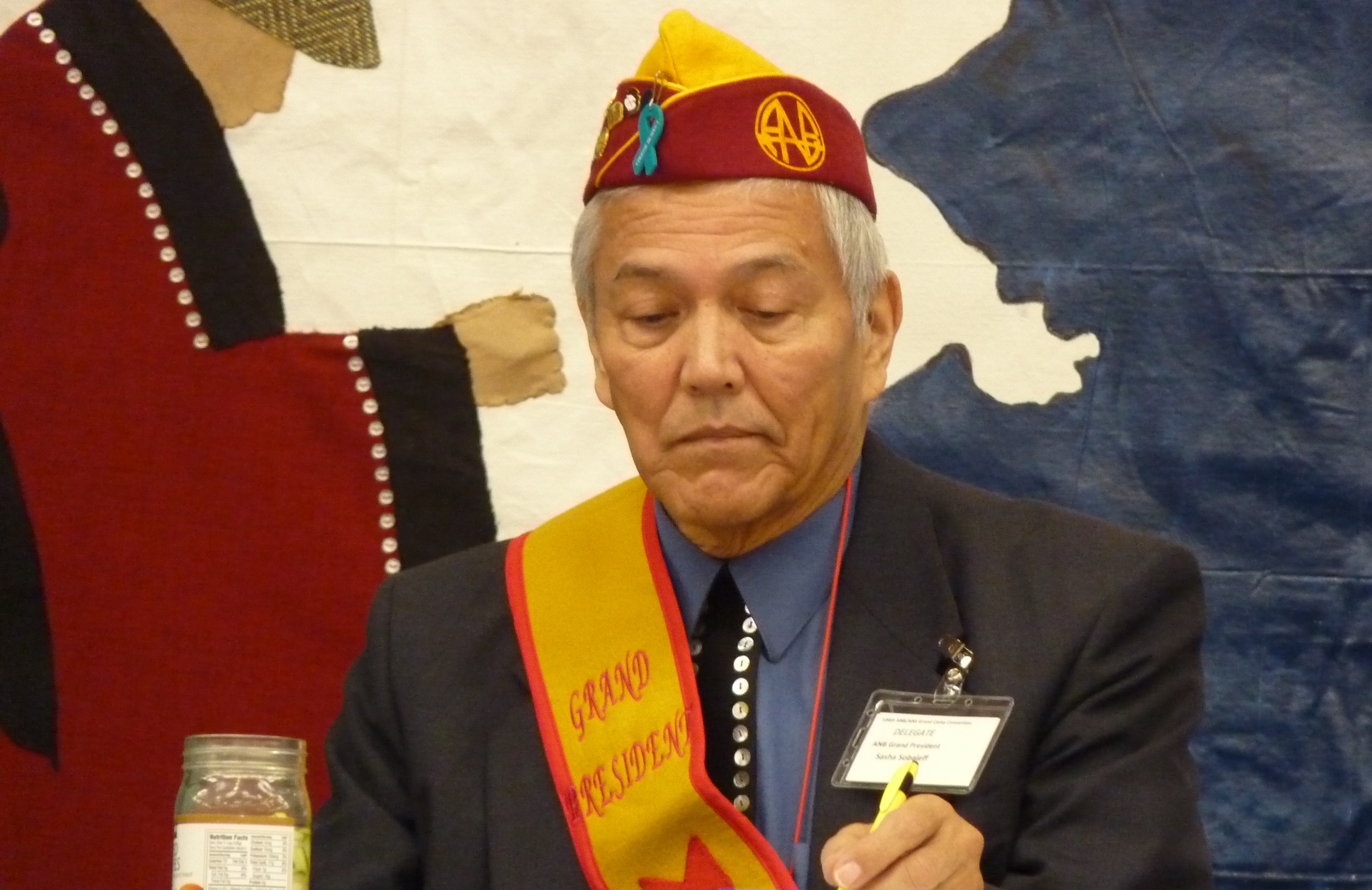
He’s already president of the brotherhood’s Yakutat camp. ANB Grand Camp President Sasha Soboleff said convention delegates elected him to regional office.

“His keynote speech … kind of set the tone for where these two organizations are headed, along with the realization that our young people, we need to make them integrally part of our organizations,” he said. “And with his election as grand secretary, which is a pretty high-profile office, put him right smack dab where he should be.”

Many ANB and ANS members are in their 50s, 60s or 70s.

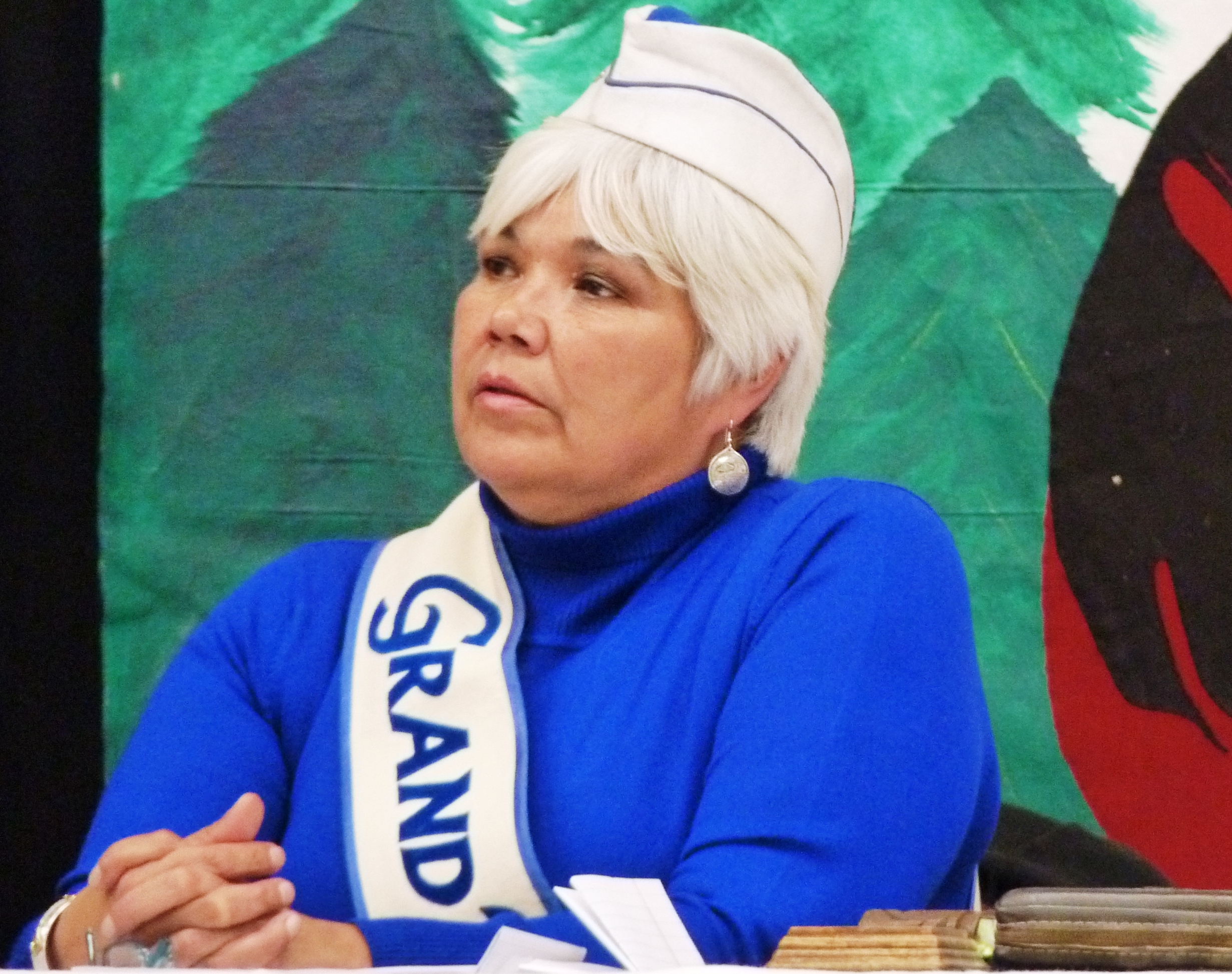
Alaska Native Sisterhood Grand Camp President Cecelia Tavoliero said delegates elected two members of the next generation to her group’s regional leadership.

They’re ANS Sitka camp President Paulette Moreno and fellow Sitkan Heather Powell.

“They wish to work with young people and to get them involved in helping the communities where they live, and active and involved in Alaska Native Brotherhood and Alaska Native Sisterhood,” she said.

Tavoliero and Soboleff pointed to other members in their 20s and 30s who attended the convention, held Oct. 5-8.

“The work that we had set about the year before was to bring young people and the camps that have not been active back,” he said. “We worked on that and got a couple more camps back that we didn’t have before.”

Soboleff was re-elected to his position. Tavoliero was newly elected, though she served in the post about a dozen years ago.

She said her priorities include continuing to focus on the potential dangers of British Columbia mines on rivers that flow into Alaska.

They also include education, targeting elementary students who are learning to read.

“In order to help them, we’d like to see some reading programs developed in the schools for some of our sisterhood members to go in and either listen to them read or reading to them,” she said.

The Brotherhood and Sisterhood are civil-rights and culture-bearing organizations. They’re also Christian groups.

Tavoliero said promoting faith is also a priority.

“What I want our sisters to do is to be in constant prayer for the whole state of Alaska and for our nation,” she said. “We surely do need it as a nation.”

The convention included consideration of changes to the organizations’ constitution and structure. Official results were not immediately available.

Hear Devlin Anderstrom’s keynote speech: 

Tribe explores ‘self-determination’ options in downtown Craig

Indian law is often complicated and obscure. But one bit of Indian law just got a lot more concrete for the Southeast community of Craig: the concept of land into trust. The Craig Tribal Association is the first Alaska tribe to apply to put property in trust with the federal government.

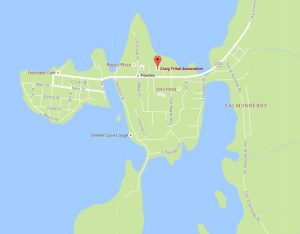
The Craig Tribal Association building is in the center of Craig. (Image: Google)

The tribe wants to place slightly over one acre in trust. It’s in downtown Craig, and it’s the building that houses the tribal offices. It’s zoned commercial and parts of it are leased to others. It also has a big hall the tribe rents for weddings and dinners.

Craig Tribal President Clinton Cook, Sr. says if the Interior secretary agrees to take the tribe’s building and the adjacent parking lot into trust, the tribe of about 450 will be better able to chart its own future.

“The goal for all tribes is to be able to be self-determined, away from the state and municipality telling you what you can do with you land,” he said.

Tribal lands held in trust have a legal status similar to Lower 48 reservations. Trust lands are free of some state and local regulations, though exactly which is a complicated question. Cook says the tribe has no plans to change the use of the property, but they have pondered some ideas. Among those ideas is gaming.

“There’s really no gaming in Craig, because … you have to file through the state and city, and get a gaming license and you’re subject to a lot of taxes,” he said. “Land-into-trust will eliminate a lot of tax burden on a casino or a gaming (operation).”

Cook says they’ve also thought about retail opportunities.

“The marijuana business is something that has been touched upon by our tribal council,” he said. “But just talking about it. It doesn’t mean we’re going that way. It means it will allow us to do this, with land into trust.”

The federal rules allowing Alaska land-in-trust have been on hold due to a legal challenge. But the state dropped its opposition, opening the door for tribes to begin applying.

Cook says he thinks the BIA officially received the Craig application first because there’s little or no opposition in the city of Craig, which has a population of about 1,200. The tribal president says he doesn’t know if the municipality objects. The city already exempts nonprofit enterprises, including the tribe, from its tax rolls, so he doesn’t think the city would be hurt by the change.

The Craig city administrator declined to be interviewed for this story, saying he wanted to hear the tribe’s intentions first.

The idea of having pockets of Indian Country around Alaska is certainly controversial in some circles. Don Mitchell is an Anchorage attorney and author. He’s become the arch-enemy of many Native advocates because he disputes Congress intended to accord the legal status tribal sovereignty on Alaska Native communities. He says the Craig application illustrates that the potential impact isn’t just to distant acreage.

“One thing that people do not understand is the statute gives the secretary the authority to take title into trust of any land, located anywhere,” Mitchell said. “So in this case, the first example out of the block is down in the Southeast Alaska community of Craig. It could just as easily be in downtown Anchorage.”

The BIA has asked for comments on the Craig proposal. The agency is accepting them through the first week of November.

Site notifications
Update notification options
Subscribe to notifications