The Navy will scan Kodiak and Unalaska waters for World War II-era munitions using underwater drones next month, as part of an ongoing effort to eventually remove the explosives.
What could happen and whether the historic weapons would detonate is unclear.
Navy public affairs officer Leslie Yuenger explains how someone’s treasured artifact – collected on a casual dive – may actually deserve a 911 call.
“The Coast Guard will come out with the local police department to remove anything that may cause them harm,” Yuenger said. “I know a lot of people think these are really cool things to have, like a trophy from their underwater time out there, but it’s really not worth the risk.”
The U.S. government has noted the possible risk for a while.
Yuenger said in 1941 President Franklin Roosevelt signed executive orders which established naval defensive sea areas around the islands of Kodiak, Kiska and Unalaska.
Past military operations may have had “certain environmental impacts” on those areas.
The government followed up in 2000 with another piece of legislation.
“The National Defense Authorization Act required all U.S. Department of Defense activities to establish a program to address the potential explosive safety, health and environmental issues caused by these munitions that may have been left over from WWII,” Yuenger said.
The Navy is doing its part to locate and remove the explosives, mostly for safety reasons, Yuenger said.
“What we’re seeing is that because it’s within the shallower waters, that it may actually be more of a hazard to inquisitive people,” Yuenger said. “And we want to make sure that we know everything’s that down there so that we can plan the future as to how to protect the public from stumbling across something that they’re not familiar with.”
Yuenger said they selected their survey areas in 2014. In 2015, they arrived with some surveying equipment, but the area size, equipment issues, and weather conditions made them turn back before completion. She says this summer they’ll continue the process and do a site investigation.
The first phase will be scanning the area with an unmanned underwater vehicle and using what is essentially a camera.
“It’d be like a very grainy black-and-white photo of an object that’s got some kind of metallic resonance and would show you something like you would for a sonogram of a fetus, so you just have (a) black-and-white structure that you’re trying to figure out what it really is,” Yuenger said.
Yuenger said if they find an object they suspect to be an explosive or weapon, they’ll send down a smaller remotely operated vehicle with a more advanced camera.
Cabinet-card portrait of brain-injury survivor Phineas Gage (1823–1860), shown holding the tamping iron which injured him. Wikimedia
It took an explosion and 13 pounds of iron to usher in the modern era of neuroscience.
In 1848, a 25-year-old railroad worker named Phineas Gage was blowing up rocks to clear the way for a new rail line in Cavendish, Vt. He would drill a hole, place an explosive charge, then pack in sand using a 13-pound metal bar known as a tamping iron.
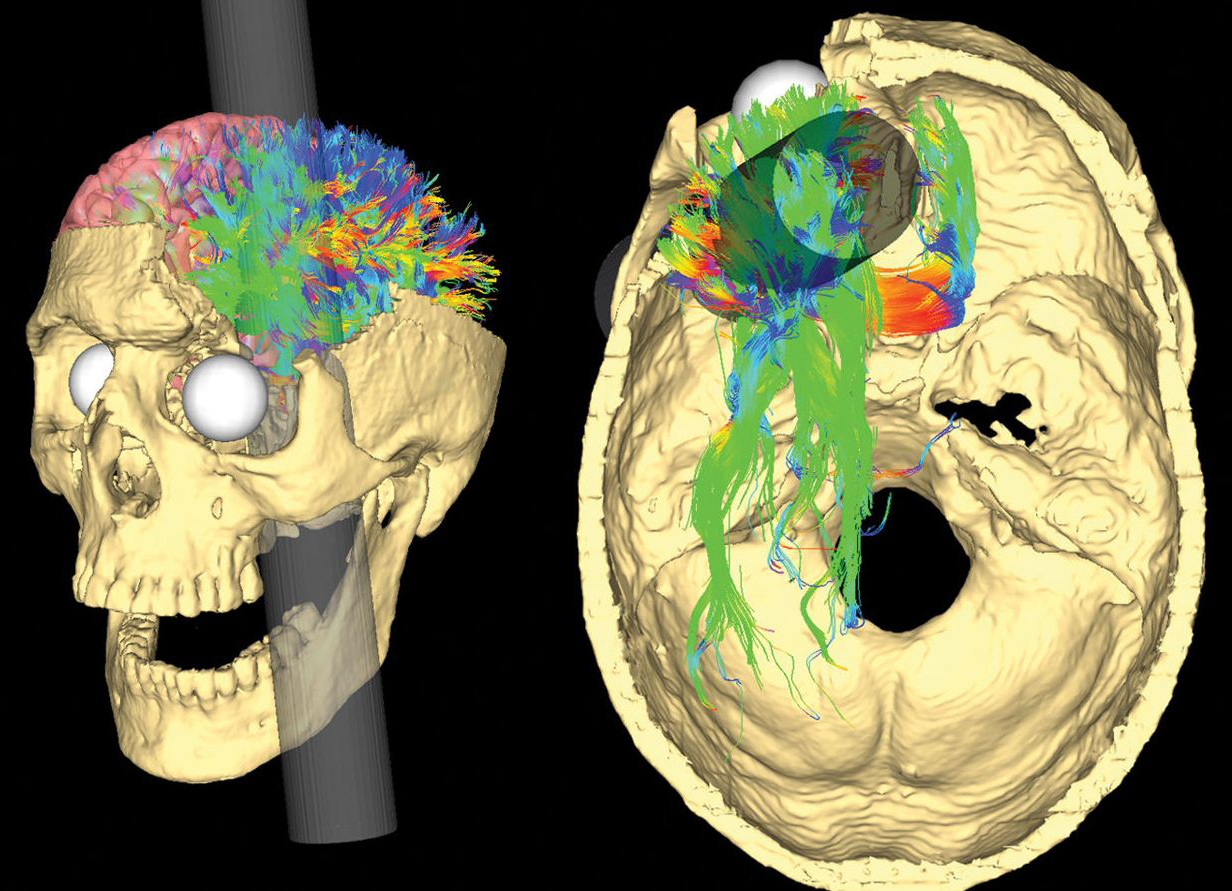
But in this instance, the metal bar created a spark that touched off the charge. That, in turn, “drove this tamping iron up and out of the hole, through his left cheek, behind his eye socket, and out of the top of his head,” says Jack Van Horn, an associate professor of neurology at the Keck School of Medicine at the University of Southern California.
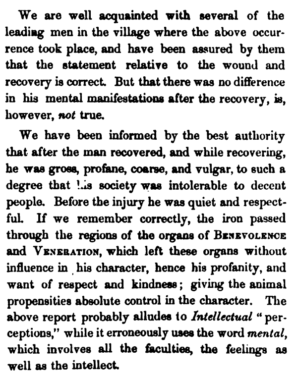
Gage didn’t die. But the tamping iron destroyed much of his brain’s left frontal lobe, and Gage’s once even-tempered personality changed dramatically.
“He is fitful, irreverent, indulging at times in the grossest profanity, which was not previously his custom,” wrote John Martyn Harlow, the physician who treated Gage after the accident.
This sudden personality transformation is why Gage shows up in so many medical textbooks, says Malcolm Macmillan, an honorary professor at the Melbourne School of Psychological Sciences and the author of An Odd Kind of Fame: Stories of Phineas Gage.
“He was the first case where you could say fairly definitely that injury to the brain produced some kind of change in personality,” Macmillan says.
And that was a big deal in the mid-1800s, when the brain’s purpose and inner workings were largely a mystery. At the time, phrenologists were still assessing people’s personalities by measuring bumps on their skull.
Gage’s famous case would help establish brain science as a field, says Allan Ropper, a neurologist at Harvard Medical School and Brigham and Women’s Hospital.
“If you talk about hard core neurology and the relationship between structural damage to the brain and particular changes in behavior, this is ground zero,” Ropper says. It was an ideal case because “it’s one region [of the brain], it’s really obvious, and the changes in personality were stunning.”
So, perhaps it’s not surprising that every generation of brain scientists seems compelled to revisit Gage’s case.
For example:
In the 1940s, a famous neurologist named Stanley Cobb diagrammed the skull in an effort to determine the exact path of the tamping iron.
In the 1980s, scientists repeated the exercise using CT scans.
In the 1990s, researchers applied 3-D computer modeling to the problem.
And, in 2012, Van Horn led a team that combined CT scans of Gage’s skull with MRI scans of typical brains to show how the wiring of Gage’s brain could have been affected.
“Neuroscientists like to always go back and say, ‘we’re relating our work in the present day to these older famous cases which really defined the field,’ ” Van Horn says.
And it’s not just researchers who keep coming back to Gage. Medical and psychology students still learn his story. And neurosurgeons and neurologists still sometimes reference Gage when assessing certain patients, Van Horn says.
“Every six months or so you’ll see something like that, where somebody has been shot in the head with an arrow, or falls off a ladder and lands on a piece of rebar,” Van Horn says. “So you do have these modern kind of Phineas Gage-like cases.”
There is something about Gage that most people don’t know, Macmillan says. “That personality change, which undoubtedly occurred, did not last much longer than about two to three years.”
Gage went on to work as a long-distance stagecoach driver in Chile, a job that required considerable planning skills and focus, Macmillan says.
This chapter of Gage’s life offers a powerful message for present day patients, he says. “Even in cases of massive brain damage and massive incapacity, rehabilitation is always possible.”
Gage lived for a dozen years after his accident. But ultimately, the brain damage he’d sustained probably led to his death.
He died on May 21, 1860, of an epileptic seizure that was almost certainly related to his brain injury.
Gage’s skull, and the tamping iron that passed through it, are on display at the Warren Anatomical Museum in Boston, Mass.
Copyright 2017 NPR. To see more, visit http://www.npr.org/.
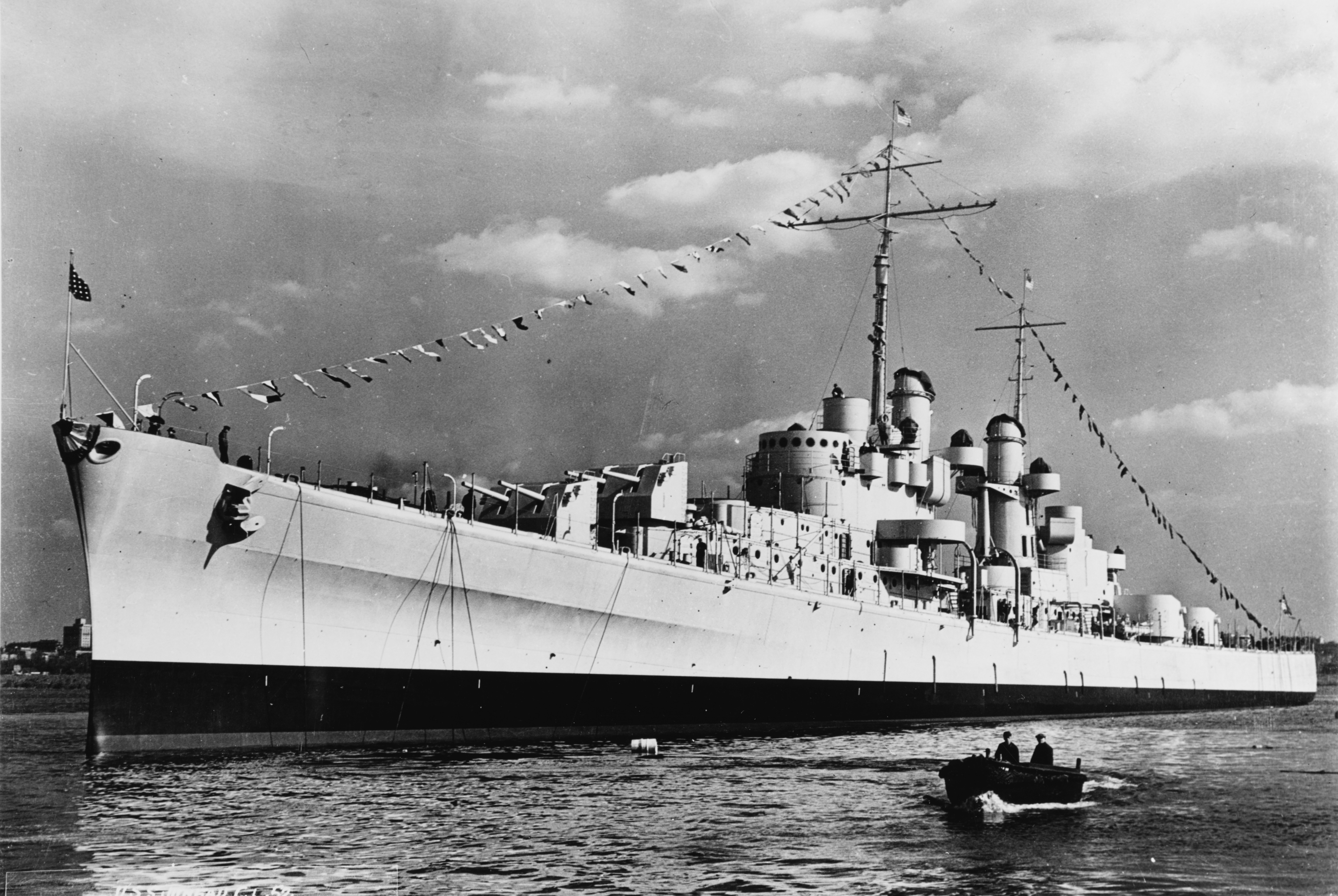
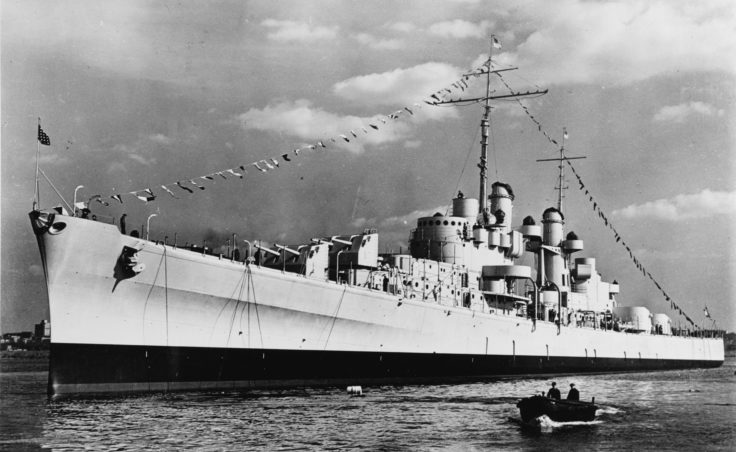
The USS Juneau afloat just after being launched at the Federal Shipbuilding Company yard in Kearny, New Jersey, on Oct. 25, 1941. (Public domain photo courtesy Bureau of Ships Collection/U.S. National Archives)
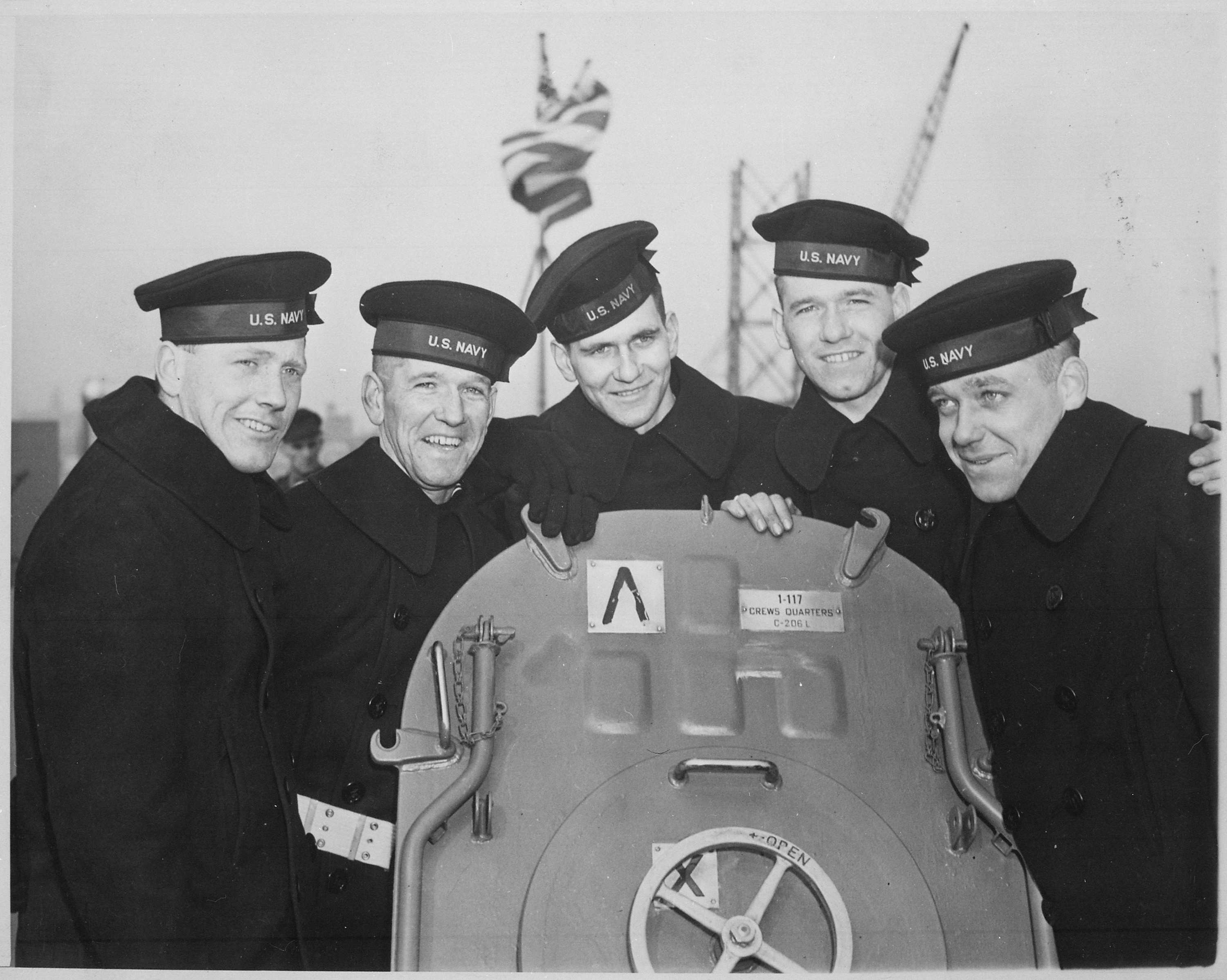
The five Sullivan brothers were all killed in the World War II sinking of the U.S.S Juneau on Nov. 13, 1942. From left to right: Joseph, Francis, Albert, Madison and George Sullivan. (Public domain photo courtesy The National Archives)
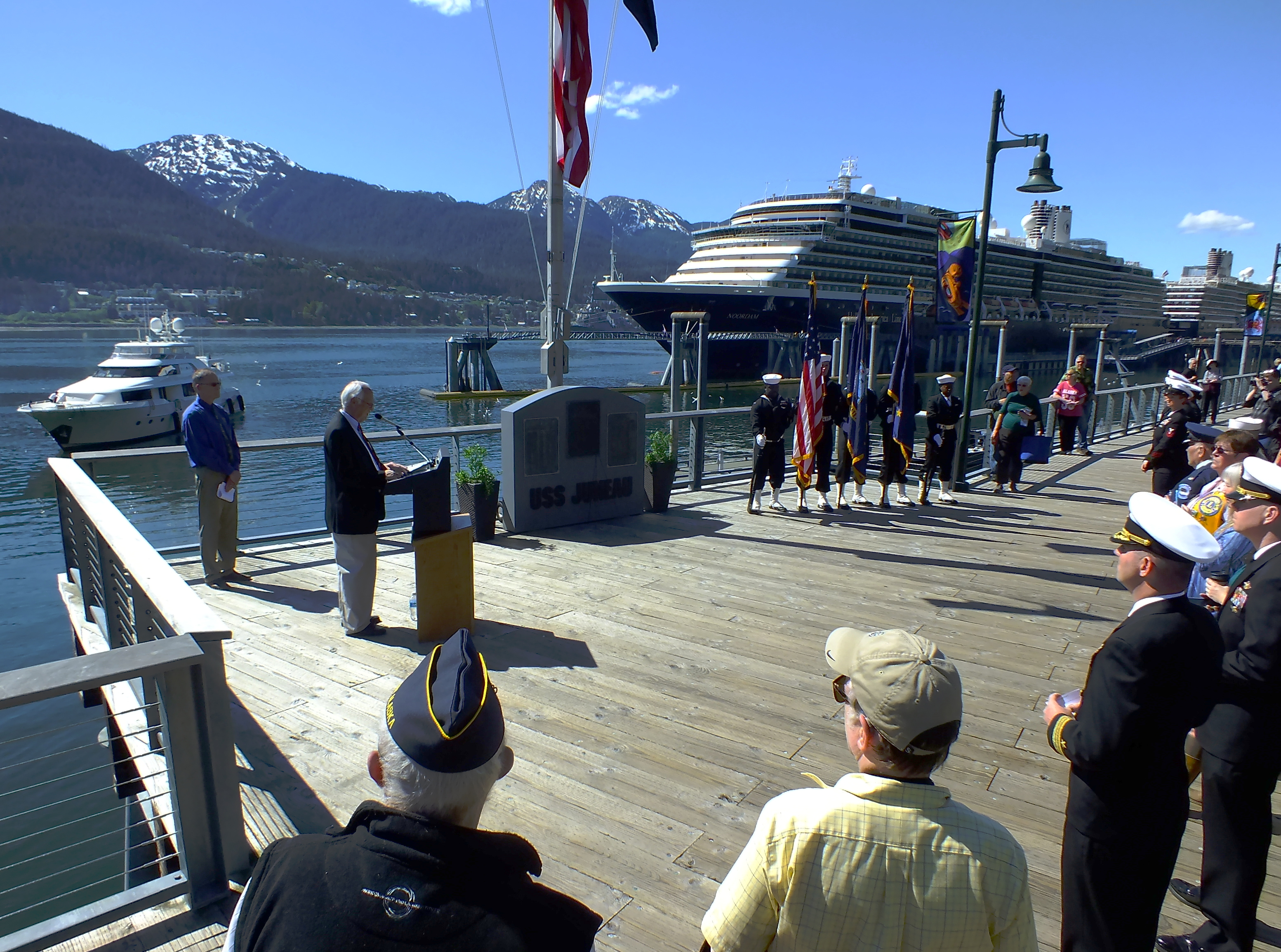
Juneau Mayor Ken Koelsch speaks during a memorial service for the USS Juneau on the downtown waterfront on Tuesday, May 16, 2017. Juneau Port Director Carl Uchytil listens at far left. (Photo by Matt Miller/KTOO)
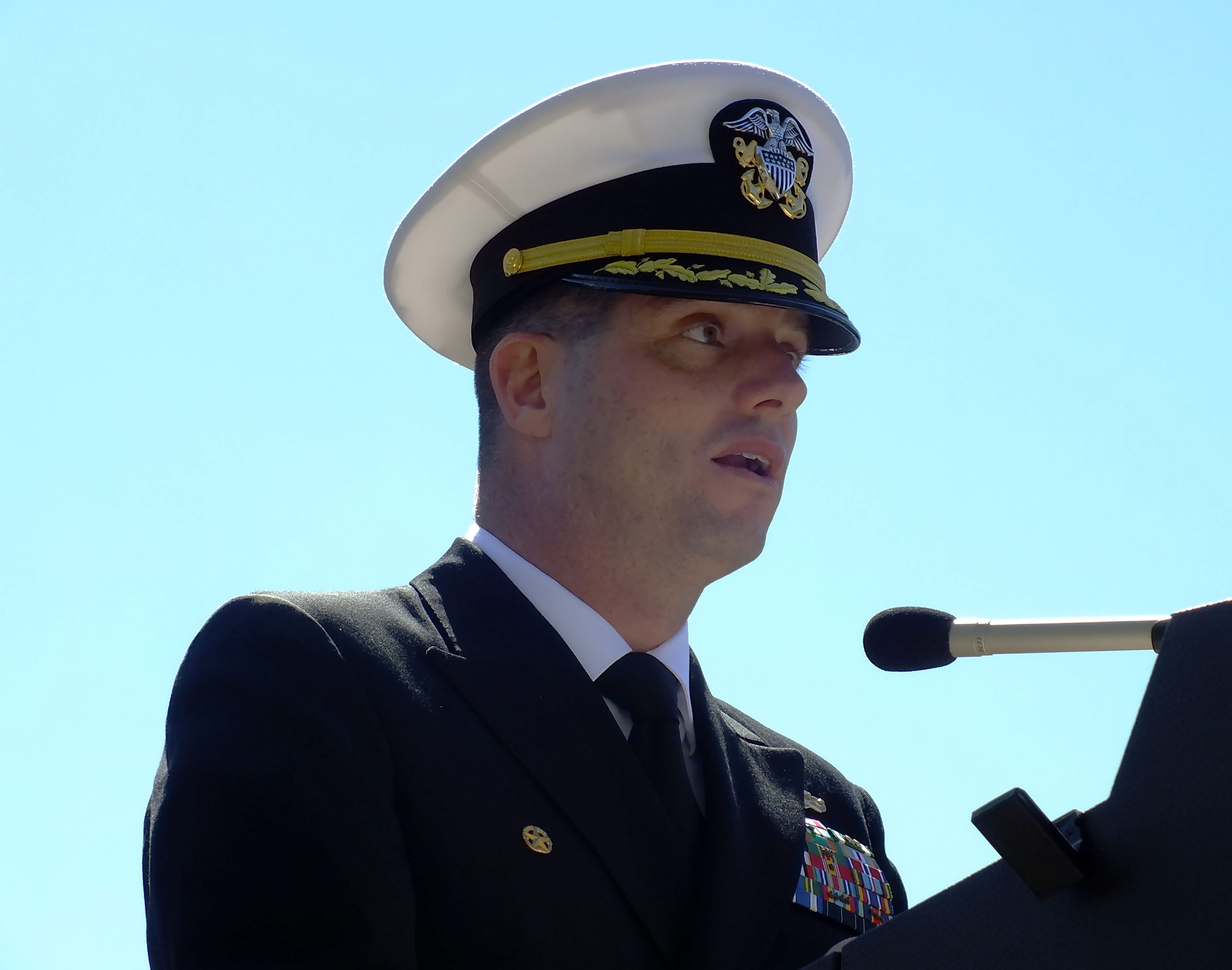
Cmdr. Colby Sherwood, commanding officer of the USS O’Kane, speaks during a memorial service for the USS Juneau on the downtown waterfront on Tuesday, May 16, 2017. (Photo by Matt Miller/KTOO)
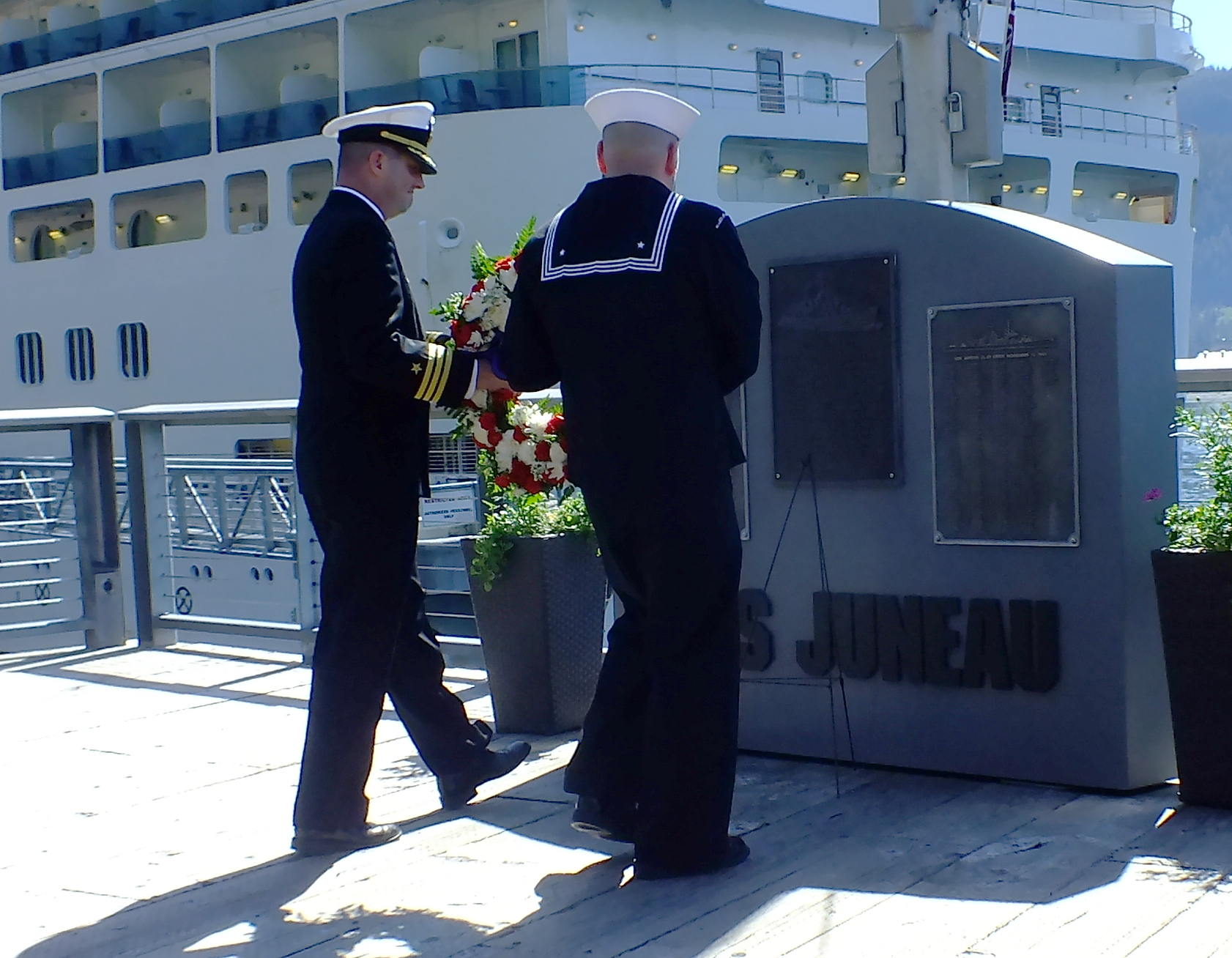
Representatives of the officers and crew from the USS O’Kane place a wreath at the memorial for the USS Juneau on the downtown waterfront on Tuesday, May 16, 2017. (Photo by Matt Miller/KTOO)
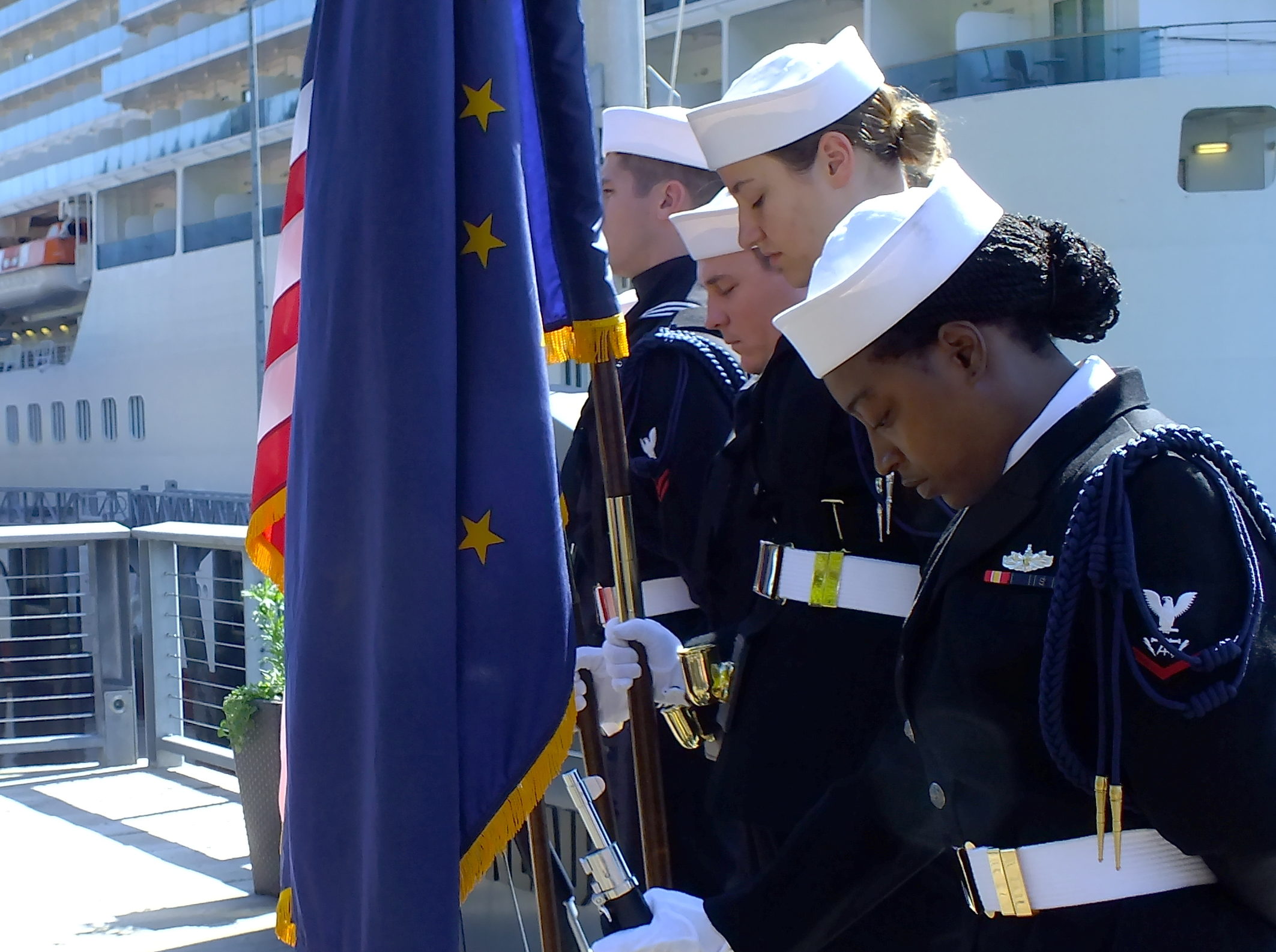
Members of the USS O’Kane color guard bow their heads during the benediction at Tuesday’s memorial service for the USS Juneau. (Photo by Matt Miller/KTOO)
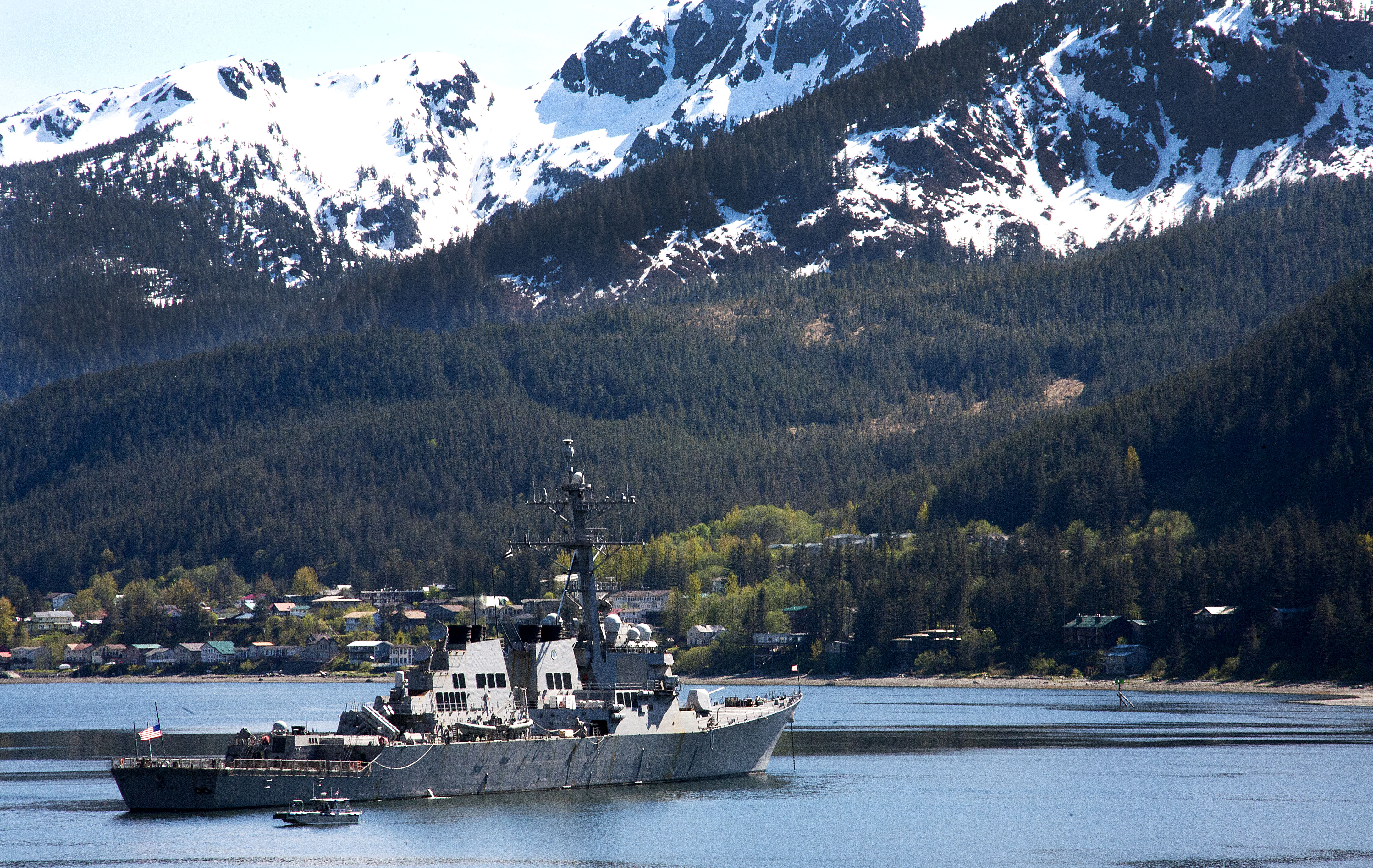
The U.S. Navy destroyer USS O'Kane and its 281-member crew sits in the Gastineau Channel near downtown Juneau on Monday, May 15, 2017. The O'Kane is on a five-day stay in Alaska's capital city, moored offshore. The ship is 505-feet wide ship was commissioned on Oct. 23, 1999. (Photo by Tripp J Crouse/KTOO)
Crew from the USS O’Kane, a U.S. Navy Arleigh Burke-class Aegis destroyer making a port call in Juneau this week for rest and relaxation, paid their respects on Tuesday to the sailors who died during the sinking of the USS Juneau.
The USS Juneau was a light cruiser that participated in the battle of Guadalcanal, one of the fiercest naval battles of World War II. When the vessel was torpedoed and sunk on Nov. 13, 1942, 687 sailors perished.
Only 10 sailors survived shark attacks and exposure after eight days in the water. Among the dead were five Sullivan brothers.
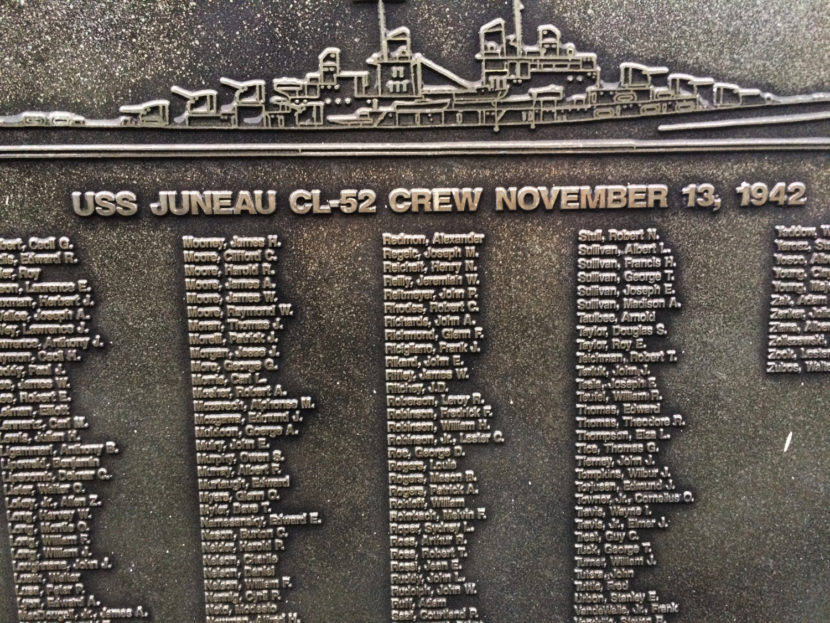
A memorial for the USS Juneau on the downtown waterfront includes the names of the vessel’s crew.
The five Sullivan brothers weren’t the only set of brothers who perished during the sinking of the USS Juneau, but they were certainly the most famous. After their deaths, most service branches implemented a policy of allowing service exemptions for sole survivors of a family. (Photo by Matt Miller/KTOO)
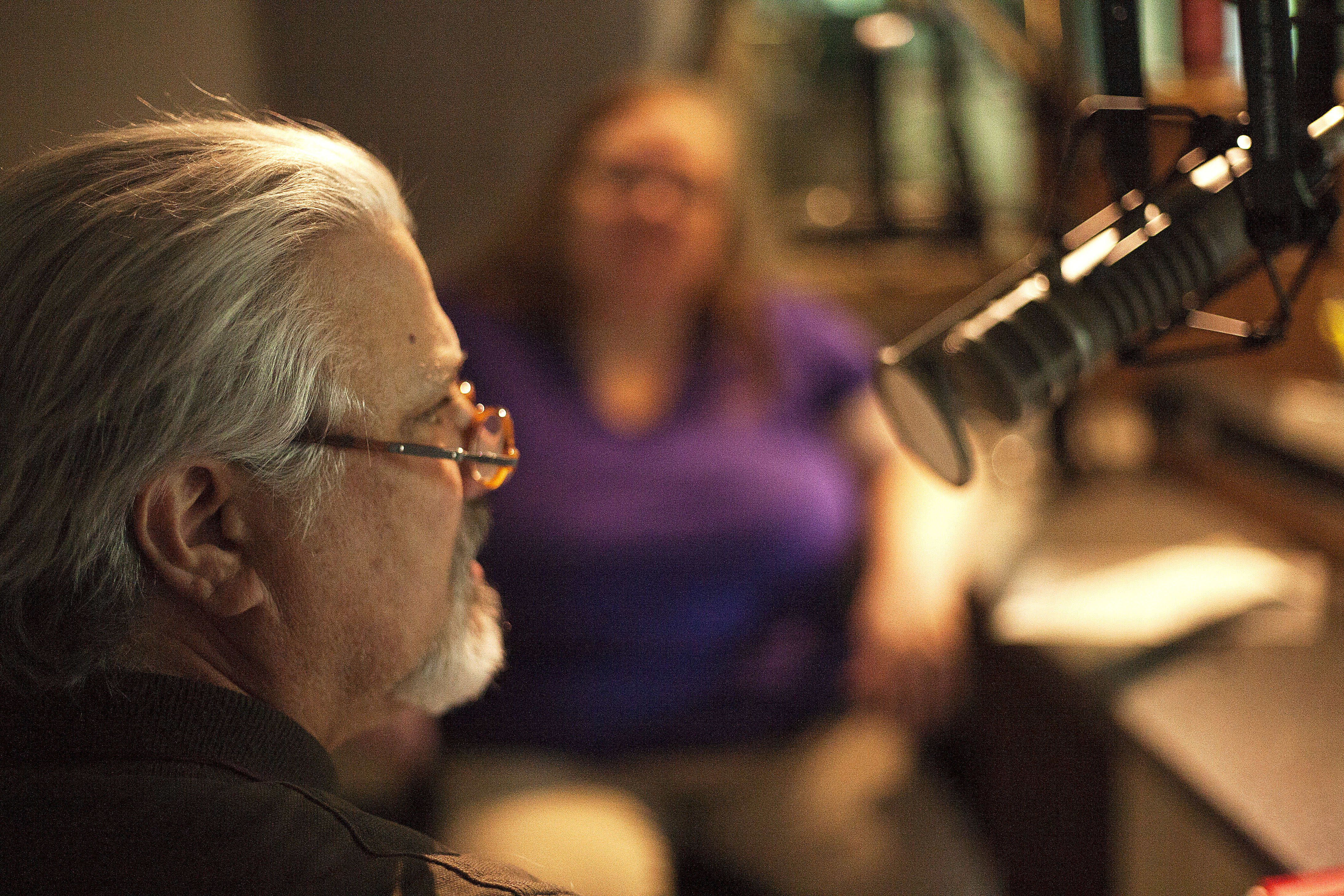
Mark Whitman tells Kathy Buell about the life of China Joe, a Chinese immigrant who settled in Juneau and was the only Chinese person in the city after a mob ran all the others out of town. (Photo by Tripp J Crouse/KTOO)
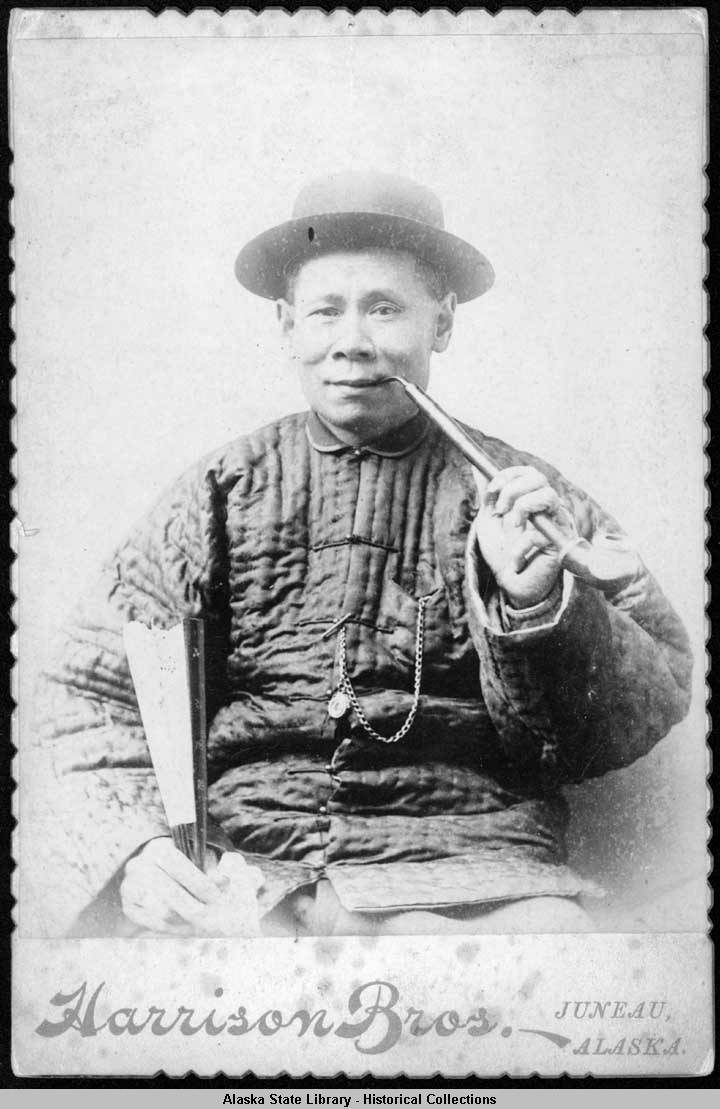
Mark Whitman has an annual tradition on May 18, the day a prominent Juneau man died. He goes down to Evergreen Cemetery, finds a specific grave marker, and smokes a cigar. He’ s remembering how the generosity of a person known as China Joe had such a huge impact over our early city.
Curious Juneau stars you and your questions. Every episode we help you find an answer. Catch up on past episodes, or ask your own question on the Curious Juneau page.
Listen to the podcast version here:
Whitman has lived in Juneau for much of the last 37 years. He’s researched China Joe for about 20 years, and is largely responsible for the State Library, Archives and Museum’s small collection on him.
His interest began in the former Biliken Bar on Douglas when he found a photo of a Chinese man smiling. Fair warning: Whitman uses term considered offensive when he recalls Joe’s life.
“I probably had one drink too many and I looked over and I saw that photo of and felt like there was a Chinaman smiling at me,” Whitman said.
China Joe lived a life of generosity during his time in America. That generosity endeared him in the hearts of Juneau’s early pioneers enough to save him from a rabid, anti-Chinese mob.
Whitman’s take on Joe is based off of old newspaper clippings and legal documents. He said Joe was part of a larger immigration wave of Chinese workers that came to America in the 1800s. Many were fleeing turmoil and rebellion in their home lands, and came to America to make a better life with the hopes of returning one day or sending money back to their families.
Whitman said the American West was expanding. Railroads needed labor to expand, and an influx of Chinese provided plenty of it.
“There weren’t a lot of people who were willing to climb into a straw basket and be hung over a cliff of black granite with dynamite to blow the passage for the railroad to get through,” he said. “The Chinese did that and did the work that no other person would do.”
Whitman said China Joe came to North America in 1864, arriving in Victoria, British Columbia. Joe later moved to Boise, Idaho, where he learned Western cooking and baking.
In 1874, Whitman said, China Joe was working in a mining camp at Dease Lake during the Cassiar gold rush, when tragedy struck. The river froze and no steamboats were unable to deliver supplies.
“A horrible winter hit, … 60 below zero, no food is going to make it up there. The men knew they were probably going to starve.”
Whitman said China Joe called a meeting in the camp.
“He told every man, ‘You can have flour, all you need till spring. I’m not marking the price up, when you get the money in the spring you can pay me back then.’ Everyone was all the same to him, he basically made sure that they made it through that winter.”
Whitman said in 1878, he moved to Wrangell. He had a riverboat named Hope on which he built a boarding house. He later moved to Sitka and ran a bakery.
“That’s the same pattern he followed when he got here,” Whitman said.
In 1881, Joe moved to Juneau, where he opened the city’s first bakery on the corner of 3rd and Main streets.
“He knew Western cooking,” Whitman said. “He’d fit right in with artisan baking today. He had a brick oven built, he was baking sourdough bread on a three-day cycle in that oven which was connected to his log cabin there.”
And the tales of Joe’s generosity grew.
“I think what’s important to see is that China Joe associated himself with the first circle of Juneau. … Every Chinese New Year, China Joe would open up his log cabin for three days. He would have food laid out in a buffet, everything from roast beef to chicken to special candied ginger from China. He’d also lay out Cuban cigars, and it didn’t matter if you were man or woman, you could come in.”
Whitman said Joe loved to give the schoolchildren cookies.
“In a way over the years, China Joe truly has belonged to us. I’m not saying as a possession, but the generosity,” Whitman said. “It’s the idea that when you have something and people are suffering, you share with them. He learned that from China forward.”
Joe’s generosity and adherence to the Golden Rule very well could have saved his life. During the expansion in the American West, the sentiment toward Chinese immigration soured.
“After the railroads were built we went into an economic panic or depression. An easy scapegoat was to say it was the Chinese. So they passed the Exclusion Act of 1882 and they started to cut their pigtails off and shoot them and do all kinds of horrible things after they had built the railroads for us.”
The Chinese Exclusion Act was the culmination of the anti-Chinese attitude that swept through the Lower 48 and into Alaska. The act prevented Chinese from immigrating to the U.S. Riots such as one in Rocksprings, Wyoming, turned violent.
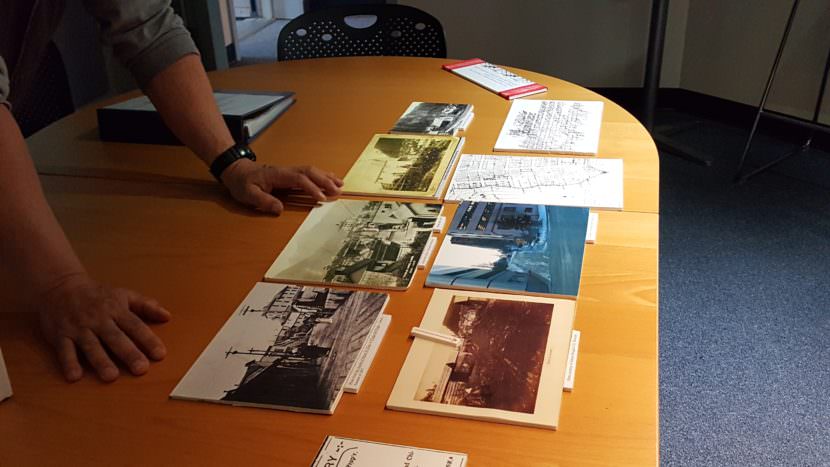
Mark Whitman shows Kathy Buell a collection of images documenting the life of Chew Chung Thui, more commonly known as China Joe. Joe was a Chinese immigrant who settled in Juneau and owned a bakery. In 1882, Congress passed the Chinese Exclusion Act, suspending Chinese immigration for 10 years, and an anti-Chinese sentiment ran all but Joe out of town. (Photo by Tripp J Crouse/KTOO)
“Lots of Chinese were killed,” Whitman said. “A lot of conflict between the Irish railroad workers and the Chinese, and that spilled over with the miners here. Every Chinaman who was in Juneau in 1886 was shoehorned on to two schooners at gunpoint, and told to leave or be killed,” he said. “But there was one Chinaman, China Joe, who members of the community said, ‘You leave Joe alone, he belongs to us.'”
And so friends and family stood up for Joe, who became the only Chinese person in Juneau.
China Joe went on to live in Juneau until his death May 18, 1917. Whitman says police officers found him lying in bed on a blanket with his arms folded over his chest. He died of heart failure.
“In a land of treasure seekers, China Joe’s life remained a compass of true fortune, a generous heart that outweighs a mountain of gold,” Whitman said.
Whitman and local author Brett Dillingham had kept China Joe’s story alive in the past, performing a play about him they’d written. That play’s come and gone, but Whitman said now, Dillingham is working on a book about China Joe.
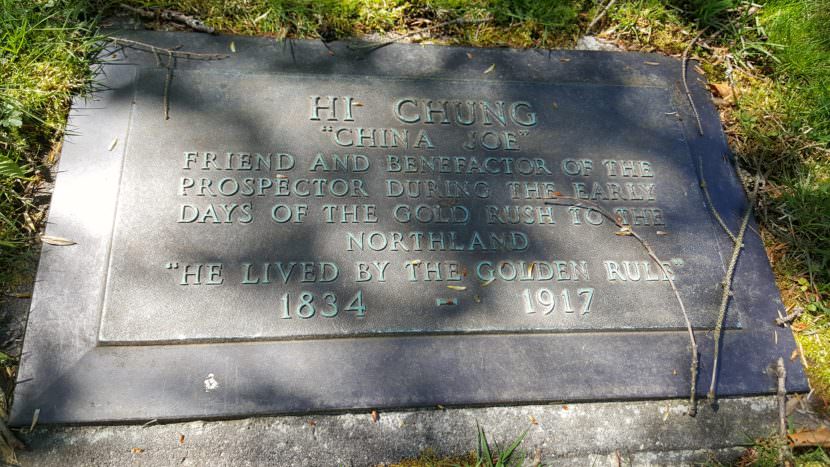
The grave marker for China Joe is located in the pioneer section of Evergreen Cemetery in Juneau. (Photo by Tripp J Crouse/KTOO)
Whitman says China Joe had several different names during his lifetime. The one on the bronze grave marker where Whitman will be smoking his cigar is Hi Chung. It’s in the pioneer section of the cemetery.
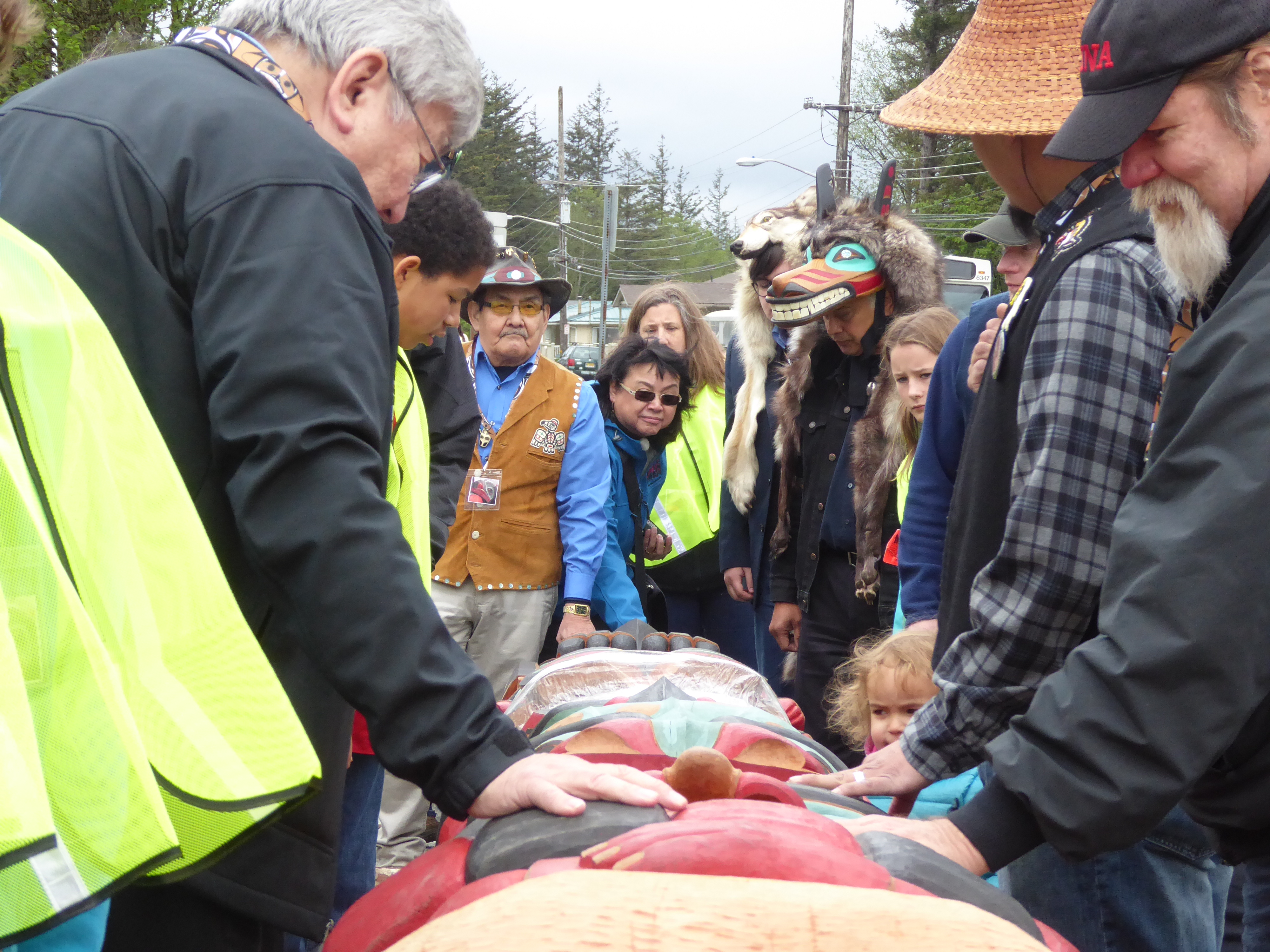
Attendees admire the Raven totem pole at the raising ceremony at Gastineau Elementary School on May 13, 2017. (Photo by Quinton Chandler/KTOO)
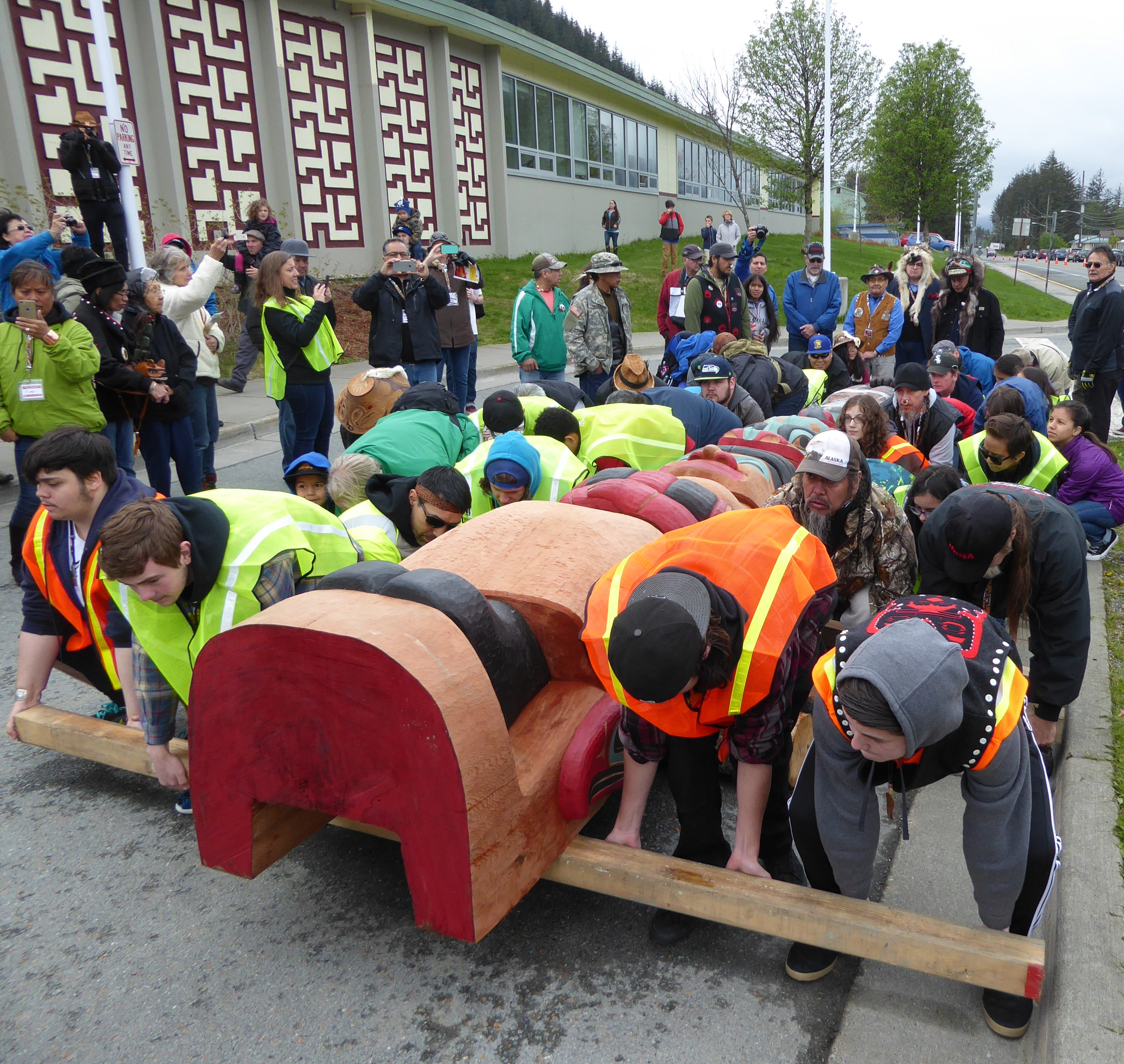
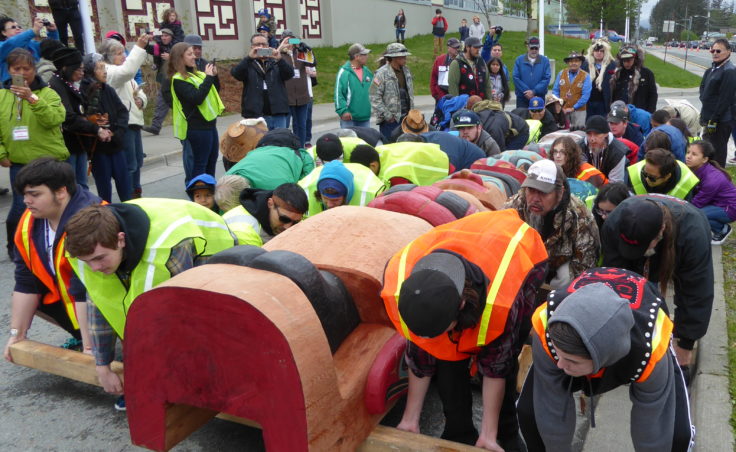
Volunteers lift the Raven totem pole at a raising ceremony in front of Gastineau Elementary School on May 13, 2017. (Photo by Quinton Chandler/KTOO)
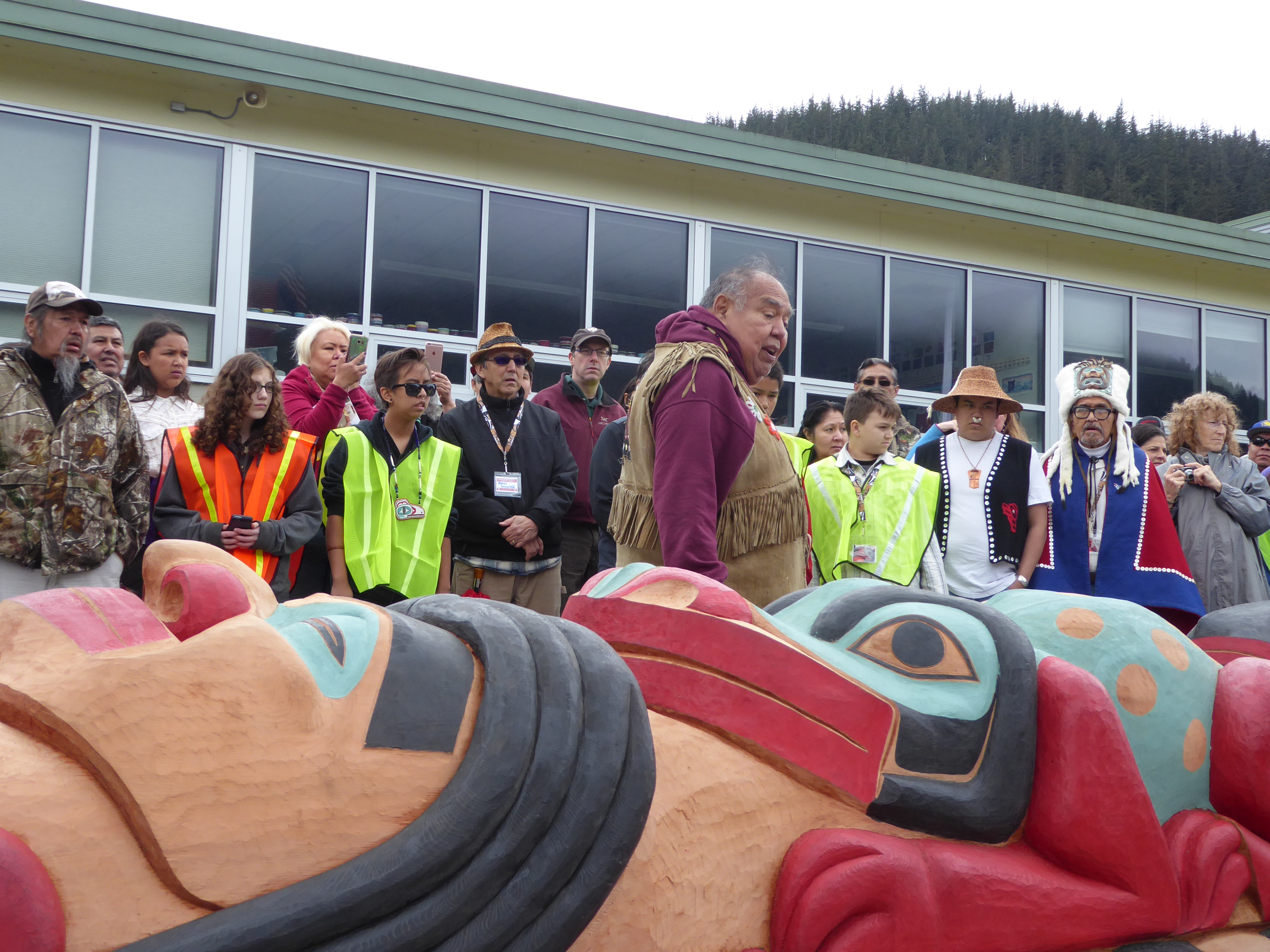
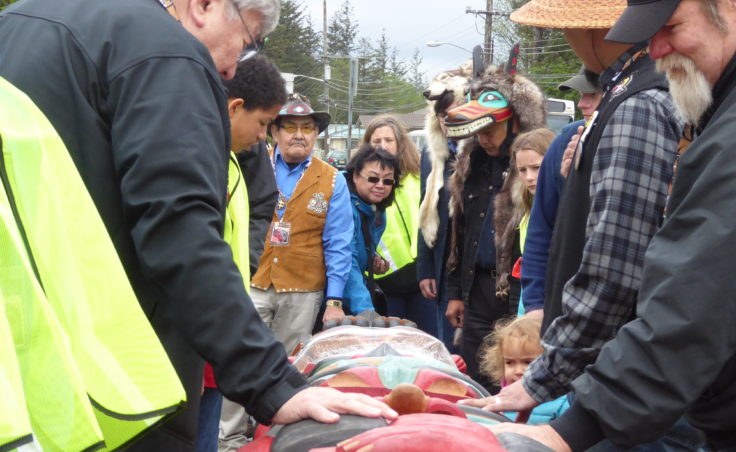
David Katzeek explains the significance of one of the faces on a totem pole. The totem pole was raised May 2017 by the T’aaku Kwáan of Douglas Island in front of an elementary school to mark the site of a disturbed graveyard. (Photo by Quinton Chandler/KTOO)
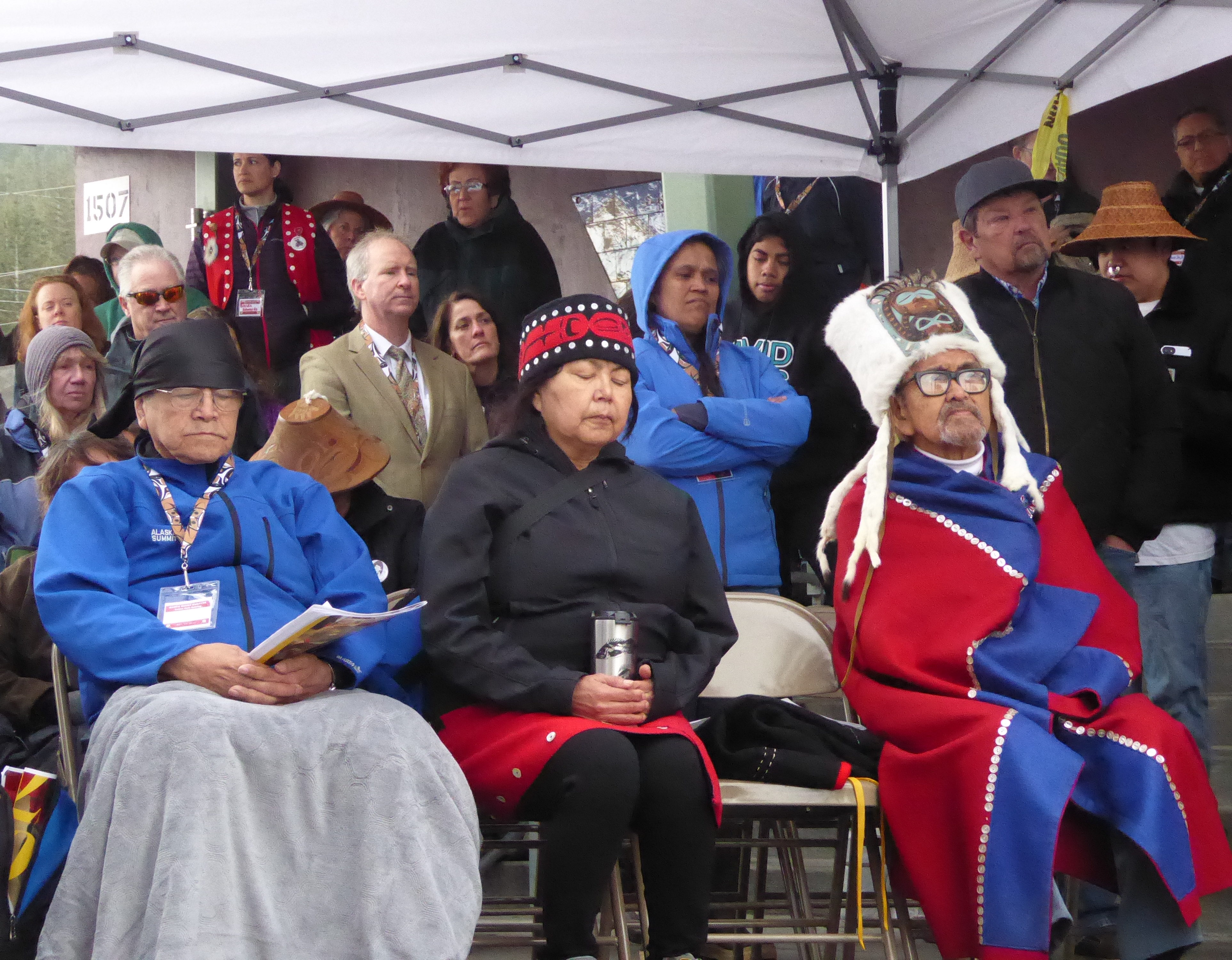
Elders attending Saturday's ceremony in front of Gastineau Elementary School. (Photo by Quinton Chandler/KTOO)
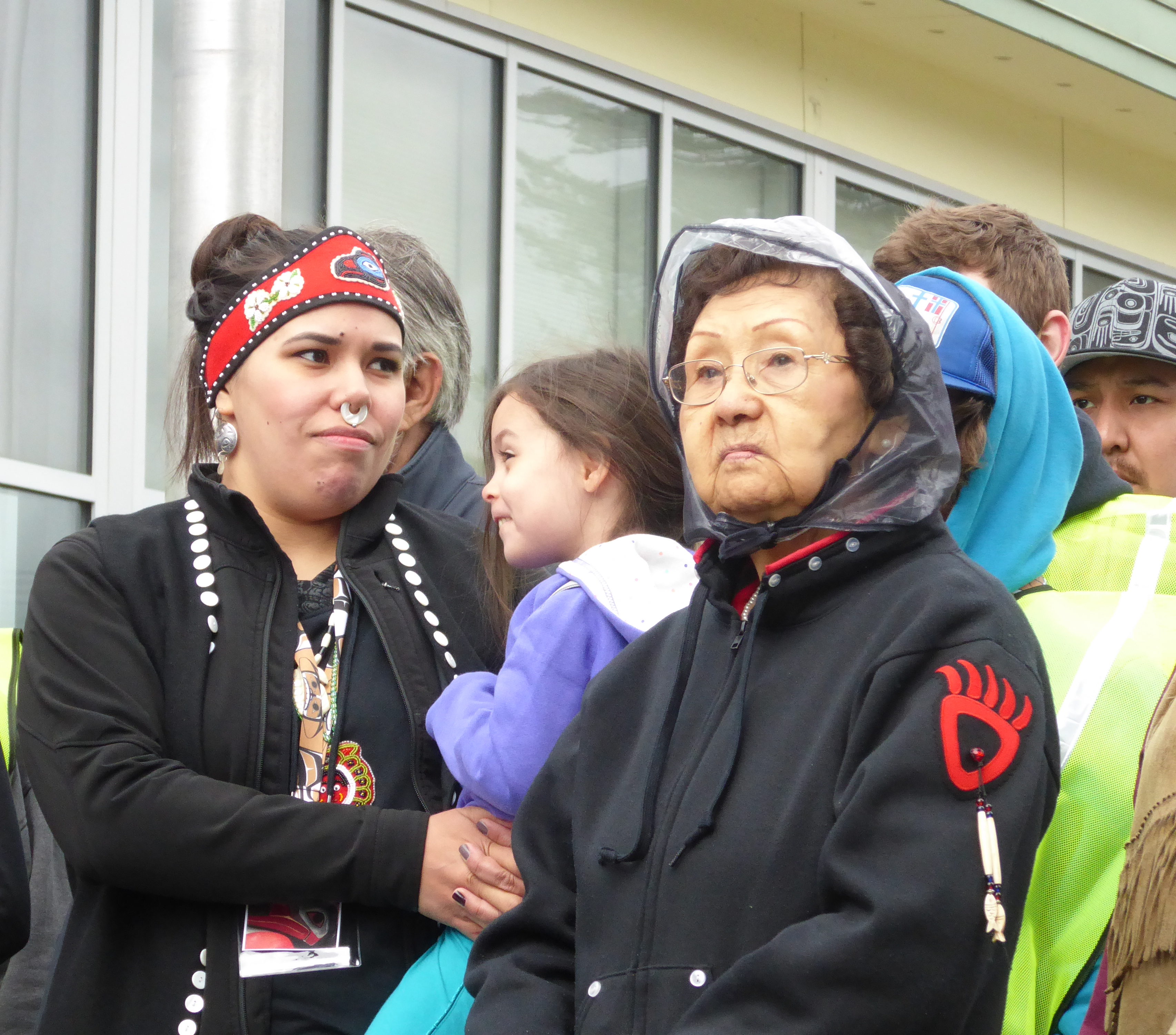
Attendees of Saturday's ceremony. (Photo by Quinton Chandler/KTOO)
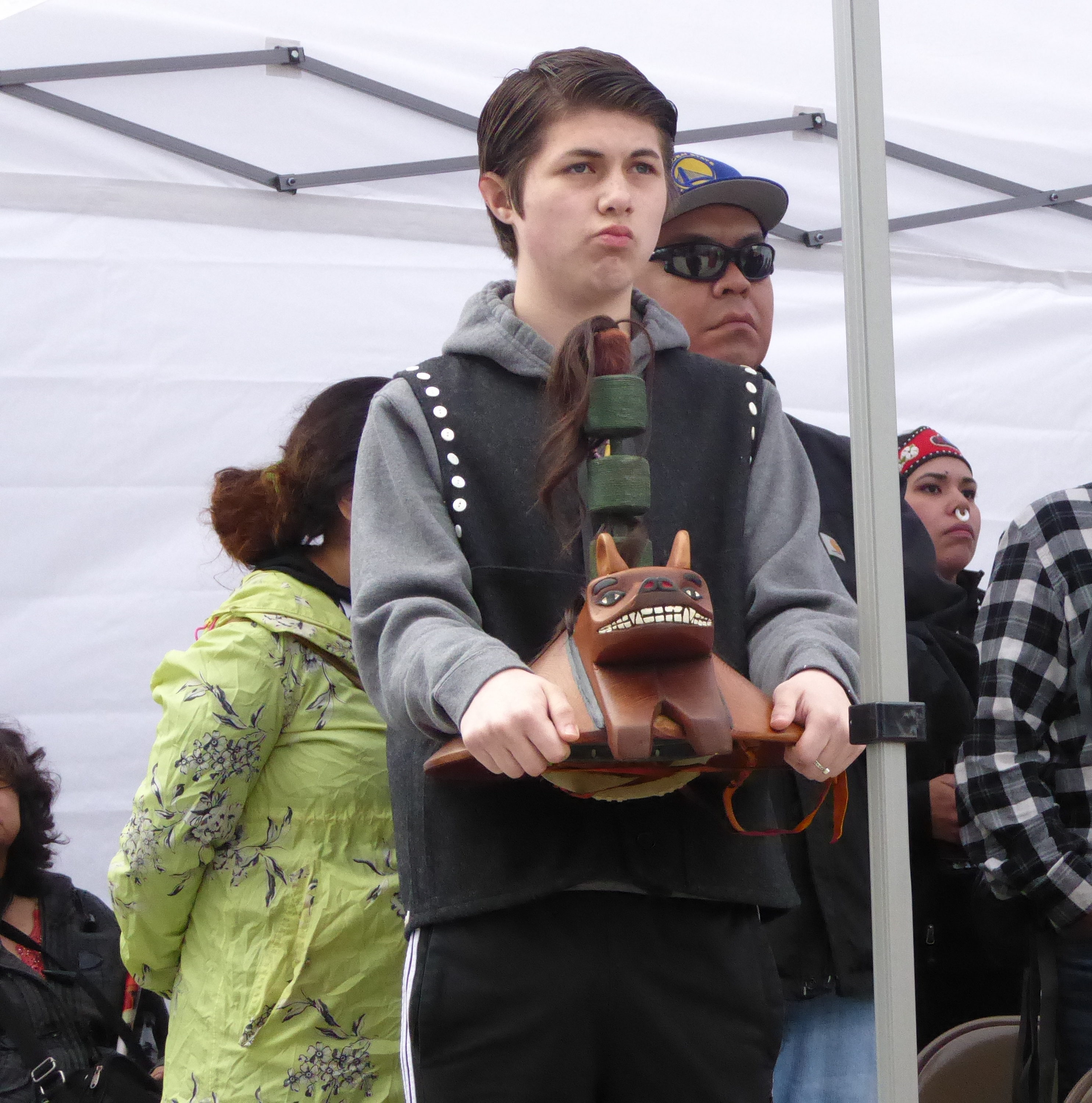
A boy holds a carving at Saturday's ceremony. (Photo by Quinton Chandler/KTOO)
The T’aaku Kwáan of Douglas Island raised a totem pole in front of an elementary school Saturday to mark the site of a disturbed graveyard. The pole symbolizes the pain of historical trauma and a need to heal.
A couple dozen volunteers prepared to bend their knees and backs to grab wooden beams underneath a 26-foot, solid wood, Raven totem pole laying on its back. Like pallbearers, they lifted the pole and slowly carried it toward a crane waiting to lift and place it on a metal base sitting in front of Gastineau Elementary School.
Event organizers warned them to call for help if they felt like the weight was too much.
“For those of you on the sides, we’re going to need you to switch out if somebody says help. We don’t want anybody getting hurt trying to move this,” one man ordered.
Sixty-one years ago, Gastineau Elementary School was built on top of a graveyard for the Tlingit T’aaku Kwáan.
Goldbelt Heritage Foundation, the Douglas Indian Association and the Juneau School District organized the totem pole raising and a ceremony to reflect on “social injustices” inflicted on the T’aaku Kwáan.
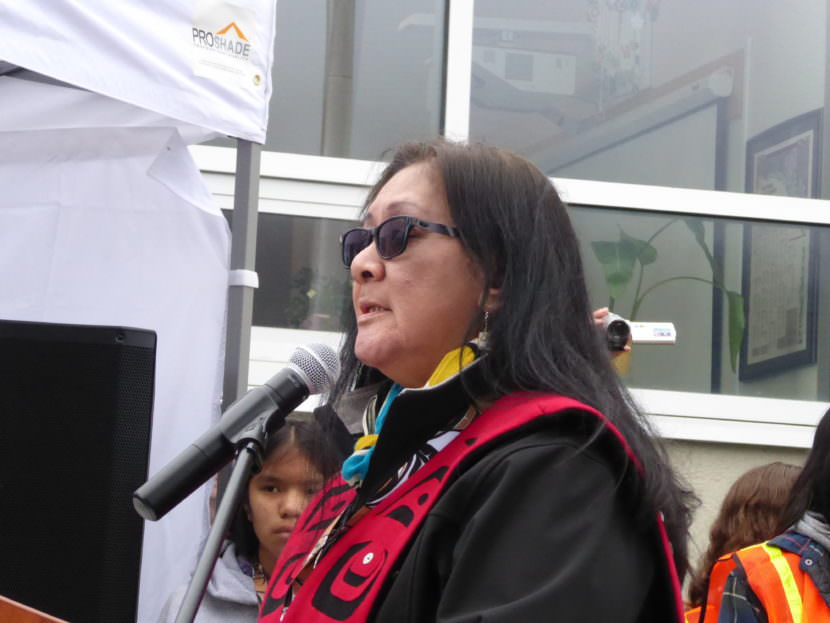
Andrea Cadiente-Laiti speaks at the totem pole raising ceremony on Saturday. (Photo by Quinton Chandler/KTOO)
Andrea Cadiente-Laiti was the keynote speaker at the ceremony. She sits on the Goldbelt Heritage Foundation’s board and she’s also the tribal administrator for the Douglas Indian Association.
She said construction workers accidentally unearthed three burial sites on the school property in 2012. Five people were in the graves.
“One was a young woman and it was determined by the archaeologist that she died in childbirth,” Cadiente-Laiti said. “So, that leads us to assume that the remains were not just that of the young mom, but that of her infant.”
She said another man was buried with what might have been his prized gun collection.
Cadiente-Laiti likened building Gastineau Elementary over the cemetery to someone building “an office building over Evergreen Cemetery,” a 9-acre memorial in Juneau that the city estimates over 8,000 Juneau residents have been buried in.
Cadiente-Laiti and other speakers also recalled the impacts of the city of Douglas’ intentional burning of Douglas Indian Village in 1962, decisions to build roads over graveyards, property loss, the loss of fishing rights and the suppression of the Tlingit language.
Cadiente-Laiti said those actions had powerful effects that were passed down to today’s generations.
“We don’t necessarily feel it, or see it, or taste it, but somehow through our parents we know it’s there. We see their sadness,” Cadiente-Laiti said.
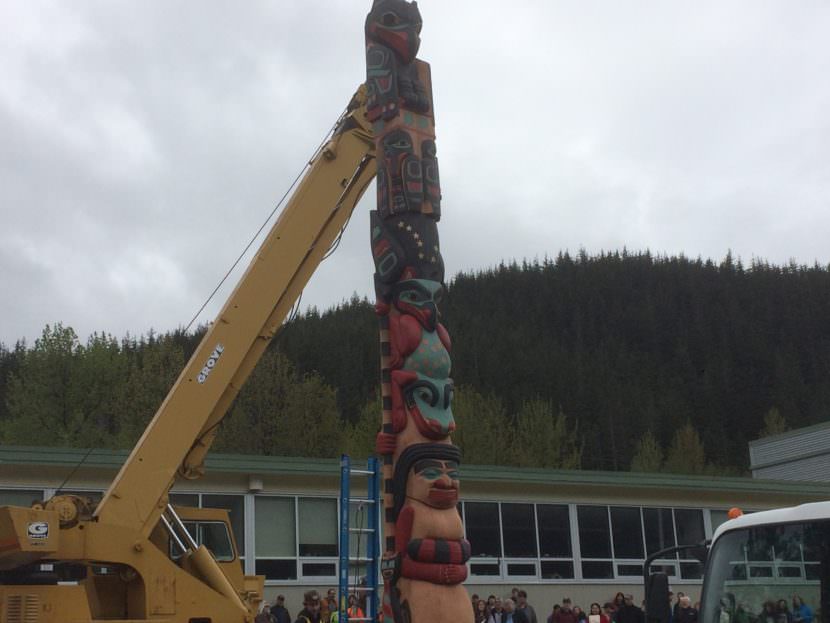
The Raven totem pole after being placed on its base on Saturday. (Photo by Quinton Chandler/KTOO)
It is hoped that raising the Raven totem pole will pay respect to the grievances of the past, restore the T’aakuKwáan’s ancestral connection to the land, and signal their desire to heal and move forward, culture intact.
The organizers plan to raise a second totem pole at Savikko Park next spring. The second pole will recognize the Yanyeidì clan and the 1962 burning of Douglas Indian Village.
Correction: A previous version of this story misstated that five construction workers unearthed the burial sites discovered in 2012. The orthography of “T’aaku Kwáan” has also been corrected.
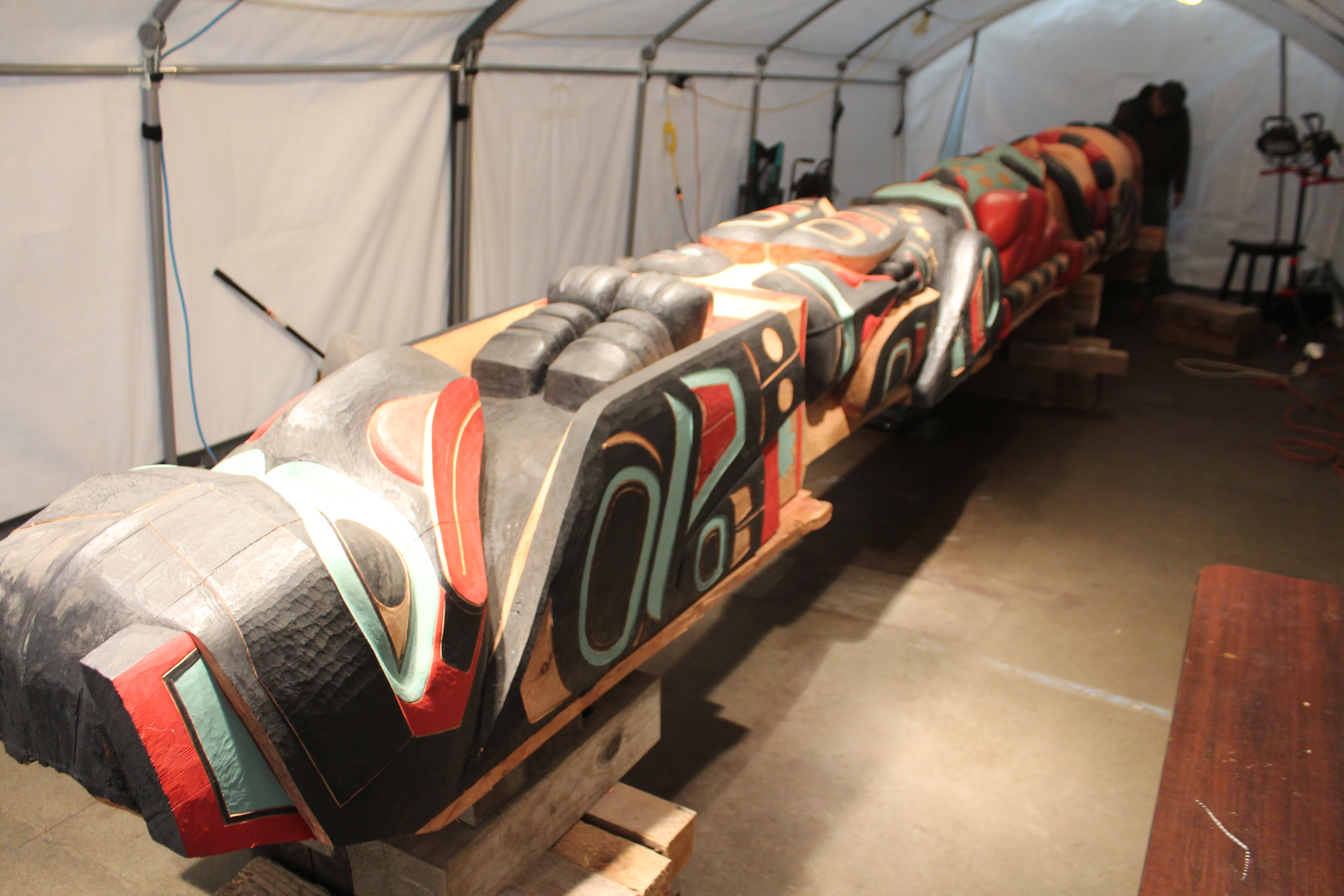
This healing Raven totem will stand on the site of T’aaḵu K̲wáan ancestral burial grounds on Douglas. (Photo by Aurora Coronell/Goldbelt Heritage Foundation)
(Photo by Aurora Coronell/Goldbelt Heritage Foundation)
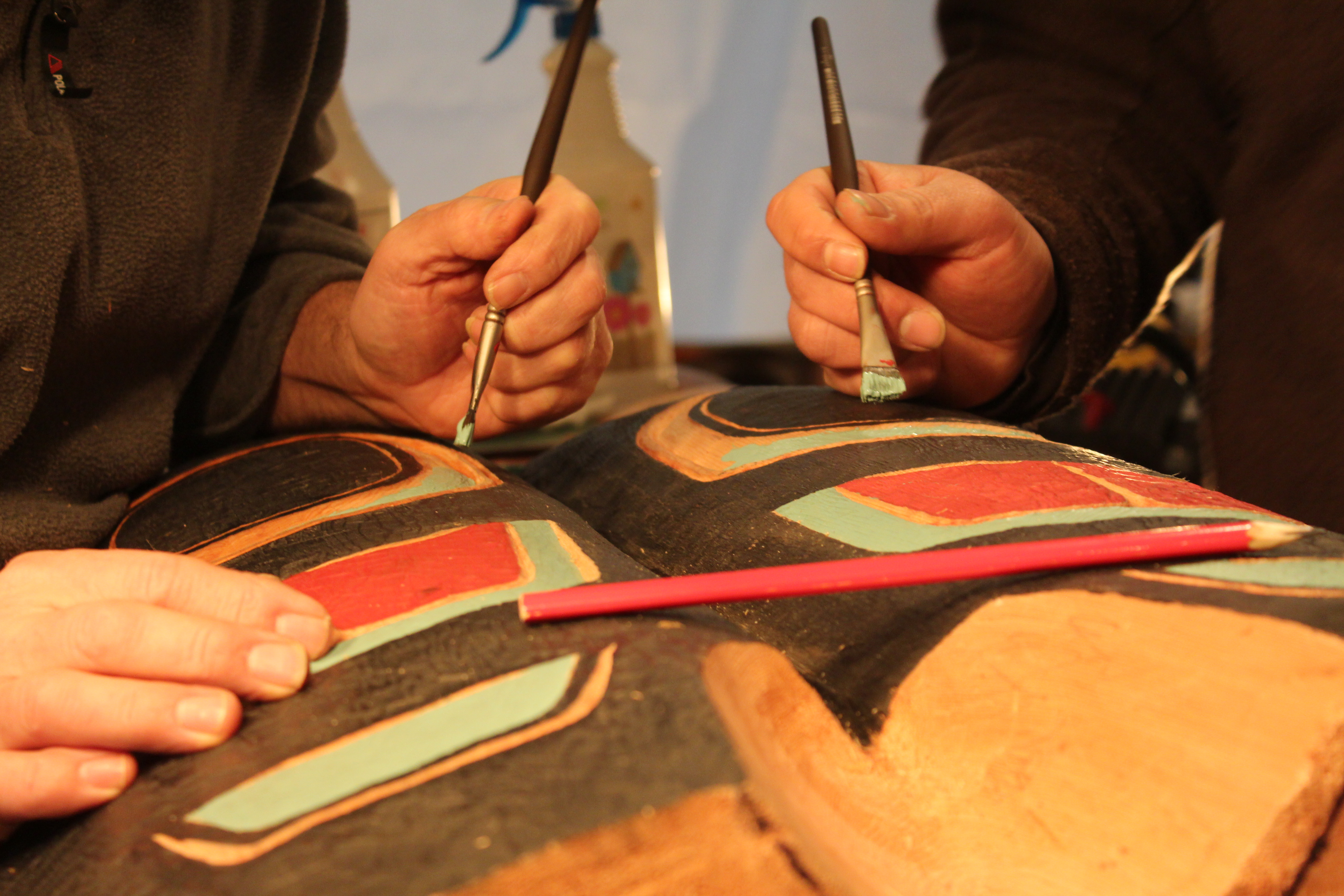
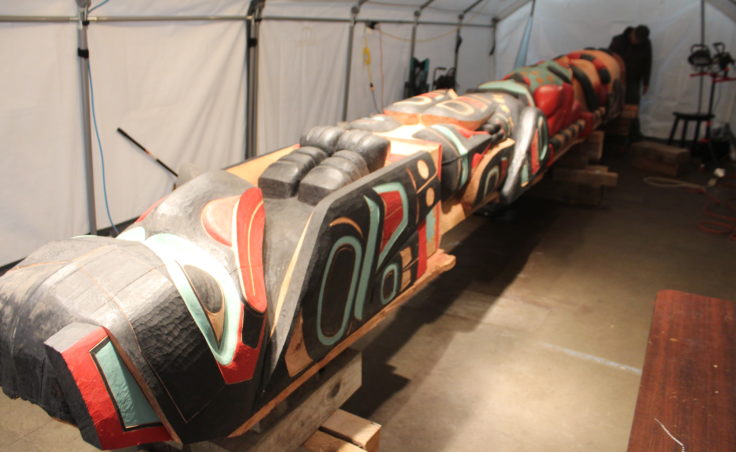
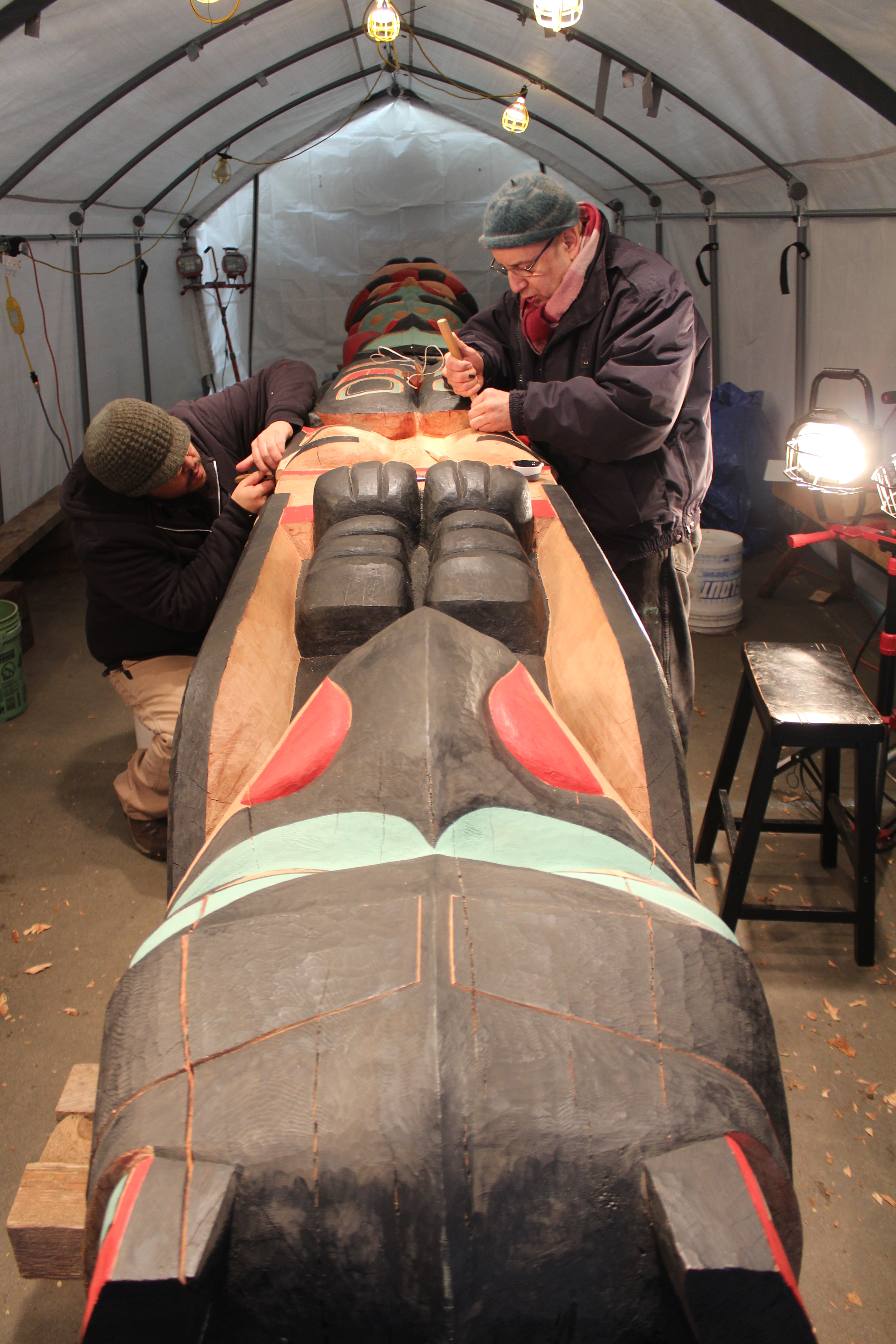
The 26-foot Raven Pole honors the Gaanaxteidí clan of the T’aaḵu K̲wáan, featuring Raven clan crests, a leaf of devil’s club that represents healing and a carved staff which represents the end of grieving.
Herb Sheakley, left, and Mick Beasley carved the healing Raven totem. (Photo by Aurora Coronell/Goldbelt Heritage Foundation)
There will be no dancing at the ceremony, which will occur on the ancestral burial grounds of the T’aaḵu K̲wáan. The sacred site was paved over in 1956 to build Gastineau Elementary School.
“This pole really embodies the heaviness of what happened here,” said Barbara Cadiente-Nelson who serves the board of the Douglas Indian Association, the tribal government of the T’aaḵu K̲wáan. She said the pole will restore balance and tend to the souls of the departed.
The Native cemetery was thought to have been relocated to Evergreen Cemetery. But in 2012, a headstone of a Chilkat man was unearthed during construction on the school parking lot. Using ground-penetrating radar, three grave sites were identified.
When the Douglas Indian Association heard the news, they called together several emergency meetings with elders. Cadiente-Nelson said they felt an obligation to address the rediscovery and the original desecration. The T’aaḵu K̲wáan elders considered raising a fight in court, even challenging the school’s existence, but decided against it.
“As they struggled with the enormity of this atrocity, they were comforted in recalling that these children were learning their heritage, the Tlingit language, the stories of the T’aaḵu K̲wáan,” Cadiente-Nelson recalls.
The elders chose to uphold a T’aaḵu K̲wáan value to educate their youth.
“What really comforted them is knowing that these innocent children were dancing and laughing and learning on this land, T’aaḵu K̲wáan, and that’s what buoyed them in such a rough sea of emotions,” Cadiente-Nelson said.
Cadiente-Nelson also works for the Juneau School District, which is working with the Goldbelt Heritage Foundation to create placed-based education covering histories and stories of the Yanyeidí and Gaanaxteidí.
“And of course they’ll learn alongside the history of how this school became constructed on top of a burial ground. And it’s in the telling of it that will bring about healing. It’s no longer buried underneath a school. It’s no longer buried in the minds of our elders as a burden. It’s a story that we have to honor and respect,” Cadiente-Nelson said.
Goldbelt Heritage has another totem raising planned for spring of 2018 less than a mile down the road in Savikko Park. It’s the Eagle Pole recognizing the Yanyeidí clan at the site of the 1962 burning of the Douglas Indian Village.
While families were away fishing on the Taku River, their homes were set fire under direction of the City of Douglas to make room to build a boat harbor. Andrea Cadiente-Laiti, a T’aaḵu K̲wáan tribal government administrator, said the devastation was felt throughout the Native community.
“I’ve talked to so many who say ‘I was here, I don’t remember that, how could I not remember a burning of an entire village?’ But that’s what happened, it just was wiped from people’s memory banks,” said Cadiente-Laiti, who is delivering the keynote at Saturday’s ceremony.
Goldbelt Heritage Traditional Arts and Education Projects Lead Paul Marks believes the pole will honor ancestors and future generations of T’aaḵu K̲wáan.
“That’s the healing of recognizing that hurt, so our children will be healed and they know we took care of it, that we didn’t just stand by and let it happen. We addressed it and that’s part of being Tlingit. That when there’s a problem, we don’t wait for someone else to do it, we take of it,” Marks said.
The totems and curriculum are funded through the Goldbelt Heritage Foundation, which received a grant from federal agencies, in partnership with the Douglas Indian Association and Juneau Schools’ Indian Studies Program.
A Time For Healing Ganéix Gaawú Kudzitee Totem Pole Raising is set for 10 a.m. Saturday at Gastineau Elementary School.
Close
Update notification options
Subscribe to notifications
Subscribe
Get notifications about news related to the topics you care about. You can unsubscribe anytime.

9(MDEwMjQ0ODM1MDEzNDk4MTEzNjU3NTRhYg004))