Police wouldn’t release McVay’s name, but his family identified him in messages to KTOO.
McVay may have gone off the road, crashed into some trees on Saturday and spent the night in his car, Juneau police Sgt. Shawn Phelps said.
The accident was at the end of North Douglas Highway.
“This morning we had received a report from concerned family members stating that they were unable to locate a family member, he wasn’t responding to any phone calls,” Phelps said. “Later in the day, we received a notification from some hikers that they had heard a man yelling for help.”
Police found McVay pinned in a vehicle, unable to get out.
“We called for Capital City Fire and Rescue to respond and they assisted in extracting him from the vehicle and getting him transported for medical treatment,” Phelps said.
Capital City Fire/Rescue said in a Facebook post that the vehicle was 130 feet from the road.
CCFR had to remove the vehicle’s top to free McVay, and then responders put him in a litter and carried him out of “dense vegetation.”
According to a police news release, McVay said he was very cold and had been in the car all night.
Phelps said the vehicle was totaled.
He said he didn’t know the extent of McVay’s injuries, but believed he may have broken some bones.
McVay was taken to Bartlett Regional Hospital. A spokeswoman for the hospital said he was in stable condition and would be medevaced to Harborview Medical Center in Seattle.
Phelps said police are still investigating what caused the accident, but he added that a responding officer thought medical issues might have contributed.
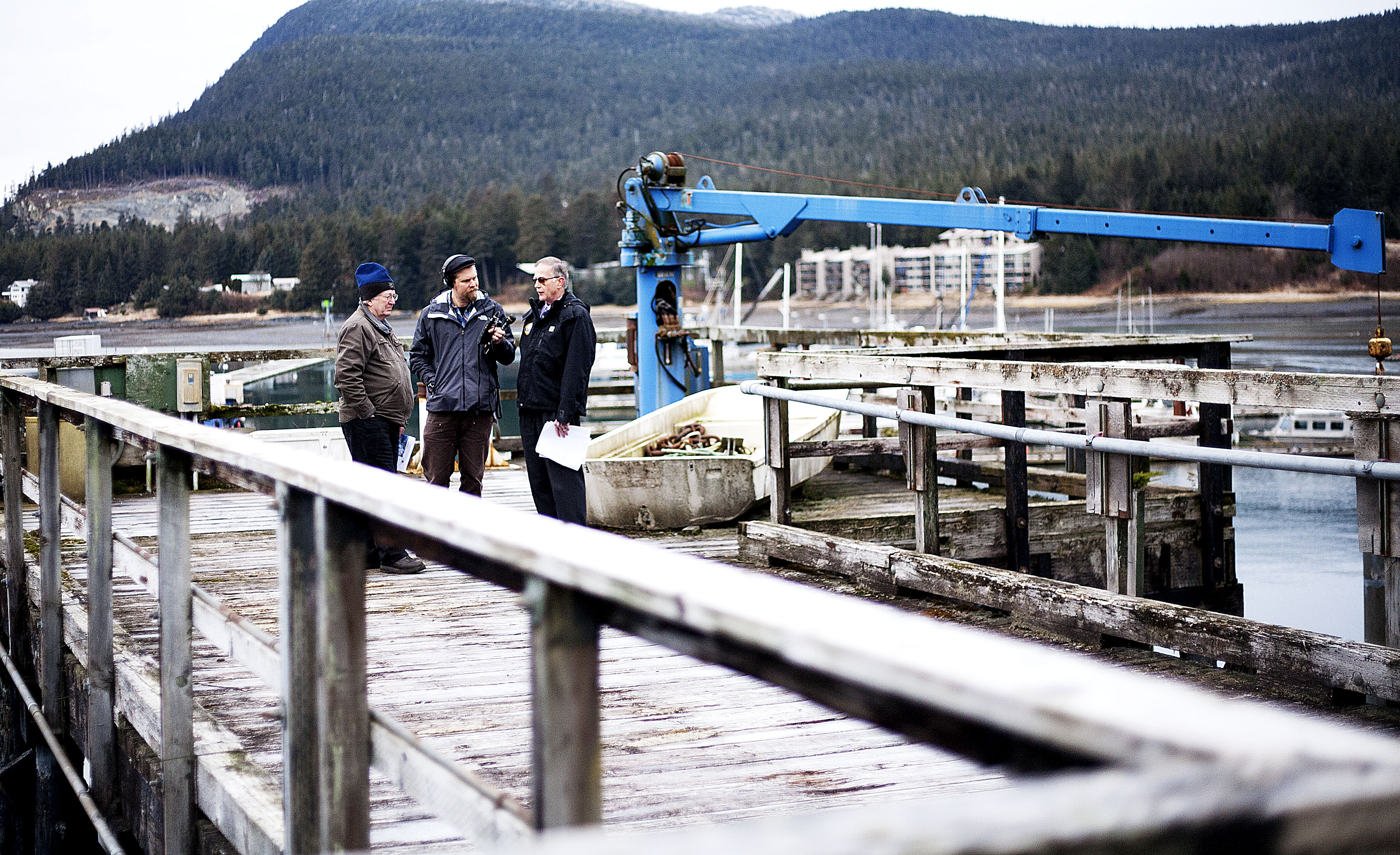
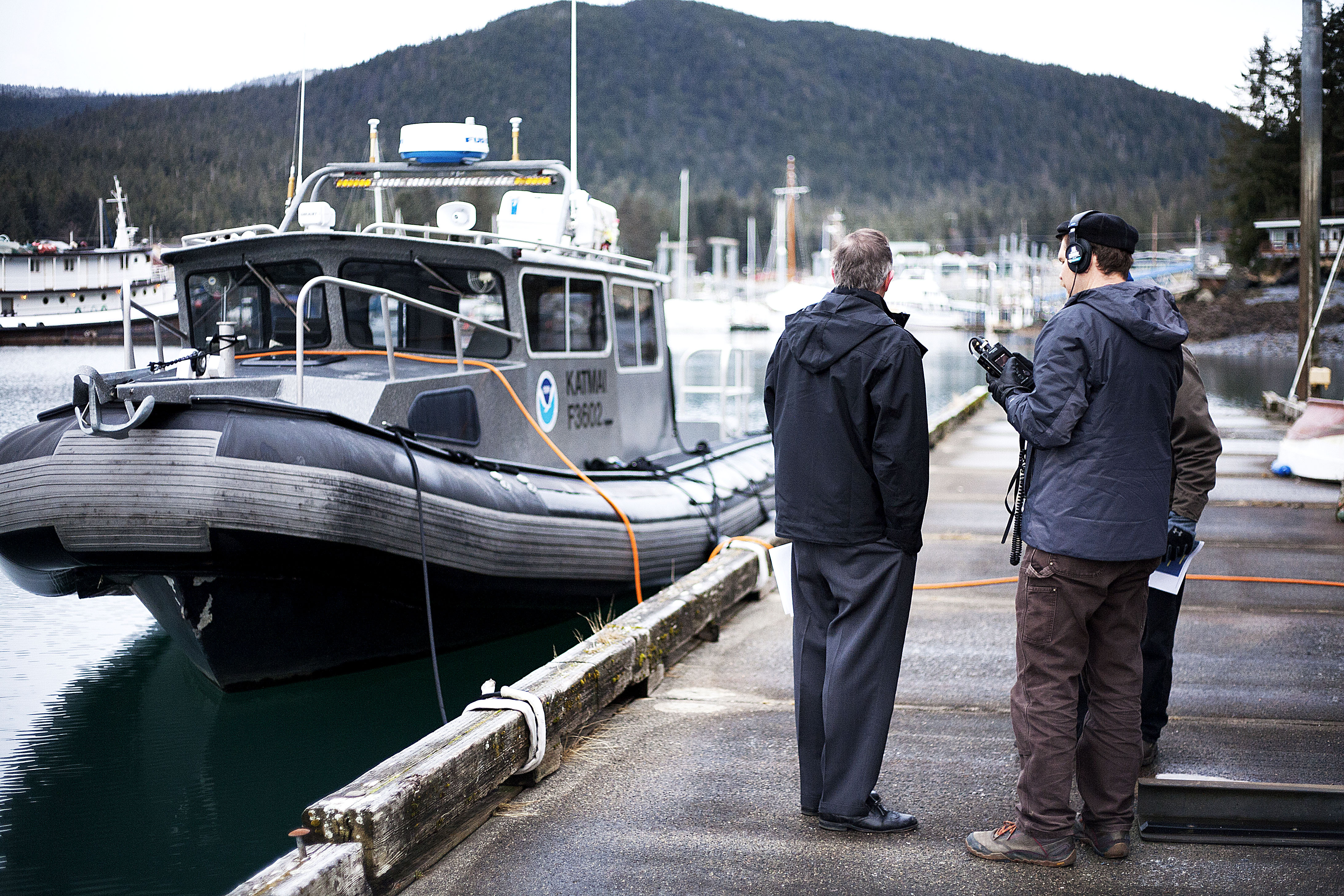
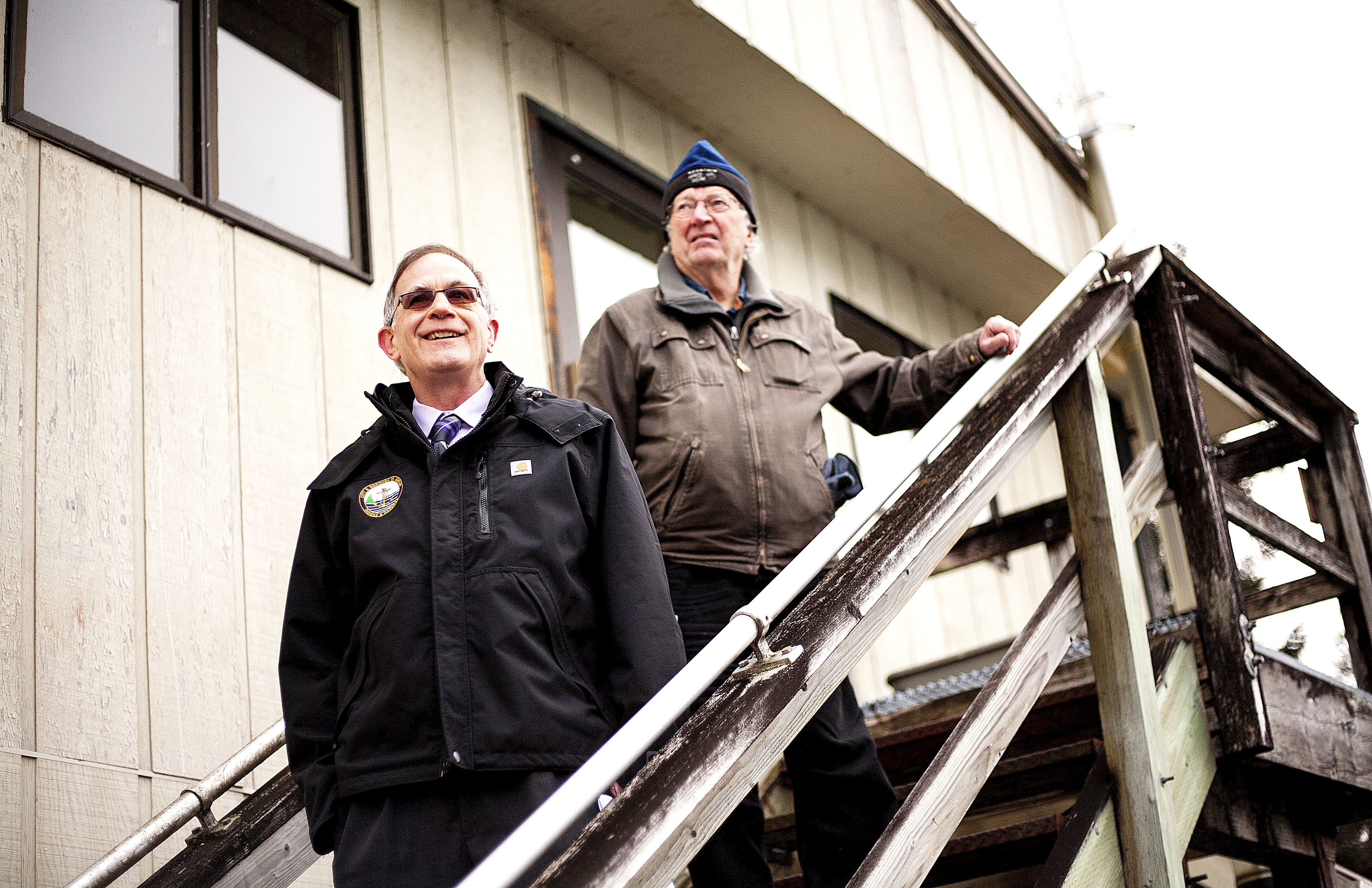
Juneau Docks and Harbors port engineer Gary Gillette listens as KTOO reporter Jacob Resneck interviews port director Carl Uchytil about the city's proposed expansion of Statter Harbor at the Auke Bay Marine Station property on Tuesday, Jan. 31, 2017. (Photo by Tripp J Crouse/KTOO)
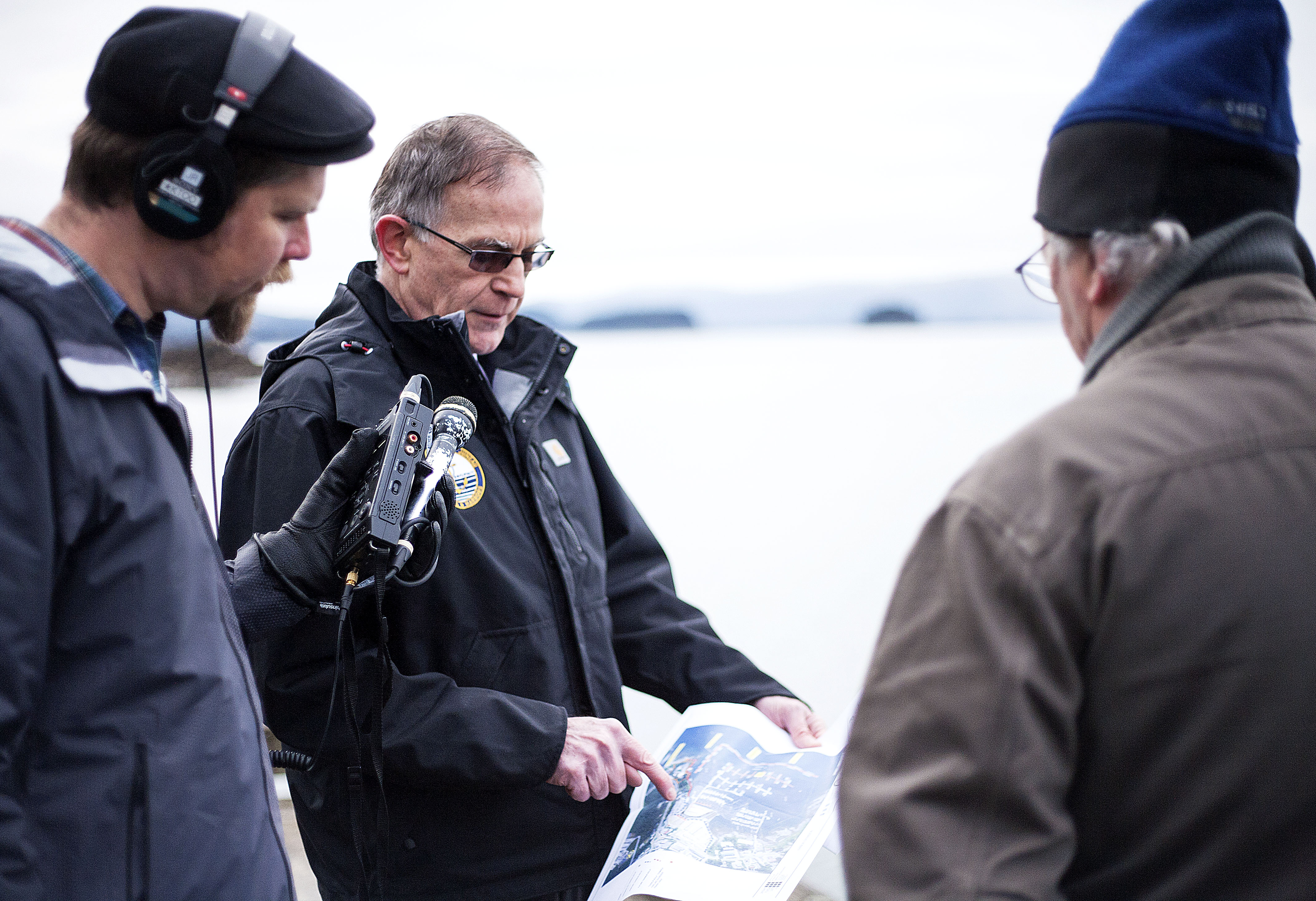
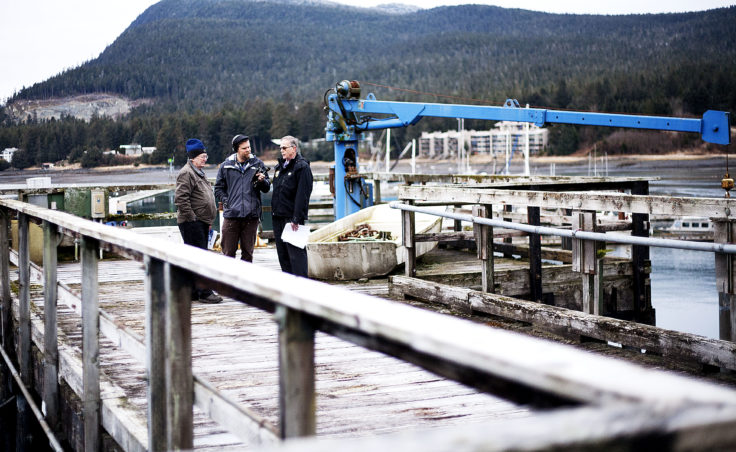
KTOO reporter Jacob Resneck interviews Carl Uchytil, port director for Juneau Docks and Harbors, during a tour of the Auke Bay Marine Station property on Tuesday, Jan. 31, 2017. Port engineer Gary Gillette stands in the foreground. (Photo by Tripp J Crouse/KTOO)
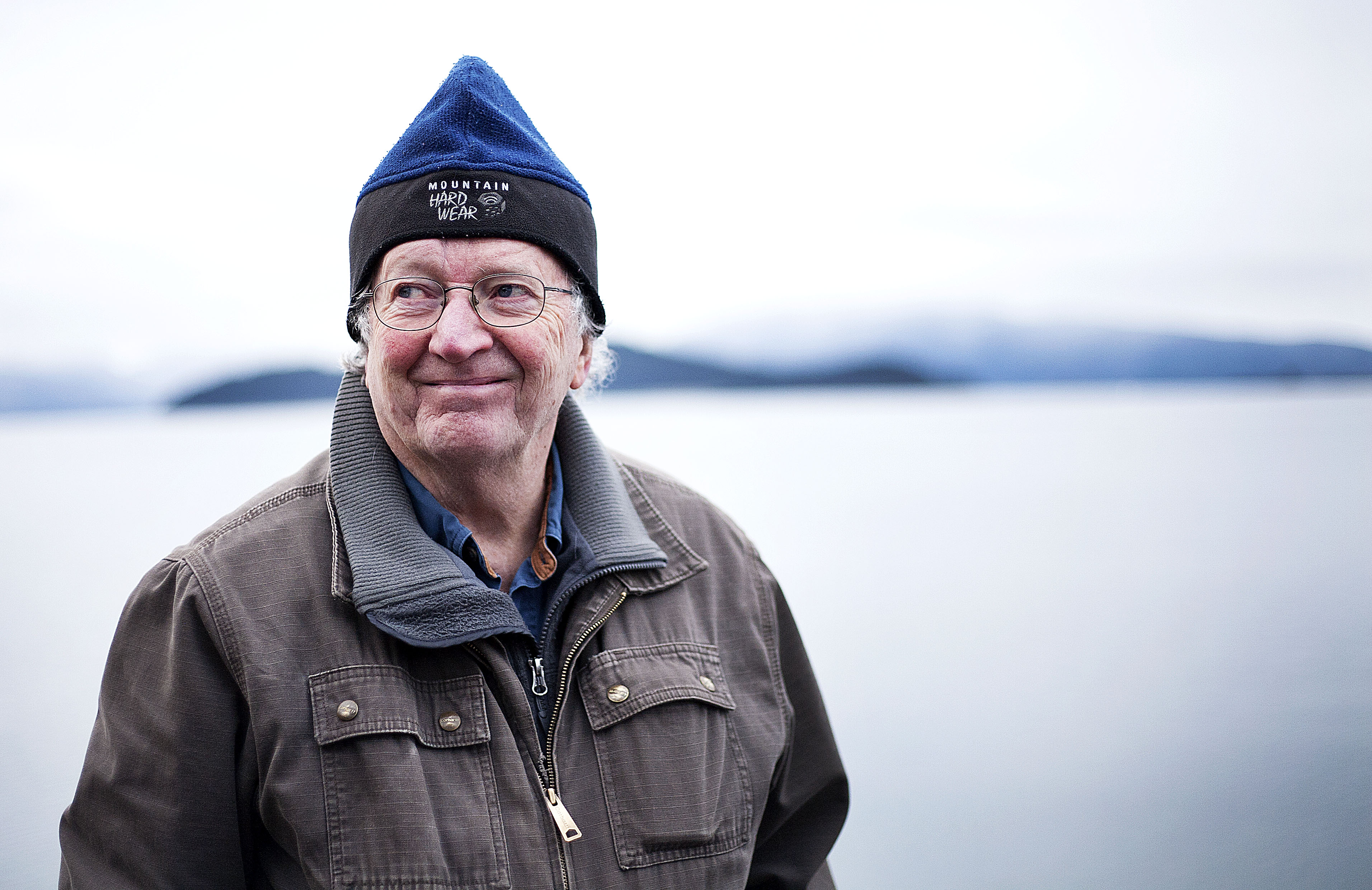
Juneau Docks and Harbors port engineer Gary Gillette pauses during a tour Tuesday, Jan. 31, 2017, of the Auke Bay Marine Station property. (Photo by Tripp J Crouse/KTOO)
Juneau Docks and Harbors port engineer Gary Gillette listens Tuesday, Jan. 31, 2017, as KTOO reporter Jacob Resneck interviews port director Carl Uchytil about the city's proposed expansion of Statter Harbor and the Auke Bay Marine Station property. (Photo by Tripp J Crouse/KTOO)
Juneau Docks and Harbors port director Carl Uchytil answers questions for KTOO reporter Jacob Resneck during a tour of the Auke Bay Marine Station property with port engineer Gary Gillette on Tuesday, Jan. 31, 2017. The city would like to expand Statter Harbor and begin utilizing the Auke Bay Marine Station property. (Photo by Tripp J Crouse/KTOO)
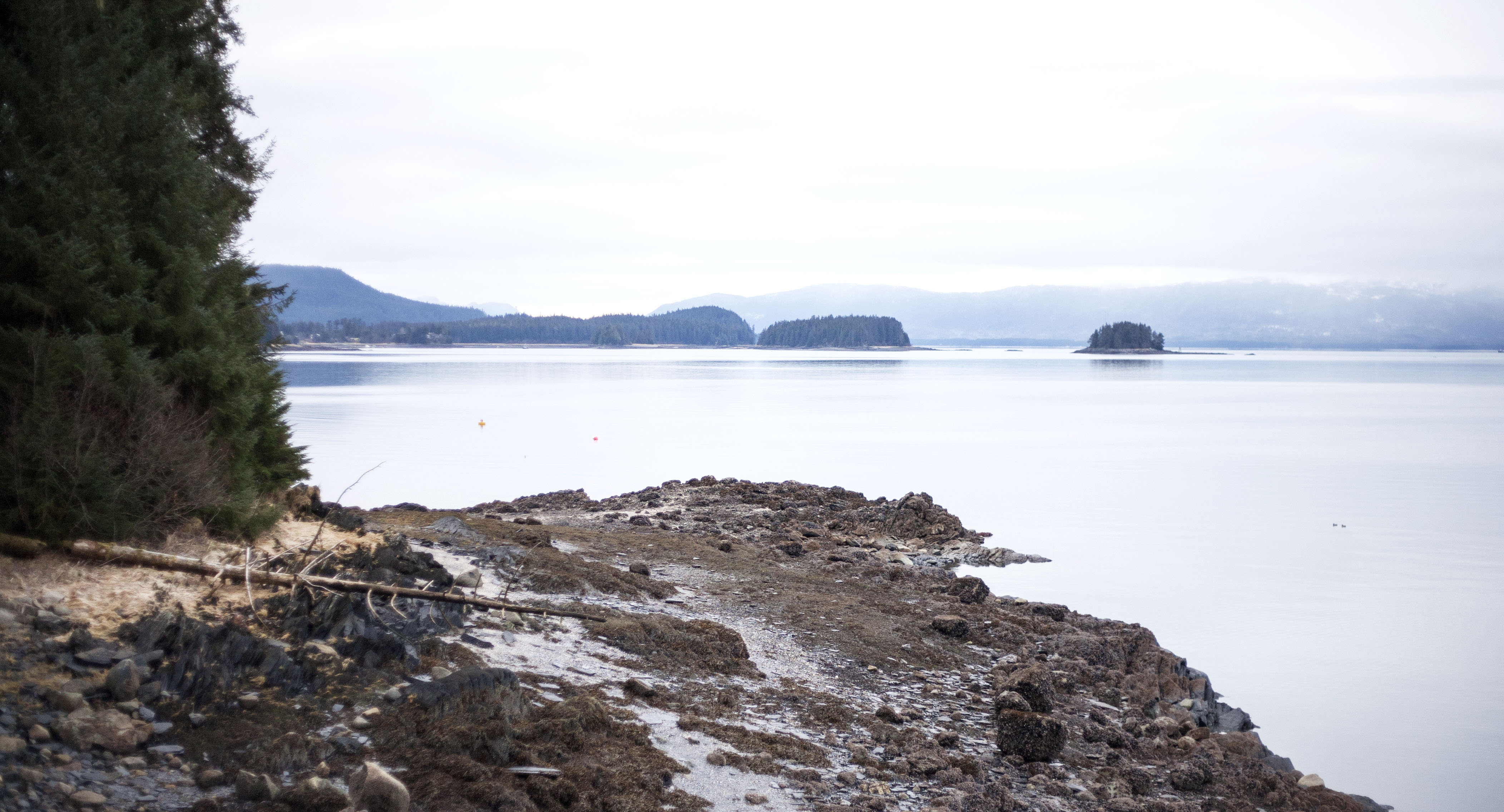
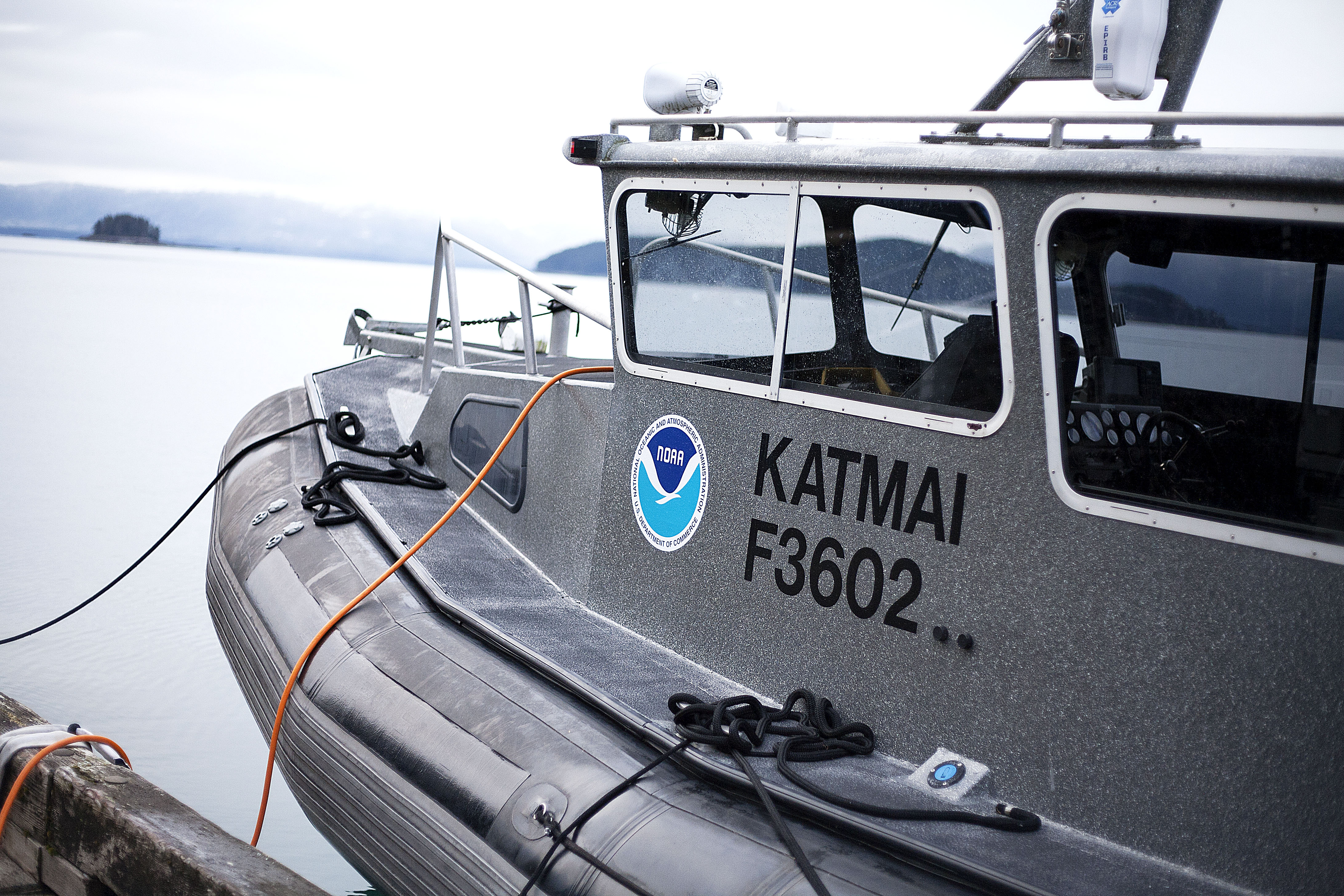
Juneau Docks and Harbors toured the Auke Bay Marine Station on Tuesday, Jan. 31, 2017. Docks and Harbors are interested in the NOAA property for a possible expansion of Statter Harbor. (Photo Tripp J Crouse/KTOO)
Juneau Docks and Harbors toured the Auke Bay Marine Station on Tuesday, Jan. 31, 2017. Docks and Harbors is interested in the NOAA property for a potential expansion of Statter Harbor. (Photo Tripp J Crouse/KTOO)
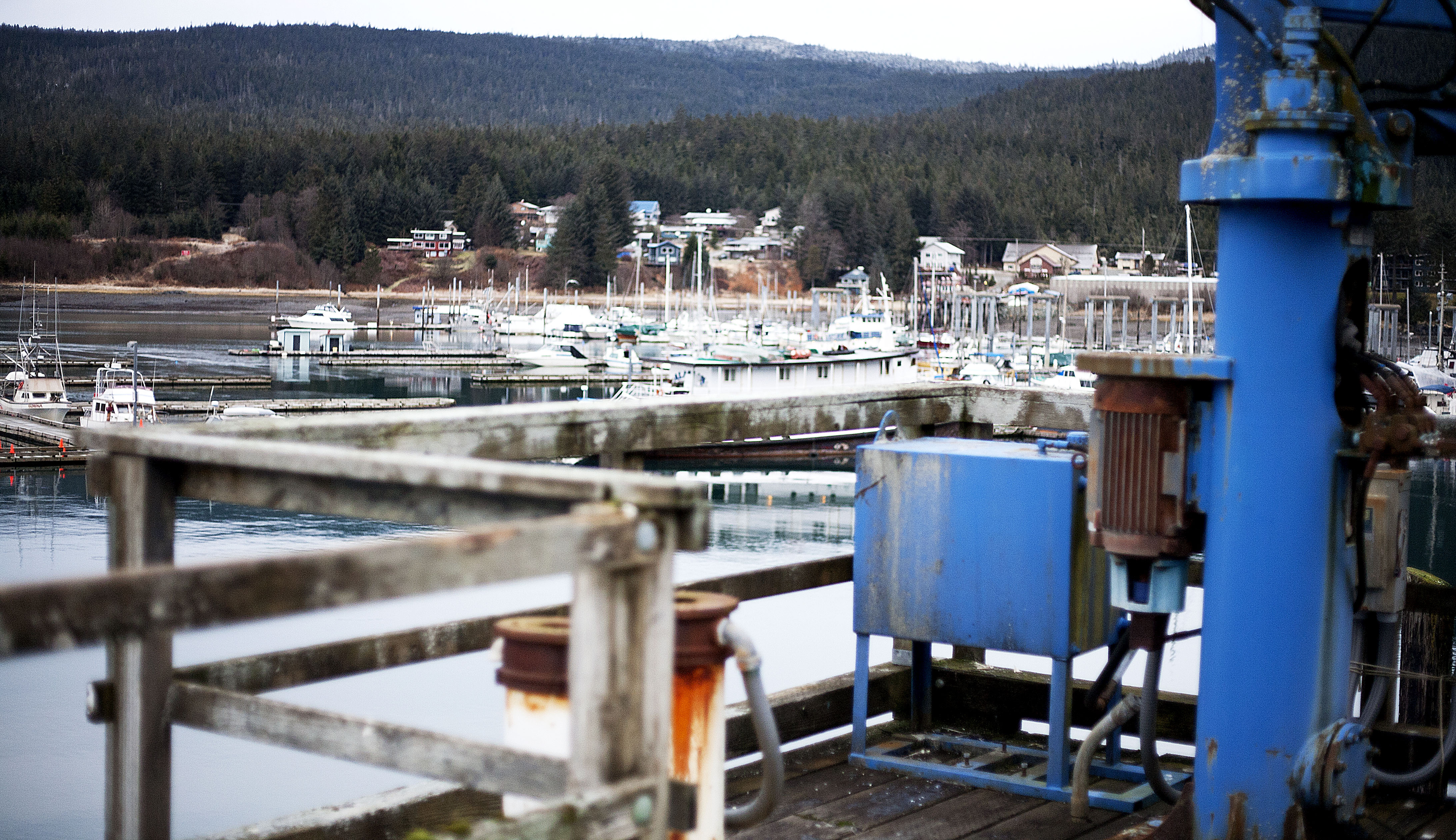
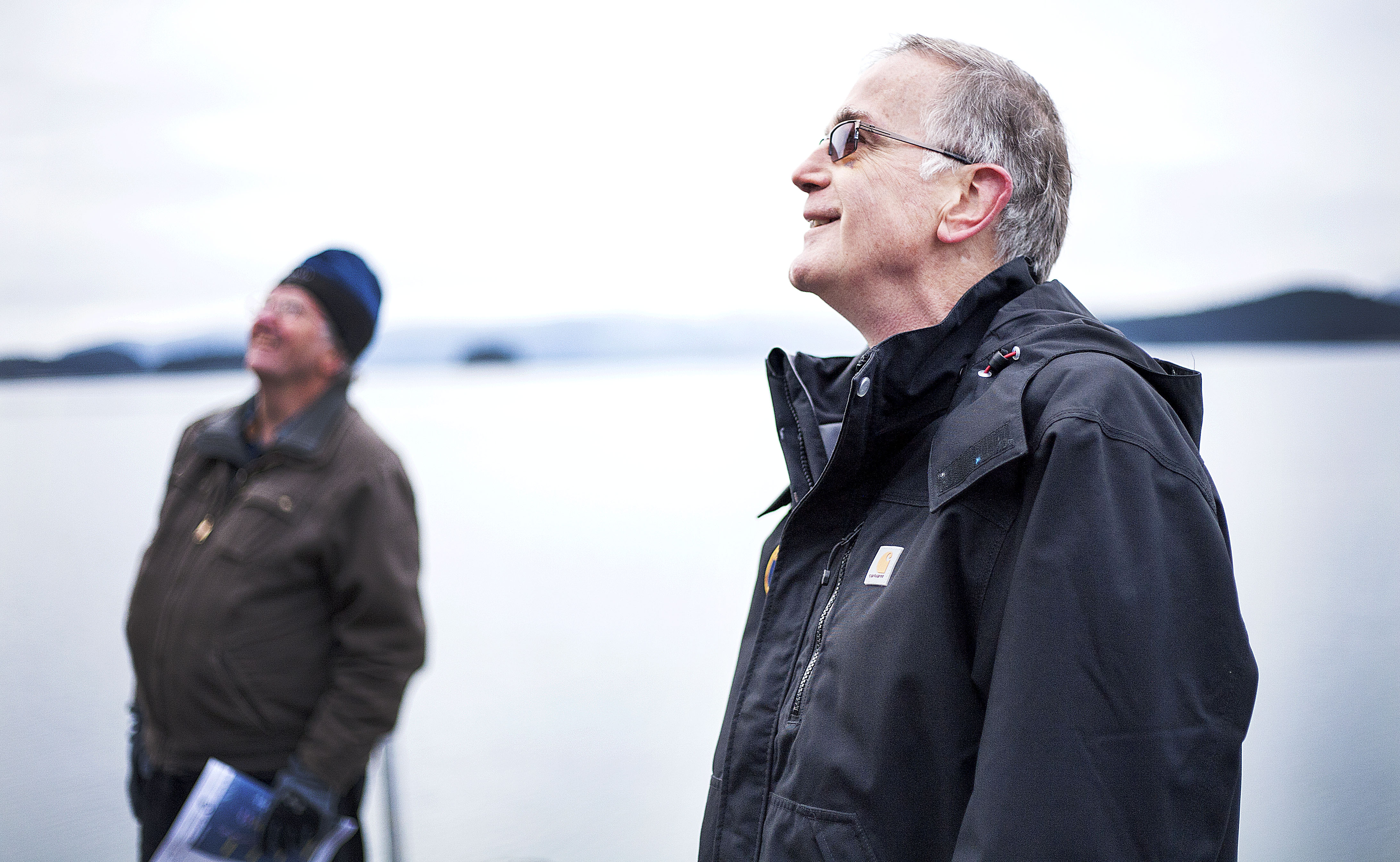
Auke Bay's Statter Harbor is visible next to the Auke Bay Marine Station on Tuesday, Jan. 31, 2017. Juneau Docks and Harbors is interested in the NOAA property for a potential Statter Harbor expansion. (Photo Tripp J Crouse/KTOO)
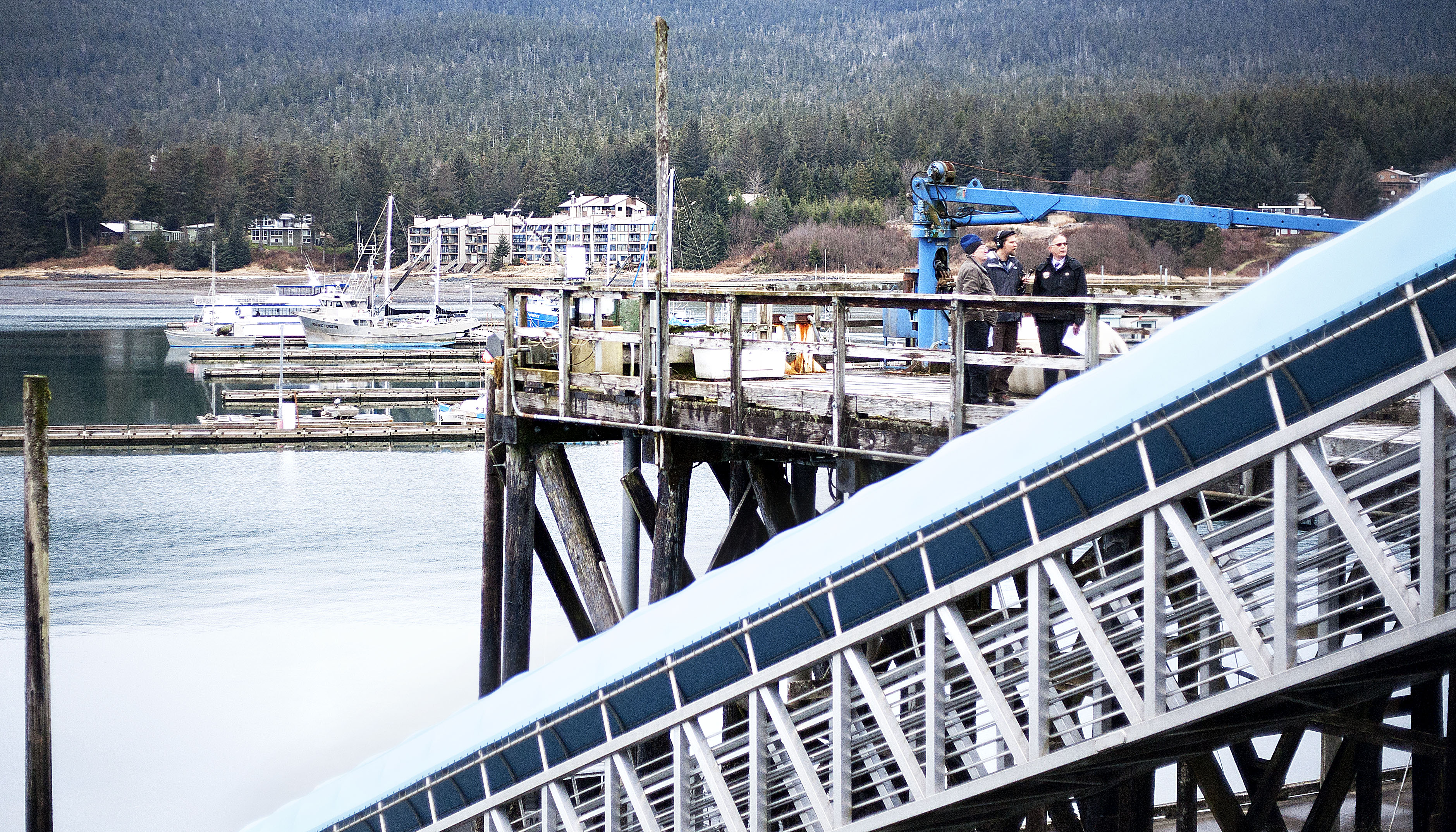
Juneau Docks and Harbors port director Carl Uchytil and ports engineer Gary Gillette look over Statter Harbor and Auke Bay during a tour Tuesday, Jan. 31, 2017, of the Auke Bay Marine Station property. (Photo by Tripp J Crouse/KTOO)
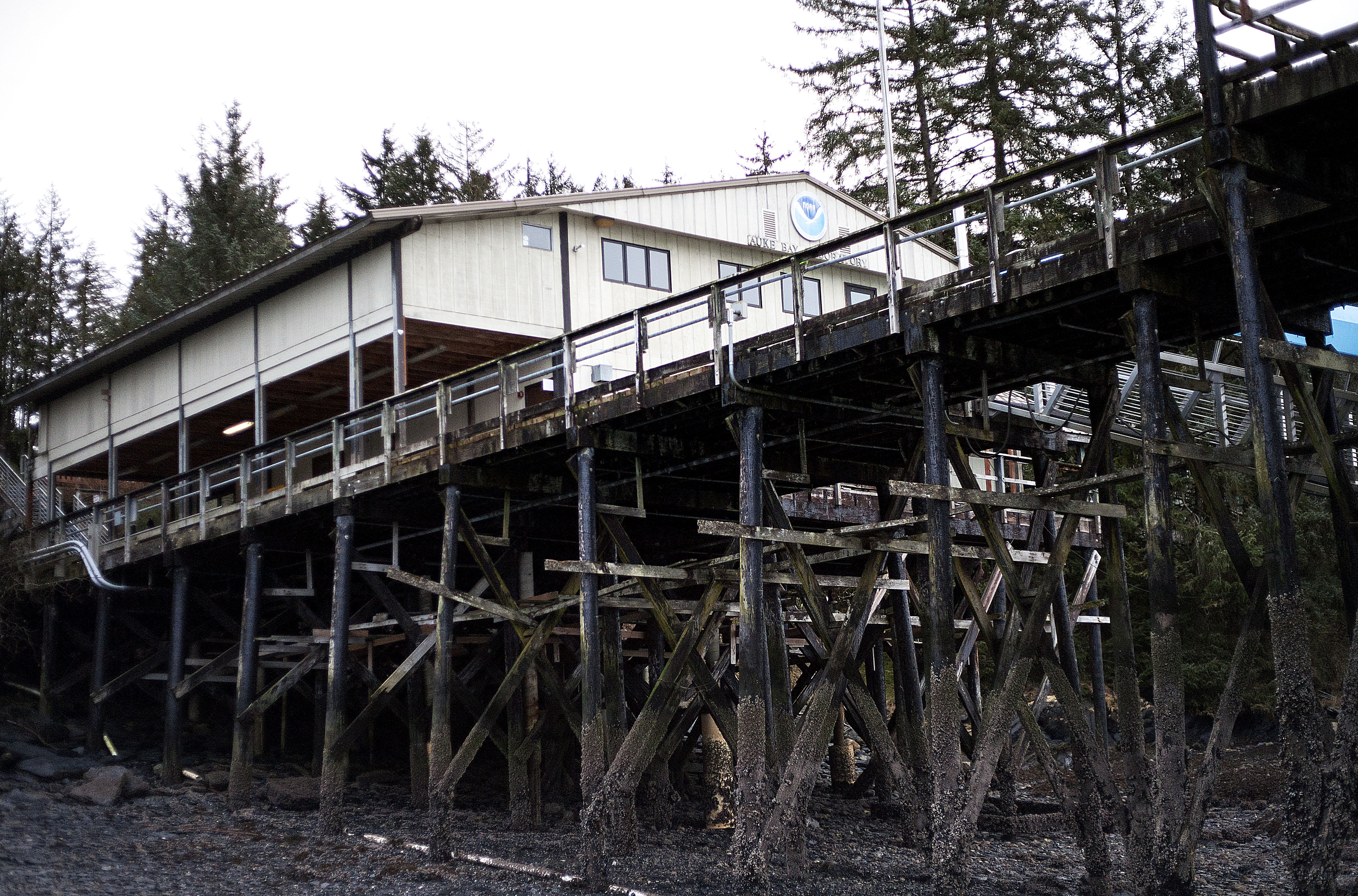
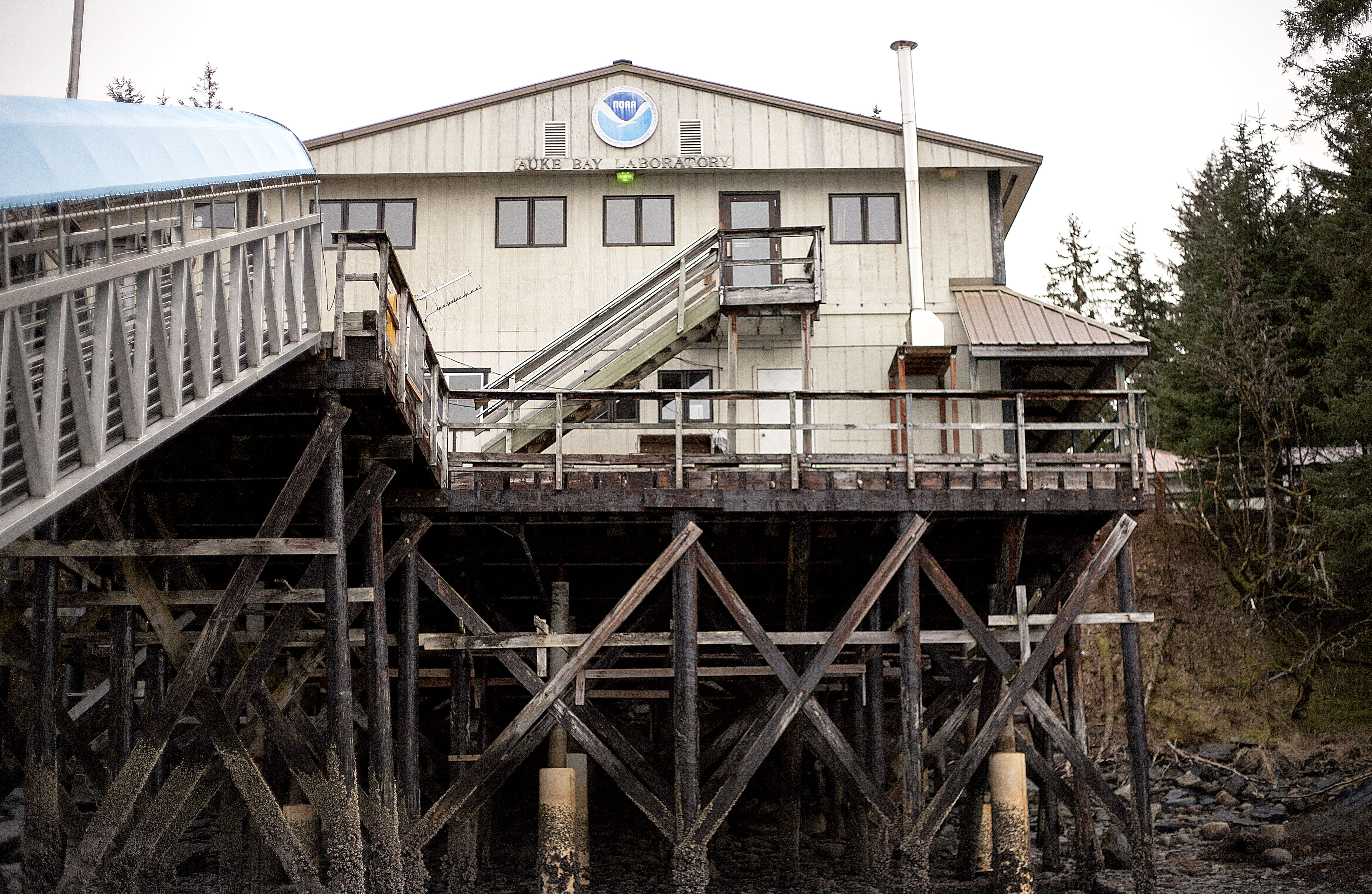
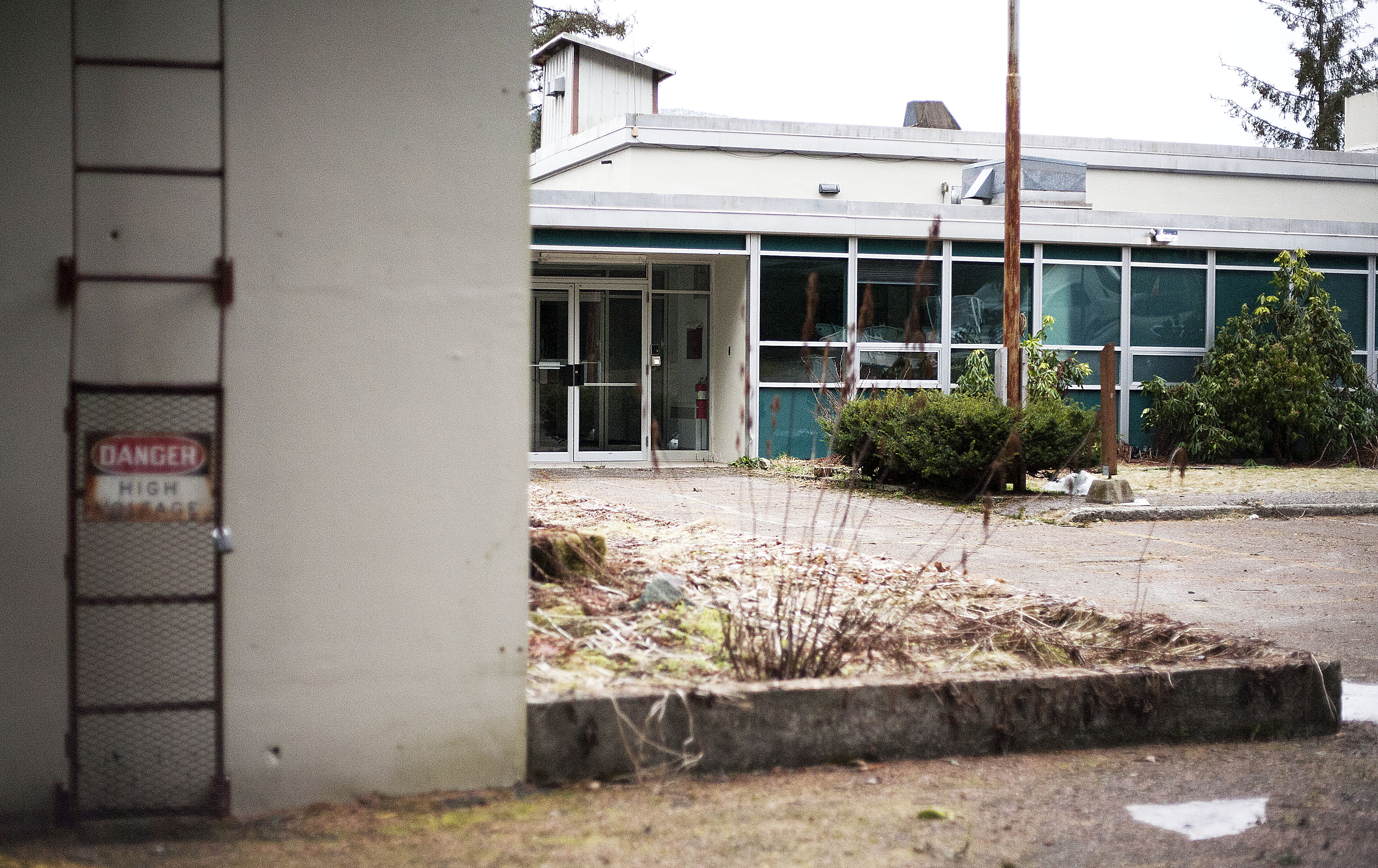
The Auke Bay Marine Station on Tuesday, Jan. 31, 2017. Juneau Docks and Harbors is interested in the property for a potential expansion of Statter Harbor. (Photo Tripp J Crouse/KTOO)
The Auke Bay Marine Station on Tuesday, Jan. 31, 2017. Juneau Docks and Harbors is interested in the property for a potential expansion of Statter Harbor. (Photo Tripp J Crouse/KTOO)
Juneau Docks and Harbors port engineer Gary Gillette and port director Carl Uchytil look at the Auke Bay Marine Station property on Tuesday, Jan. 31, 2017, during a tour of the property. (Photo by Tripp J Crouse/KTOO)
The Auke Bay Marine Station on Tuesday, Jan. 31, 2017. Juneau Docks and Harbors is interested in the NOAA property for potential expansion of Statter Harbor. (Photo Tripp J Crouse/KTOO)
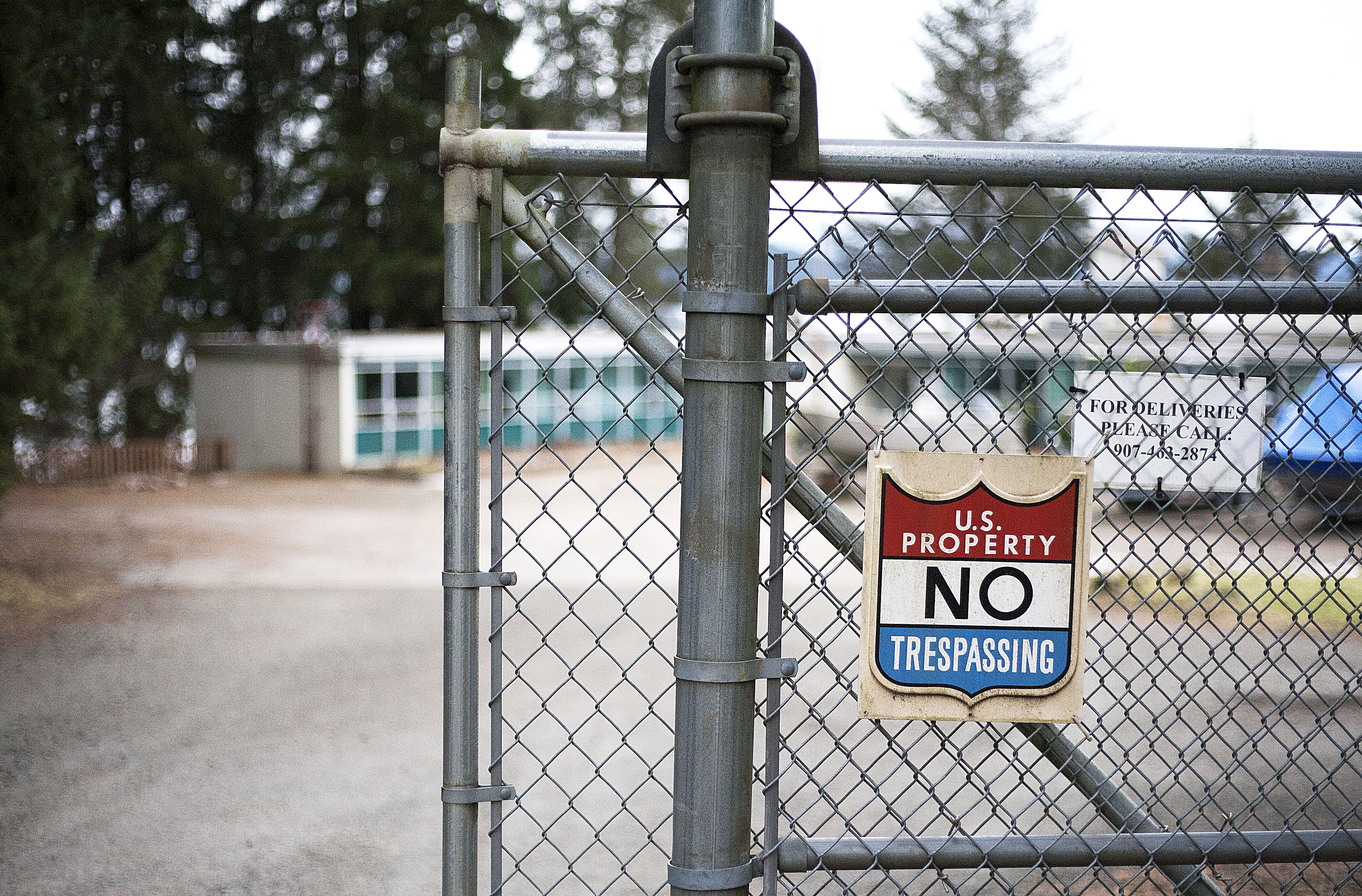
A chain-link fence cordons off the entrance to the Auke Bay Marine Station on Tuesday, Jan. 31, 2017. Juneau Docks and Harbors is interested in the NOAA property for potential expansion of Statter Harbor. (Photo Tripp J Crouse/KTOO)
The federal government is offloading some prime real estate on Auke Bay and both the city of Juneau and University of Alaska Southeast are making strong cases to receive it. The former NOAA Fisheries Auke Bay Marine Station is currently occupied by the Coast Guard, though that arrangement expires this spring. Now both UAS and the Juneau Docks and Harbors have put in competing proposals to take it over.
There are differing visions for what to do with nearly 4 acres of prime waterfront property on Auke Bay. Juneau’s Docks and Harbors division sees huge potential in expanding slips for commercial fishing boats, yachts and even small cruise ships. Port Director Carl Uchytil argues that Juneau’s geography has left mariners with too little harbor space and this location is prime.
“We’re cramped on this long, linear ribbon of land in Juneau,” Uchytil said, “so having the opportunity to acquire more land and utilizing that land as a portal for expansion of the harbor we think is in the best interest of the marine users in Juneau.”
Docks and Harbors submitted a proposal last summer that called for an ambitious $30 million harbor expansion that would build a new boat slip connected to neighboring Statter Harbor. Docks and Harbors would also relocate its administrative offices to the property, saving $56,000 a year in rent. Juneau’s port director says it’s a rare chance.
“This is kind of a once-in-a-generation opportunity to acquire property adjacent to a harbor than can really benefit the community for decades to come, and we’re excited about the opportunity that it presents,” he said.
The most prominent building on the site is a federal marine lab built in the 1960s. For decades it was occupied by NOAA Fisheries until they moved up the road to the Ted Stevens Marine Research Institute at Lena Point.
Since then several other agencies have come and gone. Now the Coast Guard is using some of the buildings but it’s not clear if they’ll renew their tenancy when it expires in May. Considered surplus property, the waterfront acreage and the buildings on it are in the hands of the General Services Administration, the agency charged with managing federal properties.
The University of Alaska Southeast whose main campus is literally across the street also has designs on the property.
Port Engineer Gary Gillette notes the city would be glad to lease out the 14,000-square-foot main building to the university.
“All the labs and everything are still there, so if it’s something that the university or some research entity could use, we’d lease it out to them because as a Docks and Harbor facility we don’t particularly need the lab space,” Gillette said.
The university, for its part, has politely declined the city’s offer. Instead, it’s filed a proposal of its own that calls for expanding its campus on Auke Bay and using the entire 4 acres.
“What we’re trying to do is expand the campus along that waterfront and use those buildings and we have plans to utilize all of the buildings that are there,” UAS Vice Provost for Research Karen Schmitt explained. “So then we will have all of our science programs — which are very interdisciplinary in nature — on the same site and accessible to the water on the marine laboratory side going down to the waterfront and the dock there.”
At one point both the city and university were working on a joint-plan but that stalled last year. A memorandum of understanding remains unsigned because Docks and Harbors and the university disagree over how to share the property.
UAS facilities director Keith Gerken says both sides recognize a compromise would simplify the process but so far that remains elusive.
“One of the questions we haven’t been able to answer is whether there is a workable plan that has the two agencies sharing the property,” Gerken said. “That’s what I think frankly neither party can say for sure works.”
The university projects it would cost up to $2.2 million to move in in the first year. Demolishing and replacing some of the buildings and bringing it up to standards could cost upwards to $25 million over 20 years.
Schmitt says the state’s fiscal crisis — and the prospect of deep spending cuts — is no reason to abandon investments in education and that’s the message they’d carry to the Capitol.
“We’ll be serving a large number of people in the community, certainly the region, and I think that’s the kind of mission that our university really can advocate for strongly and do well to have that property to make that possible,” she said.
Both sides agree that it’s a prime piece of land that the community would be lucky to have access to — no matter how it’s used.
As it stands the ball remains in the feds’ court. The university’s application rests with the U.S. Department of Education. Docks and Harbors has applied through the U.S. Commerce Department’s maritime agency. The federal GSA is left with the task of weighing which proposal is better in the interests of the United States government.
How — and when — the federal government will make a decision is anybody’s guess.
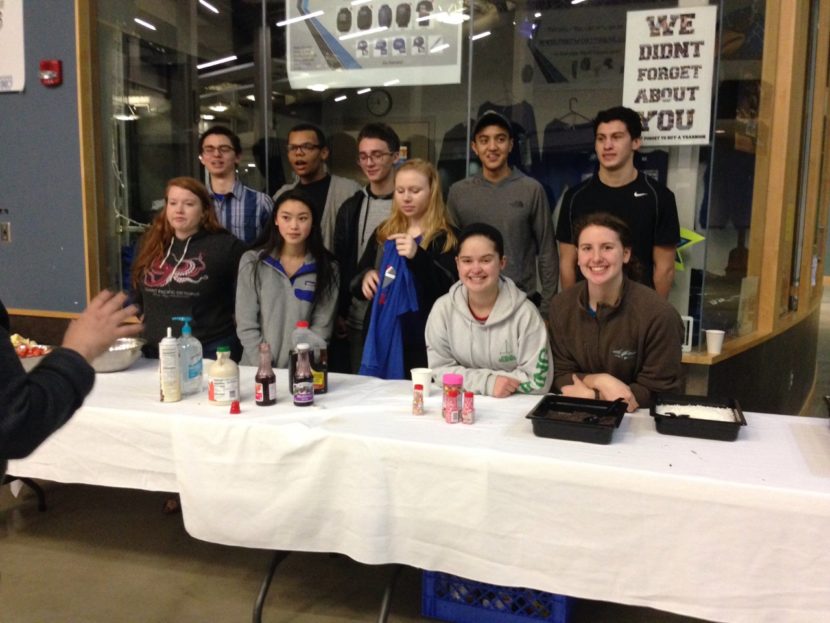
National Honor Society students helped serve food at the pancake dinner at Thunder Mountain High School on Sunday, Jan. 29, 2017. (Photo by Sharon Lowe)
Feeding Juneau’s Future raised more than $900 from about 72 people by the end of a pancake dinner in the Thunder Mountain High School commons.
The group hoped the event would be the last push they needed to reach their goal.
Cindy Gaguine, a coordinator with the group, said the Benito and Frances C. Gaguine Foundation, which her husband runs, has promised to match their donations up to $10,000.
“And with a Go Fund Me that we have going on right now and local donations, we have raised $8,000. So we’re getting close to our goal,” Gaguine said.
Counting the money raised at the dinner, that’s almost $9,000 total.
Feeding Juneau’s Future is a group that gives food to school kids who might not eat regularly at home. They’re nearing the end of their first “big fundraiser” just short of their $20,000 goal.
The group spends almost $2,000 per week on a couple of their programs for school kids of all ages.
According to Sharon Lowe, another of the charity’s coordinators, one of their most expensive efforts is the backpack program.
“We do the backpack program, which is a nationally recognized program, where we send home food over the weekend to kids who have been identified in the schools by either the school nurse, the counselors or their teachers as having food insecurities,” Lowe said.
Lowe said the program had modest beginnings in Juneau about three and a half years ago and just began operating citywide last school year.
She said the bags of food can help keep kids in school and paying attention.
“And not worried about when lunch is going to be because it’ll be the first time that they might have been fed, or they haven’t gotten enough over the weekend and they’re waiting for the school lunch to appear,” Lowe said.
The group also serves breakfast in Dzantik’i Heeni and Floyd Dryden Middle Schools, which Lowe said don’t get the same free breakfast Juneau School District gives most of the elementary schools.
She estimates they feed 40 to 50 kids breakfast at the two middle schools every day and they give out over 400 bags of food every week.
The group also stocks pantries in the two main high schools.
A crew works on a sewer system in a rural Alaska village. Photo courtesy USDA Rural Development.
Alakanuk, and other villages seeking federal sewer and water money received good news Friday afternoon.
The Environmental Protection Agency announced that its funding for grant projects is once again available. This means that tribes receiving money for infrastructure projects can proceed as normal.
Over the last week, many have questioned the need to review the EPA’s operations and speculated that there might be possible cuts to vital programs. However, the EPA explains in their statement that no aspect of the process has changed and that the grant amounts have also remained the same.
This will come as a relief to tribes and rural communities seeking funding for essential projects like water/sewer. The village of Alakanuk recently expressed concerns about the future of the program in the face of a massive overhaul of their sewer system.
The EPA says that it is still evaluating contracts that were put on pause by the Trump Administration, but as of Friday afternoon, that review was nearly complete as well.
Juneau homeless resident Everett Johnson, far left, testifies about sleeping on the streets before the Juneau Assembly on Monday. (Photo by Jacob Resneck/KTOO)
That’s following more than 90 minutes of testimony from dozens of residents including merchants, social workers and homeless people.
They all agreed on one thing: Juneau has a serious homeless problem.
But speakers had radically different viewpoints.
Douglas resident Greg Capito told the Juneau Assembly on Monday night that tensions are rising between increasingly desperate people sheltering downtown, and that employees and patrons are increasingly afraid.
“In the last three years, downtown Juneau has changed and, ladies and gentlemen, not for the better,” Capito said. “There’s fear in the eyes of everybody. When you look in somebody’s eyes and see fear you never forget it.”
Other speakers also testified that they were feeling increasingly unsafe downtown, especially after dark.
But 27-year-old homeless Juneau resident Lisa Williams said that if the proposed ordinance is passed, she doesn’t know what she’d do.
“We have nowhere to go. And we’re already homeless,” she said. “If we had money to pay for something we would pay for it. You guys are trying to give us tickets or whatever — but if we’re homeless how are we going to pay for it? We don’t have anything, we don’t have a home. We’re staying in cubbyholes and everyone is saying they’re scared but — we’re harmless.”
Daryl Miller, owner of a downtown commercial printing business, said he likes the idea of more shelter capacity and an emergency warming station. But he’s reached the breaking point with people sleeping downtown.
“I’m tired of babysitting and cleaning up on a daily basis,” Miller testified. “So much so that I will be moving my business in the next three months from its current location, and one of the main reasons is because of the daily cleanup.”
Another longtime homeless resident, Everett Johnson, said elected officials don’t know what it’s like to be destitute and challenged them to put themselves in his place.
For people like him it’s a matter of daily survival, he said.
“You want to get us off downtown? OK — build us another shelter. Don’t make it difficult. We’re already having a hard time,” Johnson said, his voice trembling with emotion. “As I look at every one of you you guys got a bed, a warm place. Not me, not me. As a matter of fact, I brought my bed with me and that’s my sleeping bag.”
The Juneau Assembly concluded the ordinance’s public hearing and is scheduled to revisit the issue at its Feb. 13 meeting.
Two Juneau Police Department officers check on a man on Telephone Hill in downtown Juneau in July 2014. A proposed ordinance would empower the police to arrest and charge anyone in the downtown core that refused to move. (Photo by Lisa Phu/KTOO)
The American Civil Liberties Union of Alaska has warned that Juneau’s proposed anti-camping ordinance, drafted to deal with homeless people sleeping downtown, could violate a person’s constitutional rights.
The ordinance would empower police to cite homeless people sleeping in the downtown core in the early morning hours. Failure to obey orders to move would allow police to press criminal charges.
But the ACLU of Alaska says the ordinance may not survive a legal challenge.
“Los Angeles tried to do something similar and when the U.S. Court of Appeals for the Ninth Circuit struck it down, the court said that if a city doesn’t have enough shelter space for everyone and there’s nowhere for our homeless neighbors to go, it violates the Eighth Amendment to punish them for sleeping outside,” Tara Rich said in a statement. She’s the ACLU of Alaska’s legal director.
“What today’s proposed ordinance would do would be essentially criminalize the fact of sleeping, which is a fundamental, biological need for people that literally have nowhere else to go,” ACLU of Alaska Executive Director Joshua Decker said in an interview Monday. “It’s our hope that the Juneau Assembly will heed our constitutional concerns and rather than passing an unconstitutional law that does nothing to solve the problem of homelessness, it will instead refocus its efforts in making sure that everyone who needs shelter has it.“
The mayor introduced the ordinance after hearing complaints from merchants that the numbers sleeping in front of doorways was hurting commerce in Juneau’s historic downtown.
Opposition to the proposed ordinance comes from four regional Alaska Native groups as well as social work agencies that provide emergency shelter and services to the homeless.
Close
Update notification options
Subscribe to notifications
Subscribe
Get notifications about news related to the topics you care about. You can unsubscribe anytime.