Alaska Native Corporations

For some Native corp shareholders, cultural role outweighs the economic

The mission of Sealaska Corp. is to strengthen people, culture and homelands. It pays its shareholders cash dividends and supports Alaska Native culture through the Sealaska Heritage Institute and other programs. But do Alaska Native corporations like Sealaska help their shareholders climb the economic ladder?

Sasha Ivan Soboleff was 26 when the Alaska Native Claims Settlement Act, or ANCSA, was signed into law on Dec. 18, 1971.

“I was teaching in Kake at the time, and I signed up on Kake Tribal, so I have 100 original shares and I was on the original board of incorporators for Kake Tribal,” he said. “I also belong to Sealaska Corp., because that’s the large regional corporation.”

Sealaska is one of 12 for-profit regional Alaska Native corporations the legislation created. It also created many village corporations, including Kake Tribal. Alaska Natives at the time, like Soboleff, enrolled as original shareholders.

Sitting in his small apartment in the Mendenhall Valley, he said he doesn’t think Native corporations can help with economic mobility.
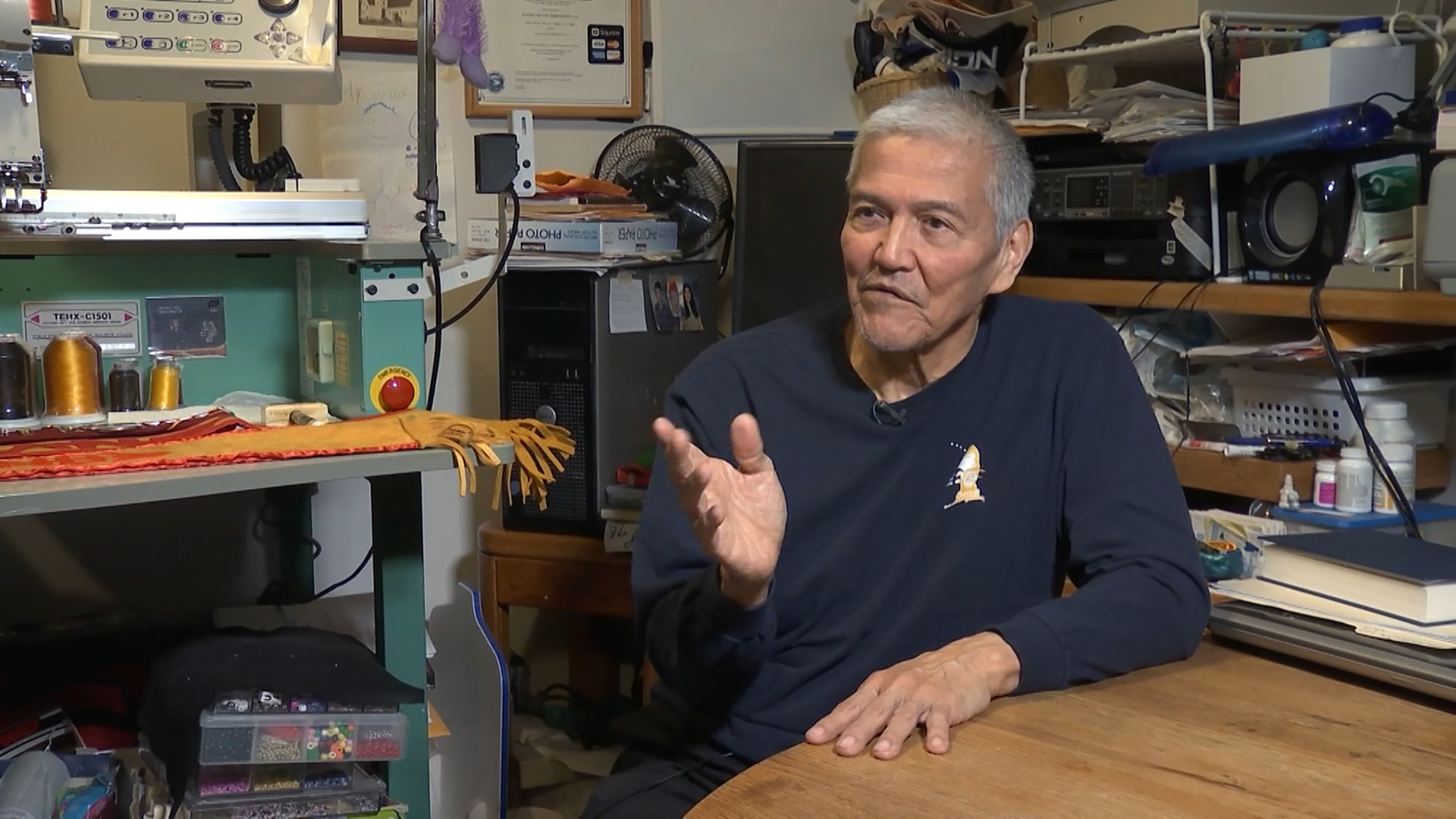
Sasha Soboleff discusses the role of Alaska Native corporations at the his home in the Mendenhall Valley in November. (KTOO video still)

“The business nature of ANCSA corps., which is the formation of an economic vehicle called a profit-making business, is not the way the culture of Southeast Alaska Natives … thinks, or exists,” he said.

Sasha Soboleff was born in Juneau in 1945. That was five years after his parents, Walter and Genevieve Soboleff, moved back to Juneau from the Lower 48. He said his parents instilled in him the value of hard work.

“They came back here and they ran into terrible racism. They weren’t allowed to rent. They weren’t allowed to apply for jobs, but to their persistence, they started making it, and so the Soboleff family has always followed that mold,” he said.

Soboleff is a retired school teacher and principal. He’s the grand president of the Alaska Native Brotherhood.

He said the Native corporations fail to support the culture, and the distributions don’t make up for it.

“I barely even recognize except a couple of times a year when they give out one or $200,” he said. “It doesn’t set the standard for making a culture come alive. … It doesn’t recognize where you live, the lands that your clans and your family has had for years where you pick berries or you go fishing, or where you dry the foods that are going to be due, or you have seaweed. It doesn’t do any of that.”

Rosita Worl disagrees. She is also an original shareholder and recently retired from being a board member of Sealaska Corp. after 30 years. She said the purpose of the corporation is more than just monetary.

“In addition to our economic responsibilities, through employment and dividends, we also have a host of other responsibilities, and things to meet our mission objectives, like scholarships, things to grow, help out shareholders so they could lead a healthy lifestyle.”

Nathan Soboleff, Sasha’s nephew, received one of those college scholarships and an internship with Sealaska. Now he manages grants at Bartlett Regional Hospital in Juneau, where he has his own office.

Nathan Soboleff got a few shares of Sealaska and the village corporation Kootznoowoo from his father. Financially, they’re not worth much.

“I think I received a shareholder check of like $5 before,” he said.

What matters more to him is the connection to the land.

“Not having some kind of ownership to that land is sad, and a lot of people do have strong feelings about having some kind of ownership, even if it’s not in the modern sense of private ownership … but knowing that it’s still Haa Aaní, it’s still our lands, is important,” he said. “And if you don’t have any of that shared ownership in there, there’s something missing.”

Nathan Soboleff has three young children and looks forward to passing some of his shares along to them.

“They are growing up being raised Tlingit-Norwegians, and they culturally know who they are, and where they’re from, and in the near future, you know, within the next six or seven years, I will give them some of my shares,” he said.

Rosita Worl said she’d like to see Sealaska develop that connection to the land further by advocating for more subsistence rights for its shareholders.

“I’m not saying that we have to go back to a hunting and fishing economies, but I want to see us … moving forward in a way that brings us into the 21st centuries but also allows us to sustain our traditional cultures.”

Rosita Worl, and Sasha and Nathan Soboleff are just three voices among tens of thousands of shareholders in more than 200 Alaska Native corporations. Do you have a story about how your corporations affected your family? Share it at ktoo.org/chasingthedream.

This story is part our public media partnership with Chasing the Dream: Poverty and Opportunity in America. Major funding is provided by the JPB Foundation. Additional funding is provided by the Ford Foundation. Support on KTOO comes from thread, advancing the quality of early care and education in Alaska. 
Chasing the Dream

Educational partnership mixes math with Native design

A program mixing Alaska Native art with high school math is part of Sealaska Heritage Institute’s latest efforts to promote culture and foster the next generation of Native artists.

The partnership seeks to encourage the next generation of artists in the Northwest Coast art traditions of the Tlingit, Haida and Tsimshian. Sealaska Heritage Institute, the University of Alaska Southeast and several Southeast school districts have signed on.

Funded by a federal grant, Sealaska Heritage is calling the program “Sharing our Box of Treasures.” Partners will work to incorporate the geometry and algebra concepts involved in formline design into high school math classes.

It also establishes an associate degree program in Northwest Coast arts at UAS. The goal is for students studying Native art at UAS to then be able to transfer to the Institute of American Indian Arts in Santa Fe, New Mexico, to complete four-year degrees. This partnership is a continuation of one that began last year.

“It’s a way that we may not be able to offer the full four-year degree but by offering the two-year degree it creates a pathway for someone who is interested in that topic,” said UAS spokesperson Keni Campbell.

At the same time, high school students in Juneau, Hoonah and Klawock will eventually be able to take courses in formline design at their schools while receiving dual credit at UAS.

The Juneau School District and UAS will be hiring coordinators to start working on classes next spring.

Sealaska Corp. expands Seattle-area seafood investments

Orca Bay is Sealaska Corp.'s latest Seattle-based seafood investment. It's merging with Odyssey Enterprises, another processor investment. (Courtesy Orca Bay Seafoods)
Sealaska Corp.’s latest Seattle-based seafood investment Orca Bay is merging with Odyssey Enterprises, another processor investment. (Image courtesy Orca Bay Seafoods)

Sealaska is increasing its investments in Seattle’s seafood-processing industry, as part of the Southeast Alaska regional Native corporation’s effort to boost revenues and increase dividends.

The first investment in the industry came in 2016.

Sealaska bought a minority interest in Independent Packers Corp., a Seattle processor employing about 180 people.

It later purchased a majority stake in Odyssey Enterprises, also based in Seattle and has about 200 workers.

Both do value-added processing, which means they turn seafood into fillets, soups, stews, breaded products and similar items.

The new addition is Orca Bay, based in Renton, about 10 miles southeast of Seattle, makes similar products and has about as many workers.

“The products they have, their customer base, their marketing strategies, their access to resources, all is very complimentary,” said Anthony Mallott, president and CEO of Sealaska, with nearly 23,000 mostly Tlingit or Haida shareholders.

He said Orca Bay is in the process of merging with Odyssey.

“The combination of the two offers not only good scale, but the opportunity to have an expanded customer base and give us a platform where we can continue to build our marketing expertise, try innovative new products and be the beginning of the seafood platform that we envisioned,” he said.

Cliff White, executive editor of the website SeafoodSource, said the acquisitions make Sealaska a medium-sized player in the industry. He said the latest purchase is a good move.

“Orca Bay is renowned for its marketing and its strong ability to connect with customers. It’s a smaller player, but it’s doing things the right way,” he said.

Mallott said it’s Sealaska’s last processing investment for now, but the corporation also plans to purchase Alaska seafood for the plants.

McDowell Group senior seafood analyst Andy Wink said too much of the catch heads overseas.

“To have another buyer out there in the U.S. that’s looking to grow their line of products using fish from Alaska is just another bump in demand,” he said. “Alaska produces something like 5 to 6 billion pounds in harvest volume. So it’s probably relatively minor, but it helps.”

Sealaska Plaza, headquarters of the Southeast regional Native corporation, in Juneau. (Photo by Ed Schoenfeld/CoastAlaska News)

Sealaska’s seafood buys are part of a five-year recovery plan after its construction company lost more than $25 million and other businesses more than doubled that amount in 2013.

With revenues, the loss added up to about $35 million.

Among other things, the plan called for development of businesses closer to Southeast Alaska and the Pacific Northwest, where many shareholders live.

Earlier investments included plastics factories as far away as Alabama and Guadalajara, Mexico.

Mallott said processing is one reason the corporation has been able to boost its businesses’ part of this month’s $11 million shareholder distribution.

“The earnings have improved across the board,” he said. “Natural resources, government services and the new seafood investments are all adding to the earnings that are culminating in this increased dividend.”

The dollar-per-share contribution isn’t a lot, but it’s the largest in the past few years. Earnings from Sealaska’s Marjorie Young Permanent Fund added another 86 cents per share.

But the largest amount comes from natural-resource earnings shared by all 12 regional Native corporations. The amount, $4.10 per share, is down.

“The distribution is driven by oil income from Arctic Slope Regional Corp. So the main driver is the lower oil price,” Mallott said.

Sealaska also pays shareholders a spring dividend. It’s driven, in part, by revenues from the Red Dog zinc mine. That‘s on property owned by the Kotzebue-based NANA Regional Corp.

Read more about the dividends’ breakdown.

Sealaska to pay $11 million in dividends

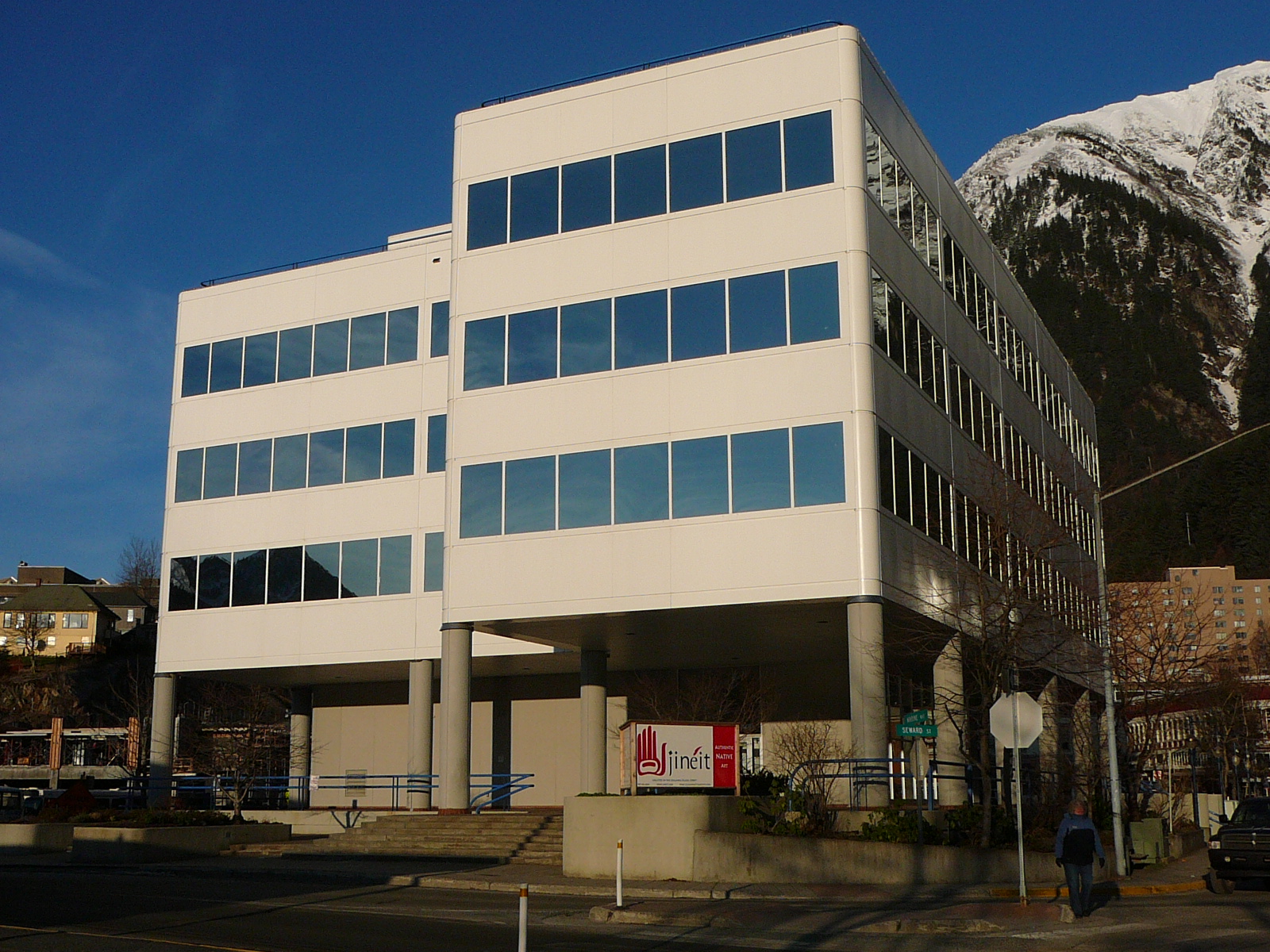
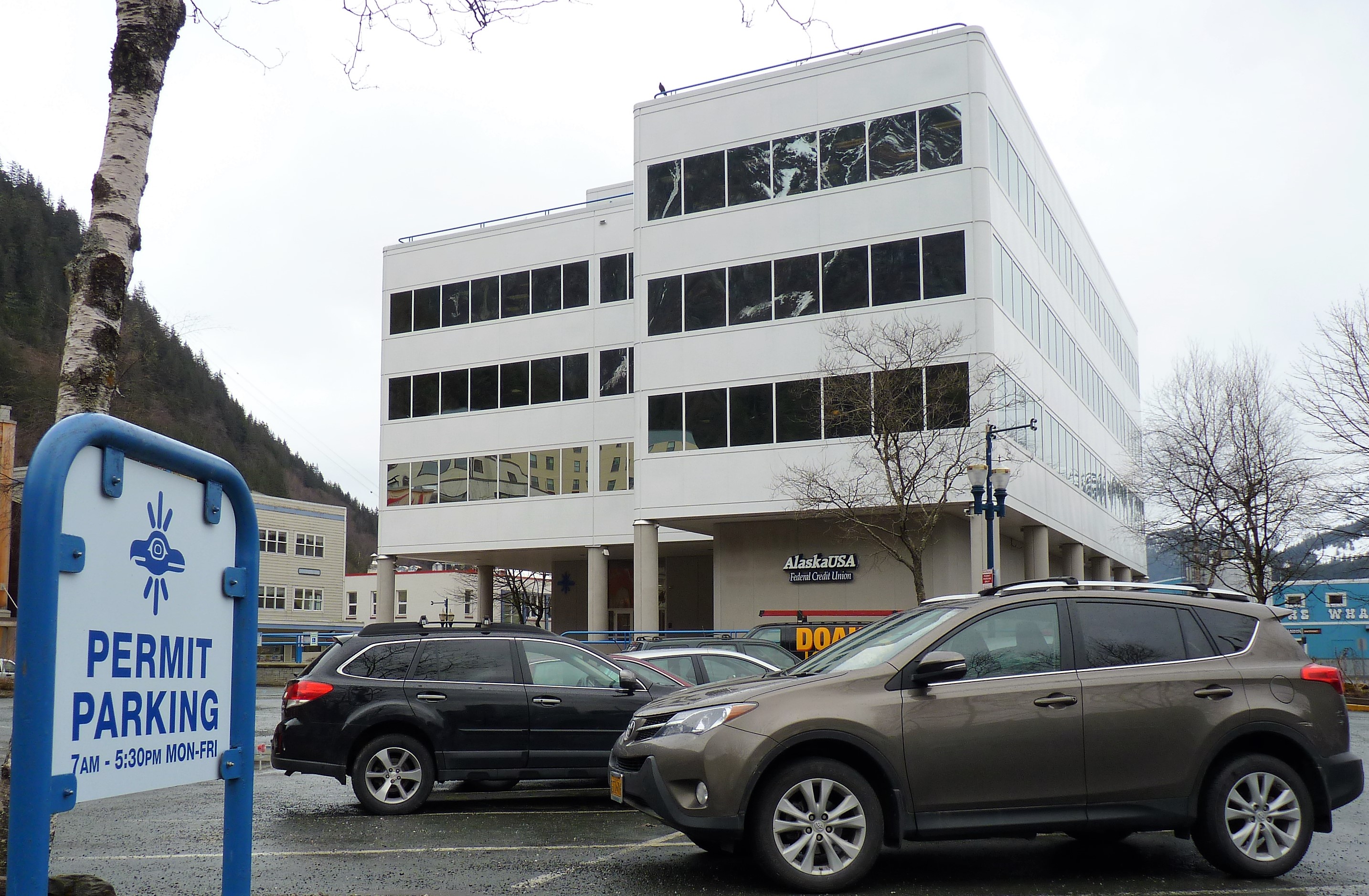
Sealaska's corporate headquarters are in this Juneau building. Nearly 23,000 shareholders will receive their fall dividends mid-November. (Photo by Ed Schoenfeld/CoastAlaska News
Sealaska’s corporate headquarters are in this Juneau building. Nearly 23,000 shareholders will receive their fall dividends mid-November. (Photo by Ed Schoenfeld/CoastAlaska News

Southeast Alaska’s regional Native corporation will distribute close to $11 million to its shareholders Nov. 17.

Juneau-headquartered Sealaska announced the distribution Oct. 27.

Payments will range from $596 to $186 for those with 100 shares. The amount depends on the class of shareholder and other factors.

Sealaska has 22,950 shareholders living in Alaska, the Pacific Northwest and elsewhere.

Operational income will make up $1 per share of the payments. That includes revenues from recently purchased fish processing plants, as well as timber and gravel operations, plus government contracting.

Officials said the amount demonstrates progress in developing its corporate businesses.

“We expect the operations dividend payment to nearly double due to continued growth in net income and cash flow. This will be the first increase in an operations dividend over the last five years,” board Chairman Joe Nelson said in a press release.

Sealaska’s Permanent Fund investment account makes up 86 cents per share.

The largest source, at $4.10 per share, is a pool of natural resource earnings from all 12 regional Native corporations.

Shareholders who are also members of an urban Native corporation, such as Juneau’s Goldbelt, will get the full dividend of $596 for those with 100 shares. That includes the resource pool earnings.

Those who are also members of village Native corporations, such as Kake Tribal, receive $133 for those with 100 shares. They do not include the resource pool earnings. Those go to the village corporation.

Recently enrolled shareholders’ dependents also receive the smaller payments.

Tribal leaders call land-use bill step in right direction

WASHINGTON — Tribal leaders backed a House bill Wednesday that would give tribes the ability to control more of their land, instead of having to get federal approval for virtually any use.

The American Indian Empowerment Act would let tribes shift federally controlled trust land to “restricted fee land,” a move that could save millions of dollars that tribes now spend on “burdensome regulation,” while restoring a level of tribal sovereignty.

While they called the bill a step in the right direction, however, witnesses said they are concerned about ambiguities in the thin, three-page bill that “could allow state or local governments to implement property taxes on tribal land,” among other issues.

Navajo Nation Vice President Jonathan Nez said that clarifying those issues is necessary for tribes who, “given our history with the federal government . are rightly concerned about any further loss of our lands.”

But with slight changes, witnesses said at a hearing of House Natural Resources subcommittee, the bill would greatly benefit Indian Country.

Currently, Nez said, even small tasks are laborious and expensive for tribes. He pointed to road repairs that the state can do “in days” in most of Arizona.

“But when it comes to dealing with road infrastructure on our nation, we have to wait for (the Bureau of Indian Affairs) on the regulations, we would have to go through environmental reviews, right-of-way applications,” Nez told the committee . “And it takes years sir, and a lot of resources.”

He said bureaucracy was in part to blame for problems with electricity and water, which he said “are not helped by the current requirement that we gain additional approvals from the Department of Interior for rights-of-way permits across our own lands.”

Those delays come with a cost: Nez said that of “the dollars that go to Indian Country to improve the roads, millions of dollars are utilized to go just to those clearances, and right-of-ways alone.”

Lummi Nation Council Member Henry Cagey said the current system “interferes with the sovereign authority of the tribal government to determine what is appropriate use of our own land.” By shifting trust land to restricted fee lands, which are “not considered owned by the United States,” tribal leaders have exclusive management rights for the land.

Cagey said the bill “streamlines land-use regulation and makes it easier to develop such things as housing or businesses.”

Eric Henson, an executive vice president for economic consulting company Compass Lexecon, said the bill is a “very positive move forward” but that there are “a few clarifying things” that need to be addressed to avoid unforeseen consequences.

One concern raised by Henson is the lack of specific language about taxation in the bill, which could open the door to other governments taxing the restricted fee lands. Henson, who works with the Harvard Project on American Indian Economic Development, said it’s “diminishing” to the sovereignty of tribal governments to dictate how they can tax their lands.

“We should treat Indian nations as nations,” Henson said . “You wouldn’t call France, and say, ‘Hey, don’t tax your citizens because we are going to do it instead. Why don’t you guys start exporting more baguettes?’ That would be crazy.”

Nez said the bill should also include language to let tribes “elect to revert land back to trust land from restricted federal land if they deem it in their best interest.”

Henson said tribes could decide to put land back into trust for any number of reasons, including unexpected taxes leveraged by state and local governments and other “unforeseen consequences.”

This is the fourth time Rep. Don Young, R-Alaska, has introduced the bill. No previous version has ever gotten out of committee.

But Cagey and other panelists said it’s time for the bill, that tribes are able to regulate themselves.

“What we’re asking the committee to do is what’s best for us,” Cagey said. “Not what’s best for the businesses, or the state or the county or the United States, but what’s best for the Indian people.”

Former senator, longtime Native leader Kookesh fighting cancer

Albert Kookesh discusses regional issues in his legislative office in 2012, when he was a state senator. (Photo by Ed Schoenfeld/Coastalaska)

A longtime Alaska political and business leader is fighting prostate cancer.

Former state Sen. Albert Kookesh, an Angoon Democrat, spent 16 years in the Alaska Legislature. As a senator, he represented the state’s largest electoral district, which ran from southern Southeast through the Interior and most of the way to the Bering Sea.

Kookesh also served as co-chairman of the Alaska Federation of Natives and president of the Sealaska regional Native corporation’s board of directors.

The Tlingit leader also is a subsistence activist who’s played leadership roles in the Alaska Native Brotherhood and other organizations.

Central Council of Tlingit and Haida Indian Tribes of Alaska President Richard Peterson said Kookesh has been a mentor to many tribal and community leaders.

“I was a 19-year-old mayor in Kasaan. And as our representative and then senator he was always there to offer advice, point us in the right direction, and really make sure that we knew how to advocate for our community,” said Peterson, now in his early 40s.

Kookesh is being recognized at a medical fundraiser and appreciation dinner from 5-8 p.m. Aug. 25 at the Elizabeth Peratrovich Hall in downtown Juneau.

The Central Council is a sponsor, along with Sealaska Corp. and Sealaska Heritage Institute.

Peterson said the event is more about recognition of decades of work than raising money for treatment.

“Albert’s not asking for this. This is really our community coming together and saying, ‘Hey, we want to hold he and (his wife) Sally up, their children up, while they go through this fight,'” he said.

Kookesh couldn’t be reached for immediate comment.

The Angoon resident spent eight years in the House and the same number in the Senate, representing mostly rural communities.

He lost a re-election bid in 2012 after reapportionment pitted him against Sen. Bert Stedman, a Sitka Republican. The new district included more of Stedman’s constituents than those of Kookesh.

Kookesh spent 14 years chairing Sealaska’s governing panel. He stepped down in 2014 after a heart attack, though he remains on the board, where he’s served for 40 years.

He also chose not to run for re-election as AFN co-chairman that year, a position he held for 14 years.

Kookesh has a law degree, was a commercial fisherman and owned a lodge and store in Angoon.

Site notifications
Update notification options
Subscribe to notifications