Victoria Johnson teaches Lingit language classes to children at Sayeik Gastineau School in Juneau. (Photo by Paige Sparks/KTOO)
The Kenai Peninsula Borough School District is holding an Indigenous language film festival for the first time. It’s part of a greater push to highlight Indigenous languages in the district.
The February festival will showcase short, locally made films that feature Alaska Native languages like Dena’ina. Those films will later be stored for future use by tribal organizations and schools.
“What better way to highlight Indigenous languages than to have people make films that could then be housed and possibly used in tribal or school district classrooms,” said Rachel Pioch, district coordinator for Title VI — the federal program that supports programming for Alaska Native and Native American students. “Especially knowing the history of how Indigenous languages have been viewed and silenced by school systems.”
Pioch said her department wanted to incorporate more language programs into the district to celebrate the United Nations’ Decade of Indigenous Languages, which began this year.
A handful of district schools already incorporate Indigenous language learning into their curricula, including schools in Port Graham, Nanwalek and Tyonek. Separately, the Kenaitze Indian Tribe is spearheading language revitalization efforts of its own, including public language workshops, an online Dena’ina audio dictionary and other programs from its new educational campus in Kenai.
Pioch wants more of that learning to be available at all Kenai Peninsula schools. She said since the pandemic, the Title VI department has taken a big step toward ramping up the district’s cultural programs, including food- and drum-making workshops at schools.
The film festival is another branch of that effort. Pioch said she worked with an advisory committee to make sure the project would be respectful and authentic.
Video submissions can range between one and five minutes. Just a portion of each film has to feature an Indigenous language.
“Even if it’s simple as an elder teaching a preschool class a couple of words — what a great video that would be,” Pioch said.
Pioch is already working with peninsula educators to encourage their students to submit videos. They’ll all show at a film festival in February and, after that, will be archived on the Title VI website.
Already, Pioch said the project has kind of exploded.
“It’s actually gone a little farther than I thought,” she said. “We do have a group in Anchorage who, even though it’s just supposed to be for the Kenai Peninsula, asked, ‘Can our kids please submit?’ And I said, ‘Sure, we’ll create a friends and family division.’”
Federal funding covers costs for Title VI students specifically, but Pioch said the district can supplement with additional funding to cover the costs of working with non-Native students.
“All of our students, regardless of ethnicity, will benefit from connecting to the land on which they live, as well as learning the history of the land and its people — and thereby the culture,” she said.
She hopes the project strikes a chord with families, too. Pioch has been moved by her own experience recording her mother, who’s Finnish.
“Getting her on video, telling how to make the traditional bread — that’s such a gift for my family,” she said. “This can also be a gift for the participant families.”
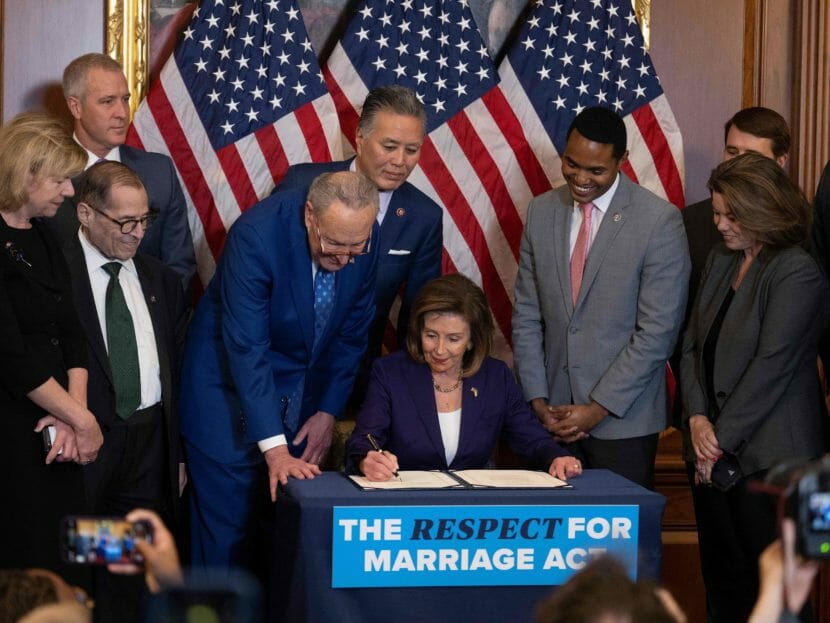
Speaker of the House Nancy Pelosi, center, (D-Calif.), surrounded by Senate and House members, participate in a bill enrollment ceremony for H.R.8404, the Respect For Marriage Act on Dec. 8. (Jim Watson/AFP via Getty Images)
Both the House and the Senate have passed the Respect for Marriage Act, which codifies same-sex and interracial marriages. The bill will head to President Joe Biden’s desk to be signed into law, which is expected to happen soon.
The legislation passed 258-169 in the House Thursday with bipartisan support, after passing through the Senate last week with a 61-36 vote. Twelve Republican senators voted in favor of the bill.
Several LGBTQ members of Congress spoke on the House floor ahead of the vote, including Rep. Mark Takano, D-Calif., the first openly gay person of color in Congress.
“This bill will pass today but it is a reminder of the necessity of our vigilance in the fight for the human rights and need to hold the judicial branch accountable,” Takano said. “We must rise to the challenge and we will prevail.”
The bill would require that all states recognize same-sex and interracial marriages performed in any other state. It would not require that states individually allow these marriages to be performed. The measure also would recognize these marriages for consideration of federal benefits such as Medicare and Social Security.
Amendments to the original House-passed bill, led by GOP negotiators Sens. Susan Collins, Thom Tillis and Rob Portman, make sure that nonprofit religious organizations are not required to help perform a same-sex marriage.
The measure was first born out of the House this summer following the Supreme Court’s decision in Dobbs v. Jackson, which held that access to abortion was not a constitutional right. Marriage rights advocates and Democrats expressed concern that the reversal could call other decisions regarding civil liberties into question, including marriage equality.
In his concurring opinion of the Dobbs case, Justice Clarence Thomas made a point to say that the landmark 2015 case that legalized same-sex marriage, Obergefell v. Hodges, rests on the same legal principles that underscored Roe.
While no case challenging the right to marry has yet made it to the Supreme Court, advocates feared Thomas was setting the stage for Obergefell’s reversal.
The legislative victory comes as somewhat of a surprise
House Democrats brought up the legislation months before the midterm election with little to no expectation that it would become law so quickly, but rather to put Republicans on record on a social issue that has the vast support of American society. But when a notable number of House Republicans joined with Democrats to pass the bill, it ultimately forced the Senate to act on legislation that Democratic leaders did not initially have on their Fall agenda.
In November, after the dozen Republican senators voiced support for the legislation in a vote that ended debate on the measure, it permitted the legislation to advance toward a final vote in the upper chamber, which was held last week.
As vice president, Biden publicly broke with then-President Barack Obama to voice support for same-sex marriage rights in 2012. Obama ultimately joined him.
Copyright 2022 NPR. To see more, visit https://www.npr.org.
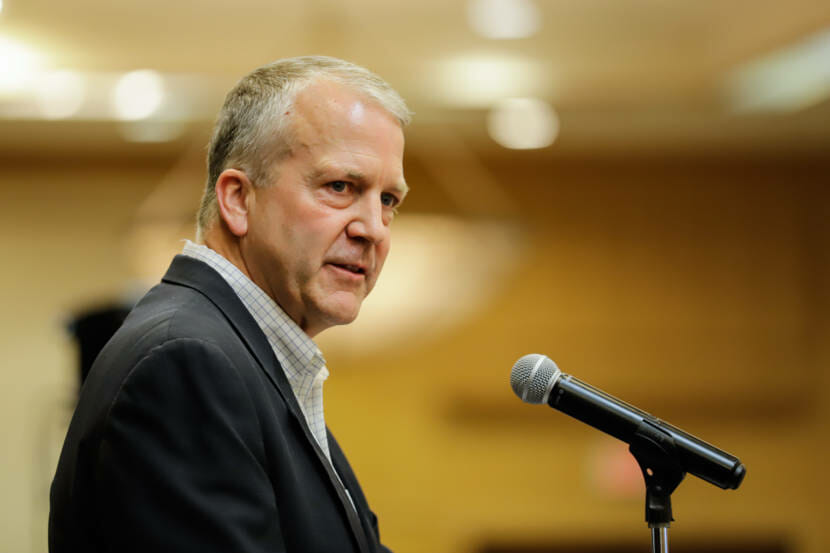
Sen. Dan Sullivan in Anchorage in July 2021. (Photo by Jeff Chen/Alaska Public Media)
The U.S. Senate on Tuesday passed a bill to protect same-sex marriage, with the support of both Alaskan senators, though U.S. Sen. Dan Sullivan considers it a religious liberty bill.
U.S. Sen. Lisa Murkowski, as she went into the Senate chamber to vote, said the bill provides certainty to gay couples that their marriages will be recognized nationwide.
“I have have long maintained that marriage should be recognized in a way and in a manner that recognizes that love between two persons,” she said.
Sullivan slipped into the chamber without stopping to talk to reporters. He later issued a statement saying he voted yes because the bill protects the freedom of religious groups to only recognize “traditional marriage.”
The bill “is much more about promoting and expanding religious liberty protections than same-sex marriage,” Sullivan’s statement says.
The legislation passed with 61 votes, one more than needed. Murkowski and Sullivan were among 12 Republicans who voted yes.
The Respect for Marriage bill says states can’t, on the bases of race or gender, reject a valid marriage license issued in another state. To win over enough Republicans, it also says religious nonprofits can refuse to provide services to celebrate same-sex marriages.
The bipartisan vote reflects how far the nation has moved in a few decades on this issue. The bill repeals the Defense of Marriage Act, a law that limited federal recognition of marriage to opposite-sex partners. It passed Congress by an overwhelming margin in 1996.
The Supreme Court invalidated that definition in 2015 with a decision called Obergefell v. Hodges, making gay marriage legal nationwide. Justice Clarence Thomas wrote this summer that the court could revisit that decision, setting off a scramble among gay rights advocates, among others, to put marriage protections in federal law.
Sullivan, in his statement, said he disagreed with the Obergefell decision. His statement is silent on whether he personally supports marriage rights for gay couples.
His reasons for supporting the bill did not convince Jim Minnery, president of Alaska Family Action, a right-wing Christian advocacy group.
“Sen. Sullivan just let us down in a big way,” Minnery said in an emailed statement after the vote.
The new bill, the Respect for Marriage Act, goes next to the House, where it’s expected to pass easily.
When Dylan Brandt looks back on the time before he started receiving gender-affirming care, he remembers feeling trapped “in a pretty bad place.” He wasn’t comfortable leaving the house, and he struggled with anxiety and depression.
It was right around his 15th birthday that Brandt began hormone therapy. He says the treatment was “lifesaving.”
“When I started these hormones, not only did it change my physical appearance, but it changed my mind,” Brandt, now 17, says. “I felt better because I was looking better. I felt free. I felt happy.”
Today, that joy is overshadowed by fear that his access to treatment may soon disappear because of a 2021 law passed in Arkansas, Brandt’s home state, that bans gender-affirming care for transgender youth like himself. Brandt is now part of an ACLU lawsuit seeking to overturn the ban, and says that if the law is upheld, he and his family would have to leave the state.
“We wouldn’t have any other choice, because this isn’t something I can live without,” says Brandt.
The Arkansas ban is part of a wave of new state laws that has begun to radically reshape life for trans youth across the nation, bringing restrictions on everything from health care to how their gender identity is treated at school.
An NPR analysis of this fast-changing landscape found that over the past two years, state lawmakers introduced at least 306 bills targeting trans people, more than in any previous period. A majority of this legislation, 86%, focuses on trans youth.
While not every proposal has succeeded — about 15% of the bills have become law — the surge of legislative activity reflects what many advocates see as an increasingly hostile environment for LGBTQ rights in statehouses across the country and even some corners of Congress.
Some of the new laws have been temporarily blocked by the courts. But legal challenges have done little to slow the pace of new proposals, according to Katie Eyer, a professor at Rutgers Law School. It’s an echo, she says, of the period after Brown v. Board of Education, when the U.S. Supreme Court struck down segregation in schools, but many states kept trying to pass laws to obstruct the ruling.
“This phenomenon of states just … churning out legislation as it’s struck down is one that has a long history in civil rights,” says Eyer. “And it can really stymie efforts for people to actually experience what the courts have said should be their constitutional rights.”
It’s also a phenomenon that advocates for the trans community fear will have disastrous consequences for trans youth in particular. A January poll from the Trevor Project, an organization that provides crisis support for the LGBTQ community, found that 85% of trans and nonbinary youth said their mental health was negatively affected by these laws. A subsequent poll found that more than half of trans and nonbinary youth “seriously considered” suicide in the past year.
“Regardless of if these bills pass … it is already having a negative impact for LGBTQ youth generally,” says Sam Ames, director of advocacy and government affairs at the Trevor Project. For many, Ames says, “we are talking about life and death.”
More than half the states have sought to restrict gender-affirming health care
For some trans youth, the wave of new restrictions has made it significantly harder to access gender-affirming health care. For others, it has become virtually impossible.
In four states — Alabama, Arkansas, Arizona and Tennessee — lawmakers have enacted either a partial or total ban on access to gender-affirming care. At least 20 others have tried.
Many of these proposals have sought to restrict anyone under the age of 18 from care that includes puberty blockers, hormone replacement therapy or transition-related surgery. In some of those states, health care providers now face the threat of jail time for offering gender-affirming care.
Restrictions also have come by way of executive order or regulation rather than legislation. Earlier this year, Texas Gov. Greg Abbott directed the state’s child welfare agency to investigate parents and health care providers who give gender-affirming care to trans youth, characterizing those actions as child abuse. The order continues to be challenged in court. And earlier this month, Florida’s State Medical Board effectively banned doctors from providing gender-affirming care for new patients under the age of 18.
The overall fallout has been dramatic. An estimated 300,000 American youth ages 13 to 17 identify as transgender, and according to a March study by the Williams Institute at the UCLA School of Law, at least 53,800 were at risk of losing gender-affirming medical care.
Many of the proposed laws have come despite what critics see as a drumbeat of misinformation about gender-affirming care. Trans-rights advocates say some bills have sought to ban procedures that are rarely available to young patients. For example, a Tennessee law blocks health care providers from providing hormone treatments to prepubescent minors, even though the World Professional Association for Transgender Health only recommends treatment once a minor has entered puberty.
“One of the really concerning trends that we see is that these bills are becoming more extreme over time,” says Alex Petrovnia, president of the Trans Formations Project, an advocacy group. “Frankly, I really do think that the end goal is to ban trans-affirming medical care, period, … which should scare people a lot more than it does because access to gender-affirming care is fundamentally an issue of bodily autonomy.”
Schools have emerged as the front line for anti-trans legislation
Legislation targeting the trans community isn’t new. In 2016, North Carolina sparked nationwide outrage with a so-called “bathroom bill” that sought to block trans people from using public restrooms that don’t correspond with the gender that appears on their birth certificate. The backlash would later push the state to reverse course.
Six years later, the environment has changed considerably. Bathroom bills are back, and this time they are taking aim at school restrooms and locker rooms. At least nine states have moved to block trans students from using restrooms that don’t correspond with the sex assigned to them at birth. Three of them — Alabama, Oklahoma and Tennessee — have succeeded. But unlike the public backlash that pushed North Carolina to backpedal, this most recent crop of legislation has moved through state capitols with far less controversy.
The focus on trans students underscores the extent to which schools, perhaps more than any other area of American life, have emerged as the front line for restrictions on trans rights. Of the more than 126 bills introduced so far in 2022, some 63% have centered on schooling.
Most of these bills would prevent transgender female students from participating in female sports. The bills largely draw inspiration from Idaho, which in 2020 became the first state in the nation to ban transgender women and girls from kindergarten through college from competing on teams that align with their gender identity. Since Idaho’s ban, 18 states have followed suit with their own laws.
Supporters of these bills, like Republican state Rep. Scott Cepicky of Tennessee, say their efforts have more to do with fairness in competition than with gender identity. Earlier this year, Cepicky sponsored legislation that says student-athletes can only compete in sports under the gender they were assigned at birth. The bill was signed by Gov. Bill Lee in May.
“The whole premise behind the bill was to separate out the politics from this, because sports is about competition,” Cepicky says. “It’s about everybody having an equal opportunity on the playing field to compete. And we want to make sure that females were competing against females and males were competing against males on the athletic fields so that the opportunities for competition were balanced, the opportunities for scholarships and awards were balanced.”
Critics, however, see a solution in search of a problem. They point to a 2021 investigation by The Associated Press that found that most Republican sponsors of bills seeking to ban transgender girls from competing on girls’ sports teams were unable to cite a single example from their state or region where the lack of any such ban caused a problem.
Similarly, a growing number of states are pursuing parental disclosure laws. Some of these measures require educators to seek permission from parents before they can teach students about topics like gender identity or sexuality. Others say that if a school employee is aware that a student identifies as trans, they can’t withhold that information from the student’s parents, nor can they encourage the student to withhold the information.
Other legislation, like Florida’s so-called “Don’t Say Gay” law, bans discussion of gender identity or sexual orientation in a manner that is not “age-appropriate” or “developmentally-appropriate.” In the time since the bill was signed into law by the state’s Republican governor, Ron DeSantis, similar measures have passed in Alabama and Arizona.
New laws go beyond restrictions on trans youth only
The anti-trans restrictions have been embraced almost exclusively by Republican lawmakers, a reflection of how the issue of trans rights has emerged as a galvanizing force for many within the base of the party.
Lawmakers who have sponsored these bills say they’re needed to protect the rights of parents in raising their children, or to help uphold their religious beliefs.
“Parents need to know what’s happening with their kids when they’re at school,” says Jay Richards, director of the DeVos Center for Life, Religion and Family at the Heritage Foundation, an influential conservative think tank. “Parents have the primary responsibility and prerogative to educate their children. They may delegate that to schools, but they don’t give up their rights.”
Richards also says he does not think “children can consent” to such consequential medical decisions as gender-affirming care.
Defenders also point to a handful of nations in Europe — including England, Finland and Sweden — that have moved in recent months to limit gender-affirming care for minors. Those restrictions – though generally more permissive than those in some U.S. states – have been driven by questions about the levels of screening and support for a large wave of new patients, as well as questions about the potential long-term health effects of puberty blockers, even though they’ve long been used to treat children with the medical condition known as “precocious puberty.”
Many medical organizations, including the American Academy of Pediatrics, the Endocrine Society, the American Medical Association and the American Psychiatric Association, have publicly stated support for age-appropriate gender-affirming care and publish their own guidelines for care. Several have acknowledged the limited research into the potential long-term effects of puberty blockers, but still recommend it based on other research, especially studies that show positive improvements in mental health for patients.
In some cases, bills have been given a boost by conservative advocacy groups like the Heritage Foundation and Alliance Defending Freedom (ADF), according to lawmakers and advocates. The Southern Poverty Law Center has classified ADF as an anti-LGBTQ hate group. The group, which was involved in the Idaho ban on trans women and girls in sports, disputes the designation, writing in a statement that its legal cases in support of conservative causes “frequently draw broad support across ideological lines.
Many of the legislative proposals have gone beyond trans youth to target the trans community more broadly. Several states have moved — with mixed success — to limit access to public restrooms over the past two years, including Arkansas, Indiana, Iowa, Minnesota, Missouri, Oklahoma and Tennessee.
Idaho and Montana have tried to restrict residents from changing the sex that appears on their birth certificates. More recently, Oklahoma enacted a law that prevents gender markers other than male or female on birth certificates.
Other states, including Mississippi and Montana, have adopted laws that, according to critics, make it easier to discriminate against someone on the basis of their gender identity or sexual orientation. Supporters say the laws are needed to safeguard religious freedom.
Efforts to restrict trans rights haven’t been limited to state capitols. In recent months, some Republican lawmakers in Congress have unsuccessfully sought to pass legislation restricting access to gender-affirming care for children, as well as discussion of gender identity in school curriculum and access to school sports for trans youth.
Advocates for trans rights have struggled to keep pace
Advocates for LGBTQ rights have struggled to keep pace with the crush of new restrictions.
In June, President Biden signed an executive order aimed at increasing access to gender-affirming care and developing ways to combat state efforts to restrict such treatments for youth. And while states like California and Connecticut have moved to become safe havens for youth seeking gender-affirming care, the broader push to pass nondiscrimination protections on the basis of gender identity has had mixed success.
“It’s a difficult moment to be passing proactive legislation because this is such a hot button issue all of a sudden,” says Ames from the Trevor Project.
In all, less than half of all states explicitly ban discrimination in housing, jobs and public spaces on the basis of gender identity and sexual orientation, according to the Pew Research Center. These are protections that enjoy the support of 64% of Americans, according to Pew.
In many cases, the fight for new protections is being waged on the local level, according to Logan Casey, a senior policy researcher and adviser at Movement Advancement Project, a nonprofit think tank based in Colorado. But with all the changes happening on the state level, Casey says, the need for stronger federal protections is all the more vital.
“Your ability to be economically secure or to be safe in your community, to access best practice medical care should not depend on where you live,” says Casey. “But unfortunately, it does.”
The landscape has left Brandt, the Arkansas teen, fearful for his future. He knows he can always leave Arkansas if the state’s ban on transgender care survives court challenges. But there’s no guarantee he’ll always be safe in a different state.
“It makes me worry that if I were to go somewhere else, if this happened here, why couldn’t it happen somewhere else?” he says. “It’s sad.”
NPR verified each piece of legislation by checking it against bill tracking or state legislature databases. NPR’s analysis includes all states that have enacted anti-trans laws since 2021.
Laws in some states may be currently blocked due to court challenges. Some states may have other anti-trans policies beyond laws, such as executive orders. Other governing bodies or local entities within states, such as school boards or counties, may have their own restrictive policies.
Copyright 2022 NPR. To see more, visit https://www.npr.org.
Every family has that one story that gets passed around the dinner table when company is over. Maybe it’s how a couple met, or a chance run-in with a beloved celebrity. For my family the chosen lore was the time my dad’s adopted mother, Cleo, met his birth parents.
The story goes that Cleo was working as a nurse in an emergency room in Salt Lake City when a young American Indian couple came in with a beautiful baby boy.
The man was tall and lanky with a big belt buckle – it had hunks of turquoise in it and was too big for his frame. His partner was short and more round, and in her arms was a newborn.
The couple told Cleo they loved the baby very much, but couldn’t keep him. They were the first from their tribes to go to college and they couldn’t afford a child. She gave them the name of her priest to help them figure things out.
They were just one passing couple in a long shift at work. She didn’t think much of it until a few weeks later. She got a call from the same priest saying her prayers had been answered and he had a baby boy for her to adopt.
When my dad got older and started searching for his birth parents he kept the image of the tall boy with the belt buckle and the short, round girl in his brain. He looked for years and years to find his parents – and with them his tribe – to no avail.
And for good reason: the students didn’t exist. Cleo made the whole story up, hoping to give her baby some sense of self in a very white landscape.
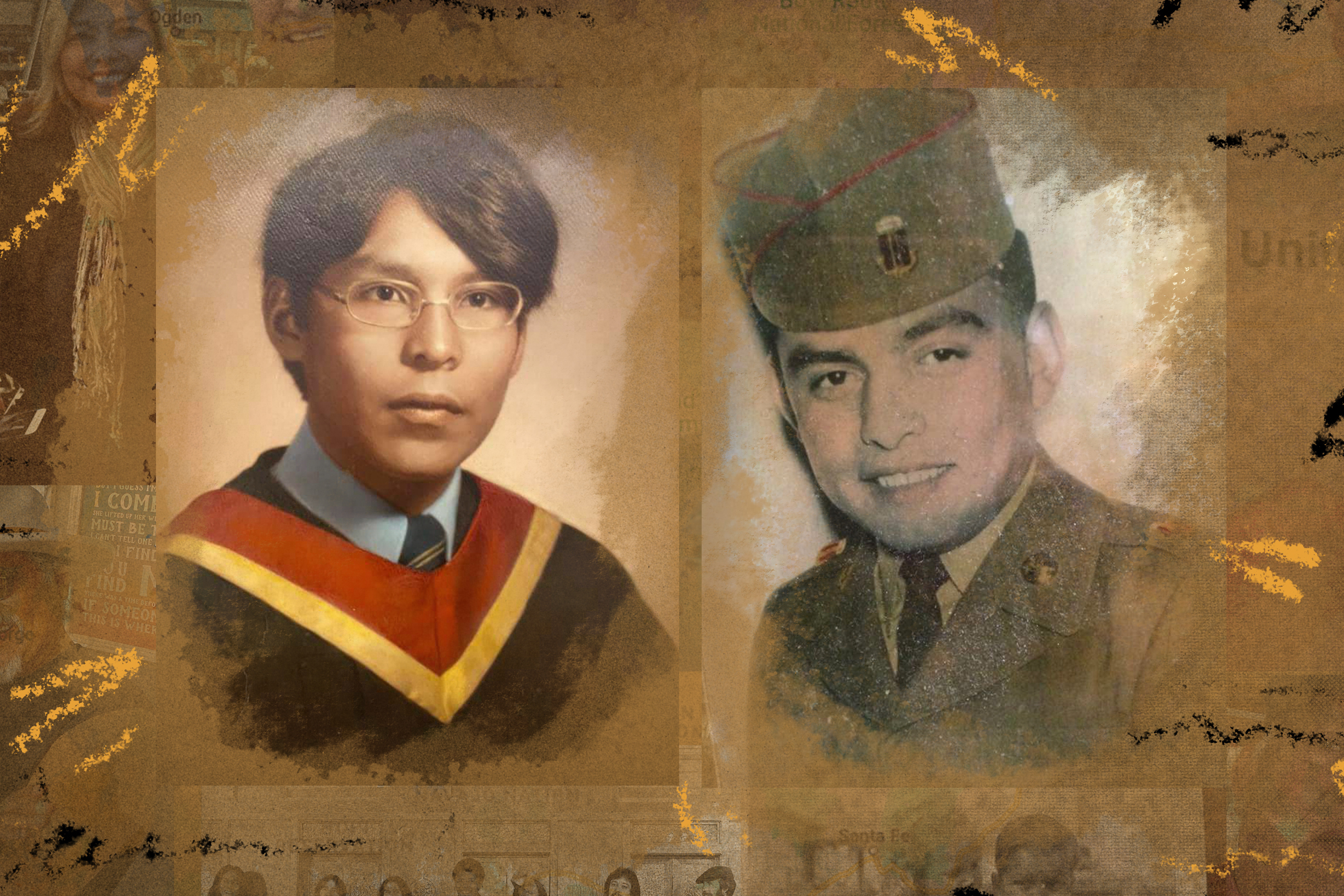
When my dad finally found his biological father in 2018, he wasn’t a tribal student from the University of Utah. His name was Phil Martinez and he didn’t even know he was Native American.
Now, at the dinner table, we tell the story of how two families with parallel lives found each other six decades later. And with that reunion came new questions on what shapes identity, and how generations of displacement of American Indians affects that identity.
Listen to this episode of Code Switch:
Copyright 2022 NPR. To see more, visit https://www.npr.org.
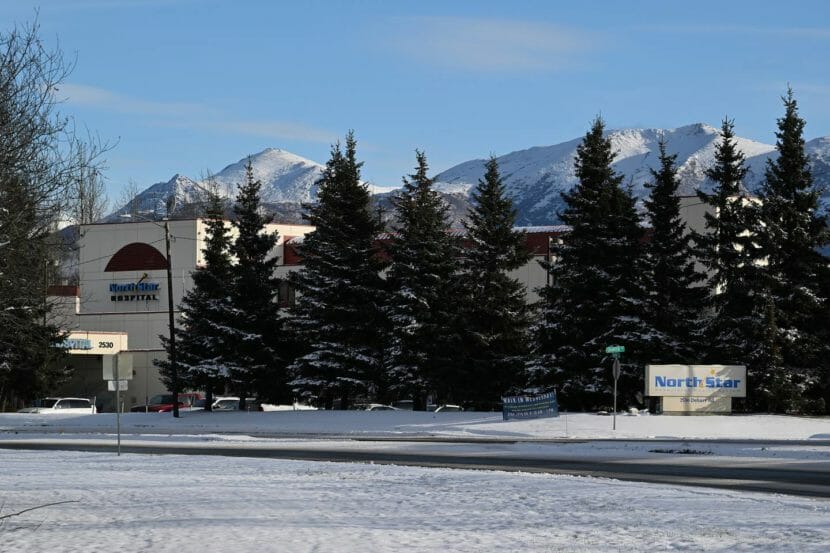
North Star Hospital on Thursday, Nov. 3, 2022. (Photo by Bill Roth/ADN)
Nick Petito saw a lot in the six months he worked at North Star hospital in Anchorage.
Petito wasn’t a therapist. He wasn’t a social worker. He was the maintenance manager, charged with fixing what was physically broken at Alaska’s only psychiatric hospital for children.
It was a job that put him in all parts of North Star’s campus in East Anchorage, sometimes working 10-hour days fixing holes in drywall, resetting pulled fire alarms and rekeying doors.
As the days stretched into months, Petito said, “I watched it rapidly turn to absolute chaos.”
“It got to the point where we were having multiple riots every week,” he said of escalating destruction during his time at the hospital. “And I mean riots, all out. We did the maintenance: They would rip the walls apart and then tear apart the rooms.”
Petito is one of several former employees who describe long-standing issues at North Star that seemed to worsen in recent months, as understaffing and decisions by management pushed the hospital to the brink of disaster.
Public records illustrate the rising chaos: In the six months Petito worked at North Star, from April to September 2022, Anchorage police were called to the hospital campus 71 different times, responding to reports that included assaults and escapes. During the same period the year earlier, police were called only about half that often, 34 times in total.
Three different layers of regulators — federal, state and the organization that accredits hospitals for quality and safety — have all warned North Star of unacceptable conditions this year. Most recently, in early November, the powerful Joint Commission handed down a “preliminary denial of accreditation” to the hospital, pointing to an unnamed “condition which … poses a threat to patients.” Hospitals that lose such accreditation face serious repercussions, including eventually not being able to accept Medicare and Medicaid. Hospitals can appeal. North Star is working to resolve the issues, said North Star’s CEO Anne Marie Lynch in an email.
Three former employees — a psychiatric aide who worked directly with patients, a therapist, and Petito, the former maintenance manager — were willing to speak with the Daily News about their experiences working at North Star. Two other former employees corroborated details but were not willing to be identified publicly by name because they were worried about professional repercussions.
All of them said the same thing: The hospital failed to hire, train and retain staff to safely manage a volatile group of patients. One worker said Anchorage School District teachers who were supposed to deliver lessons to patients refused to enter the hospital because of dangerous conditions. Another said faulty fire alarm protocols combined with understaffing led to regular escapes by at-risk kids.
North Star disputed some, but not all, of the assertions of the former employees, saying patient privacy rules bar them from discussing specific cases and patients. The hospital is staffed “to regulations as well as for safety needs” and is actively recruiting new workers, wrote Lynch. The idea that there are multiple riots every week is “simply false,” Lynch wrote in response to the former employee’s assertions.
Lynch also shared a statement taken almost word-for-word from marketing materials on an “About North Star Behavioral Health” page on the company’s website.
North Star Hospital after a recent snowfall in Anchorage on Wednesday, Oct. 26, 2022. (Photo by Bill Roth/ADN)
“Our dedication is demonstrated every day as we help young people and families deal with difficult problems,” the statement read. “Our commitment shows in the professional guidance, counseling and support for children, and caring responsiveness that we offer to parents and families.”
Lynch also pointed to patient satisfaction data published by North Star that shows patients agreed with statements such as “I knew my treatment plan goals,” “I understand the importance of following my discharge plan” and “I feel better now than when I was admitted.”
North Star’s patients — some as young as 4 years old — are among the most vulnerable children in Alaska, sent to live in a locked facility away from family, with the promise that hospitalization will relieve acute psychiatric and behavioral problems.
Trouble with regulators
Three regulators — the federal Centers for Medicare and Medicaid, the state Alaska Division of Behavioral Health, and the nonprofit safety and quality accrediting organization The Joint Commission have all documented urgent problems at North Star this year.
First, during inspections in April and June, federal investigators with the Centers for Medicare and Medicaid Services documented problems at the hospital, including “immediate jeopardy” situations at the time that put the health and safety of patients at risk. Hospitals that don’t fix such problems risk losing the ability to bill federal insurance. The hospital resolved the issues and was no longer under a “plan of correction” from the agency by September, Lynch said.
The Alaska State Division of Behavioral Health, too, found trouble during an on-site review of the hospital system’s program for adolescent girls in August. Clinicians at the hospital told state regulators understaffing “was an area of ethical and professional concern” for them. The state reviewers also uncovered incomplete and conflicting medical notes for patients that contradicted themselves, suggesting that crucial 15-minute safety checks weren’t being done.
The state reviewers implored North Star to “hire additional staff to ensure services are being rendered safely and with quality of care.” It would be “of the utmost importance” for the hospital to hire, train and retain more workers, the state regulator wrote.
The hospital is cooperating with the state and is implementing a “plan of correction,” said Lynch.
Then, on Nov. 2, the Joint Commission handed down a “preliminary denial of accreditation” to North Star, a serious consequence. North Star had previously earned accreditation in every survey for at least the past seven years, according to Joint Commission data.
The Joint Commission cited conditions that posed a “threat to patients” and named 11 different areas where inspectors found “performance issues” at North Star. Among them: “the patient has the right to be free from neglect; exploitation; and verbal, mental, physical, and sexual abuse” and “the hospital provides care, treatment, services, and an environment that pose no risk of an ‘Immediate Threat to Health or Safety.’”
Lynch, the CEO, said the hospital was providing “full cooperation during all compliance surveys by regulatory entities.”
“When an opportunity for improvement in facility operations is identified, we promptly implement appropriate plans to address,” she wrote.
The only game in town
North Star is owned by Universal Health Services, a publicly traded, for-profit corporation that owns 335 inpatient behavioral health facilities globally. Universal Health Services reported annual revenues of about $11 billion in 2020. The public funds much of the treatment kids are supposed to get at North Star: Over the past five years, the State of Alaska paid $122 million in Denali KidCare reimbursements to North Star, according to data provided by the Alaska Department of Health.
North Star has been around since the early 1980s, when it was called Charter North and served adults as well as children. Around 2000, the State of Alaska considered buying the DeBarr Road building and relocating the Alaska Psychiatric Institute there, but the plan fell through. Universal Health Services purchased the hospital in a deal that was finalized in 2003. When the hospital expanded with a new, 60-bed facility in 2006, it was seen as an opportunity to bring kids sent Outside for psychiatric treatment home, the Daily News reported at the time.
Even then, advocates questioned the way North Star operated.
“Advocates also have raised concerns about staffing, medication and restraint practices at North Star’s existing treatment centers and psychiatric hospital,” the Daily News reported in 2006.
At the time, the hospital was the only place children under the age of 13 could be hospitalized for psychiatric conditions in the state. Twenty years later, that’s still true.
Kids find many paths to North Star, but a typical one is a child who has a combination of a mood disorder such as depression and a behavioral disorder and does something alarming — such as threatening suicide or to hurt someone else, said Dr. Curt Wengel, a child psychiatrist in private practice in Anchorage and the medical director of Alaska Behavioral Health, an Anchorage nonprofit that used to be called Anchorage Community Mental Health Services.
Family — or legal guardians if the child is in foster care — might take the child to an emergency room where an assessment would be done to determine whether they should be hospitalized or not, Wengel said.
If a child’s parents are so worried about safety that they are staying awake in shifts, that probably calls for a hospitalization, Wengel said.
The idea is to use time in a hospital to de-escalate the situation to “not an emergency,” he said. But that treatment doesn’t necessarily solve the deeper, long-term problems. In some situations, that work would be done through outpatient therapy, where a child would meet with a clinician once a week or more. In other parts of the United States, children spend relatively brief stays in psychiatric hospitals — maybe a week to 10 days at most, Wengel said. Not at North Star.
“When I first came here to Alaska, and they said the average length of stay at North Star was right around 30 days, my jaw hit the floor,” Wengel said.
Part of the justification: Alaska historically has only been able to offer children extremes — a full-on locked psychiatric ward or a therapist that might see a kid once or twice a month, Wengel said. And there are lots of kids who don’t need the full hospitalization but need more than the occasional hour with a clinician.
“There is limited availability and sometimes no infrastructure below inpatient and above outpatient,” Wengel said. In an effort to begin filling that gap, his organization recently launched a “partial hospitalization” program for kids and adolescents, where kids spend 9 a.m.-3 p.m. in a therapeutic environment but go home to their families at night.
That lack of options for kids to leave the hospital but still get support frequently is used as a justification to keep them hospitalized for months. Psychiatric medicine is a risk-averse business, Wengel said: Hospitals are reluctant to discharge a child if there’s still considerable risk.
“In medical practice, it’s common for someone to say if the level of care that’s required doesn’t exist, then the next higher level of care is the most appropriate level,” he said.
Lynch, the CEO of North Star, agreed.
“If the patient no longer meets the criteria for our program they may stay longer than necessary due to lack of access to other programming within our system or in the Alaskan behavioral healthcare system,” she wrote.
When kids do leave, unless they are ready for the outpatient therapist-appointment scenario, “residential treatment” — also long term, usually a minimum of six months — is the usual recommendation, Wengel said.
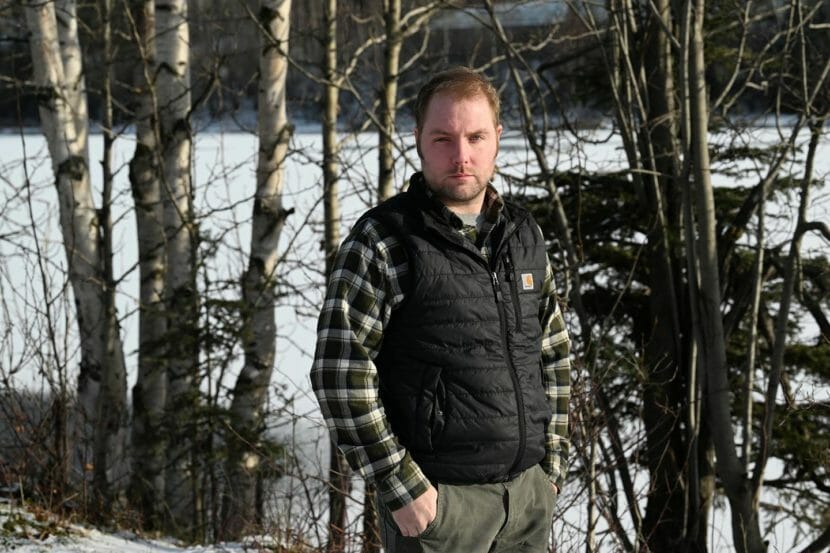
Former North Star Hospital maintenance manager Nick Petito photographed on Thursday, Oct. 27, 2022. (Photo by Bill Roth/ADN)
Nick Petito was hired as North Star’s maintenance manager in April 2022. The job entailed repairs around the hospital’s three buildings, two on DeBarr Road and one in Palmer. When things got out of control, he and his crew were called in to clean up the mess.
Part of Petito’s job was to make keys for new employees. He said the sky-high employee turnover rate, especially for lower-level workers, could be measured in new keys: He’d make 10 or 15 new sets of keys and within a few shifts get 8 or 10 back — the new employees had quit, he said.
“People would work for two days and be like, ‘Nope, I’m not doing that,’” he said.
Lynch, the North Star CEO, says that’s not true and that Petito wasn’t in charge of key cards.
“We dispute the statement, as it is inaccurate,” she wrote. Petito maintains key cards were part of his job.
Petito said there was a bright spot: Sometimes he’d be sent to North Star’s Palmer facility on Clark-Wolverine Road. The facility had a completely different feel from the Anchorage campuses, which are larger.
“An amazing setup,” Petito said. “I mean, it’s impressive. (The manager) has those kids out playing all day. They’re doing yoga. They’re doing art. I’ve gone out and they’re all playing instruments.”
It struck Petito as markedly different from North Star, where he says patients on the units where he worked seemed to have little structure to their days, and nowhere to go.
“I’ve worked 10-hour days where you’re just watching the kids pace up and down the hallway,” Petito said. “That’s all they do. They just pace up and down the hallway.”
Petito felt that the lack of structure was directly feeding the destructive outbursts he would end up repairing. Once, he said, patients completely ripped a door “clean out of its frame.”
“With the kids sitting inside all day — kids stew. They get bored,” he said.
In the state’s review of the girls’ adolescent program, a parent reported a similar concern about boredom: “They used to play games, puzzles and crochet,” the parent said. “They only watch TV every day and watch the same movie.”
Petito also became concerned about the way fire drills were handled. Because of high turnover, workers weren’t getting trained on the proper way to manage a fire alarm in the hospital, he said.
And so, repeatedly, he said, patients would figure out a vulnerability in the system that unlocked the doors whenever an alarm was pulled. That led to multiple instances in which kids — in theory, hospitalized because they were a danger to themselves or others — would escape to the streets of Anchorage, he said.
“They were all directly on the fire drills,” he said.
Lynch, the North Star CEO, said the facility has “made modifications to our fire pulls.”
‘Obviously you get to start feeling depressed’
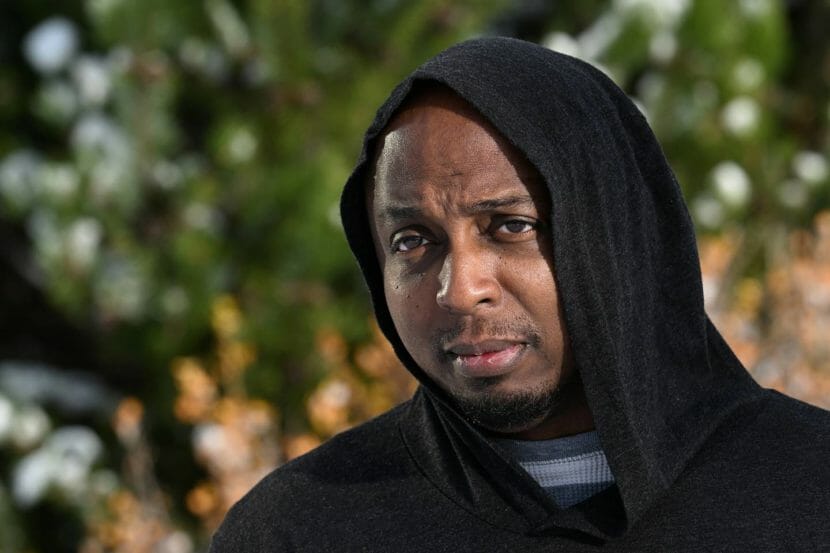
Anthony Irvin is a former employees at North Star Hospital. Photographed on Wednesday, Oct. 26, 2022. (Photo by Bill Roth/ADN)
Anthony Irvin was one of those employees that Petito came across whose keycard didn’t get much use at the hospital: He only worked there about six weeks.
Irvin, who says he’s also studying for a master’s degree in social work, was hired as a “Mental Health Specialist II” in mid-August.
Mental health specialists are charged with doing much of the hands-on, nonmedical care for patients — things like making sure patients got up, brushed their teeth, and got breakfast. Entry level mental health specialists were paid about $16 an hour to start, with a bonus of up to $10,000 if they stay on for two years, another former worker in the role said.
Irvin was placed in a unit housing adolescent girls. The girls were on “unit restriction” — meaning they weren’t allowed to even take the elevator down to the cafeteria to eat, with trays of food delivered instead. Irvin says he asked managers why the girls couldn’t leave the unit.
“But I knew what the answer was: There’s really no staff to watch them,” he said.
North Star didn’t respond directly to Irvin’s assertion, but said its rules are for safety.
“To ensure patient and staff safety, we rigorously and continuously review and update protocols,” Lynch, the CEO, wrote.
To him, the unit restriction seemed to be making the moods and behavior of the girls worse.
“If you’re just stuck on one hallway, at one level, obviously you start feeling depressed,” Irvin said.
The Alaska Division of Behavioral Health’s August review of the hospital found some of the same issues.
Soon after Irvin started, four of his coworkers quit. That left him doing a job meant for five people, and it wasn’t enough, Irvin said. The bare-bones staffing meant that kids, who were supposed to get instruction from Anchorage School District teachers who come into the hospital to deliver lessons, at times didn’t receive it, according to Irvin.
The school district says it served 350 students at North Star during the 2021-2022 school year, from preschool to 12th grade, according to the district. The district has a “memorandum of agreement” with the hospital but no financial contract.
The memorandum requires North Star to supply at least one “designated behavioral health associate” to stay in the classroom while a teacher is instructing. “Such associates will be provided at sufficient adult to student ratio to ensure the safety of all students and ASD personnel,” the agreement says.
Some days there were so few staff on hand that teachers wouldn’t come for safety reasons, according to Irvin. It happened once a week or so, he said.
“If there’s not enough support and help there, they (ASD teachers) don’t come,” he said. “That’s going to be an indicator right there (of inadequate staffing).”
The Anchorage School District did not answer a question about whether teachers would not enter North Star due to safety concerns. “Our main focus is the safety of staff and students,” district spokesperson Lisa Miller said.
The lack of workers also led to escapes because there were simply not enough people to supervise kids, Irvin said.
A few weeks into his employment, Irvin says he was moving some laundry when a girl rushed by him, letting a group into an area that was off-limits. He said he didn’t want to put hands on the patient, who was being aggressive, so he walked away.
Irvin said he was later fired because of how he handled the incident.
Admissions
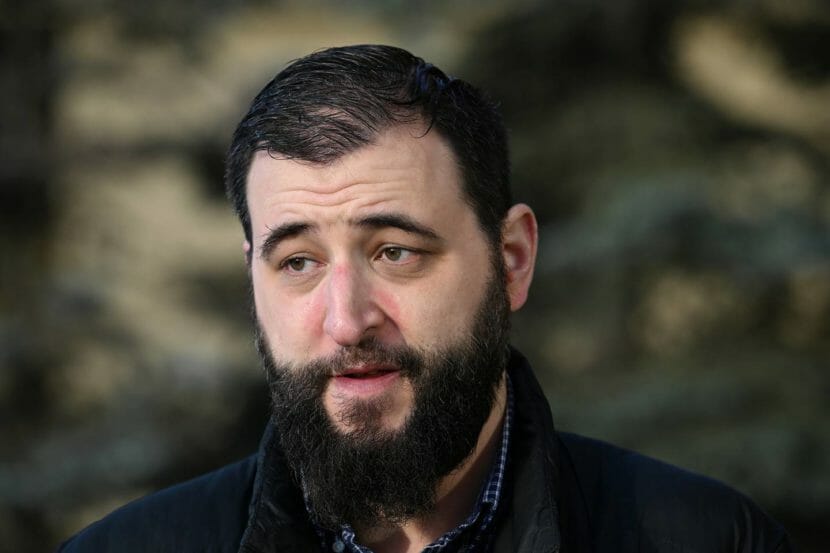
Former North Star Hospital counselor Jason Fedeli on Thursday, Oct. 27, 2022. (Photo by Bill Roth/ADN)
Jason Fedeli worked as an intake coordinator at North Star starting in 2016, and later as a counselor. He left North Star in 2020 and is now in private practice in Anchorage.
As an intake coordinator, he was responsible for interviewing potential patients to see if they met the requirements to be admitted to the hospital. At times, it seemed to come down to what kind of insurance they had, he said: Accepting patients on private insurance meant the hospital could expect reimbursements of up to three times more, per night, than the hospital would receive to fill beds with kids on public Denali KidCare insurance.
For Denali KidCare, those nightly reimbursement rates hovered somewhere around $900, and private insurers would pay closer to $2,500-$2,800 range.
Sometimes, Fedeli said, that meant kids who really did need a bed didn’t get one.
“There was one kid … from the villages who actually tried (violently attempting suicide) and had been in the emergency room for several weeks,” Fedeli said. “(Intake) got another young man, who had double private insurance, got called back to his administrator’s office and (the administrator) said well, we need to bring in the kid with double private insurance.”
In some circumstances, based on how many beds were filled, admissions seemed to go the other direction, he said, offered to kids who arguably didn’t require full hospitalization and shouldn’t have been there.
Particularly when kids were in state Office of Children’s Services custody: “A lot of times, (OCS) had no other place,” Fedeli said.
North Star said its admissions are strictly based on medical judgment.
“All patients are assessed by clinical professionals and admitted by the psychiatrist,” Lynch wrote. “If the patient does not meet medical necessity for the level of care, they are referred to the appropriate level of care,” Lynch wrote.
Understaffing was a chronic problem, Fedeli said, even in the pre-pandemic years he worked at the hospital. Some kids were supposed to be on “one-to-one,” meaning they were supervised constantly by a staff member but that didn’t always happen, he said. Once, when staff members were distracted watching a basketball game on TV, a patient who was supposed to be on one-to-one broke open a battery and ingested some of the contents, causing internal chemical burns, Fedeli said.
Lost in the conversation about the hospital’s problems, Fedeli said, is that North Star does have dedicated, longtime staff members.
“They really love those kids. They try to stand up to the administration. They spend their own money (on things for patients), they really try to help these kids.”
And some children do find the help they need at North Star, and leave better for their time hospitalized. “This is not because of the administration, but because of the staff and some doctors there that also really care,” he said.
Still, when in his practice, Fedeli sees kids who spent time in North Star, many say the same thing: “They’re pretty adamant about the fact that it was probably one of the worst things they could have done,” he said. “More harm than good.”


9(MDEwMjQ0ODM1MDEzNDk4MTEzNjU3NTRhYg004))

9(MDEwMjQ0ODM1MDEzNDk4MTEzNjU3NTRhYg004))
9(MDEwMjQ0ODM1MDEzNDk4MTEzNjU3NTRhYg004))